Moza House
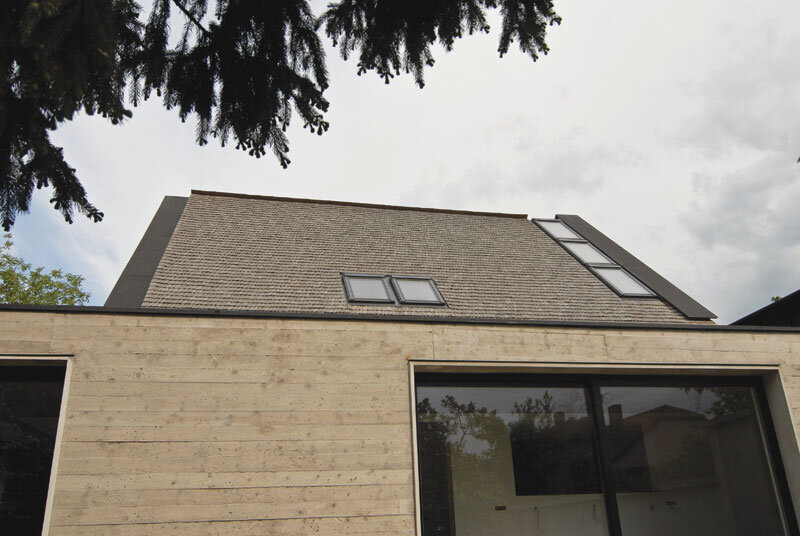
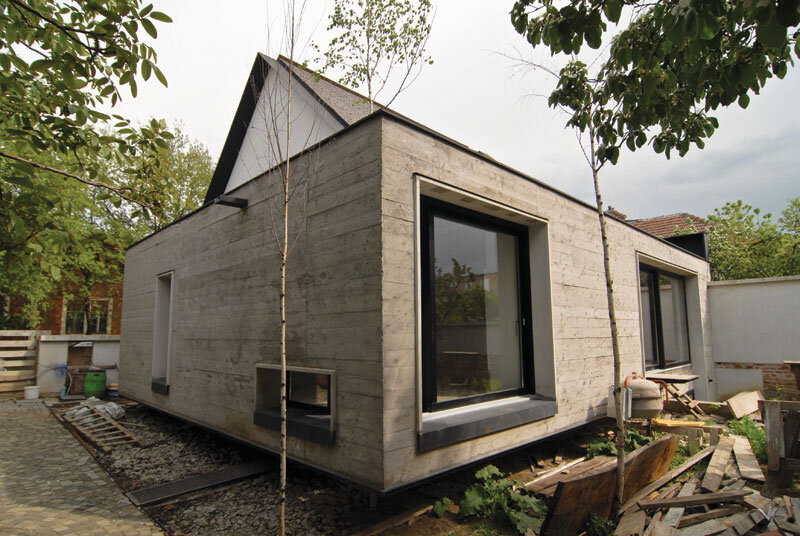
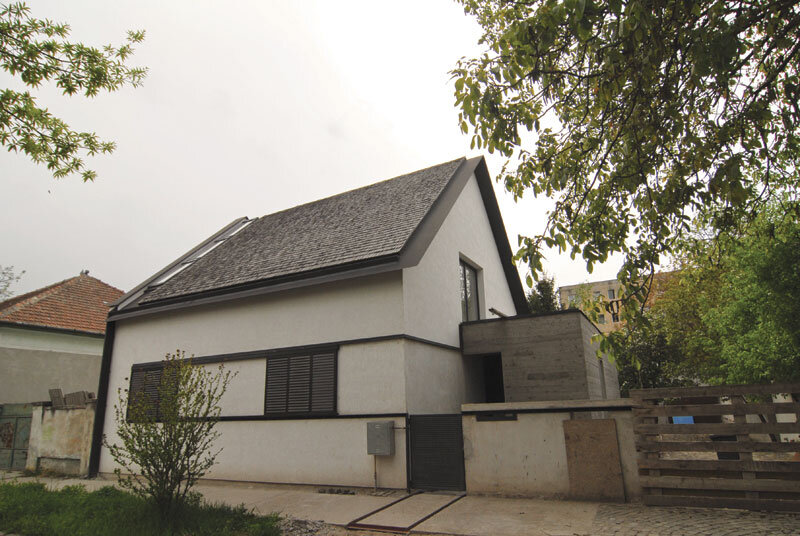
Casa Moza is, first of all, an exercise of sincerity of the architect towards the place found, proposing an architecture that seeks the memory of the place and respects the neighborhood through a modest volumetry, which will mix contemporary details with materials and technologies almost forgotten in our country.
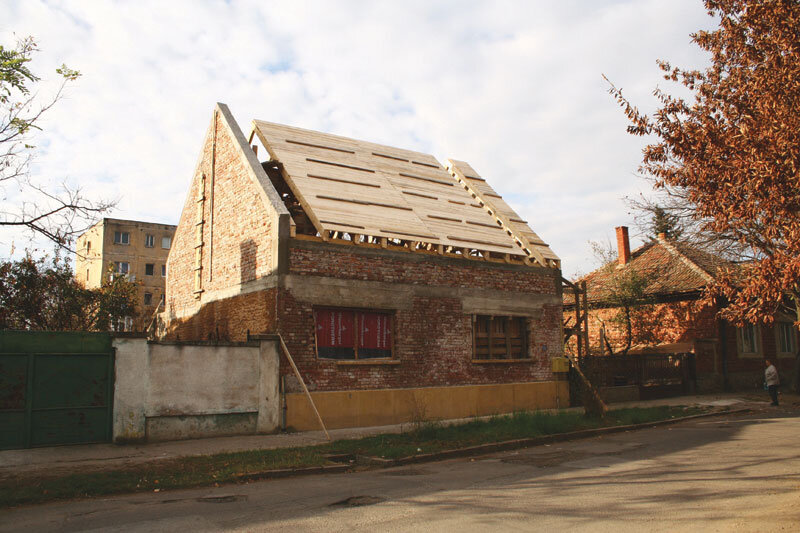
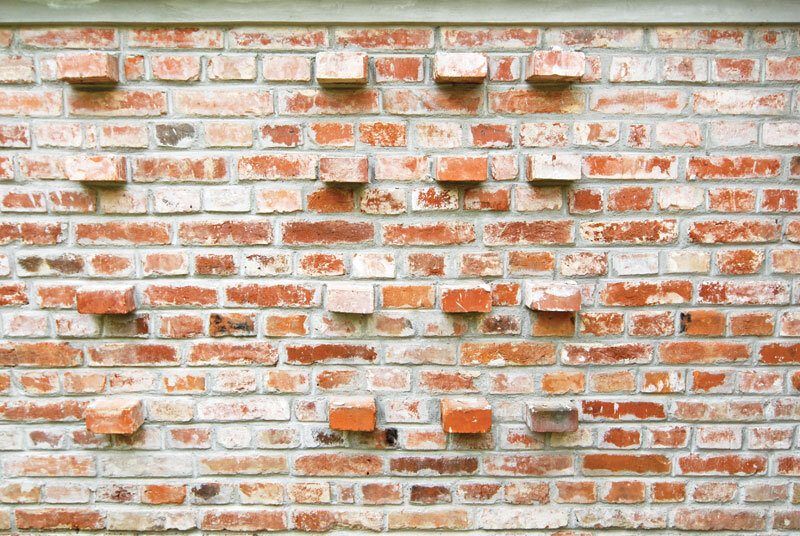
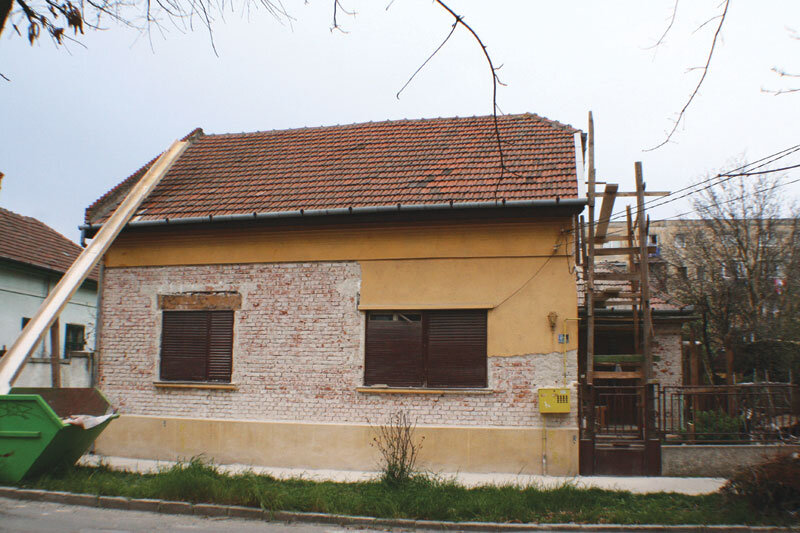
The project begins in 2008, with the request of the beneficiary to visit a site in Timisoara, where there was a house abandoned for many years, in a modest neighborhood typical for Banat, where the alignment of the main facade to the street through two rooms, one for guests and the other for keeping the dowry, were permanently blocked by wooden rolls. The proposal aroused my interest and I accepted the design theme of a house for a young family. Large, cool rooms, with the smell of mothballs, icons, family photos taken on the seaside in the 1960s, a makeshift kitchen in the hallway, next to a pantry from which, as if you could still smell the smell of smoke, simple volumetry, double-winged roof, rigid and non-functional floor plan in relation to the beneficiary's requirements, degraded finishes and, last but not least, dislocations in the old masonry, made of Jimbolia brick. All this completed the picture of our first visit to the site and led us to such a simple solution: demolish the existing house and propose a contemporary architecture that would be epitomizing.
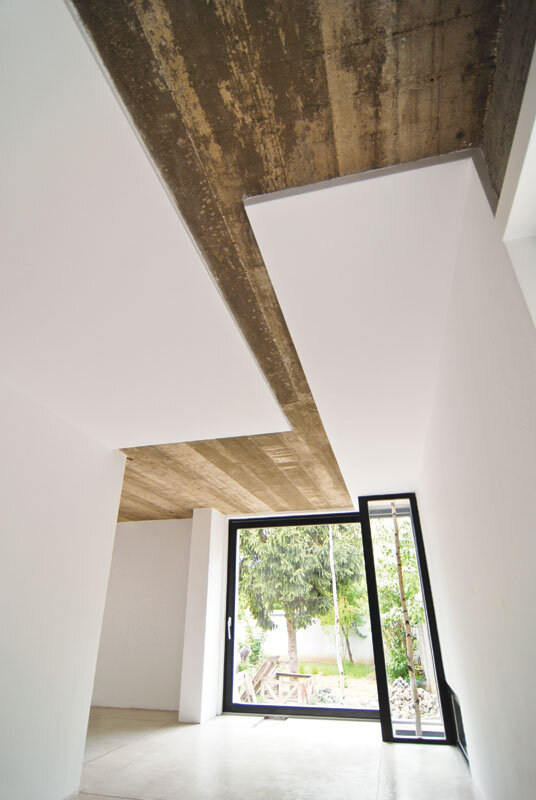
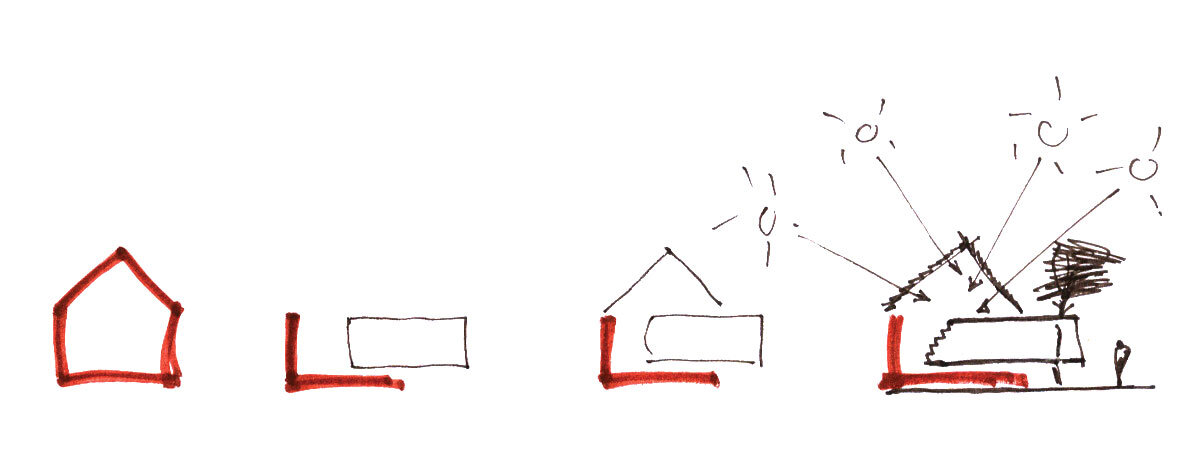
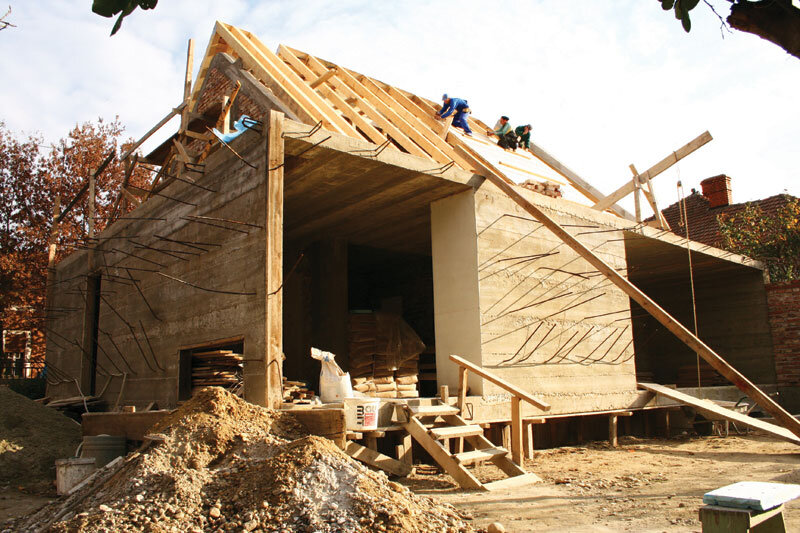
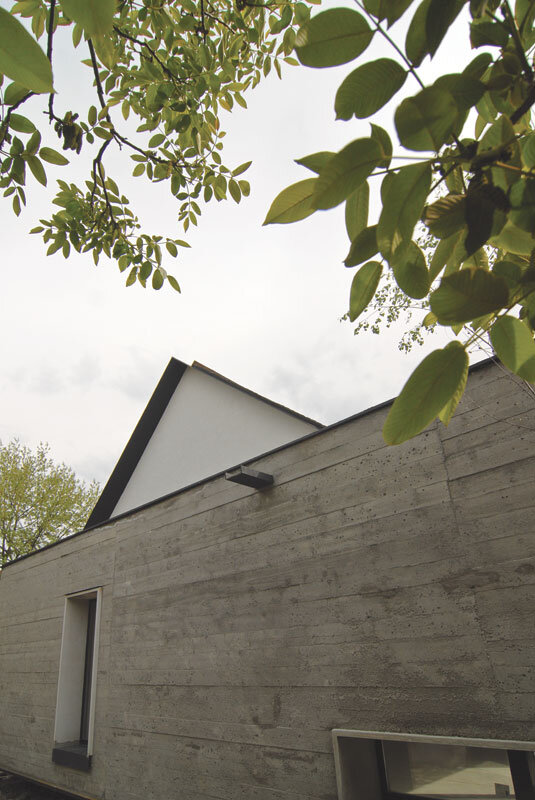
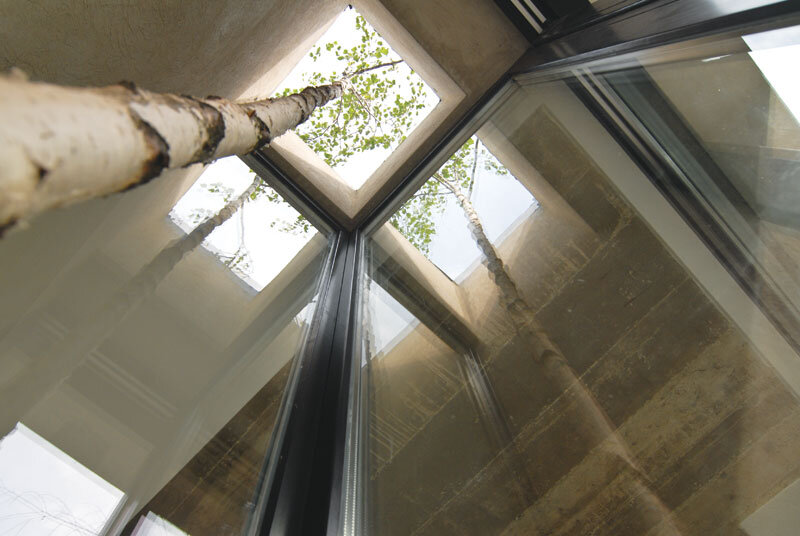
The structural evaluation of the existing building determined us to approach the project in terms of the transformation through reconstruction of a simple volumetry, discreetly subordinating the proposed extension, which is afraid of stepping on the courtyard, using a cantilever supporting the weight of concrete walls left apparent after the stripping. The extension of the house proposes a reminiscence of the porch as a transitional space between inside and outside, in which the large windows sliding in the plane of the facade let the courtyard enter the house and wrap around the birch tree that articulates the two facades.
The proposed floor plan is a simple one, in which, with the theme of "living in the house", we aimed to obtain the minimum necessary with the right size, so that the occupant can identify, in each proposed space, his own place with specific furnishings for certain functions: the place to rest, the place to sit and talk, the place for cooking and eating, the place to read and the place to sleep.
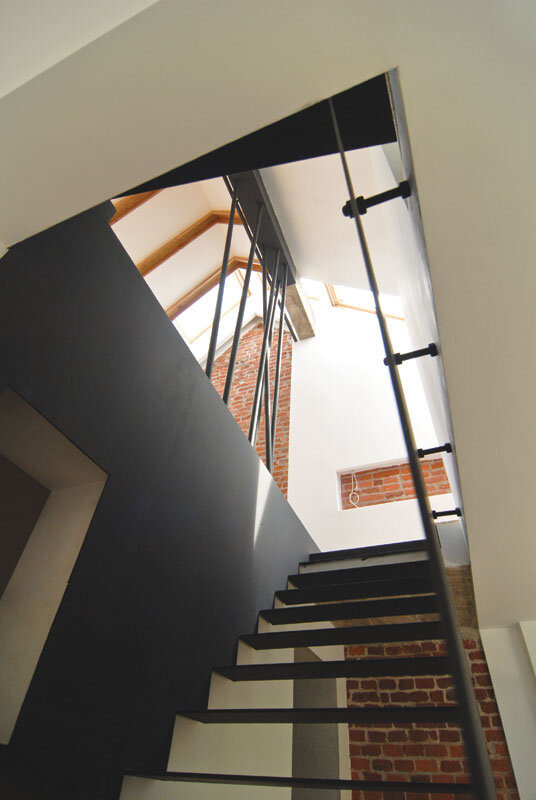
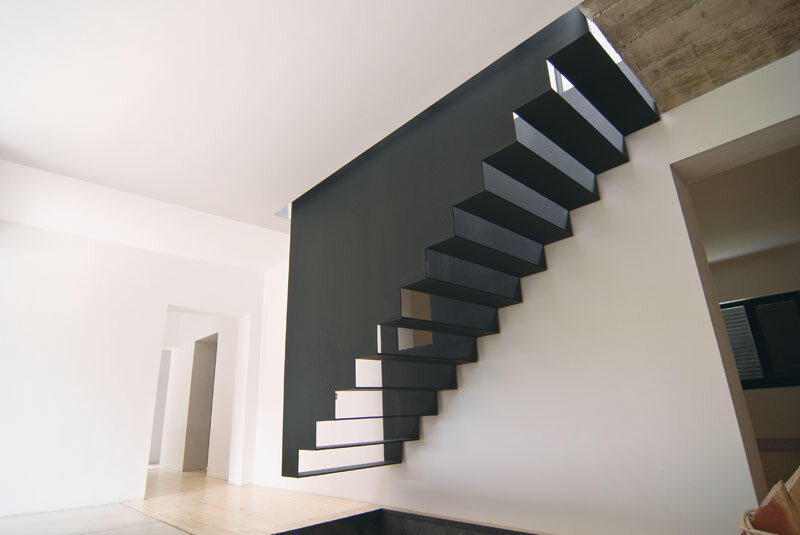
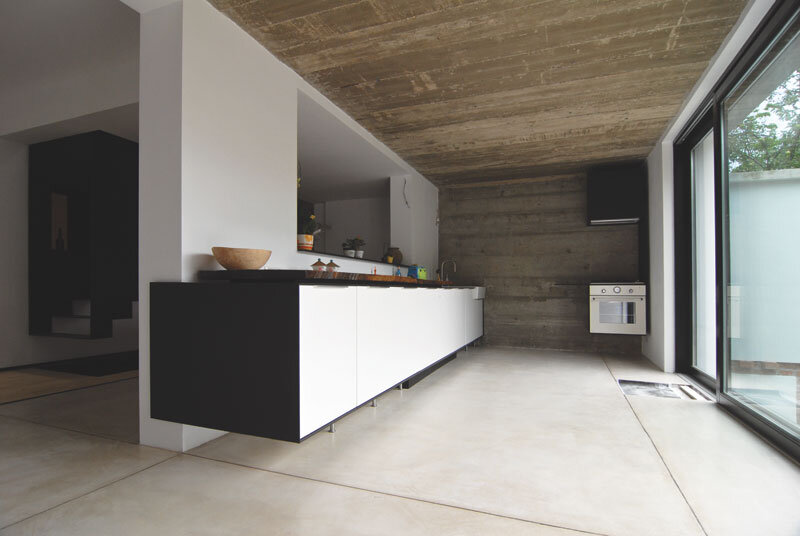
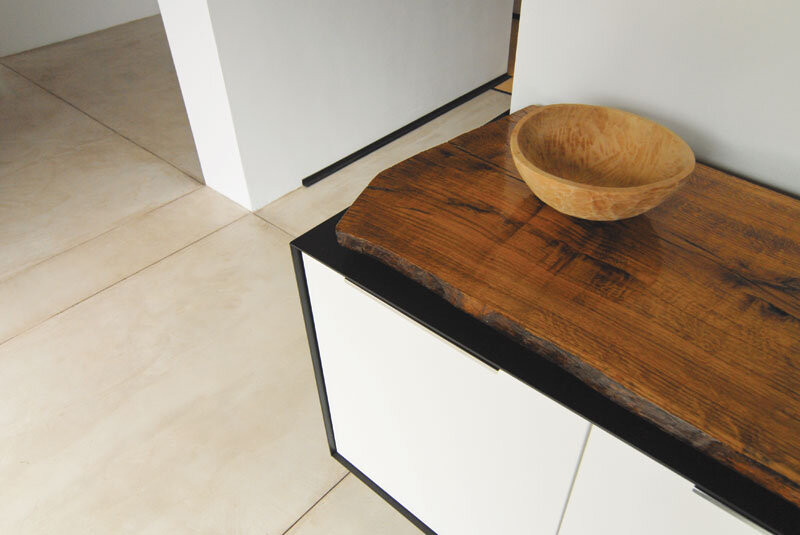
The interior staircase, made of 10 mm black sheet metal, stands out in the ground floor space as a sculptural object, which wants to detach itself from the walking surface, inviting us to take a step up to the attic. The furnishing of the rooms in the house proposes the same sculptural approach to domestic objects, where the stove hangs from a reinforced concrete wall, the oak worktop floats above the kitchen units bought on offer from Ikea, the ceiling lights are set in the floor, which is cast in imitation stone, and the sanitary units hidden behind sand-blasted glass banish any inhibitions the owner may have.
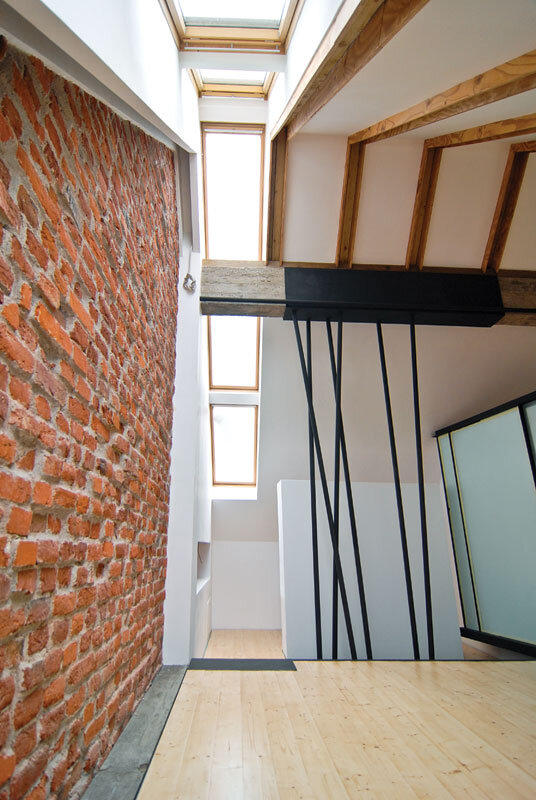
The light gives us the attic's theme. Light has been used as a tool in shaping the interior space, by placing windows in the plane of the envelope, seeking a connection between a reconstructed old brick cavity wall and the austerity of an attic space. The details of the structural elements try to give plasticity to an attic loft, where the reinforced concrete beam that holds the roof becomes a decorative element together with the six metal pillars and the sleeve that tries to hide the grip between the concrete and the black sheet metal.
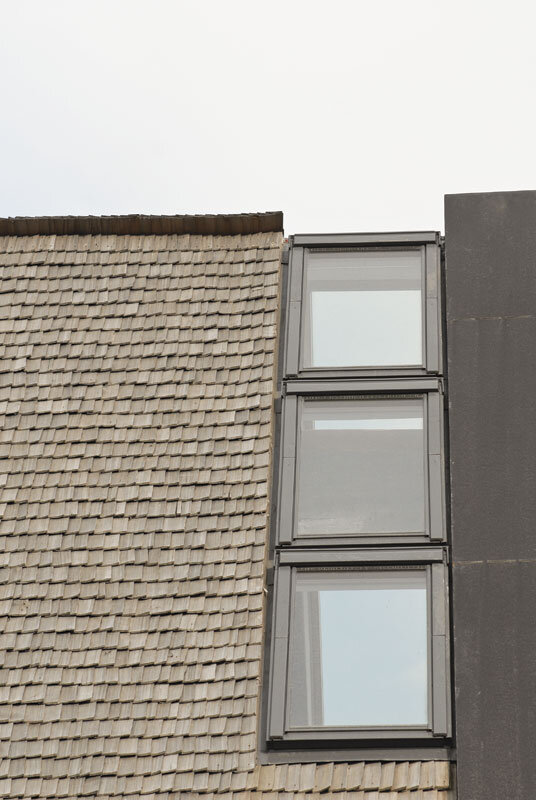
The Moza House is an exercise in the architect's honesty with the material used, offering joy in working with concrete, metal and wood. A joy conveyed to the beneficiary and the builder, who looked with apprehension at the first thoughts and sketches made on a paper napkin, in which the story of the joints between the shingle and the metal cornice crossed the barrier of the norms offered by the construction market.
The whole process of the realization of the Moza House convinces us of the work and time put into the project, through the attitude of the beneficiary, who understood that he was part of a permanent transformation of a place, carrying on something of the memories of the place.
Authors: arh. Bogdan Demetrescu, arh. Alina Negru, arh. Andreea SiminiciCollaborators: Dan Crâsnic, Maja SpotanskaStructure: eng. Lannert CristianBuilder: eng. Marcel LupuProject: Moza House, extension and attic in the existing attic of the house B+B+MDesign: 2009Construction: 2010/2011 - finalizationOffice: SC D PROIECT SRLArea: Sd = 277 sq.m + 26 sq.m (garage)Initial area: Sc = 116 sq.m