Moldova / Consolidation, restoration and conservation works - Wooden church dedicated to "St. Pantelimon" in Dobrovăț
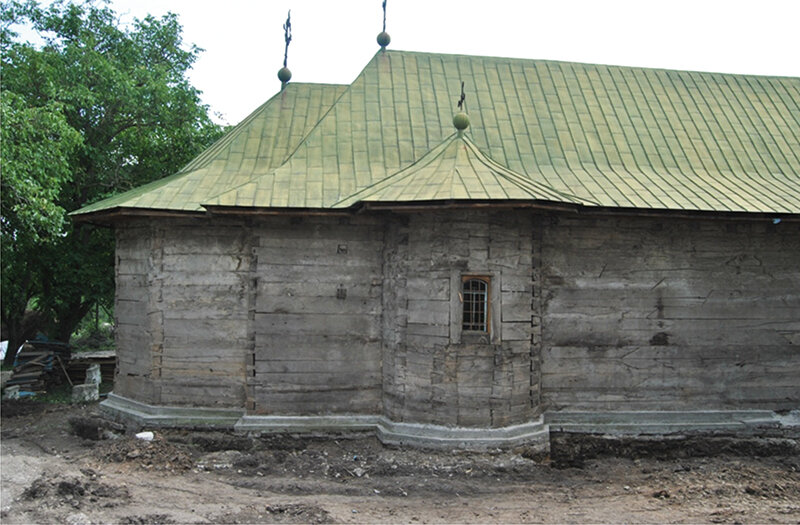
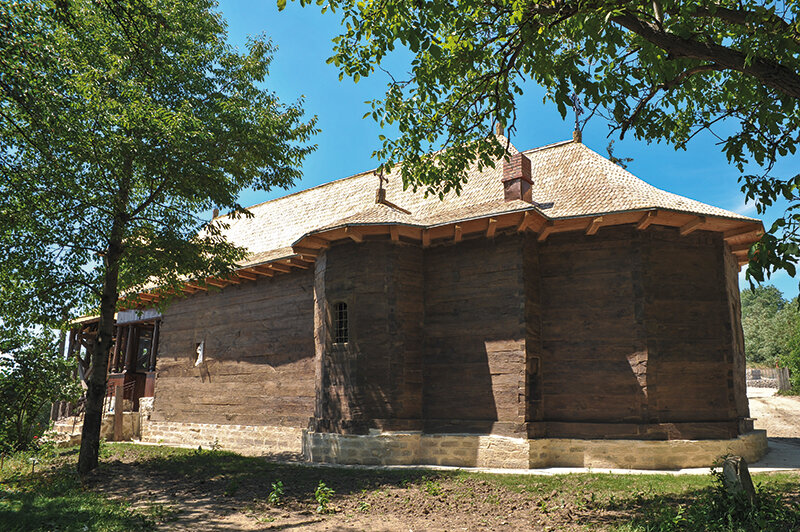
The wooden church was built in 1789 in the village of Dobrovăț-Moldoveni, about 25 km south of Iasi.
Another hypothesis would be the year 1825, being founded by the monk Pahomie, which is why a part of the village, near Dobrovăț-Moldoveni Dobrovăț, bears the name of Pahomia.
The church is located in the old cemetery of the village. It is said to have been built by the villagers of Dobrovăț who wanted to hear religious services in Romanian, because the Dobrovăț Monastery, founded by the voivode Stephen the Great in the nearby village of Dobrovăț-Ruși, had been dedicated by the ruler Vasile Lupu (1634-1653) to the Zografu Monastery on Mount Athos, and the monks held services only in Greek.
Since the abbot of Dobrovăț Monastery did not give his permission to build the church in the village on the monastery's domain, the villagers of Dobrovăț-Moldoveni went to Fâstâci Monastery, where they received a permission from the abbot to cut down some oak trees to build a church in the village. They carved the wooden beams right in the forest, then polished, numbered and transported them, in ox-drawn carts, to a clearing in the village of Dobrovăț-Moldoveni. Arrived there, the villagers made the stone foundation of the church and joined the wooden beams, thus building the present church. The place of worship remained unfinished for almost 10 years because the monks from Dobrovăț Monastery refused to serve here.
Until 1864 there was a village cemetery around the church, after which a new cemetery was built. Near the altar of the church there are several old gravestones inscribed in Cyrillic letters and decorated with the Sun and Moon motif.
Restoration work was carried out between 1948-1956, covering the following aspects:
The stone foundation was underpinned and deepened in 1950;
the vault of the church was completely renewed and the catapetas was repainted in 1952;
the exterior walls of the church were lined with yellow-painted planks, the interior walls were plastered and a wooden floor was laid;
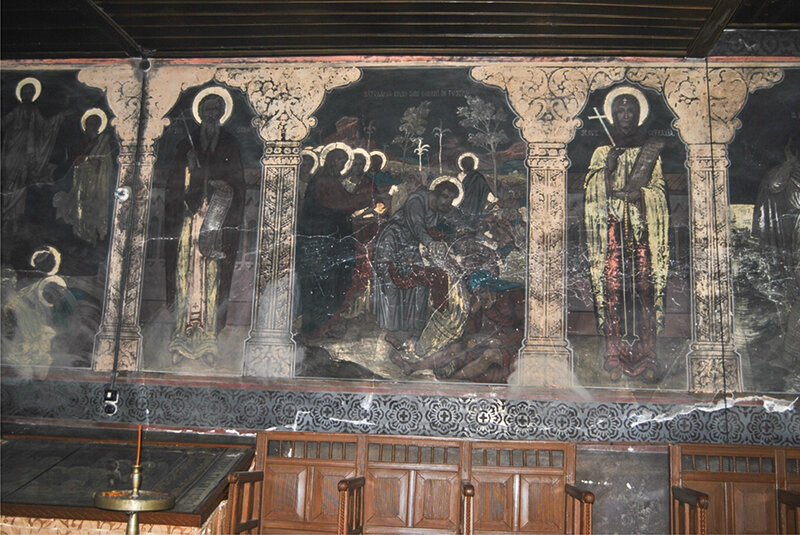
the interior walls of the church were painted in neo-Byzantine style in 1953 by the painter Constantin Nițulescu from Bucharest, during the pastorate of the parish priest Nicolae Isailă.
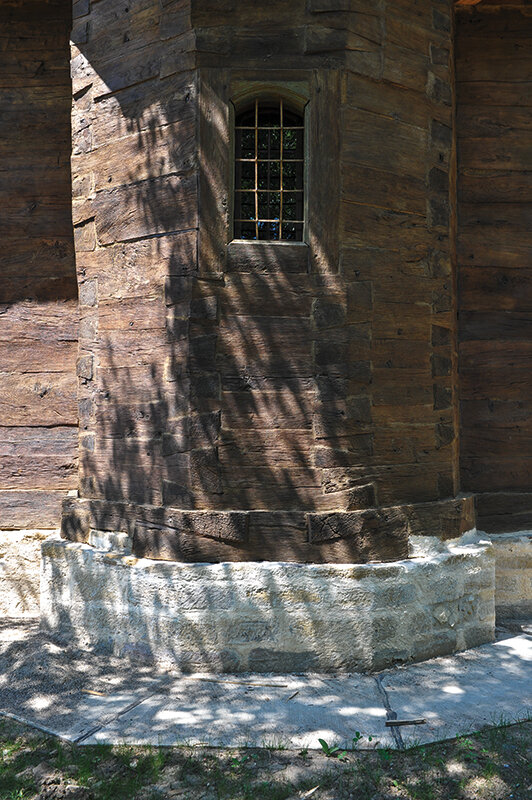
The church is trefoiled in plan, 22.2m long and 6.5m wide. The apse of the altar is 3.3 m deep, about 0.75 m narrower than the rest of the nave, and the porch, originally open, is 4.3 m long. The semicircular side apses increase the width of the church by 1.4 m on each side.
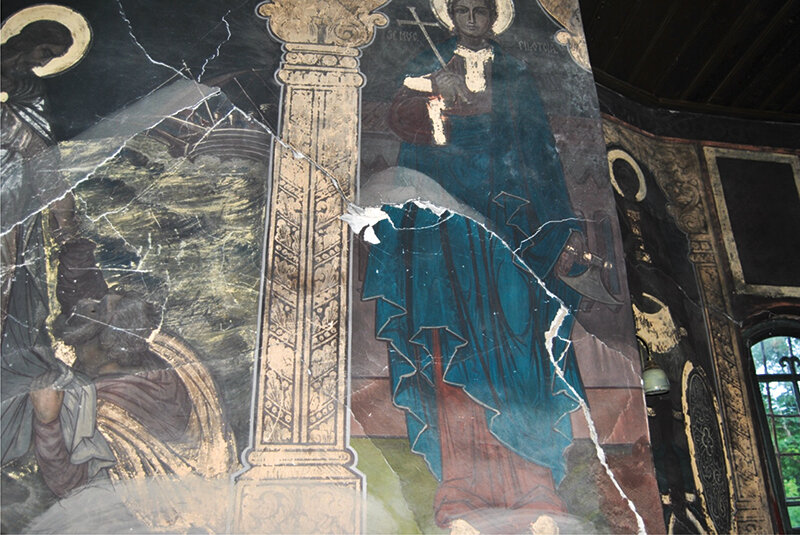
Inside, the classic subdivisions of an Orthodox church can be identified: the pronaos, above which is the chancel, the nave, with a long cylindrical vault that extends above the chancel, and the altar, separated from the rest of the church by a catapetepeteia. The vault above the nave and the interior walls are entirely frescoed with images of hierarchs, saints and biblical paintings.
The roof of the church is about 4.8 m high and its shape emphasizes the church's compartmentalization. Thus, above the porch, the pronaos and the nave, the roof is elevated and slopes down over the altar, narrowing it as it does so. The roof is also elevated above the apses and has a slope break towards the lower part.
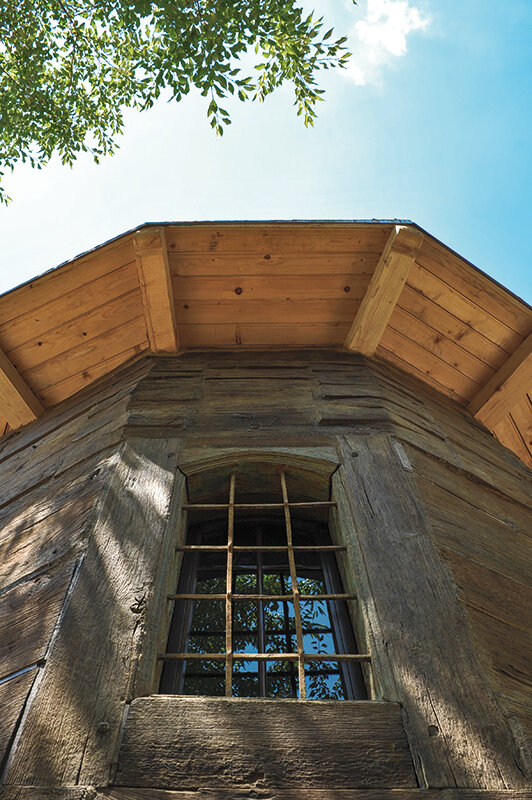
The exterior of the church is covered with vertically laid boards. The church has large windows in the porch on the west side, which was originally open, and small windows in the side apses and the altar apse. There is another small window in the pronaos on the south façade and one in the vault.
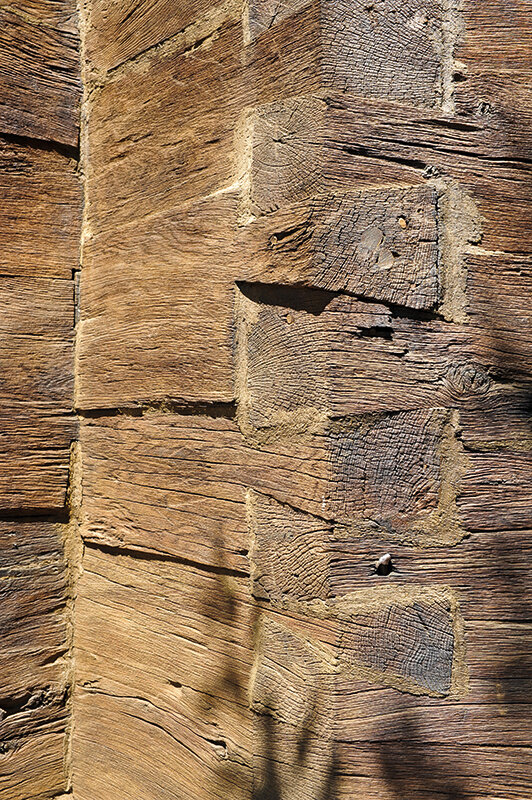
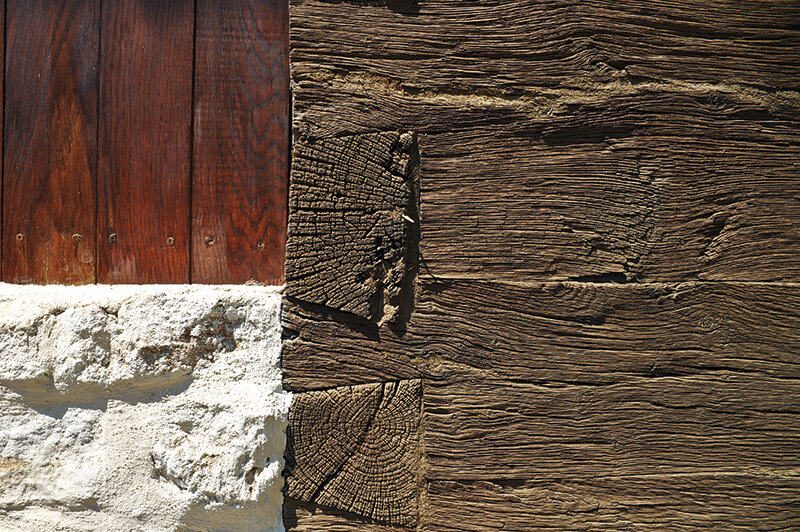
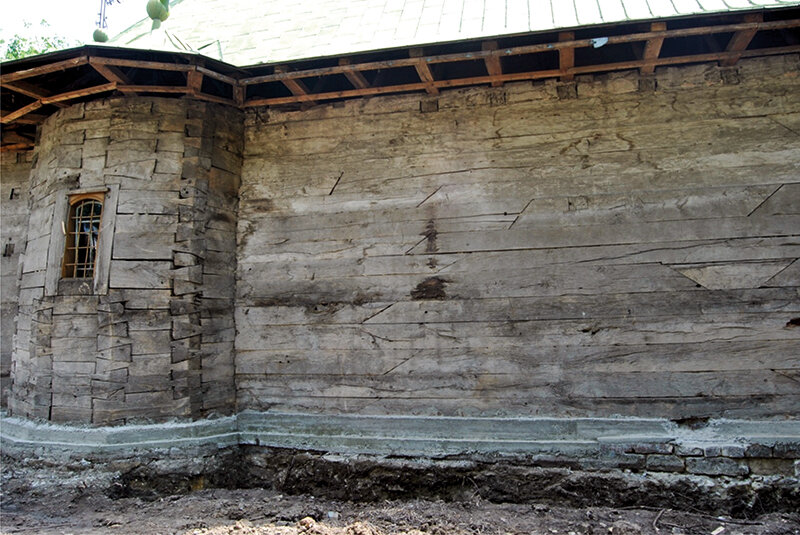
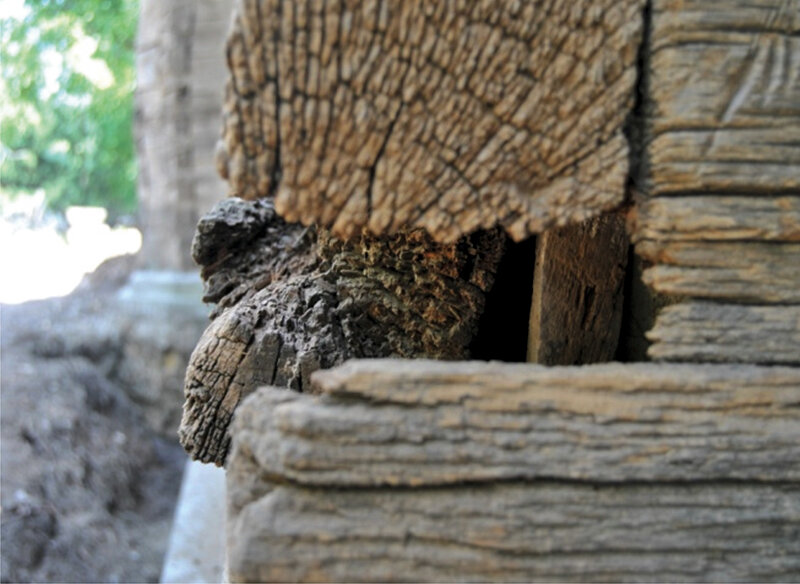
The wooden church in Dobrovăț is built entirely of horizontal wedges of solid oak beams, hewn and directly joined. The interior was clad with a layer of planks painted in oil varnish, and the ceiling of the pronaos, nave and altar is flat, made of carved oak carved carved carved oak. The ceiling above the nave is planked. In the 20th century, the exterior wooden walls were boarded with yellow-finished planks. The church stands on a stone foundation. Originally covered with shingle (draniță), the church is now covered with painted sheet metal.
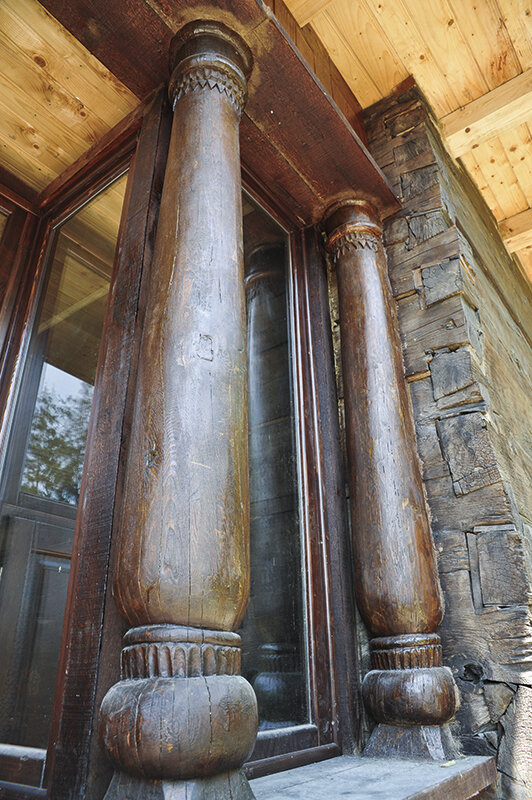
Among the decorations adorning the church there are two rosettes on the ceiling, carved in wood with special folk motifs. These rosettes were revealed during the interwar period, at the request of the architect Constantin Iotzu, from the Faculty of Architecture in Bucharest. On the edges of the pilasters carved with folk motifs in the form of vines or fir tree buds.
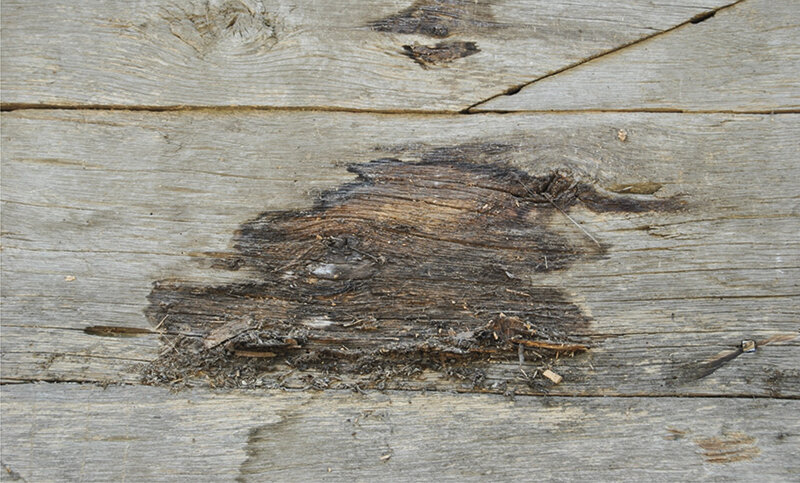
The damage to the surface of the wooden walls outside the church is largely due to environmental factors (temperature, humidity, pollutants, micro-organisms, etc.), but also to interventions on the monument, which have caused damage directly or indirectly through: maintenance, handling, subsequent improper repair work.
Among the degradations found in the resistance structure, the following can be mentioned
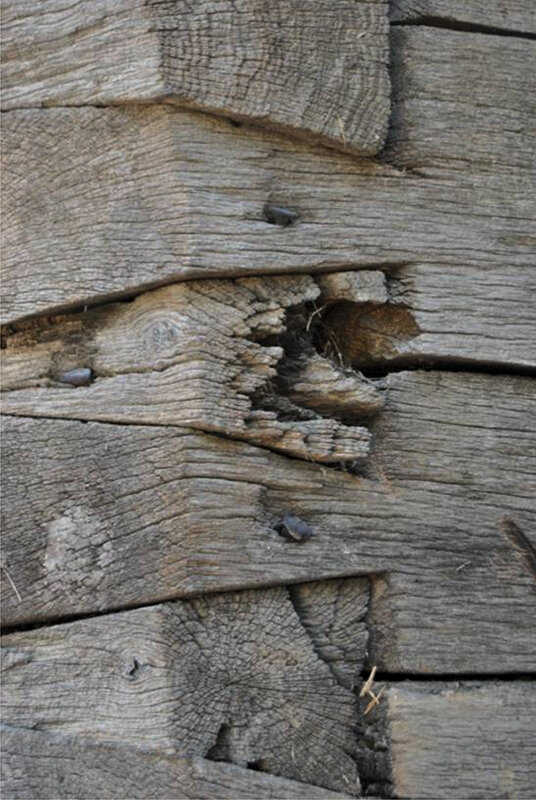
- deformations of the walls caused by seismic movements, humidity variations, subsidence of the foundation soil; these deformations show that the beams have slipped in relation to each other and the joints have not withstood the sliding forces induced by the horizontal loads during earthquakes;
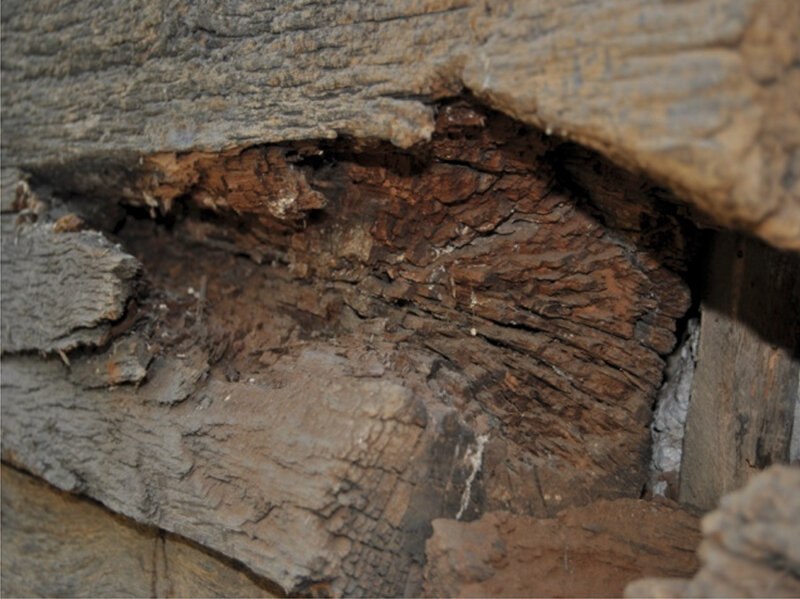
- rotted wood at the north wall, more exposed to moisture; note that the plywood planks keep the moisture out of the wood of the structure, but at the same time, being placed on the slats, probably also allow some ventilation of the structure;
- some elements of the framework that have given way due to rotting wood attacked by decay; the decay is advanced and the repairs have been makeshift (rafter props);
- cracks in the interior plaster, especially on the north wall, which means degradation of the resistance structure, possibly rotting and deformation.
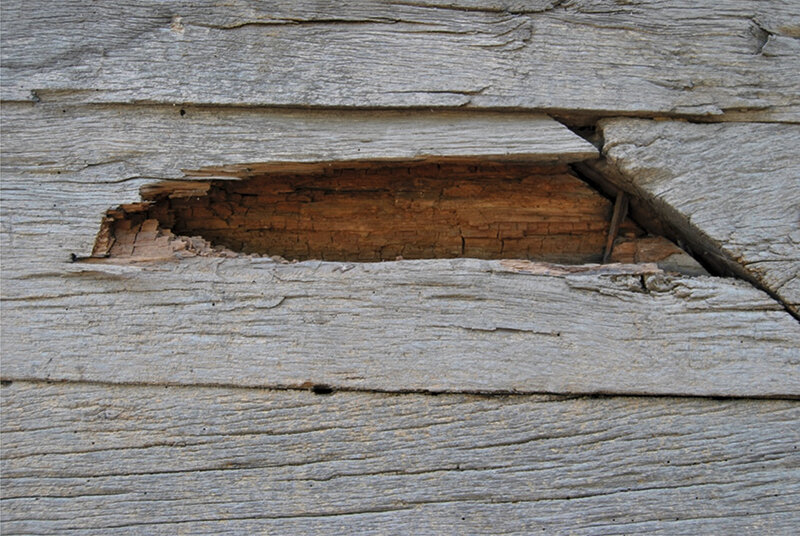
The wooden surface is in a precarious state of preservation with multiple degradations, produced over time by the combined action of the above-mentioned degradation factors, which requires the triggering of consolidation, conservation-restoration interventions. The wooden walls show signs of attack by wood-boring insects and embrittlement of the wood. Following a visual examination, it is possible to classify the factors that have acted on the monument over time and led to its deterioration.
An important factor which has led to a poor state of preservation is the climatic conditions, temperature and humidity differences, exposure to sun and wind, which have favored tensions in the wood fibers, superficial cracks, deep cracks, detachments, partial or complete gaps, etc. The exterior walls show partial missing wood, cracks with spacing along the wood joints and massive deposits of adhering dirt. Specific degradations can also be identified in the wood: holes caused by metal objects (nails, screwdrivers, toothpicks, toothpicks, hooks, etc.), traces of contact with foreign materials, of smaller magnitude, such as fatty substances, candle smoke, etc. The northern part of the church is in a poorer state of preservation. In general, the oak wood support has good mechanical resistance without major degradation. The entire surface of the support is covered with a layer of dust and adhering dirt, and in places there are chips from chiseling, without discoloration from the plane, but with a uneven surface.
With regard to the strengthening of the church structure, the following conservation and restoration solutions have been proposed:
- Reinforcement of the resistance structure by the realization of two wooden bracing frames (lattice structures), one under the cafas, between the nave and the pronaos, and one behind the catapet;
- restoration of the entire roof truss;
- reinforcing the wooden floor by replacing rotten beams and bracing it with diagonals of metal flat bars or wooden beams;
- removal of exterior plywood and examination of structural members; those that are rotten to be replaced in whole or in part;
- Reinforcing foundations by camming with a reinforced concrete diaphragm with large voids for ventilation;
- re-establishment of the vertical systematization works around the church and the pavements in stone slabs, on a draining substrate to allow the removal of excess moisture from the area of the stone plinth.
The external work on the walls will be carried out in several stages for technical and financial reasons.
The first operation consisted in the removal of weak mortar that had been improperly applied. Then the adherent and non-adherent deposits were removed from the surface of the wood, both chemically (various solvents) and physically (mechanical action). Missing pieces of wood or wood in an advanced state of degradation (increased xylophagous attack, various heterotrophic attacks) were filled in. The completed parts are made of the same species as the original, in this case oak. After the removal of mortars, deposits and the necessary additions, the xylophagous attack was stopped. Once the wood surface was cleaned, a consolidation operation was carried out on the detached parts of the wood and a biological treatment was carried out in consecutive stages with different solutions (hydrocarbon solution of Paraloid B-72, Paraloid B-69 mixed with a concentrated solution of Permetar). Finally, after total evaporation of the solvents used and after hardening of the consolidants, the wood substrate was impregnated with a hot impregnation with a hydrocarbon mixture of resins and beeswax. The wood was then varnished with a paste solution of the same mixture, after which the surface was polished with a textile.
A series of rigorously organized interventions are proposed for the interior restoration of the pictorial ensemble.
The first operation consists in carrying out cleaning, absorption and adhesion tests - to determine the solvents and the optimum concentrations that will help to remove the various deposits on the pictorial surface. As a rule, these tests are carried out wet, and depending on the problems encountered, the methods may be combined with mechanical action. To determine the optimum concentrations that will help to clean the surfaces, distilled or demineralized water should be used in the first instance and then, as necessary, ethyl alcohol, ammonium carbonate, etc., should be added in small concentrations as required.
Before beginning the cleaning operations, the following must be examined in turn: the resistance or sensitivity of the painting; the various foreign matter which may be encountered on the surface of a mural painting; the various agents available for cleaning and their mode of action; the method of working to be followed. Based on these considerations, an effective working methodology can be established. To remove the various foreign materials from the painted surface, a wide range of products is available which must be used selectively according to the materials present and the resistance or sensitivity of the original paint. In this context, we distinguish the following cleaning methods: physical-chemical and/or physical-mechanical.
For large surfaces, wet chemical cleaning methods are preferred in mural cleaning. The main products used during cleaning operations are distilled water or water containing various added solvent substances. All substances used in cleaning operations must be known and tested. Also, cleaning operations should not be started until data on technique, state of conservation of the painting, concentrations and contact times are known. In order to obtain a uniform cleaning, certain parameters must also be taken into account: temperature, humidity and ventilation of the work area.
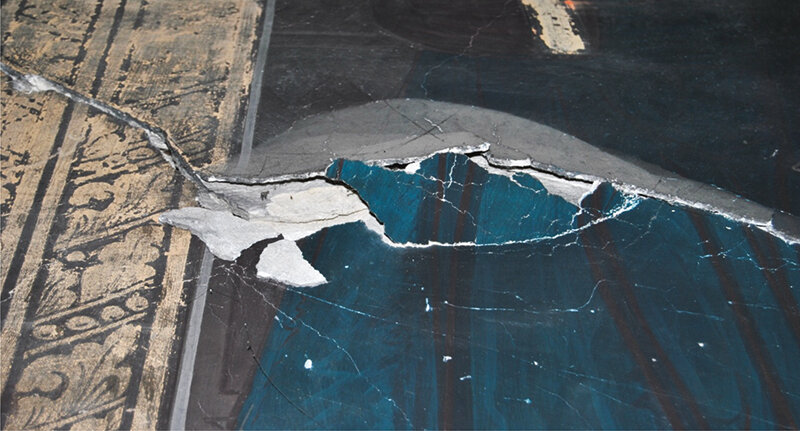
For the removal of materials applied in previous interventions, the mortar grouts that have been applied during the numerous restoration interventions that have taken place over time should be considered. The intervention mortars that have been applied to the gaps in the preparatory layers extend beyond the edges of the preparatory layers, and their texture is rough, slightly brittle, with some areas showing edge spalling. The composition of these mortars differs from the original mortar, using cement and even plaster, which is why other types of mortars made from the original components (lime, sand, marble dust) must be removed and applied. Their application method must also be respected: they must not go beyond the edges of the gaps, they must be level, they must respect the degree of porosity as close as possible to the original and it must be possible to intervene chromatically without any damage being caused by the materials used in their preparation.
Do not proceed with the grouting of plaster gaps until the adhesion of the paint has been carefully checked, particularly at the edges of the gaps, and any necessary fixing has been carried out, in order to avoid any risk of chipping and to ensure that the contours are smooth. The main purpose of the grouting of gaps is to prepare the mural surface for pictorial reinstatement. It must restore as accurately as possible the level and texture of the original plaster on which the painting is executed. For paintings on lime-based plaster, the gap shall first be filled, if necessary, up to the level of the arriccio with a mortar similar to the original. Whatever formula is adopted, the surface to be covered with the actual mortar must be thoroughly wetted with water before the mortar is applied. Also, where necessary, injections shall be used to reinforce the preparatory/substrate or pictorial layers.
The pictorial surface of the interior of the church has many gaps in the preparatory layers, caused by damp and intermittent heating, as well as by human intervention over time. These gaps vary in shape, size and thickness. Some lacunae or other forms of degradation on the pictorial surface are hardly visible because of the countless forms of deposits that cover a large part of the pictorial whole.
The cracks that have appeared in the preparatory layers are largely due to incompatibility between the materials used or are caused by vibration, settling of the masonry of the plinth and the ground. Cracks have also occurred due to the action of risk factors (earthquakes, freeze-thaw). There are many cracks in the pictorial ensemble of the church, both superficial cracks and cracks in the arriccio layer or in the plaster layer. Many of the surface cracks are due to the ageing of the materials and the fluctuating heating regime to which the church has been subjected over time.
The adhesion of the preparatory layers to the substrate is generally good, with slight, small-scale detachments observed in places. Following an acoustic examination test and light pressing, it was found that some areas within the painted scenes show a number of burrs as well as irregularly shaped detachments. The appearance of the detachments and burbling can be explained here by the hypothesis of a technical defect, since direct visual examination revealed a reduced thickness of the preparatory layers or perhaps, in those areas where the detachments appeared, the craftsman did not press the preparatory layer very well. It can also be said that capillary or condensation moisture was also responsible for these degradation factors. The action of the salts and the degradation caused by them occupy a fairly large area of the surface of the painting in the church. The salts present on the surface of the scenes come from all the materials that make up the composition of the work. The materials used in the restoration work carried out over the years and their inappropriate dosing, together with the high percentage of humidity and the phenomena produced by it, such as infiltration humidity, condensation, etc., have rapidly led to the appearance of salts and, with this, to the specific degradation phenomena.
Traces of the activity of biological attack cannot be seen clearly enough because of the massive deposits covering the painted surface, but it is present in a variety of appearance and coloration depending on the nature and stage of development. The development of living organisms in preparative layers and their degradative effects are closely related to environmental conditions. The main factors that have favored the development of microorganisms in the preparation layers are due to humidity, pollution, improper maintenance, use of biodegradable substances in an unconscious way, etc. All of them have favored a massive growth of microorganisms on the wall surfaces inside the church.
The previous restoration interventions that have been carried out on the church over the years consisted of inappropriate repainting and plastering, which, over time and in combination with a fluctuating temperature and humidity regime, gradually led to crumbling and maceration of the preparatory layers. The repair mortars that have been applied over the areas of loss of the preparation layers are diverse. Some of these mortars that have been applied over gaps or even cracks are hard and compact.
The colour film on the paintwork as a whole is affected both by previous interventions and by moisture, together with all the phenomena triggered by it: migration and recrystallization of salts, biological attack, etc. Very many portions of the paint layer show flaking, erosion, abrasion, gaps, weakening of the adhesion of the layer (peeling, honeycombing), powdering and salts which are present in large quantities both in the substrate and above the paint layer. There are also some areas of adherent and non-adherent deposits on the painted surface, which are in places fixed. The dusting is present especially on the earth colors (veil green), head, hand and foot proplasm colors. The chromatic alterations of the color film are based on chemical or microbiological processes under the action of pollution, solar radiation or fungi. As a result of alteration processes, pigments can change their color, ranging from partial to total changes in physical and chemical state. The surfaces on which we find processes of color alteration present themselves in different aspects: brittle, porous, matt or glossy, darker or lighter, wetter or drier, or appear as black spots.
Before starting the restoration, tests were carried out to decide on the intervention methodology and to determine the appropriate materials and solutions. Three types of tests were carried out on the mural painting:
- adhesion tests;
- absorption tests;
- cleaning tests.
The tests carried out on the painted assembly began by selecting areas on the painted surface, and then the substances to be tested were applied to the marked areas. During the operations, photographs were taken and data on the action of the tested substances were recorded. The tests were applied to surfaces containing different colors because it is known that each type of pigment reacts differently and different forms of degradation and deterioration occur, depending on the nature of the pigments.
The decoration of the catapethecae shows massive deposits of dust, smoke, grease, etc., unevenly distributed, with agglomerations in a sculptured form. Initially, the decoration of the catapetes was polished with gold leaf, but during the many restoration operations carried out over the years, more or less empirically and without a thorough knowledge of the technique and working methods, the entire carved surface was repainted with a gold bronze applied in an inappropriate thick layer, unevenly distributed, and with an unsightly appearance. Numerous detachments of the pictorial layer, craquelures and spatters can be observed in the bronze repainting and partial or complete lacunar losses. These are generally localized on the edges of the form, which have occurred either due to inadequate microclimatic conditions or faulty execution technique. The carved decoration also shows occasional superficial scratches, dents and stains of a foreign nature. The gaps are due to the loss of adhesion of the pictorial layer to the wooden support, as a result of the differentiated tensioning of the latter under the action of sudden variations in temperature and humidity over time. The pictorial layer on the carved form contains primer, an ochre-colored bolus on most of the form and an English red bolus on the raised relief forms. The color film contains pigments, a binder or emulsion, which over time, due to natural aging and degrading factors acting on it, have resulted in the loss of adhesion of the pictorial layer to the original wooden support and its components to each other.
The first stage in the conservation-restoration work will be the mechanical removal of dust, cobwebs and micro-particles by stripping and brushing. The next will consist in removing the layer of adherent deposits from the surface of the sculpted form, using an egg yolk-based emulsion as a solvent, while the actual cleaning will be done mechanically with a stick and hydrophilic cotton wool together with various solvents of different concentrations. After the removal of the deposits from the sculpted form, the layers of subsequent inappropriate repainting will be removed, i.e. the bronze layer that was applied in order to mask the various degradations that have occurred on the polished form and on the bolus and primer layer. Various solvents will be used to remove the repainting layer, such as: Kromofag - a paint stripping solution, which does not contain acids or alkalis, used to remove oil-based or alkyd paint layers from glass, metal or wood surfaces. Once activated, the coating will be removed mechanically by mechanical removal with sticks and dabbing with cotton wool. After the removal of the recoating coat, void areas with active ragged edges, as well as unspaced cracks in the joint, which have occurred as a result of variations in environmental factors, i.e. humidity and temperature, shall be removed. These active detachments and cracks shall be reinforced by injection and dabbing with a glue solution of approximately 12 % hot tack. On the reverse of the icons, Kromofag will be used as a remover to clean the paint layers. At this stage, several Kromofag compresses are applied successively. After the removal of the compresses, the paint layers will be removed by scraping in the direction of the wood grain. After the removal of the paint layers has been completed, the existing gaps in the carved forms shall be filled. The gaps shall first be brushed with technical spirit in order to soften them and prepare them for grouting. A film of diluted glue solution shall be applied to the surface to be puttied to ensure good adhesion. After drying the preparatory glue film, the gaps shall be filled level by troweling with a putty based on chalk dust and 12% hot fish glue solution. Non-spaced cracks shall be prepared in the same manner and filled by level grouting. The next stage will be finishing by wet sanding with a diluted egg emulsion or dry sanding with a fine sandpaper for color integration or sanding to be applied. In order to clean the pictorial layer on the icons, differentiated solubilization tests will be carried out - in which the removal of adherent deposits, cleaning of the varnish, its reactivation will be pursued.
After completing the consolidation of existing detachments, removal of different types of deposits, sealing of gaps and cleaning of repainting, the next step will be the chromatic integration of the different areas present both on the carved area and on the surface of the painting. Chromatic integration will be achieved by the methods of tratteggio, ritocco and velatura. Finally, the intervened surface will be protected with a varnish.
The carved decorative surfaces must be polished with gold leaf using traditional techniques. These consist in applying a coat of primer based on bone glue and chalk dust, then a layer of bolus (ochre or English red, depending on the original), followed by the application of oil-based mixtion (the binder used to fix the gold leaf), with a drying time of 12-24 hours. Once the mixtion starts to set, the gold leaf is laid with tweezers and soft tweezers (squirrel hair) and the surface is polished with a velvet to even it out. After this operation, the gold leaf is fixed in place with serac (a solution based on technical alcohol), which has a protective function (it prevents oxidation and exfoliation of the gold leaf and helps to even out the colour).