Moldova / Regeneration - a possible alternative to urban development
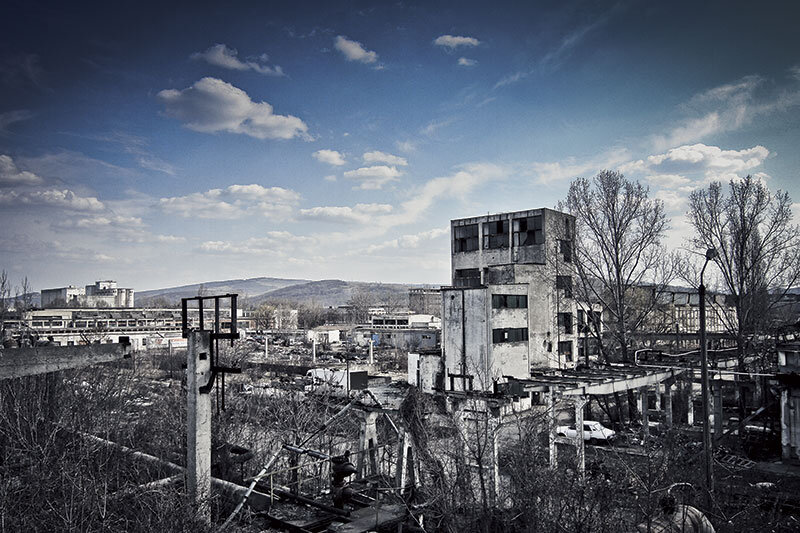
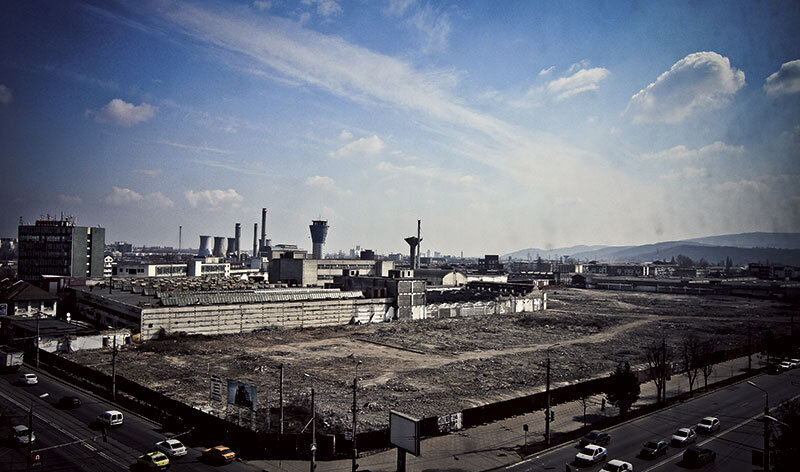
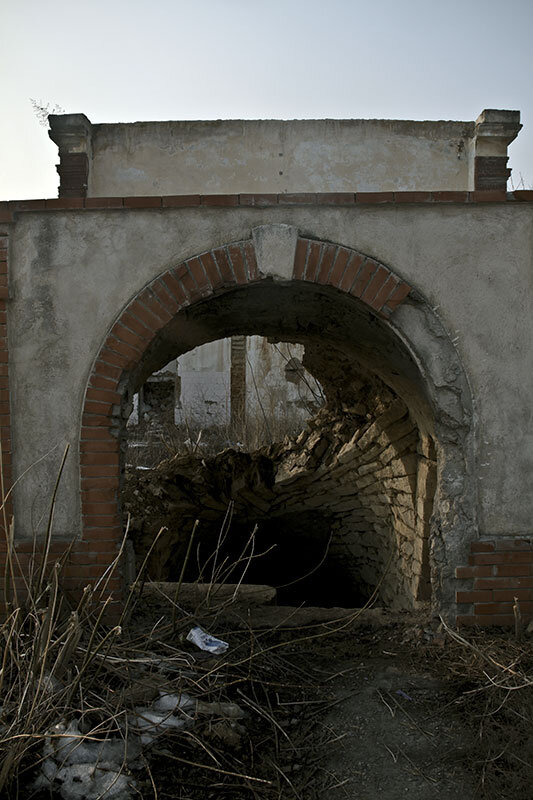
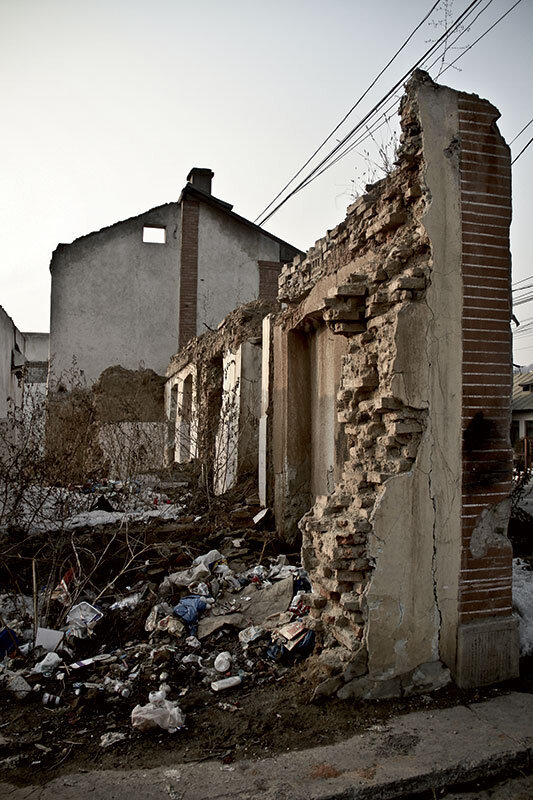
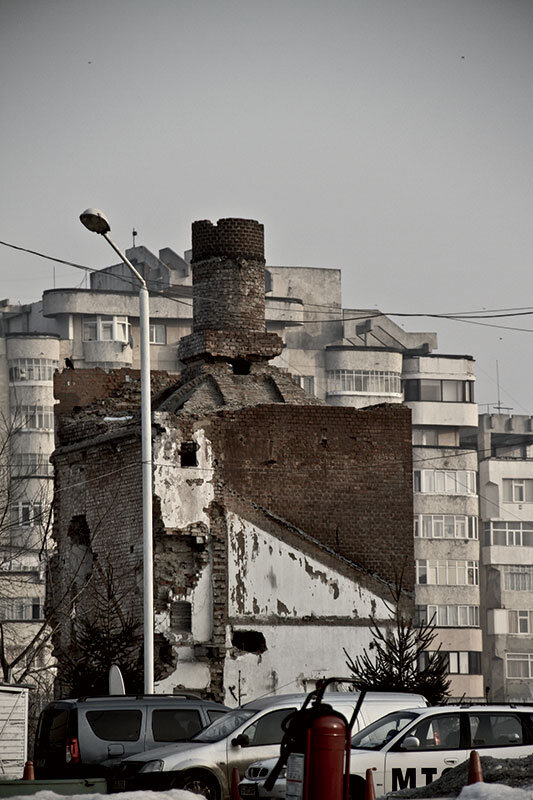
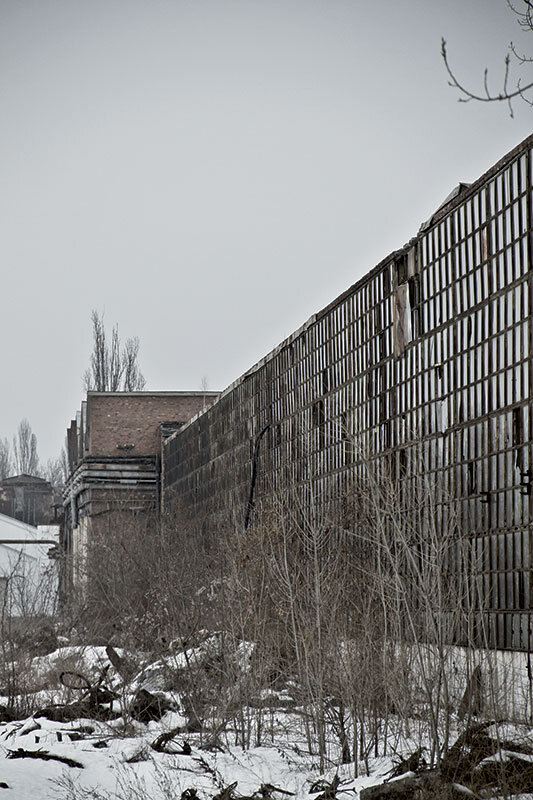
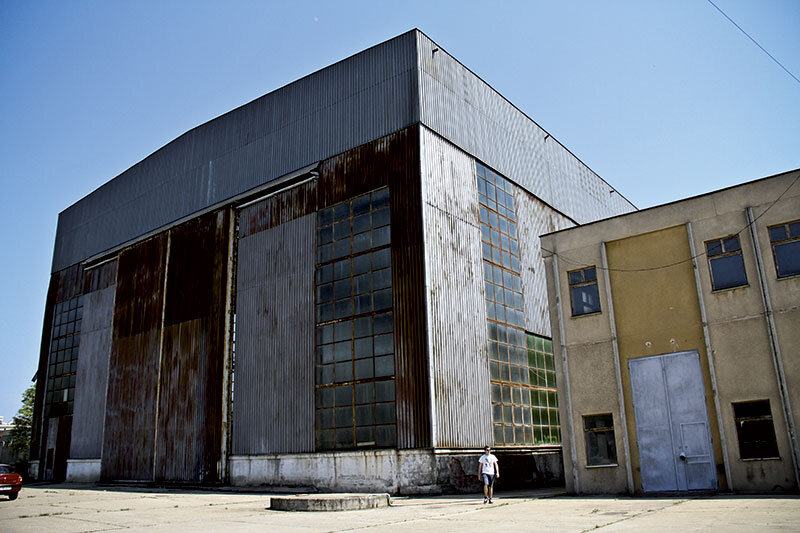
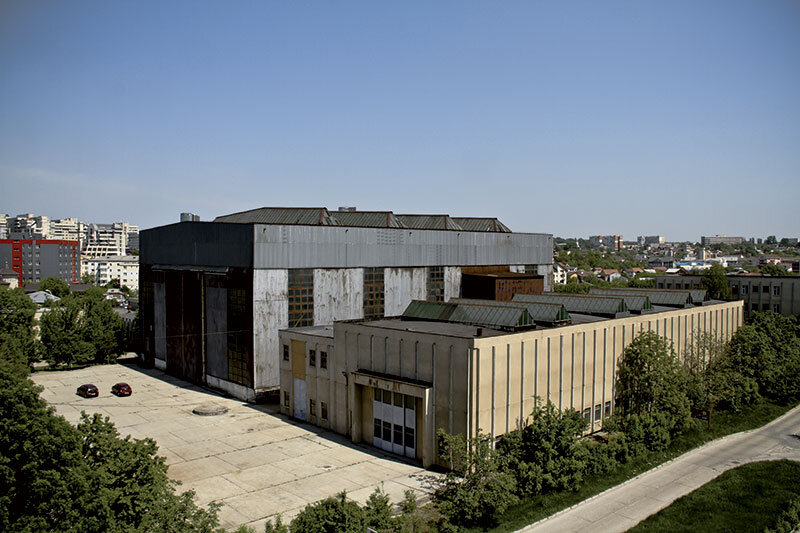
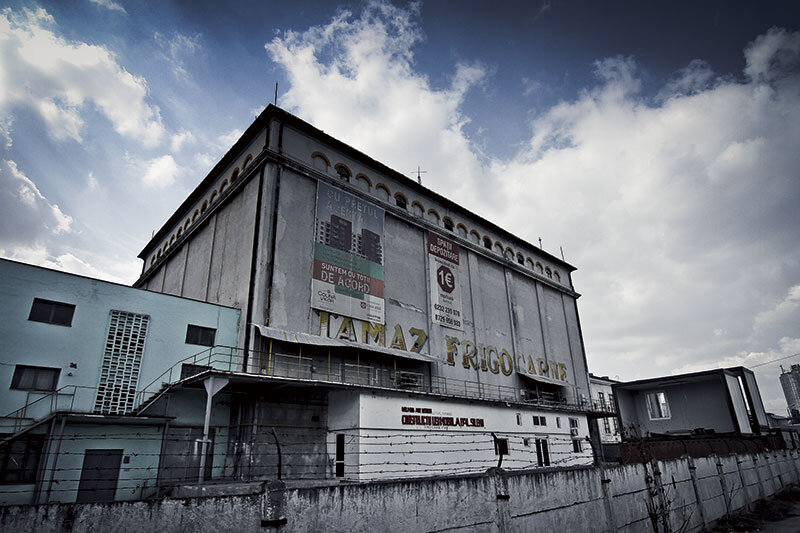
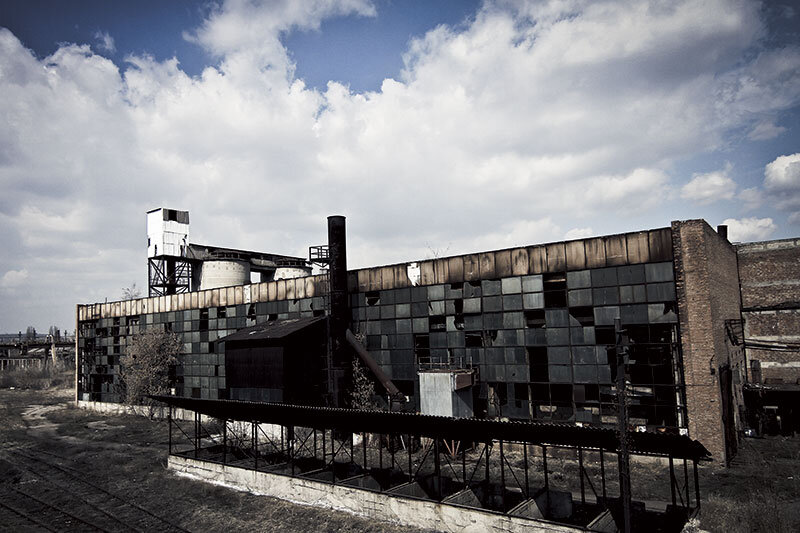
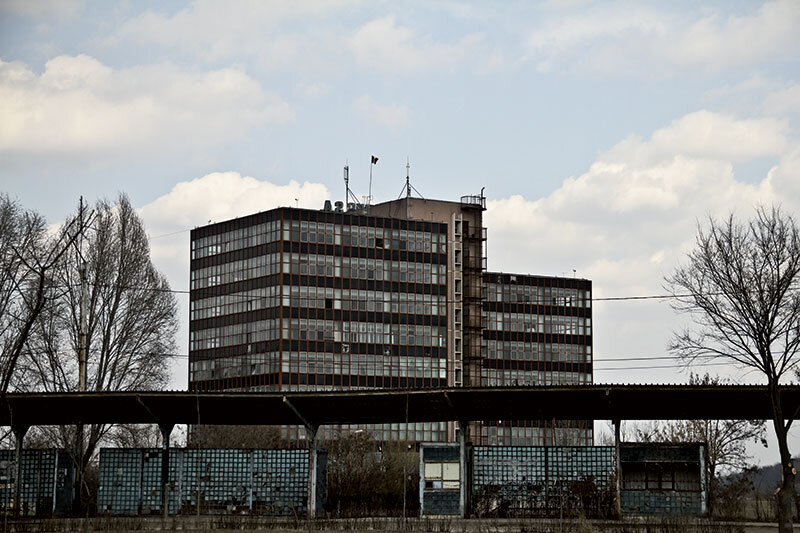
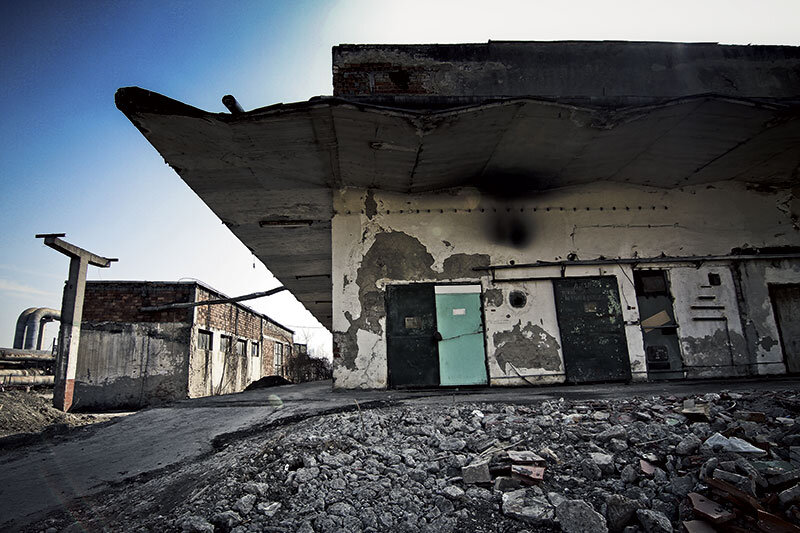
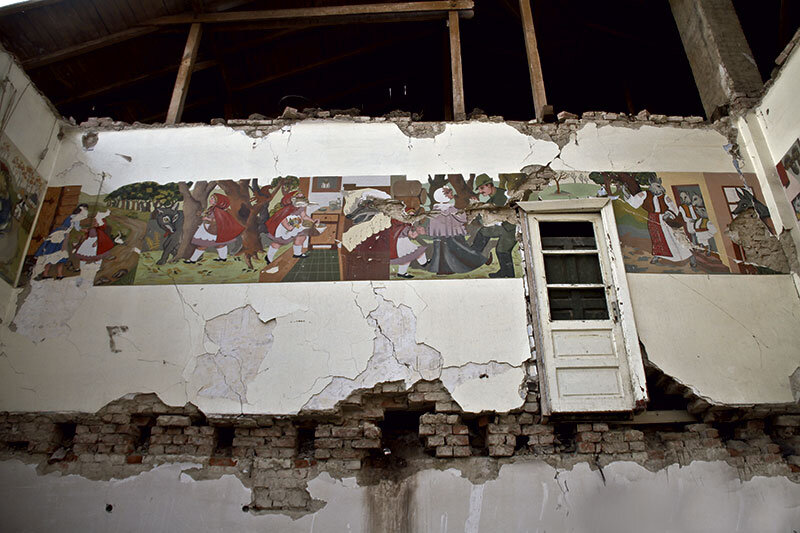
Romania has an extensive and diverse industrial heritage that does not receive the attention it deserves. It is being neglected, at best, if not destroyed for new buildings, thus losing landmarks of industrial architecture defining the urban identity it generated at a historical moment.
The history of modern Romania's industrialization is one of frustrations due to time lags. Starting with the implementation of manufacturing in an "eminently agrarian" country, through the communist utopia of industrialization as a goal and up to the present, when this ideal of the "working class" is shattered by the post-industrial era, we have witnessed without reply a huge waste of resources. The effects of this experiment can be seen in a decrepit industrial landscape, but even worse in the political inability to socially manage the phenomenon. Post-industrialization means a shift from manufacturing to services. In a natural evolution, the transition takes place over several decades, not without social upheavals, but in the case of a historical fracture, such as the '89 in the socialist camp, this process takes on unreal dimensions: the abandoned industrial landscape justifiably provokes nostalgia for a political regime that was in revolution. What we do today with this legacy and what we put in its place is the question we must answer responsibly, because it is preferable to recover than to destroy.
The informed analysts of our post-industrial transition are divided in their opinions - from the lucid pessimism of Augustin Ioan, who equates the industrial program with ideology, to the European-style optimism promoted by Liviu Chelcea.
We distinguish three successive stages of industrialization, unfortunately none of them completed in time, so that this process synonymous with modernity did not achieve its declared goal. The first stage accompanies and contributes to the formation of the Romanian state in a favorable conjuncture at the end of the 19th century, when the political process coincides with the economic one. Manufactories are modernized and the architecture of the time, i.e. iron architecture, imposes itself and remains only a stylistic metaphor without social consequences. Fragments of that period are still miraculously preserved in useless railway stations in the provinces or in dying factories. The modernization of Greater Romania through industrialization continues in the interwar period in the most authentic terms that this process knows. Viable industries developed in buildings representative of industrial architecture bearing the signature of masters of the genre, but insufficient to create a critical mass similar to that of civil architecture, and remains only at the level of a few chapters in monographs that tick off the field. The last stage, the post-war phase, is the most economically impetuous, but completely out of phase historically because of the political regime under which it develops. The period in question corresponds, in healthy economies, to the post-industrial era, which is reorienting itself towards more friendly fields. It is precisely at that time that the political class in our country triggers industrialization on doctrinaire criteria, without a real basis, but with the pretence of a historical recovery. The sixth and seventh decades of the last century, thanks to interwar inertia, still induce a modernist norm in industrial architecture, despite the historical "forms without substance", but after that, any aesthetic citation in this field is amputated by partisan ucaz. Thus it is that, consistently missing any historical chance of modernization, we have today a huge built heritage that apparently serves no purpose. Revalorization seems impossible due to a combination of bad decisions: unjustified locations, inadequate materials and workmanship, unsustainable industries. All that remains is the source of reusable materials and the real estate stakes of the land underneath.
Read the full text in the special issue of Arhitectura de Moldova
photo: stud.-arh. Ștefan Rotaru | stud.-arh. Radu Enea