Lake Mill Lake Recovery. Spatial strategy for urban development

Recovery of Morii Lake
Spatial strategy for urban development
| This article refers to a work realized in 2005, within the framework of the Master of Architecture in Human Settlements at the Katholieke Universiteit Leuven, under the guidance of Professors Jef Van Den Broeck and Bruno De Meulder, from the Department of Architecture, Urban Design and Regional Spatial Planning. |
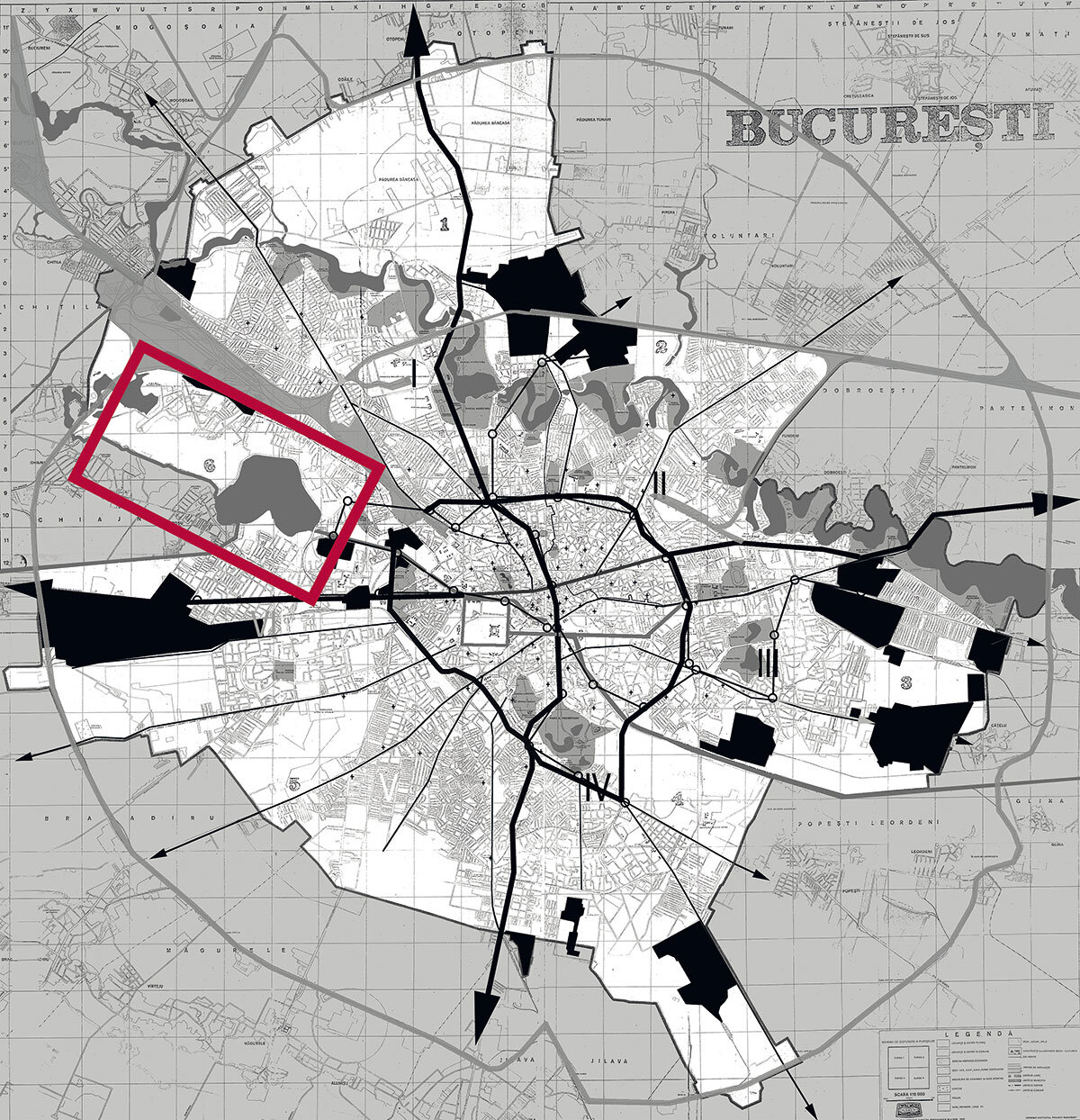
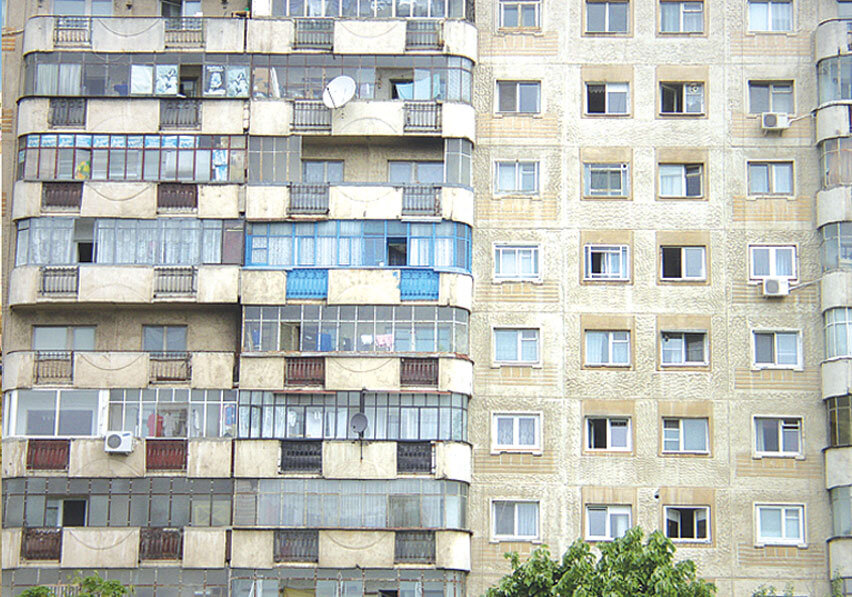
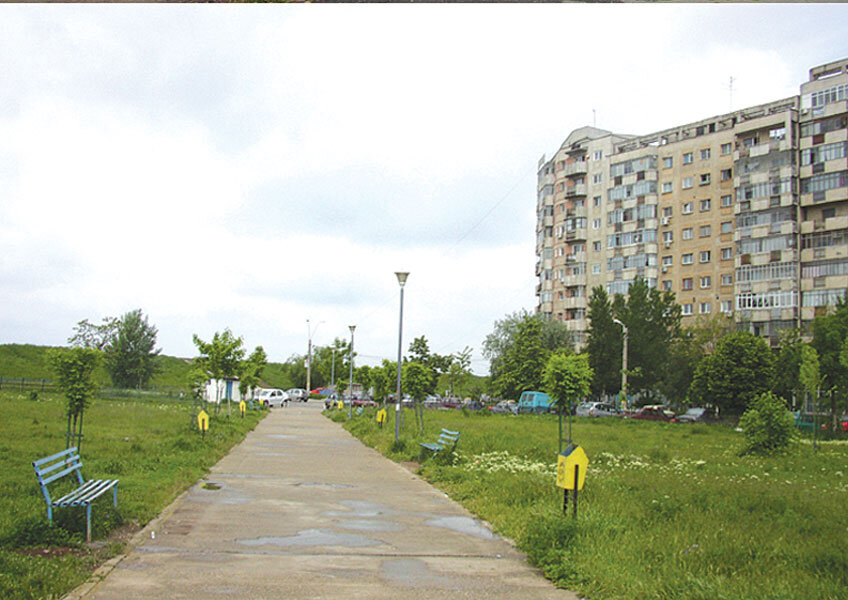
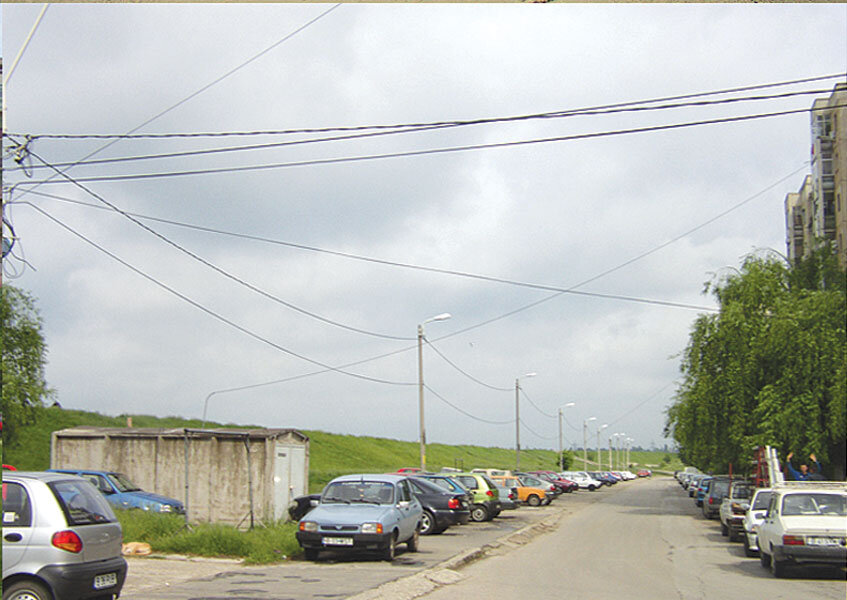
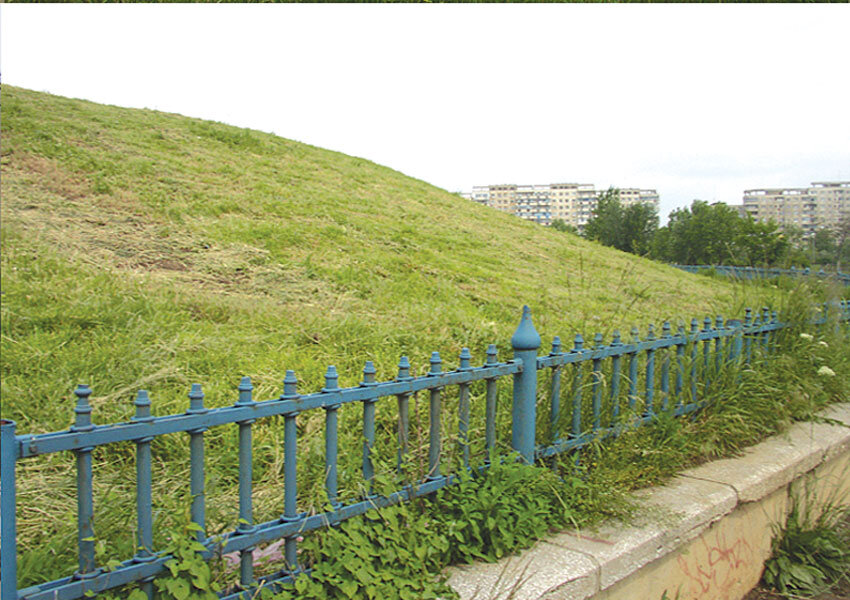
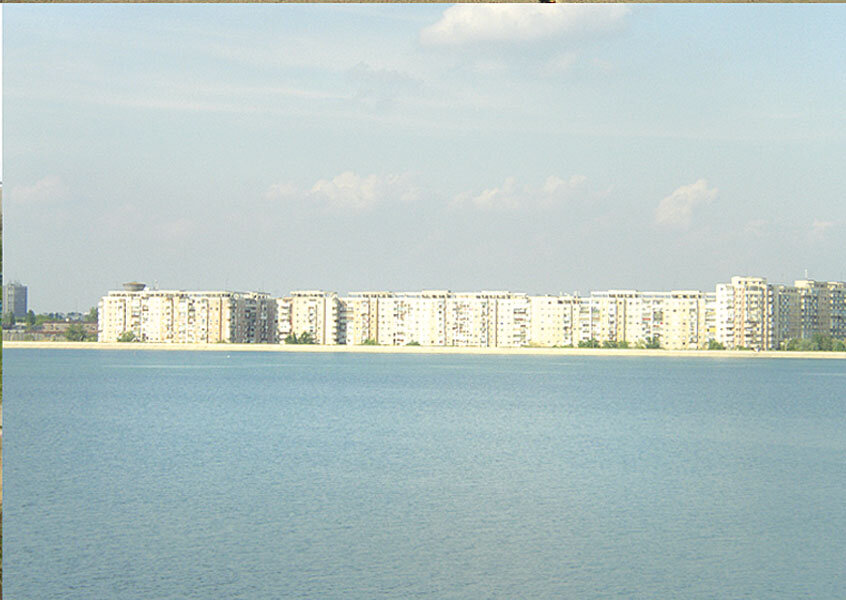
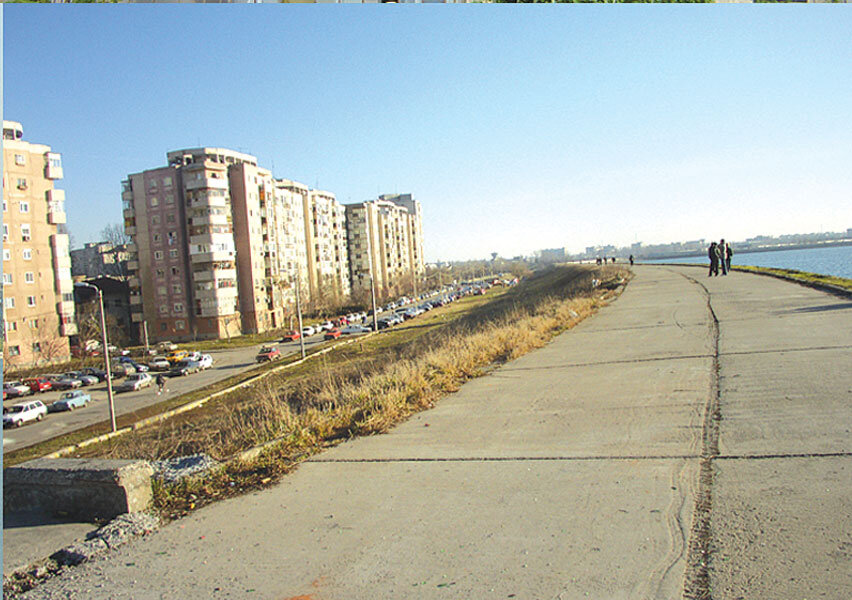
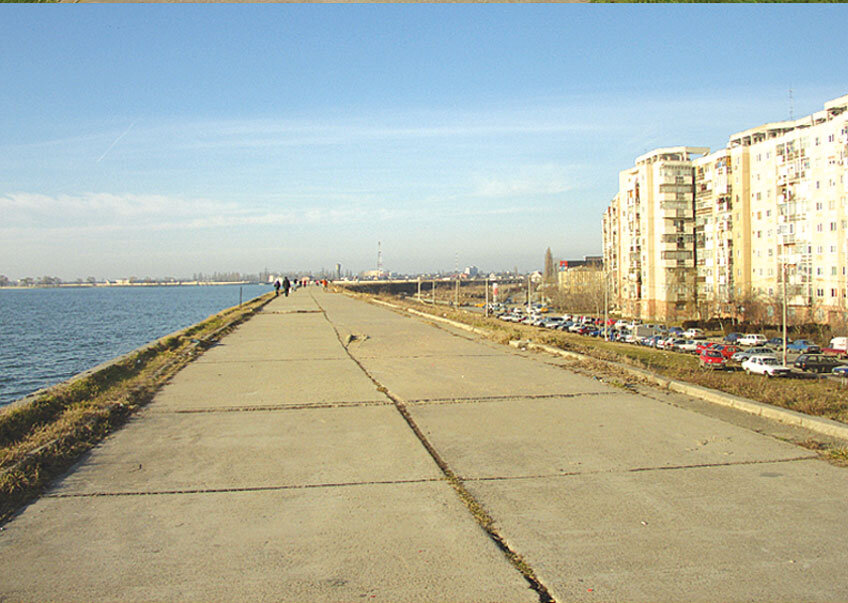
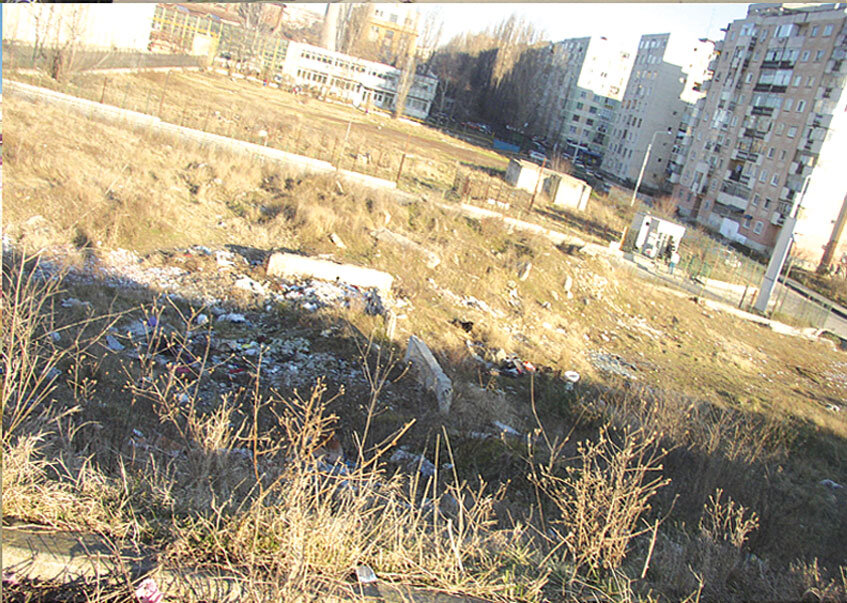
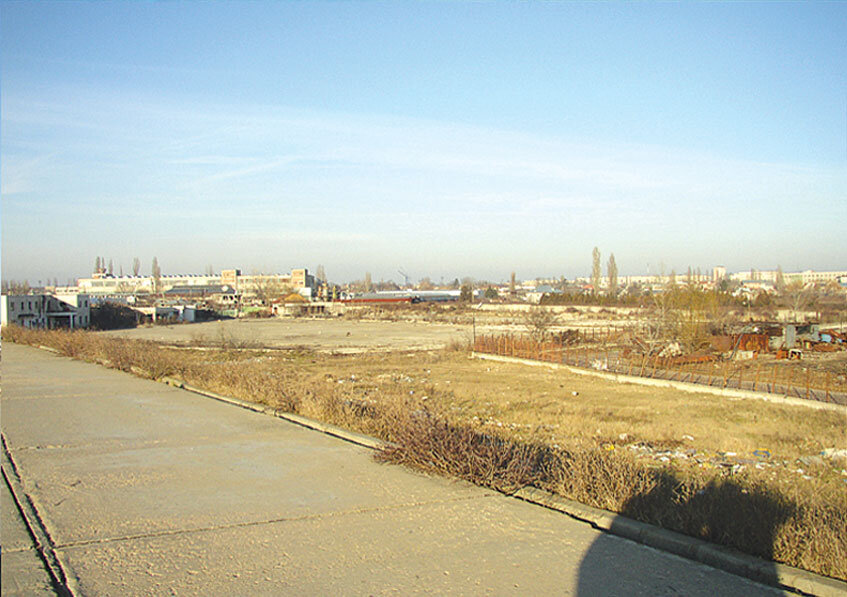
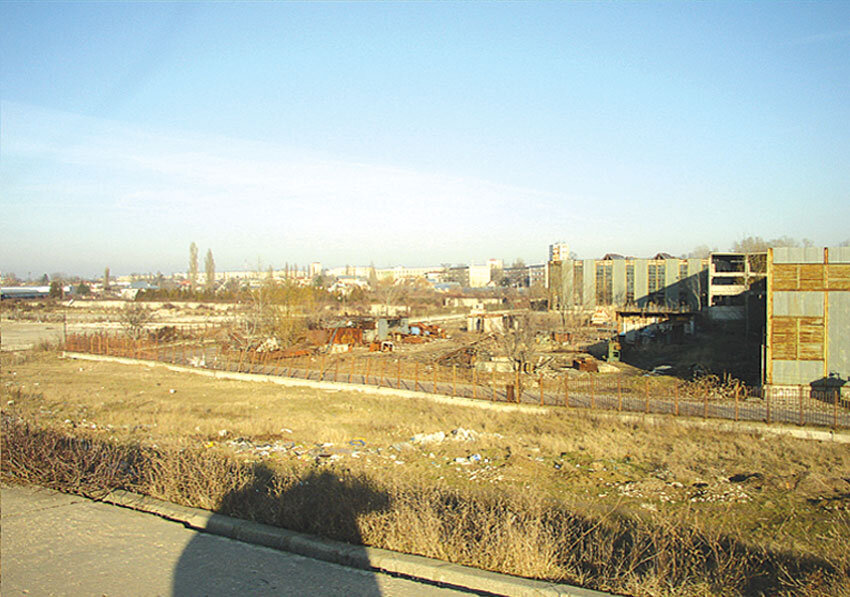
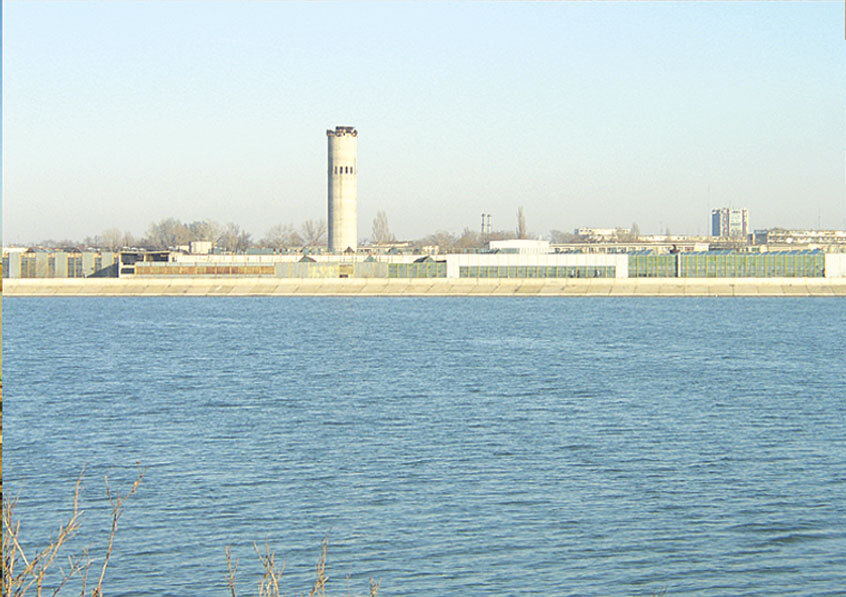
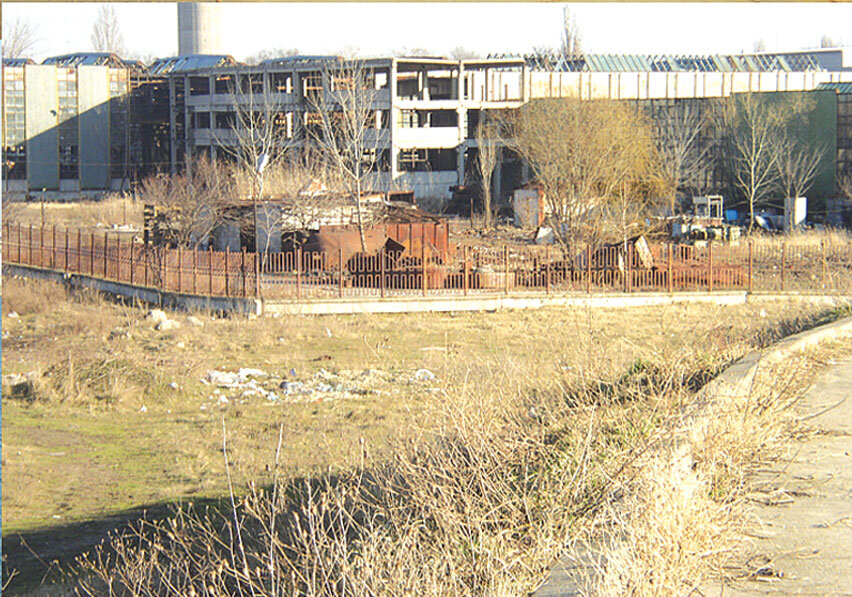
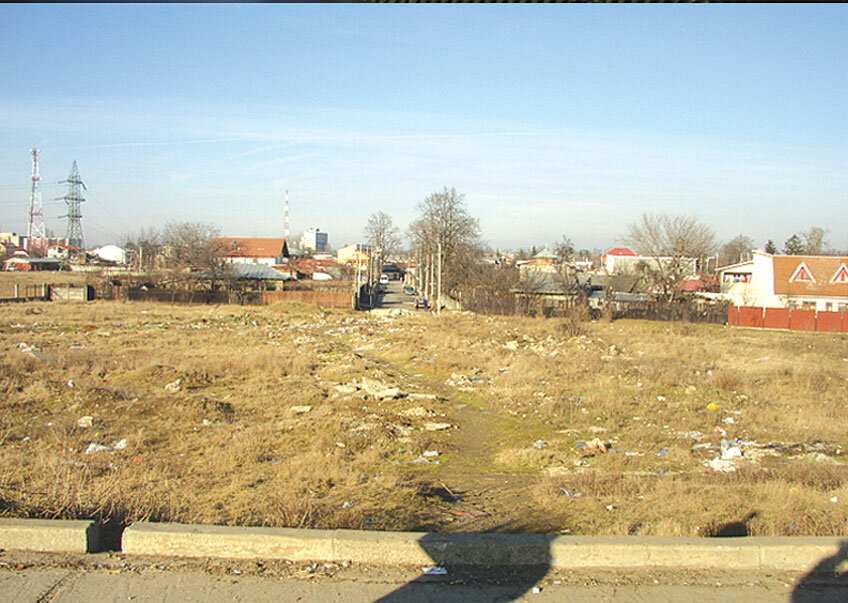
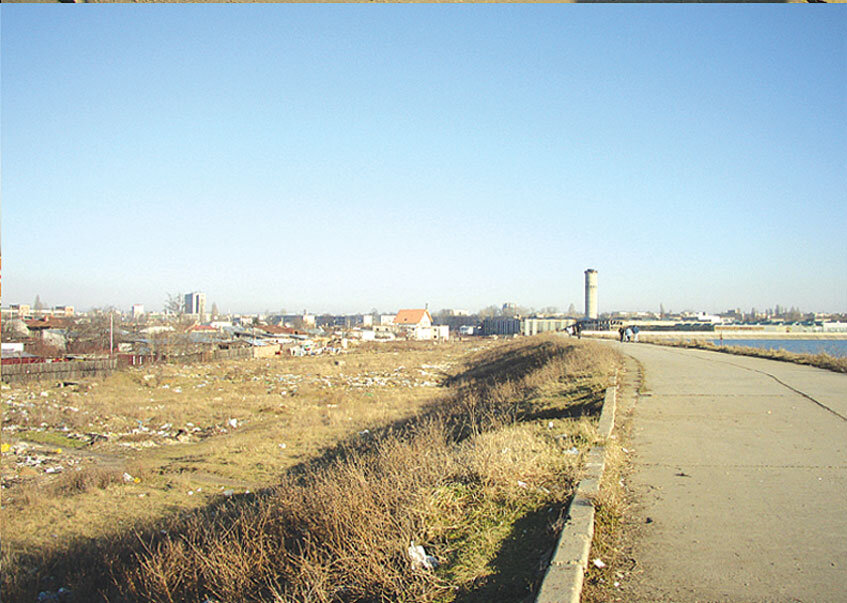
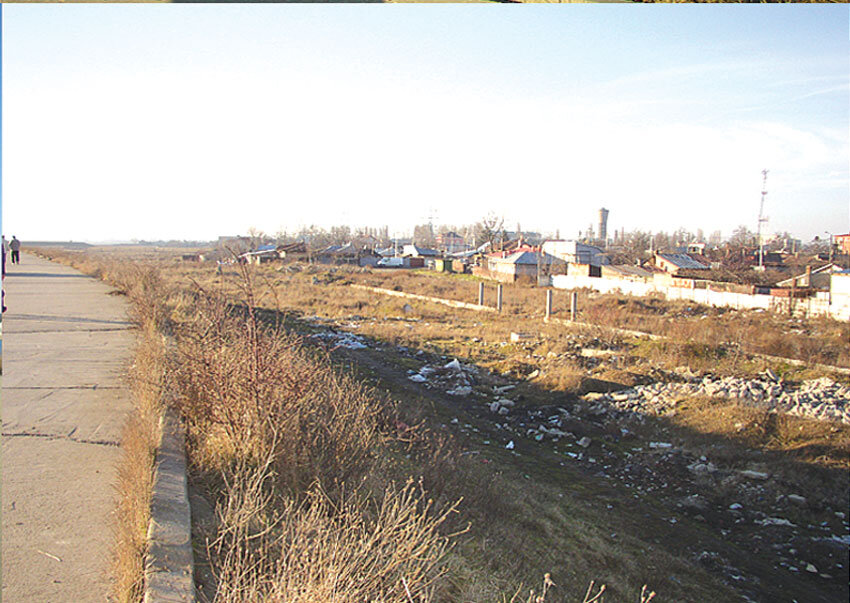
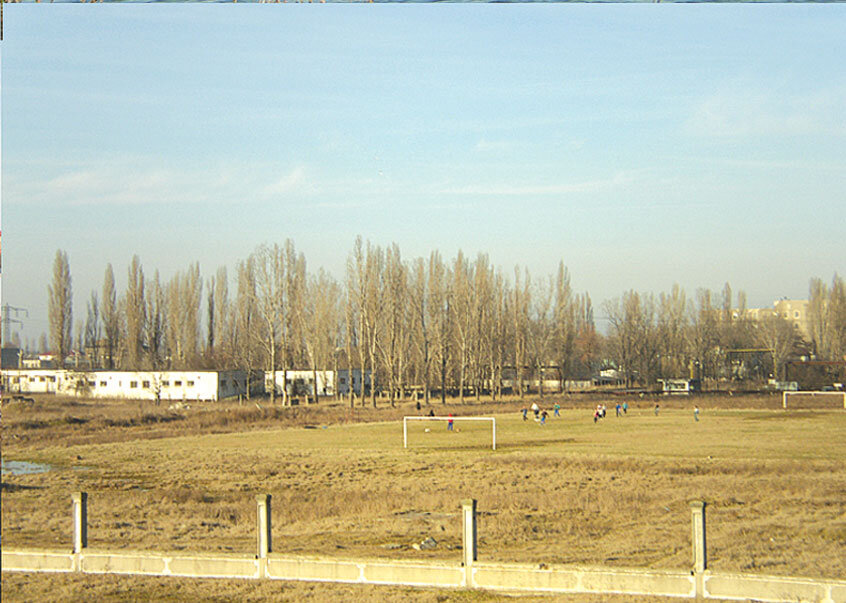
| The article explores the periphery of Bucharest (Lacul Morii area), the relationship between the territory and the city, proposing a strategic spatial vision for sustainable development, based on a working methodology that goes beyond the administrative boundaries of the city. Using the research by design method, the paper aims to become a basis for the negotiation of a future urban project, a platform for the experimentation of innovative solutions based on the exchange between practical experience and academic research. 1. Introduction. Some theoretical background on spatial planning1 The importance of urban design in the process of sustainable development In the context of the last decades, the process of administrative decentralization, privatization, social dynamics, energy and environmental protection issues, the practice of strategic spatial planning has gradually started to be formalized in societies ready to stage the process of urban co-production. Thus, new practices of alternative urban planning have led to the de-institutionalization of rigid masterplanning , replacing the colour patches of PUG (general urban plan) plans with a process based on the spatial dynamics of contemporary human activity. In short, development plans representing the interests of a single urban actor have become a sustainable working platform, integrating (counterbalancing) the common interests of society and of the various public and private urban actors. Of course, this has been possible in societies where competences are clearly defined and seems more difficult to achieve in contexts such as the Romanian one, where roles are often reversed and the boundary between public and private interest often seems an illusion. Spatial planning has allowed administrative boundaries to be overcome in favor of a coherent reading of the territorial structure. The need to understand the opportunities and potential of local resources in both a local and a global context required a new methodology based on multi-criteria analysis and multidisciplinary cooperation. With a clear vision, repositioning in a regional or national context can be achieved through sustainable strategic development actions, by identifying policies and defining projects, and by linking institutional actions and competences. Urban projects have thus become tools for assessing and articulating the proposed vision andco-productiveprocesses2. Urban design is a tool for strategic planning, with the ability to explore innovative solutions for spatial articulation, quantification of the urban project and visions, and the quality of public spaces in relation to private spaces. Urban design is the common language that brings the main urban actors to the negotiating table. It allows a qualitative rather than a quantitative approach, as in the case of comprehensive planning, and provides the necessary platform for involving and dialoguing with the population in the urban shaping process. In such a setting, the practice of design research becomes a necessity. Critical thinking about the spatial process (historical, cultural and institutional), correlation of technical innovations, environmental studies are needed as a basis for the foundation of such practice. It is not by chance that the same societies that have implemented spatial planning have validated this new academic approach "research by design" and it is not surprising that initiatives in Romania did not find the right andreadyinterlocutors in the 2000s3. 2. Morii Lake - research by design. Methodology The project proposes an exercise of redefining the outskirts of Bucharest using key elements from the context(natural and spatial qualities, the mix of urban and social fabrics, mobility and development opportunities), in order to create a sustainable relationship between the city and the territory. The main objective is to find that structuring gesture that can link the periphery to the city, mediate between water (Dâmbovița) and the fragmented built environment and realize the transition between the periphery and the territory by reinforcing the existing eco-landscape structure. In the project, the regional hydrological system, the topography are seen as a potential for bringing and rebuilding nature in the city through a process reversed to that of "urban sprawl": nature sprawl. The identification of strategic actions and interventions capable of restructuring and renovating the area and having an impact on the development of the city requires an analysis of the urban phenomenon that the city has undergone in the last decades. Political, social and economic changes have created conditions for new types of urban manifestation, which need to be strategically decoded and manipulated towards an overall vision of the city. Accordingly, three main themes that are found in the structuring elements of the Lake Mill area (key issues) were critically analyzed: 1.water - city relationship: the study of the two main rivers, Dâmbovița and Colentina, which cross the city of Bucharest in order to define the approach in future interventions on Lake Morii and the city. 2.Territory - city relationship: the way in which the city consumes its boundaries and territory, its position in relation to nature/how nature has historically influenced the organization of the built environment, the subordination relationship between natural/artificial are important to analyze in order to find alternatives to the current development. 3.The relationship between the different urban tissues:study of the social relationship between inhabitants, identification of missing elements that can structure and connect diversity in a coherent gesture such as the potential of the lake to legalize and strengthen its vocation as a local public space (current projects are more oriented towards a city-wide vision and less local.) The infrastructure projects planned in 2005 were seen as projects with the capacity to structurally change the area (the city-highway link project, the Giulești village sewerage project) and represent opportunities to think about these interventions from an ecological and social point of view. In 2012, the economic crisis should provide the time to take care of the neglected public space and assess its potential to improve the quality of life. |
| Read the full text in issue 6/2012 of Arhitectura magazine. |
| The author would like to thank the following for their support in the elaboration of this research project: prof. dr. dr. arh. Florinel Radu, EIA, Freiburg; prof. dr. arh. Augustin Ioan, UAUIM, Bucharest; arh. Anojie Amerasinghe and researcher Monica Busuioc. Notes 1. The concept of "structural strategic planning" has been the subject of several courses given by Prof. Jef Van den Broeck, Prof. Louis Albrechts, and the written text includes the essence of the courses given at KU Leuven, as well as the experience of the last years in the various projects I participated in Belgium and in the competitions realized in Romania. 2. Urban Trialogues vision_projects_co-productions, Localizing Agenda 21, André Loecks, Kelly Shannon, Rafael Tuts, Han Verschure (eds), Strategic structural planning by Jef Van den Broeck, p. 169/172. 3. Reference to the article by Augustin Ioan http://atelier.liternet.ro/articol/12050/Augustin-Ioan/Research-by-design.html , accessed August 15, 2012. Bibliography Augustin, Ioan, Byzantium after Byzantium after Byzantium (Themes of architecture in the 20th century. The Romanian case), Exponto, Constanța, 2000. Dogaru, Dumitru, Monografia Satului Giulești din județul Ilfov, Arhivele Naționale, 1942. Ghenciulescu, Ștefan, Identitate și continuitate în plan urban și teritorial. 2 studii de caz: Bucharest and Switzerland, PhD thesis. Supervisor: prof. dr. dr. arh. Alexandru Sandu, University of Architecture and Urbanism "Ion Mincu", Bucharest, 2003. Harhoiu, Dana, Bucharest, a city between East and West,Simetria Publishing House, Bucharest, 1997. Ioanid, Radu, Urbanization in Romania, Social-Economic Implications, Editura Științifică și Enciclopedică, Bucharest, 1978. Ionnescu-Gion, G. I., Istoria Bucureștilor, Stabilimentul Grafic I. V. Socecu, 59 Berzei Street, 1899. Majuru, Alexandru, Bucureștii mahalalelor sau periferia ca mijloc de existență, Editura Compania, Bucharest, 2003. Mihăilescu, Vintilă, Nincola, Viorica, Gheorghiu, Mircea, Olaru, Costel, Le bloc 311, "Revista de cercetări sociale", 1/1994. Noica, Nicolae, Entre istorie și actualitate. Politici de locuire în România, Editura Mașina de Scris, Bucharest, 2003. Pippidi, Andrei, București între istorie și urbanism, Editura Do-MinoR, Iași, 2002. Potra, George, Din Bucureștii de altădată, Editura Știintifică și Enciclopedică, Bucharest, 1981. Predescu, Alexandru, Dâmbovița, apă dulce..., Albatros Publishing House, 1970. PUG - General Urban Plan of Bucharest, 2002. Vasilescu, Gheorghe, Din Istoriculului Cartierului Giulești, seminar, Museum of History of Bucharest, 1966. Vatamanu, Nicolae, Bucharest History,Romanian Encyclopedic Publishing House, Bucharest, 1973. Competitions Bucharest 2000 - International Urban Planning Competition (Concours international d'Urbanisme, International Urban planning Competition), Simetria Publishing House. Competition presentationcatalogs : International Urban Planning Competition - Bucharest 2000 -, 1995, 1996, organized by the Romanian Government, the Bucharest City Council and the Romanian Union of Architects. Revolution Square Bucharest, ideas competition organized by the Bucharest City Hall, the Ministry of Culture and the Union of Romanian Architects. Illustrations 1) Preziosi, Bucharest in 1889 (watercolors). 2) PUZ Morii Lake. 3) PUG Bucharest. Bibliography Hydrographic System Abduraim R., engineer, chief engineer at Morii Lake project, Interview 2005-01-13 from 10:30 -11:30. Abduraim R. www. oar-bucuresti.ro/ events/symposium_axe/axe.03.htm, 03.03.2004. Conference on Bucharest' Axis Badea, Ioan, Marinescu, Petre, Rememorări din Epopeea Dâmboviței, Viitorul Românesc Publishing House, Bucharest, 1998. BEYOND DAM, Option & Alternatives, a Report by American Rivers & International Rivers Network. International Architecture Biennale Rotterdam the flood catalog, 2005. www.itcnet.ro/hystory/archive/mi1999/current2/mi28.htm July 31, 2005 Lake Morii Dam, report of the Ministry of Water and Environment, 2001. Stematiu, Dan, professor PhD, rector of the University of Hydrotechnics Bucharest Consultation 25.07.2005 from 11:00-12:00 Bibliography Urban Planning Benedek, J., Urban Policies and urbanization in the transition Romania, in Romanian Review of Regional Studies vol. II, 1, 51-64, 2006. Buck, M., Planwerk first phasestudy for thegeneral urban plan of Sibiu, Arhitectura - July 2004, p. 52-57 (planwerk first phase study for the general urban plan of Sibiu). Cupers, K., Miessen, M., Spaces of Uncertainty, 2002. Mihăilescu, V., The city and the neighborhood, Public and Private in Bucharest, Revista de cercetări sociale, 2004, p. 5. Radu, F., Bucharest Complex(c)ités naturelles, Méandre Penser le paysage urbain, Pieter Versteegh, et al., 2005. Urban Trialogues vision_projects_co-productions, Localizing Agenda 21, André Loecks, Kelly Shannon, Rafael Tuts, Han Verschure (eds), Strategic structural planning by Jef Van den Broeck, p. 169/172. PUZ - DIRECTOR AREA "BUCURESTI 2000" STAGE I , PROJECT NO.: 60/2002 Designer: University of Architecture and Urbanism "Ion Mincu", Bucharest Rector: prof. dr. dr. arh. Prof. Emil Barbu Popescu Project manager: prof. dr. dr. arh. Constantin Enache Beneficiary: Bucharest City Hall - Department of Urban and Territorial Planning, 2002 Socio-urban marketing study for the study area Bucharest 2000 + Dr. arh. Nicolae Țarălungă General Director, Dr. arh. Dr. Sorina Racoviceanu Scientific Director, Project 103/2002 © Copyright © Copyright IHS Romania srl Interviews Patroescu, M., Interview 05.01.2004 member of NGO Centrul Carpato Danubian de Ecologie. Marin, V., Interview 05.01.2004 director of ATU (Asociația pentru Tranziție Urbană). |
| This paper refers to a "research by design" study completed in 2005 at Katholieke Universiteit Leuven, as part of the Master of Architecture in Human Settlements program, guided by Professors Jef Van den Broeck and Bruno De Meulder, Department of Architecture, Urbanism and Planning (ASRO). |
| It addresses the topic of the relation between territory and the city in the Bucharest periphery (Morii Lake Area). It proposes a strategic spatial vision for sustainable development, based on a methodology that is an alternative to the traditional planning approach that is stranded by administrative limits. This work is a potential starting point for a document, that could form the basis for advocacy and negotiation for a future urban project in Bucharest. It is an attempt to prove the importance of research, alignment of professional experience, innovation and co-operation necessary for any urban project to critically address the complex nature of Bucharest. 1. Introduction. Some theoretical notions about spatial planning1 The importance of urban design in the process of sustainable development In the last decades wide ranging economic changes have given rise to a redefinition of the public and private realms; a profound modification of administration and its apparatus leading to decentralization; increased social and physical mobility and a grave concern for energy and environment. These changes have brought about the widespread practice of structural strategic planning. This gradually became an official tool in contexts ready to put into practice the co-production process, establishing new types of relations between different levels of administration, people and political institutions, public and private sectors. Innovative urban practices have taken a comprehensive master planning approach, replacing traditional land use planning with a process incorporating the phenomena of changing spatial dynamics. Development plans used to promote singular stakeholder interests have evolved to become a mechanism for integrating and balancing the common interests of civil society and other stakeholders involved in the city making process. This has become common practice in contexts where competencies are well defined and developed. However it remains more difficult to develop as a practice in contexts such as Romania where stakeholder roles remain poorly defined and the limits between public and private realms ambiguous. In this attempt to push planning towards new frontiers, the strategic spatial planning appoach can provide a valid basis for transforming the territorial structure. The need to expand the definition of development site(s) with respect to new opportunities, local strengths and resources in a wider regional and national context necessitates not only a new approach but new methodologies and tools. Analysis of a range of new criteria, as well as multidisciplinary co-operation, consequently shaped the proposal along new lines. Ultimately the development of a clear vision made made up of sustainable strategic urban actions, identification of urban policies and formulation of urban projects, as well as correlating actions and insitutional competencies broadly define how the process can work to reposition the city in terms of a dynamic new regional and national context. Within this framework the urban projects are used "as strategic interventions that articulate, test and eventually correct long term visions about a desired urban future [...]".2 Urban design is a tool of strategic spatial urban planning. It has the capacity to produce innovative spatial solutions, by giving form to urban projects and visions using a common language, and to explore new tensions that define new public and private realms. It integrates challenges of the whole urban process, making use of its assets as a medium of cooperation and negotiation. It permits a qualitative approach rather than a quantitative master plan approach. In this configuration "research by design" becomes a necessity. The critical thinking about the spatial process (historical, cultural and institutional), as well as the integration of innovative technical and design solutions as part of wider environmental strategy are fundamental to the planning approach. It is not by chance, that the same contexts, which implemented spatial planning, have opted for the academic methodology "research by design". And explains why such initiatives in Romania have not yet found the proper partners for development.3 2. Morii Lake - research by design methodology The project proposes a redefinition of the periphery making use of the specific dynamic realities of the context. Natural assets, spatial structure, mix of fabric, and socio economic opportunities are seen as key issues in creating a sustainable relation between city and territory. The main aim of the thesis project is to find the structuring gesture that can link the periphery to the city, to mediate between the water and built social environment, and to organize the transition between city and territory by reinforcing the landscape structure. In the case of the Morii Lake project, water systems and topography are seen as important elements that have the potential to bring the nature again inside the city reversing the process of urban sprawl into "nature sprawl". The new urban phenomena, that Bucharest experiences (2005) in a fast way requires careful spatial analyses. Political and social changes and the current financial crisis have given rise to new urban phenomena that have yet to be decoded and manipulated in strategic ways to produce a coherent vision for the city. This stresses the necessity to correlate the site to neighborhood, city and territory. Structuring elements on the site address three major themes. These are critically analyzed and explored in the present study. 1. Relation between city - water: Exploring the development of the two rivers that flow through the city: Dâmbovița and Colentina, in order to define strategies for Morii Lake and the city. 2. Relation between territory - nature - city: The way the city is consuming the territory and is stating its opposition to nature, as well the way nature influences the built environment has to be explored and used to develop alternatives to present development models. 3. Relation between different urban fabrics: Identifying missing elements that can structure and link the diverse built environments, and the capacity of the lake to reinforce its function as a social intergrator. In 2005 the proposed projects for the future in the area were considered to have the capacity to change the existing spatial structure. Also embeded in the project of infrastructure of Giulești Sârbi neighborhood, for example, was the opportunity to rethink these interventions from a social and an environmental point of view: specifically that of the new speedway, allowing fast connections between the city, country and Europe. In 2012 the economic crisis could offer an opportunity to re-launch the debate about derelict public space and its capacity to improve the quality of life in the city. |
| Read the full text in the print magazine. |
| The author is grateful for their support in developing this research project to Prof. PhD. Arch. Florin Radu, EIA, Freiburg; Prof. PhD. Arch. Augustin Ioan, UAUIM, Bucharest; Arch. Anojie Amerasinghe and Researcher Monica Busuioc. 1. Folows experience and "structural strategic planning" courses from KU Leuven, Jef Van den Broeck, prof. Louis Albrechts, 2. Urban Trialogues vision_projects_co-productions, Localizing Agenda 21, André Loecks, Kelly Shannon, Rafael Tuts, Han Verschure (eds), Strategic structural planning by Jef Van den Broeck, p. 169/172. 3 Augustin Ioan http://atelier.liternet.ro/articol /12050/Augustin-Ioan/Research-by-design.html, August 15, 2012. |