Pixel Enlargement - 3D for everyone
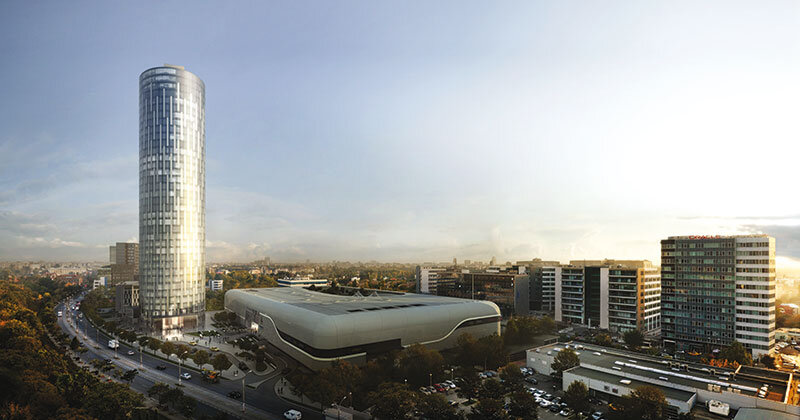
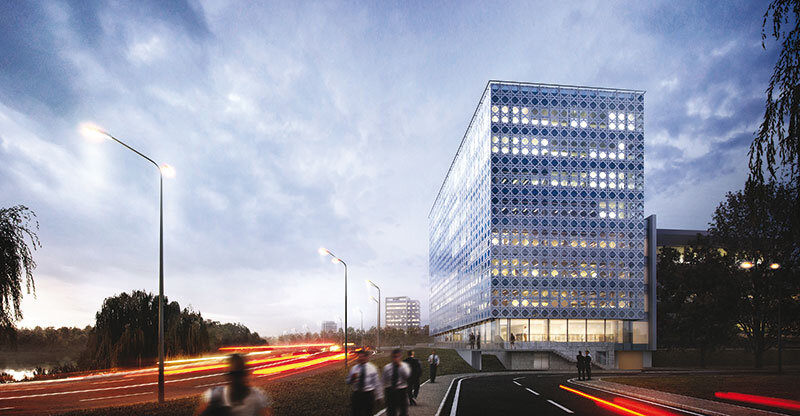
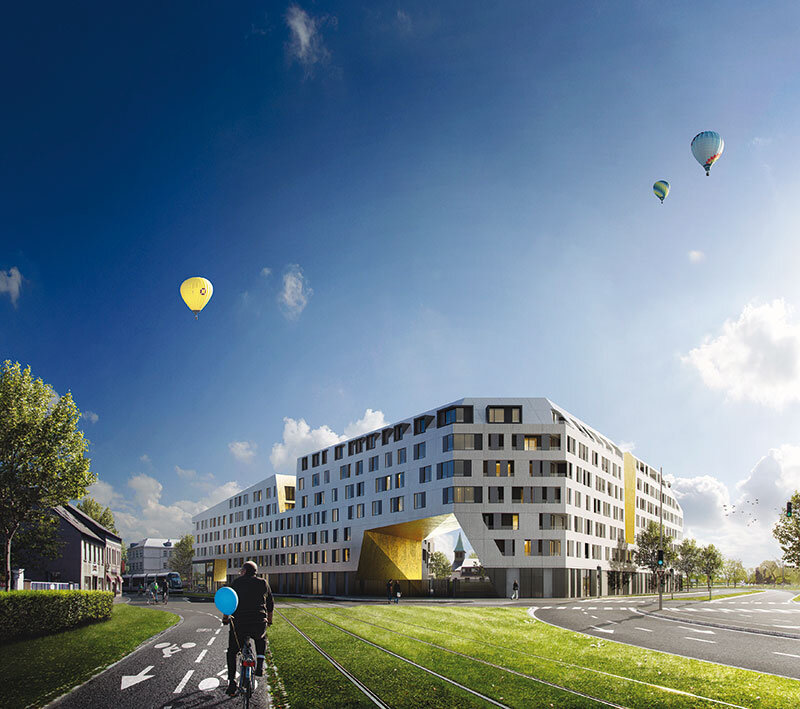
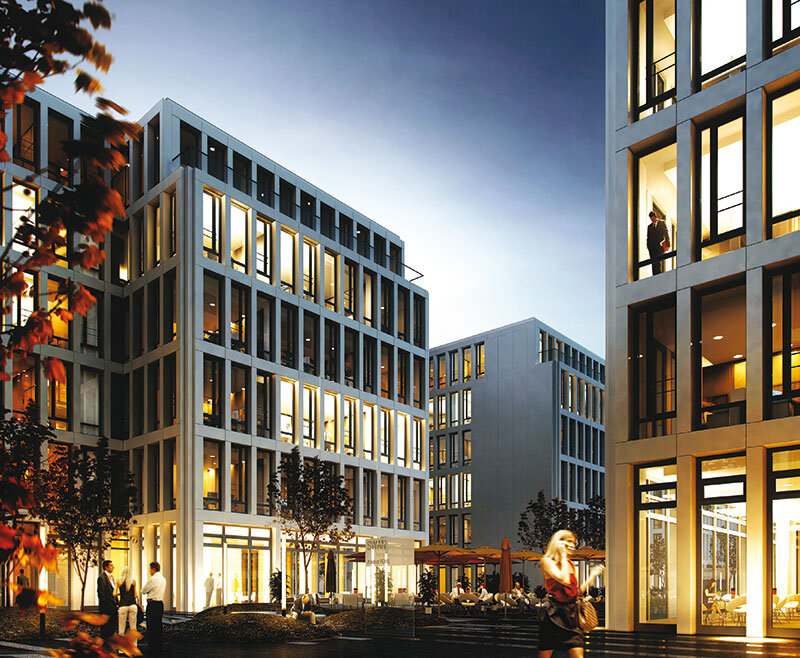
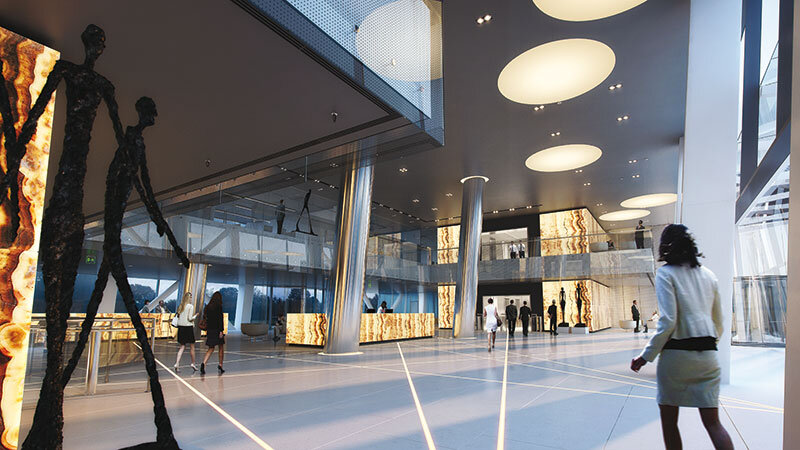
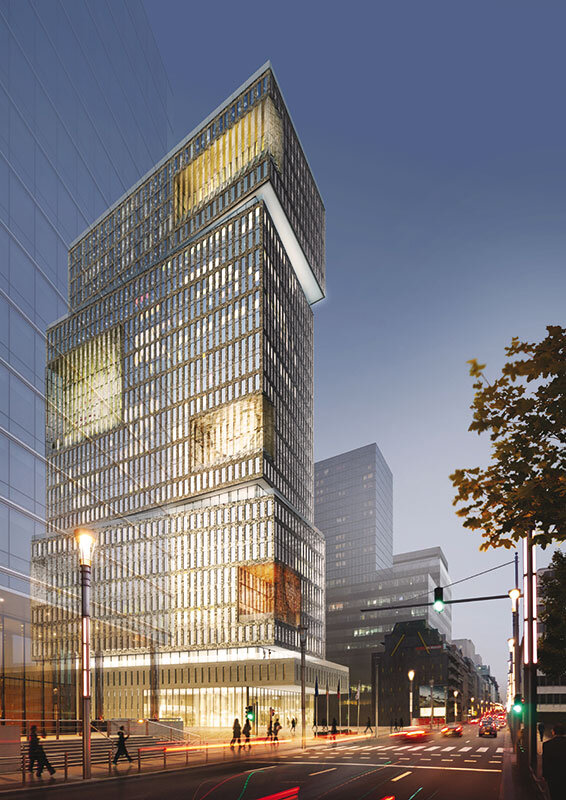
Pixel Enlargement is a group present on the Romanian market since 2006. So far, it has created 3D images and animations to promote some of the most complex and successful real estate projects. With over fifteen years of experience in architectural visualization, we deliver the best visual communication tools for architectural projects or design concepts.
Every real estate project has an army of architects, project managers and builders behind it. That's for sure. But up front? Well... another army: marketing, sales, rentals. If the first contingent leaves behind the mud from site boots or choking dust of plaster, the second category obviously leaves behind competent trails of perfume. This is what I'll say a few words about, our role in creating the packaging for a project. About what "something beautiful, something special" means in the realm of images and videos to showcase as-yet-unbuilt projects.
How did we get here? It seems that a niche can sometimes suck you in without you even realizing it.
A passion for images, photography and visual arts in general - a natural complement to my core profession - combined with significant experience working in 3D Max, ever since it ran in MS-DOS and was just called 3D Studio, helped me a lot to edit my college projects to a pretty bold level in terms of visuals. Hence, the first little works. Obviously, at the time it was just a way to save vacation money, no one was thinking of making a business out of it. Or architecture. "Business? How mercantile it sounded then... Only the world was my world, the media arcades and MOMAs were waiting in line to be designed, and the thought of frame houses brought a sickly odor to my nostrils - does Alzheimer's have a smell? Anyway, not to slip into anything too personal. Small works became larger projects, occasionally animations. And back then it sounded strange to say the least to make a little 3D movie... render times were enormous even for a simple image!
But, with a lot of optimizations, a lot of patience and trial and error, I managed to find an optimal solution that gave more than respectable results for the 2000s. The secret turned out not to be computing power, but the approach to the problem. There was no shortage of frustrations. Those who have, or have had, any tangle with 3D imagery will certainly have gone through the stage of grimly looking at their computer as if it were the last piece of paper, dreaming of the saving union of the words "station" and "graphics".
All this happened during and after university, in parallel with what is now called "a real job" with projects, orders, construction sites, project managers, visits to suppliers, cutting emails. By inertia or stubbornness, even now we have not stopped doing architecture (and here I mean the whole team), we have building sites in progress and we divide our time with the utmost rigor. Interestingly, we've even gotten design contracts from a few clients for whom we've produced 3D images.
Among the first bigger jobs was an animation for Westfourth - the Asmita Gardens development. It was quite substantial and complicated to do. I didn't even know it was part of the residential 'segment'. I knew the function, of course, but had no idea of the "geometry" of the real estate market. Segments? How? So, although technically we had produced something we were more than proud of, and the architects were very pleased, we received from the consultant suddenly appearing on the scene a list of about 50 points to straighten up. There began the collaboration with the big real estate consulting firms. Because the video was technically "unwatched", but not directed to the buyer (whoops! should have been?), we got our first bigger contract: redoing the video, taking the 50 points into account. Just as beautifully realized, but "targeted". It was the beginning of our schooling in communications and marketing, we learned many things that now seem obvious to me, but we also encountered others that, frankly, we would never have thought of. I remember how they wanted Lake Văcărești, which the project borders, to appear in 3D as a lushly vegetated area. Then it was just a weedy pit. Today? Some kind of protected area? Strange crescendo ending: abandoned, weeds, weeds, puddles then suddenly: nature reserve. Equals... lush vegetation?
After Asmita and the success with which the remake was received, a lot of work followed. The niche I was telling you about has absorbed us in spurts. Competition? Practically none. We were getting a lot of requests for tender which materialized into contracts, some we even had to turn down, we became more and more demanding and raised the standard with every project - which continues. We 3D modeled dozens of buildings, often in the same area. And now, for example, we have clients in the north of Bucharest with huge projects that are practically next door to each other.
The crisis? It brought a period of maximum calm after huge investments in software and equipment. But it didn't last long. That's when we created the Pixel Enlargement website - www.pixelenlargement.com (free to smile). And that's how we started to get work abroad. Here - mostly architects. We already have 'traditional' collaborations with a few offices in France, Germany, Belgium and the UK. And with some of them we have never seen each other, communicating only by skype or simple e-mails. Projects with our images have won international architectural competitions. The architects are very happy, especially with the clean, crisp images, close to the best quality marketing materials we produce for developers. This is against the background that, in general, "architectural, competition" images are done at high speed, are rather "atmospheric", not exactly detailed, slightly surreal, unnaturally lit to the S.F., at least sloppily done when viewed at 100% resolution and adorned with the specific halos of light coming from who knows where.
Local market - our inbox reconfirms itself as the most trusted real estate barometer. We're among the first to know when a new project is nearing a final shape and about to be launched - in Bucharest, at least. Now, for example, most of the developers who have started new projects are our clients, including Raiffeisen, Skanska and Atenor. We are in talks with a few others, but their projects are still at an early stage.
In the near future, we are planning a leap in an important new direction. The signs are more than encouraging: we have a partner firm in Germany, with whom we have already worked for major developers such as Redevco or Strabag Immobilien and with whom we have several projects in the pipeline. So while we are always looking for new collaborations with architectural offices in Western Europe, we are now also targeting developers. In our experience, such a relationship is virtually impossible without direct contact, so the German partners do that for us. And they do it very well. It's flattering that our animations, made 3-4 years ago, are highly appreciated by German developers. Some of them compete at least on a par with what is now being made in Germany, often for sums that are hard to imagine.
Thinking of a closing sentence, I was reminded of some questions that reappear year after year: what will happen to the little niche when design software will be able to produce 3D images with great ease? Will we disappear? Will everyone be a 3D artist? The answer has been the same for some time now: pretty much all design software is already making photorealistic images. The internet is full of libraries of 3D objects. It's all there and it's mostly free. There are also online courses (so-called "tutorials") with all the steps to follow from absolute zero to spectacular images. But from what I can see, the echo is timid to say the least. And for us, that means two things: the first - the encouraging one - competition is coming; the second - not exactly pleasant - we're finding it harder and harder to find collaborators.