Scènes Roumaines October 11, 2013 - January 12, 2014

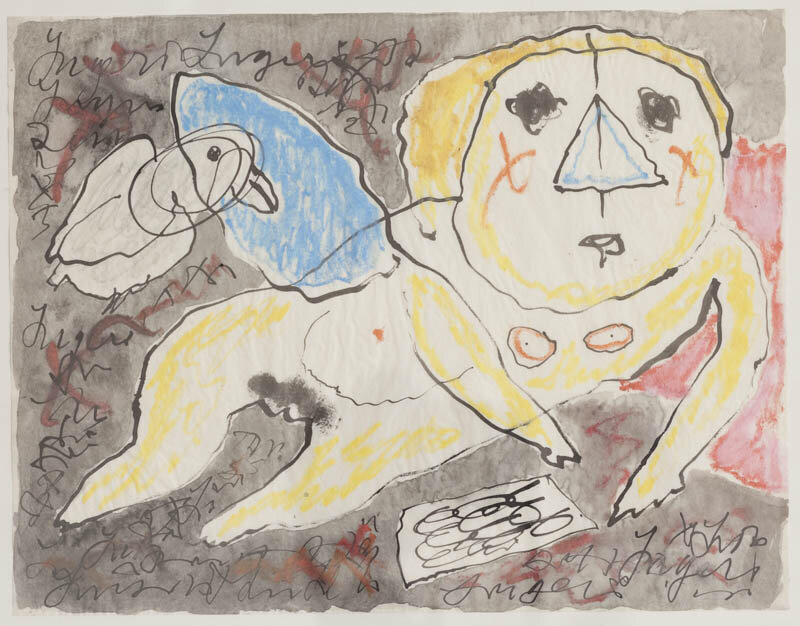
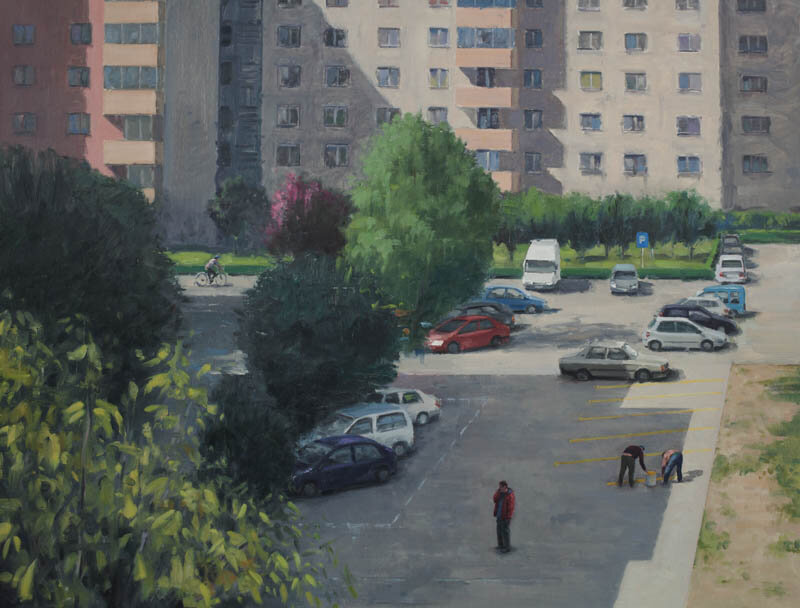
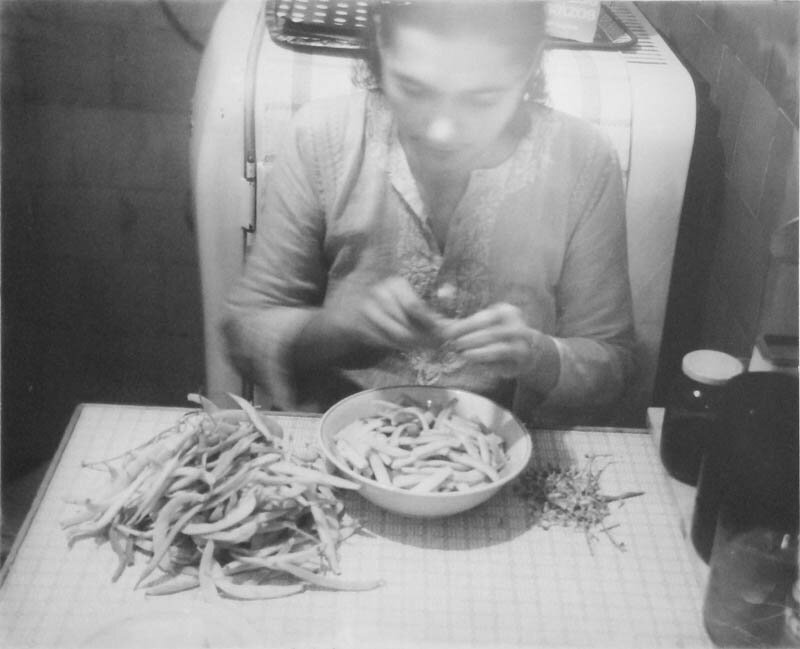
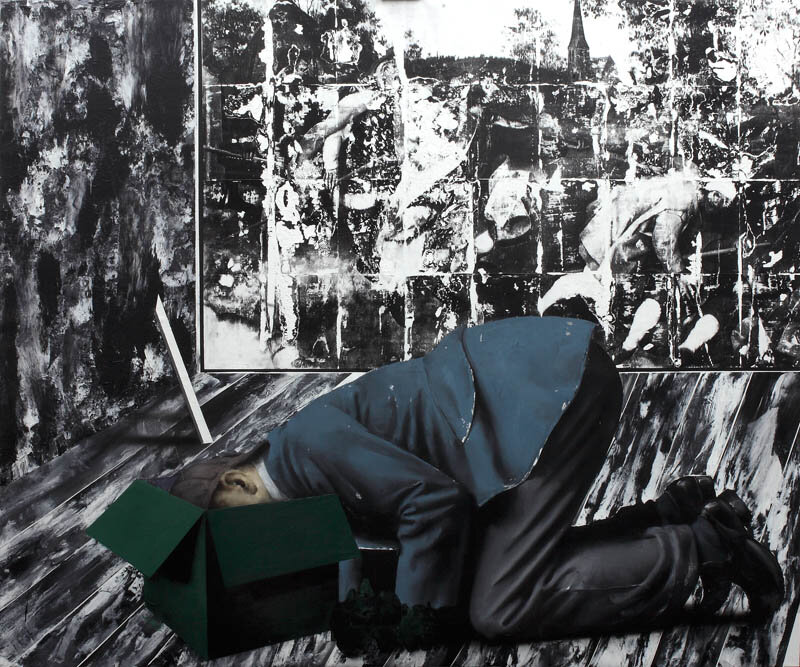
| The Louis Vuitton cultural space has chosen to present the Romanian art scene this fall. An outward journey, but also an introspective journey to evade any kind of limits, with Marie-Ange Moulonguet, director of the Louis Vuitton Cultural Space, and Hervé Mikaeloff, curator of the Scènes Roumainesexhibition. |
| Alina Nechifor: What is the vocation of the Louis Vuitton Cultural Space? A center for research, experimentation, a democratic platform, a unique meeting ...? What specific themes do you favor and what are the different projective approaches that strengthen the attachment to the aesthetic values of the Louis Vuitton brand?
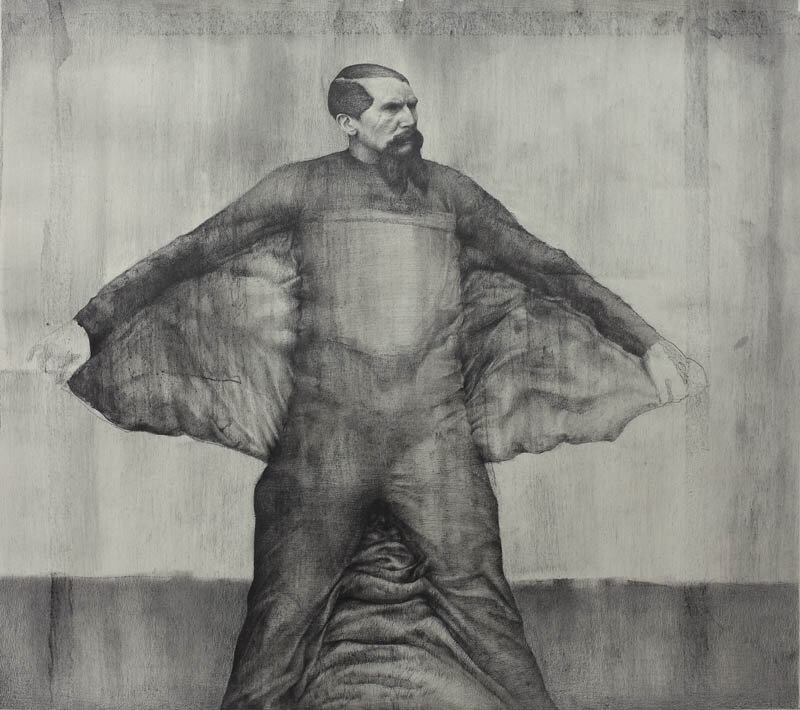
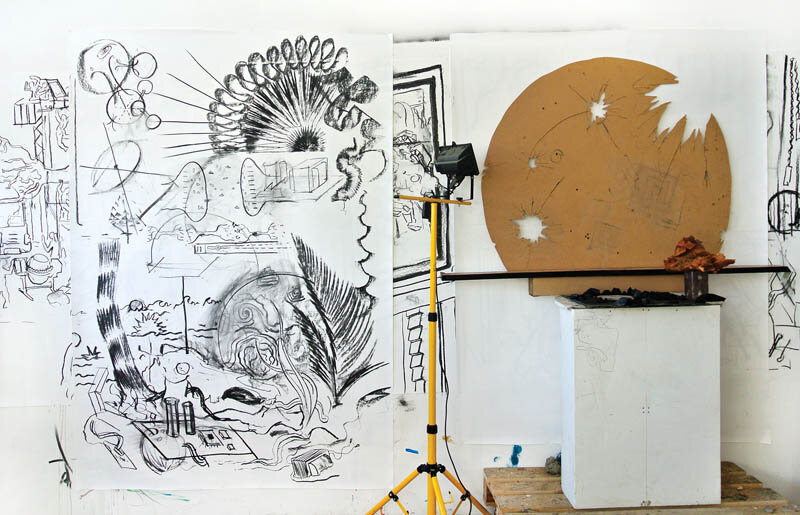
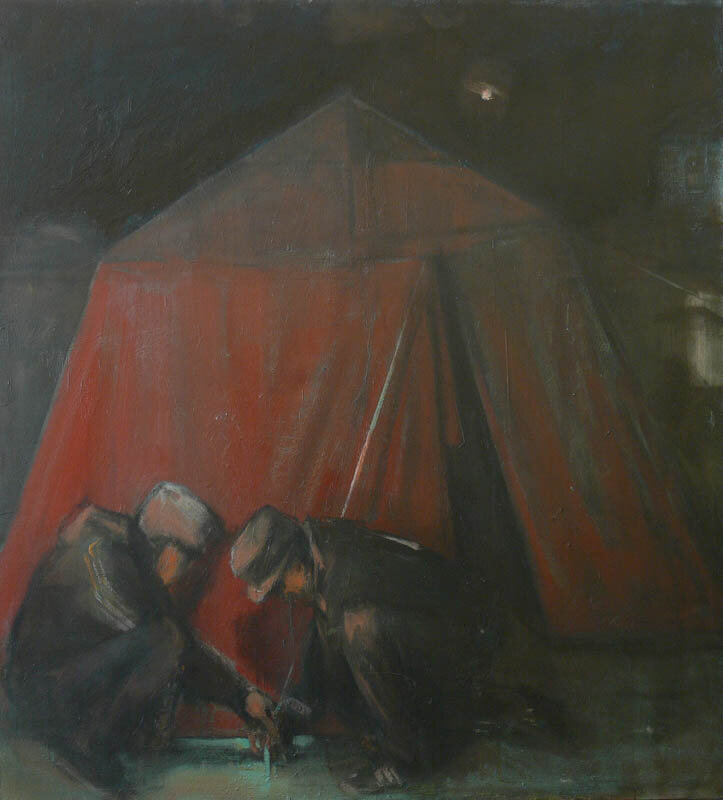
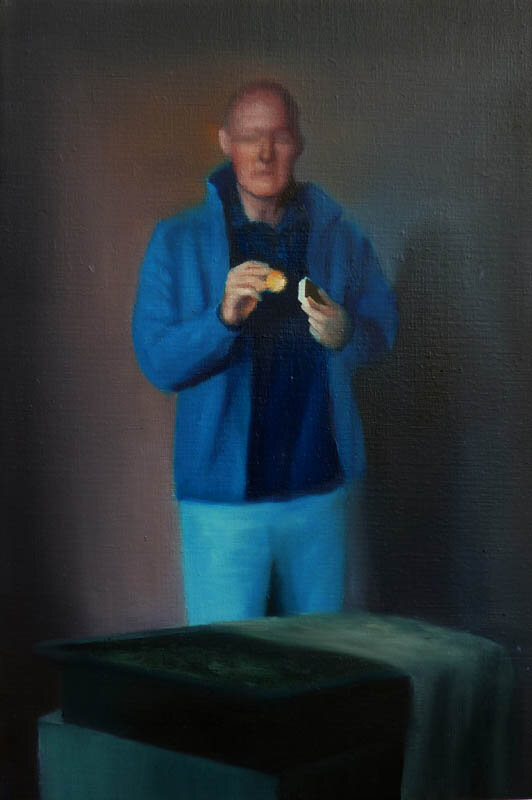
Marie-Ange Moulonguet: The cultural space was born out of an intense desire to create a unique place in Paris, capable of evolving over time, transforming with the projects and shaped by those energies that bring together diverse genres of audiences. A place to tell the story of the different countries crossed, their historical and geographical realities. Then there are also themes related to the intimacy of inner journeys, childhood journeys, in the sense of writing, music or mail-art, for example. History has no value unless it ends in an act of filiation or creation. A.N.: What does "space" mean to you? M.-A.M.: The word space is as vast as the world. It is a space offered to artists, visitors, children who pass through it. It symbolizes place: a place offered and shared. The place that belongs to each of us and that we measure by the measure of the place circumscribed by others. For me, the word space is synonymous with freedom, generosity, time, space-time. The artist's freedom to create, to exhibit, to measure himself against others by taking part in a collective adventure. And finally, the word space brings to mind that very special idea of respite. Perhaps even of pushing boundaries. A.N.: Does the Louis Vuitton cultural space have the ambition to constitute a contemporary art collection? M.-A.M.: The vocation of the Cultural Space is not to create a contemporary art collection. It is not a contemporary art gallery and therefore has no commercial function, just as foundations have no commercial function. Once again, it helps to put the chosen artists in the limelight by supporting them in the realization of some of their works. Other works are lent to us by the galleries representing them or by the artists themselves. A.N.: Any journey involves emotions, expectations and, inevitably, a return to the starting point. So how did you prepare this trip to Romania, what was the mental journey before the physical one, and the meetings that allowed you to decipher the Romanian cultural scene? M.-A.M.: The idea of delving deeper into the artistic scene of an Eastern European country came very naturally to us. It was something that had not yet been addressed within the Cultural Space. Why Romania? Because it is a country whose extremely rich and varied cultural facets have left their mark on the 20th century: sculpture, literature, poetry, music, music, philosophy, fine arts. It is also a country close to France, both in terms of distance and the fact that French has been taught in schools for decades and many French personalities have settled here. Histories are more often than not made up of encounters, and so is history. Thanks to Hervé Mikaeloff, the curator of the exhibition, I met Rodica Seward, president of the Tajan auction house. She is Romanian and lived in the US for many years. On her return to France, she rediscovered her country through the young contemporary scene in Cluj, which she has been exhibiting and championing ever since. Thanks to her, I was able to enter the studios of artists Ion Grigorescu, Ioana Bătrânu and Geta Brătescu, the latter alone representing a significant part of Romanian art history since 1970. For the first time in an exhibition exploring a country, the historical and contemporary scenes echo each other. A.N.: Are your current reflections on traveling fueled by the notion of territory? Does the Louis Vuitton cultural space, through the planned exhibitions, participate in a new definition/representation of a specific territory? M.-A.M.: A territory perhaps implies the existence of limits, of boundaries. It is synonymous with space. Cultural space also exists to signify the multitude of invitations to step outside artistic, intellectual or literary borders. A.N.: You have chosen 13 Romanian artists, including both major figures and names from the younger generation. What invisible link unites the two sides - a certain activity of memory or perhaps an ineffable relationship with the "fragile architecture of the past" (to quote Antonio Lobo Antunes)? Hervé Mikaeloff: Initially we went in search of the new generation of artists in Bucharest and Cluj, the generation that started working after the fall of Ceausescu, and then we realized the importance of artists like Geta Brătescu and Ion Grigorescu and wanted to show them in the exhibition. A.N.: Can you tell us more about this revelation of "a new state of painting"? H.M.: Painting is very present, it is true, among the younger generation, but it is not exclusive. That's why it is also predominant in the exhibition. But I noticed that Romanians have been able to renew the genre with vigor, between abstract and figurative. Their vocabulary is universal and today seduces amateurs everywhere. |
| Artists: Ioana Bătrânu, Dan Beudean, Mihuț Boșcu Kafchin, Geta Brătescu, Simon Cantemir Hauși, Oana Fărcaș, Adrian Ghenie, Ion Grigorescu, Ciprian Mureșan, Sergiu Toma, Mircea Suciu, Șerban Savu, Bogdan Vlăduță Curator: Hervé Mikaeloff Louis Vuitton Cultural Space 60, rue de Bassano 101, avenue des Champs-Élysées, Paris |
| The Espace culturel Louis Vuitton has chosen to present the Romanian art scene this fall. A journey to the outside, but also an introspective journey, to escape any kind of borders, with Marie-Ange Moulonguet, Director of L'Espace culturel Louis Vuitton and Hervé Mikaeloff, curator of the exhibition Scènes Roumaines. |
| Alina Nechifor: What is the vocation of the Espace culturel Louis Vuitton? A center for research, experimentation, a democratic platform, an unprecedented encounter? What are the themes you visit and the different projectual approaches that reinforce the attachment to the aesthetic values of the Louis Vuitton brand?
Marie-Ange Moulonguet: The Cultural Space was born out of a strong desire to create a unique place in Paris that can evolve over time, transforming itself according to the projects and energies to federate different audiences, a place to tell the story of the different countries crossed, historical and geographical realities. Themes linked also to the intimacy of the inner journey, a journey into childhood, in the sense given to writing, music, mail art for example. History is only of value if it leads to an act of filiation or creation. A.N. : What does the concept of "space" mean to you? M.-A.M. : The word space is as vast as the world. It is the space offered to artists, visitors, children who pass through it. It symbolizes space: the space offered and shared, one's own space that one measures against the space circumscribed by the other. For me, the word space is synonymous with freedom, generosity, time, space-time. Freedom for artists to create, to exhibit, to confront themselves with others by participating in a collective adventure. Finally the word space brings with it this very particular idea of respite. Perhaps also of limits pushed back. A.N. : Does the Espace culturel Louis Vuitton have the ambition of a contemporary art collection? M.-A.M.: The Espace culturel is not intended to create a contemporary art collection. It is not a contemporary art gallery and therefore has no commercial function. Neither does a Foundation. Again, it allows to highlight the artists chosen and supported by supporting the production of some of their work. The others are on loan from their galleries or themselves. A.N. : Every journey involves emotions, expectations and inevitably a return to the starting point. So, how did you prepare for your trip to Romania, what was the mental journey, well before the physical one, and the encounters that enabled you to decipher the Romanian cultural scene? M.-A.M. : The idea of penetrating further into the artistic scene of an Eastern European country came very naturally to us. It was a question that had never been tackled before at the Cultural Space. Why Romania? It is a country of extremely rich and varied cultures that have left their mark on the 20th century: sculpture, literature, poetry, music, music, philosophy, plastic art. It is also a country that is close to France in distance, the language that was taught at school for decades and whose many famous people are expatriates in our country. Stories are always made of encounters, so is history. Thanks to Hervé Mikaeloff, the curator of the exhibition, I met Rodica Seward, president of the Tajan auction house. She is Romanian and lived in the USA for a long time. Back in France, she returned to her homeland thanks to the young contemporary art scene in Cluj, which she has since shown and ardently defended. Thanks to her, we were able to enter the studios of artists Ion Grigorescu, Ioana Bătrânu and Geta Brătescu, who alone represents a whole slice of Romanian art history since the 1970s. For the first time in an exploratory exhibition of a country, historical and contemporary scenes echo each other. A.N. : Does the notion of territory inform your current reflections on the question of travel? Does the Espace culturel Louis Vuitton, through the planned exhibitions, contribute to a new definition/representation of a specific territory? M.-A.M. : A territory perhaps implies the existence of limits and borders, synonymous with space. Cultural space is also there to signify the multitude of invitations to go beyond artistic, intellectual or literary borders. A.N. : You have chosen 13 Romanian artists, among them major figures as well as names from the younger generation. What is the invisible trace that links the two - a certain work of memory or perhaps an ineffable relationship with the "fragile architecture of the past" (to quote Antonio Lobo Antunes)? Hervé Mikaeloff: We set out to discover the new generation of artists from Bucharest and Cluj who started working after the fall of Ceaușescu, then we realized the importance of artists like Geta Brătescu and Ion Grigorescu, whom we also wanted to show in the exhibition. A.N. : Can you tell us about this revelation of "a new state of painting"? H.M.: It is true that painting is very present among the new generation but it is not exclusive. It is also in the majority in the exhibition. I was able to see that the Romanians have been able to renew the genre with vigor, between abstraction and figuration. Their vocabulary is universal and today seduces amateurs from all over the world. |
| Artists : Ioana Bătrânu , Dan Beudean, Mihuț Boșcu Kafchin, Geta Brătescu, Simon Cantemir Hauși, Oana Fărcaș, Adrian Ghenie, Ion Grigorescu, Ciprian Mureșan, Sergiu Toma, Mircea Suciu, Șerban Savu, Bogdan Vlăduță Commissioner : Hervé Mikaeloff Espace culturel Louis Vuitton 60, rue de Bassano 101, avenue des Champs-Élysées, Paris |