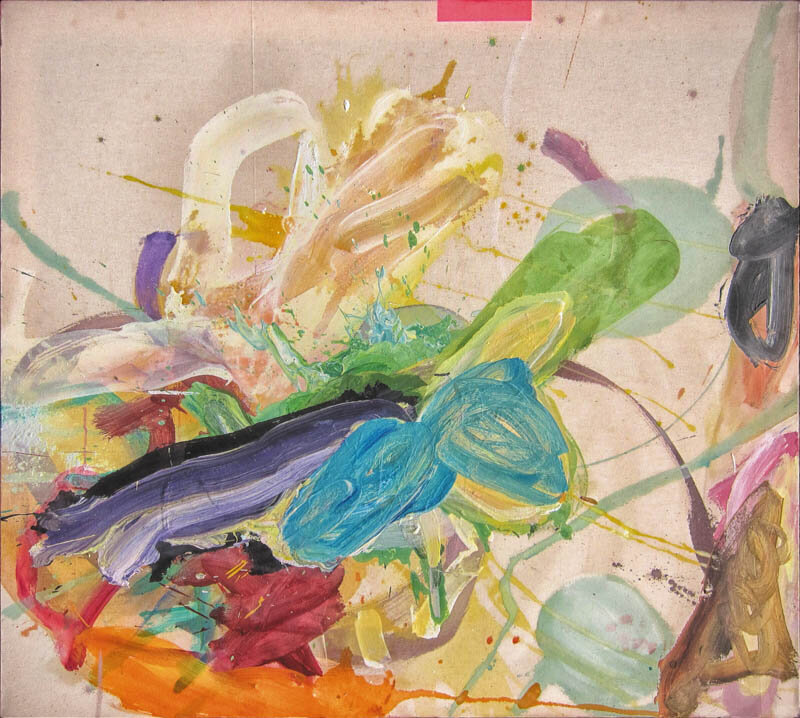
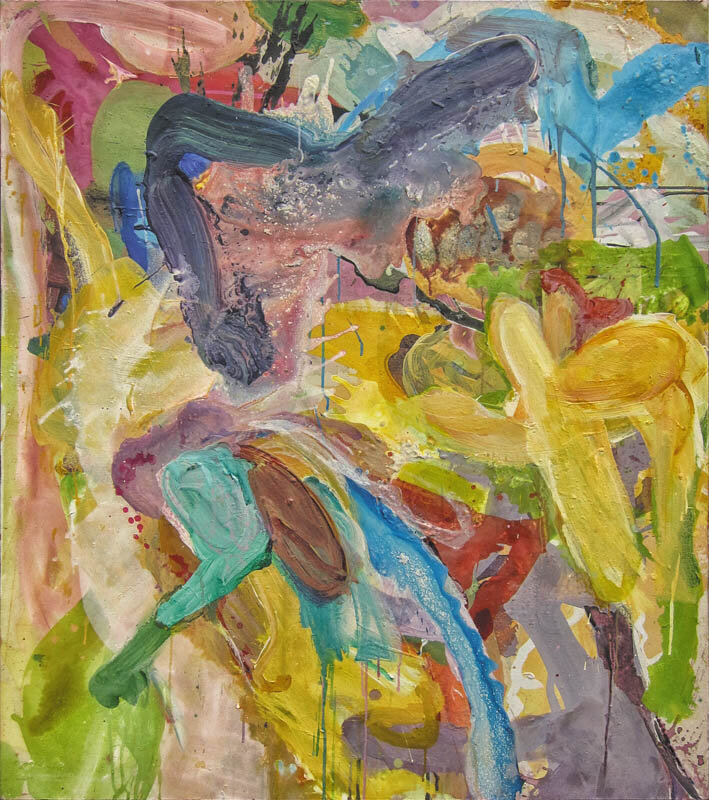
In the eye of art* Reflecting Maria Zgraggen's paintings: proximity, distance and the concept of landscape
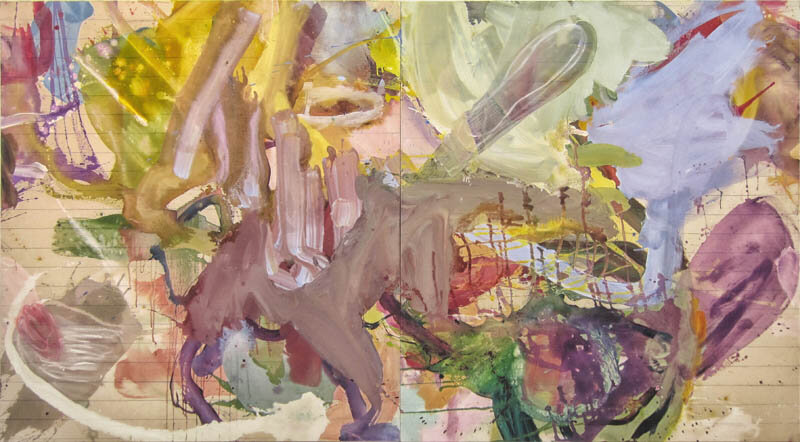
In the eye of the art*Reflecting Maria Zgraggen's Paintings:Closeness, Distance and the Concept ofLandscaping.
| The way we recognize and react to materials, shapes, colors, structures and distances in the world around us defines the way we see. We come to understand our surroundings with all our senses. When we step out of the built environment and reflect our visual impressions, it is possible to do, in the words of W.J.T Mitchell, "landscape work"1. Mitchell quite plausibly argues that there is no artistic category called 'landscape'. And he is not the only one who argues that it is time to abandon the concept of 'artistic genre' in general. What seems rather true is that portraits, still lifes and landscapes are the result of a complicated interweaving of tradition and interests connected to what we discern in our surroundings. Our art is riddled with codes that can be quickly lost, and in the end, just as we don't know exactly who we see in portraits or what the role of the painting was in its time, the plants and trees remain there as they were seen, and what is permanently installed is the artist's vision. So how do we see the environment today? What do we see when we look out of the window, when we can afford to take that hike in the mountains or walk for a few hours over the plateaus and through the forests? What exactly do the gardener and the farmer experience while tilling the soil? What do local planners and politicians see when they look at the various possibilities offered by wasteland? For today's people, so addicted to modern city life, these journeys involving natural views or through the very heart of nature are often rare encounters with nature. More often, they are a form of therapy or a welcome return to a sensory reflection on time. As visitors to nature, we can make use of the metaphor 'landscape'; on the other hand, we may as well forget it and begin to hone our ability to understand and consciously position ourselves in the present and try, for example, to deal with distance and proximity by combining what we know about the scenery in which we are situated with what we perceive. To relate what is very far away and what is near and to coordinate them with the senses of our bodies. Landscape can therefore become the 'procedure' of establishing a relationship with our surroundings through themes and proportions that we can describe, manage and discuss. We are aware that we are part of our environment and active creators of our contexts. Here, as in countless other contexts, works of art are a way of enhancing and understanding our experience. |
| Read the full text in Arhitectura 5/2013 |
| Notes: * The title is a phrase coined by Maria Zgraggen. 1 W.T.J. Mitchell (ed.) Landscape and Power, University of Chicago Press, 1994. |
| Recognizing and reacting to materials, shapes, colors, structures and distances in the world around us define our seeing. We create an understanding of the surroundings through all our senses. When we move outside the built environment and reflect our visual impressions we may be what W.J.T Mitchell has called "landscaping"1. Mitchell makes plausible that the art category of "a landscape" does not exist. He is not alone in asserting that it is time we leave the concept of "art genres" in general. Rather, portraits, still lives, and landscapes are the results of an intricate weaving of tradition and interests connected to that which we see into our surroundings. Our art is stuffed with codes that may get lost quickly and in the end, just as we do not know who we really see in the portraits or what the role of the painting was in its day, the plants and trees stand there, left as they were seen. And the artist's vision takes over. So how do we see our surroundings today? When we look out of the window, when we treat ourselves to that day of trekking in the mountains or some hours walk by foot past fields and into forests? What does the gardener and the farmer experience working with the land? What do the regional planners and the politicians see when they survey the possibilities of their free square meters? For modern screen-and-town-conditioned humans those movements with and within views are often rare meetings with nature. More often than not they are a form of therapy or a welcome return to a sensuous reflection on time. As visitors in nature we may use the metaphor "landscape" but basically could also just forget about it and start working on our ability to take in and position ourselves consciously in the present and try to deal, for instance, with distance and closeness, combining what we know about the setting we are in with what we perceive. Bringing that which is very far away and that which is close in relation to each other and coordinating it with our bodies' senses. Landscaping may then be the "procedure" of establishing a relation to our surroundings through themes and proportions we can describe, handle and exchange about. We are aware of being a part of our environment and are active creators of our contexts. Here as in so many other contexts art works are a way to enhance and understand our experience. |
| Read the full text in the print magazine. |
| * The title is a phrase coined by Maria Zgraggen. 1 W.T.J. Mitchell (ed.) Landscape and Power, University of Chicago Press, 1994 |
Photos: © Bill Hodgkinson