
A few words about education or "This is where Spiru Haret lived"... but not in this building
"That private school was formalized as state education under the name of the National School of Architecture... by the education reform initiated by Minister Spiru Haret in December 1897."
Extract from the history of the University of Architecture and Urbanism "Ion Mincu" Bucharest2
In 1941 the Society of Romanian Architects celebrated half a century since its foundation, a fitting time for retrospectives such as the one published by I. D. Enescu in the jubilee issue of the journal Arhitectura. This review begins with a chapter devoted to historical monuments, followed by a chapter on architectural education, a sequence that most probably indicates the importance given, at least at that time, to these two subjects. On this occasion, we learn that, after a difficult start in 1863 as a section of the School of Fine Arts, a section that did not work, and after an unsuccessful attempt to (re)establish it as part of the Faculty of Sciences in 1872, the guild itself took up the task, founding a private institution in 1892, which was active until 1897. Then, "...Spiru Haret being Minister of Education, it was decided (1897) to re-establish the Department of Architecture at the Bellearte School... Having been established as a State school, there was no longer any point in the Society's school, its pupils having transferred to the State school. [...] Soon, however, the school separated... as the Higher School of Architecture ... (1904)"3 - 1904 being the last year of Spiru Haret's second mandate4.
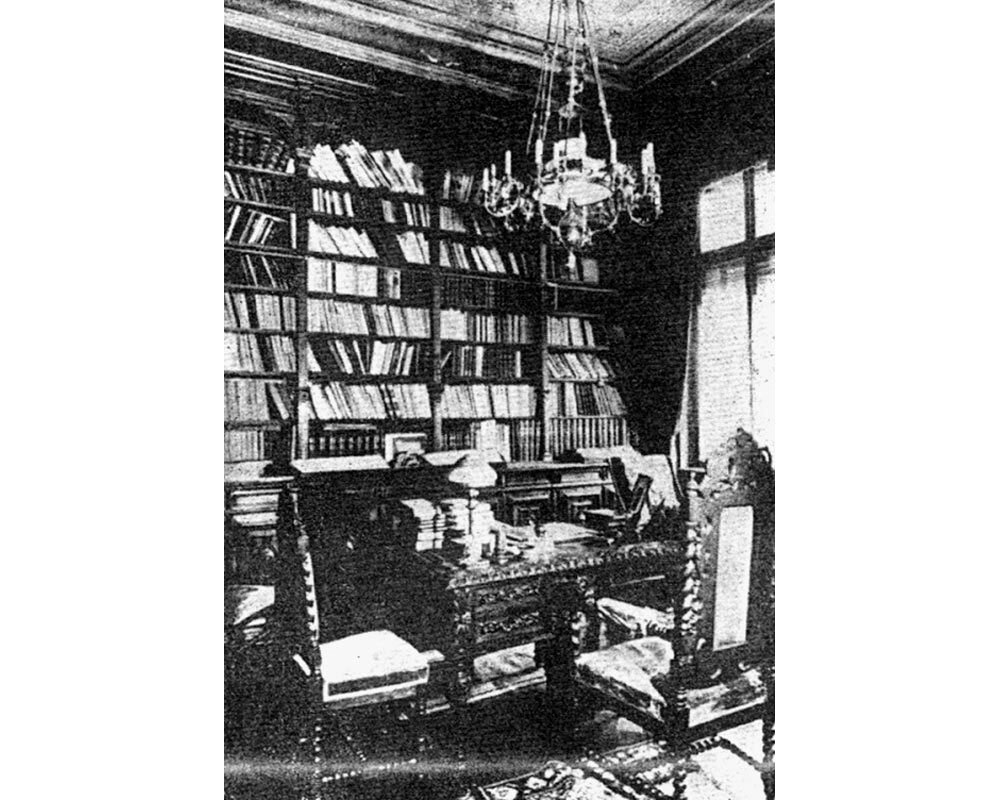
Obviously, then, Spiru Haret consciously supported the training of architects in the country. And as it was and is well known that the scientist, as well as the minister, worked at home5, it should not be difficult to imagine how the vital decisions in this respect were taken in the room whose vintage photograph (picture 1) has been preserved for posterity. It was here, at certain times, that the service chiefs brought the documents, and it was also here that Spiru Haret drafted his many decisions and circulars, many of which he himself drafted6. Why should these not have included the one or those through which architectural education in modern and contemporary Romania was practically born?
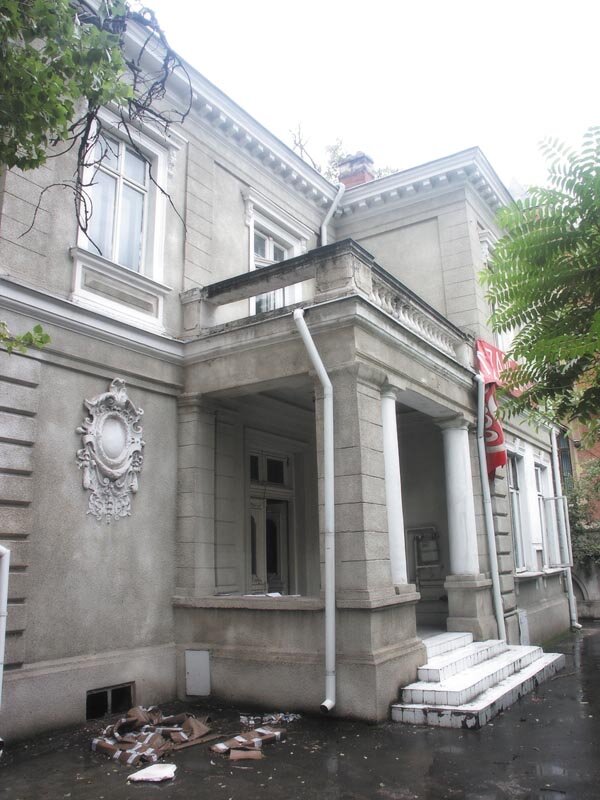
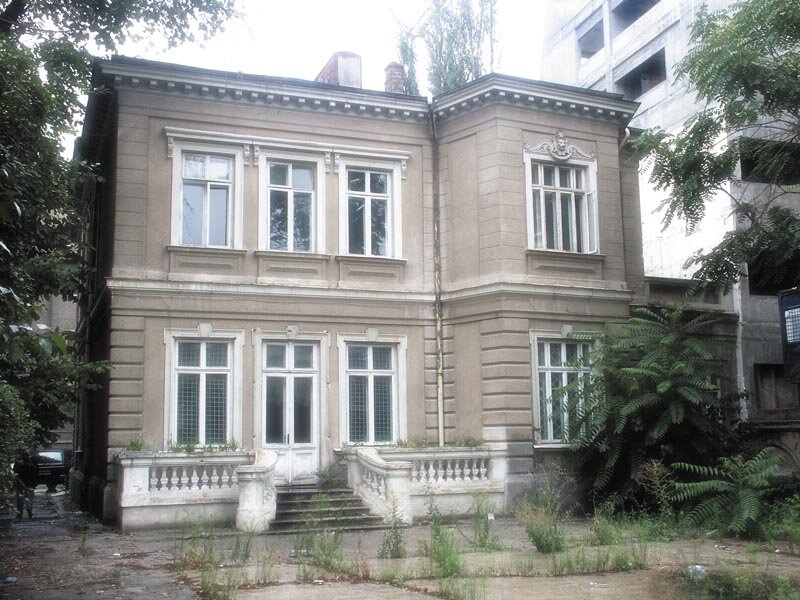
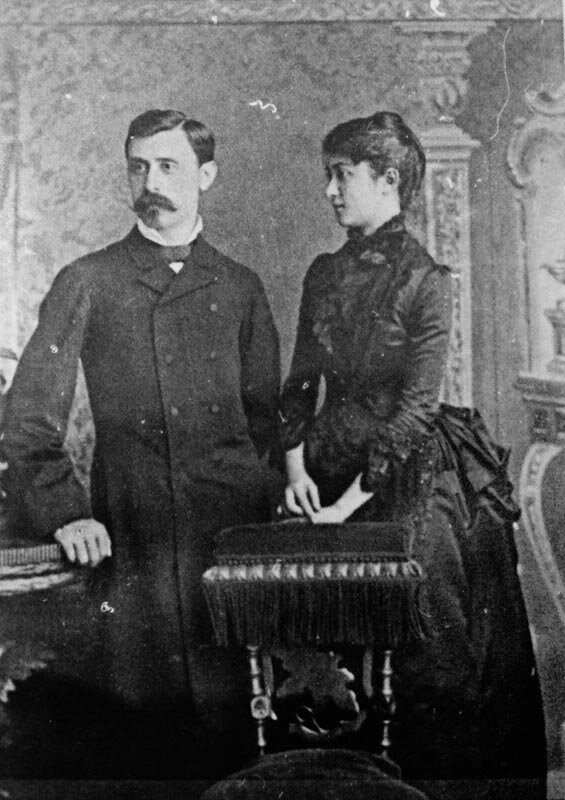
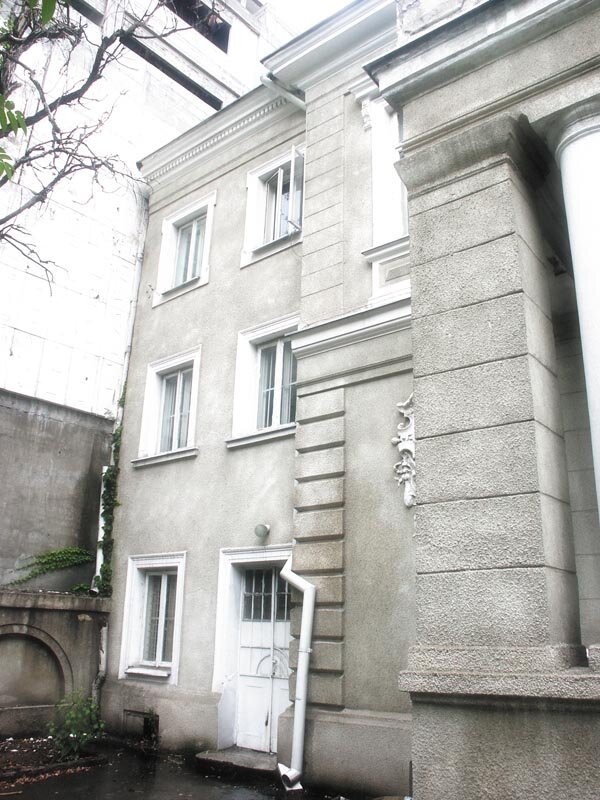
The building in question (images 2 and 3) had been commissioned by Spiru Haret who, in 1888, on August 37, signed the application for a building permit for his plot of land in Green Street (the name of the then General Gheorghe Manu Street) without number (still; later 5, finally 7). The request - accompanied by a project which, unfortunately, has not been identified - was approved on August 9, 18888 for a new building, namely a two-storey dwelling, made of brick masonry and with a tin roof. Since Spiru Haret had received a substantial loan from the Urban Land Credit, the building site must have been opened immediately, and, according to the secondary literature, was completed in 1890. It is certain that in the historical plan of the city of Bucharest, drawn up between 1895 and 1899, the building is represented with the footprint maintained until recently and that in the 1911 plan the building was still listed as the property of Spiru Haret. He died in 1912, and his funeral, held in the same house, brought to General Gheorghe Manu Street some of the personalities who had visited him there during his lifetime. After this sad event, the building was left to Ana Haret (fig. 4), who was still living there in 1932, carefully preserving all that remained of her husband9.
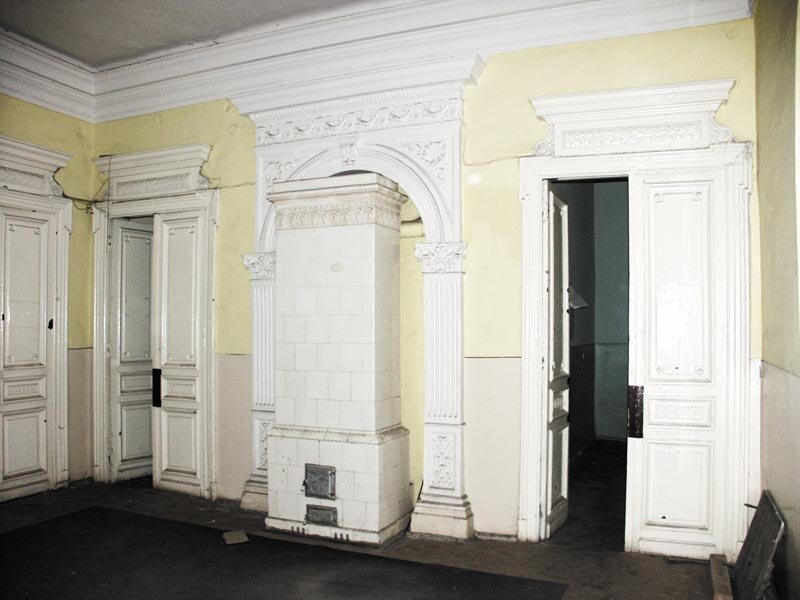
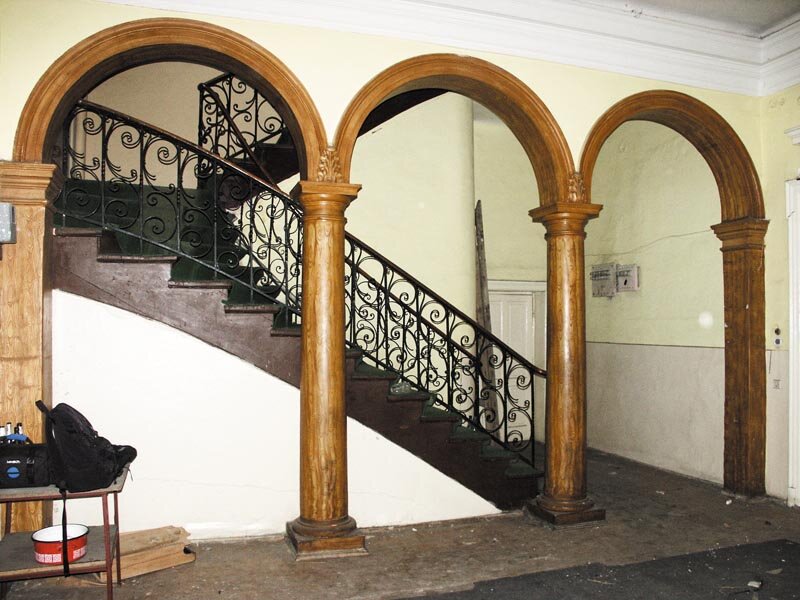
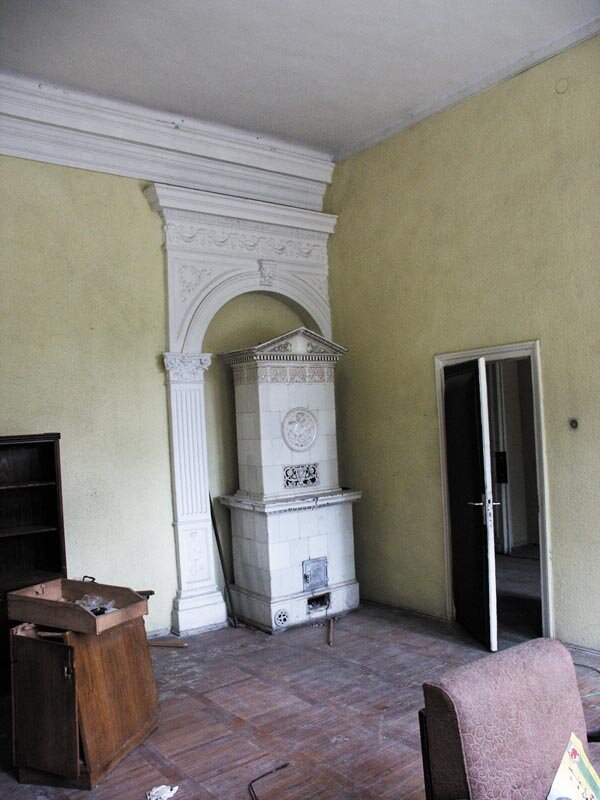
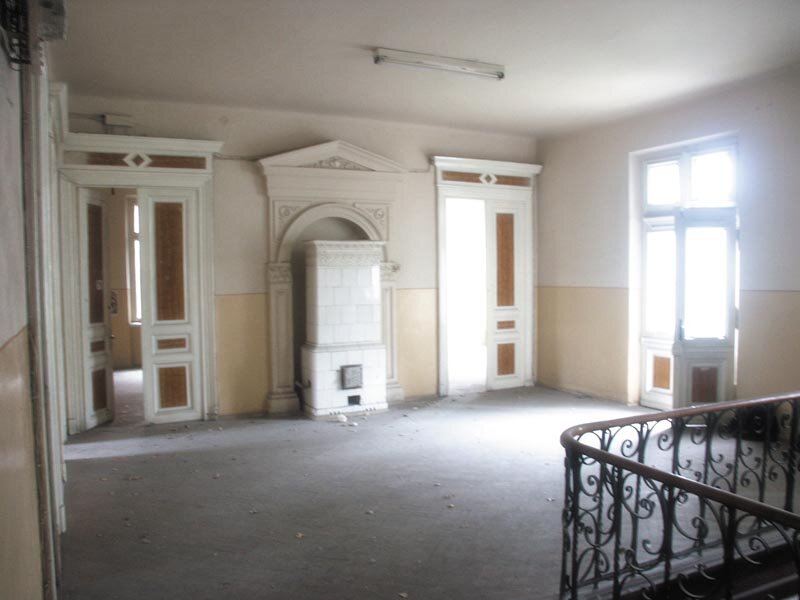
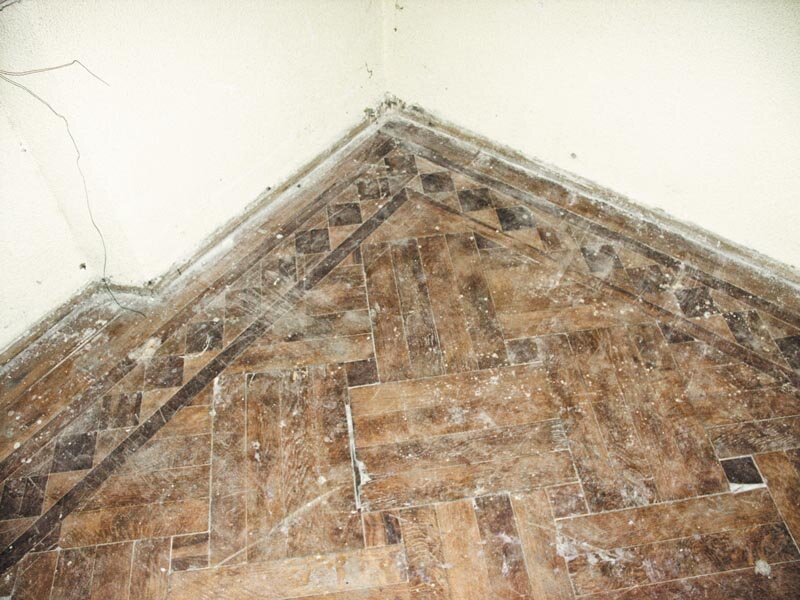
The architect to whom Spiru Haret was the beneficiary is not known, but he must have been familiar with neoclassical architecture, present in the proportions and major compositional principles of the elevations, which was emphasized (rather than attenuated) by the volumetry and the few neo-baroque decorative lexicons, such as the stucco mirror on the street-facing façade and the ornament in the axis of the upper side of the east window of the one facing the courtyard (images 2 and 3). The representation of the interior space (Figs. 5-8) was coherently part of the same stylistic orientation specific to historicism until the beginning of the 21st century, more than a century after the original conception and execution of the building, even preserving components subject to intense wear and tear (Fig. 9).
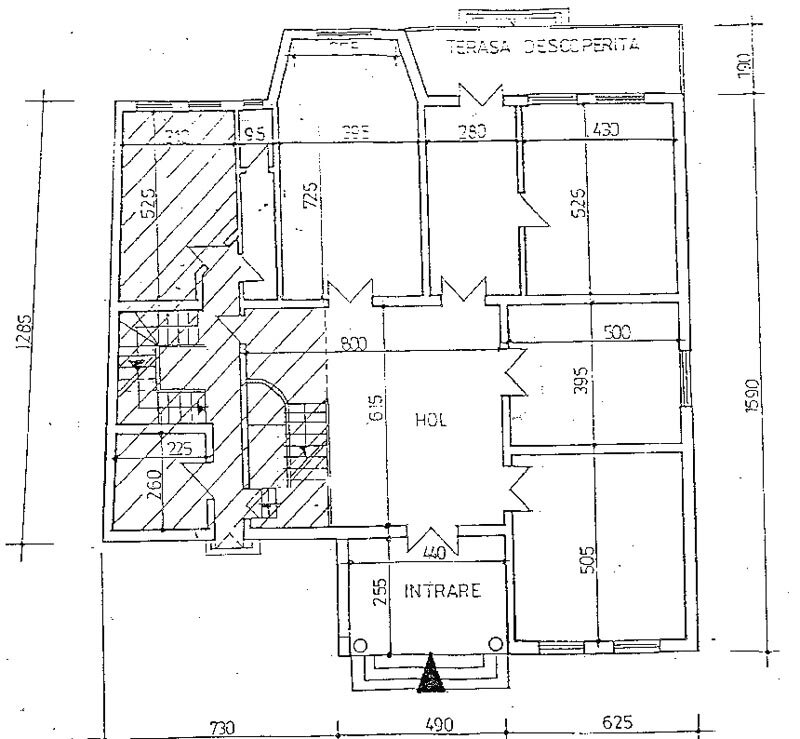
It is also interesting that, to some extent, the structuring of the interior space, visible in the floor plans (image 10) and in the fact that the secondary wing comprises, in the same total height as the main wing, three above-ground levels instead of only two (image 11), represents a rarely materialized variation of a type of dwelling extremely common in Bucharest; This is the kind of building consisting of a main body, developed as a ground floor, with a generous hallway allowing access to the flanking rooms, usually two on each side, and a secondary wing, intended for annexed and related spaces, consisting of a ground floor and a first floor with (obviously) lower clear heights10. Of course, the variation on (this) theme constituted by Spiru Haret's dwelling was also made possible by the fact that the building in question has a plot that is considerably larger than those that fit into the basic type. In this context, the garden, which originally occupied most of the lot, should also be mentioned, as it is represented both in the historical plan of the city drawn up between 1895 and 1899 and in the one dating from 1911. For these reasons, it can be assumed that, in addition to its large size, this garden had a high representational character and thus a beneficial contribution to the quality of the urban image - as was only the case with the (larger) public green spaces and the pleasure gardens of noble residences11.
Enjoying the exceptional memorial value conferred by the fact that it was commissioned and then inhabited by Spiru Haret, but also visited by numerous other personalities, benefiting from the rarity value that was determined by the neoclassical clarity of its architecture, as well as the type of dwelling it represents, the building has naturally led to the classification of the building which, consequently, in the more recent past, has enjoyed the legal protection regime (?) since 1992, and it has subsequently been included in the two editions of the List of Historical Monuments that have been published to date in the Official Gazette12.
In reality, the property has been in the sights of real estate speculation at least since 2002, when it was already up for sale, with the advertisement being present even on the building (i.e. on the red banner in picture 2). However, the cultural evaluation study elaborated at that time13 was not conducive to the exploitation of the lot14, which is why in 2005, on the recommendation of the Cultural Inspectorate of the Municipality of Bucharest, a recommendation forwarded by the architect, the previous research was resumed.
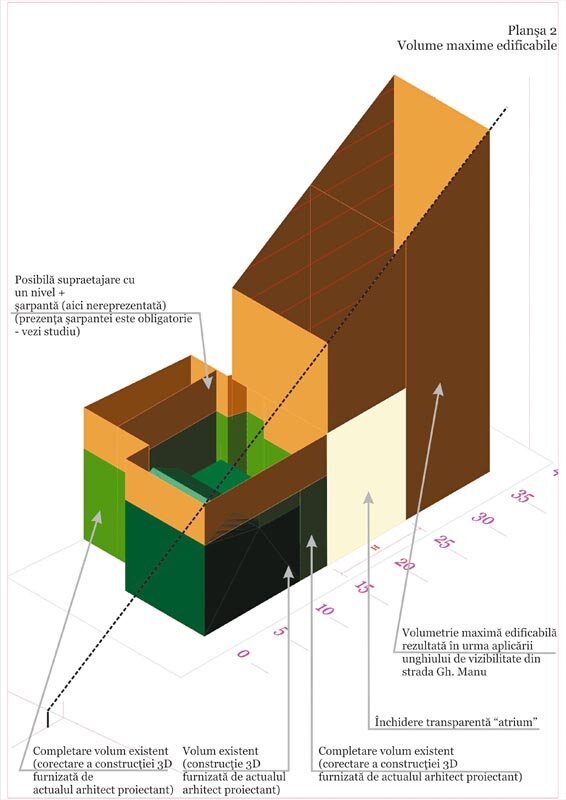
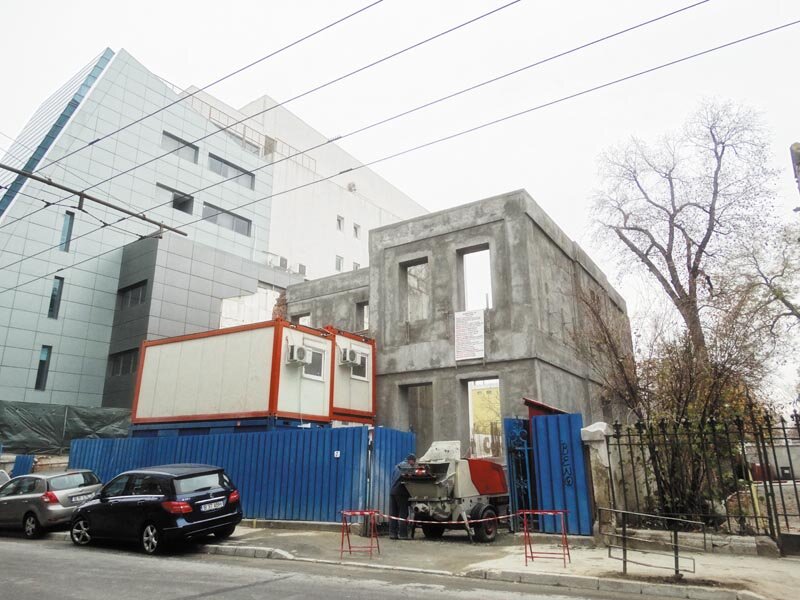
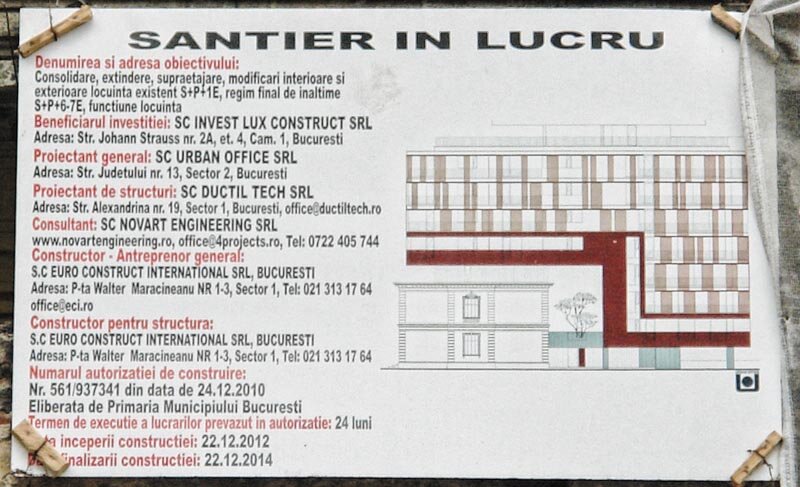
As this process revealed that there was no reason to change the results obtained in 200215 , the intervention regulations were simply supplemented16 with the visibility study needed to determine the maximum buildable space and with the three-dimensional, but of course schematic, representation of the latter17 (image 12). However, the hope that this would be more convincing and that the historic monument would therefore finally receive the necessary attention, which it fully deserved, was not to be. Three years later, in 2008, the building was being misused and its interior architecture largely destroyed18 and, despite the efforts of, among others, the General Association of Romanian Engineers19, in 2013 the building was completely destroyed, with only part of the street façade and the adjacent south-west façade still standing, both of which have been thoroughly repainted (Fig. 13). Otherwise, on the building site panel (image 14), the following is written (without any hyphens) as works: "Consolidation, extension, extension, over-storey, interior and exterior alterations to existing dwelling S+P+1E, final height S+P+6-7E, function dwelling", while the future façade, shown next to the text, speaks for itself. The only thing we don't know is whether the architects who allowed to reach this situation, through the project, through proposals for favorable opinions or through favorable opinions granted to it, graduated from the school that owes its effective birth and maturation to Spiru Haret.
Selected bibliography:
L.M.I. 2010 - List of Historic Monuments, 2010 edition
Pricopie and Schifirneț 2009 A - Pricopie, Remus; Schifirneț, Constantin, Operele lui Spiru C. Haret. Volumul II: Oficiale: Rapoarte și referate către Ministru, către Consiliul de Ministștri, către Rege - rezoluțiuni, deciziuni, circulare, istruzioni, apeluri, înștiințări, adrese, adrese, ordine. 1901-1904, Bucharest, 2009
Pricopie and Schifirneț 2009 B - Pricopie, Remus; Schifirneț, Constantin, Operele lui Spiru C. Haret. Volumul III: Oficiale: Rapoarte și referate către Ministru, către Consiliul de Ministștri, către Rege - rezoluțiuni, deciziuni, circulare, istruzioni, apeluri, înștiințări, adrese, adrese, ordine. 1907-1910, Bucharest, 2009
Stan și Teodor 2008 - Stan, Simina; Teodor, Alexandra (photos), Casa lui Spiru Haret din București, în "așteptarea unui proprietar adevărat", in Jurnalul casei mele, nr. 189, November 6, 2008, p. 20-23
Derer 2007 - Street on real and virtual real estate. Spiru Haret lived here. Gheorghe Manu, number 7, Bucharest, in Derer, Hanna, Un alt fel de istorie. Valențe culturale ale patrimoniului construit, Bucharest, 2007, p. 163-207
Derer 2005 - Bucharest. Building number 7 on General Gheorghe Manu Street. Study of architecture and historical evolution - July 2002. Point of view on the formulation of restrictions, permissibilities and recommendations as elements of model regulations. P.U.D., Bucharest, 2005 (typescript)
L.M.I. 2004 - List of Historic Monuments, 2004 edition
Derer et alii 2002 - Derer, Hanna; Nicolae, Radu; Petrescu, Ioana, București. Building number 7 on General Gheorghe Manu Street. Studiu de arhitectură și evoluție istorică, Bucharest, 2002 (typescript)
Orăscu 1976 - Orăscu, Șerban, Spiru Haret, Bucharest, 1976
Enescu 1941 - Enescu, I. D., După o jumătate de veac, in Arhitectura. 1891-1941. Semicentenarul Semicentenarul Societății Arhitecților Români, nr. 1 - January-March 1941, p. 5-19
Tacu 1932 - Tacu, Iordan I., Fapte și gânduri în legătură cu viața și personalitatea lui Spiru Haret, in Școala și viața, nr. 9-10, November-December 1932, p. 424-433
A.P.M.B. 1888 - Arhivele Primăriei Muncipiului București, Serviciul Tehnic, dossier 43/1888
NOTES:
1 Paraphrase of the title "Strada referitor à imobilul real și virtual. Here lived Spiru Haret. Gheorghe Manu number 7, Bucharest" under which the related study, elaborated in 2002, is presented in Derer 2007.
2 History found on the official website of the university - https://www.uauim.ro/universitatea/istoric/ - page consulted (also) on March 01, 2014.
3 Enescu 1941, p. 7-8. The information and data on the Society of Romanian Architects and related education come from the same source.
4 Pricopie and Schifirneț 2009 A, pp. 5 and 30.
5 With the exception of references to (other) sources and mentions to the contrary, the information, data and interpretations relating to the building that until recently stood at number 7, General Gheorghe Manu Street, Bucharest, are taken from Derer 2007, Derer 2005 and Derer et alii 2002.
6 Pricopie and Schifirneț 2009 B, p. 22-23.
7 A.P.M.B. 1888, tab 37.
8 A.P.M.M.B. 1888, tab 55.
9 Tacu 1932, p. 424.
10 This interpretation has been occasioned by the reworking of the subject of Spiru Haret's home for the present text and, as a result, is not found in Derer et alii 2002 or Derer 2007.
11 This interpretation is also not found in Derer et alii 2002 or in Derer 2007, and is in turn occasioned by the return to the subject of Spiru Haret's home for the text.
12 Code B-II-m-B-B-19130, under current number 1412 in L.M.I. 2004, p. 111, respectively under current number 1399 in L.M.I. 2010, p. 293.
13 Derer et alii 2002.
14 After handing over the study, the beneficiary of the study informed the author by telephone that the demolition of Spiru Haret's house was planned.
15 Sometime after the delivery of the study elaborated in 2002, the author found out that the owner had requested a special commission, delegated by the National Commission of Historical Monuments, to verify the results of that research; as the building has kept its status of historical monument it is obvious that (also) that special commission did not identify reasons to contradict the cultural evaluation carried out and the intervention regulations determined by it.
16 Derer 2005.
17 The visibility study in question considered only the visibility from General Gheorghe Manu Street, given that, at least from here, the only building that should (should) have been visible was Spiru Haret's residence, a cultural resource by its memorial and rarity value, but at the same time significant for the original building regime of the mentioned thoroughfare, with buildings isolated on the lot or at most with one side arranged on one of the lateral boundaries of the plot, with a representation garden in front and a leisure garden in the back, in short, a building regime not by chance taken over by General Gheorghe Manu street from Calea Victoriei.
18 Stan and Teodor 2008, the images on pages 20 and 22, and of course the text.
19 On this see, for example,
http://www.simpara.ro/casa_spiru_haret-569.htm, document consulted (also) on March 1, 2014.