Exploring identity_ Nomad Archives
Exploring Identity_the nomad archives
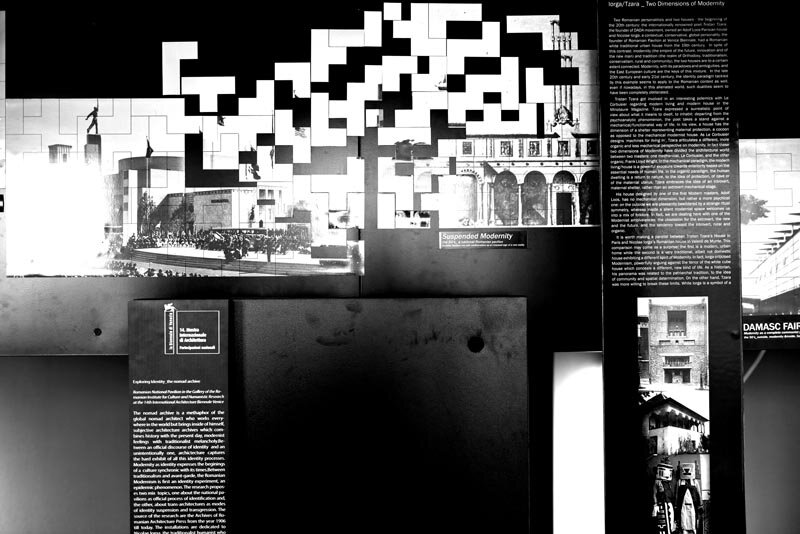
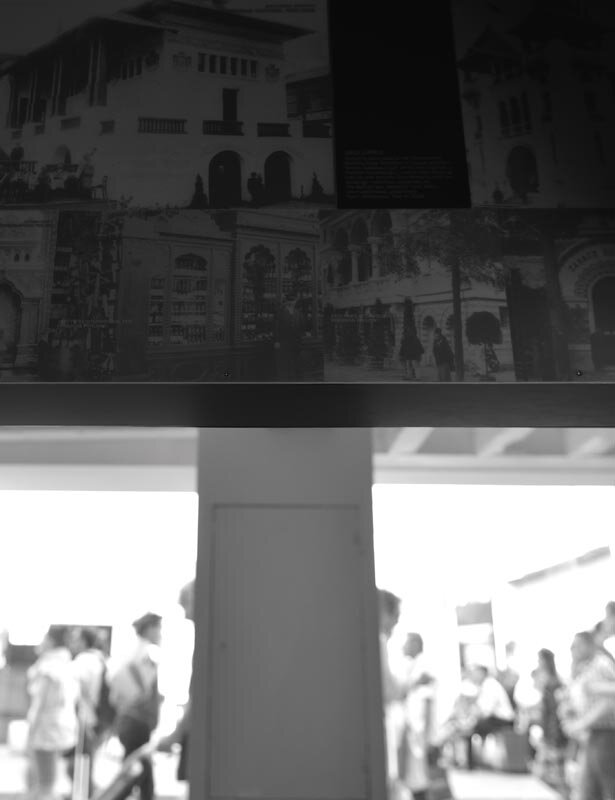
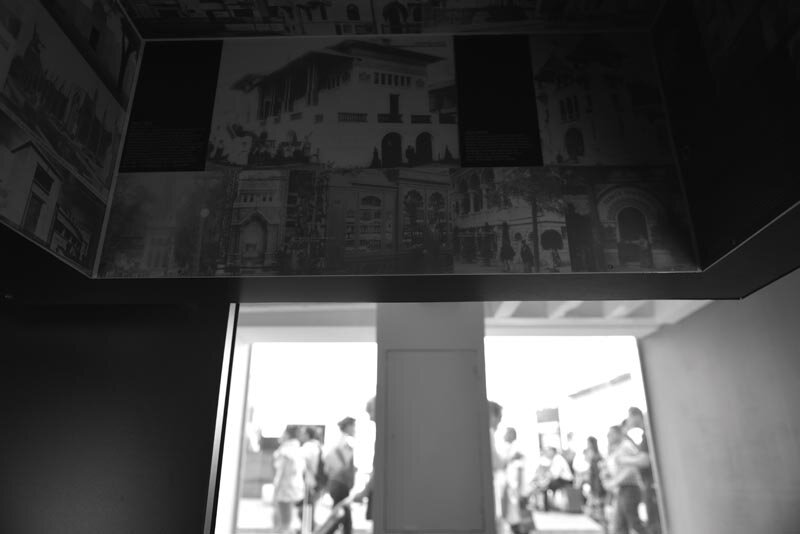
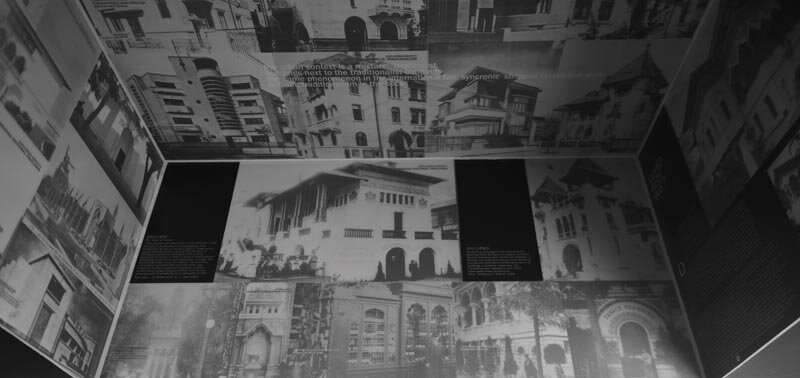
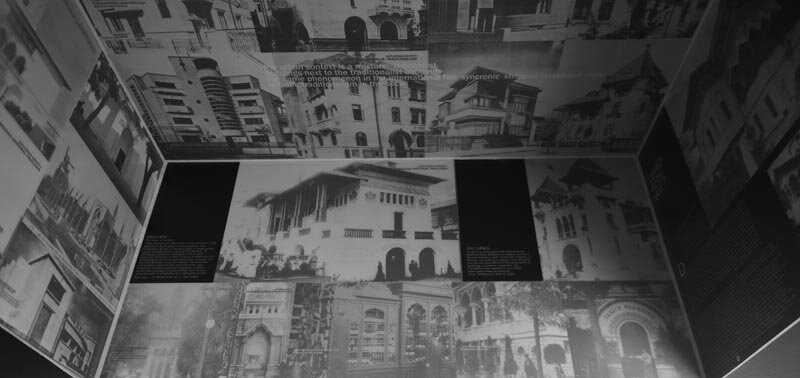
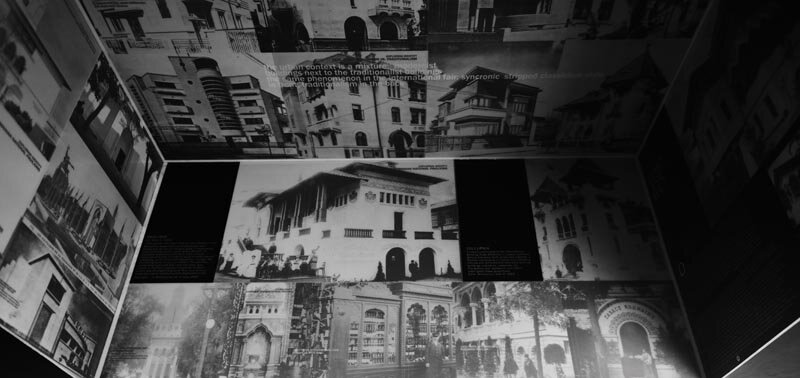
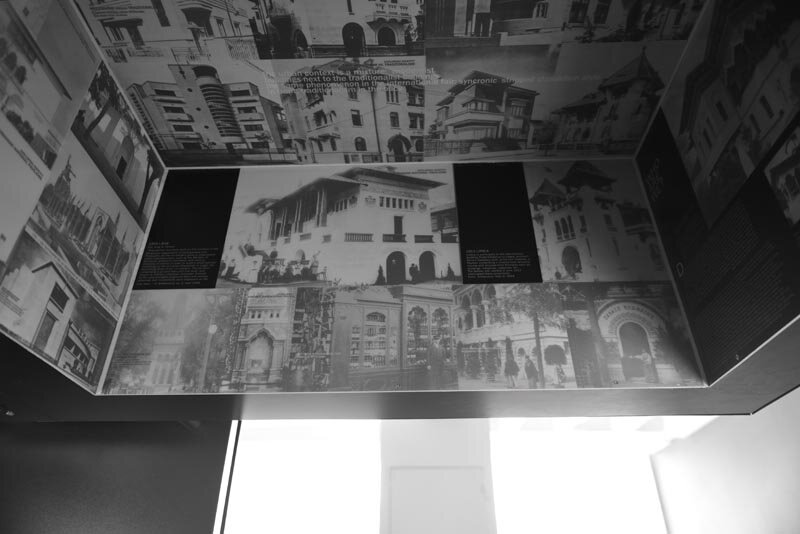
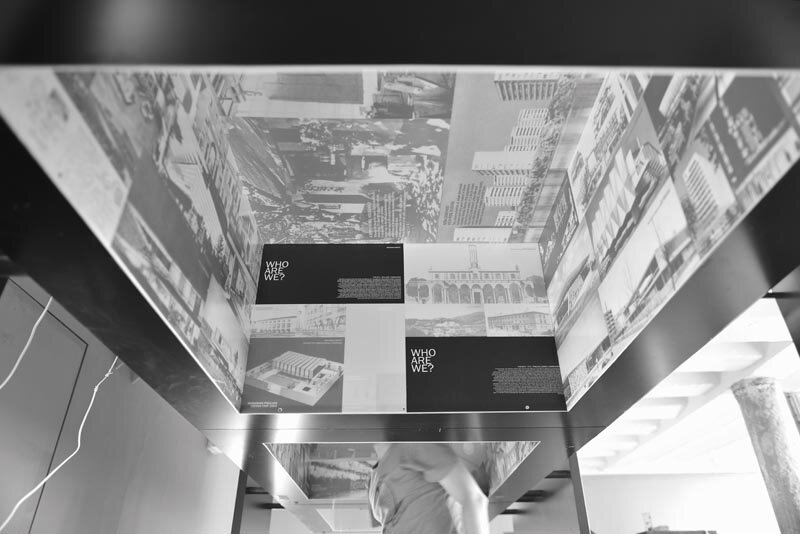
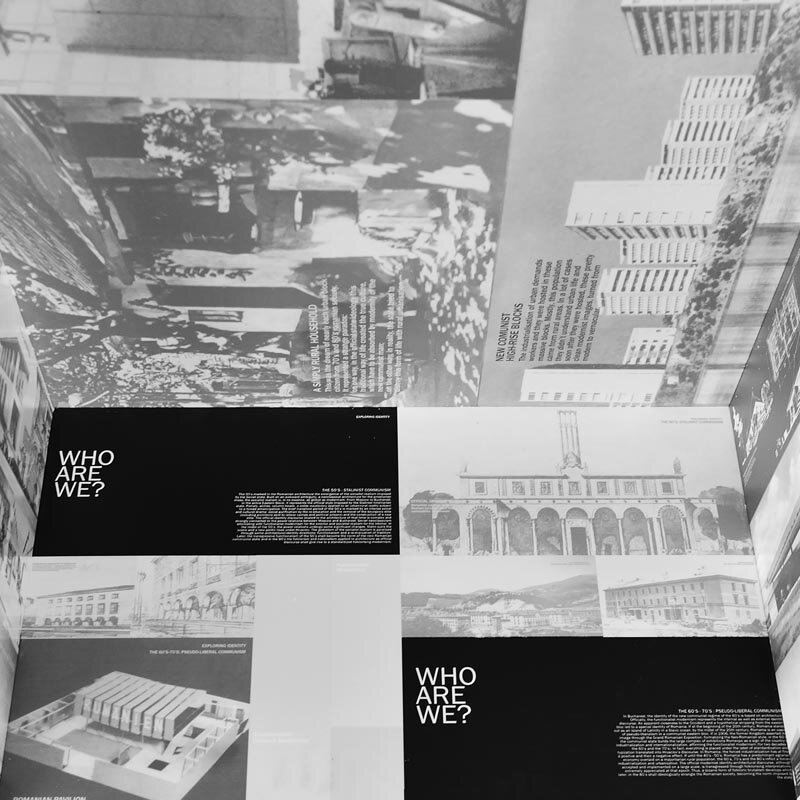
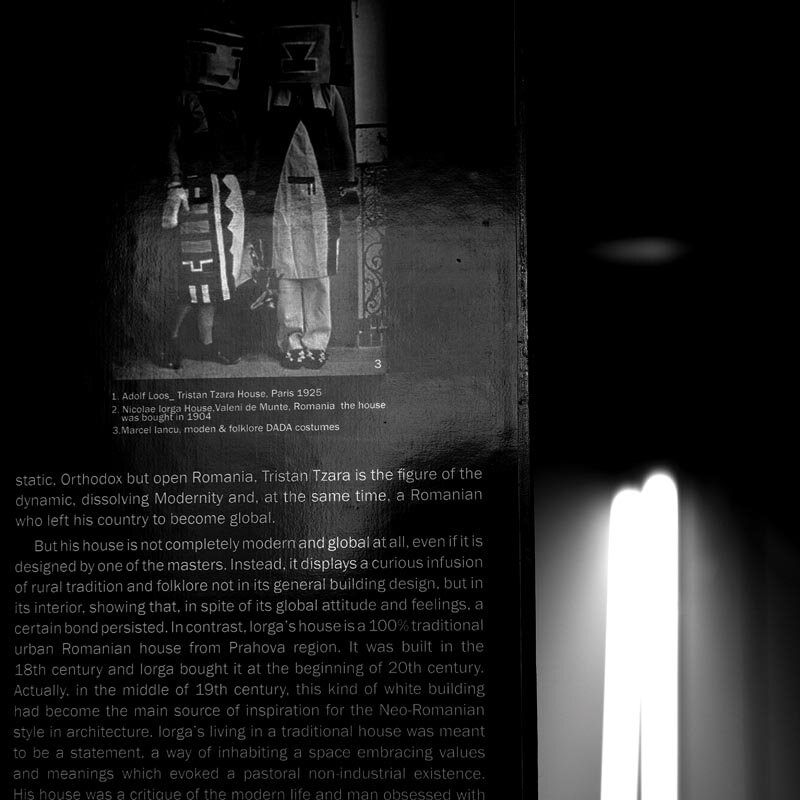
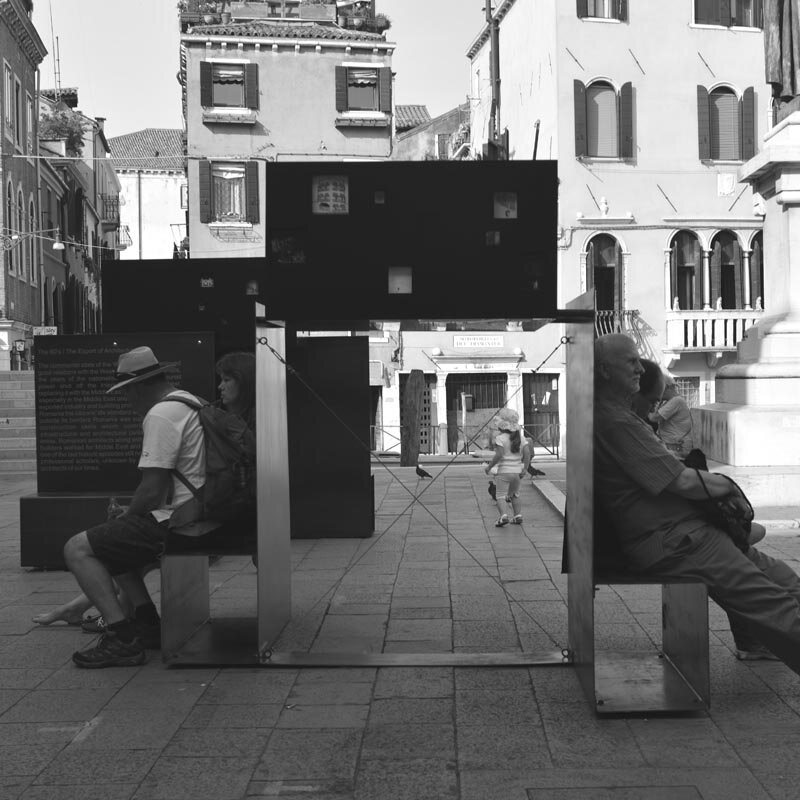
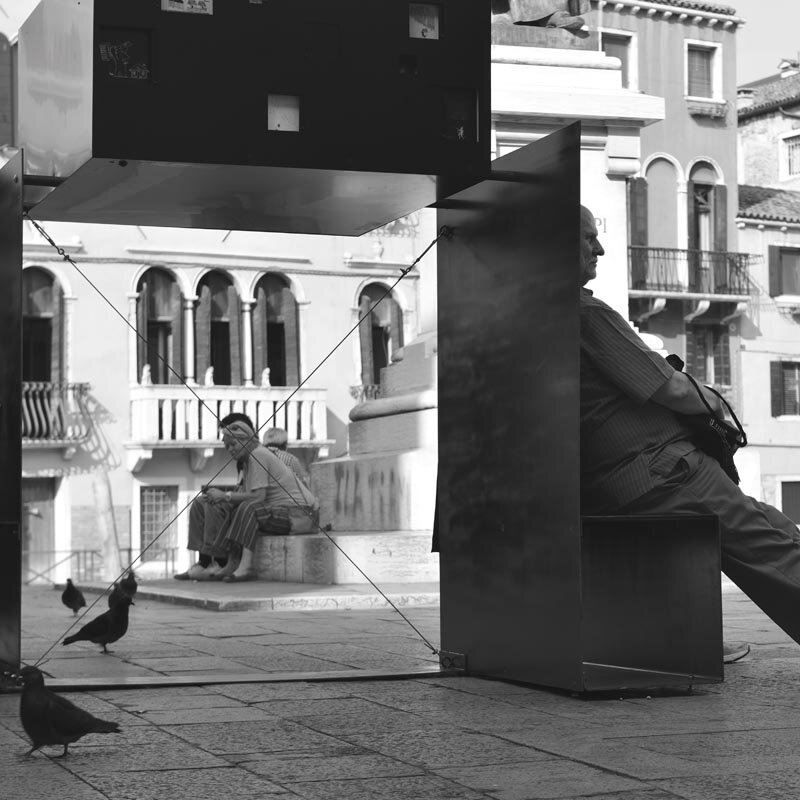
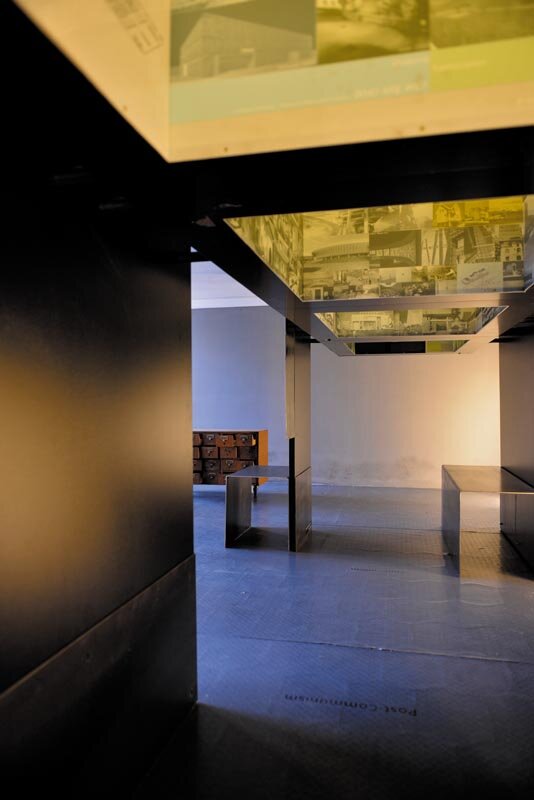
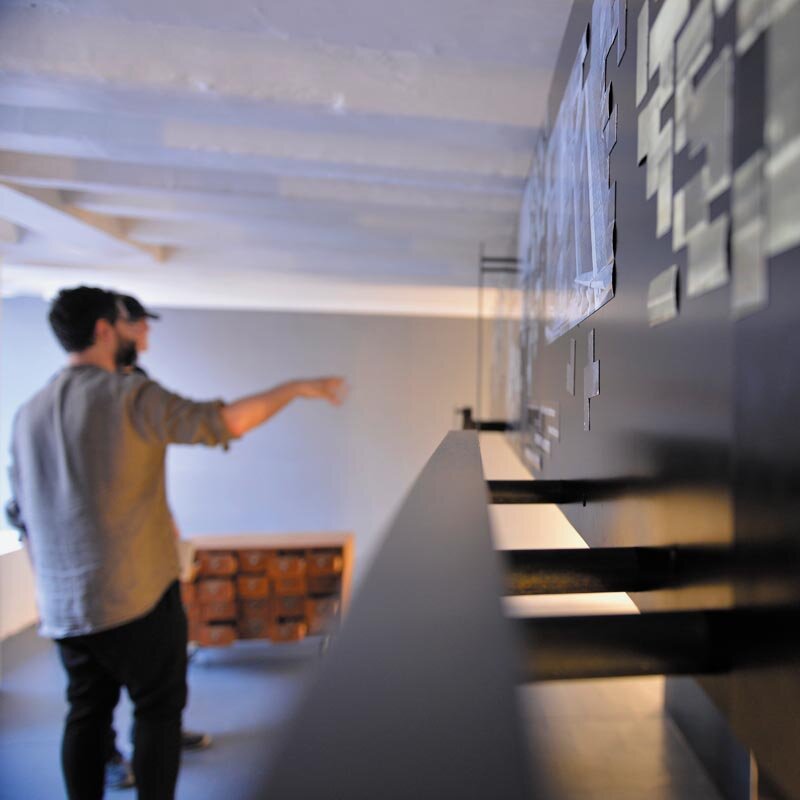
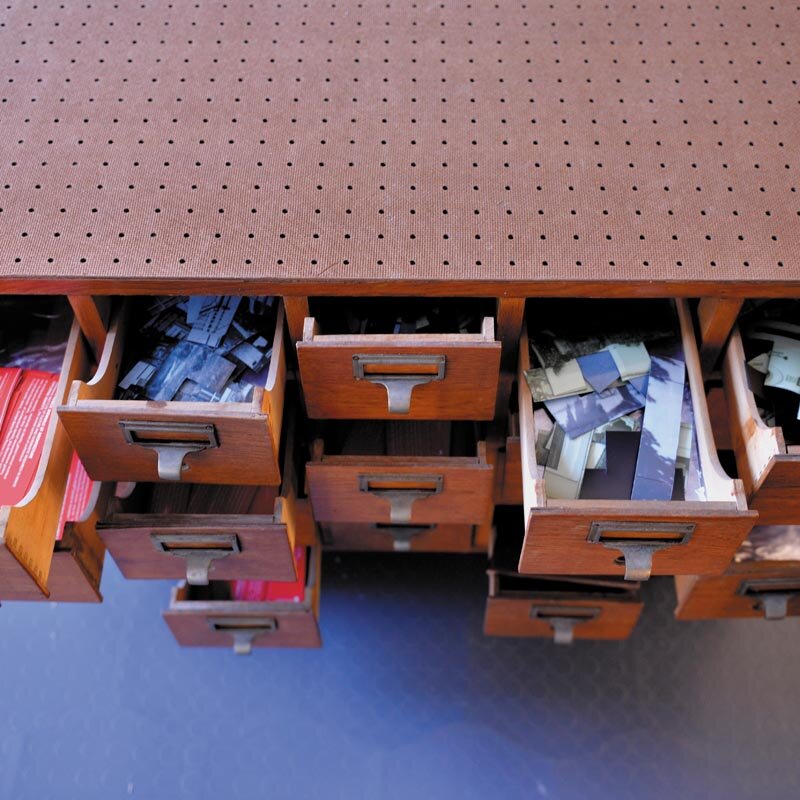
| Alexandru Crișan: In issue 6(642)/2012 of Arhitectura magazine, in the PlayMincu interview, I asked you if you would repeat the experience by participating in the next session of the Venice Architecture Biennale in 2014 and... this year you participated in the realization of the Romanian pavilion located in the space of the Romanian Institute of Culture and Humanistic Research Gallery in Venice, at Palazzo Correr, in Campo Santa Fosca, in Cannaregio 2214. How does your proposed project respond to the theme of the Biennale, Fundamentals(Elements of Architecture) launched this year by Rem Koolhaas? Emil Ivănescu: PlayMincu, the pavilion from two years ago, prefigured this year's Biennale theme. At that time we proposed a number of archives, some of them interactive, through which we wanted to express a certain thing. The pavilion two years ago started from history and its interpretation. When I read Koolhaas' curatorial invitation to offer a contemporary perspective through an archive, apparently historical, I could not help but continue the approach started two years ago. And so I participated again in the competition, but in the small IRCCU pavilion. We liked the theme proposed by the Dutch architect and we liked exactly the historical and research dimension he gave. We understood his approach and we tried to be part of it. He does not emphasize modernism, but modernisms, how each country involved lived through the period and how it goes forward. In this sense, we treated modernism and Romanian modernity as a particular identity phenomenon in the general landscape, but, to a certain extent, common in the context of Eastern European countries. A.C.: Absorbing Modernity deals with differentiated aspects of a complex concept as it highlights the defining aspects that have produced major changes in the evolution of the architectural phenomenon in the last hundred years in relation to a national identity. The project you proposed, Exploring Identity - the nomad archives, deals with a particular aspect of Romanian modernity, in the time frame between 1914-2014. I propose you to elaborate on the subject of the theme you proposed, exploring identity, namely the concept of the pavilion. E.I.: The Exploring exhibition is an absolute premiere for Romania, being the first time that our country participates with an installation in the public space of Venice. In fact, the IRCCU pavilion debuts with two installations generically called nomadic archives. These archives have two meanings. A direct and pragmatic one, representing the first architectural gallery in Romania intended for public space. It prefigures the Museum of Architecture, which should be set up at some point. The second, metaphorical, symbolizes the personal archives of a contemporary nomadic architect, who, traveling the world with his profession, creates and carries these archives with him, acting on them. It is a memory that each one of us collects, stores and constantly influences us, whether we are working in our home country or in another part of the world (and this is a sensitive phenomenon that the Biennale curators were interested in). Our exhibition is 100% an architectural research that starts from a clash of discourses: an official one about identity and architecture and another one, which we call trans-architecture, that brackets, suspends or transgresses the official-national identity created through architecture. This clash is observed throughout the 100 years, exposing an interesting phenomenon that occurred with Romanian modern architecture: as it becomes more and more synchronized with Western modernity, its absorption being deeper, it also creates a kind of antidote, by which it adopts influences from the rural-agrar-orthodox world, as a transgressive phenomenon of an official-global identity. And when this inward influence becomes a state norm, a measure of a nationalist identity through architecture, transgressive absorptions of a new identity that rewires with modernity emerge. We tried to analyze this constant pendulum of Romanian architecture between modernity and traditionalism, a pendulum that is still taking place today, despite a more abstract and substantial approach. I started from a real fact, two non-architectural cultural personalities, characteristic of modern Romania: Nicolae Iorga, the traditionalist, but also a man of culture and politician, who initiated the Romanian Pavilion in Venice, a true enemy of modernism, and Tristan Tzara, the initiator of the DADA movement, as an exponent of Romanian culture in exile. I discovered something interesting in the two: Iorga's house in Văleni, a traditional old Romanian domestic-urban dwelling, and Tzara's house in Paris, designed by Adolf Loos. The father of the avant-garde lived in a house realized by a master of modernity, the interior of the same house is decorated with Romanian folkloric-traditional elements and motifs. I used this ambivalence and this cultural and identity contrast as a starting point for the architectural study, because the same paradox and contrast also appears in Romanian architecture throughout the 20th century until today. A.C.: Your proposed pavilion is an experiment, somewhere, perhaps, between exhibition (project) and installation, as it exhibits images that create a story about modernity, but at the same time presents areas of interest where the viewer can interact. It looks like a mechanism... a complex mechanism in which the images combine with the texts, completing important aspects within the narrative thread. Related to neuro-architecture, what did you aim to achieve with this experiment and what is the result when applied to the lay audience? E.I.: Exploring Identity is, firstly, a book and, secondly, an installation that presents the research in that book. I always use interactivity in these situations, because by involving the visitor through their own body you stimulate them and they become much more receptive to the message you are conveying. For this reason I realized, for the first time, the exhibition in two places: Santa Fosca Square and the IRCCU Gallery. Both are aimed at the simple man, different from the more cultured public, specific to the Biennale. That was the gamble, and what attracted me to the IRCCU Gallery - it's situated in the everyday flow of Venice. I wanted to tell about Romanian modernism to these people who naturally make up the majority public opinion. The subject of neuro-architecture is a broader one. To simplify, I can say that we are trying to turn these nomadic installation-archives into a device for bodily probing of public space. This is an older project of ours and we are trying to finalize it now. As an ironic epilogue to the constant traditional-modern attitude of the Romanian architecture, we invite the visitor to do a neuro-architecture experiment: there is a system of headphones and EMOTIV software, which can determine your body's affective reaction to different stimuli (images) by probing some centers of the brain. Specialized software picks up and translates the electrical discharges recorded by the headphone sensors placed in certain areas of the skull. The experiment, which we call "How much of your brain is modernism and how much is traditionalism", invites visitors to put on the headphones at the end of their interaction with the nomadic archives and, briefly subjected to a series of images of different types of architecture (modernism, neo-romanticism), to get a reaction of their body (brain). We thought that, if this identity problem of modern versus rural-traditional is so intimately linked to us, only such a system can visually present the phenomenon itself. A.C.: The project proposed by you is realized as a team, the composition of which is different from the one two years ago with PlayMincu. What is the composition of the team with which you worked on this project and how did the mediation between several architects take place? Were there different visions related to the project or the form in which it is currently presented in Venice? E.I.: Parado paradoxically, there were no major divergences on this project, because all the members of the team had the same feeling and roughly the same thought. Mediation between fellow architects is always difficult, but everyone had their own role and contribution, so the final project is a response that came from many sides. The members of this team, with one exception, were not present two years ago. I would like to thank them: Olivia Zahalca, Carmen Tănase, Laura Iosub, Loredana Mihali, Marius Danciu and Eliza Culea. A.C.: Thank you for your answers. |
| Exploring Identity, located in the Gallery of the Romanian Institute in Venice, succeeds in highlighting distinct punctual aspects of interest that have influenced the history of Romanian architecture in the period 1914-2014. The proposed experiment succeeds in providing a coherent response to the theme proposed by Koolhaas in the framework of the Biennale. The initiated research project stands out for the diversity of the proposed elements, becoming a pole of attraction in the area, both for the lay public, attracted mainly by the areas of interaction at street level, and for the specialized public, which has the opportunity to deepen a coherent (visual) trail of the factors that contributed to the evolution of the architectural phenomenon in Romania. |
| Alexandru Crișan: In the6th issue (642)/2012 of Arhitectura magazine, in the PlayMincu interview, I asked you if you would be willing to re-iterate the experience by participating at the following session of the Venice Architecture Biennale in 2014... and here you are, taking part in the creation of Romania's pavilion located inside the Gallery of the Romanian Institute of Culture and Humanistic Research in Venice, at Palazzo Correr, in Campo Santa Fosca, Cannaregio 2214. How does the project proposed by you answer the theme of the Biennale, Fundamentals(Elements of Architecture), launched this year by Rem Koolhas? Emil Ivănescu: PlayMincu, the pavilion created two years ago, had somehow foreshadowed this theme of the Biennale. Then we had proposed a multitude of archives, part of them, interactive, whereby we wanted to express something. That pavilion had started from history and its interpretation. Reading Koolhaas' curatorial invitation to give a contemporary standpoint by means of an apparently historical archive research, I could not help continuing what I had started two years ago. And thus I enrolled in the competition once more, only this time at the small, IRCCU pavilion. We liked the theme proposed by the Dutch architect, in particular its historical and research dimension. We understood his approach and tried to comply with it. He does not focus on modernism, but on modernisms, on the way each country lived that period and on how it moved on. In this respect, we approached Romanian modernism and modernity as an identity-based phenomenon which, while specific to Romania, can nevertheless be fitted into the broader context of Eastern European countries. A.C.: Absorbing Modernity approaches different issues of a complex concept, because it highlights the defining features which have caused major changes in the evolution of the architectural phenomenon in the last hundred of years, by reference to a specific national identity. Your project, Exploring Identity - the Nomad Archives, approaches a specific aspect of Romanian modernity, with a time frame between the year of 1914 and 2014. Let us explore a little the subject of your theme, exploring identity, which is also the concept of the pavilion. E.I.: The Exploring Identity exhibition marks an all-time first for Romania, as this is the first time when our country participates with an installation in the Venice public space. In fact, the entrance to the IRCCU pavilion consists of two installations, generically referred to as nomad archives. These archives have two meanings. One is direct and pragmatic and represents the first architecture gallery in Romania meant for the public space. It foreshadows the Architecture Museum, which should be established at some point. The second is metaphorical and symbolizes the personal archives of a contemporary nomad architect, which he creates and carries with him all over the world because of his profession and depending on which he acts. It is a memory that each of us collects and puts by and which influences us constantly, whether we work in our native country or in another part of the world (this is a sensitive issue of great interest for the curators of the Biennale). Our exhibition is pure architectural research which starts from two colliding discourses: an official one on identity and architecture, and another one, called by us trans-architecture, which puts between brackets, suspends or transgresses the official-national identity created through architecture. This collision can be noticed throughout the 100 years analyzed and is indicative of an interesting phenomenon suffered by modern Romanian architecture: as it grew more and more in accordance with Western modernity, as it absorbed it more and more deeply, it also created its own antidote against it, namely the influences coming from the agricultural-rural-Christian Orthodox world, as a transgressive phenomenon counteracting the official-global identity. When this particular influence became the State norm and the promoter of nationalist identity through architecture, other transgressive dynamics occurred, pertaining to a new identity aiming to catch up with modernity. We have tried to make an analysis of this constant swaying of Romanian architecture between modernity and traditionalism, which has continued to this day and can be seen as we speak, despite a more abstract and substantiated approach. We have started from an actual fact: two cultural personalities of modern Romania from outside the realm of architecture: Nicolae Iorga, the traditionalist, but also the man of culture and the politician, who initiated Romania's Pavilion in Venice, a genuine enemy of modernism, and Tristan Tzara, the initiator of the DADA movement, as a representative of Romanian culture in exile. We have discovered an interesting fact as far as they are concerned: Iorga's house in Văleni, a traditional old Romanian dwelling, but at the same time an urban one, and Tzara's house in Paris, designed by Adolf Loos. The father of avant-garde lived in a house designed by a master of modernity, whose interior was decorated with traditional Romanian folk motifs. We used this ambivalence, this cultural, as well as identity-based, contrast in our architectural study, because the same contrast can be seen in Romanian architecture everywhere, throughout the XXth century until today. A.C.: The pavilion proposed by you is an experiment which can be placed somewhere between exhibition (project) and installation, because it exhibits images capable of sketching a story about modernity, while also featuring points of interest with which the observer may interact. It comes through as a complex mechanical device combining images and texts, in an attempt to provide the complete narrative unfolding. Regarding neuro-architecture, what have you pursued through this experiment and what is the specific outcome with respect to the general public? E.I.: Exploring Identity is first a book and second an installation which presents the research in that book. I constantly use interactivity in these situations, because when you involve the visitor, through his own body, you stimulate him and he becomes more sensitive to your message. It is for this reason that I have decided to place the exhibition, for the first time, in two places: Santa Fosca Square and the IRCCU Gallery. They both target the general public, who is different from the more cultivated public used to the Biennale. This has also been my bet and what has attracted me to the IRCCU Gallery: it is placed at the heart of Venice's daily life. I wanted to tell about Romanian modernism to these people who naturally form the majority of the public opinion. The subject related to neuro-architecture is a vast one. Simply put, we have tried to turn these nomad archive-installations into a device for the corporeal surveying of the public space. This is an older project of ours that we have tried to finalize now. As an ironical epilogue to Romanian architecture's constant swaying between the traditional and the modern, we invite the visitor to take a neuro-architectural experiment, with the help of an EMOTIV software system with headset which can determine the body's emotional reactions to various stimuli (images) by exploring certain brain centers. A specialized software takes over and translates the electrical signals recorded by the sensors of the headset placed on certain parts of the skull. We have entitled our experiment: "How much of your brain is modernism and how much is traditionalism"; at the end of their visit of the nomad archives, the visitors are invited to put on the headset and are subjected for a short period of time to several images depicting various types of architecture (modernist, neo-Romanian), so that they can have a brain and bodily reaction. We figured that since this identity issue, this collision between the modern and the rural-traditional, is so intimately related to our being, it is only with the help of such a system that we can depict it visually. A.C.: Your project has been the product of team work, and this team is different from that you worked with for PlayMincu 2 years ago. Who was in your team on this project and how did you mediate between the architects? Were there visions about the project or the form in which it should be presented different from its current Venice version? E.I.: Paradoxically there were no major differences of opinion in connection with the project, because all team members had the same feeling and more or less the same thoughts. It is always hard to mediate between one's fellow architects, but each had his role and brought his contribution, which is why the final project is basically an answer given by more than just one person. With one exception, the members of this team are different from those I worked with two years ago. I would like to thank Olivia Zahalca, Carmen Tănase, Laura Iosub, Loredana Mihali, Marius Danciu and Eliza Culea for their work. A.C.: Thank you for your answers. |
| Exploring Identity, placed inside the premises of the Gallery of the Romanian Institute of Culture and Humanistic Research in Venice, manages to highlight the specific landmarks that have influenced the history of Romanian architecture in the period comprised between 1914 and 2014. The proposed experiment manages to give a coherent answer to the theme proposed by Koolhaas in the Biennale. The initiated research project stands out through the diversity of the elements proposed, becoming a genuine center of attraction in the area, both for the non-informed public, mainly attracted by the street interaction areas, and for the specialized one, who can avail itself of the opportunity to contemplate all the major drivers which contributed to the evolution of the architectural phenomenon in Romania. |
*interview exclusively granted to Arhitectura magazine in August 2014
Photo: Alexandru Crișan