
Urban Food Stories - Romanian Exhibition at the International Union of Architects Congress 2014, Durban
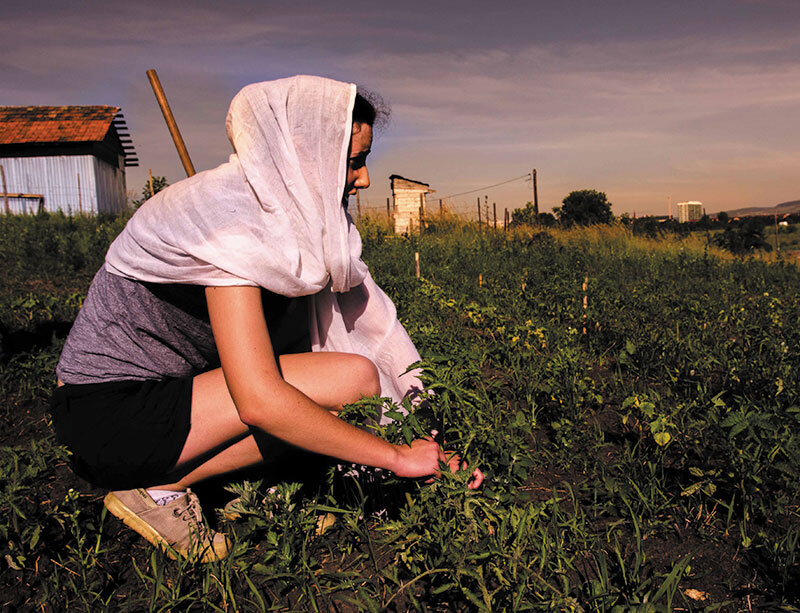
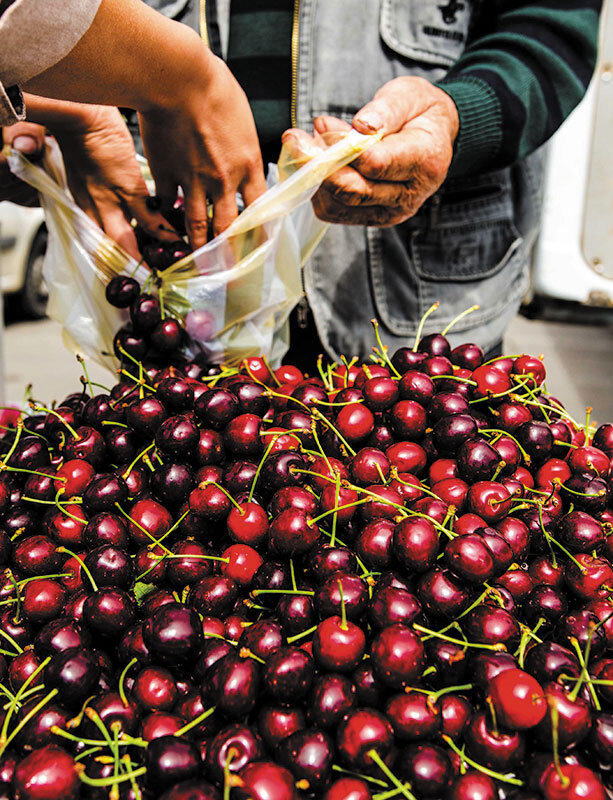
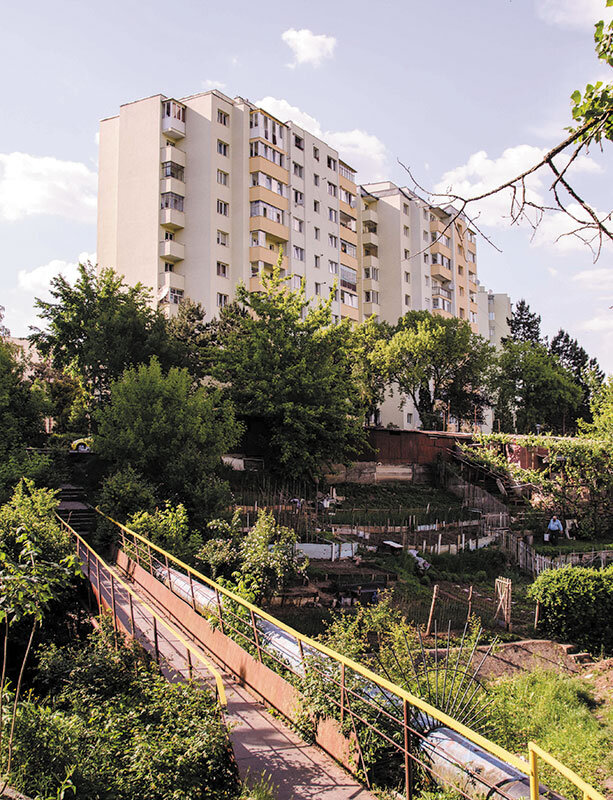
Why will Romania present Urban Food Stories at the UIA Congress 2014? Producing food in a sustainable way is a common contemporary discourse, but it does not necessarily present a prominent theme for architecture and architects. The theme of the UIA Congress 2014, Durban, South Africa, proposes a discussion on Architecture Otherwhere, which puts architecture and architects in a new perspective. The concepts of "otherwhere" and "otherness" move the discourse of architecture away from centrality, metropolis and star-architecture towards the peripheries, where architecture and architects work in a different way, dealing with different topics than those encountered in the everyday architectural office. Focusing on alternative initiatives started or studied by architects and related specialties, emerging in Romanian cities in recent years, the concern with the sustainable production and distribution of food is emerging, among others. We followed the initiative of an interdisciplinary group of architects, anthropologists, artists and landscape architects working in a marginal and legally uncertain area of the Mănăștur neighborhood in Cluj, where, inspired by the urban gardens created by residents in the neighborhood, they organize events to activate and use green spaces in a community way. In addition, we attended outdoor cooking sessions organized by the mobile kitchen on the streets of Cluj, where the Flying Squares were presented by the architect who was part of the initiative group. While researching other cities, we found out about the gardens in the Pajura neighborhood in Bucharest, where residents are coalescing into a true community of "urban gardeners". Thus Urban Food Stories was born, a collection of stories about the relationship between food and the garden, which at first seemed like isolated initiatives and phenomena. By analyzing and interpreting them together, we realized that there is a much stronger relationship and interference between them than we had first imagined. The Ecoruralis Association, which brings together more than 1,000 peasants in Romania practicing traditional clay farming, presented to us the difference between the concepts of food security and food sovereignty and the political implications of these two concepts. They support food sovereignty, not only politically but also practically, by cultivating and distributing traditional seeds free of charge, thus contributing to the preservation of local species and natural genetic diversity. The association also includes the families of the 'hoștezeni' from Cluj, who have been farming and supplying the city with fresh vegetables and animal products since the 16th century. At the same time, the families of the inhabitants of the city, who are still involved in urban agriculture today, sell their produce through the community created by the Cutia Țăranului, an initiative that brings producers and consumers into direct contact, reviving a relationship that seems to have been lost and which has the chance to be resilient to economic and political change. All these 'stories' have shaped an organic system that highlights where food is produced and how it is distributed for consumption. Although the city and the place of food production seem to occupy different spaces in terms of the imaginary, with agriculture belonging to the village rather than the city, and in terms of urban regulations that tend to expel agriculture from the city, the project shows the ways in which agriculture penetrates the urban environment. It highlights a possible strategic infrastructure, which in part already exists, between the built space of the city and the system of food production and distribution. Thus, the discussion of the city's unbuilt spaces, mostly green spaces, is given a possible new direction: some spaces with potential are transformed into urban gardens with plants for consumption, and public space is temporarily transformed into flying squares, both of which have the power to stimulate social interaction and coagulate communities. The South African city of Durban, where this August's UIA* congress will take place, is an opportune place to showcase this theme. We want to create a place for discussion and dialog between the visitors of the exhibition about the relationship between the city, the place and the way of food production, an important theme for the African continent. In addition to being a setting for stories about food in the city, the Romania stand is intended to be a connecting space where this topic can be debated in the form of events or informal discussions. In this way, local concerns on this topic can be discussed together with those of the African continent, creating a link between different international initiatives. *The International Union of Architects Congress will take place from August 3-7, 2014, in Durban, South Africa, where the theme of Romania's stand is Urban food stories. Stories presented: Eco-Ruralis Association, food sovereignty and traditional seeds; Comunità hoștezenilor, urban farmers from Cluj; La terenuri, Mănăștur common space, Cluj-Napoca; Pajura Gardens, community space, Bucharest; Cutia Țăranului, direct link between producers and consumers; Piețele volante, project supporting local producers. Team: Péter Eszter, Iulia Hurducaș, Alexandru Fleșeriu Web: urbanfoodstories.ro www.facebook.com/urbanfoodstories Organized by: Romanian Order of Architects
Text: Péter Eszter, Alexandru Fleșeriu, Iulia Hurducaș
Photo: Alexandru Fleșeriu