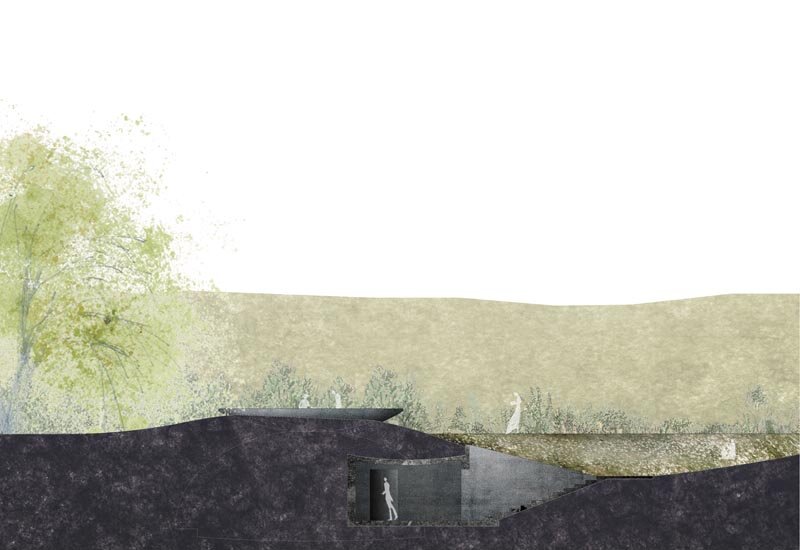
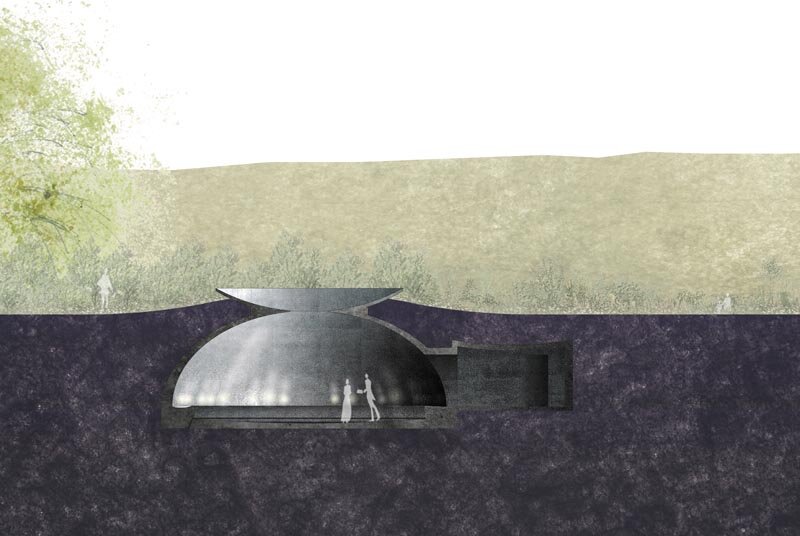
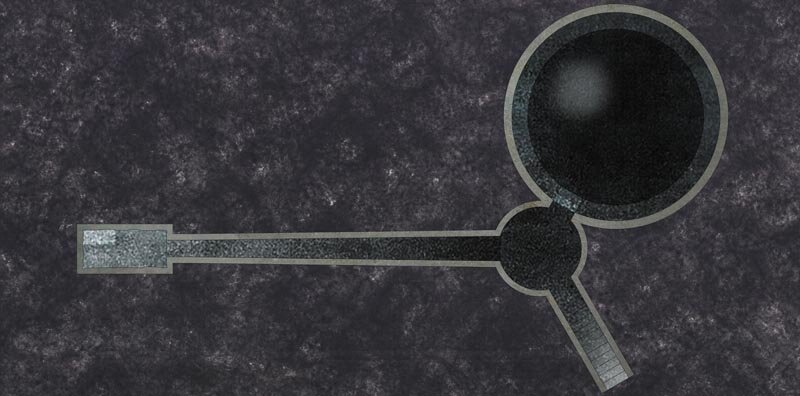
Memory repositories. Archive of a project / project of an archive
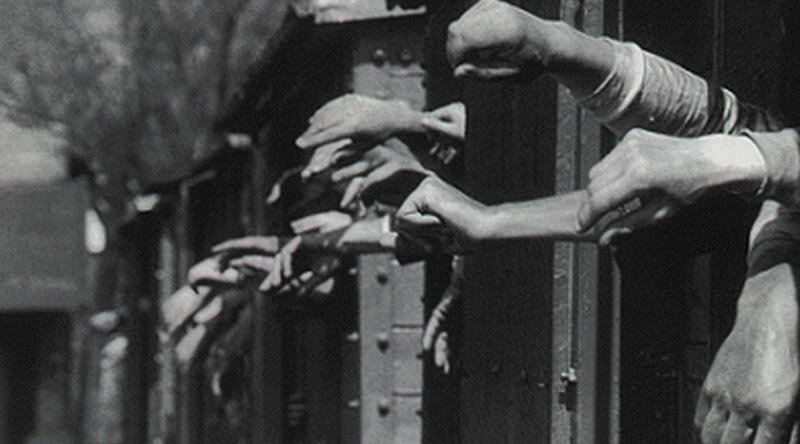
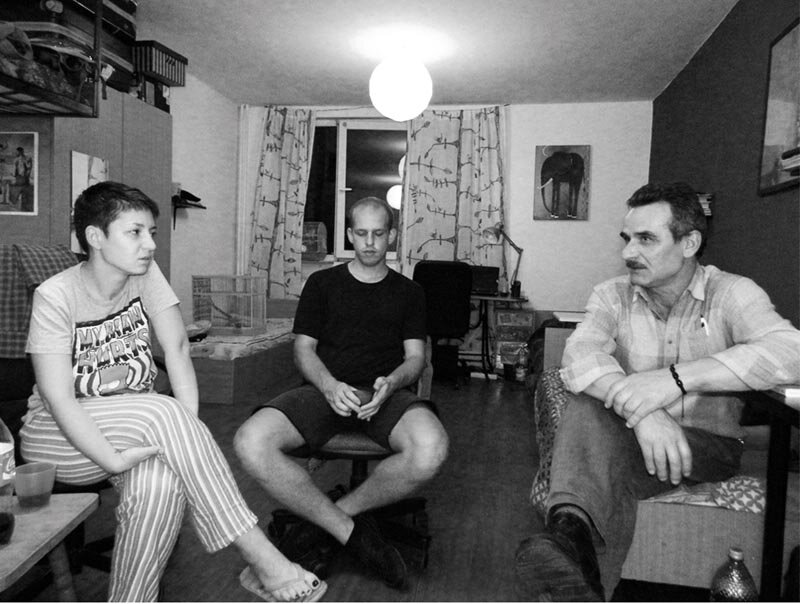
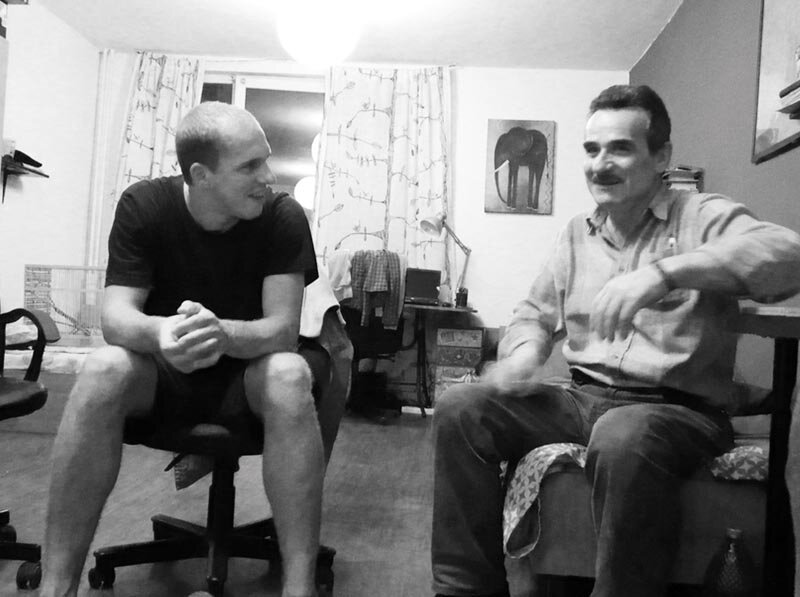
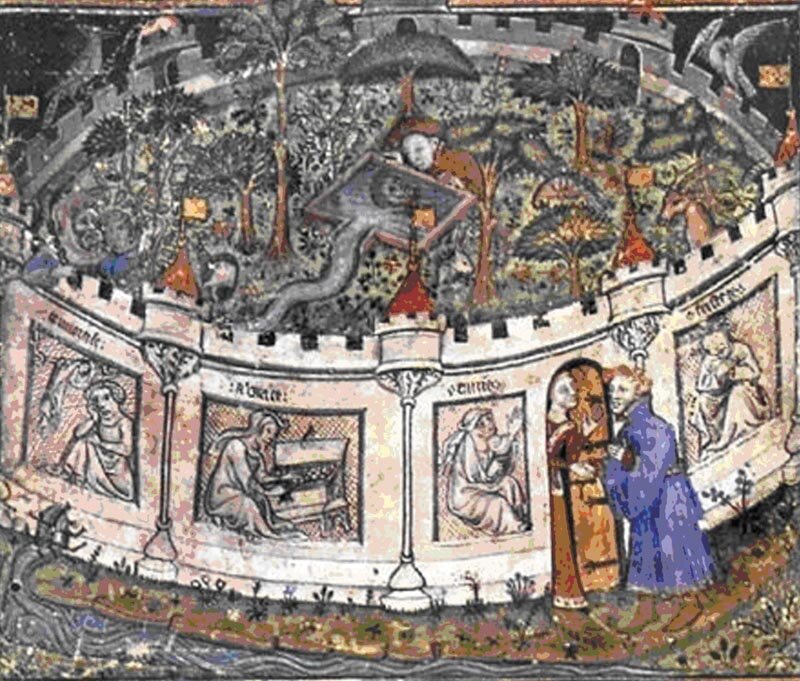
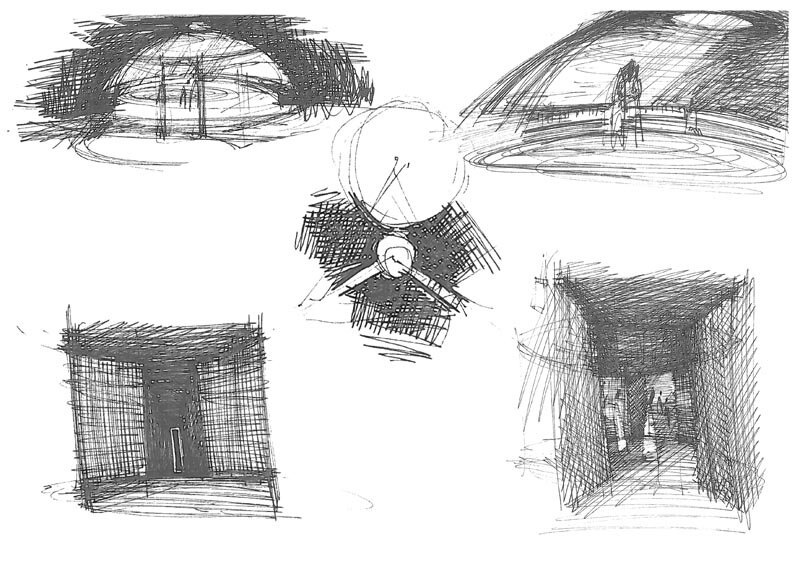
Project credits: First discussion: Vasile Tataru (Basarabian, historian and museographer at the Village Museum) Choosing the place: Ina Borozan (Basarabian, architect Andrei Vatamaniuc (Basarabian, architect) Garden discussion: Diana Culescu (landscaper) Mihai Culescu (landscaper) Looking back1 it seems tritely simple: working on a project, any project, means first and foremost making peace with your own ignorance, ignorance or inadequacy, in short, bracketing your entire fortune for the moment and trying to remain as open as possible to the new situation in which you alone have chosen to place yourself. But perhaps all the more so when you are asked to guide a project. The real project is, in fact, one's own path, open only as it is traveled. By being traveled, understood and then narrated, any project can better reach the other person and make him or her a partner. Not knowing too much at the beginning, we agreed that the most important part of both the diploma and the dissertation should be to highlight this search, and to collect, inventory and (re)give (re)what happens along the way. Some would simply call it research. Things have almost taken care of themselves. A documentation more from movies than from books, a journey in Bessarabia, which meant meeting people rather than finding a theme or a place (these were revealed later, also through people), a list-inventory of what could be the coveted place where the memory could be preserved and accessed. And then, a place already marked, a Soviet experimental garden, now deserted, surrounded by a wave of earth, hortus conclusus, and almost at the same time, a chance, the privilege of being entrusted temporarily with a few things that belonged to someone who was deported to Siberia. A spoon, a military booklet, a calendar, a prayer book, a few old photographs make you realize that touching them can bring something of that man back into your presence. It then becomes clear how it is possible to work in 'Memory Repositories'. And it was only natural to add to all this, an investigation of a few spatial archetypes, the garden, the enclosure, the tower, the tower, the fountain, the tomb, through history, architecture, representations in paintings, fragments from books, going as far as making a 1:1 detail (the fragment of archive for the known man and the things he possessed - a metal box, airtight, containing the spoon, the photographs and so on. and the associated stacking system). Succinctly put, in the end, the project has two layers, one of the restored garden, a place of the serene present, where the wounds are closed, a new garden preserving traces of the old garden, the table, the fountain, and then several breaches, piercings, passages to another layer, of memory and storage, underground, deep, the archive, the place of recollection, the empty tomb, the well of the fountain, the water. But perhaps more than that, in the end, the project itself becomes an archive. Or several. An archive of personal experience and growth for each of those who were part of it. Note: 1 "On September 30, 2013, Mr. Vasile Tătaru (Nea Vasile, age 55, a Basarabian, historian and museographer at the Village Museum) visited the museum and discussed the realization of an exhibition in the museum to remember the Moldovans subjected to political repression during the years of the totalitarian communist regime. We were a handful of people in a dormitory room waiting for Mr. Vasile to give us a lecture about the research he has been doing lately. (...) I made up my mind on the choice of the topic for my diploma the very next day, October 1, 2013. The introduction by nea Vasile was the perfect start, the interest aroused then in the topic coming as I knew very little about what he had told us." Fragment of text taken from the dissertation Depozite ale memoriei, author Valentin Ionescu, tutor Cristina Constantin, UAUIM, 2014. Meeting 30.10.2013 Discussion about Moldovans subjected to political repression during the years of the totalitarian communist regime. Many of these people were left to sleep their eternal slumber on the expanses of Siberia. 01.11.2013 Topic selection decision
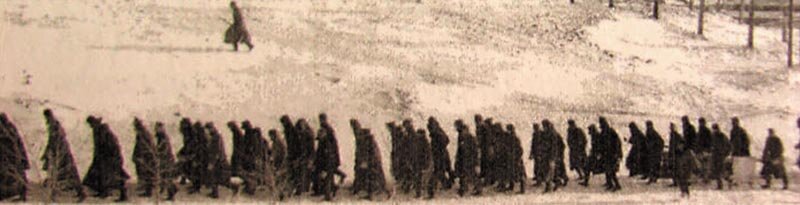
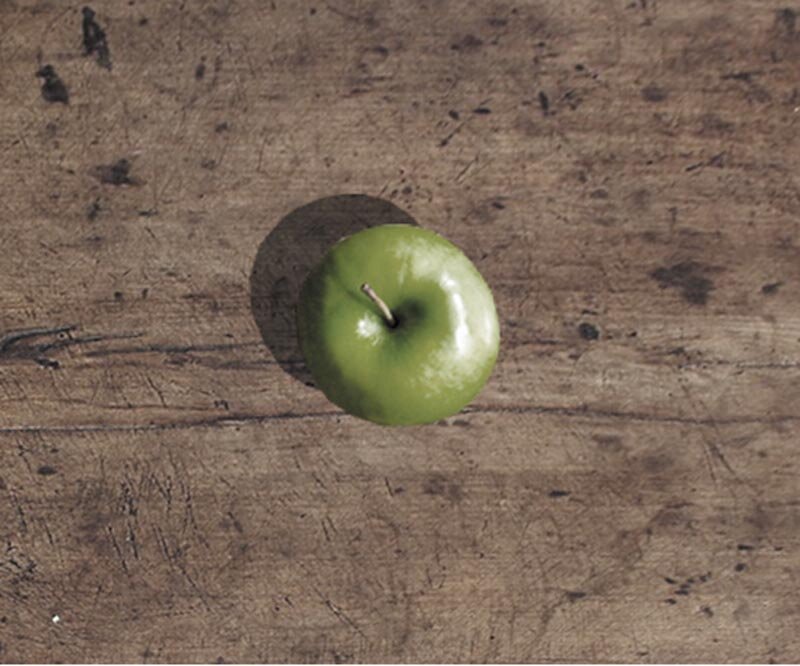
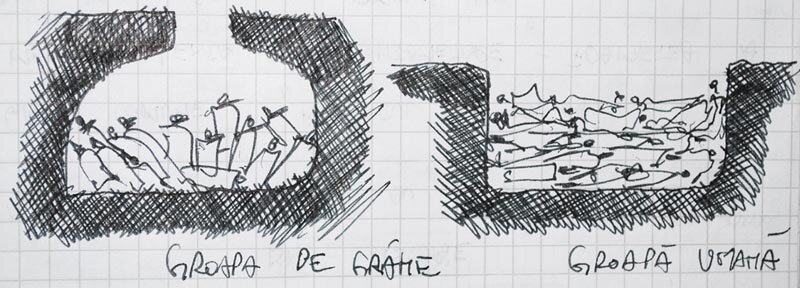
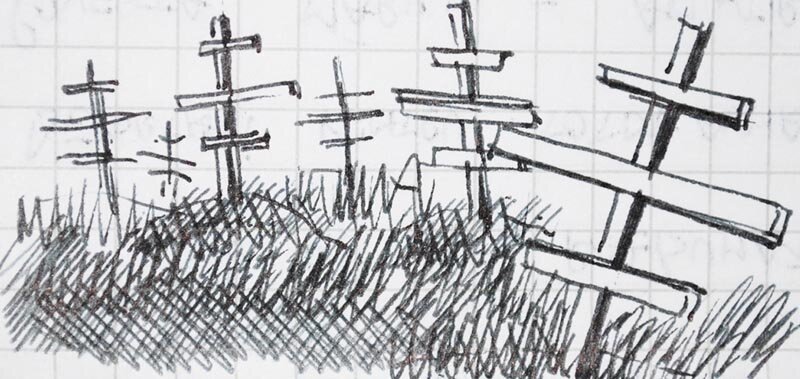
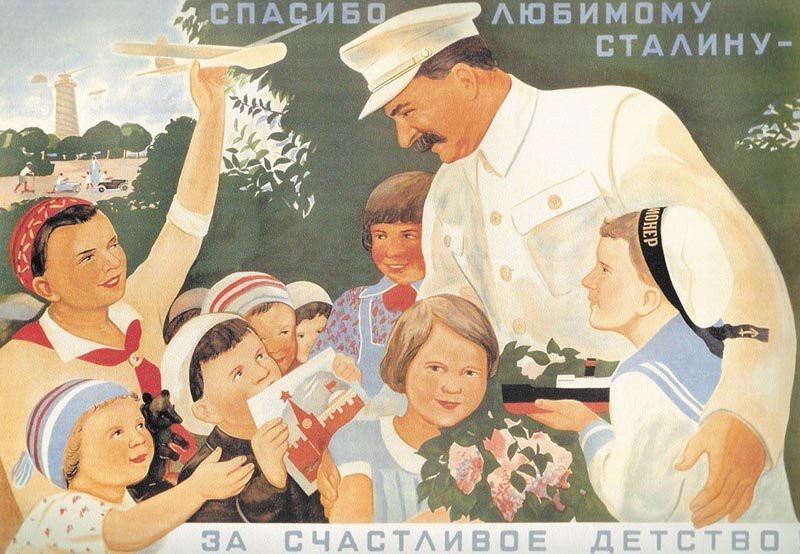
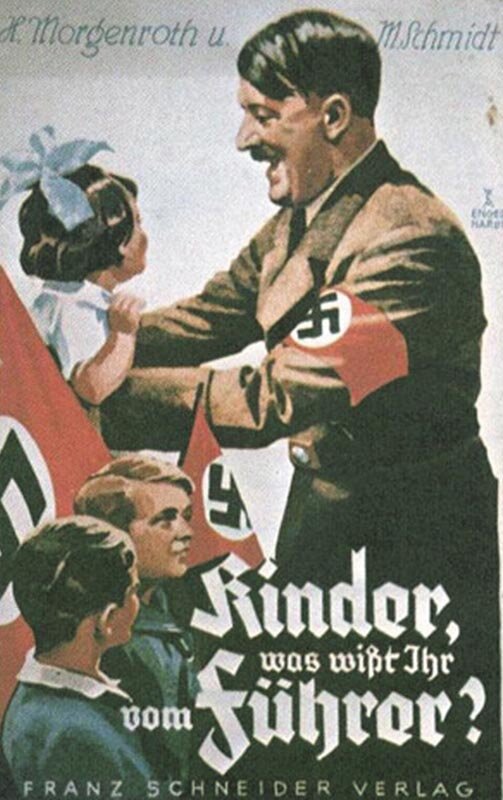
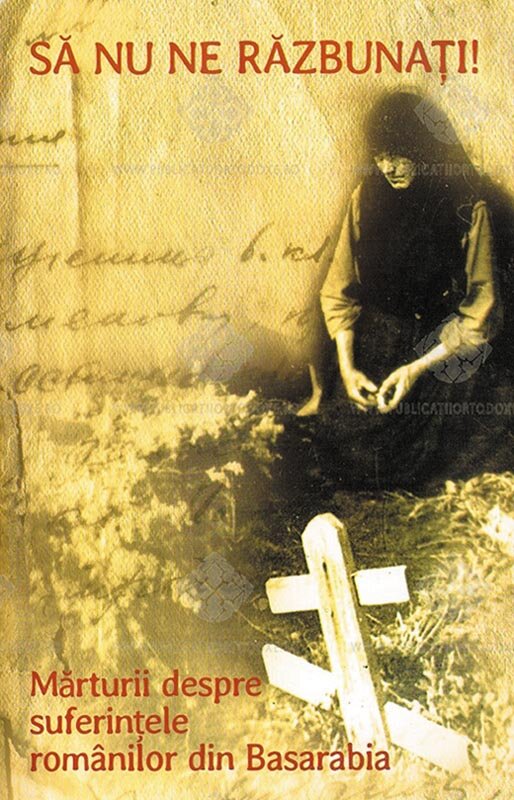
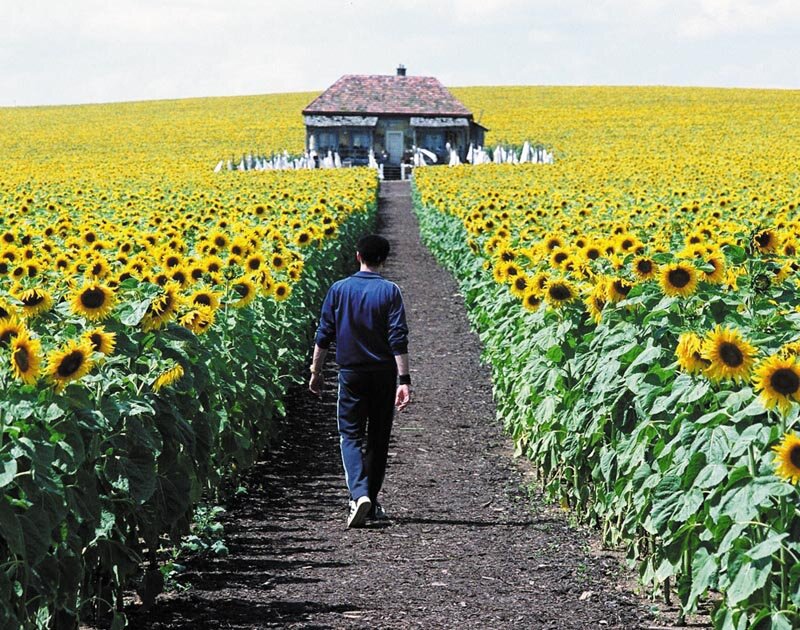
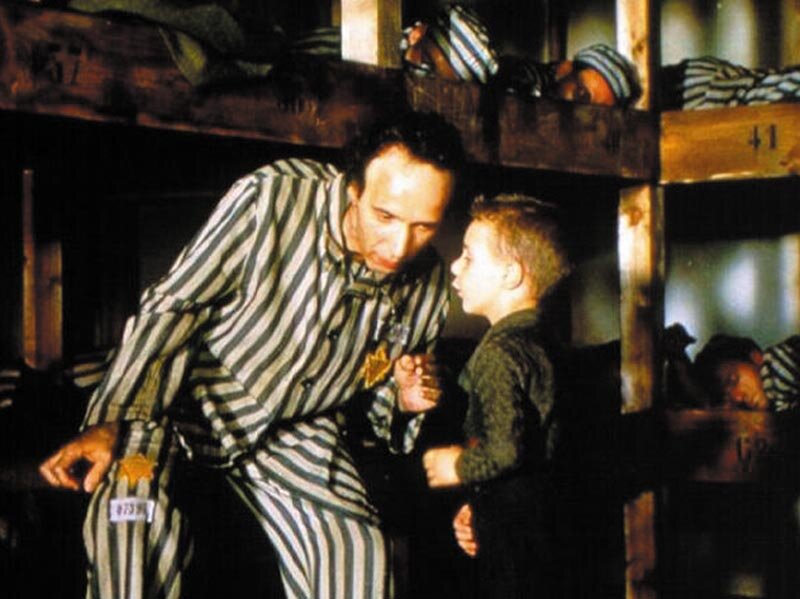
Popaganda of totalitarian regimes The project opens a place of finding, of accessing things, data, and of understanding and remembering. The character of a society struggling between democracy and totalitarianism requires the presentation of the two components: the illusory world of those who embraced the "Soviet dream", naively believing in the ideals of freedom and justice, and the "bright future", shaped by Soviet propaganda, and the world of those who were to experience the hell of the Communist prison camps.
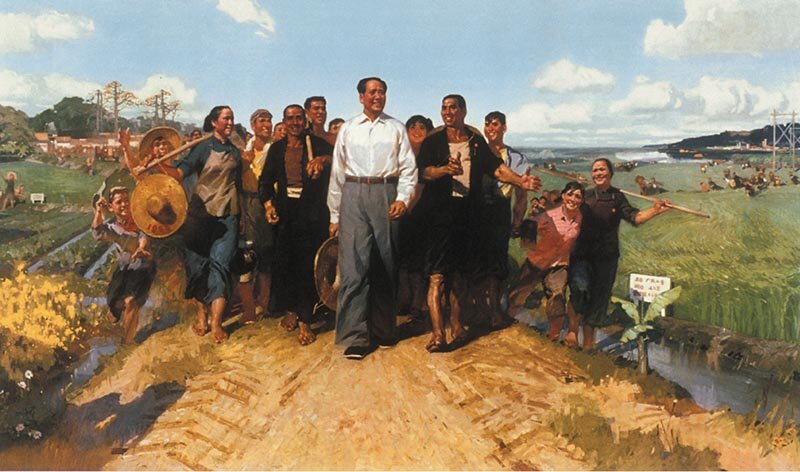
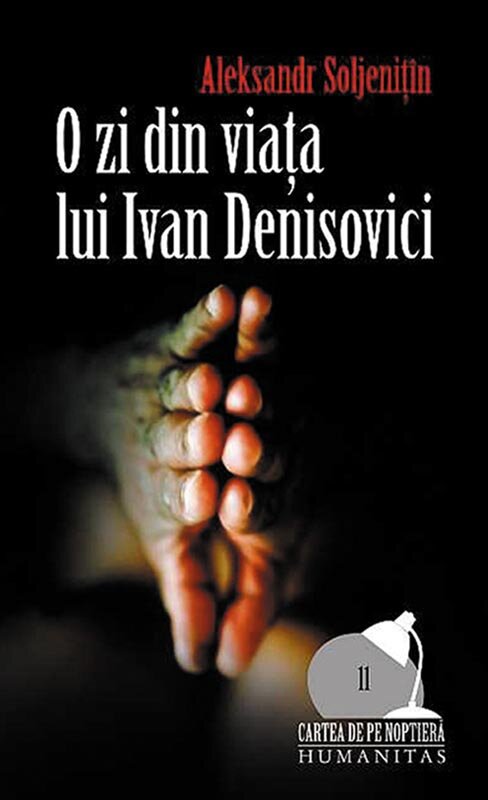
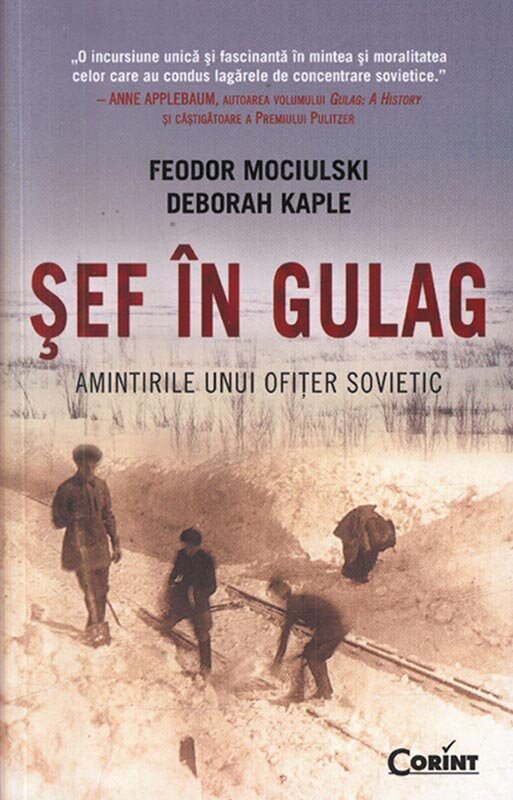
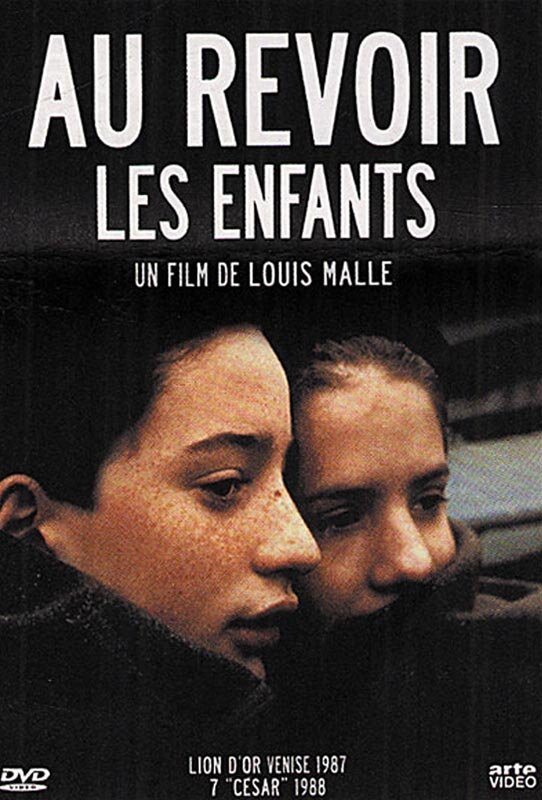
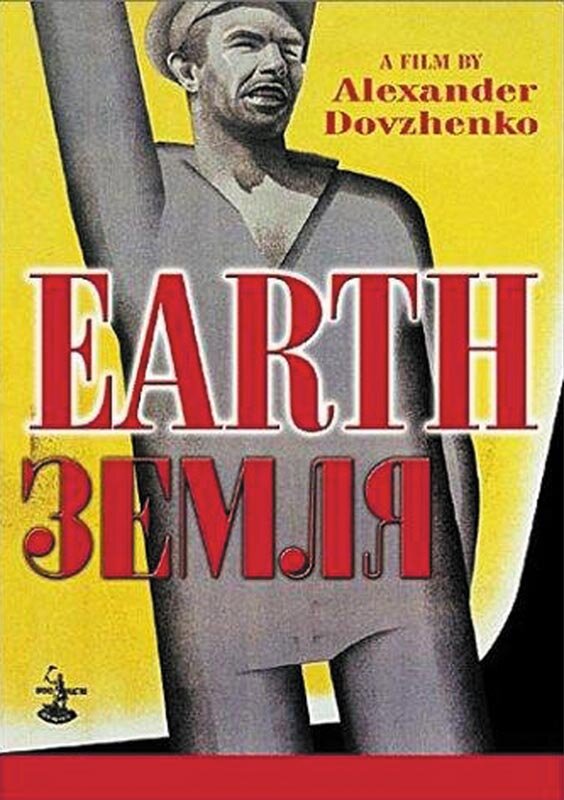
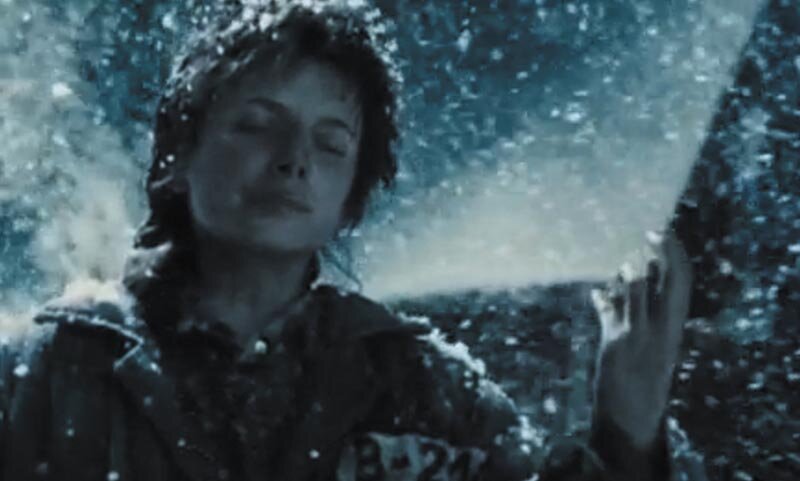
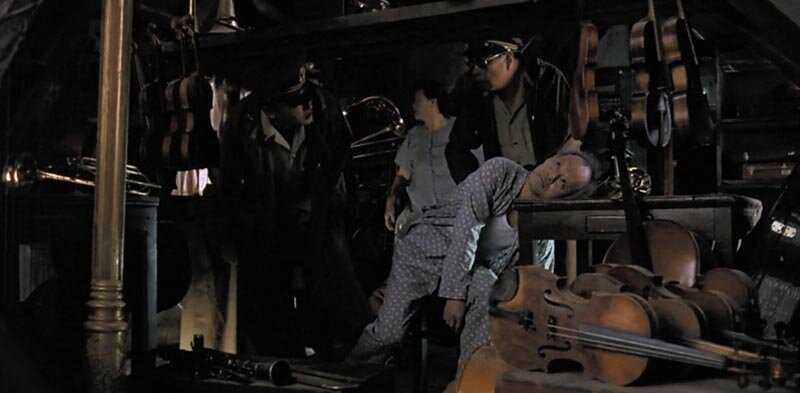
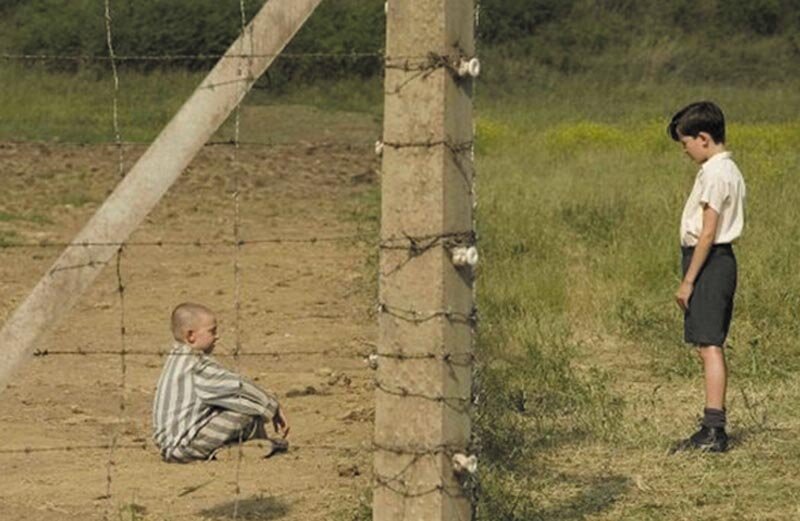
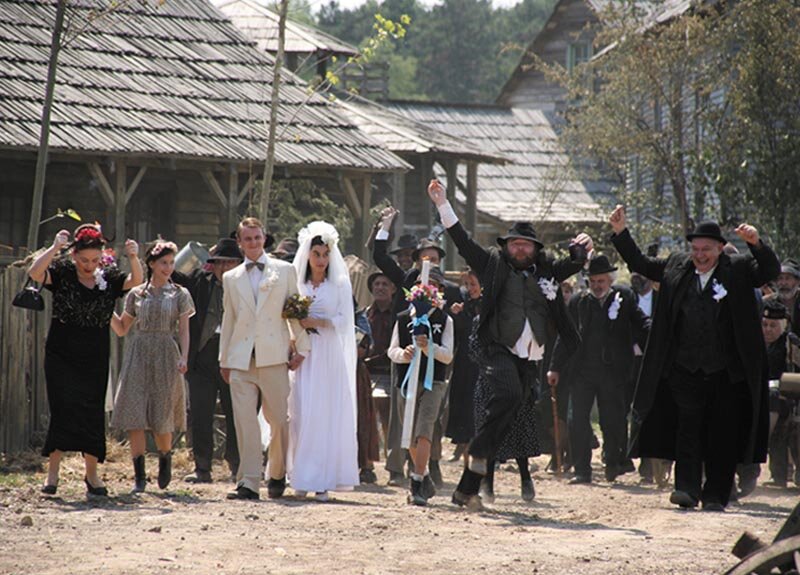
Documentaries From close to close Movies and books

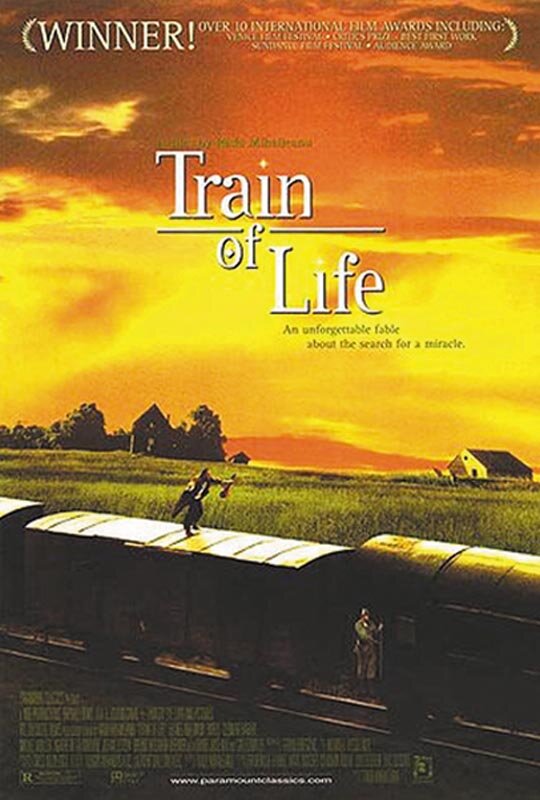
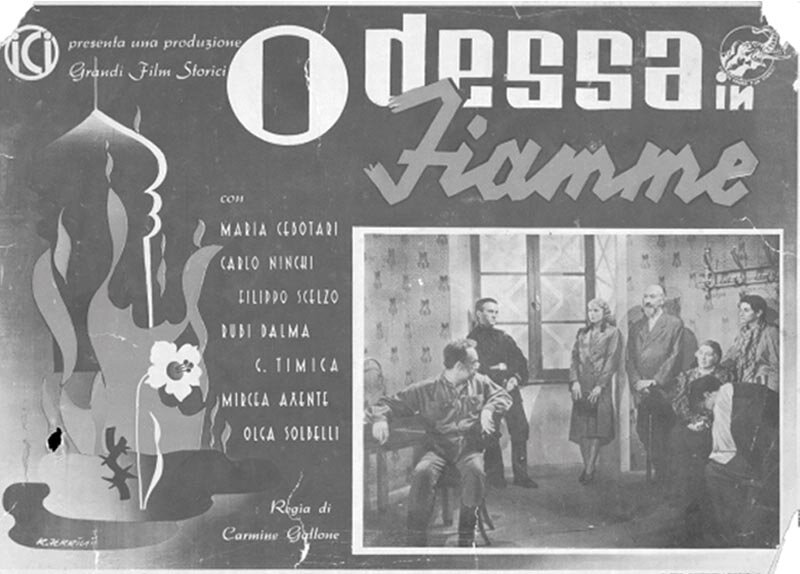
Geographical location Criuleni is located in a hilly and lowland region on the right bank of the Nistru River, 45 km northeast of the capital of the Republic of Moldova - Chisinau. Documentary attestation 1607-1618 Town since 1818.
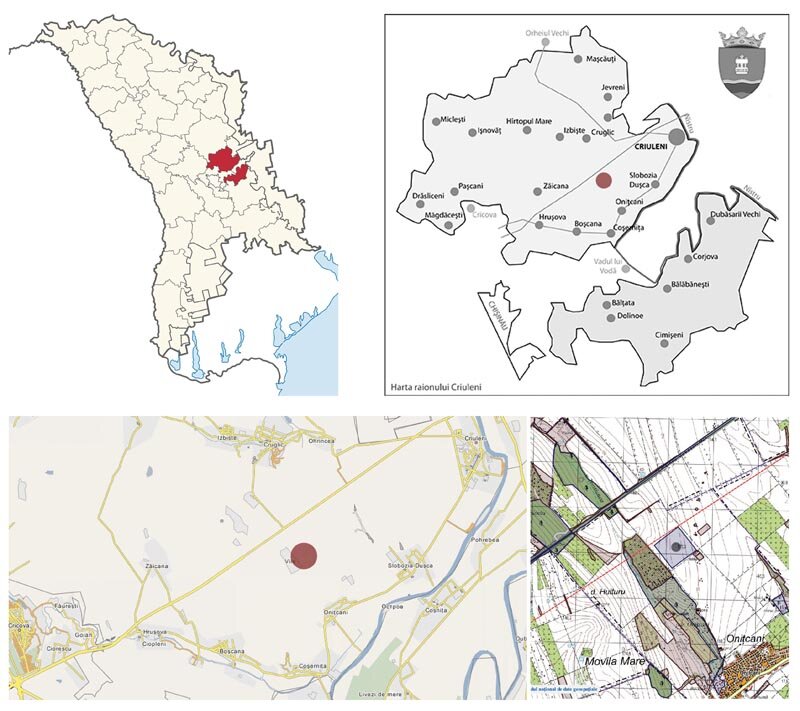
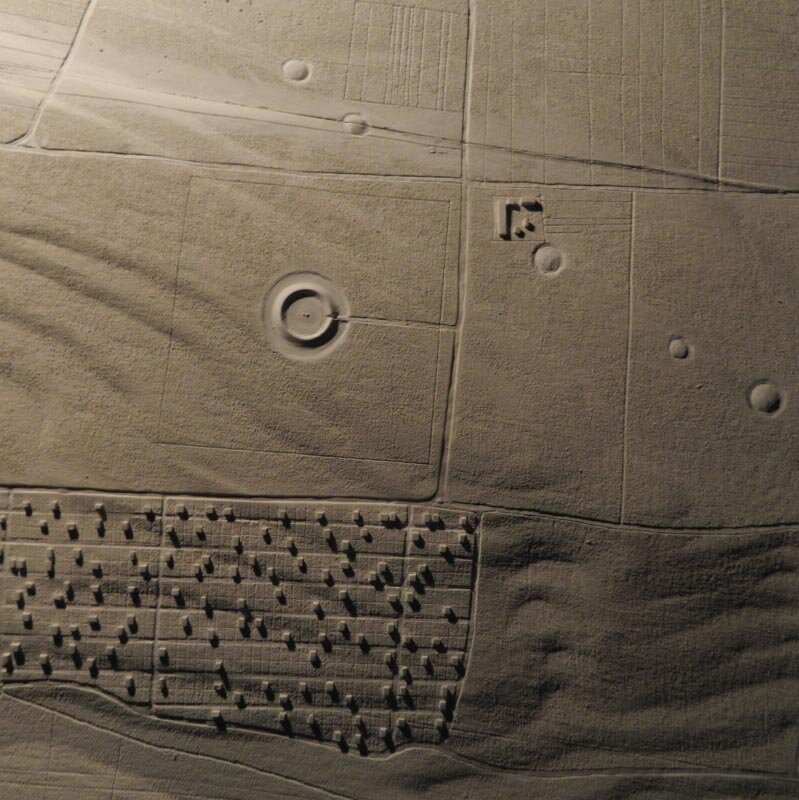
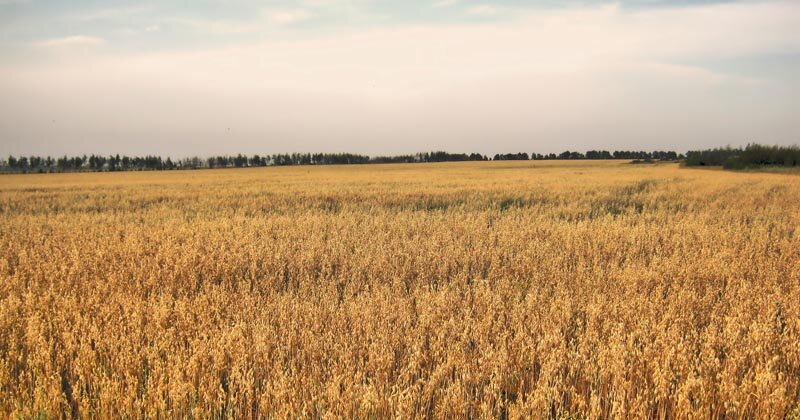
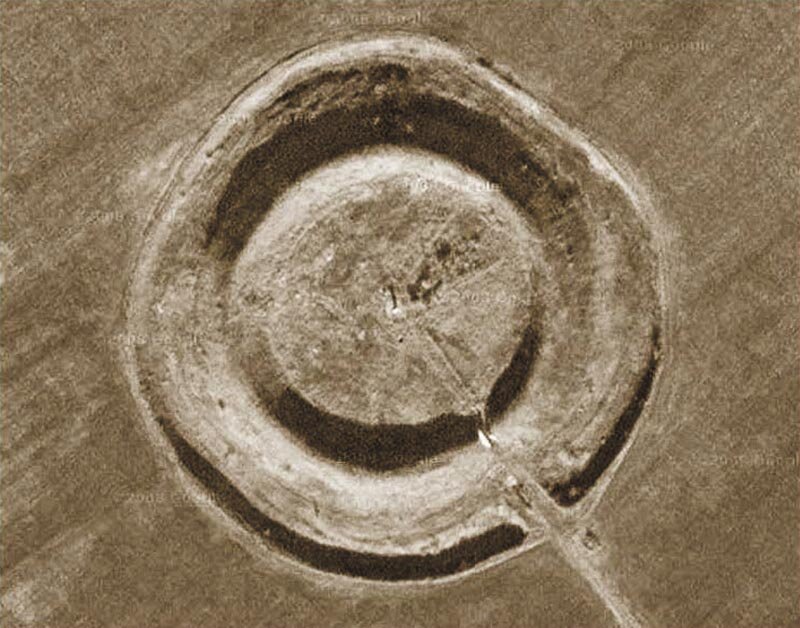
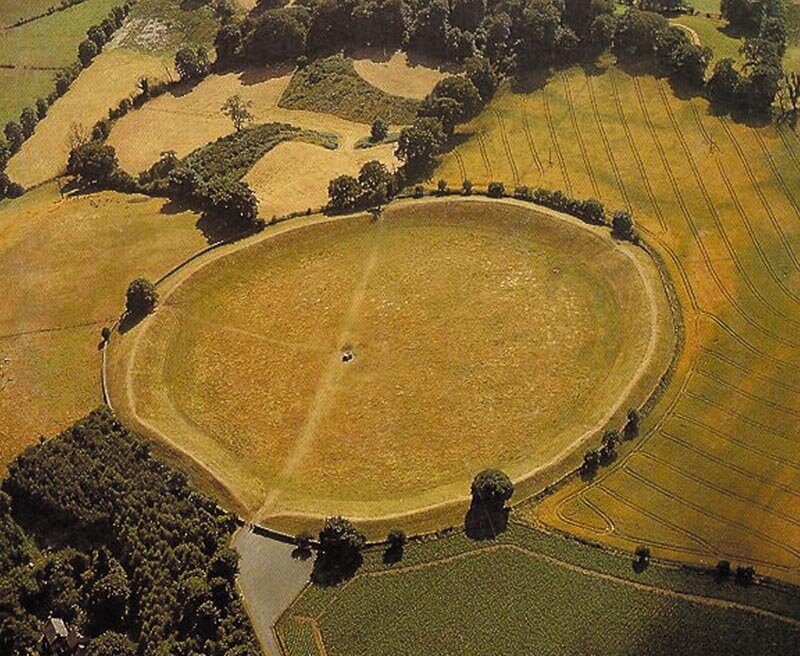
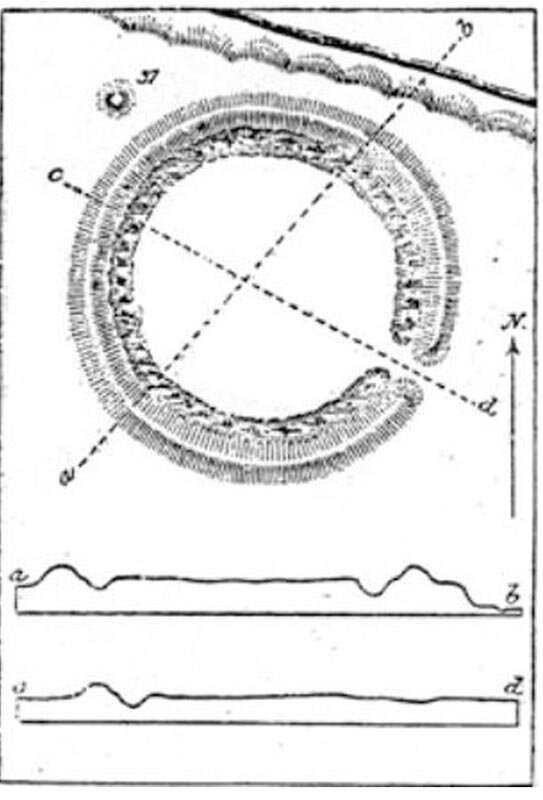
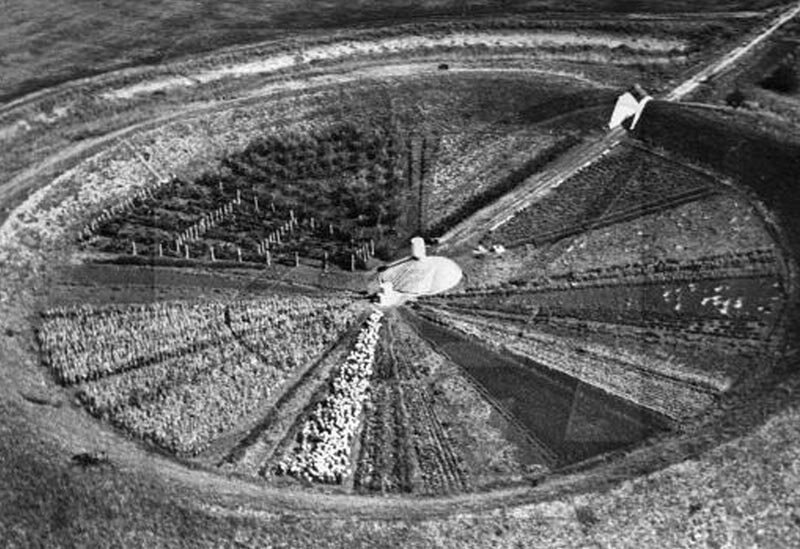
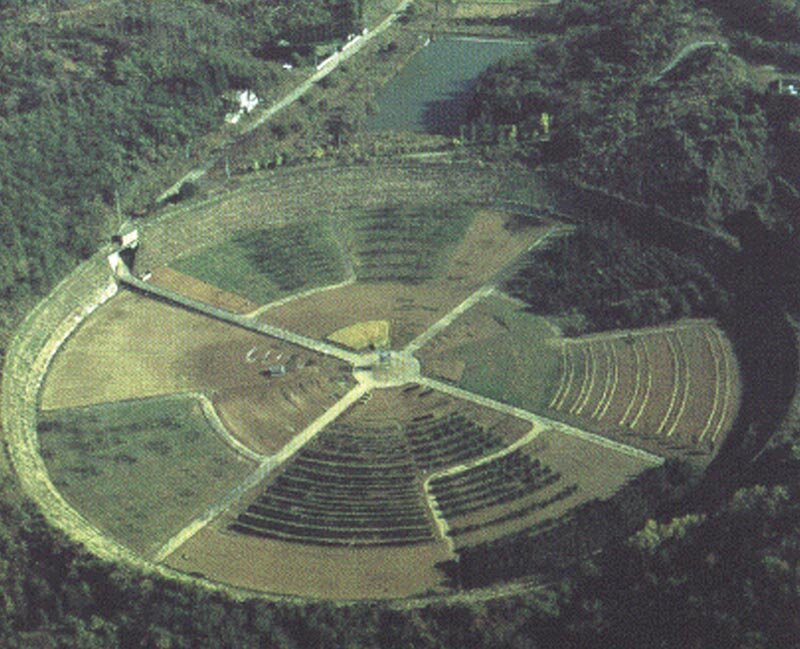
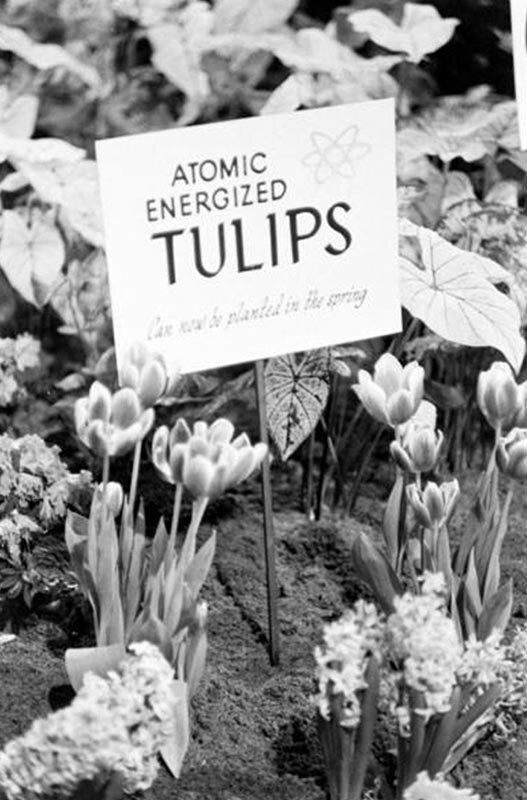
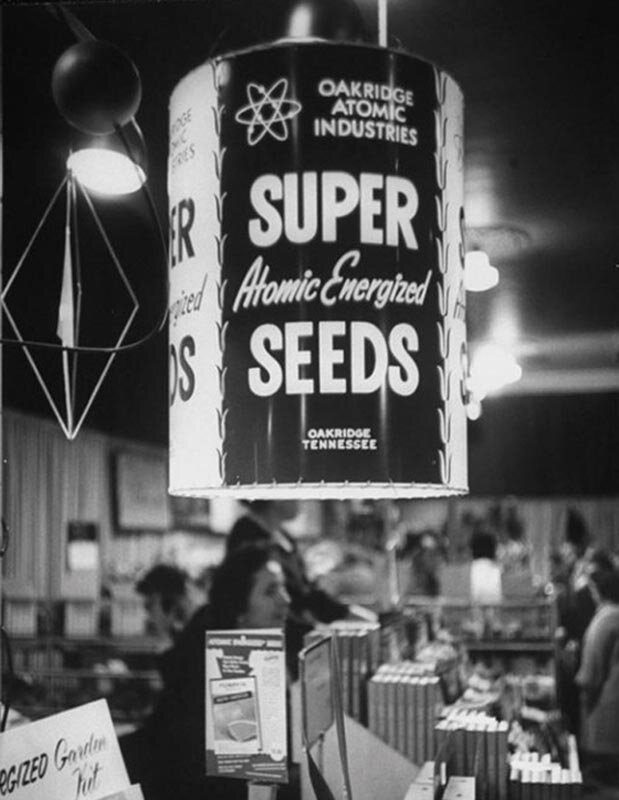
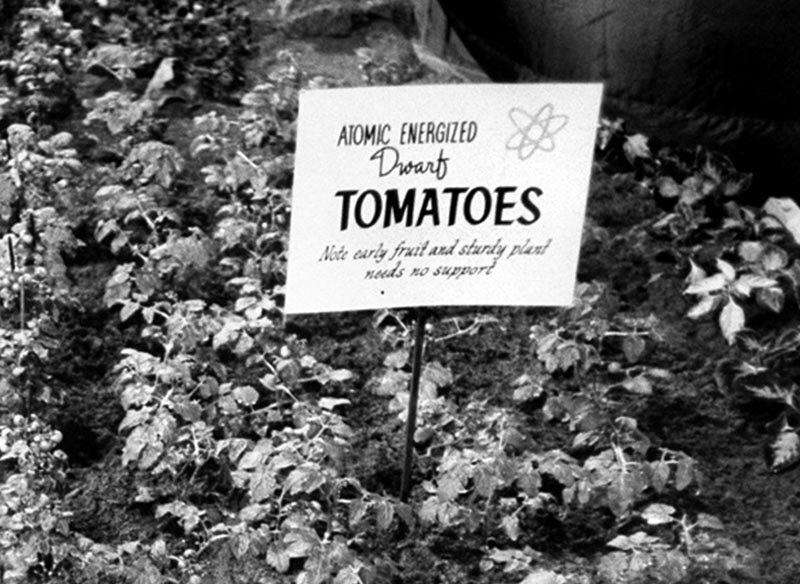
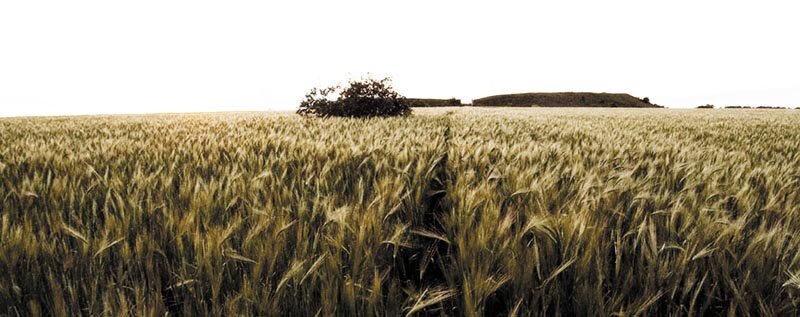
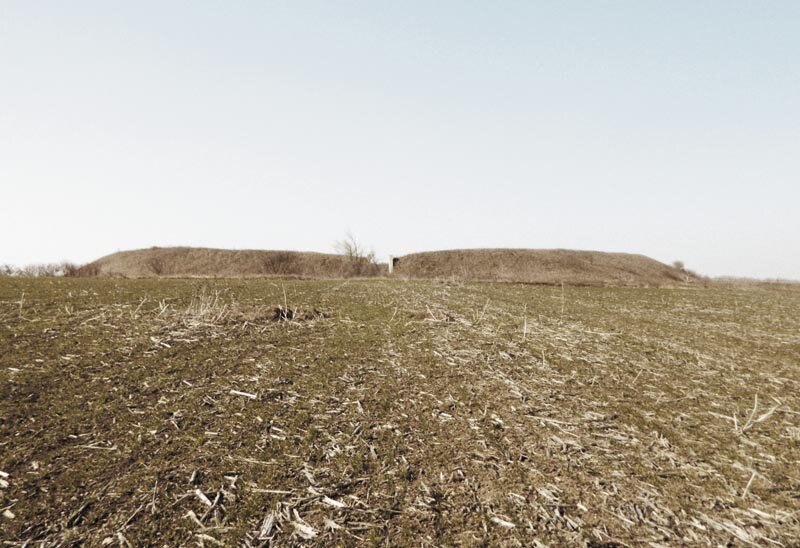
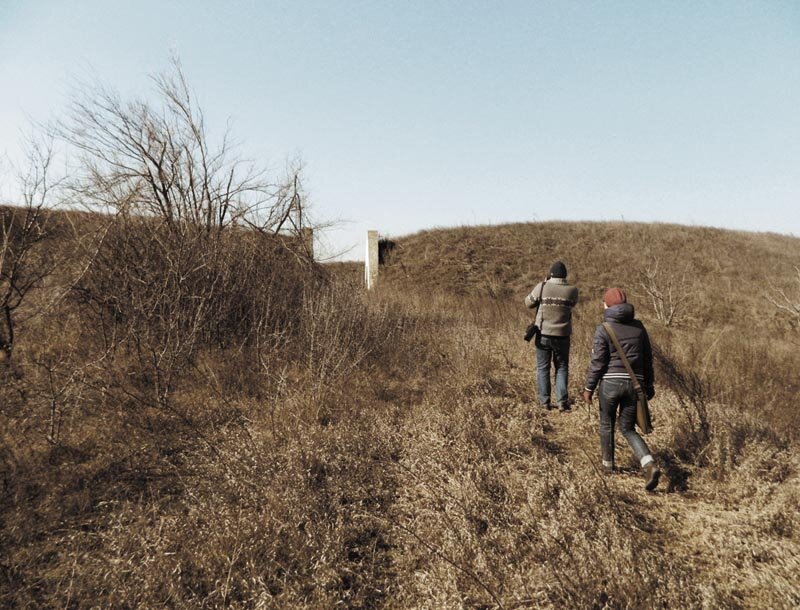
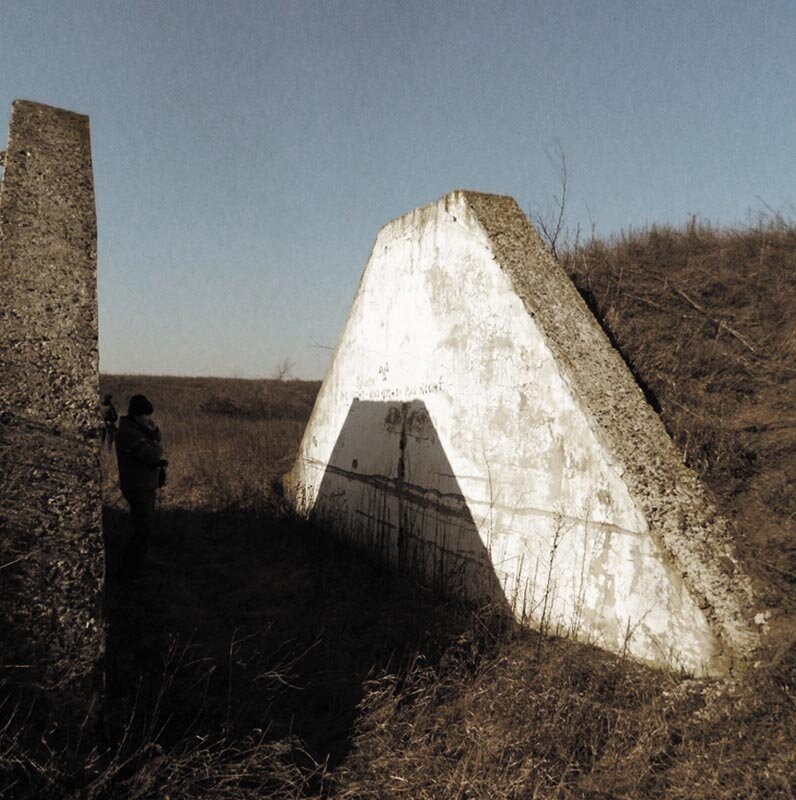
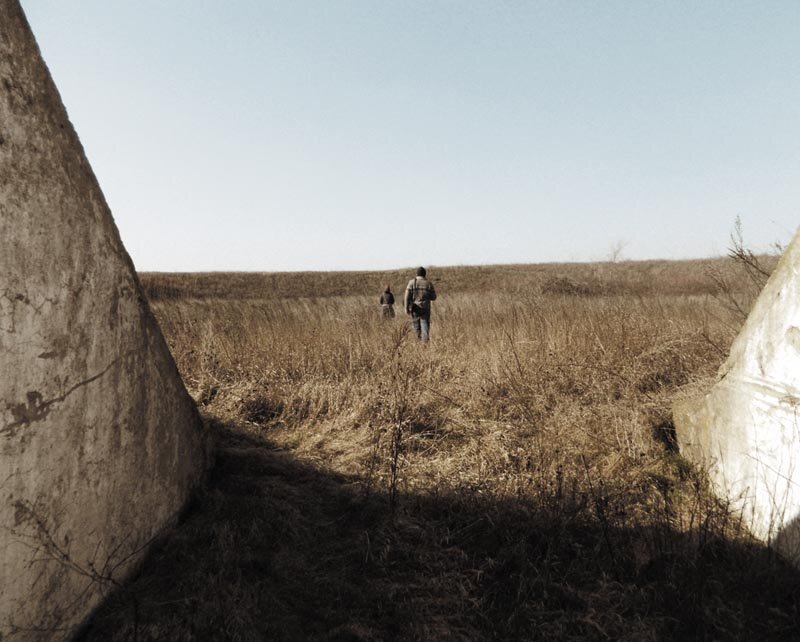
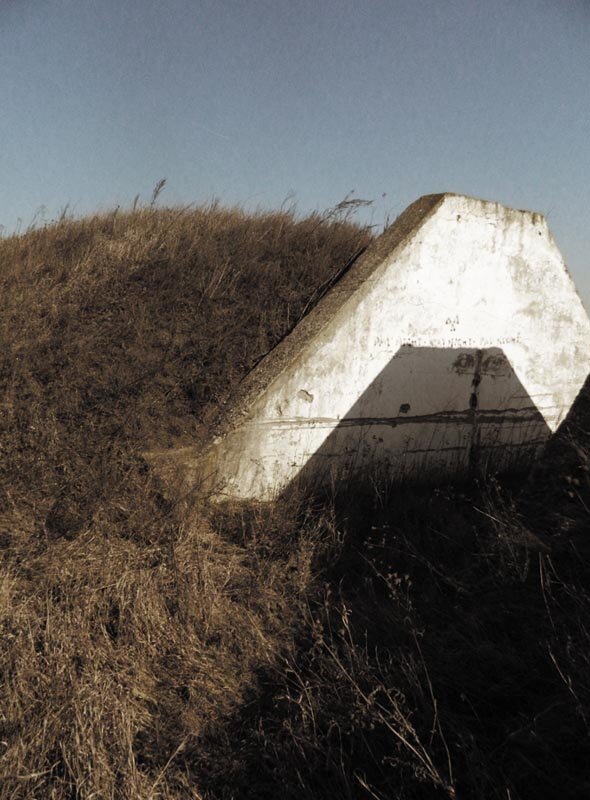
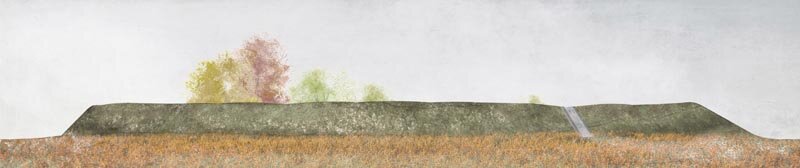
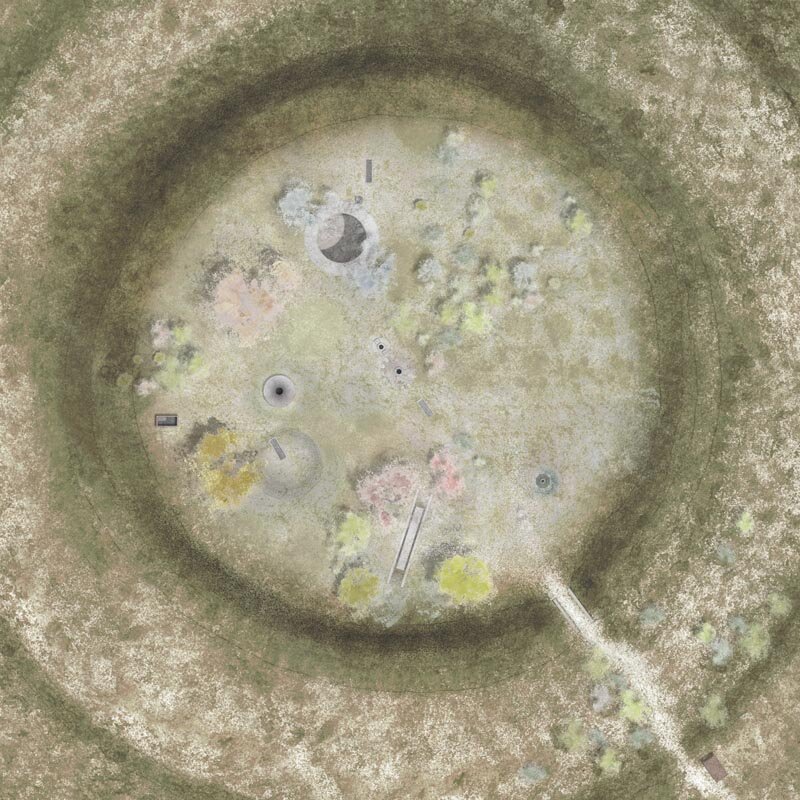
The place emerged in the post-war period of the Soviet Union as a necessary place, being designed for experiments. The place called "Gama Field" was an experimental station belonging to the agrarian university, where the effects of irradiation on agricultural crops were investigated. A mounded earthwork forms a circular enclosure with a single access from south-east-north-north-west, marked by two thick reinforced concrete walls.

Garden
Table
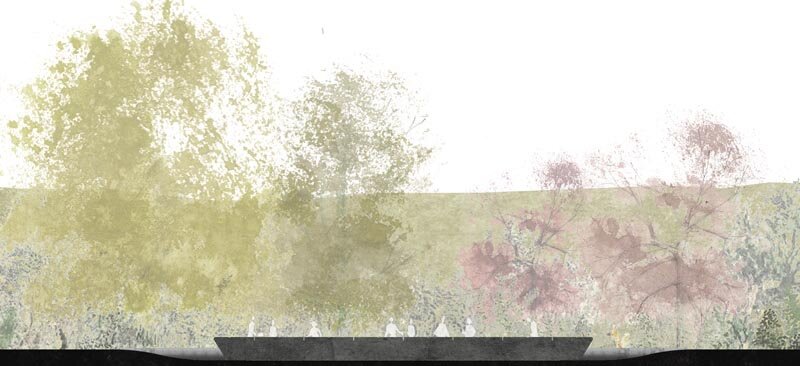
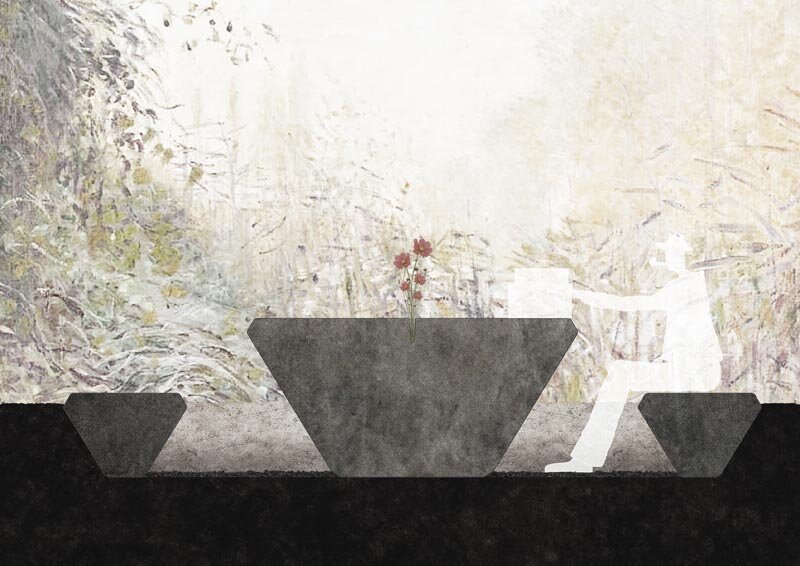
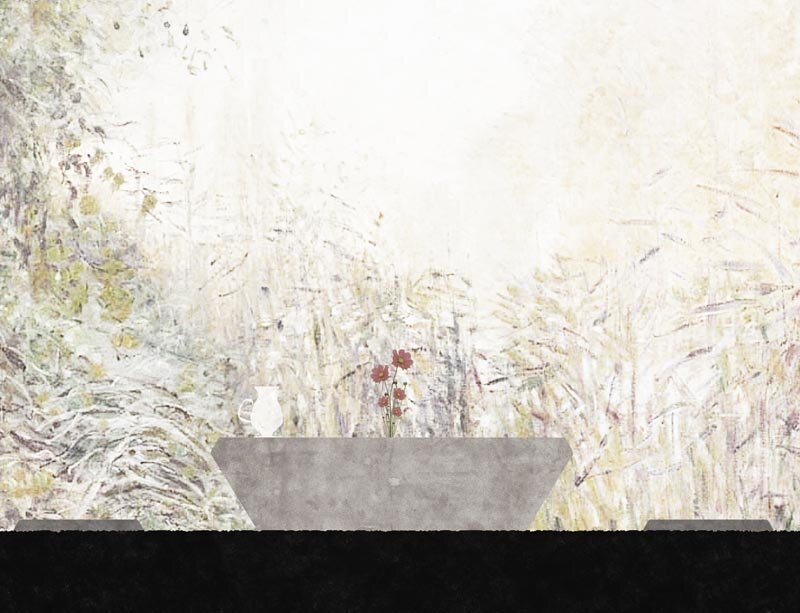
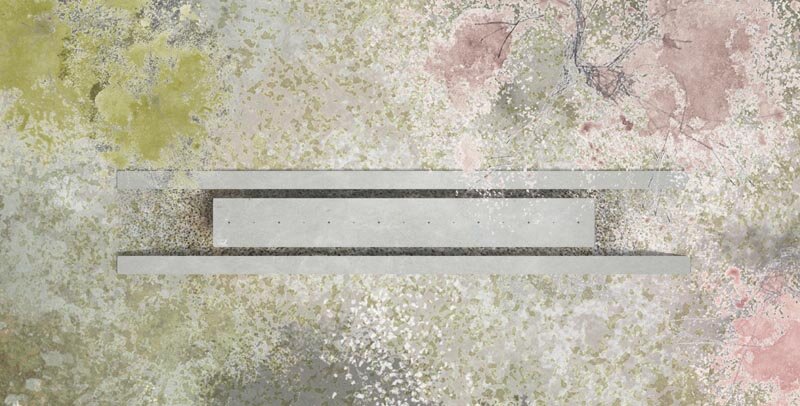
Fountain
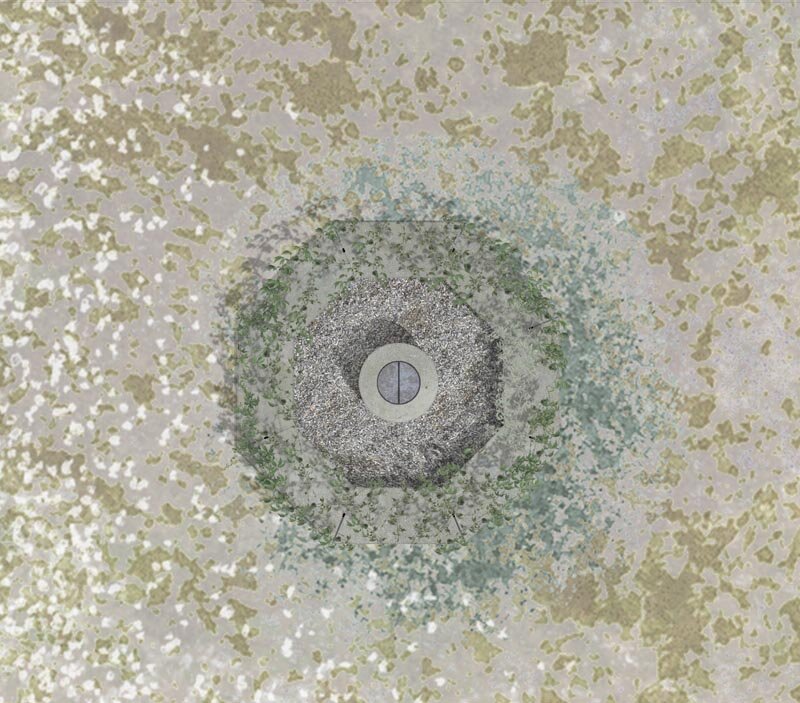
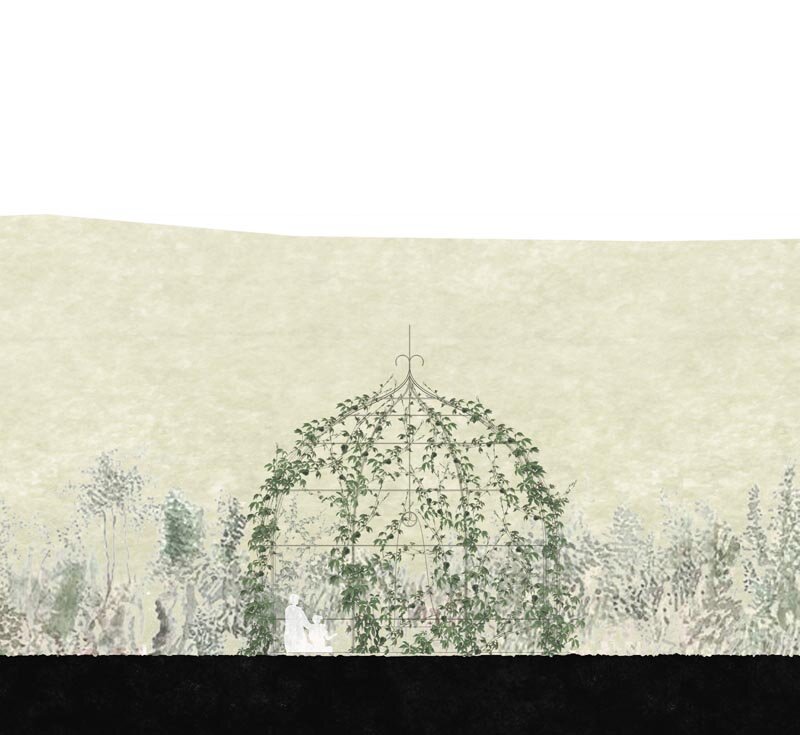

Memory repository
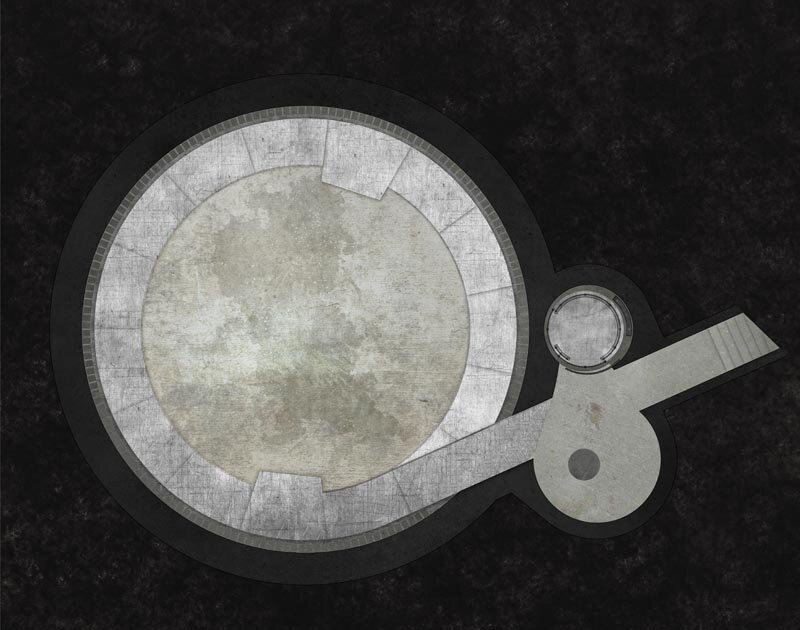
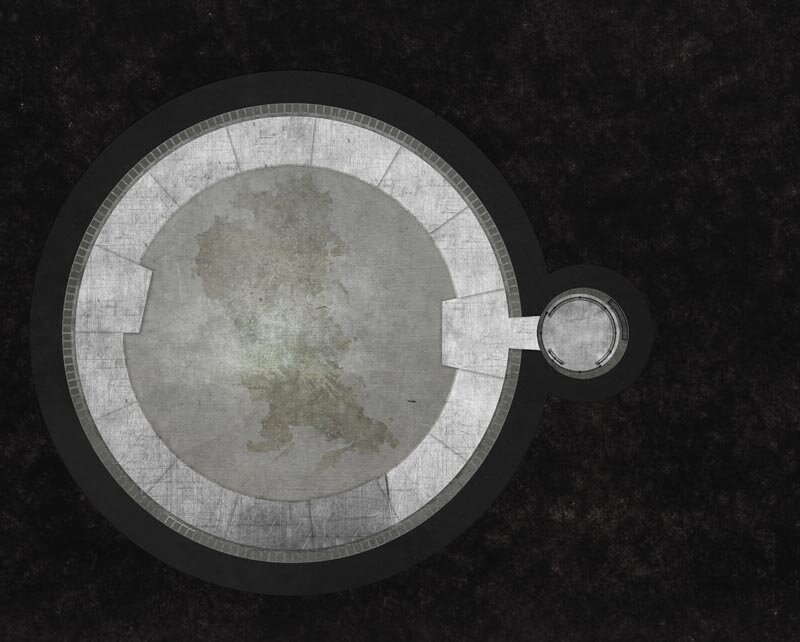
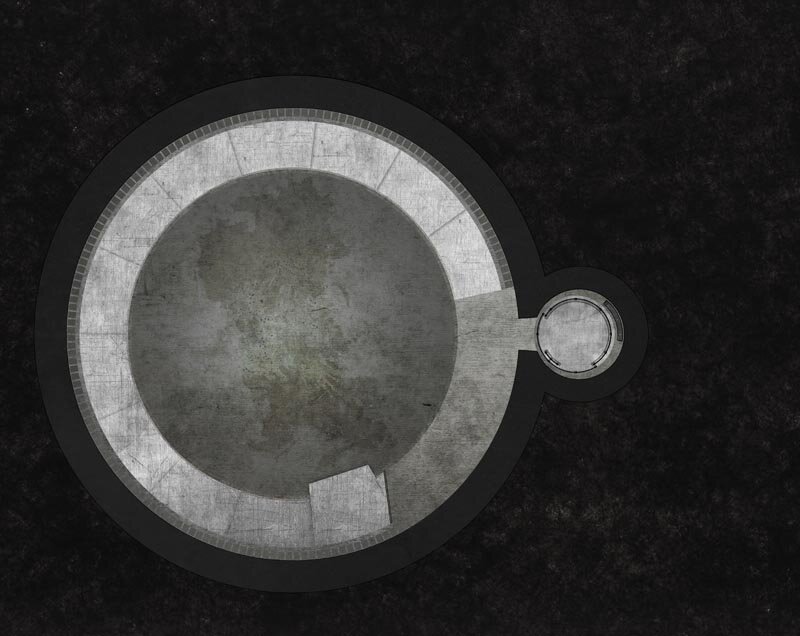

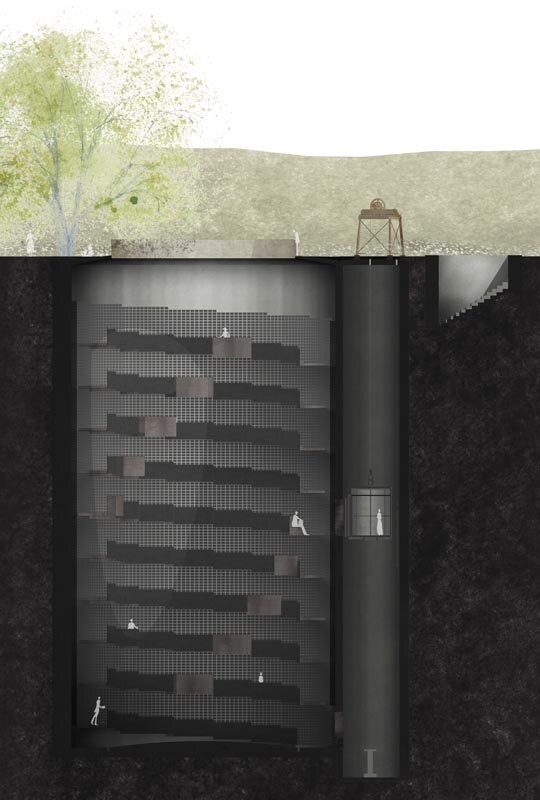
Open Space
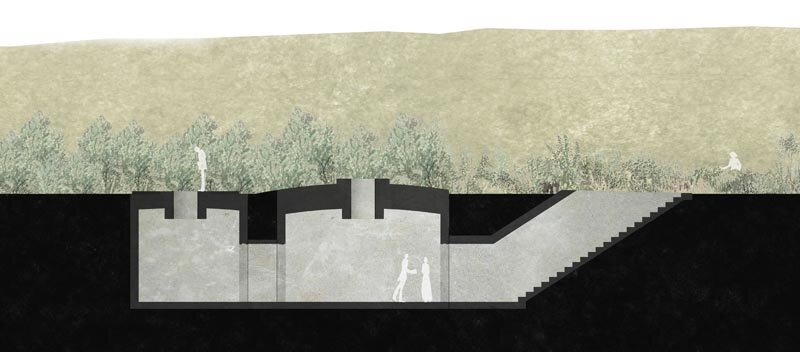
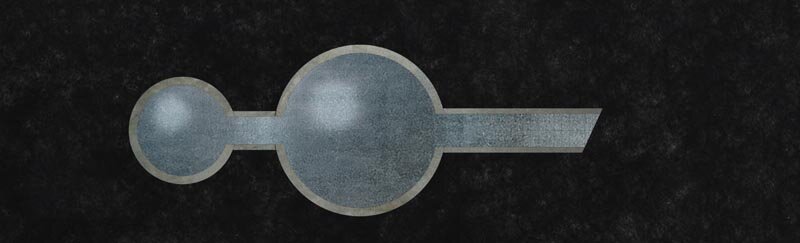
Regulating space