Bolsa Pampulha: experiences, frictions and juxtapositions with Brazilian modernism
BOLSA PAMPULHA BAG:experiences, frictions, and juxtapositionswith brazilian modernism
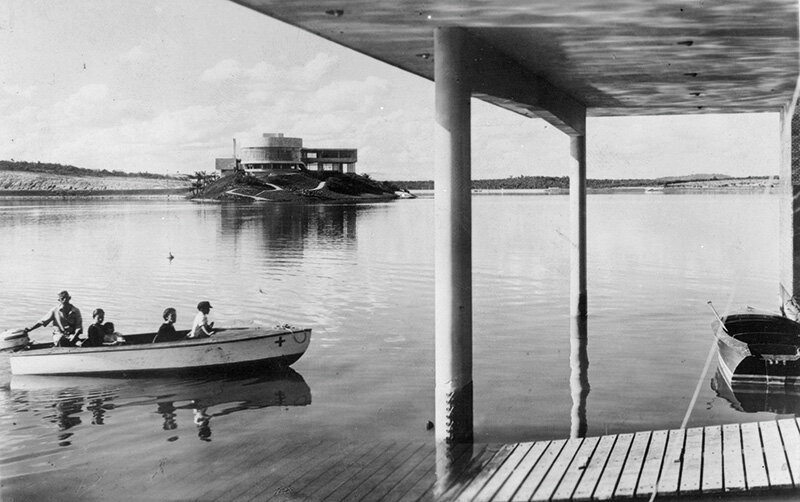
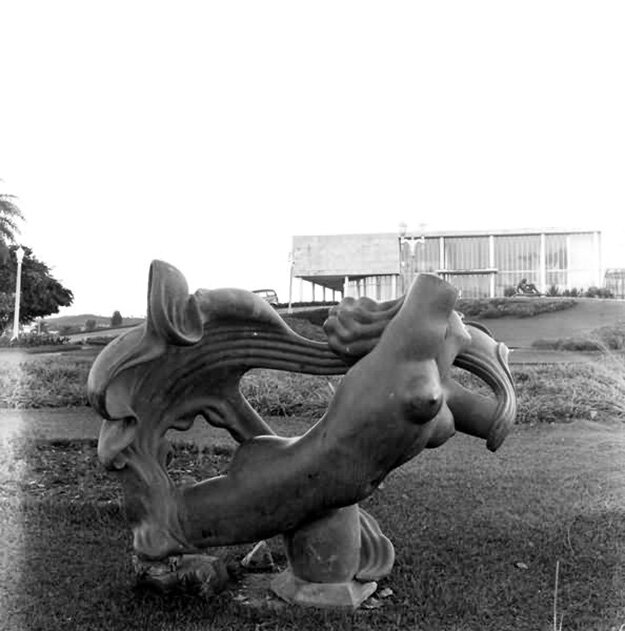
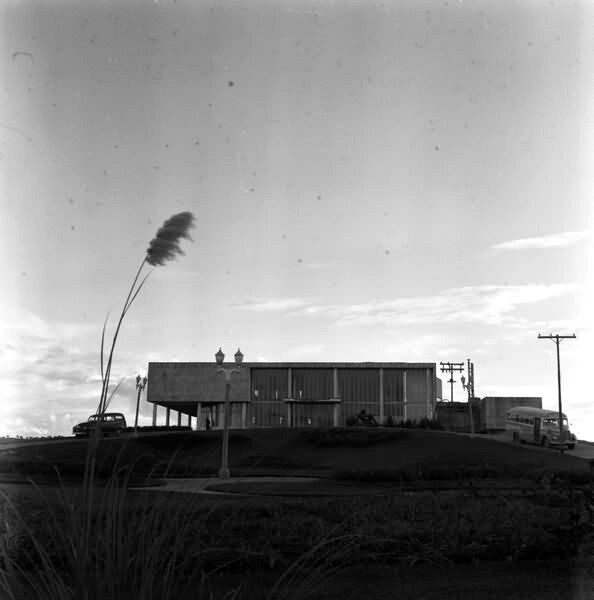
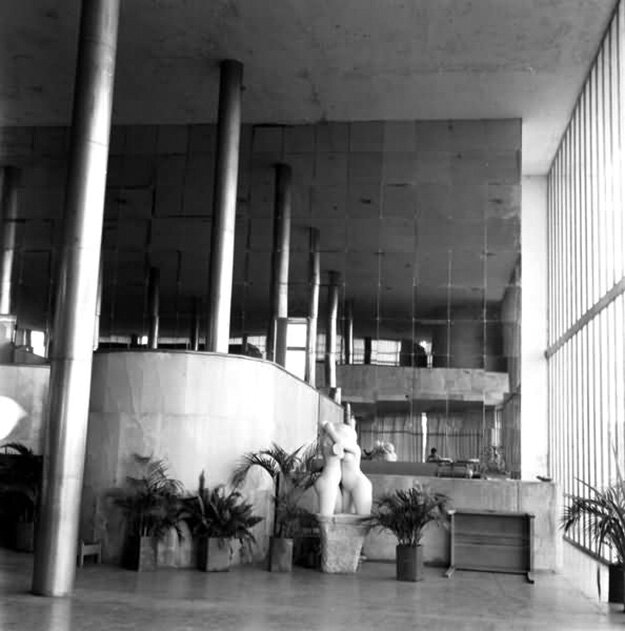
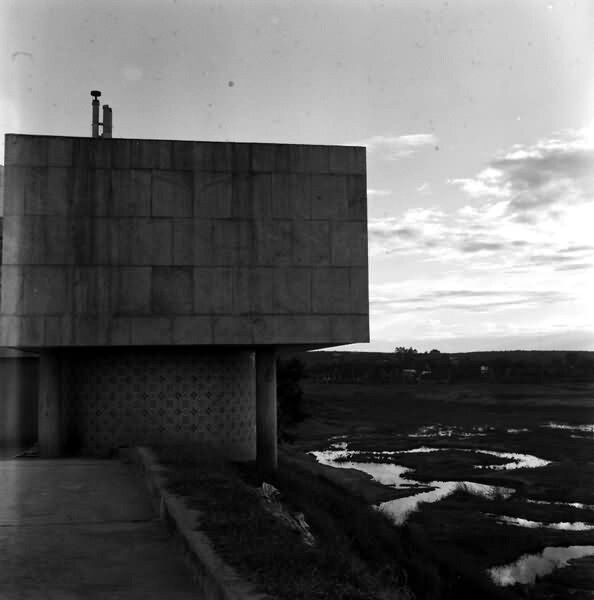
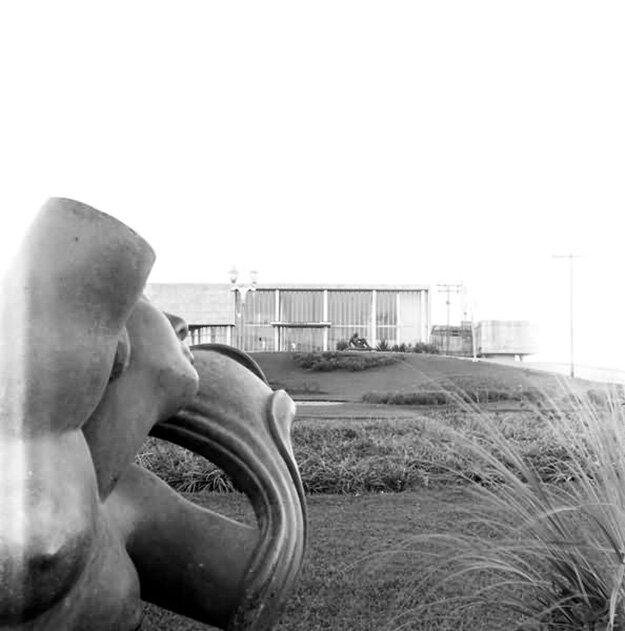
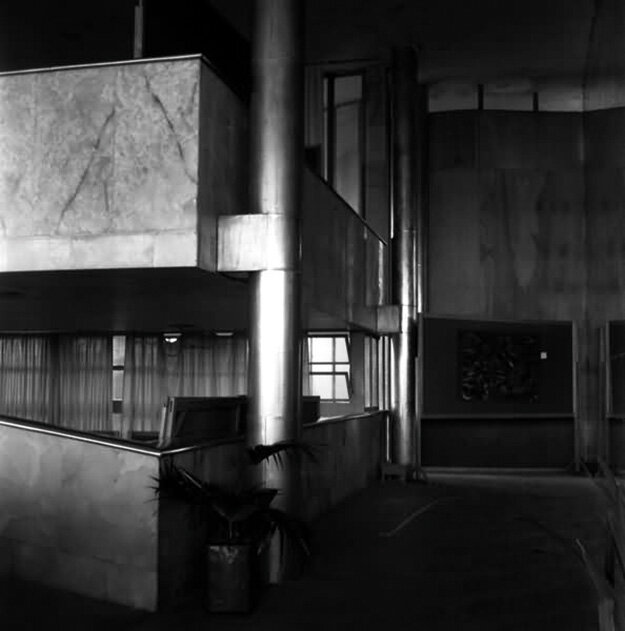
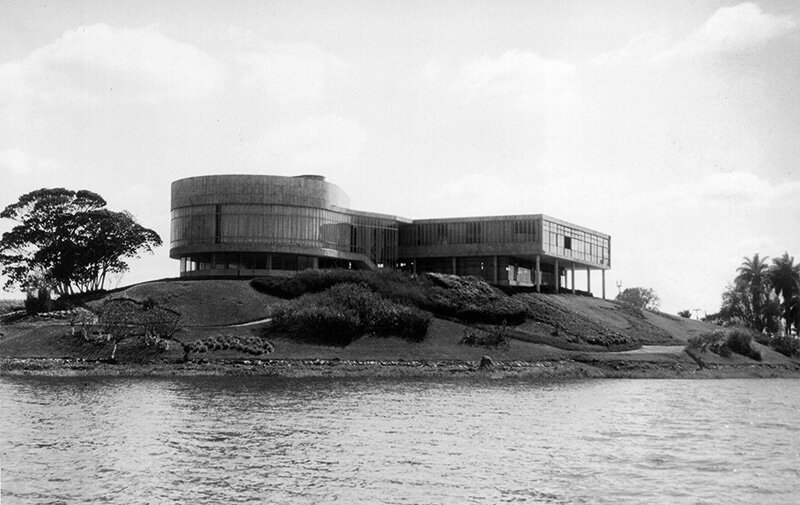
| The Pampulha Museum of Art (Museu de Arte da Pampulha - MAP), located in the city of Belo Horizonte, Brazil, opened in 1957, following a national trend towards the institutionalization of art that had initially manifested itself in São Paulo with the establishment of the São Paulo Museum of Art (MASP) ten years earlier. Occupying the former Pampulha casino (1943), one of the first buildings designed by the architect Oscar Niemeyer, the museum was intended to be a place dedicated to modern and contemporary art produced mainly in a local context.In the 1960s, MAP functioned as a reference space for the new avant-garde, which was quite active in Belo Horizonte at the time. In 1969, under the leadership of artist and critic Márcio Sampaio, MAP became the center of a politically committed program that promoted an art that was primarily concerned with social issues. Importantly, Brazil was at a crucial political moment. In 1964, following a military coup d'état, the government of President João Goulart was overthrown and a harsh regime was installed that lasted for almost two decades. To justify the coup - which came just a few years after the Cuban regime's alliance with the Soviet Union - military officials cited an imminent communist threat to Brazil. Domestically, the coup also marked the Brazilian military's growing influence over national politics, acting as a security doctrine created under the aegis of the United States. During the decades that followed the installation of the military regime and during the subsequent period of Brazil's political opening, MAP did not have a clear institutional agenda, being mainly content to respond to the specific demands of the artistic community. It was not until the mid-1990s, under the direction of Priscilla Freire, that the museum's work experienced a revival. Invited by Freire to implement a coherent programme aimed at encouraging the production of contemporary art, curator Adriano Pedrosa set up a series of actions in 2001, including the development of a policy for the acquisition of collections, the organization of a series of exhibitions of emerging artists and a residency programme for young artists, the so-called Bolsa Pampulha. Scheduled to take place every two years, Bolsa Pampulha was born as an alternative to the traditional Salons d'Art model, an event organized in Belo Horizonte since the inauguration of MAP. In each edition of the program, 12 selected artists are given the opportunity to live in Belo Horizonte for a year and present a solo exhibition at the end of their residency. |
| Read the full text in the double issue 4-5 / 2014 of Arhitectura Magazine |
| The Museu de Arte da Pampulha (MAP), located in the city of Belo Horizonte, Brazil, opened in 1957, following a national tendency towards the institutionalization of art that had been initiated in São Paulo with the creation of the Museum of Art of São Paulo (MASP) ten years before. Occupying the former Pampulha Casino (1943), one of the first buildings designed by architect Oscar Niemeyer, the museum was intended to host modern and contemporary art, produced mainly in the local context.During the 1960s, the MAP served as a reference space for new vanguards, which were quite active in Belo Horizonte at that time. In 1969, under the direction of artist and critic Marcio Sampaio, it became the center of a politically engaged program, promoting a vision of art that was particularly concerned with social issues. It is important to note that Brazil was facing a crucial political moment at that time. In 1964, a military coup overthrew the government of President João Goulart, instituting a harsh regime that lasted for nearly two decades. To justify the coup - which happened a few years after the Cuban regime's alignment with the Soviet Union - the military cited an imminent communist threat to Brazil. Internally, the military coup also marked the growing influence of the Brazilian Army on the country's politics, enacting as security doctrine forged under the aegis of the United States. During the decades that followed the establishment of the military regime and the subsequent political opening of Brazil, the MAP lacked a clear institutional agenda, and mostly responded to the specific demands of the artistic community. It was only in the mid-1990s, under the direction of Priscilla Freire, that the museum regained more dynamism. Invited by Freire to implement a coherent program aimed at contemporary artistic production, curator Adriano Pedrosa conceived a number of actions in 2001. These included a policy for collection acquisition, a series of exhibitions of mid-career artists, and a residency program directed at young artists: the so-called Bolsa Pampulha. Programmed to happen biennially, the Bolsa Pampulha was born as an alternative to the traditional model of the Salons d'Art, which had taken place in Belo Horizonte since the opening of the MAP. Each edition of the program offers 12 selected artists the opportunity to live in Belo Horizonte for a year and present a solo show at the end of the residency. |
| Read the full text in the print magazine |