Child-friendly, in the vision of Herman Hertzberger - Interview with architect Herman Hertzberger by Ana Maria Pătroi
Child-friendly from Herman Hertzbrger' s point of viewInterview with the architect Herman Hertzberger by Ana Maria Pătroi
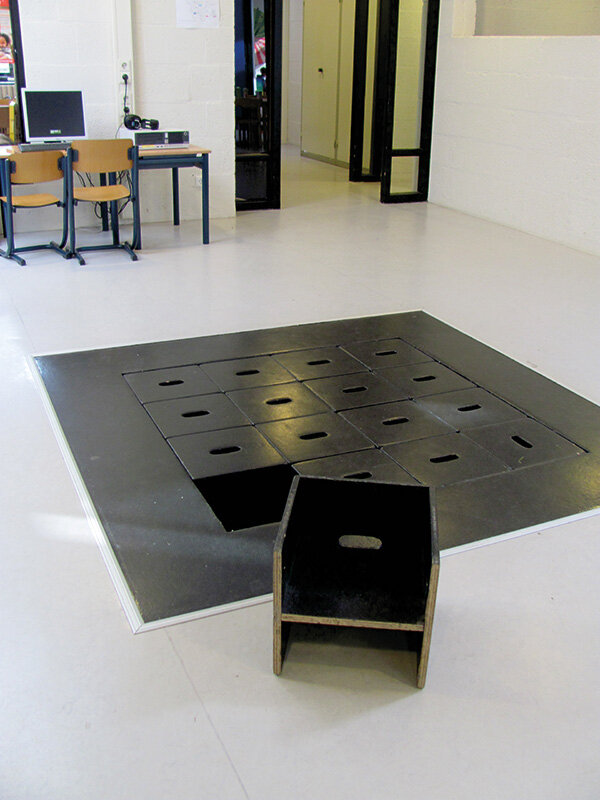
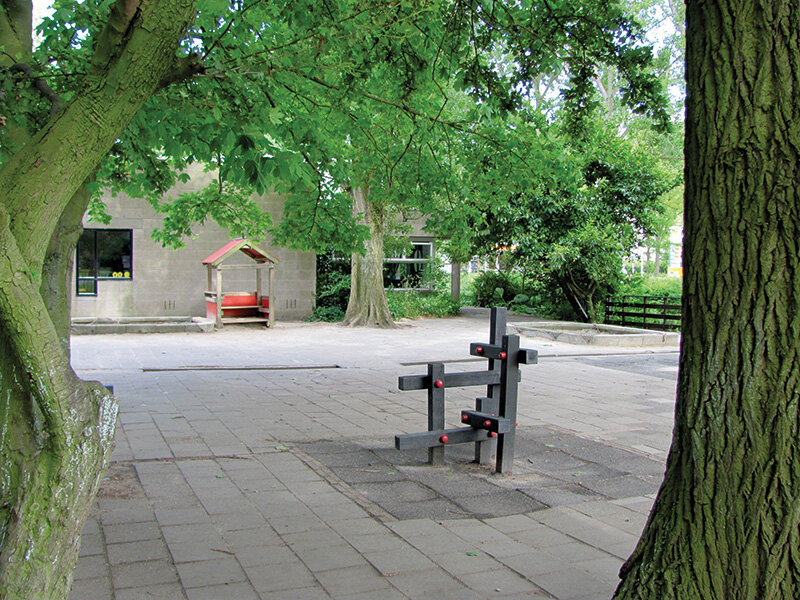
| Ana-Maria Pătroi: Children have an important connection with the neighborhood environment, as they have minimal mobility and spend relatively little time outside the area where they live, therefore neighborhoods have a special role in their everyday life. In your book Space and Learning1 you say that the neighborhood where people grow up is very important. How do you interpret the place of schools in a child-friendly neighborhood? Herman Hertzberger: I would like to say that this place should have as many meanings as possible, not a place full of concrete slabs, but a place with many places that can give different experiences. In fact, within the answer to this question is all the richness that is needed for children in order to create a child-friendly neighborhood. I can talk for an hour about the necessary conditions. They would need: hills, water, plants, trees to climb, places to show others how strong they are. In a word, he must be adventurous. In a narrow sense, it must have all the ingredients for experimentation. Children need to experience everything. When it's slippery, when it's a rough surface, they feel it. And they also need places where they can feel safe, intimate, when they don't feel comfortable or don't want to talk to others or, for various reasons, don't want to participate in a game. Articulation should not be done in areas that are too small, because it needs to be part of a larger space, so that a larger game can be played with more people. And I have to emphasize that in studying the places that I've done, you will find many of these ingredients, but not all of them. You have to understand that in those schools, the areas that were originally designed for the youngest children are gone. For example: the sand pits have been turned into little gardens, and you can see at the end three staircases that we designed, some steps are bigger, some very small, as a kind of challenge for the children to see how high they can climb - up to the first, the second and so on. There should also be shady places and sunny places respectively. It should be a somewhat artificial area, but not very artificial. Basically, to answer your question you need to describe the whole range of qualities that are needed in the city. A.M.P.: All these qualities will help children to discover what they like, what they prefer, because when you offer them different, opposite things, they can discover themselves. H.H.: Maybe. The only thing I know is that the environment has to be varied and adventurous. A.M.P.: In order to increase children's mobility and use of public space, a children's network needs to be developed. Planners and architects should be able to "design" a play network to define a child-friendly environment? H.H.: You have to realize that the little ones have a smaller world. And the older children get, the bigger their world gets. This small world means that the youngest know the youngest in their class. They know their family. And as they grow, their world expands. They come into contact with other kids, go to sports fields, meet other kids, go to the movies. The older they get, the wider their networks. |
| Read the full text in the double issue 4-5 / 2014 of Arhitectura Magazine |
| Note:1 Herman HERTZBERGER, Space and Learning, 010 Publishers, Rotterdam : 2008. |
| Ana-Maria Pătroi: Children have a particularly heavy investment in the neighborhood environment. Because they are minimally mobile and spend relatively little time away from the area in which they live, neighborhoods play a special role in children's daily lives. In the book Space and Learning1 you have said that it makes a big difference what kind of neighborhood people grew-up in. Regarding this, how do you interpret the school's place in a child-friendly neighborhood? Herman Hertzberger: I would say that this place should be rich in the sense, not just a place filled with concrete tiles, but you could make a list of all the things you want people to experience. Actually, in the answer to this question is the whole richness you need for children in order to develop a child friendly neighborhood. I could talk for an hour about all the conditions you should have there: you should have hills, water, plants, trees to climb in, places you could show to others how strong you are. In one word, it should be adventurous. In fact, in the small sense, it should have all the ingredients you need to experience. What children need, is to experience all the things. When it is all slippery they fall down. When it is rough they feel the texture. And you also need places where they can feel more intimate, when you don't feel well or you want to talk with somebody and for some reasons you don't want to take part in a game. Also it should not be articulated into too small pieces, because it should also be a sort of large measure in it, so you can play a large game with more people. And I must say studying places I have made you will find many of these ingredients, not all. But you have to know that in those schools younger children for which the area was originally designed left that school. So what used to be sand pits became small gardens. You can see at the end three stairs I designed, stairs with large steps and small steps and very small steps, as a sort of challenge to the children, to see how high can I climb, to the first or second of the steps, so long. You should have places for shadow, places in the sun. There must be a sort of a superficial area, but not very superficial. Basically, to answer this question you describe the whole scale of qualities you need to have in the city. A.M.P.: These all qualities will help children to discover what they like, what they prefer. Because when you give them opposite things they can discover themselves. H.H.: Maybe. The only thing I know is that the environment should be varied and adventurous. A.M.P.: In order to increase children's mobility and use of public space, a children's network is necessary to be developed. So planners and architects should be capable to "draw" a play-network to define a child-friendly environment. H.H.: You must know that smaller children have a smaller world. And the older these children become, the larger is their world. This small world means also that small children know people from their class. They know the people from the family. And the larger they become, their world extends. They get into touch with other children, go to playfields, meet other children, go to cinema. The older they are, the more extensive networks they have. |
| Read the full text in the print magazine |
| Note:1 Herman HERTZBERGER, Space and Learning, 010 Publishers, Rotterdam : 2008. |