
Marcel Maller - Visions of modern space in Bucharest
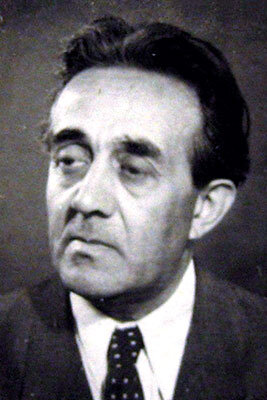
Unknown, creative, good organizer, strong personality, Marcel Maller (1896-19781) belongs to a generation of architects who contributed to the definition and implementation of modernism in Romania2. The filtering of the elements that constitute the essence of the modern movement and its adaptation to local conditions was mainly due to the perseverance of certain architects. While Marcel Iancu and Horia Creangă are the heroes of inter-war modern architecture in Romania par excellence, a simple enumeration of the main works designed by Marcel Maller is, of course, insufficient to give a profile of this architect. But each one of his buildings, analyzed separately or all together, is linked in a system of achievements, which can be found on the main streets of the capital, and which contribute to the history of Bucharest architecture.
His own vision of architecture stands out in the built context of the Capital. Experimenting with the principles of architectural modernism, which reached their apogee in the late 1920s, his works bear witness to a change of mentality in Bucharest society, a way of living that had comfort at its forefront. Not only in terms of the exterior, which is distinguished by the simplicity of its forms and the use of new materials, but also by the interior design, which contrasts with the traditional style of Bucharest's dwellings.
Looking at some of his buildings, I can hypothesize that the architect Marcel Maller had a precise idea of what was modern, and for him this notion was defined by both aesthetic and plastic criteria. He wished to project the image of an architect connected to his era, open to stylistic innovation, and therefore used a distinct language composed of key elements of modern vocabulary.
Marcel Maller has tackled most architectural programs: from 10-storey apartment buildings to hospitals, large commercial stores, villas, industrial buildings. Despite a career spanning more than 35 years, he took no part in architectural debates and published no articles3. As he is not mentioned in the specialized literature, his buildings are rarely attributed to him, perhaps because he was rather discreet with his work, or perhaps because he attached more importance to concrete architectural practice than to theory.
Who was Marcel Maller?
Marcel Maller was born on February 12, 1896 into a Romanian Jewish family in Galati. He graduated from the School of Architecture in Bucharest in 19214, and was one of the students and later collaborators of architect Petre Antonescu5. In 1921 he was "immediately employed at the Ministry of Public Works, Department for the Rehabilitation of Regions after the War", and three years later he began working as a freelance6, an activity he continued until 1948-1949, with an interruption during the Antonescian regime, both in Bucharest and Sinaia7. From 1929 onwards, Marcel Maller and Richard Lalu opened an architectural office together, which operated until 19488.
In 1949, Maller joined the Institute for Construction Design, where he successively held the posts of head of the collective, head of the workshop, head of the sector and then chief architect. From 1953 he worked at IPCT9. In 1958 he moved to Paris, where he lived until 197810.
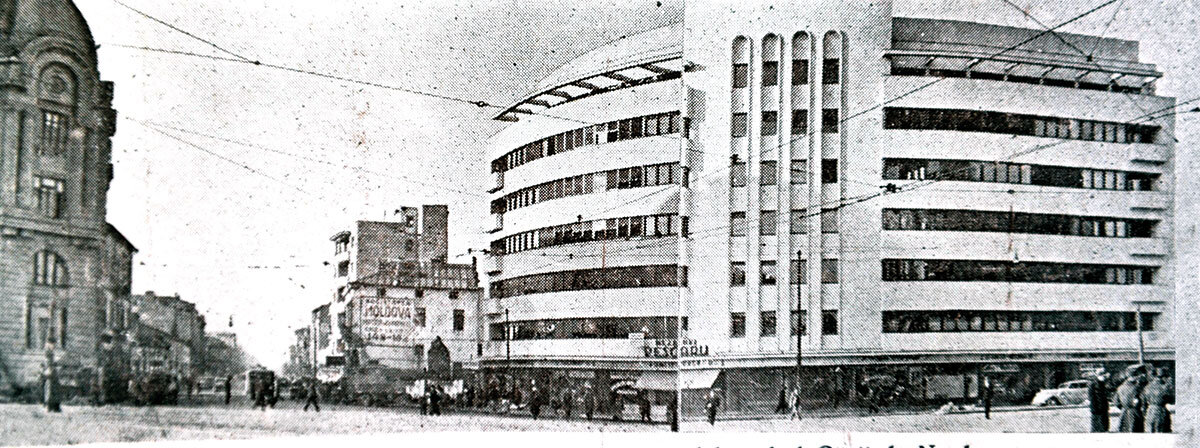
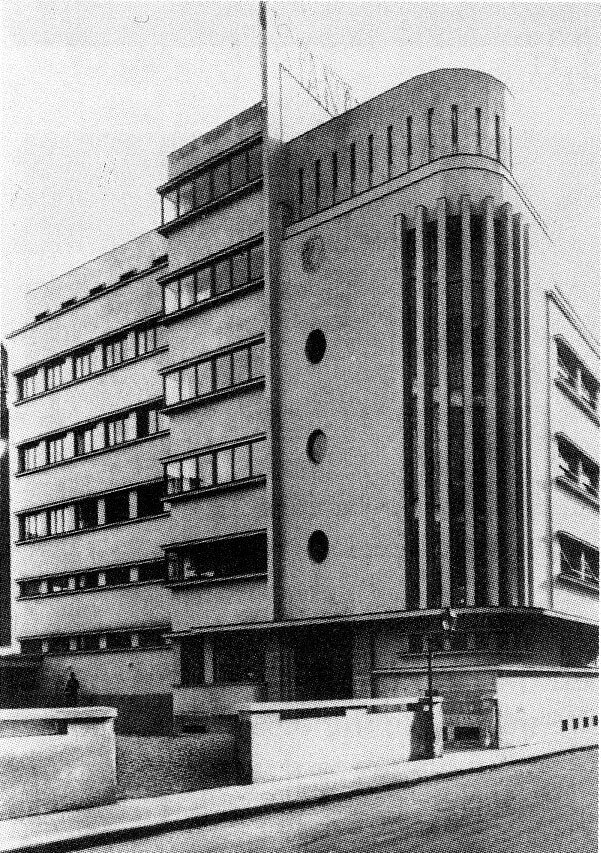
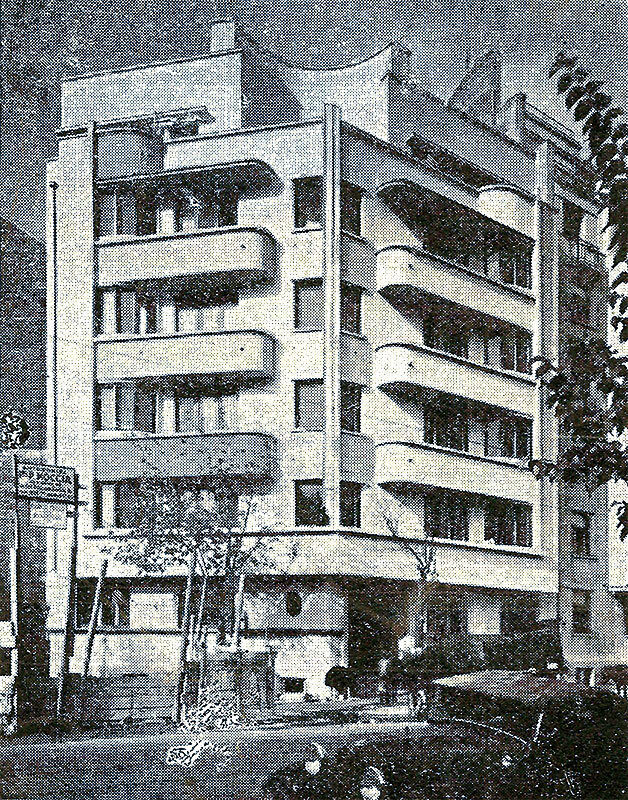
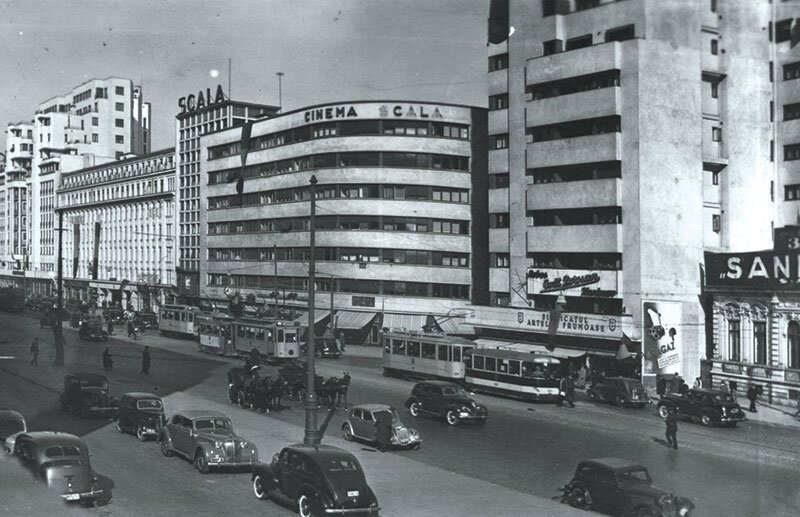
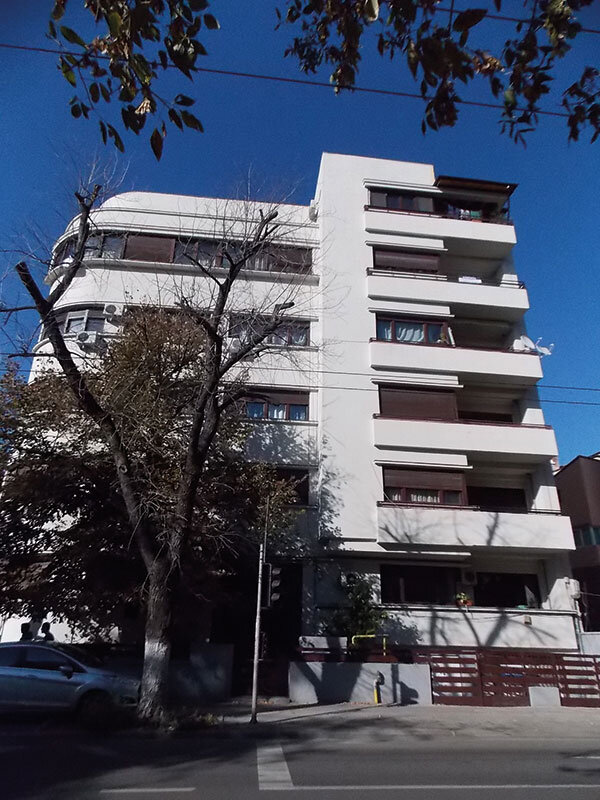
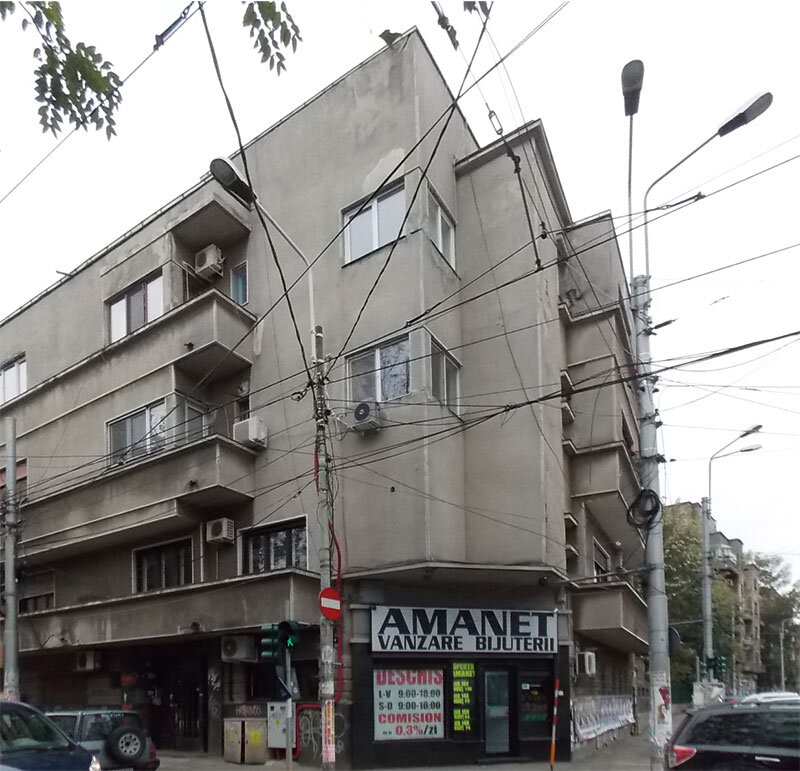
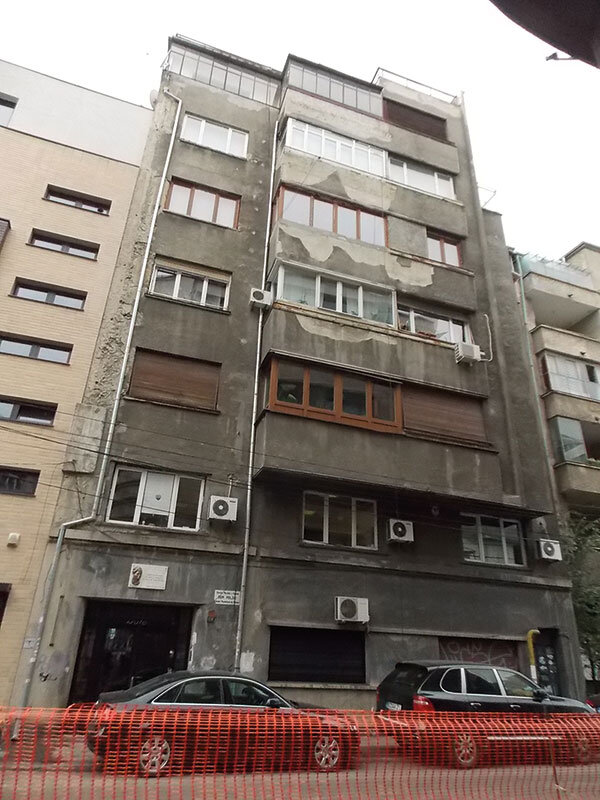
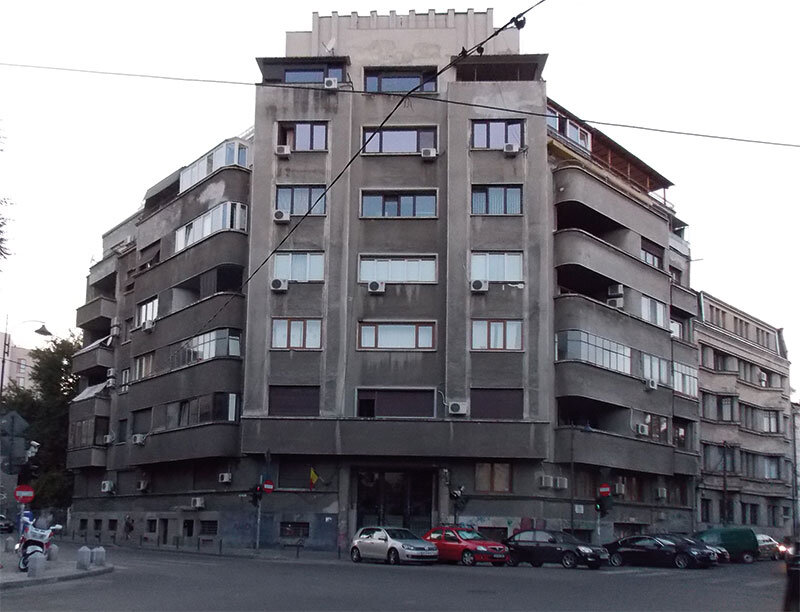
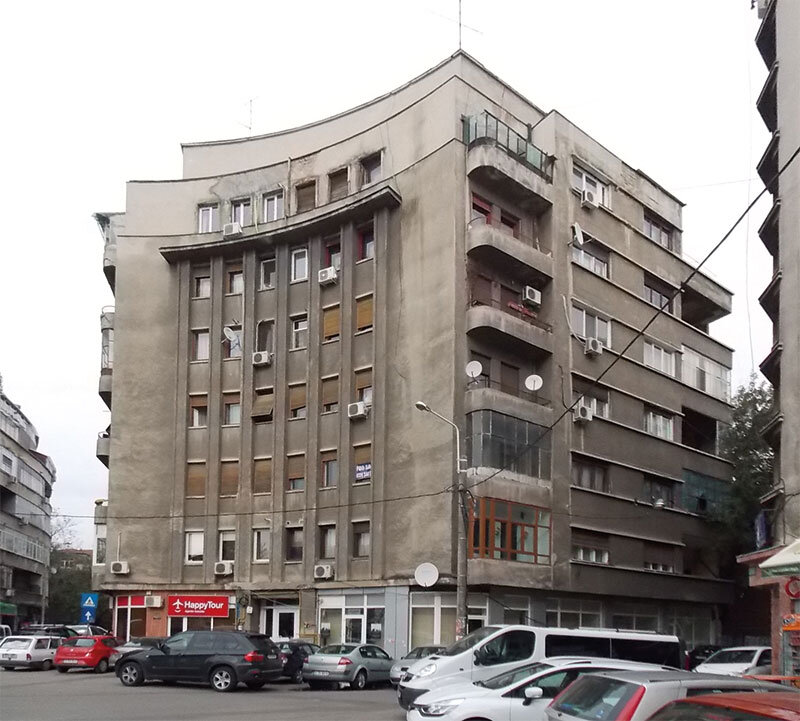
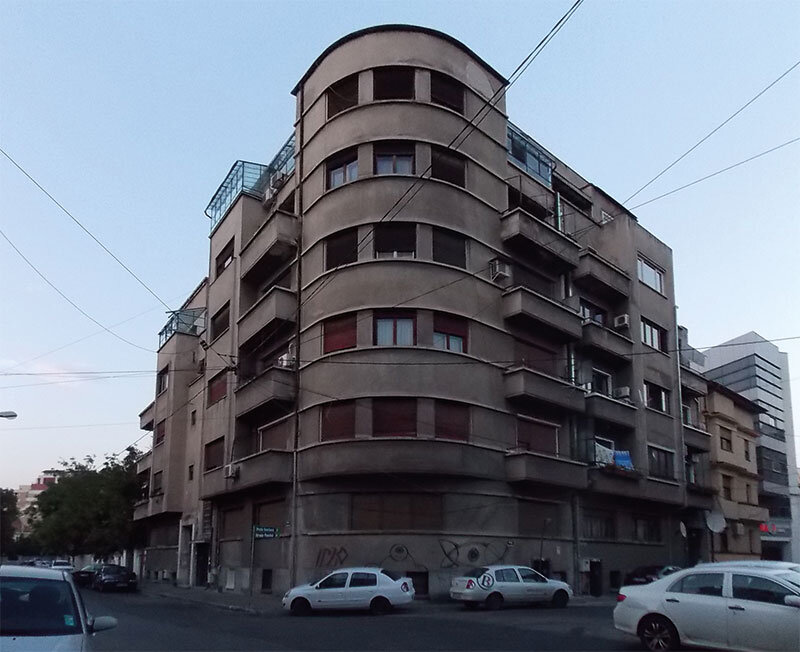
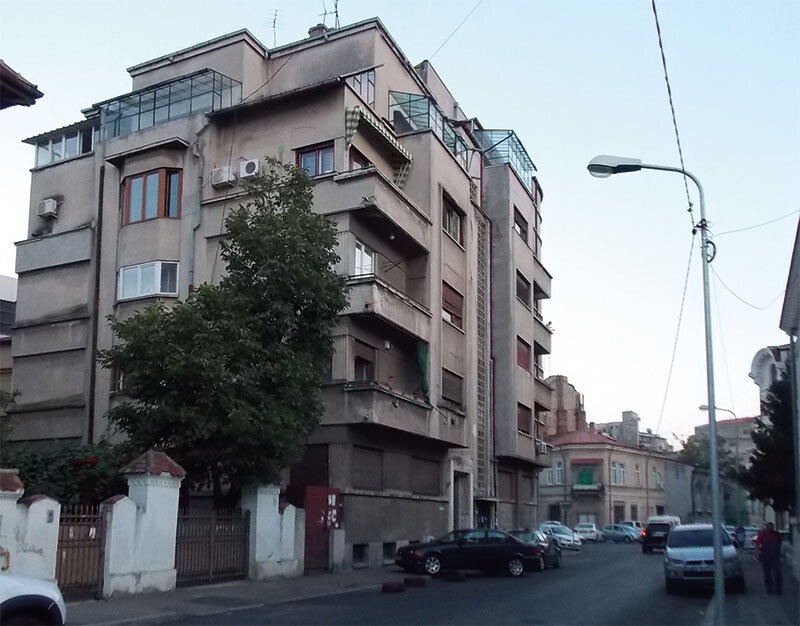
Marcel Maller's work spanned more than 35 years, and he designed some 70 buildings11 in the capital before 1949: private housing, commercial buildings (one 10-storey, three 8-storey, six 7-storey, seven 6-storey, seven 6-storey, 14 5-storey, 10 4-storey and 9 3-storey buildings), hospitals, industrial works. Among which we list12: the building on Ioan Ghica St., corner with Ion Nistor St. (collapsed in 1977), the building ing. Teofil Revici, str. J. L. Calderon 59, Societatea Casa Modernă str. C. A. Rosetti 27, corner with Dionisie Lupu (1933), Maria Vântu, str. A. Rosetti corner with Vasile Conta 22, Imobilul și Cinematograful Scala, al moștenitorilor Bragadiru, Bd. Gen. Magheru213, executed in 1937, in collaboration with Rudolf Fränkel, Pavlovici & Diver building, Calea Griviței 140 (1935), Piața C.A. Rosetti corner with str. Dianei 2, Bd. Carol 60, Bd. Carol 51, Bd. Carol nr. 37, Cristian Tell 33, Vasile Lascăr 26-28, Bd. Gh. Coșbuc 4-8, str. Maria Rosetti 8-8 bis (1935), str. Maria Rosetti 26, imobil Haimsohn, Bd. Schitu Măgureanu 17, Bd. Brătianu nr. 3, Dr. I. Tolmay building, Bd. Dacia corner with str. Aurel Vlaicu (1935); Calea Moșilor corner with str. Radu Calomfirescu, building Isodor Goldstein, str. Armenească 16, building I. Klepper, str. Armenească 28A-28 corner with Semilunei 8, building Fedora Nacht, str. Armenească 31, building Alexandru Maller, str. Caimatei 18 (1934), Bd. Hristo Botev 30-32, building Gustav Levinski, Mântuleasa str. 3 (1933), building G. Levinski, Calea Moșilor 130 (1935), building Nedelcovici, Dr. Langer str. 16, villa prof. I. Crețu, Dr. Petrini str. 5 (1936), villa Elena Rădulescu, Dr. Tomescu str. 4 (1933), villa Lt.-col. Burnea, str. Dr. Koch 4 (1933), Villa Titi Bercovici, str. Dr. Lister, lot 28 (1934). Report building for the Union of Lawyers (1931), villa Major Z. Moroșeanu, Bd. Geniului, lot 19 (1933), Hansali villa, Bd. Schitu Măgureanu (1933), building E. Marian, str. George Enescu 4 (1933), villa Tatos, Delavrancea, C street, no. 28 (1933), building C. Vasilescu, str. Sf. Ioan Nou 4 (1934), villa major T. Rășcanu, str. Av. Protopopescu 16 (1934), building I. Karmitz, George Vraca nr. 8 (1934), building A. Marian, str. Matei Basarab (1934), villa Ella Tailer, str. Lucaci 84 (1934), villa Mihai, str. Popa Nan 115 (1934), villa Gh. Colavedo, str. Carol Knappe 77 (1934), Rosadi building, Calea Victoriei 59, corner with pictor N. Grigorescu (1935), Barasch building, Bd. Domnița Anastasia 25, building V. Adanda, Ștribey Vodă 29, building Butculescu, Dimitrie Orbescu Street 2, villa Teodor Tatos, Salcâmi Street 12 (1935), villa Gh. Rosmarin, Bd. Pache Protopopescu 105 (1935), building A. Ghimberg, Oțetari str. 3 (1935), building B. Eskenasy, Calea Călărași 291 (1936), Braziliei 19 (1930), villa A. Agatstein, Thomas Masaryk str. 9 (1933), building Gh. Flax, Bd. Corneliu Coposu nr. 1 (1933).
The architect Marcel Maller also designed buildings for shops, hospitals or cemeteries14: the former Popp and Bunescu building, 6 storeys, in St. Gheorghe Square (1929), the former Popp and Bunescu building in Bărăției str. no. 2, the former Standard Drugstore, the new Caritas Maternity Hospital, Traian str. 27, the Pasteur laboratory, Bd. Hristo Botev, nr. 7, the Jewish Community complex in Negru Voda street - theater, school, public bath -, competition executed in 1925 (today demolished). The cemetery in Calea Giurgiului (1933), the climatic station and numerous villas in Sinaia.
After 1940 he designed dwellings for the employees of the Reșița Company (1946), workshop-garage for the Diaz Company, Băneasa road (1940)15. Among the buildings realized within the IPCT we mention: the hydro-energetic laboratory on Grozăvești road, the S.T.U.C. workshop on Oltenița road16.
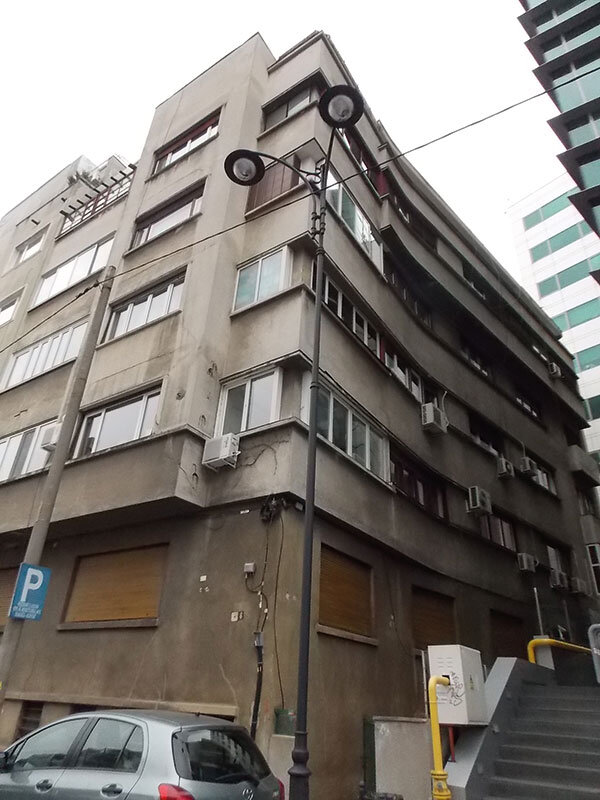
Photo: Simina Stan
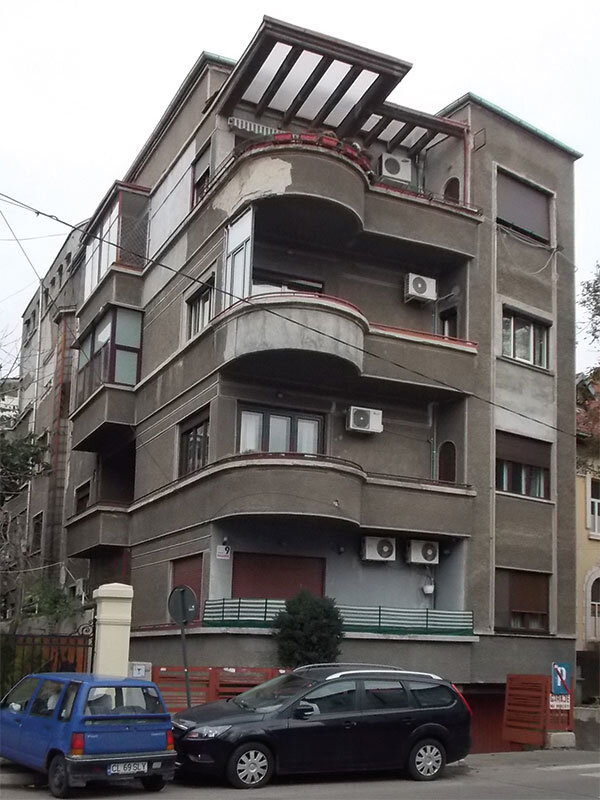
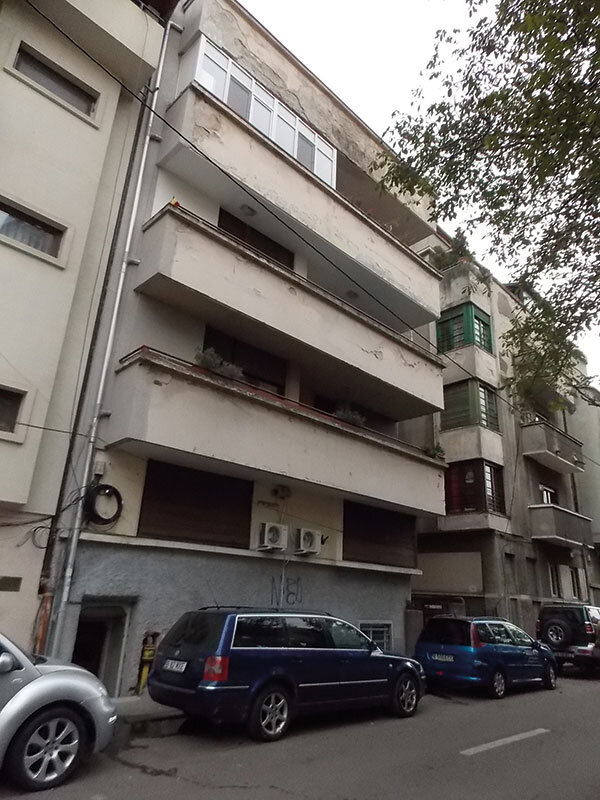
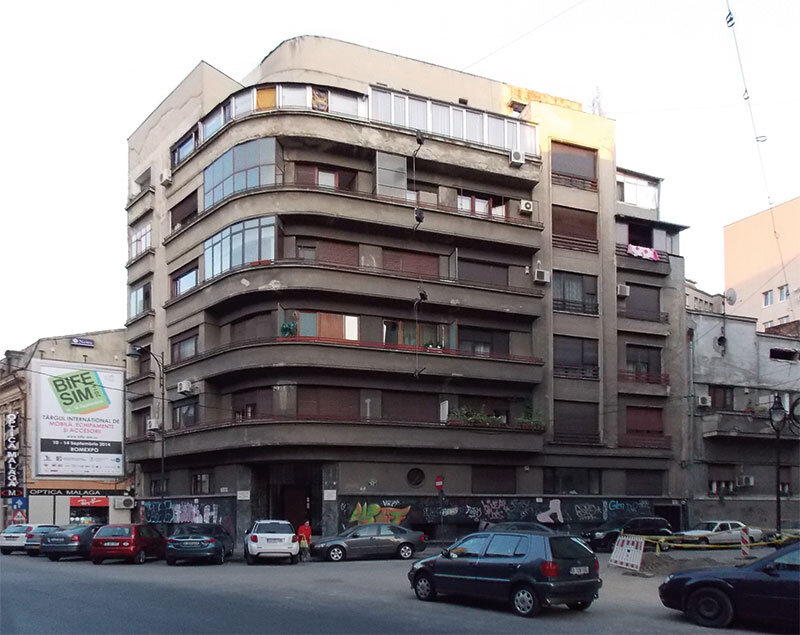
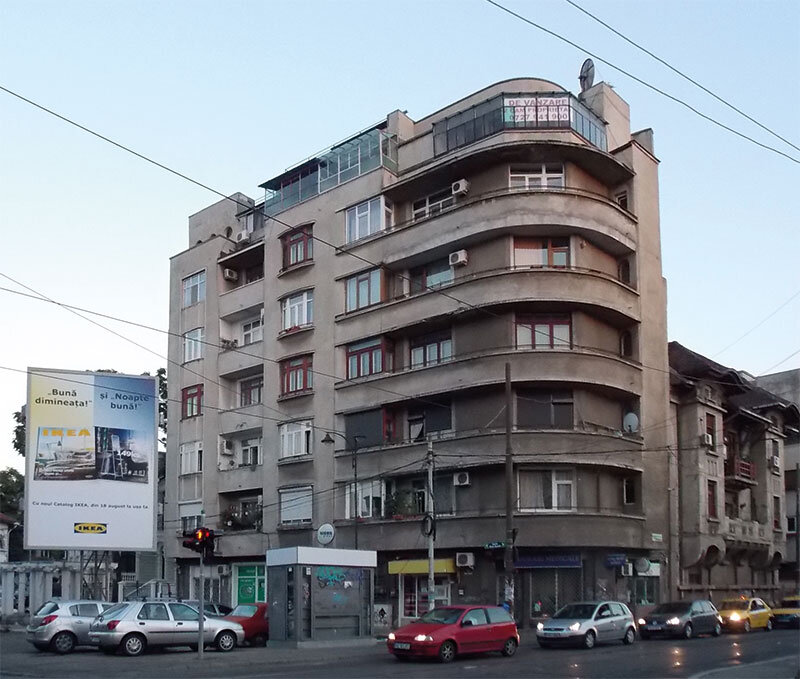

Notes:
1 Marcel Culot, Dictionnaire de l'Architecture du XXe siècle - Marcel Maller, Ed. Hazan & Institut Francais d'Architecture, Paris, 1996, p. 571. The last information on the architect Marcel Maller in Romania dates from 1958.
2 He was among the Romanian architects noted by Agnoldomenico Pico, in Nuova Architettura nel Mondo, Milano, 1938 (Radu Patrulius, Contribuții românești în arhitectura anilor '30, Arhitectura, nr. 6/1973, p. 44-52, note 22), v. Studiu istoric de fundamentare a intervențiilor, mansardarea construcției - Imobil str. Braziliei nr. 19, Șerban Popescu Criveanu, urbanist Alexandra Hajnsek, Jan. 2013.
3 Although M. Maller was among the founding members of the new magazine Arhitectura between 1924-1944, his name is mentioned only once, when a watercolor of the Catholic Cathedral of Alba Iulia is published, see Arhitectura, year III, 1924, p. 86. However, the manuscript Goethe and Architecture, dated January 1956, in which Marcel Maller describes Goethe's attitude towards architecture, illustrating the manuscript with some of his sketches, has been preserved in the Archives of the Romanian Union of Architects.
4 Romanian Union of Architects Archives, Marcel Maller - UAR registration form, 1953, diploma number 71/34406/1921.
5 Marcel Culot, op. cit, p. 571.
6 In 1923 he was a member of the Society of Romanian Architects, and was listed in the Tabloul Arhitecților, his address being Calea Dudești no. 41.
7 Marcel Culot, op. cit, p. 571.
8 Ibid, p. 571.
9 Archives of the Romanian Union of Architects, Marcel Maller - UAR registration form, 1953.
10 Marcel Culot, op. cit, p. 571.
11 Archives of the Romanian Union of Architects, Marcel Maller - Report to the Ministry of Health and Social Security. Commission for the Determination of Personal Pensions, March 1957.
12 Some of the buildings had not been identified at the time of publication of the article, as the change of postal addresses made research difficult.
13 In Romania, Rudolf Fränkel's works are signed by Romanian architects, including Marcel Maller, as the German architect did not have the right to sign in our country. For this reason, the information about some of the works is contradictory: the Scala Block and Cinematografic Scala in Bucharest (Bd. gen. Magheru nr. 2-4) were built in 1934-1935 or in 1937, by Ioan Gh. Mayer (source: Arhitectura, 1941) / arh. Rudolf Fränkel and arh. Marcel Maller (source: Dorian Hardt/ Romanian Union of Architects Archives, Marcel Maller - UAR registration form, 1953) v. Historical study of the basis for interventions, attic - Building 19 Braziliei str., Șerban Popescu Criveanu, urban planner Alexandra Hajnsek, Jan. 2013
14 Archives of the Romanian Union of Architects, Marcel Maller - UAR registration form, 1953.
15 Archives of the Romanian Union of Architects, Marcel Maller - UAR registration file, 1953.
16 Archives of the Romanian Union of Architects, Referat către Ministerul Sănătății și Prevederilor Sociale. Commission for the establishment of personal pensions, March 1957.