Architect Frei Otto receives 2015 Pritzker Architecture Prize
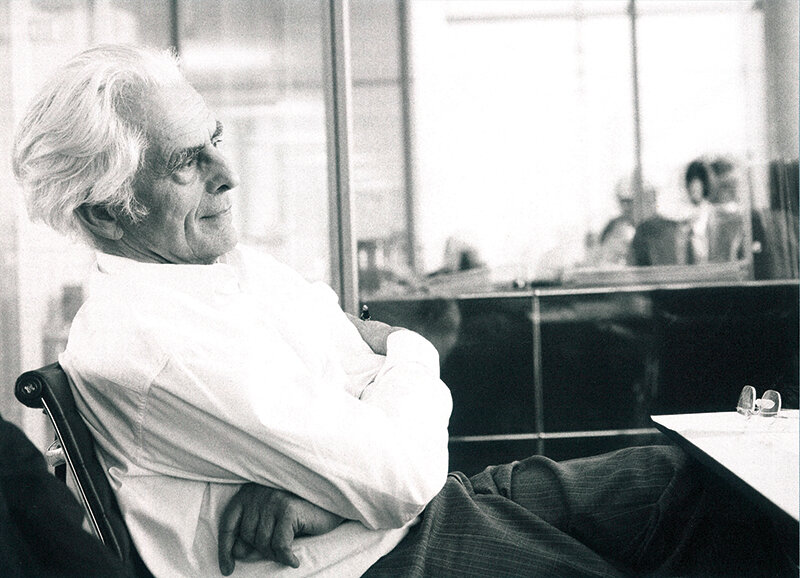
Tom Pritzker, president of the Hyatt Foundation, has announced the 2015 laureate is German architect Frei Otto, who passed away on March 9 at the age of 89. "Our jury was explicit. In our opinion, Frei Otto's career is a role model for generations of architects, and his influence will continue to be felt. The news of his passing is very sad. We are grateful that the jury awarded him the prize while he was still alive. [...] At this year's award ceremony on May 15 (at the New World Center in Miami), we will celebrate his life and his enduring work," said the Pritzker chairman.
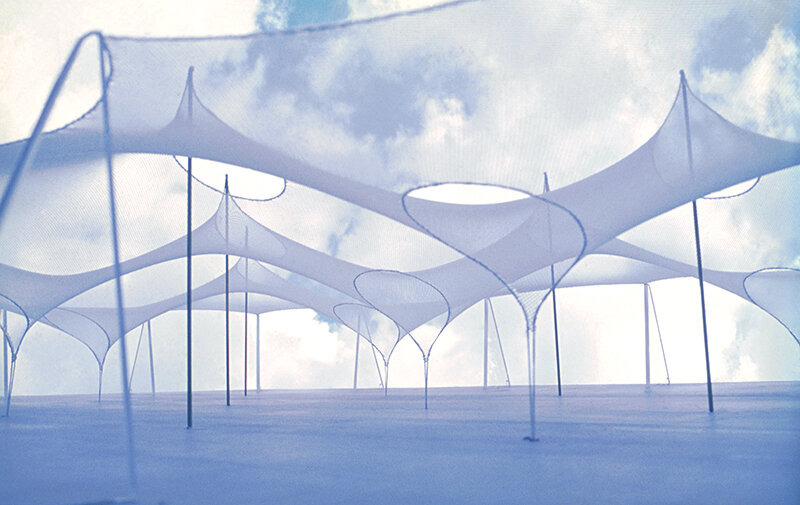
Frei Otto is the 40th recipient of the Pritzker Prize and the second from Germany.The Hyatt Foundation press release said Frei Otto was a visionary architect, utopian, environmentalist, pioneer of lightweight materials; he was a protector of natural resources and collaborated generously with architects, engineers, biologists, ecologists, philosophers, historians, artists, among others. "Otto practiced a holistic and open-minded approach to architecture. A distinguished teacher and author, he pioneered the use of lightweight tensioned structures for many purposes - in part for their economic and ecological value. He believed in the efficient and responsible use of materials and in architecture with minimal environmental impact. Frei Otto was a utopian who never stopped believing that architecture can make the world a better place for all."
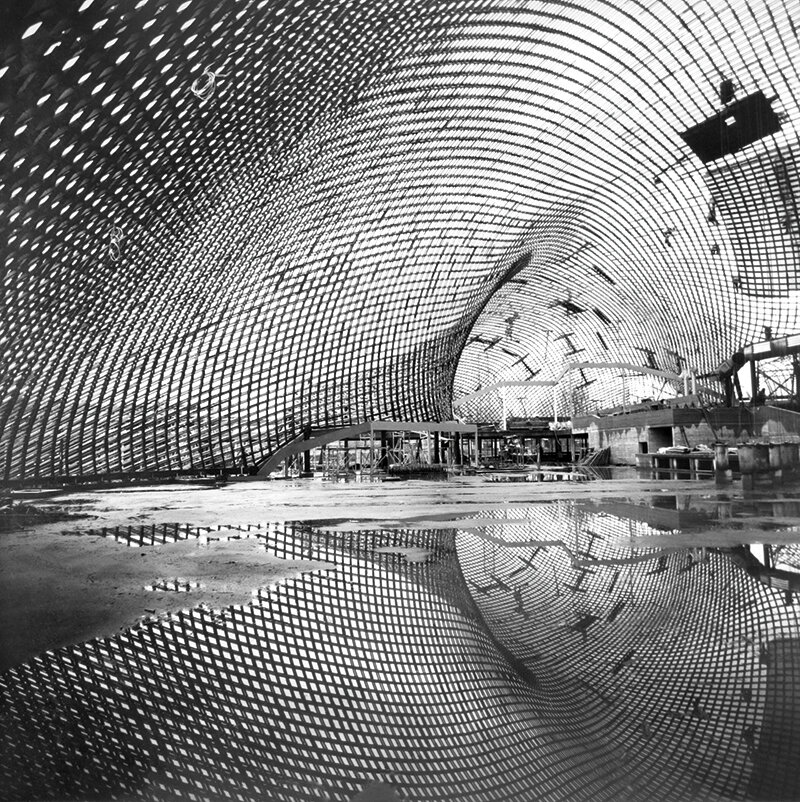
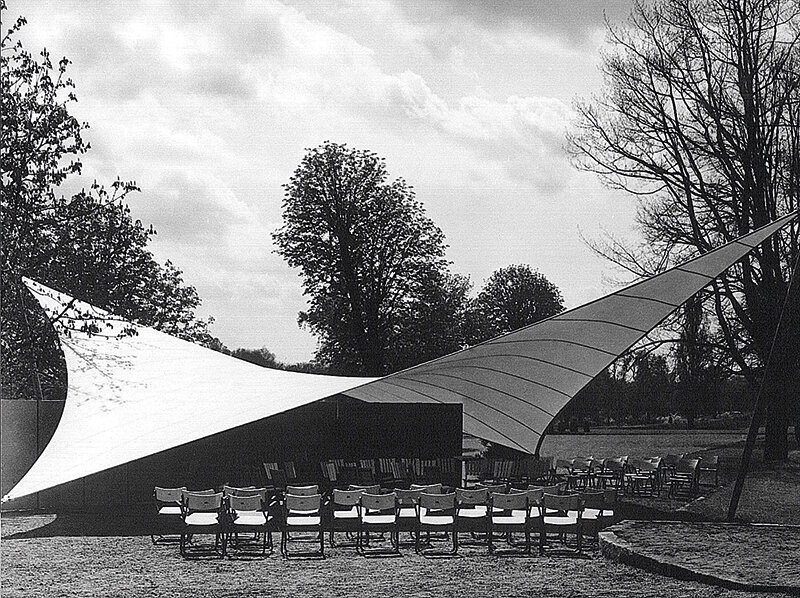
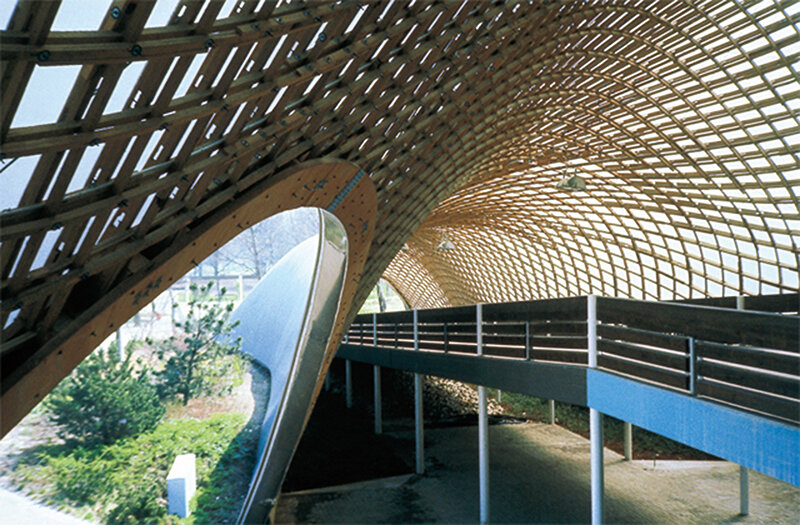
His best-known works include the sports facilities in the Olympic Park for the 1972 Summer Olympics in Munich (with Behnisch & Partners and others), the German pavilion at the 1967 International and Universal Exposition Expo 1967 in Montreal, Canada, the Japanese pavilion at Expo 2000 in Hanover, Germany (with 2014 Pritzker Prize winner Shigeru Ban), the series of tensile structures for the 1950 German Federal Exhibition, and his work in the Middle East.
Architect Shigeru Ban, his former collaborator, paid tribute to him: 'Louis Kahn asked the brick, "Brick, what do you want to become?" The brick replied, "I want to make myself an arch".
I think Frei Otto was an architect who kept asking the "air" what it wanted to become. He kept thinking how to envelop the "air" or "space" with a minimum of matter and power.
He approached materials and drew sketches to his last breath. His achievements, rather than works, became the unsigned grammar of structural design, and we architects are only now realizing that we unwittingly base our designs on his grammar. I am truly indebted to Frei Otto for sharing his profound insights and inventions in the field of architecture."