Interview with architect Hagy Belzberg
Interview with architectHagy Belzberg
| invited keynote speaker at GIS expo-conference , Bucharest, April 7-8 , 2015 |
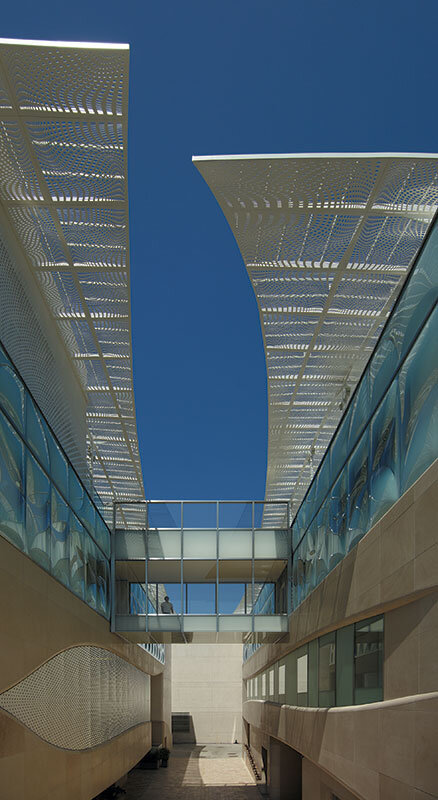
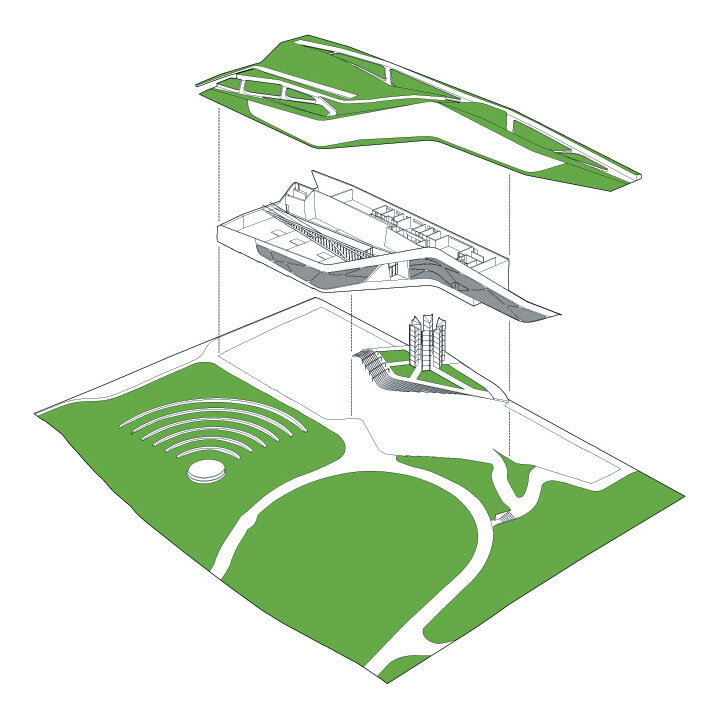
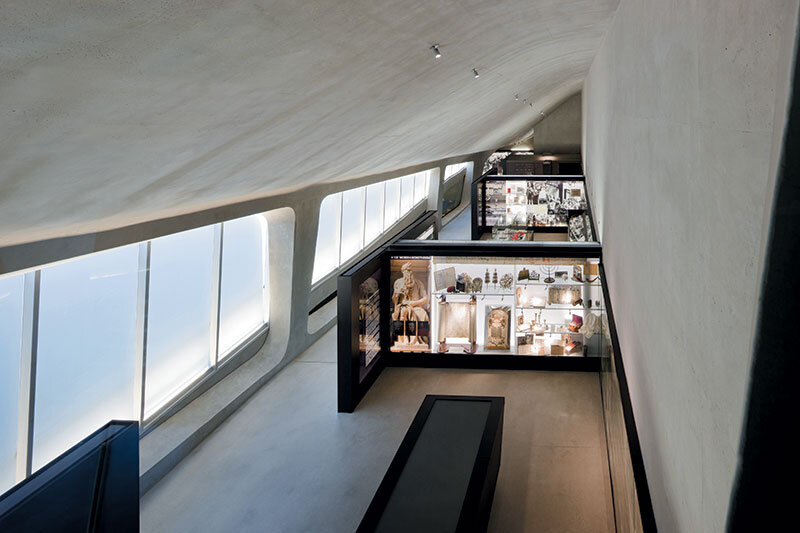
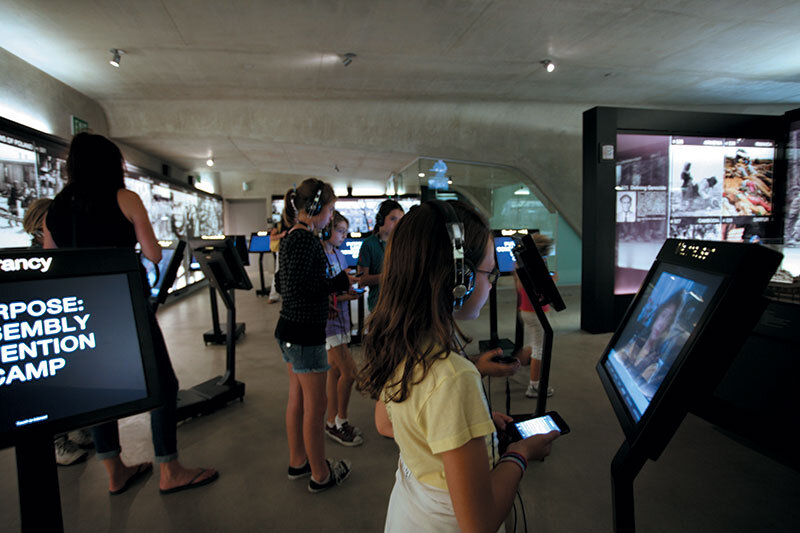
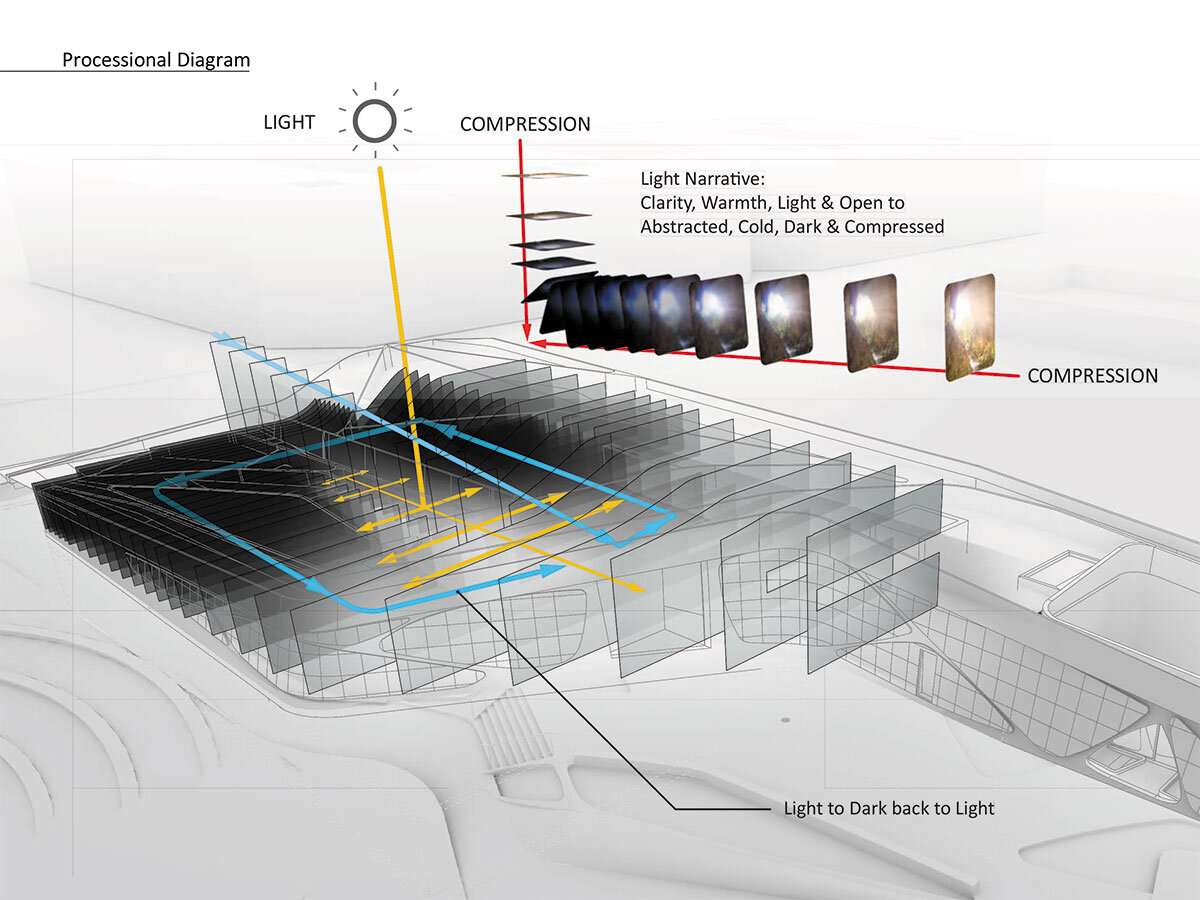
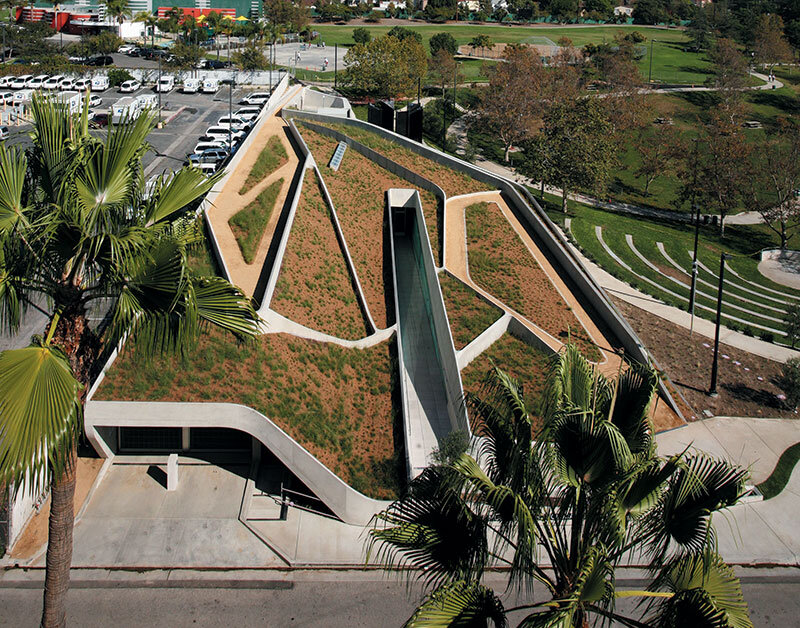
| Monica Lotreanu: The work with which Belzberg Architects is best known in Romania, and certainly in the world, is the Los Angeles Holocaust Museum (LAMOTH), opened in 2010. The American Institute of Architects (AIA) and other institutions and organizations have honored you for this building, to mention only the AIA's 2014 Honor Award for Architecture. How were you entrusted with this work? Did the Jewish Community of Los Angeles organize a competition, a selection of proposals, or were you invited directly to design the museum building? Hagy Belzberg: No, it was a committee made up of several organizations, including the City Department of Parks and Recreation, which is in charge of all the public parks in Los Angeles and is in charge of recreation in public parks, that's because the museum is in a public park, Pan Pacific Park. It was also the representative of the county that owns the park, and the community that owned the Holocaust Museum that was in existence at the time - in fact, the Los Angeles Holocaust Museum is the oldest Holocaust Museum in the United States, but it didn't have a permanent home, it moved around, it was an educational museum, but it was also an academic research museum (the museum has many archives). These three different groups chose a few architects and interviewed them, and those selected were asked what their idea would be for a museum in a public park. The reason for the location in Pan Pacific Park was that there was a Holocaust memorial there, where they held their annual gatherings. So their question was how do you solve the museum in a public park, and our idea was not to have a grand, heroic building, but one that works with the park, with nature, because in Los Angeles we don't have big open spaces, we have a lot of small buildings, but not big parks. In my opinion, parks are part of the urban strategy of protecting public spaces. That's why I had the idea of partially sinking the museum into the land and letting the park continue on top. They liked the idea from many perspectives - from the park's perspective, because they could use it in its entirety, from the Jewish Community and the Holocaust Museum, because it created the opportunity for a narrative, a very powerful narrative. M.L.: So it sounds like you weren't involved in choosing the location of the museum in the park? What was the relationship with your client throughout the project? Can you mention for our readers the problems you had to solve? H.B.: No, we did not choose the location of the museum. It was difficult to work with several clients at once. The design and what we call the approval of the project to be built took five years. We did the design in the beginning and then we had to change it to please everybody. In those five years, three directors of the museum changed and we had to work with all of them. There were a lot of problems with the site... if you look at old photographs of Los Angeles, you'll see that oil was being extracted, that's how the city was created, there's a lot of oil here, and the site is one of the lowest areas of the city, it's called a container that collects the water, so we had old oil wells on the site and very dirty standing water, contaminated water. But we also had big bags of methane gas, which in Los Angeles is considered very dangerous, we say it's grade 5, the highest. We looked for a lot of technological support to create membranes as we were digging in the water. The building is designed like a boat, without foundations, it sits on membranes floating on the water. The only way to keep the building from rising is weight, a very large mass. |
| Read the full text in issue 2/2015 of Arhitectura Magazine |
| main keynote speaker in the expo-conference GIS, Bucharest, April 2015 |
| Monica Lotreanu: The most important work Belzberg Architects is known for in our country and internationally as well is the Los Angeles Museum of the Holocaust (LAMOTH). American Institute of Architects (AIA) and other institutions awarded you for this building, as to mention only the AIA Honor Award for Architecture in 2014. What was the way in which your office has been commissioned to do this project of the museum? Did the Jewish Community in LA organize a competition, a selection of proposals or did they address you directly an invitation to design the building? Hagy Belzberg: No, it was a committee of several organizations that we call the City Department of Parks and Recreation that takes care of all the public parks in LA and the recreation use in the parks. There was the general county that owns the Pan Pacific Park, and there was the community that owns the existing Museum of the Holocaust - actually the Los Angeles Museum of the Holocaust is the oldest Holocaust museum in the United States, but they didn't have a permanent home, they were moving around. It is an educational and scholarly research museum, they have a lot of archives, so scholars can go and research in the museum. Three different groups have chosen several architects to interview and they asked the selected architects what our idea would be given that the museum would be in a public park. The reason to be in the park is that they had the yearly gatherings nearby the Monument of the Holocaust, which is in the park. Their question was how do you deal with a museum in a public park, and our idea was not to have a grand building, a heroic building, but to have a building that works with the park, with the nature, because in Los Angeles we do not have a lot of open spaces, a lot of little buildings, but not big parks. In my opinion a park is part of an urban strategy to protect the open space. That is why our idea was to partially submerge the building and then allow the park to go over it. They liked the idea from many perspectives, because, from the park, you can use it, but for the Jewish Community and the Museum it created an opportunity for a narrative, a very heavy narrative. M.L.: It seems you didn't have any involvement in choosing the site of the museum in the Park... What was the relation with your client during the design process? Can you mention for our readers the problems you had to solve in this project? H.B.: No, we didn't choose the site. The design itself and what we call the entitlement to allow it to happen took five years. First we made the design and then we had to twist it every so often in order to make people happy. During these five years there were three different directors of the museum we had to work with. There were a lot of problems of the site... if you look at old pictures of Los Angeles you see they used to dig oil, there is oil in LA, the site is one of the lowest areas in LA, it is called a water containment area; so we had in the area old oil wells and heavy dirty water, contaminated water. But we also had large pockets of methane gas, which is very dangerous in LA, we call it level 5, which is the highest one. We had a lot of technological support in order to create membranes when we went down into the water. The building is designed like a boat, not with foundations; it stays on a membrane that floats on the water. The only way of not letting the building popping-up is the weight, a lot of weight. |
| Read the full text in the print magazine |