Interview Krzysztof Ingarden

| Special guest at the INGLASS Expo-conference, June 24, 2015, He granted an interview to the editor-in-chief of ARHITECTURA magazine, Monica LOTREANU |
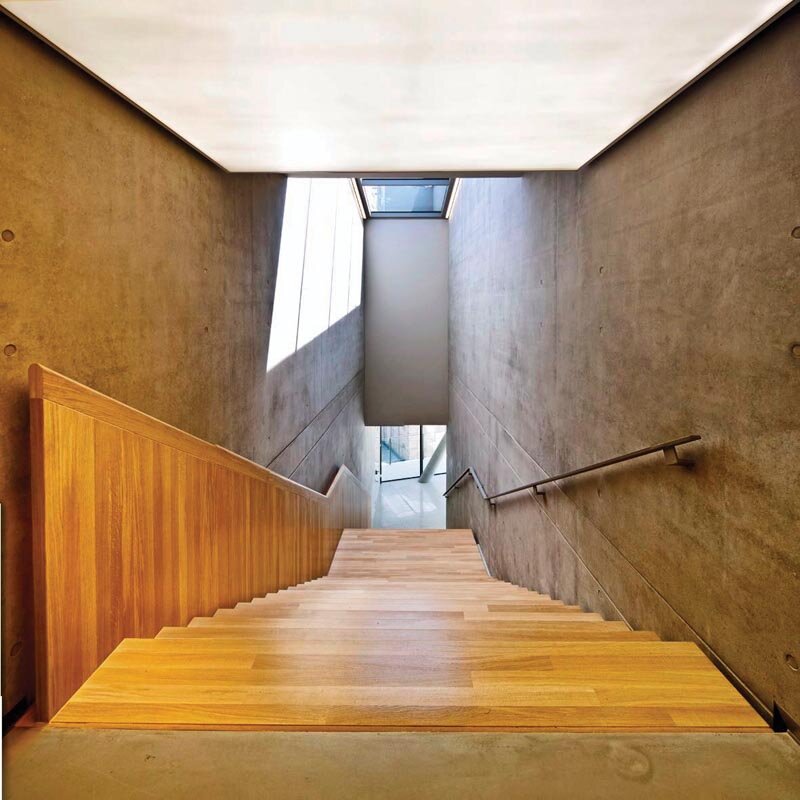
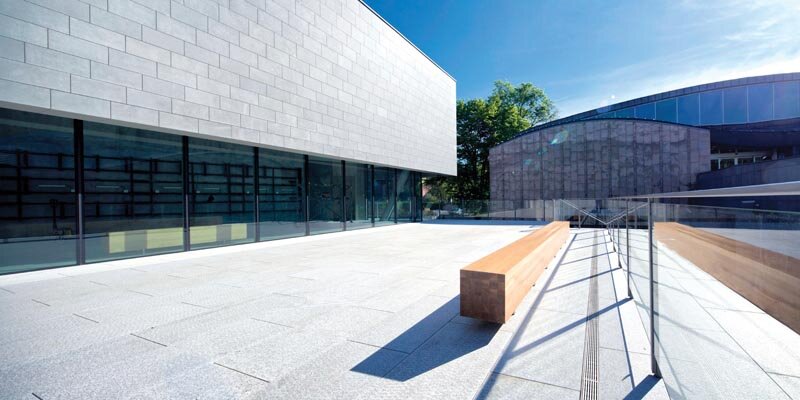
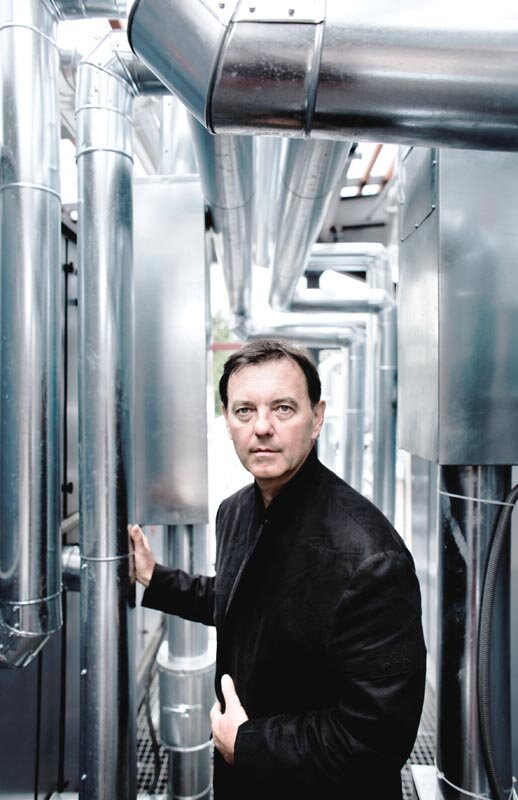
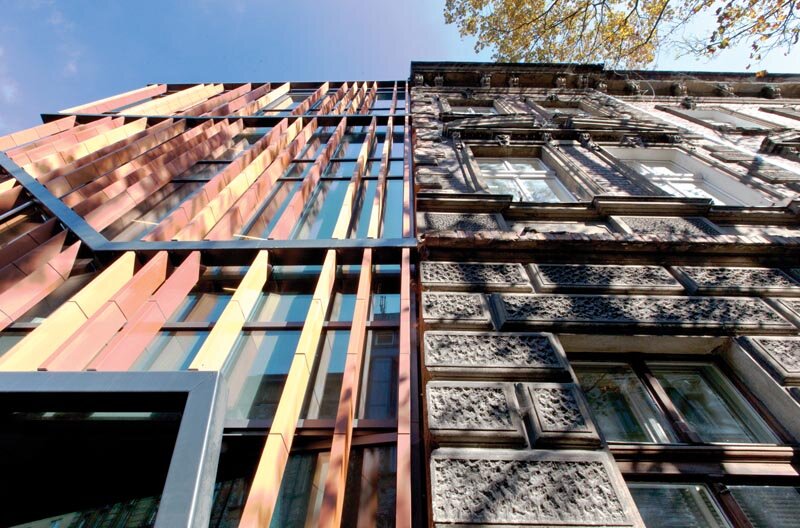
| Monica LOTREANU: Based on your personal experience and that of your colleagues, what can you say about how architects or architectural offices have access to public projects in Poland now? What are the most common procurement procedures for public investments financed by Polish or European funds? Do the government or local/regional authorities organize sufficient and quality architectural competitions? Honestly, do you think this is a subject for architects? Krzysztof INGARDEN: In recent years, large public projects such as museums, opera houses, theaters, conference halls, stadiums have been awarded after open architectural competitions, but that doesn't mean that it is a general practice, not at all. I would say that, statistically, most public projects in Poland are not awarded by competition; some are awarded by 'design & build', others by direct competitive negotiation or 'lowest price' tenders. Public procurement law in Poland still allows for different ways of awarding projects. However, the Association of Polish Architects, as well as the Chamber of Architects, is constantly promoting the fact that good practice of architectural competitions is the method of selecting high quality public projects. Our professional organizations are intensively discussing with the Ministry of Infrastructure the issue of the need for relevant amendments to the Law in order to ensure the proper role of architectural competitions in line with the European Union Directive 2014/24/EU and the main competition rules developed by the Association of Polish Architects. Competitions are indeed an important topic in our professional environment. M.L.: I noticed in your biography that you have a special relationship with Japan and Japanese architecture, since you studied in this country and worked for about a year in Arata Isozaki's architectural office. It has to be said that you consulted Arata Isozaki & Associates for the Krakow Congress Center project. How has the Japanese experience shaped your vision, concepts, design practice, documentation of themes and relationship with space? Apart from the renowned master Isozaki, which other Japanese architects do you think are influential in international architecture today? K.I.: Well, I like the works of many architects, not only Japanese, such as Alvaro Siza, Rafael Moneo, Snøhetta, Renzo Piano, and many others. I appreciate Peter Zumthor's work very much. I think he is by far one of the most interesting architects today. His idea of creating 'slow architecture', full of meaning and emotion, expressed in a subtle way, has been one that has developed gradually but very profoundly. But my attitude and appreciation of Japanese architects is of a special nature, starting with Kenzo Tange, Koyonori Kikutake, Fumihiko Maki, Toyo Ito, SANAA, Shigeru Ban and others. I admit that the architect I have admired the most is Arata Isozaki, and I am very happy to have worked with him on some projects so far. I remember in the mid-1980s, when I started working in his office in Tokyo, that period was more important to my understanding of architecture than all my studies. I met a person who was both an architect and an artist, who understood architecture from the perspective of critical analysis of culture. Therefore, his approach to architecture and his writings on architecture remain very significant for me. In my opinion, contemporary Japanese architecture is among the best in the world. Japanese architects, since the beginning of the modernist movement, perhaps even earlier, have tried to delve deep into their own tradition - being both interested in foreign cultures, while at the same time searching deeply for their own architectural style, their own cultural identity. I think that seeking inspiration in one's own culture is characteristic of Japanese architecture. And I think that Polish architects, as well as architects from the countries of our region, should be concerned with such a direction. M.L.: Searching in "google images", I saw a very nice photo of you with the architect Isozaki, taken I think at the opening of the Manggha Museum... by the way, why a Manggha Museum in Krakow? I also came across a photo taken by Adam Golec in which he captures you in a sort of "distillery" (pipes, stainless steel tubing...) reminding me of a sci-fi movie set. I also noticed the sensational architectural photos you take for your office projects. What is your relationship with photography, what does it represent: a personal artistic expression, a tool in design, a method of investigation or a stress reliever? K.I.: Arata Isozaki visited Cracow many times, first for the Manggha Museum project and later for exhibitions and conferences. The photographers must have caught such a moment... The Manggha Museum (originally the Center of Japanese Art and Technology) was opened in Kraków in 1994, and its primary purpose was to exhibit the precious art collection of Feliks Jasienski (nicknamed "Manggha"), a famous collector fascinated by Japanese culture in the late 19th century. The idea of building the museum originally belonged to Polish film director Andrzej Wajda, who decided to donate his prestigious Kyoto Prize (1987) to establish a foundation to raise funds for a building and further promote Polish-Japanese cultural exchanges. The municipality and regional government of Krakow provided the land and supported the initiative. Today the museum is an institution funded by the Ministry of Culture. This year a new wing designed by our office was added. It is called Europe - Far East Gallery and brings new exhibition spaces to the museum. |
| Read the full text in issue 3 / 2015 of Arhitectura Magazine |
| The keynote speaker invited to the INGLASS Expo-conference, June 24, 2015, interviewed by Monica LOTREANU, editor-in-chief of ARHITECTURA |
| Monica Lotreanu: Referring to your own experience and those of your colleagues' as well, what is your opinion on the way architects or architectural offices have access to public projects in Poland now? What are the most usual procedures of procurement for public investments - with Polish or European funds? Do you think the Government of regional/ local authorities organize sufficient and qualitative design competitions? Sincerely, do you think this a "topic" for an architect? Krzysztof INGARDEN: In the last years, the major cultural public projects like museums, operas, theatres, convention halls, stadiums were commissioned through architectural open competitions, but it does not mean that it is a general practice, not at all. I would say that statistically most of public projects in Poland are still not commissioned in this way. Some are done as "design & build" and some as "direct competitive negotiations" or a tender for the "lowest price" procedures. Polish "Public Works Procurement Law" still allows for such different ways of assigning the works. However our Polish Architects' Association as well as the Architects Chamber are constantly promoting good standards of architectural competitions as the best way to select high quality public projects. Our professional organizations are actively discussing with the Ministry of Infrastructure the problem of the necessary relevant modifications in the Law - in order to secure the proper role of the architectural competitions in accordance with the European Union directive 2014/24/UE and with the basic rules of competition organization developed by Polish Architects Association. It is definitely an important topic in our professional circle. M.L: I saw in your biography that you have a special relation to Japan and Japanese architecture, as you studied in this country and worked for a year or so in Arata Isozaki architectural office. We must say that for the Conference Centre in Cracow you acquired consultancy from Arata Isozaki & Associates. How did this experience shape your vision, conceptualization, design practice, documentation of the subject-matter, and relation to the space? Besides the renowned master Isozaki, what other Japanese architects are influential for the wide world architecture today, in your view? K.I.: Well, I like the works of many architects, not only Japanese, such as Alvaro Siza, Rafael Moneo, Snøhetta, Renzo Piano, and many others. I appreciate very much Peter Zumthor's works. His idea of creating a very sensual "slow architecture" that is full of meanings and emotions, expressed in a subtle form, was one that developed gradually but very profoundly. But I have a special attitude and appreciation towards Japanese architects, from Kenzo Tange, Koyonori Kikutake, Fumihiko Maki, Toyo Ito, SANAA, Shigeru Ban, and others. I admit that the architect whom I have most admired for years is Arata Isozaki, and I am very happy to have worked with him on certain projects until now. I remember in the mid-80s, when I started my work in his office in Tokyo, that that time was more important for my understanding of architecture than my entire studies. I met a person who was both an architect and an artist, someone who regarded architecture from the perspective of critical cultural analysis. Therefore, his approach to architecture and his writings on architecture remain very significant for me. In my opinion, Japanese contemporary architecture is amongst the best in the world. Japanese architects, since the very beginnings of the Modernist movement, and even earlier, from the end of the nineteenth century, tried to dig deeply into their own tradition - whilst very interested in foreign cultures - at the same time profoundly seeking their own architectural style and their own cultural identity. I think that this attitude towards finding a source of inspiration in your own culture is what characterizes Japanese architecture. And I think, this is the kind of direction that Polish architects, but also architects of the countries in our region, should be more concerned with. M.L.: I saw on Google images a nice photo of you together with Arch. Isozaki, shot I believe at the opening of the Manggha Museum... by the way, why a Manggha Museum in Krakow? I also saw and liked your photo by Adam Golec in a 'distillery' space (stainless steel pipes, tubing...) reminding me of a SF movie movie setting... I remarked wonderful architectural photos you made for the works designed by your office. What is your relation to photography, what does it represent for you: personal artistic expression, design tool, research, or anti-stress relief? K.I.: Arata Isozaki visited Krakow many times, first for the Manggha Museum project and later for exhibitions and lectures. The photographs must have been taken at one of these occasions... The Manggha Museum (originally The Japanese Art and Technology Centre) was opened in Krakow in the year 1994 and its basic purpose was to exhibit the precious Japanese art collection of Feliks Jasienski (nick name "Manggha"), the famous art collector fascinated with the Japanese culture at the end of19th century. The idea to build this museum was originated by Polish film director, Andrzej Wajda, who decided to allocate his prestigious Kyoto Prize (1987) to establish the foundation aimed at collecting funds for the building and for further promotion of Polish-Japanese cultural exchange. The Krakow city government and the province of Krakow, providing the foundation plot in the city center, supported his initiative. Nowadays, it is a national institution financed by Polish Ministry of Culture. This year a new annex designed by our office, has been added to it. It is called Europe - Far East Gallery and provides new exhibition spaces to the Museum. |
| Read the full text in the print magazine |