From the Fall of the Berlin Wall to the Berlin Wall Memorial: The Story of an In-between Commemorative Space | From the Fall of the Wall to the Berlin Wall Memorial: The Story of an In-between Commemorative Space
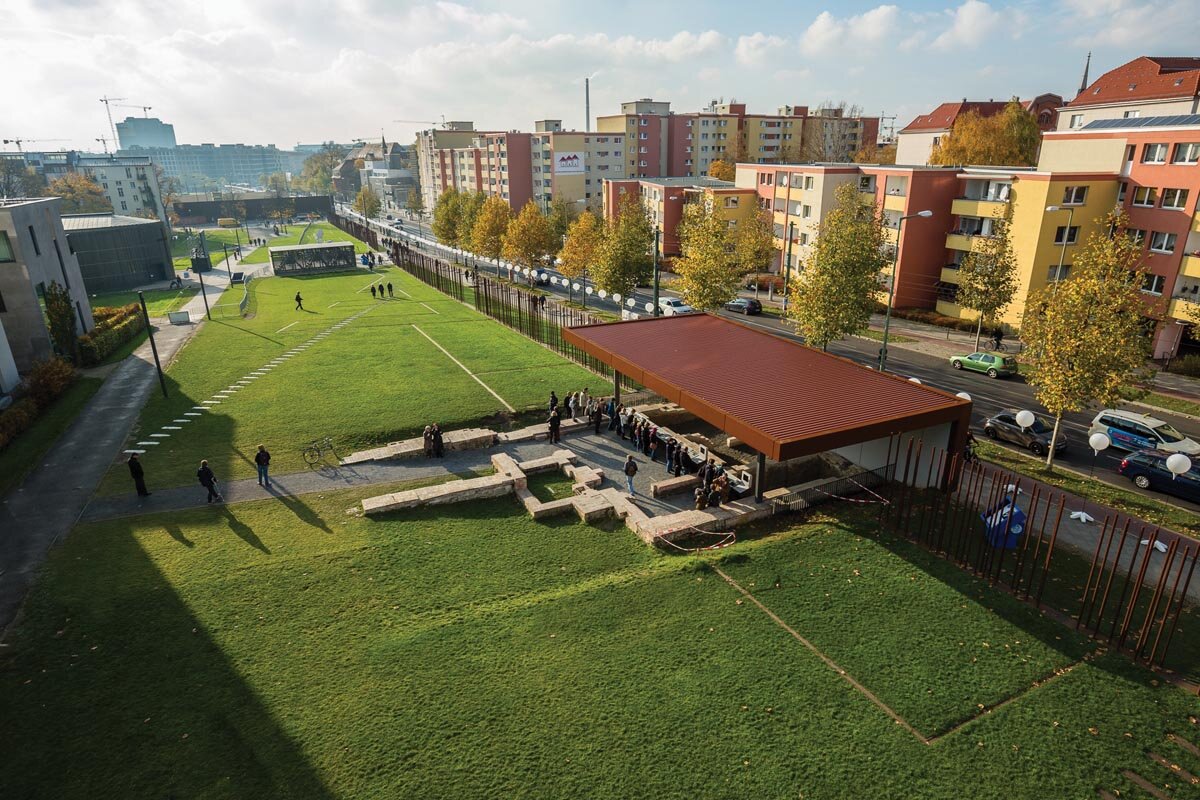
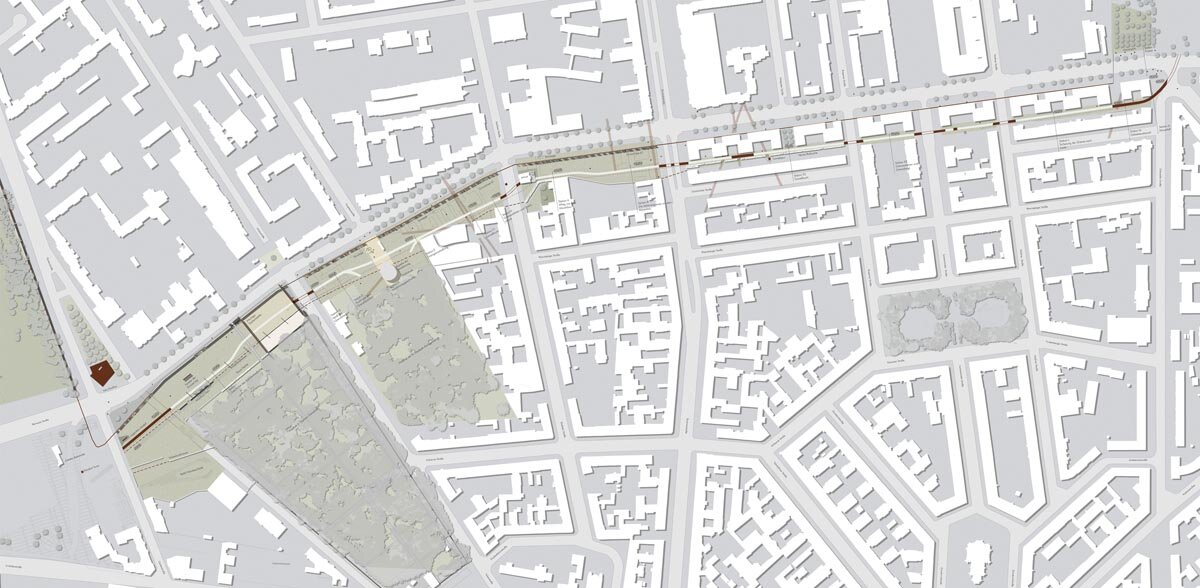
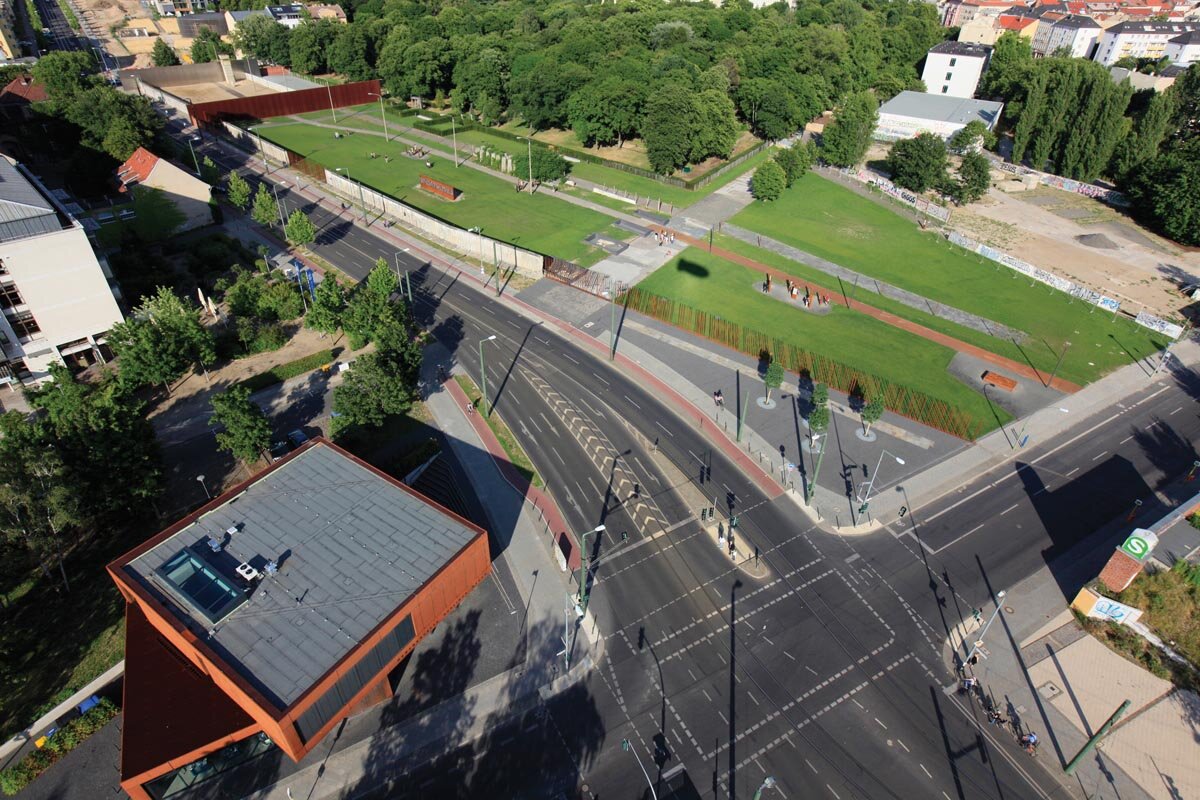
| Nowadays, it seems only natural to commemorate the Berlin Wall, or that more than a million people visited the Berlin Wall Memorial in Bernauer Strasse in 2014 alone, trying to get a sense of this monstrous structure. But this is a misleading impression. It is clear from the way the memorial has been set up that this consensus has only been in existence for a few years, preceded by long and painful debates about the need for such a site in memory of the second German dictatorship and its victims.It all started with a decision on December 29, 1989, initiated by the GDR interim government led by Hans Modrow, which called for the immediate demolition of the border fortifications1. Other views were expressed, however. The former Chancellor Willy Brandt argued in favor of "preserving a piece of this abominable structure (...) to prevent it from being forgotten"2 as early as November 10, 1989. But this initiative, together with the East Berlin Magistrate's decision of October 2, 1990, to protect certain sections of the Wall as historical monuments, did not succeed. In contrast, following the symbolic demolition of the corner between Ackerstrasse and Bernauer Strasse on June 13, 1990, efforts to demolish the entire structure gained momentum3. Given the intuitive nature of the desire to tear down the Wall, materialized in the phrase "The Wall must go", the Berlin Senate's decision of 13 August 1991 to establish a memorial at the Bernauer Strasse location and to rebuild the multilayered border fortifications - which had been demolished only a few months before - was also ineffective. It was only with major, last-minute efforts that it was possible to prevent the border troops from carrying out the orders to demolish this already damaged section of the border fortifications and to prevent the 'Wall scrappers' from causing further damage. (...) |
| Read the full text in issue 6 / 2015 of Arhitectura magazine |
| Notes: 1 Gerhard Sälter, Der Abbau der Berliner Mauer und noch sichtbare Reste in der Berliner Innenstadt, Berlin 2007, p. 7. 2 Peter Möbius, Helmut Trotnow (ed.), Mauern sind nicht für ewig gebaut - Zur Geschichte der Berliner Mauer, Frankfurt a.M/ Berlin 1990, p. 13. 3 The inner wall, the signaling system, some of the guard posts and towers in the section between Ackerstrasse and Bergstrasse had already been demolished before September 1990. Some parts of the watchtower were transported to the Allied Museum and reassembled there in a modified form (see 'Ausschreibung Architektonisch-künstlerischer Wettbewerb Gedenkstätte Berliner Mauer in der Bernauer Straße', 1994, p. 3 et seq. In this section only the patrol route and the boundary wall remain intact. See also Ronny Heidenreich, "Eine Mauer für die Welt - Inszenierungen außerhalb Deutschlands nach 1989", in: Klaus-Dietmar Henke (ed.), Die Mauer - Errichtung, Überwindung, Erinnerung, Munich 2011, p. 442 et seq. urm. |
| Today, it seems perfectly natural for us to commemorate the Berlin Wall and that more than a million people visited the Berlin Wall Memorial at Bernauer Strasse in 2014 alone, just to form their own impression of this monstrous structure. It might also be misleading. The history of how the memorial was established states clearly that consensus has been reached just recently, for several years. A long, painful and controversial debate was necessary before the need to build a memorial site to remember the second German dictatorship and its victims was recognized.It all began with the Resolution of December the 29th, 1989, initiated by the GDR interim government headed by Hans Modrow, which called for the immediate demolition of the border fortifications.1 There were, however, other views. Former Chancellor Willy Brandt argued as early as November the 10th, 1989 for "preserving a piece of this abominable structure [...] as a memory."2 This initiative, however, along with the resolution passed by the East Berlin Magistrate on October the 2nd, 1990 to protect this and other sections of the Wall as an historic monument, remained unsuccessful. Instead, following the first symbolic act of its demolition on June the 13th, 1990 on the corner of Ackerstrasse and Bernauer Strasse, the efforts to tear down the entire Wall gained momentum.3 Given the more intuitive desire to tear down the Wall, expressed by the slogan "The Wall must go," the Berlin Senate's resolution of August the 13th, 1991 to establish a memorial site at Bernauer Strasse and to reconstruct the many-layers of border fortifications dismantled a few months earlier, was also ineffective. Only by great effort at the very last minute it was possible to hinder the border troops from carrying out their orders to demolish this already-damaged section of the border fortifications, and to stop the "wall peckers" from causing further damage to the Wall. (...) |
| Read the full text in the print magazine |
| Notes: 1 Gerhard Sälter, Der Abbau der Berliner Mauer und noch sichtbare Reste in der Berliner Innenstadt, Berlin 2007, p.7. 2 Peter Möbius, Helmut Trotnow (ed.), Mauern sind nicht für ewig gebaut - Zur Geschichte der Berliner Mauer, Frankfurt a. M/ Berlin 1990, p. 13. 3 The inner wall, signal fence, some of the lamp posts and watchtowers in the section between Ackerstrasse and Bergstrasse had already been dismantled by September 1990. Parts of the watchtower were moved to the Allied Museum and remounted there in an altered form (see Ausschreibung Architektonisch-künstlerischer Wettbewerb Gedenkstätte Berliner Mauer in der Bernauer Straße, 1994, p. 3 ff.). Only the patrol path and border wall were still completely intact in this section. See also Ronny Heidenreich, "Eine Mauer für die Welt - Inszenierungen außerhalb Deutschlands nach 1989," in: Klaus-Dietmar Henke (ed.), Die Mauer - Errichtung, Überwindung, Erinnerung, Münich 2011, p. 442 ff. |