Diploma project - The Philitelnic tileworks
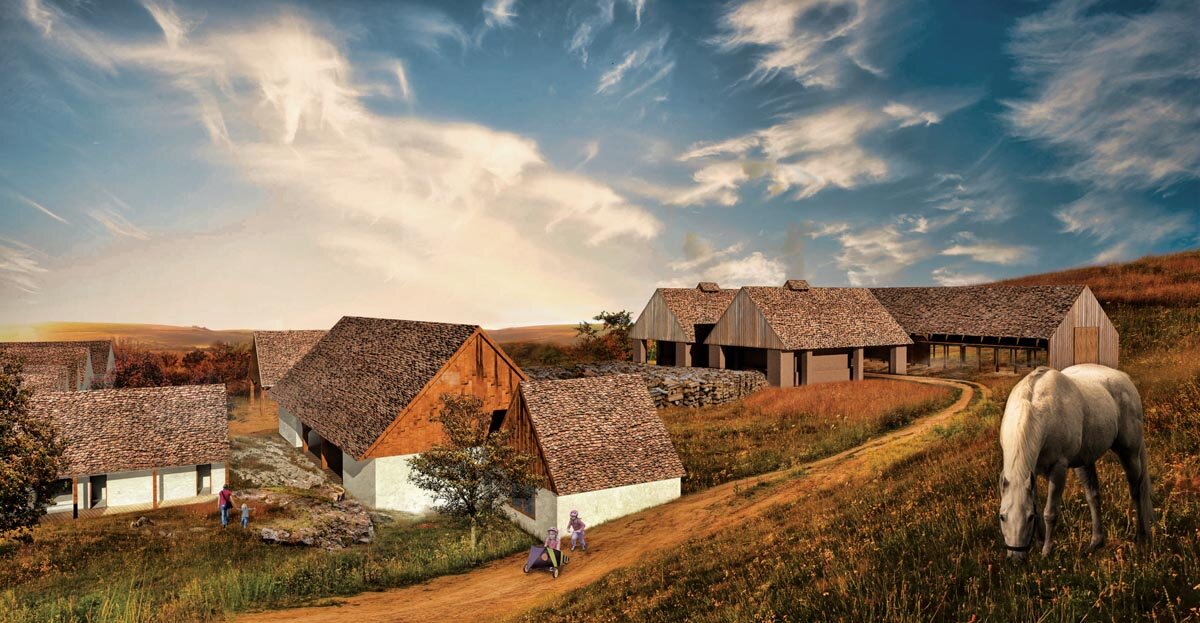
stud.-arh. Romina Iulia PASCULOVICI
Politehnica University Timișoara, Faculty of Architecture, 2015
Building techniques have undergone important changes lately due to the globalization phenomenon. Affected by this trend are also the traditional envelopes replaced at a fast pace by industrial ones. Today's consumer society, with its high-tech mirage, has made products less durable over time, precisely in order to keep the mass of production flowing.
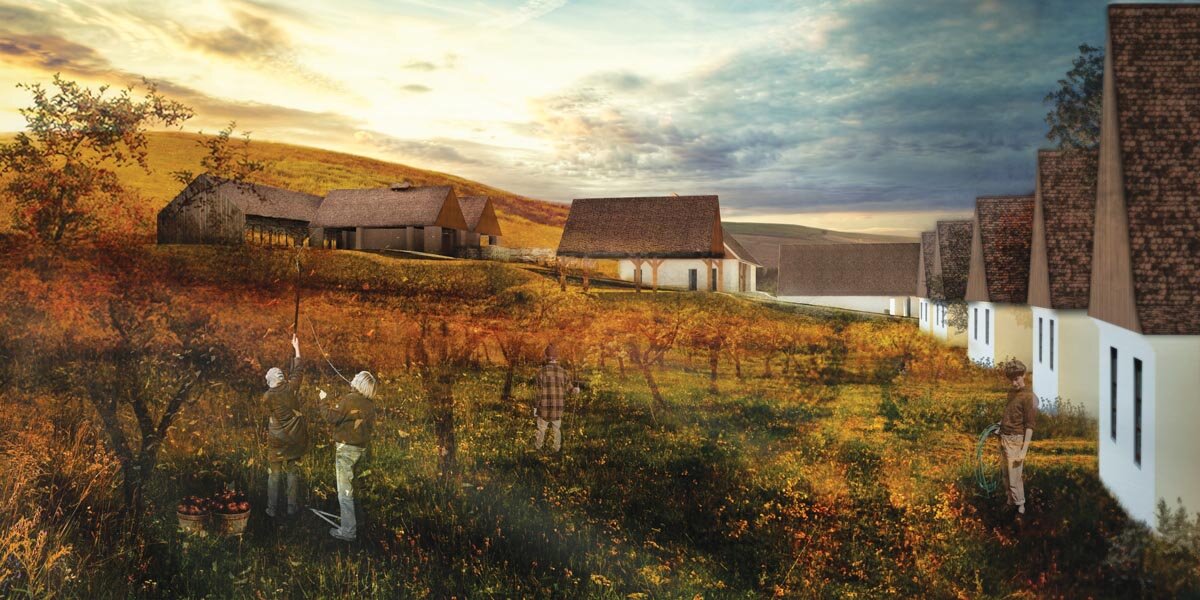
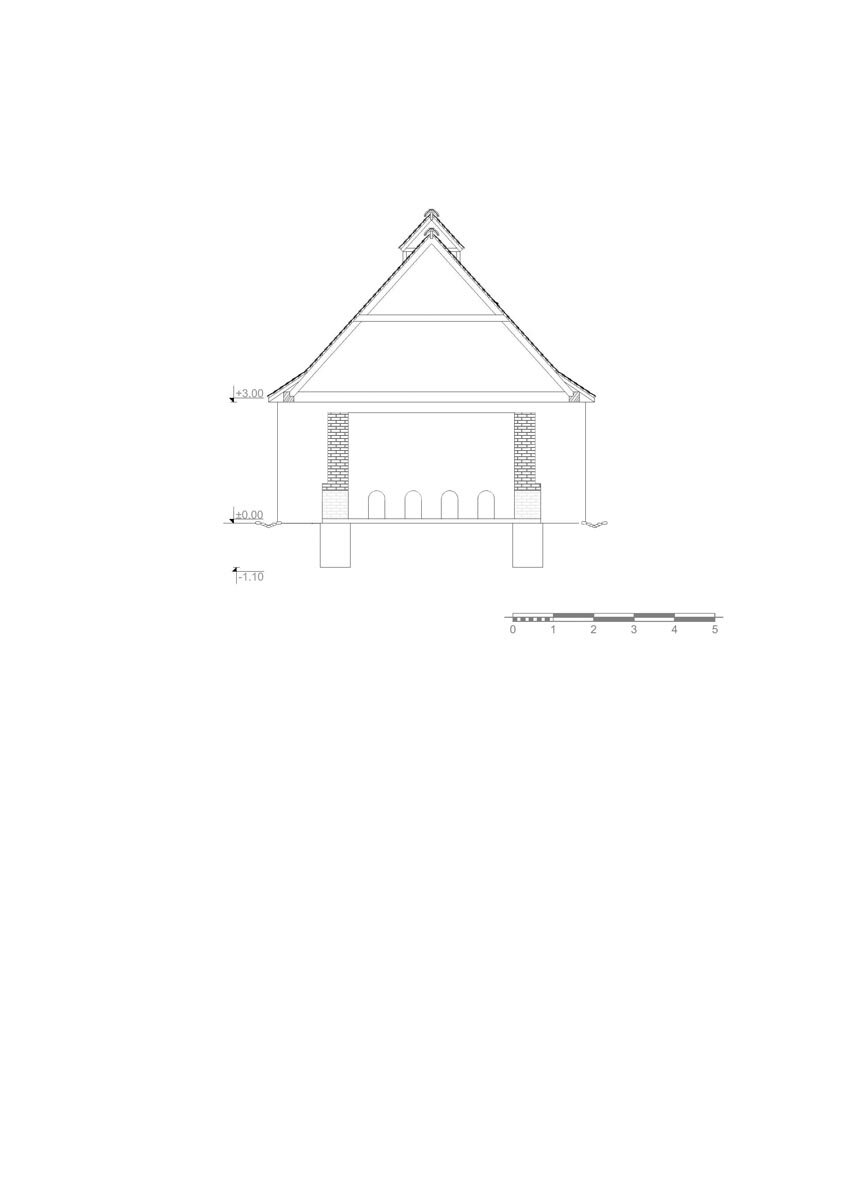
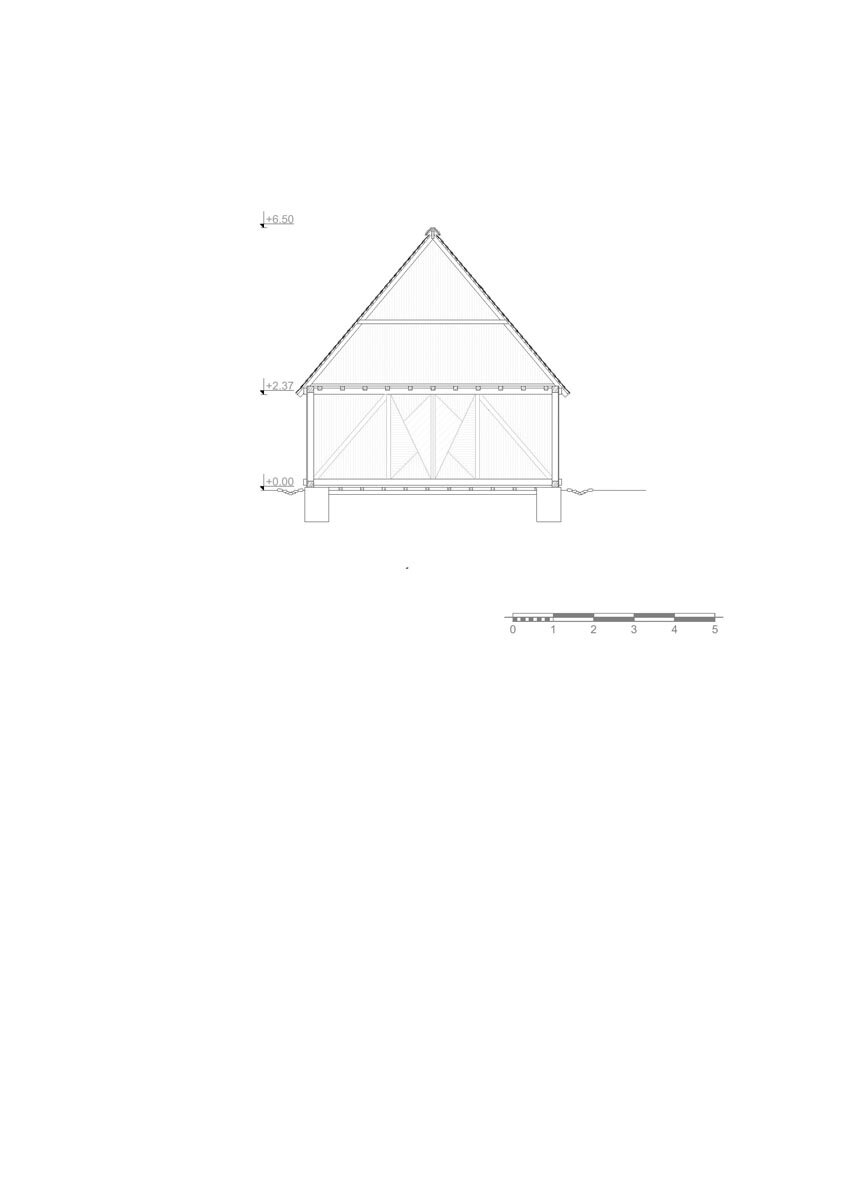
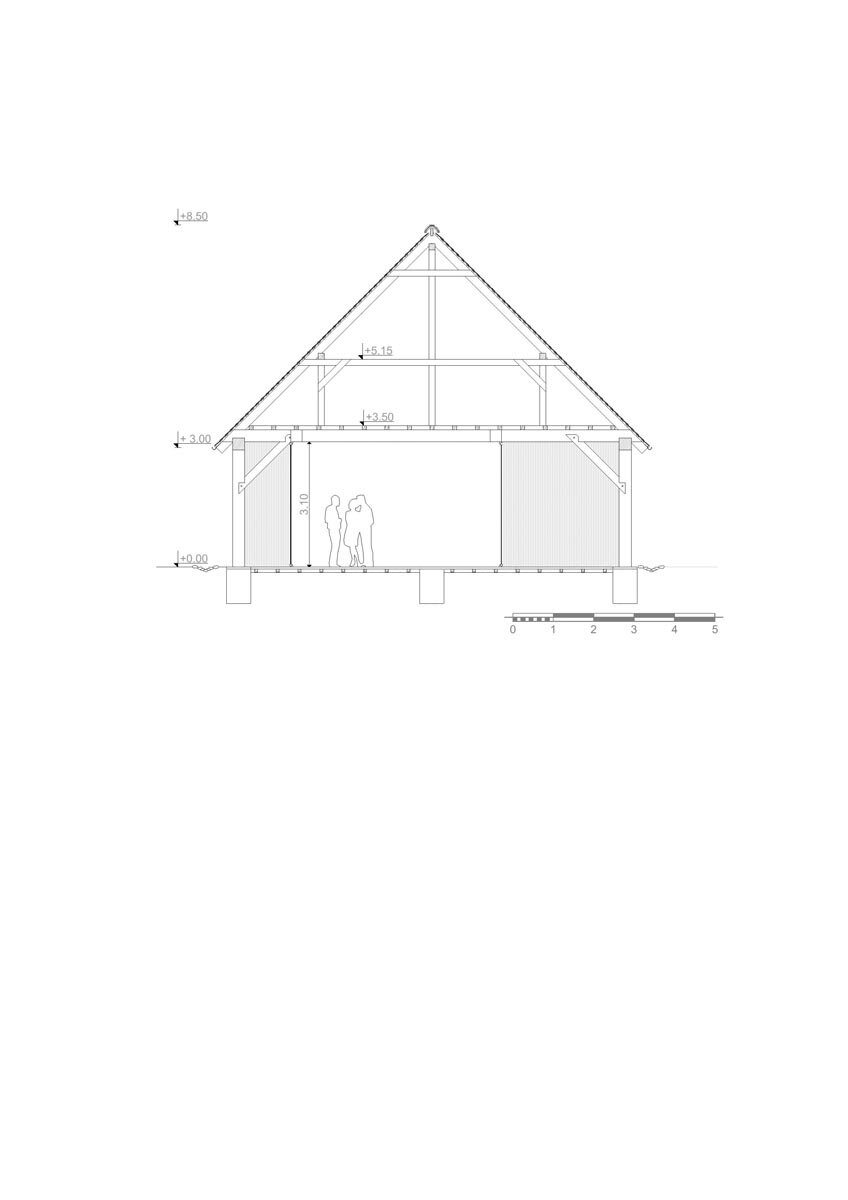
Given the need to rehabilitate the cultural and architectural landscape, the work was shaped around a direction with an important role in preserving the traditional image. The emphasis fell, in particular, on the importance of interdisciplinary approach to the phenomenon of restoration and rehabilitation of built heritage. Specifically, it is about the construction of a traditional tiling in Filitelnic, Mures County (a project initiated by the Monumentum Association), together with other approaches aimed at combating inappropriate intervention processes on the traditional built heritage.
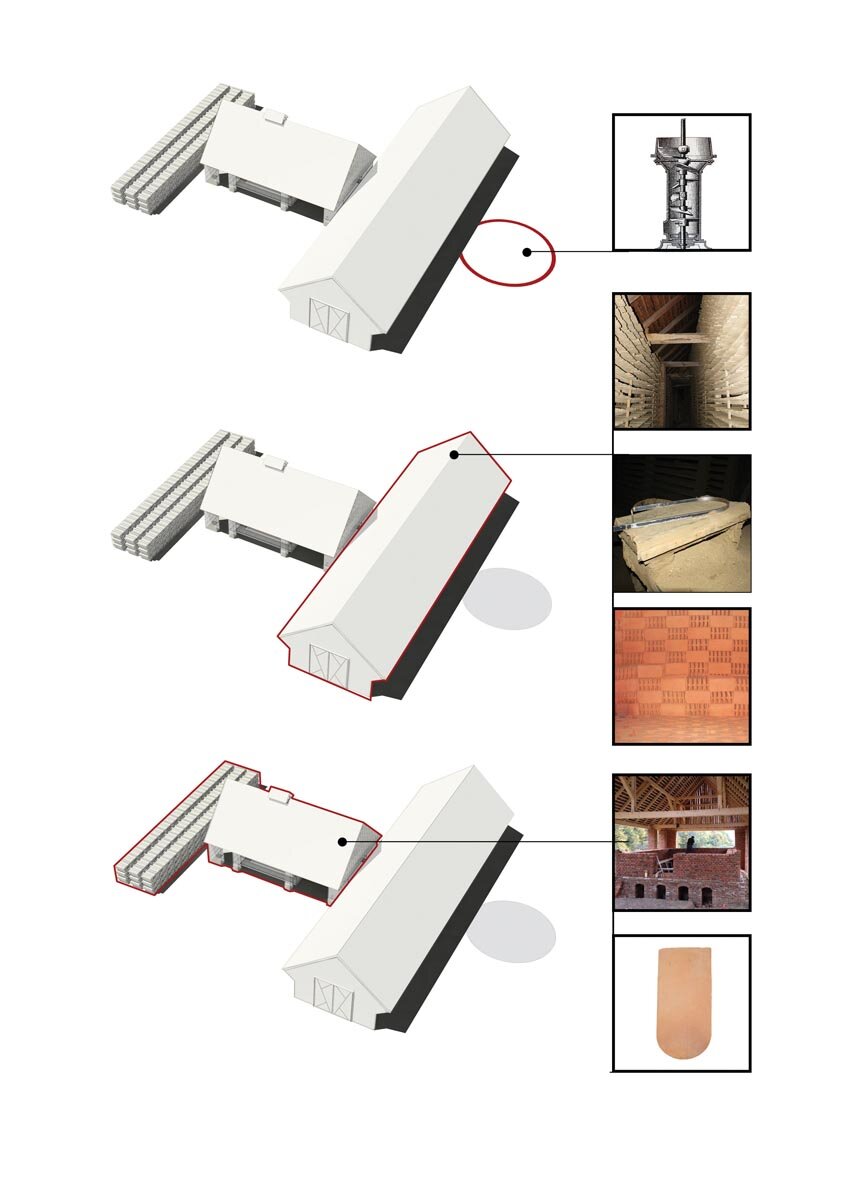
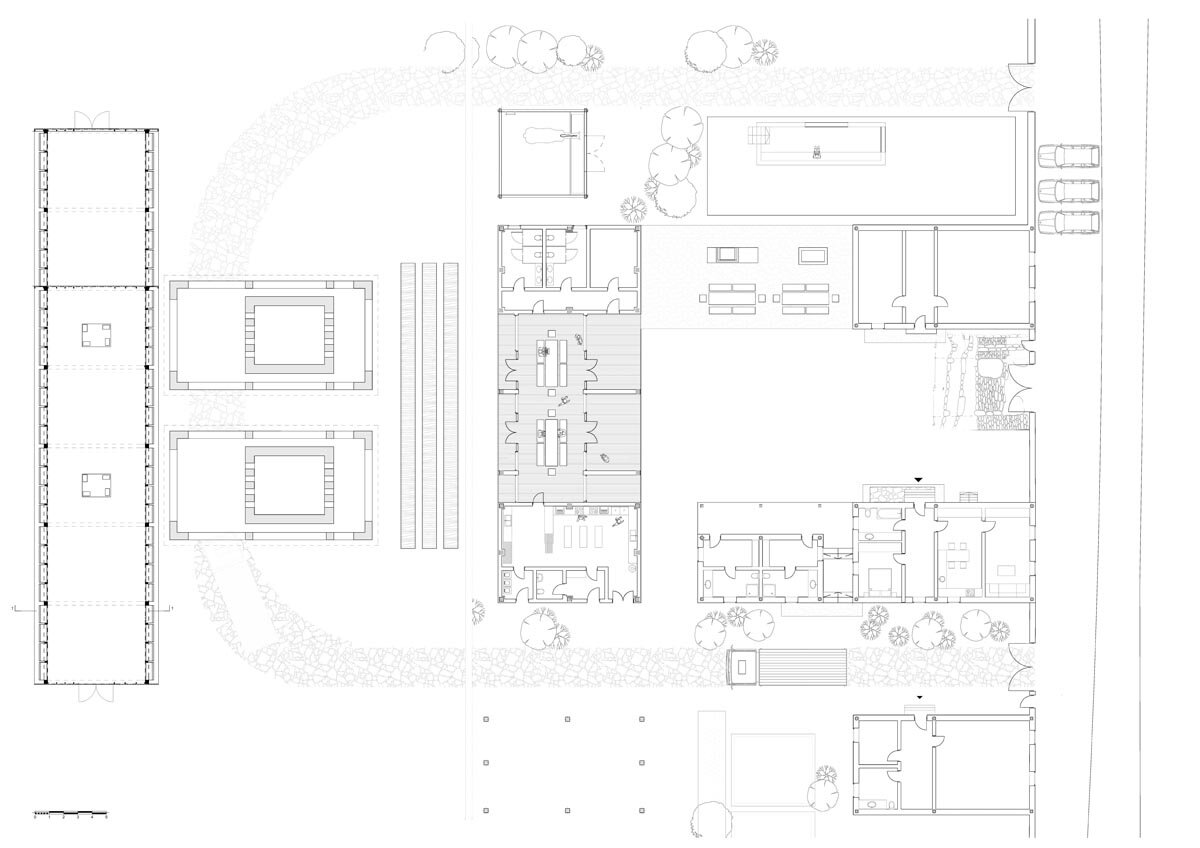
The project has the potential to turn into a program aimed at developing the craft of handmade tile making, by providing the tile craftsman, identified by the members of the Monumentum Association, with workshops for production, mixed with alternative spaces for cultural activities, developing a number of mechanisms vital to any rehabilitation process. In addition to these, cultural tourism would be added, adding a smaller accommodation area and exhibition space to the tilery.
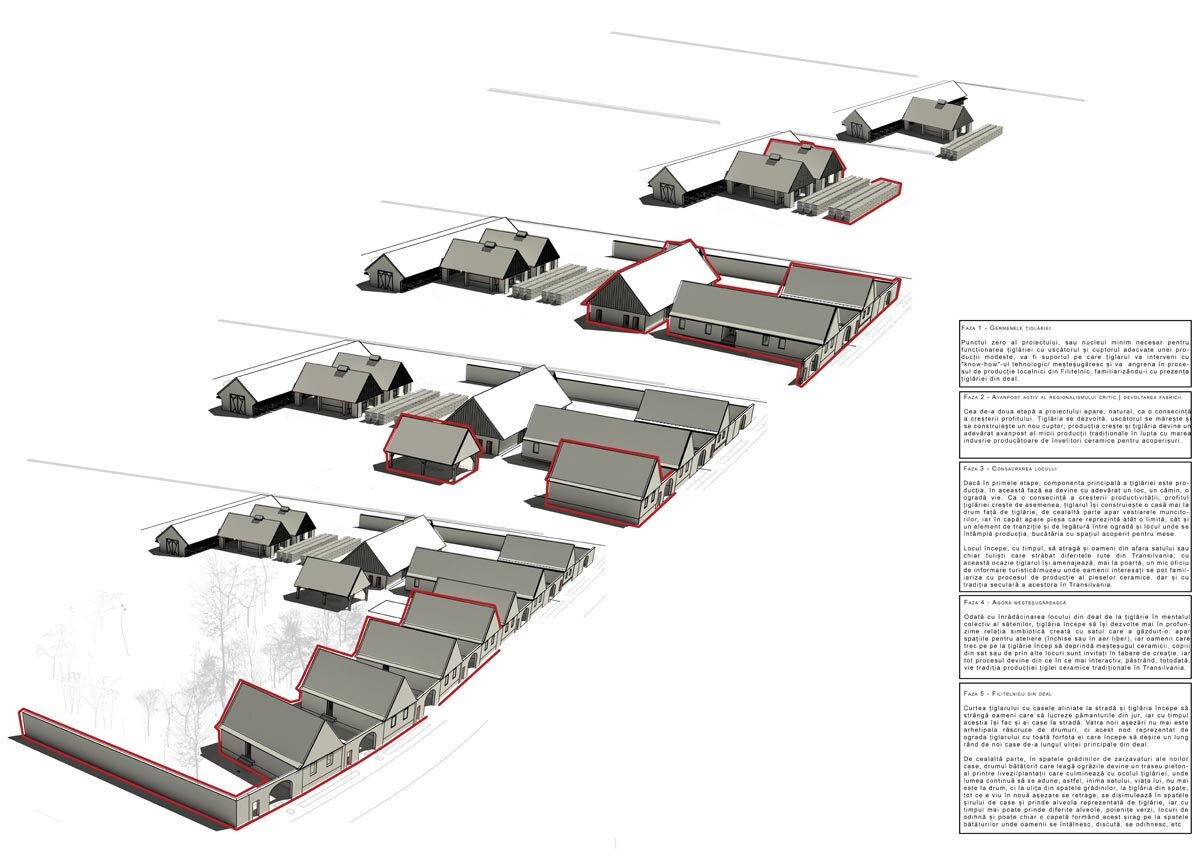
The main direction of the development of the tile factory will not be aimed solely at creating a traditional tile production point, but a sustainable strategy setting the parameters within which the production pole can become a nucleus of a new settlement, a new place "on the hill at Philitelnic". On the other hand, the project is also not the architectural resolution of a traditional Saxon settlement "ex novo", which could be susceptible to an artificial mimicry lacking substance. Designing the new settlement "from scratch" would be forced and improper; such a settlement could never lead a normal life as long as its birth occurred all at once. For this reason, the whole project is phased, with the only architectural concreteness being the tile-tile garden. The subsequent directions of development, though suggested as architectural forms and spatial hierarchies, are meant to establish the crucial role of the tile house as the zero point of the "place on the hill", a different kind of hearth of the possible hilltop village.
supervisor: arch. Tellman Daniel