Europan 13
WALZER - First Prize
Authors: Mihai BUȘE, Márton TÖVISSI/ A-PLATZ
Location Europan13: Graz, Austria
Beneficiary: ÖBB Immobilienmanagement GmbH, F. Hanschmann GmbH
Surface: 45.000 square meters
Project year: 2015
3D renderings: Tamás FISCHER
Model photos: Zoltán BIRÓ
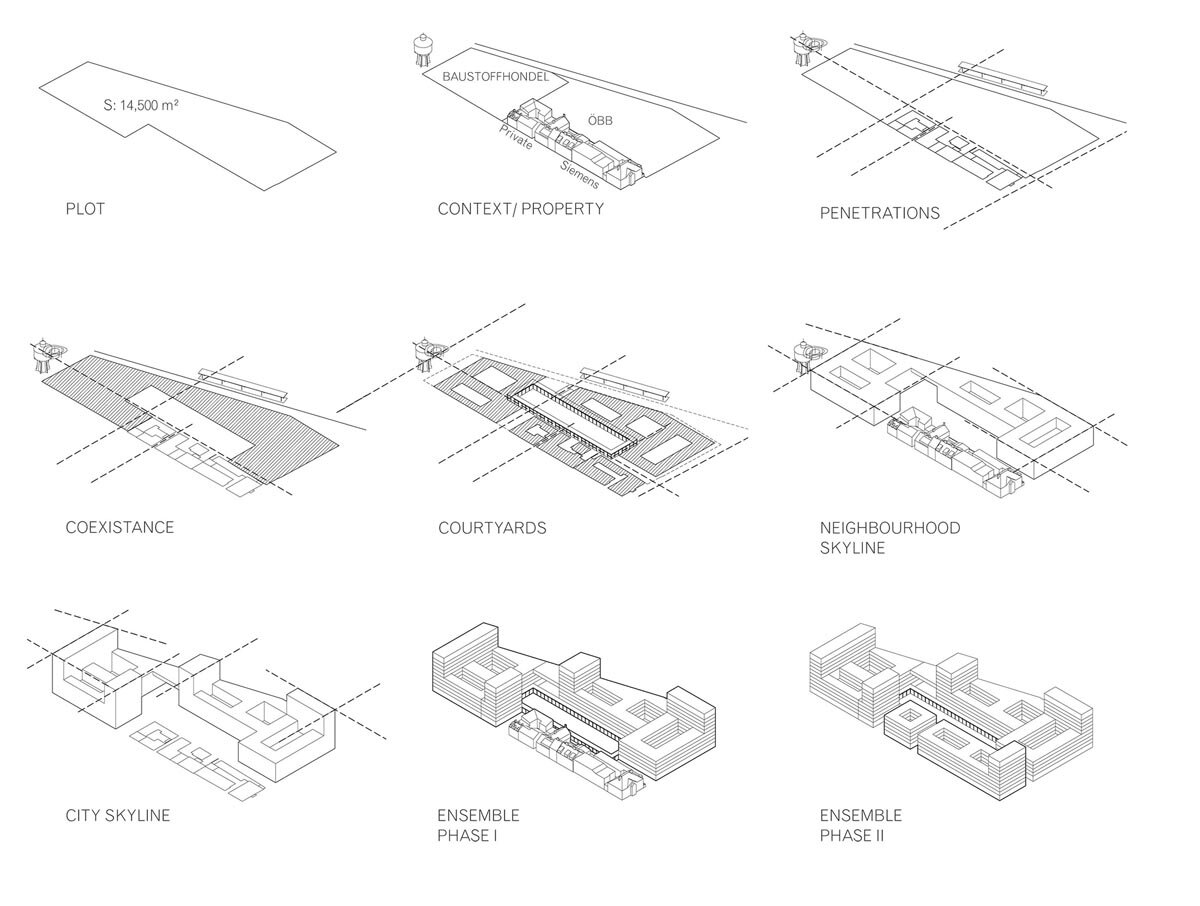
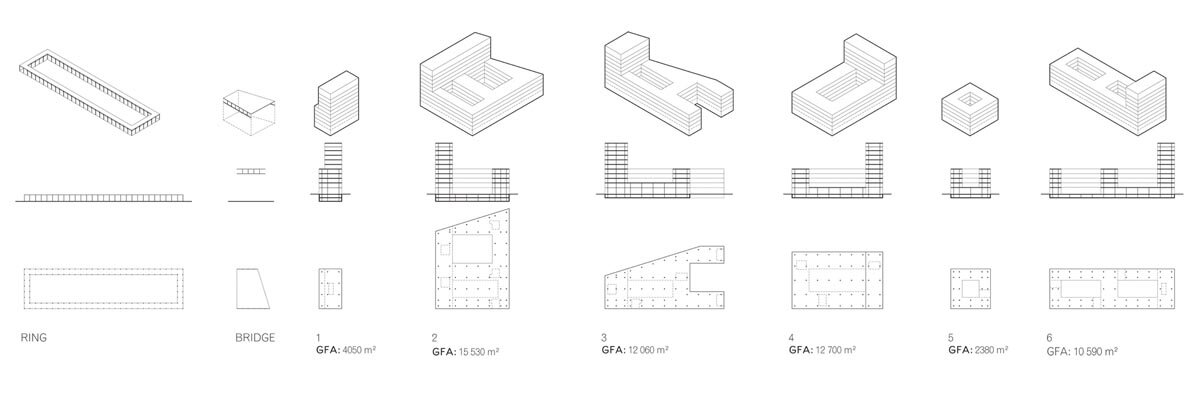
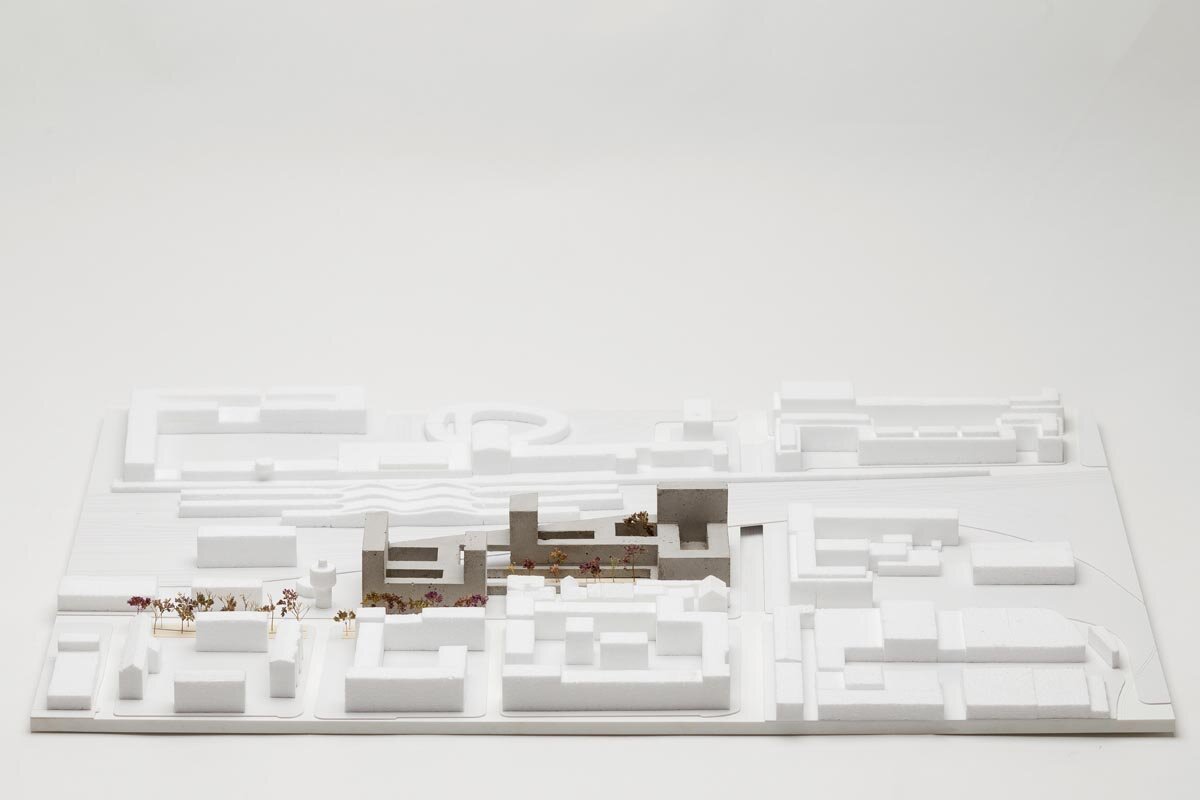
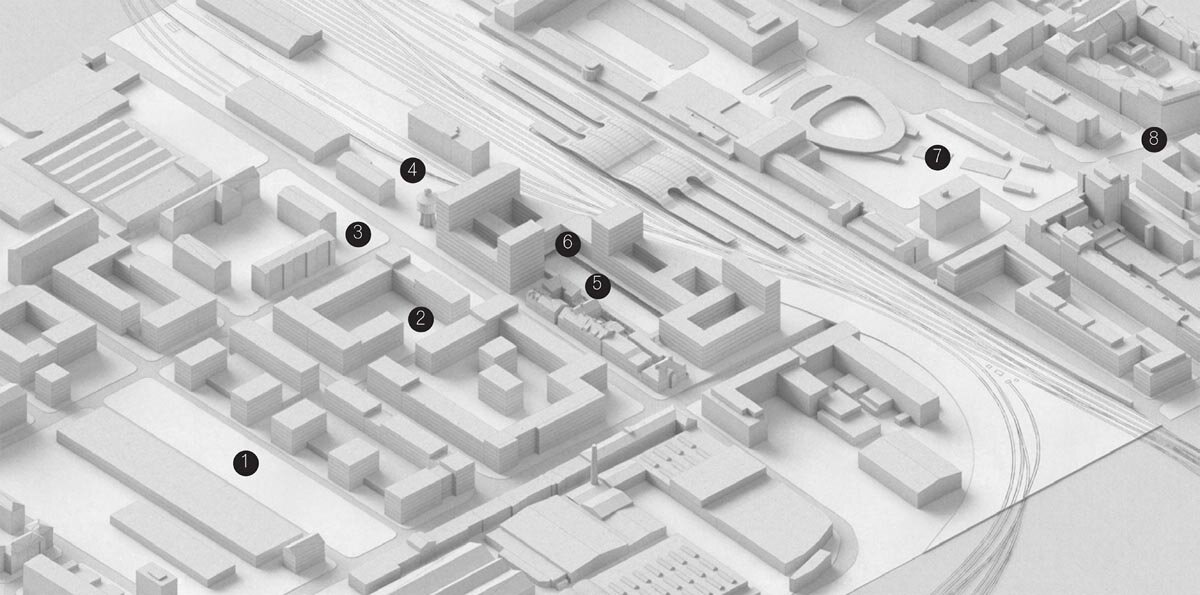
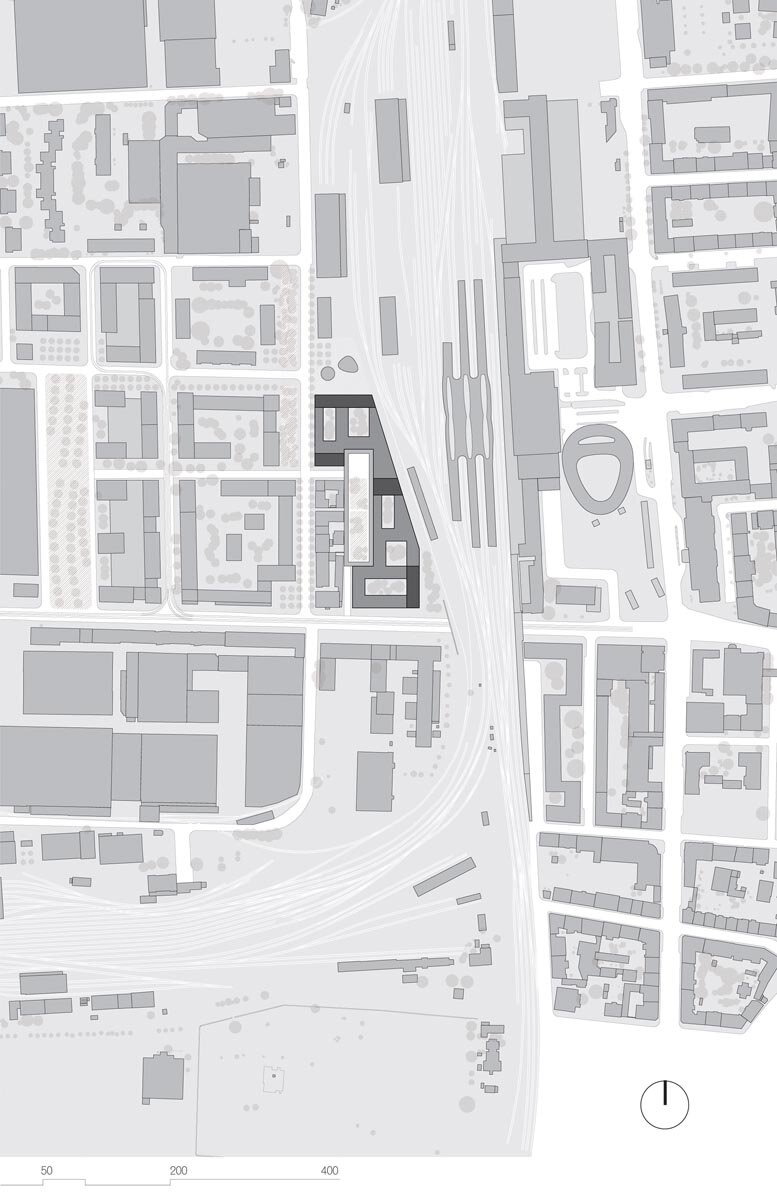
Located behind the Graz train station, the Europan13 site represents an inflection point in the city's dynamics. The main objectives of the project were "to dissolve the barrier created by the railway and to establish the station neighborhoods into a coherent neighborhood. Two underground tunnels have already been built to connect the two areas separated by the railroad. One of the tunnels connects the E13 site with the main station and thus transforms it into a gateway to the city center.
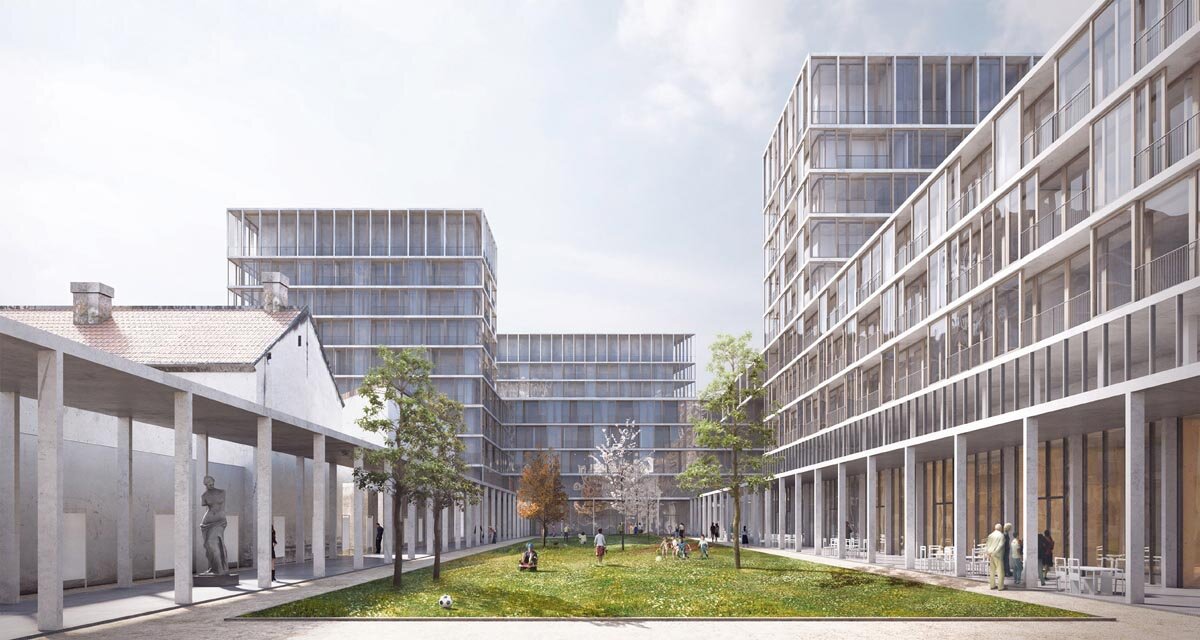
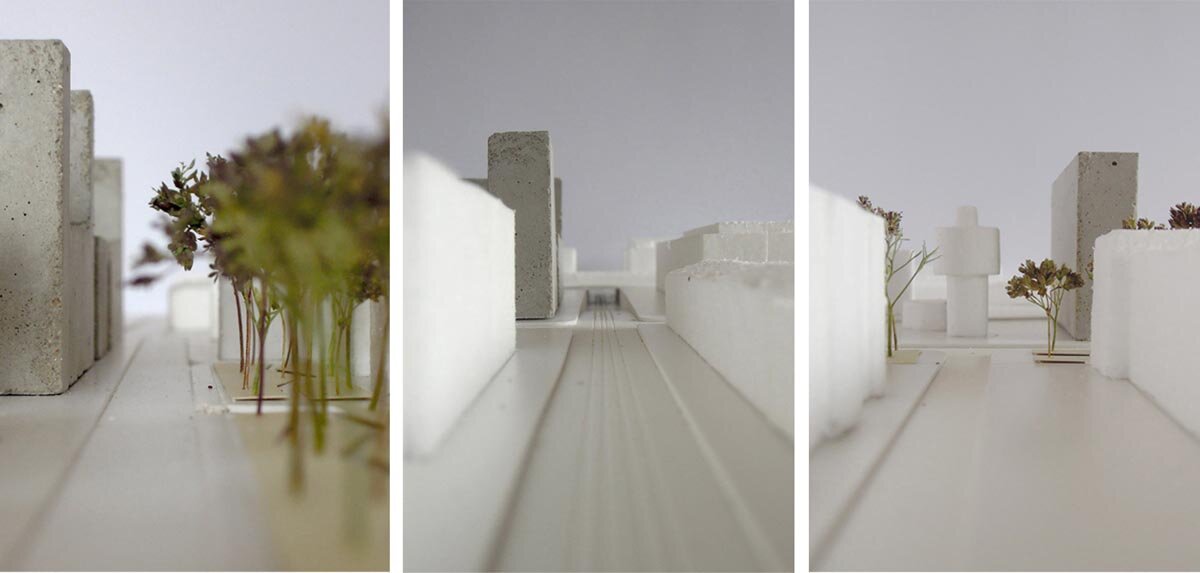
We used the volume of the buildings to define a powerful public space, a forum, which is a meeting and distribution place. It is connected to the urban context both physically and visually through several passages and is protected from the noise of the surrounding infrastructures.
Secondary courtyards are cut into the building mass. The plazas and courtyards are connected to create a continuous urban space. The basement of the building (ground floor and 1st floor) provides adaptable spaces for various activities: commerce, workshops, restaurants. The façade, with its loggias and its closed or open parts, plays an important role in animating the public space.
The building functions in different layers. The towers act as signals and are adapted to the scale of the city, visible from a distance. The base of the building is consistent with the heights of the neighborhood, and the colonnade in the central square is consistent with the human scale.
The existing buildings on the west side of the parcel are "invited" to define the Settlement Square. In the future, these buildings can be replaced in order to achieve a unified and whole urban ensemble.
We believe that the function of such a project will constantly be subject to rapid changes brought about by economic changes that are difficult to predict. Therefore we propose an adaptable structure where these changes are possible.
The architecture of the building has a timeless appearance. The double façade system provides the necessary sound protection on the east side, subject to rail traffic, and creates intermediate spaces that can be used as balconies. Sliding panels provide the necessary vibrant look to the building. In the inner courtyards, the space reserved for the double façade system can be transformed into a slider. As with functions, the lifespan of the complementary elements of a building, installations for example, is shorter than that of structural elements. The possibility of long-term change is important.
Preparing Density - Second Prize
Authors: Bogdan Demetrescu, Oana Simionescu, Alexandra Oprea, Dragoș Nistor, Bogdan Tudor, Alexandru Voica, Denis Poloca
Location Europan 13: Bone, Norway
Text: Oana Simionescu
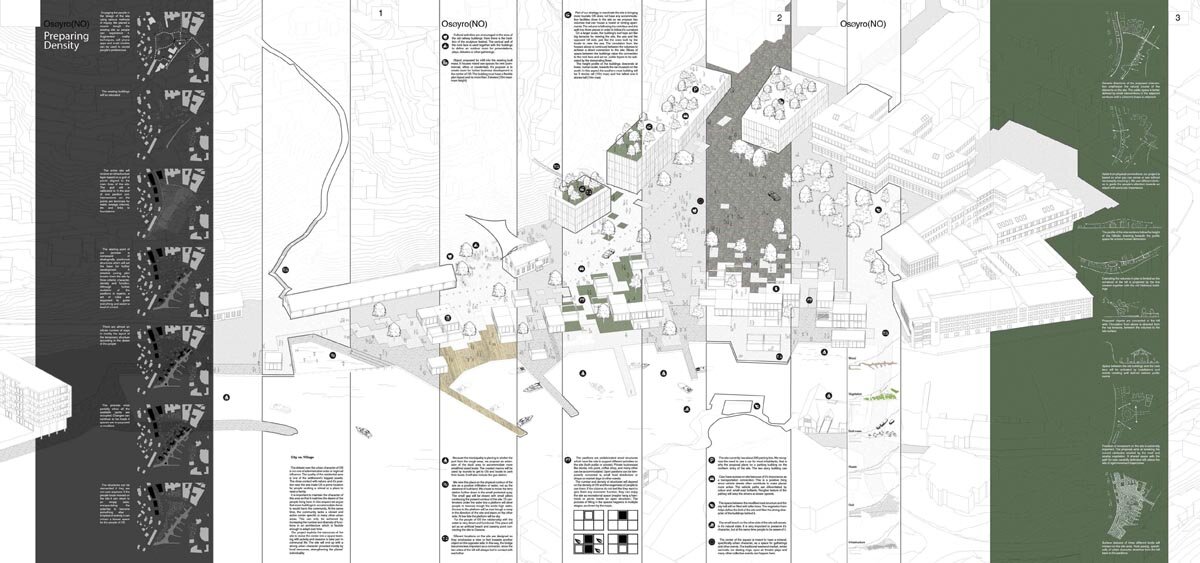
In order to create a way of life adapted to our days and the needs of its inhabitants, Os does not require a densification of the built mass, but the development of a vibrant space that serves the whole community by increasing the number and diversity of functions and social interactions.
Our proposal employs various mechanisms that aim to dilute the strong boundaries that currently isolate the site from the rest of the city. Thus, we introduce a series of events along these boundaries, so that they are not perceived as obstacles, but as an opportunity to connect the central area with the natural elements or with the inhabitants of Os.
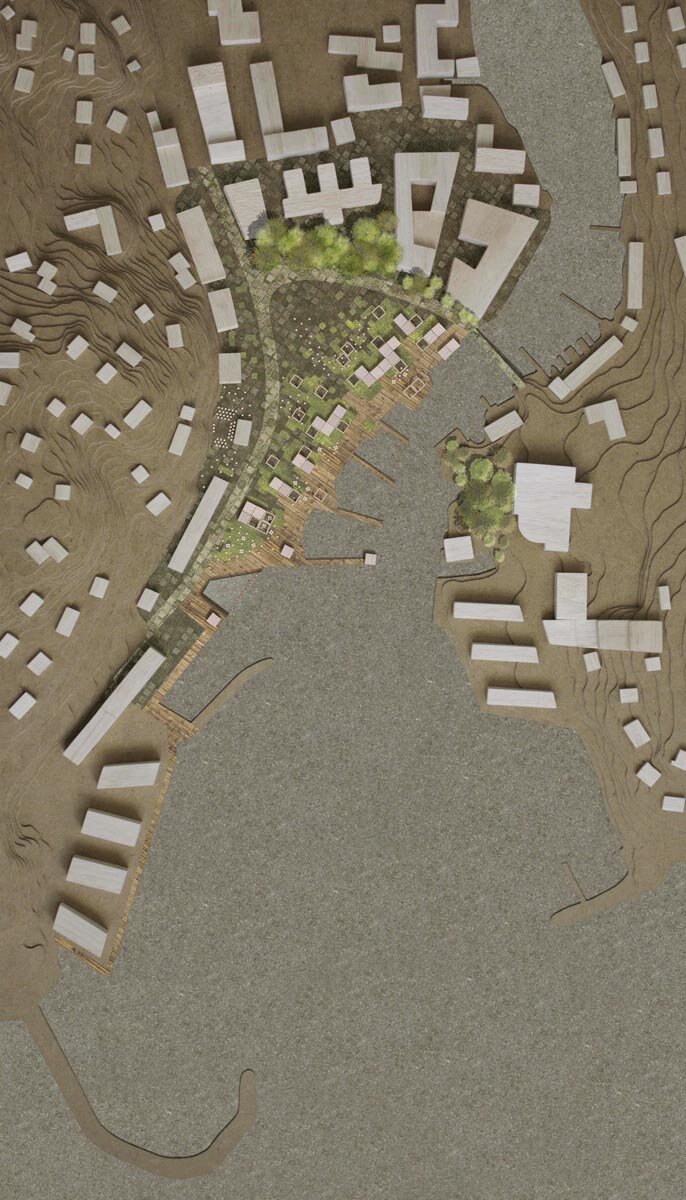
Architecturally, the site is an artificial platform. We have proposed a process of regeneration of the public space, which has as its starting point to make the inhabitants aware of the problems of the site and the city and to give them the possibility to take part in the whole process that follows. Most of the existing buildings will be relocated. The pre-conditions for further development will be set by the complete overhaul of the square and its infrastructure, and the footprint of the square will be replaced with cubic stone, green areas and decking areas.
As a tool for activating the market, we have introduced wooden pavilions, which have both strategic locations and configurations, creating areas with varying degrees of densification throughout the site. These modules can be rented out for local business development or left as structures that can accommodate various temporary activities. The development plan includes a set of rules for how the existing buildings can be expanded, with the aim of avoiding chaotic development and maintaining the desirable character of the future Town Center. How the square will look in the end is up to residents.

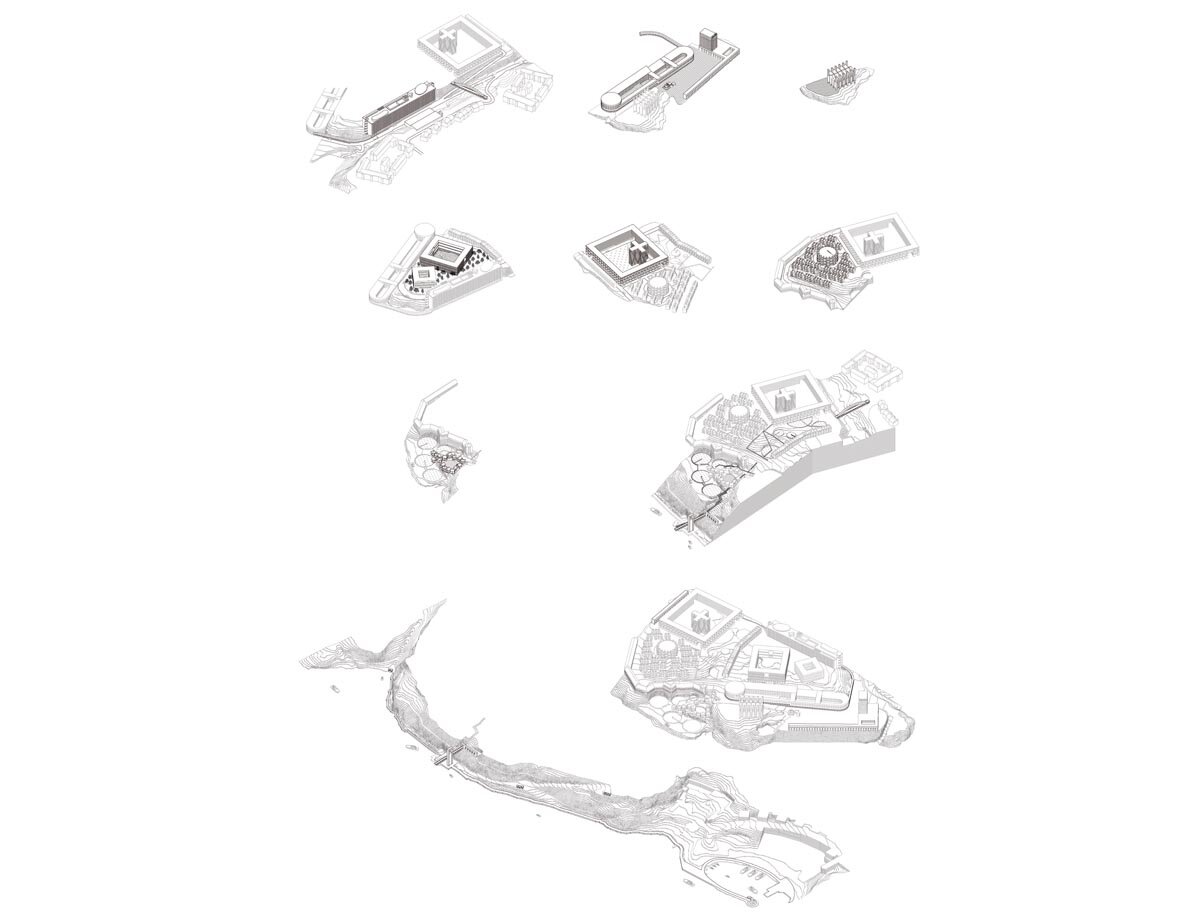
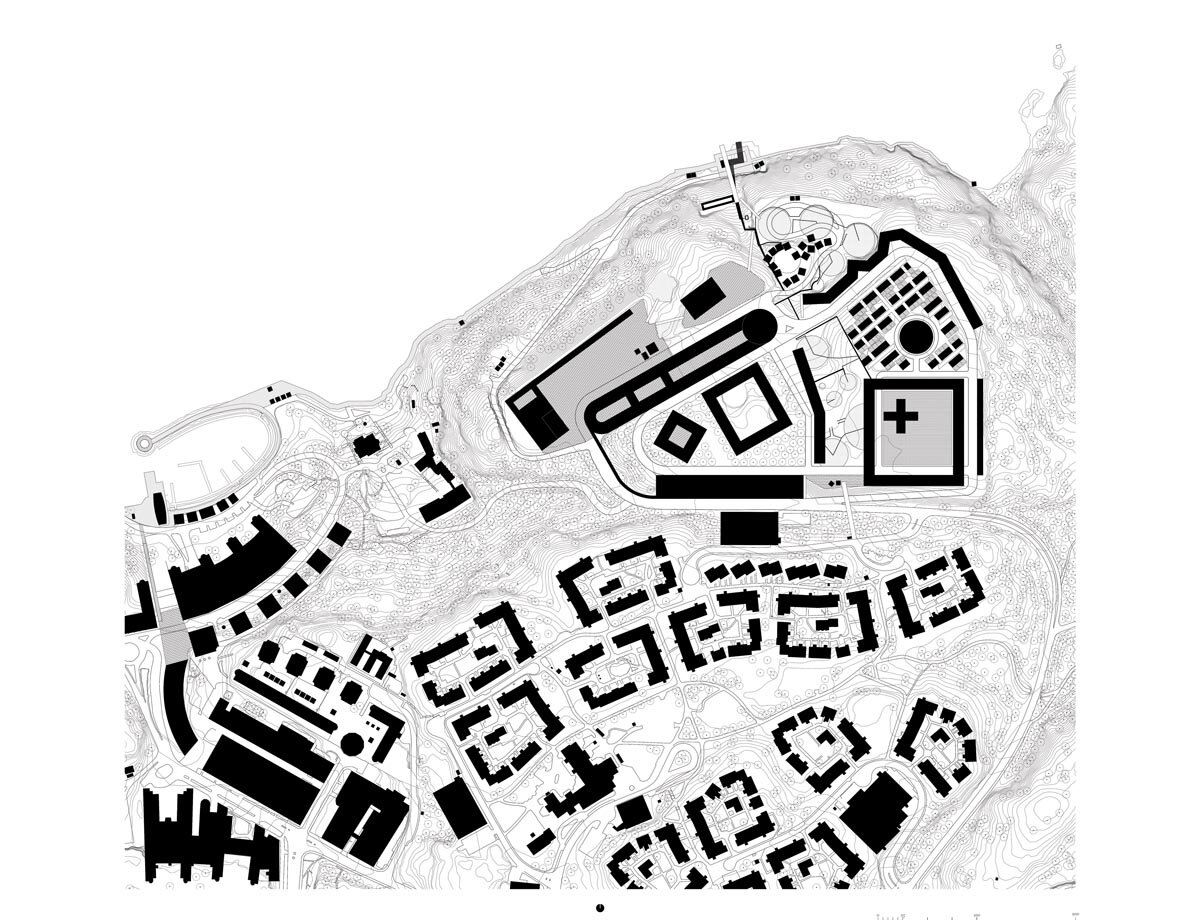
The Ends of the City - Second Prize

Authors: Adrian Phiffer, Dimitrios Karopoulos, Liusaidh Macdonald
Location Europan13: Nacka, SwedenSurface area:183.000 sq.mYear of project:2015Beneficiary: Municipality of Nacka
We are a young office based in Toronto that frequently participates in international competitions. Previously, we won First Prize at Europan10 with a proposal for a site in Nuremberg, Germany. We hope that this second award in a Europan competition will change the preconceived perception that we are too young to tackle a large-scale urban site.
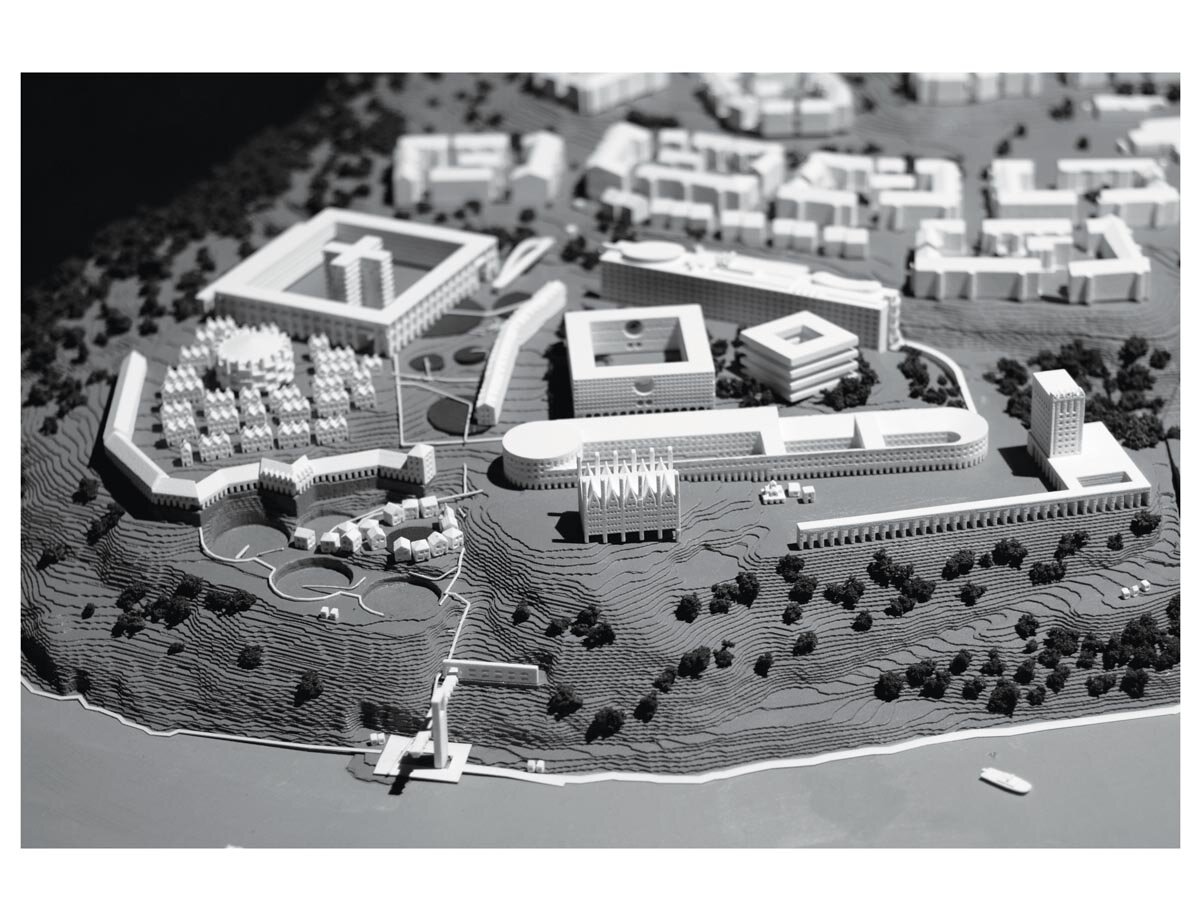
The project "The Ends of the City" is a refusal that does not accept the Object vs. Process dichotomy presented in the competition theme. We preferred to combine the two concepts as a strategy to design the Adaptable City.
website
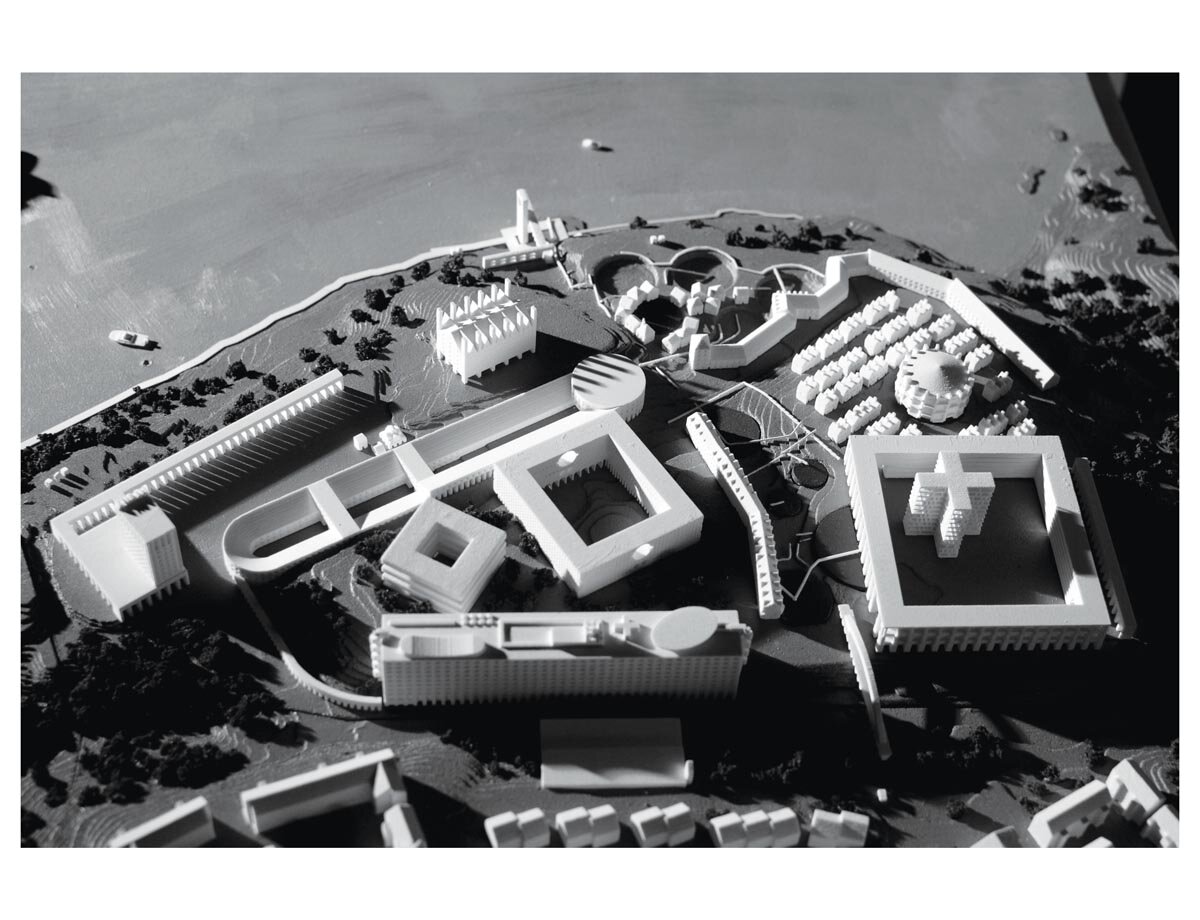
Despite the incredible industrial presence of the Nacka site, we decided not to be seduced. Nacka seems like the kind of place where any existing condition can be a solid starting point in the design process. More than anything, the white tanks are extremely tempting. They are beautiful, but unnecessary when one has to envision a city. We preferred to start the project from the simplest condition - the ground. This understanding of the site forms the basis for a project made up of solitary urban moments of various kinds.
Urbanism
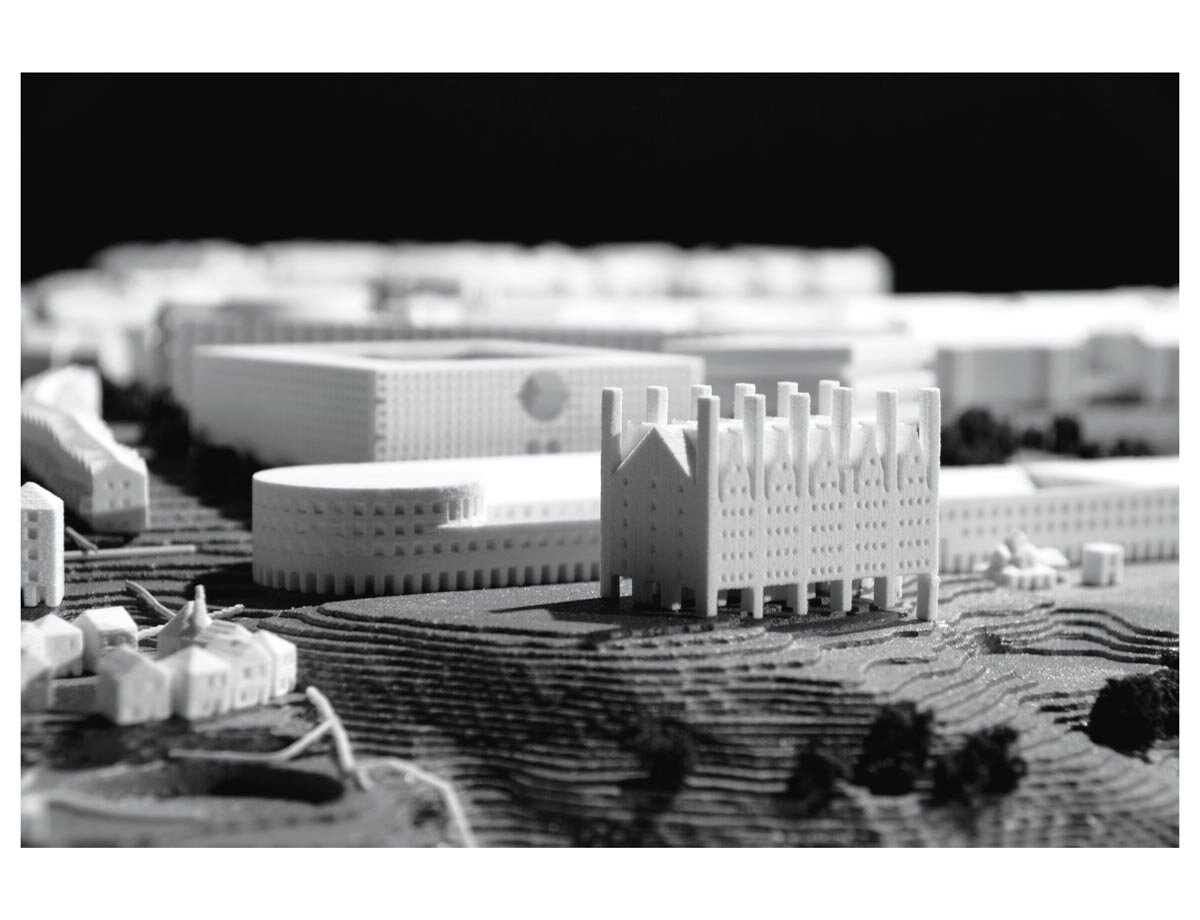
The diversity of building types deployed becomes a strategy in itself, referring to the requirements of adaptability to "unpredictable futures". Their scale varies considerably and is determined by their relationship to the plat. The Ends of the City proposal does not include mid-rise buildings. The largest proposed structures are flexible. Primarily residential, their ground floors allow for multiple functions, while the sizes are general enough to allow re-adaptation from residential to office or public uses. Small buildings are of the suburban housing type or small houses with public and commercial uses.
Architecturally, beyond the use of arcades, there is no fixed form or vocabulary. Architectural forms are subjective, dependent on the particular project, and allow great freedom in the choice of materials and style. The matrix of open spaces consists of the square, the street, the courtyard, the arcades, the backyard. One of the spaces is the collage corridor composed of different landscape patterns, ranging from keeping the current conditions with pipes and steep cliffs, to the proposed ones with courts where children can play or bathe safely.