
A brief history of the organization of the architectural profession in Romania from the "Regulamentulu" of A. I. Cuza and M. Kogălniceanu to the present day
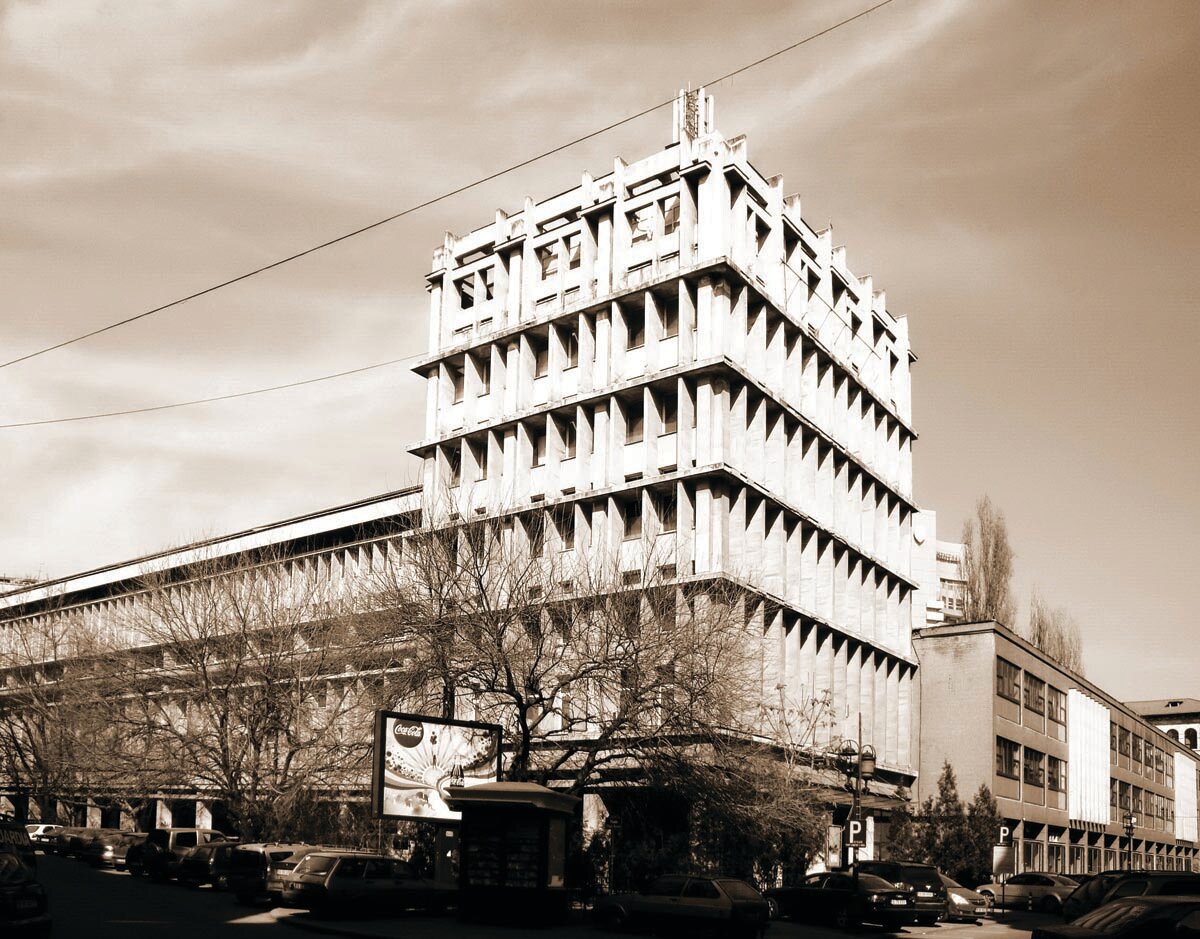
1864
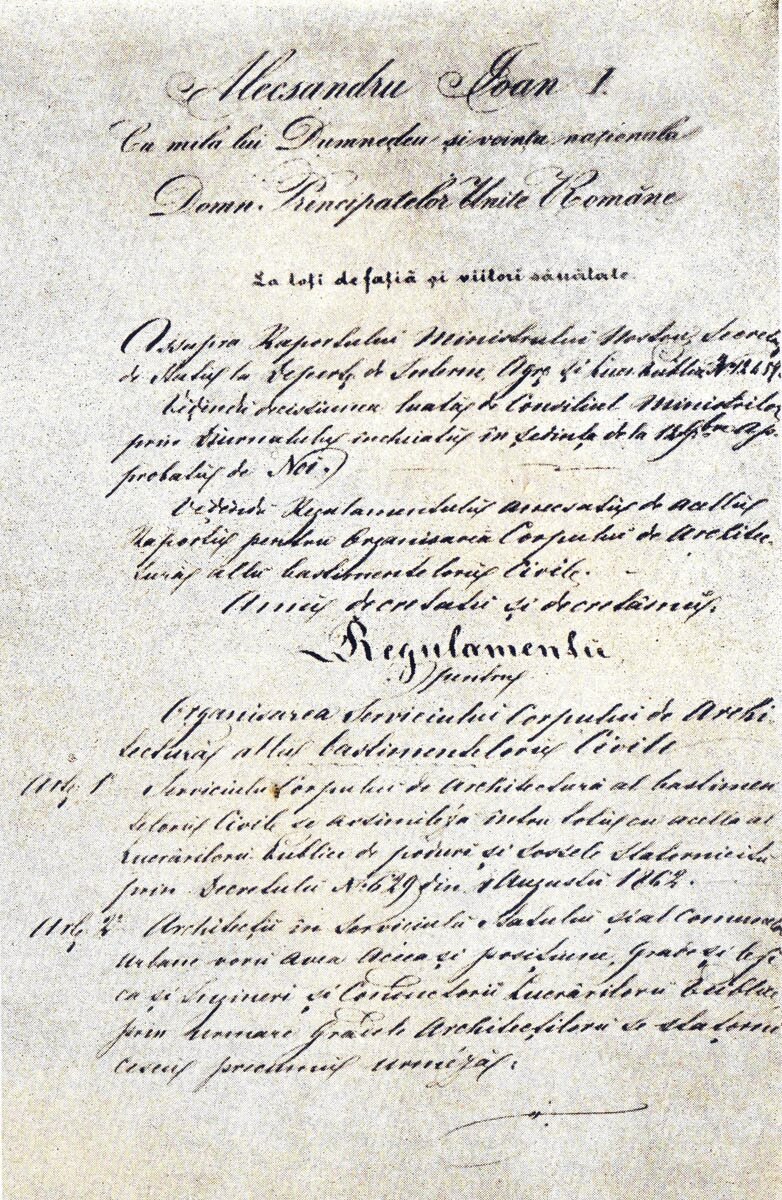
On the proposal of Mihail Kogălniceanu, Minister of State at the Department of the Interior, Agriculture and Public Works, Prince Alexandru Ioan Cuza "gives High Approval" on the "Regulation for the organization of the Architectural Service of the Civil Buildings".
1866, February, 11/23
Prince Alexandru Ioan Cuza is forced to abdicate. Prince Carol of Hohenzollern is elected Prince and a long and fruitful reign begins on May 10, 1866.
1874
The newly-established Commission of Public Monuments sets up a regulation "to classify and preserve our public monuments, with the Minister of Education and Religious Affairs as chairman".
1876
A short-lived "Society of Engineers and Architects" is set up under the chairmanship of the architect Alexandru Orăscu.
1881, May, 10/22
As a consequence of the Russo-Romanian-Turkish war of 1877-1878 and the attainment of state independence (May 9, 1877), Romania is proclaimed a kingdom and Prince Carol is crowned as the country's first king. Romania begins an accelerated process of European modernization.
1882
V. A. Urechia drafts a bill for the preservation of public monuments.
1890
Under the ed. I. N. Socolescu publishes "Analele Arhitecturei și ale Artelor cu care se leagă".
1891 February, 26
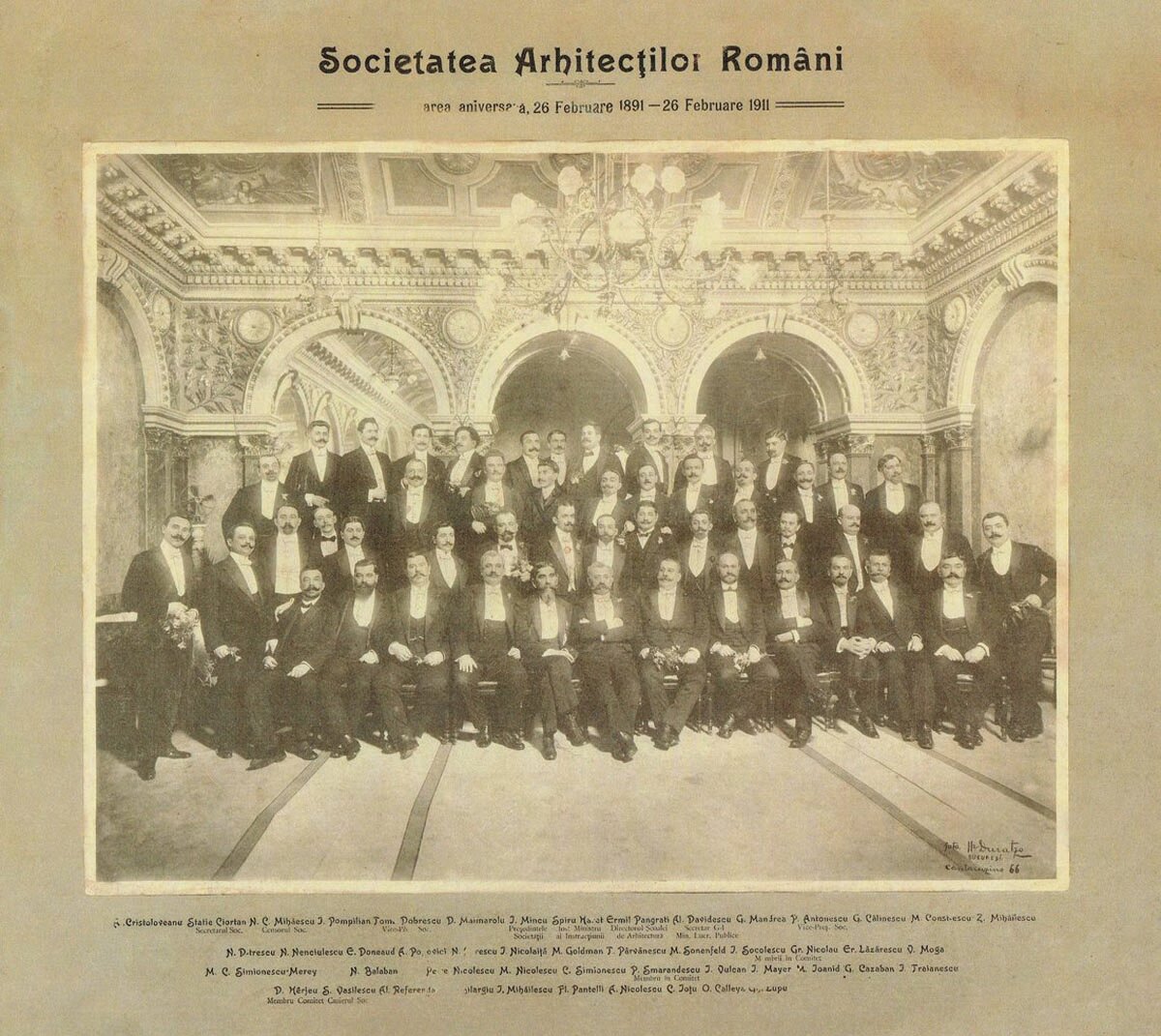
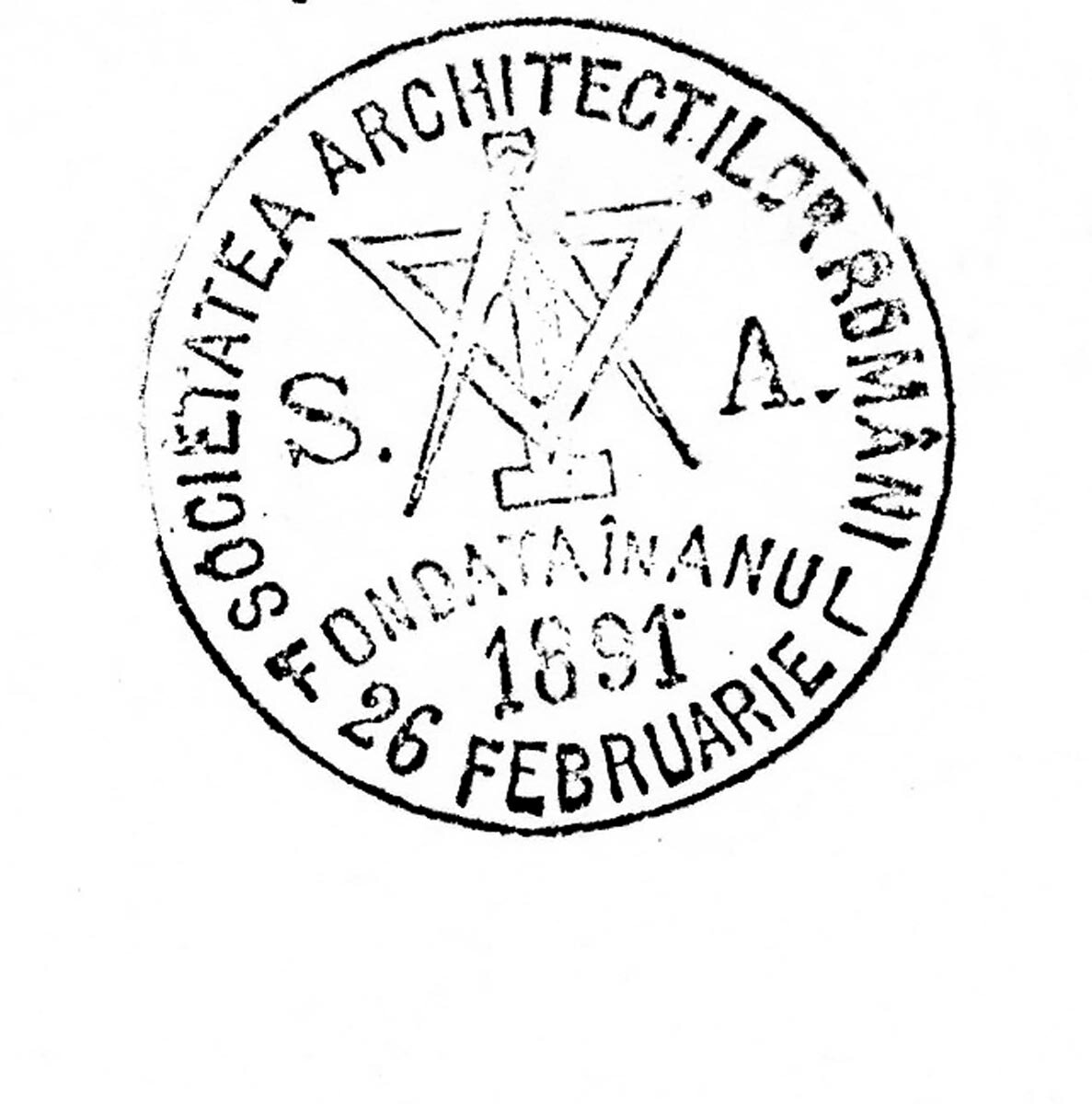
The SOCIETATEA ARHITECTEA ROMÂNI, with 24 members, is founded, under the presidency of arch. Alexandru Orăscu. Among the founders are the architects Carol Beneș, Mihail Capuțineanu, George Duca, Grigore Cerchez, George Sterian, I. Socolescu, T. Socolescu, Felix Xenopol, Alexandru Săvulescu and others.
The coalescence of the architectural profession into a "Society" is part of the energetic evolution of the second half of the 19th century, which brought the academic activity, personalities and intellectual occupations to the forefront of Romanian public life. In a historically short period of time - five decades - the great cultural institutions were built: the "cel Mare" Theater - the National Theater on Calea Victoriei, the University of Bucharest, the Romanian Athenaeum, the Romanian Athenaeum, the Faculty of Medical Sciences, the School of Bridges and Roads - the future Bucharest Polytechnic and the Carol I Foundation, as well as large residences. The main boulevards are laid out, the streets are paved with cubic stone, modern urban civilization installations and facilities are built. The buildings of major cultural institutions become landmarks of European Bucharest. The city is mapped and equipped with a well-done cadastral plan.
Through the efforts of Ion Mincu and his disciples, the architecture of national expression was incorporated into the construction of state institutions. Carol Davila, Nicolae Kretzulescu, Constantin Esarcu, Emil Bacaloglu set up the Society of Natural Sciences; the Romanian Athenaeum Society was founded, which would build the Athenaeum as a temple of the sciences and the arts. Under the impulse of Theodor Aman, Carol Popp de Szathmári and Carol Storck, European fine arts are present in regular exhibitions and higher arts education is organized. Philharmonic, natural and physical sciences, art, history and fine arts societies are set up. The Romanian Literary Society transforms itself into the Romanian Academy and establishes its famous library. Grigore Antipa organizes the Museum of Natural Sciences. Simion Mehedinți initiates higher education in geography. Large secondary schools are built, including the Central Girls' School. Journalists have their own congresses. The first bookshops, publishing houses and printing presses appear, the first sports clubs (shooting, velocipede) open, urban telephony develops.
April1891
One of the first initiatives of the SAR's Management Committee is to set up a private architectural school under its auspices.
1892
The Historic Monuments Law is issued, passed and promulgated.
______
October, 15
Supervised by arch. Alexandru Orăscu and under the direction of architects I. N. Socolescu and George Sterian, the School of Architecture of the SAR, which operated for five years as a private institution, begins its activity.
1893
The first steps towards an architects' law are taken. In Article 2 of the Law on the Technical Corps of Engineers, the distinction between the concerns of engineers and those of architects is formulated.
1897
With the support of Gh. Mârzescu and then Spiru Haret, on the basis of the A. I. Cuza-Kogălniceanu Regulation of 1864, an architecture department is set up at the School of Fine Arts, under the name of the National School of Architecture, which continues the work of the former SAR private school.
1902
At the intervention of the Society of Romanian Architects, the profession of architect is mentioned in the Nomenclator of the Law of Professions.
1903, March, 7
The Society of Romanian Architects is recognized as a moral and juridical person, decision published in the Official Gazette no. 276 of 14/27 March 1903.
1904
The Spiru Haret Law, which proposes the definition of the profession of architect, is not passed.
______
fall
The architecture department at the Bele-arte becomes an independent institution of higher education, under the name of the Higher School of Architecture, with Eng. Ermil Pangrati.
1906, June, 6/19
On Filaret Hill, in the area that will become Carol I Park, a large exhibition is opened, presenting a review of Romania's great economic, social, political and cultural achievements during the 40 years of King Carol I's reign. Through the architecture of the pavilions, the neo-Romanesque style is officially established.
1906
The architect George Sterian organizes chairs at the National and Decorative Art Department of the Academy of Fine Arts in Bucharest and at the "Regina Maria" Institute of Decorative Arts.
1906
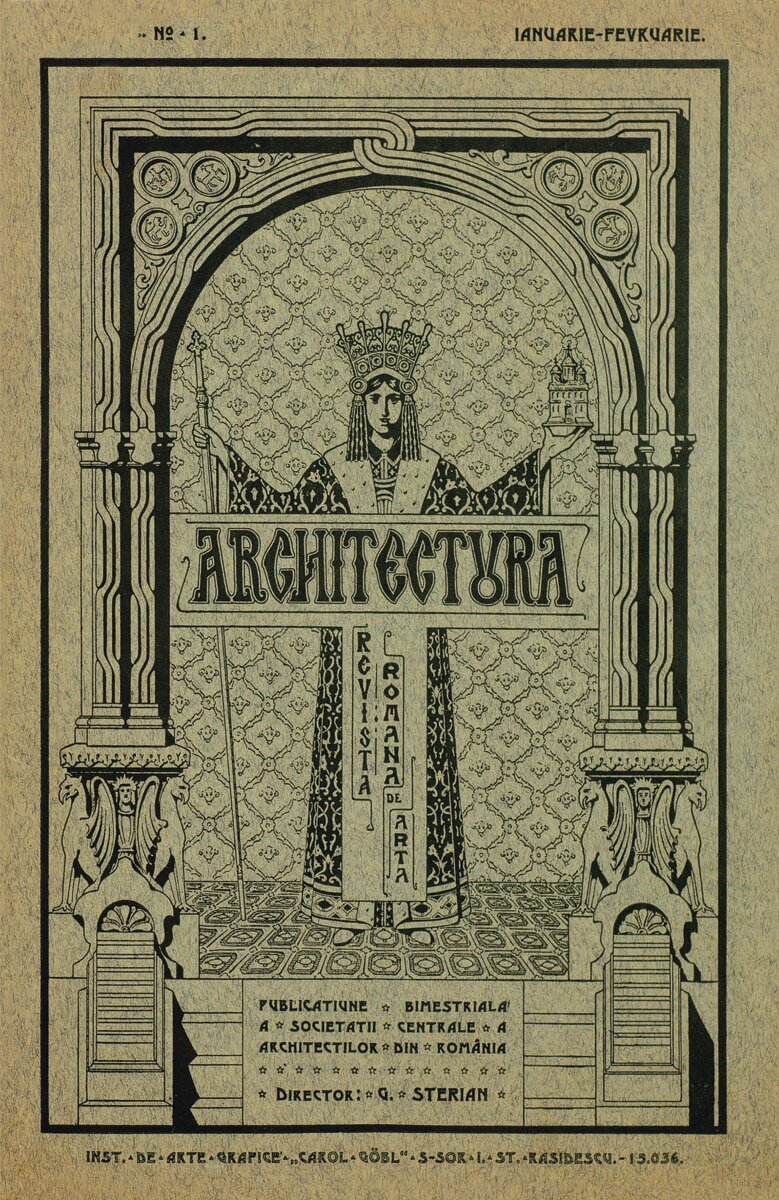
George Sterian founds the magazine 'Arhitectura'.
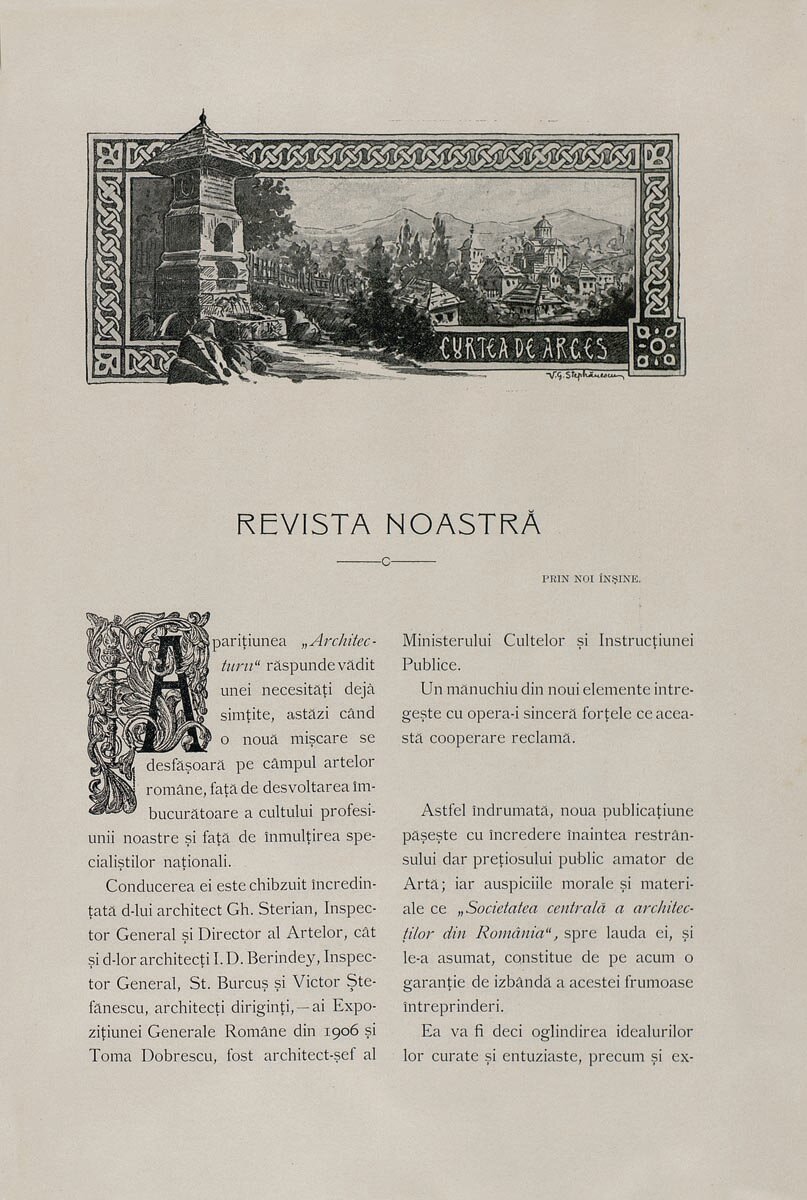
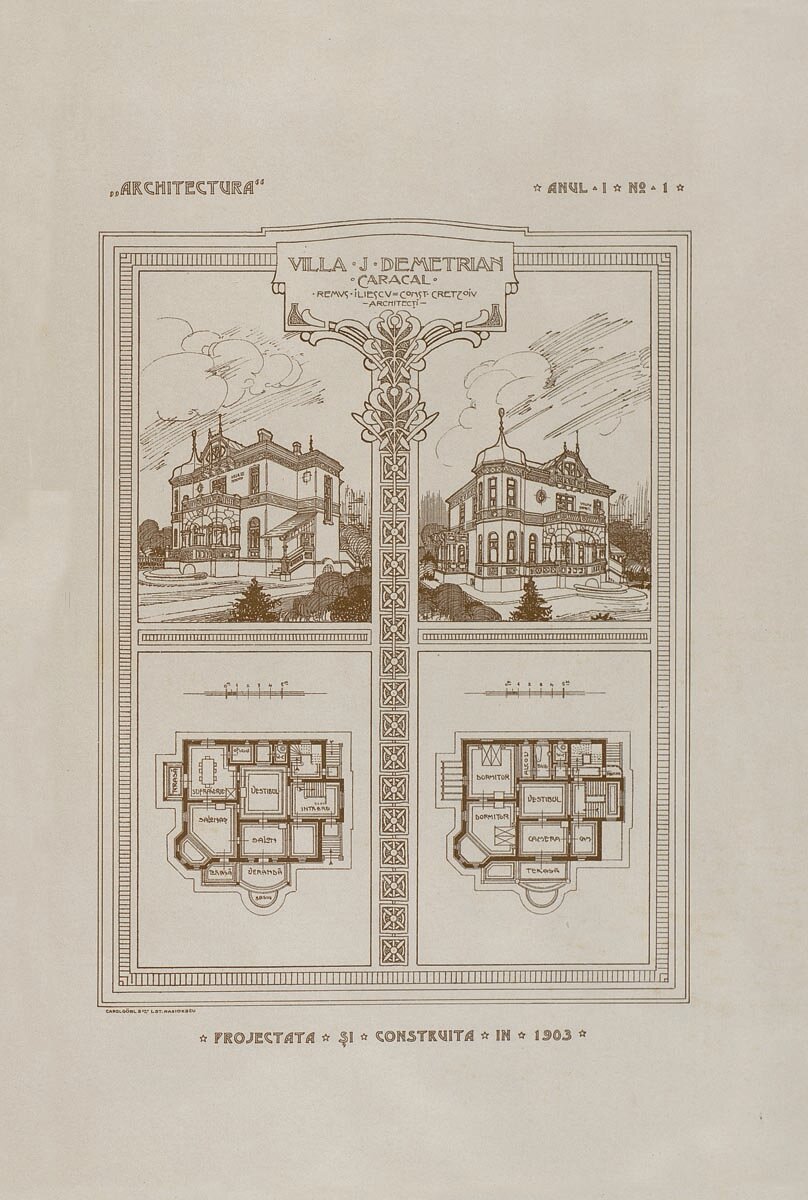
1907
Ion Mincu, one of the founders and former president of the Society of Romanian Architects, submits to the government a draft law defining the architect's duties, introducing certificates of free practice, organizing the state architectural services, and setting up a higher council of architecture under whose supervision public buildings are to be executed.
1907
Ermil Pangrati, director of the School of Architecture, campaigns for the 1904 Spiru Haret Law to be revised.
1911
The Mayor of Bucharest, Vintilă Brătianu, forms a commission, which will include architect Ermil Ermil H. Ion Mincu, engineers Ermil Pangrati and Alex. Davidescu, to draw up for the town halls "technical charts" of the architects and technicians authorized to present projects for central areas or "imposing buildings".
SAR delegates attend the International Congress of Architects in Rome.
1912
Construction begins on the School of Architecture, designed by architect-engineer Grigore Cerchez, assisted by architect Iorgu Ciortan. The building is completed in 1927.
1913
SAR members also take part in the International Exhibition in Leipzig.
1914 July 19/August 1
World War I breaks out. The Crown Council meeting at Peles Castle, despite the opposition of King Carol I, decides for the time being to adopt a policy of armed neutrality for Romania. Shortly after, King Carol I dies (Sept. 27/Oct. 10), his successor, Ferdinand, is proclaimed king on Sept. 28/Oct. 11.
1916, February, 25-26
The first General Congress of Romanian Architects is held to celebrate a quarter of a century of the SAR.
The SAR has 126 members, 116 of them in Bucharest.
1916, August, 14/27
Romania enters World War I on the side of the Entente (France, Great Britain, Russia) against the Central Powers (Germany, Austro-Hungary). Despite the heroic resistance of the Romanian army in the summer of 1917, due to the disintegration of the Russian army caused by the revolutionary chaos in Russia, in the spring of 1918 Romania is forced to sign a peace treaty with the Central Powers, which will later be denounced by the Romanian side, in the face of the imminent defeat of the German army on the Western European fronts. Throughout 1918, with the dismemberment of the Russian and Austro-Hungarian empires, Bessarabia (on March 27/April 9, 1918), Bukovina (on November 15/28, 1918), Transylvania and Banat (on December 1, 1918) united with Romania, thus fulfilling the wish to form Greater Romania.
1918
The architect Ion D. Berindey drafts and submits a draft law in defense of the architectural profession.
1919, March
The General Assembly of the SAR, the first meeting of all architects in Greater Romania, is held.
1920
The SAR draws up regulations for the organization of public architectural competitions.
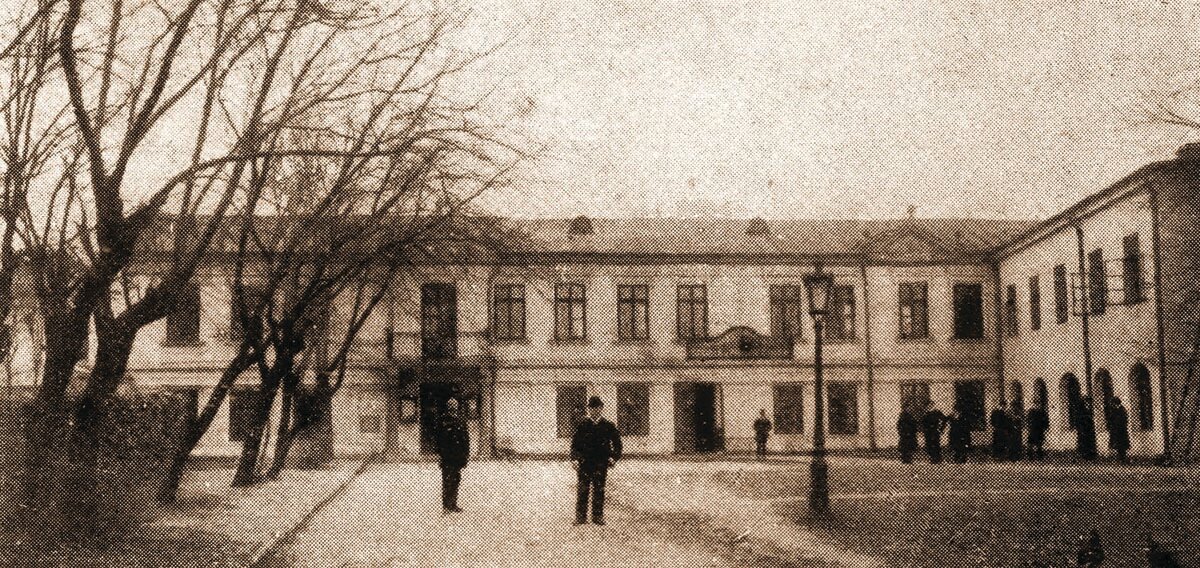
1921
Prof. Ioan Petrovici, former Minister of Public Works, revises the Ion Mincu Law of 1907.
The law for the organization of the Corps of Public Service Architects is proposed by Professor Ioan Petrovici, following the insistence of the Committee of the Society of Romanian Architects, which at the time included architects Petre Antonescu, president, Statie Ciortan and Paul Smărăndescu, vice-presidents, as well as Ion D. Berindey, Ștefan Burcuș, Daniel Renard, Dumitru Herjeu, Ioan Socolescu, N. Stănescu and Ion D. Traianescu. The law signed by Minister of Public Works Ioan Petrovici, Minister of Finance Nicolae Titulescu and Minister of Justice was promulgated by King Ferdinand on July 4, 1921.
Throughout the interwar period, representatives of the SAR participated in numerous international events of architects and/or urban planners, such as: Belgrade International Urban Planning Competition (1924); Amsterdam-Haga International Congress of Architects (1927); Barcelona Universal Exhibition (1928); Budapest International Congress of Architects (1930, among the rapporteurs were architects Statie Ciortan, Constantin Iotzu, I. D. Enescu, Simion Vasilescu and Daniel Renard, while architects Petre Antonescu and Nicolae Ghika-Budești were elected members of the Standing Committee); the Rome Congress (1935); the Paris Congress (1937). Romanian architects also took part in the international congresses on housing and urbanism in Rome, Paris, London and Stockholm, and were present at the World Exhibitions in Paris (1937) and New York (1939), as well as at other events, always keeping in touch with all the international news in the professional field and beyond.
1924, March
The second General Congress of the Society of Romanian Architects is held at the Palace of the Chamber of Commerce, during which the draft law on the practice of the profession of architect is debated.
1927, July, 20
King Ferdinand I dies, and, as Prince Charles renounces the throne, his minor son, King Michael, becomes King Michael, under the guardianship of a Regency. In the same year, on November 24, Prime Minister Ionel Brătianu, one of the main architects of Greater Romania, dies.
1928
The third General Congress of Romanian Architects is held at the Higher School of Architecture. It was attended by 157 architects from all over the country. The Congress was chaired by Ermil Pangrati. It discussed issues related to the "restriction of the title of architect" and the law of the body of architects, fees, regulation of public competitions, problems of systematization of cities and housing, arbitration. The Congress supports the adoption of a law on the practice of the architectural profession.
1929, May
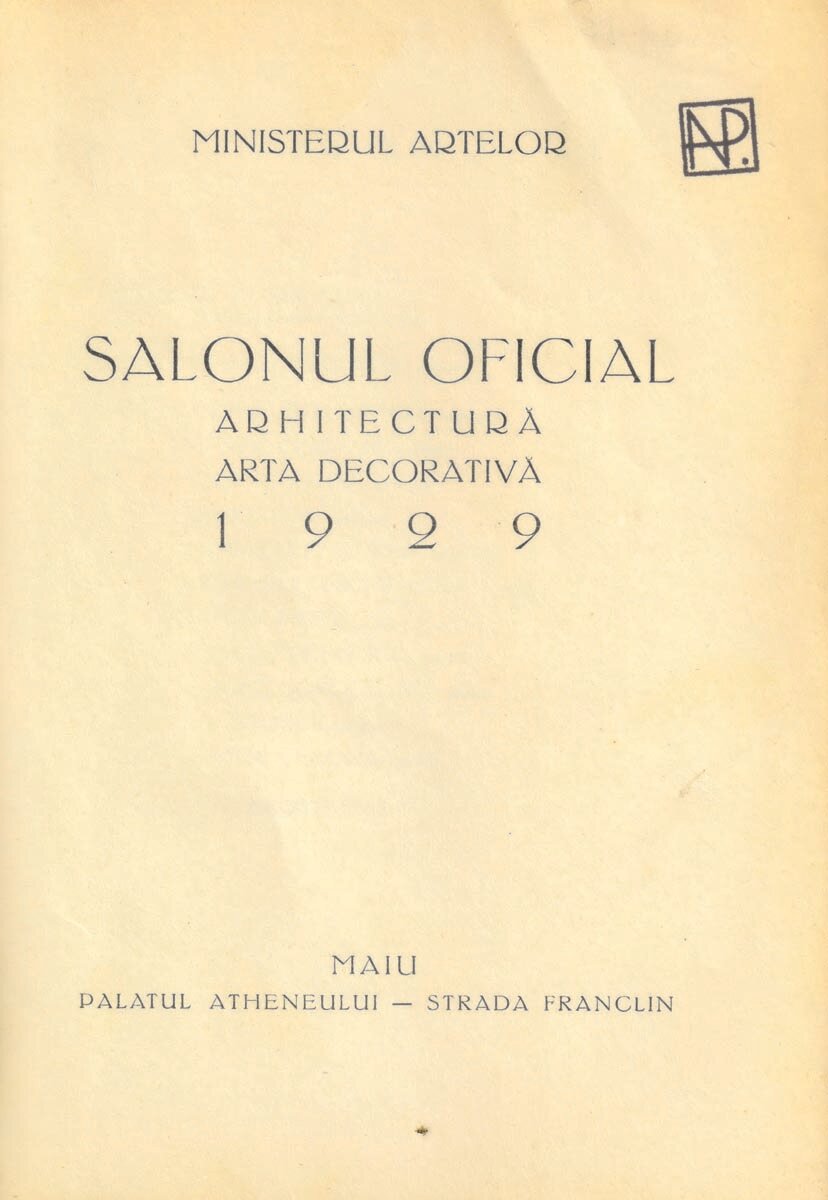
The official Salon of Architecture and Decorative Art is held at the Romanian Athenaeum, under the patronage of the Ministry of Arts. 307 works are presented, including 206 in the Architecture Section. By the number of exhibits presented, the following were distinguished arch. Constantin Iotzu (24) and arh. Petre Antonescu (21).
1930, February, 26
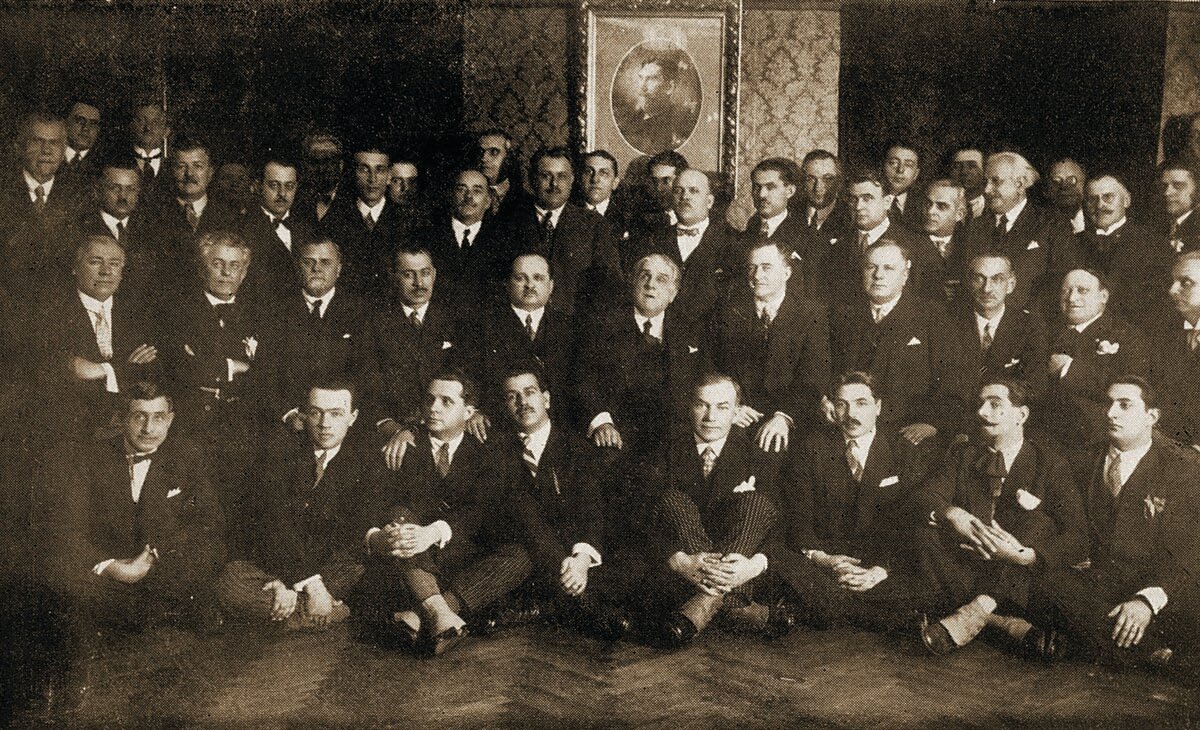
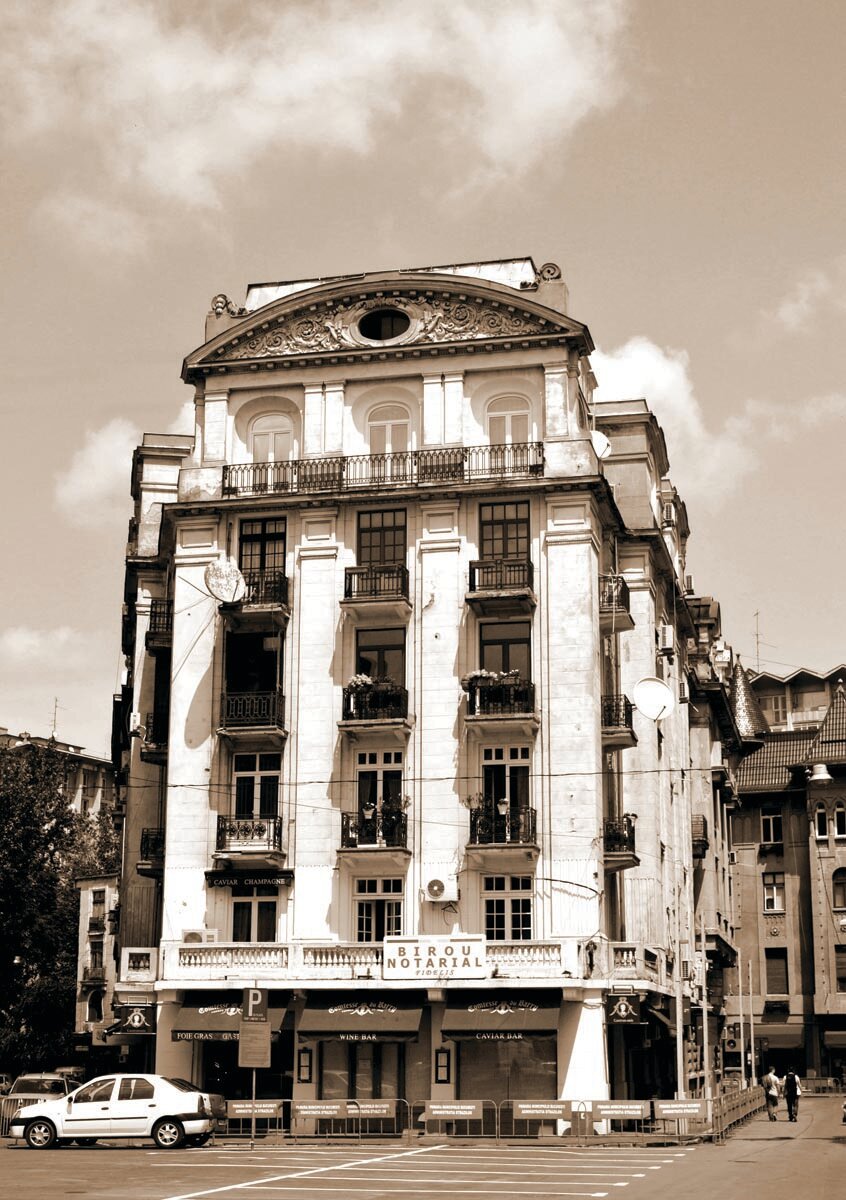
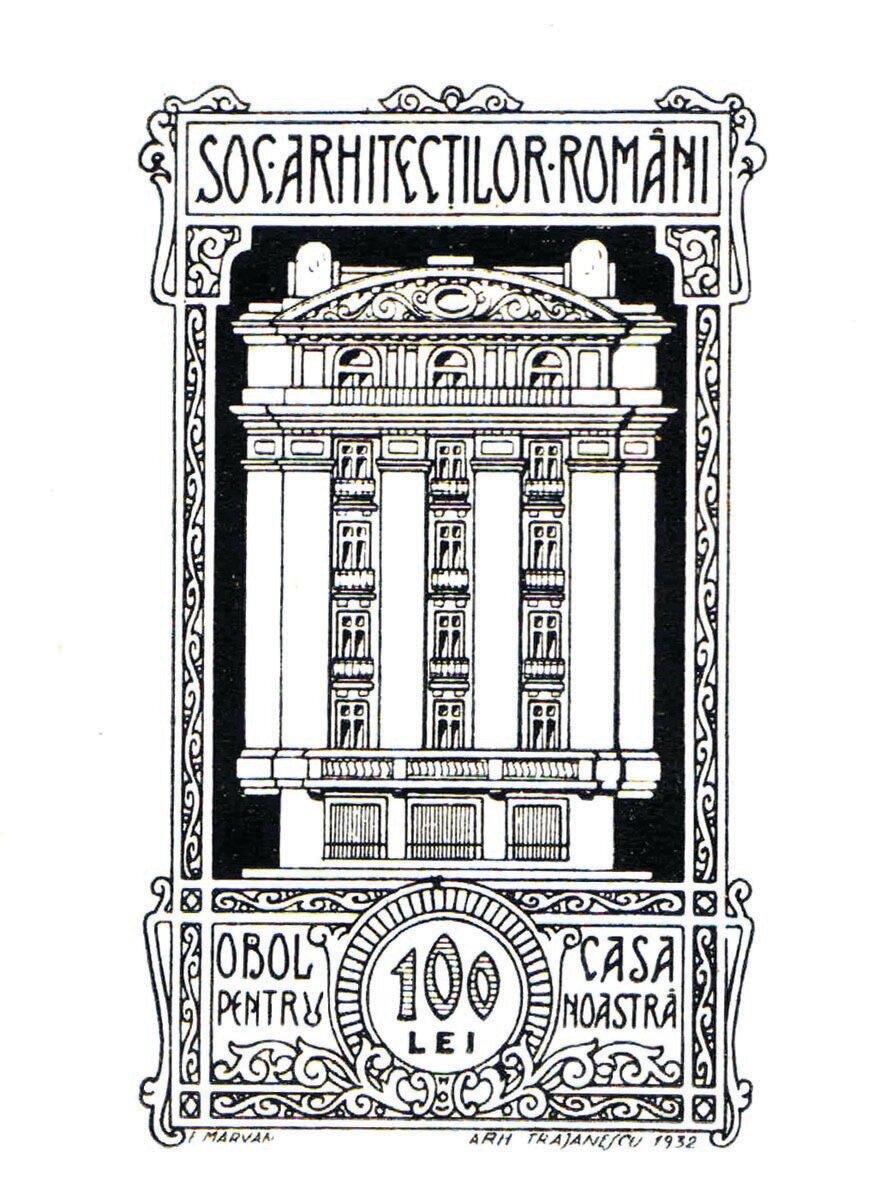
The headquarters of the Society of Romanian Architects is inaugurated in an apartment on the first floor of a block of flats at 2 Episcopiei Street, purchased primarily with funds obtained from the profits of the SAR's participation in a building society set up for this purpose, "Construcția Modernă", or from collections among the society's members. Until then, the headquarters of the SAR and the "Arhitectura" magazine were located at 6-8 Enei Str., housed in the School of Architecture. This situation would be repeated after 1977, when the UA would again have its offices in the IAIM building.
1930, June, 6-8
The former Prince Carol returns to the country and is proclaimed king, his son Michael is dethroned and becomes Grand Prince of Alba Iulia. A decade of political upheaval begins, eroding the multi-party parliamentary system and paving the way for the authoritarian regime of King Charles II on February 10, 1938. On the other hand, in addition to a great economic boom from 1933 onwards, during this period, in all cultural fields, including architecture, exceptional personalities emerged, often under royal patronage, representing a diversity of trends and tendencies, at a level unprecedented until then, and never again reaching the same high level of cultural effervescence as in the 30s. In the same cultural landscape, traditionalist or classical and modern or avant-garde currents coexisted but also clashed, each in their turn with a great variety of nuances, including in architecture. In the 1930s, a number of prominent young intellectuals, including architects, emerged alongside the personalities who had been established in the first decades of the century.
1931
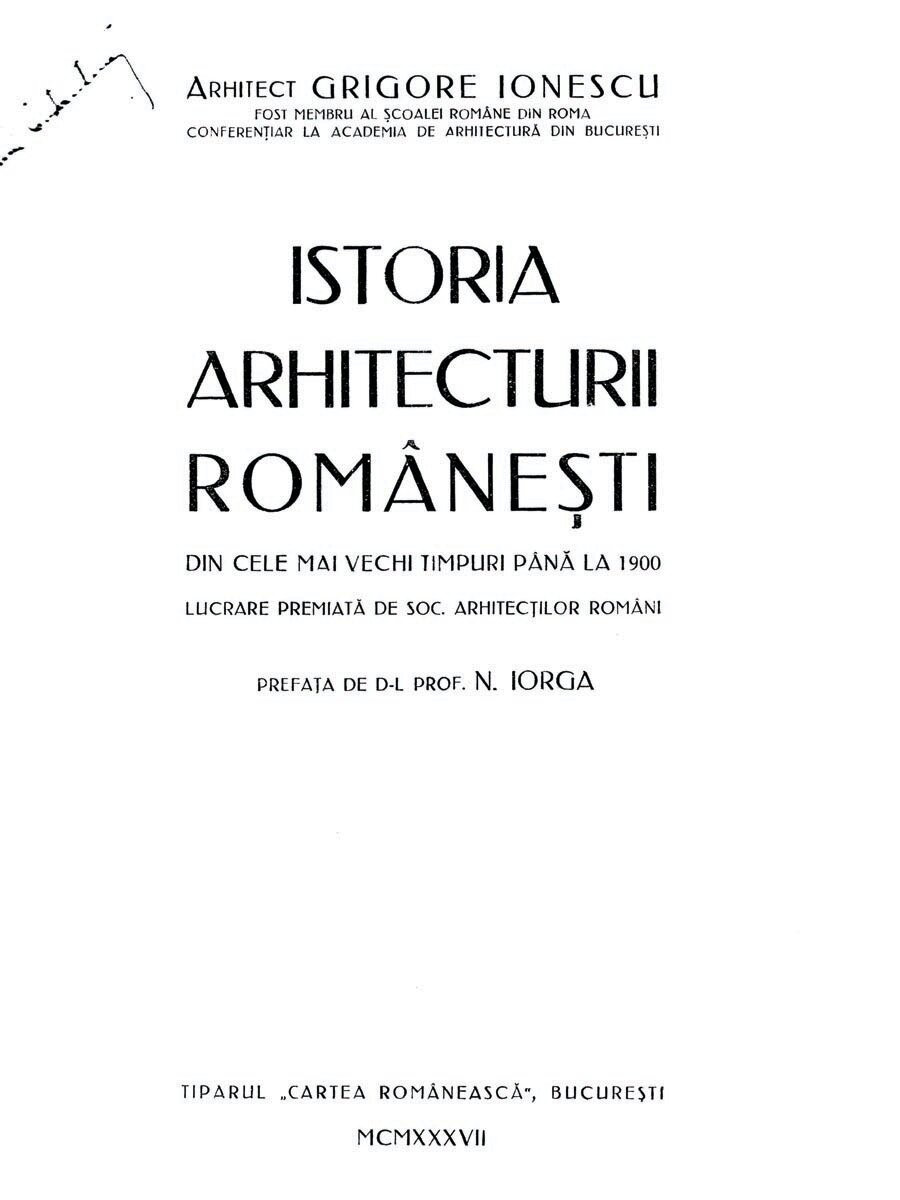
At the suggestion of Arta Cerchez, the SAR organizes a competition for a history of Romanian architecture, with a prize of 100,000 lei for the winning entry, to which were added donations from the arch. I. D. Enescu (50,000 lei) and arh. Statie Ciortan (30,000 lei) for the second and third prizes. In 1934, the jury formed by the architects Gheorghe Balș and Nicolae Ghika-Budești declared the architect Gheorghe Balș the winner. Grigore Ionescu, whose work was published in 1937.
1932
The law for the establishment and organization of the Romanian Architects' Corps, proposed by the government through the President of the Council of Ministers and the Minister of Public Instruction and Religious Affairs, the historian Nicolae Iorga, is submitted to Parliament. It was passed by the Assembly of Deputies, under the chairmanship of Dr. Petre Topa, by the Senate chaired by the writer Mihail Sadoveanu and promulgated by King Carol II by High Royal Decree No. 1607 of May 9, 1932. In November 1932, the Regulation drafted by Dimitrie Gusti, Minister of Public Instruction, Cults and Arts, was confirmed by Royal Decree.
______
December 1
The constituent meeting of the Romanian Corps of Architects is held, on the basis of the law establishing and organizing the corps. 234 voters out of 340 registered architects were present. The election of the Council and the Disciplinary Commission took place in several rounds of balloting and prof. arh. Statie Ciortan, prof. arh. Petre Antonescu, prof. arh. Constantin Iotzu, prof. arh. Ion D. Traianescu, arh. L. Silion, arh. Arghir Culina, prof. arh. Ion. D. Enescu, arh. Emil Guneș, arh. Nicu Georgescu, arh. Florea Stănculescu and arh. Constantin Dobrescu. Statie Ciortan, architect-inspector, professor at the Academy of Architecture, was elected the first dean of the Corps of Architects. By regulation, the president of the Society of Romanian Architects, Ion D. Enescu, was given the position of first dean of the Corps. Scarlat Petculescu was entrusted with the chairmanship of the Disciplinary Commission.
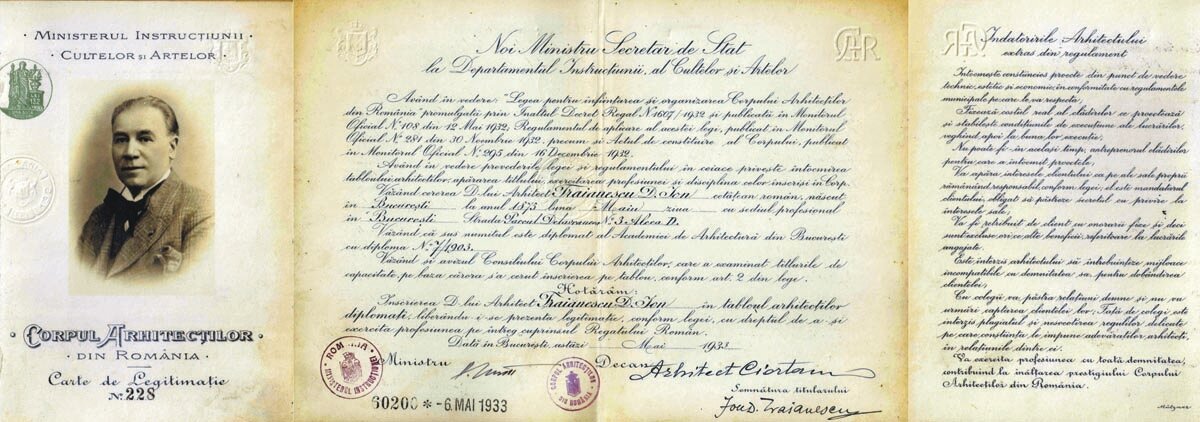
1933
From this year until its replacement by the new College of Architects in 1938, the Romanian Corps of Architects would hold annual general assemblies.
In November, the "Tabloul Arhitecților înscriși în Corpul of Romanian Architects, fulfilling the conditions of the Law for the establishment and organization of this Corps" is published. The Directory has several chapters and is organized according to the professional headquarters of the architects, by cities and by the historical provinces of Romania: Bucharest, Old Kingdom, Transylvania, Moldova, Bucovina and Bessarabia. The members of the corps received their badges. The minimum honorarium table is established. The Corps issues documents on how to pay fees and proposes a standard design contract. The Ministerial Decision on the rules of registration in the Corps of Architects of those who have practiced their profession in the country and the establishment of the category of recognized architect.
The Corps of Architects receives monetary donations from the architects Rafiroiu Silvestru, A. Cernea, St. Heller, D. Gospodinof, G. Ivanof. Statie Ciortan donates the board table, the carpet and a leather upholstered armchair, Iorgu Ciortan - a lectern-classoir, a coat hook and four chairs, the carpenter Andreescu N. - an oak cupboard with rollers, the OMEGA Iron House Factory - a money-box.
The Society of Romanian Architects promotes, through the magazine "Arhitectura", under the signature of arh. Florea Stănculescu, the idea of setting up a research institute for architectural materials, organized like other research institutes, such as the Meteorological Institute, the Pasteur Institute, the agronomic and zootechnical research institutes, respectively. "The concept of a research institute," wrote the architect, "implies [...] research, selection, improvement, guidelines for use, combating bad or bad procedures, spreading good ones, and legislating".
1934
King Charles II decrees the Regulation for the application of the law for the Organization of the Corps of Architects in the Public Services of 1921.
The Register of Civil Service Architects in the State, County and Municipal Services is drawn up. The roll is organized by function titles - general inspector architects class I and II, chief architects class I and II, ordinary architects class I, II and III and trainee architects. The architects Petre Antonescu, Nicolae Ghika-Budești, Victor Stephănescu, Statie Ciortan, Paul Smărăndescu received the title of inspector general architect class I.
The Corps of Architects rejects the registration of some architects of foreign nationality (French architects) and, at the intervention of the French government, which demands the respect of reciprocity conditions, decides to introduce them in a separate category, that of recognized architects. A committee is set up to assess applications for the category of recognized architect. The Faculty Council of the Academy of Architecture ratifies the committee's work.
The Disciplinary Commission begins to function, which administers the first three definitive sanctions to colleagues Biliargiu, Seevald and Jean Monda. The Council discusses the issue of architects who sign plans drawn up by 'clandestine' architects. The disciplinary committee will mediate disagreements between architects and impose sanctions, all of which will be published in the Corps' bulletin.
The Corps of Architects comprises 428 diplomatic architects.
1935
The cadre of diplomatic architects is completed with two new categories. In the first of these, that of recognized architects (i.e. professionals with at least five years of practice, prior to the date of entry into force of the law establishing the Corps of Architects), a category in which we find Marcel Iancu, Leonida Plămădeală, Herman Clejan. The second category was listed in the Supplementary Table of professionals with limited rights, which includes architectural draughtsmen, master builders, authorized builders, master masons and carpenters.
The Society of Romanian Architects is initiating working sessions with the General Mayor of the Capital, "in order to present to him the architects' wishes on issues concerning the transformation and modernization works in Bucharest". The architects Ion D. Enescu, Daniel Renard, Arghir Culina, George Negoescu, C. Dobrescu, Alexandru Zamfiropol, Ion Tărăușanu are taking part in the discussions.
The Corps of Architects cooperates with the city halls regarding the sanctions to be applied to architects for "derogations from building regulations", in support of the implementation of the systematization plan and the promotion of public architectural competitions. The Corps' Office of Studies proposes the standard content for municipal regulations. The Code of the Profession - "showing the duties, rights and discipline of Professional Architects" and a preliminary draft for the law on public architectural competitions are drawn up.
1936
The President of the Corps of Architects addresses a Word to his colleagues in which he points out that, "if the law is to remain in the service of society, we need something else which depends on us architects alone - consistency in our dealings with the public and with the authorities. We must set ourselves a clear line of conduct and fulfill our obligations at any sacrifice".
______
The Ministry of Instruction and the Dean's Office of the Corps of Architects send to the municipalities, towns and prefectures the official register of architects and the provision on the "strict" application of the provisions of the Corps Act.
1937
The Corps of Architects participates in the organization of public competitions for the 8 June Square (today's Union Square), the Bucharest Municipal Palace and the Romanian Pavilion at the Universal Exhibition - Paris, 1937, a hotel in Balchik, a church in the Dominions Park, the systematization of Belgrade, the monument of King Ferdinand in Chernivtsi. The project for the University Citadel in Bucharest and its award are the subject of intense debate and prolonged controversy.
______
CAR intervenes with the editors of all newspapers to ensure that the author's name appears with the publication of photographs of architects' works, in accordance with the Law on Literary and Artistic Property.
Negotiations are held with AGIR - the engineers' association - to make it compulsory for architectural projects of all kinds to be signed by an engineer constructor.
1938
The Corps of Romanian Architects is disbanded and replaced by the College of Romanian Architects - CAR, with the creation of the National Renaissance Front and the corporatist structuring of civil society associations within an authoritarian state organization under King Carol II.
1938, April, 1
The College of Architects lists 530 diplomatic architects and 118 recognized architects.
1939, September, 1
World War II begins with the German invasion of Poland.
1940, Summer
As a consequence of the secret protocols of the Molotov-Ribbentrop Pact of August 23, 1939, Romania is forced to make dramatic territorial concessions. On June 28, Bessarabia was occupied by Soviet Russia, on August 30, north-western Transylvania was ceded to Hungary, and on September 7, the Cadrilater region was ceded to Bulgaria. The main culprit for these losses was King Carol II, who was forced to abdicate in favor of his son Mihai on September 6, and General Ion Antonescu became the de facto ruler of the country. Between September 14, 1940 and January 23, 1941, he would govern in alliance with the Legionary Movement, before assuming full responsibility for the government without the support of any political party.
1940, November 25
After two postponements, the Extraordinary General Assembly of the CAR is held, the object of which was the Romanianization of the profession of architect, but first of all, under official pressure from the Ministry of National Education, Cults and Arts, it was decided to replace the organization's leadership with an interim commission with the architect as its president. Cristofi Cerchez, seconded by the architects, members of the Legionary Movement, Constantin Joja, Ilie Teodorescu, Nicolae Goga, Valeriu Stănescu and Dan Iovănescu. After January 23, 1941, when the Legionary rebellion was defeated, the leadership was taken over by arch. Ion D. Enescu.
1941, March
The "Arhitectura" magazine publishes a jubilee issue written by arch. Victor Smigelschi, dedicated to the semicentenary of the SAR and architecture in the territories lost to Romania in the summer of 1940.
1941, June 22
The Romanian troops, together with the Germans, with whom they had been allied since the fall of 1940, enter the war against Soviet Russia and begin the liberation of Bessarabia and Bukovina, which is completed by July 25, 1941.
1942, May, 13
An extraordinary assembly of the CAR adopts a draft law regulating public competitive examinations for submission to the Ministry of Public Works.
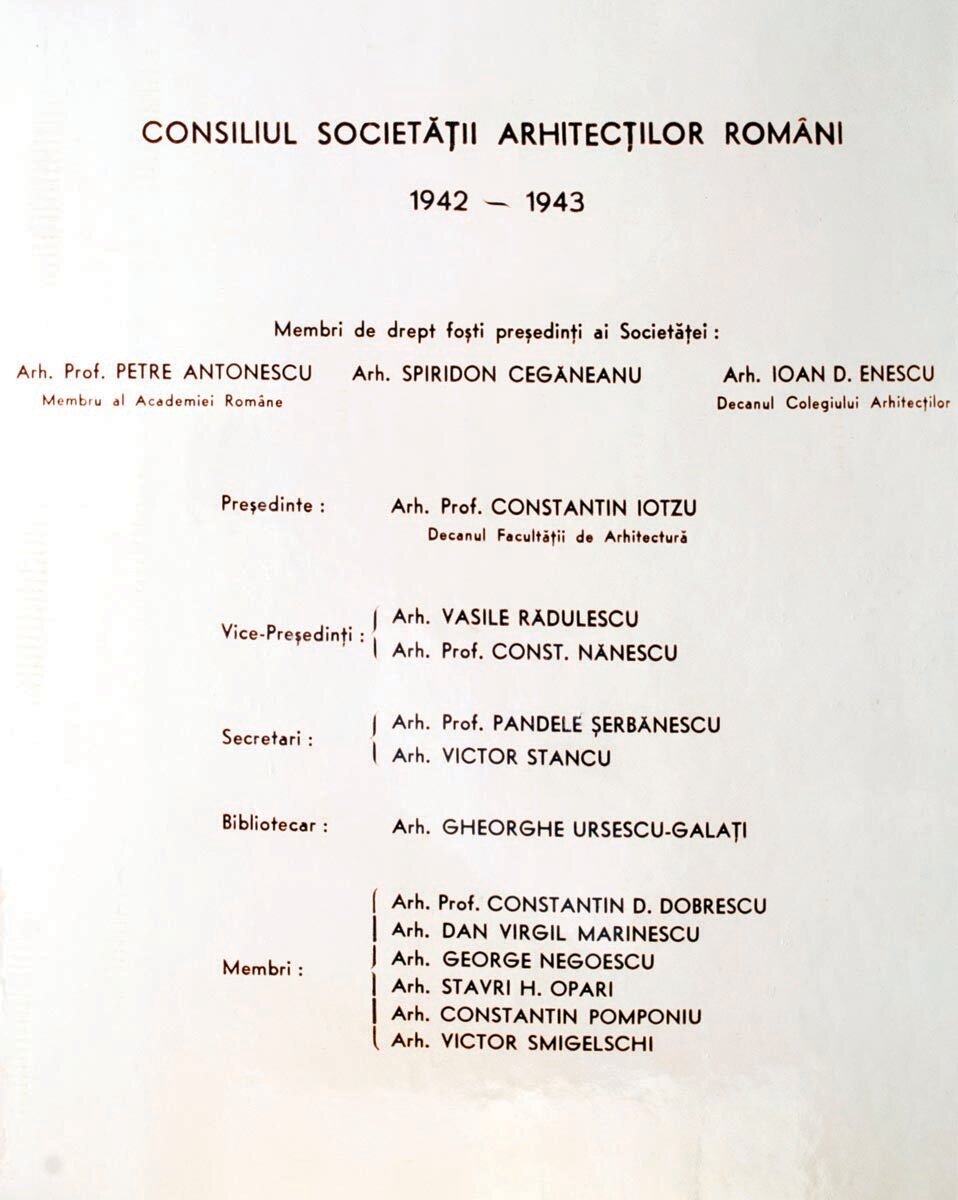
The management of the SAR is exercised by a council in which former presidents of the Society (Petre Antonescu, Spiridon Cegăneanu, Ioan D. Enescu) were ex officio members, president Constantin Iotzu and vice-presidents Vasile Rădulescu and Constantin Nănescu.
Several public competitions are held, including those for the Odessa Cathedral (1942) and the systematization of the Royal Palace Square (1943).
1943, February 1
CAR approves the amendment and completion of the table of minimum fees for architects.
1944, February 24
The General Assembly of the SAR elects for the year 1944 a steering committee headed by the architects C. D. Dobrescu (president) and T. T. Socolescu and Gh. Negoescu (vice-presidents).
1944, August 23
Under pressure from the Soviet army offensive, King Mihai I overthrows the government of Marshal Ion Antonescu and orders its members arrested. At the same time the military alliance with Germany is denounced and the army receives the order to cease hostilities towards the Allied Powers, represented primarily by the USSR, the USA and Great Britain, and to ally with them. On the evening of August 23, a new government is appointed, headed by General Constantin Sănătescu, politically supported by the PNȚ, PNL, PSDR and the tiny PCdR. Until December 1989, the credit for the realization of the act of August 23, 1944 was entirely seized by the PCR, and communist historiography called it for a while "the armed national insurrection, anti-fascist and anti-imperialist", to be considered in the 1980s as "the revolution of social and national liberation, anti-fascist and anti-imperialist" [sic!]. Between 1948-1989, August 23 was Romania's National Day.
1944, fall
The last issue of "Arhitectura" appears as a SAR publication.
1945, March, 6
At the brutal intervention of the Soviet occupiers, represented by Andrei Vishinsky, First Deputy Foreign Minister of the USSR, and as an expression of Romania's inclusion in the USSR's sphere of influence, the first pro-communist government is installed, headed by Petru Groza, leader of the Communist Party-controlled Plowsmen's Front.
1945, March 28
Under the signature of Lucrețiu Pătrășcanu, the Ministry of Justice, "seeing the request of a group of architects", issues "decision" no. 31.044 dissolving the Committee of the Society of Romanian Architects (elected only a week earlier, on March 22, 1945) and setting up an interim commission2. The interim committee was made up of architects - many with communist views - Ion Davidescu (president), Titu Evolceanu, Ion Ghica-Budești (vice-presidents), Richard Bordenache, Pompiliu Macovei, Gh. Petrașcu, Mircea Alifanti, Harry Stern, G. Storck-Kulman, Al. Șerbescu, Ascanio Damian, Mauriciu Silianu. At the request of some members of the SAR to organize open elections for a new Statutory Council to replace the committee appointed by the Ministry of Justice, the reply is "[...] that this is not the case [...] because the interim committee appointed by our decision [...] has the quality to work and organize the Society [...]". This is the moment when the SAR de facto ceases to exist as a democratic association, and its institutional autonomy and its prerogatives as a free association of a liberal profession are ceded to the state.
______
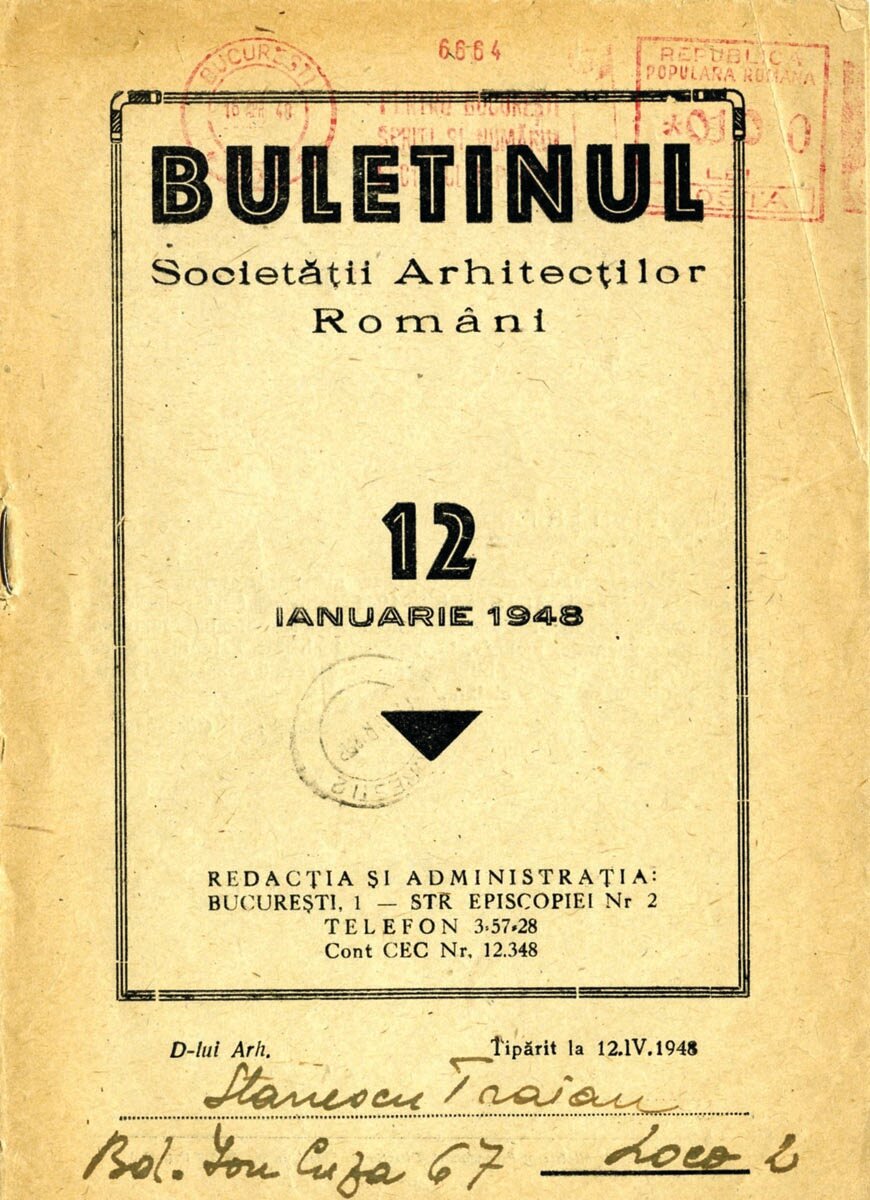
Between 1945 and 1948, the Bulletin of the Society of Romanian Architects reappeared, a publication which appeared twice a month, quarterly or even less frequently. The Steering Committee included members of the SAR Interim Committee imposed by the Ministry of Justice. With a general informative content, in A5 booklet format, it will be printed in very modest graphic conditions. In the following years, regardless of its title3, the publication, which in 1948 aspired to be a magazine, became increasingly official and was subsidized by the Ministries of Public Works, Propaganda, the Interior, etc., a situation that became particularly marked in 1948, when it was published by AGIR, then AST (ASIT), or when it came under the aegis of the Ministry of Construction.
Petre Antonescu, president of the SAR, becomes an active member of the Romanian Academy. In ARLUS (the friendship association with the USSR, set up at the end of 1944) an architecture subsection is set up, headed by Petre Antonescu, and including the architects Ion Davidescu, Ion Ghica-Budești, Richard Bordenache and Harry Stern.
In the second half of 1945, the SAR participated in the drafting of the General Technical Corps Law, initiated by the Ministry of Public Works and Communications4. The debates, without a concrete result, lasted about two years, and from 1947-1948 the subject was no longer topical, with the political and economic changes that would shake Romanian society, following the Communist Party's seizure of power.
1946,
April 6
The extraordinary assembly of the SAR elects a new steering committee: Petre Antonescu, president; Ion Davidescu, Gheorghe Simotta and Titu Evolceanu, vice-presidents; Nicolae Cucu and Octav R. Laurian, secretaries; Victor Asquini, Gheorghe Petrașcu, Marcel Pompei and Mauriciu Silianu, members5.
The SAR has 402 full members and 50% of them have outstanding dues.
______
June-July
SAR Bulletin No 7 optimistically announces the reappearance of "Arhitectura", the first issue after two years, as well as after the reorganization of the SAR in 1945. The intention remained unfulfilled.
______
The first post-war architectural competitions are organized in Bucharest (reconstruction of the National Theatre, building for the CEC on Splaiul Independenței, apartment blocks in the Ferentari district, a cottage and swimming pool in Tei).
______
For political reasons, Cristofi Cerchez, Nicolae Goga, Dumitru Herjeu, Remus Iliescu, Constantin Iotzu, Constantin Joja, Nicolae Mucichescu are excluded from the Romanian Architects' College for periods of one to six months.
The new table of fees issued by the College of Architects is approved by Gheorghe Gheorghiu-Dej, Minister of Communications and Public Works.
1946, November, 19
The first post-war parliamentary elections are held, grossly falsified by the pro-Communist government, ensuring the preponderance of the Communist Party of Communists in Parliament (between 1948-1989, the Great National Assembly - MAN).
1947
April 25
The Extraordinary General Assembly of the SAR is convened in the first instance for May 31, 1947 - the last before the Society is dissolved. The programme of activities includes the demand for the organization of the SAR Congress in 1948, a demand which is taken up again in the first half of 1948.
______
November 10
The General Assembly of the SAR approves the affiliation to the General Association of Romanian Engineers - AGIR, the first stage of the liquidation of the society, part of the complex process of subordination of the technical intelligentsia. After this event, for about a year and a half, the activity of SAR is carried out as a structure of AGIR. In July 1949, it was transformed into the Scientific Association of Technicians - AST, renamed, by Decree no. 2 of May 1951, the Scientific Association of Engineers and Technicians of the RPR - ASIT, and all former technical-professional organizations/ associations, including the SAR, were disbanded. The ASIT was more of an organizational rather than a technical-professional character and in 1950 it had more than 25,000 members, technical professionals with higher and intermediate education, as well as leading workers in various fields, architects being included in the Architecture Section.
Shortly after, arh. Marcel Locar, one of the main promoters of the sovietization and socialist enlistment of architectural activity, concluded that "...a beginning of clarification of the problem of the role of the architect in the new society and of an architecture with a new content, an expression of the ideology of the working class, was emerging in 1947. The Party's agitational work succeeded in organizing a mass action of progressive architects, led by the Communists. [...] The affiliation of the architects' society - in November 1947 - to the AGIR, later transformed into the mass organization of AST technicians, was an attempt to solve the organizational problem by concentrating all efforts in a single organization"6.
1947, December 30
King Michael I is forced to abdicate and the constitutional monarchy is abolished. It is proclaimed a People's Republic - RPR (since August 1965 a Socialist Republic - RSR, a form that existed until December 22, 1989), so that Romania also officially becomes a state of popular democracy, i.e. of the dictatorship of the proletariat, with all its repressive consequences, which, especially in the 1950s, will be pushed to the extreme. Between February 21-23, 1948, a Congress of the Communist Party of Romania was held, the party changed its name to the Romanian Workers' Party - PMR (until July 1965, when it reverted to the name PCR), and re-elected Gheorghe Gheorghiu-Dej as its General Secretary, who would consolidate his leadership position in the following years, becoming the de facto dictator of Romania.
1948
With the change of state form, the Romanian Architects' Society becomes the Society of Architects of the RPR, a component of AGIR.
______
June, 28- July, 1
The first UIA Congress is held in Lausanne, attended by a Romanian delegation, still under the formal aegis of the SA of the RPR, composed of architects Nicolae Bădescu and Gustav Gusti.
1948
The Romanian Academy is reorganized and becomes the RPR Academy (between 1965-1989 the RSR Academy) and a large number of leading cultural personalities are stripped of their academic status; of the 47 active members of the old Academy, only 14 have kept their seats. The undermining of Romanian culture continued with the reform of education (August 3, 1948), which was to be transformed along Soviet lines, from primary to university level, and for political reasons many teachers were excluded from pre-university and university education. All publishing activity was subject to rigorous censorship, and to this end the General Directorate of Press and Printing - DGPT - was set up, without whose approval no work could be printed. At the same time, long lists were drawn up of authors and books labeled as enemies, whose distribution and possession in public or private libraries was forbidden.
1949
February 19
The last evidence of the existence of the College of Architects of the RPR, listed as a structure of the Ministry of Construction, was the publication of the Table of Architects and Master Builders with the Right to Practice.
______
The architect's self-employed status and the right to free practice are suppressed, the inevitable legislation of a situation generated by the nationalization of 1948 and the establishment in February 1949 of the Institute of Construction Design - IPC, the first state-owned institution of this kind, in which architects work as employees.
1952
November, 13
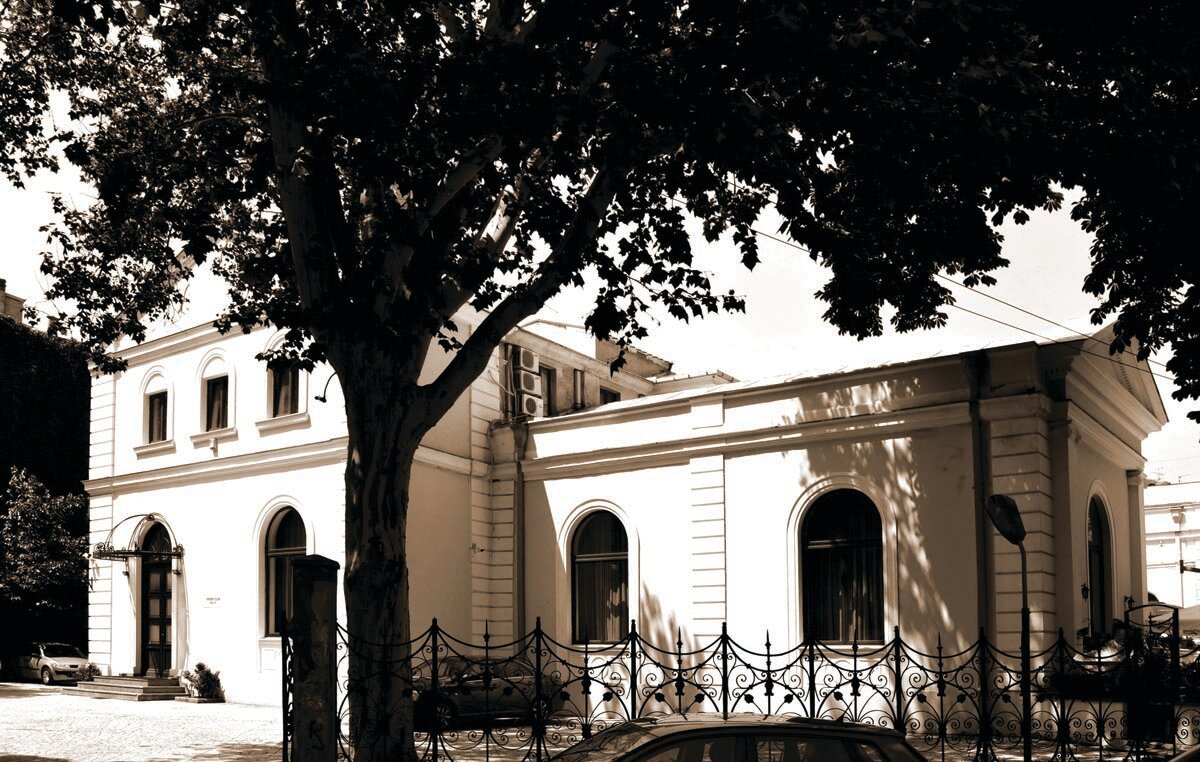
On the basis of Article VII of the Decision of the Central Committee of the PMR and the Council of Ministers of the RPR (HCM no. 2447/ 1952) "on the construction and reconstruction of cities and the organization of architectural activity", the UNION OF ARCHITECTS of the Romanian People's Republic was organized, "taking into account the need for a creative organization of architects, [...] to help raise the ideological level, their artistic mastery and technical knowledge, so that they can make the greatest possible contribution to the work of building socialism". At the same time, a new publication, "RPR Architecture"7, began to appear as "the organ of the Union of Architects of the RPR and the State Committee for Architecture and Construction (CSAC) of the Council of Ministers"8. It will appear in a large format, printed on good quality paper, but initially with extremely sober graphics. The Union of Architects of the RPR becomes an organization in the system of governmental institutions and is financed from state funds. The House of the Architect and the UA library are established. For the headquarters of the UA, the House of the Architect and the editorial office of the "RPR Architecture" magazine, the authorities allocate the former Jockey Club building at 9 Episcopiei Street to the UA, the House of the Architect and the editorial office of the magazine.
November-December
A so-called "initiative committee" made up of architects Nicolae Bădescu, Pompiliu Macovei, Horia Maicu, Duiliu Marcu and Marcel Locar organizes the founding conference of the Union of Architects, which is in fact a formality with a strong propaganda overtone. The collective that drafted the future organization's statutes was led by arch. Gustav Gusti.
December, 20-21
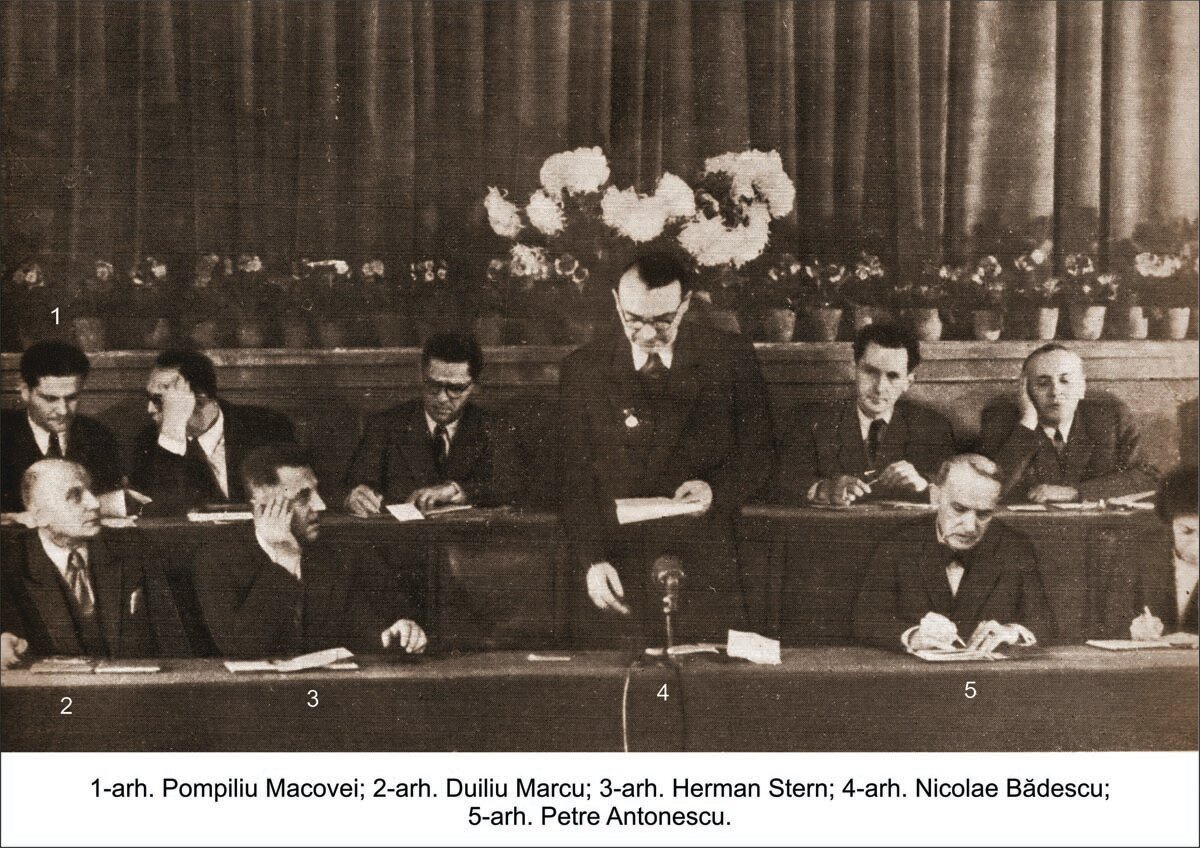
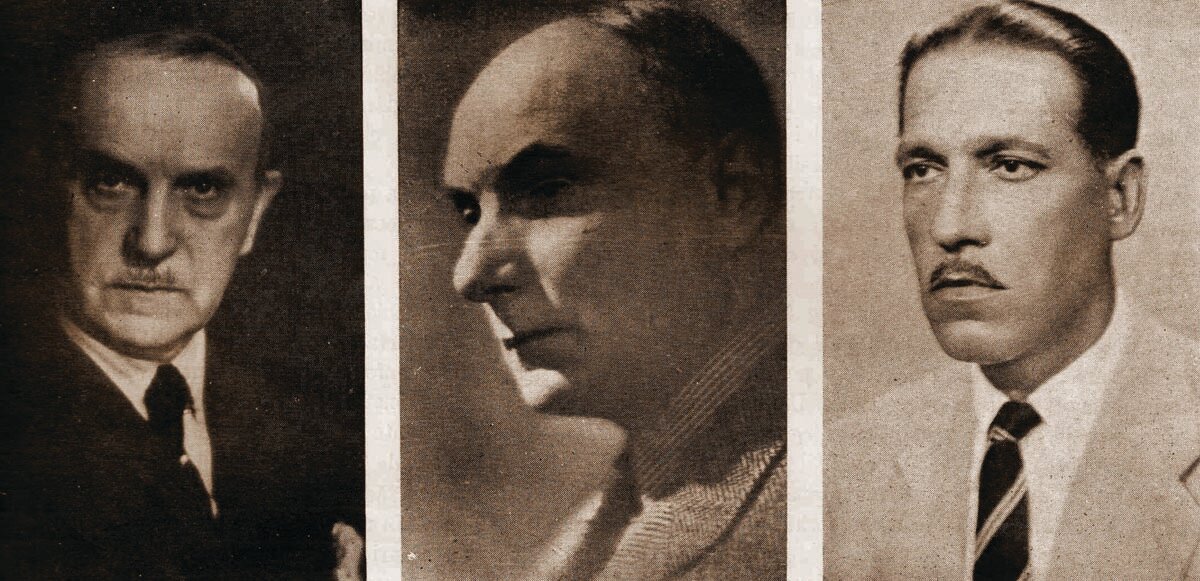
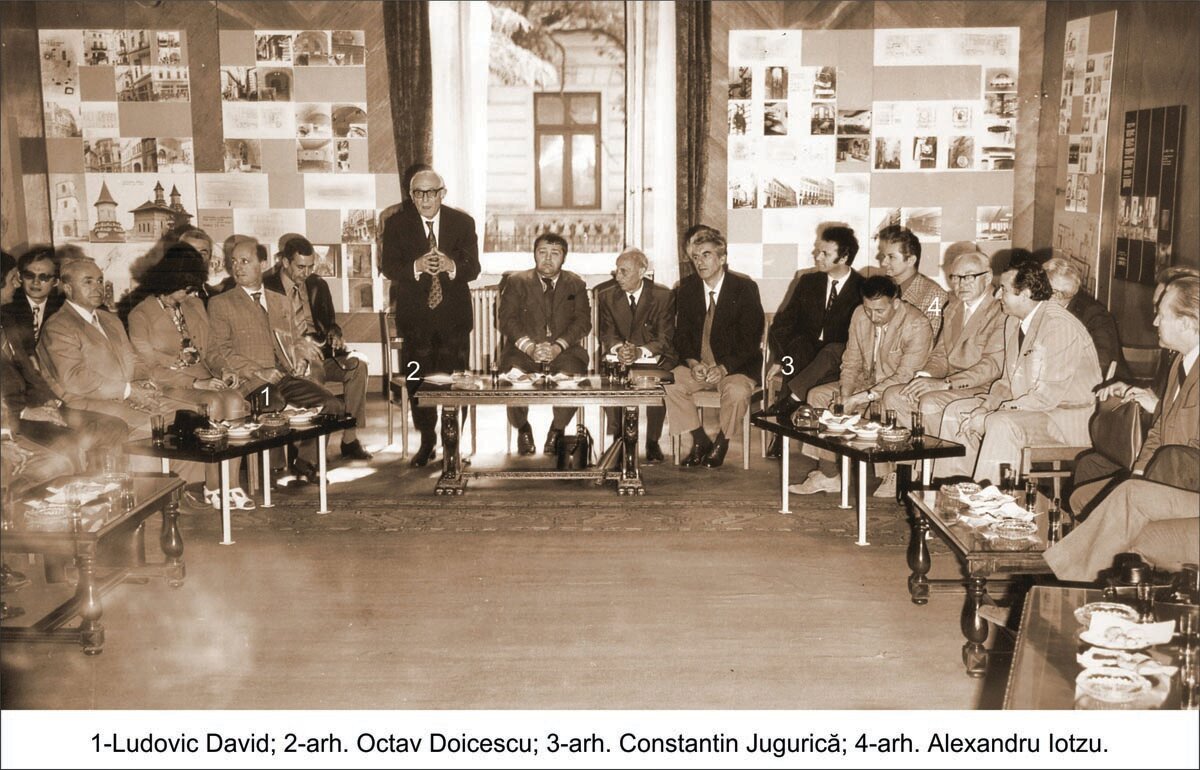
In the amphitheater of the Institute of Oil and Gas9 the founding conference of the Union of Architects of the RPR was held, the proceedings of which were under the direct control of the party leadership, represented by Iosif Chișinevschi, secretary of the CC of the PMR, practically the cultural dictator of Romania at that time, whose speech was considered "... a true guide for the activity of the Union of Architects [and] was warmly and lengthily applauded"10. The following architects were elected (in fact, appointed) to the UA's steering committee: Petre Antonescu, Mircea Alifanti, Nicolae Bădescu, Mircea Bercovici, Dan Cristescu, Octav Doicescu, Dan Farb, Gustav Gusti, Gheorghe Lykiardopol, Marcel Locar, Pompiliu Macovei (vice-president), Horia Maicu, Duiliu Marcu (president), Nicolae Nedelescu, Virgil Slavan, Sever Silca, Sofia Ungureanu. Even if, between 1952-1965, the president of the UA was arch. Duiliu Marcu, an important personality of Romanian architecture in the interwar period, his role was more formal. In fact, the direction and control of the activity of the Union of Architects was ensured by the appointment of politically secure personalities, both in the leadership of the UA and of the CSAC, who were also influential teachers of the Faculty of Architecture. Such were the cases of the architects Pompiliu Macovei11, Nicolae Bădescu12, Horia Maicu13, Marcel Locar14, Gustav Gusti, Ladislau Adler, vice-presidents of the CSAC/ CSCAS, etc., all of them also university professors. Under the centralized decision making of the communist regime, and enjoying the trust of the political powers, they were among those who formed the nucleus at the top of the profession, directing architectural activity until the late 60s. For the political supervision of the organization, as early as 1952, a party official imposed by the CC of the PMR, Ludovic David15, was appointed as secretary of the UA, who held this position until December 1989, as the "watchful eye" of the authorities within the UA.
Despite its limited and strictly controlled possibilities, until December 1989 the Union of Architects was the only professional organization in which architects could be active and which represented both them and the profession, without UA membership conditioning the right to practice. By constantly organizing symposia or professional communication sessions on topics of general or local interest, competitions, exhibitions of architecture, as well as fine art or photography exhibitions of architects' works, at the Casa Arhitectului in Bucharest and at the UA branches in the territory, as well as documentary excursions, primarily within the country but sometimes also abroad, the Union of Architects has sought, usually mitigating or even circumventing certain political conditions, to maintain the status of the architect as a creator, when he had become a salaried employee in state design institutes. More often than not, however, the cultural events of the UA still managed to be for architects a splash of color in the gray field of everyday life during the communist period.
1953, May, 25
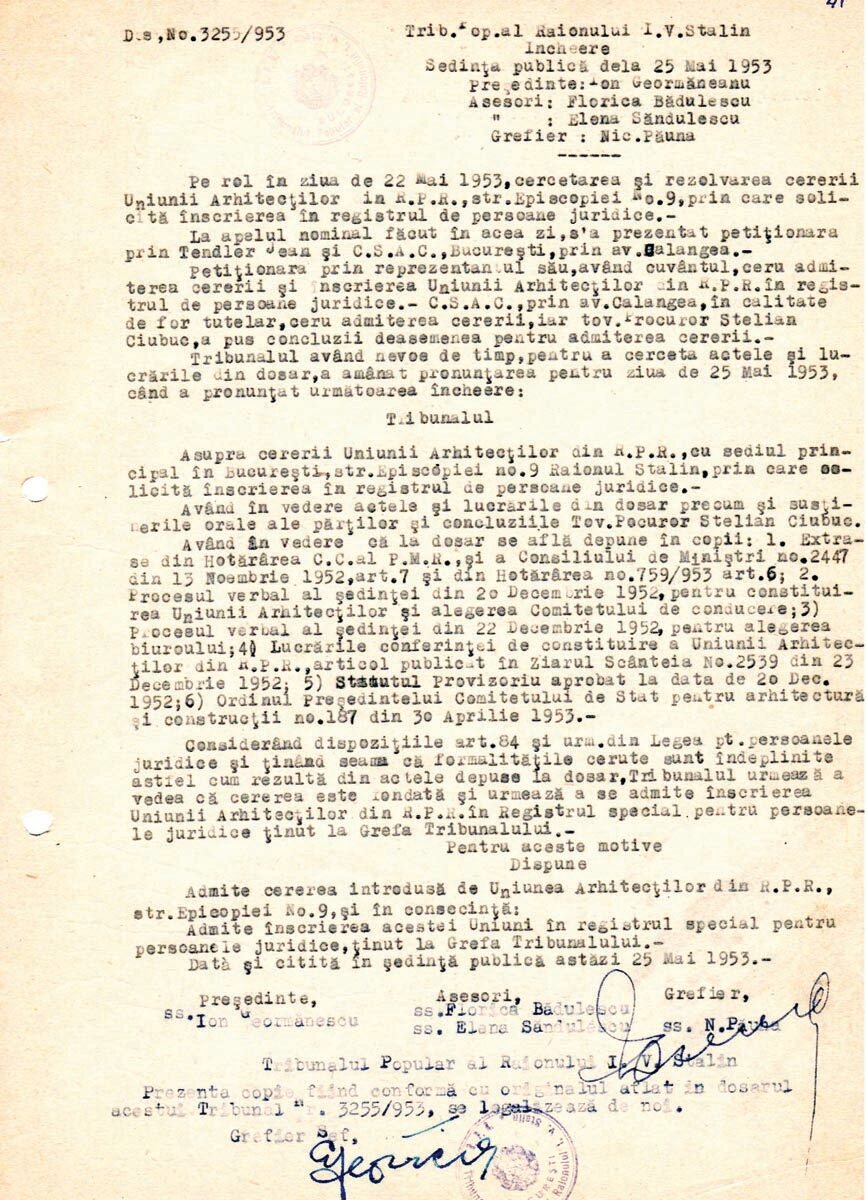
People's Tribunal of I. V. Stalin orders by the judgment in Case 3255/ 1953 the registration of the UA of the RPR in the Special Register for legal entities.
1954
In keeping with the topical themes of the time, the UA and the CSAC organize a large number of architectural competitions, such as those for a cultural dormitory, public bath, district people's council (town hall), rural dispensary, canteen, village store, middle school (high school), birth house or SMT (station of machines and tractors), etc.a. Even if most of the themes were perhaps minor and the winning projects were not implemented, the organization of these public competitions allowed the maintenance of a certain state of professional emulation, carried out relatively freely, outside the closed framework of the new design institutes. The competition for the square in front of the CCA (National Military Circle) was an interesting subject, but without any practical consequences, as in the case of the 1956 competition for the systematization of the University Square and the volumetric conformity of the Municipal Palace, located on the site later occupied by the National Theatre. The promotion of architectural competitions was a constant feature of the activity of the Union of Architects, a good period in this respect being 1965-1976, when the themes usually concerned the systematization of urban centers under development at the time.
1955, March, 31
The Grand National Assembly issues Decree No. 95 on the organization and functioning of the Architectural Fund of the RPR, under the UA of the RPR and under the control of the CSAC (planned to be established by the decision of 13 November 1952). The Architectural Fund had promising aims, such as: stimulating the architectural creation of the members of the Fund; material support, including improvement of their living conditions; protection of the architects' copyright.
1958, November, 26-28
The plenary meeting of the CC of the PMR is held, at which Gheorghe Gheorghiu-Dej calls for simplifying and streamlining the design of buildings, especially residential buildings. The new official position is a belated reaction to the one adopted in the USSR as early as December 7, 1954, expressed in Nikita Khrushchev's speech at a conference of architects and builders.
This is considered to be the moment of the official return to rational-functionalist architecture and the abandonment of the practice of pseudo-monumental architecture of the realist-socialist, so-called Stalinist, realist-socialist type, imposed from 1948-1949. In a plenary session (the 5th) on February 8-10, 1959, the Union of Architects conformed to the new party policy and adopted a critical and self-critical stance towards the architectural trends of the preceding years. Over the following decade in particular, the Union of Architects and the magazine "Arhitectura" would play an important role in promoting modern architecture and, above all, modern urban planning solutions.
1959
The Union of Architects of the RPR lists 1,002 architects.
1959, March-December
The Union of Architects undergoes a drastic purge of its members. The reasons given for expulsion from the UA were ostensibly professional or for non-payment of dues, but they also concealed political reasons, expressed very vaguely in the phrase "acts incompatible with the moral prestige of the architect in socialist society" and non-participation in the activities of the UA. A commission composed of architects Anton Moisescu (chairman), Gh. Lykiardopol (secretary), Boris Grünberg, Tiberiu Niga, Corneliu Rădulescu, Ion Ghica-Budești and Gh. Pavlu, proposes to exclude 134 (more than 10%) members. The excessively drastic measure practically paralyzes the activity of some small provincial branches, so that in the end the approved list includes 47 excluded architects, most of them for non-payment of membership fees, but also for alleged lack of activity in the UA (among them architects G. M. Cantacuzino, Ion Sturdza, Ștefan Balș), seven for being under arrest (among them architect Arghir Culina) and three for refusing to be assigned a job in a design institute in the province.
1960
The organization's leadership begins awarding annual UA prizes for works deemed of value, presented in an exhibition of Romanian architectural achievements of the time. Until 1965, on several occasions, state16 and CSCAS prizes were also awarded to architects who were the authors of architecturally important buildings, but also with a strong political impact.
In the 1960s the UAR undertook to disseminate up-to-date professional information through visits by major international architects, conferences and screenings, and the circulation of international architectural publications. All this was part of the post-Stalinist "thaw" and fueled a creative momentum that would generate, in the 1960s and 1970s, a high quality architectural production, in clear resonance with the spirit of contemporary research. Alongside the UAR's concerns, the modern teaching program promoted by arch. Ascanio Damian, rector of the Institute of Architecture "Ion Mincu" between 1959-1971.
Since the second half of the 1950s, but especially in the following decades, within the limits of the regime's consent, on which the necessary monetary resources also depended, delegations of the UA would participate in international events of architects, including UIA congresses, and, as a rule, on their own, some teams of architects would participate in major architectural competitions. The UA will also organize several international meetings of architects in Bucharest.
1961, May
On the occasion of the 40th anniversary of the founding of the PCR, a large exhibition is organized at the Sala Dalles in Bucharest, featuring architectural works produced since 1945, with the emphasis on those produced after 1958, when Stalinist architecture was abandoned and a return to modern architecture was made. Probably with the assent of the communist officials, the same approach was adopted for the larger architectural exhibition opened in the summer-autumn of 1964 in Pavilion H in Herăstrău Park, on the occasion of the 20th anniversary of the event of August 23, 1944.
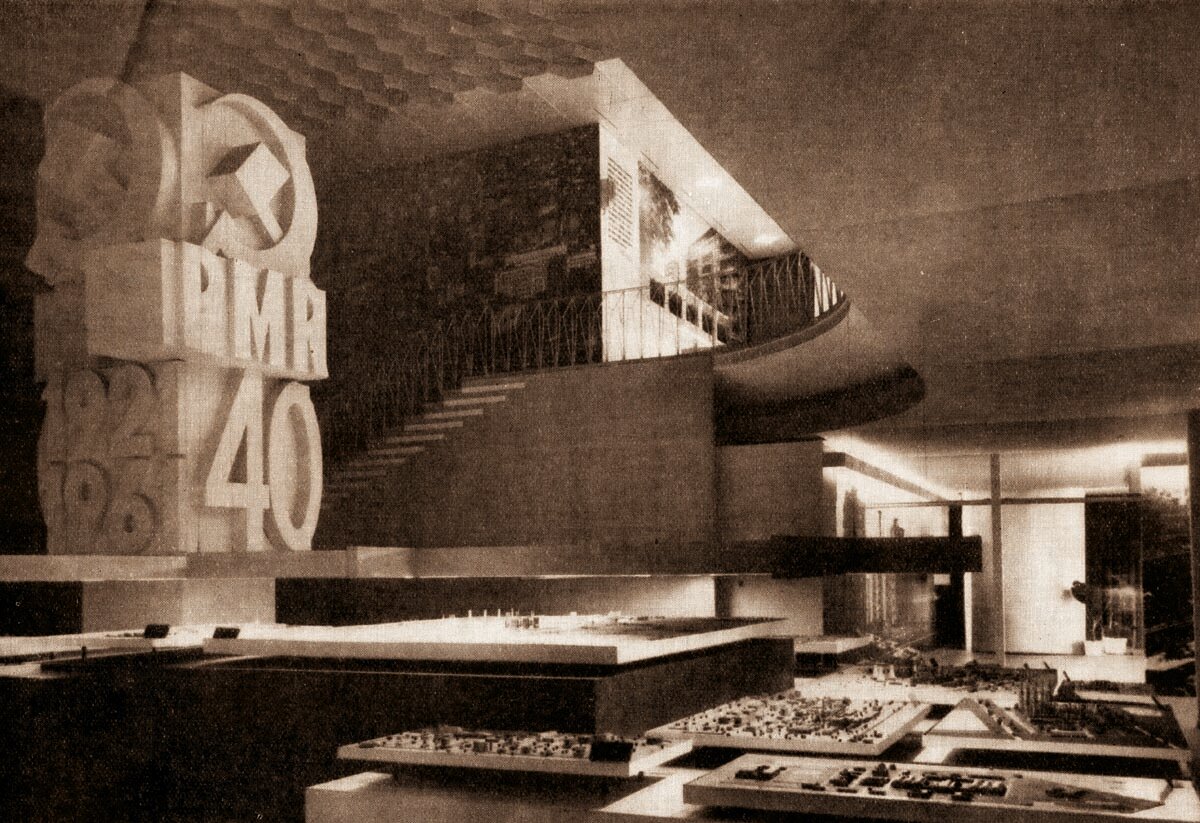
1965, March, 19
Gheorghe Gheorghiu Gheorghiu-Dej dies, and on March 22, 1965, with the support of Ion Gheorghe Maurer, President of the Council of Ministers, the PMR's power group, made up of the few members of the Political Bureau of the CC of the PMR, elects Nicolae Ceaușescu as successor to the party's supreme office, a decision confirmed at the 9th Congress of the PCR (4th of the PMR) of July 19-24, 1965.
1965
May 24-26
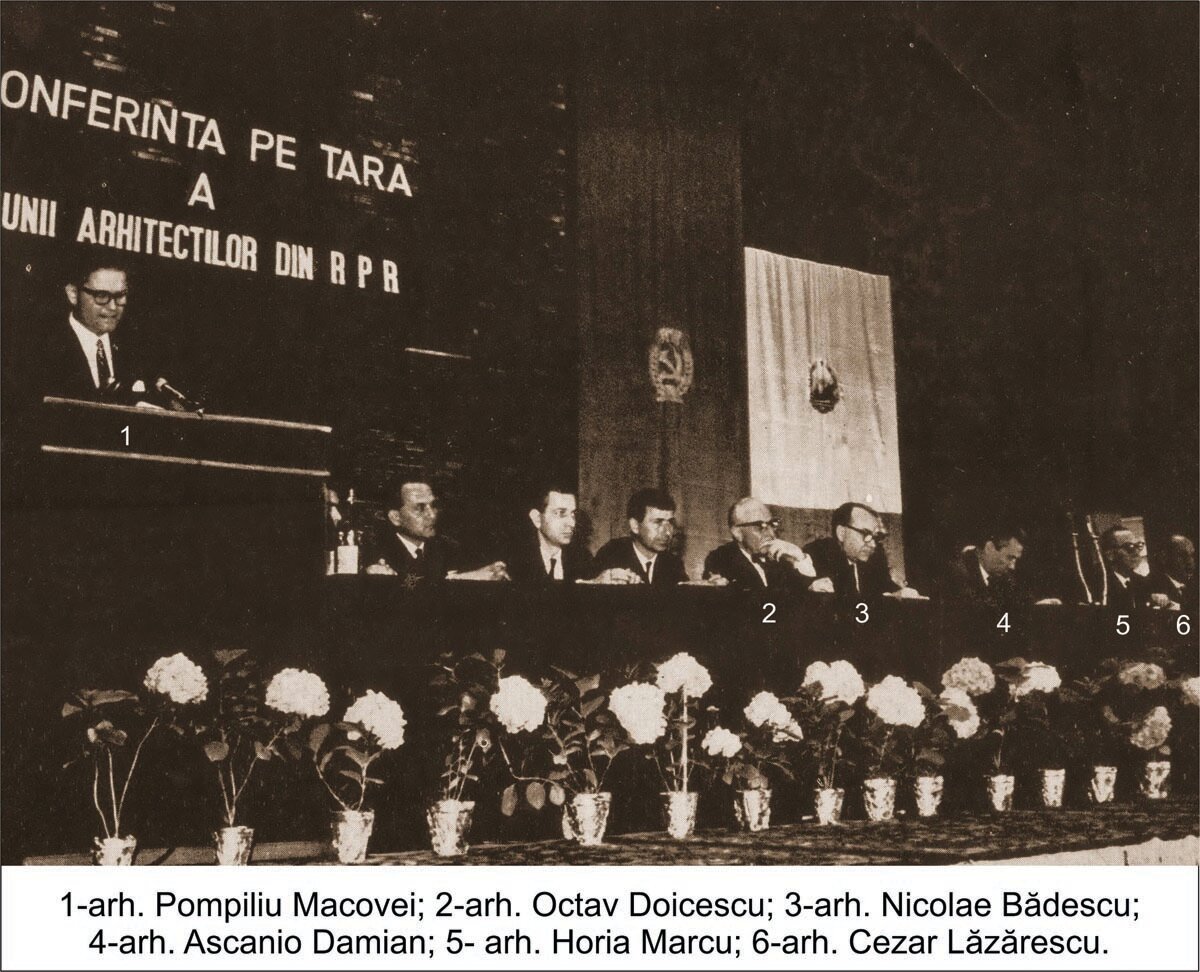
More than 12 years later, the second conference of the UA of the RPR is held in the Small Hall of the Palace. Like the first conference, this one is patronized by high-level party representatives such as Gheorghe Apostol and Manea Mănescu. On May 26, the UA leadership is appointed, consisting of 59 architects. Arch. Pompiliu Macovei becomes the president of the UA, who together with the vice-presidents, architects Ascanio Damian, Octav Doicescu and Marcel Locar, as well as with architects Romeo Belea, Mircea Bercovici, Constantin Frumuzache, Constantin Jugurică, Cezar Lăzărescu, Horia Maicu, Paul Mihalik, Cristina Neagu and Gheorghe Pavlu, as members, form the UA Bureau. Arch. Duiliu Marcu receives the title of Honorary President of UA17.
UA has 1,238 members in 10 branches and 28 circles.
______
August
Following the change of the country's name from RPR to RSR, the architects' organization is officially renamed the Union of Architects of the RSR by the end of 1989, and its journal tacitly reverts to its original name: "Arhitectura".
1968, August, 21
Romania, through Nicolae Ceaușescu, strongly condemns the Soviet military intervention in Czechoslovakia to halt the course towards a socialism with a "human face", an action known as the "Prague Spring", initiated by the Czechoslovak Communist Party.
1971
March, 4-5
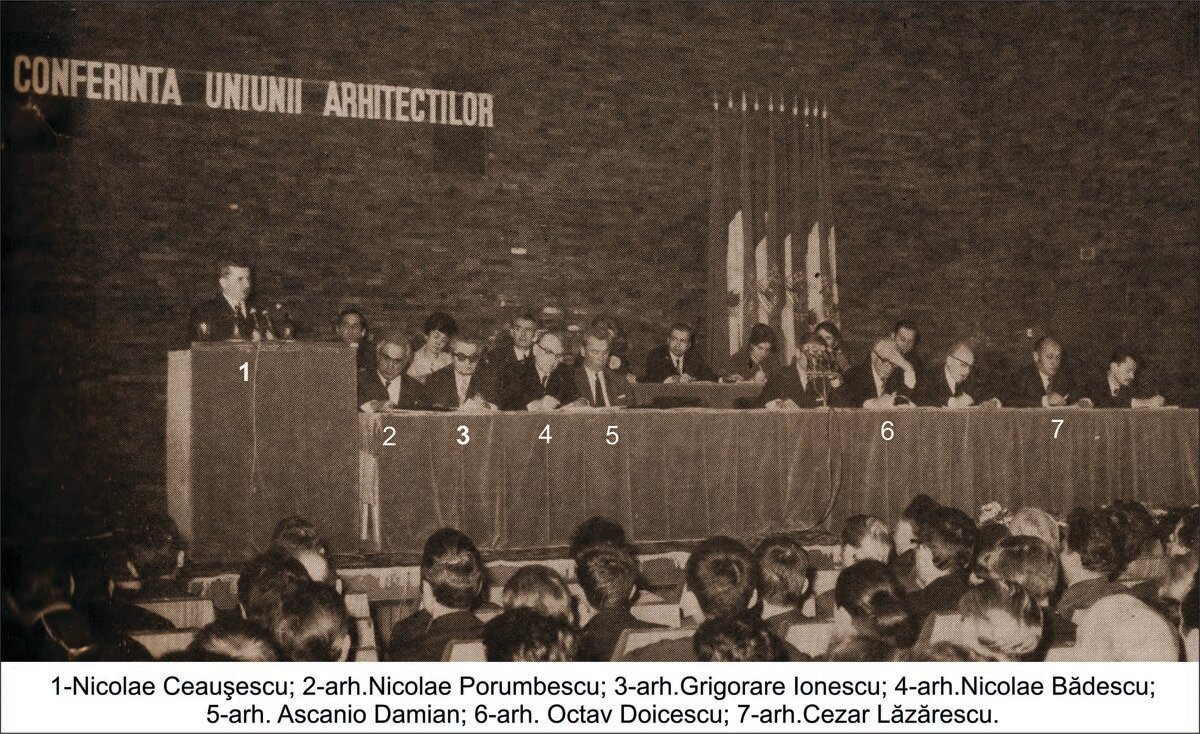
In the presence of Nicolae Ceausescu and a few other members of the party "hierarchy", the third conference of the UA of the RSR (the last of the communist period) opens in the Small Hall of the Palace. 338 architects from Bucharest and the territory, as well as numerous guests, attend. Nicolae Ceaușescu's speech on this occasion is significant in the part where he criticizes the free urban planning solutions applied until then to housing estates, saying that "... the blocks are scattered at random, no longer forming precisely defined streets and boulevards, in a clear urbanistic line. [...] The procedure of keeping large areas of unused land between blocks not only adversely affects the architectural image of the district, of the locality concerned, but also reduces the density of housing construction, prevents the need for living space from being met in the best possible conditions...'. On the basis of such "precious indications", in the years to come the legislation, but above all the practice in the field of urban planning and architecture will be completely changed, with dramatic consequences for the quality of future residential neighborhoods.
At the end of the conference the leadership of the UA is established, composed of a 103-member steering committee, of which 23 make up the UA bureau, and architects Aurelian Trișcu and Constantin Jugurică are promoted to the position of secretaries in addition to Ludovic David. Arch. Cezar Lăzărescu becomes president of the UA, and vice-presidents are the architects Ascanio Damian, Mircea Dima, Ioan Fackelmann, Carol Orban and Nicolae Porumbescu, while arh. Octav Doicescu is honorary president18. In the following years, especially after 1980, the UA's activity and competences would become increasingly limited, particularly in terms of influencing decisions on the development of architecture and urban planning. Until December 1989, i.e. more than 18 years, the UA's leadership would remain with the same composition, reduced both by inevitable natural disappearances and by more or less legal departures from the country, a dramatic situation especially after 1980.
July
The end of the "thaw" will come soon enough. With the "July Theses", Romania's leader launches the ideologized, dogmatic, anti-intellectual and deprofessionalized political course of the "small cultural revolution", which will evolve from neo-Stalinism to primitive national-communism. This course would profoundly negatively mark the architecture of the last decades of the 20th century, promote the bureaucratization of architectural production, and lead to the degradation of functional conception, expressive language and execution in the architecture and urbanism of the 80s.
1972, September
The Congress of the International Union of Women Architects - UIFA - is held in Bucharest.
1972 - 1981
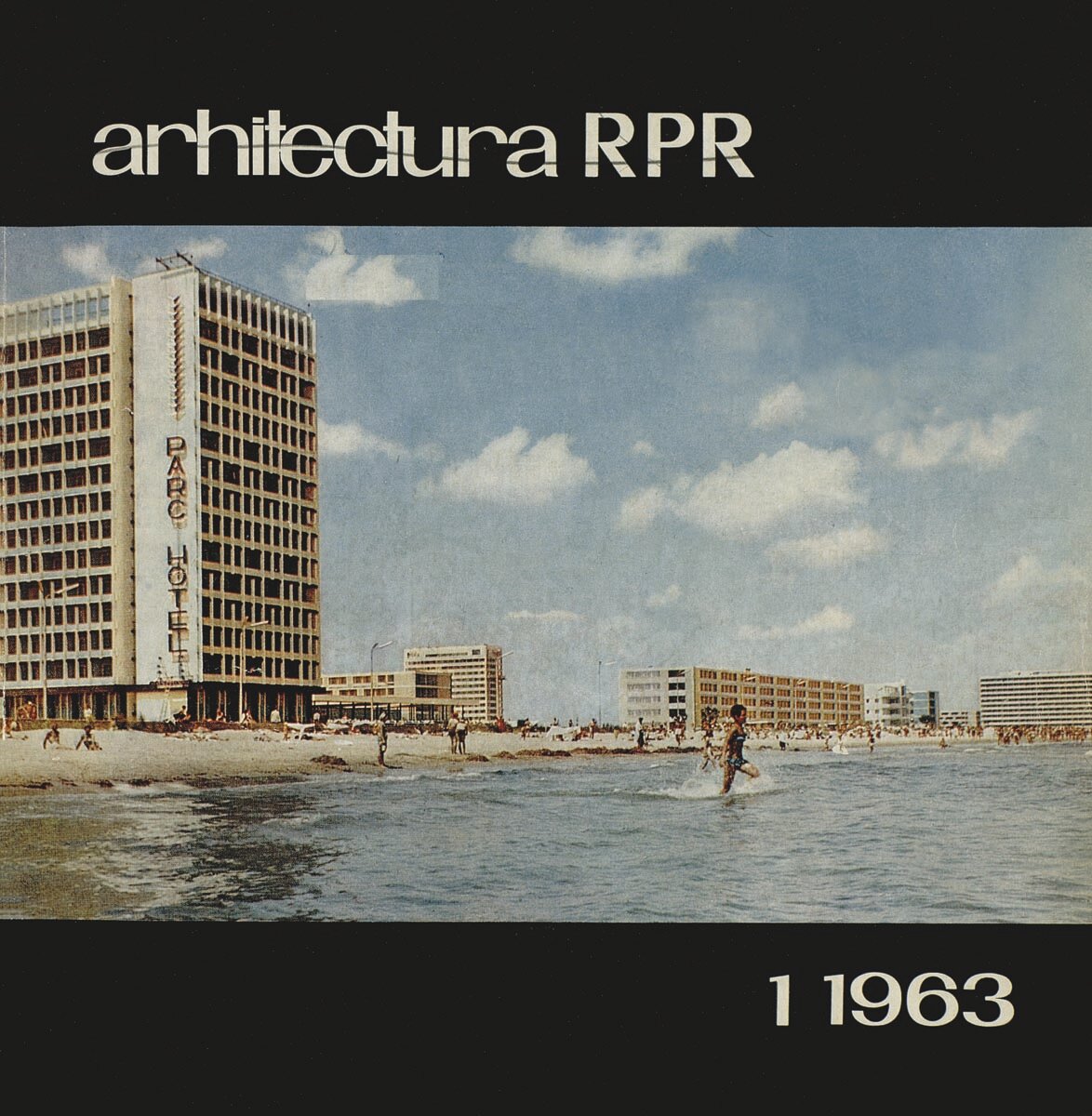
Taking advantage of the fact that the process of cultural reassertion had been gradual, with periods of retreat and periods of stronger revival, at the beginning of the 1970s, a new and young team, headed by arch. Mircea Lupu (editor-in-chief between 1972-1981), alongside whom would work personalities such as the architects Alexandu Sandu, Adrian Panaitescu, Tudor Dumitrașcu and others, as well as a group of prestigious collaborators. The magazine, which from 1963 had an almost square format, distinctly different from the classical one, will practice a modern frontispiece lettering and a clean and suggestive cover design. With a clever and varied columnization, ranging from showcasing the work of contemporary architects, to historical studies, surveys of the recovery of creators and trends, technical details and international information, the new series of the magazine brings a new moment in the professional life of architects.
1977, March 4
At 9.23 p.m., a powerful earthquake with a magnitude of 7.2 on the Richter scale occurs, felt mainly in nine counties and the city of Bucharest. A total of 1 570 people are recorded dead (1 391 in Bucharest) and 11 300 injured (7 576 in Bucharest), some 35 000 homes are destroyed or damaged and 763 economic units are affected.
1977 - 1989
One of the most important consequences of the 1977 earthquake was the decision to restructure the city center of Bucharest, an action launched by Nicolae Ceaușescu in a meeting with the elite of architecture and construction specialists on March 22, 1977. Many architects felt that the moment offered an opportunity to change the central area, approaching it in a renovatory sense, allowing the integration of valuable existing elements. The hope that had been pinned on this approach very quickly proved to be an illusion with devastating consequences far greater than those of the earthquake. All decisions on the restructuring of the center of Bucharest were taken without informing public opinion, in the spirit of secrecy characteristic of the regime and were dominated by the exclusive will of Nicolae Ceausescu. It should be emphasized that, until 1989, there were no presentations and/or public debates on the projects for the political center or the other large constructions then initiated in Bucharest, and no articles on these subjects were ever published in the magazine "Arhitectura". The only source of information was the "rumor-mongering" of the time, amplified by the ever-growing but muted discontent generated by the unprecedented wave of demolitions that was sweeping the city, many of the many destroyed buildings being valuable architectural monuments19.
1977
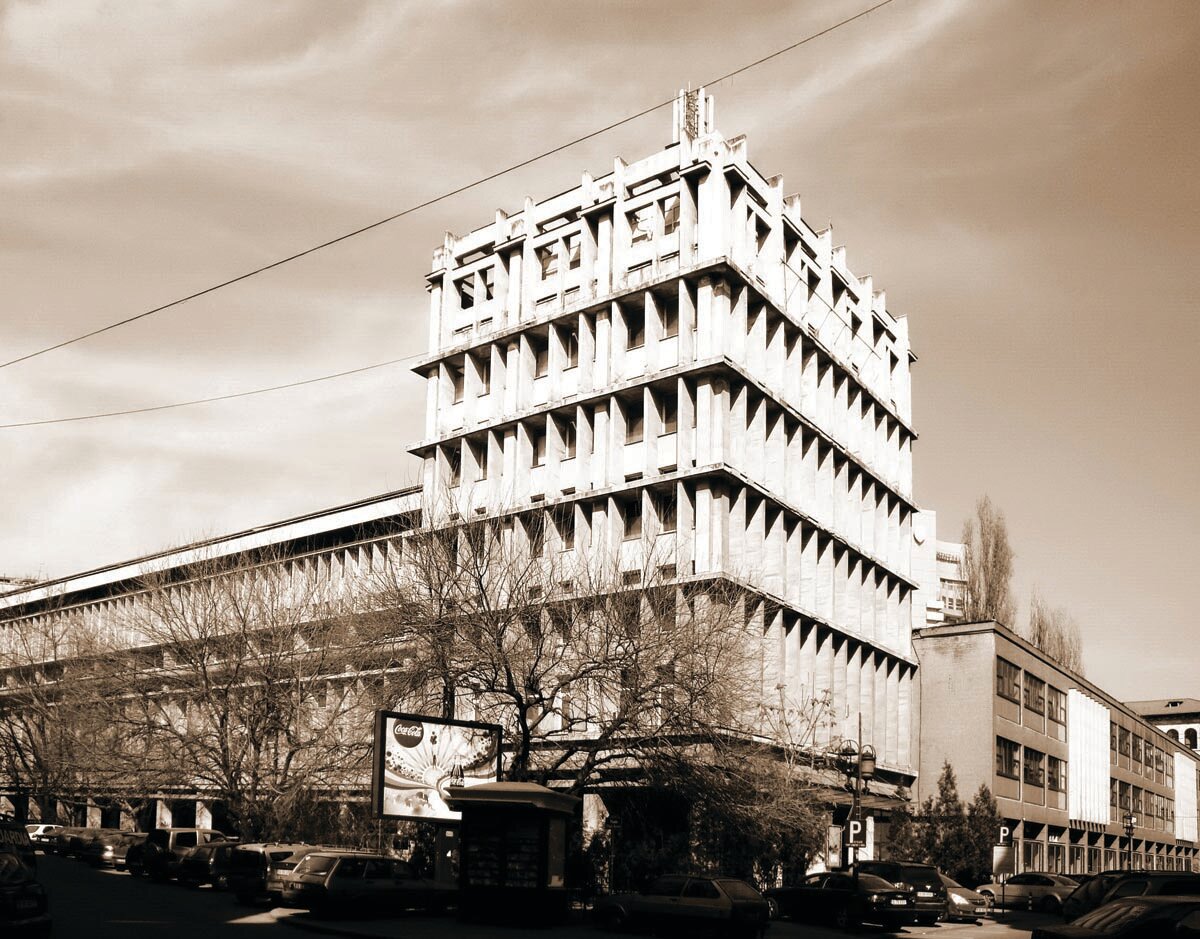
The importance of the Union of Architects in relation to the communist authorities, as well as its prestige in general, were negatively affected when the organization's offices, library and the editorial staff of the magazine "Arhitectura" were forced to leave the building at 9 Episcopiei Street and move to a much smaller space on the first floor of the new IAIM building at 18-20 Academiei Street.
1981
The Union of Architects celebrates the 90th anniversary of the founding of the SAR and the 75th anniversary of the publication of the magazine "Arhitectura" with a festive assembly, and publishes a special issue dedicated to the two events.
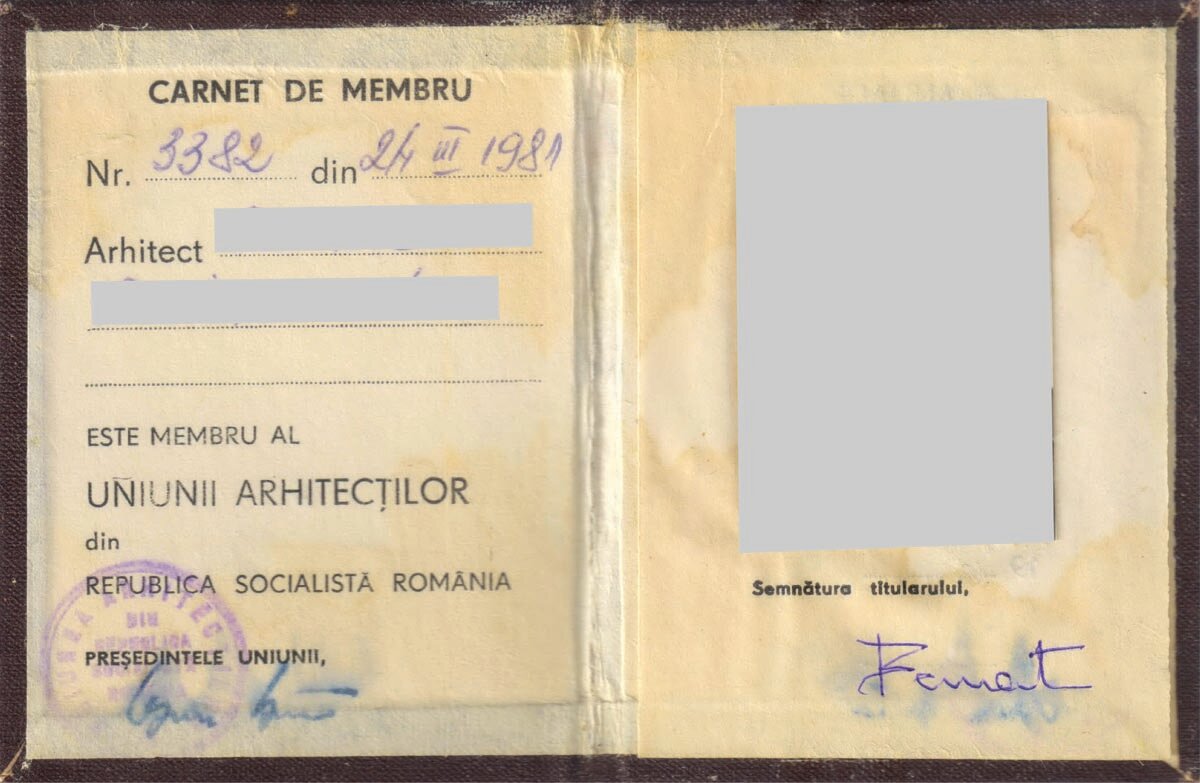
The Union of Architects has 2,476 members, of which 594 architects (about 34%) are active in industrial design institutes.
1985
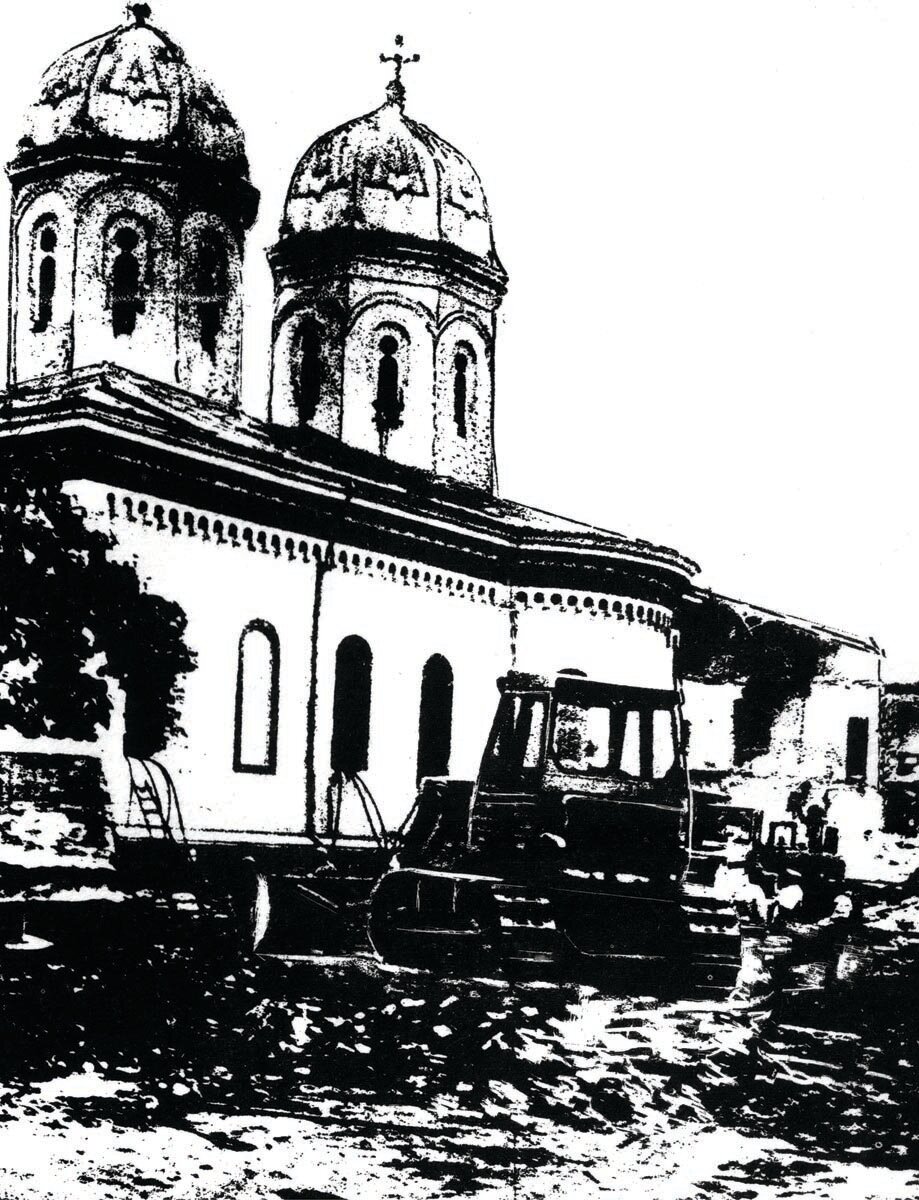
During the darkest period of the Ceausescu dictatorship, through a series of memoirs and interventions, the architects Grigore Ionescu, Henrieta Delavrancea Gibory, Aurelian Trișcu, Peter Derer, Gheorghe Leahu, Nicolae Pruncu, together with historians Dinu C. Giurescu, Răzvan Theodorescu, Vasile Drăguț, Virgil Cândea, Dionisie M. Pippidi, individually or in groups, openly expressed their disapproval of the numerous demolitions of historical monuments in Bucharest. The CC of the PCR, the CCES, the People's Council of the Municipality of Bucharest, the Patriarchate of the Catholic Orthodox Church, the Union of Architects of the RSR were all notified without any echo, their attitude being, from case to case, one of ill will, cowardice or impotence.
1986
After the disappearance of arch. Cezar Lăzărescu, president of the UA, the communist authorities postpone sine die the convening of a conference for the election/appointment of another president, so that his prerogatives were fulfilled until December 1989 by some of the vice-presidents, usually arch. Mircea Dima, and/or by the Union secretaries. Under these conditions, rumors of a possible radical transformation or even dissolution of the organization were plausible. By the end of the 1980s, the magazine "Arhitectura" was also in a permanent state of uncertainty.
1989, December, 22
Nicolae Ceausescu's dictatorship suddenly collapses under the pressure of the street demonstrations that broke out in Timișoara on December 16/17, followed by bloody street demonstrations in Bucharest on December 21/22. Romania's post-communist evolution begins.
1989, late December-1990, early January
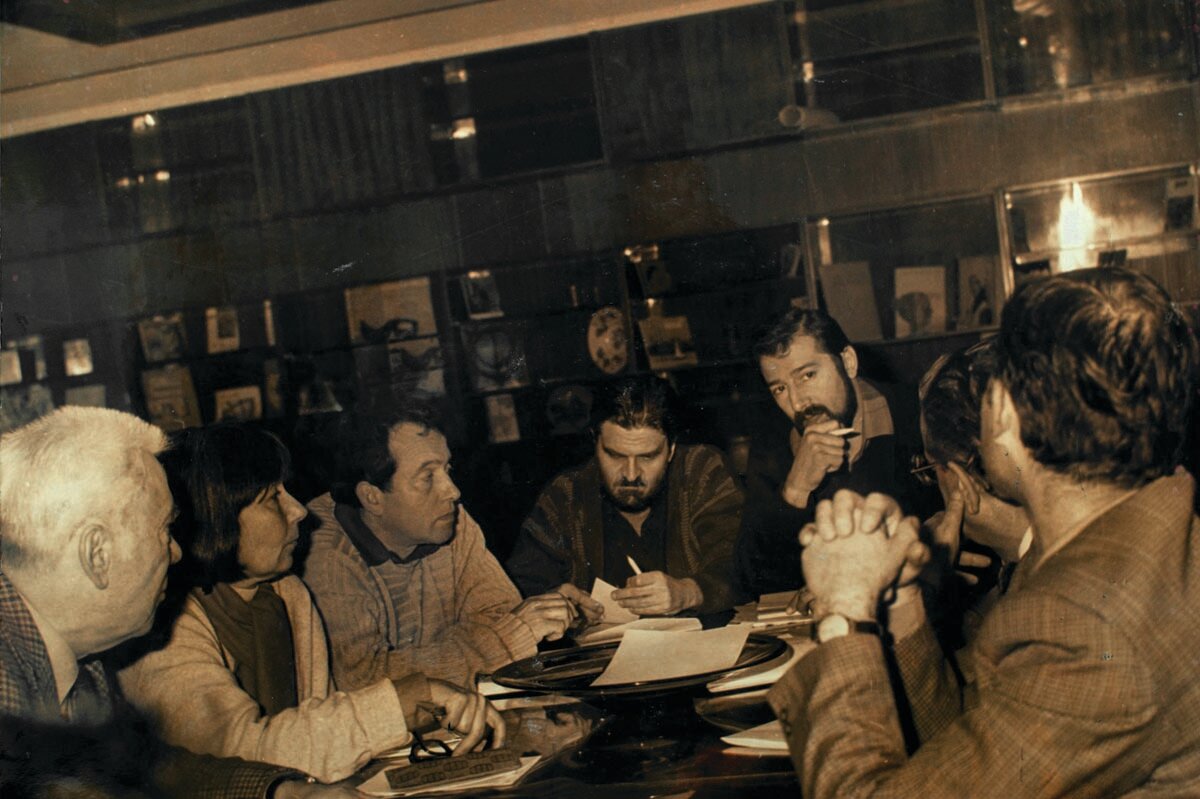
In the effervescence that immediately followed December 22, 1989, an initiative group was formed, including architects Ascanio Damian, Mariana Celac, Alexandru Beldiman, Florin Colpacci, Constantin Hariton, Ion Mircea Enescu and others, which started the restructuring of the Union of Architects.
1990
January, 18-19
The initiative group convenes a conference of Romanian architects at the Amfiteatru Hall of the Hotel Parc in Bucharest, with the main aim of finding the main ways of transforming the organization in the spirit of the "rupture and continuity"formula20, in the conditions of an open society and the recovery after more than four decades of the traditions of the Romanian Architects' Society and the Architects' Corps. After stormy debates, with more or less realistic solutions for the future being put forward, the 800 or so participants elected an interim leadership of the UAR, made up of the architects Ascanio Damian, Alexandru Beldiman and Sandu Miclescu, who formed a "triumvirate". Subsequently, the leadership was given to arch. Ascanio Damian, with powers of interim president of the UAR, and arch. Sandu Miclescu retired.
April 24
The Provisional Council of National Union - CPUN, under the signature of its president, Ion Iliescu, issues Decree-Law no. 127/1990 on some measures concerning the activity of the Romanian Union of Architects and the territorial associations of architects, recognizing the UAR as the continuation of the SAR tradition.
April-May
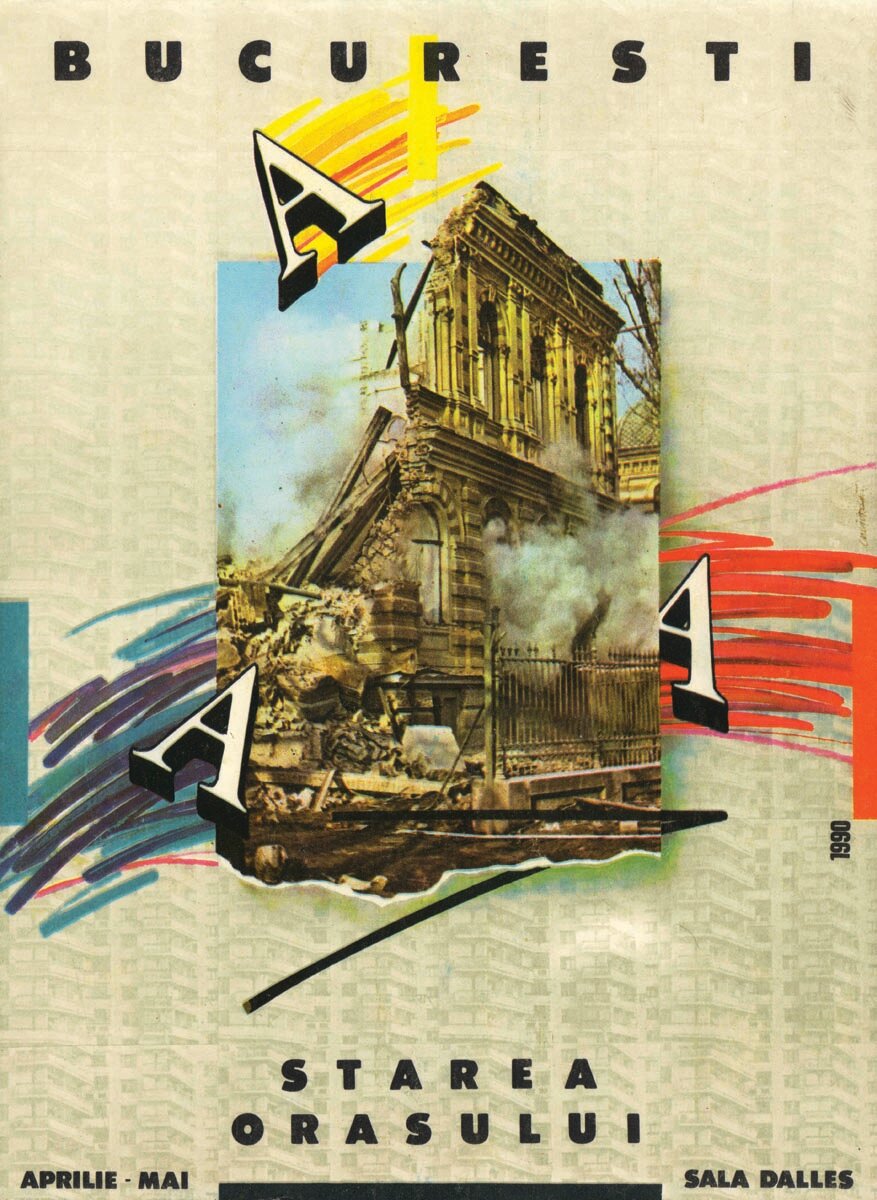
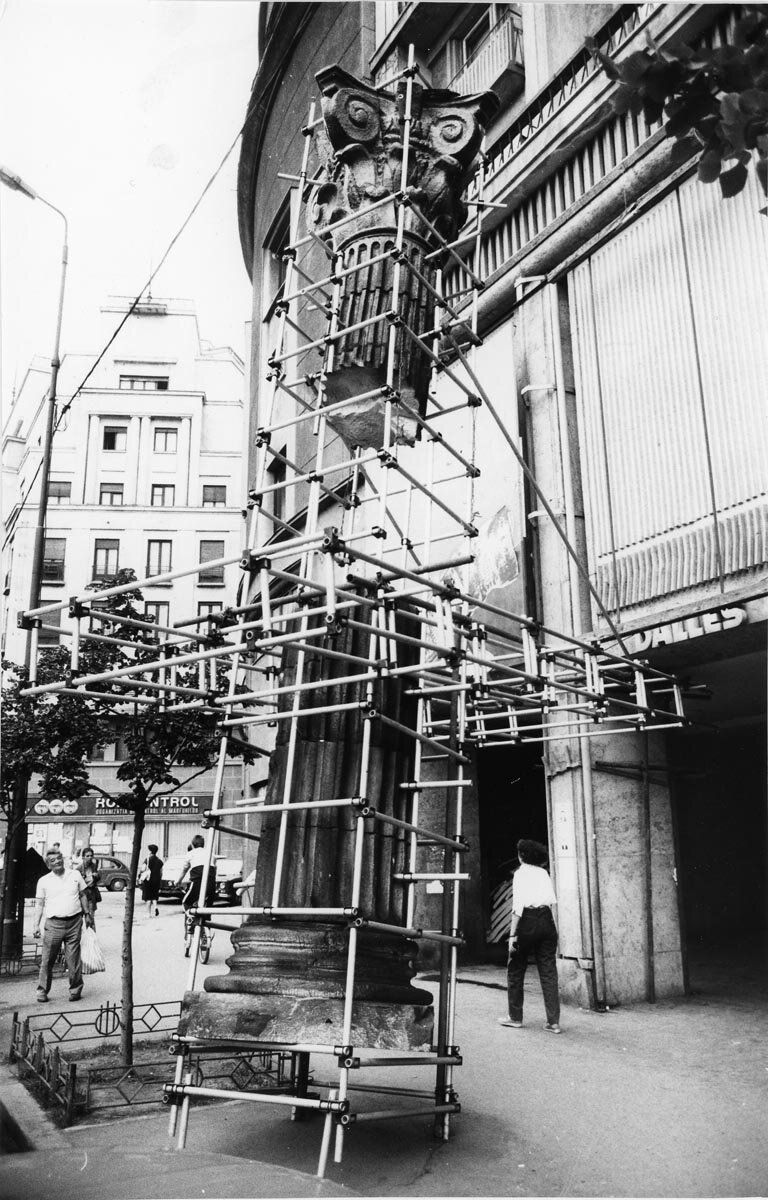
The urban planning disaster in the centre of Bucharest is the subject of a first professional assessment free of ideological barriers at the symposium and exhibition "Bucharest - the state of the city", organized at Sala Dalles by the Union of Architects, with the support of the National Commission for Urban Planning and Land Use Planning, the Ministry of Culture and Bucharest City Hall.
November, 1-3
The National Conference of Architects is held in the Great Hall of the Children's Palace in Bucharest. The statutes of the Union are adopted and the UAR Steering Committee is elected, consisting of 35 members, including Alexandru Beldiman as president for a two-year term, Peter Derer, Vasile Mitrea and Marius Smigelschi as vice-presidents, and five members of the Board of Directors (Alexandru Sandu, Dan Dron, Constantin Hariton, Cristea Miloș and Șerban Sturdza). As honorary president is elected arh. Grigore Ionescu.
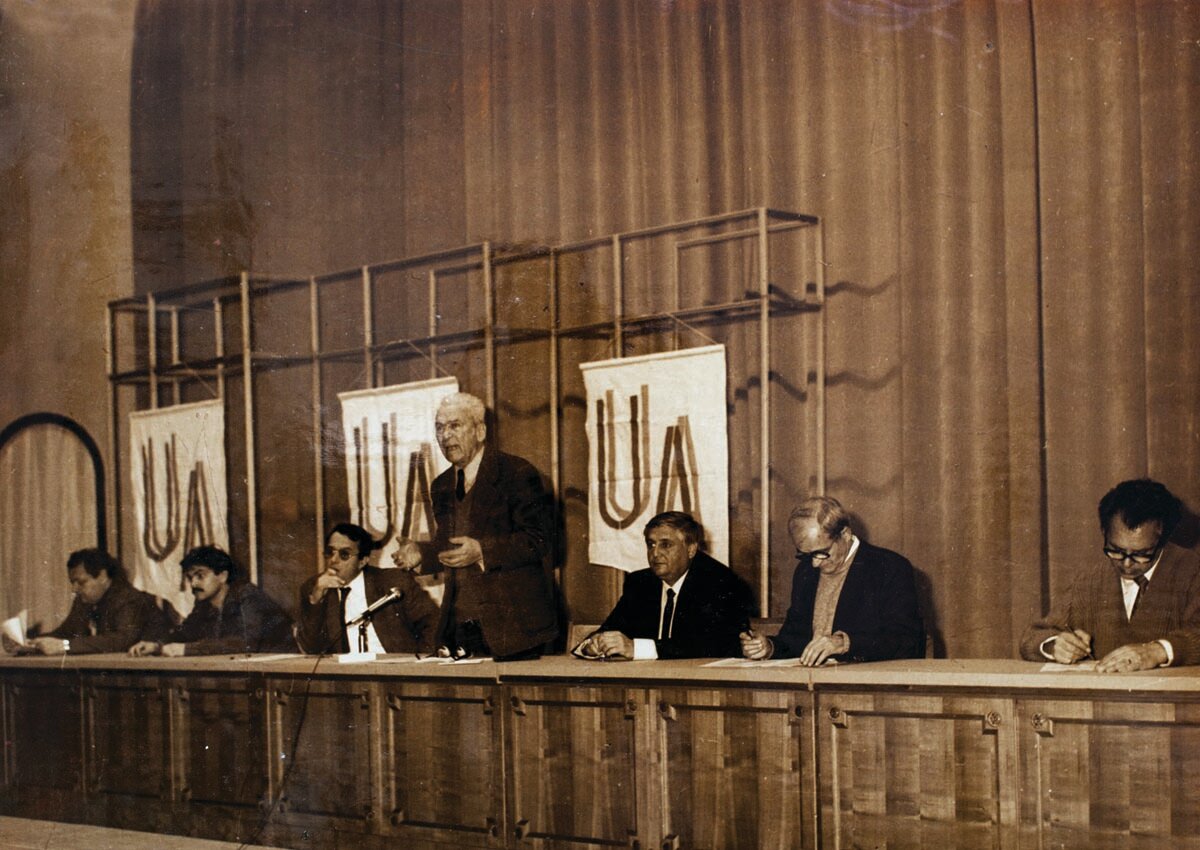
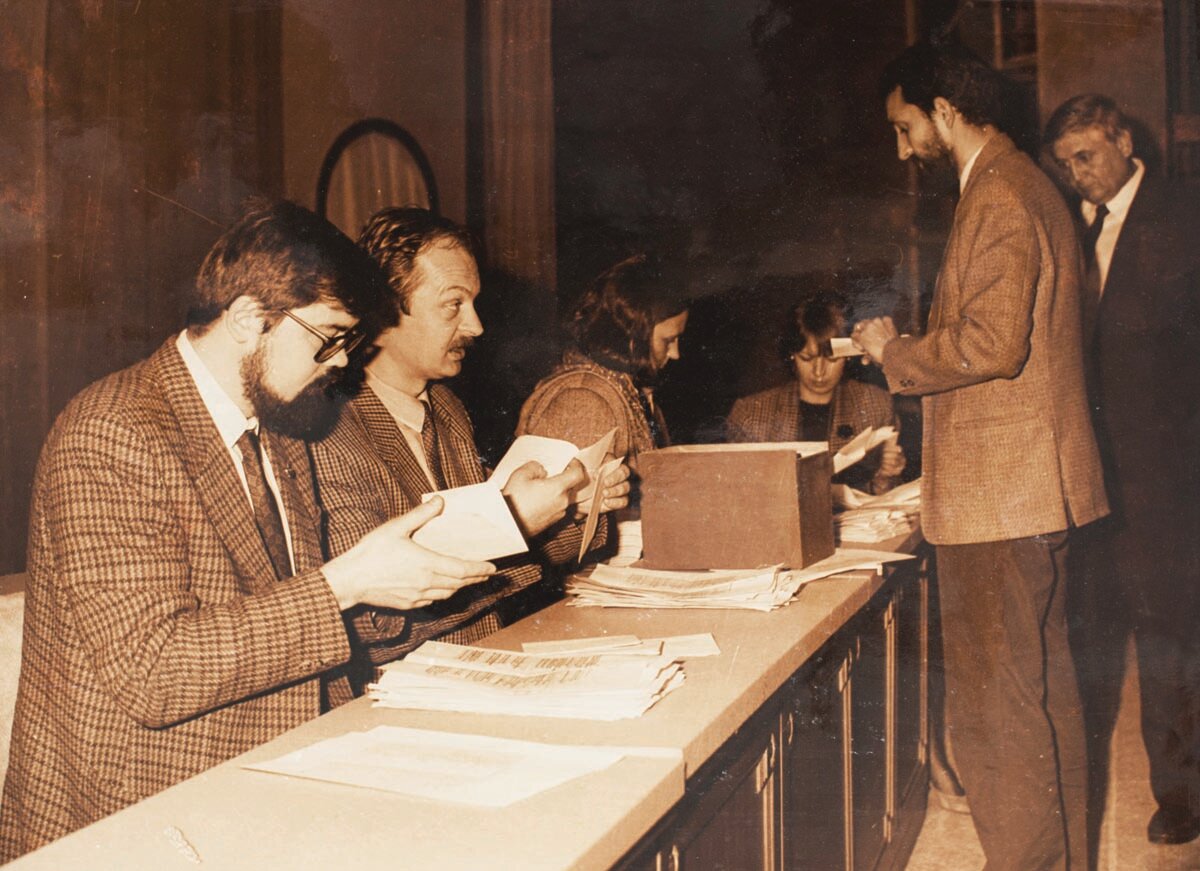
December-1999, May
UAR is involved in initiating and organizing 17 architectural competitions, 11 of which by December 1992. These include: the National Telecommunications Centre - TV Rom (December 1990), the Victoriei Square (February 1992), the UAR headquarters in Revolution Square (March 1992), the systematization of Revolution Square (June 1997), but especially the Bucharest 2000 competition, in 1995-1996.
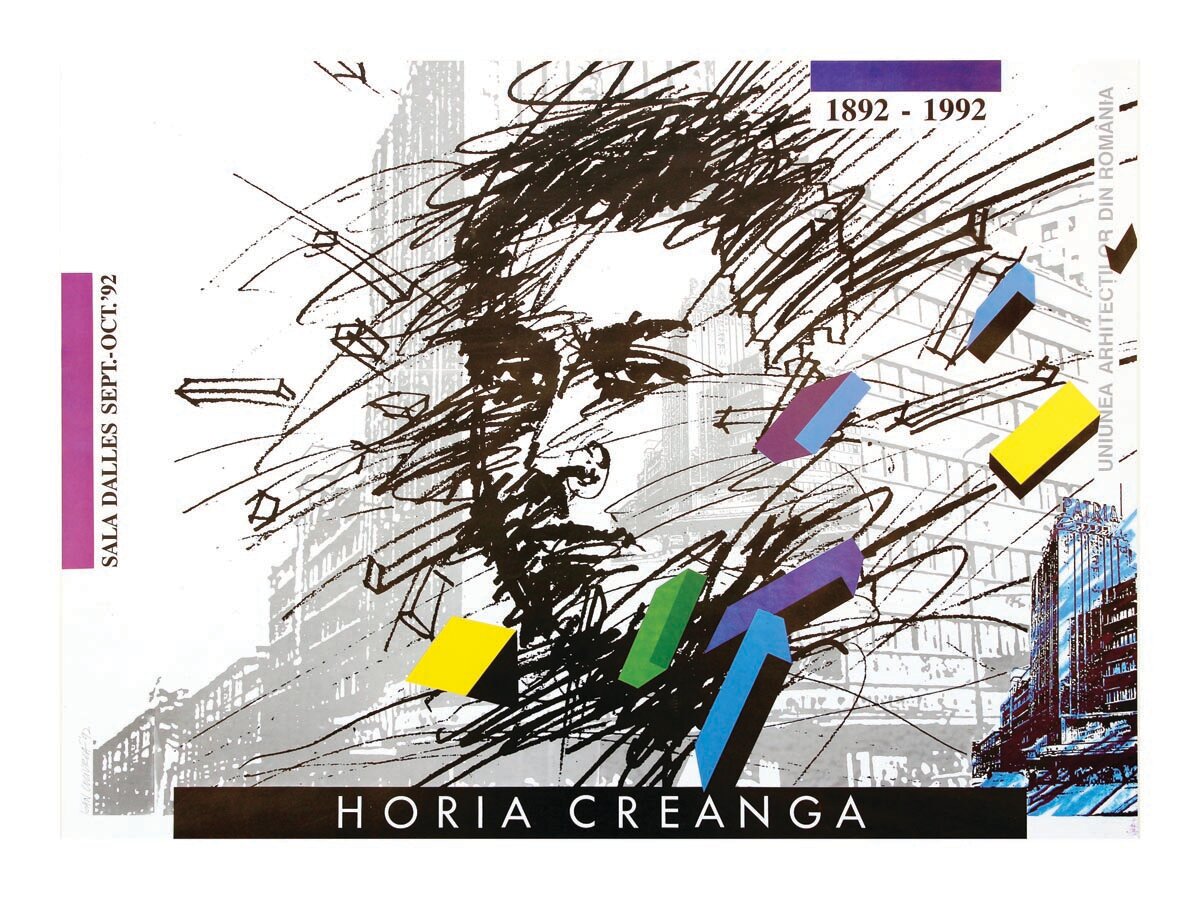
During the same period, the UAR also organized a series of exhibitions-events: 13-25 July 1991 - "French Presences in Romania - architecture, urbanism, restoration"; Sept.-Oct. 1992 - "Horia Creangă 1892-1992"; Apr.-May 1993 - "Bucharest 1920-1940. Avant-garde-Modernism"; Sept.-Nov. 1996 - "Marcel Iancu, centenary 1895-1995"; May 9-25, 1997 - "European sequences - old streets, tomorrow's architecture".
______
Under the conditions of the liberalization of private initiative in the economy, implicitly in the field of investments, the first independent architectural offices were set up (as small businesses, then as limited liability companies) and the liberal nature of the architectural profession began to be reaffirmed, leading to the disintegration of the state monopoly in the field of architectural design. In the 1990s, the UAR made an essential contribution to clarifying this complicated and laborious process, in particular by preparing and promoting a series of projects for the law on the profession of architect and its status, architectural competitions, the Timbrul Arhitecturii, and by collaborating in the drafting of laws related to the profession, such as those on the authorization of building works, quality in construction, historical monuments or copyright.
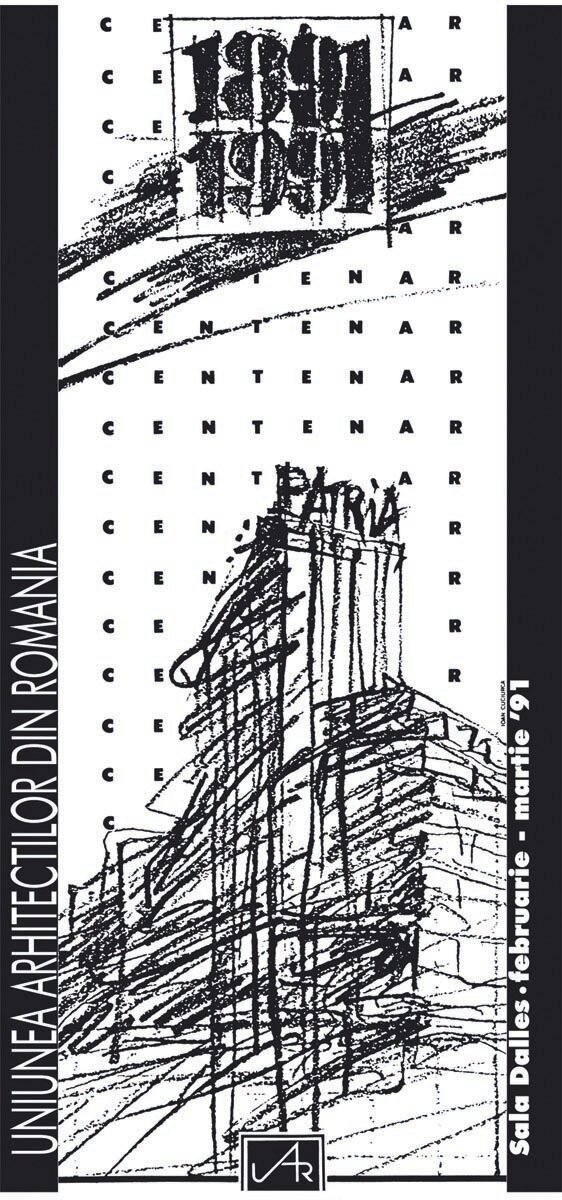
1991
February-March
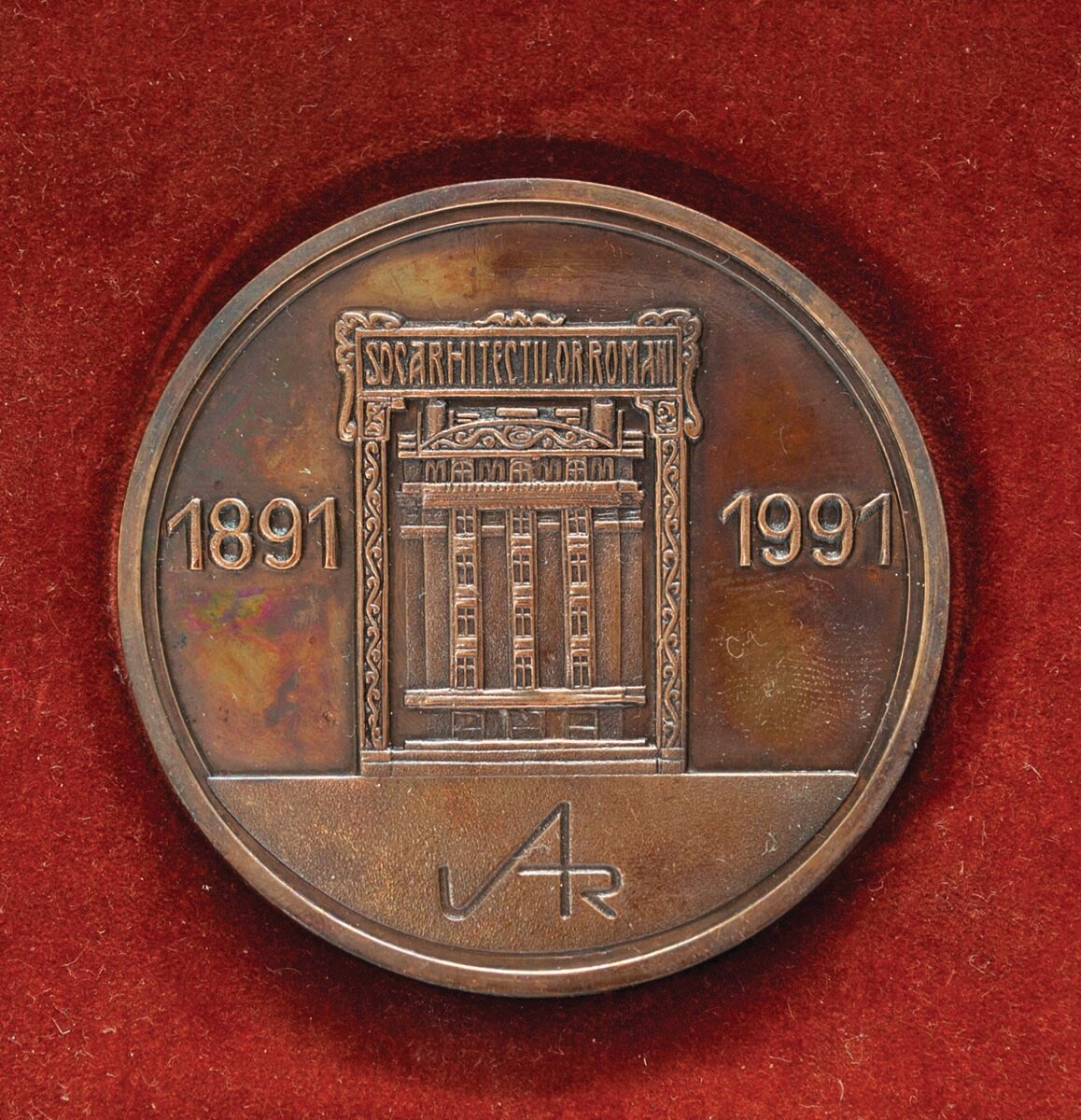
On the 100th anniversary of the foundation of the Romanian Architects' Society, the Union of Romanian Architects organizes a series of conferences and a large anniversary exhibition, "Romanian Architecture in the European Context", opened at the Dalles Hall in February-March 1991, and the magazine "Arhitectura" will publish two double anniversary issues, 3-4 and 5-6/ 1991. A commemorative medal is also issued on the same occasion, and later, in recognition of merits in the profession, UAR medals were awarded to personalities of Romanian architecture.
February, 26
The tradition of the Architects' Ball is resumed, which from now on will be organized every year, both in Bucharest and, from 2007, in the territory (Sibiu, Cluj, Brasov, Iasi, Sinaia, Timișoara).
November, 20
The National Union of Restorers of Historical Monuments - UNMRI is established, according to art. 34 of Law 21/6 February 1924, an organization that brings together architects, historians, archaeologists, builders and other specialists in the field of conservation and protection of historical monuments in Romania.
1991 SAR anniversary medal and UAR medal (UAR archive, photo Răzvan Hatea)
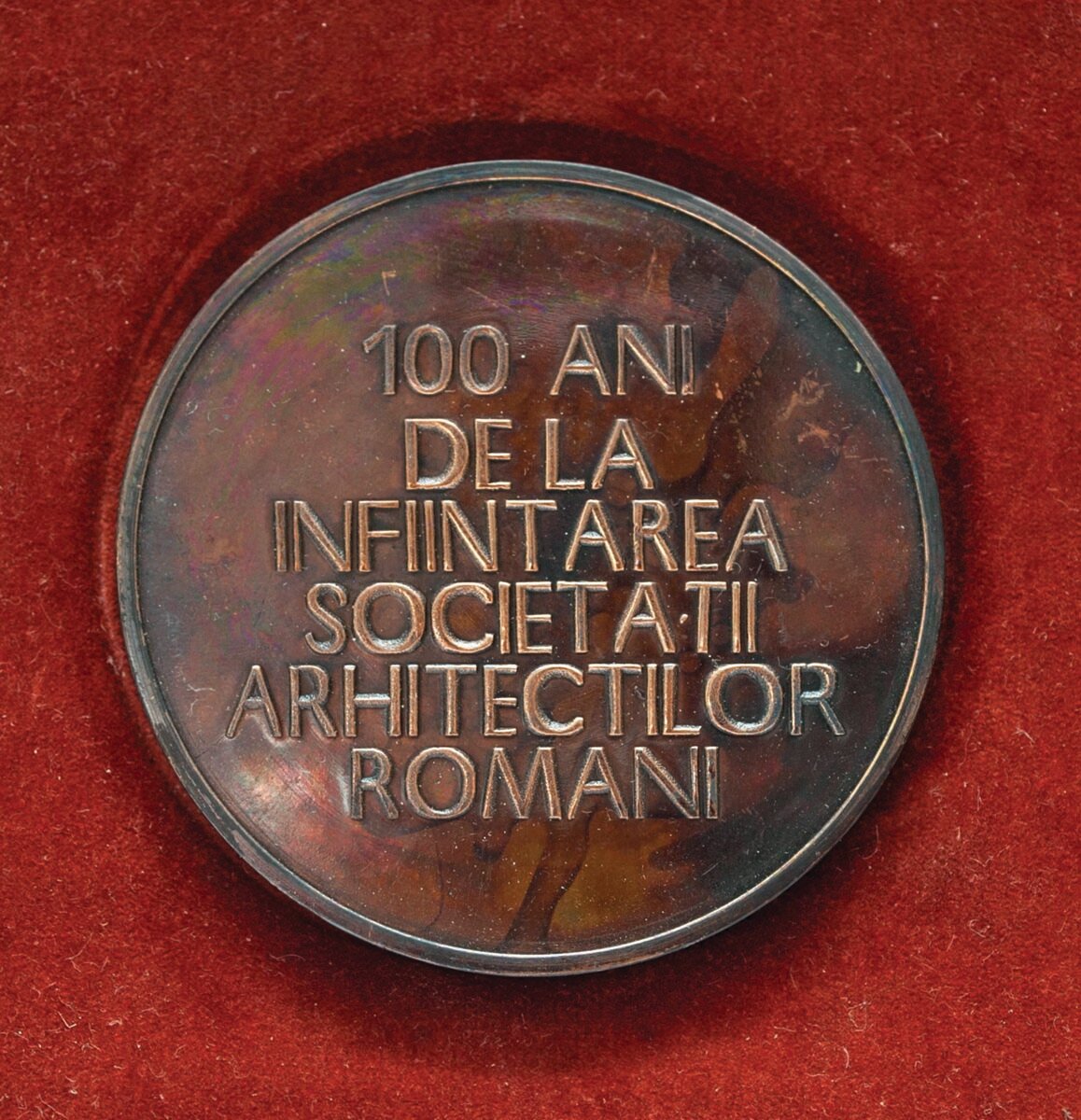
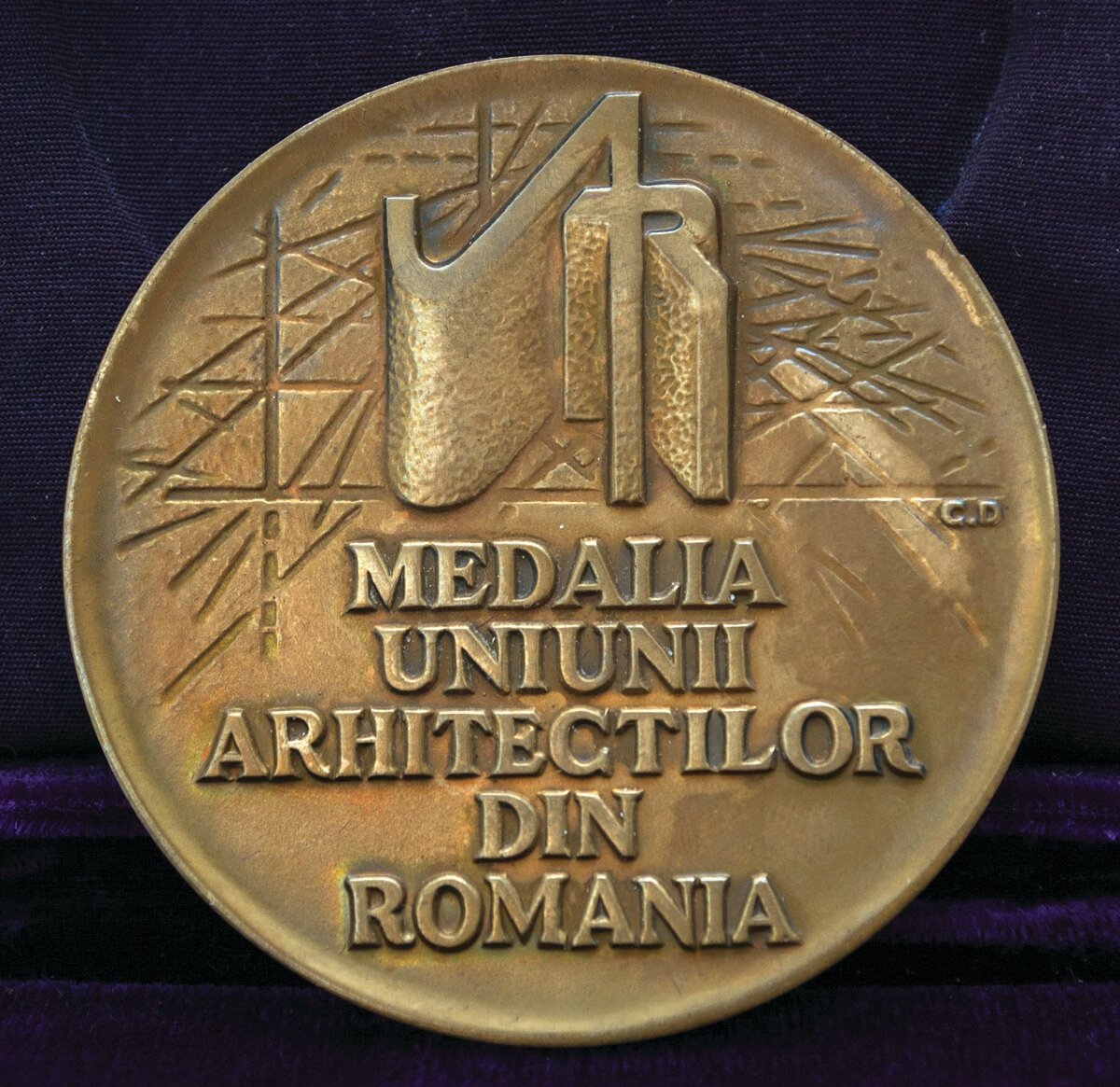
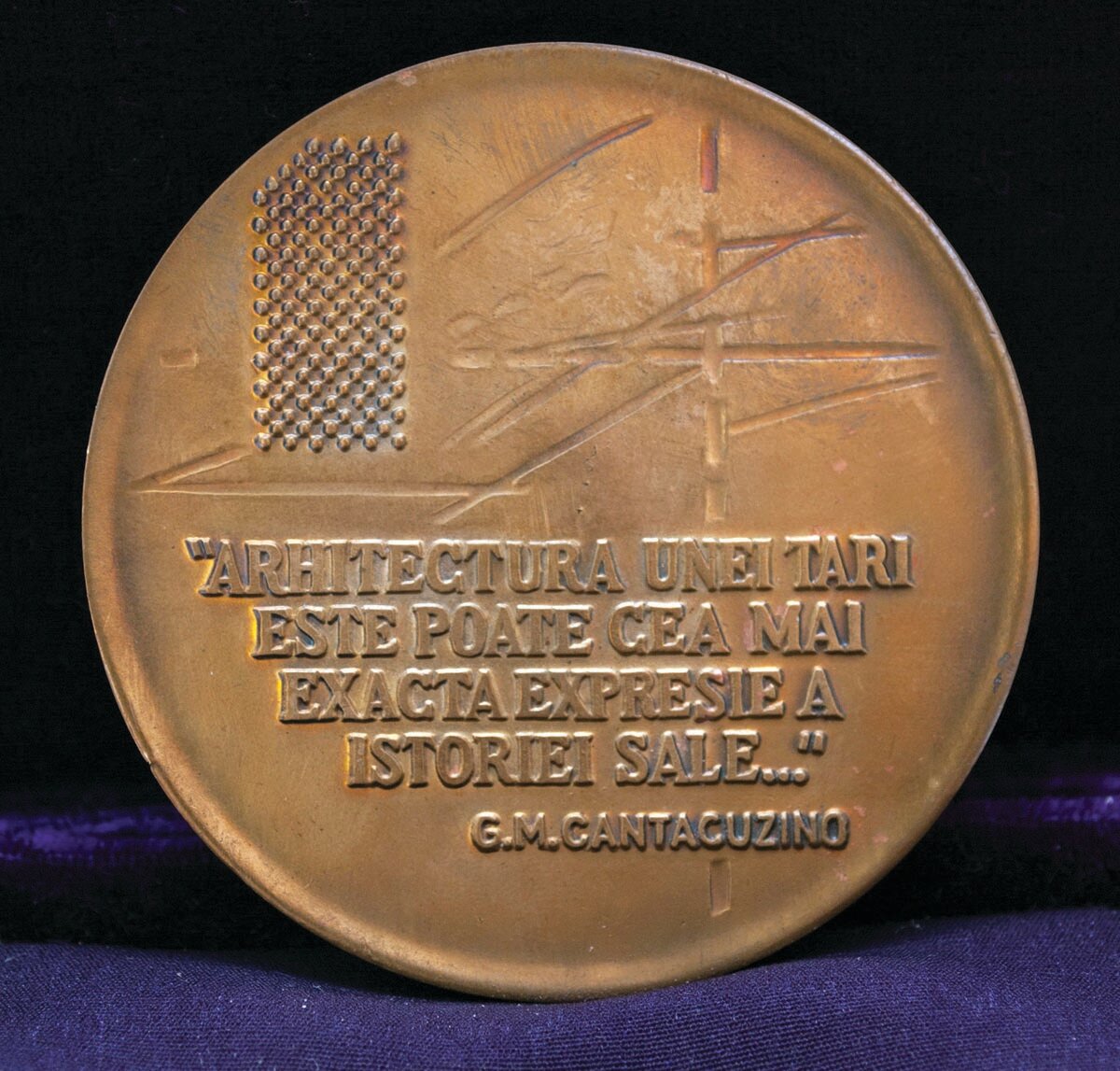
1992
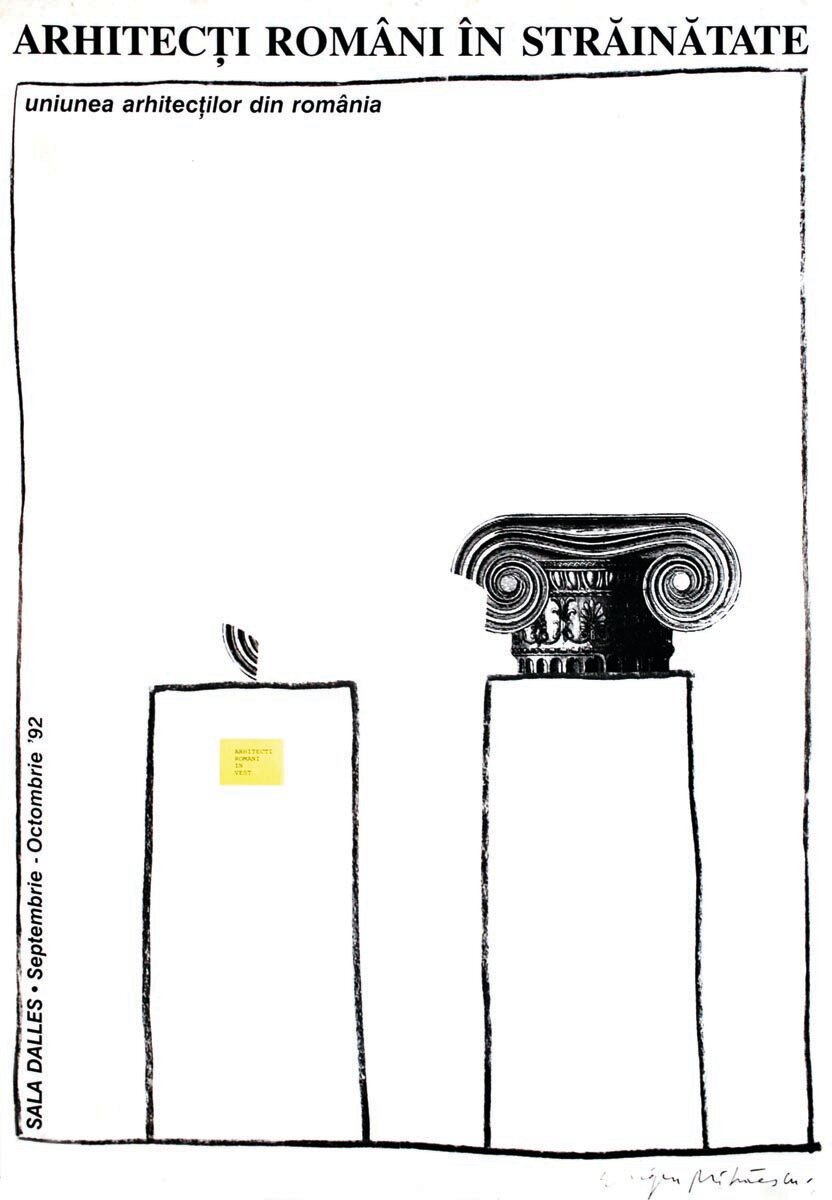
If until December 1989 the names of architects who had to leave their country were condemned to oblivion, since 1990 their presence has been strongly felt. In the first post-decembrist moments, many Romanian architects from abroad will support the bringing of aid to the country. In a short time, some of them also returned to the life of the guild by participating in events organized by the UAR, such as symposiums, competitions or jury competitions, etc. A significant moment in the knowledge and recognition of architects who had left the country was the exhibition "Romanian Architects Abroad", opened by the UAR in September-October 1992 at the Dalles Hall, as well as the comprehensive article "From the creation of Romanian architects abroad", published in the magazine "Arhitectura" no. 5-6/ 1991.
1994
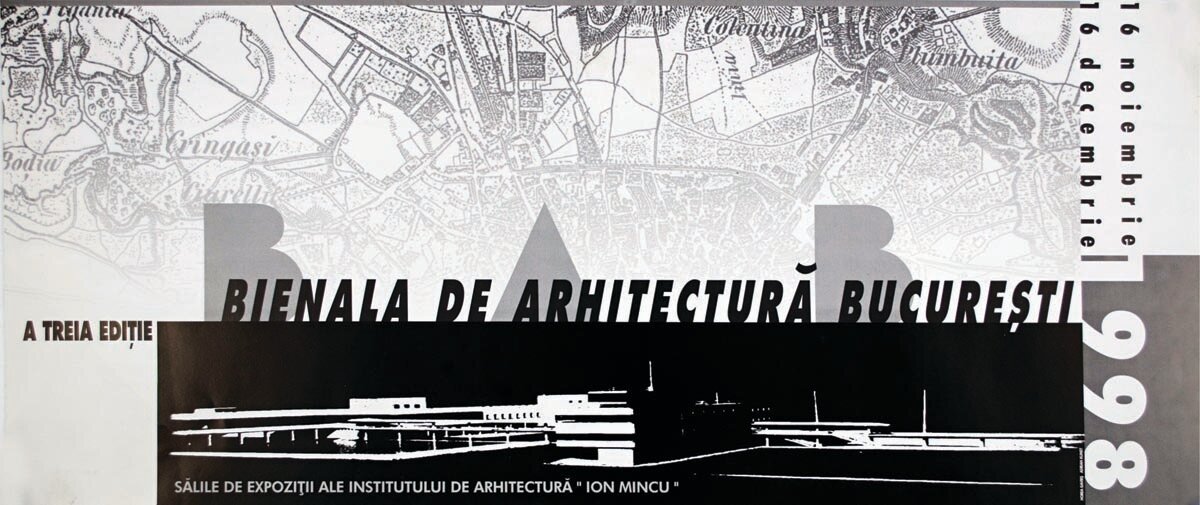
The Union of Architects resumes the organization of exhibitions that present the current architectural creation in Romania, in the form of biennales, reaching its 12th edition in 2016. UAR is also constantly involved in Romania's representation at the Venice International Architecture Biennale (since 1992).
1995
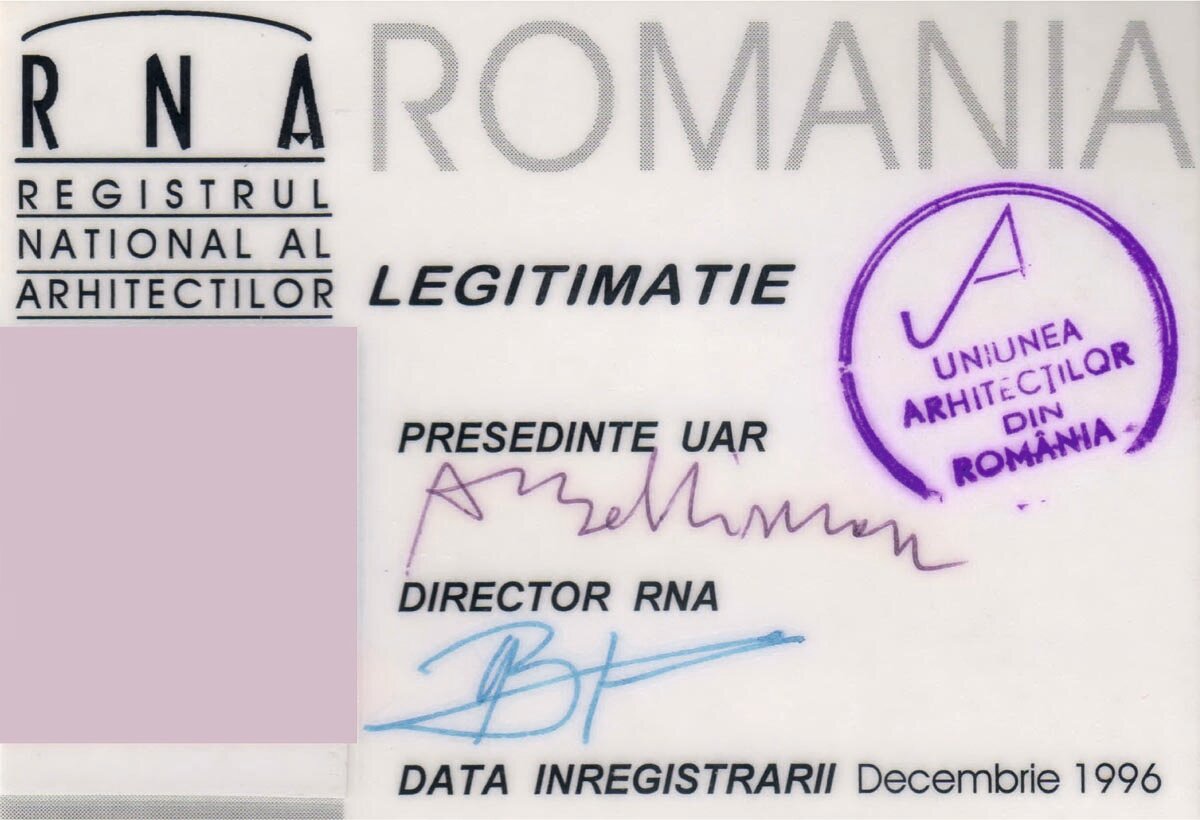
Within the Romanian Union of Architects, the National Register of Architects - RNA, the first attempt to resume the license to practice architecture as a liberal profession.
______
October, 1
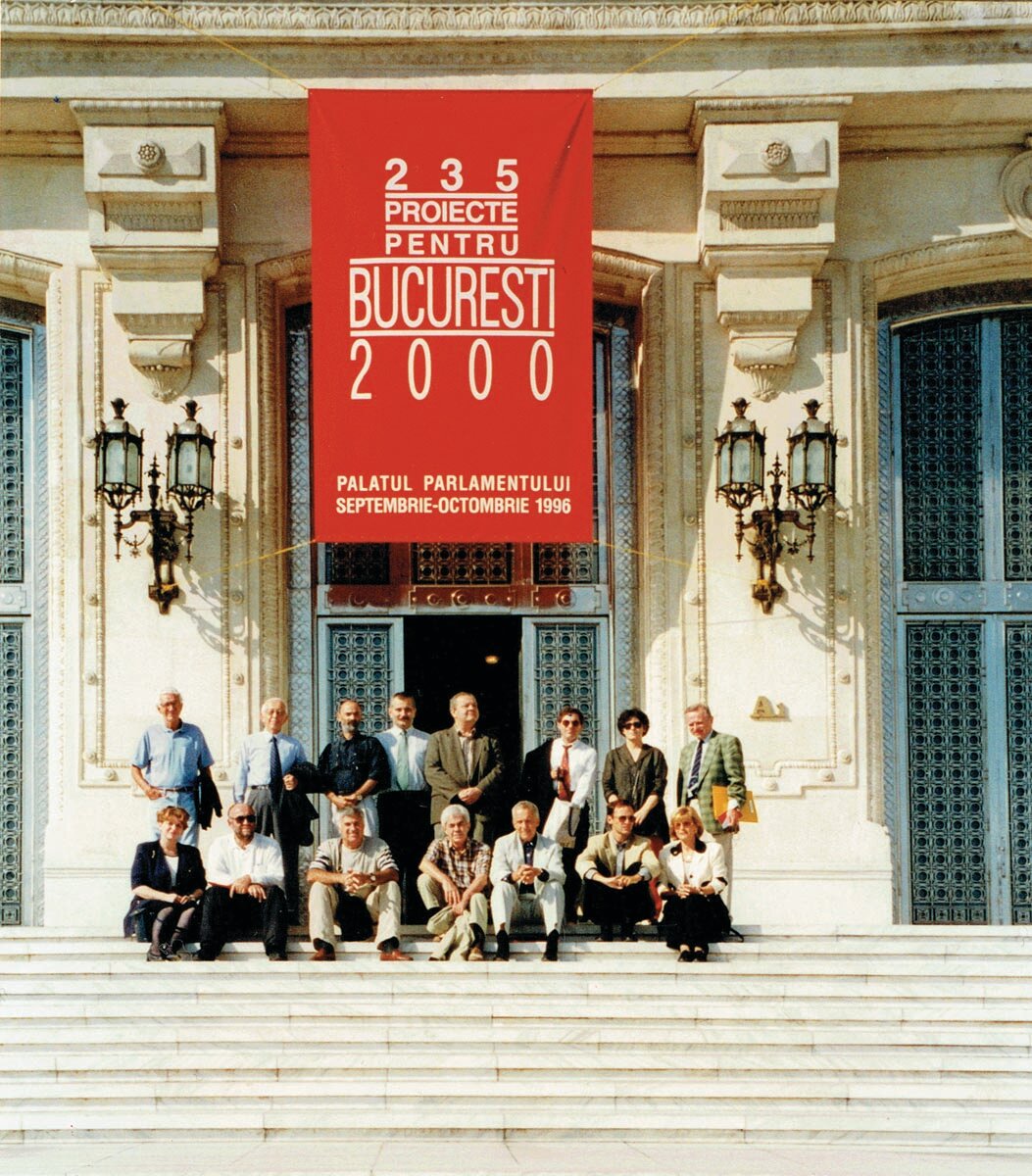
On the initiative of the Union of Architects, with the support of the Romanian Government, the Ministry of Public Works - MLPAT, Bucharest City Hall, as well as UNESCO and UIA, the Bucharest 2000 international competition is launched, seeking suitable solutions to the urban planning problems generated by the brutal interventions in the center of Bucharest in the 1980s, carried out by the Ceausescu regime. The aim was not only to consult as many specialists as possible, including from abroad, but also to attract the attention of society and, in particular, of politicians and public authorities. The international professional response has been impressive. Initially, 656 teams from 45 countries registered, and 235 projects from 35 countries, including 44 from Romania, were submitted to the first phase of the competition on April 1, 1996. For phase II, 15 projects were selected and three others are highlighted. The competition ended in September 1996, with the team of German architects Meinhard von Gerkan and Joachim Zais being named the winner. In itself, the 1995-1996 competition was a great success, both for the exemplary way in which it was organized, the very large number of participants, but above all for the variety and quality of the solutions proposed. However, as things turned out, the hope of realizing them was soon dashed. The 1996 competition turned into a beautiful professional memory, one of the many missed opportunities that Bucharest's urban development in general has had.
December
The National Alliance of Romanian Creators' Unions - ANUC, of which the Romanian Union of Architects is a founding member.
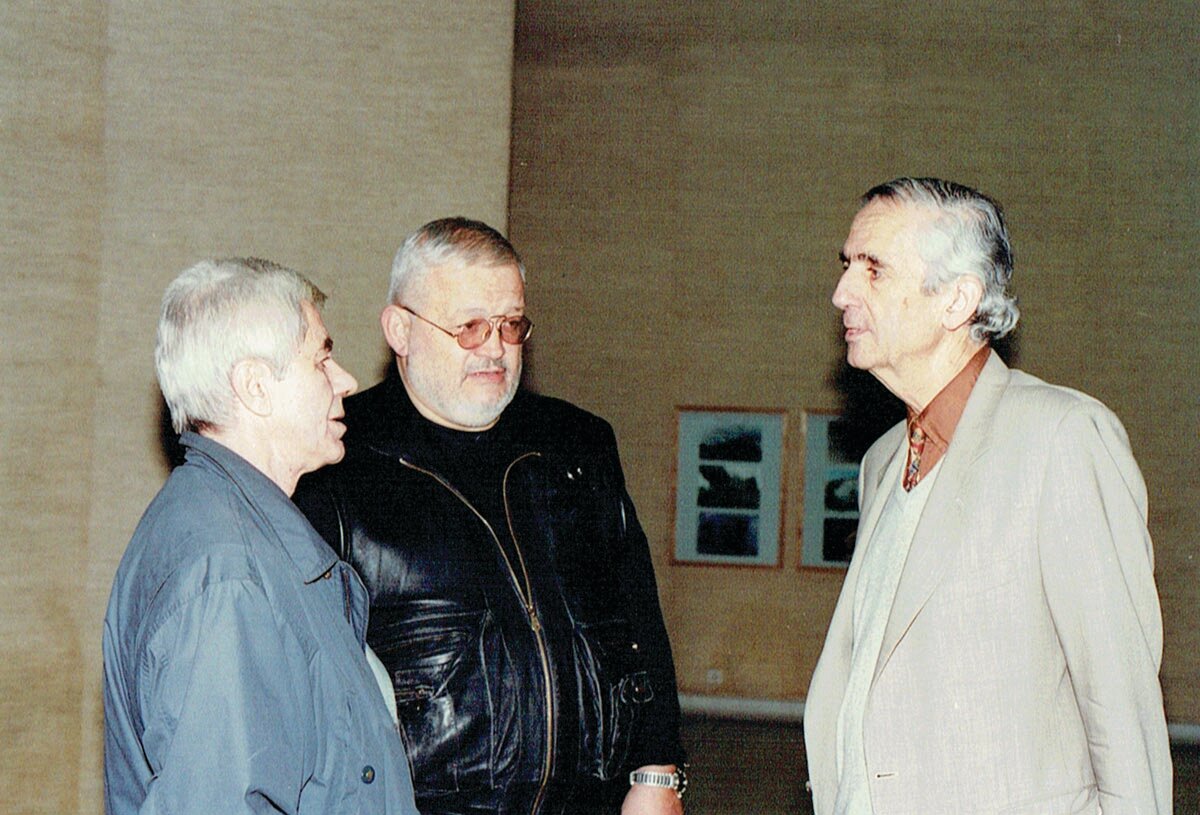
1997, October
The first ANUC symposium is held at the ARTEXPO gallery in the TNB building, on the theme "The Artist and the City", in the organization of which the UAR makes a notable contribution. The participants include Octavian Paler, Mihai Oroveanu and the architects Șerban Cantacuzino, Șerban Sturdza, Alexandru Beldiman, Augustin Ioan, Virgil Pop and others.
1999
The Association of Interior Architects of Romania was founded, initially with 32 members, president arh. Emil Barbu Popescu.
October
The National Conference held in the Frescelor Hall of the UAUIM elects as president of the UAR the arch. Șerban Sturdza.
2000
The Union of Women Architects of Romania is founded and a congress of the International Union of Women Architects is organized in Bucharest from 1-6 October.
2001, April, 11
Law 184/2001 on the organization and practice of the profession of architect is promulgated, and in the following years it is amended and supplemented, especially to facilitate the right of architects from the EU and the Swiss Confederation to practice in Romania. The Law provides for the establishment of the Romanian Order of Architects - OAR, as a professional organization under private law, which primarily manages the practice of the profession of architect, and in this regard regulates the right of signature of architects and grants the possibility of establishing individual architectural offices, etc. In the Great Hall of the National Theatre in Bucharest, on 14-16 July 2001, the National Conference of the Romanian Order of Architects is held, attended by 1,031 architects, declared founding members. The OAR's governing bodies are elected and, for an initial period of one year, arh. Șerban Sturdza becomes the first President of the OHR. He will be re-elected at the 2002 and 2006 conferences of the RFO, and will serve as President until the 2010 National Conference of the RFO, when Arch. Șerban Țigănaș.
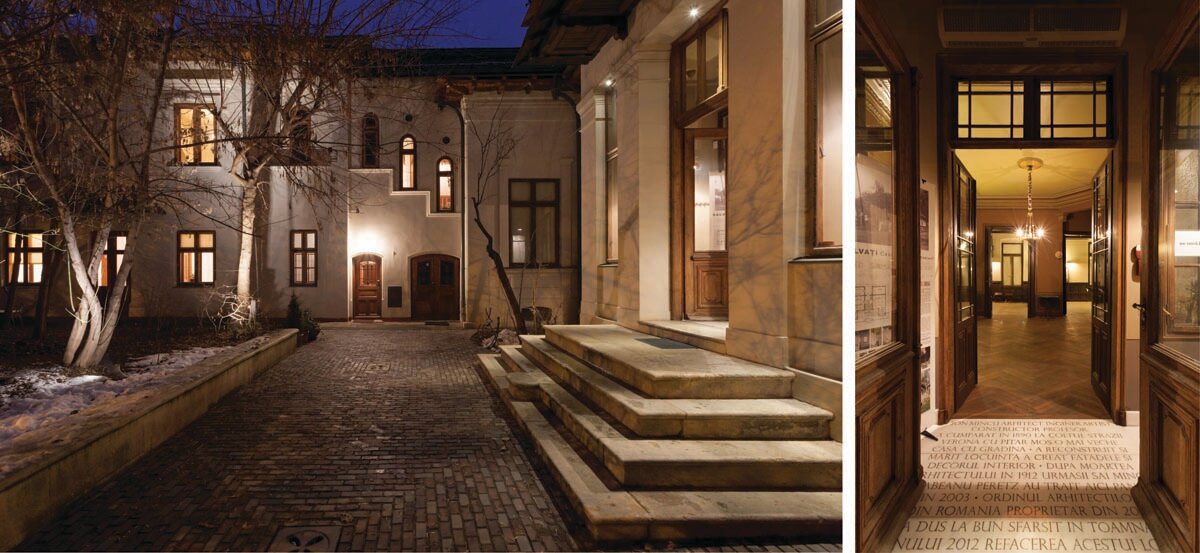
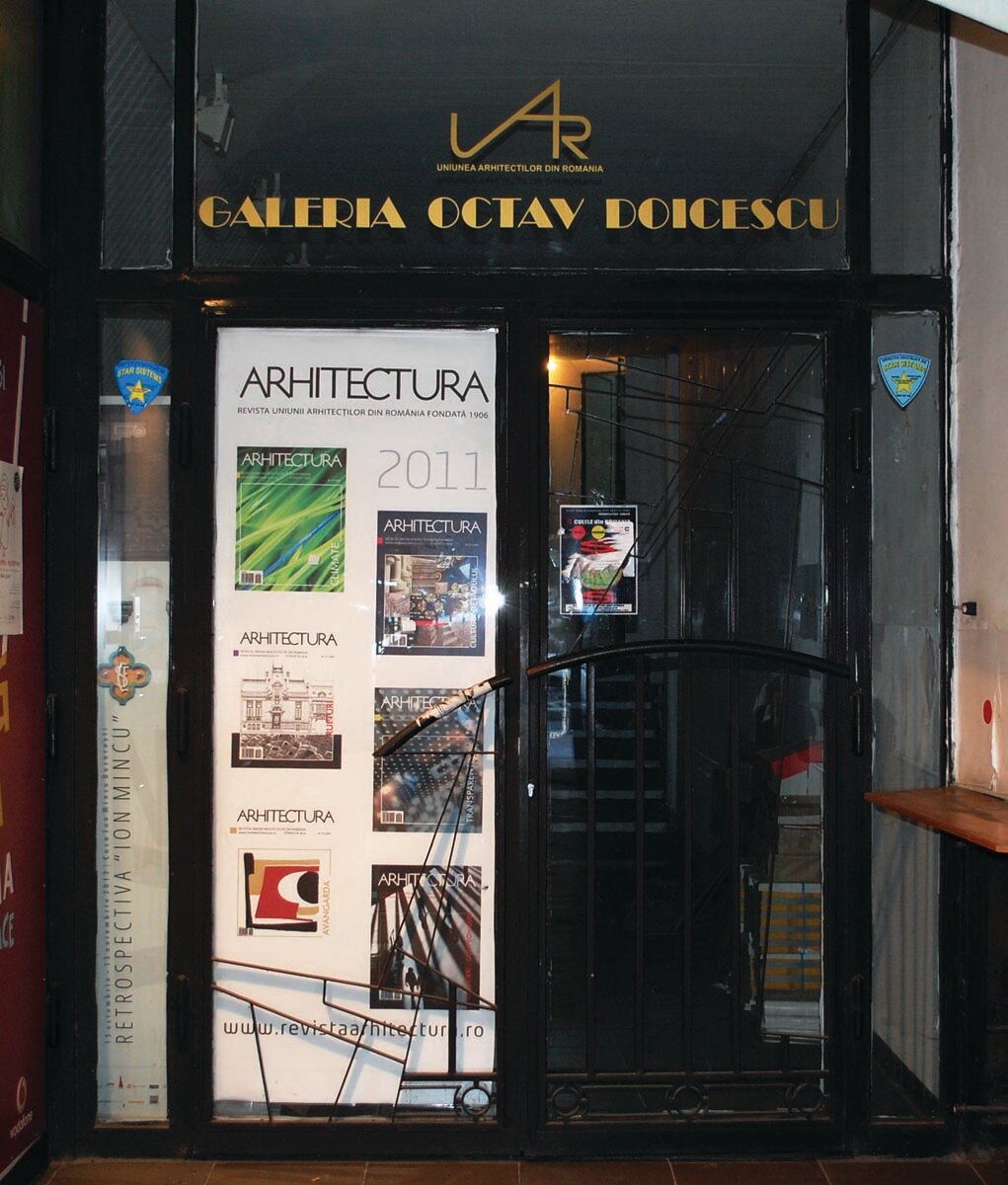
2002
The headquarters of the UAR is hastily relocated from the School of Architecture (UAUIM) to the ground floor and first floor of the building at 126 Calea Victoriei.
______
Following his election as president of the OAR, arh. Șerban Sturdza resigns as President of the UAR, his duties being exercised by the vice-president arh. Ștefan Lungu.
2004
March, 6
At the National Conference of the UAR, held in the Sala Frescelor of the UAUIM, a new statute of the organization is adopted and the UAR senate is elected, and arch. Peter Derer becomes president and arh. Ștefan Lungu, vice-president.
______
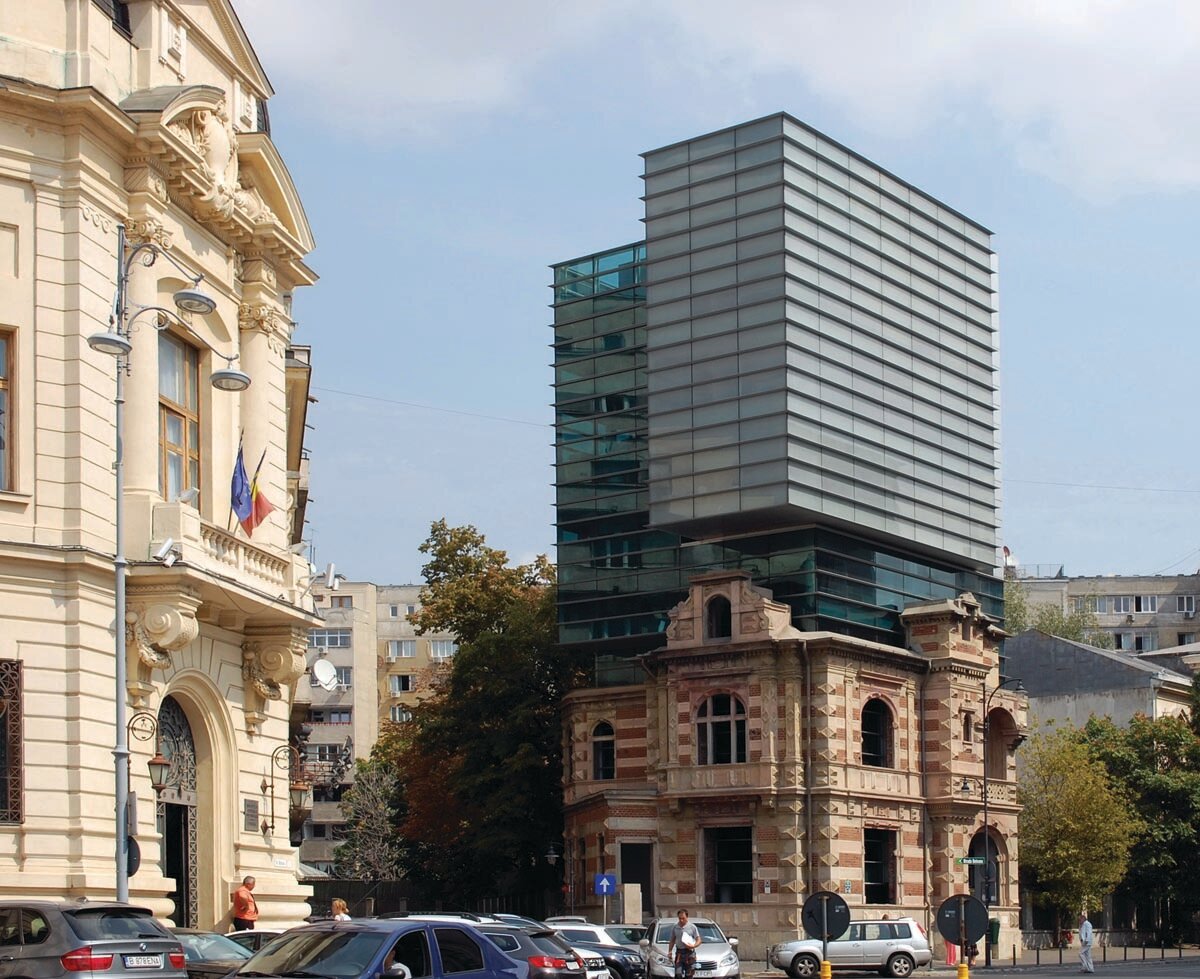
The construction of the building at 5 Dem Dobrescu Street, where some of the UAR's functions are relocated, is finalized. The building was erected on land allocated to the UAR by the Ministry of Culture since the early 90s. Through a clever architectural solution, the building was developed from the ruins of a villa dating from around 1900, damaged in the turmoil of December 1989 and in which, until then, the Fifth Directorate of the Securitate had been operating, the resulting building having a strong symbolic connotation.
August
By Government Ordinance no. 69/2004, approved by Law no. 464/2004, supplementing art. 38 of Law no. 350/2001 on town and country planning and urbanism, the Romanian Register of Urban Planners - RUR is established as a public institution with legal personality, which administers the right to sign urban and town and country planning documents. RUR's first national conference is held in October 2008.
2008
May, 10
At the National Conference of UAR, held in the Frescelor Hall of UAUIM, is elected as president arh. Ștefan Lungu as well as a senate of 16 members.
______
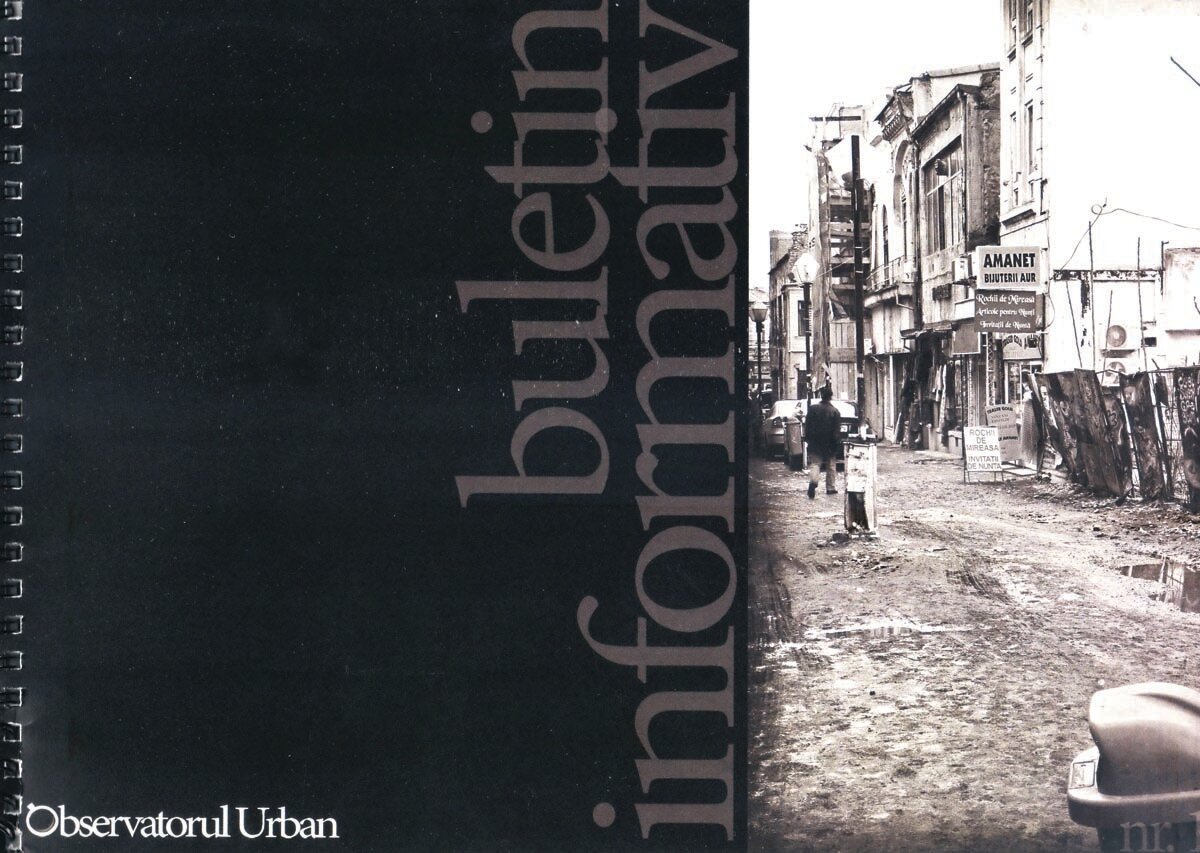
The newsletter "Observatorul Urban" (Urban Observatory) begins to appear, a publication that reflects the work of a group formed within the UAR in 2007 to monitor the slippages in the urban development of the Capital and beyond.
2009
January
Following the disappearance on December 5, 2008 of the president of the UAR, arh. Ștefan Lungu, the position is held on an interim basis by arh. Ștefan Ghenciulescu.
______
A sustained program to expand the UAR's real estate patrimony begins with the acquisition of several buildings which are historical monuments or which have subsequently become historical monuments, with a view to restoring them and transforming them into centres of architectural culture.
______
August
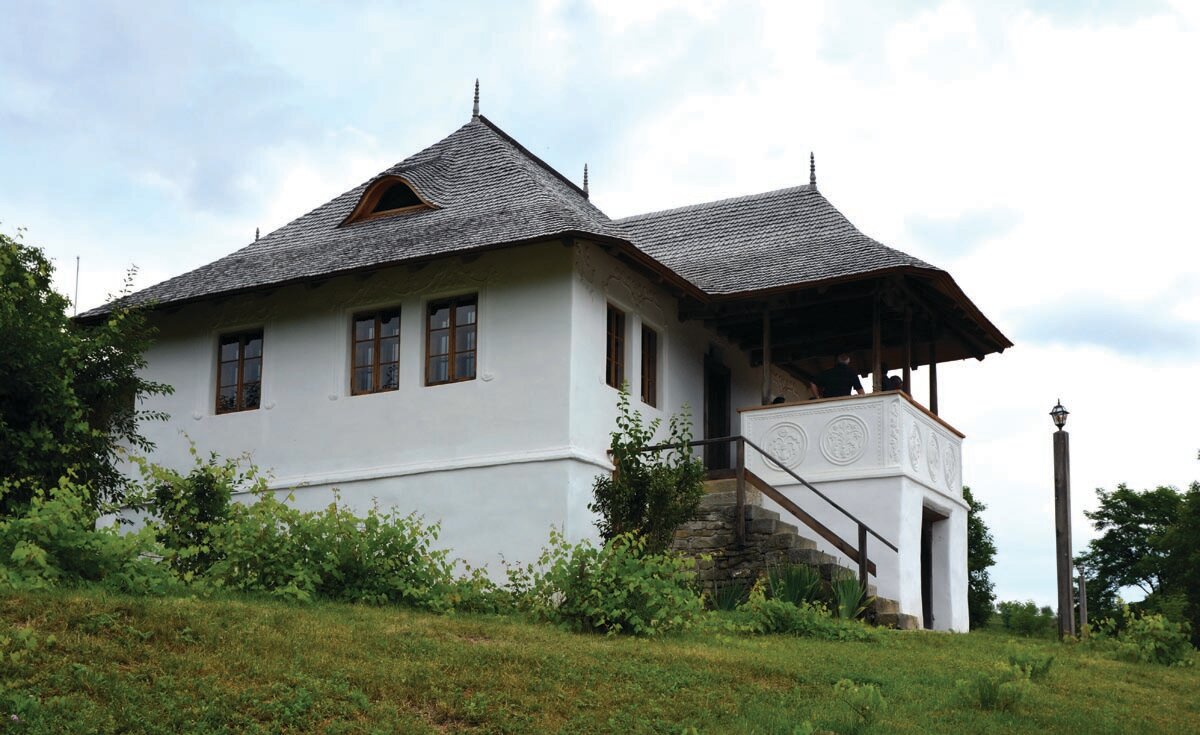
The Casa cu Blazoane in Chiojdu commune, jud. Buzău, a historical monument of national importance, which was restored with the help of European funding obtained through REGIO, Regional Operational Programme South-East 2007-2013. The works were completed in June 2015. Currently, the House with Blazoane is open to the public for both visits and the organization of socio-cultural activities.
October, 10
An extraordinary conference of the UAR elects arh. Peter Derer is elected as President and the UAR statute is voted, which on November 9, 2009 will be admitted by the District Court of Bucharest.
2010
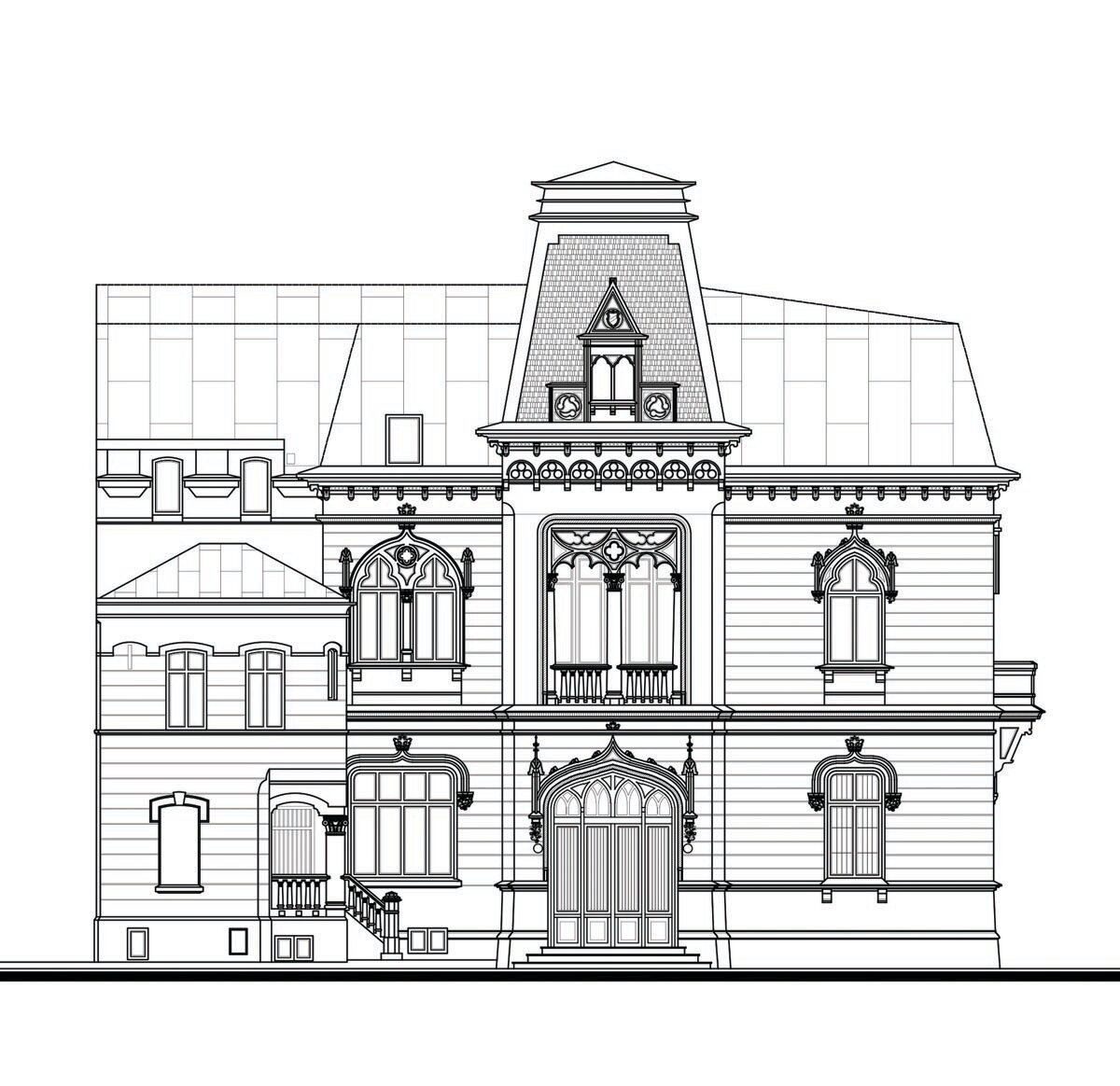
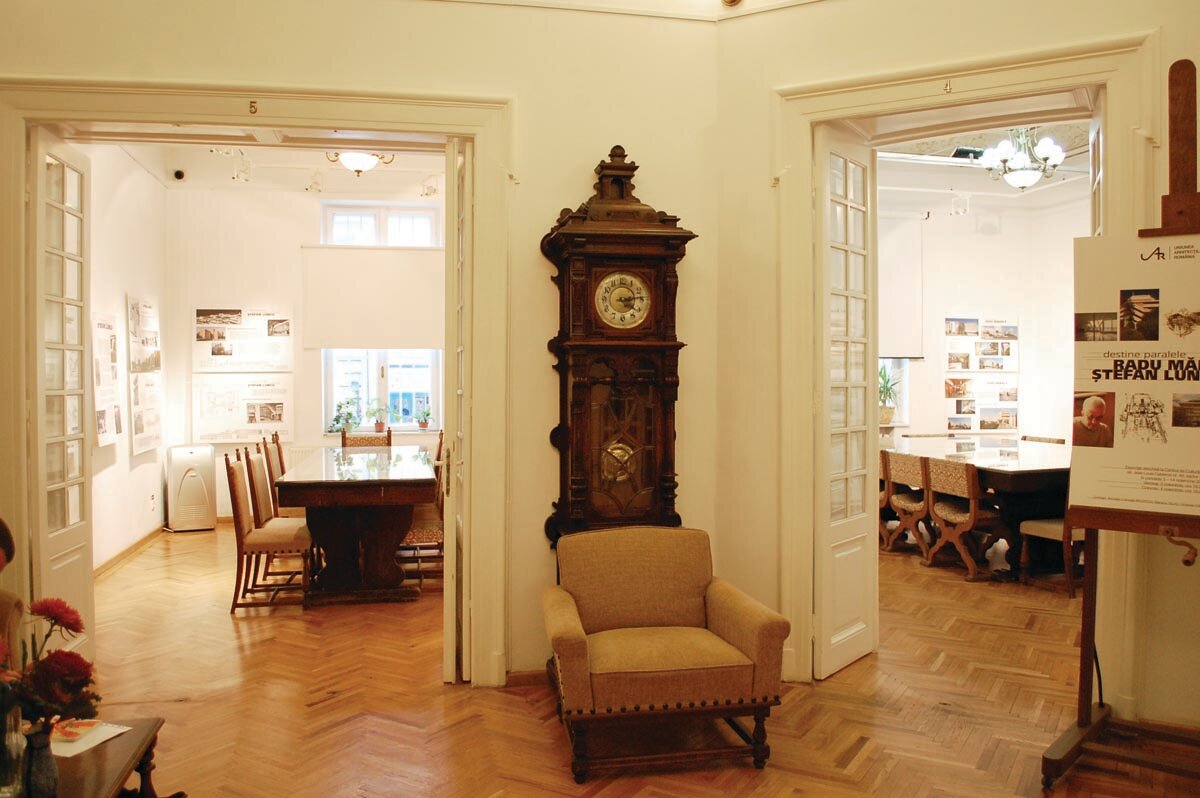
UAR buys the building at 48, Jean Louis Calderon Street, subsequently declared a historical monument, restored and transformed into the UAR Center for Architectural Culture, the ARCHITECTS' HOUSE, with exhibition and meeting rooms, library, headquarters of UAR publications ("Arhitectura", "BIUAR", "Observatorul Urban București"), which will become the venue for the main UAR cultural events.
2011
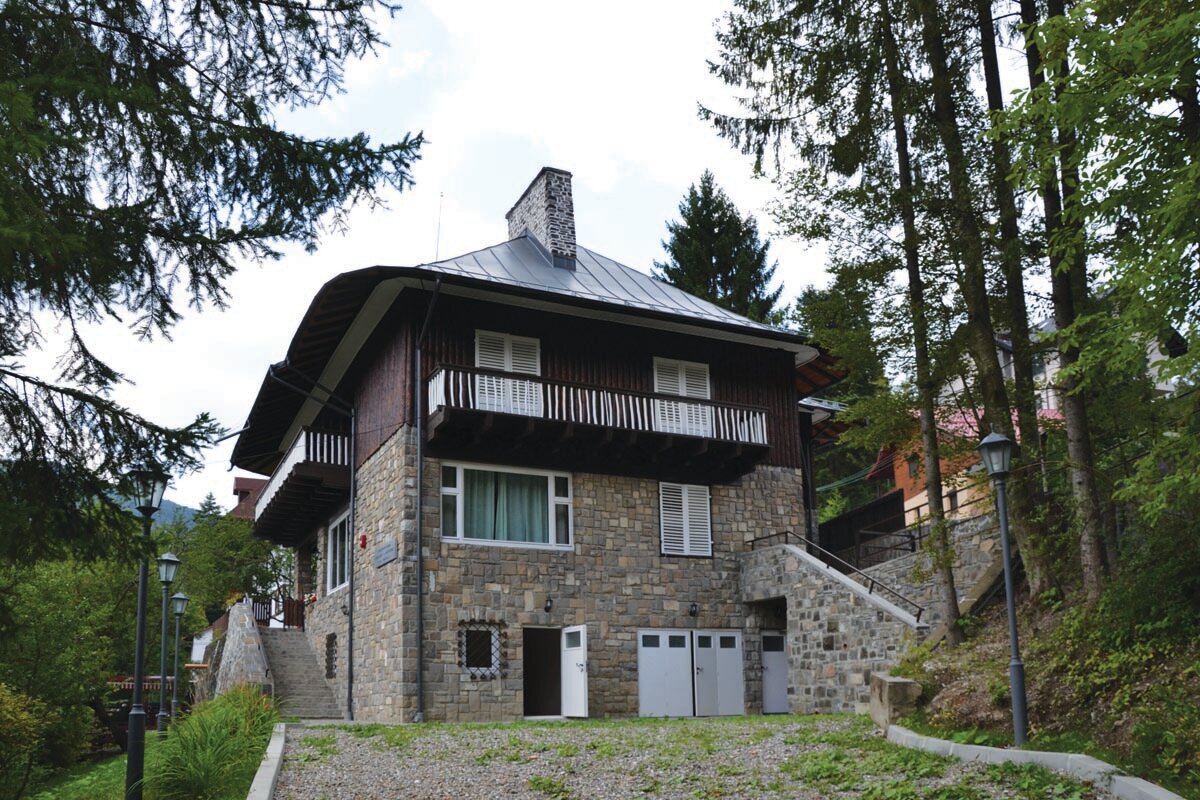
Through the purchase, the Villa Constantin Pandele in Sinaia, Th. Aman, nr. 11, a historical monument consolidated and restored until October 2015, to become the Casa Arhitecților in Sinaia.
October, 27
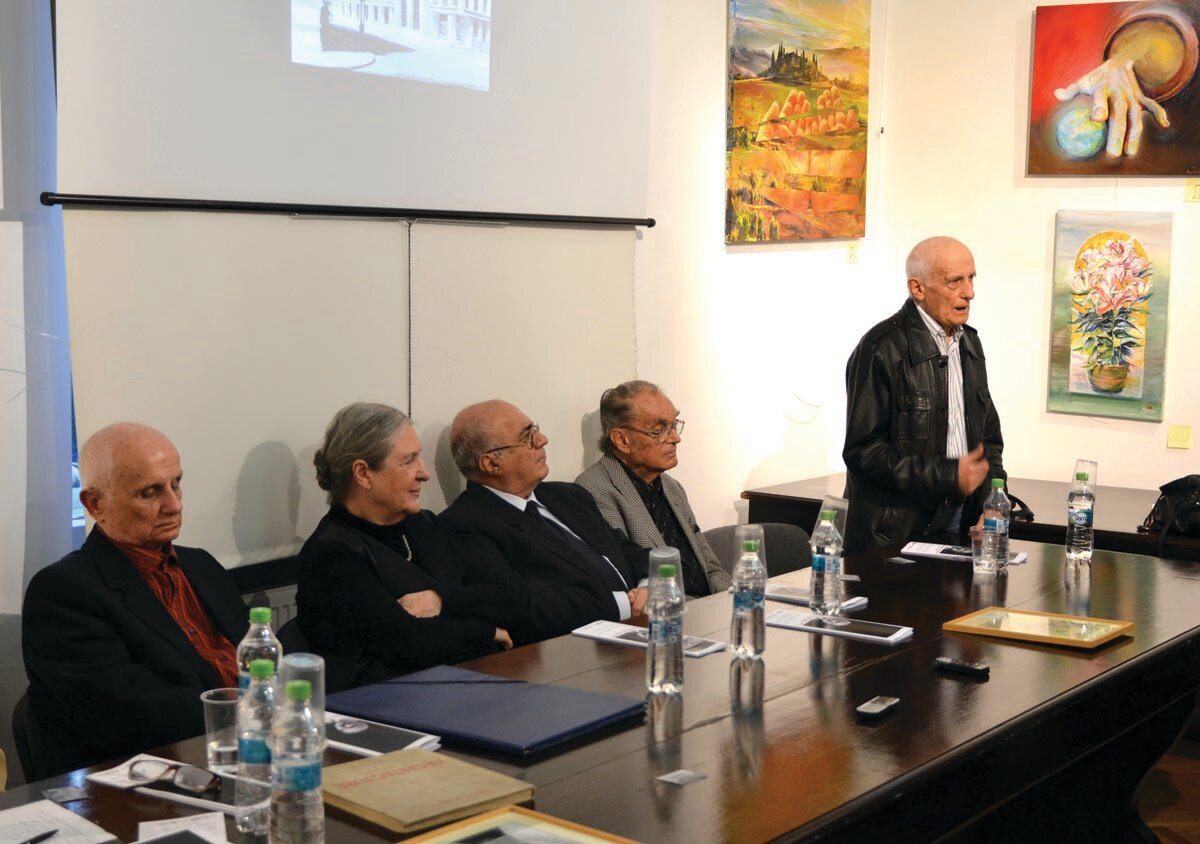
The exhibition and meeting rooms at 48, J. L. Calderon St. are partially inaugurated and soon become a real House of Architects, where conferences/debates on professional themes, anniversaries or exhibitions of paintings, graphics and/or photography of architects' works, book launches, senior club, etc. are organized on a permanent basis. The activities are part of the tradition of the Union of Architects, which has been resumed since 2004, in a more restricted form, in the Octav Doicescu Hall, 126, Calea Victoriei.
2011
From the second half of the year, the organization of UAR branches (without legal personality) begins at regional, county or sector level, in the case of Bucharest.
December, 31
The UAR has 1,601 members, of which 911 in Bucharest - Ilfov, 585 in the territory and 105 resident abroad.
2012
May, 5
At the National Conference of the UAR, held in the ARCUB hall in Str. Batiștei, no. 14, the statutes of the organization are revised and adopted and the UAR senate is elected, and arh. Viorica Curea becomes president of the UAR.
October-November
During the 10th edition of the BNAB, the exhibition-documentary "Romanian Architects Creators of Cultural Heritage 1869-1989" is launched, subsequently developed with the support of the ICR and traveled to the ICR offices in Bucharest, London, Prague, Budapest. Also within the BAB, on 15 October 2012, on the occasion of the 120th anniversary of the professional organization and higher education in architecture, many personalities of architecture or architectural education, as well as those who have supported the UAR and the architectural profession are awarded with diplomas of excellence or Memorabilis medals.
______
In addition to the great professional events that have become traditional, the National Biennale of Architecture and the Romanian participation in the Venice International Biennale of Architecture, where the UAR is the organizer or co-organizer, the UAR organizes, in partnership with the UAUIM, several significant events, such as the National Congress of Architectural Heritage "From Architecture to Built Heritage.... and beyond", held in Sinaia, September 27-29, 2013, in collaboration with UNRMI, CNMI and ICOMOS Romania. The same theme on architectural heritage is also continued at the Congress on September 24-25, 2015, held at the Cotroceni Palace and supported by the Presidential Administration. To mark the Year of Brâncoveanu, on 22 October 2014, the UAR organized a conference and an exhibition at the National Library on the theme "Brâncoveanu Architecture - the tradition continues", which subsequently toured to Budapest (twice), the European Parliament's headquarters in Brussels, Berlin, Warsaw, and Chisinau.
2015
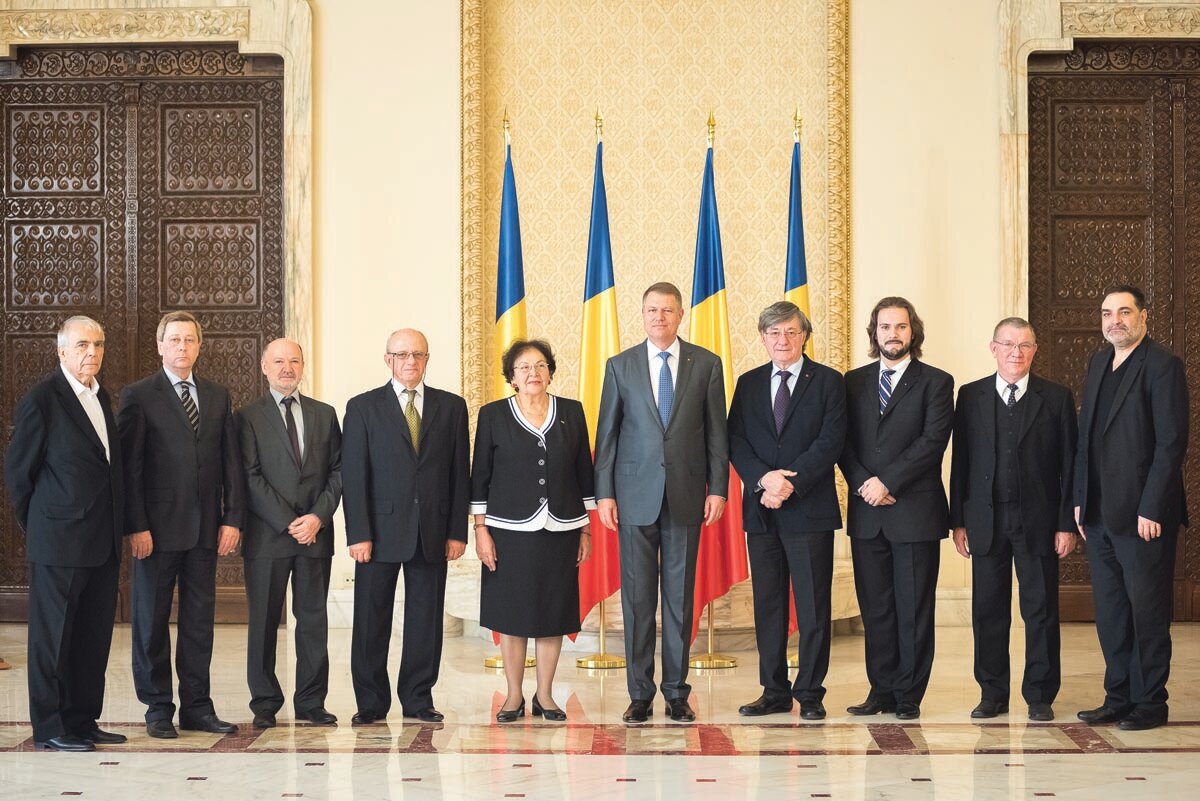
On the occasion of the 20th anniversary of the establishment of ANUC, as a token of high appreciation for its involvement in the promotion of architecture and urbanism, as well as for the enhancement of cultural heritage, by presidential decree of June 30, 2015, the Romanian Union of Architects is decorated with the Order of Cultural Merit in the rank of Officer, category I "Architecture".
2016
February, 26
To mark the 125th anniversary of the founding of the Society of Romanian Architects, an anniversary symposium is organized in the auditorium of the Central University Library.
May, 7
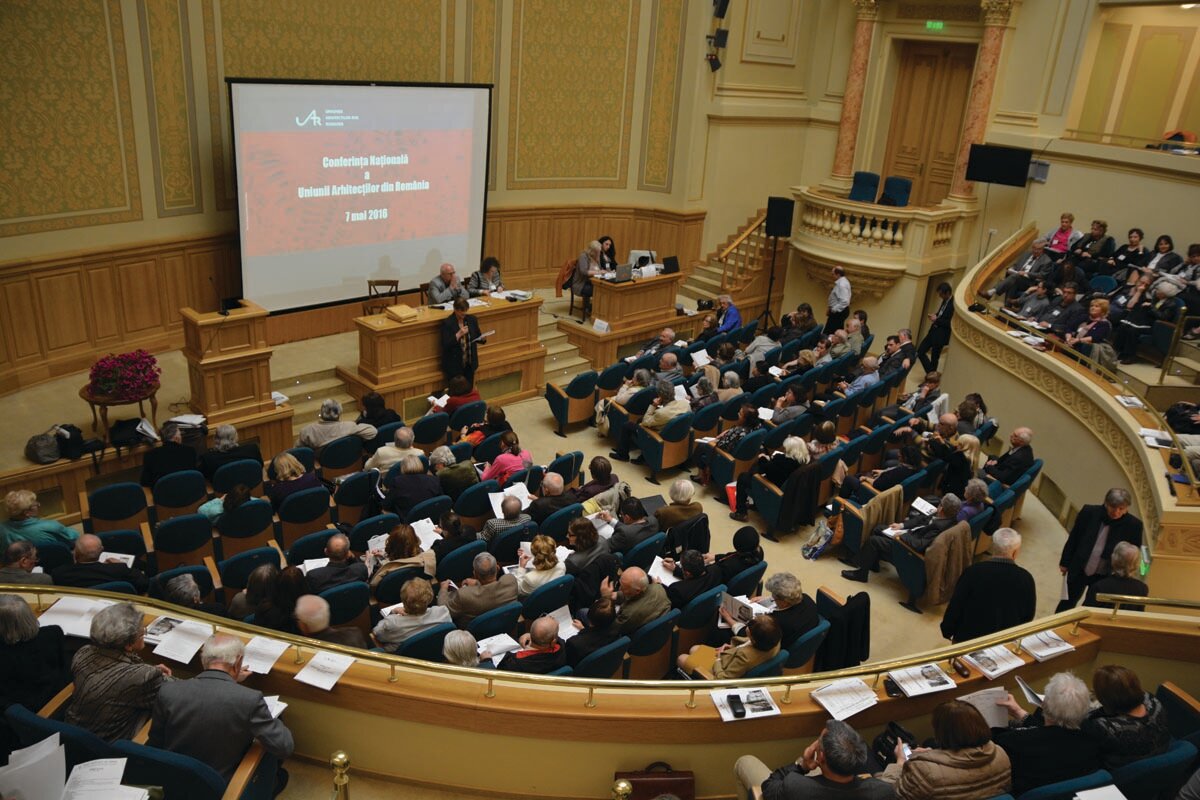
At the UAR National Conference, held in the auditorium of the Central University Library, arh. Ileana Tureanu is elected President of UAR, together with a senate of 16 members.
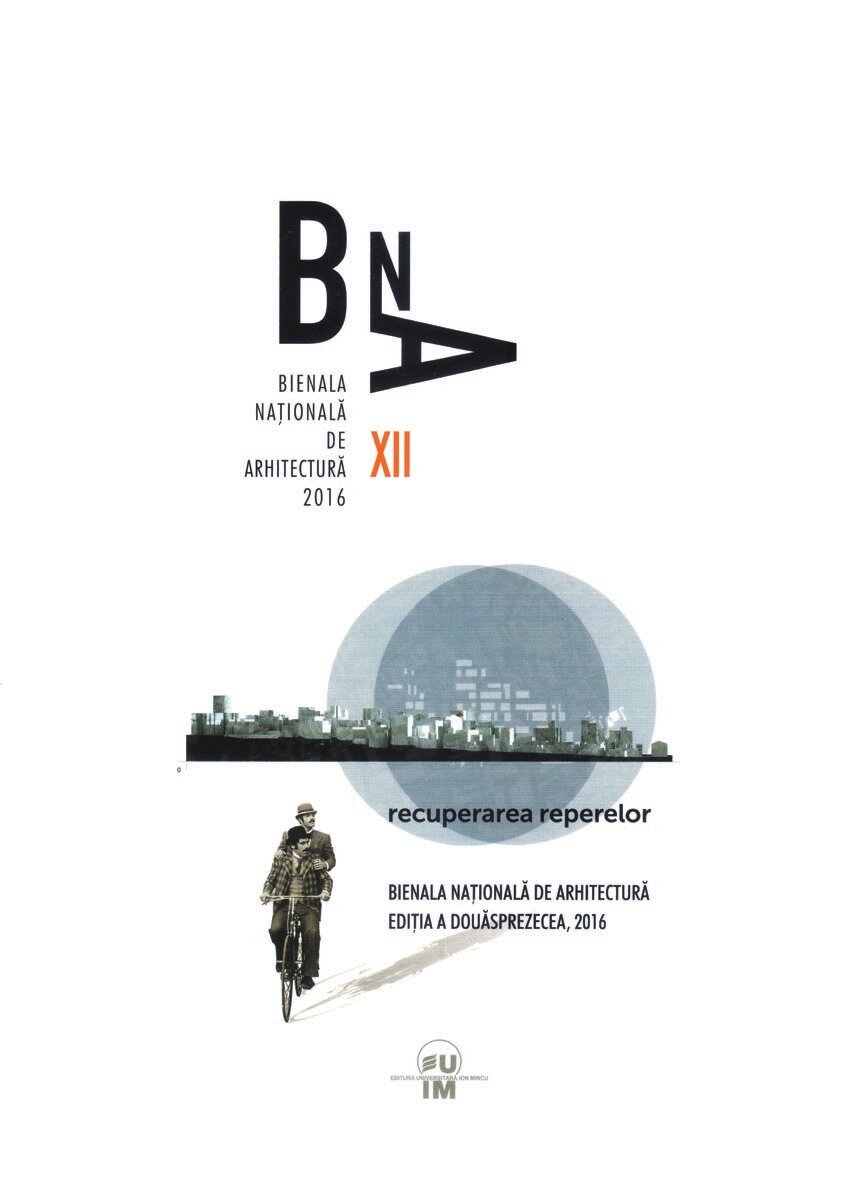
The XII National Architecture Biennale, organized by UAR in partnership with UAUIM, is held in the exhibition spaces of the School of Architecture.
October
The UAR has 2,199 members, of which 1,213 in Bucharest, 836 in the territory and 150 living abroad.
NOTES:
1 The article develops and complements the text written by arh. Mariana Celac and published in the volume Practicing the Architect's Profession 2006, section Design Guide, pp. 112-117, Simetria Publishing House, 2006, published under the aegis of the OAR.
For the elaboration of the article, the authors consulted the following bibliographical references: UAR Archives; collection "Buletinul SAR" 1945-1948; magazines "Arhitectura" series 1906-1944, "Arhitectură și Urbanism", "Arhitectura RPR", "Arhitectura"; BIUAR Collection 2004-2016; Andreea Orezeanu, Organizarea arhitecților Societate-Secțiunea-Uniune, typewritten material in the UAR Archives; BNAB Catalogue 2012, vol. II, pp. 58-70, 74, 98-100, Editura Universitară "Ion Mincu", 2014; Dinu C. Giurescu (coord.) - Istoria României in data, Editura Enciclopedică, Bucharest, 2007.
2 The measure was a surprisingly prompt response to a request by a group of architects to the Ministry of Justice, the state institution that, according to Law 11/1944, controlled companies with legal personality. The decision was part of a wide-ranging political campaign to promote personalities favorable to the new pro-Communist government in power since March 6, 1945.
3 Depending on the supervisory body, the following publications would appear: "Arhitectură Construcții" (1948, 1949, as part of the AGIR magazines); "Arhitectura" (1950, 1951, an organ of AST/ ASIT and the Ministry of Construction); "Arhitectură și Urbanism" (Sept. 1951, 1952, an organ of ASIT and the Ministry of Construction), in many cases in the former SAR headquarters at 2 Episcopiei Street.
4 In the committee for the elaboration of the draft law, the delegate of the SAR was arh. Ion Davidescu. The College of Architects will be successively represented by architects V. Urban, Duiliu Marcu and Gh. Ionescu.
5 Conf. "Buletinul SAR", no. 6/ March-May 1946.
6 Arch. Marcel Locar, "Pe drumul unei noi arhitecturi în RPR", in "Arhitectură și Urbanism" nr. 1-2/ 1952, p. 4.
7 In the first years of the magazine's publication the editorial box is not mentioned. From the speeches at the UA's founding conference in December 1952, it appears that the editor in charge was arch. Mircea Bercovici, at least for an initial period.
8 By transforming the journal "Architecture and Urbanism".
9 Today the Faculty of Pharmacy's headquarters in N. Bălcescu Boulevard, near Dalles Hall.
10 "Arhitectura RPR" no. 1/ 1953, pp. 11-20.
11 Pompiliu Macovei (1911-2008), studies Fac. de Arhitectură - 1939, teacher at the IAIM, vice-president and, between 1965-1971, president of the UA, chief architect of Bucharest between 1953-1958, but also at certain times with other responsibilities in the field of culture or diplomacy, between 1963-1965 deputy minister at the Ministry of Foreign Affairs, from 1965-1971, President of the State Committee for Culture and Art, the equivalent of today's Ministry of Culture, then Romania's representative to UNESCO from 1971-1977, substitute member of the CC of the PCR from 1965-1969, member of the CC of the PCR from 1969-1974 and deputy in the MAN 1966-1975.
12 Nicolae Bădescu (1912-1991), studied Faculty of Architecture - 1939, teacher at FA/ IAIM since 1946. Positions: Director (Dean/Rector) between 1952-1953 of FA/ IAIM, President of the State Committee for Constructions (1952-1953), President of CSAC/ CSCAS (1952-1969), Vice-President of CSEAL (1969-1973), Member of the CC of the PCR (1965-1974), Deputy in MAN (1957-1975).
13 Horia Maicu (1905-1975), studies Civil Engineering School in Rome, dipl. 1931, teacher at FA/ IAIM 1950-1972. Functions: director of IPC 1949-1951; chief architect of Bucharest 1958-1969. Coordinator of the design of emblematic buildings built in the first two decades of the communist regime.
14 Marcel Locar (1902-1983), studies School of Architecture - 1929. Teacher at FA/ IAIM 1948-1969. Positions: Director of the IPC 1951-1953, Vice-President CSAC/ CSCAS 1953-1967.
15 According to an interview with arch. Pompiliu Macovei, conducted in 2005 by arh. Viorica Curea, unpublished.
16 Up until the mid-1960s, the State Prize was the most important distinction awarded by the Romanian state in the field of culture, artistic and technical creation. For the year 1952 I receive the State Prize for Architecture arh. Petre Antonescu, for the rebuilding and superstructure of the Ministry of Public Works Palace (the current headquarters of the Bucharest City Hall); arch. Duiliu Marcu, for the interiors of the Victoria Palace, and arch. Richard Bordenache, for the rest center in Snagov for the communist nomenclature. In the following years, the State Prize was also awarded to architects Horia Maicu, Octav Doicescu, Aurel Doicescu, Cezar Lăzărescu, Tiberiu Ricci, Ignace Șerban, Ludovic Staadecker, Lucian Popovici, Constantin Frumuzache and others.
17 "Arhitectura RPR" no. 3/ 1965, p. 10.
18 "Arhitectura" no. 2/ 1971, p. 4 and p. 41.
19 See Dinu C. Giurescu, Distrugerea trecutului României, Editura Museion, Bucharest, 1994; Gheorghe Leahu, Bucureștiul dispărut, Editura Arta Grafică SA, Bucharest, 1995; Alexandru Panaitescu, De la Casa Scânteii la Casa Poporului. Four decades of architecture in Bucharest. 1945-1989, Simetria Publishing House, Bucharest, 2012, pp. 184-211.
20 The thematic title of the magazine "Arhitectura" nr. 1-6/ 1990.