Interior design humanizes hospitals - Interview with Rai Pinto | Enviromental design humanises hospitals - Interview with Rai Pinto
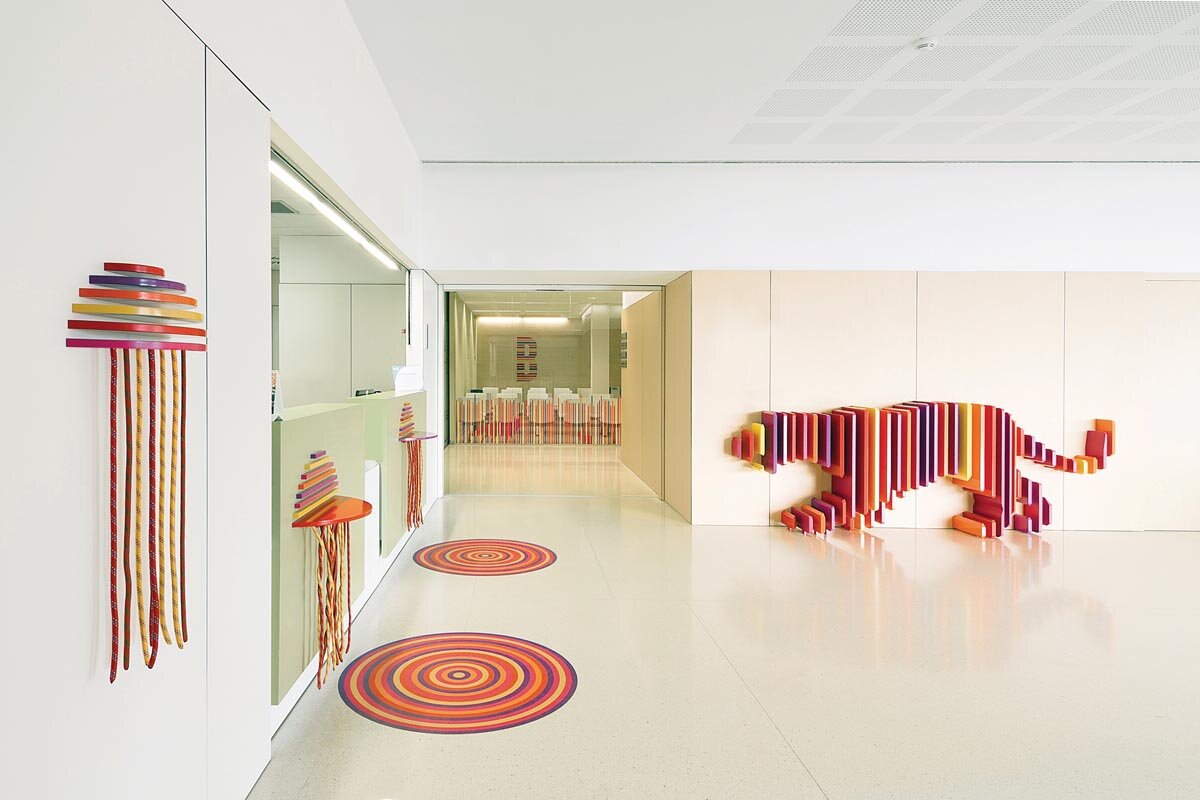
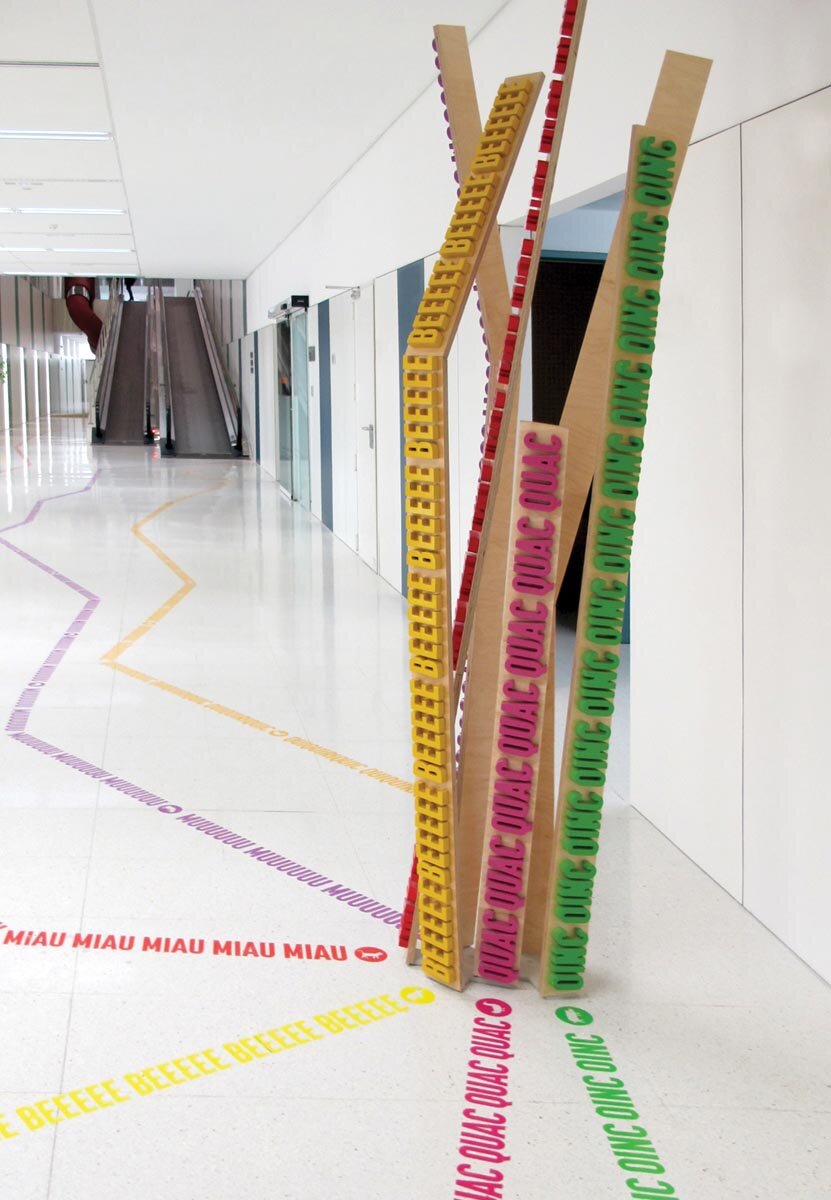
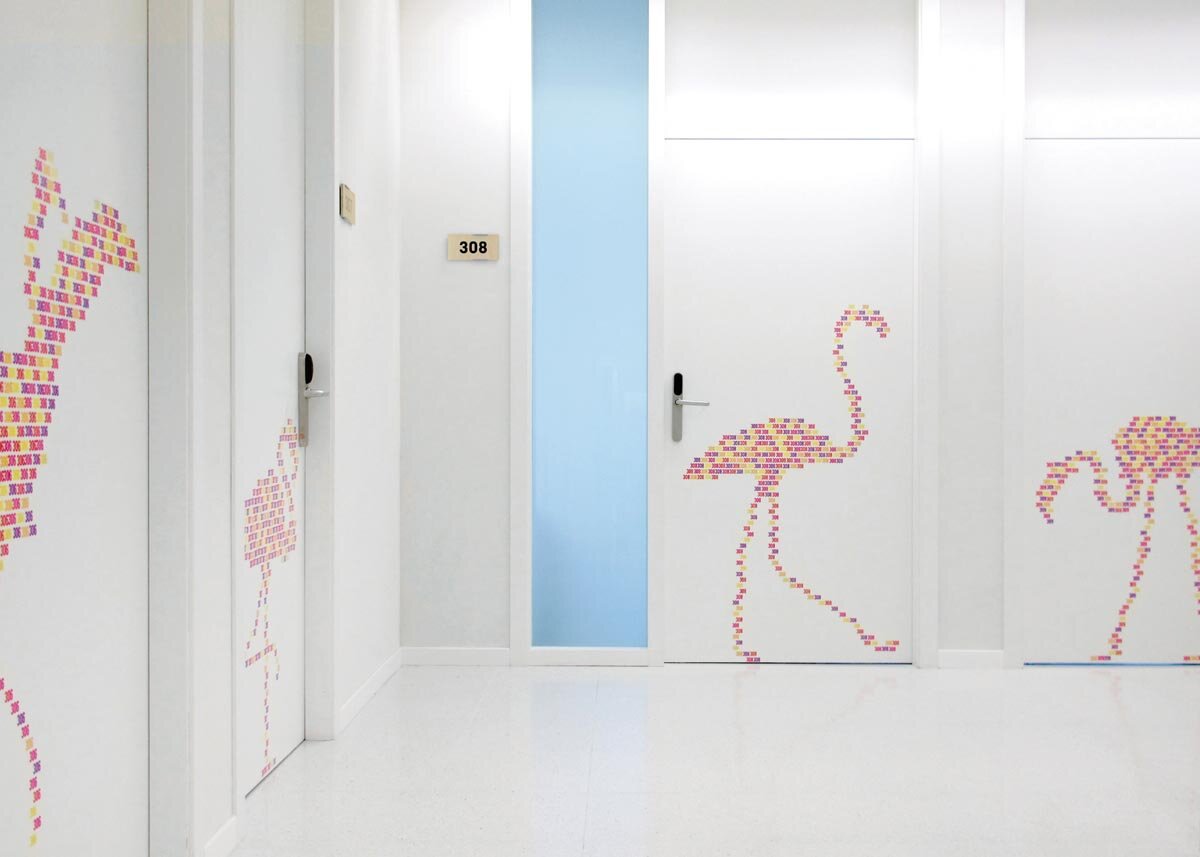
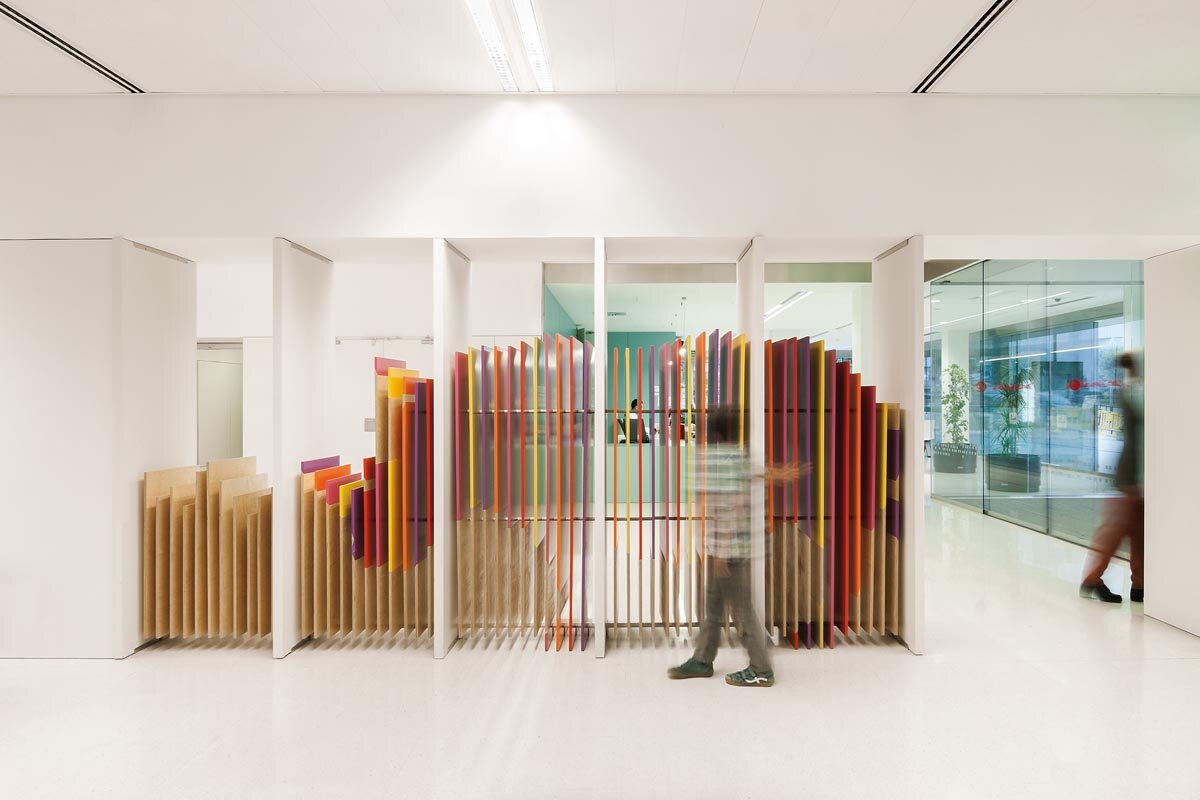
| Monica Lotreanu: The subject of your project "Humanizing the Sant Joan de Déu Children's Hospital in Barcelona" seems very new, attractive and innovative for interior design. But first, please introduce yourself, give us a few facts about the office you founded and how you came to work in this healthcare segment. Rai Pinto: I have my own office in Barcelona. Actually, I live between Barcelona and New York, but my work now is in Barcelona. I work on different types of projects, we are a small office and many projects are collaborative. We team up with different professionals to take on different clients. We have projects in residential, medical, institutional, retail and also booths and exhibitions. Regarding the project I will present in Bucharest, "Animals playing hide and seek", we are teaming up with a graphic designer, Dani Rubio. We got into the medical segment because we collaborated with the engineering department of the Sant Joan de Déu Children's Hospital and the architects working on its renovation project. We have been connected with the medical sector since 2011, when we participated in a non-profit project consisting of the refurbishment of an apartment in a house in Barcelona. The purpose of this house is to host families from other areas of Catalonia and Spain with children undergoing oncologic treatment in the city's most important hospitals, mainly Sant Joan de Déu and Vall d'Hebron. An organization chose the designers and I took part in the selection for the design of these apartments. Then, during the collaboration for Sant Joan de Déu, in 2012, we were entrusted with the design of the interior design of the hospital. We define this last level of the project as the design of the interior environment. M.L.: What does this concept of "humanizing hospitals" mean from a designer's point of view and from the experience you have gained so far? Where does this trend come from? How are these interventions on the interior environment applied in hospitals in Europe, in hospitals in Catalonia or in Spain, as far as you know? R.P.: We use different terms to define this type of project, for example, "humanization" or, as hospital managers call it, from the word pediatrics, "pediatrization" of the spaces. In any case, this is the last layer in the construction of the whole hospital, and the aim of such a project is to make the interior spaces more spacious, more comfortable for the patients, in this case children. In fact, the idea of providing these improved spaces does not come from the designers or the architects, but from the hospital managers. I think there are leaders in Catalonia and in Spain for all these initiatives... So they are taking the model of American hospitals and other hospitals in Europe, especially in the UK. Before they start implementing these improvements, the top managers visit a lot of hospitals, get a very clear idea of what they want to do, and then they pass on their requirements of what they want to do to the architects who do the master plan of the hospital and the design of all the buildings. And also to us, the designers. M.L.: What do you think is the rationale behind this innovative, pioneering approach to hospitals? R.P.: I think interior environmental design applies well to hospitals because they are a private healthcare system, and the patients are their customers, and there is a lot of competition in the field... Hospitals have to offer more. We usually have a global idea about hospitals, which includes the primary rationale of hygiene and that the spaces have to be large, they have to look a certain way... It's a bit absurd because germs have nothing to do with colors. When we mentioned all these initiatives to the hospital and that, of course, it has nothing to do with our work, they told us: but there are clowns, dogs, all kinds of tools to make the spaces look different. Basically, the manager of Sant Joan de Déu wanted to do away with this idea of an old hospital and make Sant Joan de Déu competitive or a leader on the same level as those hospitals whose model they follow. |
| Read the full text in issue 2 / 2016 of Arhitectura Magazine |
| Monica Lotreanu: The subject matter of your "Humanization of Sant Joan de Déu Children`s Hospital" project you presented in the Healthcare section of the GIS Expo-conference in Bucharest seems very new, attractive and innovative for the interior design category. But first, tell us please about your design studio and how did you arrive to work in this field. Rai Pinto: I'm leading my own studio in Barcelona. In fact, I'm living between Barcelona and New York, but all my work is in Barcelona right now. I'm having different kinds of projects. Actually, we are a really small team and we work a lot in collaboration. We team up with different kind of professionals to take different clients. We have projects in residential and institutional field, in healthcare, in retail, and also stands and exhibitions. In this case, the project that I'm going to explain, "Animals playing hide and seek", we team up with a graphic designer, Dani Rubio. I came to work in the healthcare segment because I was collaborating with the engineering department of the Sant Joan de Déu Children Hospital and the architects that are doing the extension and renovation project. So, I have this connection with the healthcare from 2011, when I participated in a non-profit project, designing an apartment for a house located in Barcelona. And the purpose of this house was to host families from other parts of Catalonia and Spain, families with children undergoing oncologic treatments in the most important hospitals, mainly Sant Joan de Déu and Vall d'Hebron. There was an organization which chose the designers and we participated in the selection for these apartments. And then, while collaborating for Sant Joan de Déu, in 2012, we got the assignment to do the environmental design of the hospital we define this last layer of the project as environmental. M.L.: Please explain to our readers the concept of humanization of the hospital. What does it mean from your point of view, as a designer, and from the experience you've gained so far? Where does this trend come from? How does it apply in Europe, in hospitals in Catalonia or in Spain, where you have knowledge of this kind of "environmental" interventions? R.P.: We are using different words to define humanization or, as the managers of the hospital are used to do, they modify the word paediatrics and say "to paediatrise" the spaces. Anyway, this is always the last layer of the construction of the whole hospital, and the purpose of doing this kind of project is to improve these spaces, to make them more comfortable for the patients, in this case, children. And, actually, the idea to offer this kind of spaces is not from the designers or the architects, but from the managers of the hospital. Hospital managers also pay attention to the American hospitals and some other ones in Europe, in UK and before starting the implementation of these improvements, they visit a lot of hospitals, which gives them a very clear view about what they want. And then, they give these requirements to the architects doing the general planning of the hospital and the design of all the buildings, and also to us, the designers. M.L.: What is the reason for this innovative approach in your opinion? R.P.: I think that it's basically because they run a private healthcare system and the patients are clients; plus there is a lot of competition... They have to offer more. Usually, we have a global, maybe rational idea of what hygienic spaces mean, and that includes wide spaces looking in a certain way... It's a little bit absurd because the germs don't have any kind of relation with the colors. So, when I mentioned all these initiatives to the hospital management, and that, of course, there isn't any relation with our work, in return they suggested clowns, dogs, and all this kind of instruments to make the spaces otherwise. Basically, what the manager of Sant Joan de Déu Hospital wanted was to break out with the idea of old hospitals and put Sant Joan de Déu in a position to be competitive or a leader, at the same level with the hospitals they have visited before. |
| Read the full text in the print magazine |
Photo: Victòria GIL