Architecture is the relationship between a place and a function at a given moment
Francis Metzger is professor at the Faculty of Architecture "La Cambre Horta" at the Free University of Brussels and founder of Metzger et Associés Architecture. In May 2016, Metzger was invited by the University of Architecture and Urbanism "Ion Mincu" in Bucharest, in the framework of the course and workshop "Conversion of Industrial Heritage", to participate in the jury for the projects developed by the 5th year students of the Faculty of Architecture and to give a lecture entitled "Théâtre de la Balsamine, Brussels. On the conversion of the former Dailly barracks and other projects". On this occasion, Francis Metzger gave an interview to lect. dr. dr. arh. Andrei Eugen Lakatos, from UAUIM.
Andrei Eugen Lakatos: You have a double capacity, that of university professor and practicing architect.
Francis Metzger: I find myself very much at home in both and I can say without a doubt that both professions are complementary. It is difficult to teach an artistic branch without really practicing it; it would be difficult for a person to teach the violin without being able to play the violin; and the same is true for architecture. Being a practicing architect increases a person's ability and quickness to formulate a critical opinion; just as with athletes: those who train have well-developed arms. When practicing as an architect on a day-to-day basis, you get a much sharper critical vision that allows you to approach student projects with greater acuity.
A.E.L.: At the conference you gave at the Ion Mincu University of Architecture and Urbanism, you said that architecture can be divided into three broad categories: renovation, restoration and contemporary architecture. I have noticed that all three categories can be found among the works led by your office, so you have a track record with a wide variety of projects, both in terms of architectural programs and types of interventions. How do you think this fits in with the current trend of over-specialization, both within university architectural education and architectural practice?
F.M.: I consider myself to be a "gurmand" architect. I equally enjoy working on both contemporary architectural projects and restoration projects. From my point of view, it is all about practicing architecture, and every architect has his own vision and definition of architecture. For Le Corbusier, "architecture is the skillful, correct and magnificent play of forms brought together under the light"... In my view, architecture can be defined as a relationship. It is a relationship between a place and a function at a given moment. Something has always happened on a site before the project and other events will happen after construction. Establishing a relationship between what happened before and what will happen after is, in my view, what we call an architectural project. When the site is a vacant, empty piece of land - although in reality land is never empty, there is always a geographical perspective, a topographical settlement, etc. - the architectural language can be new, contemporary, and this relationship between the site and the architectural program can be invented. When the building or land in question is not very interesting, then we can imagine renovating and transforming the place. But when we are dealing with a building that has exceptional architectural qualities and/or was built by a renowned architect - such as Victor Horta, Jean Baptiste Dewin or Blerot - the project will be one of restoration. In other words, it is the place that defines the attitude, the interventions and the intention to do a new build or a conversion. From my point of view, this is a natural decision and does not belong to the architect. In the architectural office that I run, I enjoy building with different attitudes: designing new buildings or working on restoration/conversion because in both cases it is architectural practice. It's unfortunate that architects nowadays specialize only in one field or another.... It is as if there is a missing link in our profession.
A.E.L.: Contemporary architecture is constantly changing and transforming. How do you think architectural education should relate to these ongoing changes? Should they influence the training of future architects?
F.M.: The architectural profession has changed a lot in recent years. In my student days, there was no computer, people still drew on the drawing board. In a few years the profession has evolved spectacularly. Evolution is in the nature of things. But what defines the mastery of an architect is not the technique by which he drafts his documents, but the quality of his eye. It is the ability to give birth to projects. Projects are the credo of our profession and what defines us. An architect is a visionary who goes beyond the contingency of the situation. By envisioning his place, he values its identity. This idea of giving identity to the place is paramount, whatever the means of communication and the technical means used in construction. When we are able to give identity to an architectural creation, I believe that we can be called an architect. Of course, the profession evolves, as does the working technique, and all these elements are learned. It is a profession that requires constant improvement. At higher education level, it would be preferable to have a sharp mind, able to seek out information rather than just to pass it on. This is the essence of our profession. At the start of a project, we are always incompetent because we don't know the site; we don't know the building - if it's a restoration - we don't know it yet; we don't master a lot of elements before we start the project. And our preliminary work is to acquire the necessary knowledge and competence in our relationship with the place or site and the materials we might use. I evoked earlier the definition of architecture from my subjective perspective as a relationship between a place and a function. But places are different from each other and it is our duty to tend towards acquiring these competences, to choose, to learn. It is only when we feel that the place is known to us that the project will emerge, and only then that act of architecture will come to life; an act, indeed, of conception.
A.E.L.: In one of the projects presented at the conference, you talked about converting a former barracks, enlarging it and turning it into a theater. How do you think you can establish a balanced (and relevant at the same time) dialog between new and old, a contemporary intervention next to a historic building or in a valuable existing context?
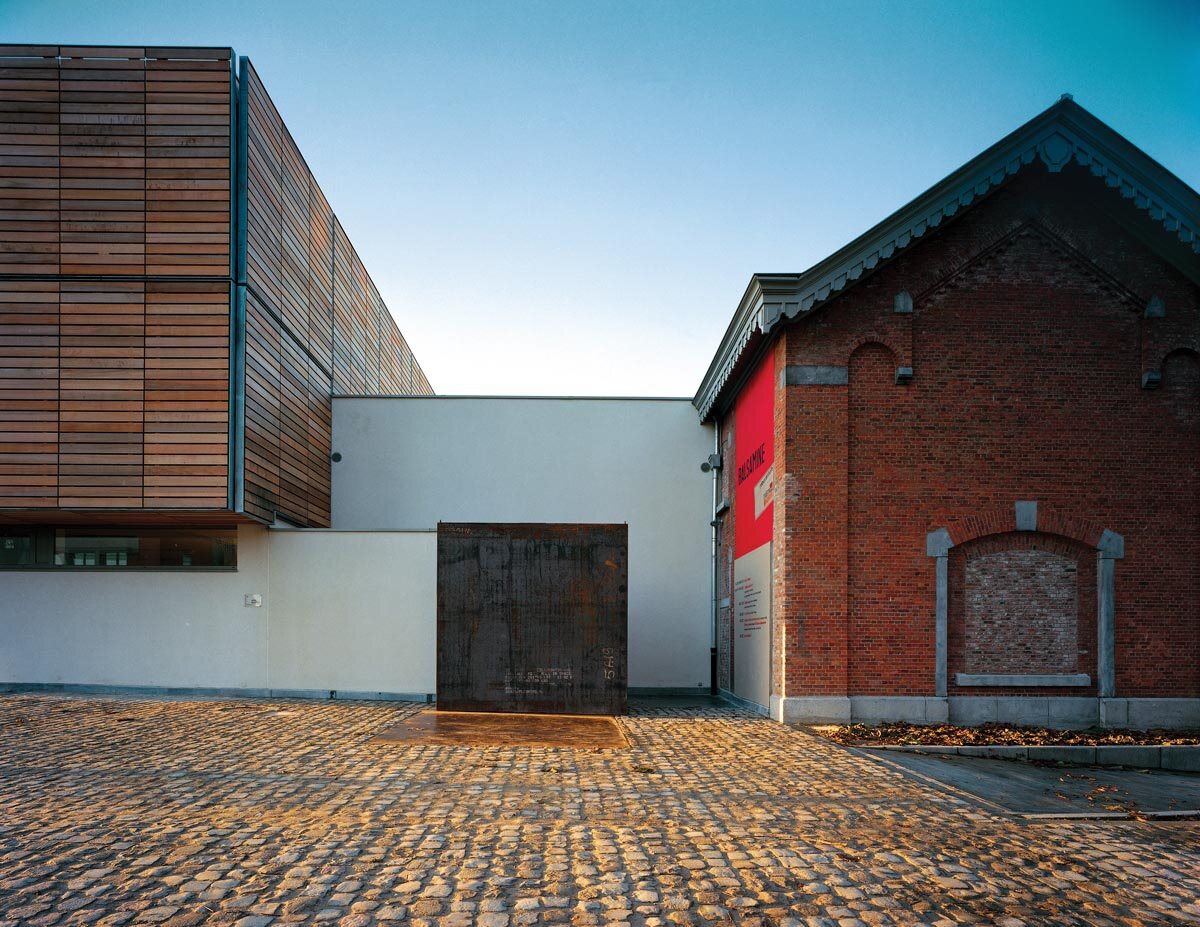
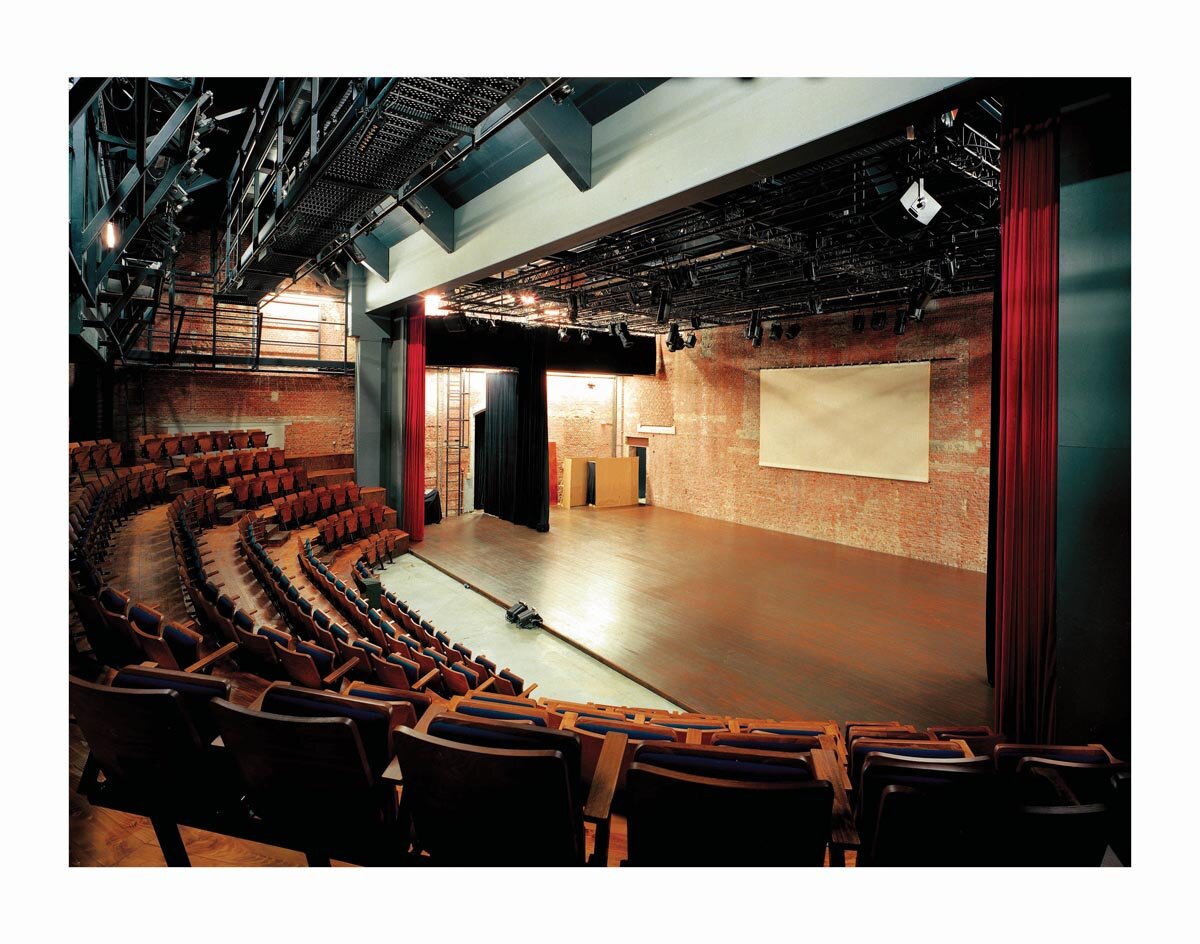
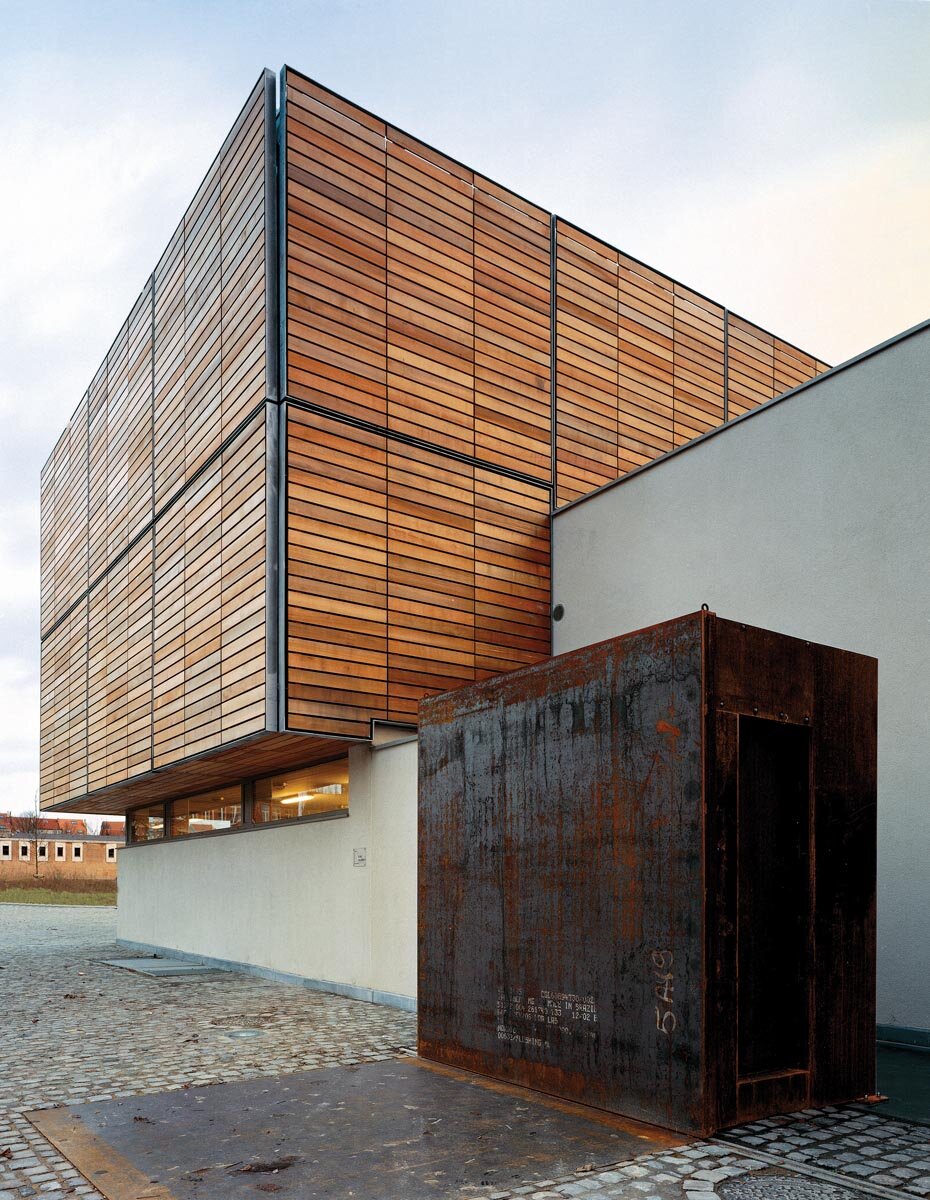
F. M.: When you work on a place with a strong identity, it's up to us to carry the work forward, or rather to restore its coherence. The architect works like an archaeologist who, having discovered a piece of bone, has to reconstruct the prehistoric animal. Like a novelist who, having discovered a good part of the pages of a novel from which the last hundred pages have been lost and having to rewrite them, strives to understand the work as a whole, to understand both the work and the style of the person who composed it, and at the same time to act as a modern-day writer: to write in a contemporary style, while preserving the coherent whole of the work. This means that we have a dialog with an architect who no longer exists, and it is up to us to understand the mechanisms that led him to build that project; and it is a form of dialog in absentia. The Balsamine Theater is a bold construction for its function, in a style rooted in the contemporary, which has to find its place in a space where there were former disused barracks. What seemed important to me was to give the work an identity and, in its abstraction, a present and strong unity, so that the building would become an urban landmark, a significant space that everyone could appreciate from the outside. I had to instill in the residents of the neighborhood the desire to enter this theater, to use it. As in other projects, this preoccupation with re-establishing the identity of an opera has always been at the center of my thoughts.
A.E.L.: Do you think we can still talk about styles in contemporary architecture today? If so, where would your projects fit in?
F.M.: The architecture I practice is contextual. An architecture that takes into account the spirit of the place and is derived from it. It is the place that dictates my attitude. As I said above, place and program are the elements that will give identity to the creation - I am thus an architect of the situation, an architect of contextuality. My work is always based on something... The most difficult situation would be for me to be told that I have to design on a desert island, without a program, with all the means at my disposal - because I couldn't do anything. Architecture has to be born out of questions, and the more complex the question, the more interesting the project becomes for me.
A.E.L.: Of all the projects you have worked on over the years, is there one that you have remained particularly attached to?
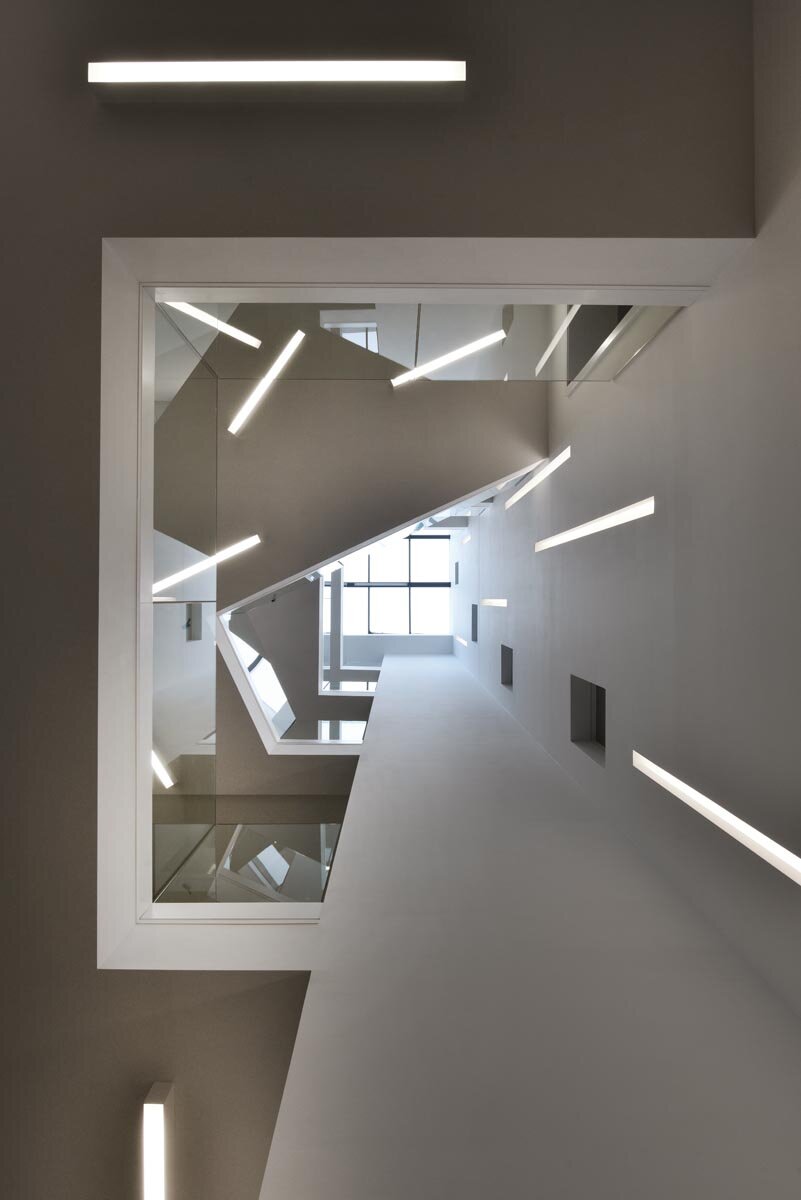
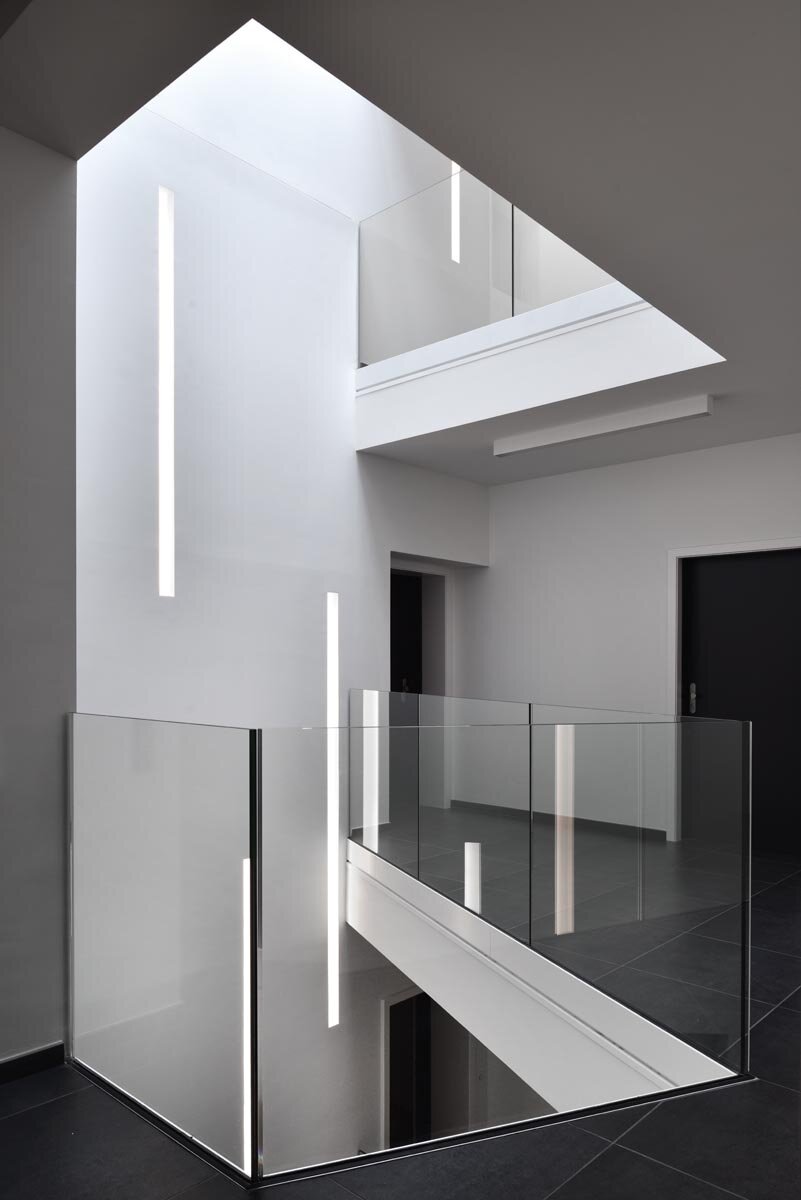
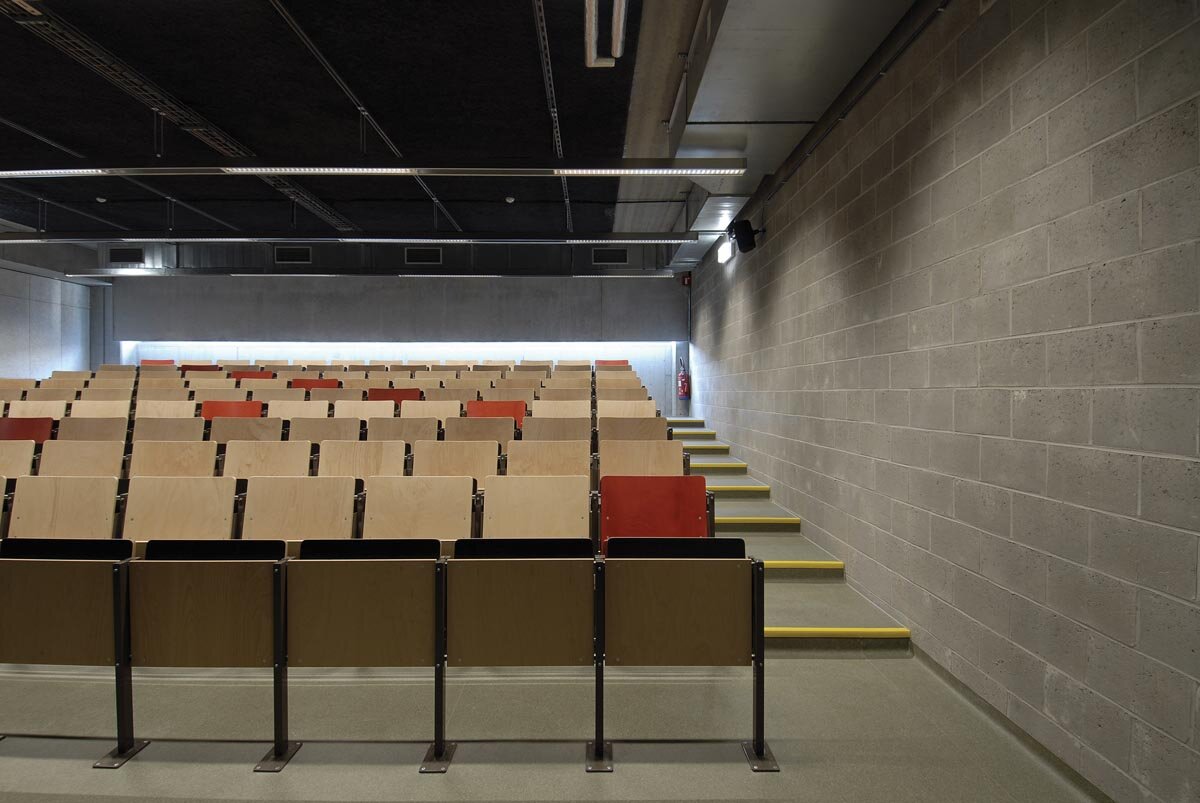
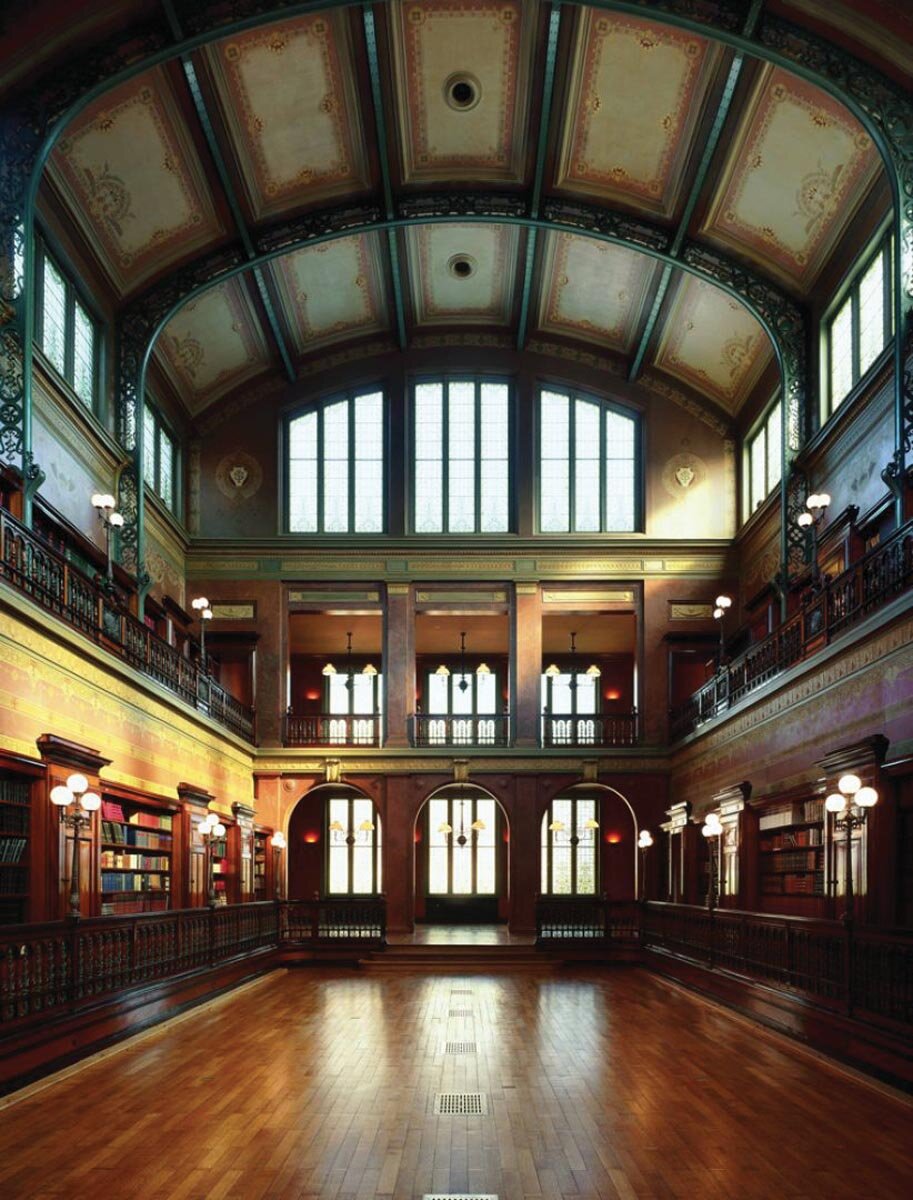
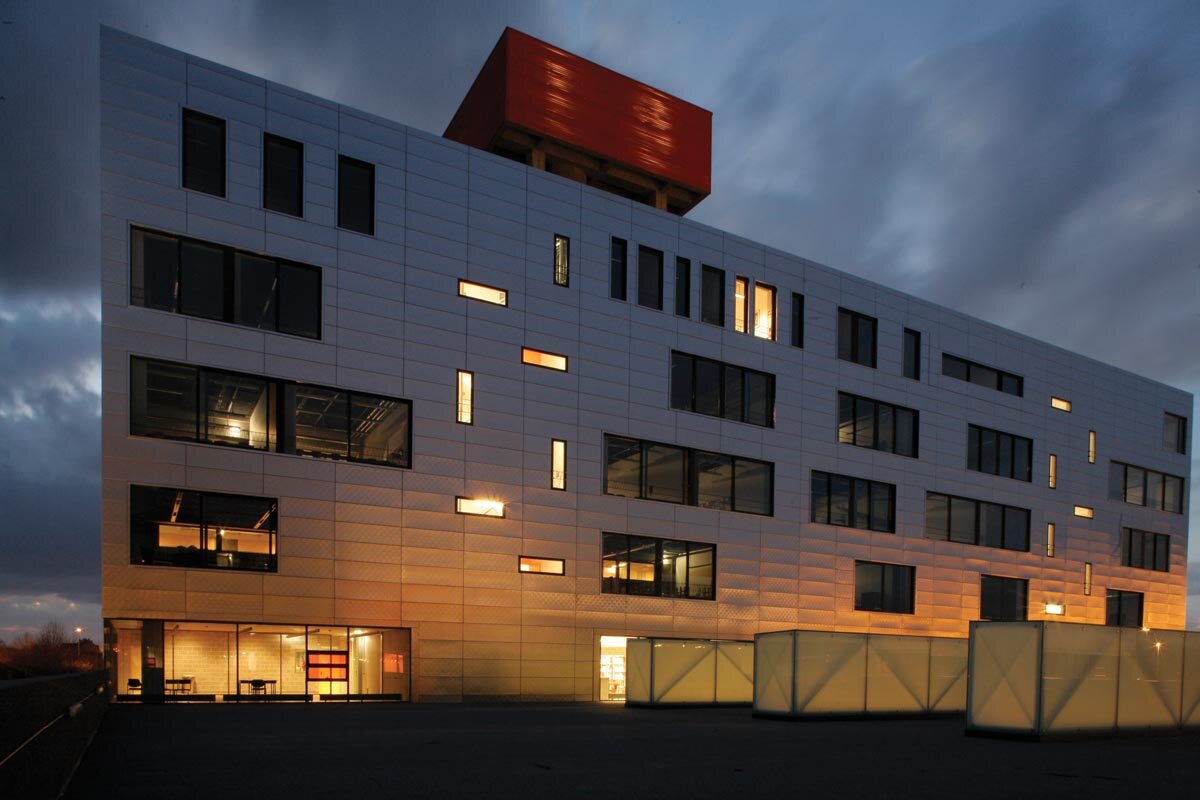
F.M.: You're always more attached to the last finished project. But that's the nature of the profession: to detach yourself from the last project so that you can concentrate on the next one. Thinking about my projects, I have few feelings of nostalgia. Of course, there are projects that have marked the history of the office; an example of a relatively new building would be the Haute Ecole Libre de Bruxelles "Ilya Prigogine" et l'Institut des Sciences de la Motricité de l'Université Libre de Bruxelles (Campus Erasme), then the Balsamine Theater - because it makes the transition from old to new and is in between the two - and in the field of restoration, among the oldest buildings, I would name the Solvay Library building in Brussels. These three projects have different styles and raise extremely complex issues: the first starts from a greenfield site, the second was a project where the new architectural style merged with the old, the third is a building that is part of the collective memory. These three projects allowed us to have an attitude, and I think that having this attitude is important.