
The Bucharest Art Gallery - an interwar project
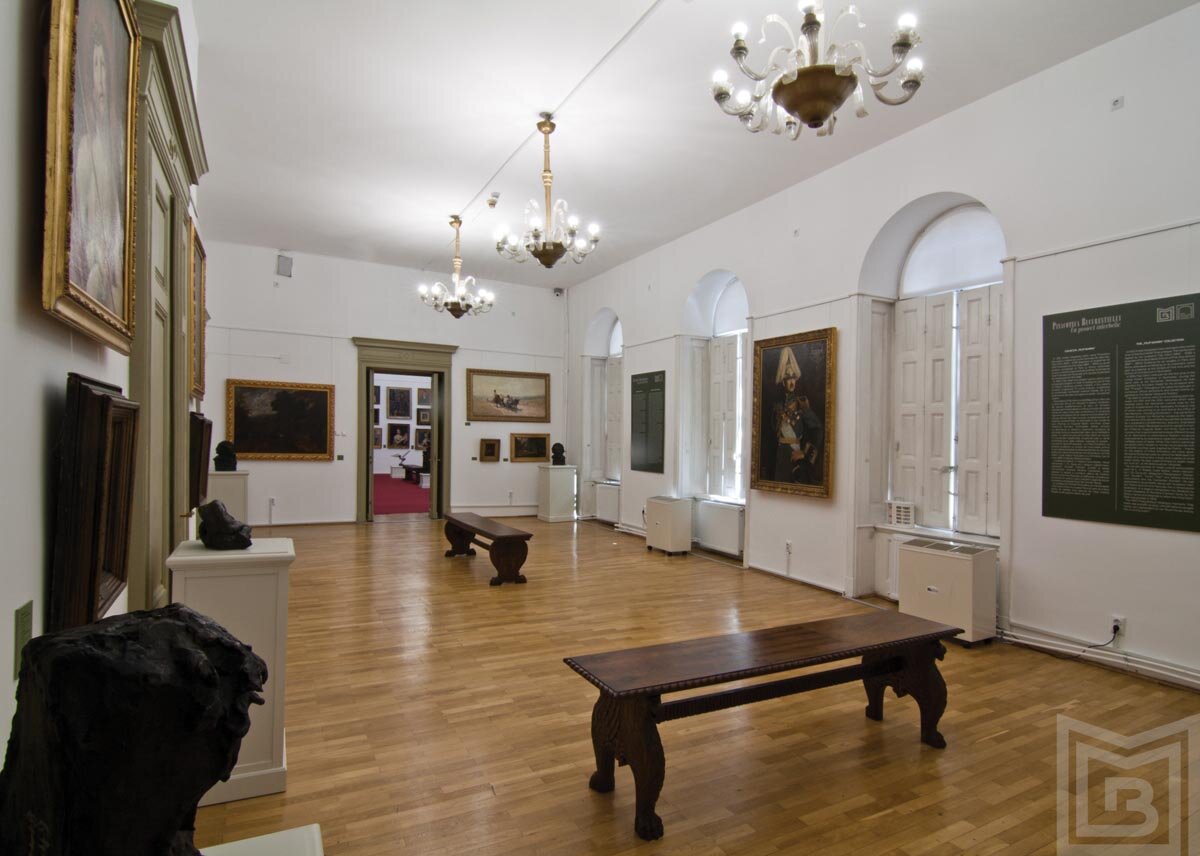
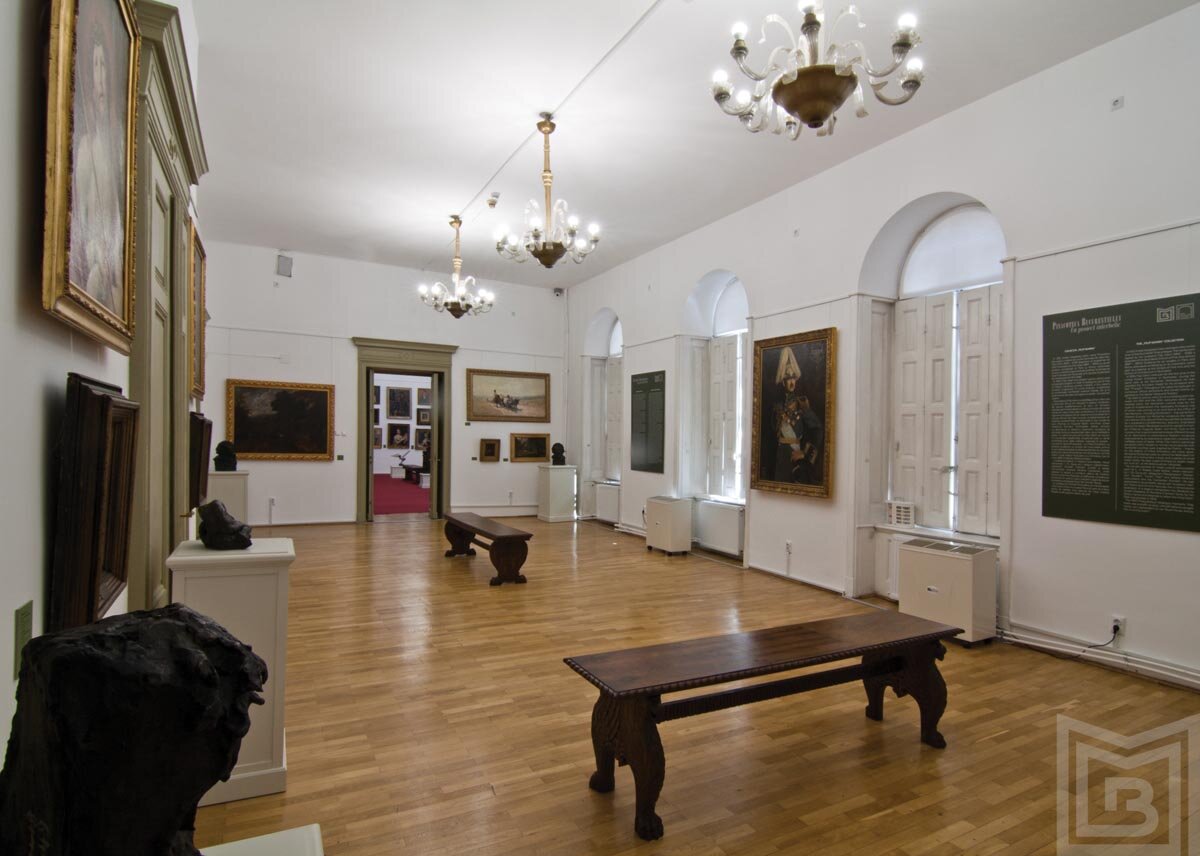
photo: Cristian OPREA
Over the years, the capital of Romania has carried in its collective memory, along with many dreams and desires, an ambitious project conceived by the founders of modern Romania: the creation of a City Art Gallery, which would delight and educate, gather together consistent samples of spirituality (local and European), and select people through and for whom to build an improved country, in the elevated European context assumed by the Romanian elites since the nineteenth century. As culture was an essential element in the "country project" of those who forged modern Romania, various scholars and artists pooled their efforts and, through donations or acquisitions, laid the foundations of a heritage worthy of being made known to the community.
The Bucharest Municipal Museum, owner of an important part of that exceptional collection, is now - sequentially and provisionally - reiterating the inter-war project of those illustrious men, such as Dem. I. Dobrescu, Constantin Argetoianu, Liviu Rebreanu, Anastase Simu, Alexandru Tzigara-Samurcaș, Emanoil Bucuța, Oscar Han, Ion Jalea, Marcel Iancu, George Oprescu, Petre Iorgulescu-Yor (the first curator of the Picture Gallery), Dimitrie Gusti, all of them present, on November 29, 1933, at the inauguration of the Bucharest Picture Gallery in the palace of Admiral Vasile Urseanu, in Lascăr Catargiu Blvd. 21 (specially offered by Ioana Urseanu, the widow of the admiral-astronomer). The initial exhibition included only one hundred and three works - most of them paintings. In addition to the purchases made by the municipality, important donations were also made. In 1932, Emilia Margareta Marin gave to the Pinacote a series of sculptures and paintings signed by her husband, Filip Marin (1865-1928). In 1938, Elena Movilă donated to the Pinacote the collection of Romanian and universal art assembled by her husband, the magistrate Ioan I. The list of contributors included, along with individuals, various institutions such as Eforia Spitalelor, Clubul Tinerimii, Automobil Clubul Român, Cabinetul Primarului General, Direcția Mișcării Culturale.
In the first catalog of the Pinacotecii, in 1940, the sculptor Theodor Burcă, director of the then newly-established Pinacotecii, wrote: "...this institution responded to the felt need to concentrate in a single place the works of art that the municipality had collected in the course of time, and thus form the nucleus of a picture gallery intended (sic!) to contribute to the formation of aesthetic taste and to the development (sic!) of the education of the citizens of this municipality".
As the heritage grew, the need for a larger exhibition and conservation space arose. The existence of this daring project, which was only in its infancy, was to become a pathetic odyssey. Between 1933-1951, the growing Pinacoteca was housed in the "Admiral Vasile Urseanu" Astronomical Observatory; from 1951-1961, it operated in the Simu Museum building. As the museum building was demolished in 1961, the Pinacoteca's patrimony went to: Project Bucharest, Theodor Aman Museum, Theodor Aman Museum, Bucharest History Museum, the basement of the Radiofication Building, the House of Popular Creation (apud. Ioana Cristea, Catalog of the exhibition "The Universe of Painting"). Between 1961-1962, its headquarters were established in Danielopol Street, no. 2, from where it moved to Amzei Church Street, no. 7-9. After an exhibition syncopy caused by the earthquake in 1977, in 1981, the Pinacoteca reopened for visitors in Casa Slătineanu, 3 Obedenaru Street, but the building was retroceded in 1995. At present, the Pinacoteca's heritage is housed in the modest but welcoming house of the master Gheorghe Tattarescu (who generously shared his home and studio with his students who had no material means) - a house that is itself awaiting the specialized help of restorers, being as old (among the most venerable civil buildings preserved in Bucharest) as it is dilapidated. From here, among the angels with faces wrinkled by the cracks in the walls painted by Tattarescu, the valuable paintings of the Pinacotecii leave for the restoration workshops or for occasional popularization in restricted spaces.
At the end of July this year, the Bucharest Municipal Museum - under the patronage of which the heritage in question is under - brought two of the rooms on the Suțu Palace floor back into the visitors' circuit, organizing a memento dedicated to the interwar institution of yesteryear. The original profile of the collection was reiterated in the two rooms, with pieces from Filip Marin and Ioan I. Movilă, who undeniably helped, each in their own way, to shape the Pinacotecii. Ioan I. Movilă (1846-1904) was born and died in Bucharest. (Some biographers mention that he belonged to the old princely family of the Movilists, from which came, among other important historical figures, Vodă Miron Barnovschi Movilă, the first Romanian ruler martyred for Christ in 1633, or the Metropolitan of Kiev, Petru Movilă). Between 1846 and 1904 the story of his social ascent unfolded, but above all the experience of culture which he concentrated in an impressive artistic investment. In the 19th century, for many gifted young Romanians, the path to education and personal affirmation passed through the European West. Ioan I. Movilă completed his studies in Italy, where he obtained a doctorate in law. After returning to his homeland, he began his legal career as a public prosecutor and then became a judge of the Vlașca court. He was President of the Court of Galati. Entering politics, he became deputy for Brăila in 1888. In 1891 he was appointed prefect of Brăila, the prime minister at the time being the conservative Lascăr Catargiu. Under the impetus of his idealism, he laid the foundations of the future resort of Eforie, acquiring properties in the Black Sea coastal area (from the heirs of Mihail Kogălniceanu, who had acquired the land as a reward for his role in the crucial events of the time: 1848, 1877), and step by step, he saw to the design and construction of the spa and tourist city of his dreams. A passionate collector, he used part of his considerable wealth to buy art (some canvases are said to have come from the valuable but lost Kogălniceanu collection offered to the state and surprisingly refused by Dimitrie Sturdza's government). Ioan Movilă turned mainly to Western paintings - originals or copies - initially housed, historians say, in his patriarchal house in Armenească Street. He collected works of the French, Flemish, Italian, Spanish, German, German, Hungarian, Austrian, Flemish, Italian, Spanish, German, Hungarian, Austrian schools, together with Romanian canvases signed, among others, by Nicolae Grigorescu, Sava Henția, G.D. Mirea. A sure sign of the Europeanization of Romanian society - the interest in Western art also had an instructive side: throughout the 19th century, Romanian elites understood its pedagogical value, so that many Romanians educated in the West brought back copies of great masters; the Pinacoteca itself was created to familiarize the people of Bucharest not only with the masterpieces of the local art, but also with the wonders of the West - the copies became significant cultural vehicles for a public delighted by less accessible beauties.
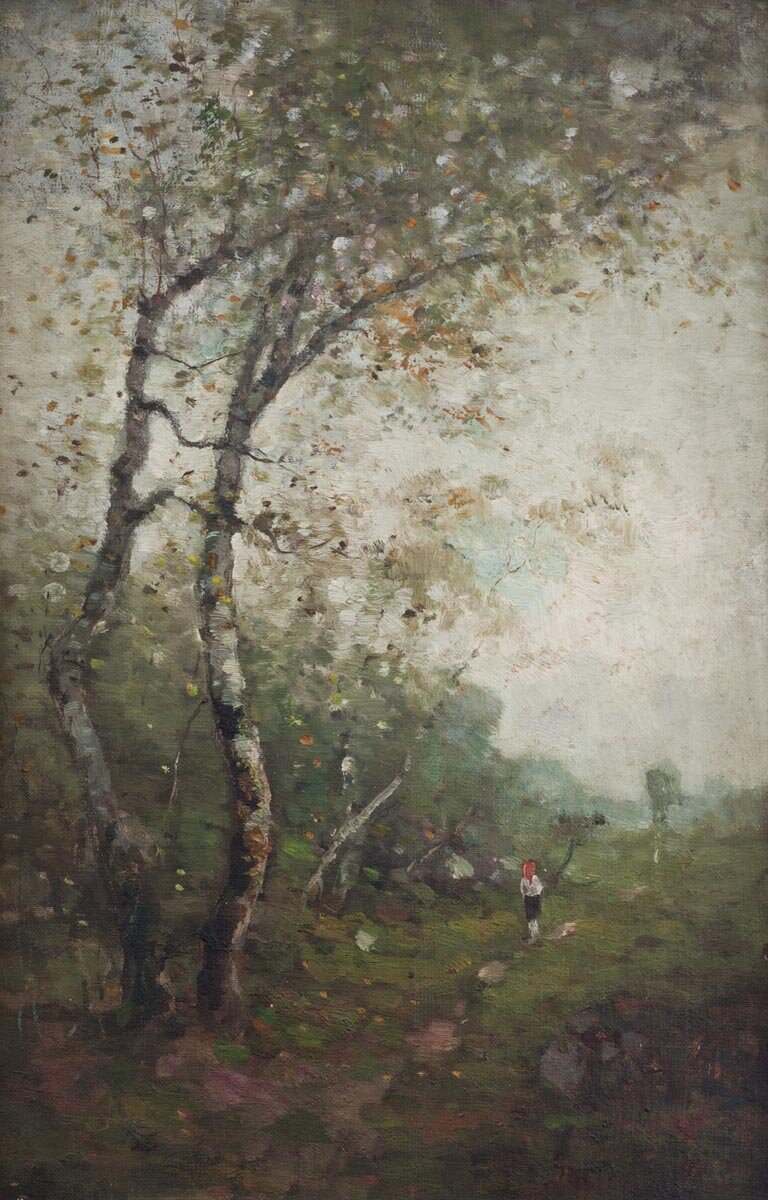
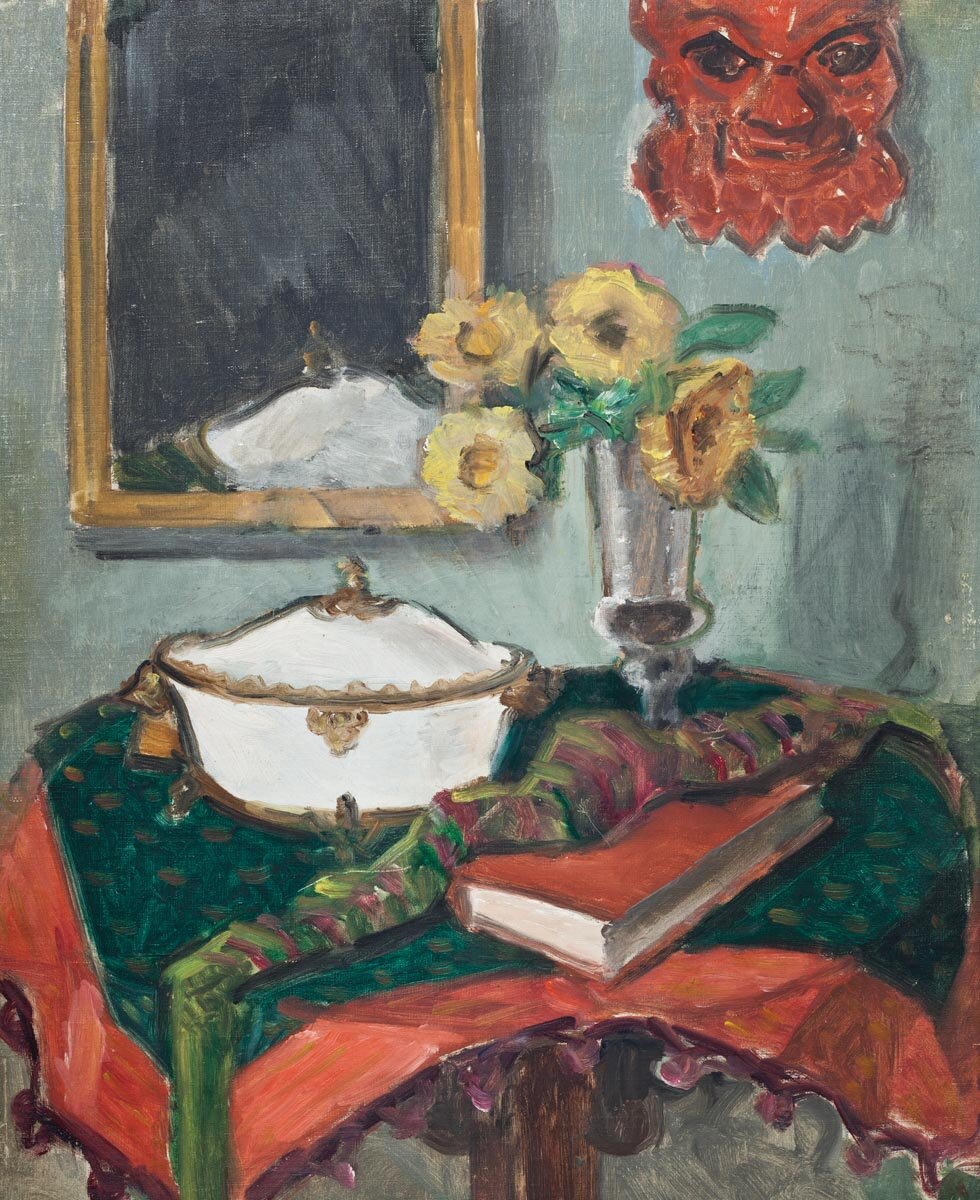
The Movilă collection came to the Pinacoteca in Bucharest thanks to the lawyer's wife, Elena Movilă, in 1938, thus completing the collection, which consisted of 250 paintings in 1939.
In 1932, Emilia Margareta Marin brought to the Bucharest Picture Gallery a set of works signed by her husband, Filip Marin (1865-1928), a graduate of the Academy of Fine Arts in Bucharest (1887-1890), with artistic studies completed in Paris and Rome, followed by an important career as a teacher at the School of Fine Arts in Bucharest and at the Higher School of Architecture in Bucharest. In 1894, Filip Marin was present for the first time at the Exhibition of Living Artists. That same year, on May 10, at the Athenaeum Palace, he was awarded the third medal for his work Cugetarea. Over the years, he participated in numerous official artistic manifestations, as well as in events organized under the aegis of the "Ileana" innovative society. Filip Marin's activity took place at the crossroads of the 19th and 20th centuries, marked in Romania by the decline of academism, whose necessary formative role ended with the influx of new fashions from the West, including symbolism. In sculpture, the rigour of the classicist finish was surpassed by a highly successful, complementary technical solution of Renaissance origin, revalorized in the modern era under the influence of Auguste Rodin: non-finito. Thanks to the mystery of incomplete forms, offered to the eye as an alternative to ostentatious realism, sculpture extended its expressive territory into the ineffable realm of ideas. While Filip Marin's paintings remain in academicist coordinates, his sculptures with symbolist tendencies often found their inspiration in poetry - especially that of Eminesci. The sculptor dedicated to Mihai Eminescu a monument project, the first plaster bust placed at the Romanian Athenaeum (on the poet's death), a series of small works; Filip Marin also took Eminescu's death mask (on June 16, 1889, at the Brâncovenesc Hospital). He made portraits (C. A. Rosetti, Cezar Bolliac, Vasile Alecsandri, I. Gh. Duca, etc.), allegories ("Resignation", "Deception", "Disappointment", "Burden", "Youth", "Pain" and others), funerary monuments, the Cazzavilan fountain. An artist appreciated at the time, he contributed, together with Frederic Storck and Dimitrie Paciurea, to the construction of the sculptural complex in Carol Park, illustrating the "Legend of the Jepes" (taken and transposed into literature by Carmen Sylva). The 1940 catalogue of the Picture Gallery states: "Filip Marin was a prolific sculptor, who left us works of great value, much appreciated by our Royal Household and by the art-loving public".
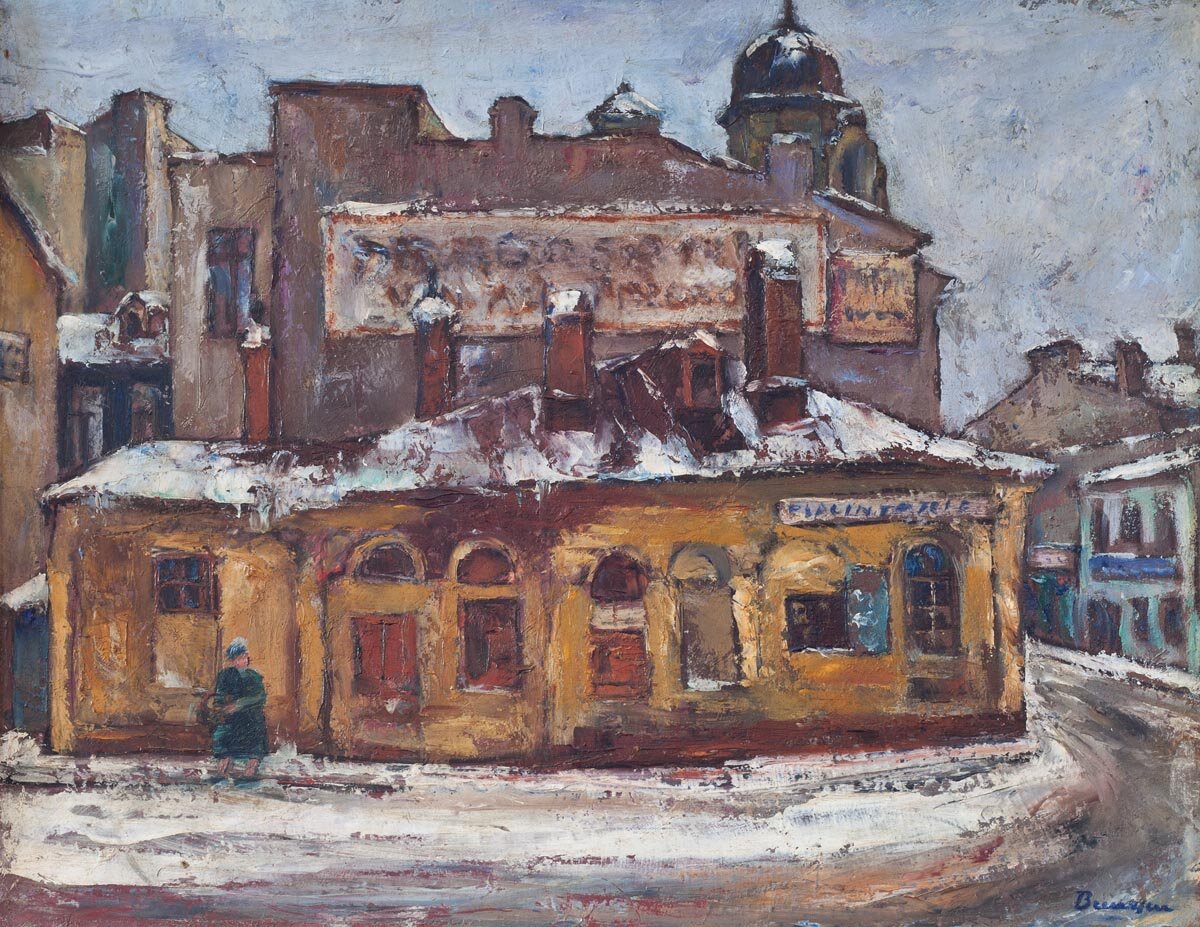
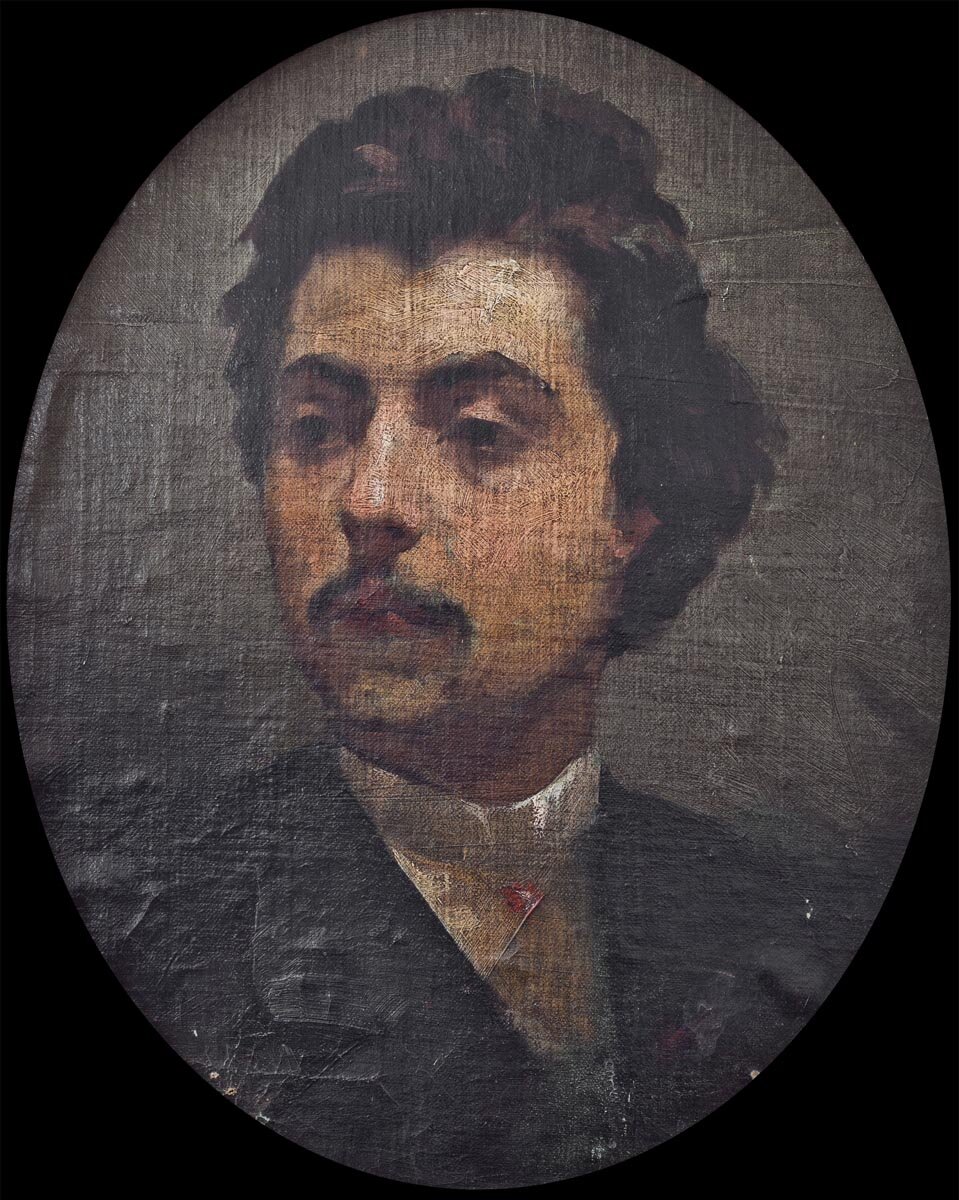
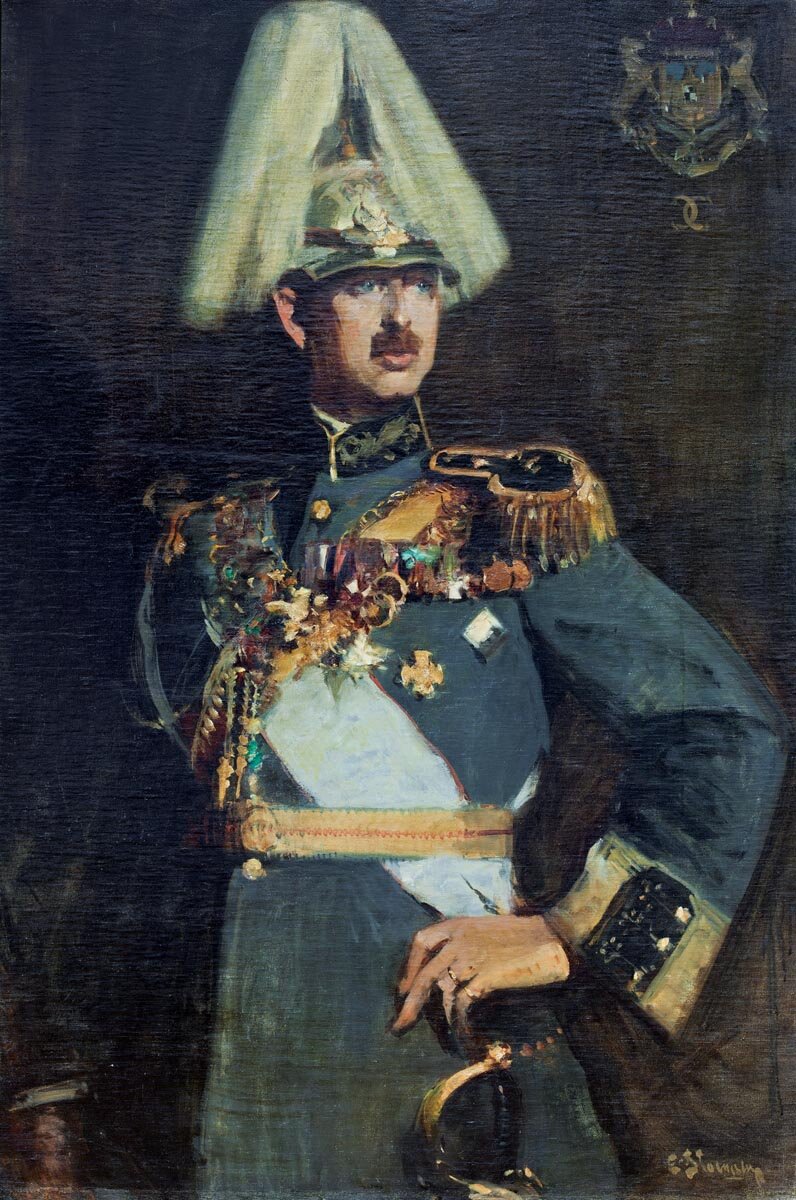
Works by important Romanian artists have been added to the exhibits stemming from the above-mentioned donations. By recourse to the Pinacotecii's inaugural entity, the present exhibition brings together representative creations by Romanian artists of the modern and contemporary period, thematically grouped in four sections - portraits, still lifes, genre scenes, landscapes. The public can see works of universal art, as well as Romanian canvases by Gheorghe Tattarescu, Mișu Popp, Nicolae Grigorescu, Sava Henția, Ion Andreescu, G.D. Mirea, Theodor Pallady, Marius Bunescu, Nicolae Dărăscu, Nicolae Tonitza, Francisc Șirato, Coca Mețianu, Mina Byck Wepper, Rodica Maniu, etc. Alongside the paintings, the few sculptural presences lead the artistic approach towards contemporaneity, according to the organizers' vision. On display are sculptures by Filip Marin, Dimitrie Paciurea, Ion Jalea, Milița Petrașcu, Ion Irimescu, Boris Caragea, Gheorghe Anghel, Constantin Lucaci, Ovidiu Maitec.
Today, the art gallery contains around 5,500 Romanian and universal paintings, graphics and sculptures. For a quarter of a century, the collection was inaccessible to the inhabitants of the capital due to various urban historical factors. The event organized at the Suțu Palace - itself reborn thanks to the museum's discourse that adapts in perfect balance the data of history and the capacity to understand the vast, nuanced, dynamic thinking of the present - completes the story of the Time of Bucharest, through a cultural endeavor still unfulfilled, in continuous genesis, imprisoned under the fateful sign of provisionality, as long as the grateful city has not yet found the appropriate, definitive home it deserves: through the exhibition organized by the Bucharest Municipal Museum, the story of the Pinacotecii bucureștene concludes with will follow...