Diplomas Faculty of Architecture - UPT 2012: Metsa, Research Center for Wood Processing Technology
project author: Ioan Emilian Veliciu
supervisor: arh. Romeo Szorand
The project deals with the realization of a research center in wood technology and wood processing in a mixed area grouping educational and industrial functions in Baia Mare. The created object aims to house activities related to research and promotion of wood processing technology at the highest standards.
The project proposes much more than a series of pleasant and functional objects. After a careful analysis of the context, after extracting information and conclusions related to woodworking technology, a complete concept is proposed, which does not neglect any of the components of architecture understood as a phenomenon that profoundly influences human behavior. The spaces created encourage visual and verbal communication, exchange of ideas, interaction and movement.
The Metsa Center (Finnish for "timber") aims to become the first research/training and education center on wood processing technology in Romania.
At the same time, the project tries to solve a number of identified social-economic and educational problems:
- The lack of a center to conduct organized summer schools for students of Architecture and Art faculties;
- the unsatisfactory relationship between the exploitation of wood material and its valorization as a resource to be built by processing it in our country
- the lack of training and synchronization with the latest European regulations on the design of wooden structures, EUROCODE5;
- the decreasing use of wood in the private sector, especially in natural settings, as a material to mediate the architectural relationship between man and nature;
- reinvigorating the university environment in Baia Mare and linking it to the nearby wood-processing industry;
- promoting the cultural heritage related to woodworking in the Maramureș area.
The architecture of the center aims to be a contemporary-ran, expressing the desire for social recognition by reintroducing wood as a building material into the consciousness and visual culture of society.
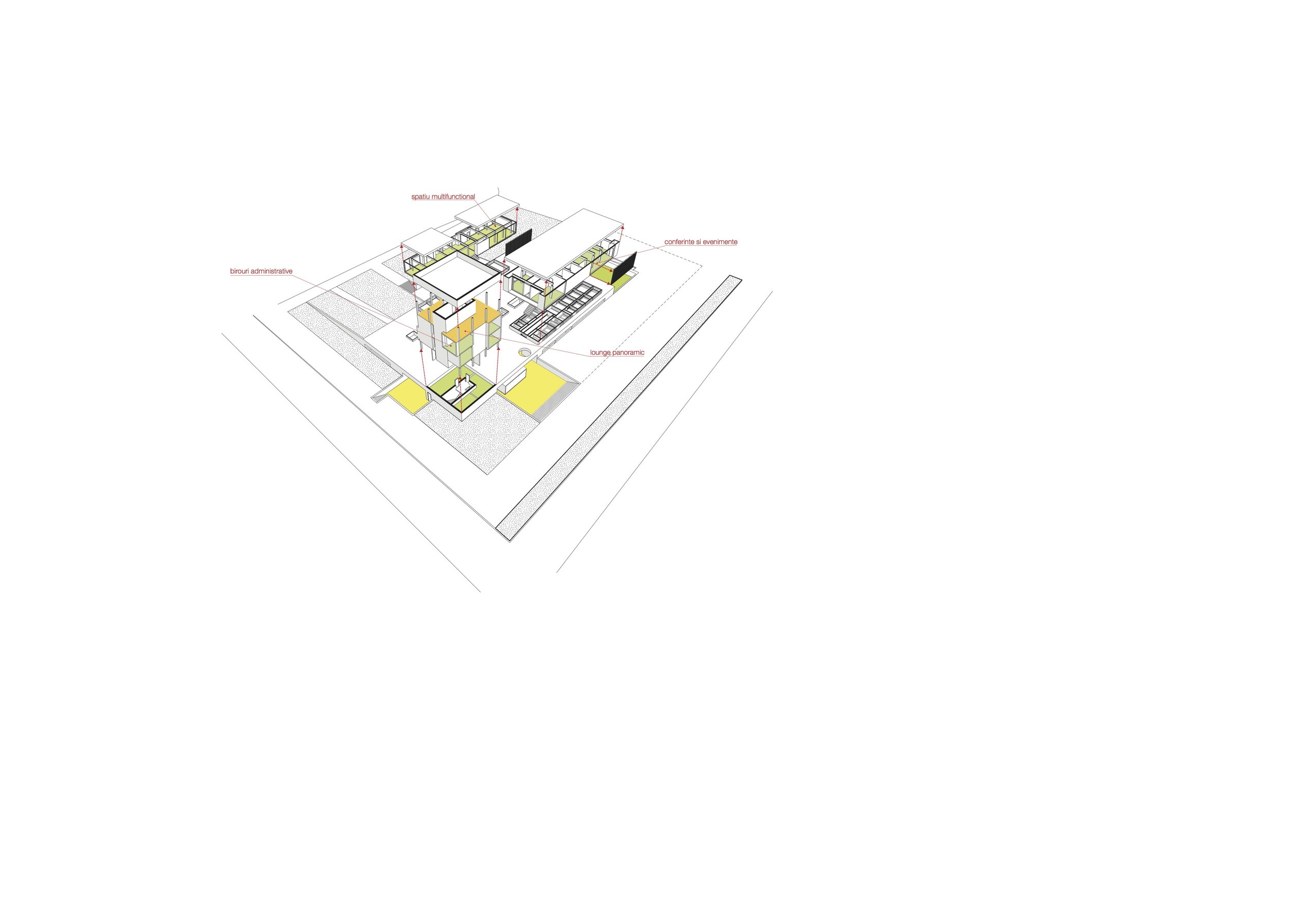
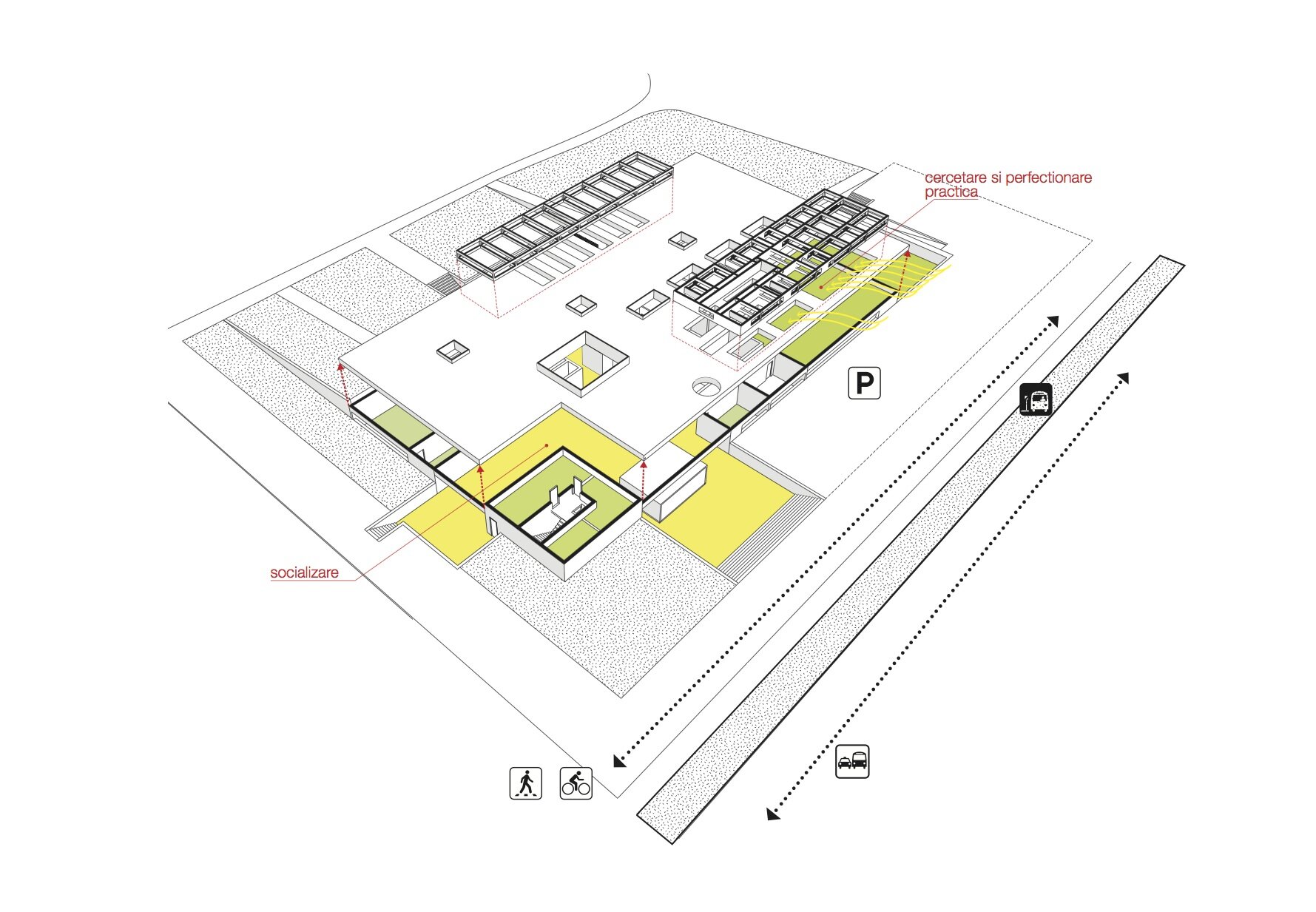
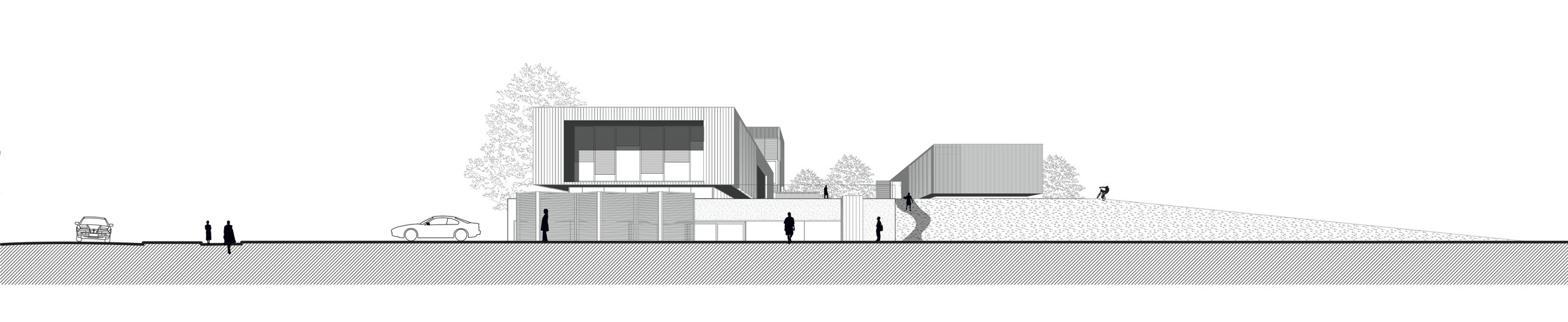
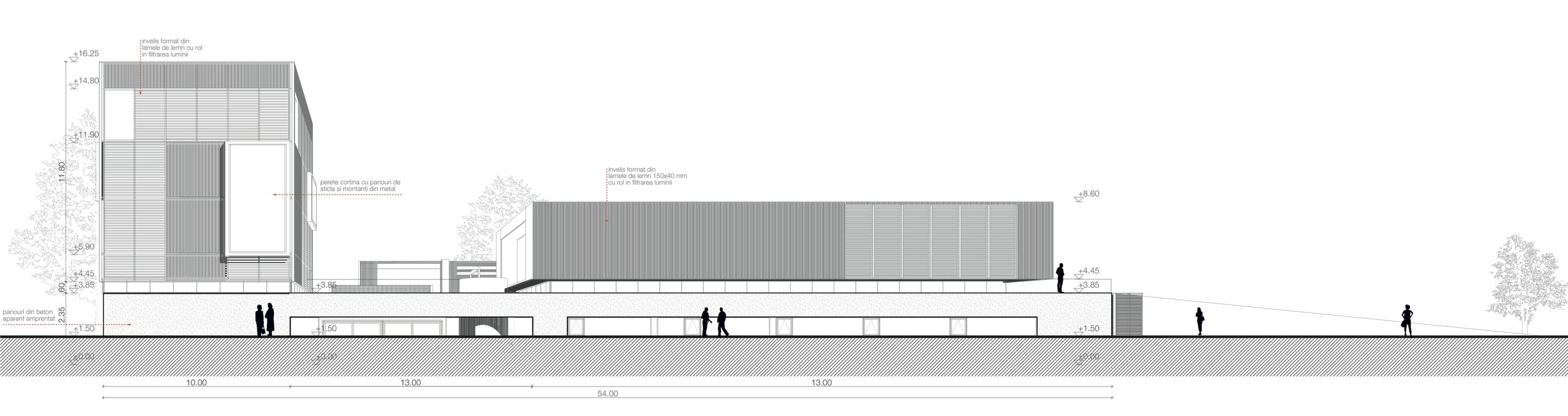
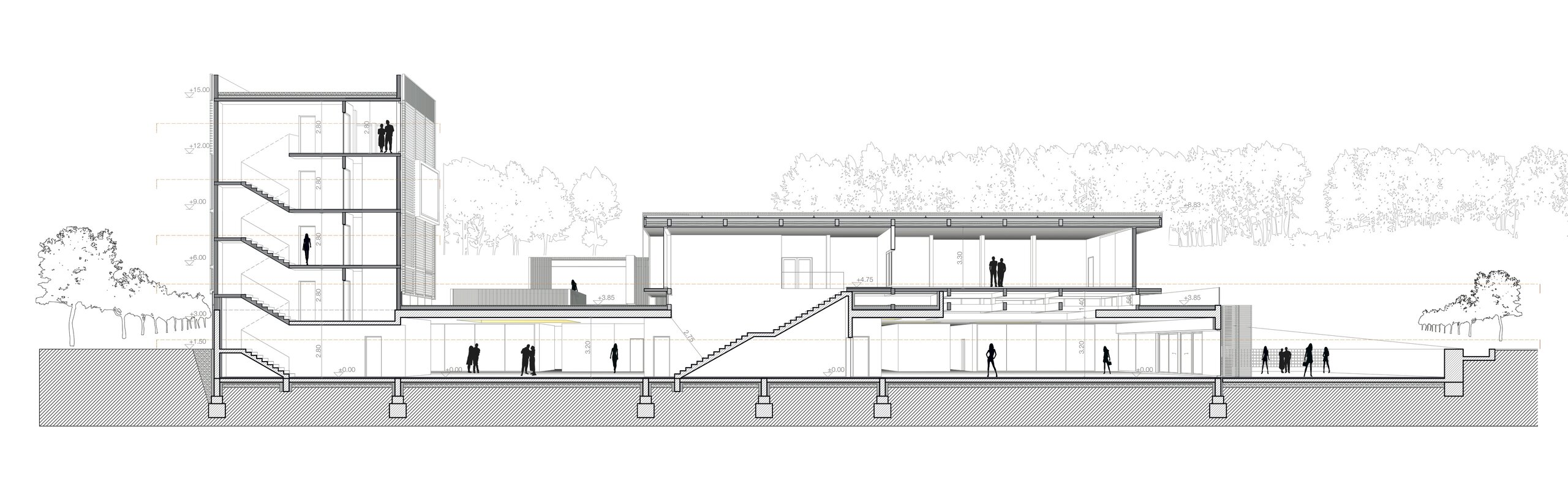
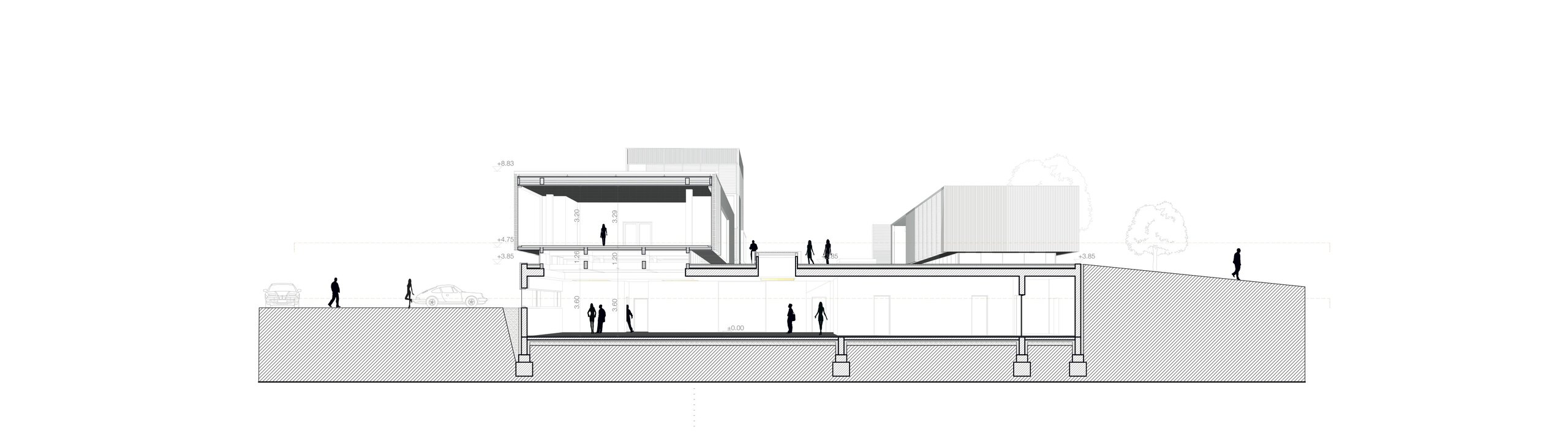
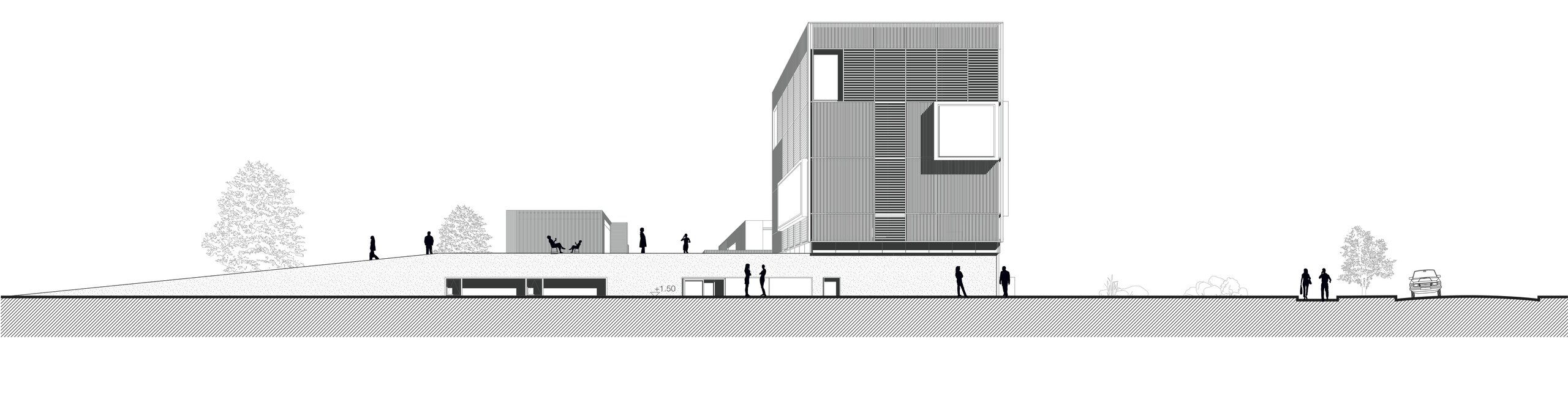
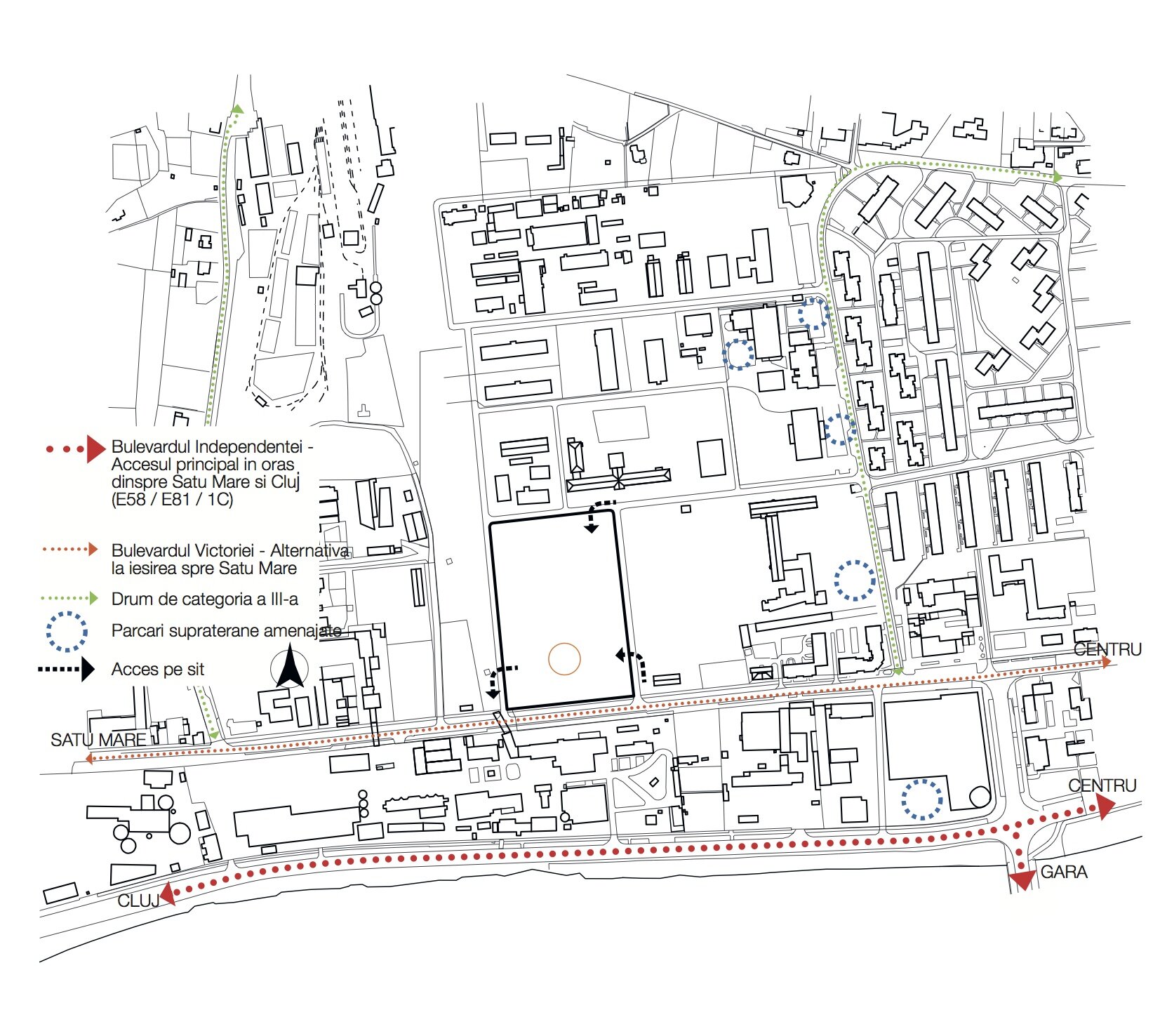
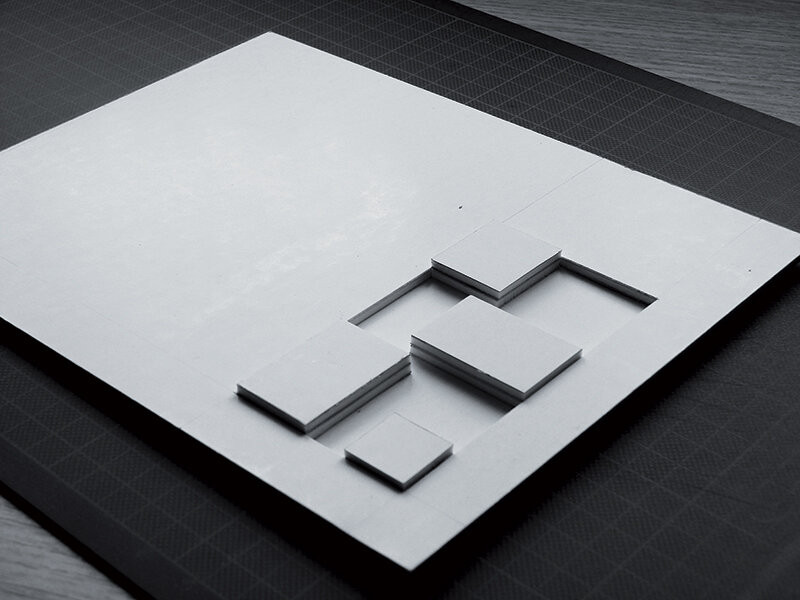
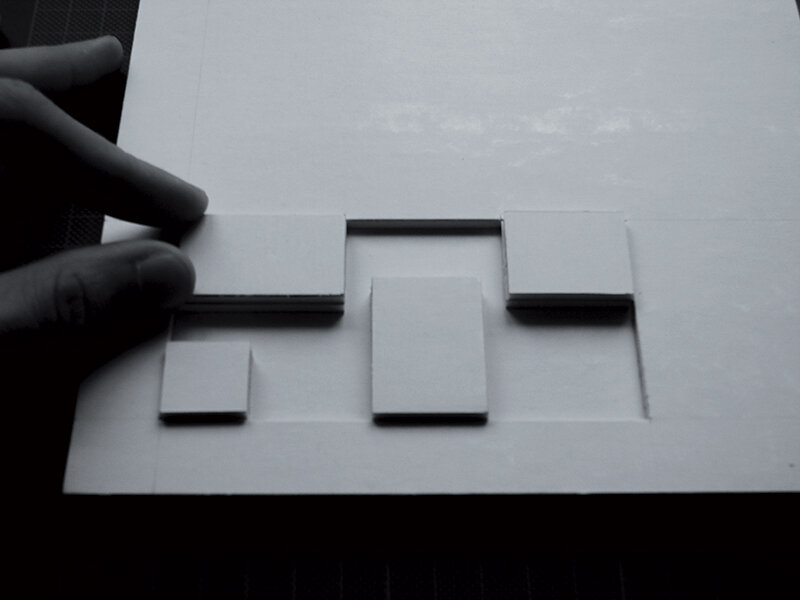
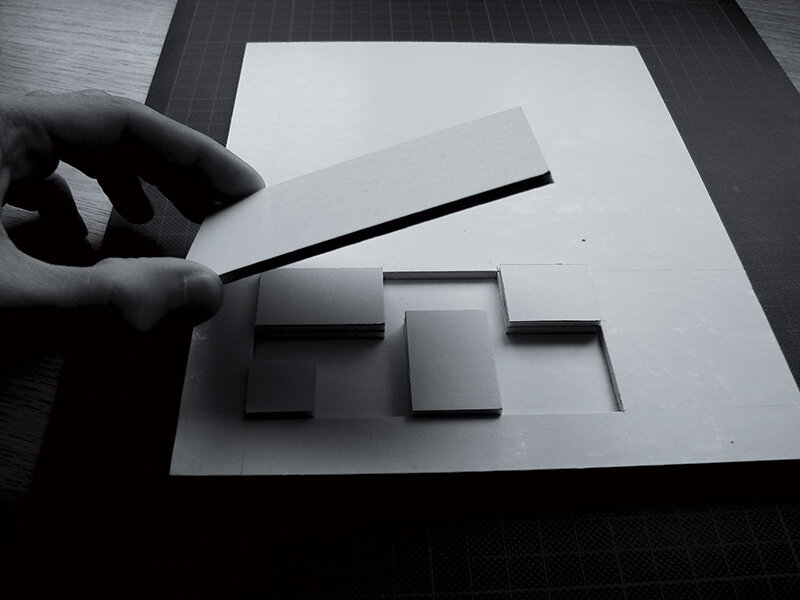
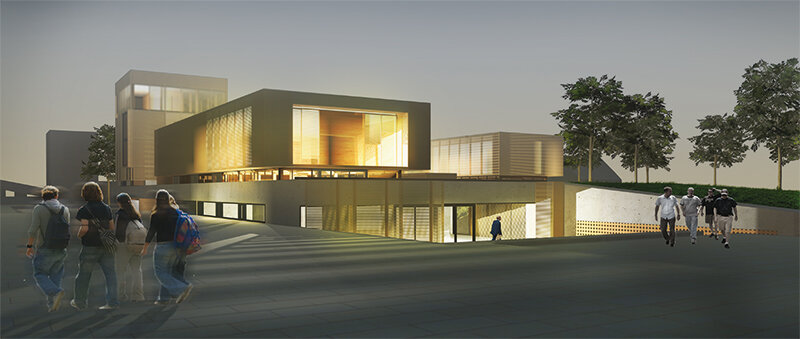
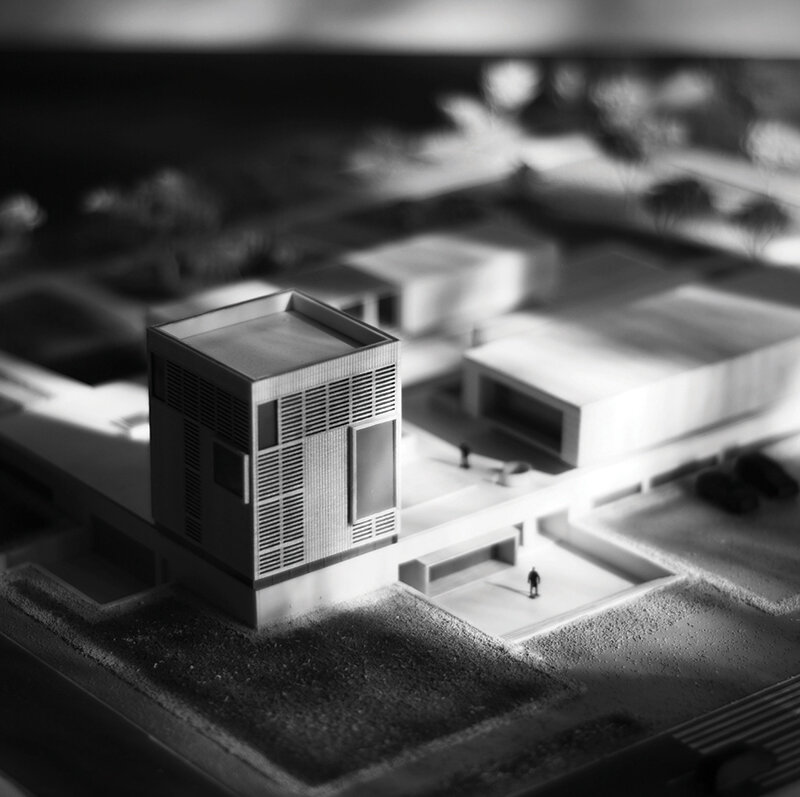
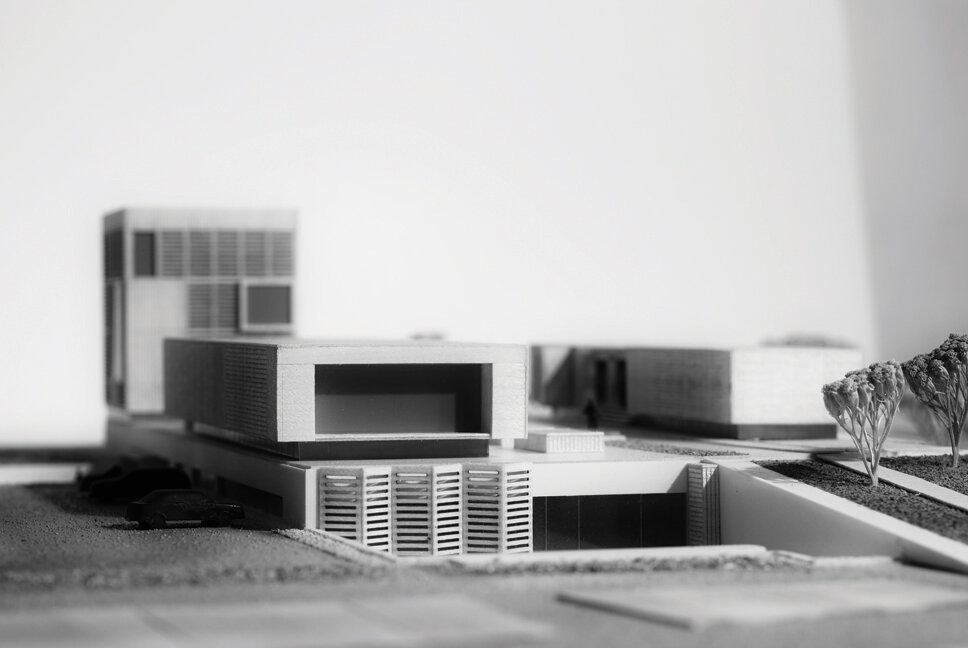
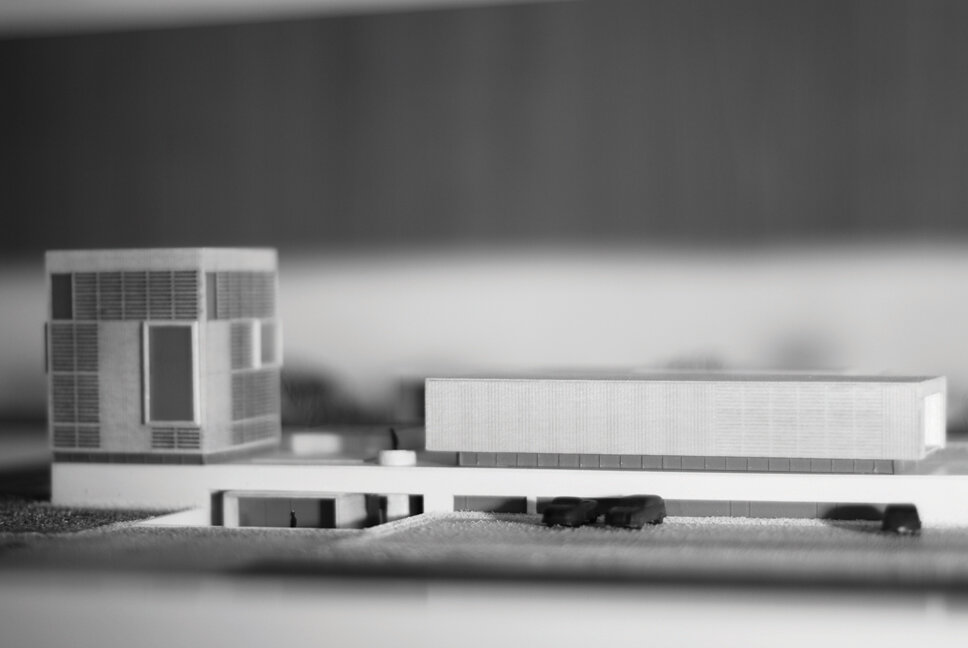
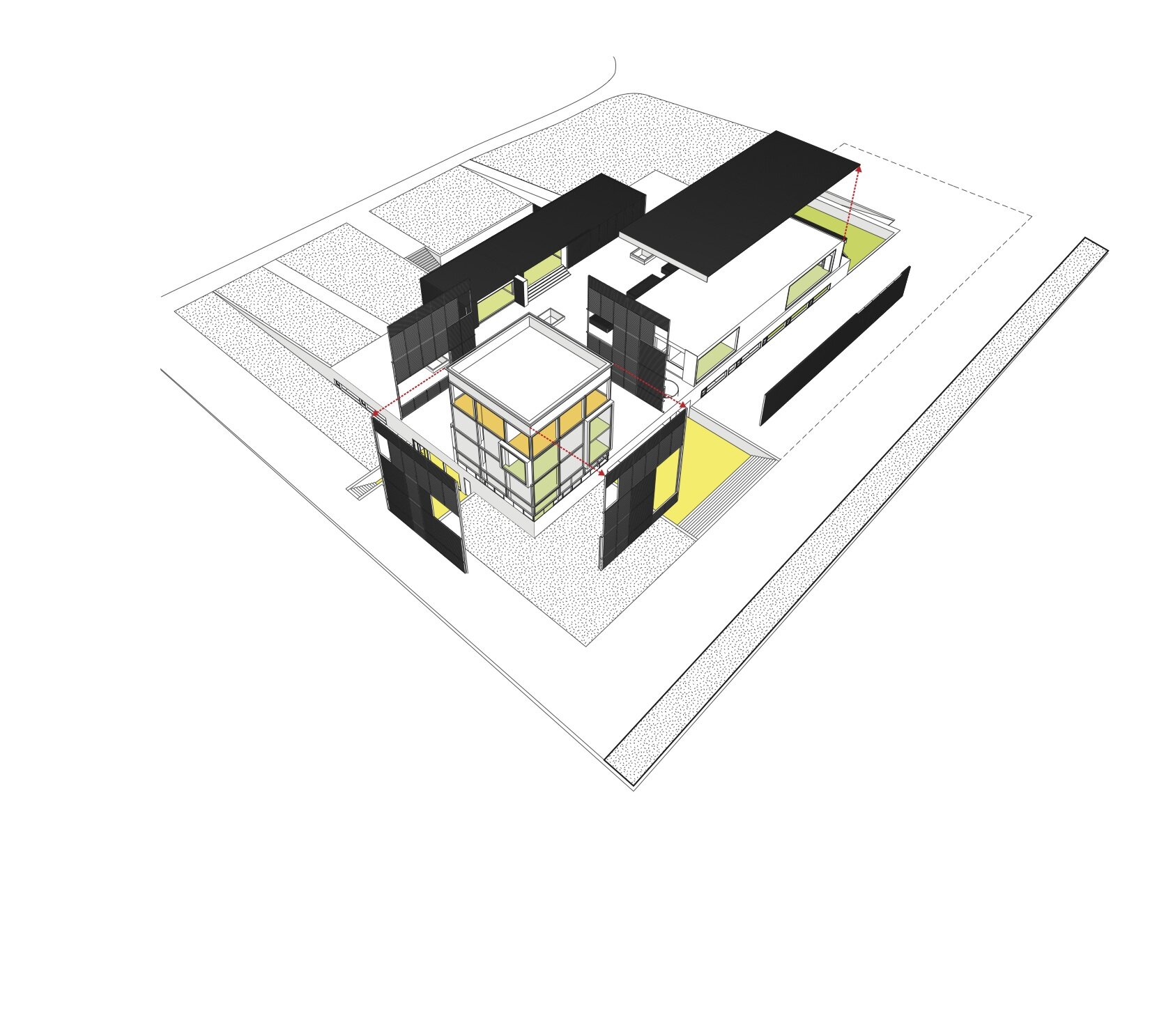
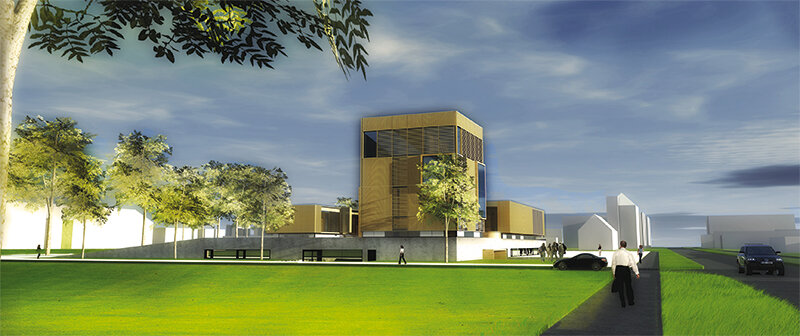
The center is located towards the south-west corner of the plot, thus completing a quasi-defined area from an urbanistic point of view. This location and volumetric configuration establishes a diagonal relationship with the tower of the University of North Baia Mare, which occupies the diametrically opposite corner of the area, on another corner plot. Another relevant location consideration is the proximity to an important access road, i.e. the secondary entrance to the city from Cluj/Satu Mare, and the proximity to the wood-processing company. Further, the solution fits within the regulated urban planning parameters, with a setback of 10 meters from the front, the support of the street front by the continuity of the lower register and the preservation of a low height at the first cornice. Towards the Campus (in a northerly direction) the object relates differently to the context, through a landscape approach obtained by systematizing the land, which proposes a smooth ascent of the land surface from the property boundary to the level of the concrete slab. Thus, only the three wooden objects are visible from the campus. The remaining land is treated as a park to serve this area of the city. The formal concept proposes an urban slab (semi-buried ground floor level) that acts as a stage-support on which the three objects are exhibited, representing the exhibits of wooden architecture. The three objects are made entirely of wood in order to highlight the aesthetic qualities and structural performance of wood today. These three bodies address society visually and represent an image that aims to change the way people think about the par-adigma of wood as a building material. Between them, the three buildings interact at the level of the walkable slab by creating circulation routes and outdoor public spaces. The tallest body, P+4, is related to the tower of the University of the North, which is located in the diagonally opposite corner of the area. The setback from the sidewalk is 10 meters, on this area the parking and access courtyard will be provided. Four English courtyards are proposed adjacent to the serviced spaces, to act as intermediate spaces or to allow activity to extend outside. The aim is to engage and educate the public by carrying out the activity in the urban space.
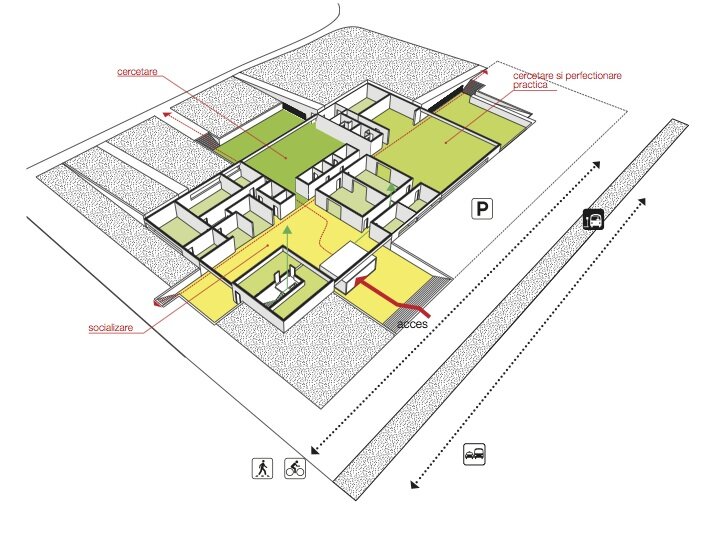
From a functional point of view, the aim is to organize the spaces as simply and efficiently as possible. On the ground floor there is the main entrance area and the spaces dedicated to exploration, research and training, both practical and theoretical. This level is organized spatially, structurally and functionally on the basis of the relationship between the four nuclei and the containing space. The arrangement of these cores generates open spaces that allow the core activities of the center to be carried out:
The test/processing workshop, the design workshop, the access area with reception and lounge. These cores, from a structural point of view, support the urban slab that represents the spatial framework of social interaction of the center, at the level of the circulatory terrace. At this level, the circulation flows are anticipated at the zonal scale, being allowed to go up both from the campus and from the mall or even from the main access courtyard of the center. The upper levels are divided into three wooden bodies: two horizontal single-level ones, accessed from the circulatory slab, and one vertical one, which signals the existence of the center at the city scale. The structure consists of walls and wooden lamellar planks for the tall body and wooden lamellar frames for the horizontal bodies. The unifying plinth is designed on concrete cellular structure and pre-stressed concrete slab. The facades are uniformly treated by wooden slats that embrace the simple volumes and create a translucent curtain that filters light and minimizes the image of the center. For the lower part corresponding to the semi-buried ground floor area, a ventilated facade system of stamped concrete slabs was chosen.
Project: Metsa, Research and Development Center in Timber Engineering
Locație/Location: Baia Mare, Romania
Surface/Area: 2.793 square meters