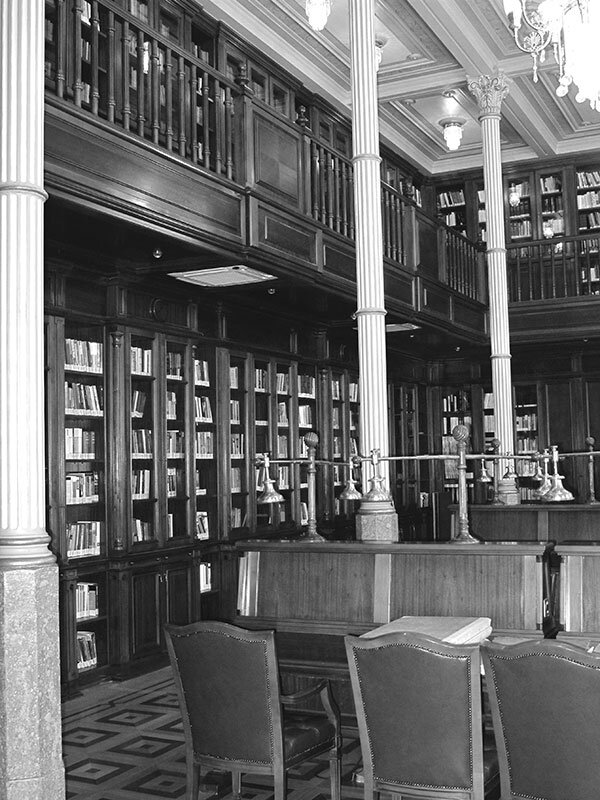
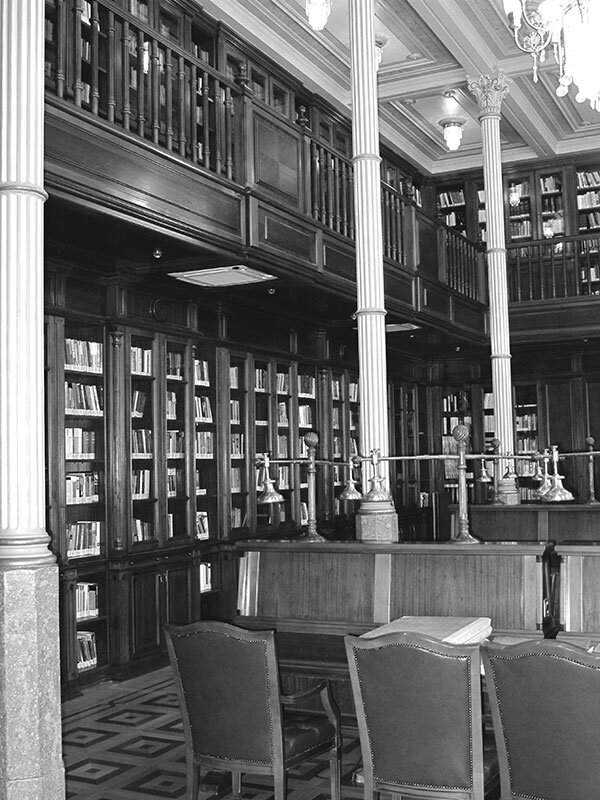
Consolidation, restoration, refunctionalization. Old Palace of the National Bank of Romania, 25 Lipscani Street

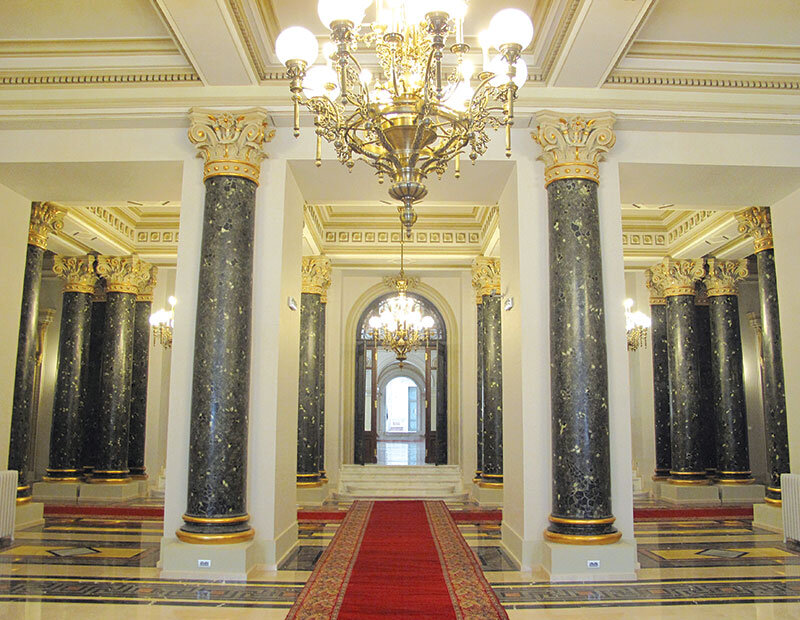
Short presentation
The architectural value of the palace of the National Bank of Romania in Lipscani Street, also known as the Old Palace, marks a special moment for the architecture of the end of the 19th century in Bucharest.
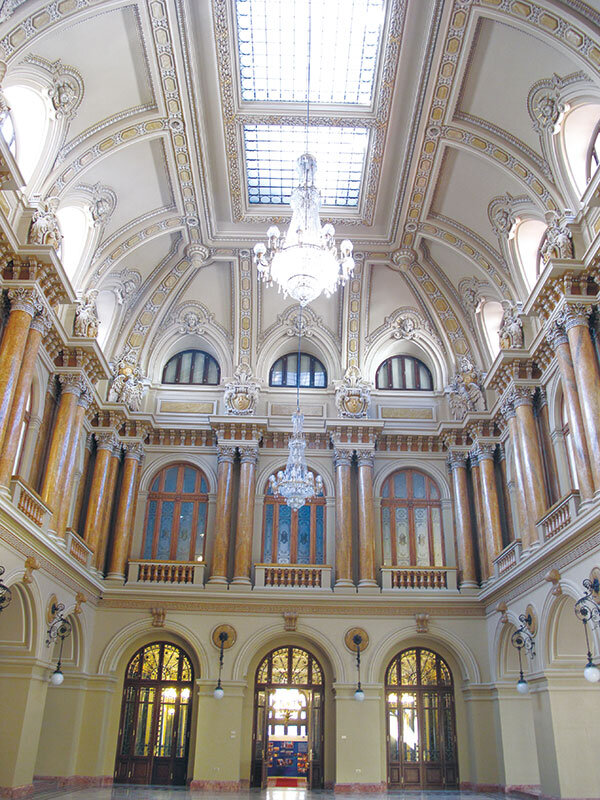
The building is distinguished by its harmonious proportions, balanced volumes and a wealth of ornamental features typical of the architecture of European public buildings of the time.
The architecture of the palace imposed the academic eclectic style as its own mode of expression for public buildings of prime importance and changed the way the commercial center of Bucharest was perceived.
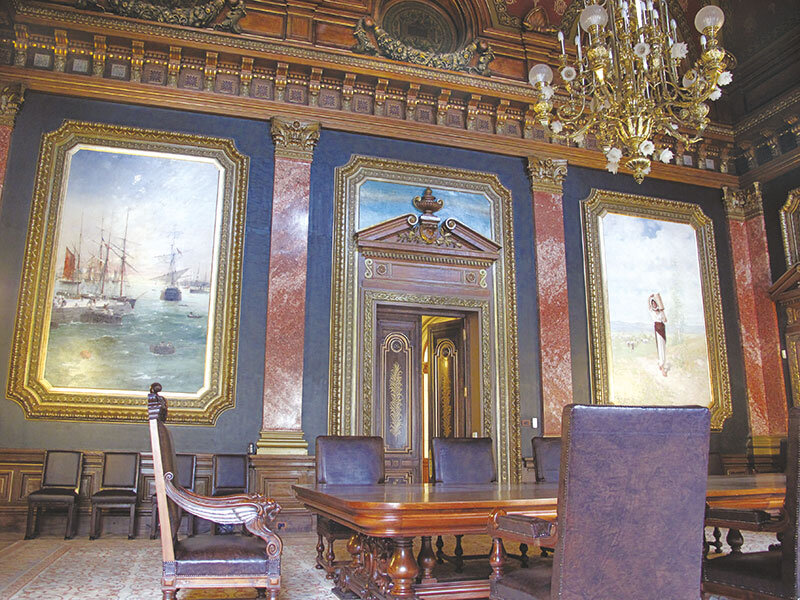
What gives it a privileged place is the expression of its character as a bank: an unavoidable monumentality to which is associated an expressive force through regularity, balance, distinction and massiveness, a thoughtful opening towards the street, and, inside, the realization of the Sala Ghișeelor according to the latest European standards of the time and a careful hierarchization of the spaces.
The building has undergone minor alterations over the years - additions, restorations, refurbishments - but these have not affected the overall ensemble. In 1940, in order to meet the demands of the modern financial world, a new palace was added to the building in Strada Doamnei, which still functions as a single unit today.
It is remarkable that the old palace, designed and built for the National Bank of Romania, has uninterruptedly preserved its purpose and integrity, being a defining image of a banking institution of the highest prestige.
The state of the building in the early 1990s
After 1990, the first decade launched the National Bank, as indeed the entire Romanian society, into a period of profound transformation. The palace had stood the test of time. It was 100 years old and had retained its prestige and authenticity. It has assimilated the functional transformations imposed by the times, without distorting its prestige. It has withstood calamities without having been damaged. The palace had clearly increased in value.
Its condition, however, reflected the fact that during the last half-century (1940-1990) no conservation or restoration work had been carried out, only maintenance and repairs, often of dubious quality. Even the use of the premises was inappropriate.
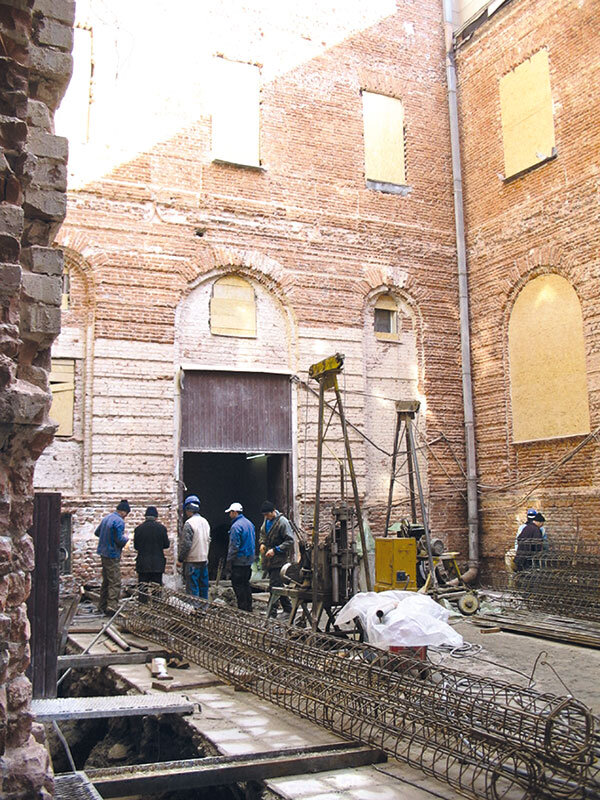
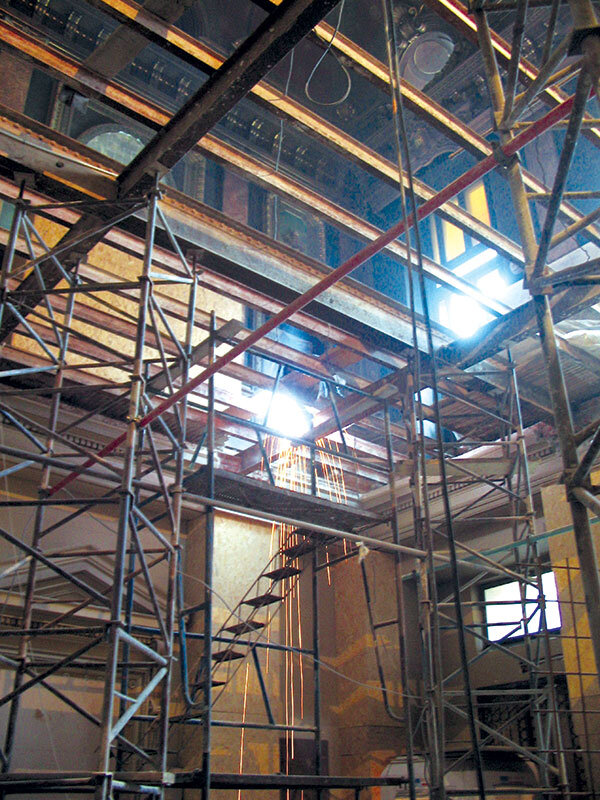
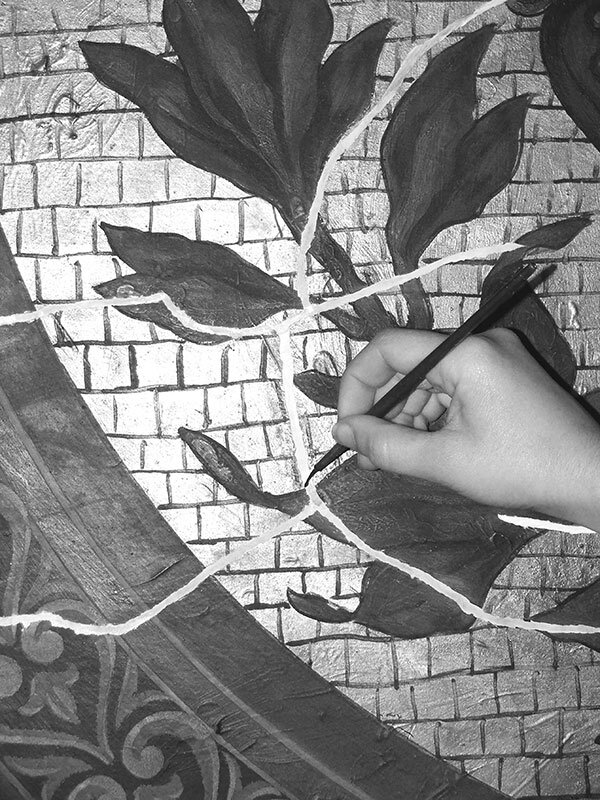
The building was in need of massive interventions in modernization works, restoration of heritage values, consolidation and restoration of all categories of installations.
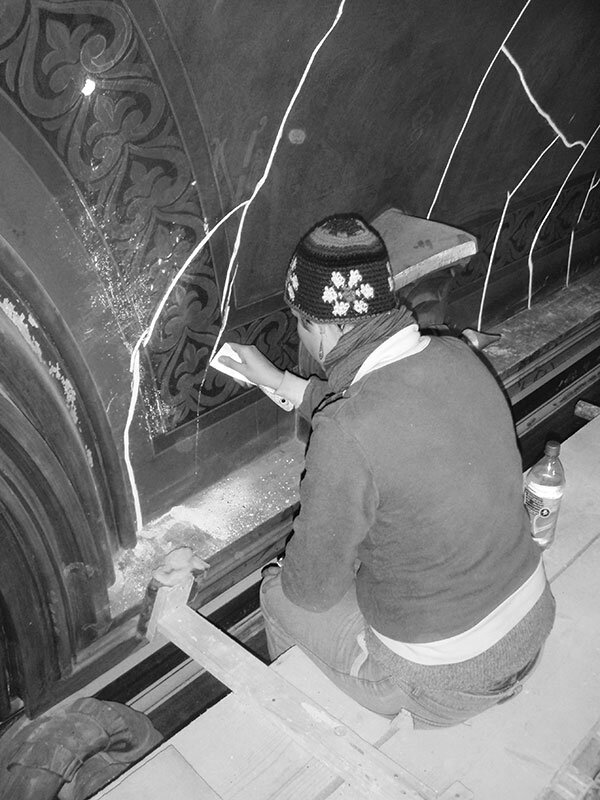
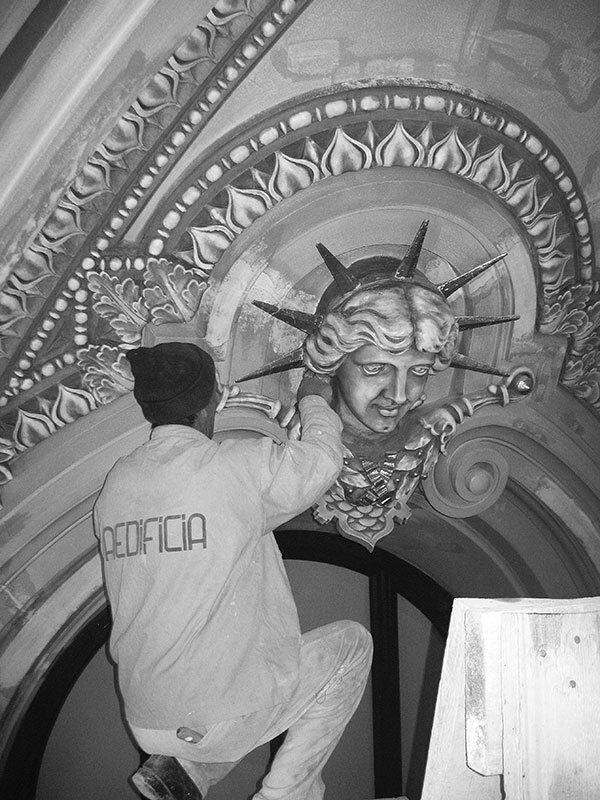
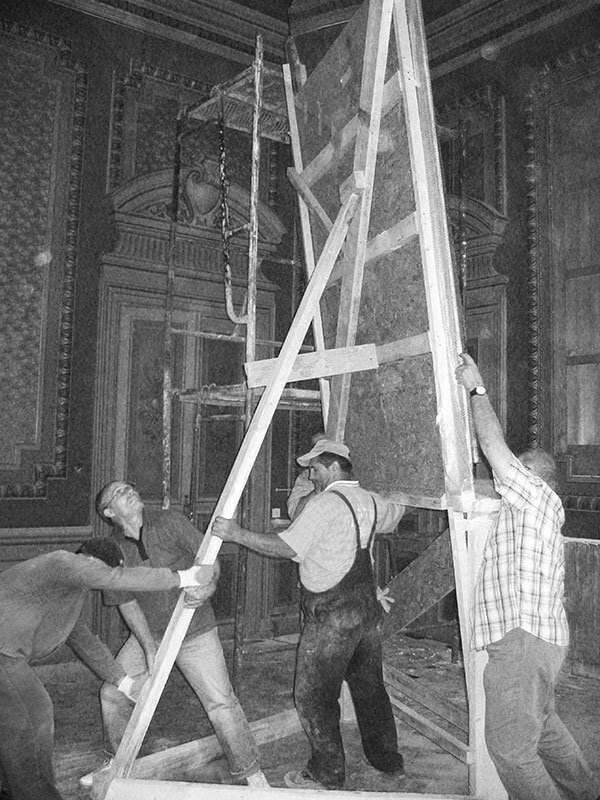
The restoration and refunctionalization of the palace was all the more necessary as the current operation of the bank, including the use of IT systems, establishes a different relationship with the public, changing the traditional sequence of the spaces. The bank's management decided to start the process of consolidation, restoration and refunctionalization. The unprecedented scale of the undertaking required a realistic and coherent plan, coupled with a firm decision. The first decade was devoted to the decision, documentation, research, historical studies and design, and in 2003 the building site was opened and work began.
Read the full text in issue 6/2012 of Arhitectura magazine.