Dream kitchen? Kitchen design 1947-1989
DREAM KITCHEN?KITCHEN DESIGNBETWEEN 1947-1989
| WITH THE ELECTIONS IN 1946 AND THE PROCLAMATION OF THE REPUBLIC IN DECEMBER 1947, A NEW STAGE IN ROMANIA'S POLITICAL AND SOCIAL HISTORY BEGAN, AND THIS ALSO MEANT A NEW PHASE IN KITCHEN DESIGN. |
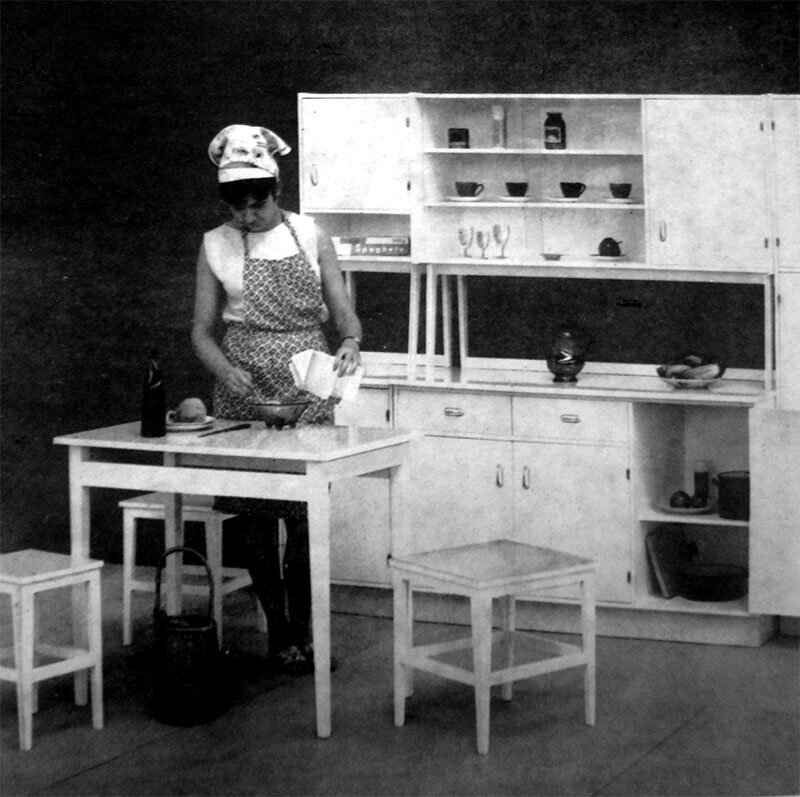
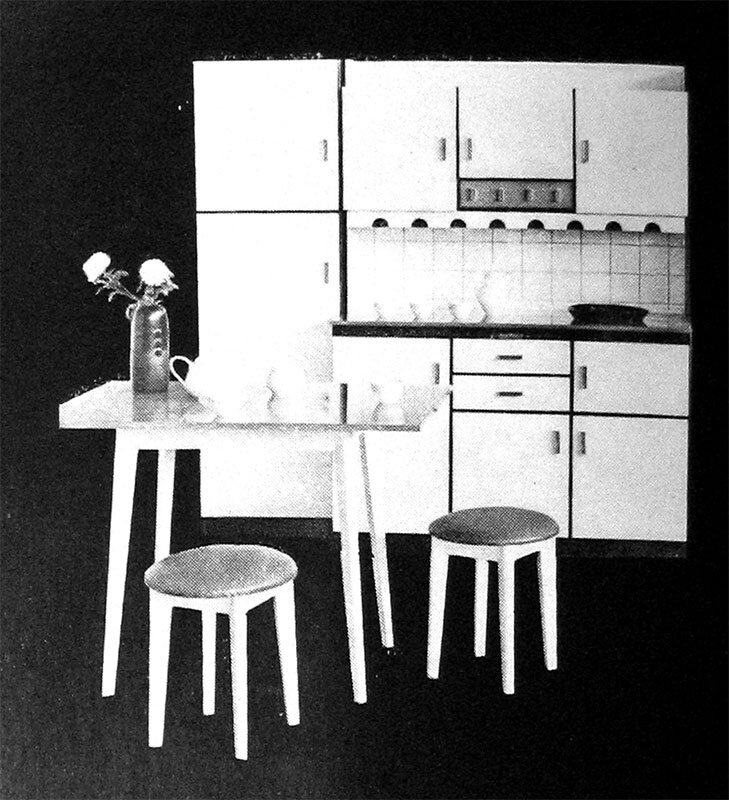
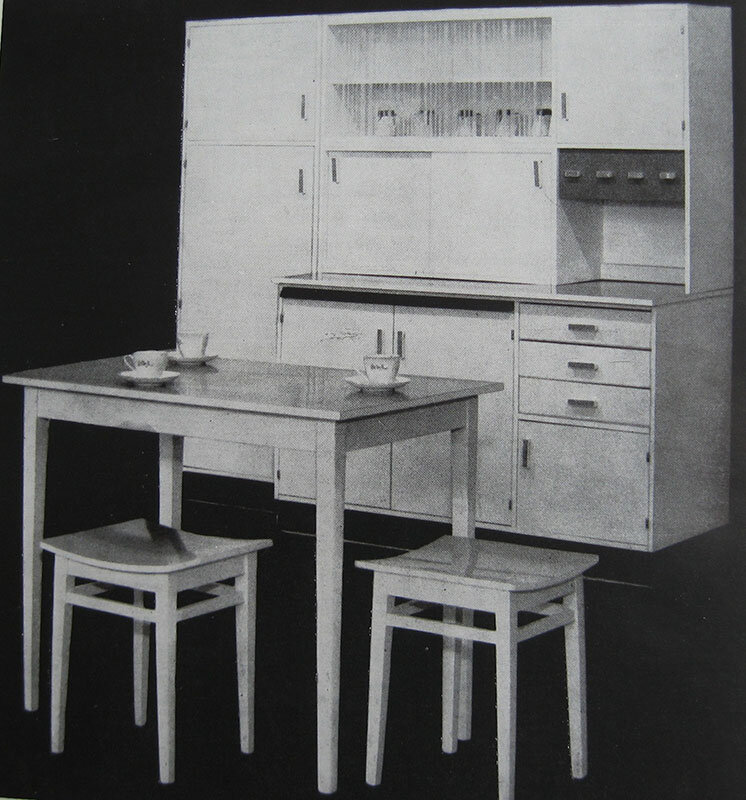
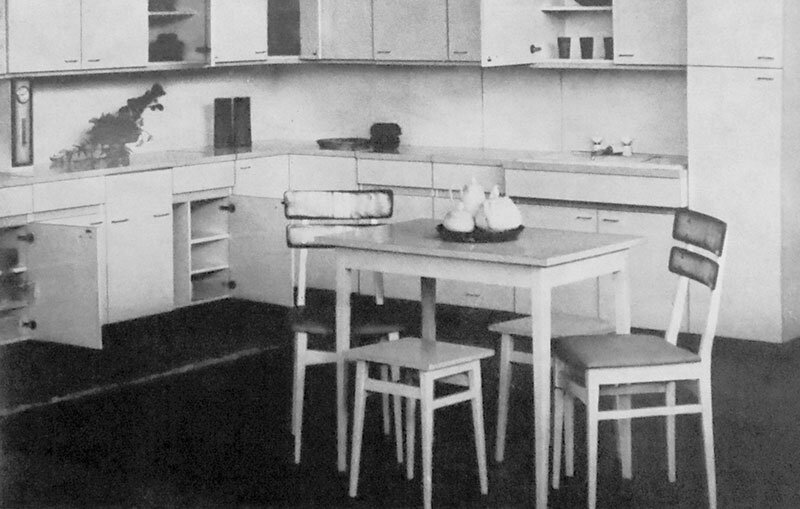
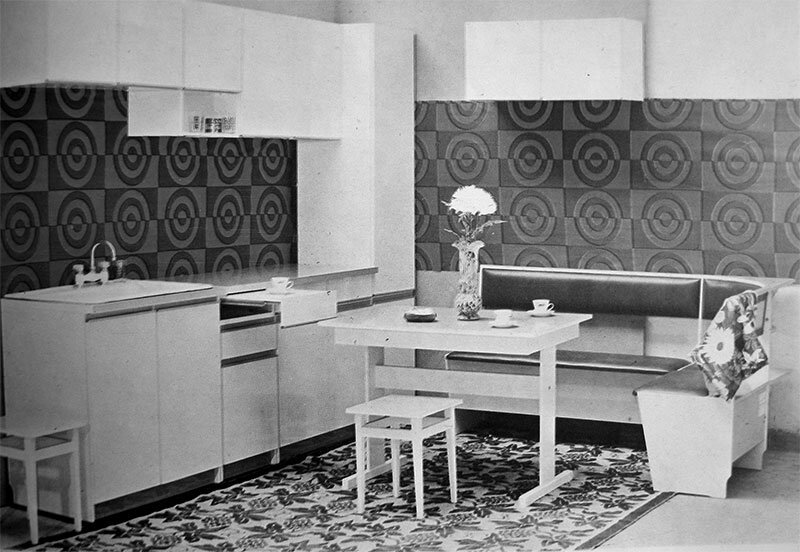
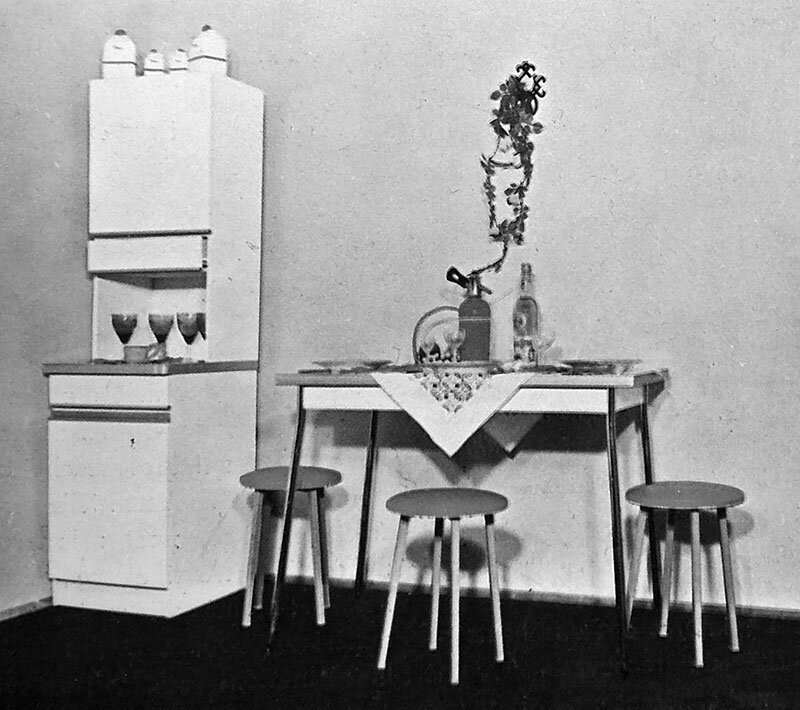
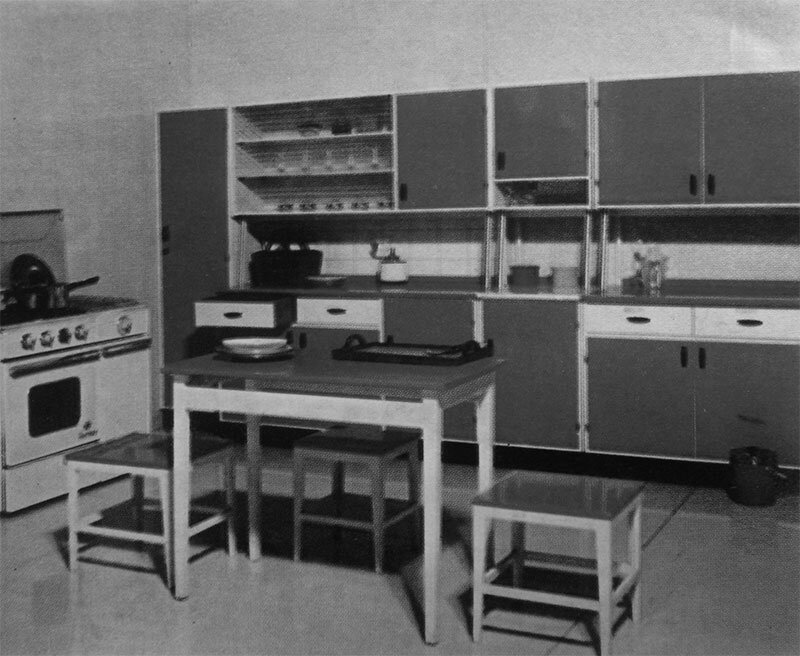
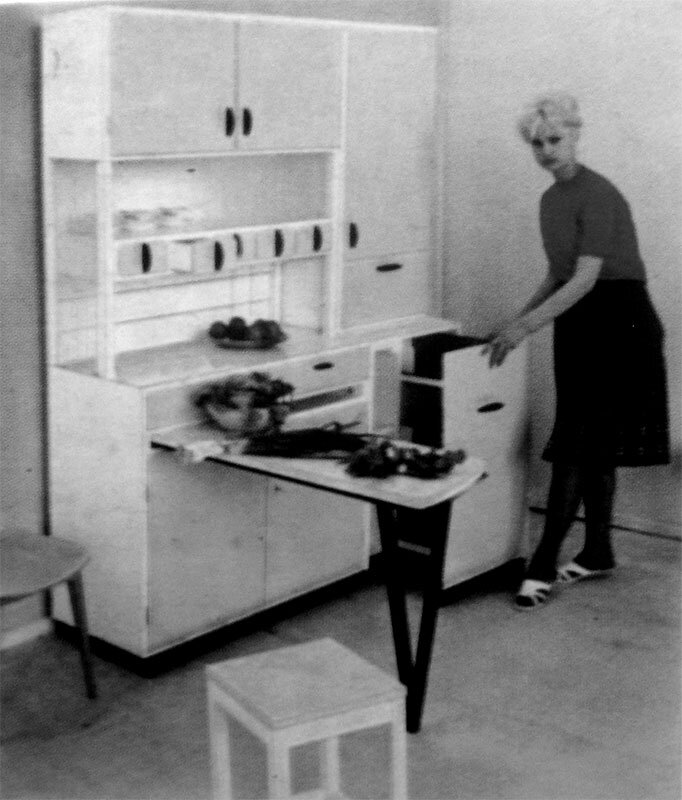
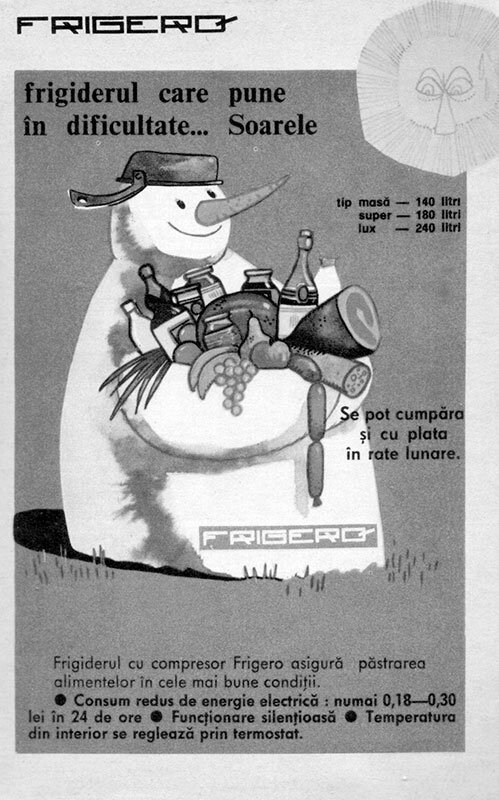
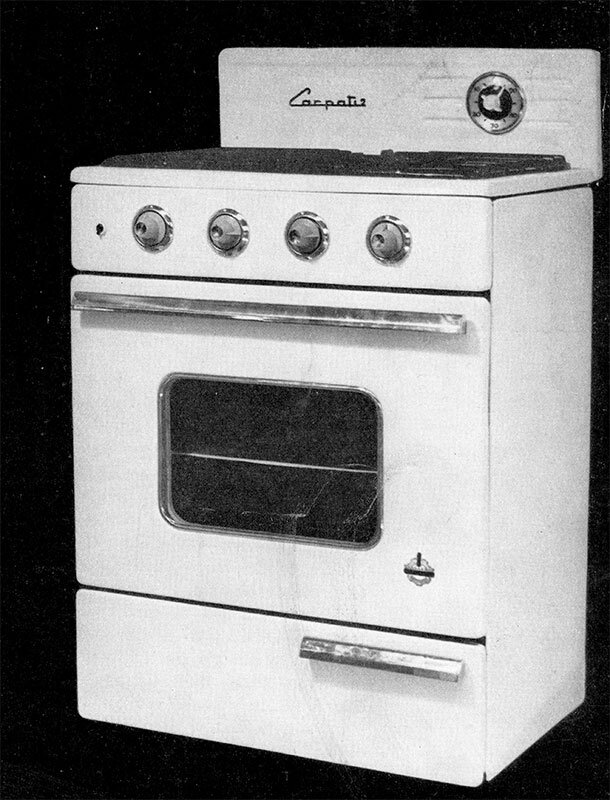
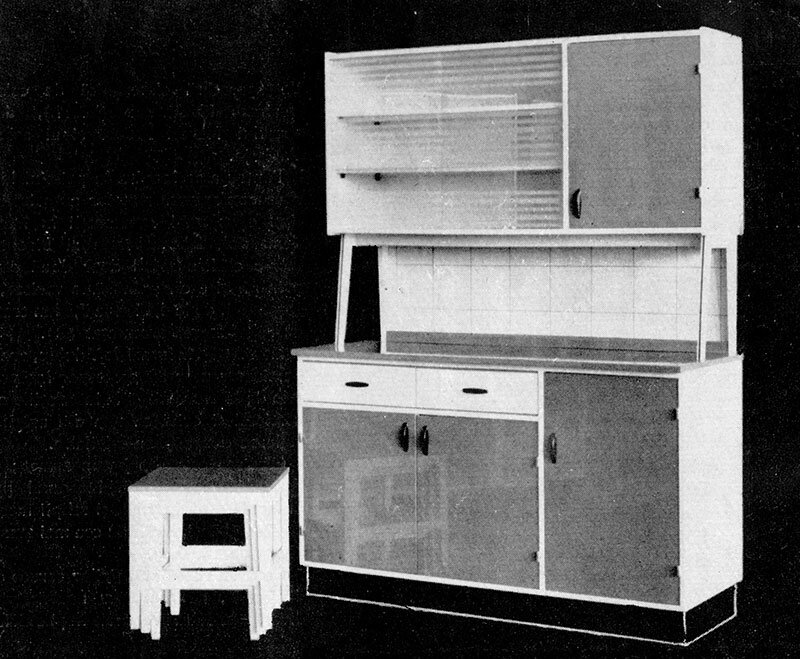
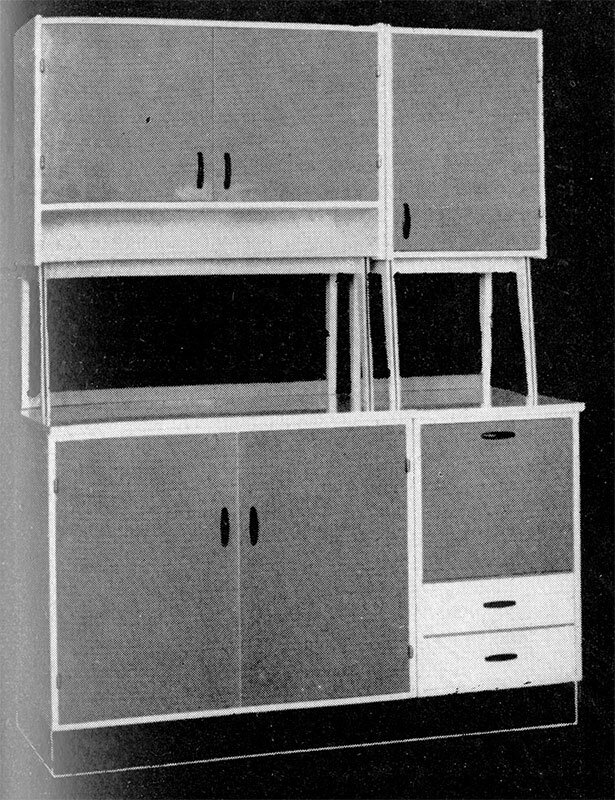
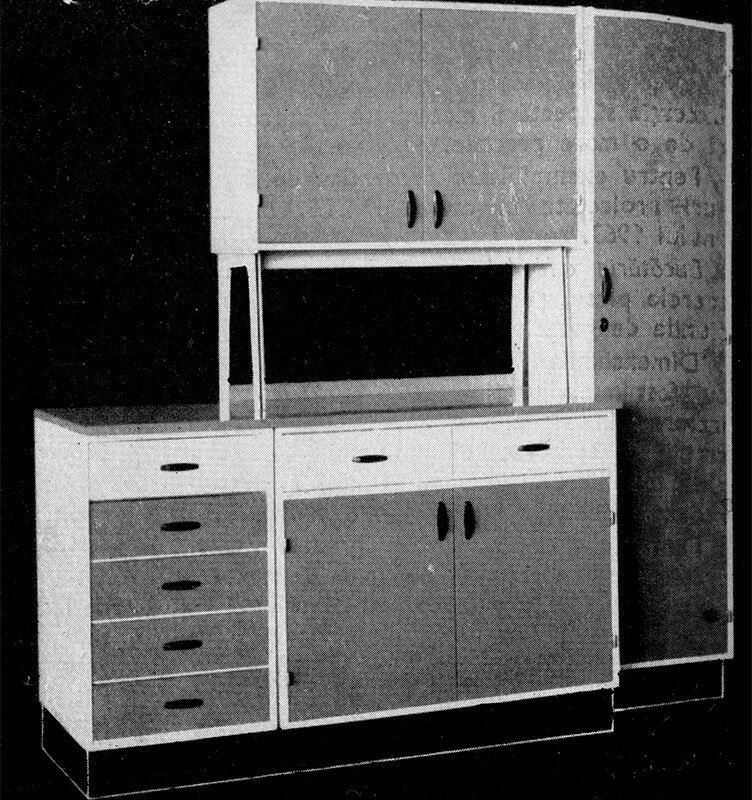
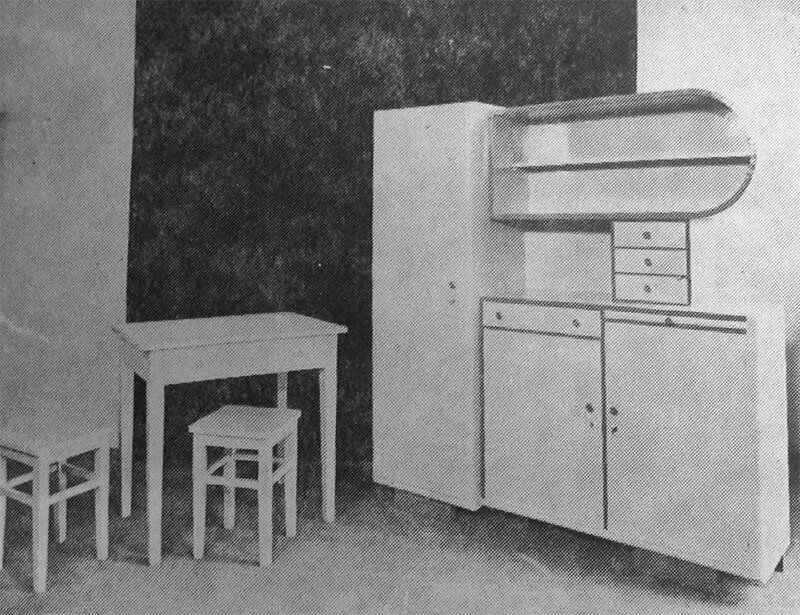
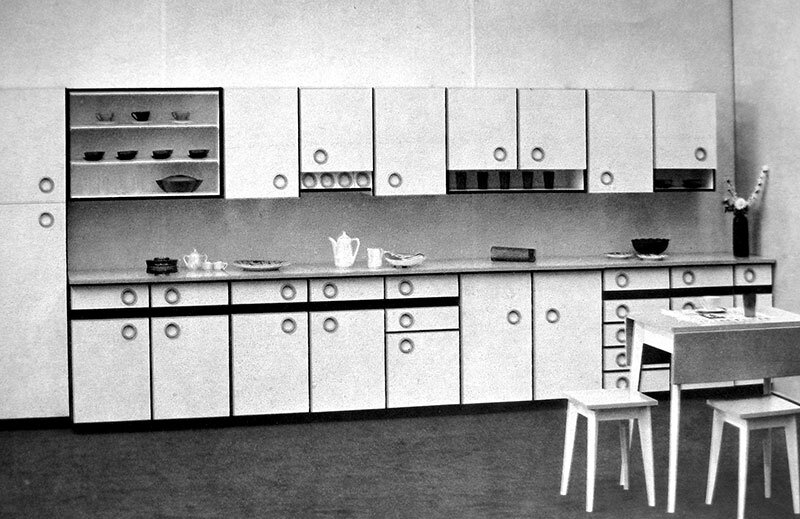
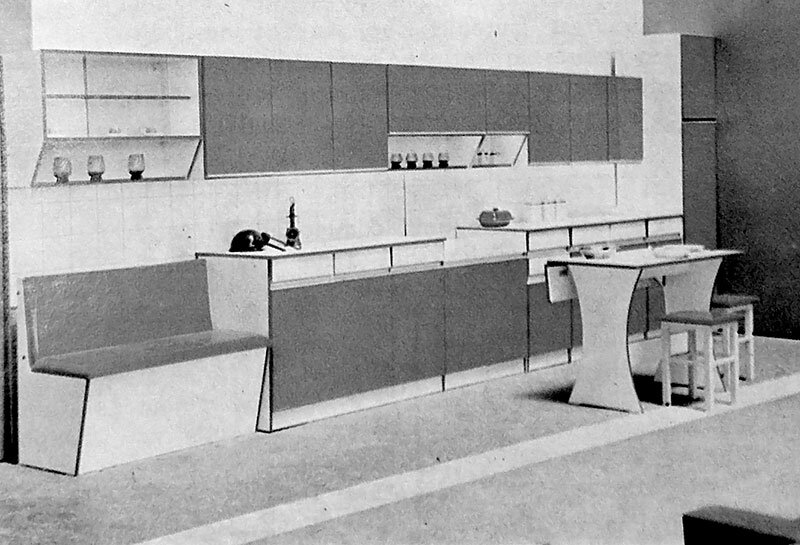
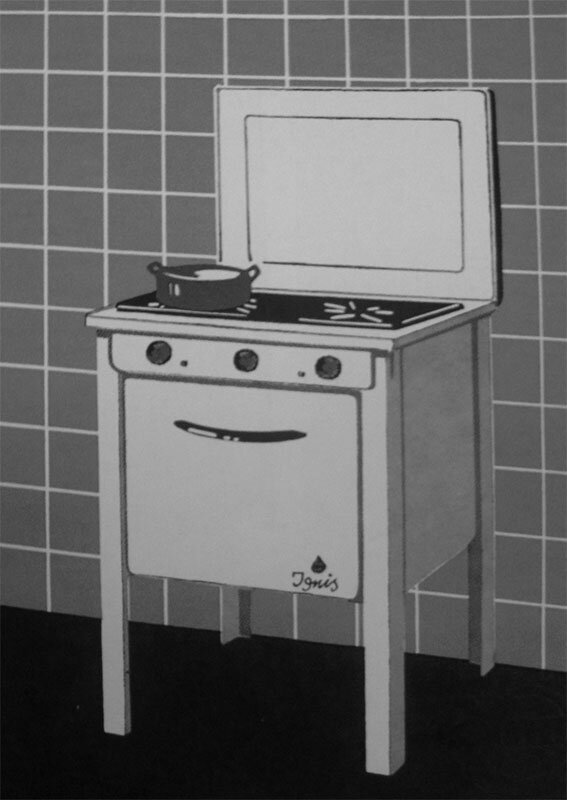
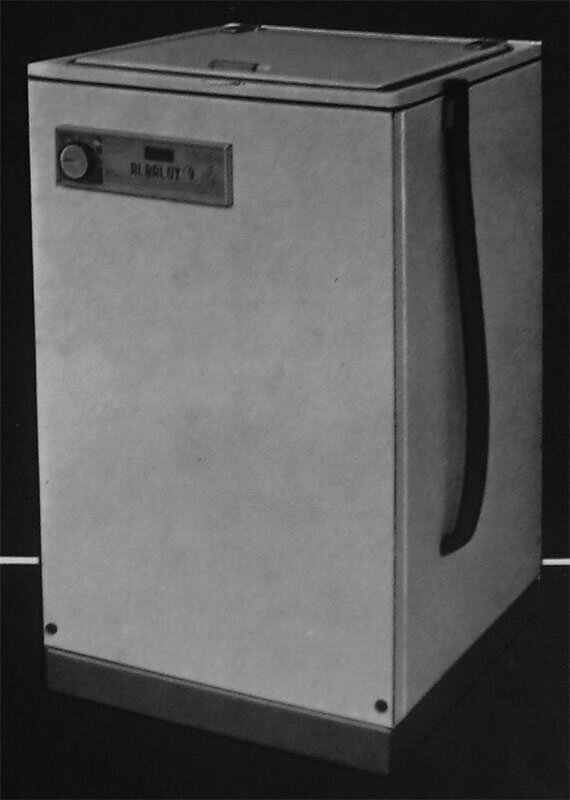
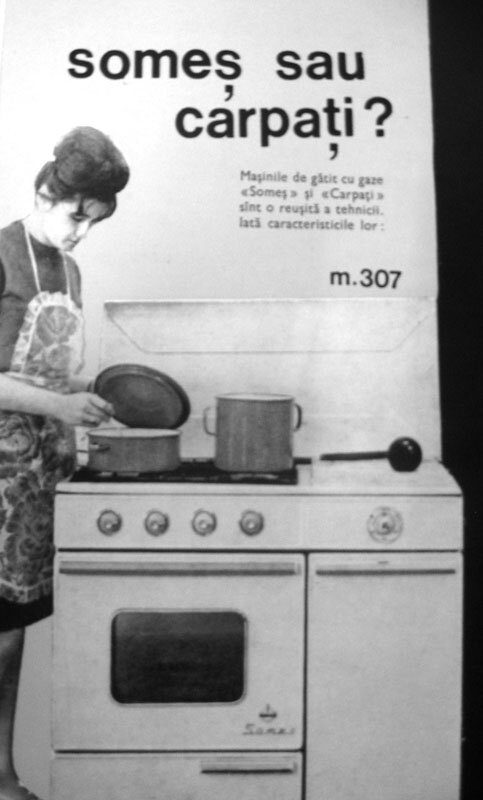
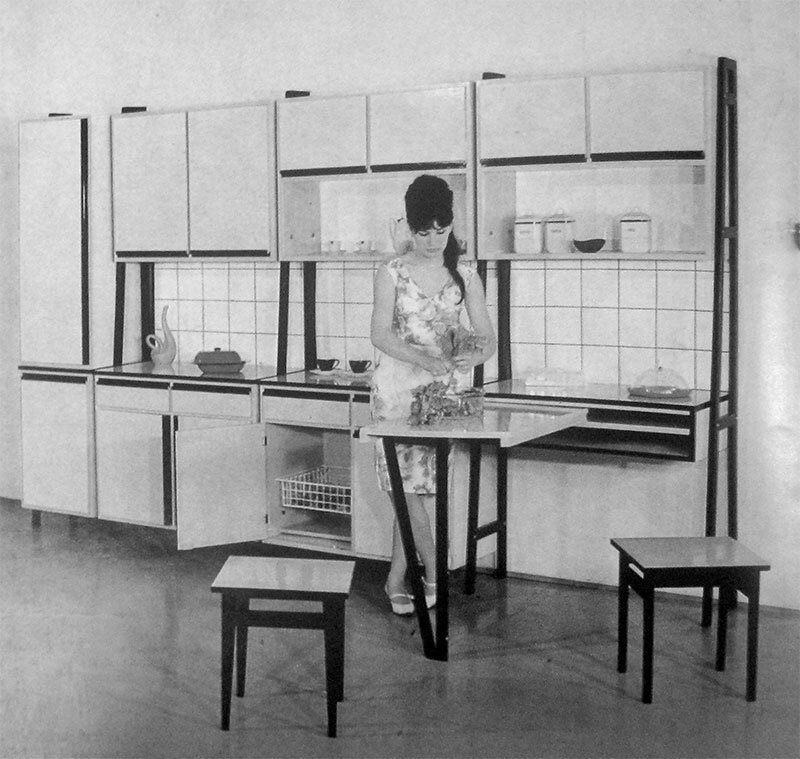
| The disappearance of private companies selling household products and of American companies present on the Romanian market (General Electric, Leonida & Co.) led to a new kitchen interior design. Immediately after the installation of the new regime, the emphasis was placed on Soviet models, numerous articles in women's magazines described the kitchen, as well as the new role of both employed and domestic women. The communist regime wanted to create "socialist modernism"1 but at the same time keep production costs low. The new architecture was strongly influenced by the Soviet model, but this was not as pronounced in interior and furniture design.In the early years after World War II, everything was a necessity: living space, supplies, furniture, appliances. From magazines you could learn how to assemble a refrigerator (cooler) from a bucket or a fridge from other parts. Women and the Home magazine in 1948 suggested some unusual solutions, such as cooking in the bathroom. The housing shortage led to the re-compartmentalization of all existing living spaces, many of which had no kitchen. Due to the destruction caused by the Second World War, one of the state's priorities became building modern apartments. The communist regime claimed that it would modernize and urbanize, thereby creating a new standard of living accessible to all citizens. In the near future, one of the decrees of the Third Congress of the Workers' Party was to increase the quality and comfort of apartments. The dimensions of kitchens in the blocks built in Bucharest between 1959 and 1961 were 6.50 square meters for a kitchen furnished on one side, the initially proposed size was 4.32 square meters in apartments for 2-3 persons or 4.88 square meters in apartments for 3-5 persons. In the case of kitchens furnished on one side with a table and refrigerator on the other side, the dimensions varied between 6,50-7,00 square meters, the size initially proposed was 5,50 square meters in apartments for 2-3 persons or 6,80 square meters in apartments for 3-5 persons. The furniture and appliances proposed in this type of kitchen were: 1. "Fram" refrigerator; 2. washer with dryer; 3. preparation table with cupboard; 4. electric stove or cooker; 5. cupboard with hood; 6. table; 7. additional preparation table with cupboard; 8. hanging cupboard.2 Howwas mechanization in the kitchen explained and change legitimized? "The housewives are taking part in the reconstruction of the country by giving their labor to the common good. They realize how much time is taken up by housework and the lack of organization in the household, the lack of practical tools. They read in the newspapers that factory workers are creating new ways of simplifying work, inventing new tools, and innovating new ways of increasing production without fatigue. Through the columns of our magazine they address the workers and technicians of the household goods factories, asking them to heed their wishes, which would make the work of all housewives easier and thus enable women to mobilize more seriously in the field of work."3 |
| Read the full text in issue 2/2013 of Arhitectura magazine |
| NOTES:N.B. This study is part of a presentation entitled Americanization face to face Sovietization: Kitchen Design in Communist Romania at the Cold War Politics of the Kitchen - Americanization, Technological Transfer and European Consumer Society in the Twentieth Century conference (2005), Munich Deutsches Museum.1. Susan E. Reid, "Communist Comfort: Socialist Modernism and the Making of Cosy Homes in the Khruschev's Era" in Gender & History, vol. 21, no. 3, November 2009, pp. 465-498. 2. I. Șerban, Locuința urbană 1961-1964, Editura Tehnică, Bucharest, 1964, p. 23. 3. "Woman and the Home", year V, no. 190, September 5, 1948, p. 4. |
| THE 1946 ELECTIONS AND THE PROCLAMATION OF THE REPUBLIC IN DECEMBER 1947 MARKED A NEW ERA IN THE POLITICAL AND SOCIAL HISTORY OF ROMANIA AND IMPLICITLY IN KITCHEN DESIGN. |
| The disappearance of the private companies which marketed household products, as well as of any American companies present on the Romanian market (General Electric, Leonida&Co) triggered the emergence of new modalities of arranging the interior of a kitchen. Immediately after the new regime set in, emphasis was laid on the Soviet models; numerous articles in women's magazines described the kitchen and the new role of both employed women and housewives. The communist regime wanted to create the "socialist modernism"1, while maintaining low production costs. The new architecture was strongly influenced by the Soviet model, which, however, was not just as powerful in interior and furniture design.In the first years after the Second World War, anything was a necessity: housing space, supplies, furniture, household appliances. From magazines one could learn how to make a refrigerator (cooler) out of a bucket or how to assemble a refrigerator from various other components. In 1948, "Femeia și căminul" magazine came up with solutions that were strange, to say the least, such as to cook in the bathroom. The housing deficit led to a new division into compartments of numerous existing housing spaces, many of which did not possess a kitchen. Due to the destruction caused by the Second World War, the construction of modern apartments became a State priority. The communist regime claimed that it would modernize and urbanize, and therefore that it would create a new standard of living, accessible to all citizens. In the following years, one of the decrees issued by the Third Congress of the Workers' Party was concerned with the increase in the quality and comfort of apartments. The dimensions of kitchens in the apartment blocks built in Bucharest between 1959 and 1961 were 6.50 square meters for a kitchen furnished on one side; the dimension originally proposed was 4.32 square meters in apartments for 2 to 3 persons or 4.88 square meters in apartments for 3 to 5 persons. In the case of kitchens furnished on one side with a table and a refrigerator on the other side, the dimensions varied between 6.50 and 7.00 square meters; the dimension originally proposed was 5.50 square meters in apartments for 2 to 3 persons or 6.80 square meters in apartments for 3 to 5 persons. The furniture and the household appliances proposed in this type of kitchen were: 1. "Fram" refrigerator; 2. a washer with a dryer; 3. a cooking table with a cupboard; 4. a gas or electric cooker; 5. a cupboard with an electric hood; 6. a table; 7. an additional cooking table with a cupboard; 8. suspended cabinet2.How was kitchen mechanization explained and how was change justified? "Housewives take an active part in the reconstruction of the country, bringing their contribution in work to the common good. They realize how much time is used in household work, the lack of organization in the household and the lack of practical machinery. They find out from the newspapers that factory workers are creating new systems to simplify work, are inventing new tools, are innovating so as to tirelessly increase production. Through the headings of our magazine, they call upon workers and technicians working in household product factories to take account of their wishes, because thus they would ease the work of housewives everywhere and would enable women to muster their efforts and employ them better in their professions."3 |
| Read the full text in the print magazine. |
| NOTES:N.B. This essay forms part of the presentation entitled Americanization face to face Sovietization: Kitchen Design in Communist Romania delivered at the conference Cold War Politics of the Kitchen - Americanisation, Technological Transfer and European Consumer Society in the Twentieth Century (2005), München Deutsches Museum.1. Susan E. Reid, "Communist Comfort: Socialist Modernism and the Making of Cosy Homes in the Khruschev's Era" in "Gender & History", vol. 21, no. 3, November 2009, pp. 465-498. 2. I. Șerban, Urban Housing 1961-1964, Editura Tehnică, Bucharest, 1964, p. 23. 3. "Woman and the Home", year V, no. 190, September 5, 1948, p. 4. |