Roșia Montană heritage dossier - interview with Ștefan Bâlici
"THE SITE CAN STILL BE SAVED AND THE BUILT HERITAGE -THE ONE THAT STILL EXISTS TODAY-CAN STILL BE SAVED ."
Ștefan Bâlici is an architect, lecturer at the University of Architecture and Urbanism "Ion Mincu", Bucharest, Department of History and Theory of Architecture and Heritage Conservation. Ștefan Bâlici is vice-president of ARA - "Architecture. Restoration. Archaeology".
Adrian Bălteanu: How could you briefly describe what gives cultural importance to Ros Montana? Please emphasize the architectural value.
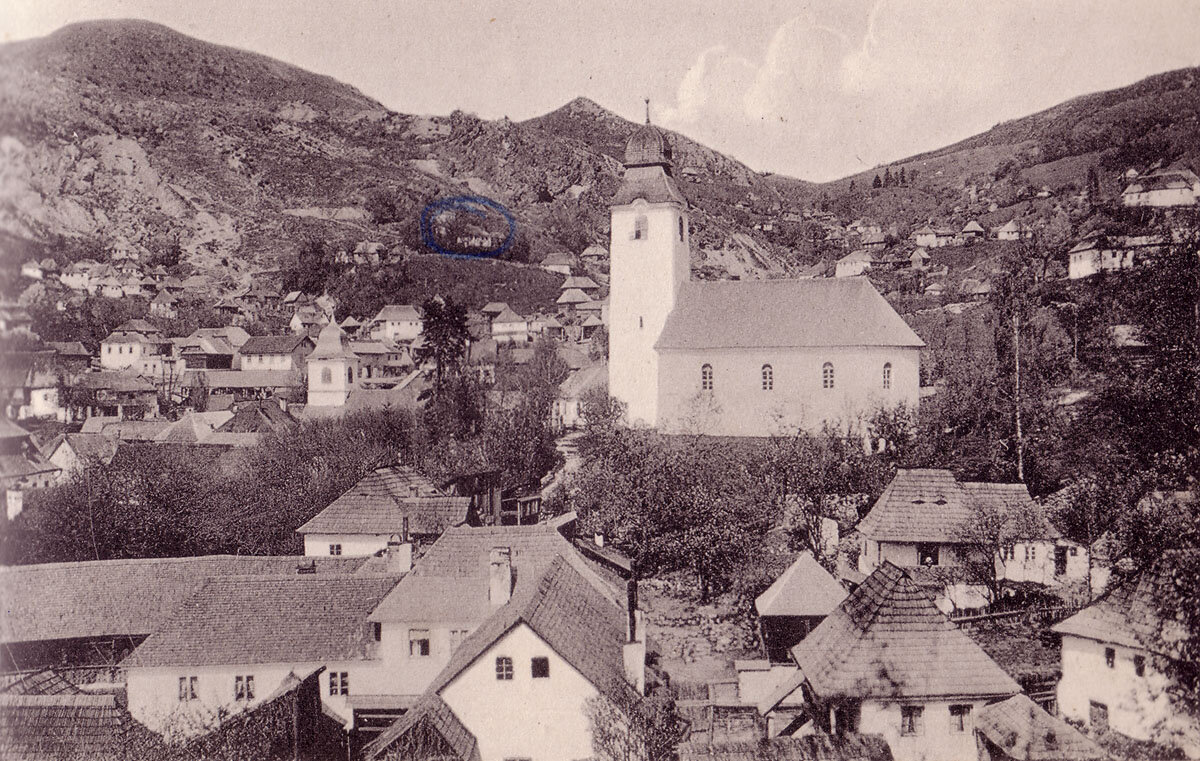
Ștefan Bâlici: It is about the multitude of elements that, combined, form a site that is quite exceptional in the Mountains of the Mountains, in the Apuseni Mountains. Even if there are other historical mining sites in the area, none of them has preserved such a wealth of important vestiges, dating from prehistoric times to the present day, as is the case at Roșia Montană. There is a wealth of valuable elements that can be traced from underground architecture (I refer to underground mining systems in these terms, that of a true underground architecture) to landscape architecture. An extraordinary variety of man-made signs in the architectural register. We cannot, of course, close this brief tour of the architectural horizon without dwelling on the buildings that make up the current built heritage: housing, churches, administrative, commercial, commercial, social and industrial buildings.
A.B.: Please list some of the representative buildings of the locality.
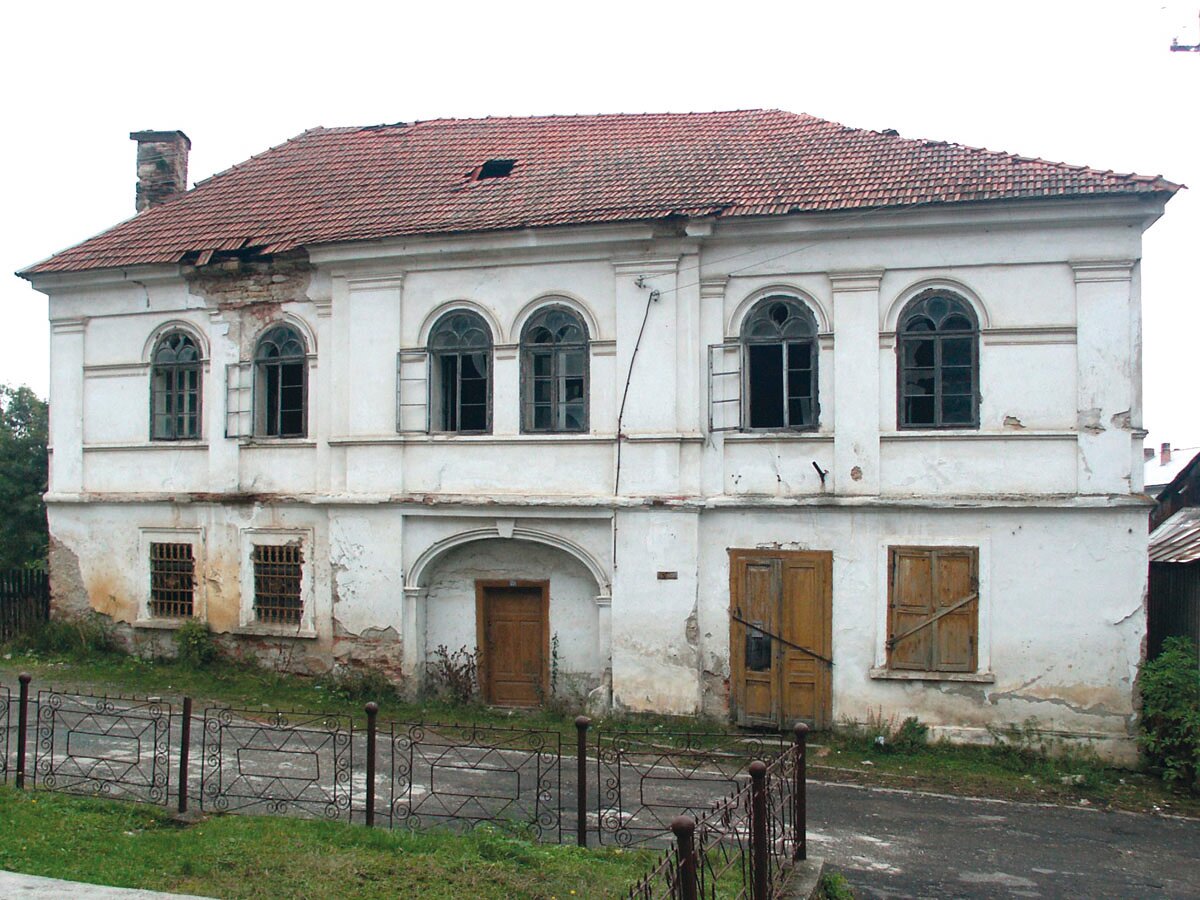
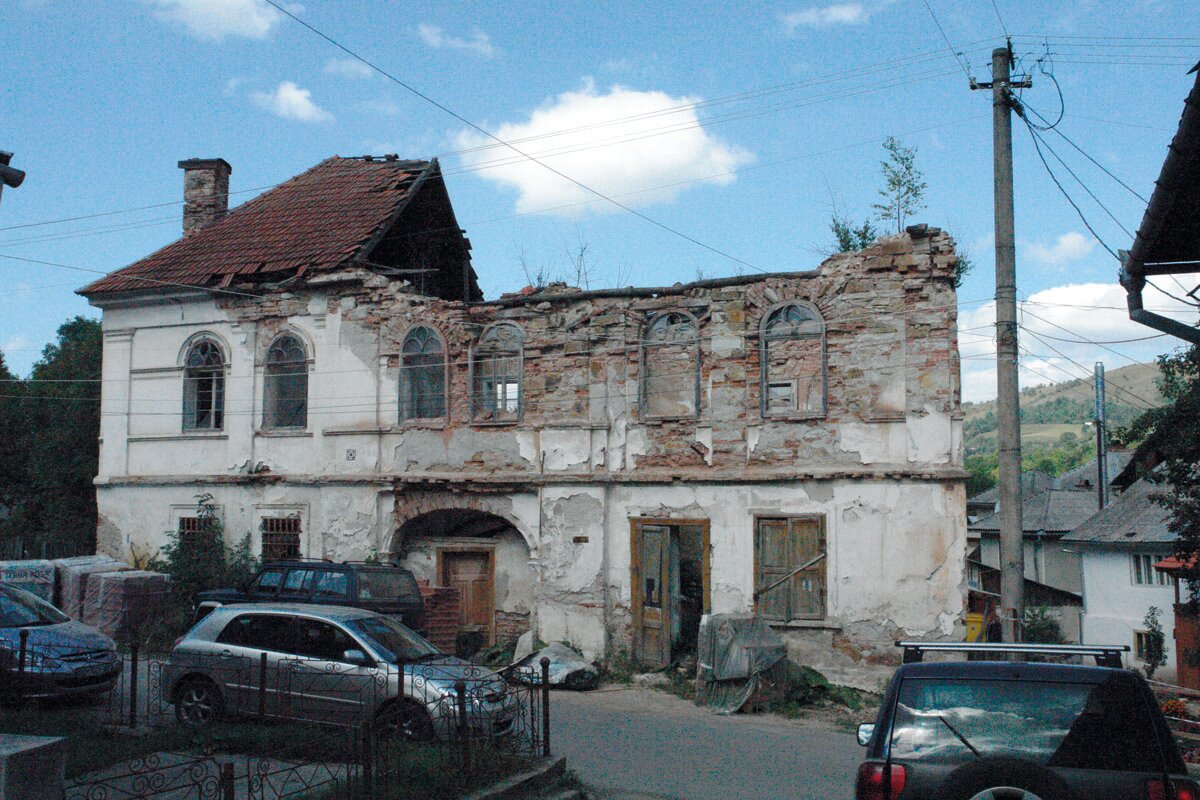
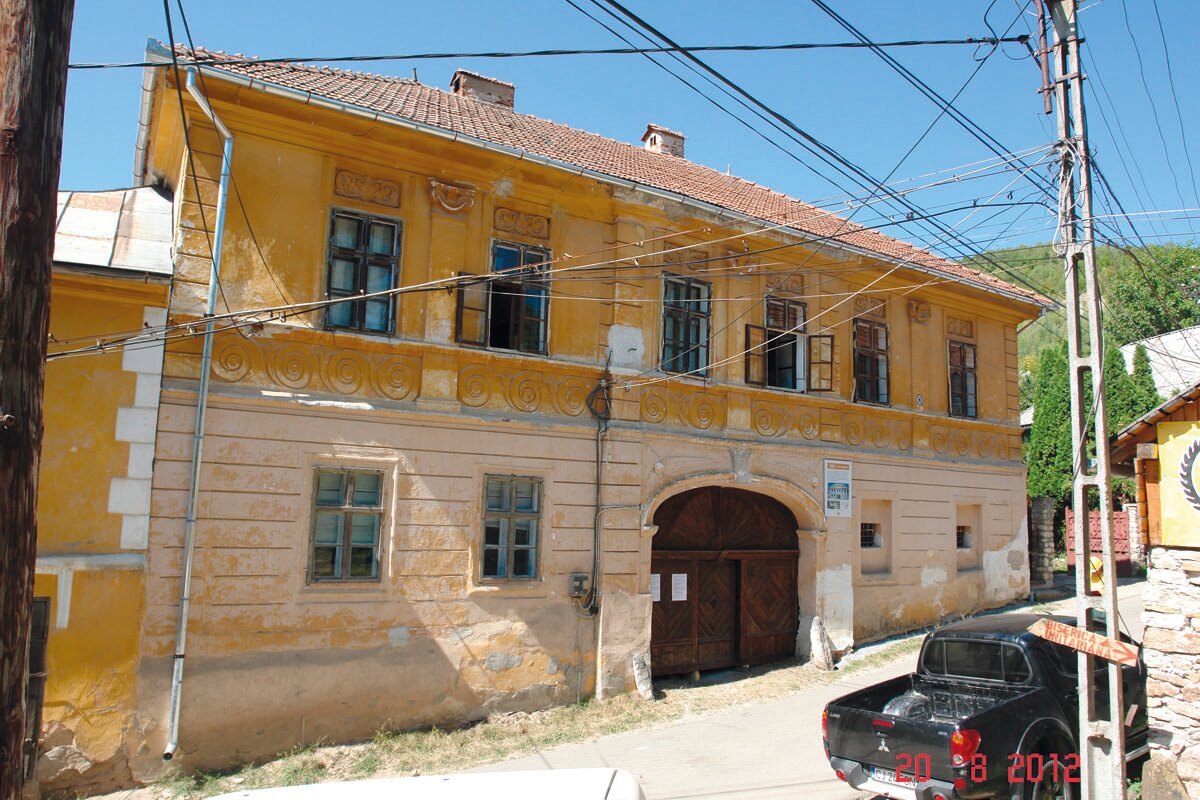
S.B.: The administrative palace from the Austro-Hungarian period, a remarkable late 19th century building, eclectic and with Baroque accents; the headquarters of the mining clubs - the casino in the central square or the club in the lower part of the locality, both of which are expressive examples of the late Baroque and eclectic urban extraction architecture of Rosia, respectively; the five historic churches and the two in the neighboring village of Corna, covering stylistic registers ranging from vernacular to baroque and classicism; the schools; the buildings of the state mining enterprise. We could go on.
All these are valuable manifestations of a vernacular adaptation of elements of architectural styles representative of Transylvania from the 18th century to the end of the 19th century and the beginning of the next.
A.B.: Was Roșia Montană a village or a town during this period of maximum architectural creation, which gives it its present-day character?
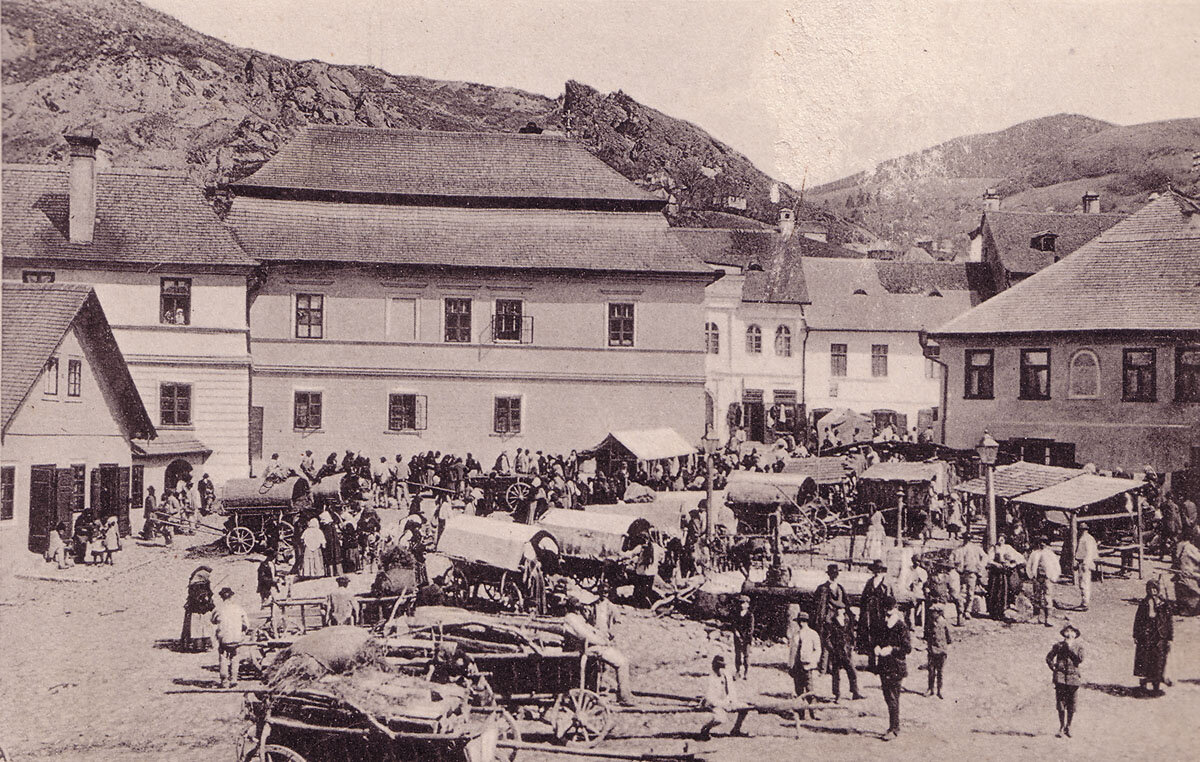
Ș.B..: If we are to draw the distinction between village and city, we can refer to the definition with a long history, proposed by Toynbee - the city is the settlement that cannot autonomously produce all that is necessary for the existence of its inhabitants - and from this perspective, probably Roșia Montană was, throughout its existence, a city, or we can refer to a more current definition, in which the presence of the tertiary sector is considered to be the defining feature of an urban settlement, and again we will see that in Roșia Montană the predilection for extraction activities has been counterbalanced by an unusual development of trade and services, including financial, banking and leisure activities. Historic Roșia Montană had an intense and diversified economic activity. This particularity is still visible today, especially in the Market area, by the large number of buildings with commercial or public spaces on the ground floor, by the way the buildings are grouped, by their architectural prestige.
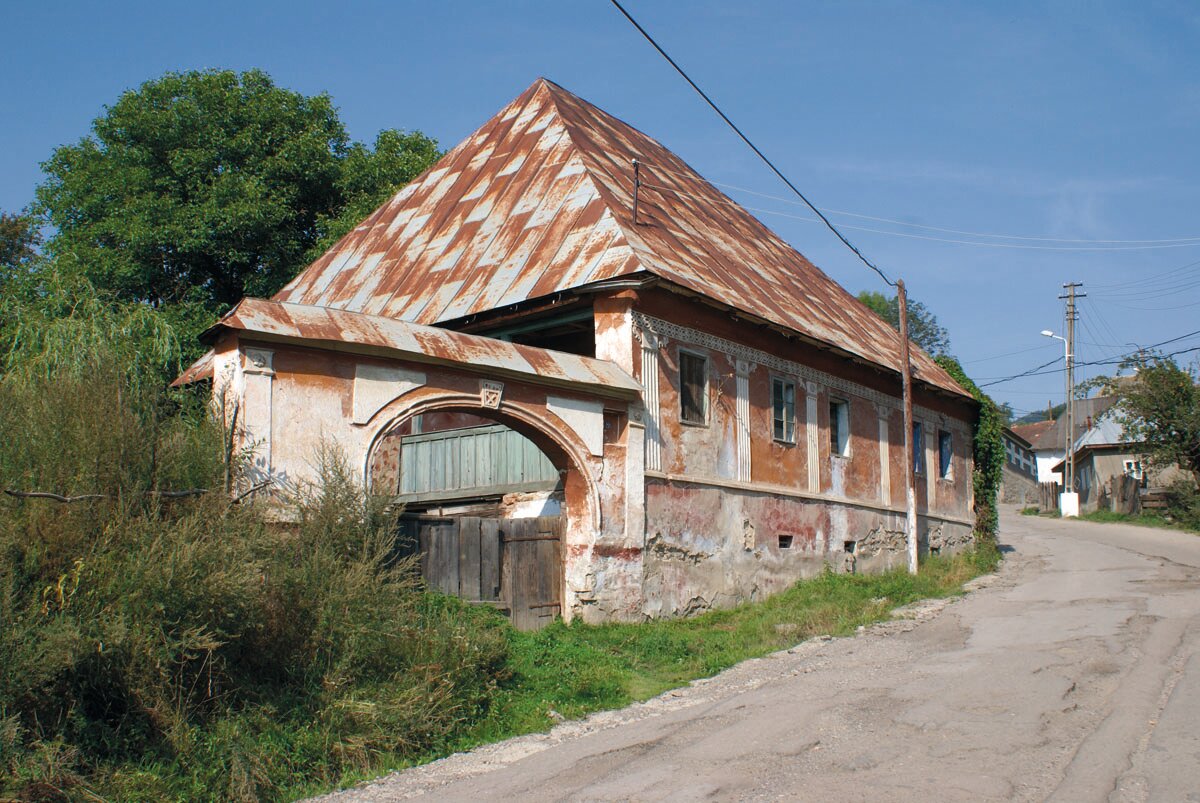
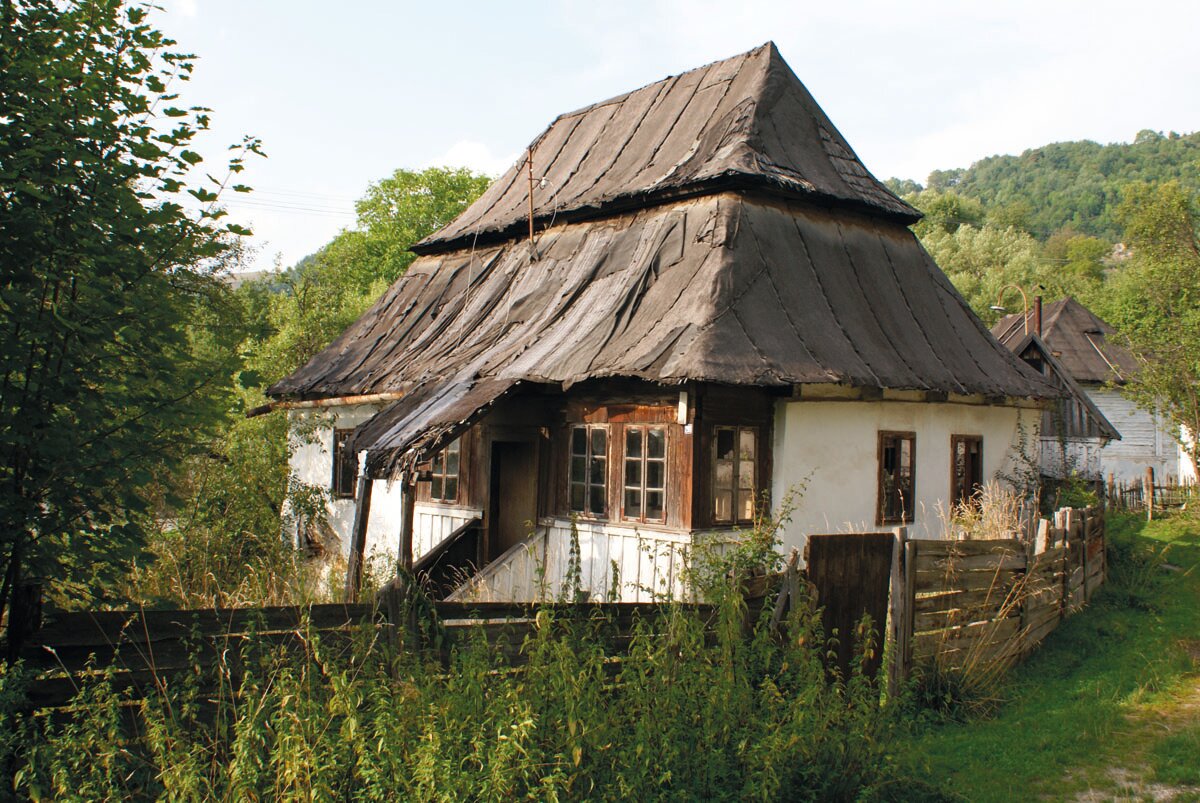
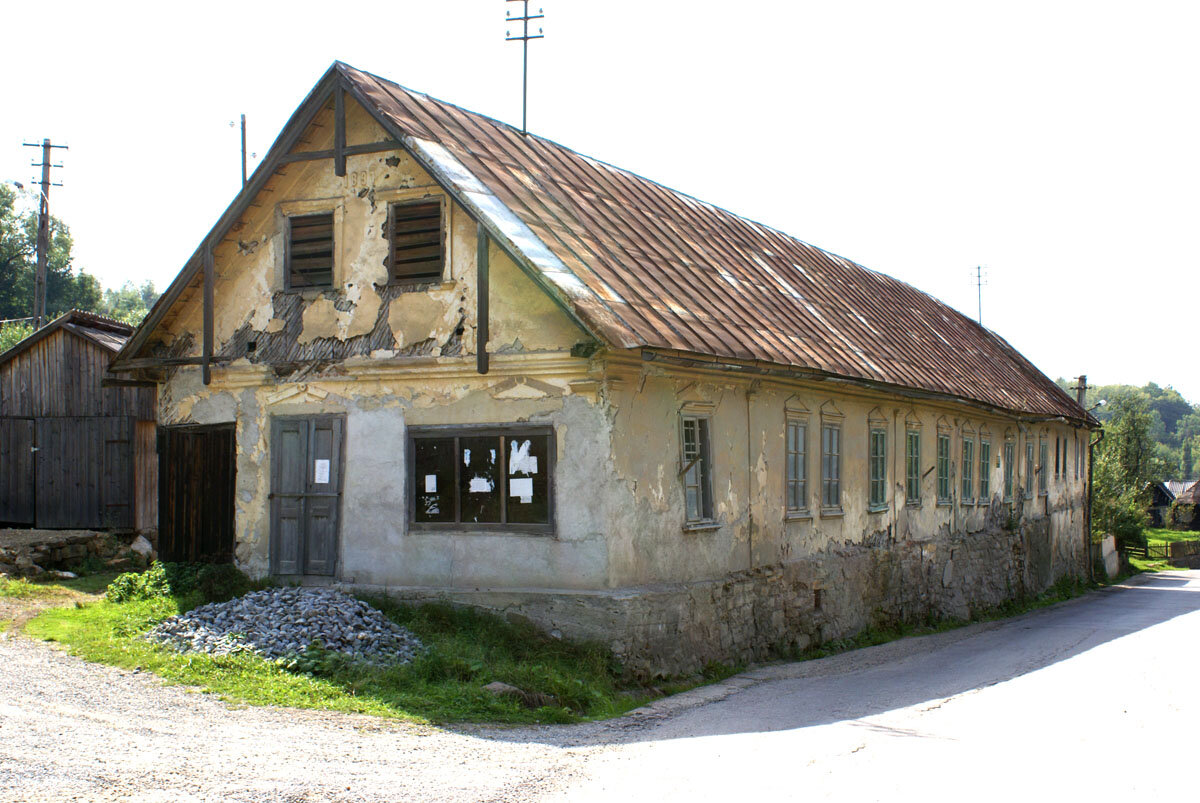
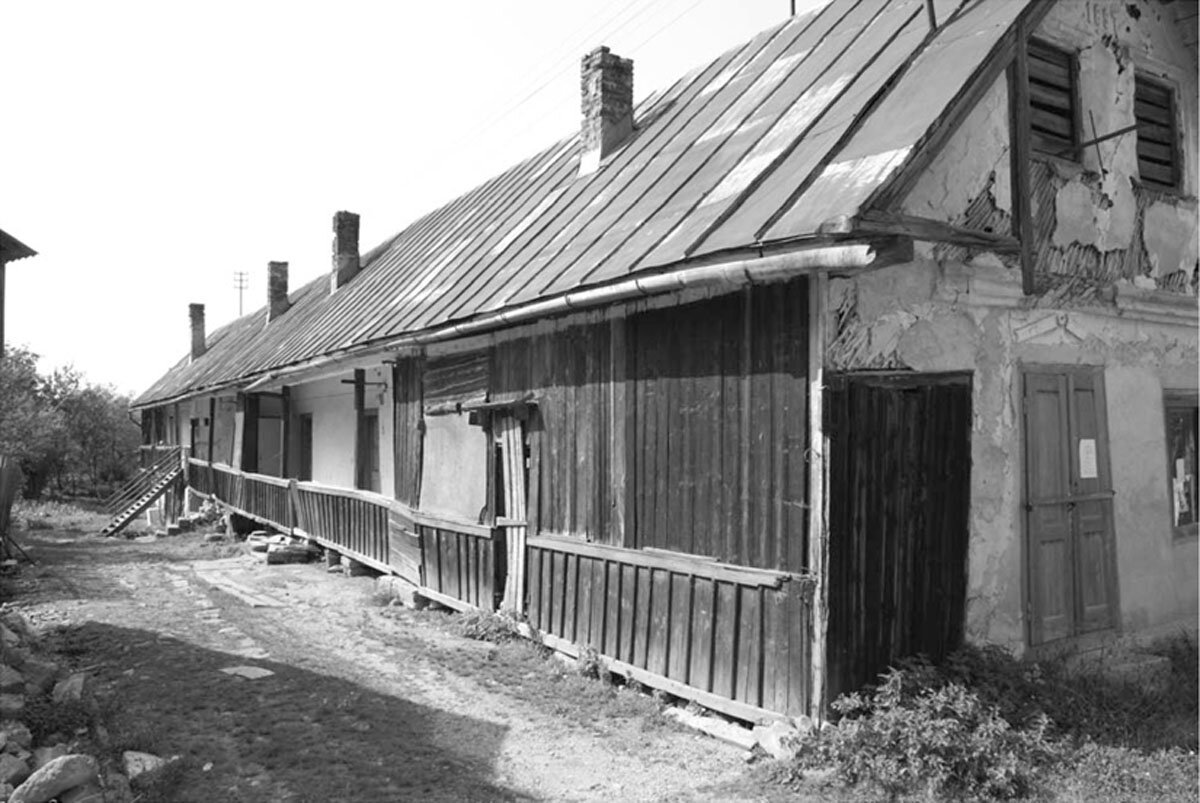
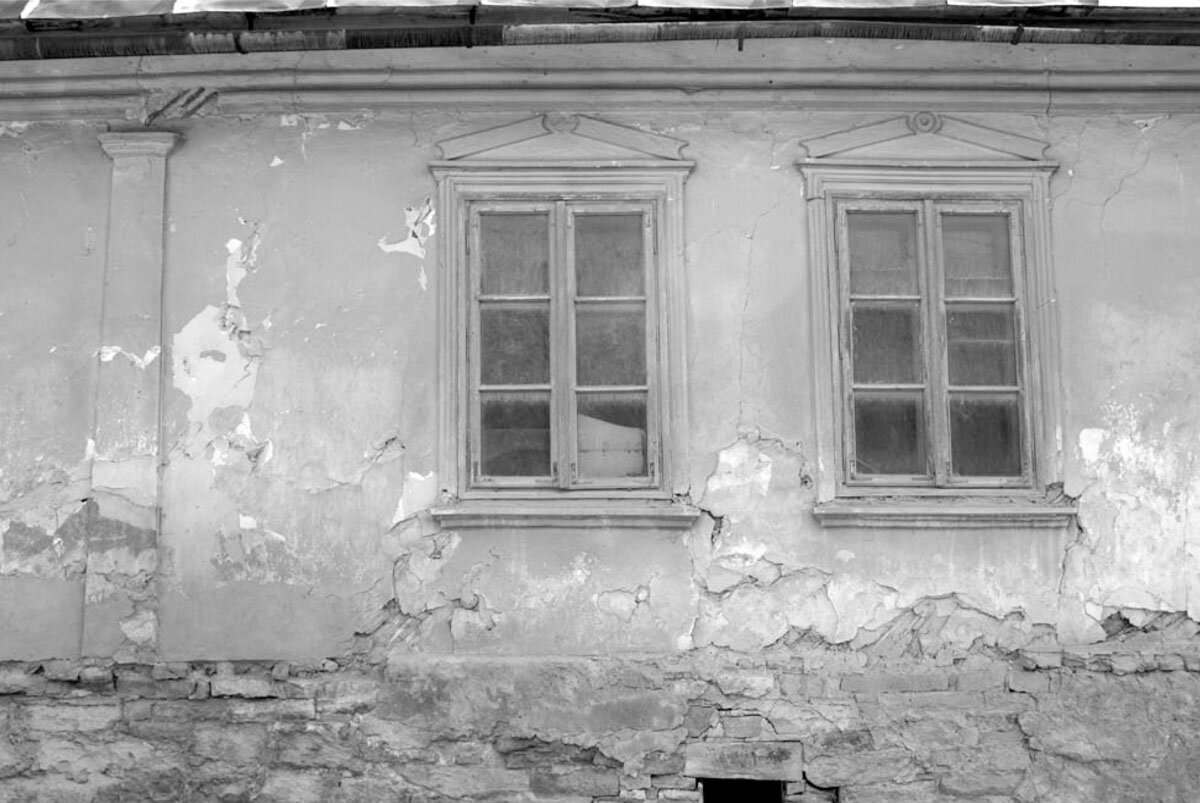
At the same time, however, even the buildings that express the fullest urban character have a strong vernacular, local substrate, which can be seen in their spatial organization or building structure. I am referring here to the linear grouping of rooms along a distribution space on the courtyard side, a slope which is nothing more than the local 'porch', or to the construction of houses, which is also traditional, with a ground floor or basement of stone masonry and a first floor of wooden beams, in the Blockbau system, over which the plaster and urban architectural decoration are plastered. In most cases, the wooden floors adopt the local solution, which we might call 'slab-type', where wooden beams are joined side by side over the entire surface area, joined together with wooden logs (an example of this type of solution, covering a considerable area, was to be found in the former Administrative Palace before the recent intervention). Then, until the beginning of the 20th century, everything was covered with shingle, which was preserved in many buildings until the middle of the century and, hidden under sheet metal or asbestos cement sheathing, still survives today. The expressive baroque roofs, which can still be seen today in Rosia Montana, or the eclectic ones were covered in the shingles typical of the traditional buildings of the area.
So, to sum up, we can say that Roșia Montană is a mining fair frozen in the early stages of urbanization.
A.B.: You mentioned the Administrative Palace again: we come to the aspect of unclassified architectural valuables. What is the situation in Rosia Montana from this point of view?
Ș.B.: When I talk about the value of architecture in Roșia Montană, I am of course not only referring to the 42 buildings inscribed in the List of Historical Monuments (the rural locality - Roșia has the status of a commune - with the highest number of positions in the list, more than some recognized historical towns, such as Aiudul or Blajul). I am referring to the whole historically valuable built heritage. It is only as a whole that the value of the Roșia Montană site can be preserved, by treating the whole, and not just a few isolated points that have been considered exceptional and as such classified. This perspective has been codified for many decades in heritage conventions and charters (starting with the Venice Charter, 1964 and continuing with the European Charter of Architectural Heritage, 1975 or the Charter of Vernacular Built Heritage, 1999, to cite but a few examples). It is a perspective that pays attention to the whole.
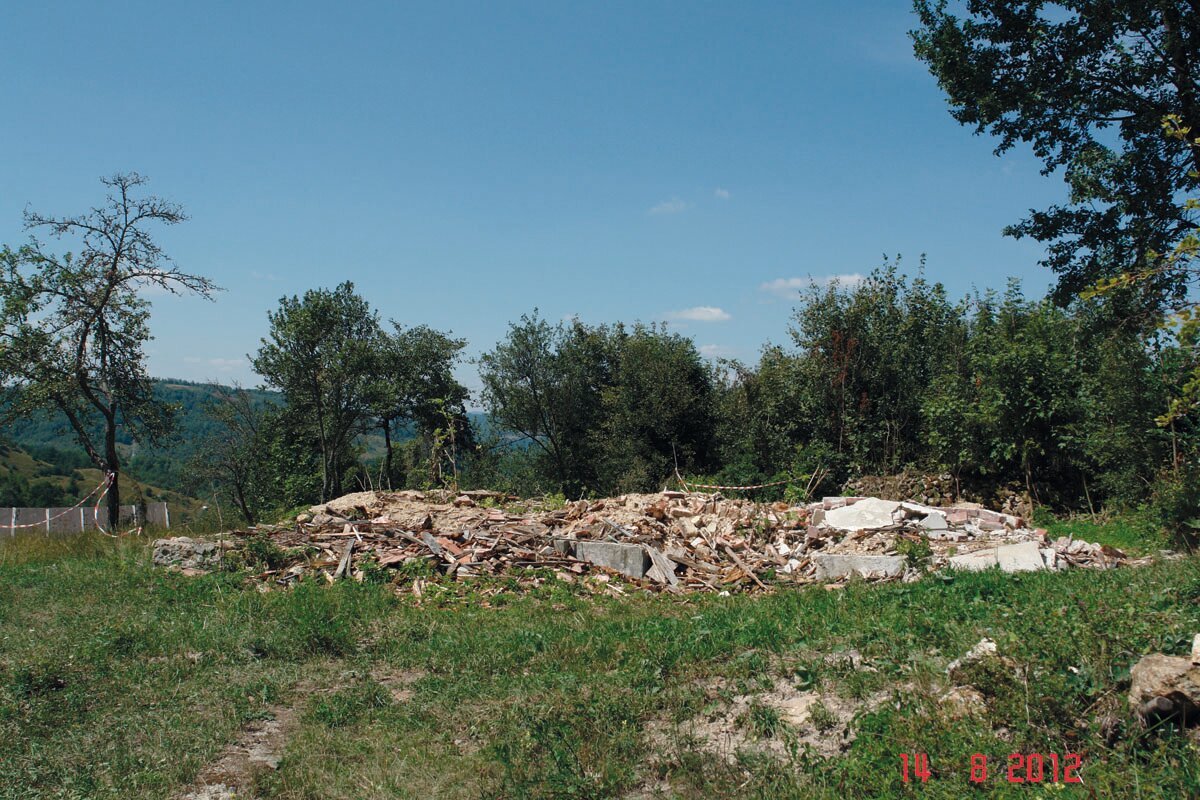
Within this ensemble there are a number of remarkable buildings. Some are listed, others are not. This is the point from which we started in 2007 with the request to classify some valuable buildings (the former Administrative Palace, the former Birth House, the Old School, churches, houses) in order to ensure that their outstanding qualities are recognized and that they benefit from a special protection regime. This was not successful. The Alba County Directorate for Culture, which is responsible for initiating the classification procedure, refused to do so, contrary to its mission to protect heritage. We came back in 2009 but met with the same opposition. Unfortunately, some of the houses that we unsuccessfully requested to have listed no longer exist today, they have been demolished by the mining company - for example, the Sulutiu House, no. 193, where the local mining school was also located, or houses 219 and 230, illustrative of the 19th century vernacular and the inter-war period. Another, house No. 721 in Corna, was offered by the same company, which acquired it from the traditional owner, the Astra Museum in Sibiu, and as a result it too no longer exists on its now deserted authentic site and in its now deserted authentic context.
A.B.: Please tell us a few words about the current general condition of the buildings.
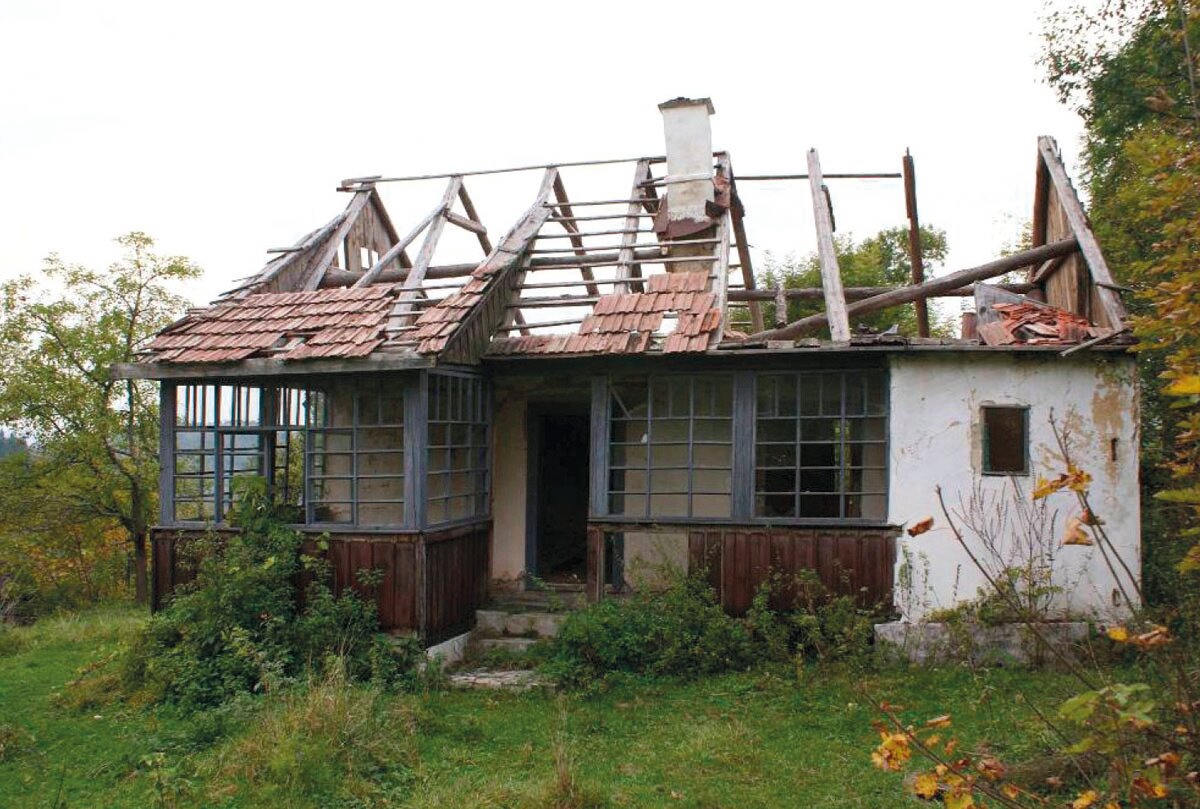
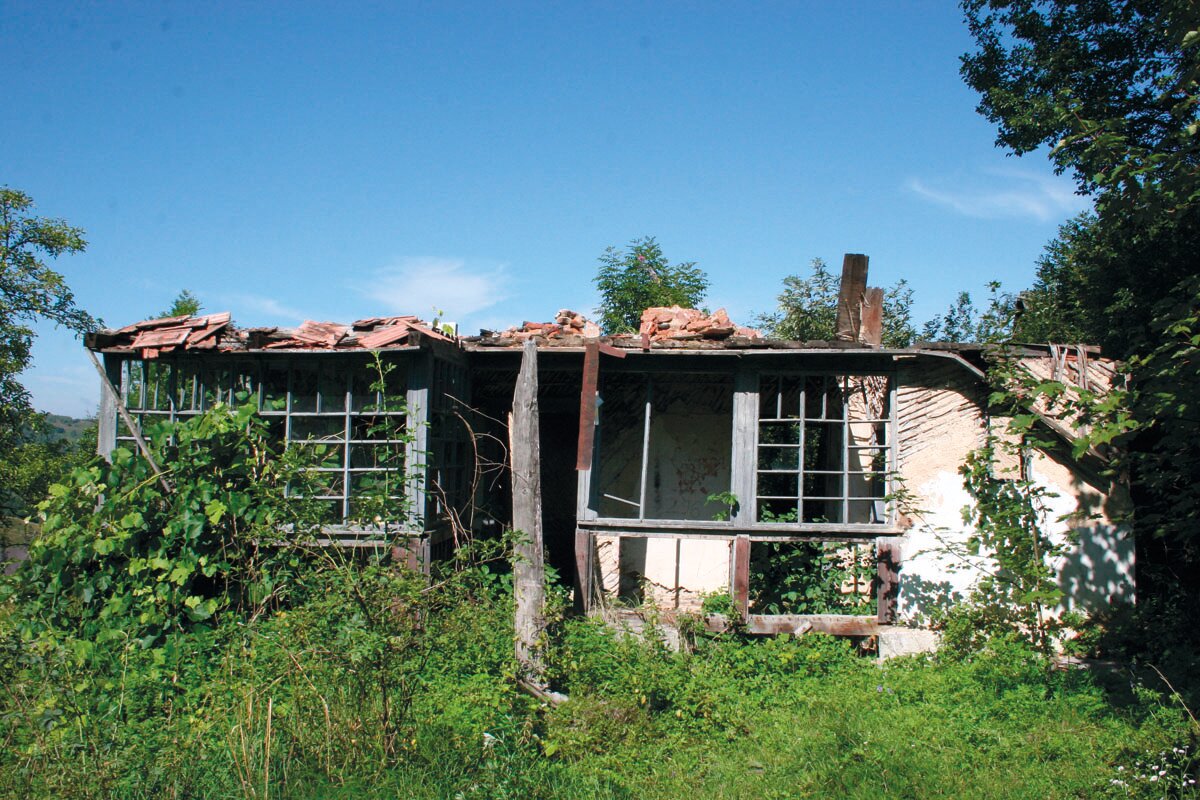
Ș.B.: The state of the built environment is inextricably linked to the state of the community. The community has been severely amputated, with a large number of its members deciding to sell their properties to the mining company and leave (I am not commenting here on the context in which they did this, abandoned, misinformed and under enormous pressure). As a result, a very large part of the built environment is abandoned. As a consequence, we have to deal with a state of severe degradation, which has been aggravated by a series of unforgivable actions of 'active' destruction of buildings. The former owners of the houses, when they moved out, were given permission by the new owner, the mining company, to take with them everything they considered useful from their old house: windows, doors, floorboards, roof. What was left behind, in many cases, was a skeleton of a building that soon disintegrated or was on the verge of disintegration. The state of the built-up area, a consequence of depopulation, is a clear expression of the 'land release' strategy practiced by the mining company for many years. The demolitions carried out by the company are also part of this strategy: since 2004, more than 150 buildings have been demolished in the heart of Rosia Montana and in the neighboring villages of Țarina, Corna, Bunta, Gura Cornei. Many of these buildings belonged to the land which contributed to the overall value we were talking about.
It is obviously a serious situation, which is not going to evolve positively on its own. However, the site can still be saved and the built heritage - that which still exists today - can still be saved. But the losses incurred cannot be replaced or forgotten.
A.B.: How important is the rest of the locality for the protected area? How do you comment on the company's decision to cut this area out of its context, which would be replaced by the mining exoploation?
Ș.B.: Of course, it is an unacceptable decision, based on the same considerations that I have already set out, of a complex and integrated protection, as a whole, instead of the selective one - by a few objects and fragments of built fabric - that is offered to us by the company, but also by the authorities, because the urban planning documents through which they try to promote the mining project are supported and appropriated by the authorities.
Through this selective, so-called protection of the historic center, the coherence between the built-up area and the surrounding mountains is lost. The reason for the historic center's existence in this area is precisely the proximity that it has maintained for two thousand years and more, with two of the four mountain massifs of Rosia where the gold ore is found. The direct relationship with the underground mining systems determined the existence of the locality. The historical center was always perceived in this way: projected against the backdrop of the mountain massifs. The loss of these mountains - envisioned by the mining project - is therefore not just a matter of context, it would break the material and immaterial relationships that hold the whole site together.
On the other hand, there are certain distinctions of structure, function, architecture and image within the site. It is important to preserve these particularities. So far we have only talked about the historic center, but if we move away from it, down the stream along which Roșia Montană runs, we find another nucleus, that of the current administrative center and the site of the state mining company. There is the entrance to the St. Holy Cross main gallery, dug during the reign of Empress Maria Theresa, which connects all the major underground mining systems. The company has been located and operating here since the Austrian state took over the organization of underground mining and started to develop large-scale mines of its own. It is therefore an important site in the modern history of mining at Rosia Montana. Two of the historic churches, the Greek-Catholic and the Orthodox, which are linked to the destinies of the most important local heroes, Simion Balint and Mihailă Gritta, are also located in this core.
Then there are the surrounding villages. Țarina, for example, is practically an extension of Rosia which is gradually diluting its urban character. Mining was also practised there, there were mines, but the inhabitants also had land on which they worked. The local houses, which are similar to the typical buildings of the Mountains, have certain characteristics resulting from this particular occupational profile: the stone cellars of the houses sometimes conceal jompuri, small ore processing installations (water basins where the millstone prepared during the summer was washed in winter). The landscape is also dotted with the cut beds (water reservoirs used to drive the ore-grinding plants) and the sluice gullies (water-powered ore-grinding plants), dotted along the hillsides and valleys. Corna, the largest village bordering Roșia Montană, is typical, but has a center with some characteristics similar to Roșia: a tendency to group buildings into an administrative, economic and religious nucleus. This particularity can be attributed to the life of the settlement due to the involvement of its inhabitants in mining. Unfortunately, Corna was destroyed to a very great extent by the demolitions carried out by the mining company - some of the nuclei of the settlement have disappeared altogether. In the perspective of the mining project, Corna would end up at the bottom of the cyanide tailings pond.
A.B.: How do you comment on the fact that several movies were shot in and around Rosia Montana?
Ș.B.: It is proof of the overall value of the site. It all started, in fact, with literature, with Agârbiceanu, a priest in the neighboring Buciumul, and his prose set in the local traditional society (novels such as Fefeleaga, La o nuntă, novel Arhanghelii, 1914), followed by Geo Bogza, with his reports in Țara de Piatră (1939) and, in the same period, the first filmmaker, Paul Călinescu, with the documentary film Țara Moților (with commentary by Mihail Sadoveanu, 1938). Dan Pița and Mircea Veroiu discovered Roșia Montană in the same footsteps, and filmed Nuntă de piatră (The Wedding of Stone, with the two parts Fefeleaga and La la nuntă, 1972) and Duhul Duhulului Aurului (again in two parts, Mârza and Lada, 1974). Nicolae Mărgineanu followed with Flăcări pe Comori (after the novel Arhanghelii, 1987) and, more recently, a series of documentary filmmakers who have made feature-length films dedicated to the current situation at Roșia Montană, such as Tibor Kocsis(Noul Eldorado, 2004), Cristina Oancea(Apusul Aurarilors, 2006), Iosif Demian(Memoria de piatră, 2010), Fabian Daub(Roșia Montană, un loc la marginea la prăpastiei, 2012), George Avgeropoulos(Vâlva Neagră, 2012). This is an impressive but not exhaustive list!
These works express, on the one hand, the very particular nature of this area, this site and its people, and on the other hand they constitute a body of written or filmed testimonies of the utmost importance for our knowledge of the site. The architecture of Rosie Montana - both underground and above ground - and the surrounding nature are well individualized and characterized in these works, which are of great documentary value.
A.B.: Please tell us a few words about landscape architecture.
Ș.B.: The fact that the locality is situated on rugged terrain - on valleys and mountain slopes - meant that there were permanent operations of development and settlement on the land, necessary for most activities, from housing, traffic and transportation, to grazing and, last but not least, mining. This has left many distinct traces in the landscape, such as the ubiquitous terracing, plot and road boundaries, made by unbonded stone walls, which in Rosia are called 'mauri' (from the German Mauer). As one moves away from the center, the built fabric becomes thinner and a series of elements appear which indicate mining activity: mountain slopes bare of vegetation, perforated by mine shafts and criss-crossed by paths on which ore was transported, traces of canals leading to the mine shafts. Further away from the locality are the cuttings, built from 1733. There were more than a hundred of them, of which a few dozen still retain water today, and many of those that have dried up can be read as footprints in the landscape.
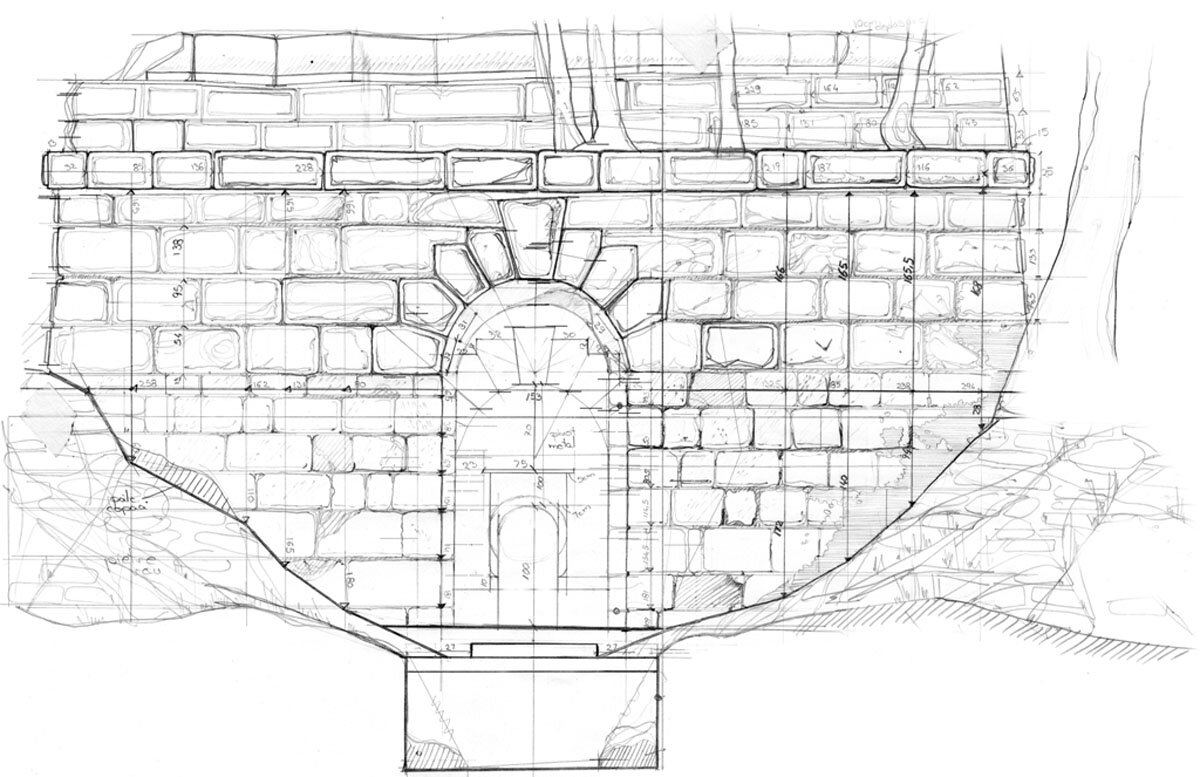
We can therefore refer to a landscape architecture because everything is organized, planned, constructed, often involving the actual tools of architecture. This is the case, for example, with the water outlet chambers at the base of the main dams (Corna, Tsarina, Tăul Mare), which are significant examples of large stone blocks, the openings of which are marked by portals of great architectural value.
Overall, the landscape of Roșiei Montane bears at every step the signs of a value-generating interaction between man and his environment. We are therefore dealing with a valuable cultural landscape.
A.B.: What are the reasons why the Roșia Montană site can be inscribed on the World Heritage List?
Ș.B.: Inscription on the World Heritage List requires proof of the outstanding universal value, authenticity and integrity of the proposed site. In addition to these conditions, there is the existence of a viable management system. Outstanding Universal Value is assessed against a set of 10 criteria set out in the Operational Rules for the Implementation of the World Heritage Convention. Any proposed site must meet at least one of the evaluation criteria.
In the case of Roșiei Montane, several criteria can be invoked, but I refer here to only two, relevant to the discussion so far on architecture: criterion IV requires that the site provides an outstanding example of a type of building, architectural or technological ensemble or landscape which illustrates one or more significant periods of human history; and criterion V, which requires that the site represents an outstanding example of a traditional human settlement, traditional land use [....], which is representative of a culture [...], or of human interaction with the environment, in particular where the environment has become vulnerable under the impact of irreversible change.
In relation to the first of these two criteria, the underground mining systems at Rosia Montana, consisting of networks of galleries, shafts, shafts, shafts, ventilation or drainage channels and other elements, covering an impressive chronological range, from the Dacian period (1st century BC) to the recent past (shortly after the mid-20th century), are undoubtedly an exceptional example of an architectural and technological ensemble. Out of a total of more than 150 km of galleries criss-crossing the basement of the site, ca. 7 km are the Roman galleries, which together with the other elements of the same period - the pillared chambers (pillars driven into the mountain rock to support the ceilings of the shafts), the inclined galleries with steps cut into the rock, and the spectacular water drainage systems in the galleries, made up of batteries of huge wooden wheels with bucket wheels, driven by human power - make up one of the largest and most complex mining systems in the whole of the Roman world. These are the conclusions of the archaeological research carried out underground.
In relation to the second criterion mentioned, the mining market and the surrounding landscape, determined in every detail by the configuration and evolution of the underground systems of ore mining, constitute an exceptional example of traditional settlement and land use and are under the spectre of irreversible change.
To come back to the question, the arguments for including Rosia Montana on the World Heritage List are therefore the exceptional universal value of the site, its authenticity and integrity. These aspects are well known and are confirmed by an impressive number of resolutions, position papers or letters addressed to the Romanian authorities, due to prestigious international institutions such as Europa Nostra or ICOMOS.
In 2009, the ARA Association formulated an official request to the Ministry of Culture for the inclusion of Roșiei Montane in Romania's Tentative List for World Heritage inscription (this is the procedure foreseen by the World Heritage Convention). In the meantime, the inclusion in the Tentative List has been discussed and endorsed by the National Commission of Historical Monuments. An administrative decision is still needed, which is up to the minister - the fifth since this situation has lasted.
A.B.: How the Architectural Association intervened. Restoration. Archaeology at Rosia Montana?
Ș.B.: The state of the heritage at Roșia Montană calls for rapid rescue and conservation intervention, and any gesture is important. We aimed, first of all, to contribute to the rescue of the built heritage, but at the same time we wanted to test and validate a working methodology for such a case. In order to achieve this goal, we set several principles from the very beginning: respect for all facets of the authenticity of the historical object, including construction techniques and materials or architectural and structural design; involvement of the local community in all stages and operations necessary for restoration sites; combining the current professional approach with the traditional view of building; transparent organization and conduct of all actions.
We started in 2007 with emergency interventions for the conservation of two parish houses, of the Unitarian and Reformed communities. At the Unitarian parish house we were able to continue with a large-scale restoration project. In the meantime, we have also worked on the Unitarian church and several traditional dwellings, and other sites are in preparation.
The direct work also has an educational and training dimension, partly linked to the summer school program we initiated in Roșia Montană, now in its fifth edition, which brings together every year students from architecture faculties across the country and craftsmen in training from the local community under the guidance of experienced craftsmen and cultural heritage specialists.
Our actions also have an architectural heritage documentation component. We have so far recorded through architectural surveying about fifty important historic buildings, with student architects participating in summer schools. Some of the results have already been published in the series Roșia Montană: Architectural Documents, of which two volumes were published in 2010 and 2012. The results of the documentation campaigns have been the basis for the preparation of restoration projects.
Through all our actions we have sought to illustrate how to intervene to save exceptional heritage - through documentation, through education, and through conservation and restoration - using local resources and making a significant positive impact on community life. This way of working can be important anywhere, but in Rosia, where the community has been decimated, impoverished and prevented from developing, it is all the more necessary. In this vein, all our actions involve local people - craftsmen, producers or suppliers of materials (lime, sand, wood) and services (carpentry, stonework and blacksmithing), young people interested in what we do, the public. So we are talking about a whole economic cycle corresponding to traditional building, a system of economic and social relations that existed, but today are suspended or have disappeared and need to be reactivated.
Recently, in order to best achieve all these objectives, we set out to create an infrastructure, an interface between those who want to save the heritage of Roșia Montană and the owners of this heritage. In association with Alburnus Maior, the most important local organization representing the local inhabitants of Roșia Montană, we have created a website, Adopt a house in Roșia Montană, which presents valuable historical buildings whose owners wish to restore them and put them on a public circuit (for cultural purposes or for tourist accommodation). On the other hand, we know from our seven years of practical work in Rosia Montana that many people want to contribute to saving the local heritage, but do not find a suitable and accessible way to do so. The website www.adoptaocasa.ro connects the owners of the buildings in Roșia Montană who do not have the resources to care for them with people who want to contribute to this action by volunteering, by the services they can provide or with money. We hope that through this interface the results will be felt more quickly. Shortly after the launch of the program in August 2012, a group of volunteers from ten European countries worked on the Roșia sites and donations were made to support last year's campaign. For 2013 we are continuing the Adopt a Home program at Rosia Montana and we want to carry out a wider range of activities.
A.B.: Please tell us a few words about one of the houses in the program.
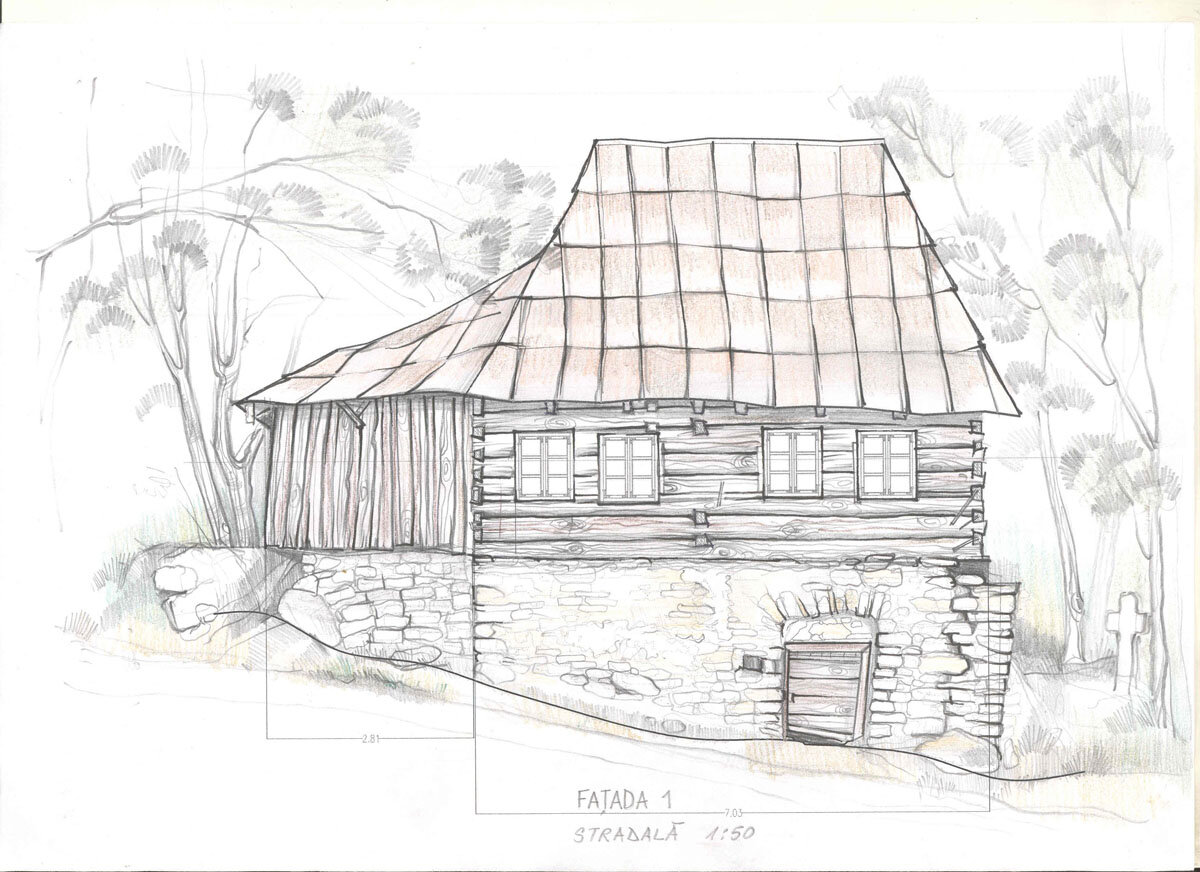
Ș.B.: The biggest work we carried out last year in the Adopt a House program in Rosia Montana was a traditional house in the village of Țarina. It has the characteristics of the vernacular architecture of the Apuseni Mountains, but with influences of the specific site. The house has a cellar with a jomp, walls made of beams in Blockbau system on the habitable floor influenced by the cultured architecture (beams carved on four sides and dove-tailed or "German cheotoare" joints). The building had not been used for at least 20 years. As a first step, we cleared the rubble, cleared the collapsed elements - a cellar side wall and a vault - and partially restored the collapsed wall. This year we will continue with more extensive work: we will complete the reconstruction of the vault and tackle the wooden part, which has problems in particular on the courtyard façade, where it needs replacement beams and some joints. The roof also needs to be overhauled and the shingle sheathing needs to be redone. All these actions are carried out with traditional materials and techniques, reusing the available historical material: the masonry is made with stone recovered from the rubble, with lime mortar and sand; the wooden part will be completed and replaced with new, but traditionally processed, material.
More information on how interested people can contribute to the Adopt a House in Rosia Montana program and other related information on www.adoptaocasa.ro.
Interview conducted in February 2013.