
Le Corbusier, an architectural stop-frame | Le Corbusier, an architectural stop-frame
English version by Stefania Kenley,edited by Carmelle Denning
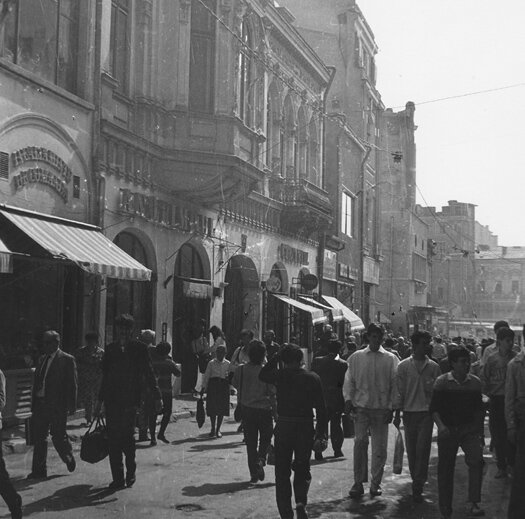
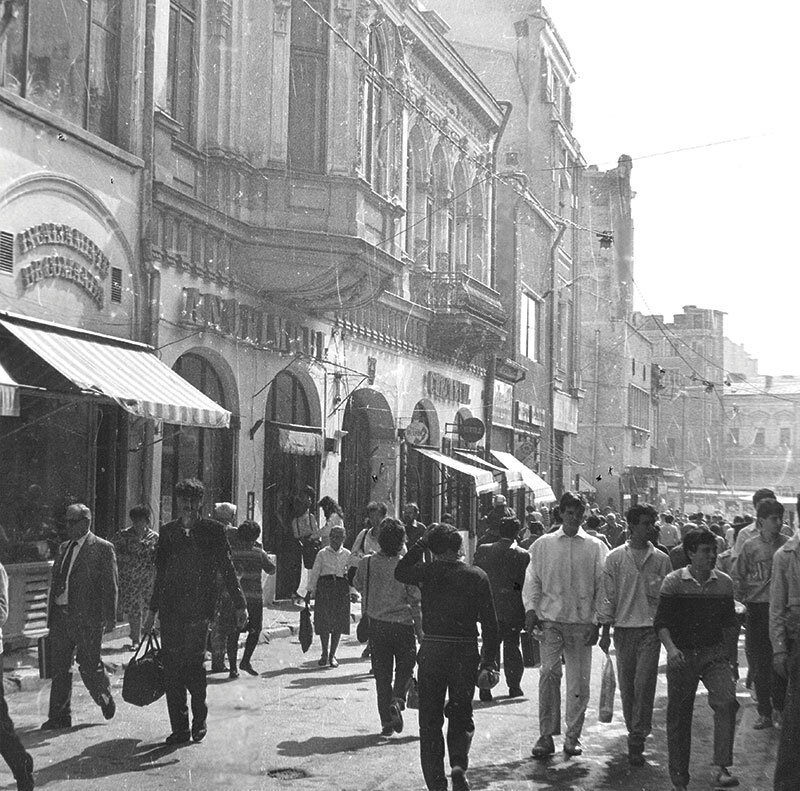
| In the book LC FOTO: Le Corbusier SecretPhotographer1, Professor Tim Benton reveals a new side of the famous architect who disappeared fifty years ago. The first part, entitled "Jeanneret's First Photographic Campaign 1907-17", brings together his photographs from his youth, before he took the pseudonym Le Corbusier. The second part, "Cinematographic Photography 1936-38", is devoted to the architect's film and stop-frame photography with a 16 mm camera. An analysis of this vast visual material reveals how Le Corbusier's interest in architecture was born and how he came to articulate his own plastic language. Following the thread of this thought, I noticed a subtle connection between the way he framed a subject through the viewfinder of the camera or film camera and the materialization of his architectural explorations. A. Travel documents Equipped with a new camera, Jeanneret prepared his famous journey to the Orient2 with his friend August Klipstein, a German art history student. Between May and November 1911, the two young men traveled through Central Europe, the Balkans, Turkey, Greece and Italy, an experience recorded in Voyage d'Orient,Carnets3 . In establishing the authorship of the photographs, Tim Benton notes Jeanneret's interest in architecture, although at the beginning of the journey he appeared unsure of his vocation. In Bucharest, Jeanneret photographed the most significant sites, such as the Patriarch's Hill and Lipscani Street4. I was able to identify these places by trying to recreate a similar framing from the same angle. Looking from the front of the Chamber of Deputies towards the entrance gate of the Patriarchal precinct, we can see that, compared to the 1911 photograph, the entrance has been restored, opening the loggia on the first floor, while the church has lost the window that closed the altar window. Lipscani Street has undergone many changes over the last century, which can be seen by comparing Jeanneret's 1911 photograph with the situation I recorded in 1985 (noting a relatively unchanged atmosphere of this shopping area) and with a series of digital images I recently took from the same angle. In the 1911 clip we recognize in the distance, on the right, the facade of the Al Assan textile shop, Au Bon Marché, which today is supported by a metal security structure; my recent photograph capturing the facade details shows that it is the same building. Many of the photographs taken by the young Jeanneret during the Journey East are careful observations of and reflections on: vernacular architecture and daily life on the streets, monuments and their place in the city, dynamic architectural elements - steps, staircases and passages - or the ephemeral condition of the most solid constructions, as shown in photographs of cemeteries and ruins. Beyond the documentation of an exotic journey, these series of photographs record his interest in certain built elements that would later become part of Le Corbusier's vocabulary |
| Read the full text in issue 3 / 2015 of Arhitectura magazine |
| Notes: 1 Tim Benton, LC FOTO: Le Corbusier Secret Photographer, Zürich, Lars Müller, 2013, p. 9. 2 Le Corbusier (Charles-Edouard Jeanneret), Le Voyage d'Orient, Fondation Le Corbusier, 1966, in English, Journey to the East, Cambridge MA/ London, MIT Press, 1966. 3 Charles-Edouard Jeanneret, (Le Corbusier) Voyage d'Orient, Carnets [1987], preface by Giuliano Gresleri, Electa/ Fondation Le Corbusier, Paris, 2002, Milan. 4 These photographs were published with other captions in Giuliano Gresleri, Le Corbusier, Viaggio in Oriente, Marsilio/ FLC, 1984, p.190. |
| With the book LC FOTO: Le Corbusier SecretPhotographer1, Professor Tim Benton reveals a new facet of the famous architect who disappeared fifty years ago. The first part entitled "Jeanneret's First Photographic Campaign 1907-17" gathers the young man's photographs, before he took his nom de plume Le Corbusier. The second part, "Cinematographic Photography 1936-38", is dedicated to filming and individual pictures with the stop-frame device taken with his 16 mm movie camera. The analysis of this vast visual material reveals how Le Corbusier's interest for architecture emerged and how he managed to articulate his own plastic language. Following this line of thought, I observed a subtle link between the way he framed a subject when photographing or filming and the materialization of his architectural explorations. A. Documents of the journey Equipped with a new camera, the young Jeanneret prepared his renowned Journey to theEast2 together with his friend August Klipstein, a German student in art history. Between May and November 1911, the two young men went across Central Europe, the Balkans, Turkey, Greece, and Italy, an experience recorded in Voyage d'Orient, Carnets .3 When clarifying who took which picture, Tim Benton observes Jeanneret's interest in architecture, although at the beginning of the journey he appeared uncertain about his vocation. In Bucharest, Jeanneret took pictures in the most significant places, like the Patriarchate Hill and Lipscani4 commercial street. I managed to identify these locations by taking a similar frame from the same angle. Looking from the front of the Chamber of Deputies Palace towards the entrance gate of the Patriarchate site we can see that, since 1911, the ensemble at the gate has been restored, opening the logia at the first level, while the church lost a glazed corridor obstructing the altar's window. Lipscani Street suffered many changes during the last century, which we can observe by comparing the photograph taken by Jeanneret in 1911 with the situation I recorded in 1985 (showing the relatively unchanged atmosphere of this commercial area) and with the series of digital images that I have recently taken from the same angle. In Jeanneret's picture we can see in the distance right the shop façade of the Al Assan, Au Bon Marché that is now held in place by a metal safety structure; my recent picture of the details of the façade demonstrates it is the same building. Many photographs taken by the young Jeanneret during his Journey to the East are observations of and reflections on: vernacular architecture and ordinary life in the streets, monuments and their place in the city, dynamic architectural elements - steps, stairs and passages -, or the ephemeral condition of the most solid constructions as shown by the shots of cemeteries and ruins. More than documenting an exotic journey, these series of photographs record his interest for certain built elements that later will be part of the vocabulary of the architect Le Corbusier. |
| Read the full text in the print magazine |
| Notes: 1 Tim Benton, LC FOTO: Le Corbusier Secret Photographer, Zürich, Lars Müller Publishers, 2013, p. 9 2 Le Corbusier (Charles-Edouard Jeanneret), Le Voyage d'Orient, Fondation Le Corbusier, 1966, in English, Journey to the East, Cambridge MA/London, MIT Press, 1966. 3 Le Corbusier (Charles-Edouard Jeanneret) Voyage d'Orient, Carnets [1987], preface by Giuliano Gresleri, Electa / Fondation Le Corbusier, Paris, 2002, Milan. 4 These pictures are published with a different caption in Giuliano Gresleri, Le Corbusier, Viaggio in Oriente, Marsilio/FLC, 1984, p.190. |