
Arhipera Summer School 4.0
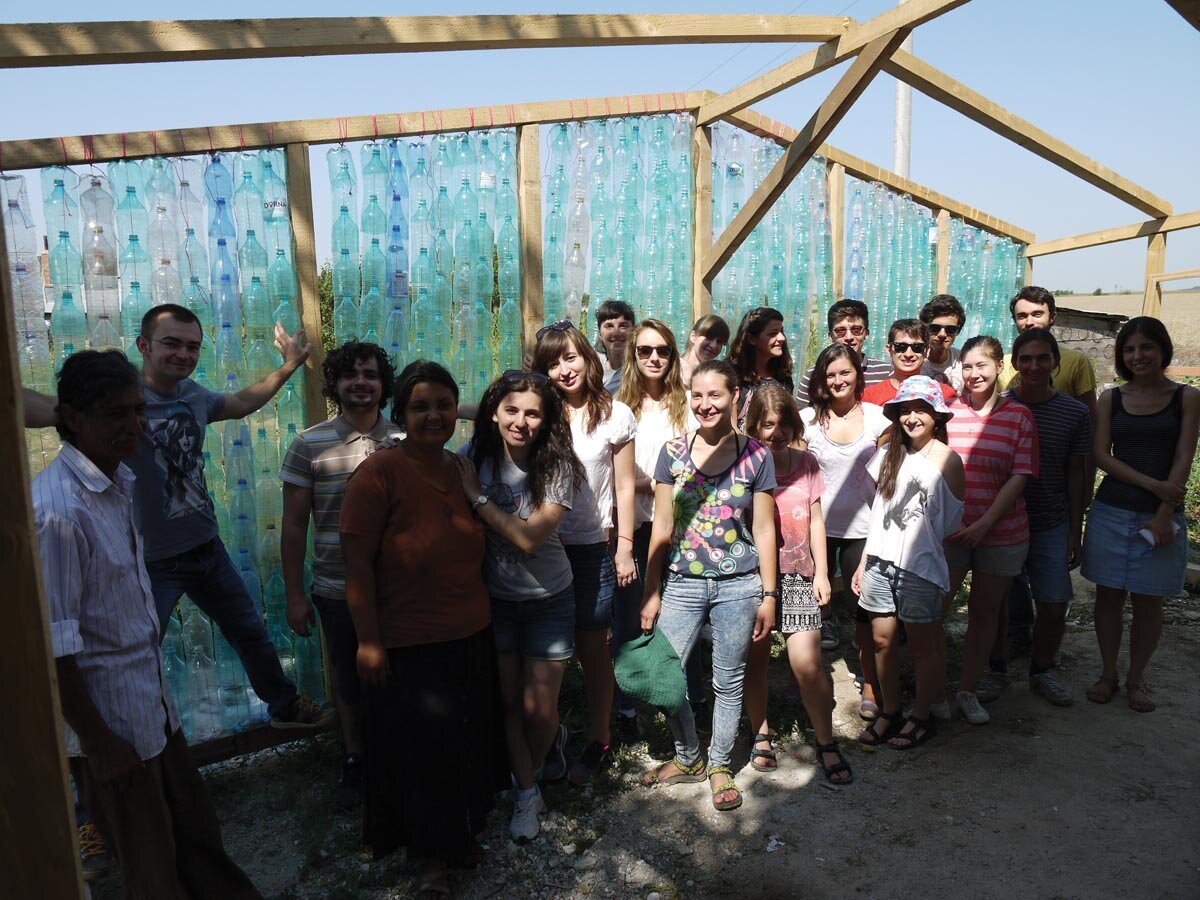
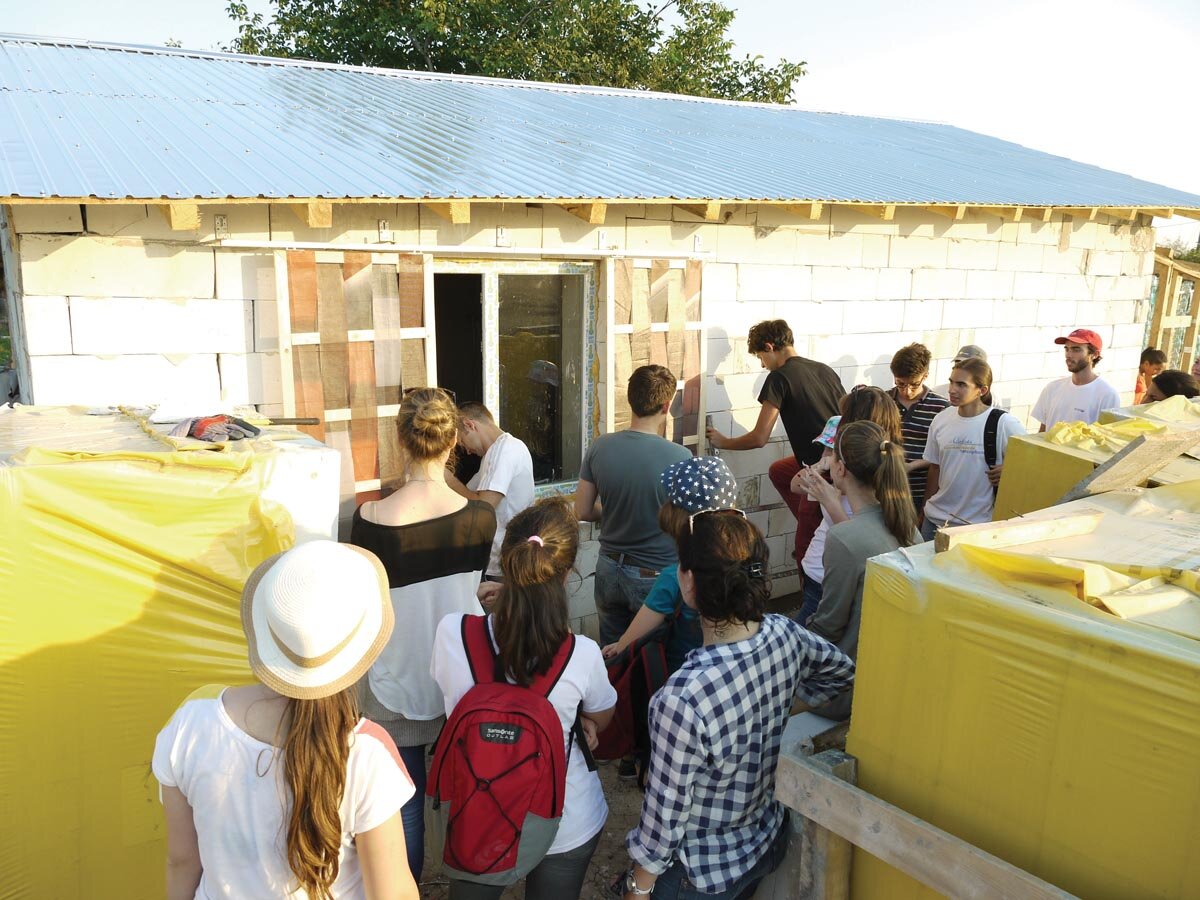
The fourth school of participatory social architecture: same plain, same bright July light, same effervescence and mobilization. Teams of new members learning to work with those who have been there before them. Yellows, blues and greens, the landscape unfolds unhindered as far as the eye can see - ponds, thistles, earth banks, marsh birds, wheat fields; the air moves heavy amid the people and sun scorched plants.
Elena, a little piece of a child with piercing brown eyes; she looks directly at you and asks you questions. On the porch, sheltered from the sun, everyone has gathered around the wall with a sketch of the innovations to be applied during the working week. The students explain, the family listen attentively, the children look curiously at the people who have come into their space. Do they understand that they want to make it better and more beautiful? In any case, they sense this and quickly adapt to the new situation, help, get involved, learn.
In turn, the students learn to see, to capture the essence, to emphasize, to (communicate), to talk about their projects and ideas through architecture and photography. The team is welded over time, different characters, ages and visions find common ground and bridges of dialog to put into practice the innovative projects proposed.
Silvia and Irina are the youngest members of this summer's team and they are joyfully and spontaneously involved in all the activities on site. Everything that happens around, the environment, the people, the mission, has value in itself and is a good example, a useful experience for later - as is the team spirit, the creative atmosphere, the importance of motivation. School differently is (also) here. On one of the greenhouse walls, Silvia's drawing - a charcoal sketch of the six members of the family - remains, in addition to the students' work, a sign of the days spent together building and growing.
The house of the Enuș family was built according to an ArhiPera project, based on the fundamental concepts of evolving dwelling, supporting structures, participatory design, experimentation.
The stakes of the building activities: reuse of recyclable materials - banners with different textures, bottles and plastic stoppers - in the realization of innovations thought up by the students - a mosaic floor, a decorative solution of the porch through a weaving of banners in the model of baskets of wicker, rotating sunshades, a semi-transparent wall made of PETs stacked on top of each other and a ventilation system based on the temperature difference, the creation of a ventilated facade with sliding panels.
A composite, heterogeneous team with members of different ages learns to collaborate by virtue of an architecture for people. Interactive, hands-on courses, diversified content. Involvement of beneficiaries in site activities. The group dynamics are important - an exercise in (self-)knowledge, task sharing, collaboration, development of organizational skills and establishing a work rhythm. Experience of team work. Learning through discovery, seeking ingenious and sustainable solutions. Autonomy and cooperation. Studying mechanisms for transferring ideas into the built environment.
At the social level, by providing initial capital, the aim is to change attitudes that contribute to the assumption of ownership of the dwelling and the active involvement of the beneficiaries in extensions and subsequent interventions dictated by needs and changes in family dynamics. The idea of experimentation is both practical and decorative. Through integrated interventions, ArhiPera aims to establish models of good practice validated by the community and the possibility of replication at community level to create beneficial changes in the living conditions and opportunities of people affected by extreme poverty.
In projects dedicated to vulnerable communities, ArhiPera talks about housing, equity and inclusion, individual and community development, added value, communication and vision. A different school, a place to train future social architects.
The summer school program focused on both building activities and a series of lectures on a wide range of topics - public interest architecture, photography, economics, local and territorial development, application of Rockwool technology, learning about lighting techniques, presentation of the clay dwelling at Capul Doloșman, innovative and creative architecture based on sustainable materials and technologies, as well as two projects on the importance of community space and social inclusion in relation to the architecture of university spaces and sports centres.
From a practical point of view, the students made proposals for innovations and discussed them with the beneficiaries; this was followed by the validation of the innovations through discussions based on the models and the execution of the proposals presented.
The ArhiPera Association succeeded in refocusing attention on the creation of appropriate architecture, realized through participatory design and the reiteration of the dialog between man and the built environment, seen from the perspective of a sustainable human approach, in relation to a set of social, economic and ecological factors. The fourth summer school was another successful attempt to challenge the boundary, opening it up, giving a family the chance to soar, the courage to go and look beyond.
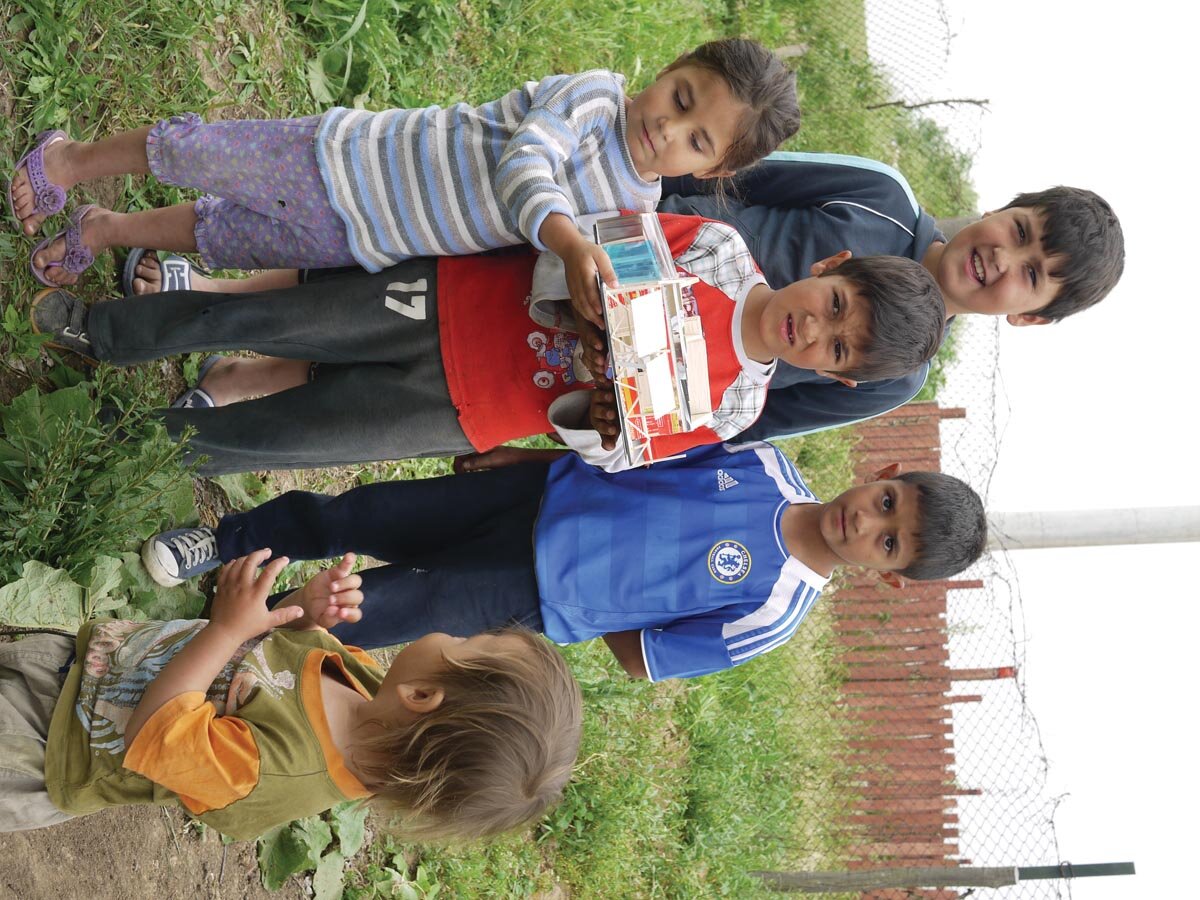
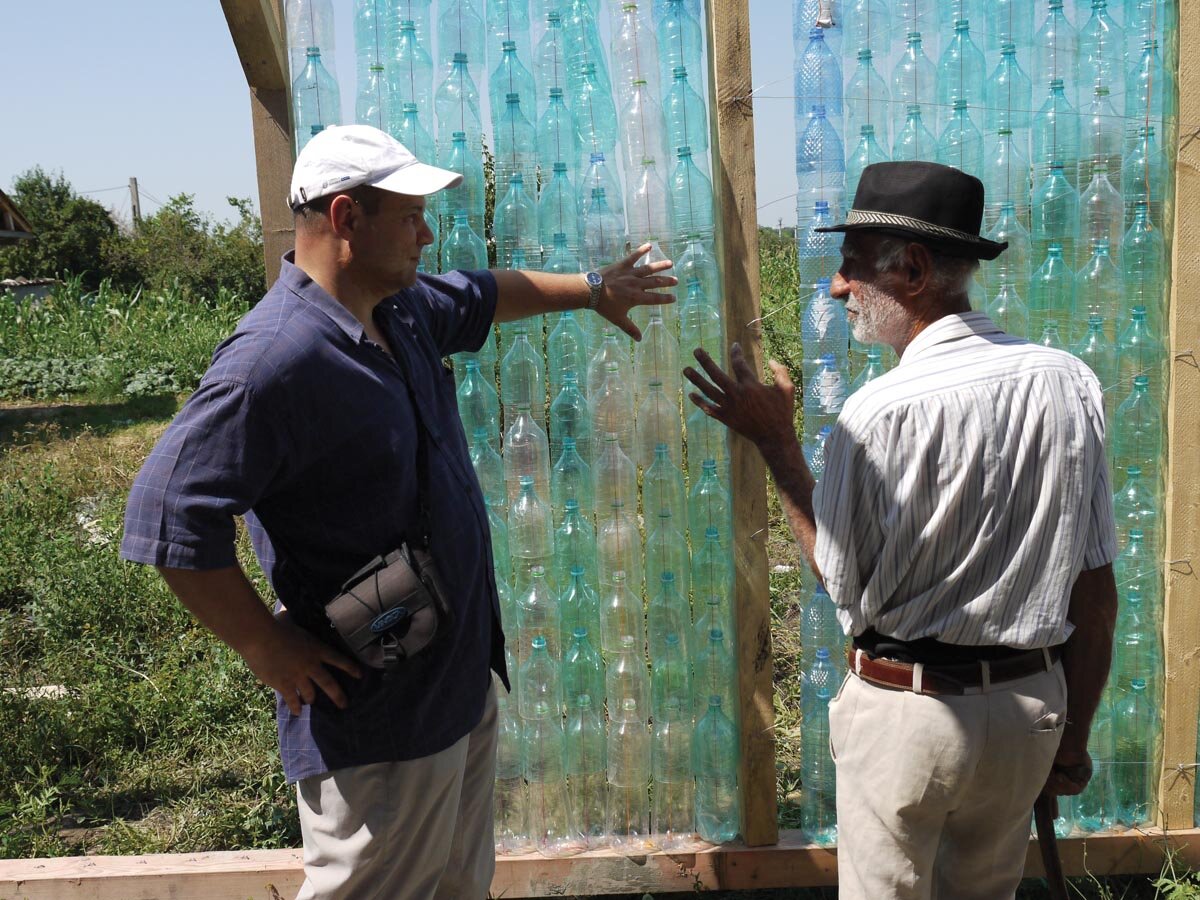
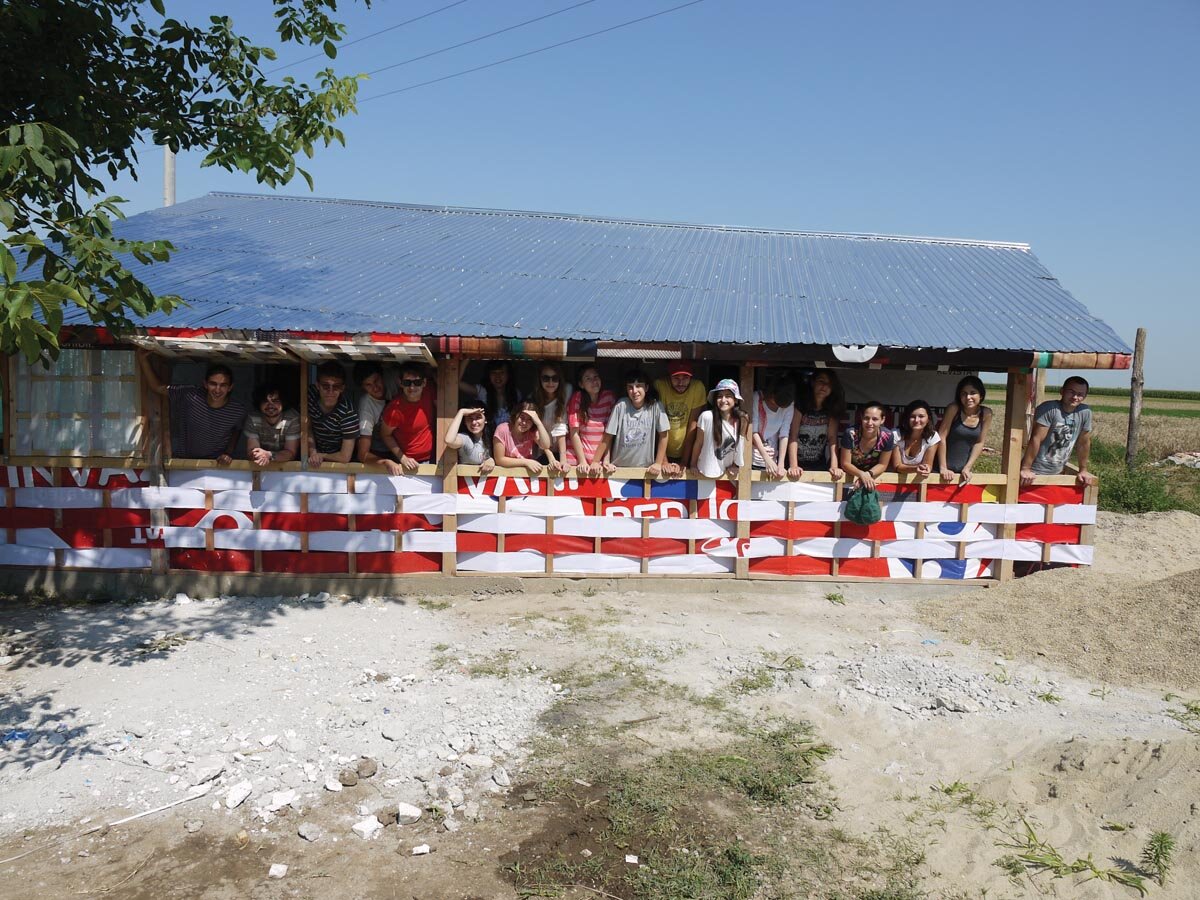

photo: Lorin NICULAE