Tourist on the Front, selfies at the Biennale | Tourist on the Front, selfies at the Biennale
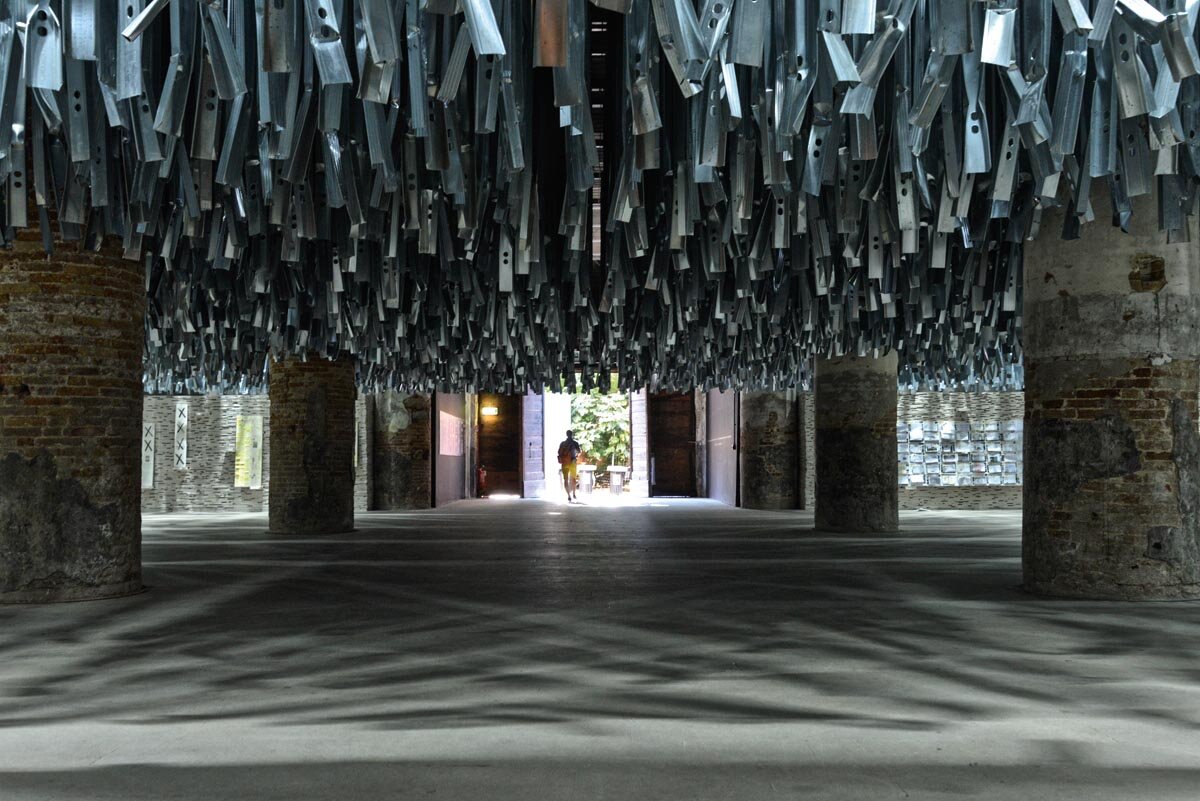
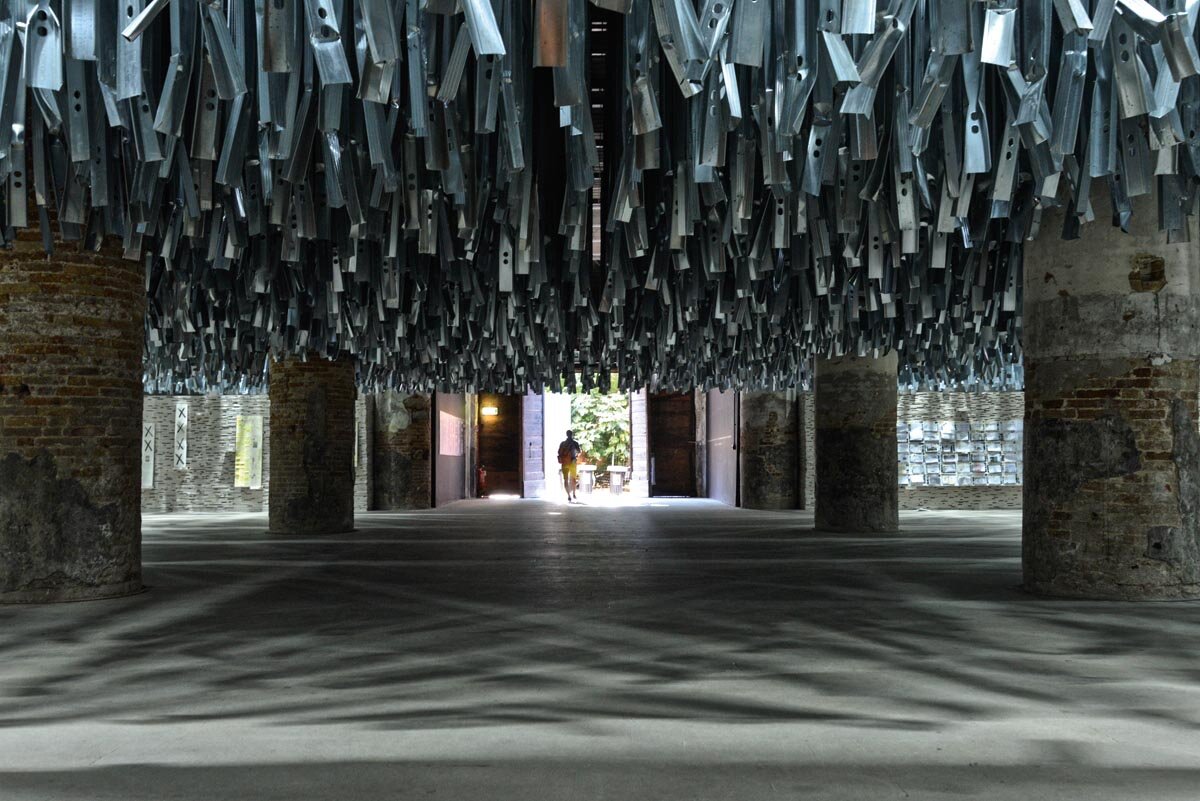
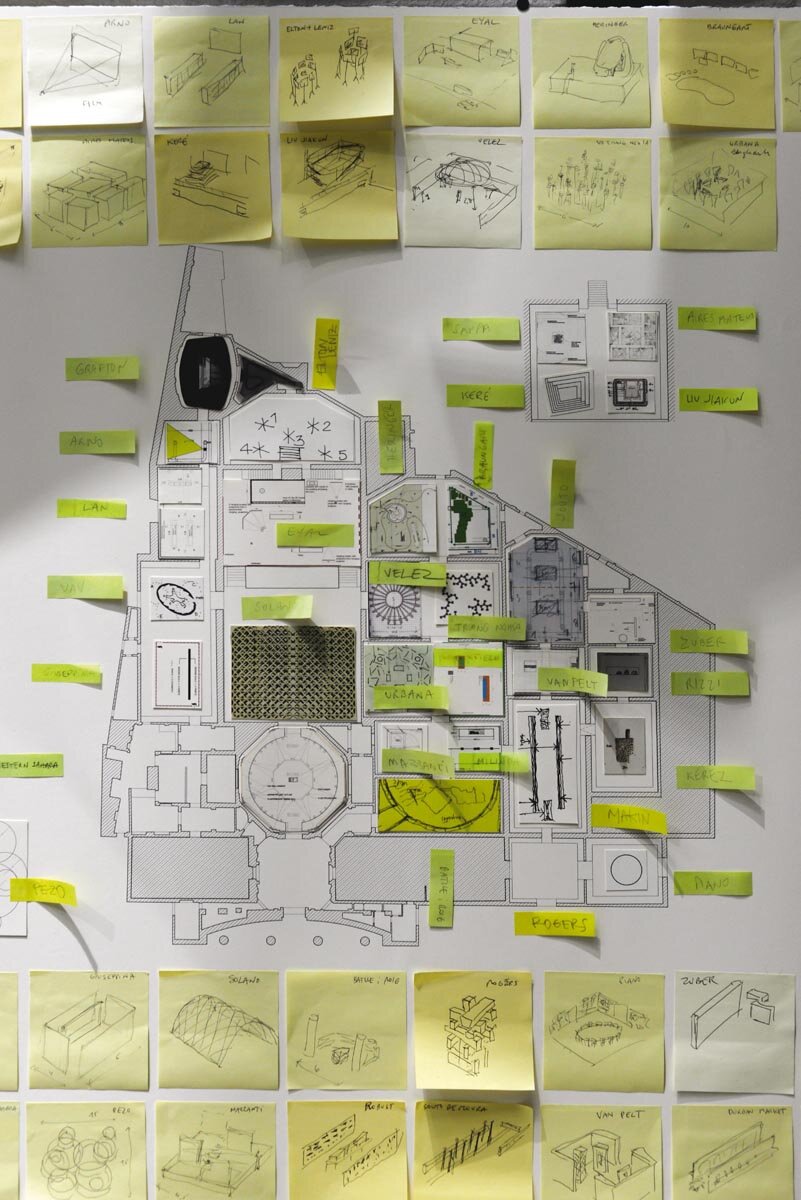
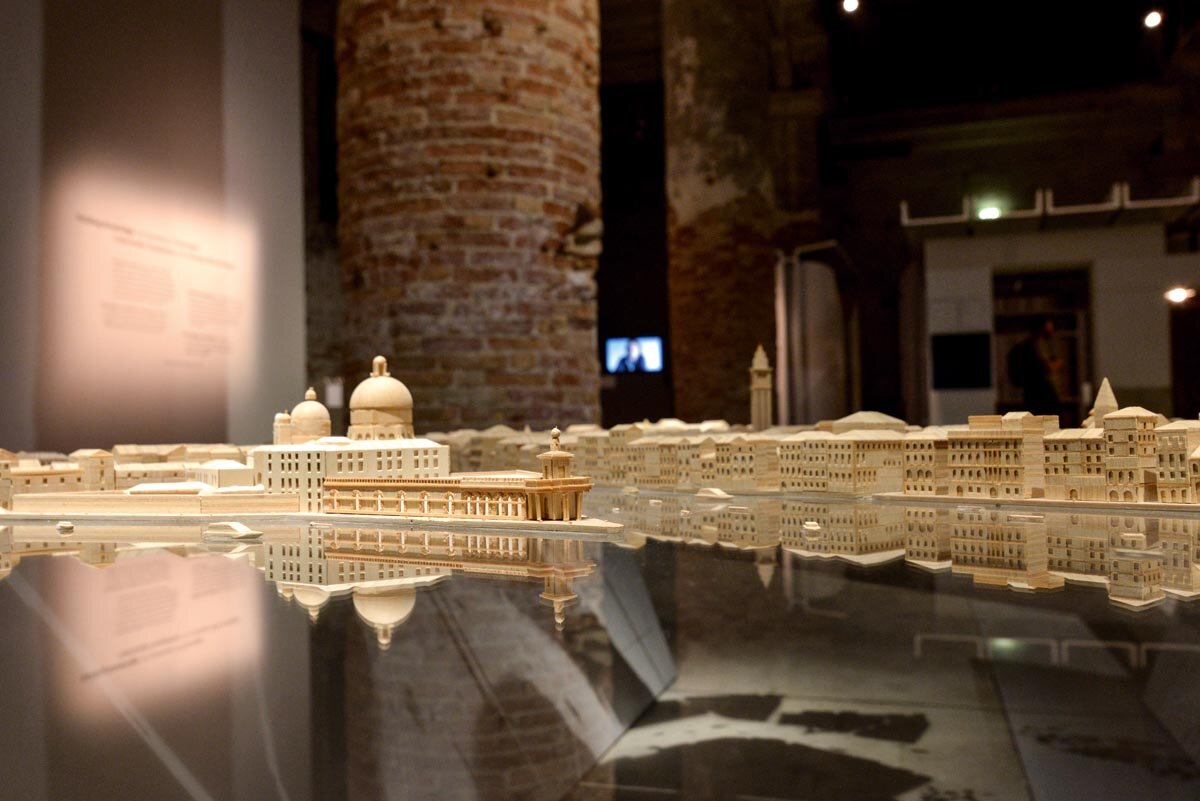
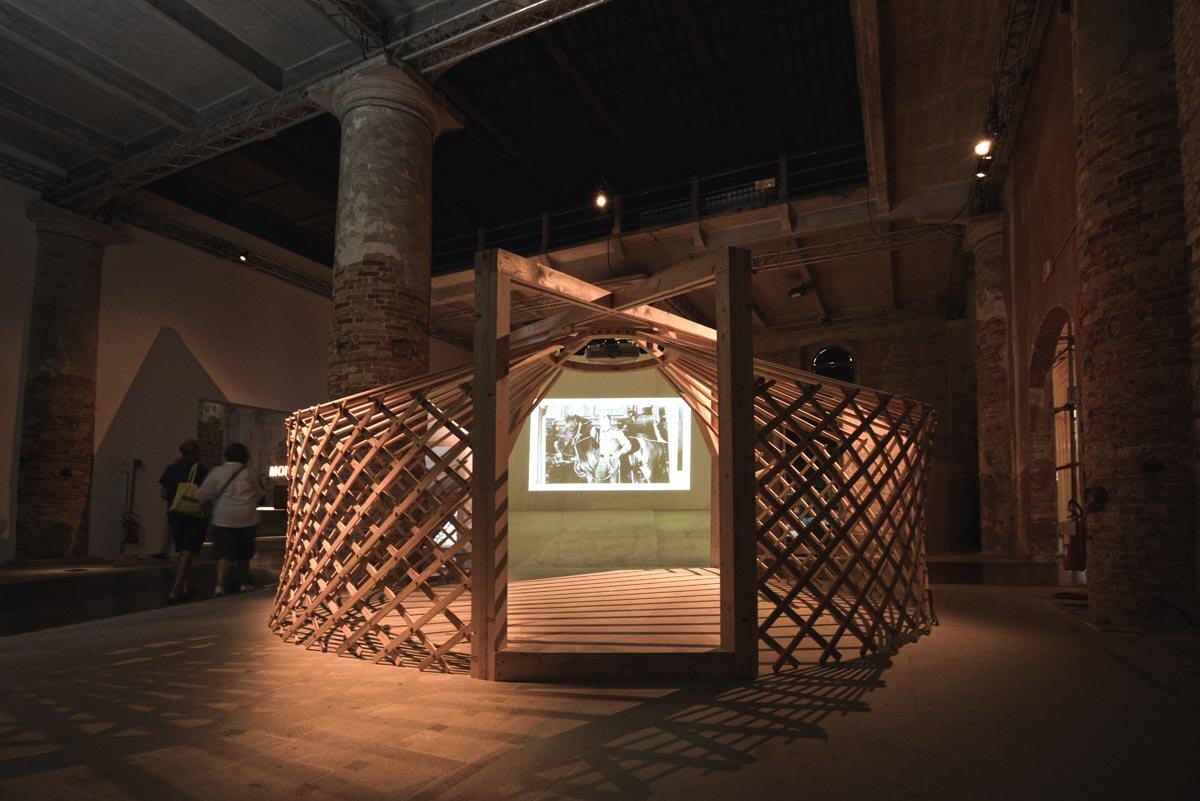
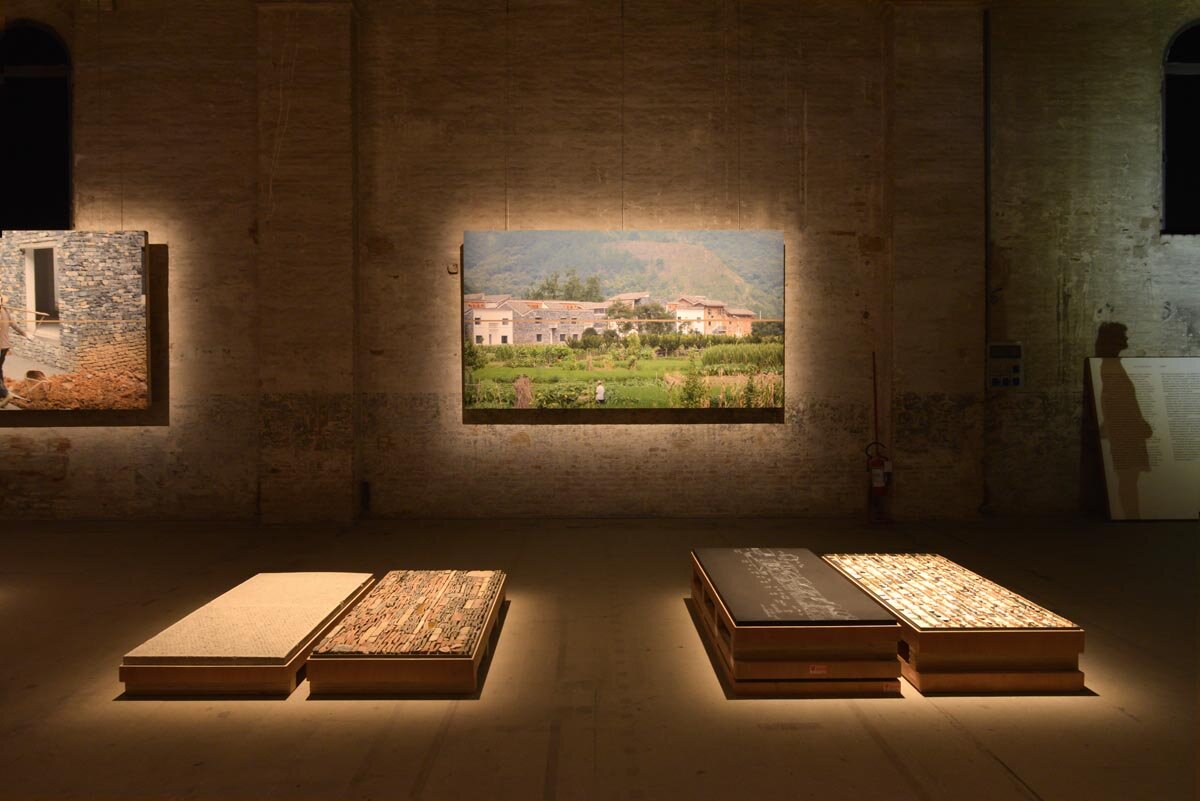
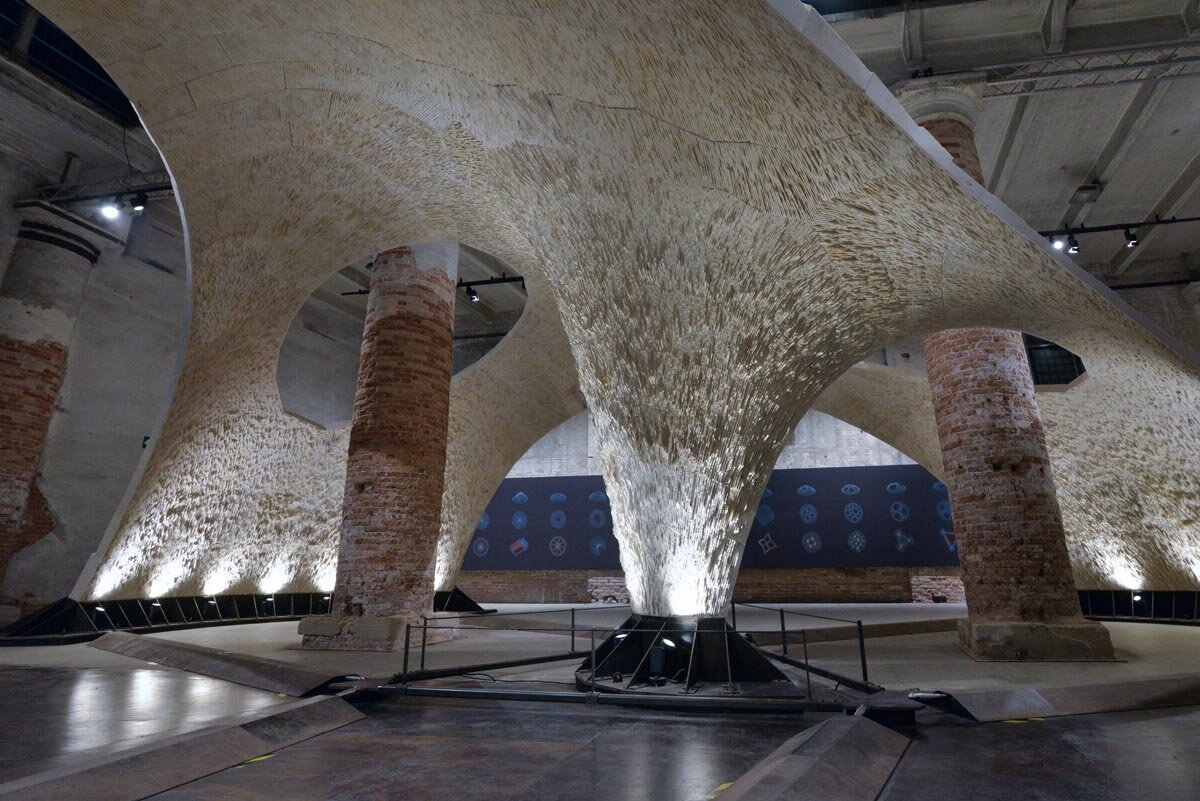
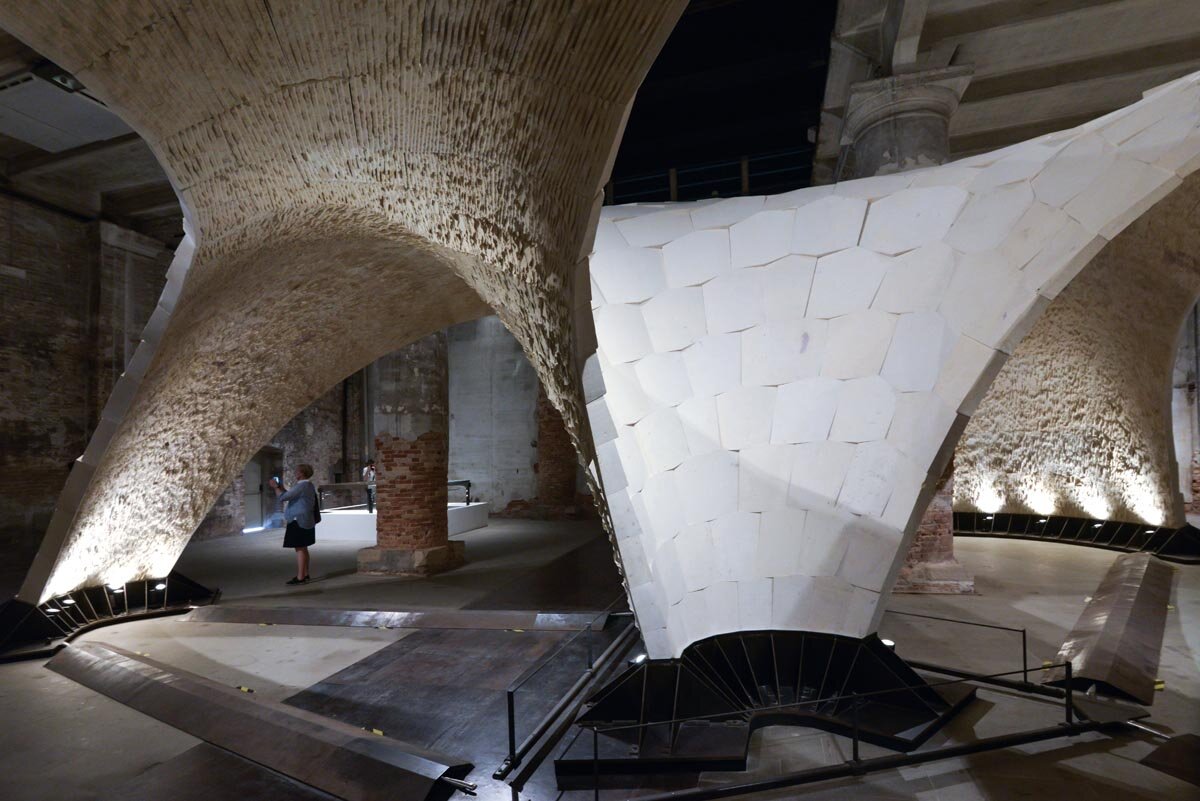
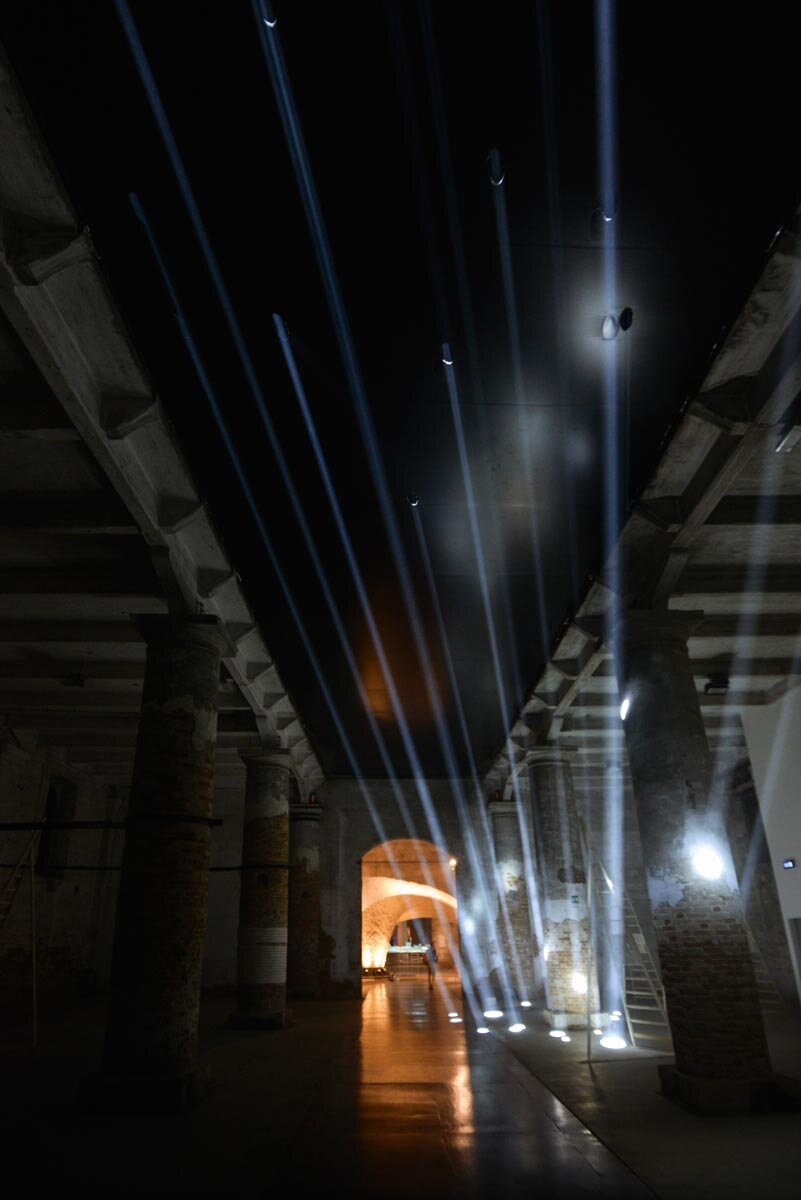
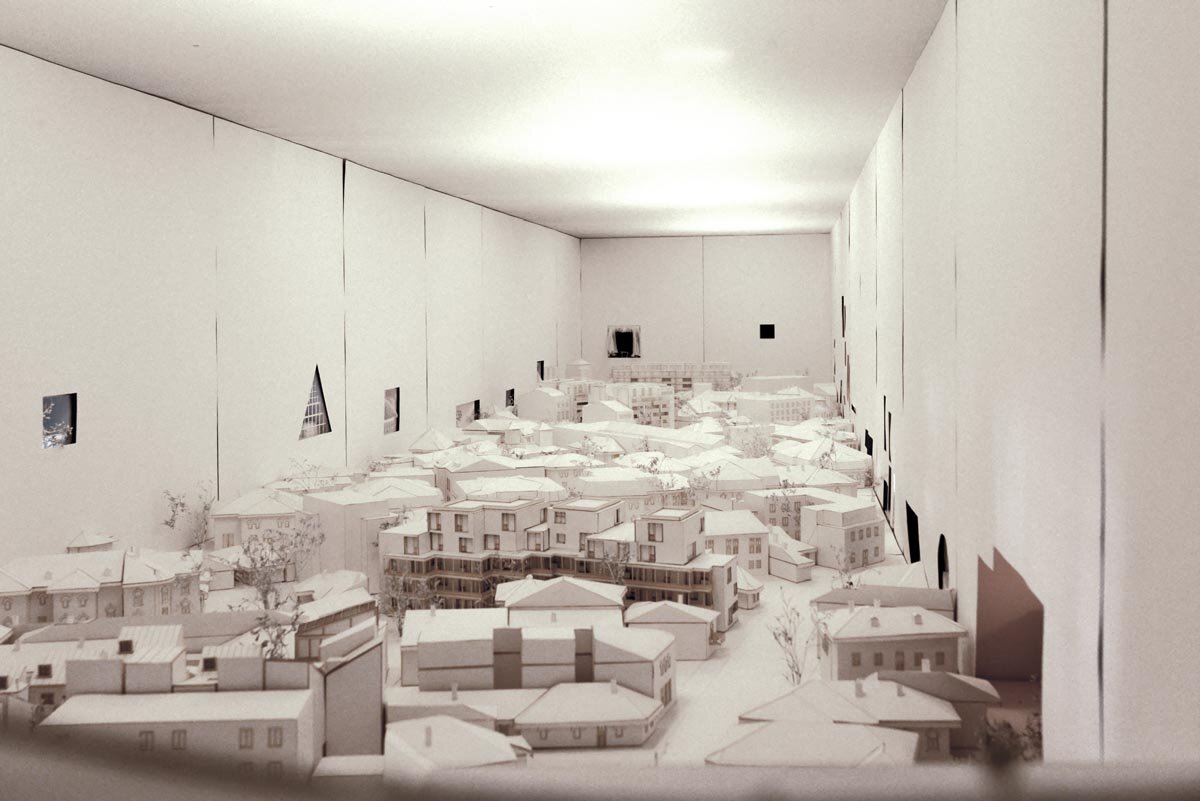
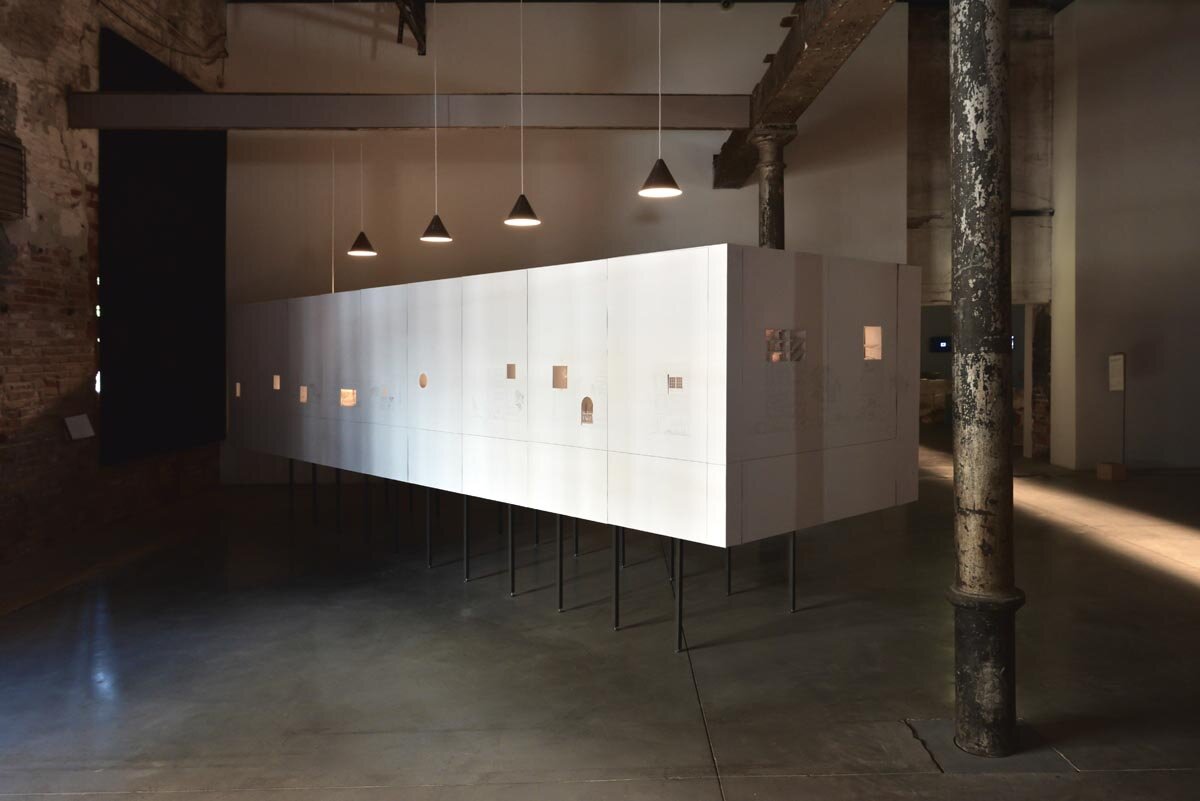
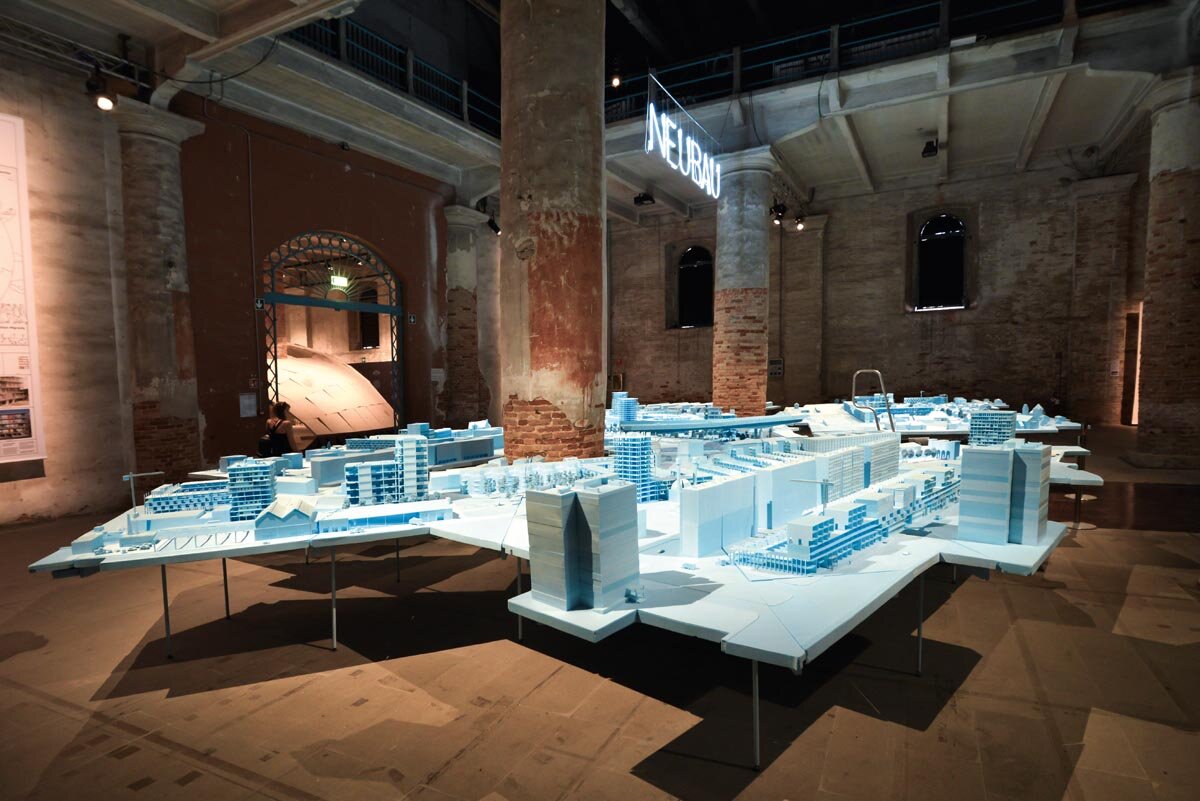
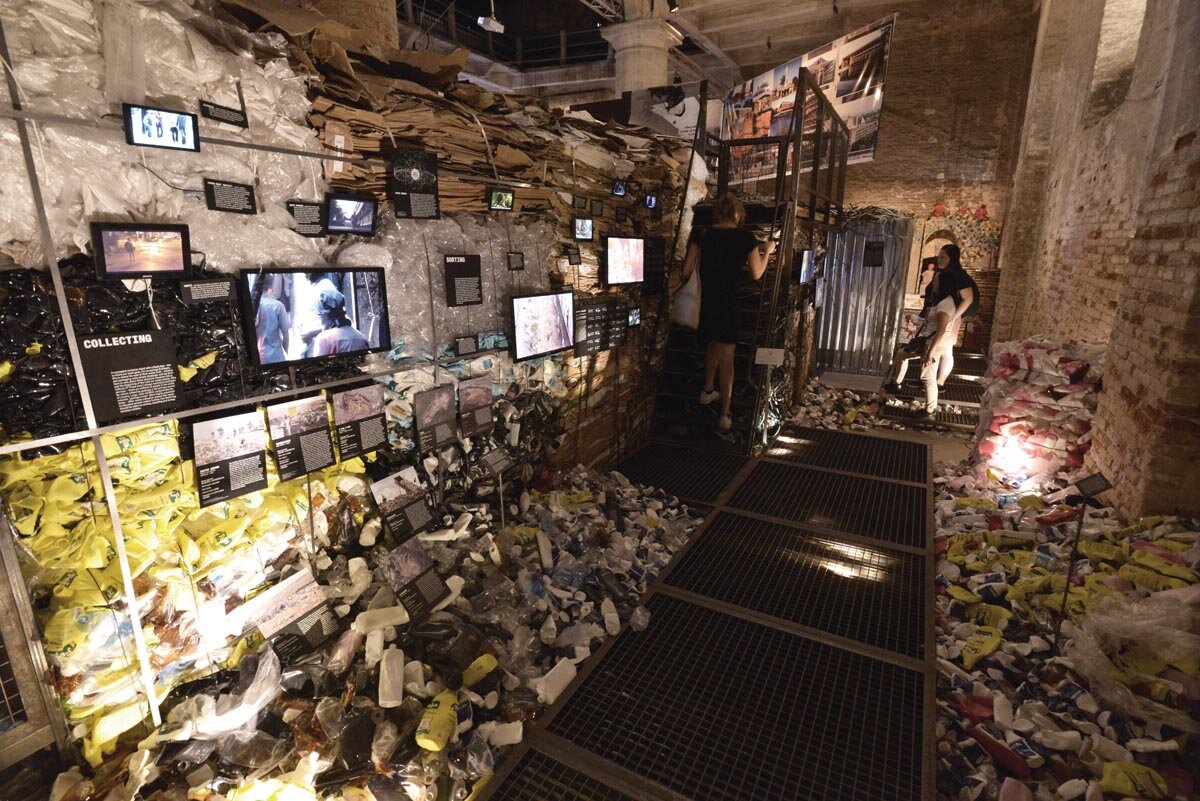
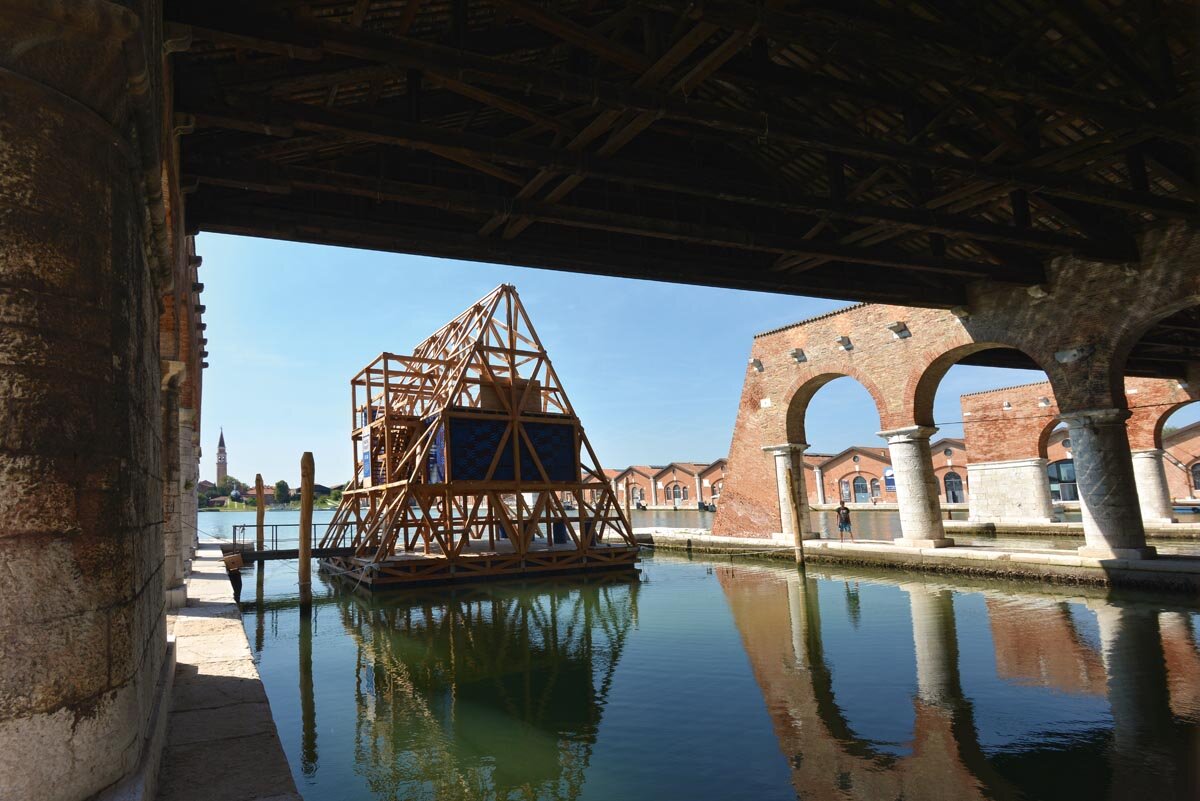
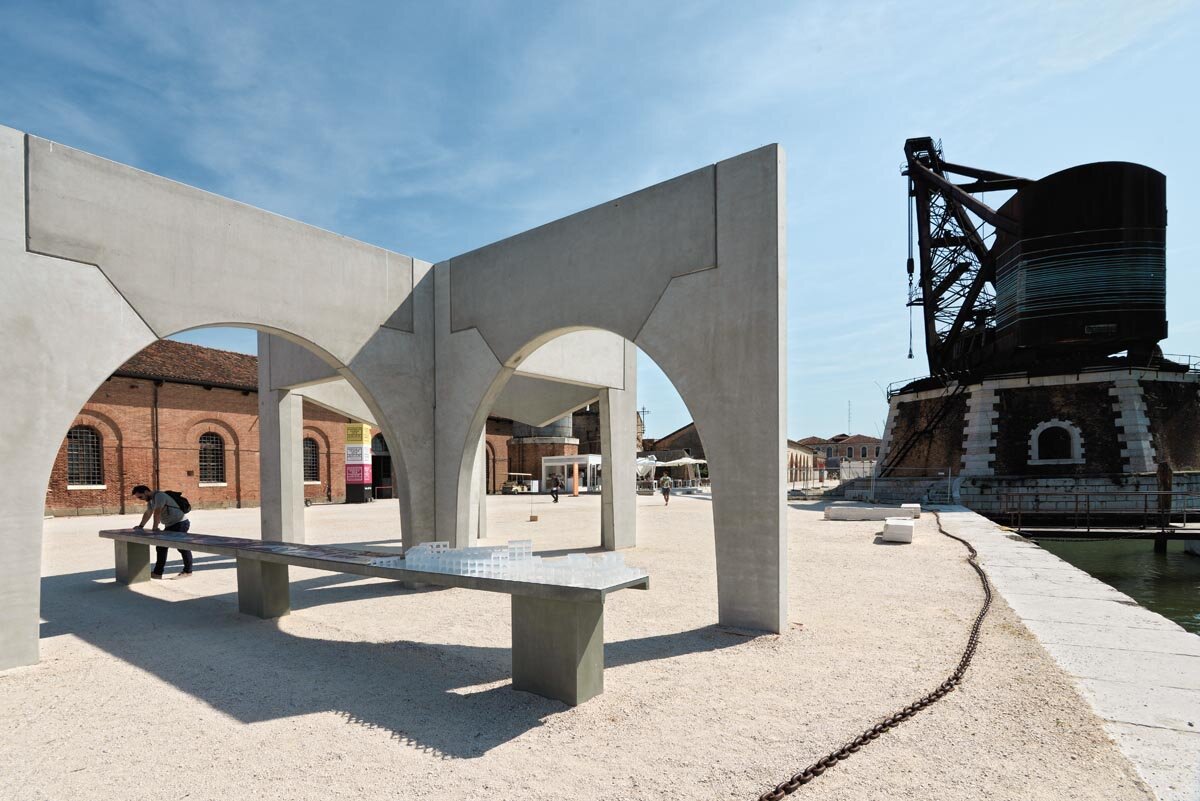
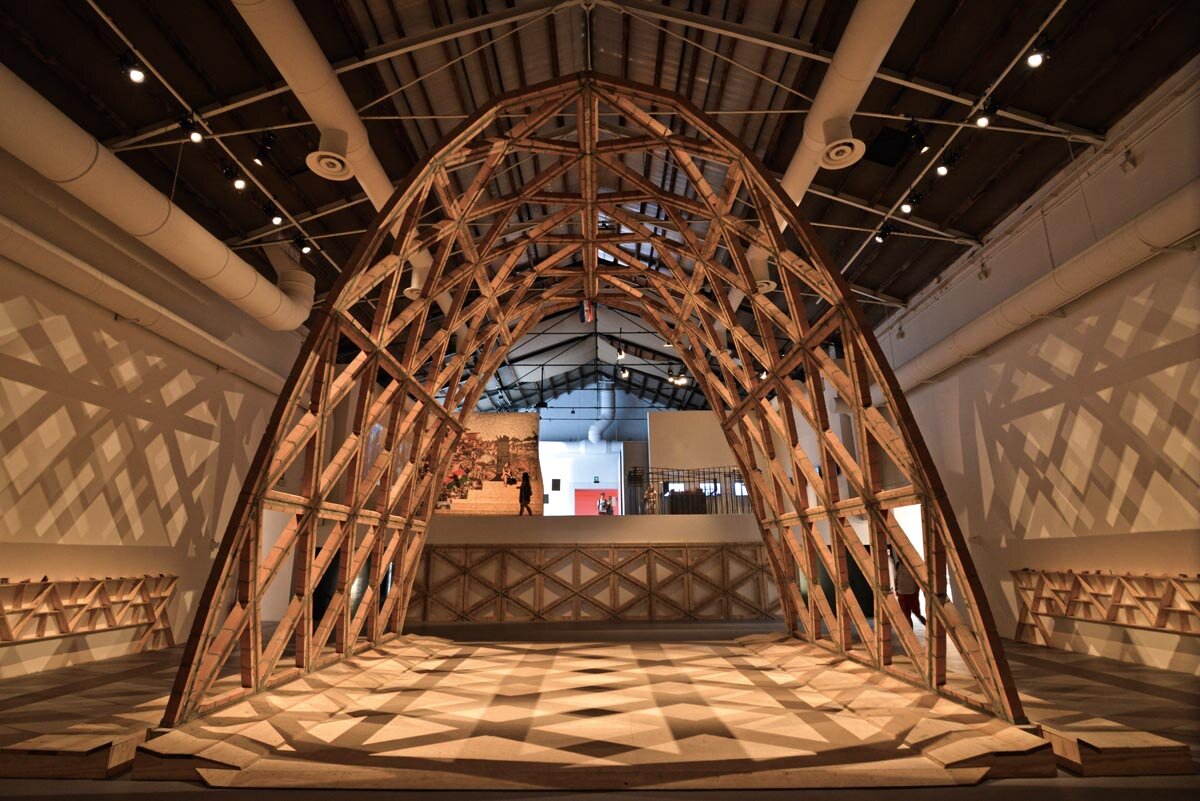
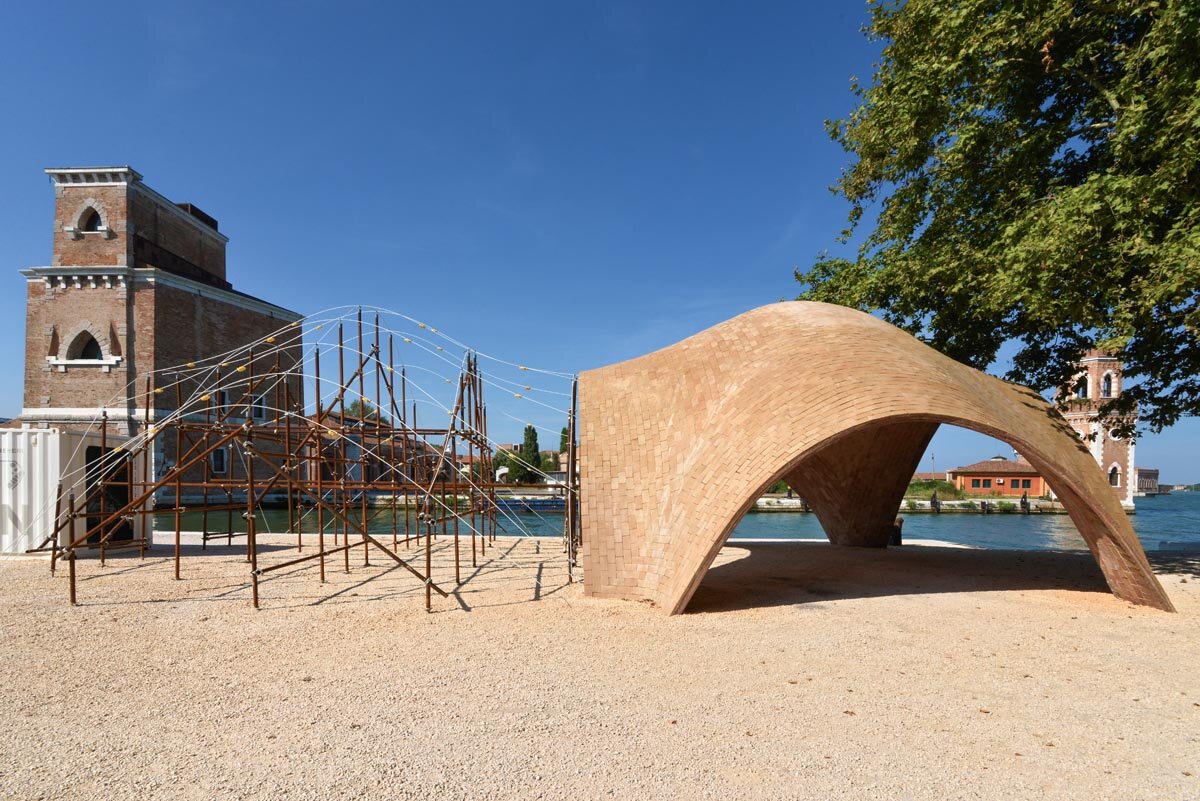
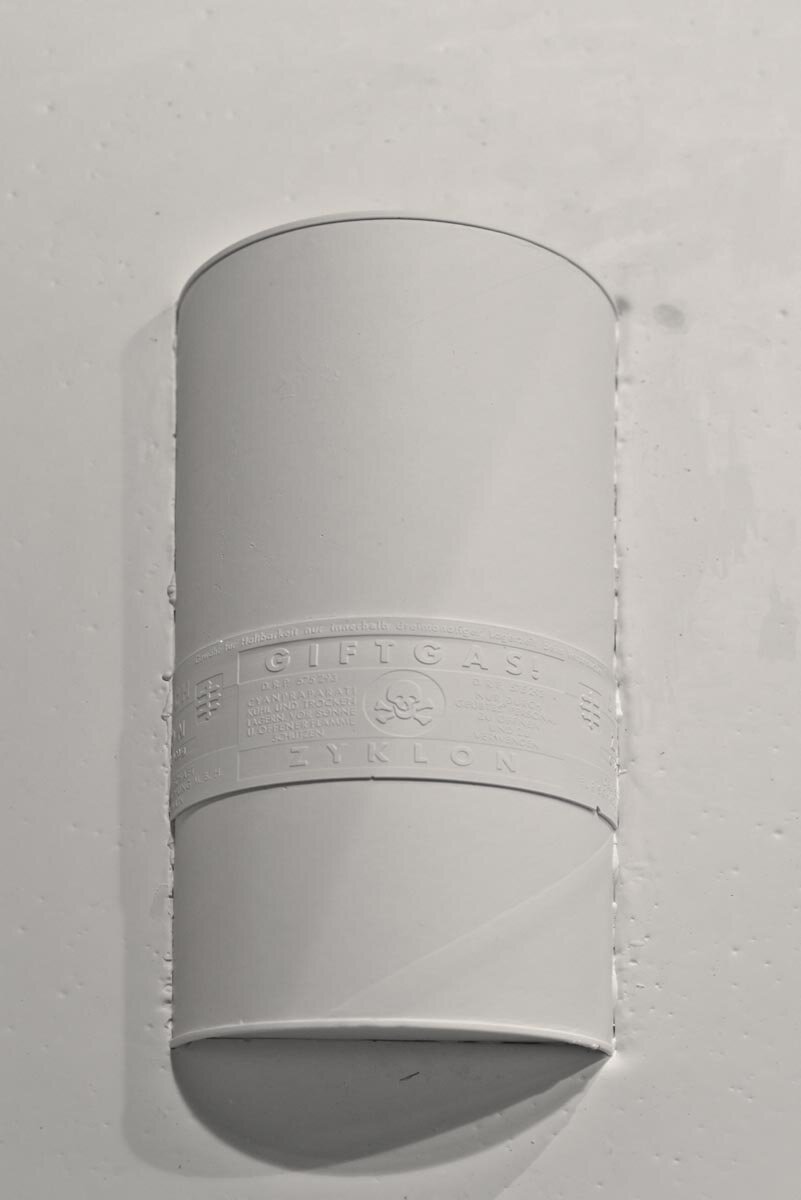
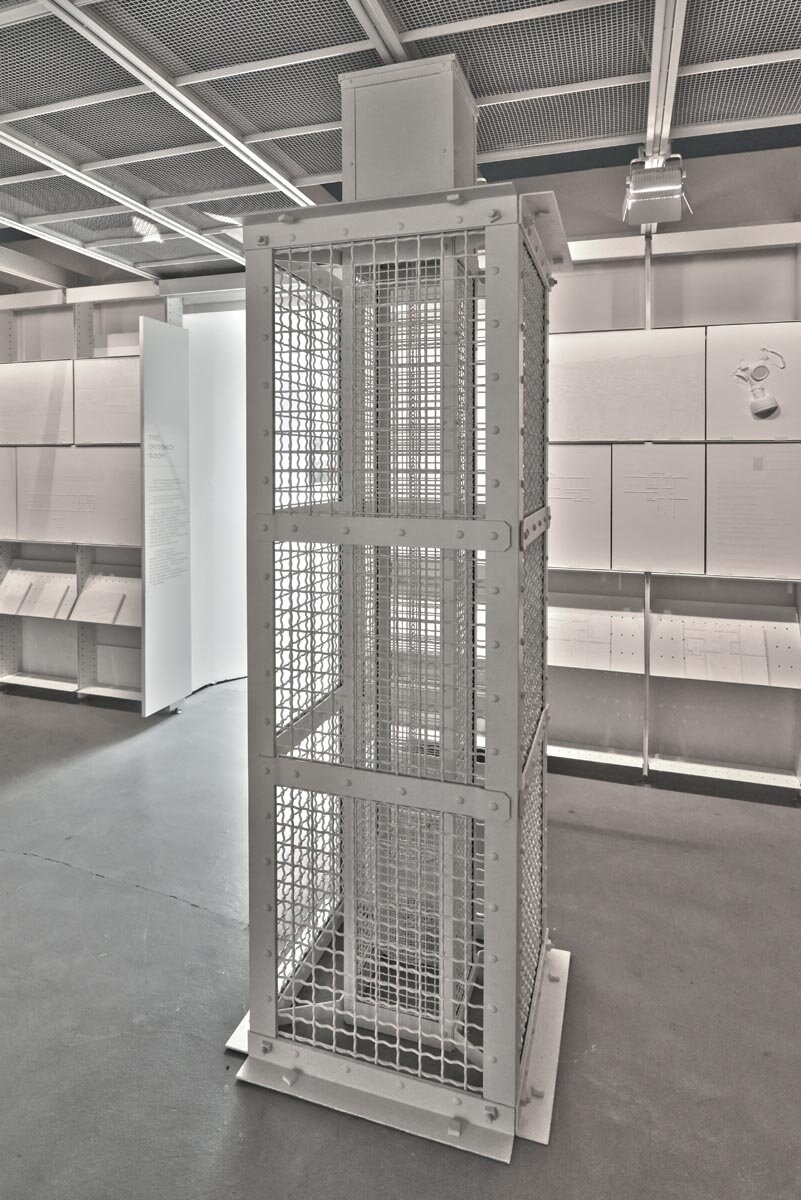
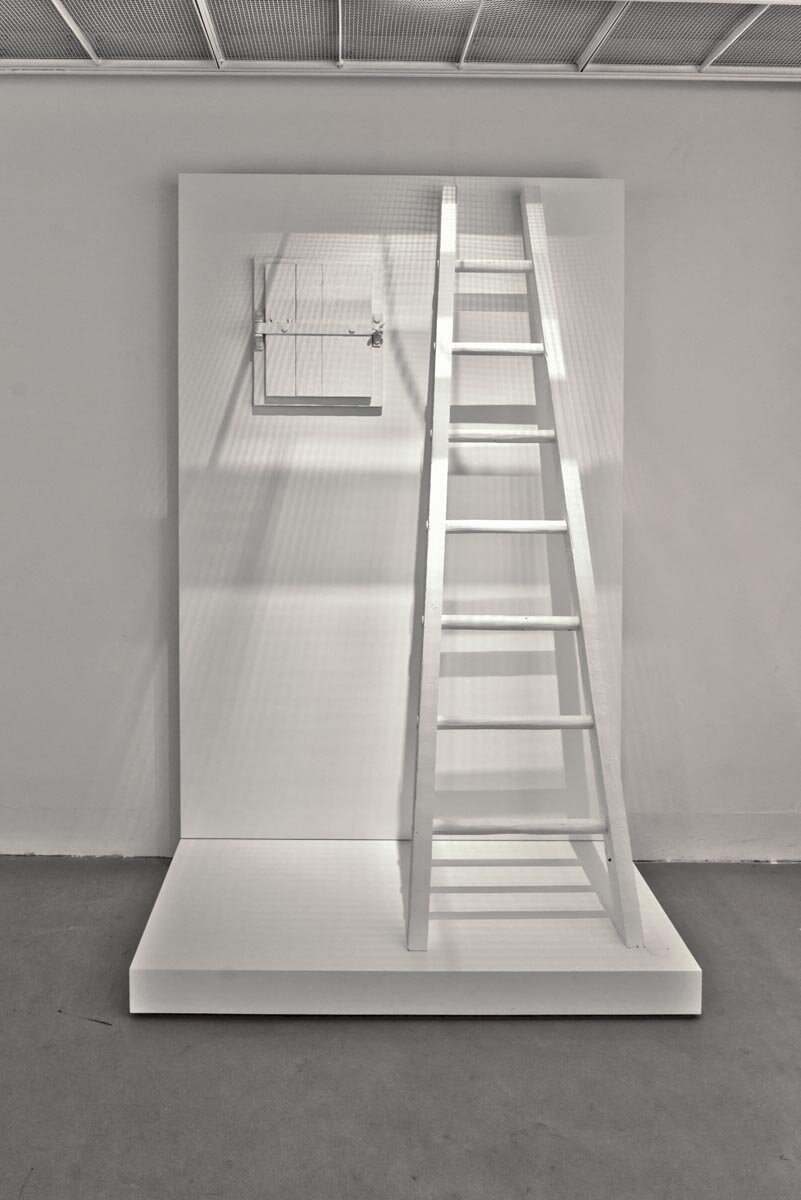
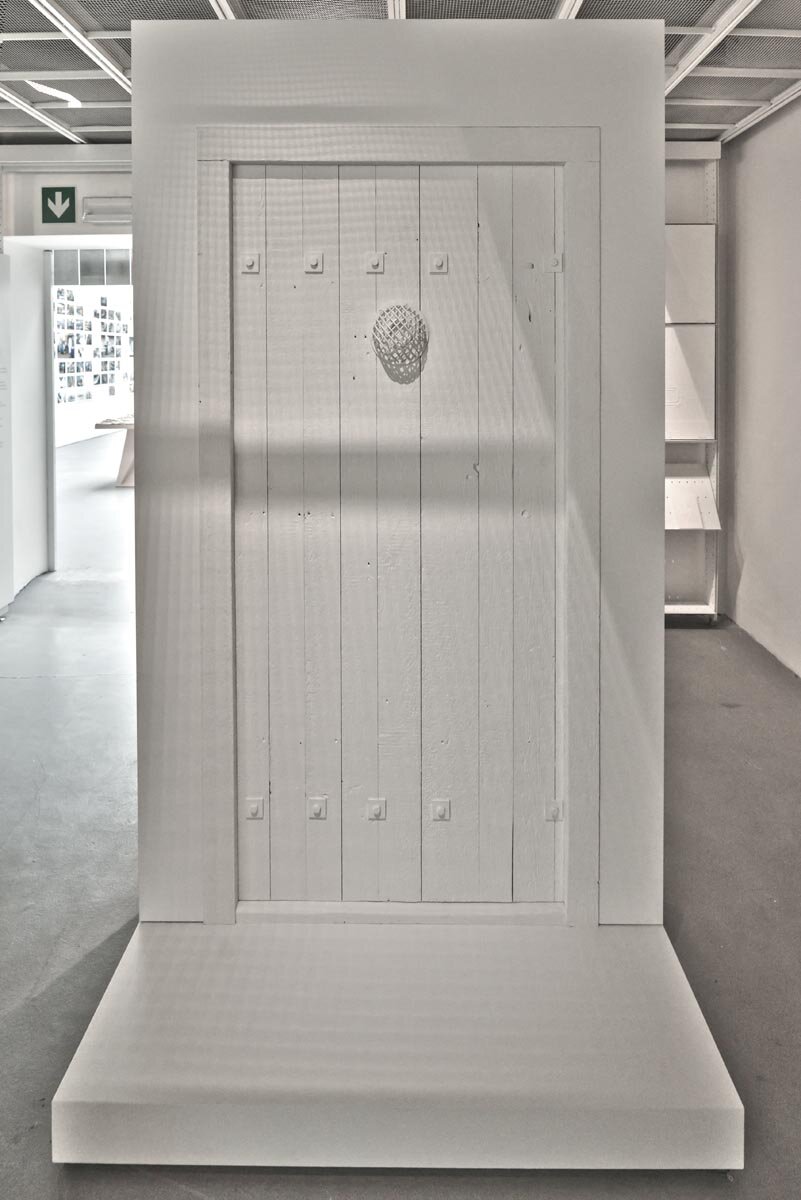
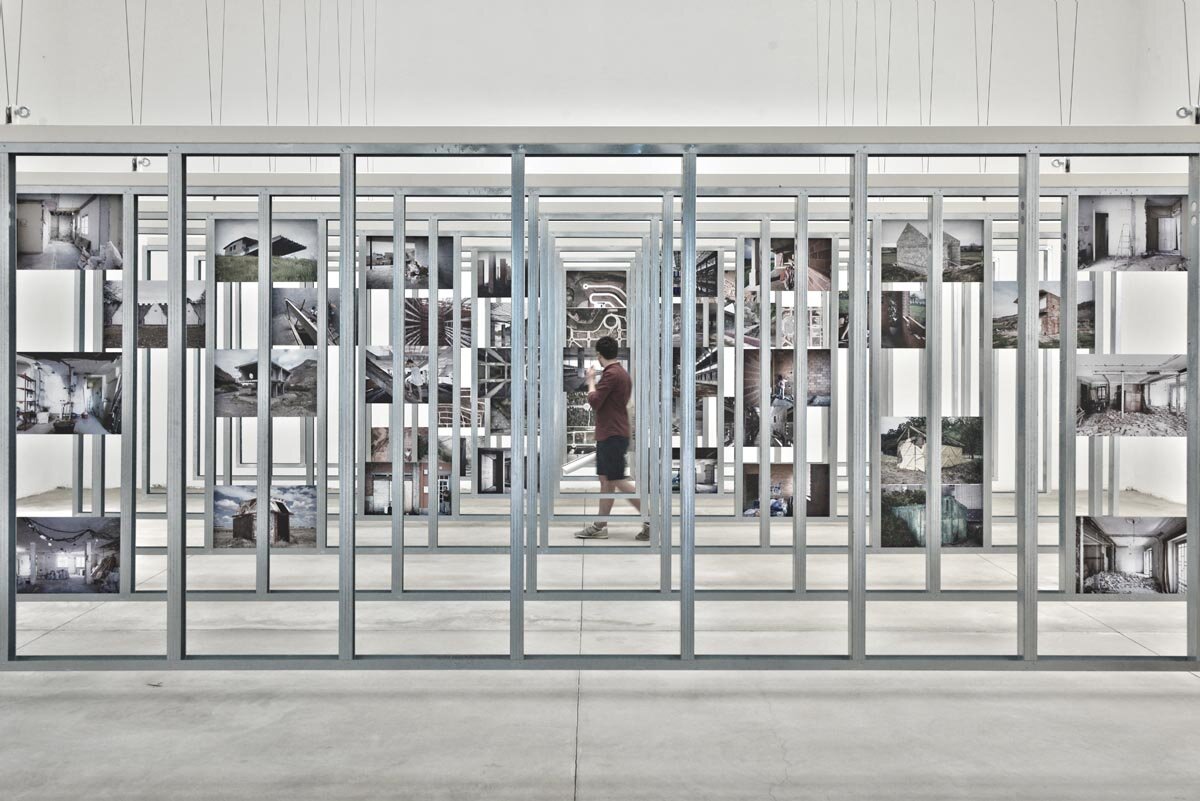
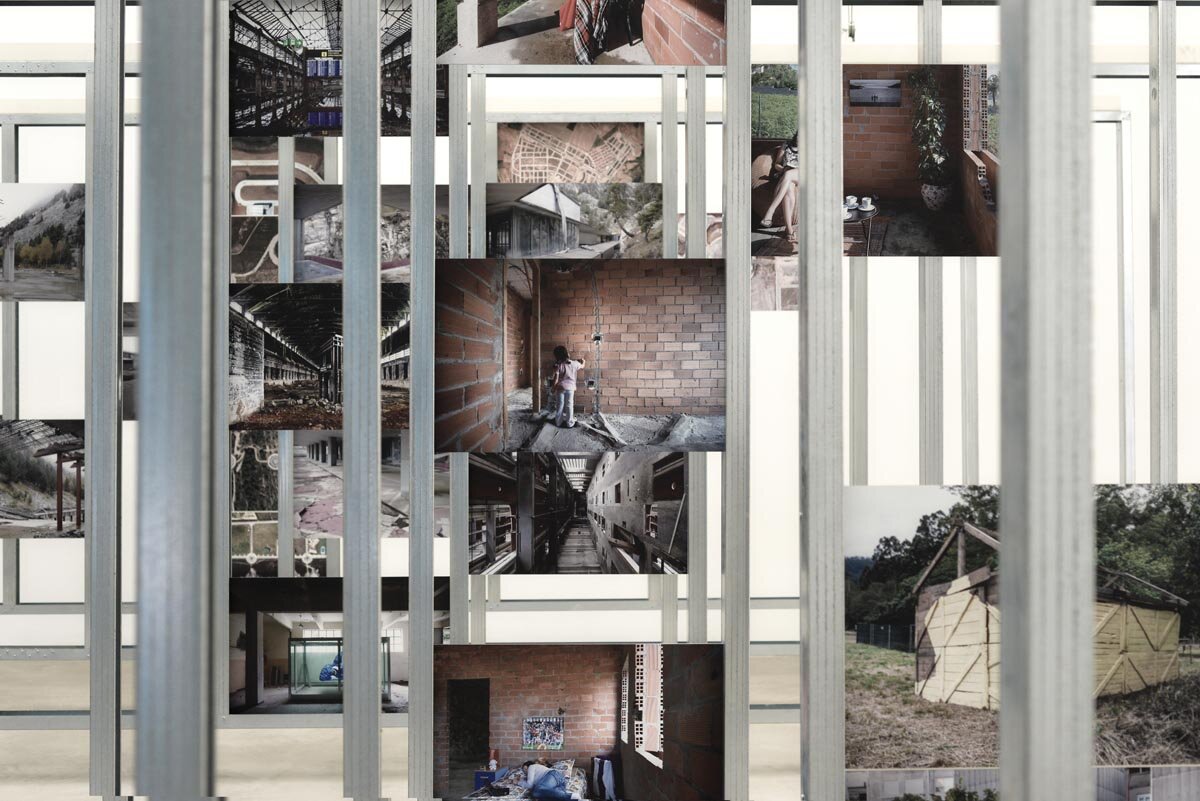
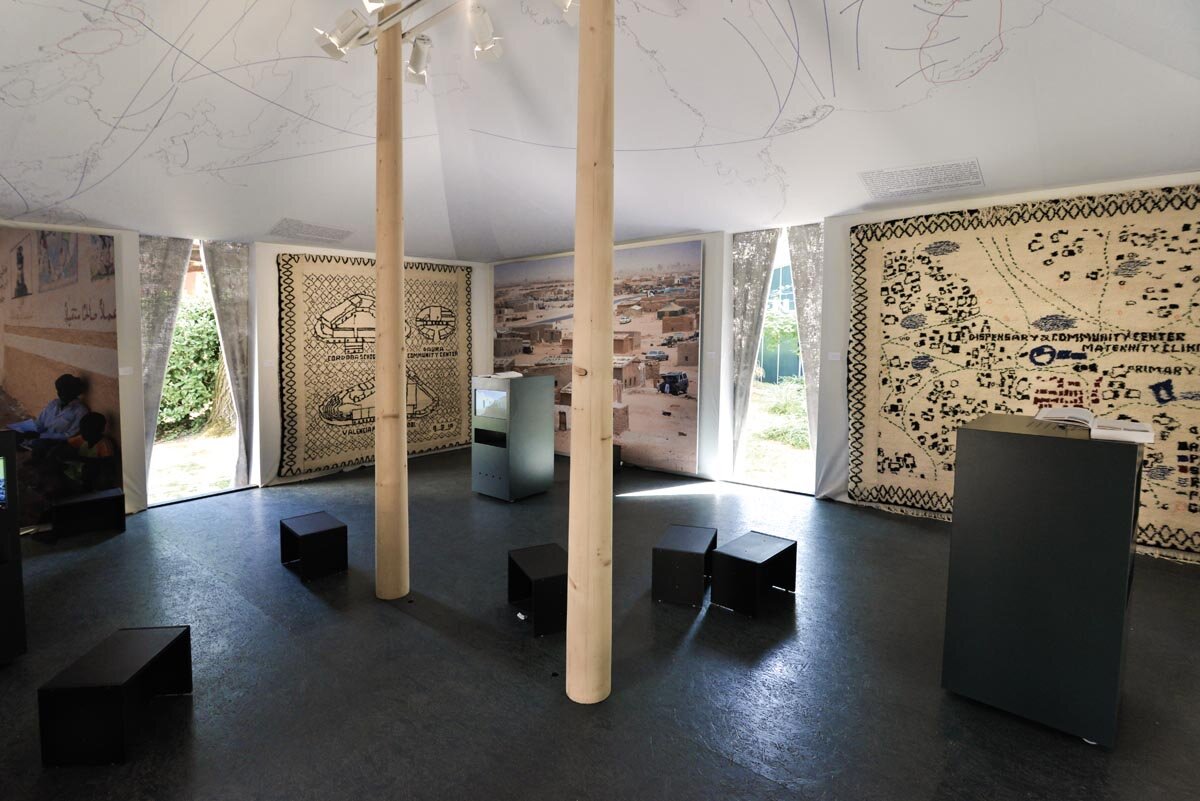
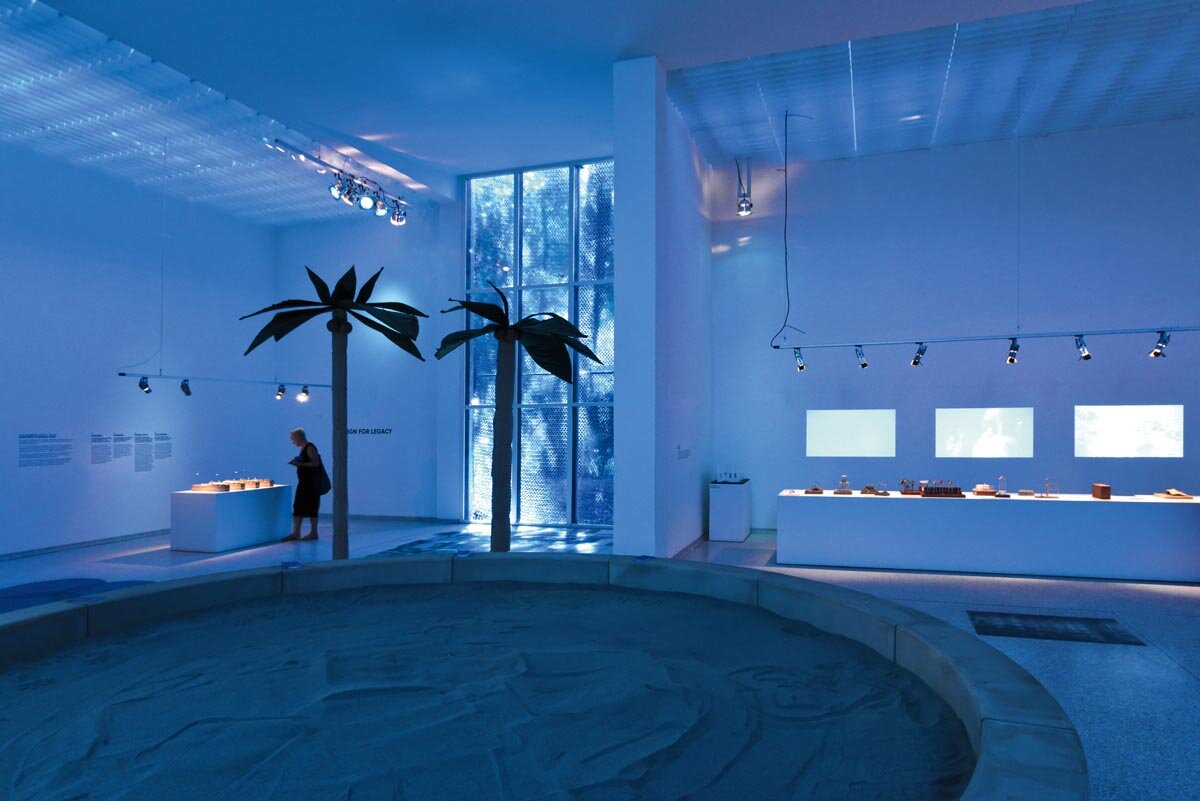
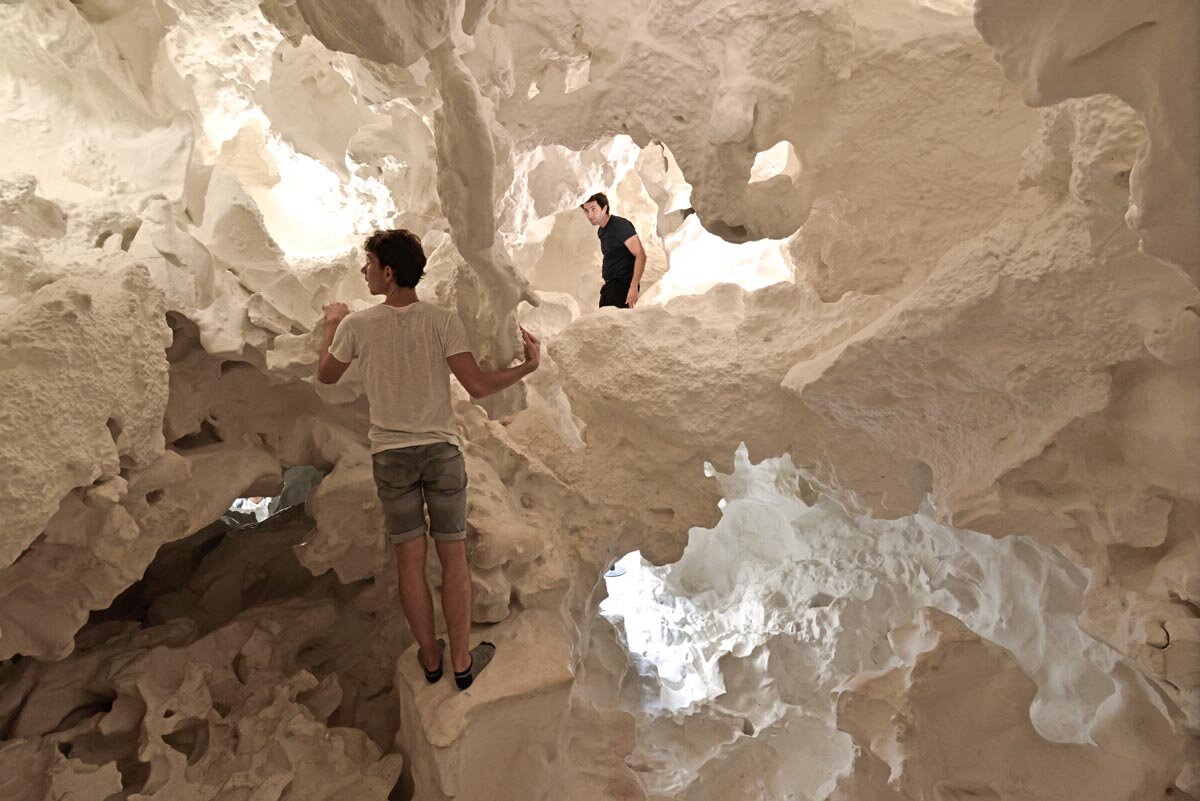
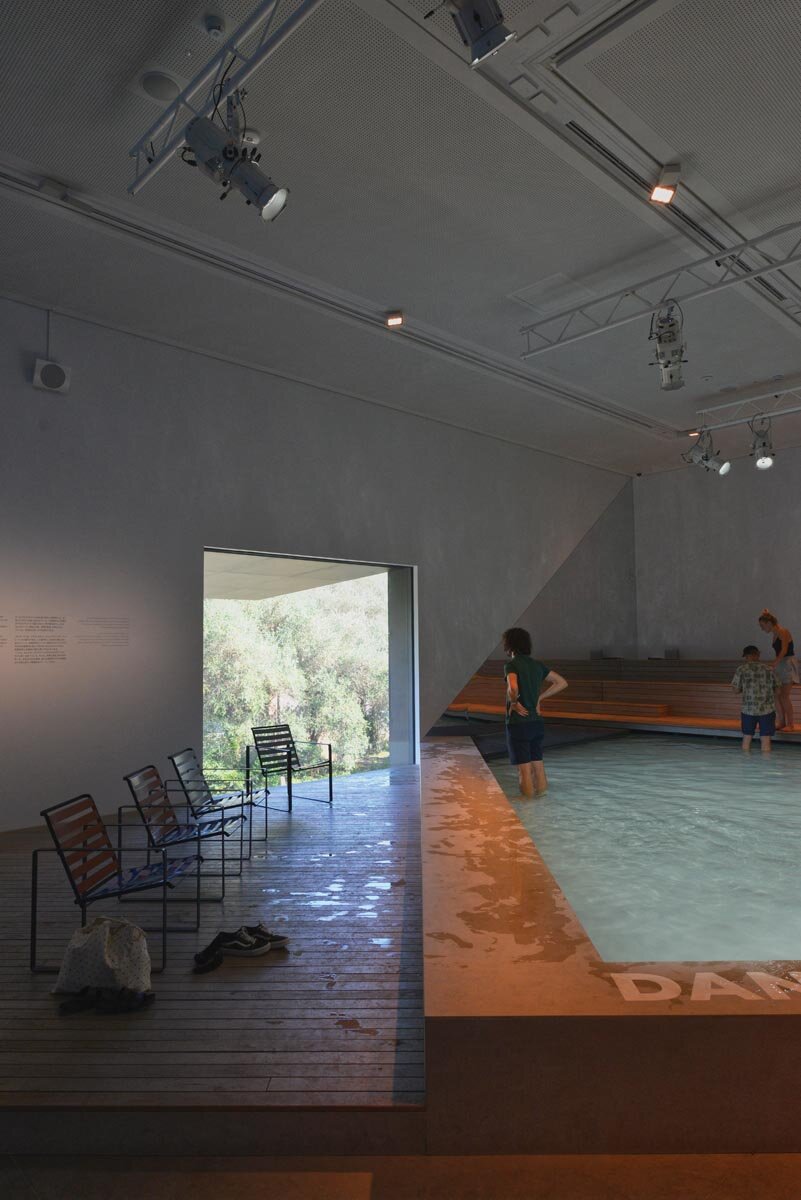
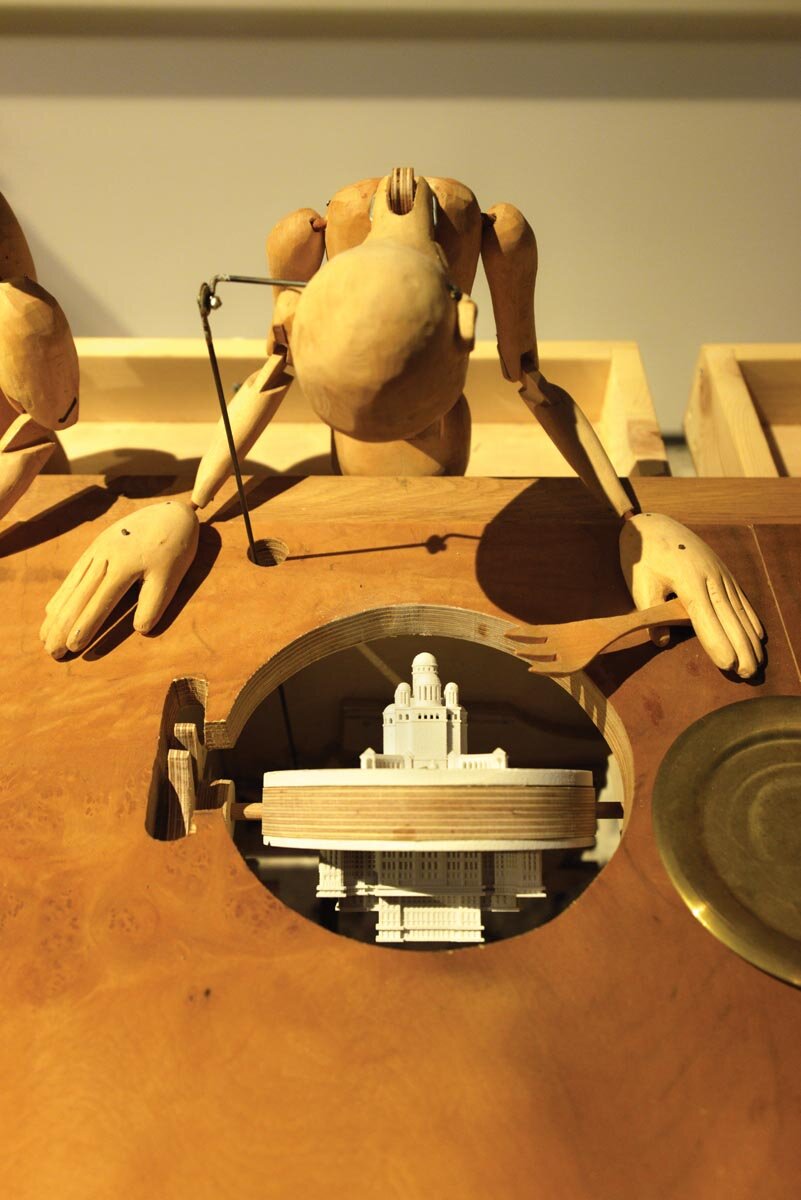
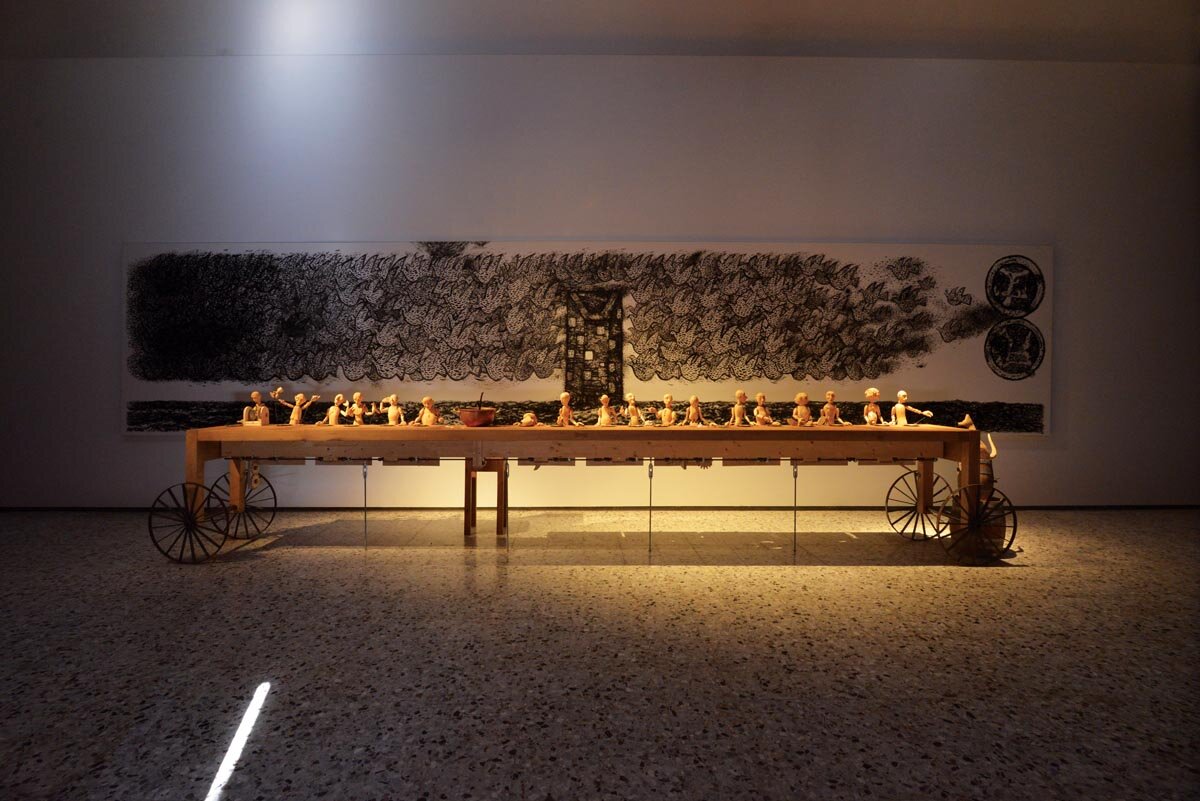
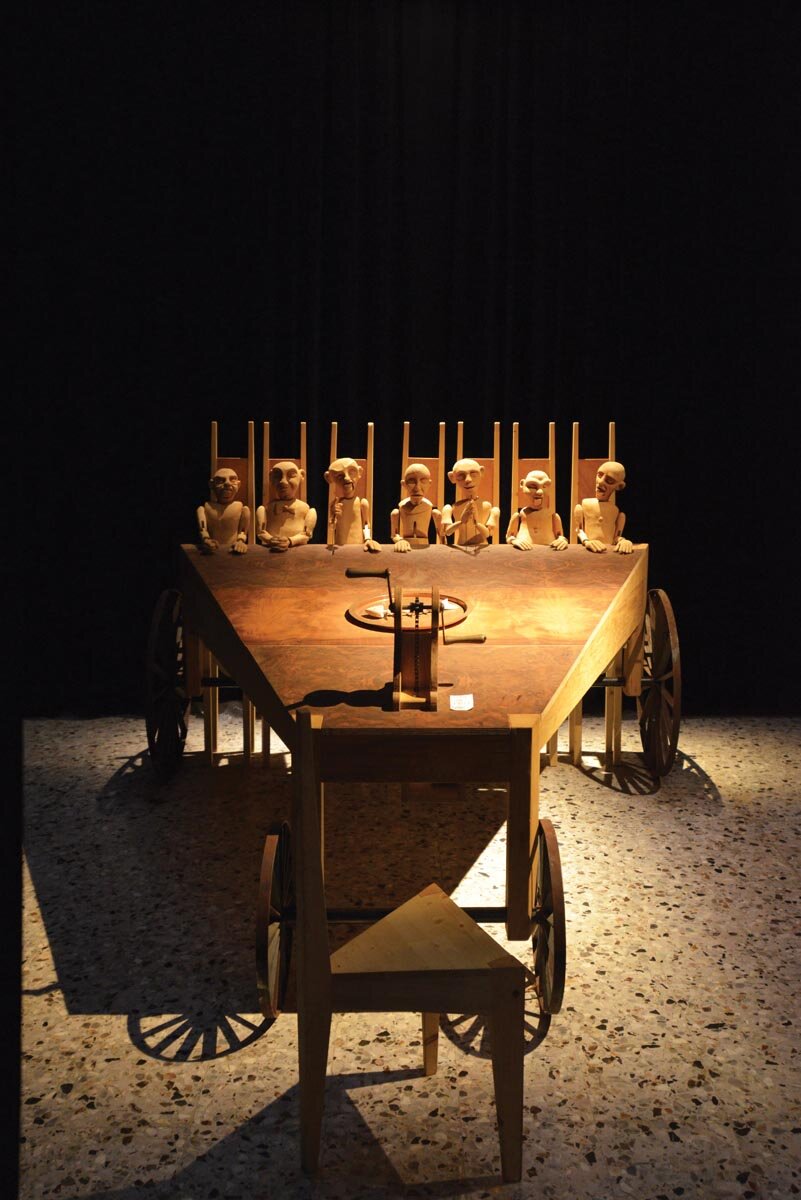
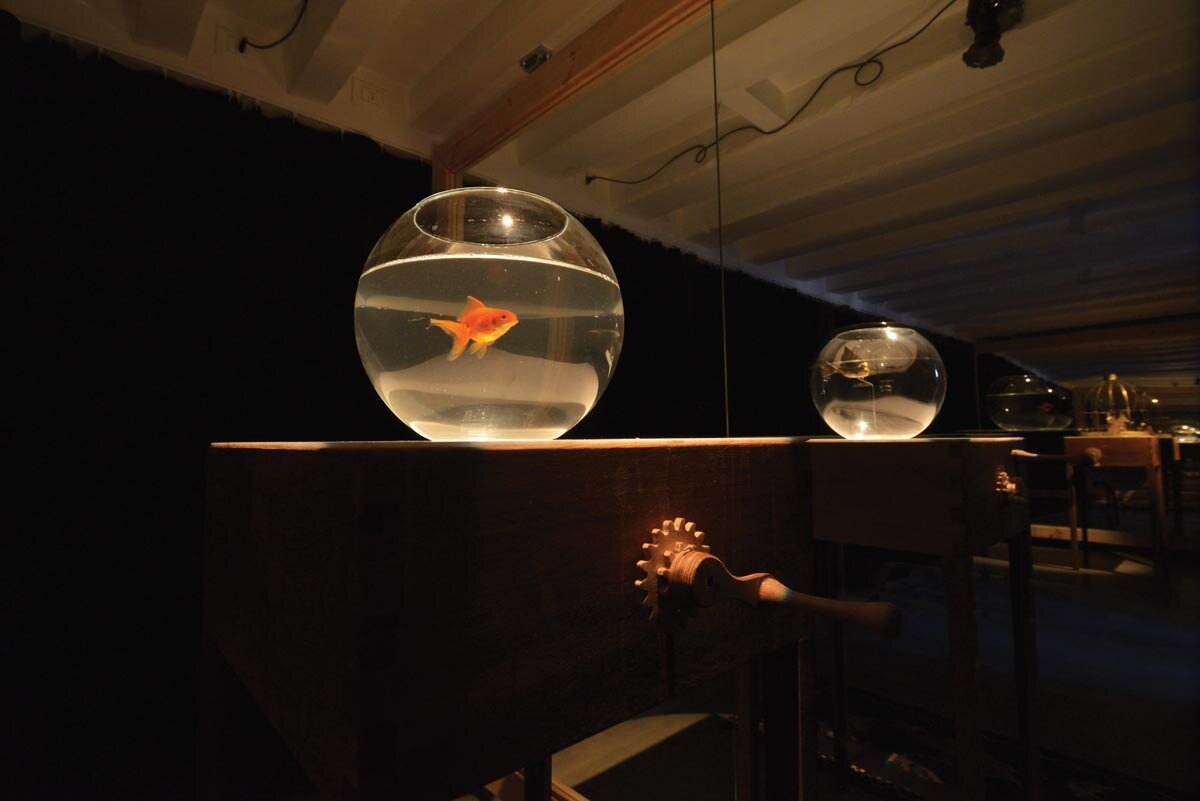
| In 2014 one era was fading and another was being born. At least that was the belief at the time of the appointment of Chilean architect Alejandro Aravena as curator of the 15th Venice Architecture Biennale. The man of the moment, the man of the fighting architects, but also the man of the establishment (what else could the recent Pritzker Prize be but such recognition), he was given the task of staging the most important exhibition that the field of architecture as a whole has to offer the world. Aravena's appointment signaled, especially in left-wing circles, a paradigm shift, a possible shift in architectural discourse away from the flux of the global and back towards the concrete and lived territories of the local. In 2014, the Rem era was fading and with it the elitism and top-down. Bottom-up and political correctness were here. A little too late we would say, because Aravena is not a leftist. One need only listen to him to understand that: "Complex and difficult issues require professional quality, not charity". The moment becomes all the more important as we realize how the reality of the politically correct world is being transformed today by the sudden and unexpected revival of populism and even fascism, by the apparent bankruptcy of multiculturalism, by an obvious and frightening return to Realpolitik. Humanity is undeniably at a crossroads. Architecture, for its part, is not exempt from these changes, and one wonders whether Aravena is not also a populist, an agitator caught up in the tide of these changes, speculating precisely on the criticisms leveled at the field of architecture. Did his themes respond to these new challenges or, on the contrary, did they address the same idioms and discourses that the last decade has unfortunately served us to the point of refusal? Could Aravena live up to the expectations of the field, or was his ambitious theme to be betrayed by the inadequate and somewhat outdated format of the event. From this point of view, the Biennale is, more often than not, an experience, if not frustrating, then certainly exhausting. For all those who cross its threshold, who walk or, on the contrary, run through it relentlessly, striving to tick off concepts, pavilions, experiences, over the course of a two-day visit, spread out in space between two main points and a multitude of secondary exhibitions, the Biennale is not infrequently written as a sensory overload.What, then, can we understand of the state of contemporary architecture from a simple visit to the Biennale three months after its grand opening, when, as mere tourists, lacking too much information on the debates surrounding it, we chose to visit it? This was the key to our reading. We took this stance, believing that now, perhaps more than ever, it was important for architects to convey a clear and responsible message, less aesthetic and more ethical. What impression did it leave? To begin with, to note, using Aravena's own argument, that the front is a condition of our world, a dialectical struggle around global issues such as quality of life, inequality, housing, sustainability, peripheries, traffic, traffic, legislation, waste, natural disasters, crime, segregation, pollution, communities and migration. But all these issues can only be observed and understood from appropriate vantage points that are sensitive to these needs (hence the Biennale poster with the lady in the hood looking out from a distance, searching the desert lines from the height of a metal ladder). Each of these themes is a front. Each front - in desperate need of troops and resources. What kind of troops? "Good" architects. That's exactly what Aravena tells us in a slightly pharisaical, but full of certainties, statement that concludes his argument. There are only good architects here... and we are certainly lucky tourists. Day 1, Arsenale We started our tour of the Biennale the way most architects start it, starting at the Arsenal, believing that this is where the theme is best represented spatially. Here we cheated somewhat, because we knew that, precisely because of its configuration, the Arsenale has a more didactic approach that allows for a gradual construction of the argument, and is thus different from the random collection of rooms of the Italian Pavilion in the Giardini. But we do not know if this was Aravena's intention. Once inside the first room, the visitor is greeted by what appears to be a conceptual art installation realized through a careful redefinition of the ceiling plan. There, overhead, a dense and oppressive network of plasterboard profiles brings the space down to human scale, to such an extent that the entire weight and symbolic charge of the space is placed on the visitor's shoulders. Aravena's gesture emphasizes the need to recycle, as the entire room is constructed from materials salvaged from previous biennials. But the scenography can't shake off the plasticity of the gesture - the profiles look new, dust-free, fingerprint-free, unused, and the deformations are all in the same area. Architects know what a salvaged profile looks like... Ethics 0 - Aesthetics 1. The conceptual sketches that Aravena presents on the sides of this space don't help either. They seem, rather hastily, to betray the true motivations of the curator who, overwhelmed by the idea of organizing the Biennale, surprises himself in a veritable selfie with his collaborators: this is how we made the Biennale. The sketches in turn seem to be the product of pure design decisions. But because we're tourists, we allow ourselves to be persuaded by all this staging and choose to redeem ourselves from our sins in the otherwise cool aura of the hall. We need to recycle! Let's move on. The first rooms are a puzzle. The exhibition opens with the extremely telling installation by Al Borde office, which discusses the real value of the projects in terms of time, money, but above all personal energy invested, taking into account the size, geographical location, function and social mission of the project, continues didactically with recycled materials brought by Wang Shu directly from the Fuyang National Museum site, contemplates the tactile, but above all the olfactory world of the Mongolian yurt reimagined in the research projects belonging to the Rural Urban Framework group in collaboration with the University of Hong Kong, and finally sinks in the uninspired displays of the Russian Bernaskoni office and the overly monumental concrete blocks of the marte office.Mars. Frankly, the drama of Bernaskoni's imagined model, which by its matryoshka-like spatial structure suggests not participation but the symbolism of power relations - who's in and who's out - destabilizes the room to such an extent that the other exhibits almost disappear. Just ask any tourist with a camera in hand. Unfortunately, it's not the only project to have this effect: Tadao Ando's Punta della Dogana is another example. Fascinating in its design but controversial in its approach, the project is saved only by the intrinsic quality already inherent in any architectural gesture by Tadao Ando. But the presentation of the project unwittingly slips into an artificially idyllic zone. In fact, it is right on the front line between Ando and Venice. What is presented to us in the guise of a love story is, in fact, no more than a formal declaration, the dysfunctional family's lying photo album of a dysfunctional family, carefully placed for the world to see by only one of the parties, the place otherwise littered with countless anti-Ando guerrilla messages. And rightly so. Seeing the mock-up of the concrete columns Ando is to erect in front of the old Venetian cathedral almost makes you want to sign a petition. Whatever happened to Charles Ray's beautiful Frog Boy? There is a certain invigoration in the exhibition when it tries to avoid these controversies by focusing instead on the means by which architectural language can be redefined precisely by a certain scarcity of resources. This socially engaging language is not without its meanings: poetic - the installation by Transsolar (Mathias Schuler) with Anja Thierfelder, which emphasizes the role of light in the constitution of the immaterial - or technical - the formal research by the Philippe Block Research Group at ETH Zürich, which emphasizes the role of material, but also the benefits of computational design in the construction of experimental constructions of brick, mud or clay. The two spaces work in tandem and are perhaps the pinnacle of the entire exhibition, hinting at what the architectural language should be in a future built with finite resources. The theme is taken up in the following rooms, in the equally interesting if slightly didactic pavilion by Anupama Kundoo Architects, which discusses the plastic quality of modern prefabricated materials made, this time, from biodegradable natural resources, and in Hugon Kowalski and Marcin Szczelina's informative installation documenting the little-known boom in India's informal waste recycling economy. In between these presentations are smaller-scale projects, many of which can unfortunately be overlooked due to the ambiguity of the presentation formats. They either choose to convey their message in the form of video presentations (who really has time to watch such a thing, given the limited time?) or get lost in the hermetic forms of discourse of conceptual art. And the installation Hilariopolis, by the ADNBA office, is in this sense, sadly, partially unsuccessful, despite the importance of the subject it deals with. The ADNBA team chose to talk about the city as a place of childhood memory, of formative experience, as a narrative resource for their own projects, choosing to present a utopian fragment of this possible city. A mash-up of old and new, which is presented to us in the first person, because here the viewer assumes the position of the narrator, looking at the city from the narrator's world, from the height of the apartment he occupies. The model in the spotlight, however, is so photogenic, so marvelous, that it shifts the focus from the content and the narrative - the dubious quality of recent real estate projects in Romania - to the container and the Byzantine embroidery that defines it. Despite this, judging by what we saw with our own eyes, it was one of the most photographed objects at the Arsenal. Clearly, a number of exhibitions operated on a city or even territorial scale. Comparing the top-down projects of the wellfare state with the anarcho-syndicalist DIY procedures of the present, BeL Sozietät für Architektur imagines a growth scenario whereby immigrant groups settled in the German space can be helped to build their own neighborhoods using standardized manuals and models. Next, Grupo EPM, presents its projects in Bogota, while Rahul Mehrotra and Felipe Vera document ephemeral urbanism, or rather the phenomenon of temporary pop-up conurbations, which have sprung up around the world for various reasons: migration, trade, festivals, catastrophes. The discussion triggered by all these exhibitions is continued outside the Arsenal in the exhibition "Report from the Cities: Conflicts of an Urban Age", which gives an overview of the challenges ahead: from overpopulation and uncontrolled growth to lack of space, but especially of the physical resources needed to sustain this development. Wonder which parts of the world are expanding fastest? Perhaps it might be more important to look at the political systems and forms of governance behind these already overpopulated mega-cities? Exhibitions in the Arsenal continue with a mix of national pavilions and exhibitions by guest bureaux. Of the latter, the selection is absurd, one might even say uninspired, and captures works by Kengo Kuma, Ensamble Studio or Peter Zumthor. The exhibits contribute nothing to the Biennale's theme, being more like a lead ball to Aravena's foot. What else can be the gesture made by Ensamble Studio, who chose to present their latest landscape art project, in which they literally pour concrete over desert pits just to create ART. Only Shigeru Ban is still reinvigorating this selection with meaning, choosing to subtly present traces of biological life that have appeared along the world's oldest real front, namely the demilitarized zone between the two Koreas. The Arsenal exhibition ends gloriously with four mock-up models: ORG's Permanent Modernity, which investigates, through prefabricated concrete panels, the power of architectural language to operate still symbolically with Platonic forms; the excellent floating school by the NLÉ office, which also won the Silver Lion; SUMMARY's equally interesting interpretation of prefabricated spaces in the form of a concrete module that can expand metabolically; and finally, the experimental double-curved vault by Norman Foster in collaboration with the ETH Federal Institute of Technology in Zurich for the Future Africa project of EPFL University in Lausanne. After Zumthor's formal and somewhat empty aesthetics, for example, these exhibits were powerful enough to give us a glimpse of what responsible architecture of the future might look like. It is written formally, with simple, abundant materials that are not infrequently put to work using traditional, digitally augmented construction techniques. Form follows not only function but also need and resource. All in all, the first day was somewhat disappointing and unconvincing. The way the parts were laid out seemed confusing. As a tourist I was indeed able to gain more knowledge about the different practices currently used around the world, but only where they were explained didactically enough. Even so, it took a very long time to go through all the exhibits. Although we made use of the eight hours available, I can say that we were always on the run and even managed to miss one exhibit entirely, "A World ofFragile Parts". By the end of the route we were exhausted. Arrived in front of the final pavilion, that of Italy, you simply don't care anymore; all you want to do is have a spritz, on a Venetian canal, and look at the sea of people moving everywhere: people of the world. There's still more to learn about quality of life, inequality, housing, sustainability, peripheries, traffic, lawlessness, waste, natural disasters, crime, segregation, pollution, communities, migration on the streets and squares of Venice than in any other event of its kind. Day or night, Venice has it all. Maybe the next day would be better. Day 2, Giardini For the second day we wanted to conclude the battles of Aravena, so, as was only natural, we chose to start our forays into the Giardini with the Italian pavilion. If the Arsenale was largely a didactic experience highlighting techniques, methods and processes, as we had expected, the focus here in the Italian pavilion was to be on the architects, on the somewhat heroic story of each of them. And in some cases, if not most of them, these stories deserved to be told and directed in this way, but, don't get me wrong, there were, unfortunately, also exhibitions that seemed to be more about their promoters, the architects, than anything else. The Giardini Pavilion greets you with the impressive image of the reinforced brick vault by Gabinete de Arquitectura. The project is, first and foremost, a tribute to the power of architecture, to the capacity of architectural space to constantly amaze us, even through the simplest materials and forms. The installation, which won the Golden Lion for the best entry in the exhibition Reporting from the Front, reminds us of all those things we have lost to technology: the craftsmanship practiced with art and a certain mentality that allowed us, until recently, to build with our own hands, outside the rules or norms imposed by manufacturers and developers. From this point of view, the installation continues the argument put forward by Sir Norman Foster, emphasizing those resources that are within everyone's reach, in this case clay and mud, and how they can be transformed not only into a cheap and durable building material, but also into a form of expression of the present. Of course, no one imagines that the vault presented by Gabinete, as empty as it is, has any other purpose than to showcase the inherent beauty of these structures. No one, I think, expects to build such large scale houses. This project, however, has a certain ambition beyond its expressive gesture. It is the culmination of a practice that has been appreciated especially by the people who have used it over the years. It is not the only project of its kind, and there are other equally expressive projects on display in the Italian pavilion, such as the clay spaces by Anna Heringer and Lehm Ton Erde Baukunst and the tectonic bamboo structures by Simón Vélez and Vo Trong Ngia Architects. On a similar front, but this time operating on an urban scale, we find research by Christian Kerez and Hugo Mesquita, who tackle the issue of order and disorder in Brazilian favelas, or the reparative gestures implemented by designworkshop : sa in Johannesburg's crowded and makeshift main agri-food market, which spontaneously appeared at a junction of highways, unfinished at the end of the 2000s. Both projects function as top-down solutions to bottom-up problems. The first studies the DNA of favela structures, trying to identify patterns and models that can then be replicated in an orderly fashion, while the second makes corrections like a surgeon sewing the broken ends of an artery, thus piecing together unfinished spatial structures. One of the few projects at this Biennale that addressed the need to reconsider existing architectures was that of the French office LAN, which turned its attention to the housing blocks inherited from the late modernist period. Their exercise begins with a careful examination of the lives of the subjects in question, in an almost voyeuristic manner that attempts to abandon the typical developer's scheme in favour of a more personalized approach that thus emphasizes specific personal needs. Similarly, Richard Rogers and Renzo Piano also address the issue of common places, bringing to the fore the futuristic-metabolic ideas that articulated their discourse in the 7th decade. The theme of recent heritage is, unfortunately, insufficiently addressed throughout the Biennale, at least not in Aravena's curatorial concept. For the rest, whenever the focus also falls on the first world, the discussion tends to slip, more often than not, into simple lifestyle decisions. The frugal, the temporary return to nature, to a lost essence, seem to be the themes discussed by SANAA, an office which, trying to find inner peace after so many urban projects, has chosen to purify itself by operating participatively on a small, isolated island in the Japanese archipelago. In a similar way, Aires Mateus seems to talk only about his own search for ideal beauty. What else can their fabulous space drowned in darkness be. And so, not infrequently, the exhibition seems to be a collection of superheroes, each coming from another world, another city or parallel universe, each fighting against their own "villains", making use of specific superpowers, some more spectacular than others. Some have chosen to present themselves through typical 'top-down' projects, realized late in their careers, exhibited here rather for their compensatory quality (e.g. the works of David Chipperfield or Norman Foster in Africa). Other projects are written as veritable manifestos of sustained and enduring quests by architects operating in a participatory way, from within their own communities. There is, however, no clear dividing line between genuine acts of heroism and those that are merely a spoof intended to epitomize. The visitor is thus tricked into accepting the group image of these knights in white robes. As white asThe Evidence Room, waiting quietly in the very heart of this imagistic construct. There, in the midst of this world of superheroes, we are astonished to discover a ticking time bomb from the past. Here, an entirely different kind of white hero stands before us, an anti-hero, armed with simple but effective means of destruction. The varnished door, with its doorknob only on the outside, the ladder leaning unsteadily against the carnage check window, the double steel wire column used to manage the gas canisters, all, banal in form but terrifying in content. Machines of death born of the objects of everyday life, a door, a doorknob, a ladder, transformed by what Hannah Arendt called the banality of evil. In their ultimate, perfected version, columns lowering Zyklon B canisters through the ceiling could ensure the swift annihilation of 2,000 souls every day. There is abundant evidence in the courtroom that all these inanimate objects, these instruments, were carefully planned and designed by someone. There are, first of all, sketches clearly drawn and all signed by architects. And then there's a photograph. Standing next to the concentration camp officers in front of their project, the communal bath, the architects look like accomplished men. It's their final, reception photo. The viewer is deliberately made deliberately difficult to make out their features. They can only be observed by close examination of the watermarked relief of the white paper, by the deliberate play of light and shadow that allows only a vague idea of what all these "people" looked like. In essence, they are all the same; architects, officers and camp officials, all bearing the same responsibility. Some still want to forget this past, if not deny it altogether, like self-proclaimed historian and Holocaust denier David Irwin. In fact, all this evidence has been painstakingly collected, documented and recreated in 1:1 scale models by Professor Robert Jan van Pelt and his students at the Waterloo School of Architecture, precisely as a defense against the libel suit that Irwin has brought against American historian Deborah Lipstadt and Penguin Books. Lipstadt had labeled Irwin a Holocaust denier, and now he wanted to defend his theories. In the end, it turned out to be the most complex exercise in forensic architecture ever undertaken. Irwin lost the case. The challengers, however, those who want to forget history, those who want to "make things great again", are still many, and 2016 is, in a way, the year of their return to the scene. Some of them are certainly architects, here we are no different, demographically speaking, from the rest of the world, and let's not forget that for them evil is banal, a simple task to be accomplished. Outdoor exhibitions We left the Italian Pavilion through the white light of these revelations, but not without visiting its latest exhibition-witness, the refugee tent realized by Manuel Herz with the Sahrawi Women's National Union. The tent, which lines the very entrance to the Italian pavilion, may go unnoticed by most visitors precisely because of its banality. Inside, however, the large-scale hand-woven carpets made by the Sahrawi women themselves tell a story that is more than relevant to the theme of the Biennale, because here again we are faced with a story told in the first person, directly from the front. Here, the women have woven their own story, capturing the maps of their own exile from the West African civil war, the maps of refugee camps. They speak of their new home, the nomadic tent that, under these auspices, becomes an artificially grounded home in the new territories of refuge. If you missed this pavilion, you missed the Biennale, and we came very close to missing it. From our perspective, it almost didn't even exist there, we could see it, but we didn't realize it. And what else was this pavilion but precisely a world in motion, immaterial, textile, lost among the grounded and monumental structures of the developed world, a tent among buildings, an artifact of the real front placed next to the abstract representations of imagined fronts. But the developed world is not without its problems. With few exceptions, the national pavilions took a positivist view of a number of problems which, despite contextual particularities, can be categorized as universally valid for the First World. Among these we may note: the discussions on the definition of a possible new aesthetics born from a heroic assumption of the insufficiency of resources (Belgium), the analysis of the still visible repercussions of the systemic collapse of 2008 (Spain, USA), the highlighting of the social and political problems created by the new waves of immigrants seeking a home in the European space (Germany, Austria), the problem of housing and the cost of living (England, France), the almost religious faith in technology and the solutions that knowledge industries can offer to the built environment (Israel), the appreciation of the role of the architect in society (Hungary, Romania), the radiographies of constantly changing program themes (Australia, Nordic countries), attempts to reinterpret recent history and its built artifacts (Russia, Czech Republic, Slovakia). The Golden Lion was awarded to the Spanish pavilion, "Unfinished". The curators chose to highlight the effects that the prolonged economic crisis has had on Spain's housing sector, using the language of photography in particular. The main hall uses this medium exclusively, in an exercise that in many ways resembles in form, content and type of commentary the project Pride and Concrete by Petruț Călinescu and Ioana Hodoiu. The presented images depict abandoned infrastructure projects, vacant lots and mutilated landscapes, but, in particular, unfinished houses that are nevertheless, in the absence of access to infrastructure, to the most basic utilities, inhabited. These are images that could have been captured in any of the suburban developments that have deconstructed the landscape of Romanian cities. In fact, by extrapolation, these situations are intrinsically linked. The Spanish soap bubble, once burst, pulverized not only the Spanish but also the Romanian building sites. Thus the Spanish pavilion refers not only to the Andalusian or Galician landscape, but also to many other places, such as Maramureș or Moldova, indirectly affected. The second part of the exhibition offers the solutions, through a methodical and conscientious exhibition of projects that have managed to adjust their architectural means and gestures, adapting to the problems generated by the crisis. There is no doubt that this selection presents quality architecture, whose main merit lies precisely in the way it manages to transform the scarcity of resources into an expressive option, still faithful to Iberian minimalism. In the same area of the argument we find the Belgian pavilion, which, however, shifts the focus on details and components, on those constructive elements which, despite their banality, can be transformed under the architects' baton, with bravura, into true forms of architectural expression. But if the Spanish pavilion addresses the visitor as clearly as possible through diagrams and photographs, the Belgian pavilion remains elliptical and is more akin to poor art. To the untrained eye, the details on display may be banal, eluding any aesthetic category in the classical sense. It is, perhaps, an honest acknowledgment that, more often than not, our built environment is but the shape of needs, circumstances or economic choices. A little further down the same street, the Dutch pavilion makes a series of unintended connections with the Sahrawi women's tent brought by Manuel Herz, giving us the cosmeticized image of the refugee camp as seen from the perspective of Dutch blue helmets on peacekeeping missions in several African countries. However, recalling the "successes" of Dutch peace missions in Bosnia and, more recently, even in Africa, we cannot fail to note the somewhat inadequate optimism of the whole exposition, which inadvertently brings to the fore the myth of the white hero, the myth of the civilizing missionary. And the whole pavilion is bathed in a neon-blue light, which gives the whole thing a techno-chic touch. Christian Kerez's object-space for visitors to the Swiss pavilion is just as cool. The structure, which successfully illustrates the ETH's latest research into the study of form, succeeds in giving the whole pavilion a specifically Swiss atmosphere, "as if from out of this world". Kerez, who had the opportunity to attack some of the Biennale's themes in his study of the Favele in Sao Paulo, focuses here on the pure emotion that architectural form can convey, an aspect otherwise little addressed by the other exhibitions in the Giardini. The theme of sensitive space is echoed to some extent in the Nordic pavilion, where visitors are given their first opportunity to literally touch de Svere Fehn's already legendary lamellar beams. Inside the pavilion, an enormous wooden pyramid takes up most of the space. On its steps, following the layering of Maslow's pyramid, visitors either gasping for breath or admiring the concrete ceiling structure, find the most relevant projects from the Nordic space listed. Next to them, at the base of the pyramid, is the therapy area. Here, lying on the therapy bed, the tourist is presented with the problems of Nordic architecture, because the Northerners, faithful to their own cultural models, have not known how to do anything other than to take their buildings to the psychoanalyst. In the immediate vicinity, Denmark offers perhaps the ideal pavilion for any tourist, the visitor being effectively drowned in a sea of architectural models depicting the country's latest socially oriented projects. It's all accompanied by a video dedicated to none other than Jan Gehl. The Russia Pavilion is again opulent in the technology used, but especially in the ideology on display. It speaks of Russia's need to reconsider its period of socialist realism, seemingly attempting to draw links between the positivist, utopian iconography of Stalinism and the similar needs of the Putin regime. It is thus clearly the most consistently state ideology-subsidized discourse of all the others presented at this Biennale. Does it anticipate the future of the Biennale? Compared to the Russian pavilion with its walls covered with video screens and expensive models, the German, British and French pavilions seem insignificant in terms of scope and resources. We can't, however, move on to them without mentioning that the recently renovated Japanese pavilion is in the vein to which Japan has accustomed us at recent Biennales. This time, Japan has staged young offices operating in the area of small-scale social housing. The German pavilion, perhaps among the cheapest, emphasizes both the theme of finite resources and the issue of waste resulting from this Biennale, offering the visitor a space that is mostly empty. Germany's story is told through posters, diagrams and info-graphics displayed exclusively on the pavilion walls. Predictably, Germany turned its attention to immigration issues, presenting a series of case studies that looked from top to bottom at the situation of several cities, neighborhoods and even families. The German curators thus chose to talk not about the need to build, but about how already built contexts are today redefined by the needs of their new occupants, the immigrants, emphasizing both the conditions of their living space and the conditions of communal, public space. In a similar vein, on the other side of the park, the Austrian pavilion, in turn, tackles the issue of immigration and the ways in which migrants illegally occupy the spaces of unused office buildings. The exhibition is literally built around a few immigrant families, with most of the budget spent on a few architectural interventions designed to improve their living conditions. The process is documented photographically, through posters and a free newspaper. The Great Britain Pavilion also tackles housing, but in a London-specific way. The exhibition looks at the housing crisis London has faced since it transformed itself from a city of people into a global Mecca for speculative investors. According to current estimates, almost no London resident is earning a living commensurate with the value of their property. It is speculated that such a trend will, in the long term, lead to the collapse of London's entire social structure as its rightful inhabitants are forced to move out and make way for the wealthy agents of gentrification from around the world. The pavilion thus attempts to look at the problem in an artistic way, proposing 1:1 spaces whose size and facilities can be customized according to the time that residents spend in them: hours, days, months, years. Commenting on the way we produce space, but more importantly on the way we waste space, the pavilion also proposes a solution: just as we develop our own lives, as we evolve from individuals to couples and even families, so should the space around us. Australia's newly built pavilion is perhaps the most surprising, offering a well-deserved break from the seriousness of the Biennale in the form of a swimming pool where visitors can cool their feet. As with any pool, the space of course smells of chlorine, there's a terrace and even a newspaper that can be read by the water's edge. What could be more Australian? In the background, the voices of pre-recorded narrators discuss the dissolution of this public program, once a veritable locus of community life. Despite its relaxed demeanor, the installation manages to coordinate its words with its actions. It not only talks about how good public architecture facilitates interaction between people of different backgrounds, ethnic origins and age groups, but also effectively brings them together, perhaps one of the most sought-after places at the Giardini. The Poland Pavilion is not as relaxed, choosing to literally reveal the scaffolding behind the architectural spectacle. Solidarnosc, seem to shout the Poles, who have chosen to present the plight of the builders who forge capitalism in a syndicalist manner. The pavilion reminds us that, especially in developing countries like ours, spectacular projects are often built by workers paid illegally, without social protection or fair contracts, and often without respect for labor protection rules. This brings us to the Selfie Automaton project. A project that also talks about the producers of built space, with the observation that this time it is the architects who are literally put in the spotlight, the actors of the space. A lot can be said about the exhibition that Tibi Bucșa and his team of architects, master puppeteers and visual artists put on in Romania's national pavilion. The first thing that caught our eye was how impeccably it functioned as a finale piece. After so many didactic ceremonial speeches, Romania's pavilion offered an approach that was fascinating above all. The explanation of the whole concept is mostly hidden on one of the walls of the main entrance hallway, so you walk in not knowing what to expect. At the time of our visit, we were lucky enough that all the explanatory brochures were also out of stock. Moreover, to remain somewhat faithful to the way we chose to visit the Biennale, we chose to read as little as possible about the history of the pavilion. Beyond the images that circulated on social media, the only relevant channels for measuring notoriety, I - and here you have to take my word for it - knew almost nothing. To begin with we were stolen by the pictorial quality of the staging. As soon as you enter, the stage lights put all the attention on the expressive power of the puppets. The stage begs to be photographed and, as with the ADNBA model, I'm convinced that Selfie Automaton was among the most immortalized installations of the Biennale. That in itself is a success. But the carefully constructed frame hides other secrets, and to unlock them, the pavilion's three installation-mechanisms tempt the visitor to set them in motion. As soon as you stir the bowl of porridge, the puppets start to move: one constantly slams its head against a plate, unable to raise its eyes to the horizon; another continually prostrates itself at the two sides of the same coin, one depicting the People's House, the second the Cathedral of the Salvation of the Nation (only Romanians will get the hint), another interacts with a submissive dog obediently waiting for the leftovers, most of them, however, fixating on you, the manipulator. You live in a semi-functional country, governed by committees and commissions..... you get the picture immediately. The installation is a miniature representation of the system, the way things are and will be. The system of puppets, of mindless automatons works, but only if we choose to set it in motion. That is why the proposed vision is somewhat pessimistic. The system can't be changed, it works perfectly and automatically, and even if we choose to sit on the sidelines, not to set it in motion, someone else is waiting in line to do it. And this observation is not a metaphor. It happened right before our eyes, in the pavilion, with all its visitors. As part of this cog and cogwheel, you can even admire yourself in the mirror carefully placed on the opposite side. There, this almost biblical scene is written like a selfie. To the left and right of the pavilion, other devices explore the theme in more detail. The committee table, with its upside-down perspective, can seem like a scene out of Kafka only to someone who has never appeared before such a committee. The puppets looking down on you from table height are, despite their caricatured features, as real as real can be. They engage our deepest fears and emotions. In the related exhibition at the Galleria Nuova, part of the Romanian Cultural Institute in Venice, we find more automated puppets, this time in the form of a goldfish or a hen laying golden eggs. In this different, yet similar Imaginarium, not the system, but our deepest desires and temptations seem mechanized. Here too, they await us in semi-darkness to breathe illusory life into them. We left the Giardini with the automated puppets in mind, the Galleria Nuova, thinking of its menagerie of desires. The goldfish, the golden eggs, the committee table. These were the images that led us on the way out, somehow reminding us that our world full of wishes and supervisors was out there, somewhere, waiting for us to return... our front. |
| In 2014 an age was dying out as a new one was being born. At last this is what everyone thought when Chilean architect Alejandro Aravena was announced as curator of the 15th Venice Biennale. The man of the moment, the man of every activist architect, but equally of the establishment (for what else is the Pritzker if not such a recognition) was given the important task of organizing the greatest show that the architectural field gives upon the world every two years. Aravena nomination signaled, especially in the more leftist circles of the field, a possible paradigm shift, hijacking the architectural discourse from the global flux towards more localizalized territories. The top-down, age of Rem was out, in was the bottom-up and political correctness. A bit too late one might say for not even Aravena is a committed leftist, as some might erroneously think. On the contrary, and one only has to listen carefully to how he builds his argument: "difficult complex issues require professional quality, not professional charity," The moment for this biennale couldn't be any better or worse for that matter, as we have to simply acknowledge the way in which the realities of our PC world are being overturned by the unexpected rise of populism and even fascism the world over, signaling the failure of multiculturalism and a return to old school Realpolitick. Mankind is certainly at a turning point. Architecture is not spared of this moment and one has to ponder if Aravena is not a populist agitator himself, riding a wave of general discontent with the profession as a whole. So, was his build-up of ideas and solutions going to be facing these new challenges, or was it to revisit the same themes and idioms that we have been seeing this past decade ad nauseam? Was it going to raise itself to the level of expectations surrounding it? Or was its more than ambitious theme going to be betrayed by the format itself? In this, the Biennale is most of the time if not frustrating then surely an exhausting experience. By walking, sometimes even running, rapidly ticking away, concepts, pavilions, experiences through a two-day show dispersed between two main sites and many other affiliated locations, the Biennale can amount to nothing but sensory overload.Moreover, what is one to make of the state of contemporary architecture by just visiting the Biennale grounds three months after its grand opening, as a tourist, without too much prior information on either the exhibitions or the debate around them? This was our lecture key. We chose it considering that now, more than ever, it was important for architects to deliver a clear and responsible message, less aesthetic and more ethic. And what did we make out of it? To begin with Aravena's main argument, the front is a condition of our world, a dialectical struggle around; quality of life, inequality, housing, sustainability, peripheries, traffic, informality, waste, natural disasters, crime, segregation, pollution, communities, and migration, that can be addressed only through a proper vantage point. (Enter the lady scrutinizing the desert from the height of a ladder- the image of this year's biennale). Each theme a front, each front in dire need of troops and resources. What type of troops? Good architects. At least this is what Aravena is trying to imply in a somewhat holier than thou statement, written in his argument. Only good architects be here. We must be lucky tourists, for this show is full of certitudes. Day 1, Arsenale We started our visit as most architects do at the Arsenale, considering that it is the place where the curated theme is best represented spatially. Here we somehow cheated, since we knew that through its layout the Arsenale has a more didactic approach, slowly building up the argument instead of presenting a random collection of rooms, as the Italian Pavilion in the Giardini does. We don't know if Aravena intended it also to be so. Upon entering, the visitor is greeted with what seems to be a carefully conceived art installation, the redefines the overhead. There, above your head, a dense grid of vertical steel struts shrinks the space to the human scale, not without placing the entire weight of the room on the shoulders of the on looker. Aravena's gesture emphasizes the need to recycle, as the whole room is built with materials salvaged from the previous biennale. It feels however a bit staged, as all the carefully contorted lack any real dust or particles. Architects should know how a recycled profile looks like... Ethics 0-Aesthetics 1. The conceptual sketches depicting the build-up process of the biennale don't help either. They speak more of an overwhelmed curator that in the end manages to capture himself in a selfie saying: LOOK! This is how we did the whole thing. But we are tourists, so we buy it, it's visually cool and it speaks of our collective guilt of not doing enough about our waste. Let's recycle! We are redeemed. Let's move on. The first few rooms are a bit of a puzzle. They start with a very indicative installation by Al Borde discussing the price in time and money, but mostly personal energy imbedded in projects, considering their size, geographical locus, function, and social mission. It continues with Wang Shu's didactic 1:1 display of recycled surfaces taken from his project for the Fuyang National Museum in China, and continues with the similarly sensual tactile and olfactory world of the Mongolian yurt, as reimagined by the research project of Rural Urban Framework and The University of Hong Kong, only to sink in the uninspired displays of the Russian practice Bernaskoni and the monumental and overtly pretentious displays of marte.To be honest, the Bernaskoni dramatic model of a Matrioska building set within a pyramid structure literally expressing power is hacking the room to such an extent that no one is even looking at the other displays. Just ask any vistor with a photocamera. It is sadly not the only project that works in just such a way, Tadao Ando's Punta della Dogana being another similar example. Fascinating as a model in itself, yet highly controversial as a project, it is saved only by the imbedded quality that any Ando gesture by now has attached to it from the start. Despite this, it is however nothing more but a show off of Tadao's own front line with the city of Venice. The presentation of the project unfortunately slips into an idyllic and somewhat artificial stance. What is presented as a love affair is in nothing more than lip service, a picture album of a partially dysfunctional relationship, for the place is filled with guerrilla anti Ando messages. And for good reason, as one has to see the size of the concrete columns that he is to erect in front of Punta della Dogana. My first reaction was too look around for the petition against it. What ever happened to Charles Ray's beautiful Boy with Frog? The show picks up again however when it tries to avoid these controversies and focuses on the architectural language that scarcity brings about. There, it is engaging and meaningful, either in its more poetic form as in Transsolar (Mathias Schuler) with Anja Thierfelder's installation, emphasizing the role of light in establishing immaterial quality, or as in the form finding studies done by the Philippe Block Research Group of ETH Zürich, highlighting the role of material and the benefits of computational aids in building with mud and clay bricks. These two spaces work in tandem and are perhaps the best part of the entire show, for they speak of what the architectural language can be, and should be, in a future built on finite resources. This theme is carried through in the next rooms in the similarly interesting if didactic pavilion by Anupama Kundoo Architects that discusses the plastic quality of modern prefab materials made however of natural biodegradable resources, and even later on in the informative installation of Hugon Kowalski and Marcin Szczelina, documenting the little known recycling industry that has sprung up in India. In between are a series of smaller scale projects that unfortunately get lost by choosing to speak their message either in overly long video presentations, (who really has time for those while running between places), or losing themselves in the language ambiguities of conceptual art. Neither of those, ADNBA's Hilariopolis is unfortunately also a partial misfire, if only a minor one, in spite of its very important subject matter. ADNBA choses to speak of their town as a repository of childhood memories, past formative experiences and finally as their projects ultimate narrative resource. This city is presented as a fragment, a possible utopia that mashes up old and new. It is present in first person for the onlooker gazes upon it from the height of the apartment windows that serve as vantage points. As a well-crafted installation, the light drenched model, it is so pretty that it shifts the tone from the entire argumentation from the narrative content, concerning the general lack of quality in Romania's newly established property market, to the byzantine embroidery of its container. It was none the less, judging by what we saw while studying it ourselves, one of the most photographed objects in the Arsenale. And of course there were several shows highlighting problems of a more urban or even territorial scale. Comparing the top-down projects of the welfare state with the anarcho-sindicalist, DIY procedures and tactics of the present BeL Sozietät für Architektur envisage a growth pattern in which migrant groups settled on German lands are assisted in building their own quarters with the help of standardized models and building manuals. Further on Grupo EPM highlight their work in Bogota, while Rahul Mehrotra and Felipe Vera present their scientific research of ephemeral urbanism, represented by the impromptu settlements popping up around the world for various reasons such as: migration, famine, economic change, festivals and catastrophes. The Arsenale's general focus on cities is further augmented by the exhibition "Report from the Cities: conflicts of an Urban Age", an exhibition that somewhat offers a measure of the challenges ahead of us: from overpopulation to uncontained growth, lack of physical space and resources to sustain this growth. Guess which parts of the world are growing fastest. Guess through what political systems these overpopulated mega cities are spatially, socially and culturally governed. The Arsenale continues with a combination of national pavilions and shows by well-established architects. Of the latter, one is faced with interpreting the baffling, one might even say severely mishandled selection of Kengo Kuma, Ensamble Studio and Peter Zumthor. They bring virtually nothing to the argument, and drag the whole thing into the ground, as Ensamble Studio clearly does by pouring concrete into the desert only to create ART. Only Shigeru Ban brings some sense to this selection with his subtle piece showcasing the natural life sprung across a real front: the Korean demilitarized zone. The Arsenale ends on a high note, outside, with four large scale mock-ups beginning with ORG Permanent Modernity, investigating the power of formal language in industrialized prefabricated concrete panels, NLÉ brilliant floating school that won the Silver Lion, SUMMARY's equally interesting take on prefabrication proposing a low-cost concrete living module that can grow in metabolic fashion, and ending with Norman Foster's spectacular low cost fan brick vault built together with ETH for the Future Africa EPFL project. After the somewhat vacuous formal aesthetics put on display by Zumthor and the rest, this exterior part serves as somewhat of a conclusion on what responsible architecture can accomplish through retained yet powerful formal gestures, through use of material and back to basics building techniques. Form follows not only function but needs and resources as well. To conclude, day one was a bit underwhelming, unconvincing. As a tourist, I could indeed selectively enhance my knowledge on different practices around the world, but only where it was didactically explained, and even then the whole thing took too much time to go through. In fact, even using the eight available hours, the whole thing was done in quite a rush and we even accidentally managed to completely miss out on an entire show: a world of fragile parts. In the end one comes out exhausted. Reaching the final exhibits like The Italian Pavilion you simply don't care anymore, and all you want is to get yourself a spritz on some Venetian canal and look at the sea of people moving back and forth: world people. Unfortunately, there is still more to be learned about quality of life, inequality, housing, sustainability, peripheries, traffic, informality, waste, natural disasters, crime, segregation, pollution, communities, migration from the streets and piazzas of Venice than from any such show. Day and night, Venice has it all. Perhaps the second day would be better. Day 2, Giardini For the second day we wanted to conclude Aravena's battle so it was only natural that we start our forays into the Giardini through the Italian pavilion. If the Arsenale was, as expected, in most of its parts a didactic experience, highlighting techniques and processes, I for one felt that here, in the Italian Pavilion the emphasis was put on the architects themselves, each with his or her own saviour narrative. And some, if not most things were worth saving and worth the antics, don't get me wrong, but somehow there were also things that felt like that they were saying more about their promoters, the architects, then about anything else. The Pavilion starts with the powerful two-story high image of Gabinete de Arquitectura lattice brick vault. It is first and foremost a testament of the power of architecture, of the space built to amaze us, using the simplest of materials, the most basic of shapes. The installation which won the Golden Lion for the best participation in the exhibition Reporting from the Front speaks poetically of things that we have lost to technics: craftsmanship, and a DIY mentality that allows us to take matters into our own hands and thus gain independence from developers and manufacturers. In this respect, it continues the argument set up by the Sir Norman Foster, Peter Rich and the ETH research team and focuses on readily available resources: clay and mud in this case, and how they can be turned not only into a cheap labor intensive building material, but into a newly rediscovered expressive force. No one of course imagines that the vault presented by Gabinete, empty as it is, has any other true purpose than presenting the beauty that still lies in such structures. No one expects, I think, to build such houses on a large scale. The project on display is none the less ambitious beyond its expressive gesture. It is the culmination of a practice that has flourished mainly for the people it has engaged with over time. And it is not the only project of the sort, as one may take note of the similarly expressive Studio Anna Heringer and Lehm Ton Erde Baukunst clay spaces, or of the expressive bamboo tectonics done by Simón Vélez or by Vo Trong Ngia Architects. On a similar front, but this time working on a more urban scale, we find the work of Christian Kerez and Hugo Mesquita addressing the issues of order and disorder in the Brazilian Favelas, and the reparatory gestures implemented by designworkshop : sa on a highly congested makeshift market organically sprung up in one of Johannesburg's unfinished highway junctions. Both of these two projects work as top-down solutions for bottom up risen problems. The first studies the DNA of favelas trying to find patters and models that it can later replicate orderly, while the second remedies like an operating surgeon, stitching together clogged arteries and completing in this case unfinished spatial instances. Perhaps one of the few entries in this year's Biennale that addresses the need to reconsider the existing architecture, French studio LAN' focus their attention on retrofitting a series of collective housing units inherited from late modernity. Their exercise begins by looking intimately into the lives of their subjects, in a voyeur like exercise that tries to abandon the typical developer scheme in favor of a more tailored approach, emphasizing specific personal needs. In a similar manner, Richard Rogers and Renzo Piano addressed this issue by rehashing some of their older metabolic housing schemes. However, by all means this should have been a more present theme in the Biennale, and one feels that not enough attention was given, at least in Aravena's curatorial concept, to the fate of our already existing built context, to the way in which architecture has the potential to transform itself, according to our needs, either through upgrading or downgrading. Unfortunately, whenever the focus is shifted towards our own so called developed world, the issues relapse, most of the time, into presenting simple aesthetic living choices. The frugal, a temporary return to nature, to a world that is lost seem to define SANAA's quests for inner peace, after the weight of all their globetrotting urban projects. They choose to shrug it off by operating with small gestures on a small and isolated island of the Japanese archipelago. In similar fashion Aires Mateus speak of their own battle in search of beauty, for what else can their fabulous dark room be? In many of its parts, the exhibition thus looks like a superhero team up, each superhero coming from a parallel world, city, context, some more real than others, fighting his own villains, using specific superpowers, some more spectacular than others. Some are present with typical top-down projects made late in their careers, displayed here mainly for their redeeming quality (David Chipperfield and Norman Foster's work in Africa come to mind). Other projects are genuine statements of bottom-up, DIY, socially infused work ethic. There is no thin red line however between genuine heroics and outright posturing and the regular visitor is to a certain extent manipulated into white washing the whole group. This is entirely the literally whitewashed Evidence Room, thinking that everybody's conscience is impeccably white. Set deep within this superhero layer, right in its core, one finds to his total astonishment a time bomb of sorts, coming from the past, still ticking. The whitewashed door with handles only on its exterior face, the leaning ladder carefully placed near the gazing window through which a guardian would check on the carnage, the double steel wire column used for the deployment of canisters, all banal in their form yet dreadful in their content. Contraptions devised from simple everyday objects, a door and a handle, a ladder, transformed as Hannah Arendt might say by the banality of evil. In their final improved design, the Zyklon B canister deployment shafts would ensure the rapid disposal of 2000 souls every single day. And what of the men? There is plenty of evidence in the room that these inanimate objects, these tools were carefully planned and designed by someone. First off the blueprints, all clearly drawn, all signed by architects. And then there is their picture. Standing next to their camp officers, in front of their achievement - the communal bath house - the architects seem accomplished. There is a deliberate difficulty assigned onto the onlooker in making it all out, in distinguishing the features of all these men. They come out only through a careful observation of the filigree relief of the white paper upon which a deliberate play of light and shade gives only a vague notion of what they looked like. In essence, they are all alike, architects, officers, camp bureaucrats, all share the same responsibility. Some might want to forget this past, or even contradict it all together as the self-proclaimed historian and holocaust denier David Irwin did. It was exactly against his high profile libel trial opened against American historian Deborah Lipstadt and Penguin Books that all this evidence was meticulously gathered, documented and recreated in 1 to 1 mock-ups by Professor Robert Jan van Pelt and his students at the University of Waterloo's School of Architecture. In the end, it turned out to be the most complex exercise of forensic architecture ever assembled. He has lost his case, but the deniers, those who wish to forget history, those who wish to "make things great again", are still there, at large, and 2016 was in many ways their comeback. Some are definitely architects for we are no different when it comes to demographics. Lest we forget, for some, evil is banal, just the next commission. Outside We left the Italian Pavilion with a bitter taste of what the future might bring, but not without visiting its final piece of evidence, Manuel Herz and the National Union of Sahrawi Women's refugee tent. As a neutral structure guarding the entrance to the Italian Pavilion it can be simply overlooked and we nearly did so. Inside it is poetically adorned with handmade tapestries made by the Sahrawi women themselves, speak of their plight. Here the women have sawn their own tragic story, for each tapestry is depicting a specific map of the displacement caused by the civil war ravaging Western Africa. In these circumstances, the artificially grounded tent, becomes a new long term home. IF you missed this tent you missed out on one of the best things in this Biennale. We almost this. And how cold we not, for in our eyes it really wasn't there. We were not prepared to acknowledge its immaterial presence, its world in motion, set among the grounded monumental structures of the first world: a tent among pavilions, an artifact from the front next to abstract representations of imagined fronts. The first world though is not without its problems, and the national pavilions, with few exceptions chose to reveal them each in their own specific way. Most of the issues on display are however, in spite of their contextual particularities, universal in their scope. The issues of scarcity and its aesthetic qualities (Belgium), of systemic failure in the aftermath of an economic crisis (Spain, USA), the social and political problems concerning immigration (Germany, Austria), of housing and cost of living (England, France), the faith in technology and knowledge based solutions (Israel, USA), the role and position of the architect in the social structures that he is operating in (Hungary, Romania), the fate of buildings and their ever-changing psychosocial narratives (Australia, Nordic Countries), the reinterpretation of recent history and its built artefacts (Russia, Czech and Slovak Republics), all are clearly issues that to a certain extent could have been addressed by either of these countries. They never the least give a snapshot of the different battles each of these nations is currently engaged in. The Golden Lion for the best national participation was awarded to Spain's "Unfinished" pavilion. Its curators chose to highlight the effects the prolonged economic crisis had on Spain's building sector using mainly the language of photography. The main room uses only this medium, in an exercise that in many ways resembles in both form, content, and type of commentary, Petrut Calinescu and Ioana Hodoiu's own Pride and Concrete project. The images on display depict abandoned infrastructure projects, empty parcels and mutilated landscapes, mainly unfinished houses that are still somehow inhabited in spite their lack of access to any basic infrastructure or utility. They are images that could have very easily been taken in any of the suburban growths that sprung out around most Romanian cities in the past two decades. In fact, by extensio-n, these projects are unwillingly related, for what is the main source of failure and abandonment in the case of Romanian developments if not the crisis in Spain, Italy or France. Thus, in many ways, the Spanish pavilion speaks not only of the Andalusian or Galician landscape, but of many other similar places from Maramures or Moldova, equally hit by the economic meltdown of the last decade. The second part of the Spanish exhibition offers a certain degree of optimism, in its methodical and thorough display of projects that managed to recalibrate their means and gestures in the wake of the crisis. This selection is by all means showcasing quality architecture that has managed to reconsider the problems of resources, participation, and DIY solutions. The Spaniards were thus able to further distil their already excellent school of restrained minimalism, turning scarcity into an expressive choice. It is a theme similarly addressed in the Belgian pavilion, this time through mock-ups that instead of focusing on actual projects, move the attention on the most trivial details and materials that an architect has at his or her disposal. However, if the Spanish pavilion speaks through its drawings diagrams and photos to the regular visitor or tourist, the Belgian one is more elliptical. The things on display are beyond banal to the untrained eye, bordering any aesthetic definition. It is perhaps a statement that most of the time our environment is not modelled by these aesthetic decisions, but by other economic circumstances or choices. Moving on the same street, the Dutch pavilion creates all sorts of unwilling subliminal connections to Manuel Herz refugee tent. It offers an almost make-believe vision of the Dutch blue helmets operating as pacifiers in several African nations. It is by all means a highly tailored optimistic vision, which in the light of previous notorious Dutch failures in Bosnia as well as more recent ones in stopping genocides, seems seriously misplaced. Did I mention that the whole pavilion is glamorously lit in a neon blue light? A similarly artistic installation is to be found in the form of Christian Kerez's immersive space designed for the Swiss Pavilion. It is a structure that works well both in showcasing the latest research in form finding done by ETH, as well as in establishing a typical out of this world Swiss tone to the whole pavilion. Since Kerez already had the opportunity to tackle the main theme of the Biennale in the Italian Pavilion, here he shifted the attention on the emotion given by pure architectural form, a gesture that few of the curated shows have managed to do up to that point. The theme is somewhat followed in the Nordic Pavilion with a similarly poignant installation that for the first time offers the visitor access to the now iconic Svere Fehn concrete lamellar roof. The pavilion is inhabited by a large wooden pyramid that takes most of its space. On steps, following Maslow's hierarchy, visitors looking for a moment's rest or simply looking at the ceiling, find several flyers depicting the most relevant project coming from the north. Next to them, at the base of the pyramid we find the therapy area. Here, while resting on the installed sofa beds, the visitor is presented with modern architecture psychological issues. Faithfull to their cultural models, the Northerners new nothing better but to take their latest built projects to the psychoanalyst. Further on, Denmark offers perhaps the ideal pavilion for any tourist since it is literally drowned in a sea of architectural models depicting the latest socially oriented buildings done in the country... and a video of Jan Gehl. The Russian pavilion is again opulent in its use of technology and ideology. It speaks of the need to reconsider the cultural heritage of social realism, trying to establish a creative link between that utopian cornucopian image favored by Stalinism and the themes rehashed by what one might call Putinism. It is thus by far the most obvious state sponsored discourse put forth by any nation. Is it also anticipating the future of such shows? Compared to its expensive video walls and mock-ups, the German, British and French pavilions seem dwarfed in scope and resources. We cannot however address them without mentioning that the newly refurbished Japanese pavilion is again a typical, by the numbers, affair show-casing young practitioners operating in the area of small scale social housing. The exhibition feels however somewhat stale, since there is no real strong undercurrent to link all the projects. Literally one of the cheapest, the German pavilion has used the concept of scarcity and waste management to its fullest extent by offering an almost empty pavilion. Its narrative is presented through posters, diagrams and catch phrases that are operating solely on the surface of the walls. As expected, Germany has focused its attention on the issue of immigration, presenting a series of case studies that encompass cities, neighborhoods, and families. It thus chooses not to speak of new architecture but of already existing contexts, of how these contexts are reshaped and modeled by their new inhabitants. It speaks of the conditions of both habitable space as well as of public, communal space. In similarly restrained manner, on the other side of the park the Austrian pavilion tackled the issue of immigration, by actually building the whole exhibition around a few immigrant families on which it spent most of its budget. Thus the exhibition is documenting through take away posters and newspapers the several different small scale interventions that have helped make the life of a few families of immigrants, squatting empty office buildings in and around Vienna, more worthwhile. Also addressing the problems of habitation, the UK pavilion uses a different approach. The exhibition considers the housing problems that London has been facing ever since it turned from a proper inhabited city into a magnet for global speculative investors. It is estimated that by now almost nobody in London really earns according to the value of their property. It is speculated that this will lead on the long term to a collapse of the entire social structure of London as its rightful inhabitants will be forced to move out in the face of wealthy global gentry. The pavilion tries to look at this problem in an artistic way by proposing full scale 1 to 1 spaces that can be tailored in size and amenities according to the time that their inhabitants spend in them: hours, days, months, years. It argues that just as we develop our own lives, as we grow from individuals to couples or even families, so does the space around us, and that perhaps we should be more careful to how flexible we therefore design especially our social housing projects. It thus tackles the issue regarding the production of space and with it of the spaces that we waste. Australia's newly built pavilion is perhaps the most surprising, for if offers a much needed break, in the shape of a pool that the visitors can dip their feet in. The pool comes with a sundeck, chlorine scent, and a newspaper detailing the concept, that can be casually read by its side. Typically Australian! Several pre-recorded narrators are discussing how Australia's pools are currently trying to regain their status as once powerful community centers. In spite of its typical Australian care free attitude, the installation manages to put its money where its mouth is. It not only narrates on how good public architecture enables the meeting of classes, ethnicities, age groups and so on, but actually acts as such an enabler, being perhaps one of the most sought after places in the Giardini. The Polish pavilion may not be such a leisurely place, choosing instead to show the scaffolding behind the spectacle of architecture. Solidarnosc! It seems to cry out, as the Poles decide to show the cost in labor that building capitalism requires. It works as a reminder, that especially in developing countries such as ours, our well designed spectacular projects are built often times without any regard towards building safely, fair and equitable pay for high risk jobs, or social protection for the builders. And then we reach the Selfie Automaton. It also speaks of the makers of architecture, only this time it is the architects themselves that are put in the spotlight. A lot can be said about the exhibition that Tiberiu Bucșa and his team of designers, puppeteers and artists has put forth in the Romanian National Pavilion. The first thing that struck us, was how well it works as an end piece, for the whole Biennale. After all the ceremony and didactic utopianism of the previous pavilions, the Romanian pavilion offers an approach that is first and foremost mesmerizing. The explanation of the whole concept is somewhat hidden behind the main entrance hall, so one enters without knowing much what to expect. We were also lucky that by the time that we visited the Biennale the flyers explaining the concept also ran out. Moreover, to remain faithful to our mode of visiting the Biennale, we chose to read as little as possible about it. Aside from the images that were circulated on social networks - the only relevant chanels for measuring notoriety - I for one knew almost nothing, and you'll have to trust me on that. For starters, one has to notice how picture friendly the whole thing is. As soon as you enter, the stage-like lighting and expressive automatons beg you to take their pictures. It surely must have been one of the most photographed installations of this year's Biennale. However, there are deeper secrets hidden behind the picture perfect settings, and the three setups entice the onlooker to engage with them in order to gain access to their true meaning. As you turn the spoon in the polenta cauldron, the automatons start moving: one constantly bashes his head against a plate unable to raise his eyesight toward the horizon, another continuously prostrates to two sides of the same coin, depicting either the People's House or the People's Redemption cathedral in Bucharest (only Romanians will understand), another one engages with an obedient dog waiting for scrubs at the side of the table, but most of them point at you, the manipulator. If you live in a partially functional country such as ours you immediately understand this is a miniature symbolic re-enactment of the much revered SYSTEM, or of the way things are. However, the system that we so despise only works if we choose to let it work, to put it in motion, the exhibition seems to tell us. Therefore, the vision put forth is somewhat bleak. The system cannot be changed, it's automated to perfection, and even if you choose not to turn it someone else is waiting in line to do it. This is no metaphor, as you can literally see it unfolding right in front of your eyes. And as you do this, you are even allowed to see yourself in the mirror carefully placed on the opposite side, in which this whole almost biblical scene unfolds, with you in its entrapments. To the left and right other devices explore this theme further. The committee table, with its overturned perspective seems like a scene from Kafka, only to someone who has not been before in such a commission. The automata here are as real as they can get, for they ultimately work with our deepest fears and emotions. In its sister exhibition at the Galleria Nuova at the Romanian Cultural Institute in Venice, different kind of automata take shape in the form of a gold fish or a hen laying eggs. In this different yet similarly darkened Imaginarium, it is not the system but our deepest desires and temptations that seem mechanical. Again, they wait for our intervention. We left the Giardini with the automata in mind - Venice just as we existed the Galeria Nuova with its fleeting desires. These grotesque images were our last companions, showing us on our way out, and somehow telling us that our world of wishful thinking and overseers was out there waiting for our return. There was our front. |
photo: Ovidiu MICȘA