
CEVISAMA 2017, other perspectives
I was invited from 20-23 February 2017, for the second time, to the CEVISAMA International Ceramics Fair, organized in Ferie Valencia (the large exhibition complex in the north of the city) by ASCER (Asociación Española de Fabricantes de Azulejos y Pavimentos Cerámicos). As last year, the initiative of inviting specialist journalists and the whole program offered to them is the responsibility of the Valencian Tourist Promotion Office, an entity under the authority of the City Hall. For several years now, the city has been pursuing an ambitious program to bring the city into competition with Barcelona, the second largest port, economic, tourist and cultural centre on the western Mediterranean coast. And the ceramics industry and the secondary economy in the Valencia-Castellón area are an economic and financial asset to be taken into account in this competitive plan.
In 2016 my attention has been captured by the performance of the use of ceramics in architecture and design, in particular by the competition whose winners are presented and awarded in the press conference organized on the second day of the CEVISAMA fair. I reported in detail on impressions in the article in issue 1/2016.
This year I dedicated the time I had at my disposal to exhibitions of ceramic producers, student competitions and especially the projects of the 8 departments (chairs) of study and research in ceramics of Spanish and other universities, supported through a permanent program by ASCER.
In a brief discussion with ASCER's Secretary General, Pedro Riaza, at the press conference on February 21, I learned that the average percentage of investment in research-innovation-development by companies registered in ASCER is between 2 and 3% of total costs. A similar effort towards research is also found in the equipment industry, associated with ceramic production. A particular, but very consistent, support of ASCER is directed to the network of university departments (chairs) for the study of ceramics. ASCER funds the departments, but leaves it up to them to select the research plan and the projects that they consider effective and valuable for the future development of the ceramics industry. In the words of Pedro Riaza: "They are building the future of ceramics".
ASCER network of ceramic research departments
Assessing the importance of cutting-edge research and innovation in the sectoral development of the ceramics industry, in 2004 ASCER founded a network of Ceramic Design Departments in 5 architecture faculties of Spanish universities and has signed collaboration agreements with other universities outside Spain. The Chairs in Spain are in Barcelona - Higher Technical School of Architecture (ESARQ) of the International University of Catalonia, Alicante - Higher Technical School of Architecture of the University of Alicante, Valencia - Higher Technical School of Architecture of the Polytechnic University of Valencia, Madrid - Higher Technical School of Architecture of the Polytechnic University of Madrid and Castellón - Technical School of Architecture of the Jaume I University of Castellón.
It is worth mentioning a special collaboration of the Association since 2008 with the University of Darmstadt, Germany and since 2007 with the Graduate School of Design of Harvard University in the USA and more recently with the University of Liverpool, UK. Thus in Darmstadt there is a training program "Innovative Materials. Ceramics" in the Faculty of Sustainable Design and Construction, which is coordinated by architect Manfred Hegger, winner of the Solar Decathlon Award in Washington in 2007 and 2009. Two research projects have so far been carried out at GSD Harvard, which look at industry through the customization and sustainability of ceramics. Renowned professors Christoph Reinhart and Martin Bechthold lead student projects that develop prototypes from applied research. With the University of Liverpool, a multi-year research-design project entitled "Lighting through Ceramics" was started, the first results of which were exhibited and published in 2013. The theme of the project was understanding daylighting through the use of ceramics and parametric and algorithmic design patterns in architecture.
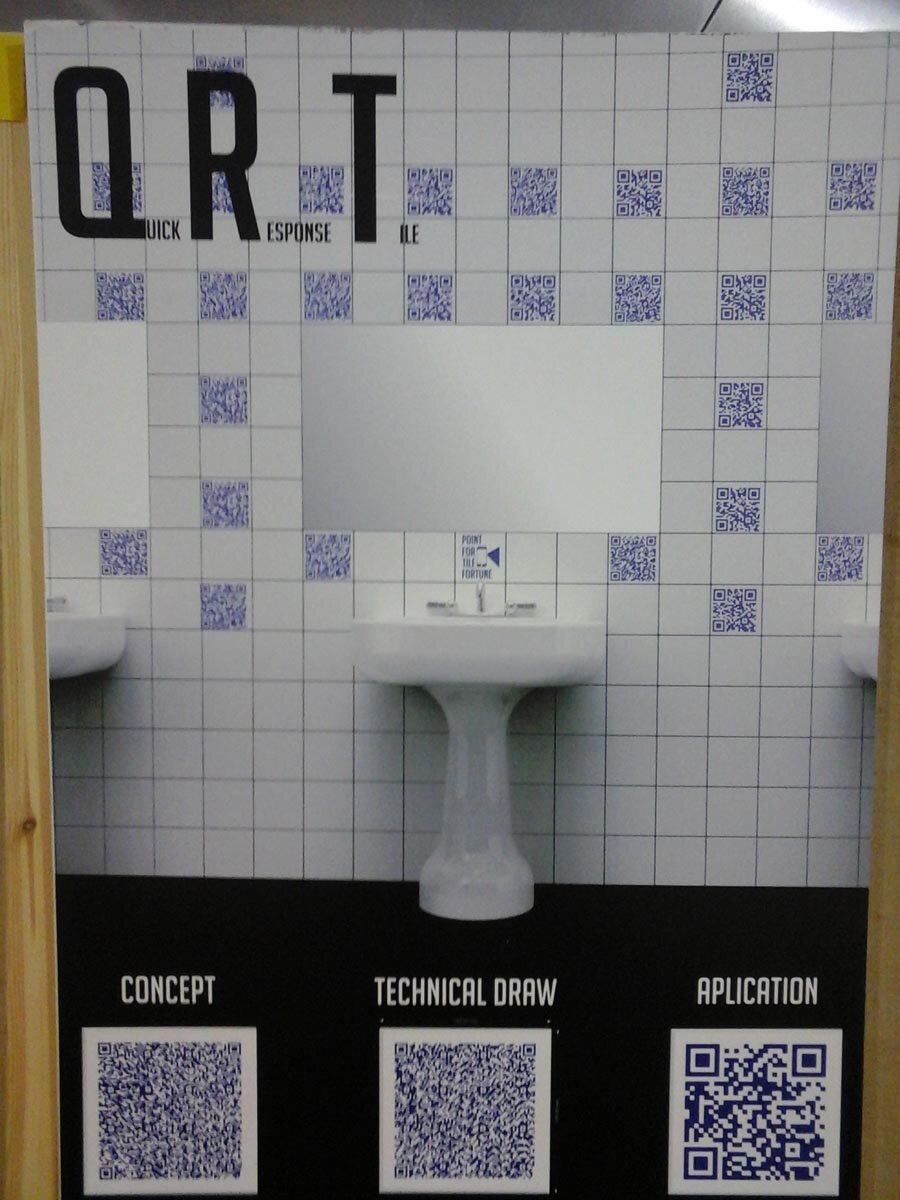
Trans-hitos Exhibition 2017
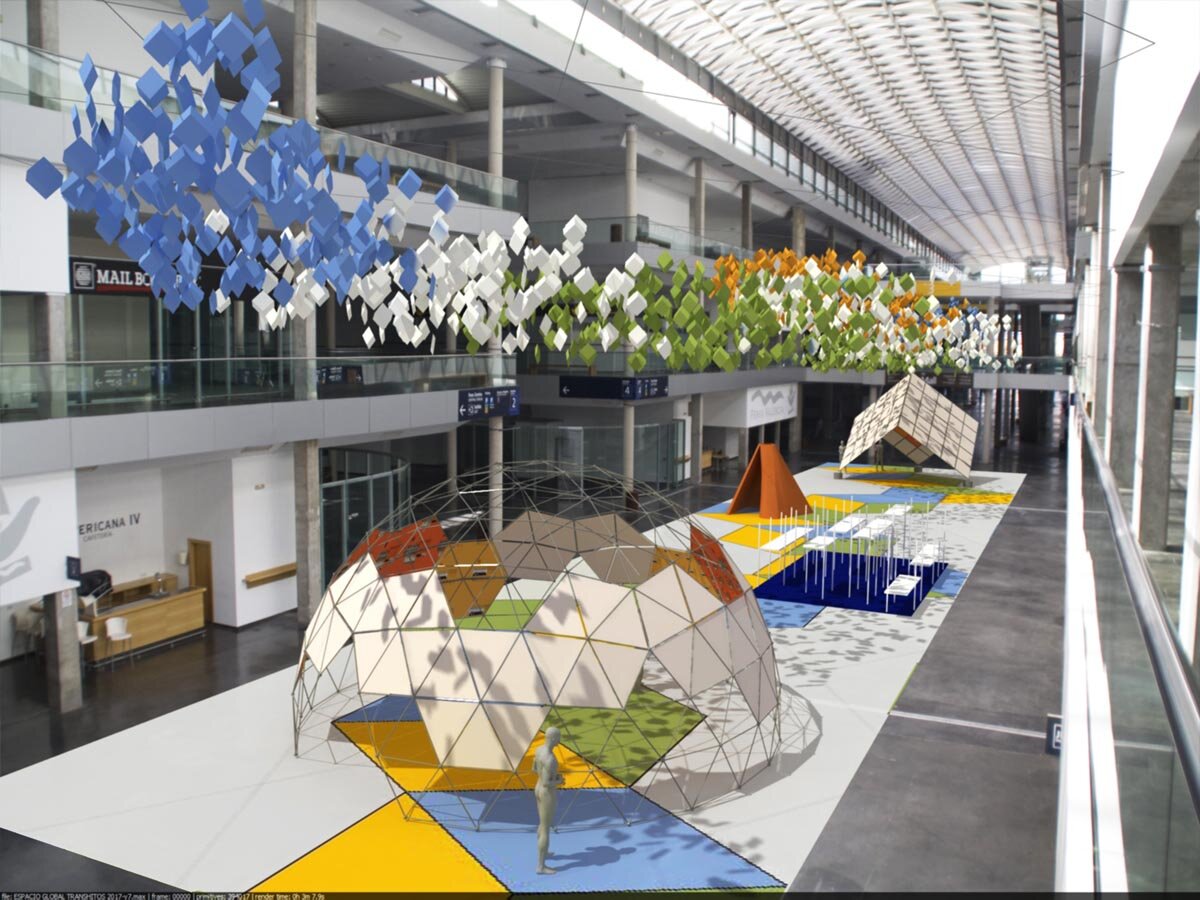
The Trans-hitos exhibition "Interactions" in the promenade of the main pavilion of Ferie Valencia was, as last year, arranged through three-dimensional structures in several sections.
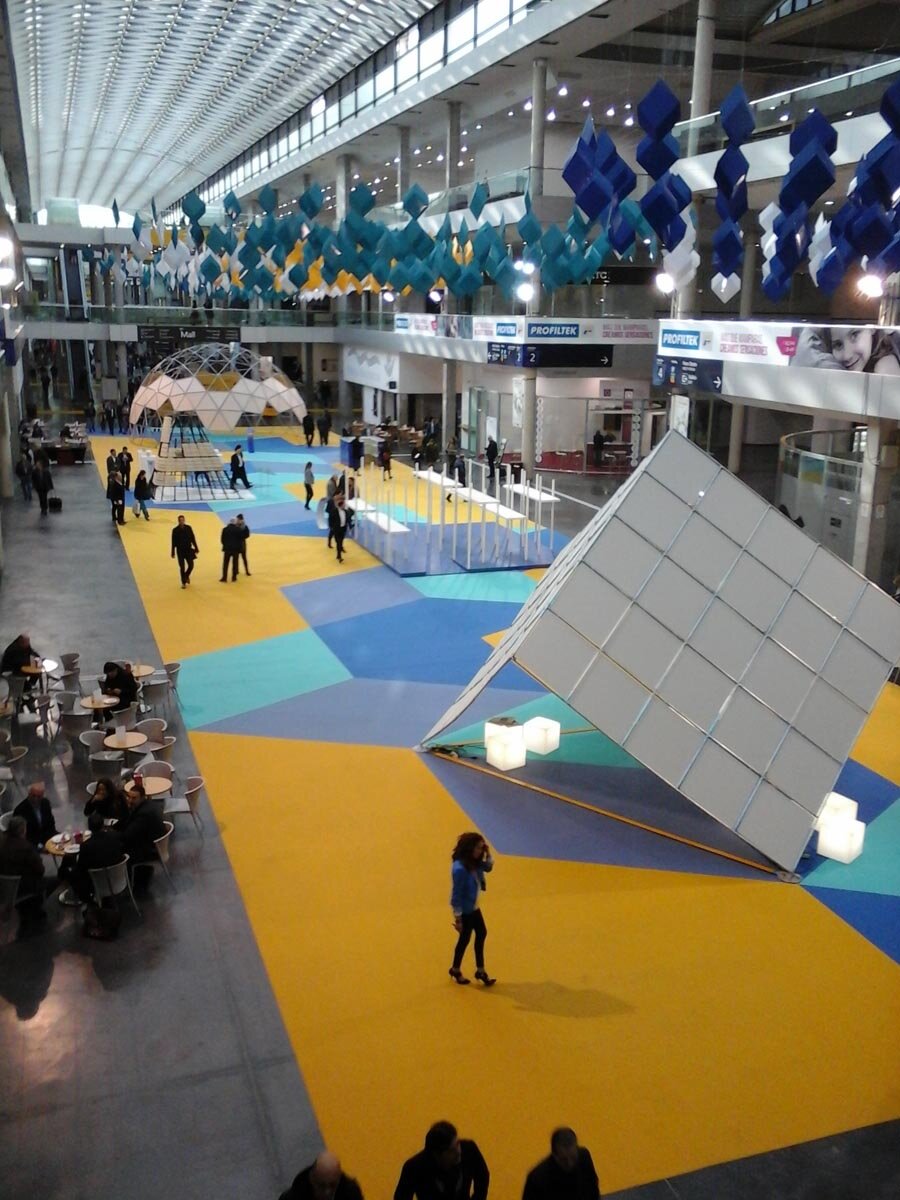
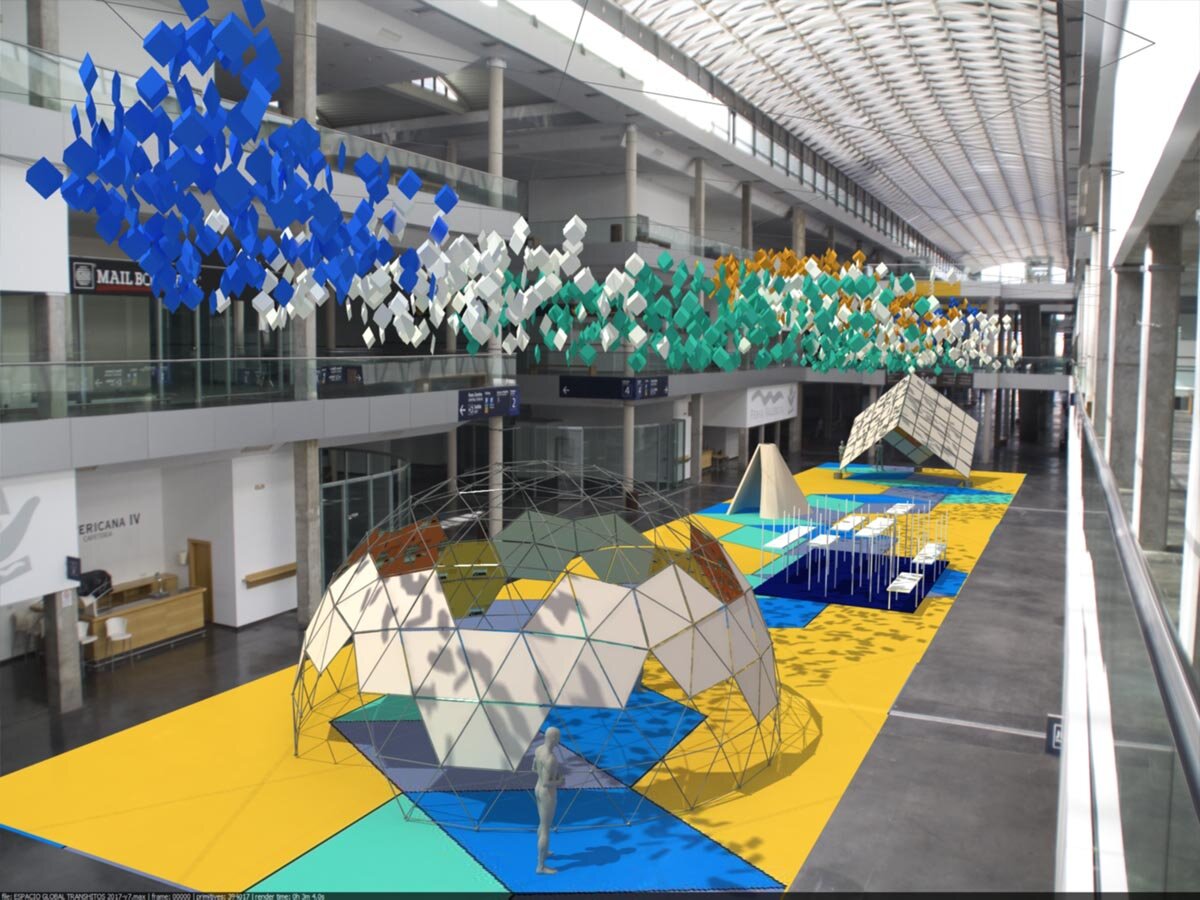


Ceramic production has successfully adapted to social and technological change, adopting forms and functions in congruence with cutting-edge technology - an example is the use of 3D printing technology in ceramic manufacturing. Diversity and creativity were presented in the four exhibition spaces as follows:
SPACE 1: Ceramics and Architecture Department Exhibition
The exhibition presents the work of students from ASCER-supported departments in the Schools of Architecture at Harvard, Liverpool, Graz, Barcelona, Barcelona, Alicante, Valencia and Madrid. The exhibition is coordinated by Víctor Echarri, coordinator of the Department of Ceramic Studies at Alicante, and researcher Roberto Yáñez. Innovative integrations of recent ceramic technologies in architecture are accessible, with a particular focus on the intense activity of the Spanish ceramic industry to invest in environmentally friendly materials, but also in new processes and uses, sustainable and energy-efficient construction, renovation of buildings and urban spaces, etc.
More info: http://www.catedraceramica.es
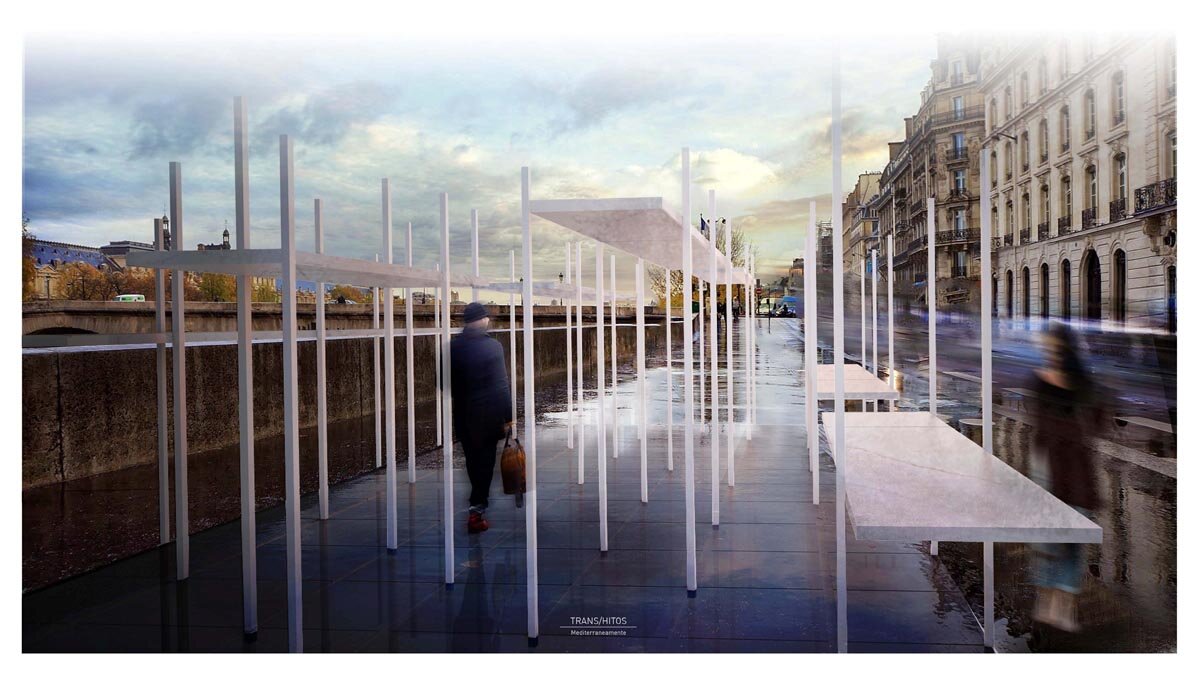
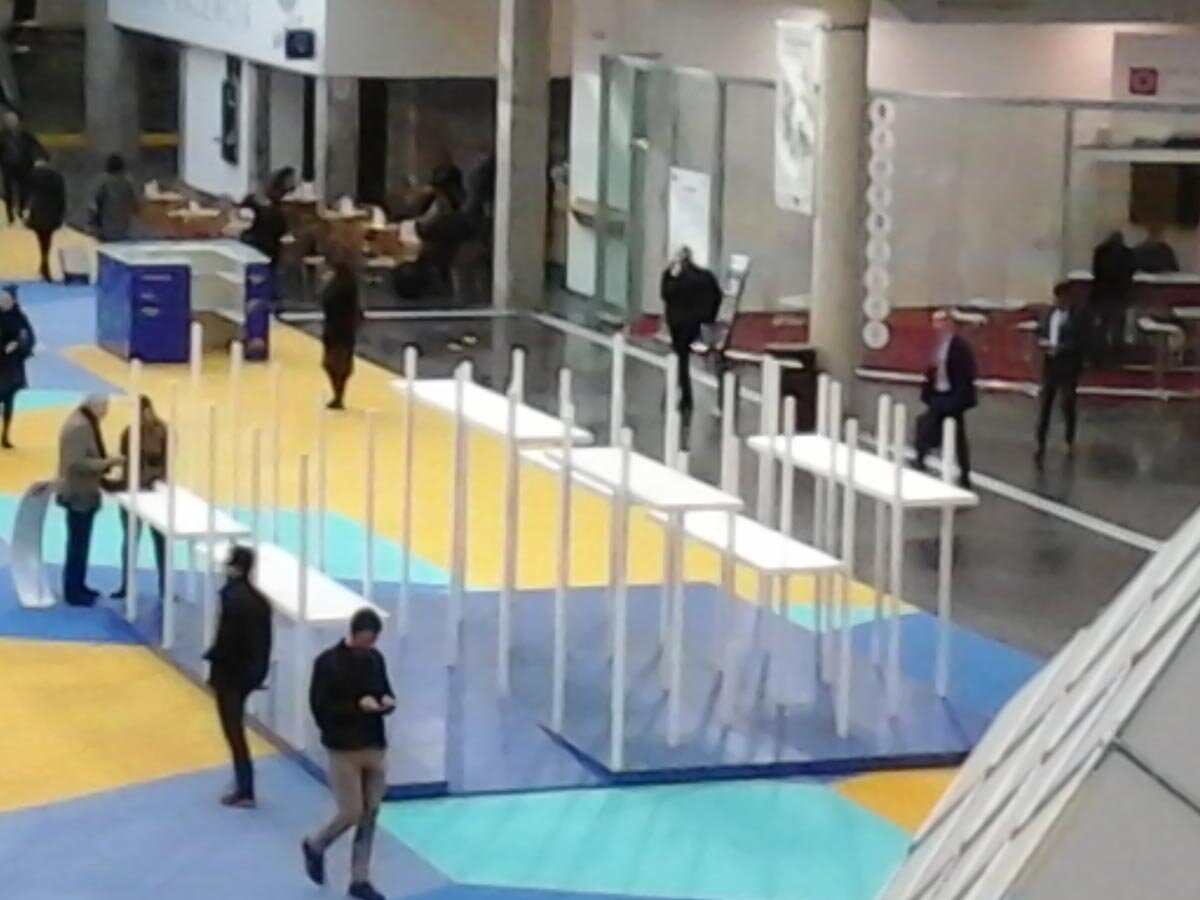
SPACE 2: "Essence". Sergio Alfonso and Vicente Picó.
The competition organized by CEVISAMA, ASCER and ITC for the design of an exhibition area of Trans-Hitos 2017 aims to encourage young interior designers and architects to promote their ideas and projects that bring ceramics to the forefront. The winners unanimously declared by the jury were the architects Sergio Alfonso and Vicente Picó with the project "Essence" for its elegant simplicity, easy construction and relevance to ephemeral architecture and last but not least for its different use of ceramic material, not as a mere covering for horizontal or vertical planes.
The authors wanted to pay tribute to the essential elements earth and water and to familiarize the public with three-dimensionally arranged ceramics.
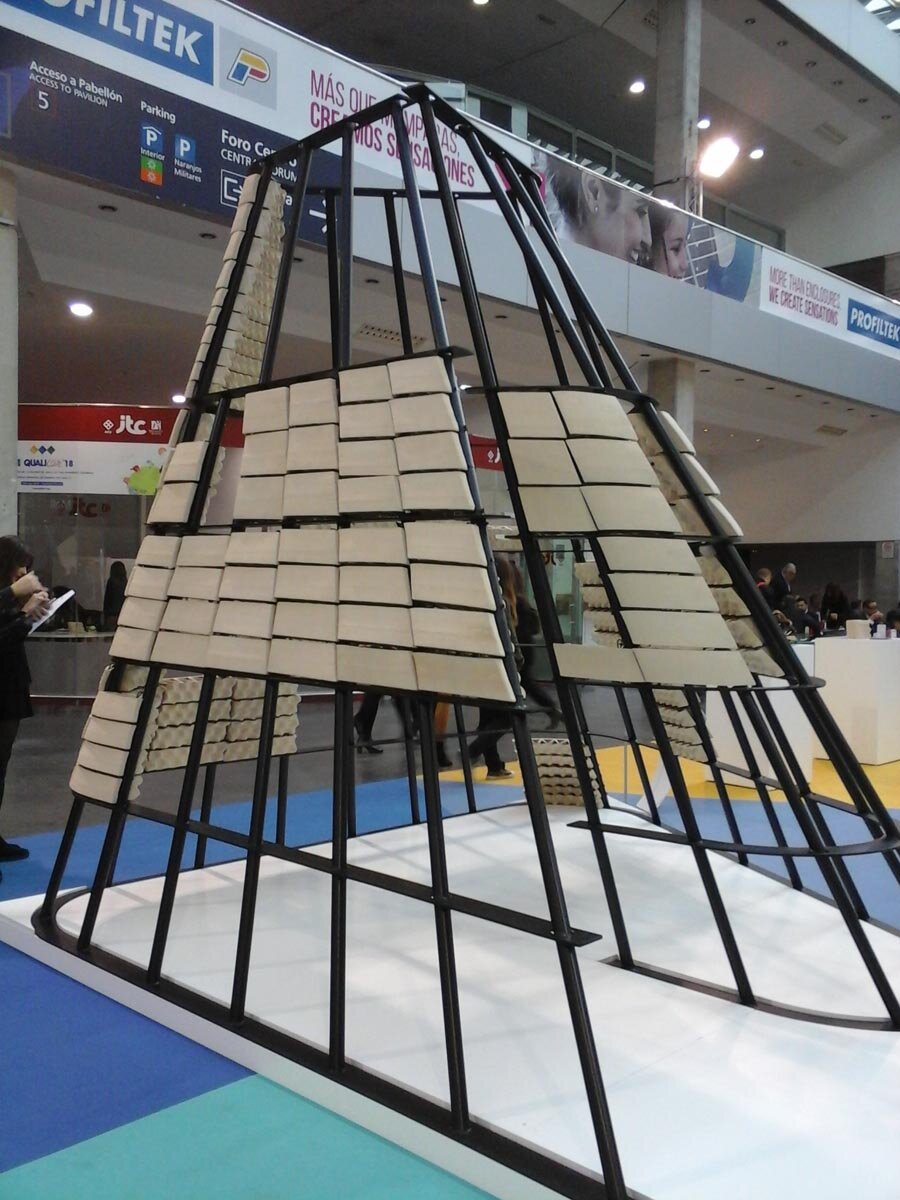
SPACE 3: University of Harvard Graduate School of Design: Ceramic Morphologie, MaP+S Project 3D Printed Ceramics
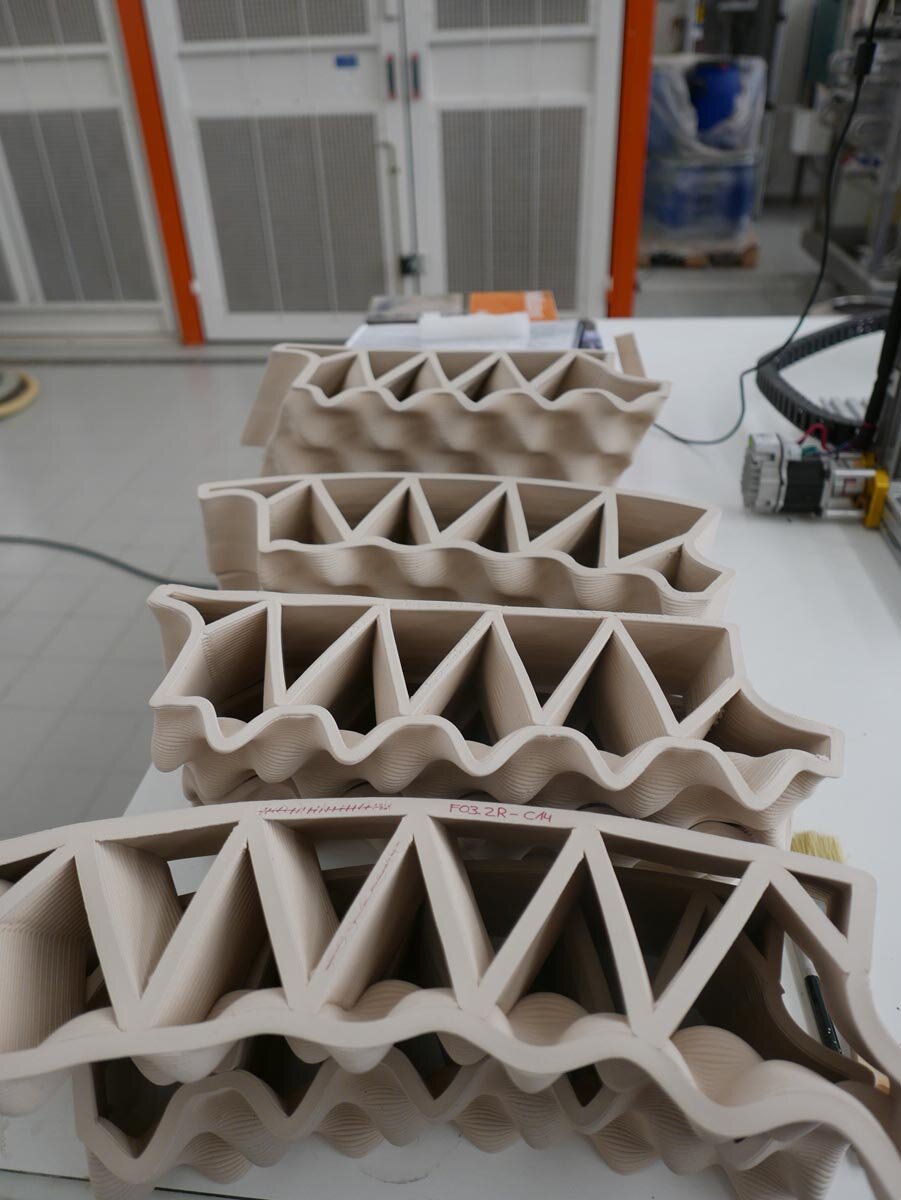
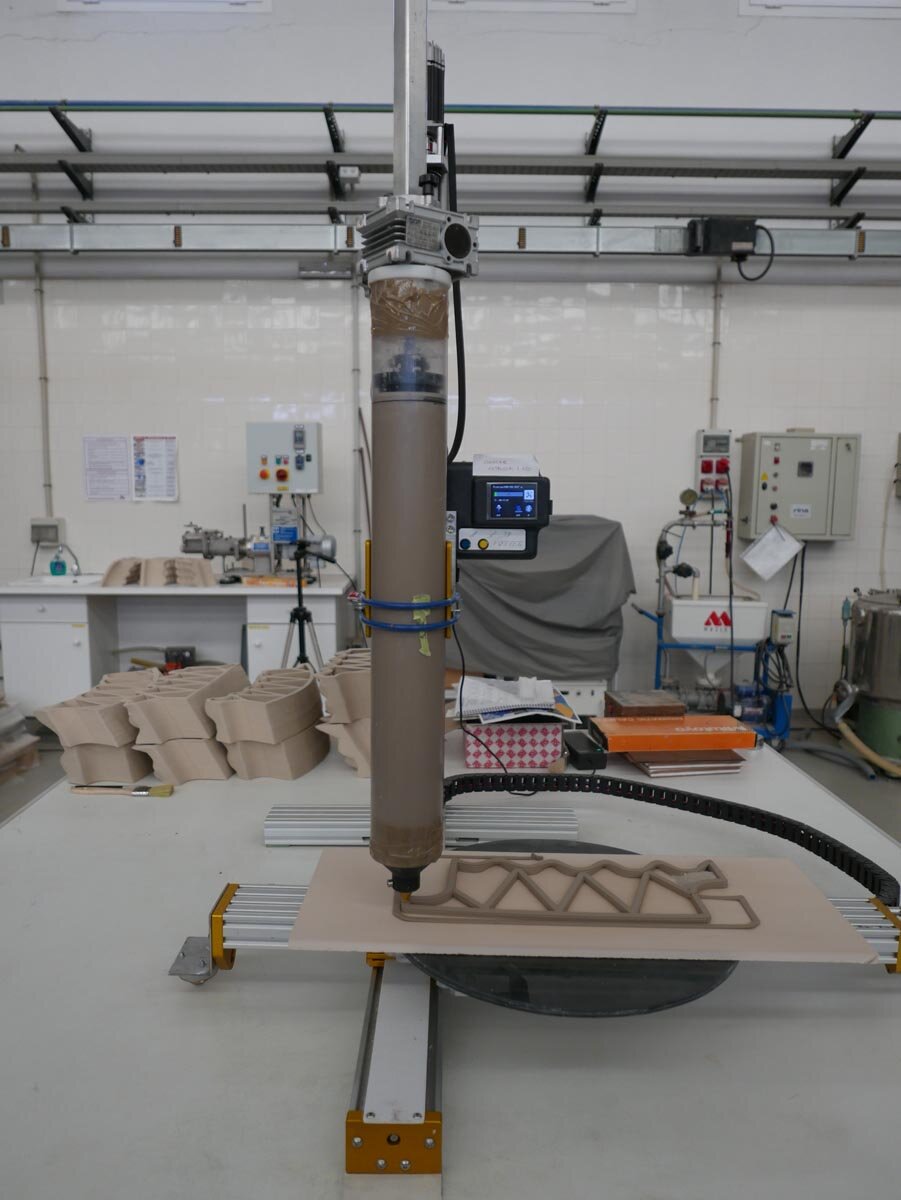
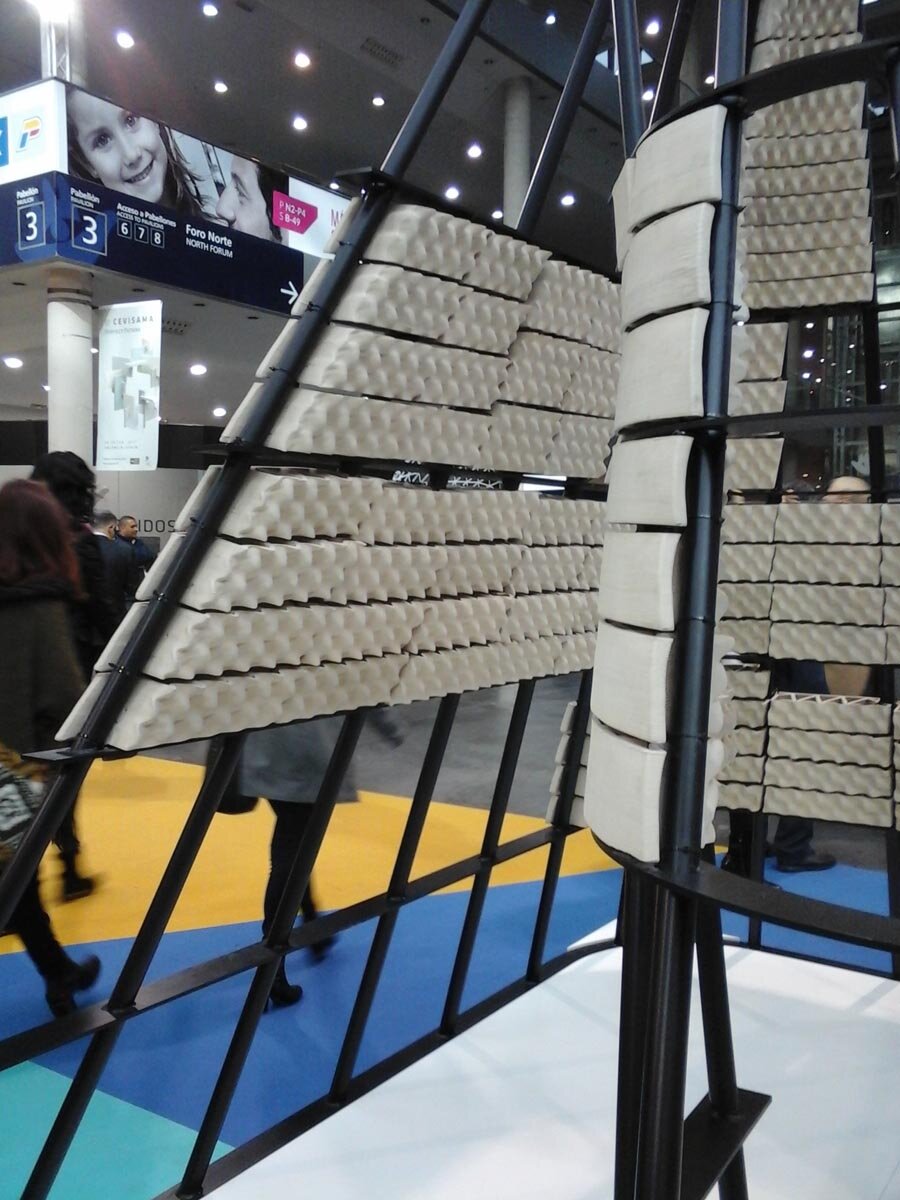
Ceramic Morphologies explores the opportunities offered to ceramics through the 3D printing strategy. The project was developed by researchers and students from the Material Processes and Systems (MaP+S) Group at Harvard University. Supplemented with input from researchers at the Institute of Ceramic Technology in Castellón, Spain, the project is a prototype for additive manufacturing of ceramic building components at industrial scale.
The pavilion is a showcase of the expressive potential of ceramics produced by 3D printing and tests the adaptation of thermodynamic heat transfer principles to 3D geometry. The form and design are products of ongoing research into the thermal performance of naturally ventilated spaces - the result of the team's collaboration with researchers Salman Craig and Matan Mayer of Harvard's Center for Green Buildings and Cities. While the exterior surface of the pavilion is smooth and uniform, the interior is intensely contoured and spatially textured. In addition to creating a unique relationship between the exterior and interior, the geometry of these undulating surfaces is related to the study of optimal dimensions for thermodynamic heat transfer. It should be noted that the shapes and surfaces of the components cannot be obtained by any 'traditional' technology.
In the space adjacent to the central promenade, where a pavilion about 3 m high was on display, visitors could watch the 3D manufacturing of various ceramic components of the experimental pavilion during the opening of the fair.
SPACE 4: 15th ASCER Awards for Ceramics in Architecture and Design
The ASCER awards are traditionally structured in three categories: architecture, interior design and diploma projects.
Architecture Category
Award:
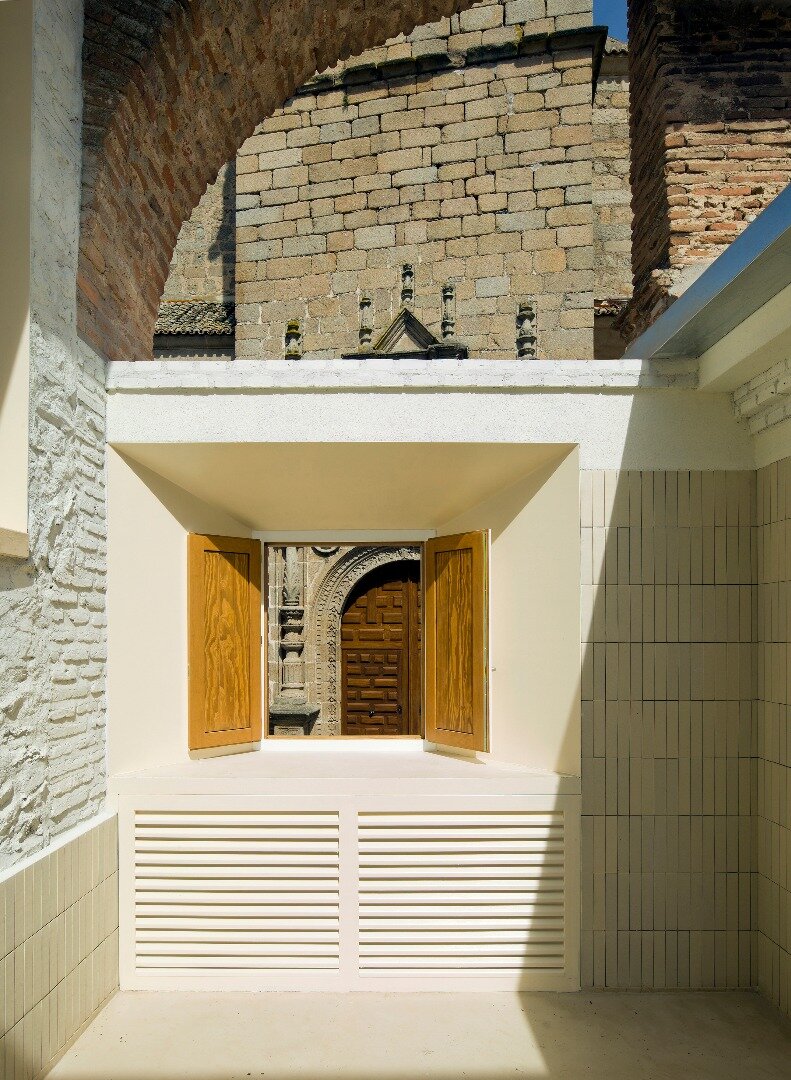
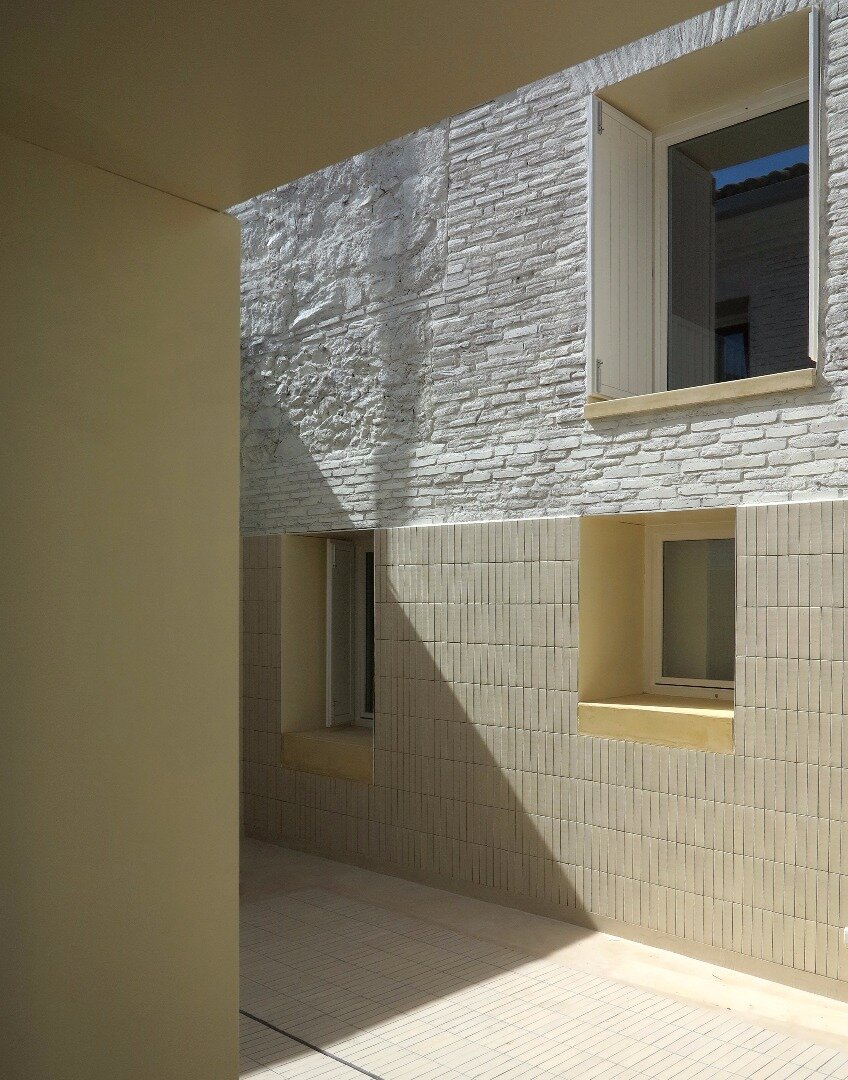
Project "Two dwellings in Oropesa", author: Paredes Pedrosa Arquitectos
The jury appreciated the exceptional quality of the highly precise architectural intervention in a complex historical site with an appropriate and measured use of ceramic material.
Special Mention:
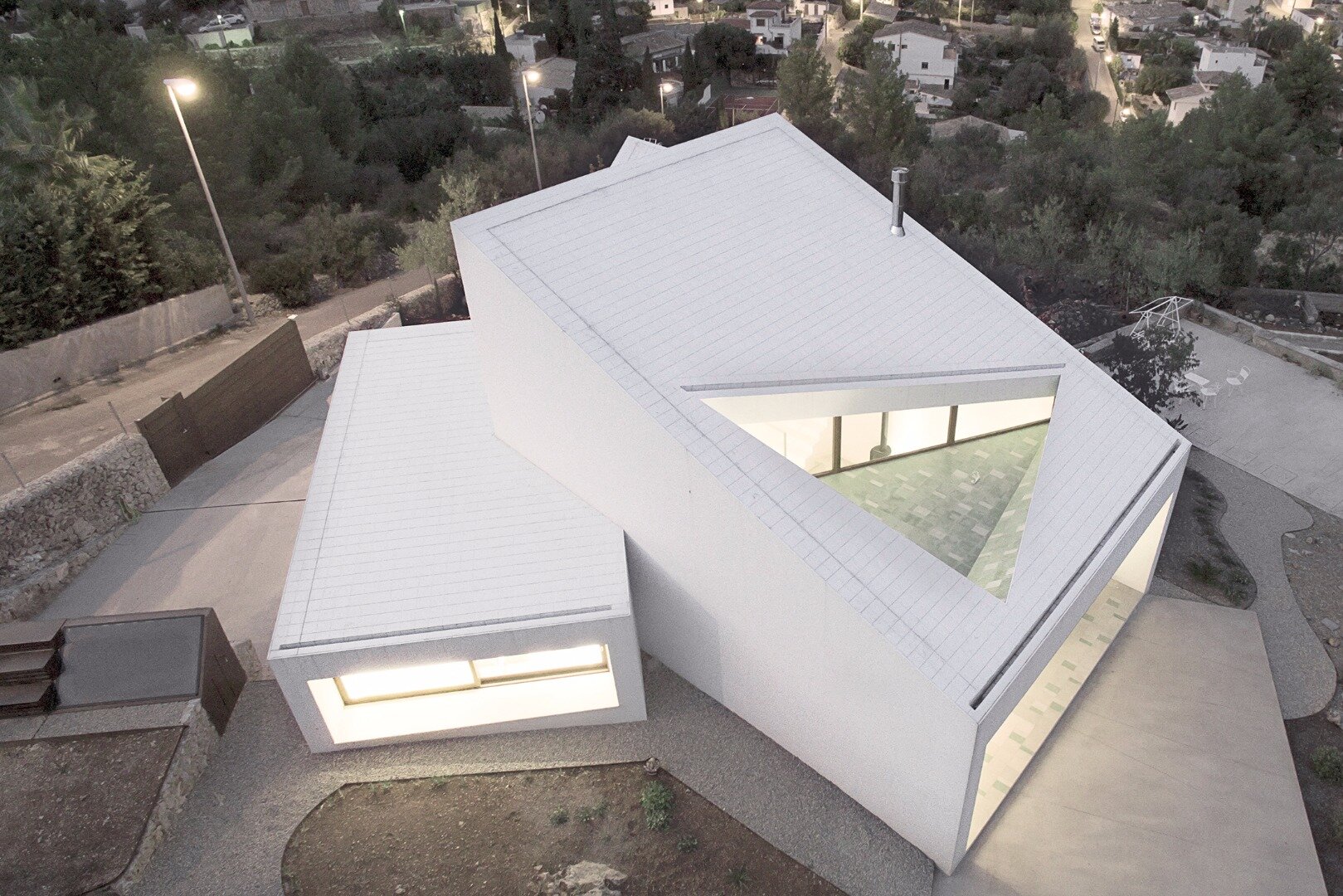
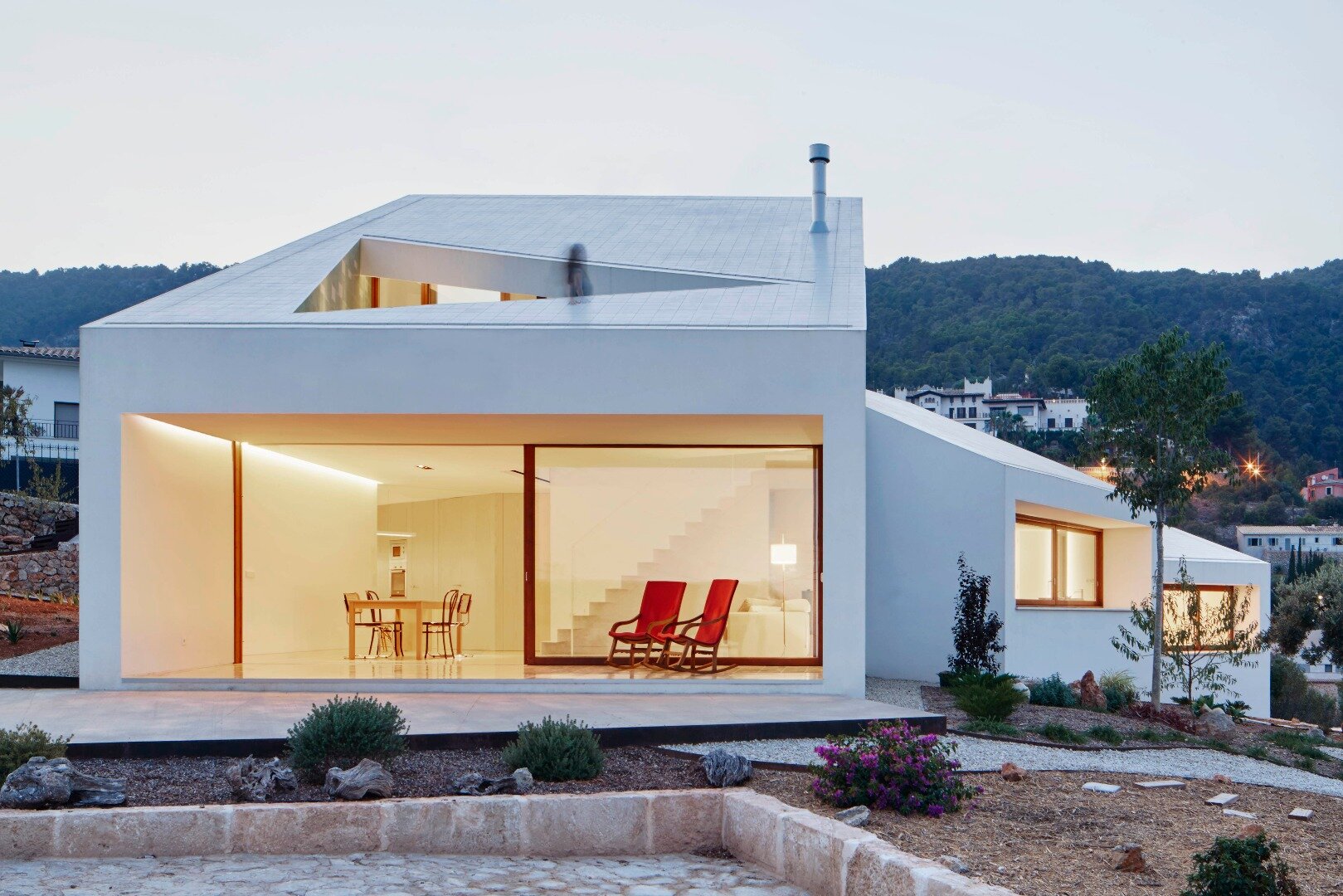
Project "Casa MM", Palma de Mallorca, author: OhLab
The jury recognized the commitment to sustainable architecture (single-family passive house) and the quality use of ceramic surfaces.
Interior design category
Award:
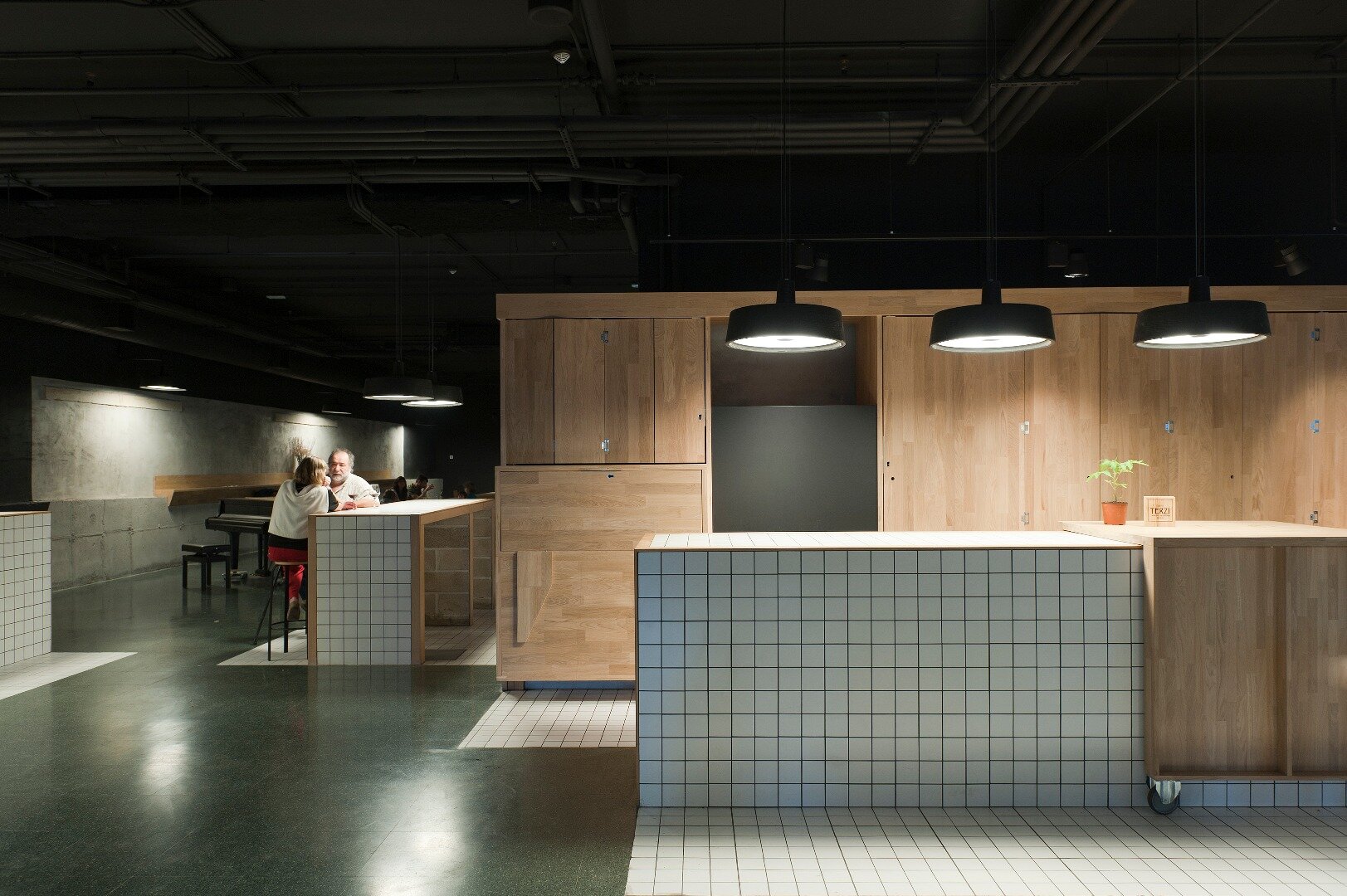
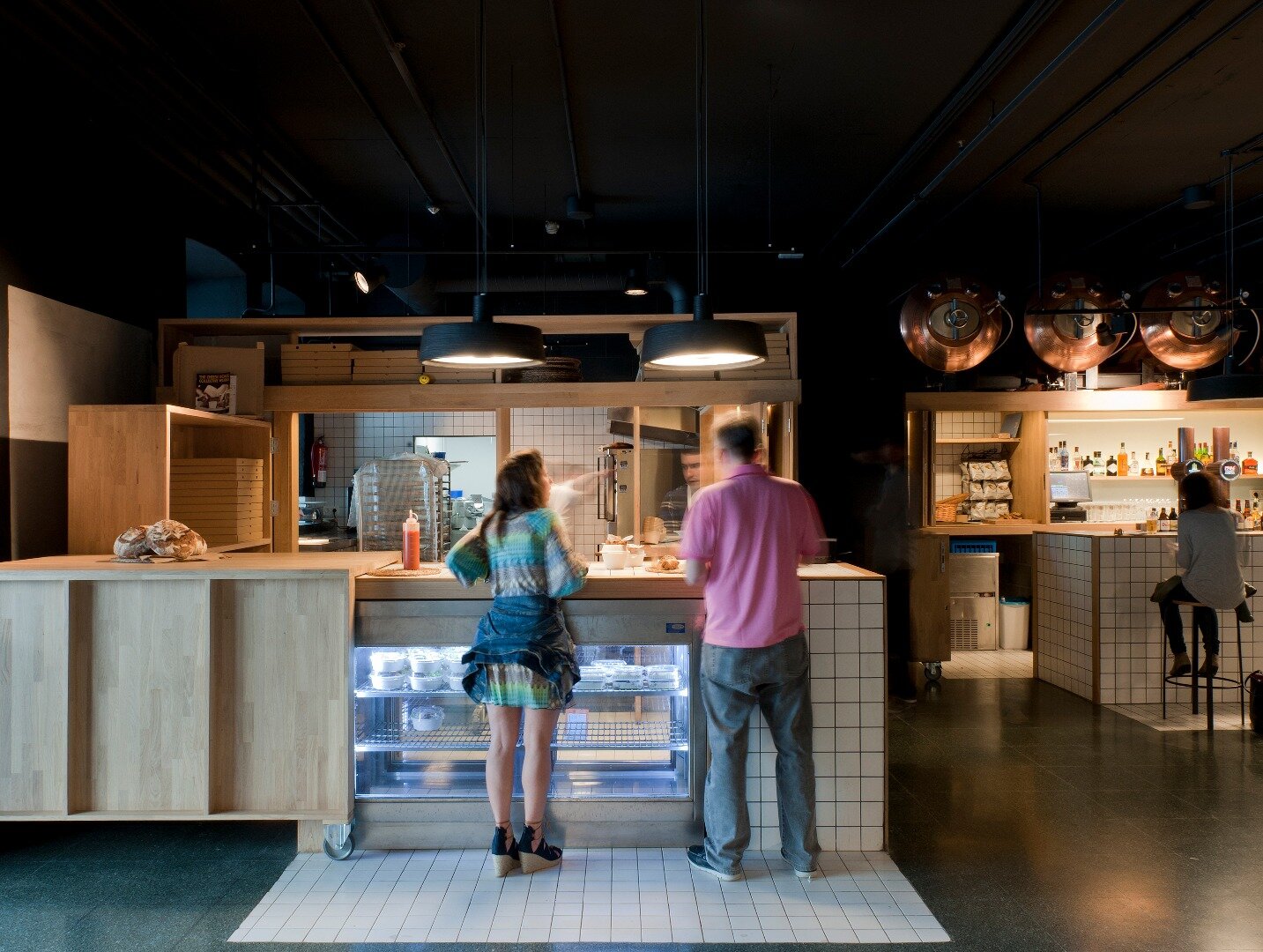
Project "TABA espazioa", San Sebastián, author: Ibón Salaberria
The jury praised the balanced dialog of the materials, with ceramics used intelligently to create a contemporary space.
Special Mention:
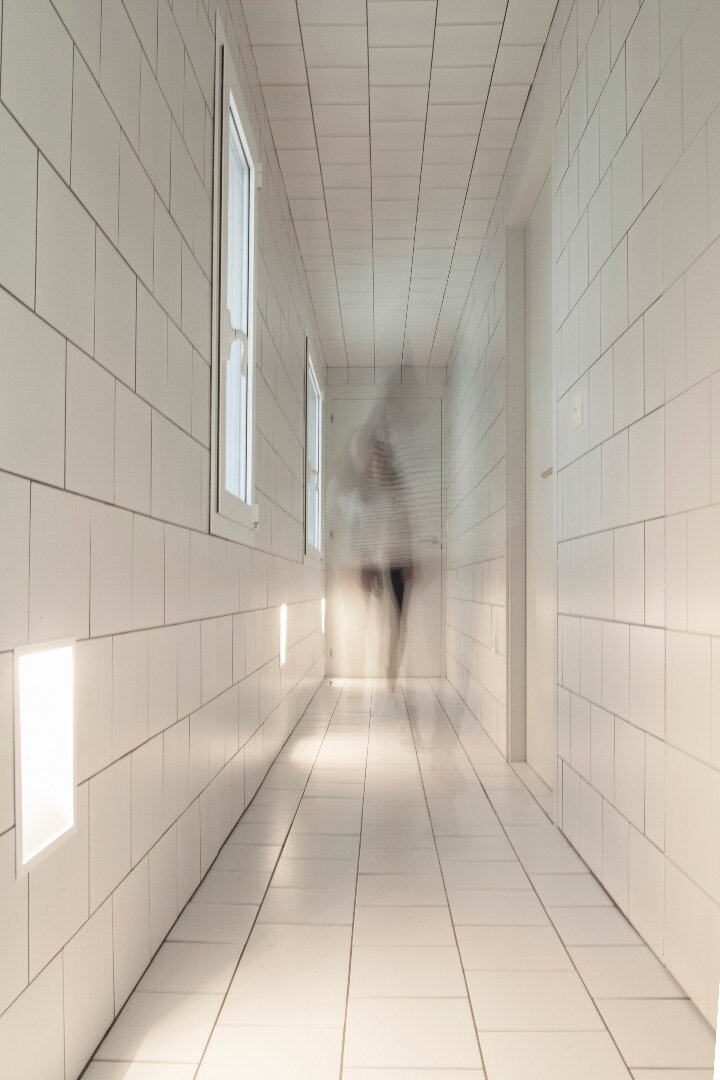
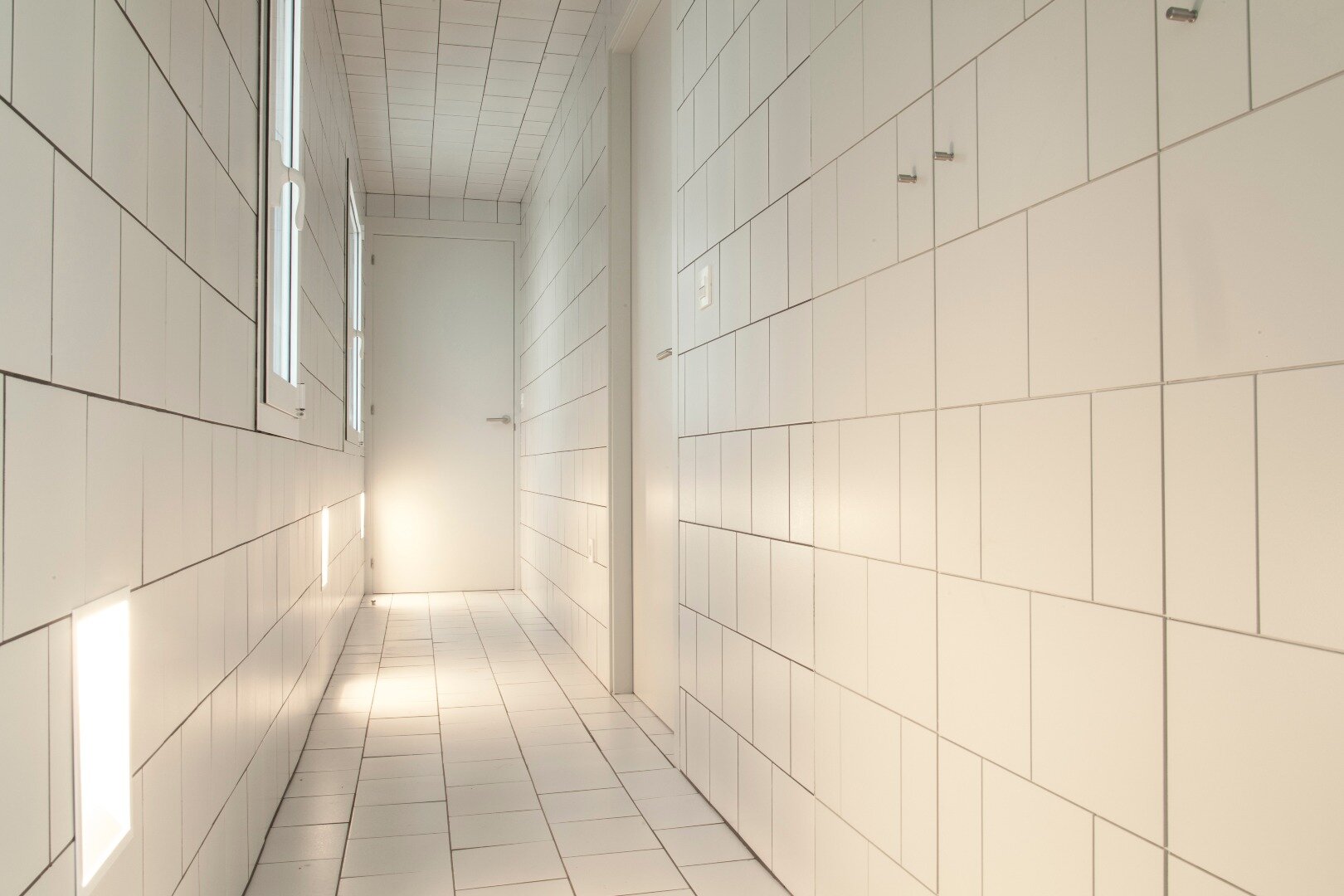
Project "Casa#77", Pamplona, author: Raúl Montero Martínez and Emilio Pardo Rivacoba
The use of ceramics in a dwelling with a special partition, marking the circulation between the day and night areas of the apartment with a complete covering.
Diploma Project Category
Prize:
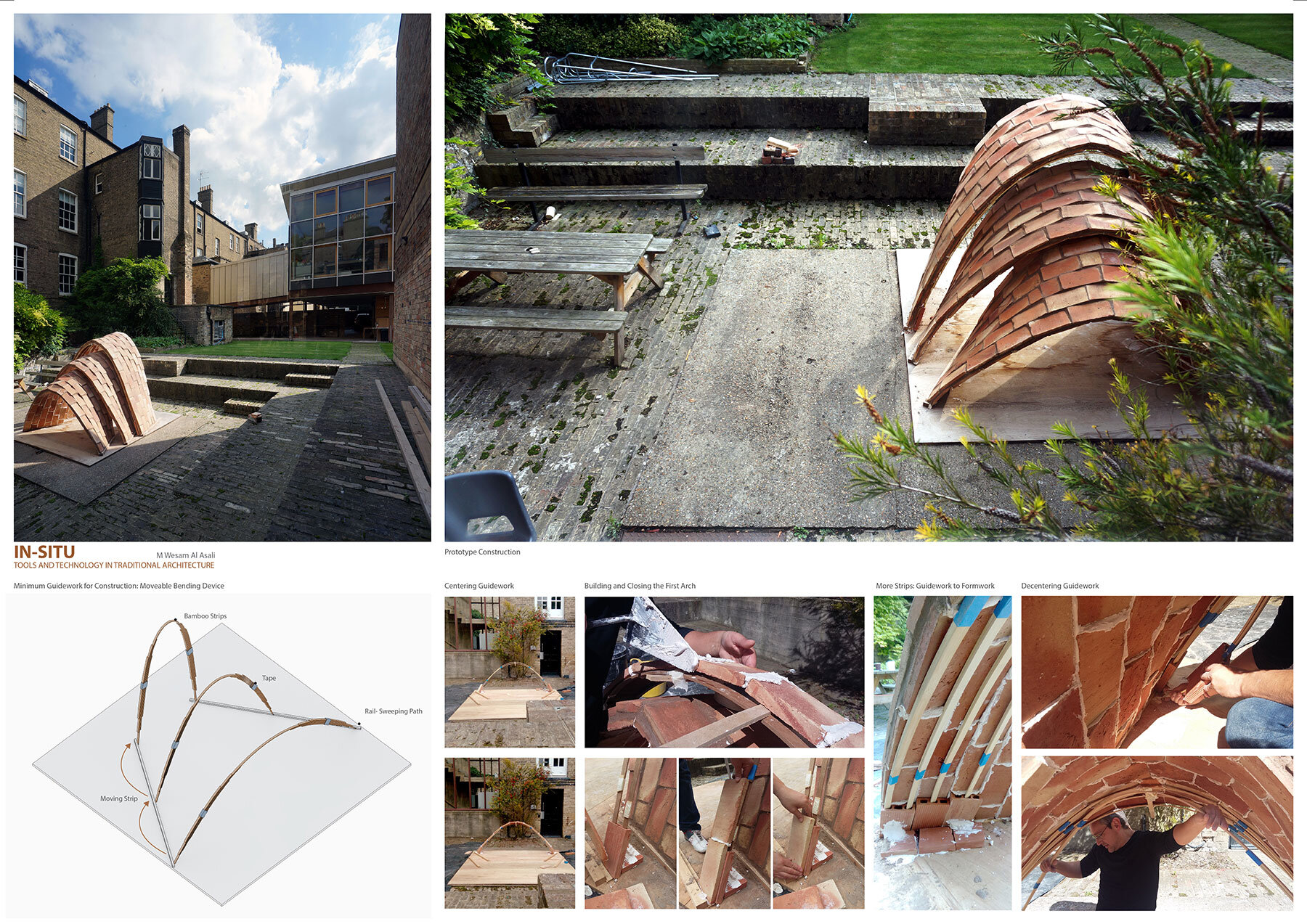
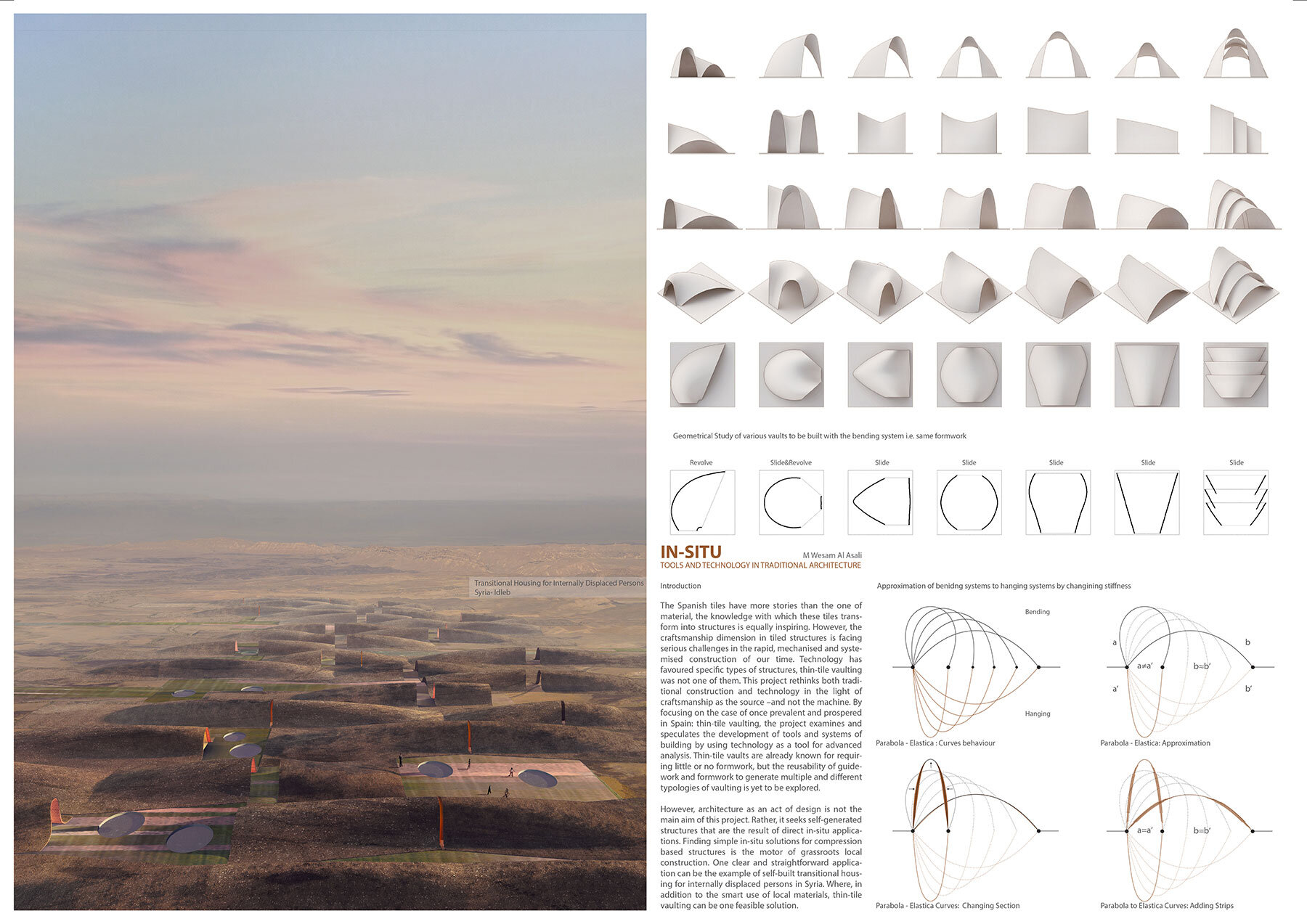
Project "In Situ: Tools and Technology in Traditional Architecture, author: M Wesam Al Asali
The jury noted that a single ceramic material has been used to create a building system that is beneficial in function and location and adds value to the landscape.
Special Mention:
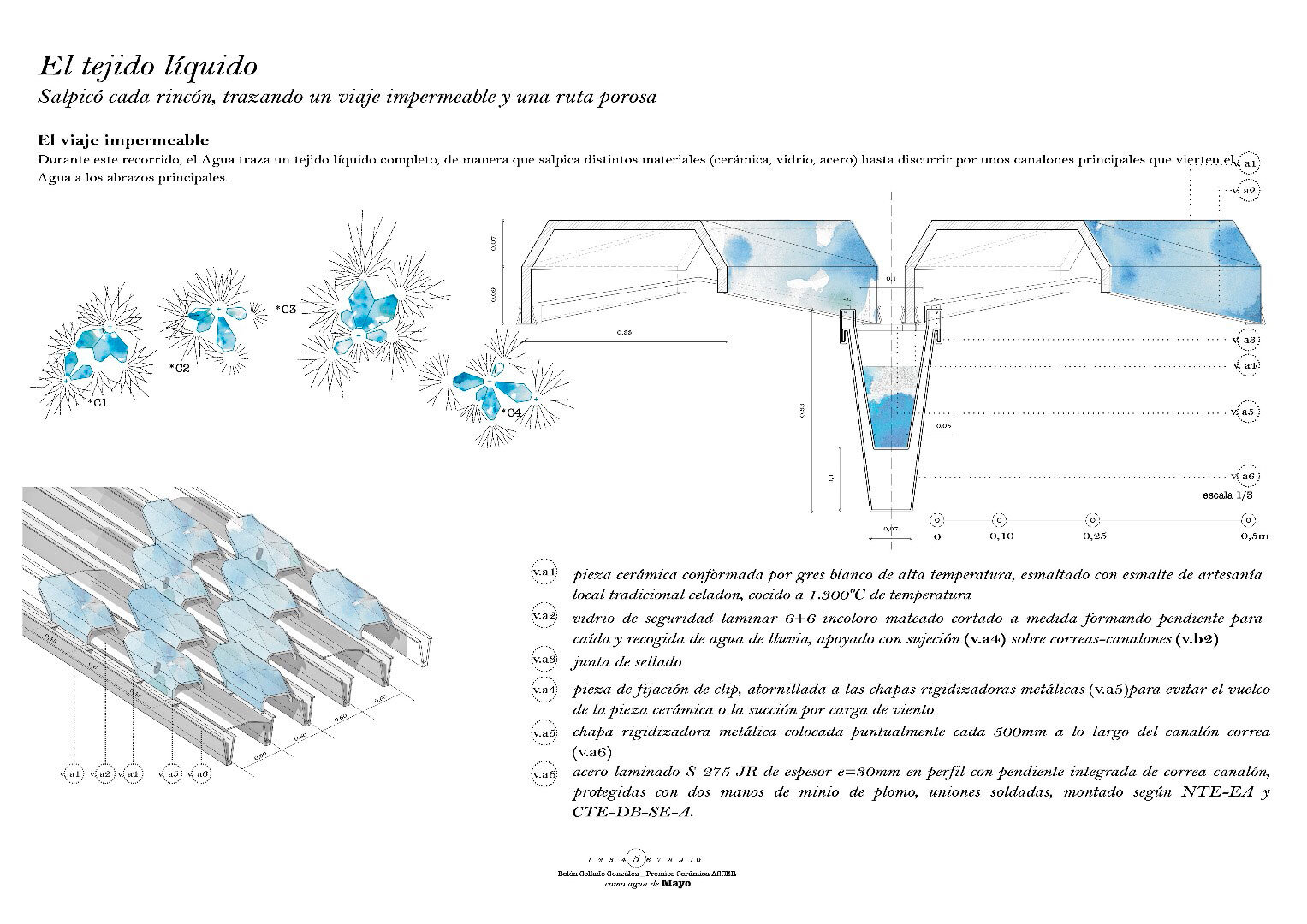
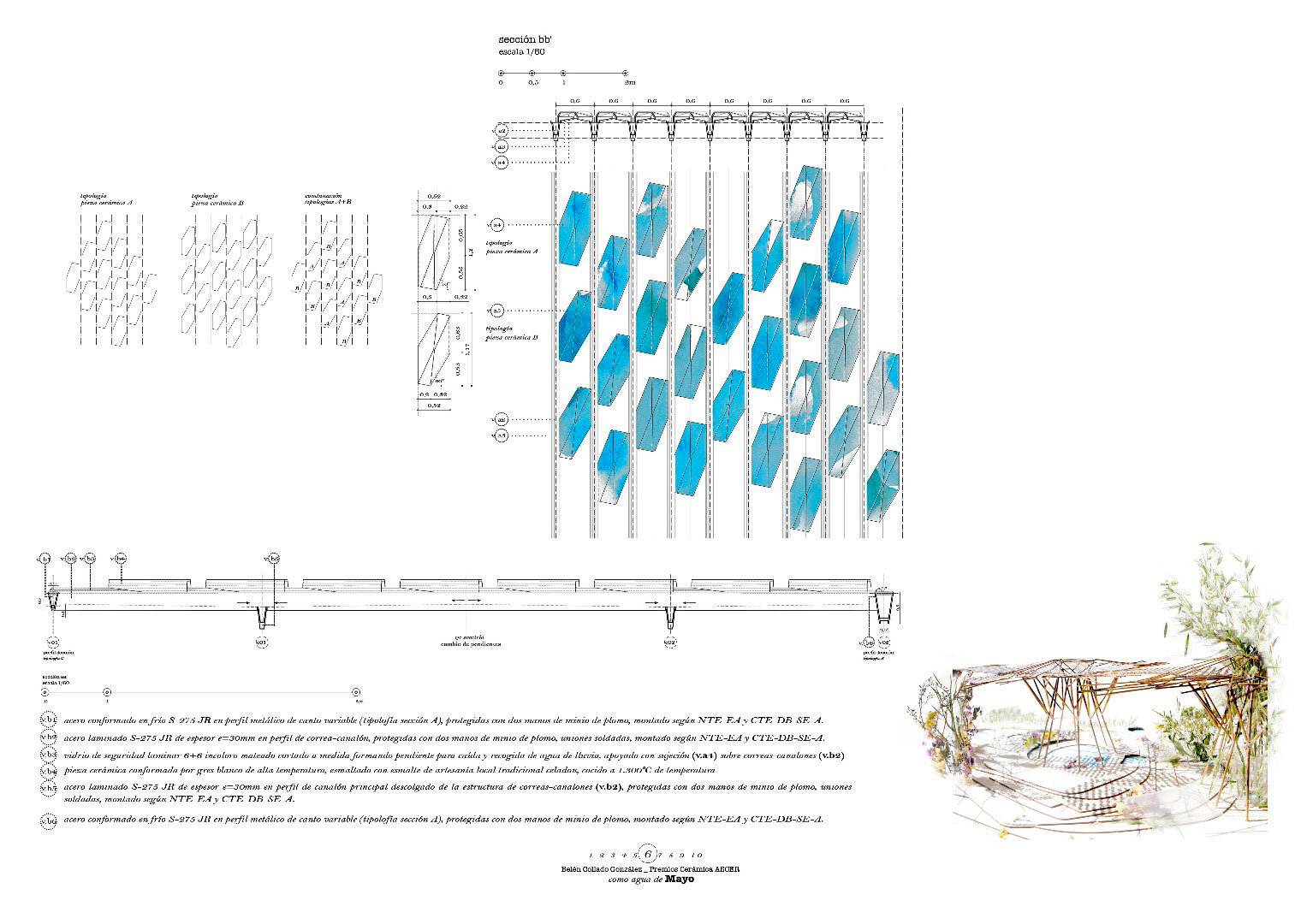
Project "Como agua de mayo", author: Belén Collado González
The jury noted the plasticity and sensitivity of the use of the ceramic material.
More information: www.premiosceramica.com.