
Circa 1703-3071 "It shimmers in waves, it is fruity, it makes and breaks fortune, it expands, but also clarifies..."
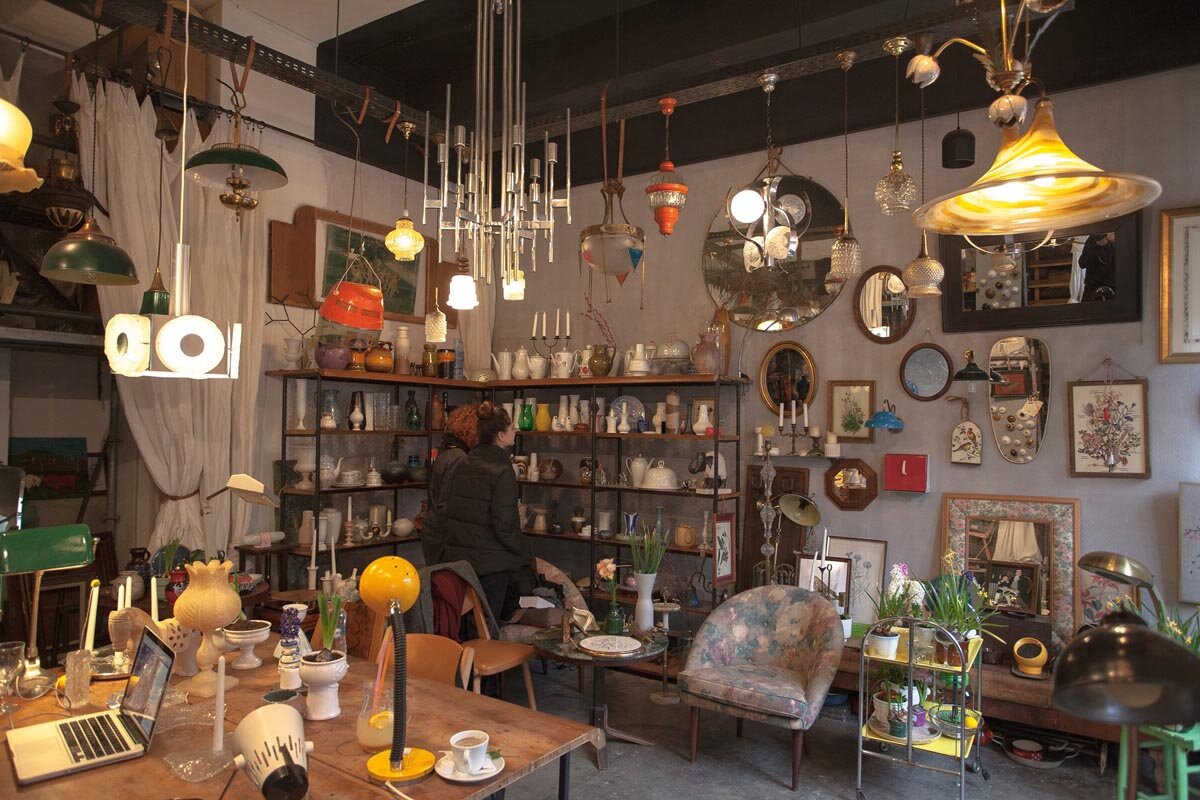
ἅπτω in Greek means touch. That's where the word haptic comes from. Haptic perception refers to the process of recognizing things by touch. Thanks to an interview with Laura Paraschiv we discover a unique place in Bucharest - Circa 1703-3071.
Simina Stan: Can you emotionally map the interior of Circa 1703-3071? What are the borders, the poles, the territories? Can you draw me a map?
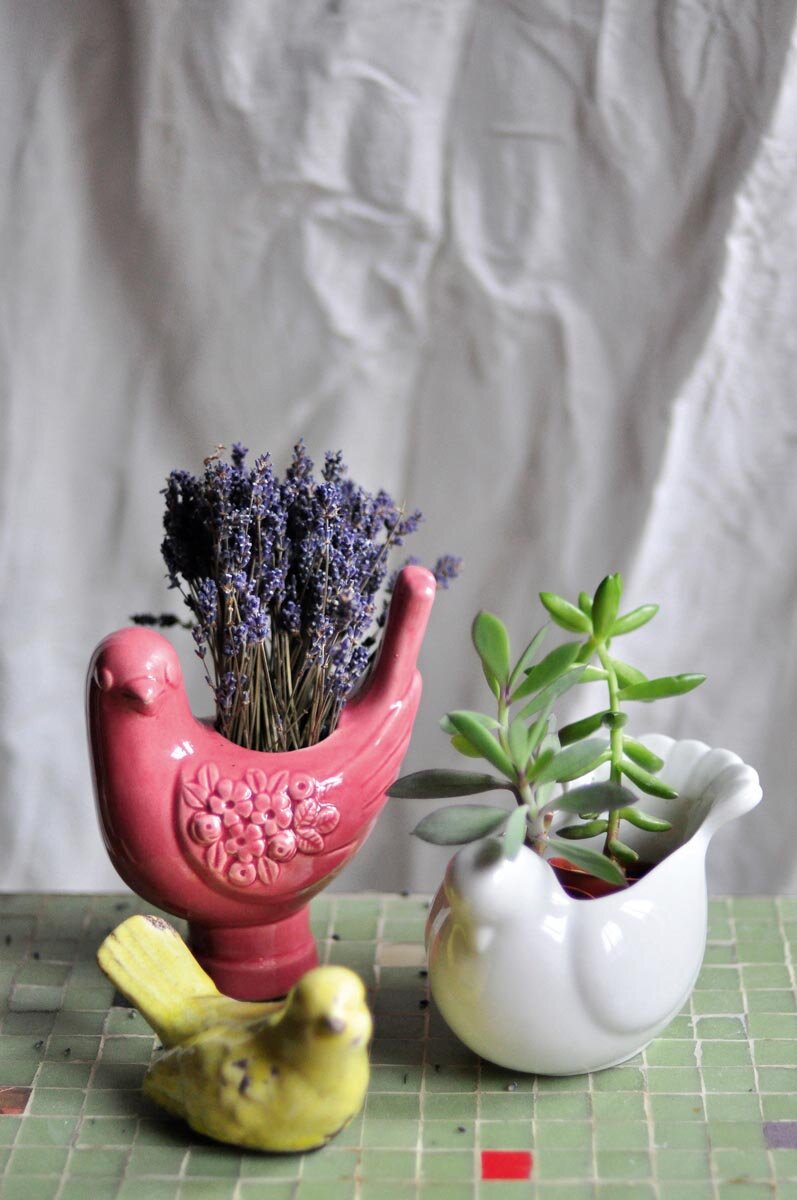
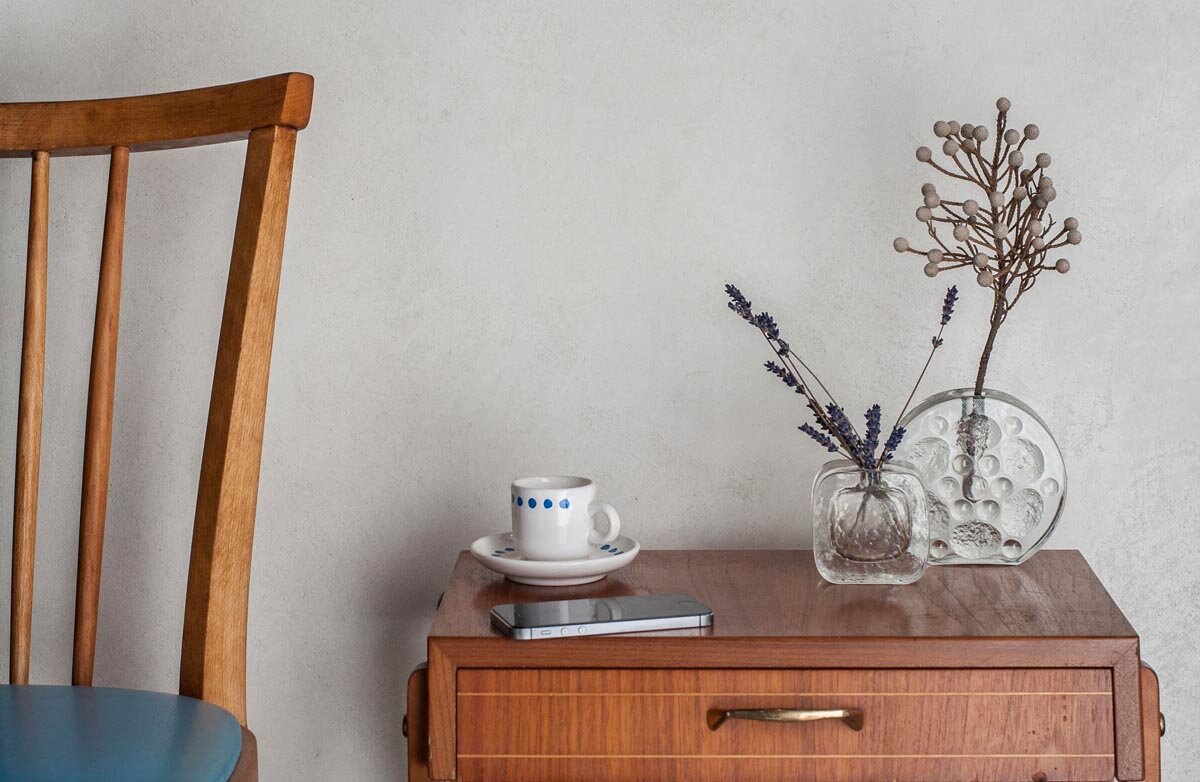
Laura Paraschiv: Difficult question. Circa 1703-3071 is, in fact, a mini universe populated by beautiful objects that arouse admiration, that bring smiles to those who discover them, objects rescued and reinvented - with ingenuity and as a positive gesture for the environment - for new uses, atypical objects that arouse curiosity. It's a privileged space for creativity, condensed with extremely different ideas, shapes, textures, colors. It could also be called a highly personal mini-museum dedicated to design, but unlike a museum, here objects can be touched, bought and then change other interiors.
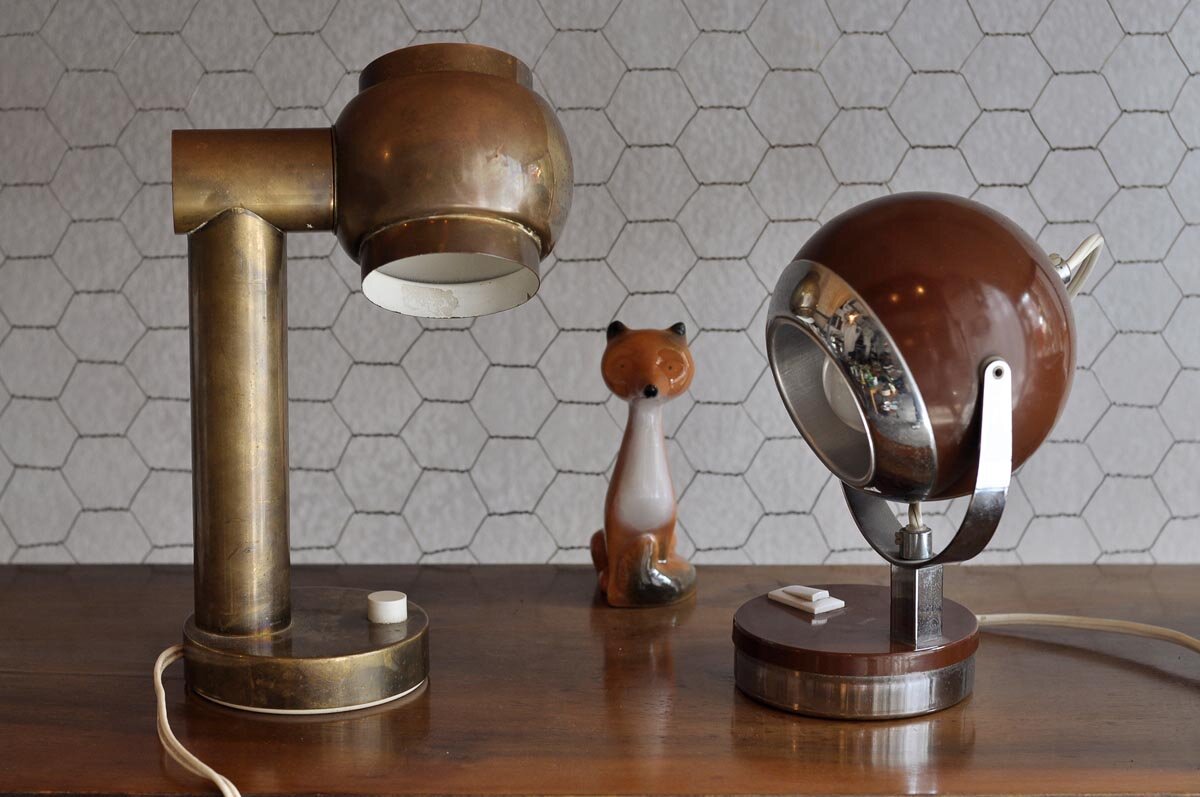
The boundaries are extremely porous, perhaps the clearest would be the spatial ones and those related to my promise to bring objects produced since 1703 that have the potential to last long into the future (3071). Otherwise, it's an ever-changing universe, I'm always trying to find aesthetic correlates or stories for groups of objects that come from different temporal or cultural spaces, for example: special ceramics, pastel-colored desk lamps previously used in industrial spaces, objects with a futuristic feel, toys, selection of vintage goblins with fabulous building interiors, etc.
It's a territory where those who come can make discoveries, learn something new about design, but also a place to laugh a lot, listen to music, chat and sometimes dance. When visitors to my universe leave delighted and with the perfect item for themselves or their friends, then I'm very happy.
S.S.: Do you have any idea how many objects there are?
L.P.: Yes and no. The management program shows me that there are 596 items for sale as I answer these questions. Add to that about 13 "memorabilia items" and probably 15 that are still on the borderline between being sold and being kept for two projects I'm working on at the moment.
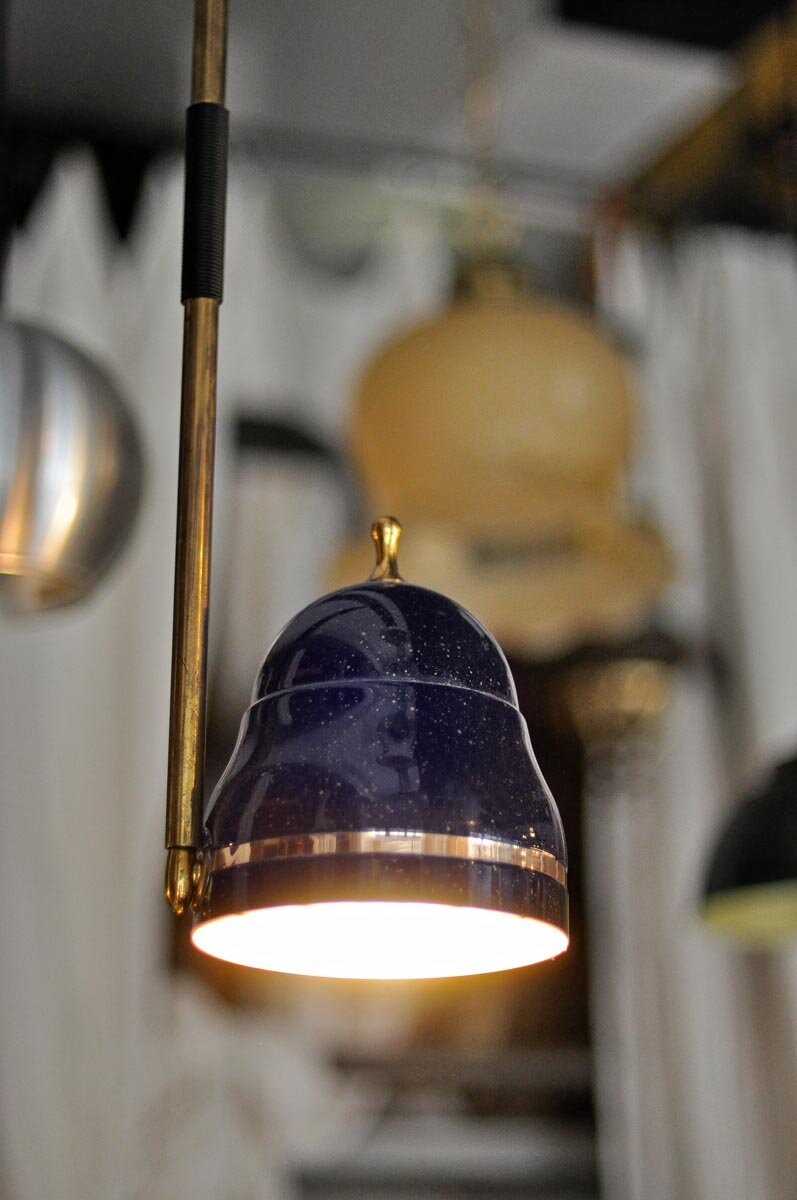
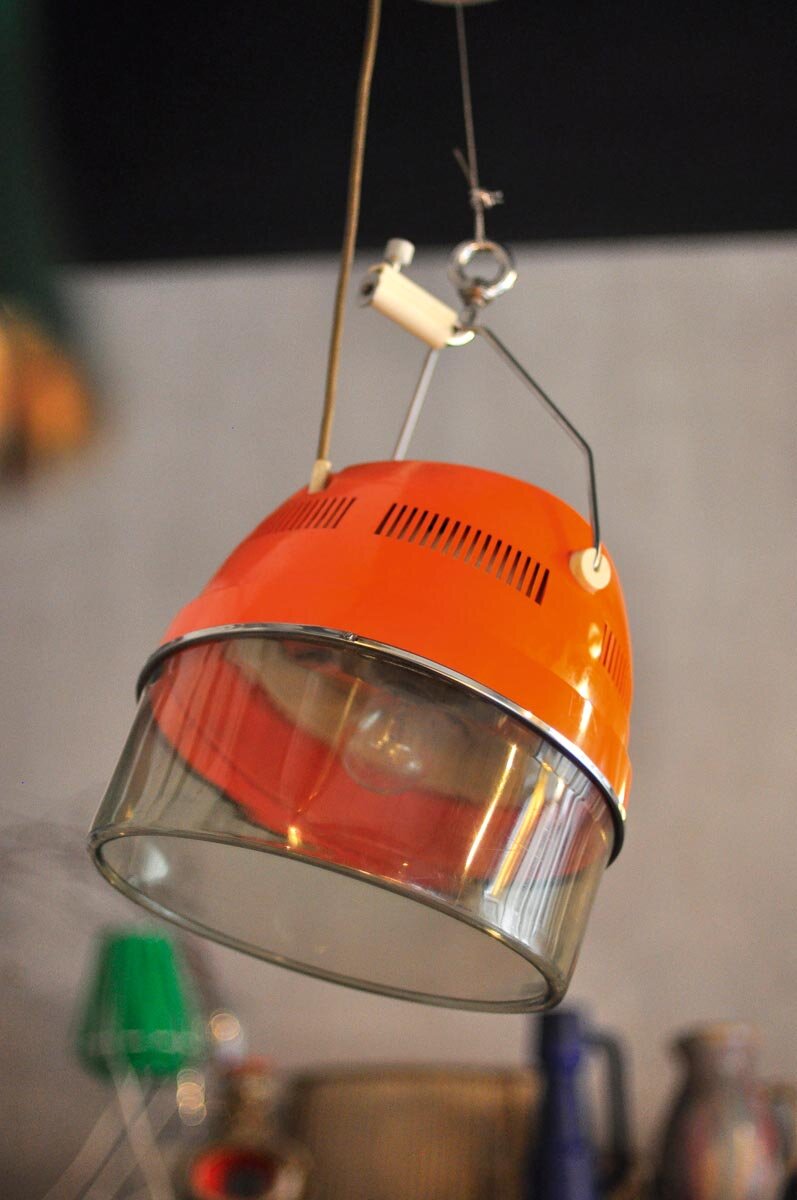
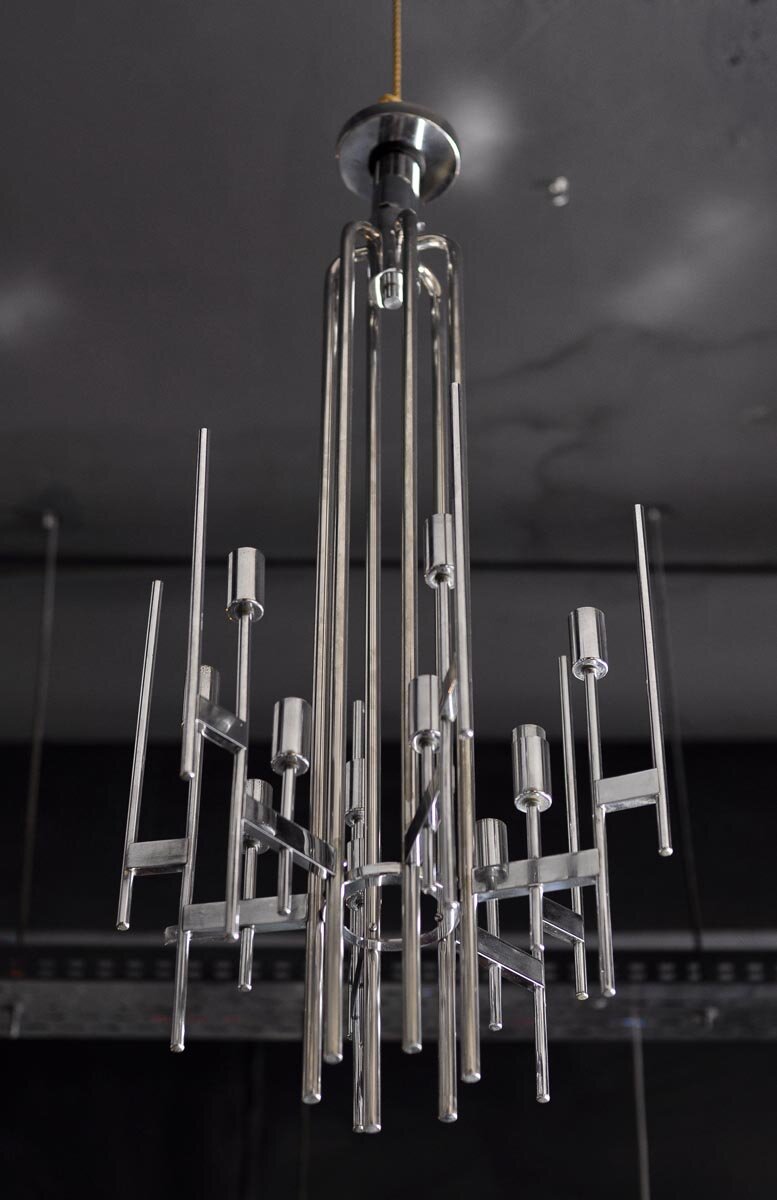
Ahhh, there are also about 100 other items (mostly in the lighting source category) that will shortly be turned into another 25 new fixtures. I will soon be parting with some of these lights as they will be making their way to Paris to set up a small cafe.
S.S.: How do you find them? How do they find you?
L.P.: Very rarely do they find you. It would be wonderful if objects came to me out of nowhere. We'd all sit and wait for them to flow with objects, possibly exactly the ones you need at that moment.
Objects are searched for, you go looking for them, you pick up other objects lying on the surface to find the ones you want, some objects mentally join with others to get the "object", some objects literally dismember themselves to get the "object", some objects need some context to be "objects".
S.S.: Did you do anything unusual to come into their possession?
L.P.: No, if you do something for pleasure, then it can't be "unusual". I haven't bullied anyone in the race for the best objects, I haven't vandalized spaces. And I'm not going to.
I haven't disguised myself as a fantastical animal to get my hands on a particular item, I haven't brought a locker on my bicycle, nor have I chartered a sailboat to bring an item from across seas and countries, but it's not time wasted. Among the memorable sacrifices is a moment that comes quickly to mind: two years ago I closely scrutinized, in painful positions, for several hours the wonders of a dark bridge that also proved to be extremely rickety, much to my horror and that of the owner. Fortunately the adventure ended well.
For some people it might be unusual the time, energy and perseverance they invest in this passion, but it energizes me.
S.S: Do you spend much time in between?
L.P.: Obviously. Having this hobby, I actually spend my time switching back and forth between the objects in the shop-studio and at home. Even when I'm out of the country for a longer period of time, I try to create my own mini-universe in the space I temporarily occupy.
S.S: What are your recommendations?
L.P.: I wouldn't recommend a specific object. Any recommendation depends on many aspects that I try to understand quickly.
But I can recommend choosing objects that you really enjoy having around, admiring and using. I recommend not putting off for too long the purchase of an object that you have seen during the day and that comes to mind before going to bed, and I would not neglect to surround yourself with things that make you smile when you fall on them.
In the same way, I recommend listening to your intuition, but also to be discerning when choosing an object, especially if that object is 'trendy' and can wear out quickly. And if it has become clear over time that your aesthetic choices have not been the happiest, I strongly recommend that you seek the help of specialized people (architects, interior designers, etc.). It can be a very good long-term investment.
S.S: The fundamental objects?
L.P.: I think the fundamental objects are those that give you psychological comfort. And starting from this premise, we all have our own more restricted or exhaustive list. For me the quality of light is very important, maybe that's why I have a weakness for lighting fixtures.
S.S: What would you take in your emergency kit?
L.P.: That's the hardest question you can ask a man who surrounds himself only with things he likes. I think I would go out of my way to design a house in the shape of an emergency kit. A big house with a red cross on it. And then, you'd be surprised, I wouldn't fill it with objects, but with very dear people. Anyway, I still think I'd furnish it.
S.S: Objects you would never give away?
L.P.: I'm circumspect when it comes to definitive situations. I am a man of countless doubts and can be very capricious. There are certainly objects that I would never sell, but that I could give to loved ones in a certain context.
S.S: Your oldest object?
L.P.: Circa 1821. January.
S.S: What's the latest?
L.P.: A desk lamp with a round metal 'eyeball' shade; it's yellow and has a flexible chrome arm, circa 1975.
S.S: How do you choose them? Is there an instinctive algorithm?
L.P.: If I really think about the process of searching and acquiring, I realize that I'm actually drawn to objects that can bring a certain mood or atmosphere to a place.
I'm really drawn to eclectic interiors and the mix & match approach for objects that don't seem to match perfectly, but when put together in the right context, exude incredible energy. The biggest challenge is to find the balance between different styles, colors, textures, materials, so that in the end I get an interesting interior with personality without being chaotic and too busy. I believe that every found object, put as it is or completely transformed in design or function, has a definite role to play in the 'grand finale'.
Even instinctive choices, however, are based on some very clear selection criteria: proportion, color, memorable details or ingenious and well-executed joining solutions.
S.S: Was it a difficult project to find this place at 50 rue 11 Iunie?
L.P.: No, finding this site is what generated and subsequently accelerated the CIRCA 1703-3071 project. I have always liked industrial spaces, I think they have the greatest potential to become, through functional conversion, true energy centers for any city. Most of them are strategically located in the city, and Bucharest has a huge potential in this respect: old factories and industrial areas are very well connected to public transportation networks, so that workers can easily find their way to... work.
I am saddened by every industrial platform that is completely destroyed to make way for new buildings, often of dubious architectural quality to say the least, and I am happy to see punctual initiatives every time. In the long term, I think it is the best investment a city can "profit" from. A few positive examples: Halele Carol, where a series of events and exhibitions have been organized and the architect Cristian Corvin has designed the Expirat Club; the Bucharest Cotton Factory where, on the initiative of architects Tamina Lolev and Florin Cobuz, the NOD makerspace creative community center has been developed and, last but not least, the former Universul Printing House, transformed by PZP architects into a dynamic hub for creative industries.
S.S: Is Circa 1703-3071 a dream come true? A therapy? An income?
L.P.: Circa 1703-3071 will be a dream come true when it becomes both a therapy and a source of income that allows me to focus exclusively on the shop. It is a dream that I am working on with open eyes and a lot of confidence.
Ioana Pârvan: Do your customers know that when they buy something from Circa, they leave with a piece of you?
L.P.: I have no doubt. Attachment to the objects chosen to land at Circa 1703-3071 is one of my vulnerabilities; but also a strength, because it is a signal to shoppers that they are choosing the objects in the store with great care. But I hope that the satisfaction of having or giving away what I like very much will make them appreciate even more the choice they have made by coming to Circa 1703-3071.
Ioana Pârvan: You're always careful who you sell to, do you think so far the right item has gone to the right person?
L.P.: Yes, I am certain, with two exceptions. This question reminds me of "The Soup Nazi" episode of the Seinfeld sitcom.
Sometimes I can be super stubborn and even obnoxious when I'm convinced that something doesn't work for a certain interior or when something is perfect.
Anca Cioarec: Are there spaces (familiar houses, public spaces, friends' houses, imaginary houses) where you dream of certain objects ending up?
L.P.: The first impulse was to start a list of names of architects whose projects fascinate me (Luis Barragán, Lina Bo Bardi, Carlo Mollino, Alexander Brodsky, Terunobu Fujimori, Iulia and Florian Stanciu, and the list could go on with probably dozens of other names and admirable projects), but I realize that Circa 1703-3071 has a selection of objects that I would like to be closer to the people I live among every day. I'd love to walk down the street at night and catch a glimpse of a lighting fixture I've chosen on the second floor of a block of flats, I'd like to see them humorously integrated in shop windows, in neighborhood cafes and restaurants, in television studios. I admit, the greatest satisfaction would be to change all the light fittings in the Palace of Parliament and decorate with vases, paintings, mirrors, curtains and carpets all the offices in the Victoria Palace. And then all public institutions.
Anca Cioarec: Could an architectural project start from the atmosphere generated by one of the objects? If you were to choose just one, which would be the one that could initiate the mood of a house?
L.P.: I would start with a large street light, like a snowdrop, that I see in an attic above an armchair. Where I would place the light fixture, the roof would have to be high to properly accommodate the city lamp. A street lamp used indoors can only connect the life of the house with that of the city. Just as every object from Circa 1703-3071 has a story, houses also have their stories. If the attic street lamp were the beginning of the house's story, I would go on to analyze the immediate context in which it would be built and design with sun, wind, views, neighbors, topography, topography, access, wind, zoning regulations, history of the place, etc. And that way, starting with a lamp, I would seamlessly integrate a house into a city.
Iulia Florea: What happens when you give/sell an object and then melt?
L.P.: A lot of joy and a touch of nostalgia.
Iulia Florea: How long do I have to wait for the "priceless" object to fetch a price?
L.P.: Minimum 2 weeks and maximum 10 years. Who knows, maybe my degree of possessiveness towards the objects I choose will be less and less.
Dragoș Olea: The last question is also a riddle: "What shimmers in waves, is fruity, makes and breaks fortune, expands, but also clarifies... what object am I thinking of? (ed. note - Ettore Sottsass Ultrafragola Mirror, 1970s)
L.P.: It makes and breaks fortune, it expands, but it also clarifies - it's clearly a mirror. It shimmers in waves, it's fruity - hm, it looks like a bizarrely shaped or even kitsch object. The 1980s, perhaps? Memphis? I don't know exactly what object you're referring to, but it's clearly an object with humor!