
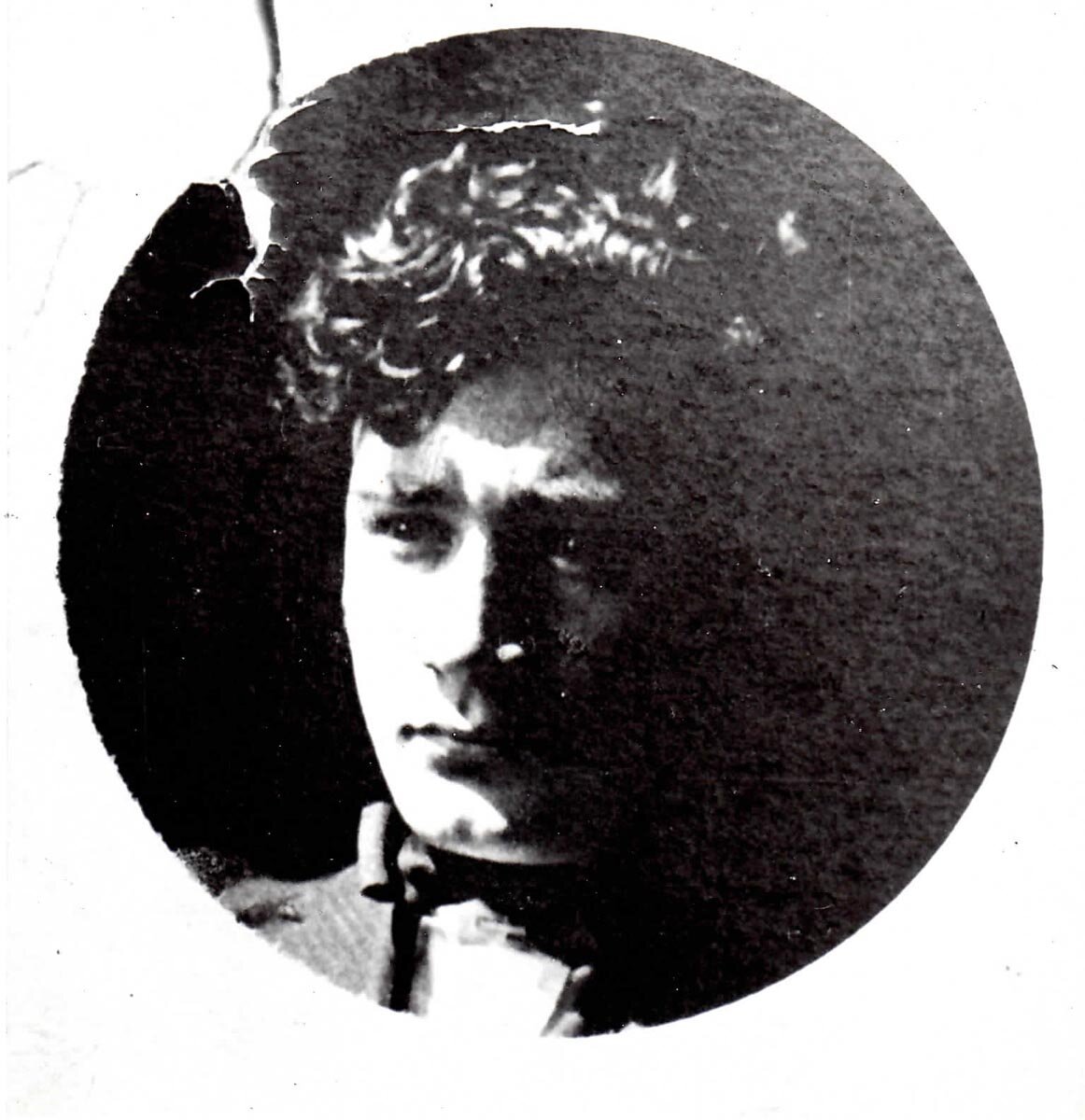
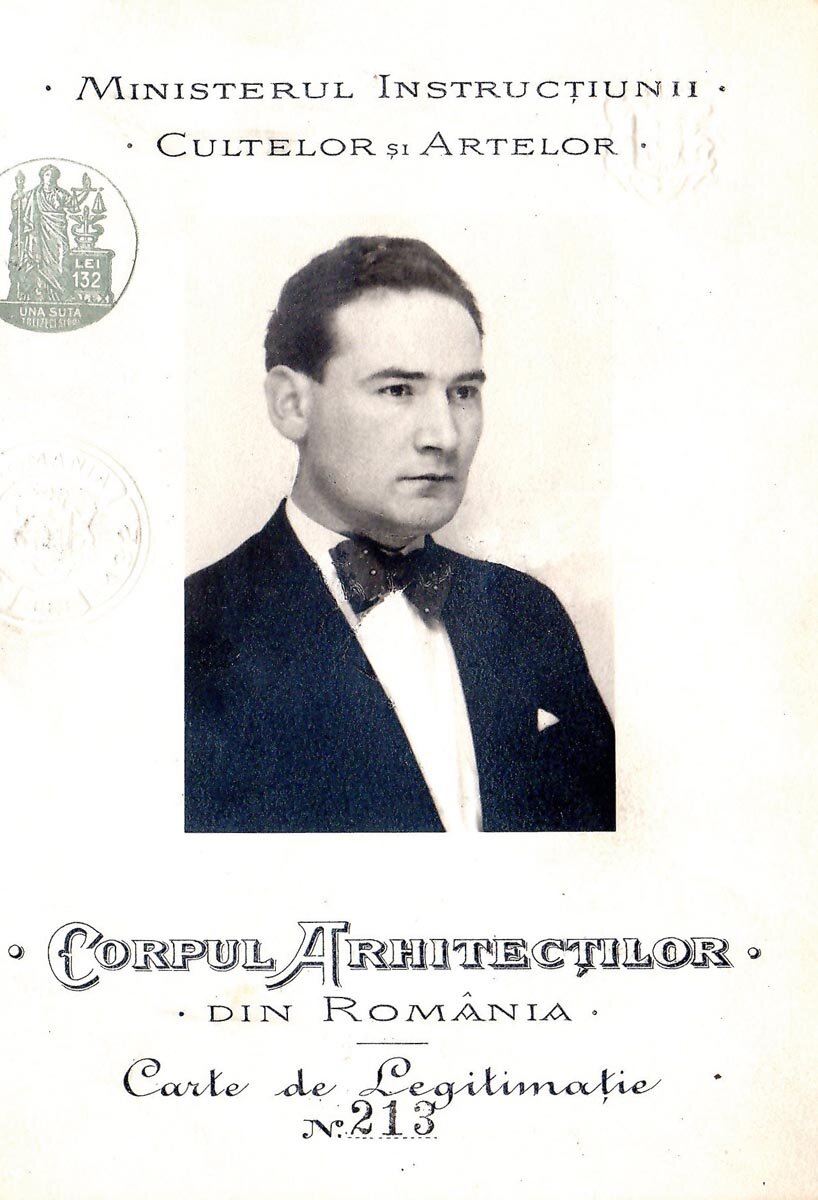
Architect Victor Smigelschi, a multifaceted personality 1901-1973
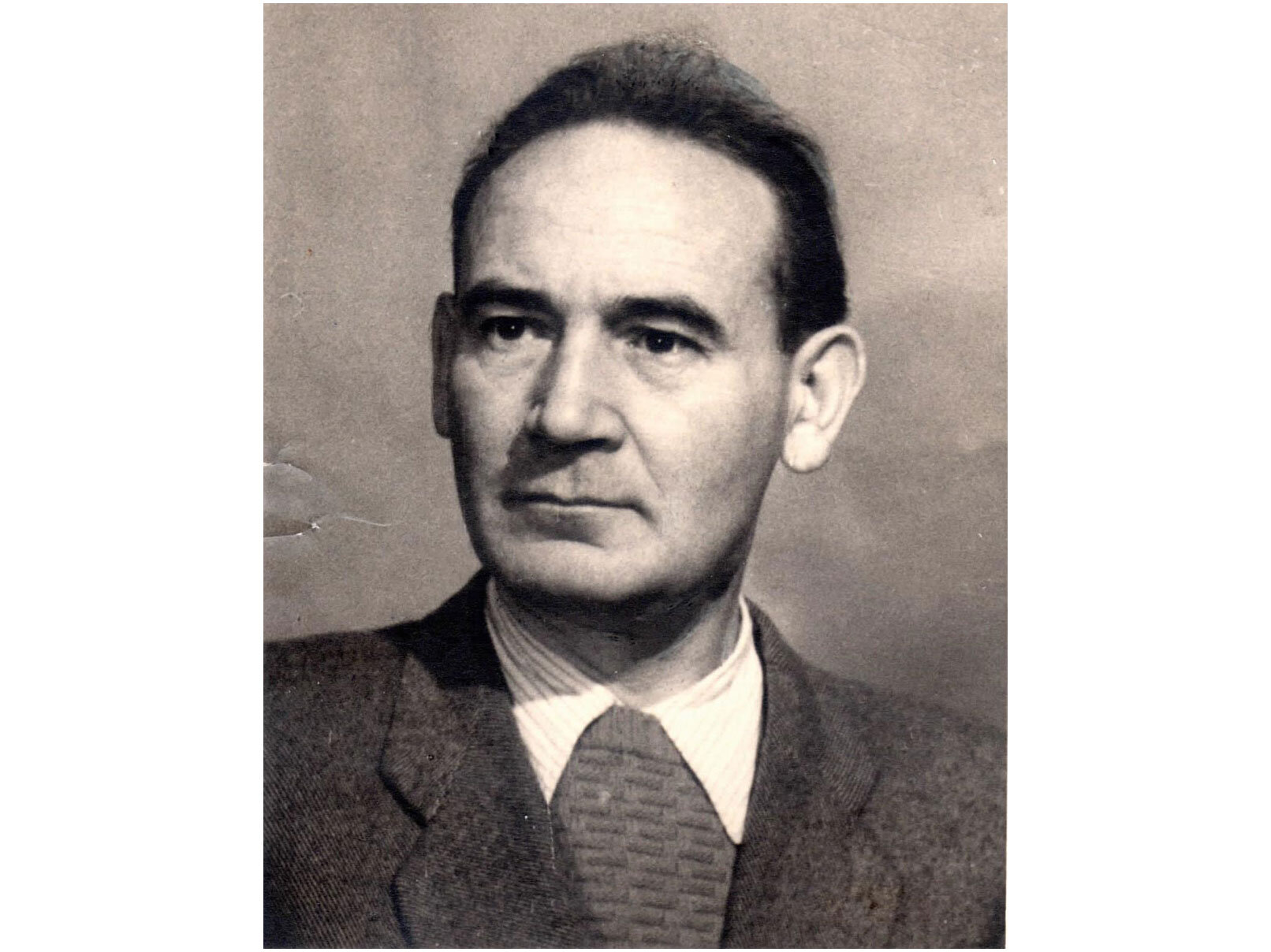
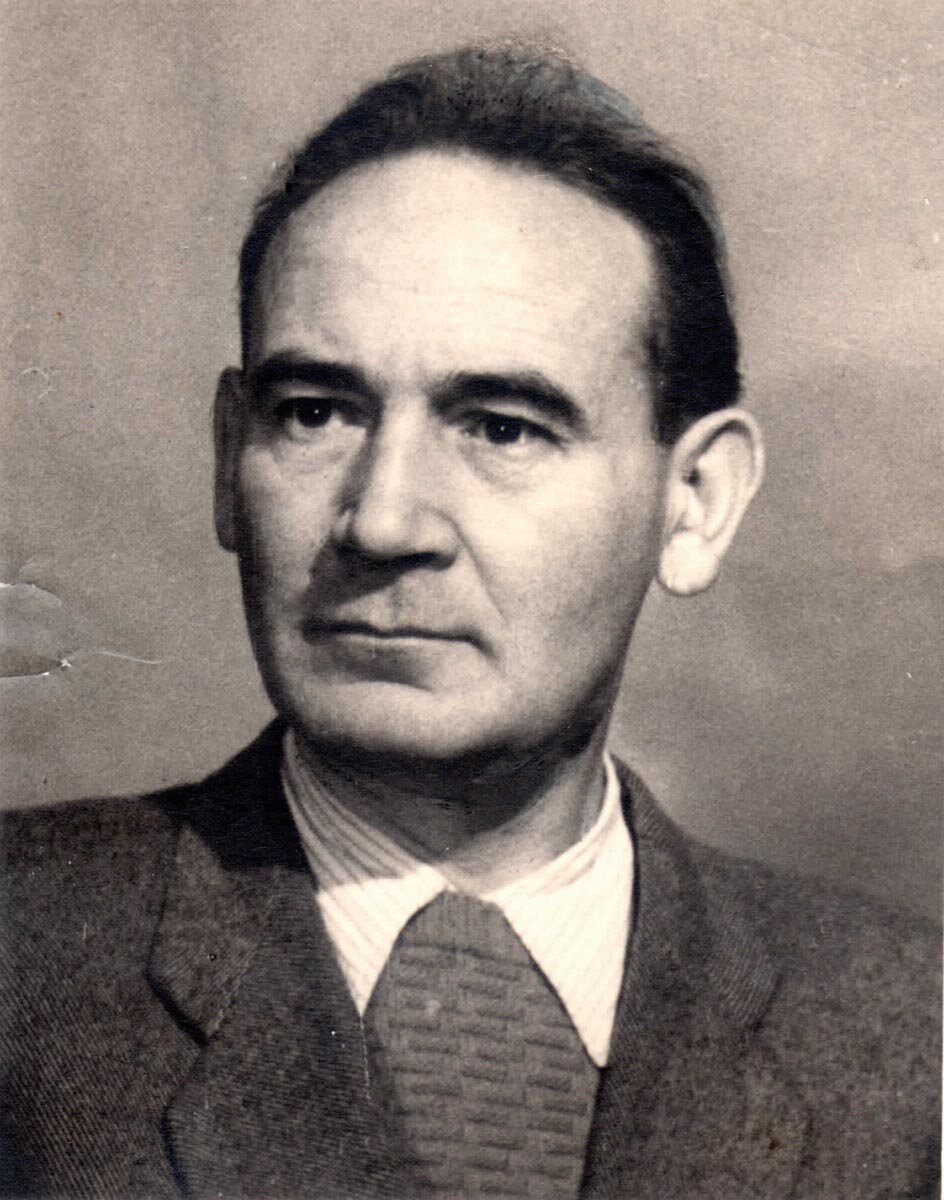
As architect designer at the institute where he remained, faithfully, until his retirement, he was the person to whom people turned every time for problems that proved too difficult, "nothing leaves the Institute unless it has been passed through Smigelschi's office!!!".
The years in which he worked as a part-time pensioner must have been the only ones without exhaustion, without fears, without stress, he came for lunch at a normal hour, with the little bunch of violets he brought daily to my mother, he had the time and availability to take us out to the Triumf garden. I can't forget Sunday lunches, with him at the head of the table shaking the marrow bone on the plate and us, children and grandchildren, waiting for the slice of toast to be greased ... God did not allow it until he was 72."
Anamaria Smigelschi (daughter of the architect)
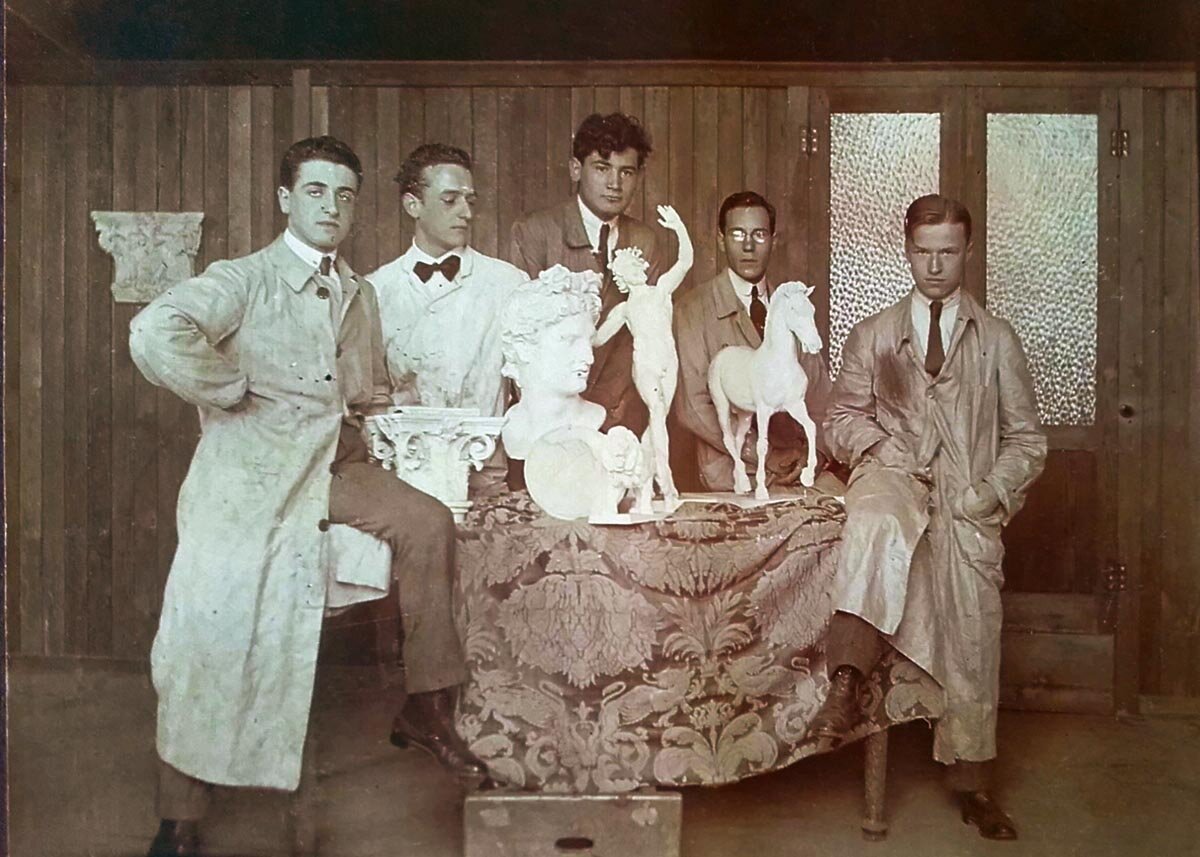
The first born of the famous Transylvanian painter Octavian Smigelschi (1866-1912), Victor Smigelschi spent his early years and school years in Sibiu and Blaj, and between 1908 and 1912 in Italy, in Rome, where his father had a scholarship. From 1919 to 1924 he studied architecture as a scholarship holder from the newly founded Greater Romania at the Scuola di Ingegneria in Turin, and after obtaining his doctorate with 98/100, he worked as an architect in a technical office in Italy, on the design of two hydroelectric power stations and two villas.
Returning to the country, he completed his training between 1928 and 1930, i.e. for another three years, by attending courses in the History of Romanian Architecture and Romanian Architectural Design at the School of Architecture in Bucharest. In Cluj he was briefly co-opted in a construction office, and between 1926 and 1932 he was employed as an architect at the Orthodox Diocese of Cluj and then at the United (Greek-Catholic) Metropolitanate of Blaj.
In 1931 he marries Maria Anna Giuseppina Trinchieri, a mathematics graduate whom he met in Italy, and settles in Bucharest.
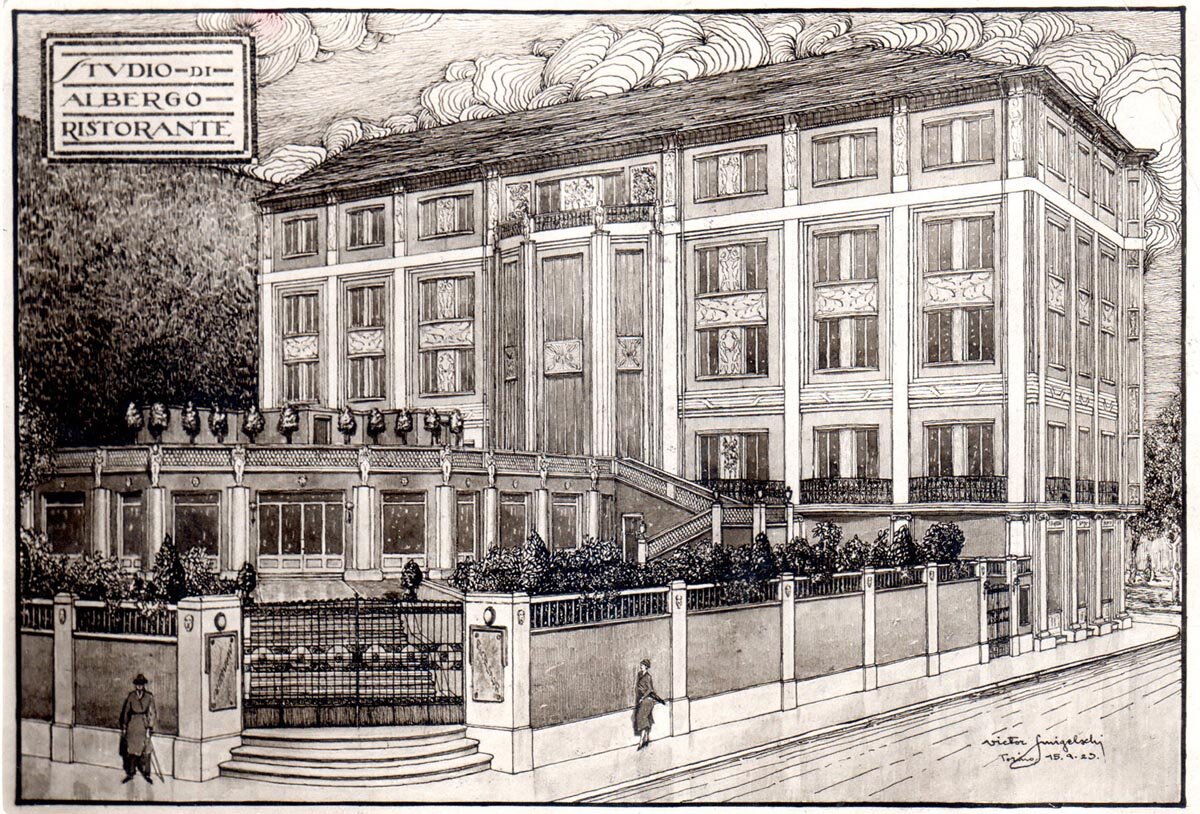
He worked in parallel as a project architect and site manager, but as he had won a competition for the United Romanian Cathedral in Satu Mare, had begun its construction and had been awarded other more important works, Victor Smigelschi preferred to remain a freelance architect and site manager for his own works, and in December 1932 he became a founding member of the Romanian Architects' Corps.
All his achievements in this capacity, covering various architectural programs and located in Transylvania (Blaj, Sibiu, Satu Mare, then Brașov), are realized in a ponderously neo-Romanesque architecture, which evolves towards a successful modernism. The projects were realized between 1928 and 1939, but some took until 1943 to complete. He worked closely with his friend the architect G. Liteanu.
Most (8) are educational buildings and annexes: Primary School "Regina Maria" and Girls' High School in Sibiu (project won by competition) shown here, two schools in Blaj, a school complex in Zărnești, boarding schools and a gymnasium.
Second in number but first in importance are the religious buildings. The United Cathedral in Satu Mare is probably the major work of Victor Smigelschi and will remain important in the context of the numerous Romanian churches of the 1930s in Transylvania. It is not for nothing that Grigore Ionescu, a reputed architect and architectural historian, illustrates two pages at the end of an article dedicated to Romanian religious architecture with the whole - view and plan - and more details of the Cathedral, including the entrance portal:
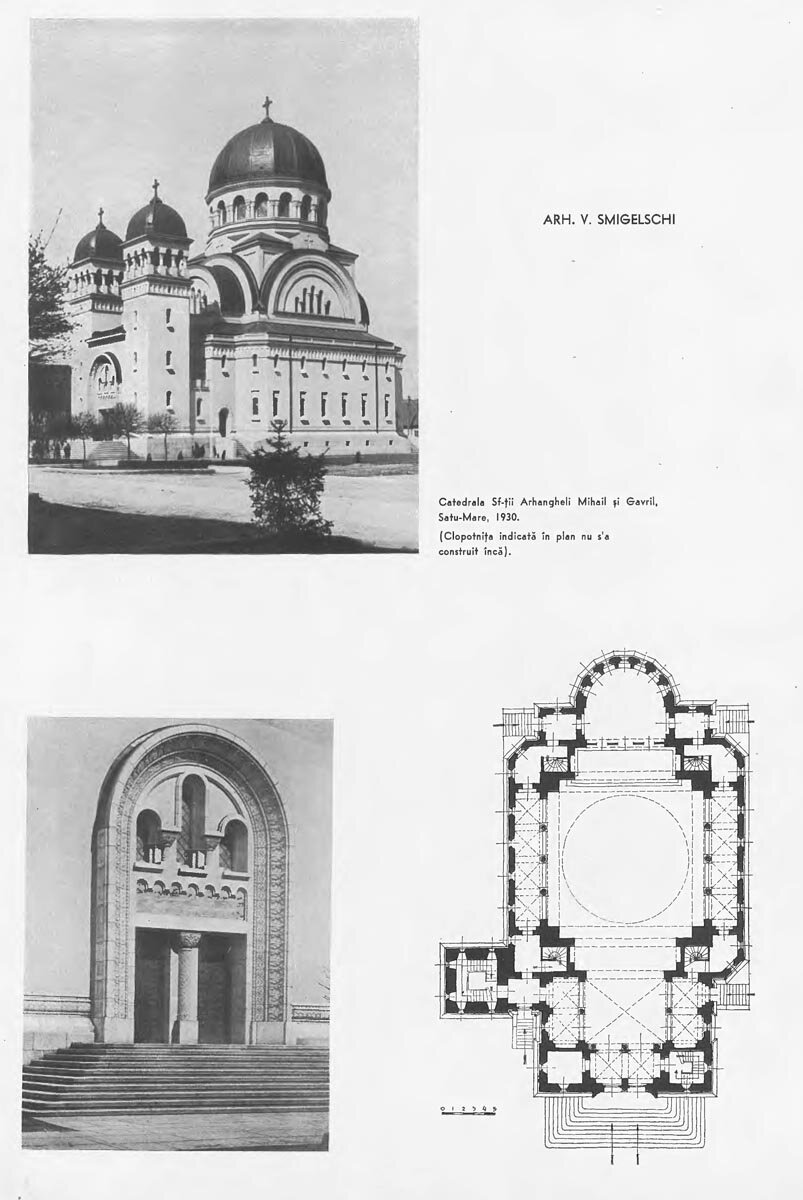
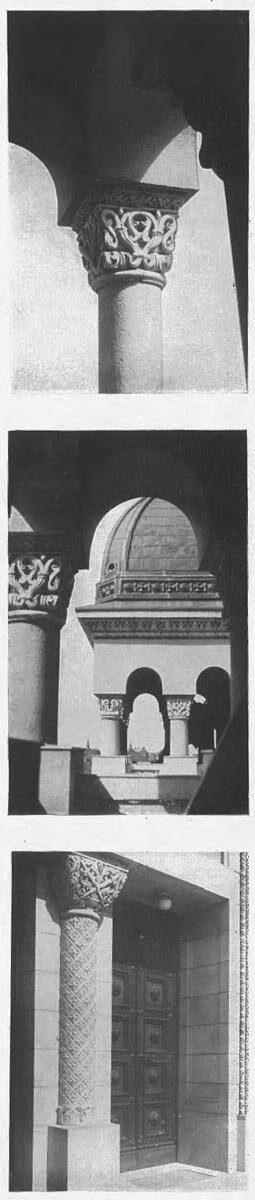
The United Cathedral "Saints Archangels Michael and Gabriel", Satu Mare, details of the capital and plan, source Grigore Ionescu
"By studying the photographic material presented [...] the viewer will be able to realize for himself the undeniable qualities of some of these buildings - imposing by simple lines and graceful by the harmony of proportions - or the shortcomings of others".
(Grigore Ionescu, "Despre arhitectura religioasă la români", in "Arhitectura" nr. 2/ 1939)
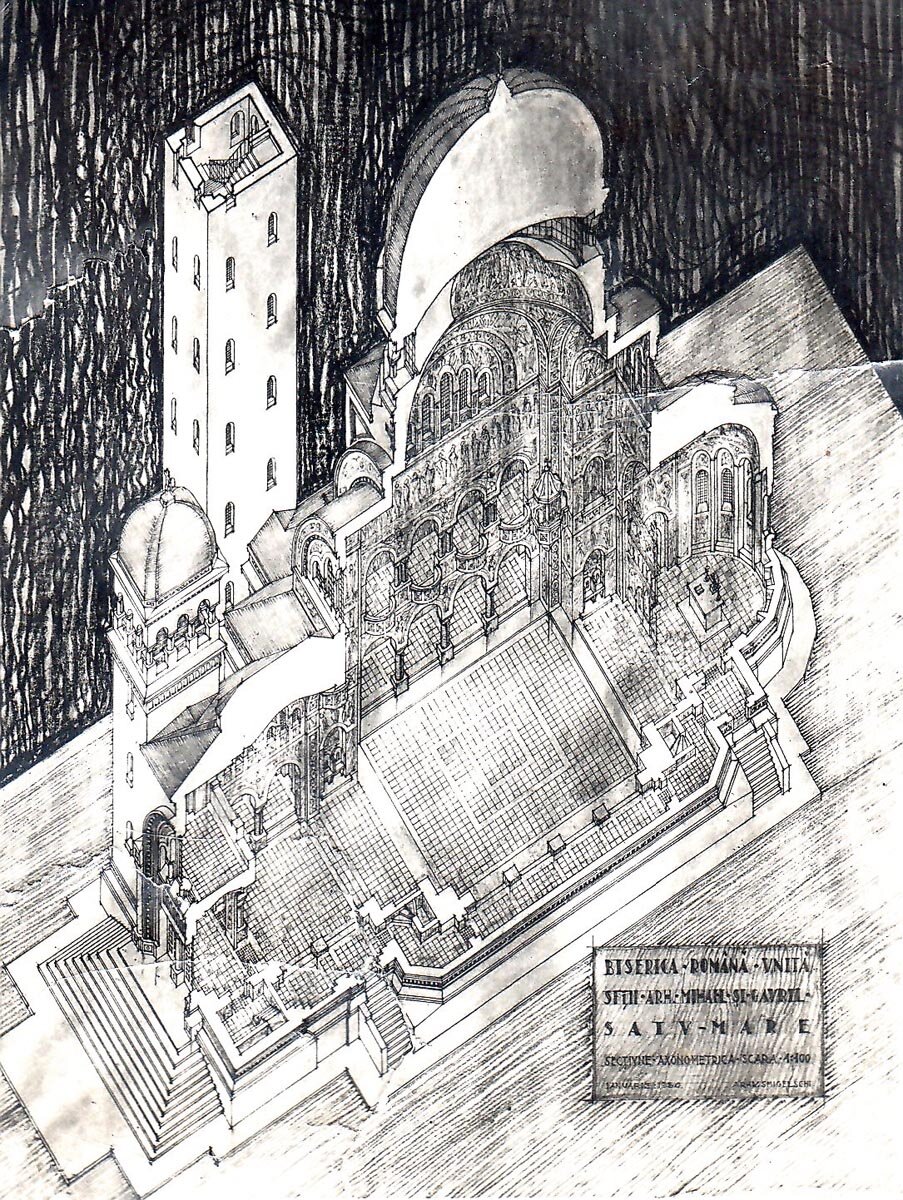
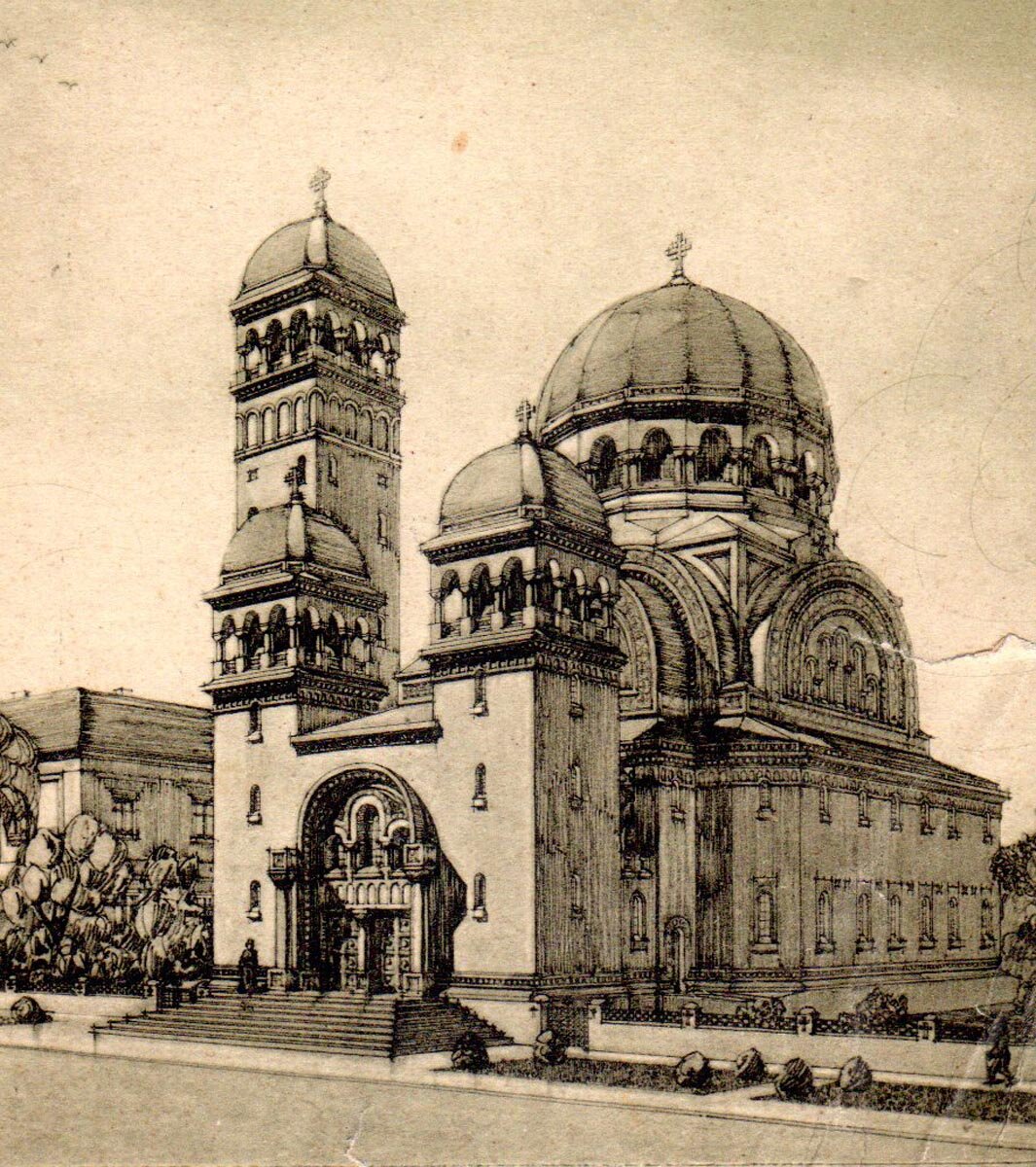
The United Cathedral "Saints Archangels Michael and Gabriel", Satu Mare, axonometric section and perspective
Sfinții Arhangheli Mihail și Gavriil" United Cathedral, Satu Mare, work awarded in a competition in 1927, but commissioned and realized between 1930-'35.
Two competition drawings, in which a bell tower also appears, which would have realized a much stronger presence in the city without the church growing exaggeratedly tall. Noteworthy in the perspective-section is the apparently doubled dome of the nave. Typically, dome paintings are slightly in the half-light, because even if there are windows nearby, the light is directed downwards. In addition, the contrast with the bright light from the windows softens some of the perception of the dome painting. In Satu Mare, the nave is illuminated by the windows in the base square of the dome, so it was possible for the light from the dome windows to be reflected upwards towards the central area by the circular band below the windows. Thus the contrast is reversed, the central dome is the brightest, and because of the high height the eye does not notice the difference in planes.
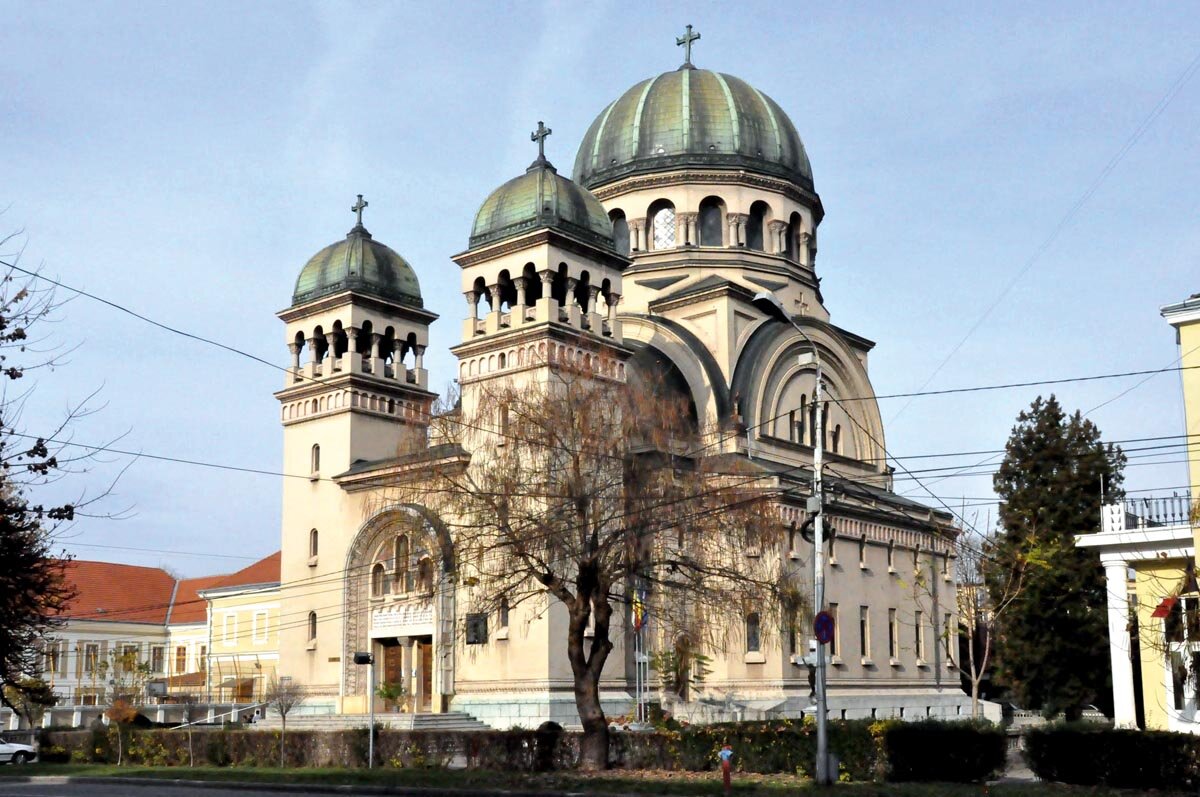
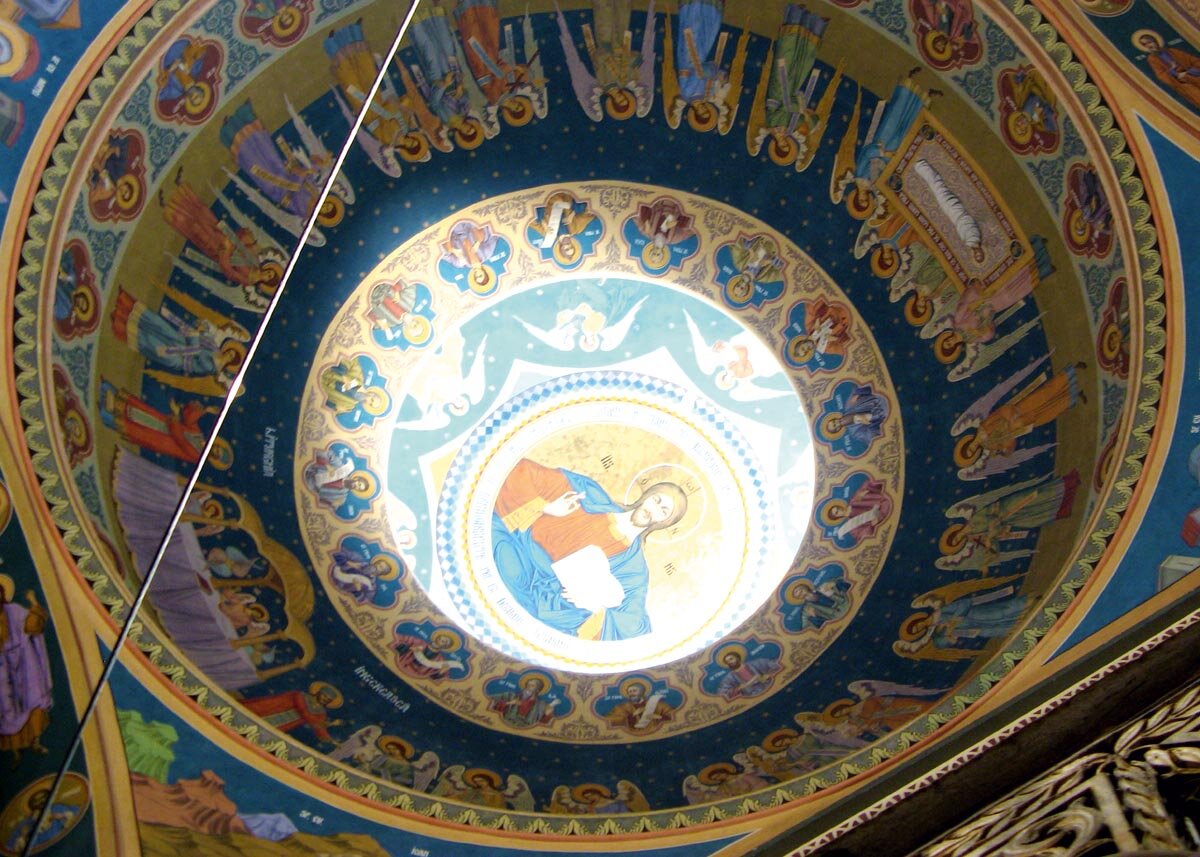
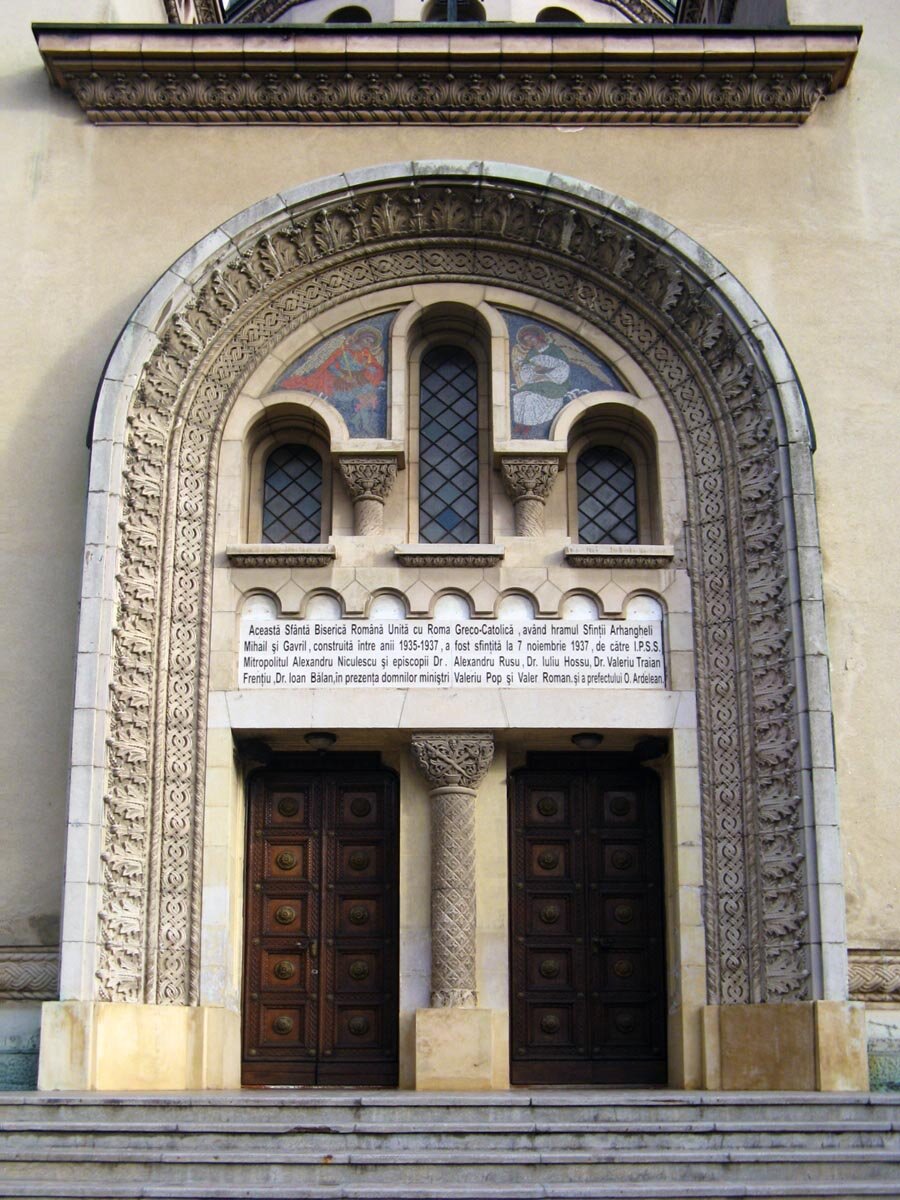
United Cathedral "Saints Archangels Michael and Gabriel", Satu Mare, perspective, dome and entrance portal
Also from the acoustic point of view, the resolution of the dome is beneficial because its division reduces the sound level of the spherical waves reflected with a long delay (28 meters), which normally occur under large concave surfaces. And the sound reaching the upper dome is attenuated by repeated reflections to the side. The cathedral is well-known locally as having better acoustics than other similar churches.
The entrance portal, probably the only example of a 'full in the shaft' church. Pr. Ioan Lechințan said on the 80th anniversary of the cathedral's consecration:
"... A reflection on the meaning of the portal at the entrance to the church is not meaningless. A semicircular arch with acanthus leaves and another with interlacing motifs frame above the doors a more developed lintel with seven brackets and, above that, a tympanum with three windows, a central, larger one and two smaller ones. This fine allusion to the Holy Trinity - the three openings, and perhaps to the seven days of creation, is then reinforced by the presence in the shaft of a single column: three are one".
The "St. Vasile" church in Brasov, shown opposite (work also won in the competition), is a remarkable and remarkable presence in the center of Brasov. There are three other churches - orthodox or united - in Bucharest, Huedin (Cluj County), Lunca (Mures County) and, of great interest, the restoration of the "St. Nicholas" Church in Șcheii Brasov, an ancient Romanian architecture in Transylvania.
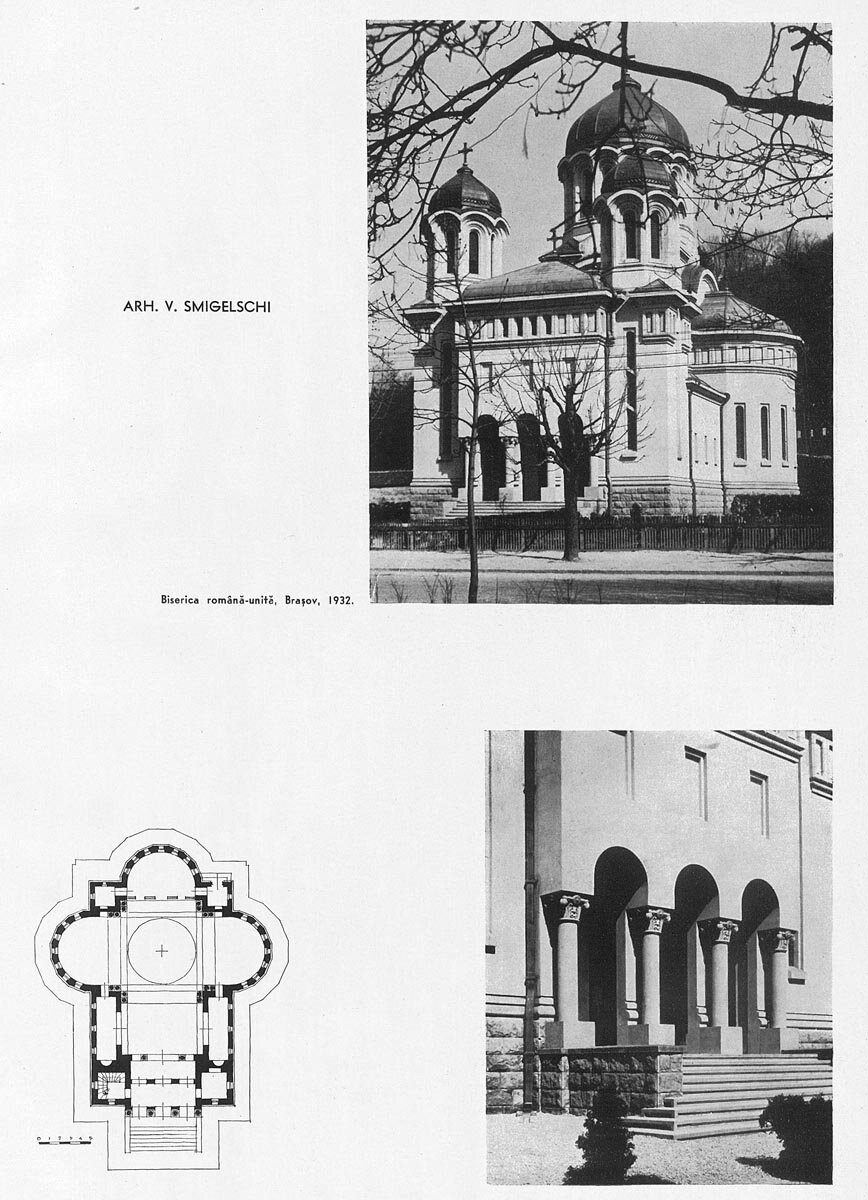
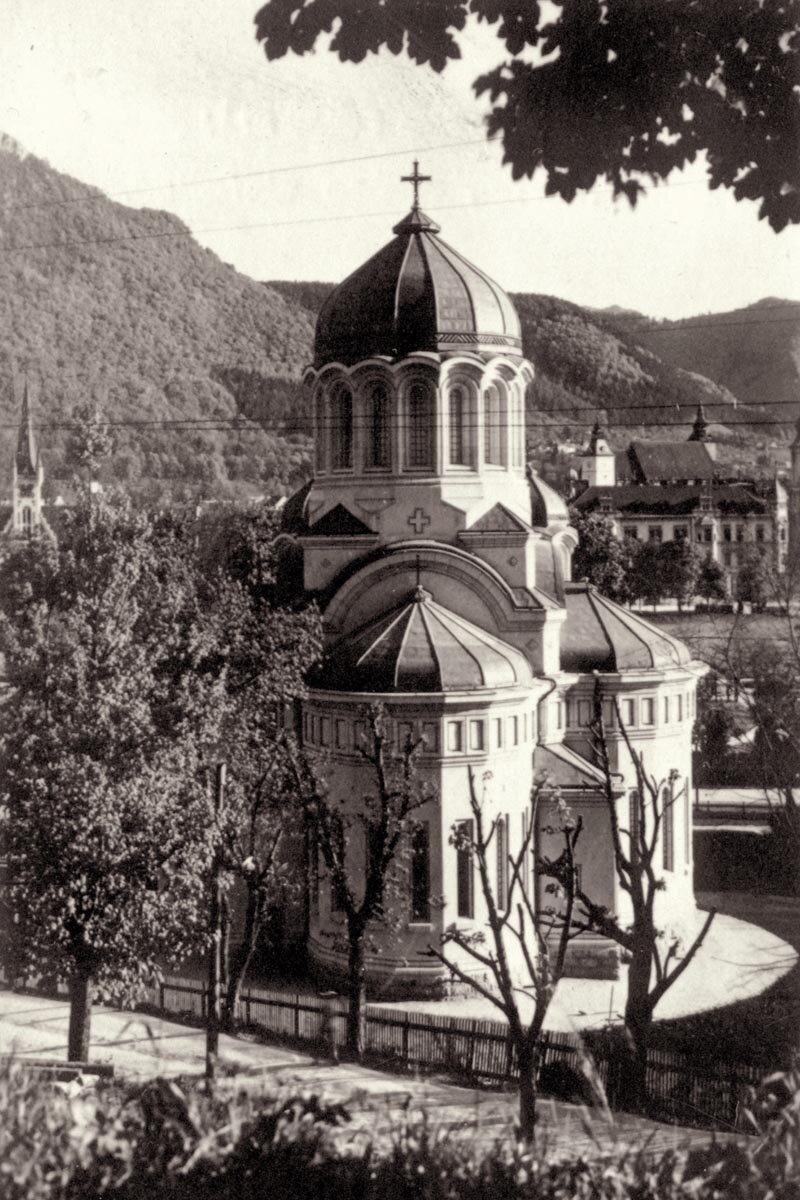
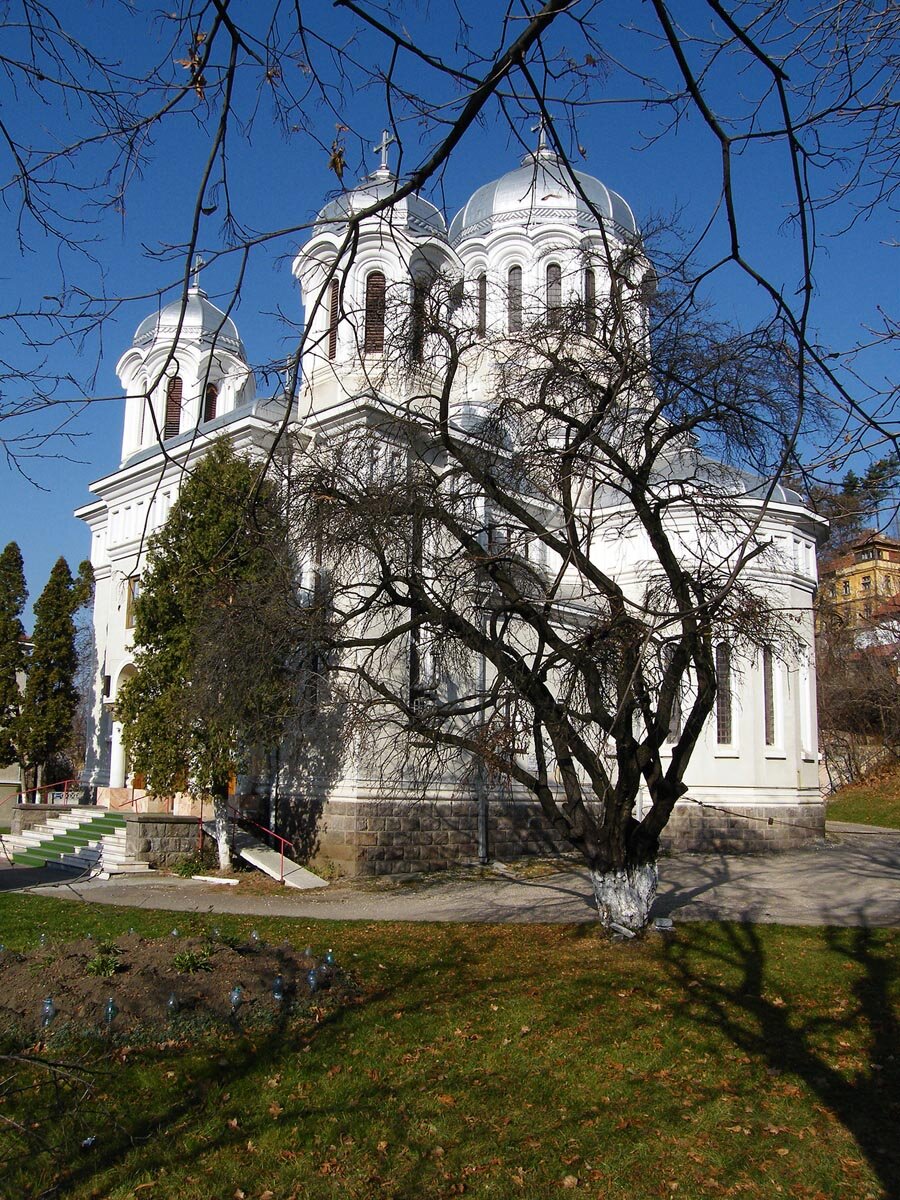
CHURCH "Sf. Vasile", Brașov, competition won in 1930, realization lasted between 1931 and 1936
For a church located in the center of the city, in a very favorable position in terms of visibility, a competition was necessary to choose the architect "in charge of the design of the works".
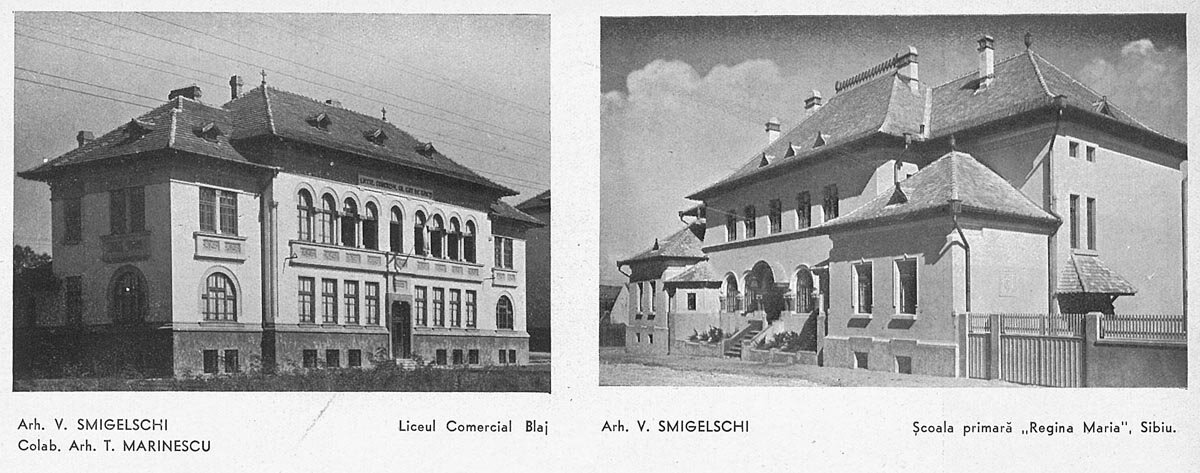
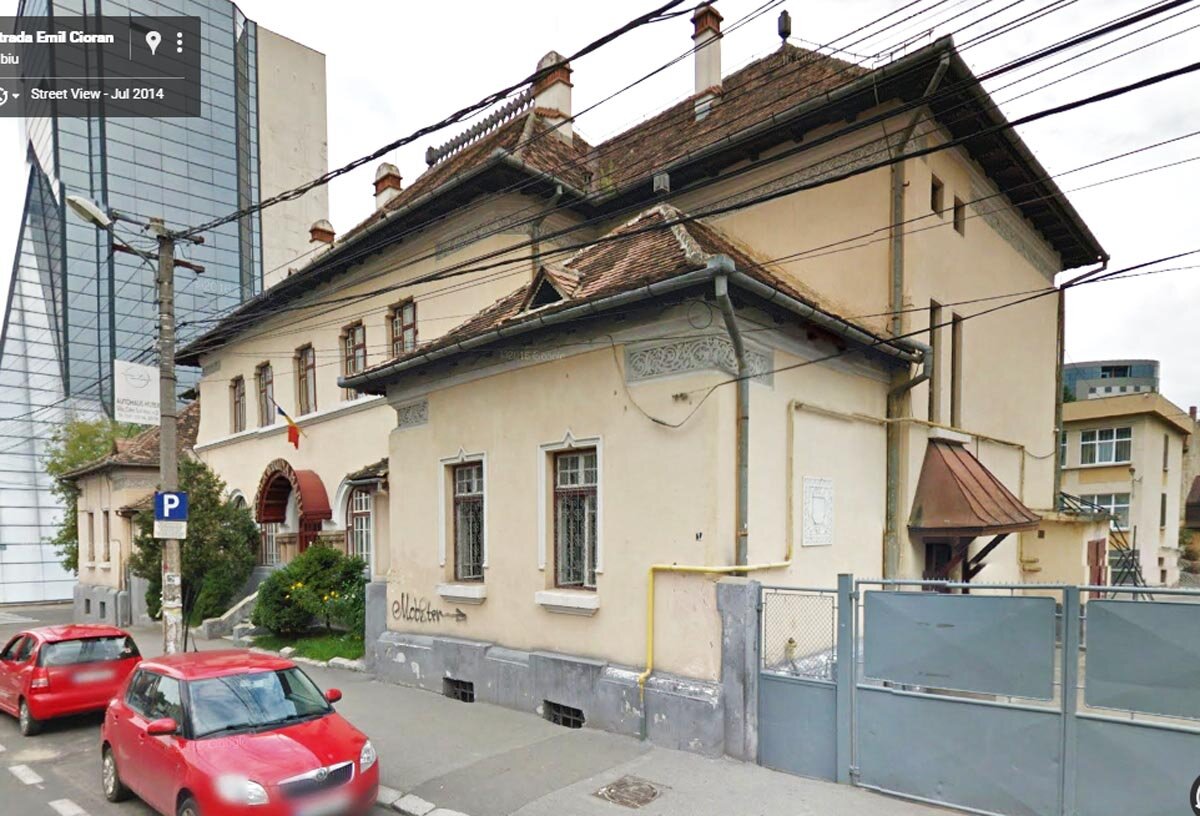
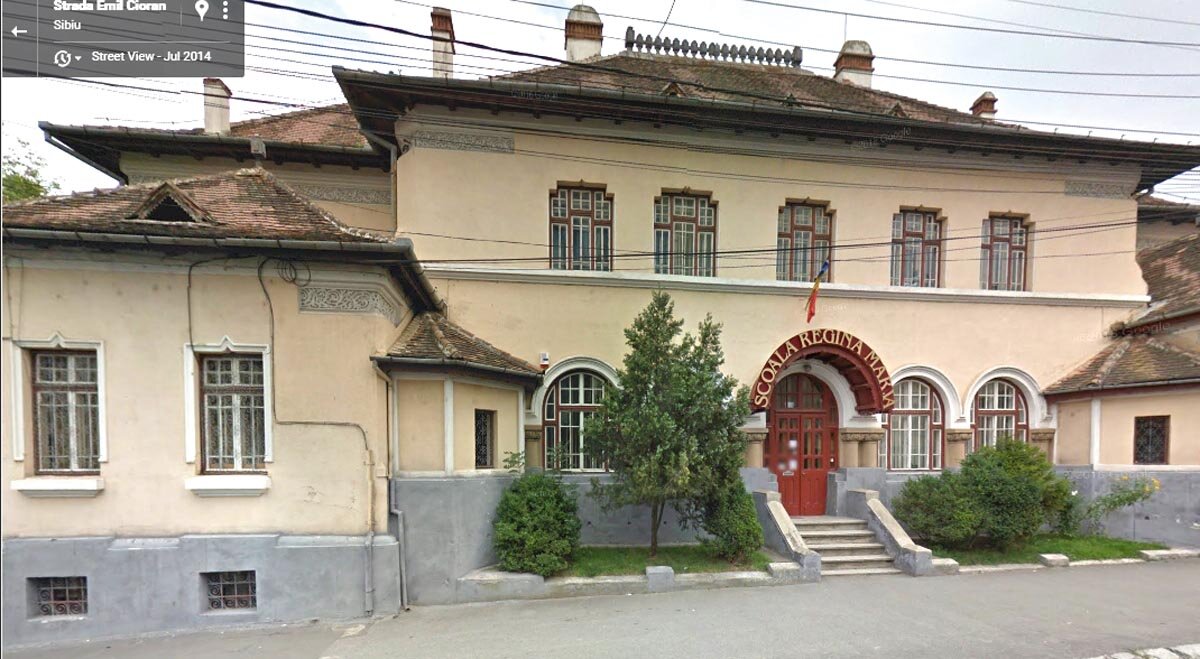
Regina Maria Primary School, Sibiu, 1928-'29
Overall volumetry and detail on a scale appropriate to the age of the schoolchildren.
Discrete decoration and detail geometry, Romanian-inspired.
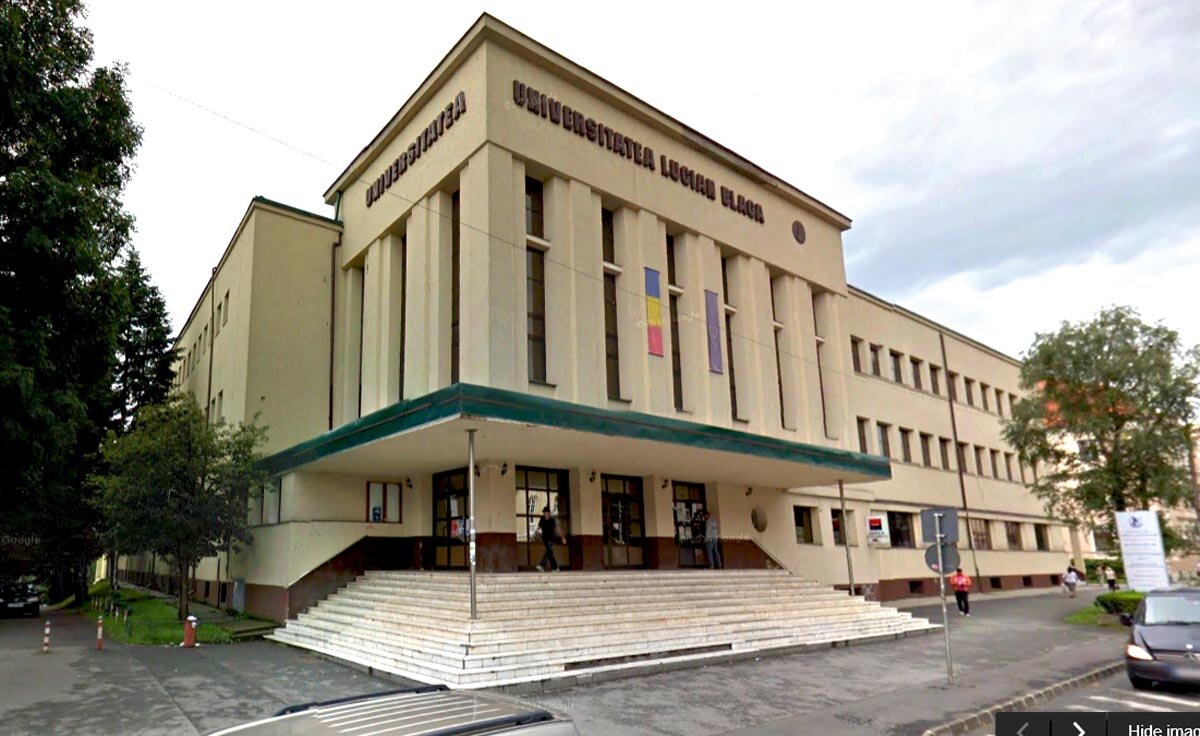
The "Domnița Ileana" Girls' High School, Sibiu, 1937-1940, today "Lucian Blaga" University.
Located on Sibiu's central artery, the high school building required an architectural competition, which Victor Smigelschi won in 1936, and he was commissioned to design the works that were to be carried out between 1937 and 1940.
The public buildings he realized: the Prefecture of Satu Mare, the Cultural Palace in Blaj and the (then) Astra Cinema in Satu Mare allowed him to showcase his knowledge, in fact his passion for architectural acoustics.
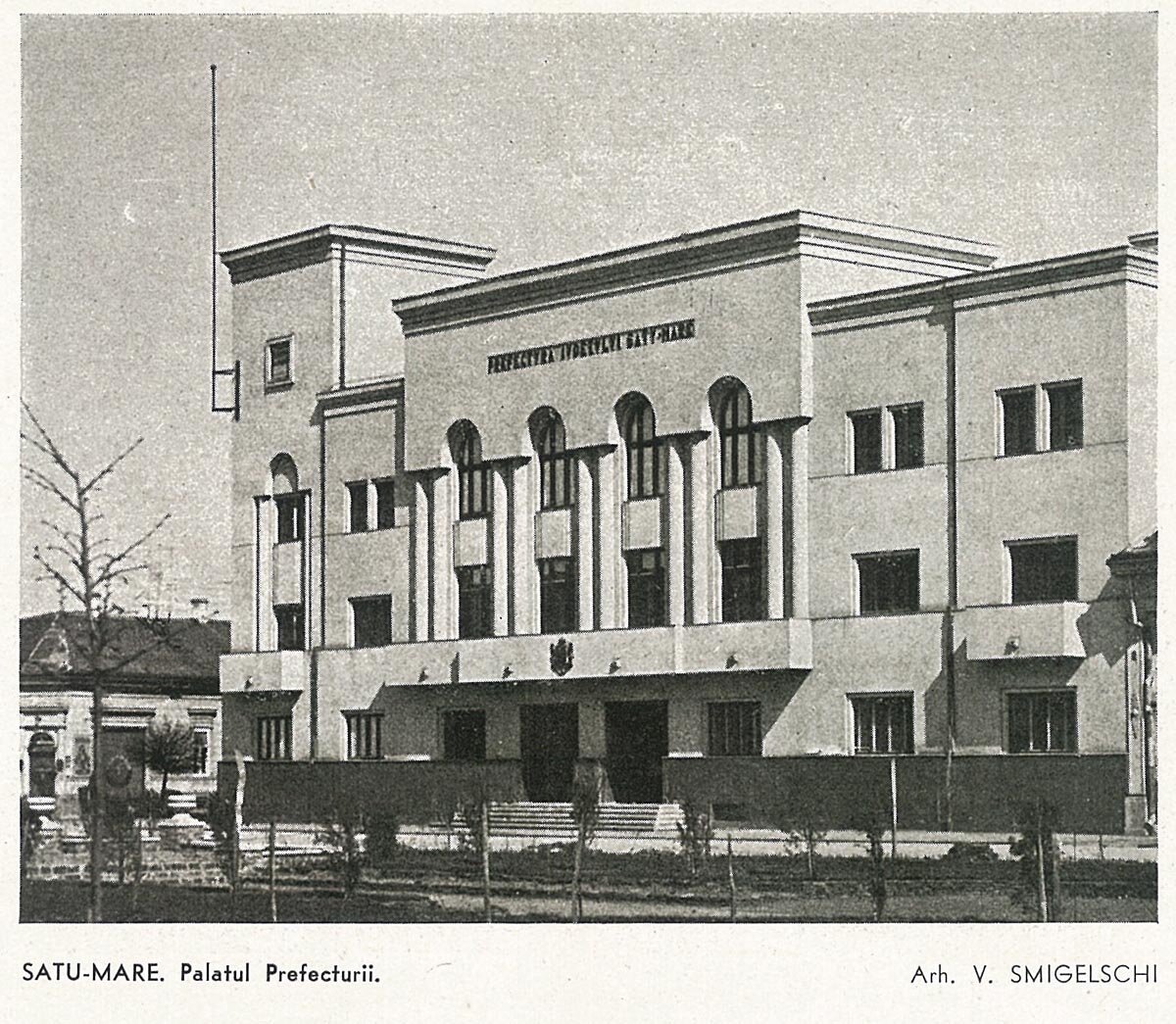
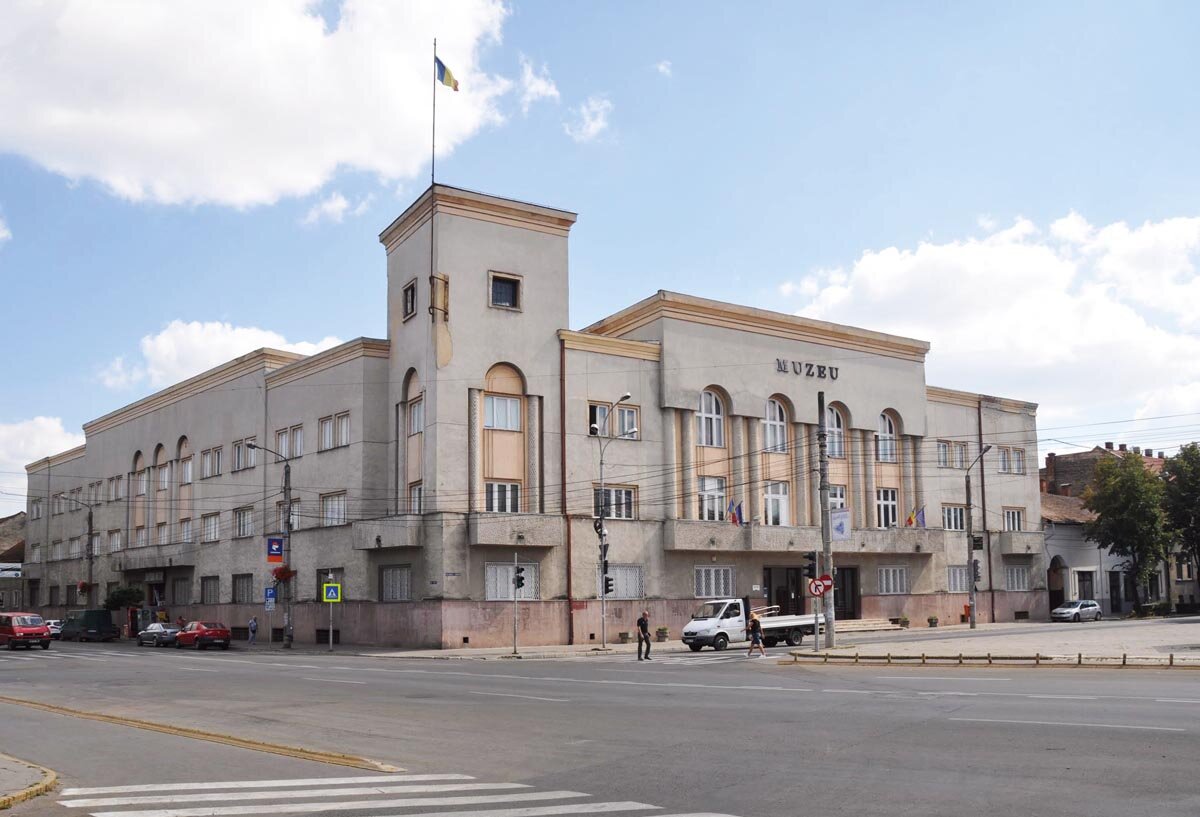
Prefecture of Satu Mare, today County Museum, 1933-1934
Photo from the magazine "Arhitectura" 1941 and current view
Cultural Palace in Blaj, 1930-1936
Photograph from the magazine "Arhitectura" 1931-1933, as well as illustrations from Vlad Rusu's file.
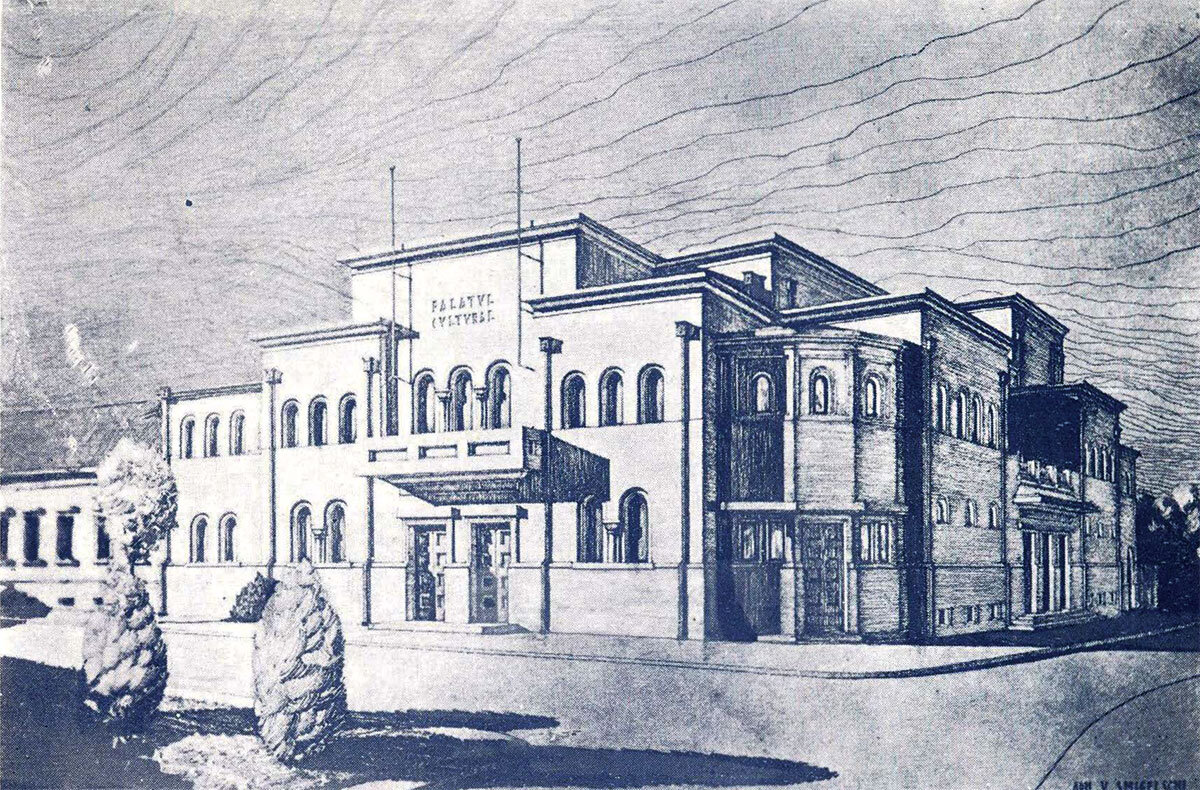
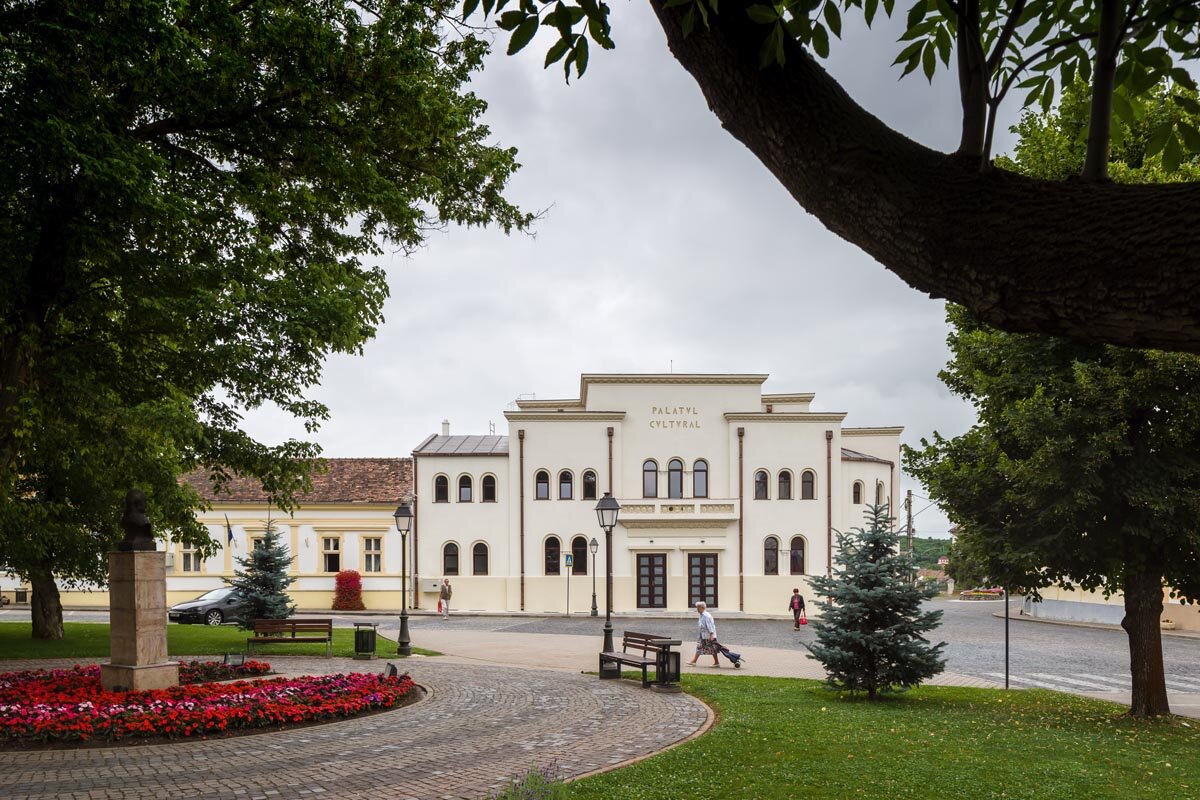
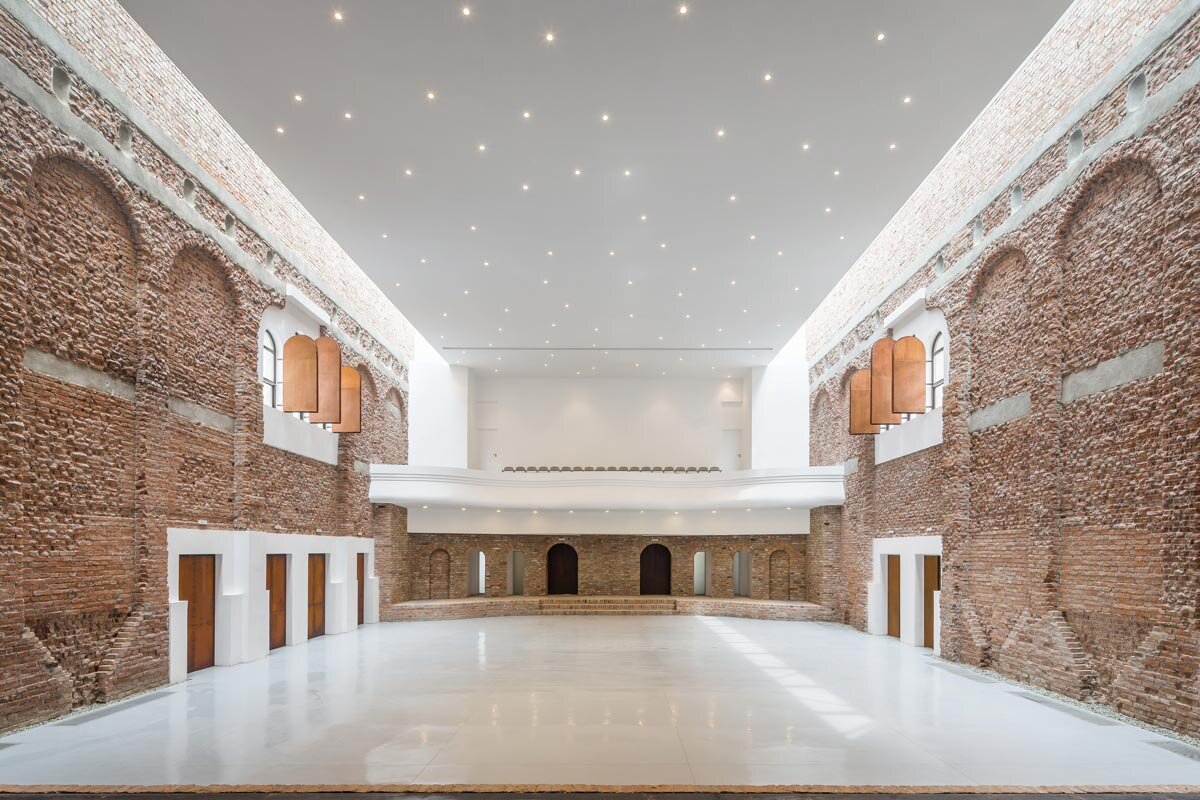
Cultural Palace in Blaj, 1930-1936
Photograph from the magazine "Arhitectura" 1931-1933, as well as illustrations from Vlad Rusu's file.
The project Rehabilitation of the Cultural Palace of Blaj - architect Vlad Sebastian Rusu - has been named winner of the European Union Prize for Cultural Heritage/ Europa Nostra Award 2017, in the Conservation category. (Editor's note)
The dwellings - apartment houses or wealthy villas, four in number in Brasov, on the Citadel Hill and one in Cluj - are the only ones where, in the more rigid Transylvanian context, architect Victor Smigelschi can afford to propose a decidedly modern architecture.
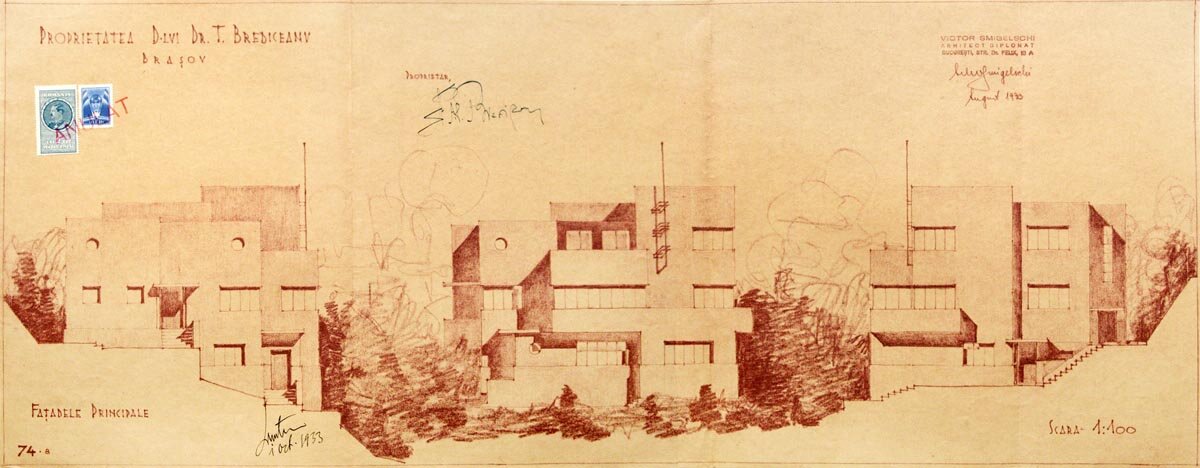
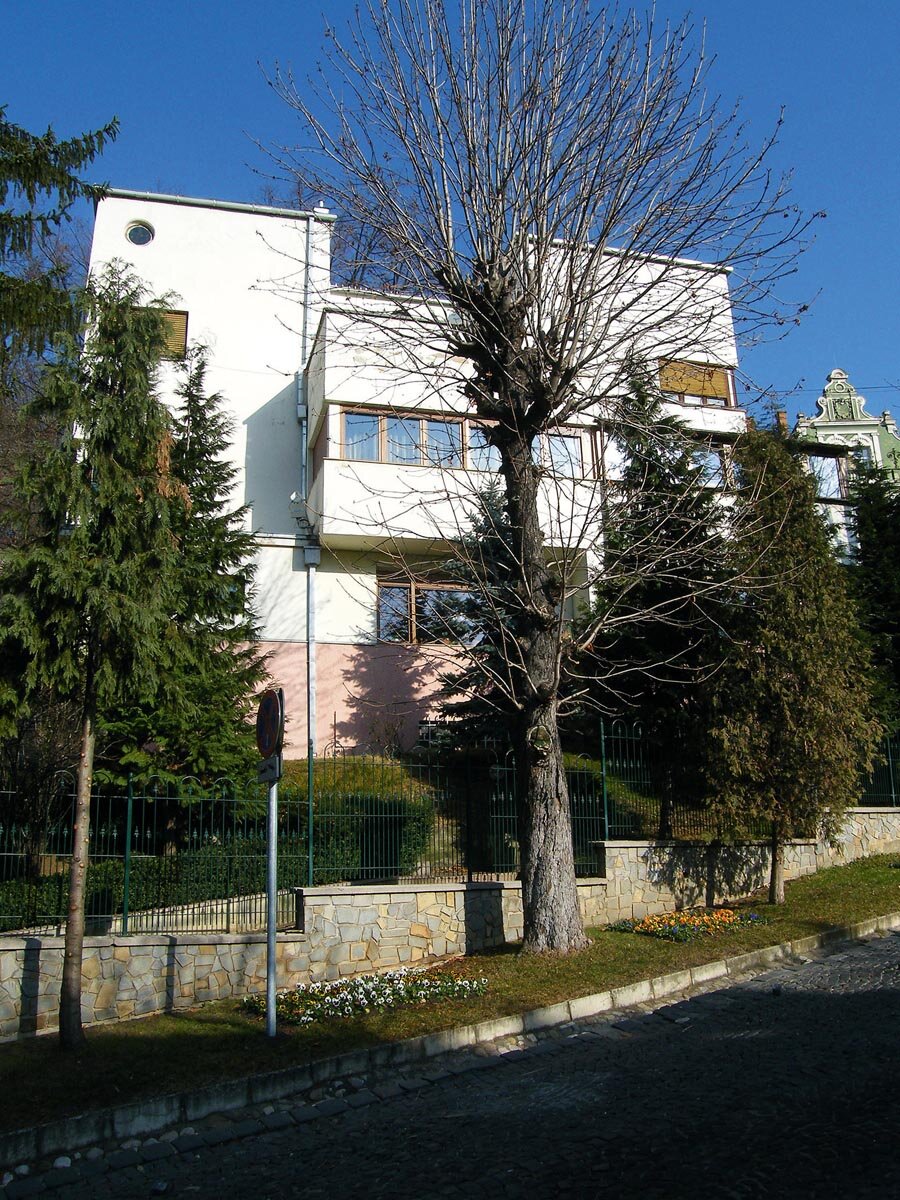
Villa Dr. T. Brediceanu, Brasov, 1933
Situated on an ultra-central plot of land received from the town hall.
Villa for a large family of musicians, with a main apartment and two smaller ones. Note the spacious kitchen dedicated to the partially covered terrace upstairs
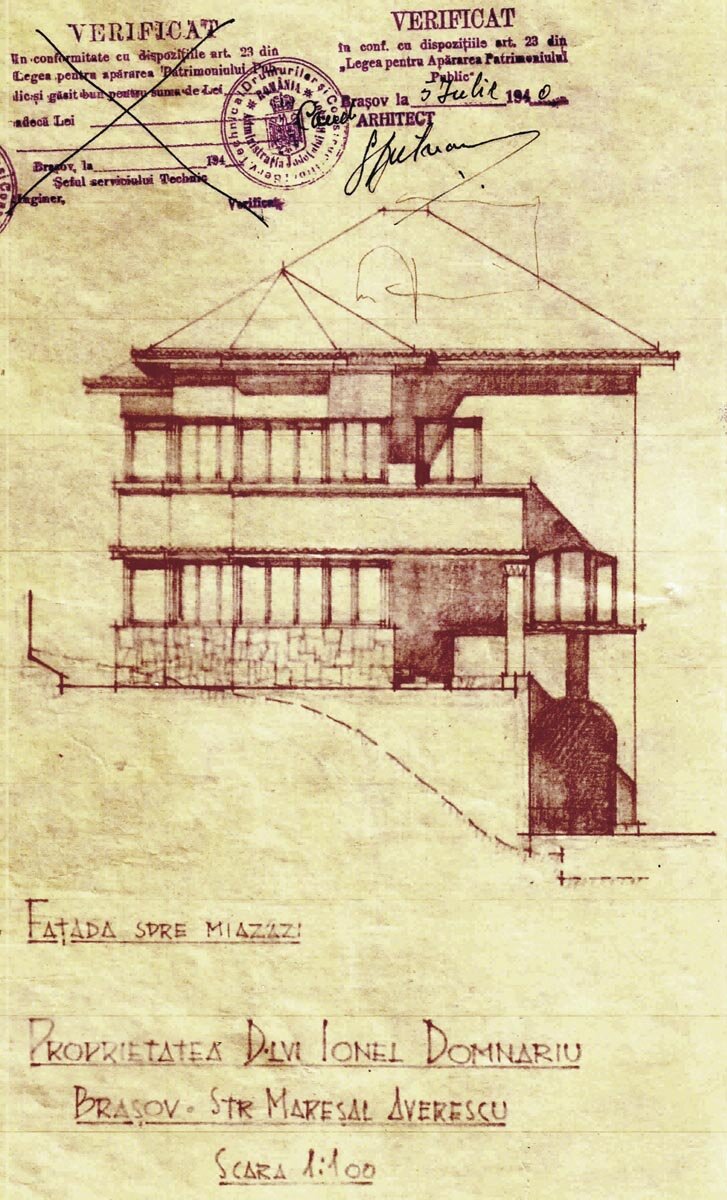
Villa Ionel Domnariu in Brasov, ca. 1935
Building with two elegant apartments, one on each floor. Today, after a careful extension that has altered the original proportions, it has become the "Casa Cranța" guesthouse
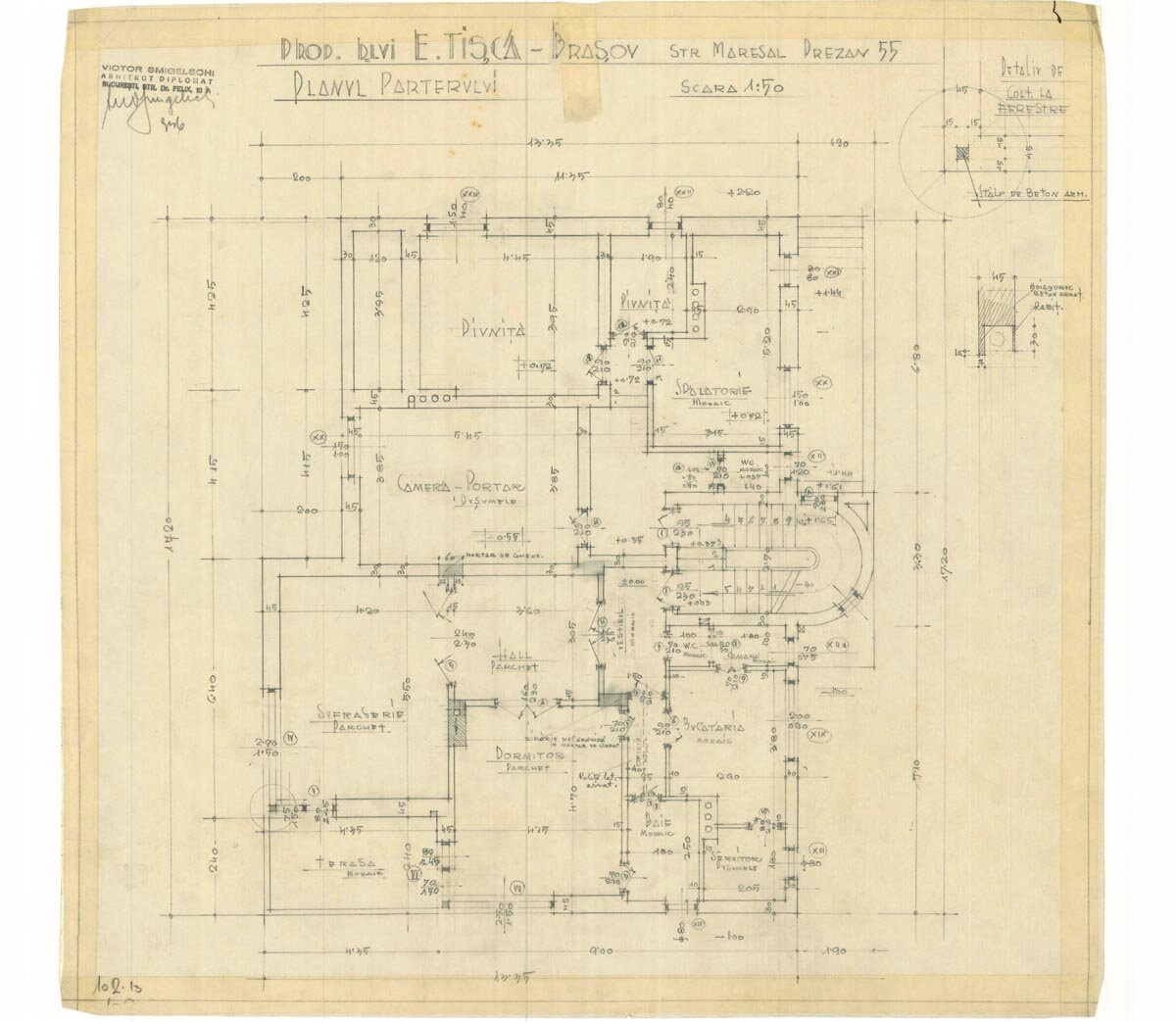
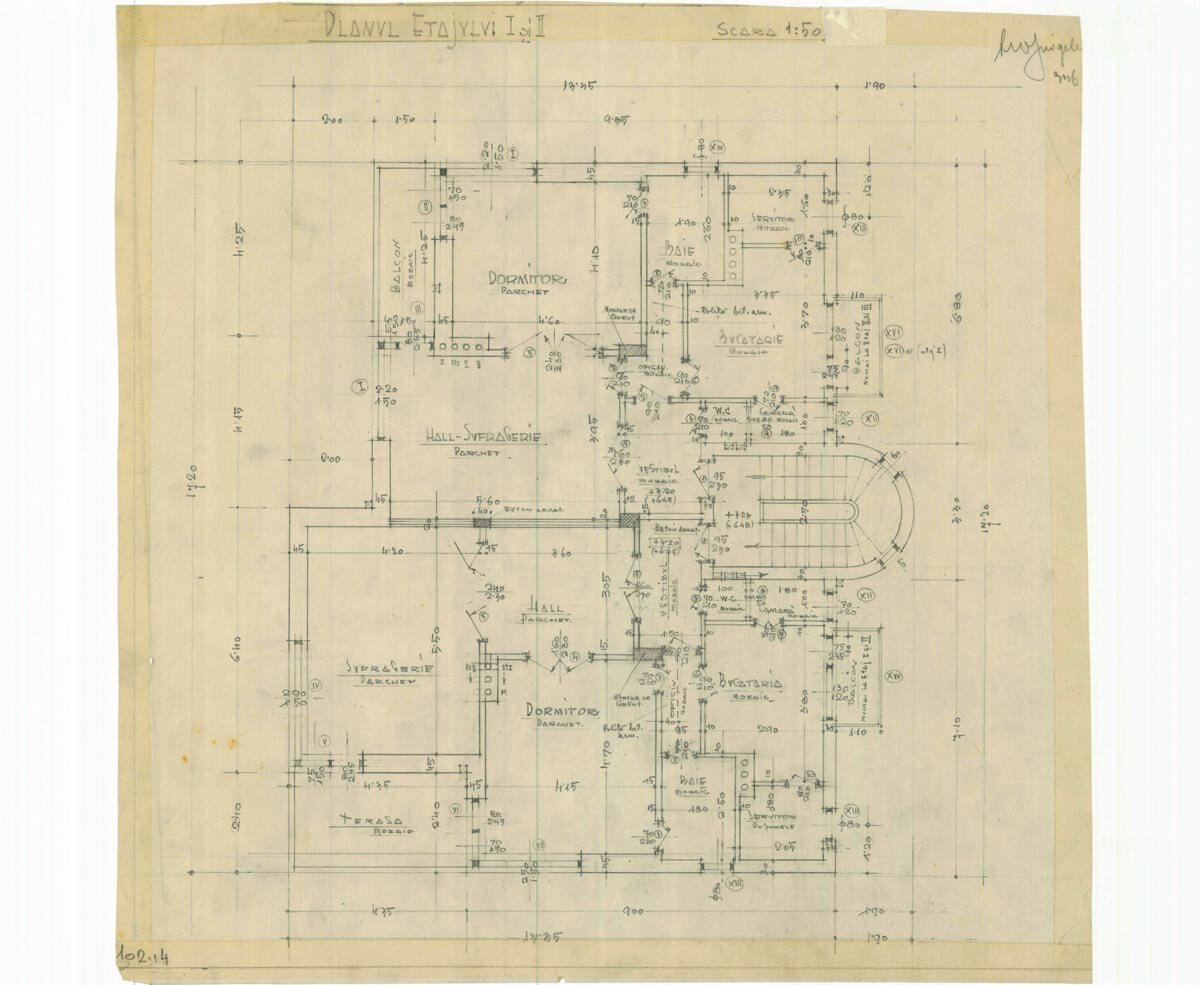
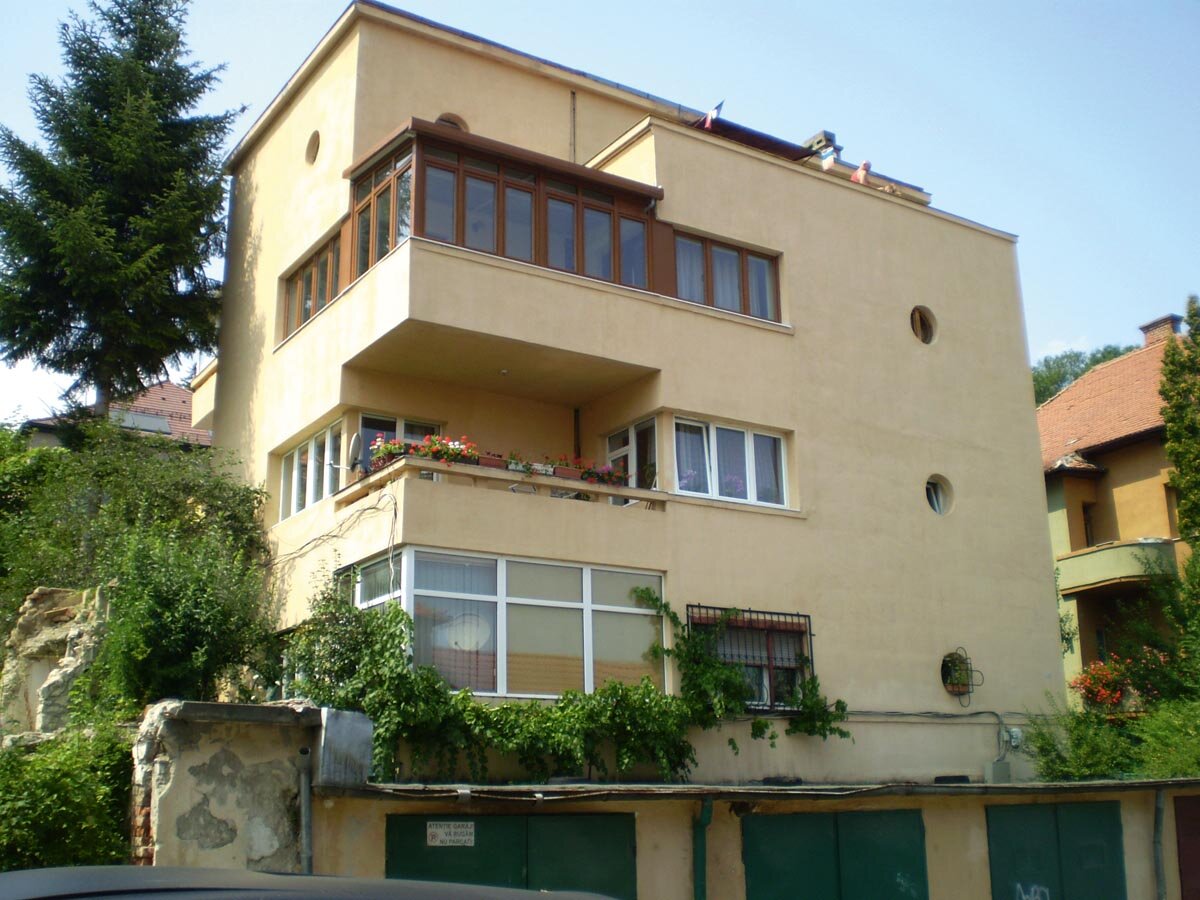
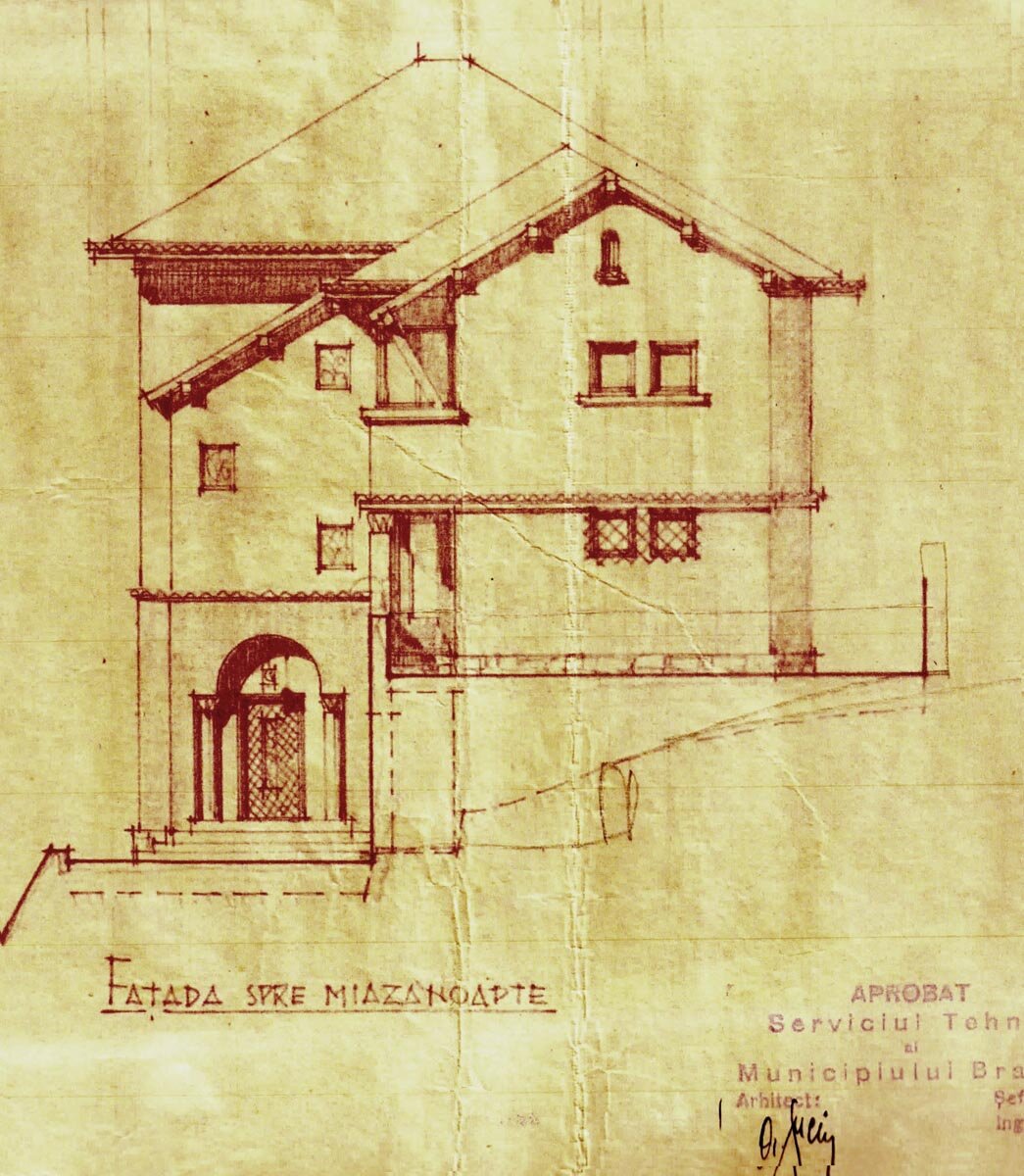
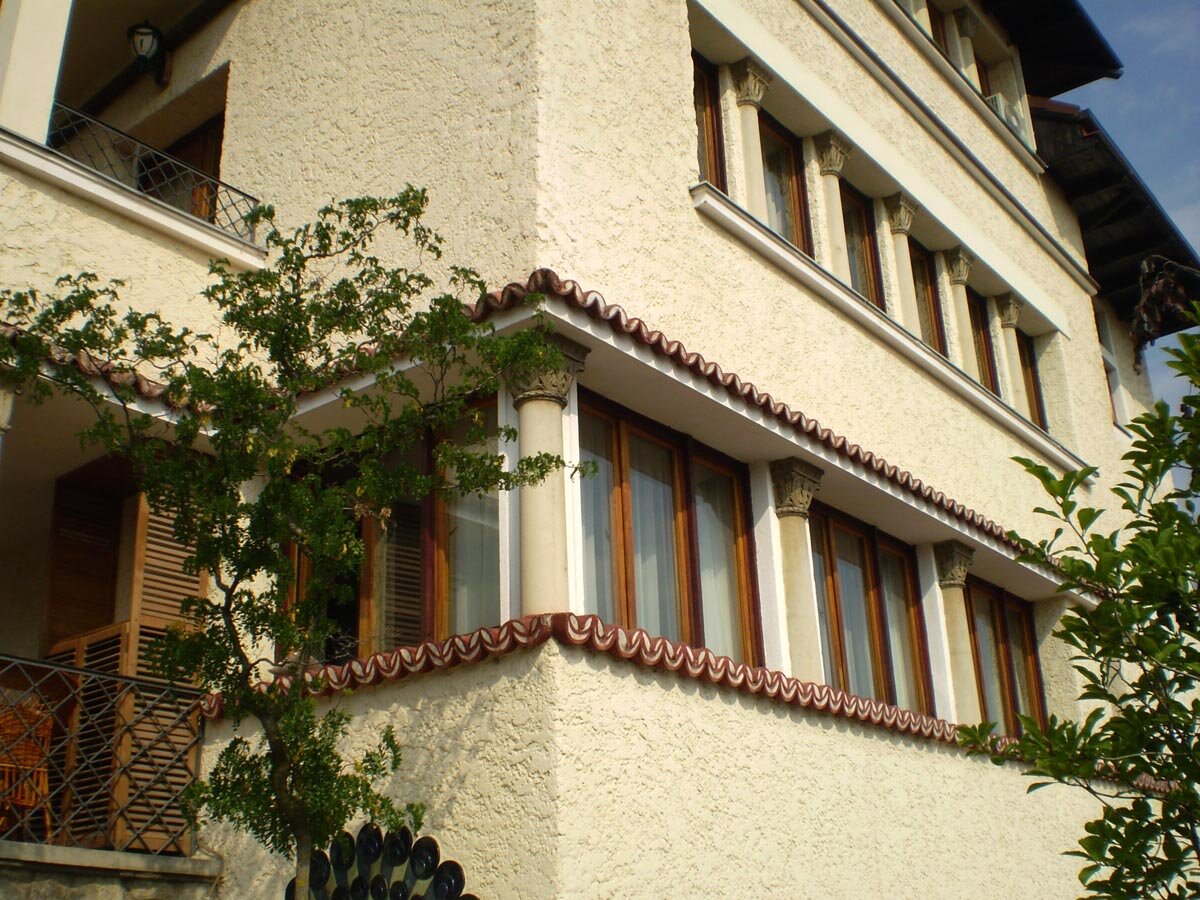
E. Tișcă House, Brasov, 1936
Six two-bedroom apartments realized for rent or sale. Note that each kitchen has a servant's room attached
The author thanks the architects of Brasov, in particular, arh. Gruia Hilohi, for their help in illustrating the article.
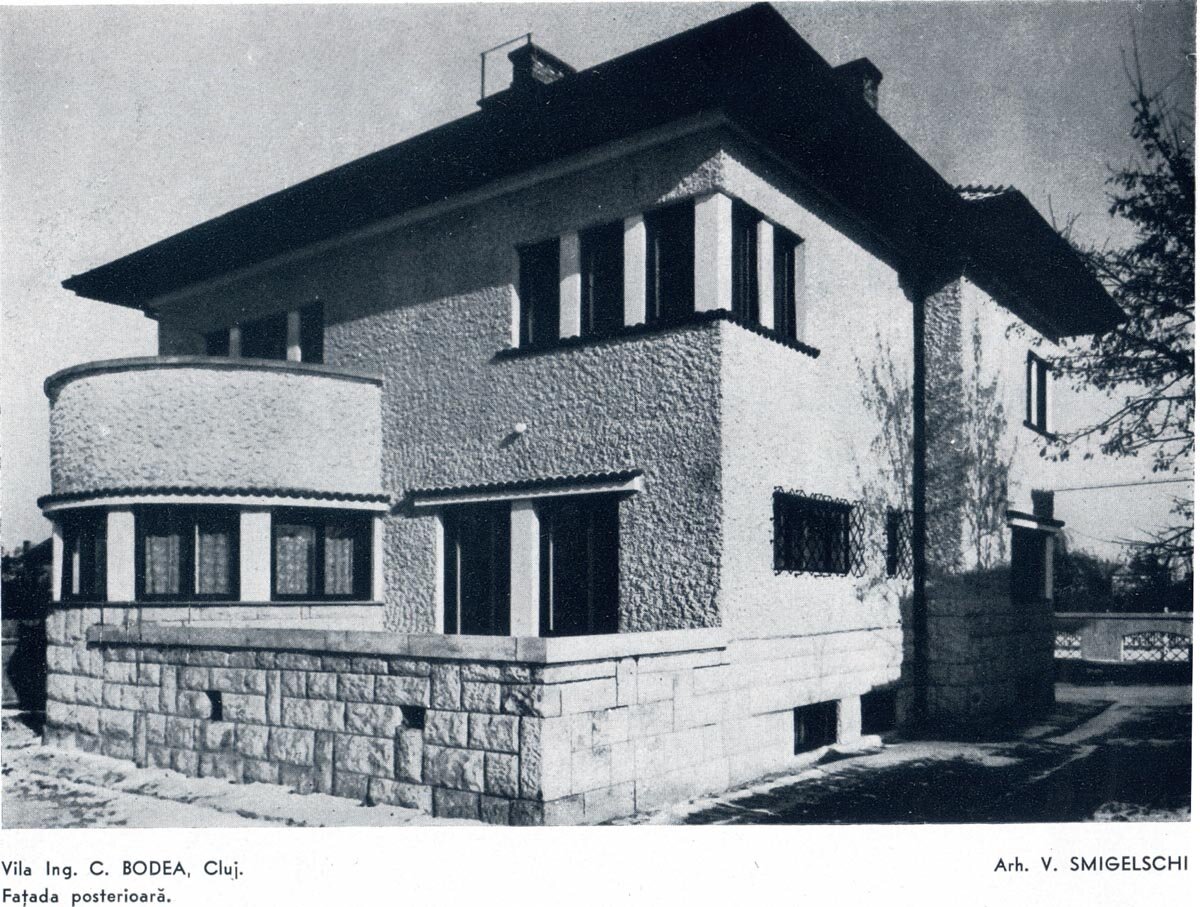
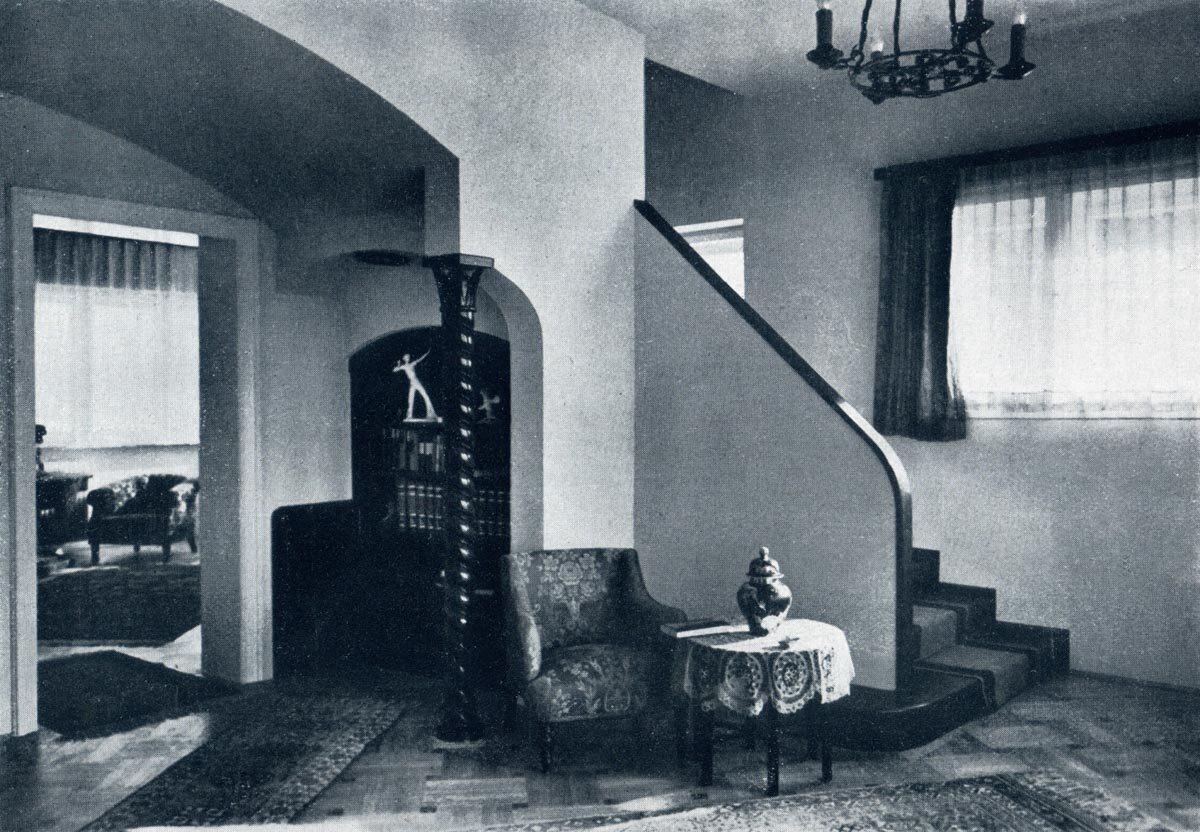
Villa ing. C. Bodea, Cluj, 1938
Rear facade and interior
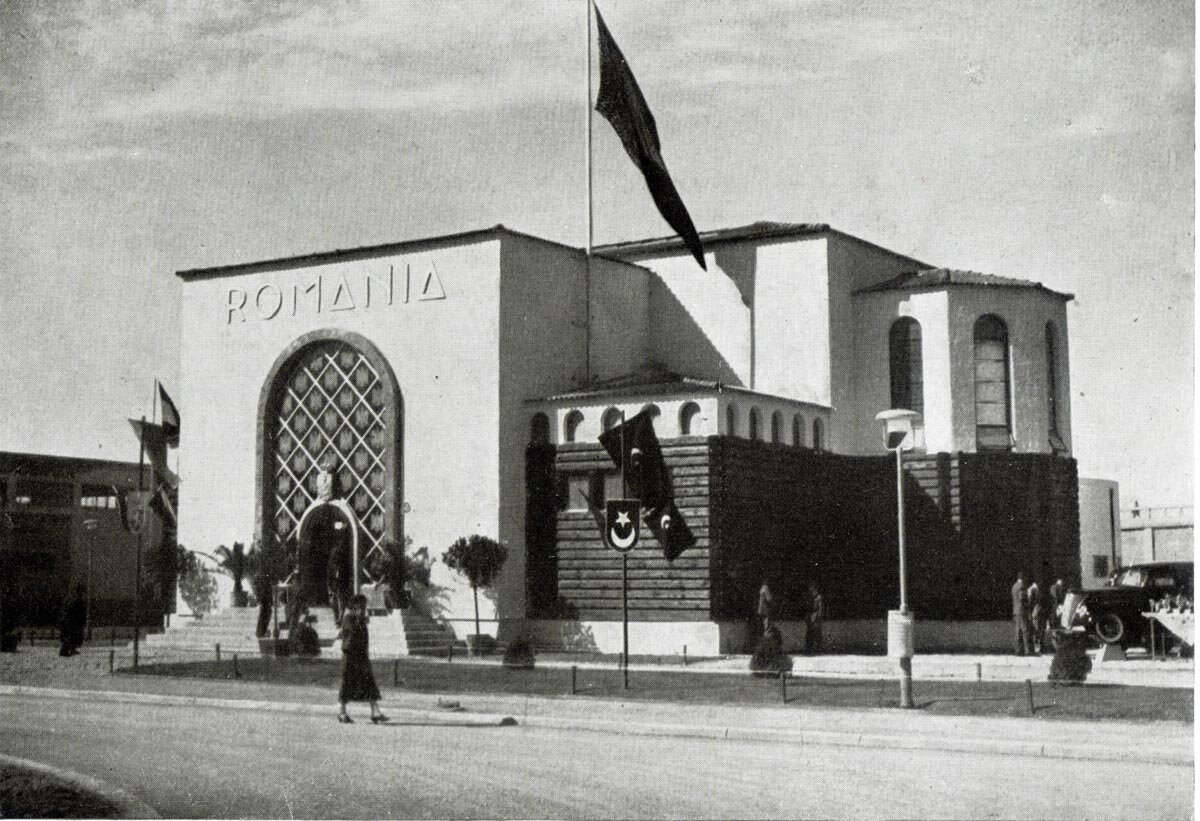
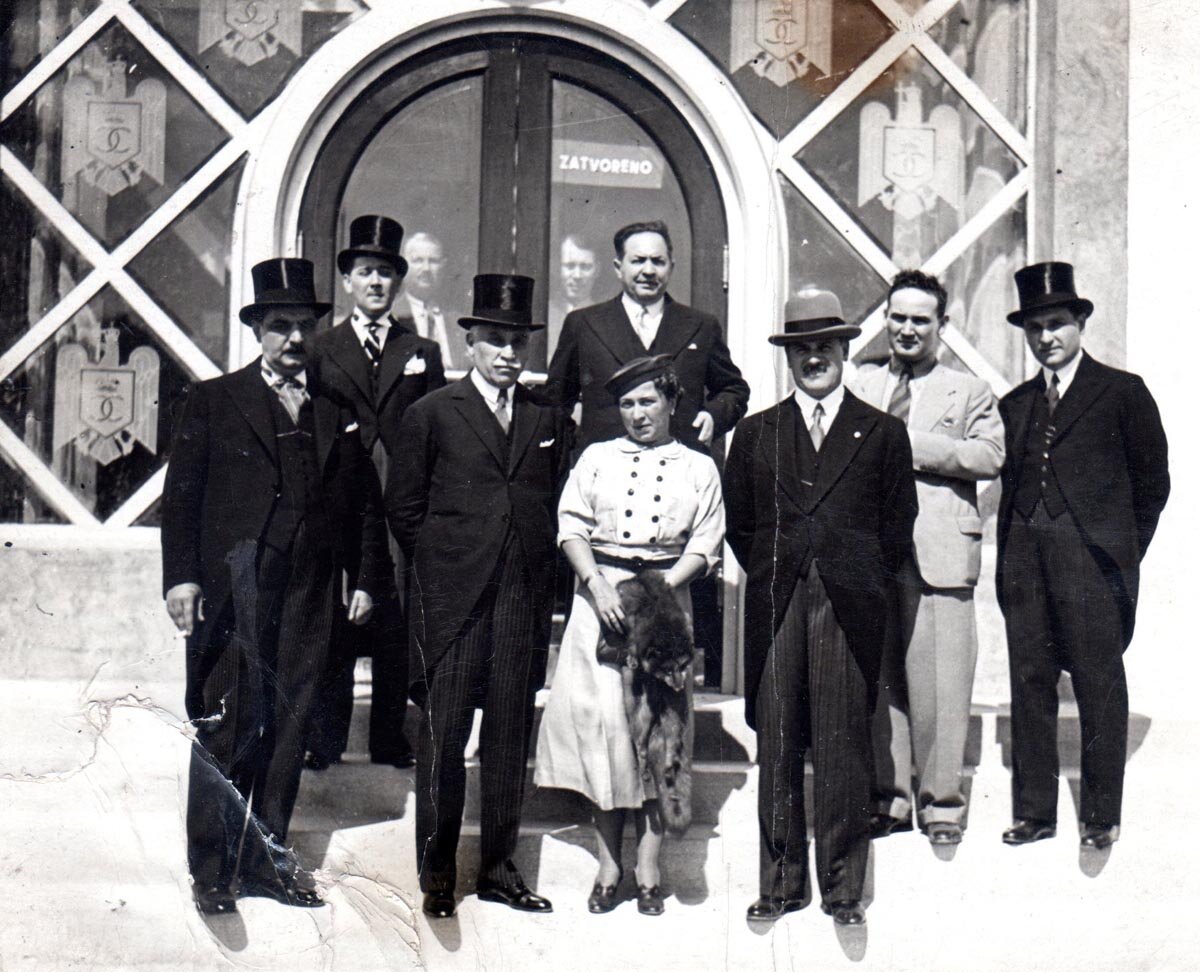
For Romania's "permanent" pavilion at the International Exhibition in Belgrade in 1937, Prince Peter II of Yugoslavia awarded him the Order of St. Sava, in the rank of Officer, Class IV.
He also collaborates or designs engineering buildings and even, helped by the seriousness of the Italian polytechnic education, realizes 4 projects of central heating and air conditioning installations, some for buildings designed by him and realized with specialized contractors.
As mentioned above, in addition to the three works he won in competitions, he also took part in other competitions for which he received distinctions: a second prize, a third prize, three mentions and two rewards, as well as the medal for Industrial Merit in 1937.
During the Second World War, he was mobilized as a lieutenant in the 1st Pioneer Regiment in Craiova, in 1943 to the Engineer Service in Tiraspol, then as an architect at the Casa Școalelor in Bucharest, where he was in charge of the anti-aircraft shelters of the schools. In an unusual detail during this period, he is lucky enough to delay visiting a trench before its total destruction.
But in the American bombing on April 15, 1944, one of the bombs explodes, with an easily suspectable result, on the second floor of the building, right in his apartment and architectural studio. This is the reason why no plans, sketches and personal research works have survived from his rather rich architectural work.
Polytechnic training continued with persistent study and research enabled him not only to tackle the wide range of architectural programs, but also to carry out a rich and very varied publishing activity.
He had supported the journal "Arhitectura" with contributions and, for a time, as a librarian, even before he became editor, together with Șt. H. Opari between 1939-44. Finally, he edited the last issue of the Society of Romanian Architects in 1943/'44 on his own, even though he had lost part of the documentation, together with his studio and library, in the bombing.
Short notes of opinions or general information are continued with two monographs(The Wooden Church of Bilbor and Medieșul Aurit Castle), summaries on Romanian Architecture in Transylvania, as well as technical information articles: Architectural Acoustics, new installation systems - air conditioning -, the influence of materials on architectural forms.
His interest, even passion, for the history of architecture, represented since the beginning of his career with two manuscripts - on Renaissance and Gothic - destroyed in the bombing, continues with the publication in the journal "Arhitectura" of five synthesis articles and monographs on Transylvanian rural architecture, based on his own research. The theme is then taken up in the newspaper "Universul".
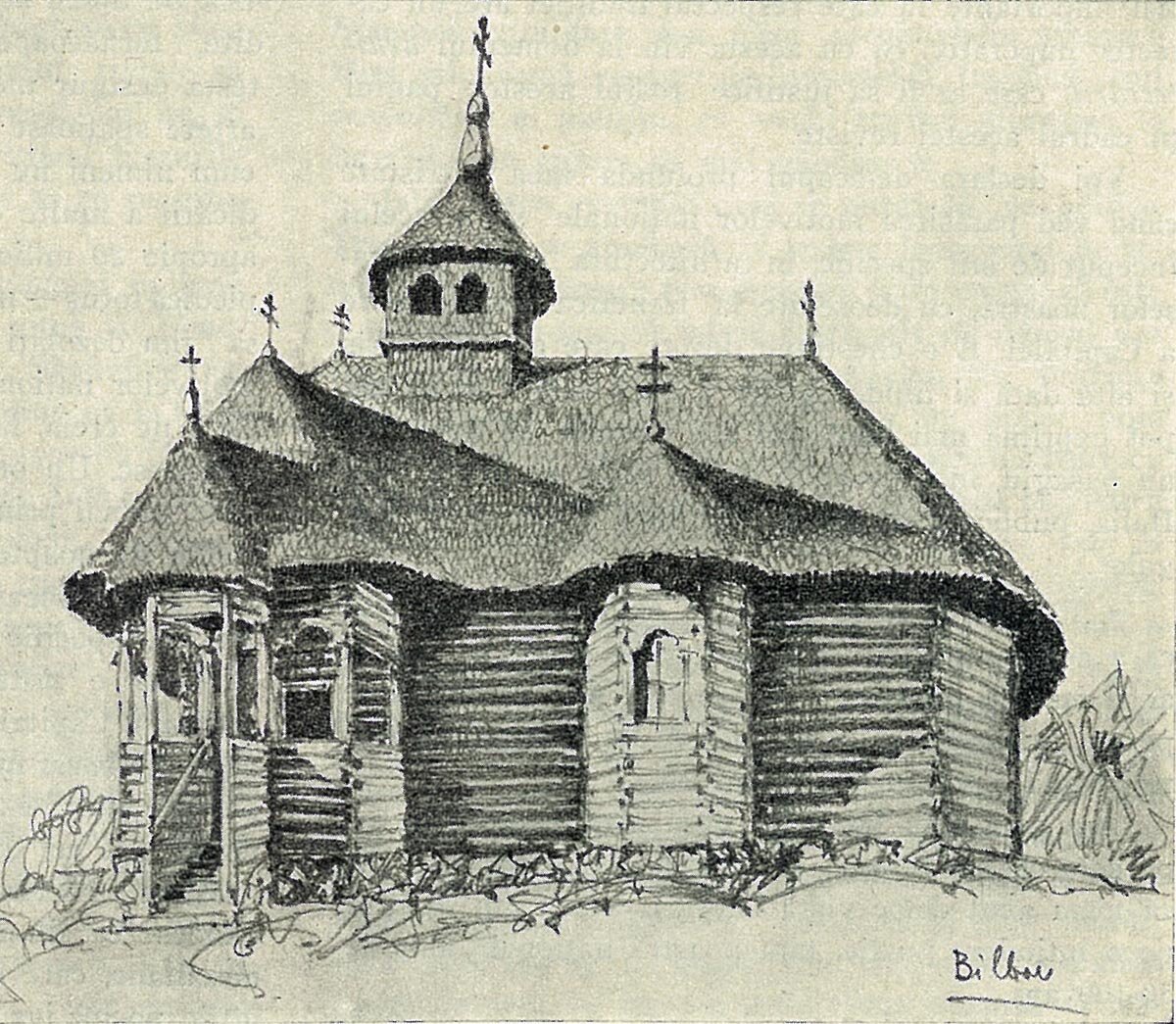
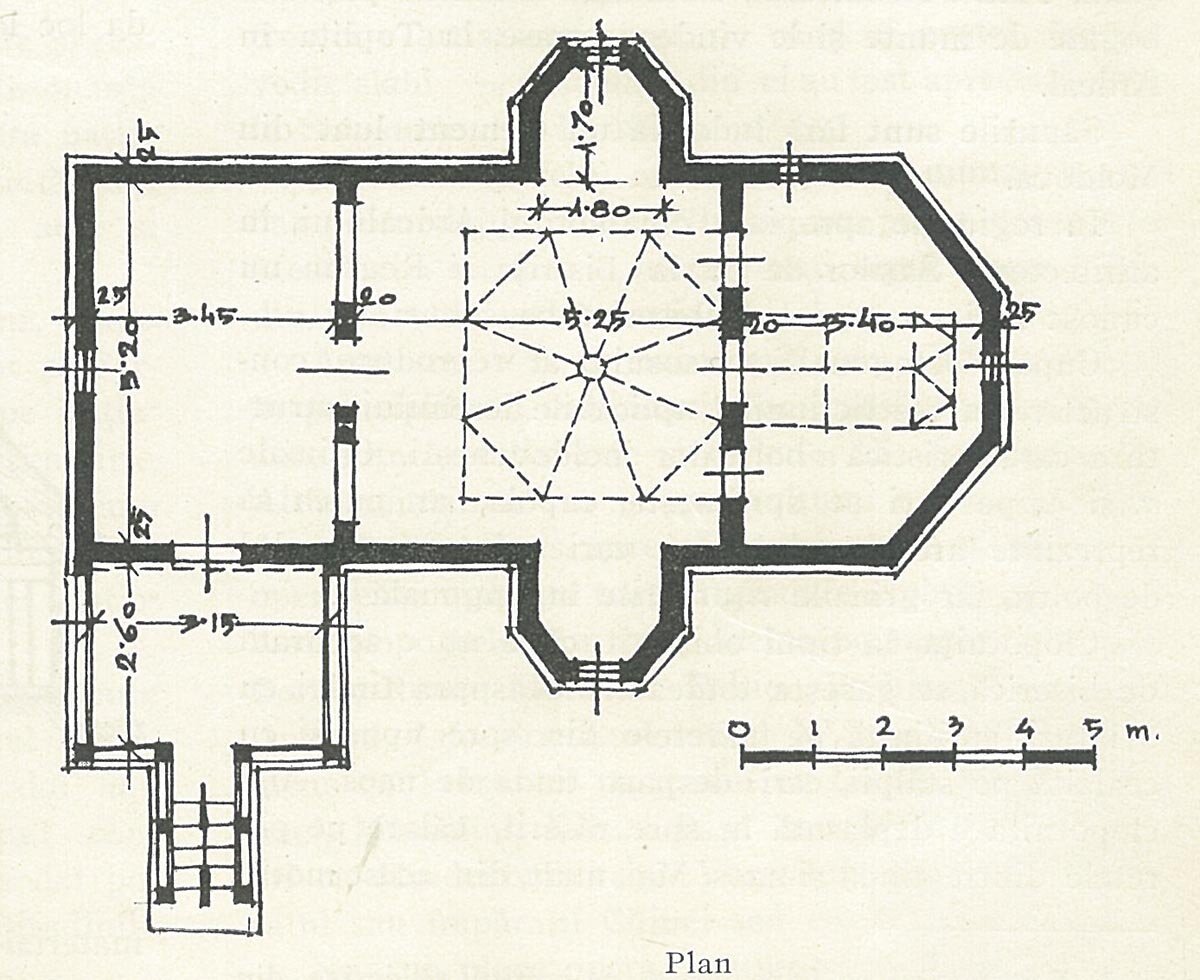
Wooden church in Bilbor, perspective and plan relief ("Arhitectura" no. 8/ 1937)
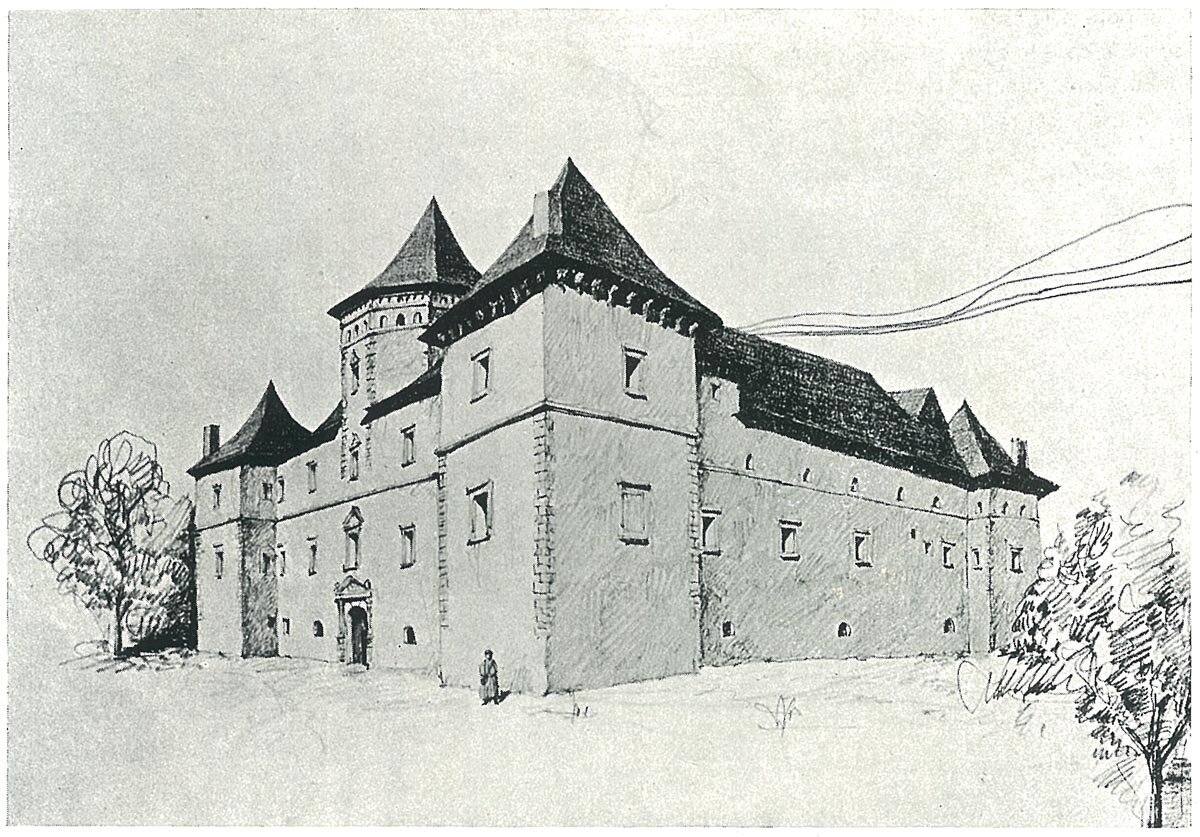
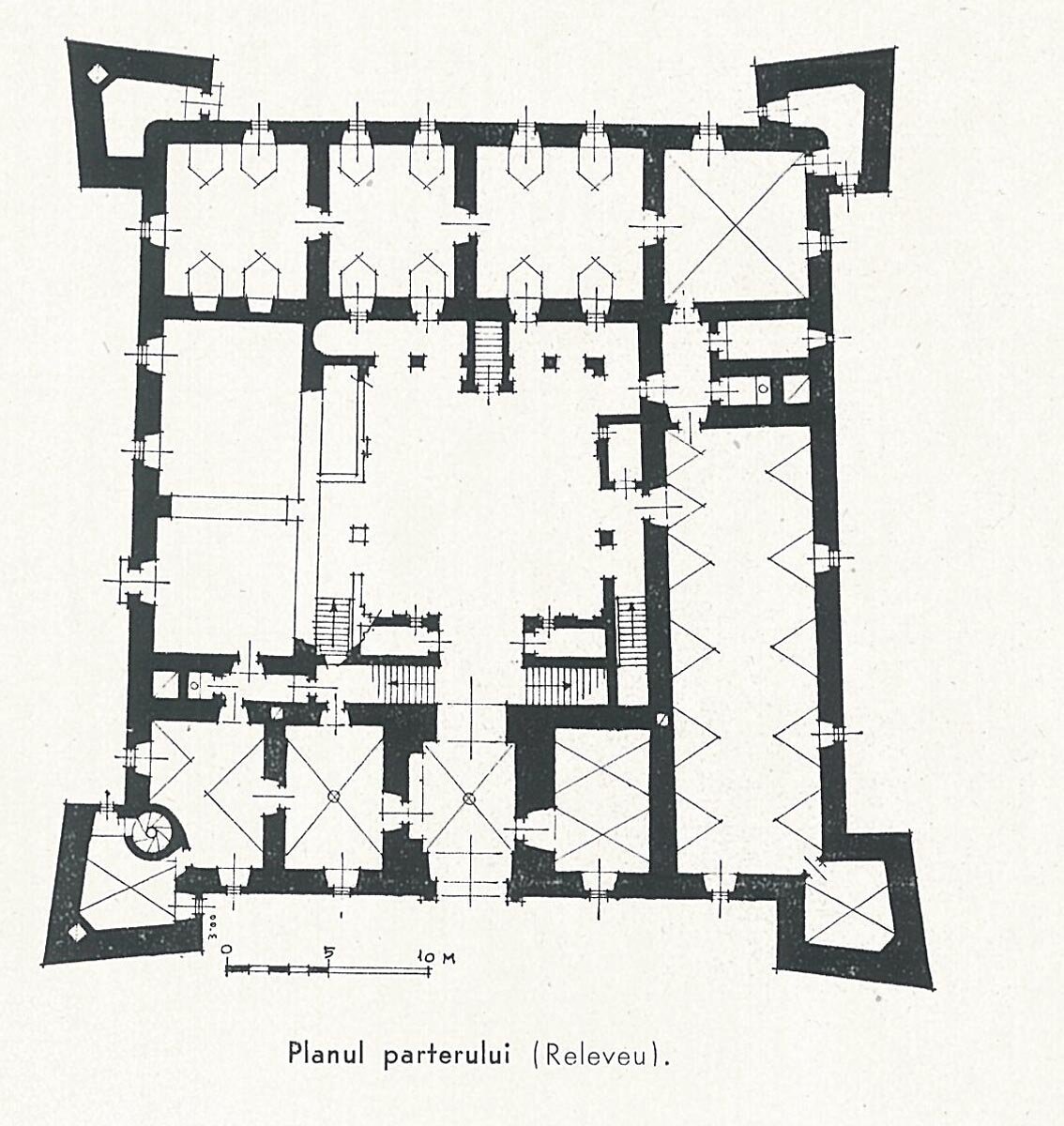
Medieșul Aurit Castle, perspective and ground floor plan ("Arhitectura" nr. 4/ 1939)
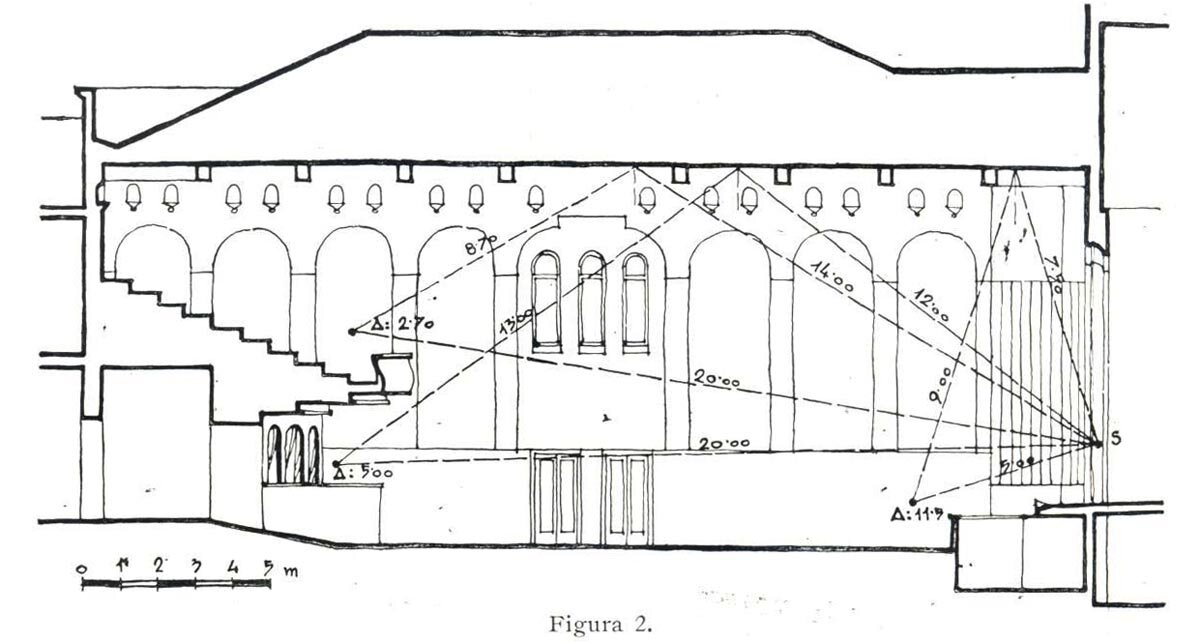
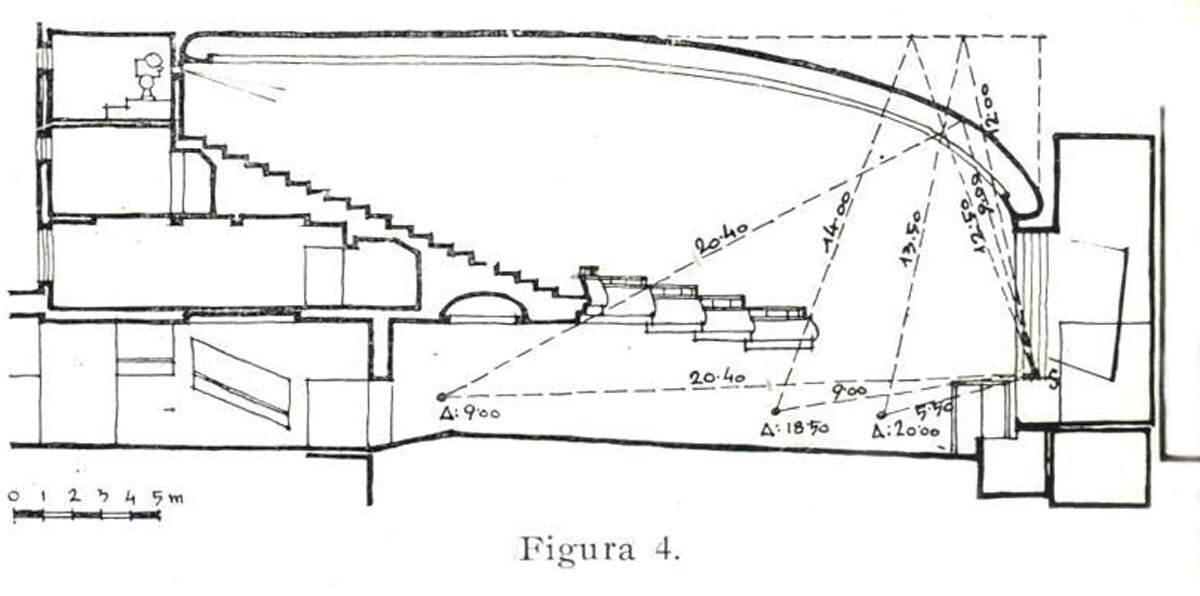
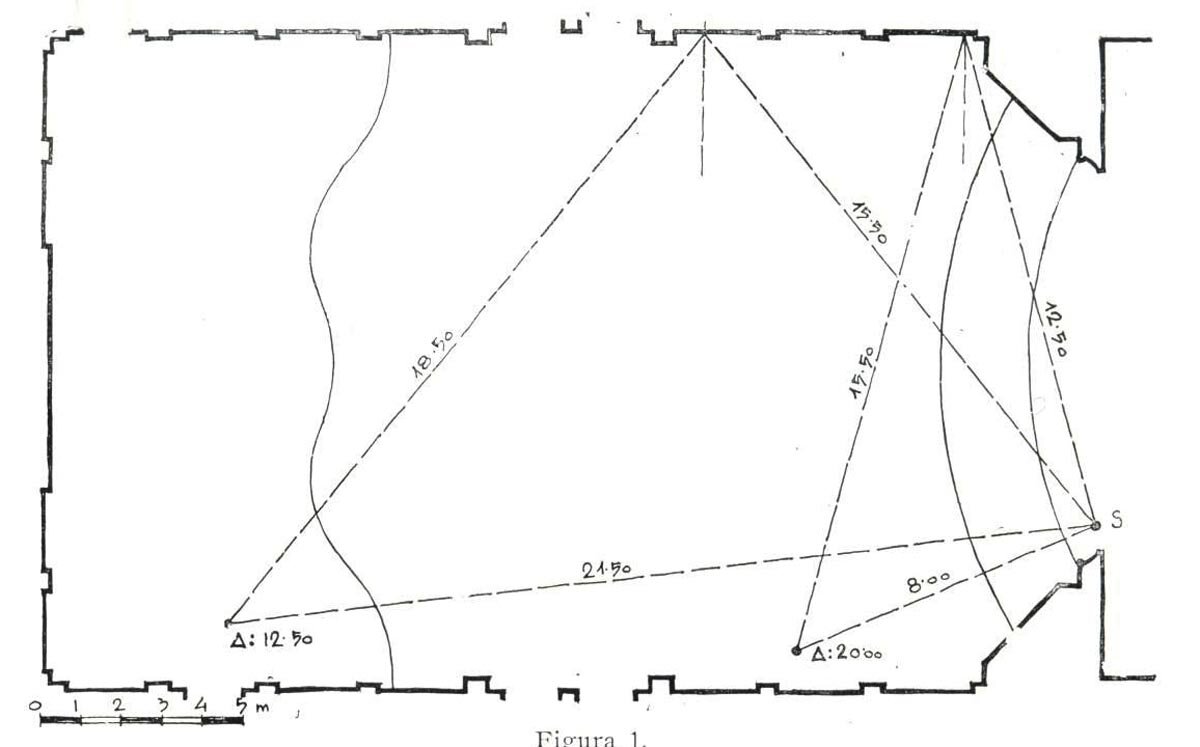
The public buildings designed by Smigelschi received special attention from the acoustic point of view, and their specific solutions are present in his publications on architectural acoustics.
For the performance hall of the Cultural Palace in Blaj (a building currently being restored by arch. Vlad Sebastian Rusu after a fire), the geometric acoustic study aims at a minimum delay of the reflected waves and an average reverberation time between speech and music.
In the Satu Mare movie theater, the curved shape of the ceiling, in order to improve clarity, allowed an even faster succession of reflections than in the case of the classical ceiling indicated by a dotted line.
He extends technical information in these areas by publishing two books. But presentations of the German architecture of the time (including in a series of articles in the newspaper "Universul") or legionary architectural competitions would "ensure" him a clearly unfavorable frame record for the 50s and 60s.
In May 1949 he was hired as a designing architect at the same, then successively reorganized, Institute of Design in Bucharest: IPC, ISPROR, again IPC, IPCT, ISCAS, without changing the office where he worked. He devotes himself to the initiation of the national system of standardization in programs and, in particular, architectural details (1951-'59), then standardization in the field of civil buildings, after which, in the '60s, he collaborates on probably the most complex and technical architectural program: hospitals. He is rated by management as a "leader in work" because, "He has realized a remarkable economy by design - he helps his fellow architects in their work and raises the qualifications of the draughtsmen."
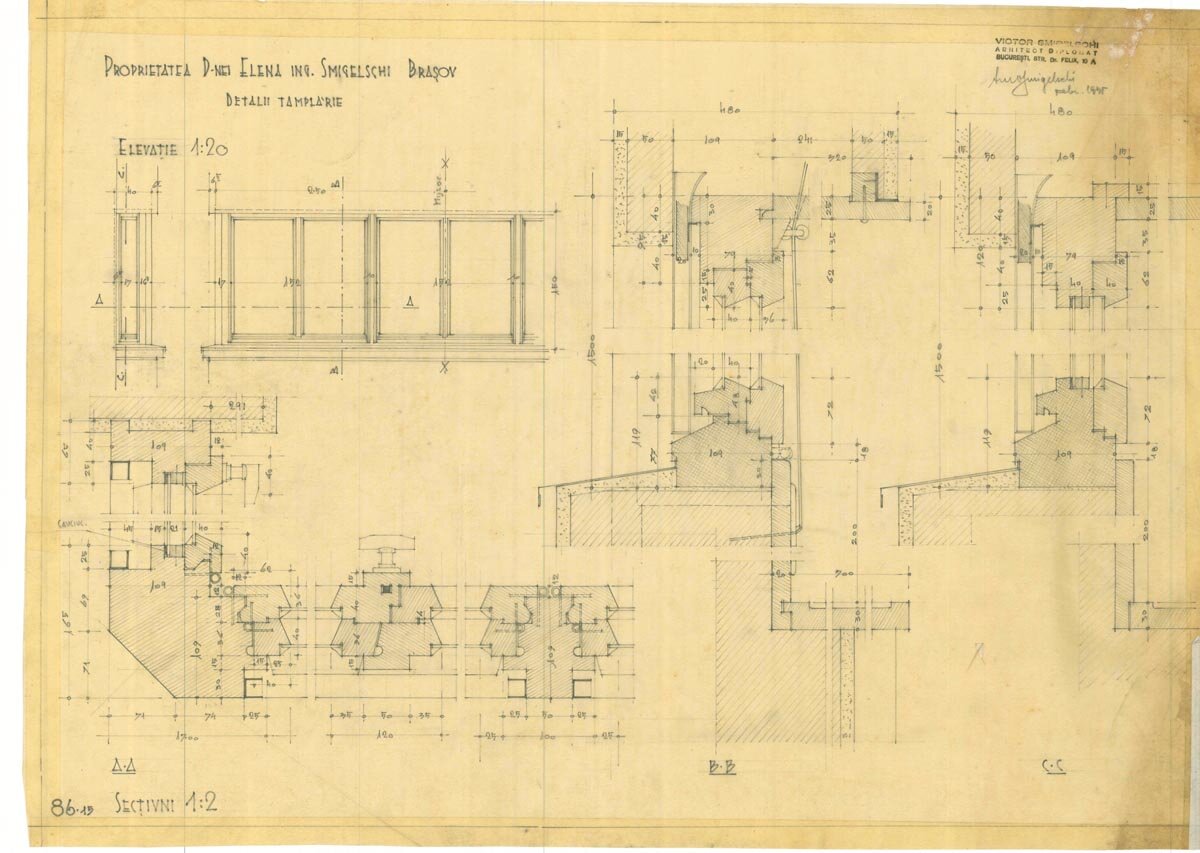
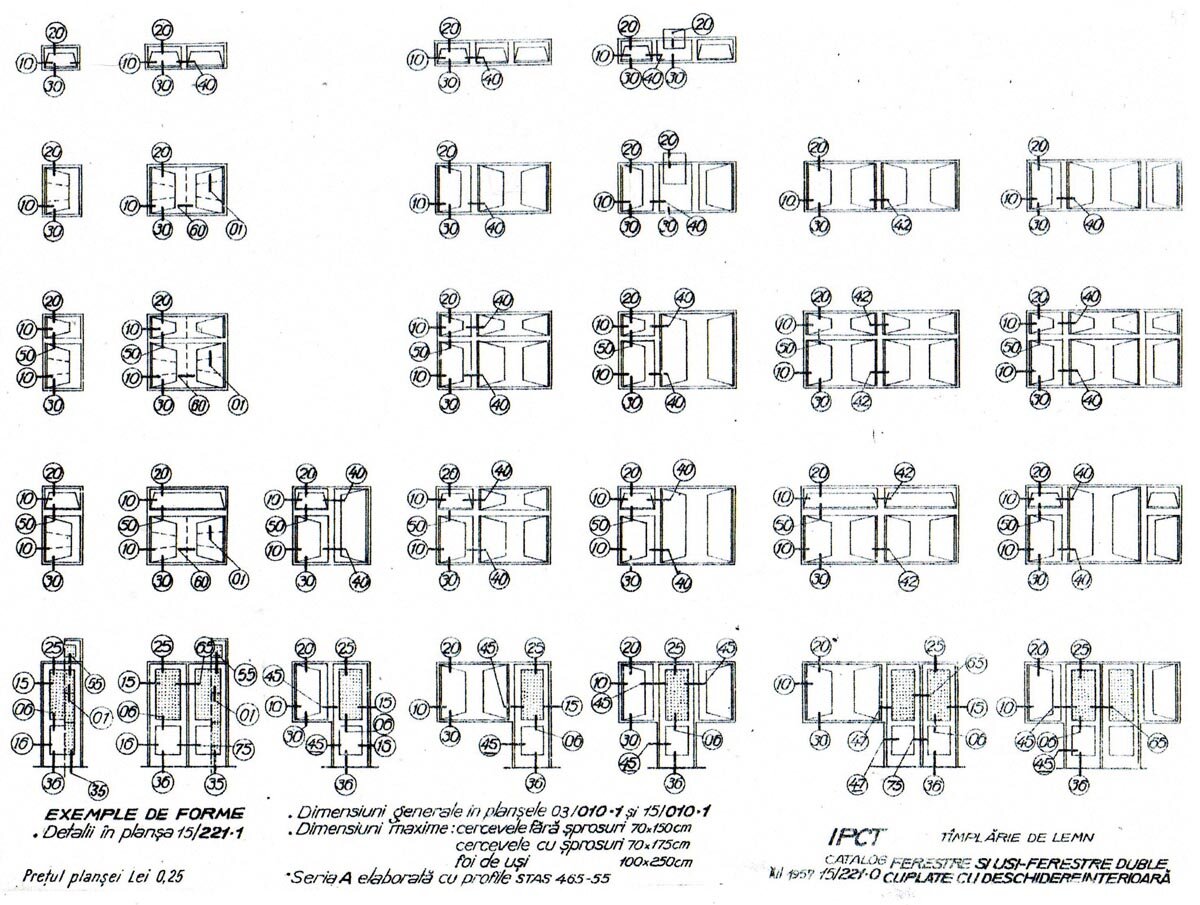
Victor Smigelschi was, as an author, project manager, then team leader, the father of the first widely circulated project-types which, as a way of systematization, drafting and presentation, were the basis of the following activity of civil construction type-setting.
The first and, it seems, really urgent, was the project for demountable site barricades made of demountable wooden panels, awarded by the Ministry of Construction Industry (MIC) in 1950.
In collaboration with the architects G. Morariu and R. Levy, the 101-(19)51 series of individual dwellings, reprinted three times in 5,000 copies and awarded a prize by the State Committee for Construction, Architecture and Systematization (CSCAS).
But the most important were the first catalogs of details and typical subassemblies of construction and architecture, awarded by the Union of Architects and followed, for years (as head of the collective), by hundreds of plates.
Thanks to diversification, good organization, numbering, and publication in many copies accessible to all levels (0.25 lei per page), it became sufficient to refer to the detail number on the overall drawings for the execution projects, and to obtain printed drawings for the site or workshop. In this way, in general: wide information, generalization of the quality conception and economy of means for the editing of projects.
Then, after the Standardization Commission was set up in 1948, between 1950 and 1963, it drew up 16 standards: the first basic requirements for civil construction, in a first draft and, in some cases, a radical revision, between 1950 and 1963.
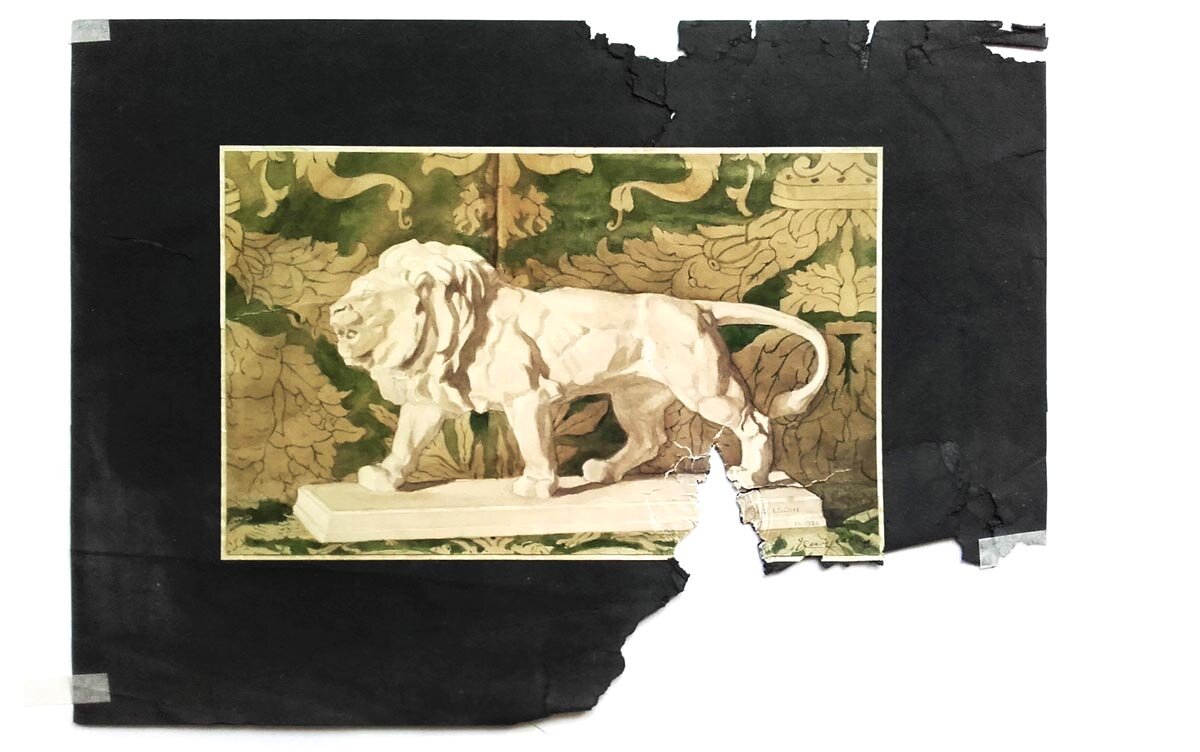
He did not remain a mere designer during this period either, but, as a scholar and researcher, he conceived and taught a course in the History of Architecture at the Technical Middle School of Architecture in Bucharest (1945-'62), for which he also prepared a textbook based on a pragmatic analytical program, more specifically for future architectural technicians: from the Renaissance to the contemporary, including Romanian and Soviet architecture, but also including groupings of decorative details useful for the Socialist Realism of the period. The manuscript remains buried in one of the ministerial drawers, but there are 300 pen-and-ink illustrations drawn by his son, which the author considers graphically preferable to the quality of reproduced book pictures. The manuscript of his second passion, architectural acoustics, a field that was still developing at a vertiginous rate at the time, was not published in time.