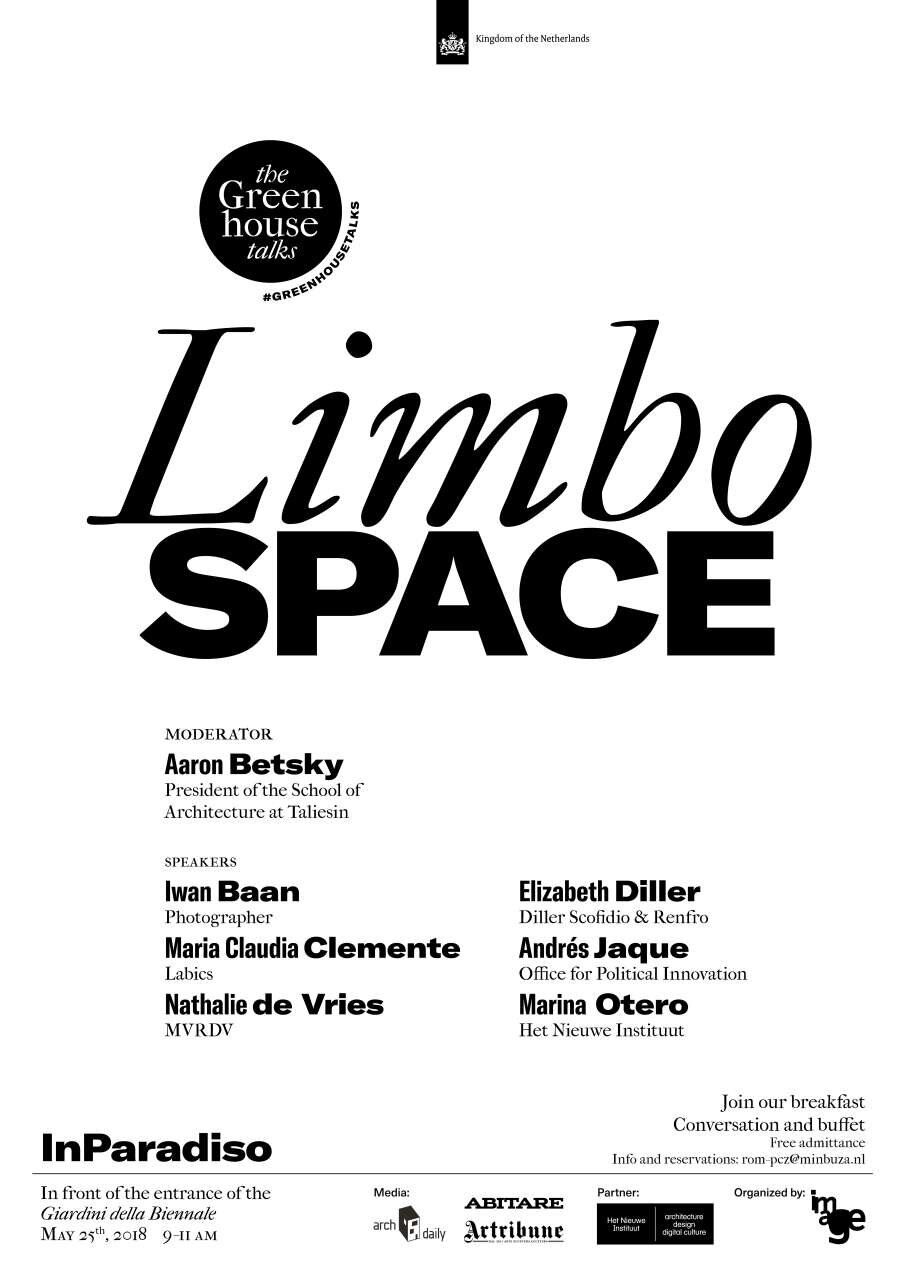
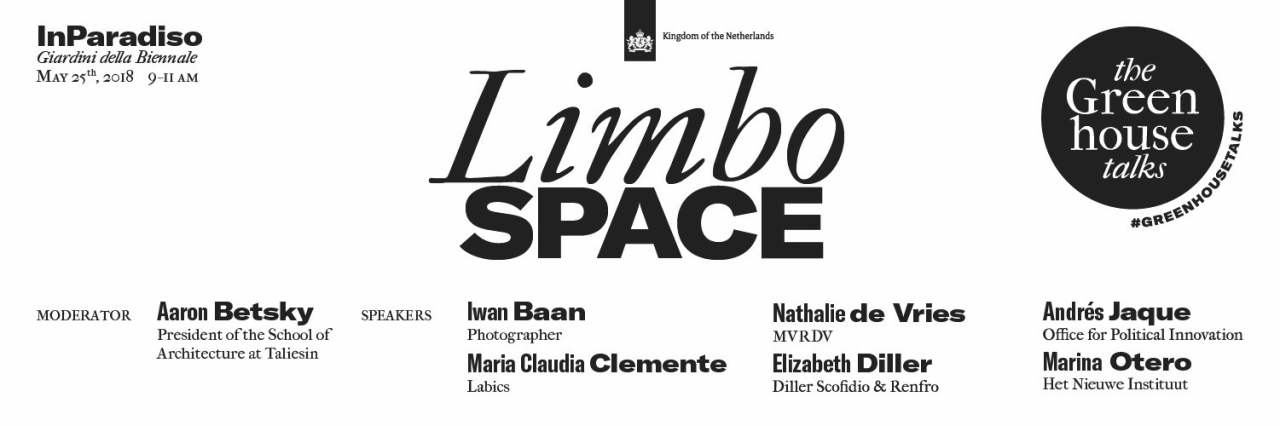
Limbo Space
{ alert_title}

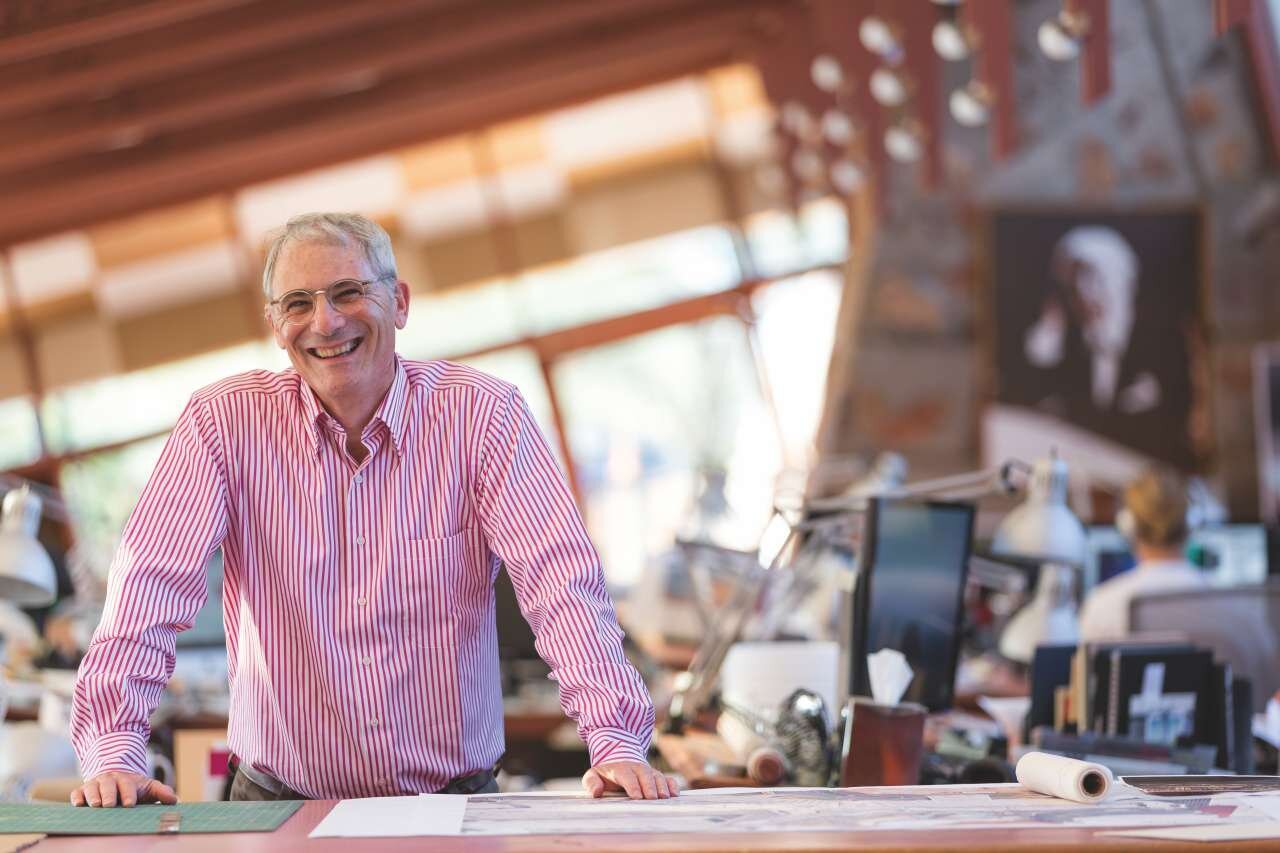
Aaron BETSKY is president of the Taliesin School of Architecture. An art, architecture and design critic, he is the author of several books on these subjects. He has a blog on www.architectmagazine.com, AIA's online publication, where he writes twice a week. Trained as an architect and in the humanities at Yale University, he was director of the Cincinnati Art Museum (2006-2014) and the Netherlands Institute of Architecture (2001-2006), and curator of architecture and design at the Museum of Modern Art in San Francisco (1995-2001). He has worked on the staff of Frank O. Gehry & Associates and Hodgetts + Fung and taught at the SCI-Arc independent architecture school in Los Angeles. In 2008, he was curator of the 11th Venice International Architecture Biennale. His most recent books are Making It Modern: The History of Modernism in Architecture of Design (Actar Publishers, 2016) and Architecture Matters (Thames & Hudson, 2017).
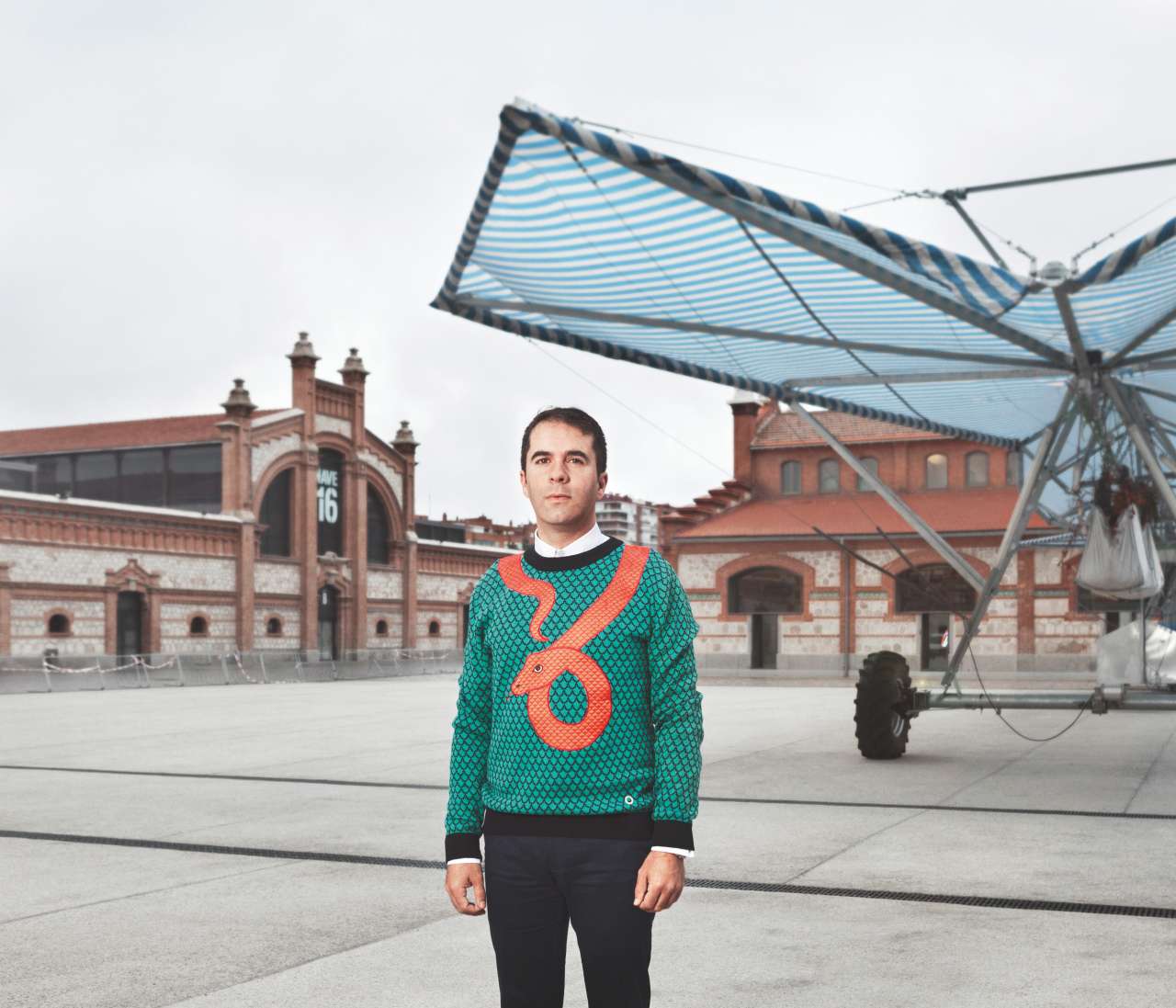
Andrés JAQUE is an architect, with studies at the Higher Technical School of Architecture in Madrid, the Alfred Toepfer Stiftung (Hamburg) and the Graham Foundation. He is the founder of the Office for Political Innovation, an international architecture office with concerns at the intersection of design, research and architectural criticism. He is the author of award-winning projects such as: Plasencia Clergy Hall of Residence, House in Never Never Land, TUPPER HOME, ESCARAVOX or COSMO, MoMA PS1.
Awards: Frederick Kiesler Award (2016), awarded by the City of Vienna; Silver Lion (2014) for best research project at the 14th Venice Biennale; Dionisio Hernández Gil Award.
Publications: Transmaterial Politics (2017), Calculable (2016) PHANTOM. Mies as Rendered Society, Different Kinds of Water Pouring into a Swimming Pool, Dulces Arenas Cotidianas (2013), Everyday Politics (2011), Melnikov. 1000 Autos Garage in Paris 1929 (2004).
His research work has been published in Perspecta, Log, Thresholds, Volume etc.
The projects of his architectural office have been featured in some of the most important architectural publications - A+U, Bauwelt, Domus, El Croquis, The Architectural Review - and press - The New York Times, Wall Street Journal, The Guardian, El País and have been exhibited at the Museum of Modern Art MoMA, London Design Museum, MAK in Vienna, Tel Aviv Museum of Art, RED CAT Cal Arts Contemporary Art Center in Los Angeles, Z33 in Hasselt, Schweizerisches Architektur Museum in Basel, Princeton University SoA and Cité de l'Architecture et du Patrimoine de Paris.

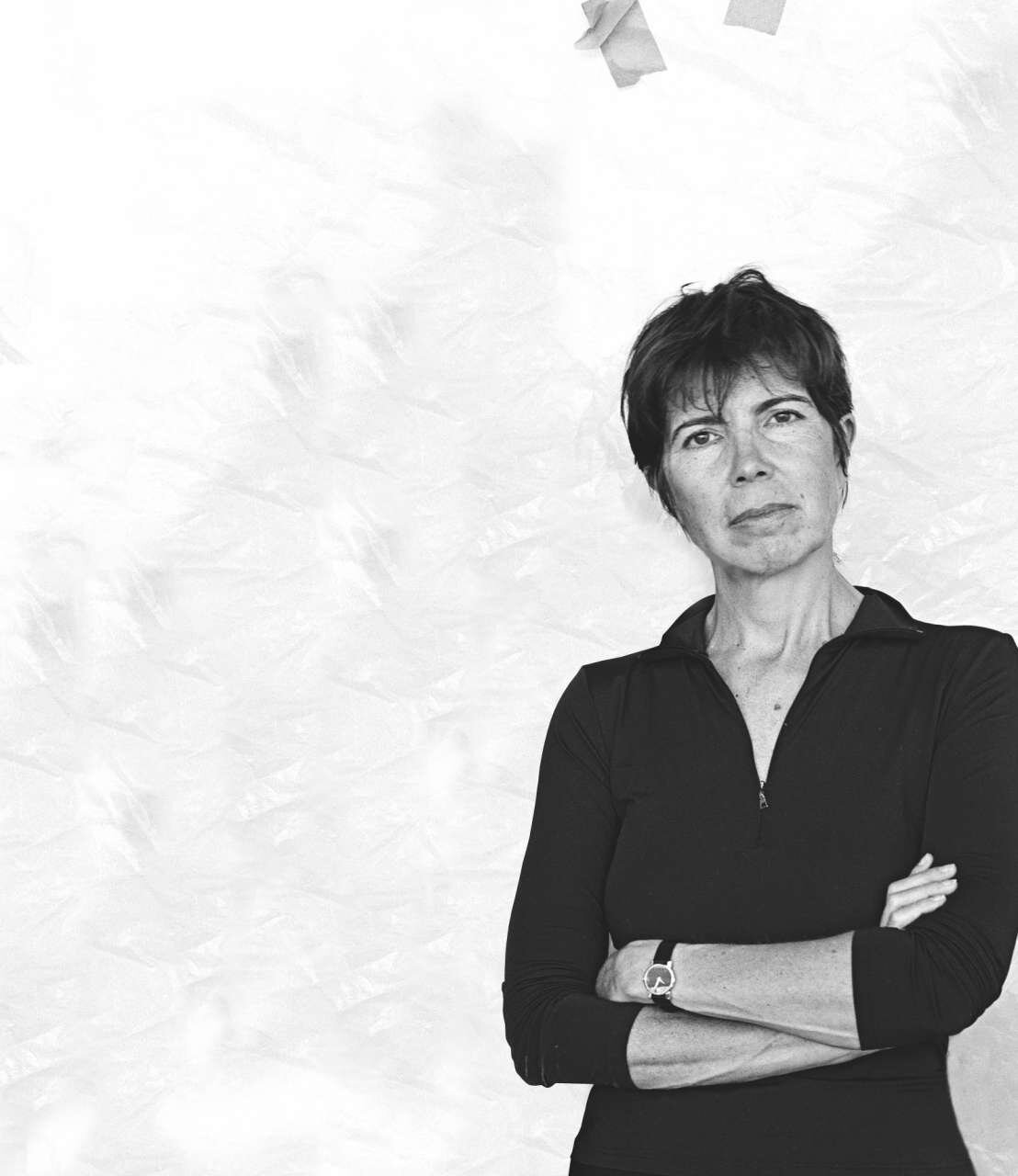
 Elizabeth DILLER is a founding partner of Diller Scofidio + Renfro (DS+R), a New York-based design practice (1979). Together with Ricardo Scofidio, she has created an alternative form of architectural practice that combines design, performance and electronic media with cultural and architectural theory and criticism. His trans-disciplinary projects have garnered media attention, with his name recognized by Time Magazine in its Top 100 Most Influential People in the World, and have been honored by the MacArthur Foundation with its first-ever award in the field of architecture. He is currently directing two significant cultural projects for New York: The Shed - the first arts center designed to acquire, produce, and present all types of performing arts, visual arts, popular culture - and the Museum of Modern Art expansion (both to open in 2019). In addition to coordinating the two installations on display at this year's Venice Biennale, he is also the principal designer of the exhibition "Heavenly Bodies: Fashion and the Catholic Imagination" at the Metropolitan Museum of Art in New York. He is a member of the American Academy of Arts and Letters, the American Academy of Arts and Sciences, and an International Fellow of the Royal Institute of British Architects, and is Professor of Architecture at Princeton University.
www.dsrny.com
 Iwan BAAN is a Dutch photographer known for his interest in showing through images how individuals, communities and societies interact in the built environment. Born in 1975, he studied at the Royal Academy of Art in The Hague and then worked in documentary photography in New York and Europe. His passion for documentary and space alike shines through in his photographs, which illustrate people's ability to appropriate spaces and objects in the idea of creating a 'place' for each other. Examples that can support this can be found in his work on informal communities, where vernacular architecture and 'placemaking' can serve as samples of human ingenuity: see the images in the Torre David series in Caracas, with which Baan won the Golden Lion for Best Installation at the 2012 Venice Architecture Biennale (https://www.theguardian.com/cities/gallery/2014/feb/12/la-torre-david-vertical-slum-caracas-venezuela-tower).
With no background in architecture, Baan has managed to build a vision that brings to the forefront the stakes and perspectives of the common man that give meaning and context to the architecture and spaces that surround us, an artistic approach through which he has become an accessible and pertinent voice on the pressing issues of architecture today.
His association with renowned architects came after receiving the Julius Shulman Prize for Photography. Since becoming visible, Rem Koolhaas, Herzog & de Meuron, Zaha Hadid, Diller Scofidio & Renfro, Toyo Ito, SANAA and Morphosis have all turned to him to showcase their works through photography, revealing their sense of place and making a story out of them. Through his photographs, Baan has also contributed to the success of architectural books: 'Insular Insight: Where Art and Architecture Conspire with Nature: Naoshima, Teshima, Inujima' (2011, Lars Müller, Akiko Miki, in collaboration with Hiroshi Kagayama, Lars Müller Publishers & Fukutake Foundation, 2011); 'Torre David: Informal Vertical Communities" (Alfredo Brillembourg & Hubert Klumpner, Lars Müller Publishers, 2012) and "Brasilia & Chandigarh - Living With Modernity" (Iwan Baan, Cees Nooteboom, Martino Stierli, Lars Müller Publishers, 2010). His photographs also grace the pages of architecture, design and lifestyle magazines such as The Wall Street Journal, The New York Times, Architectural Record, Domus, Abitare and Architectural Digest.
Awards and nominations: AIA Stephen A. Kliment Oculus Award; nominated as one of the 100 most influential personalities in contemporary architecture by Il Magazine dell'Architettura on the occasion of its 100th issue (December 2011).
https:// iwan.com
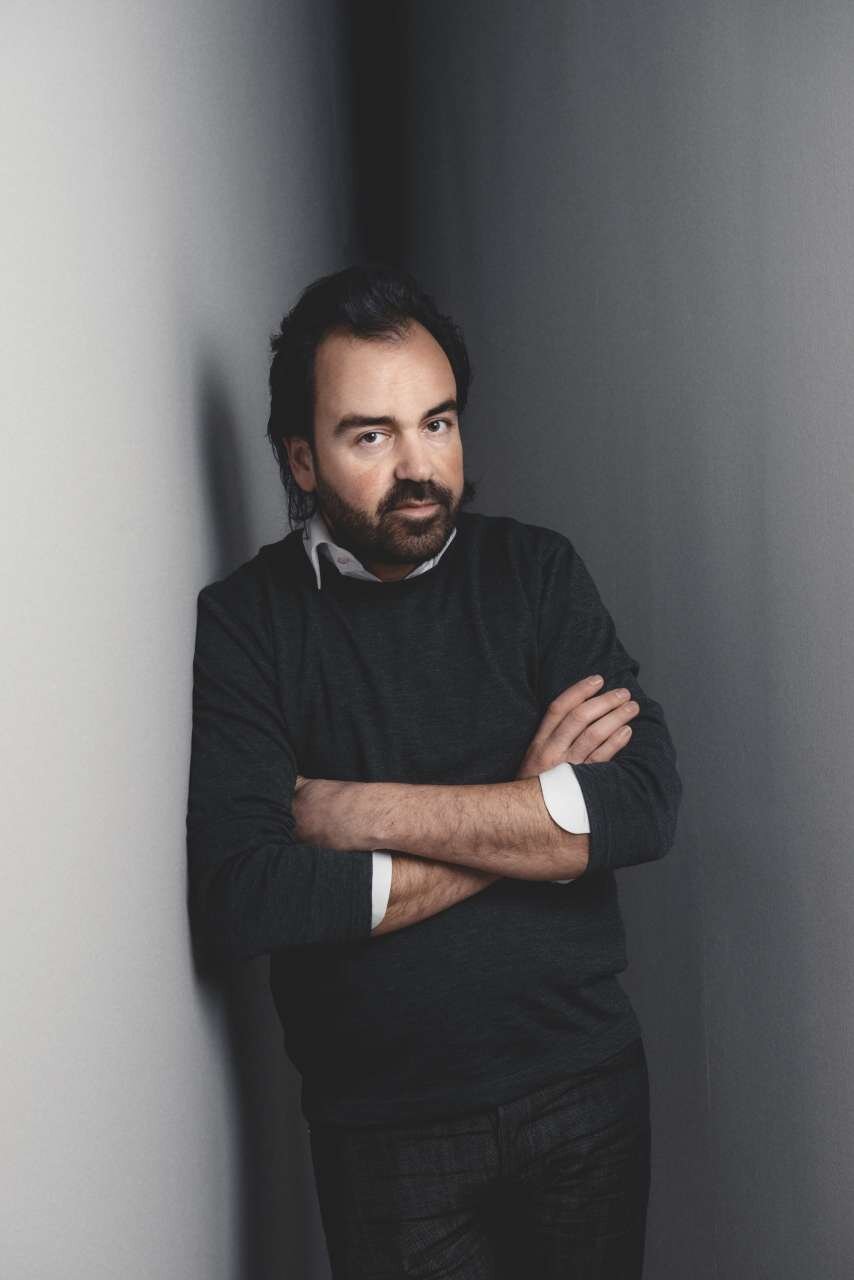
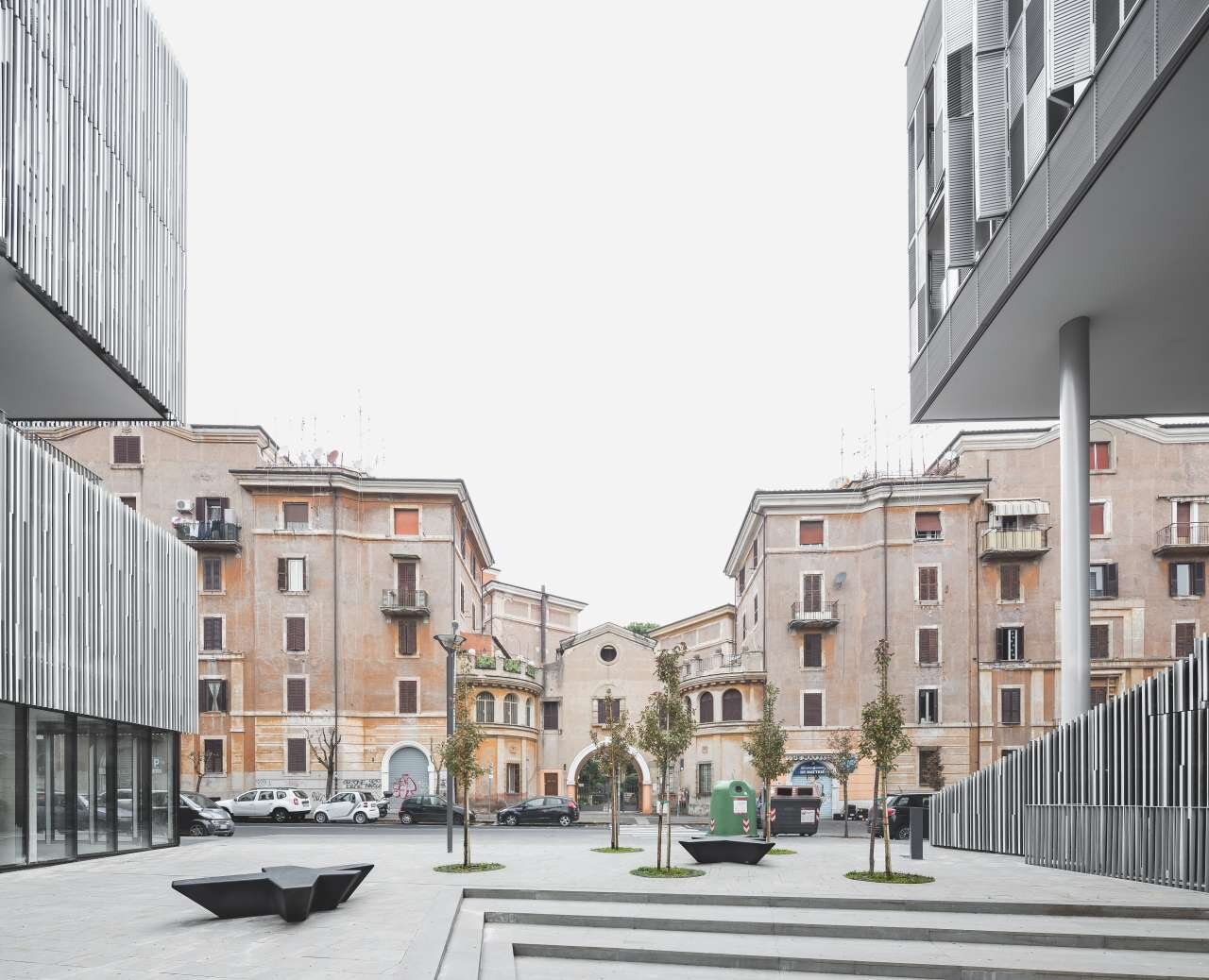
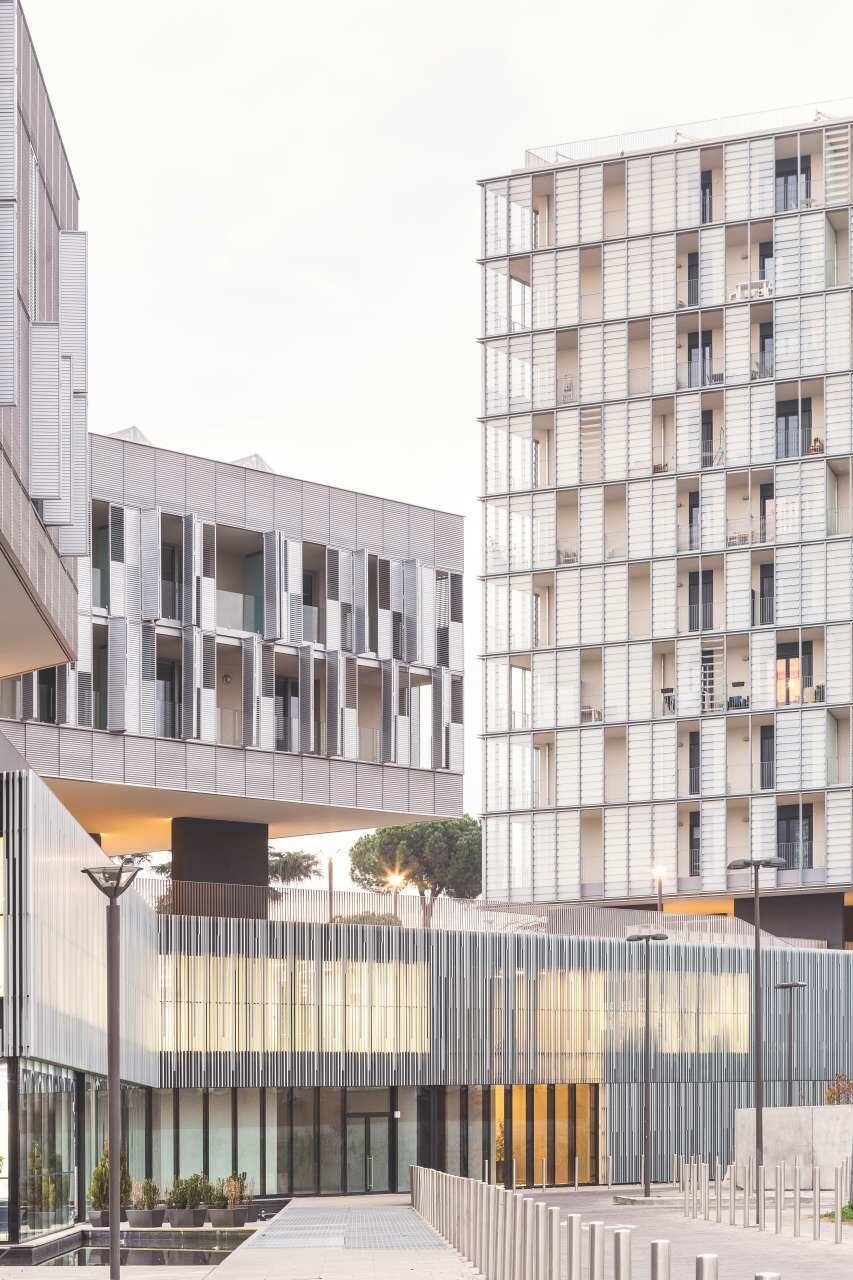
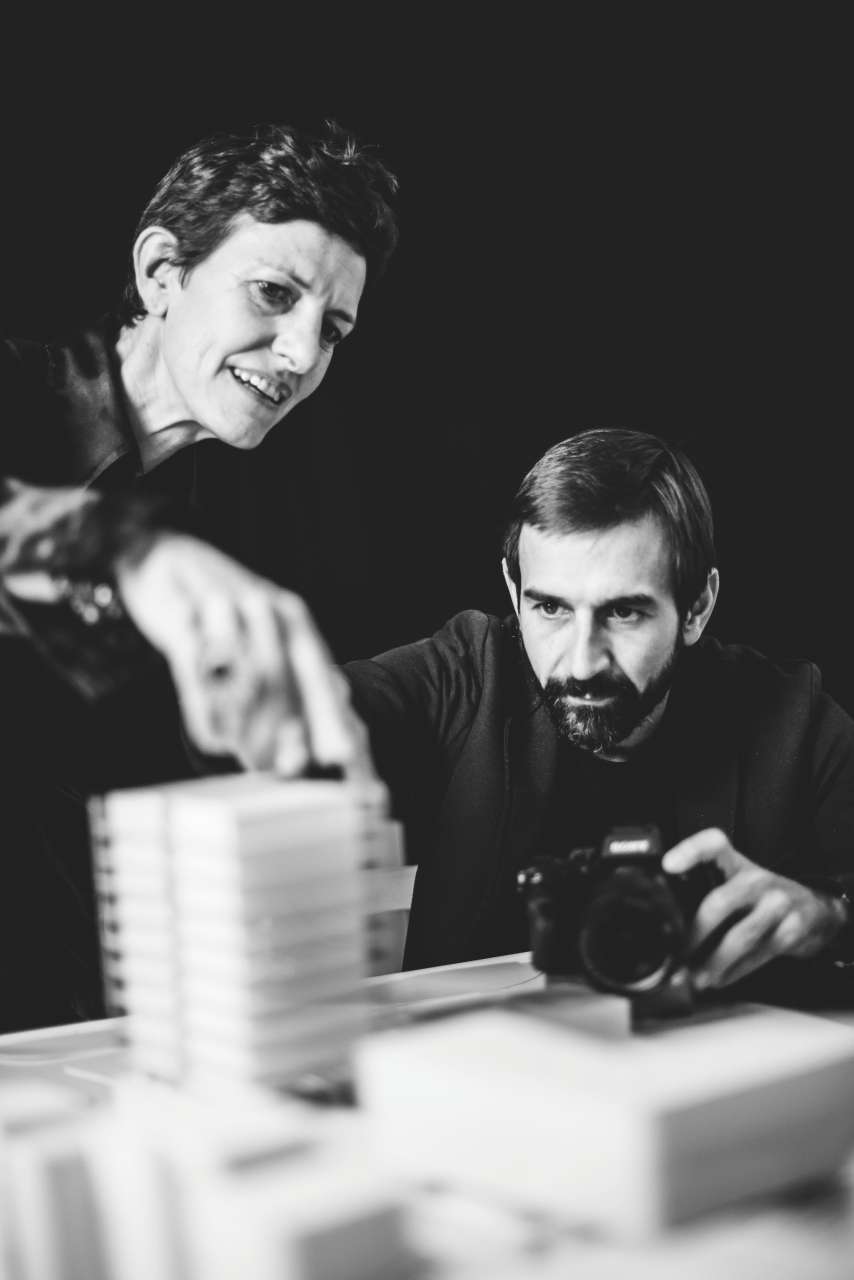 Maria Claudia CLEMENTE is the co-founding director of the architecture and urban planning office Labics (2002), together with Francesco Isidori. The name of the office, Labics, expresses the concept of a laboratory, a testing ground for advanced ideas. Combining theoretical approach and applied research, the office's field of interest has extended from the small scale of interior architecture to the macro scale of urban planning, passing through all the intermediate, more or less complex scales of design.
www.labics.it
 Marina OTERO VERZIER is an architect based in Rotterdam. She studied architecture at TU Delft and ETSA Madrid. In 2013, Fulbright scholarship; Master in Critical, Curatorial and Conceptual Practices in Architecture at Columbia University GSAPP. PhD at ETSAM in 2016. Lecturer at RCA, London, director of research at Het Nieuwe Instituut and curator of the Dutch Pavilion at this year's 16th Venice Biennale, Work, Body, Leisure. He was the chief curator of the 2016 Oslo Architecture Triennale's After Belonging Agency, and previously worked in New York as director of global networked programming at Studio-X, Columbia University. His work, recently honored by The Graham Foundation, Design Trust and through the FAD Thought and Criticism Award, has been published in various books and journals. Publications (as coeditor): Promiscuous Encounters (2014), Unmanned: Architecture and Security Series (2016), After Belonging: The Objects, Spaces, and Territories of the Ways We Stay In Transit (2016); catalog editor of the exhibition Work, Body, Leisure (2018).
https://hetnieuweinstituut.nl
 Nathalie DE VRIES, architect and urban planner, is the main founder of the architectural practice MVRDV (1998), together with Winy Maas and Jacob van Rijs. Their interdisciplinary projects are at the intersection of architecture and urbanism, establishing an international identity with a wide variety of self-generated, innovative, experimental and theoretical building typologies and staircases. She is known for a diversity of works of different typologies and scales that connect individuals and communities. Her approach has resulted in a series of projects able to activate their contexts, public spaces and communities.
He is professor at the Baukunstklasse of the Kunstakademie Düsseldorf, but has also taught at several prestigious institutions such as Harvard GSD, IIT Chicago, Berlage Institute, TU Delft, Architecture Academy Arnhem and TU Berlin. He is currently President of The Royal Institute of Dutch Architects (BNA) and a member of the boards of HS2 London to Birmingham High-Speed train line, Witte de With Center for Contemporary Art and Groninger Museum.