
MuzA – Year 1 – Fantasy
© Lucian Călugărescu
MuzA can be viewed both as an exhibition program and as an exercise in real-time institutional definition. It emerges at a time when the museum is no longer merely a repository of memory, display, and legitimization, and architecture—perhaps more than other disciplines—complicates this definition. In other disciplines, museums evolve alongside them, but we are in the position of creating a museum that recovers a vast stretch of the past. Buildings cannot simply be transformed into museums; cities cannot be reduced to documents; and professional memory inevitably enters into dialogue with the social, political, and emotional memory of places. In this context, curation becomes less of a selection process and more of a form of critical construction: a way of connecting archives, spaces, communities, incomplete histories, and unresolved questions.
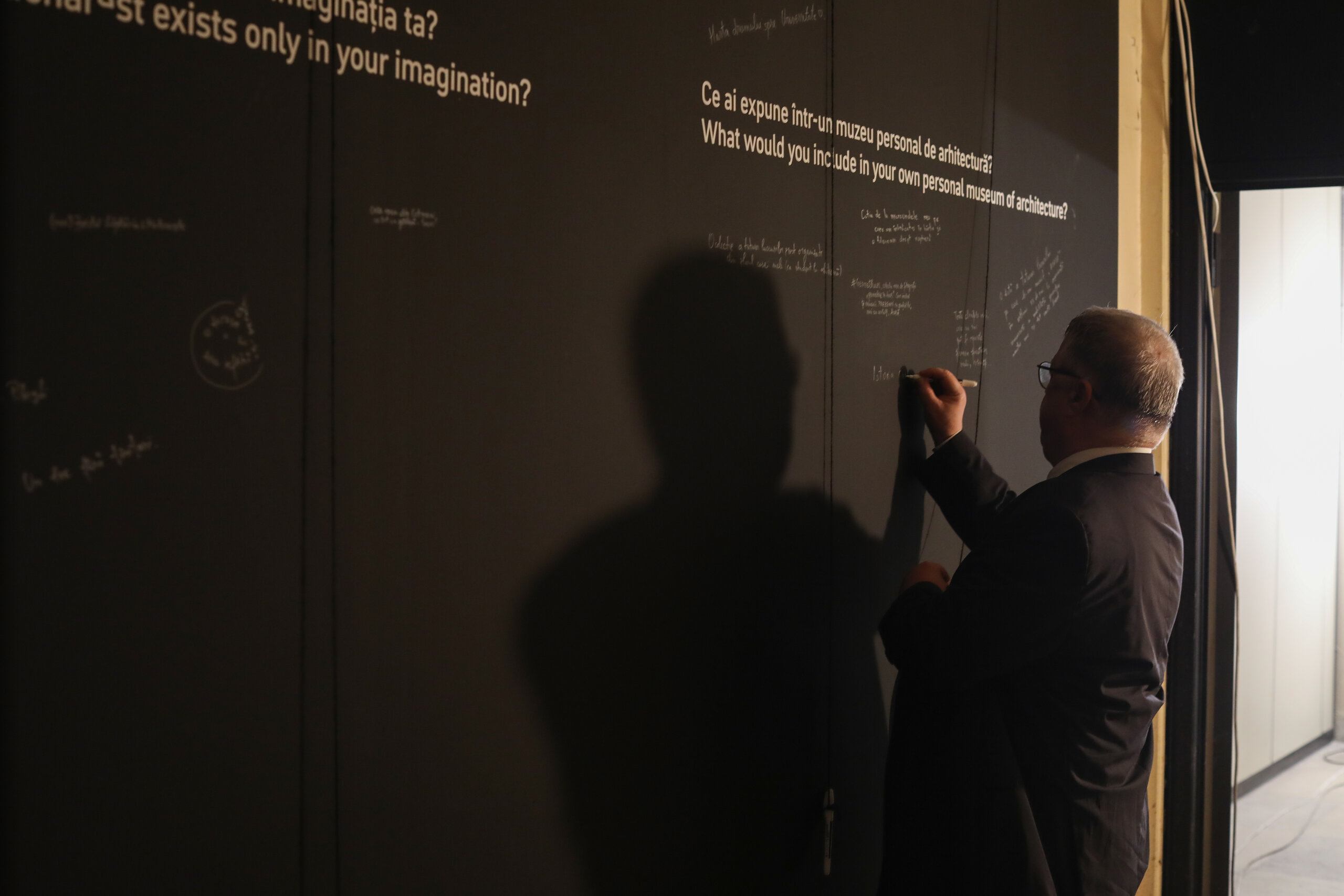
Ioana Alexe: An architecture museum inevitably serves multiple types of audiences: the profession, researchers, institutions, local communities, and the people who live their daily lives in the spaces that architecture often discusses from a distance. How is this mediating role constructed, in the case of MuzA? What kind of museum language can speak simultaneously to the professional culture of architecture and to the shared experience of the city, without oversimplifying one or isolating the other? I’m not asking who the audience is; I’m asking what language the museum will speak. The first exhibition in Bucharest had an extremely poetic language.
Tudor Elian: The Museum of Architecture (MuzA) in Romania is a strategic program initiated by the Romanian Order of Architects, funded through the Architecture Stamp, and operating under the High Patronage of the President of Romania. The program is coordinated by the IDEILAGRAM Association, and its core team consists of Ilinca Păun-Constantinescu, Ilinca Pop-Gălățianu, and myself. Instead of starting with a building or a permanent collection, MuzA begins with a journey. Over the course of four years, the museum will visit eleven locations across Romania, gradually taking shape through collaboration with architects, researchers, institutions, and local communities. In 2026, the journey began in Bucharest, continues to Băile Govora, and ends in Brăila; in the coming years, the museum will travel to Cluj, Eforie, Reșița, Brașov, Timișoara, Văleni de Neamț, Petrila, and back to Bucharest.
Perhaps that is precisely why we did not start with the question “Who is the museum for?” but rather with the question “What kind of relationship with architecture can it build?” We believe that an architecture museum should create a shared space where experiences, knowledge, and different ways of looking at architecture can coexist and engage in dialogue.
Ilinca Pop-Gălățianu: It is, therefore, a matter of a polyphonic presence. MuzA has several key working tools that help us define the shared framework, and through discussions, ongoing consultations with specialists, and research, the actual scope of what we exhibit. First, there are the themes for the four years, which form what we’ve called the “emotional journey” of the pilot program: Fantasy (2026), Seduction (2027), Complicity (2028), and Transformation (2029). These themes are tested each year in three locations across the country—eleven in total over the four years—by different teams each time, consisting of curators, architects, and local organizations. This is not, therefore, a single-voiced traveling exhibition, but rather four exhibition cycles that test and build, throughout the pilot program, the thematic areas of the final exhibition in 2029—an exhibition we are working on in parallel throughout the project. This exhibition will include the core elements of each iteration—the exhibition modules that move on after each stop—as well as exhibits that we identify along the way and that may become part of the museum’s iterations. In other words, this is a working method that builds an extremely broad network of knowledge—with which we will work throughout the pilot program—encompassing everyone who produces and is part of these exhibitions: curators, architects, researchers, local organizations, institutions, students, workers, and visitors.
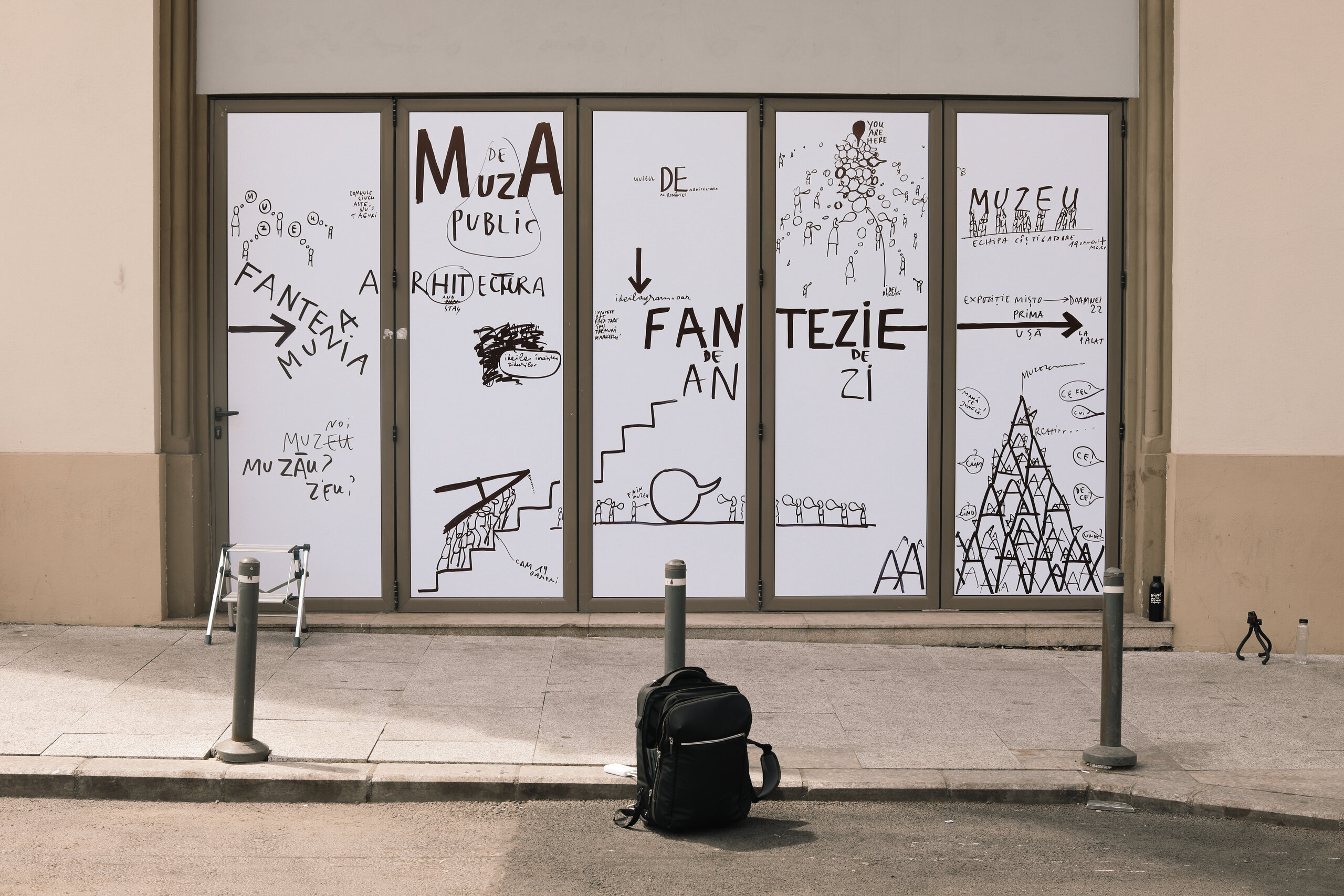
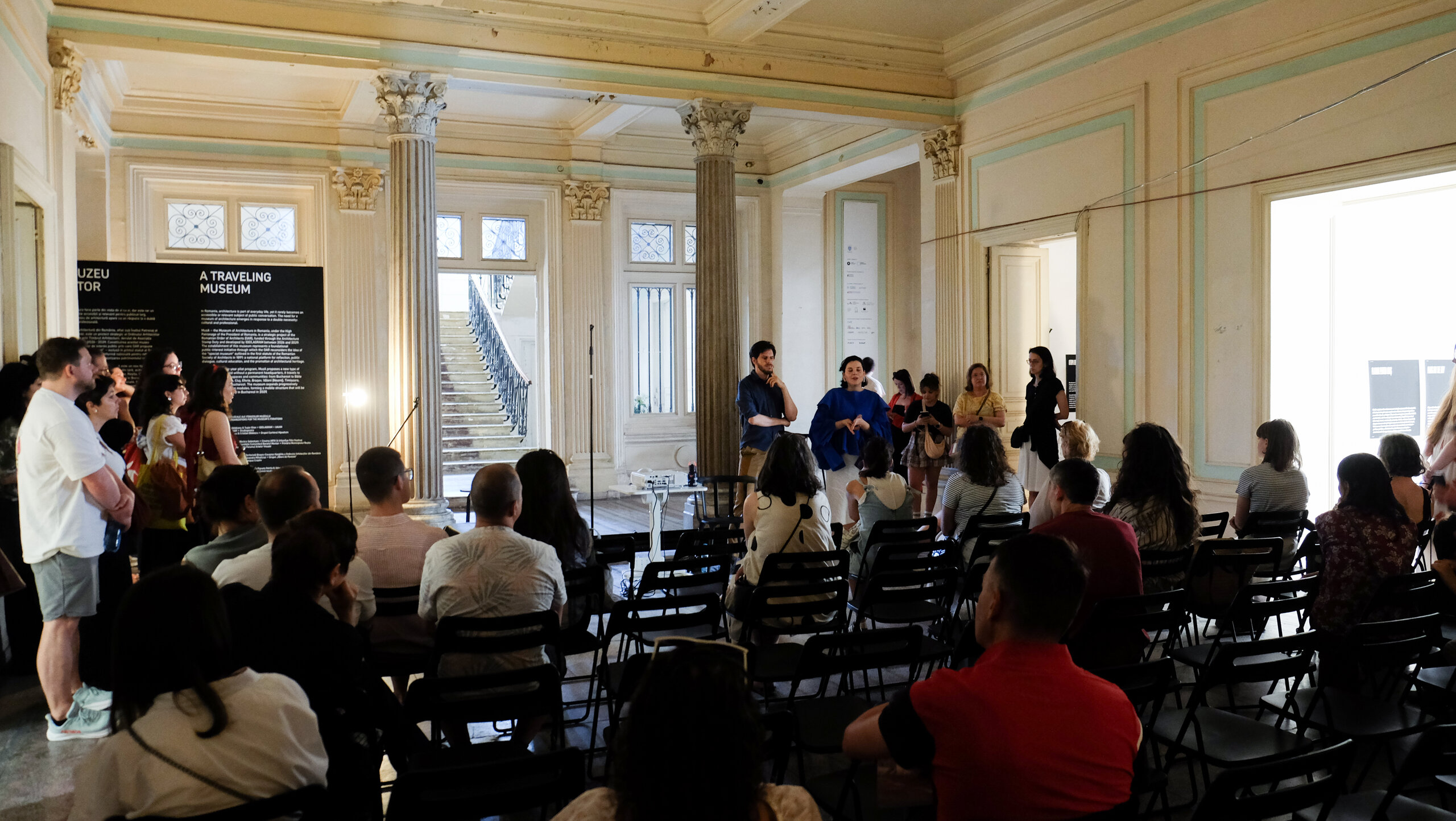
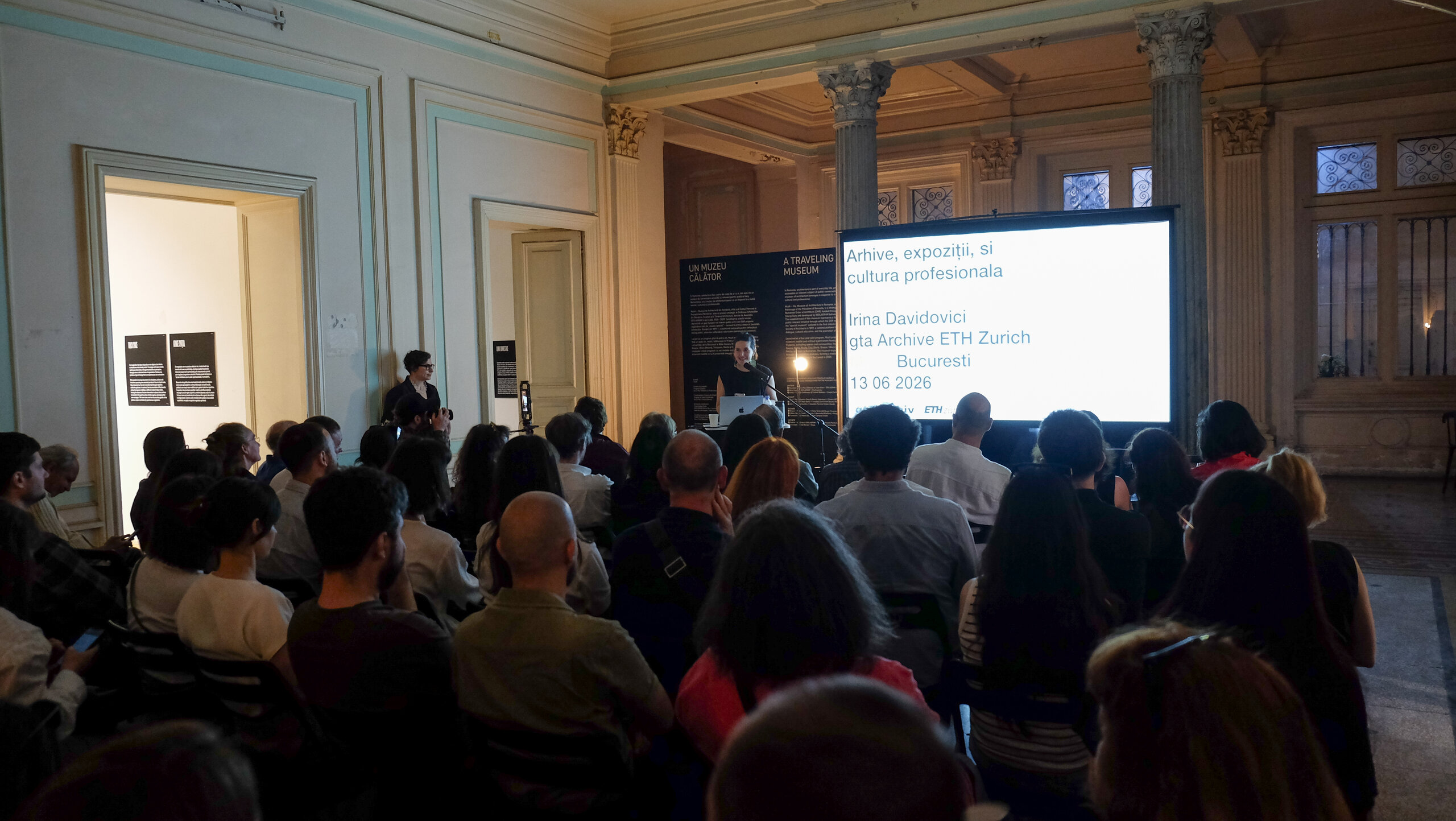
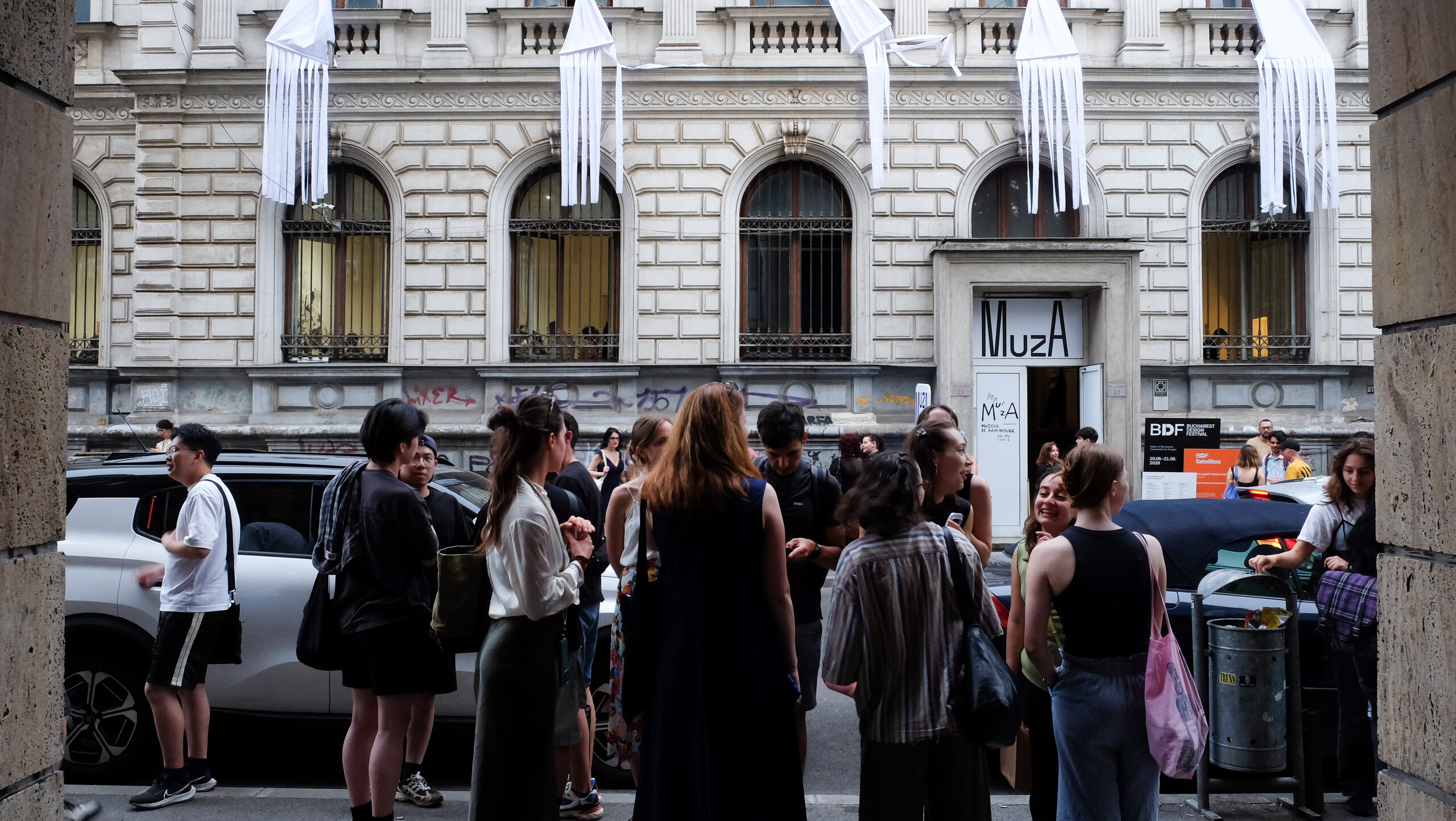
Consequently, MuzA cannot aim to respond in the same way, every time, to different questions. We rely on this intellectual flexibility—a tremendous privilege made possible by the program—to construct a panorama of ideas, ways of practicing, and our dreams about architecture. Experimenting with diverse museum languages is precisely one of the goals of the pilot curatorial program, and it is a question that the guest curators of each exhibition will ask themselves, one by one, at every location the museum visits. We might assume that the professional audience will be interested in meticulous documentation or unique objects, while the general public will tend toward the familiarity of shared experiences, but this is, in essence, a false dichotomy. We are more interested in exploring what it means that architecture is part of our lives even when we do not know the architect or the style of a building; how we can discuss the city’s transformations without viewing it as a problem; whether representations are faithful to reality or are, to some extent, fictions—and if they are fictions, what have they left out, what have they added, and to whom do they belong; To what extent are we speaking of a history of architecture or of its many histories, and who had the right to formulate them? These are some of the questions that formed the basis of the exhibition and public program in Bucharest this past June. It was the first of three stops this year, a series exploring the theme of Fantasy—first in Bucharest, then in August at Băile Govora, and in October at Brăila.
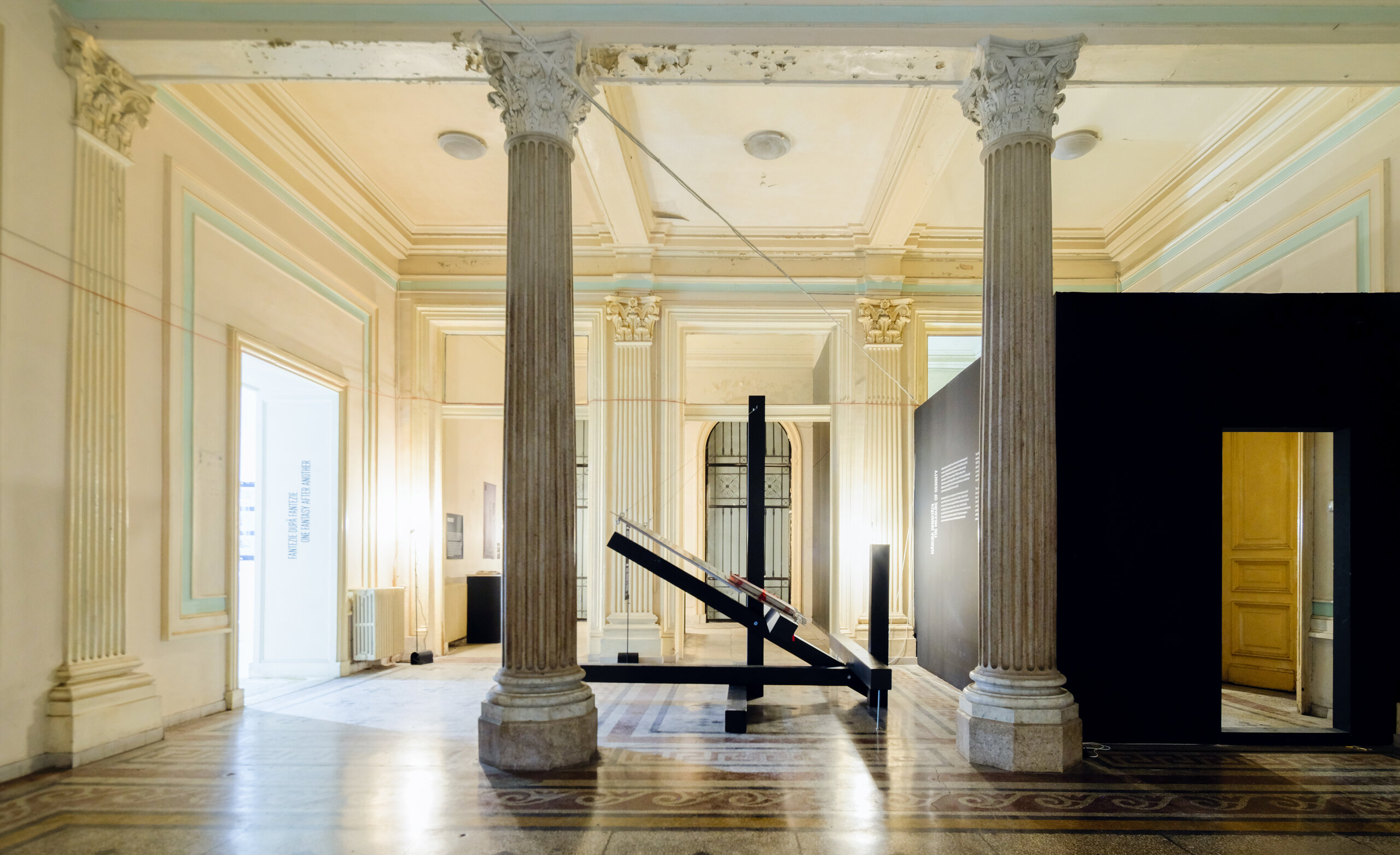
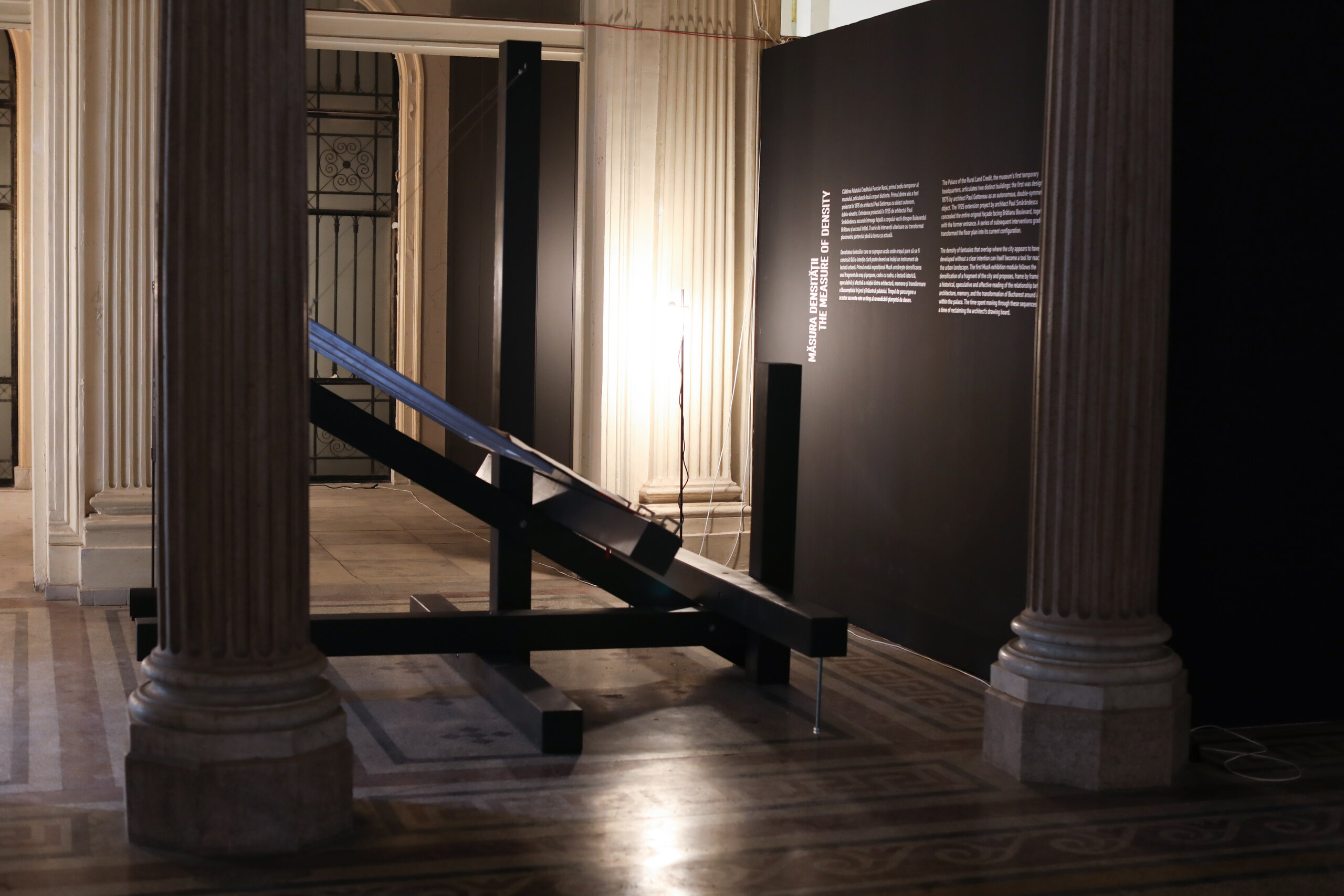
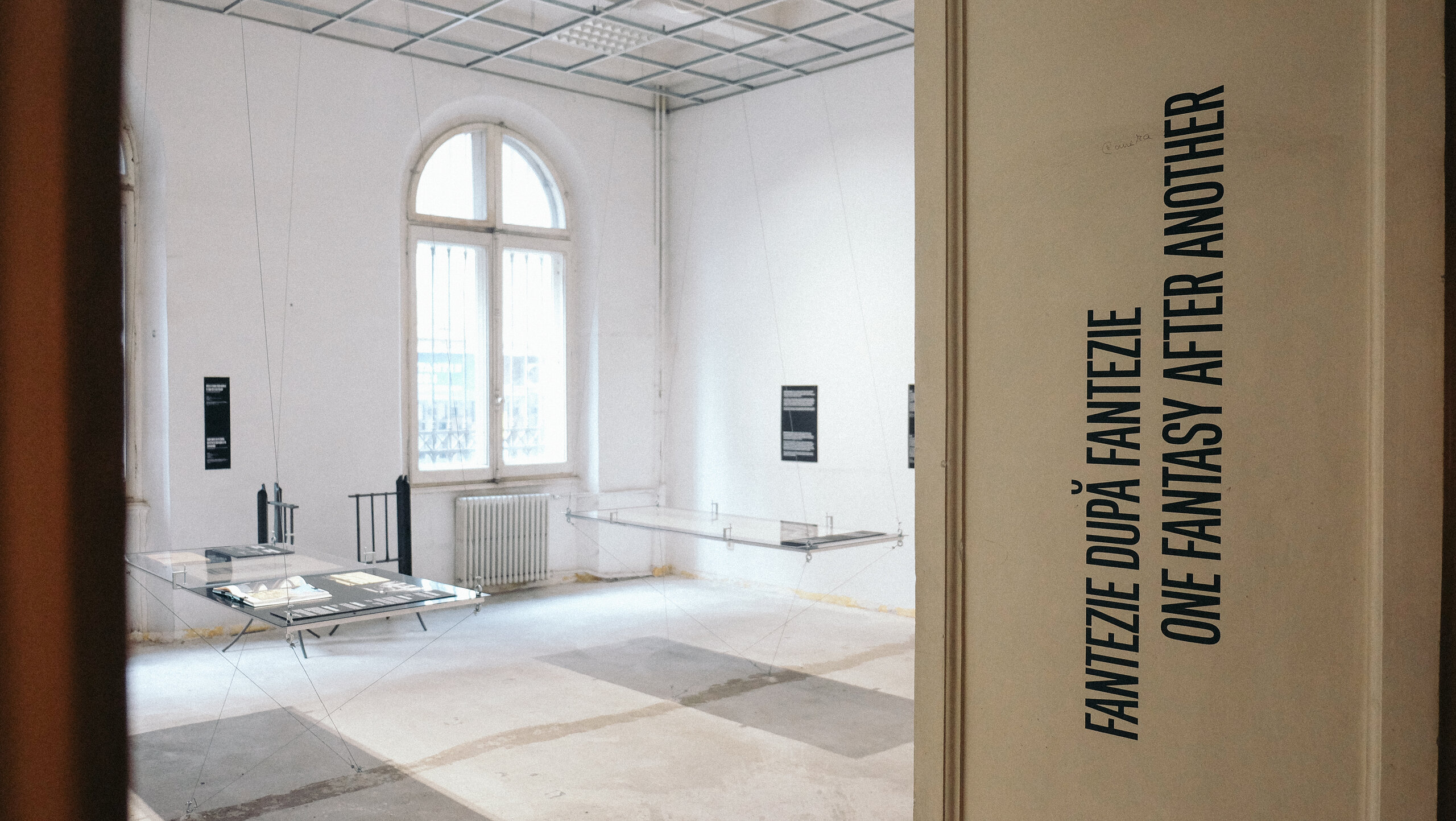
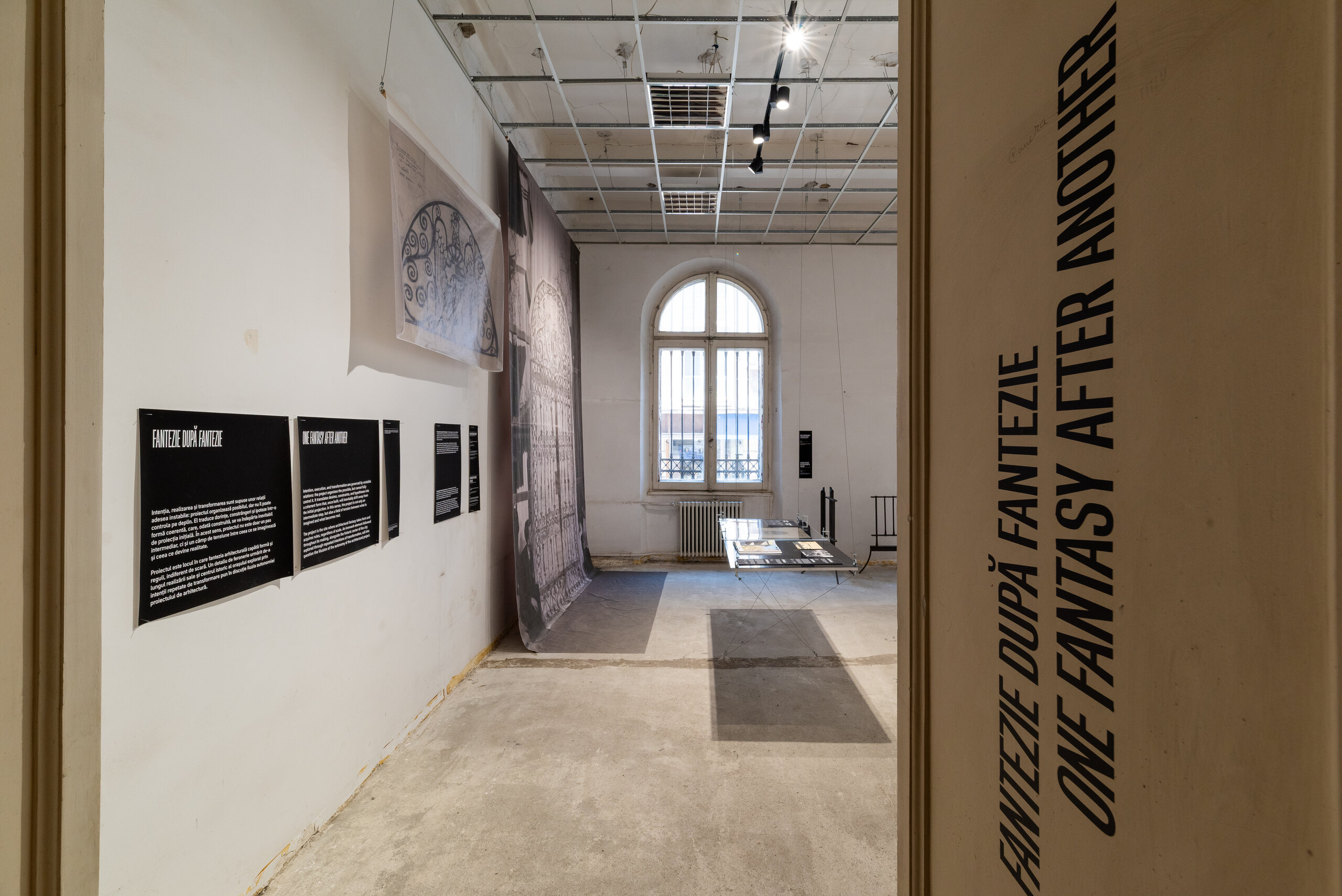
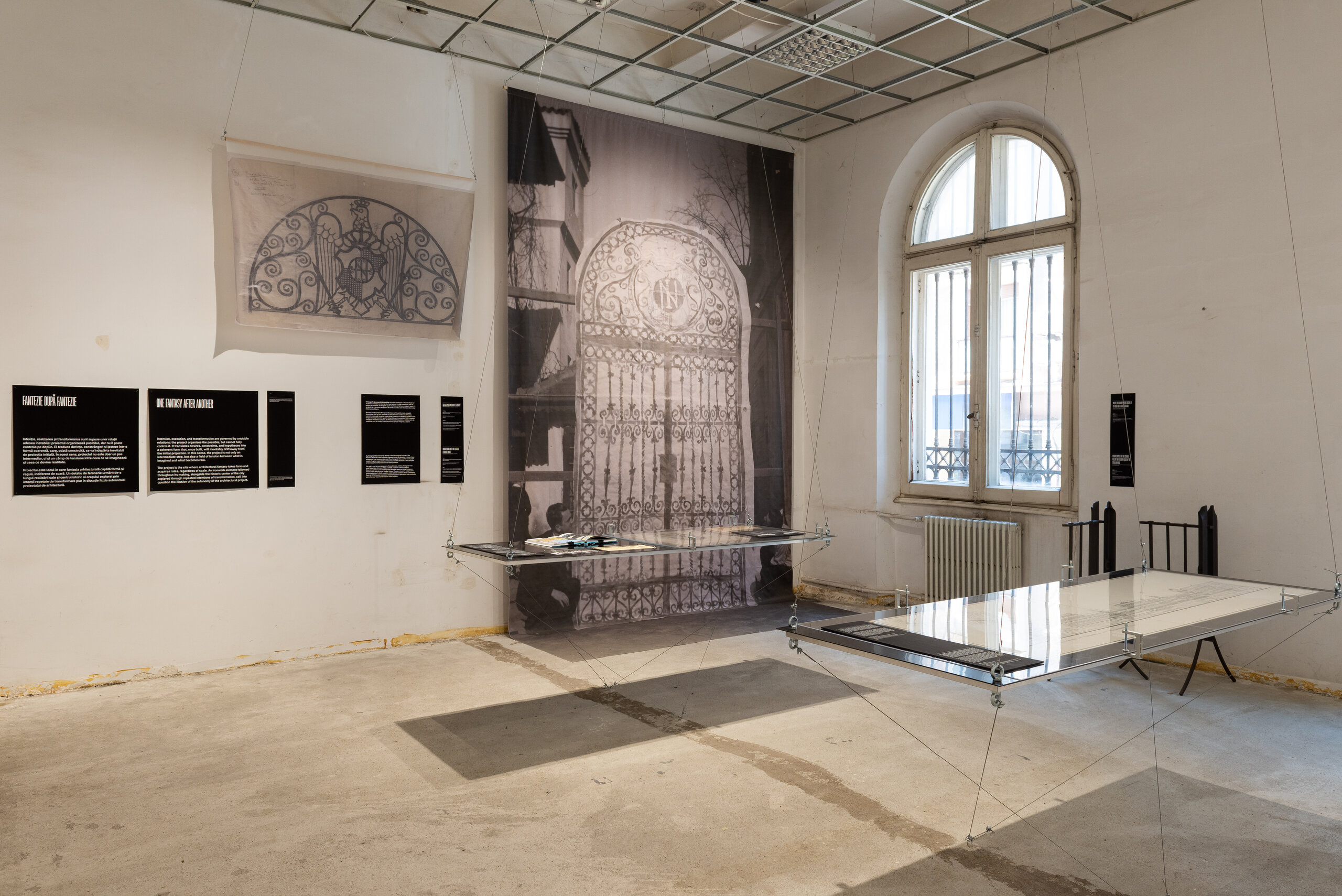
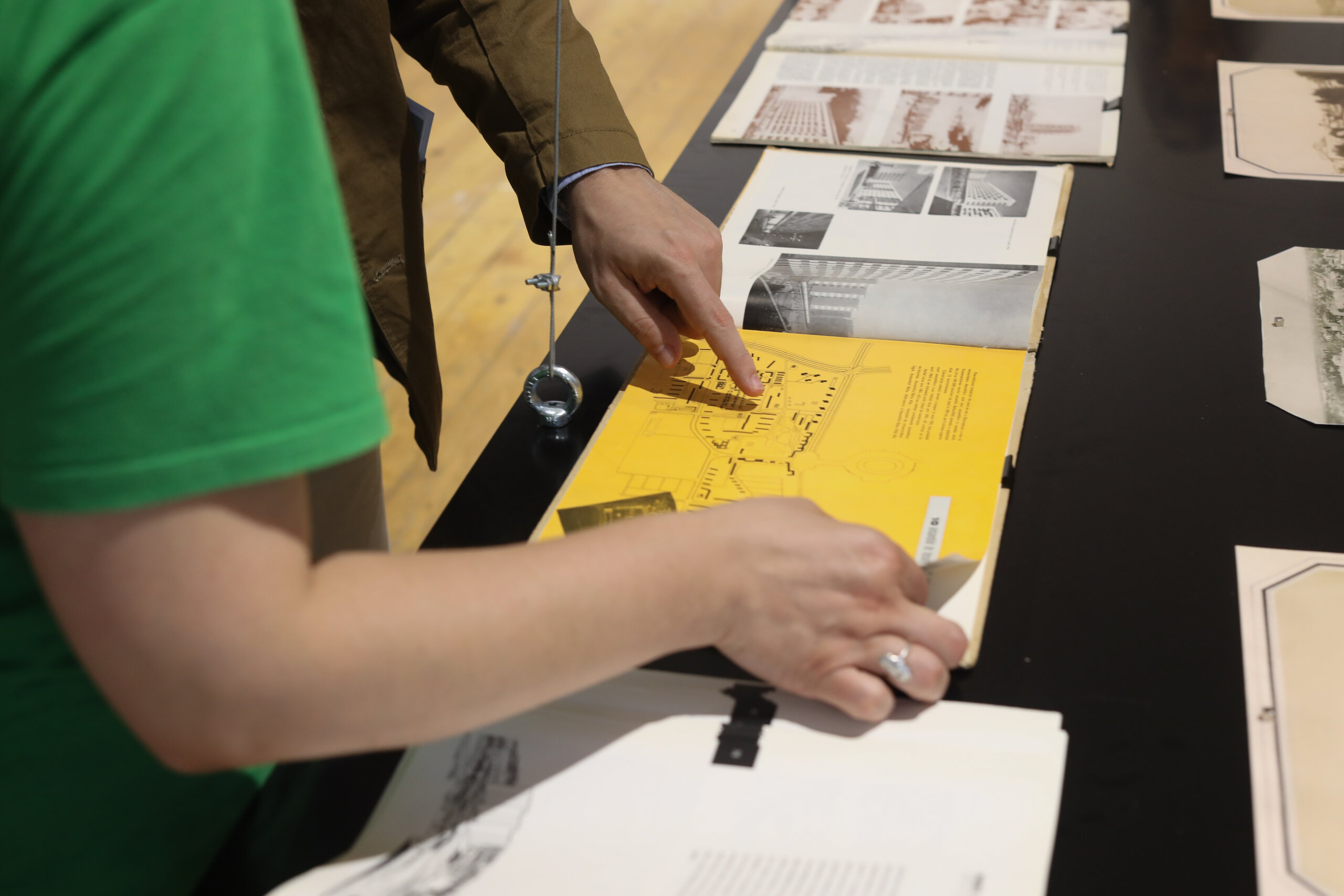
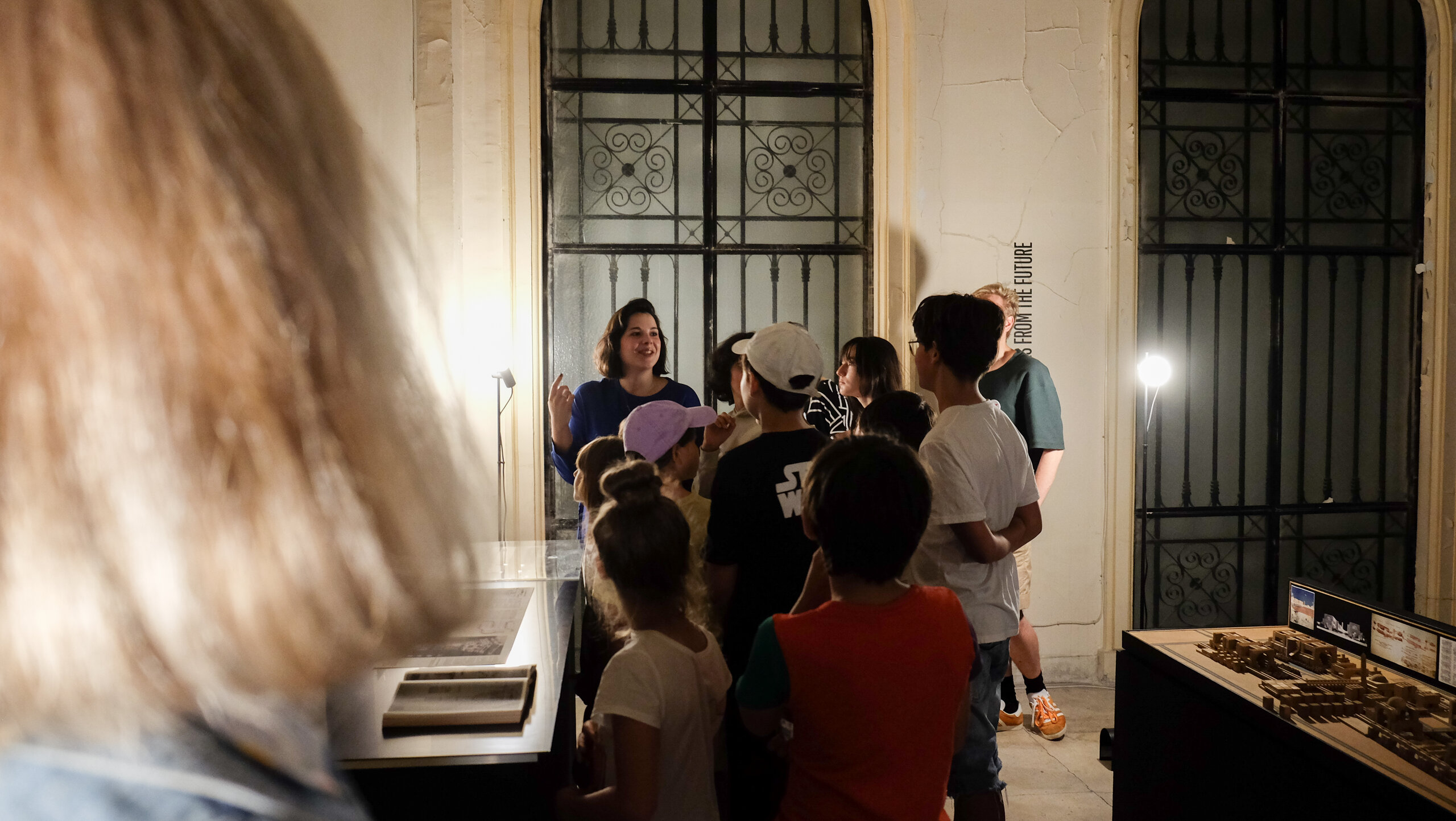
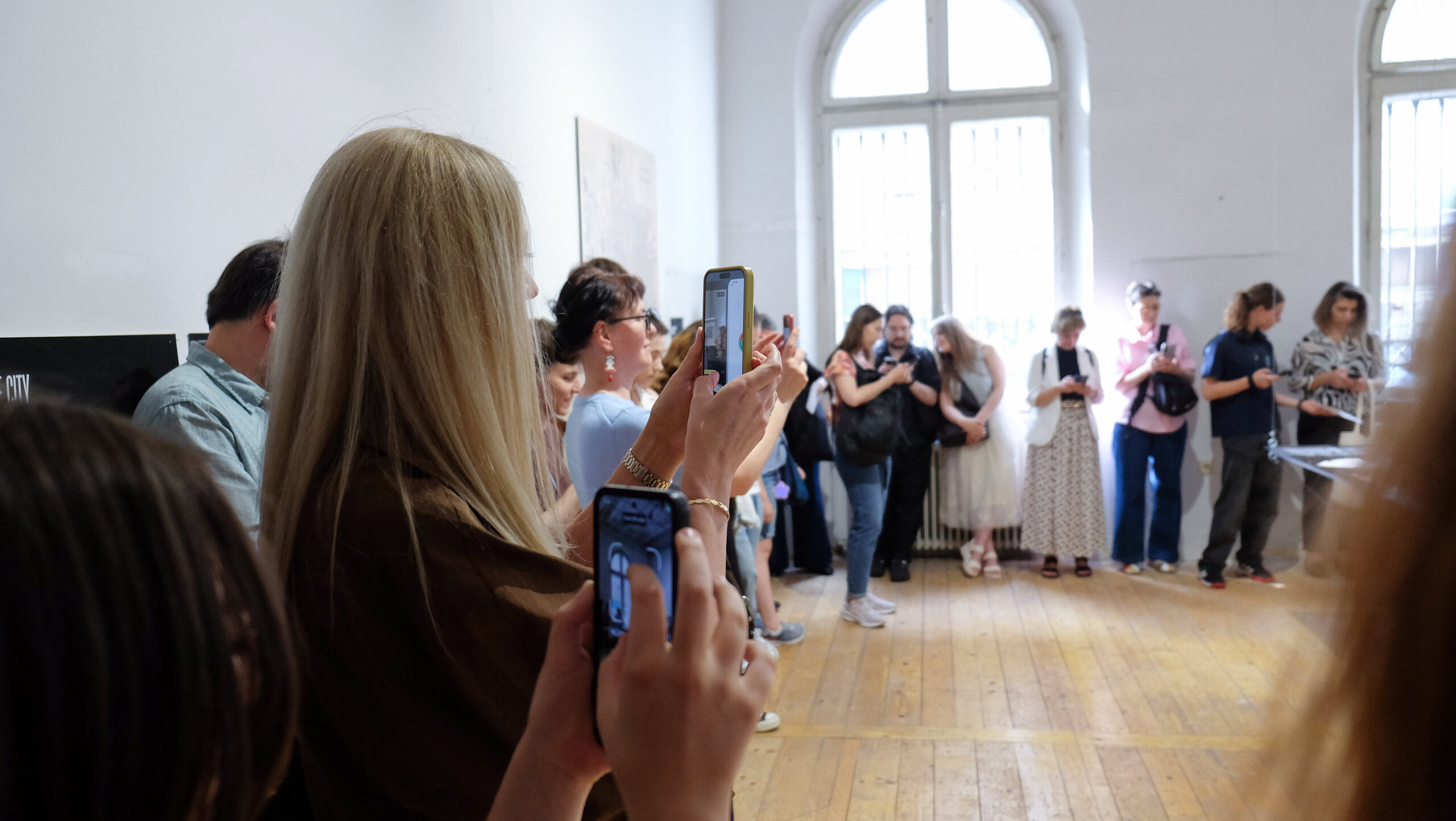
Together with Tudor Elian, we conceived the sections of the Bucharest exhibition as entry points for exploring the relationship—or the distance—between fantasies and realities: through utopian thinking, by problematizing representations of the city, by questioning the autonomy of architectural design, and through the collective exploration of the affective mechanisms of dwelling. The exhibition benefited from the significant support of Irina Tulbure and Theodor Ulieriu-Rostás, researchers at MuzA, particularly in explaining historical contexts significant to Bucharest’s evolution. However, every visitor was able to engage with the exhibition on multiple levels, regardless of their professional background. We observed groups of visitors tracing their fingers across historical maps of Bucharest, leafing through books, reading every wall text—and we were amazed to discover that those who entered by chance or mainly to visit the building ended up staying in the exhibition for hours on end.
Tudor Elian: I don’t think an (architecture) museum should speak different languages to different audiences. It seems to me that such a separation stems from a false premise: that architecture should be simplified for some and kept intact for others. The issue is, rather, how to design an exhibition that is open enough to be experienced in different ways. Information is absolutely necessary, but we don’t believe in exhibitions where the exhibits are overshadowed by wall texts. We believe in people’s energy and curiosity to explore, compare, and absorb, each in their own way. It is not the exhibition that should be tailored to predefined audience categories; rather, it must be rich enough that every visitor finds something of interest, can chart their own path, and engage with the material at their own level. I believe an exhibition is successful when at least one small part of it manages to speak to or be about anyone who crosses its threshold. Furthermore, it is the curators’ responsibility to ensure that the theme and the relationship they build with the audience are thought-provoking and critical.
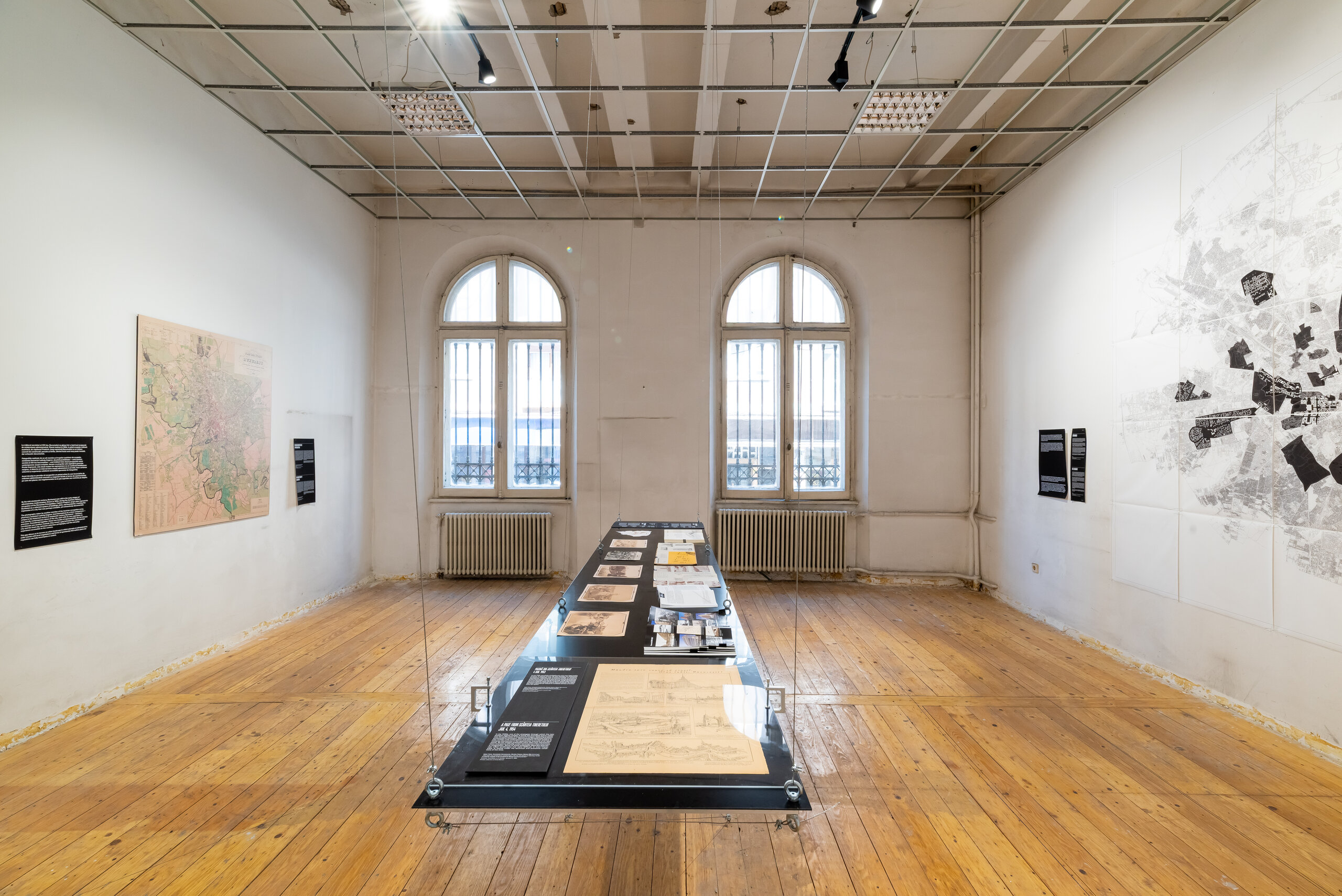
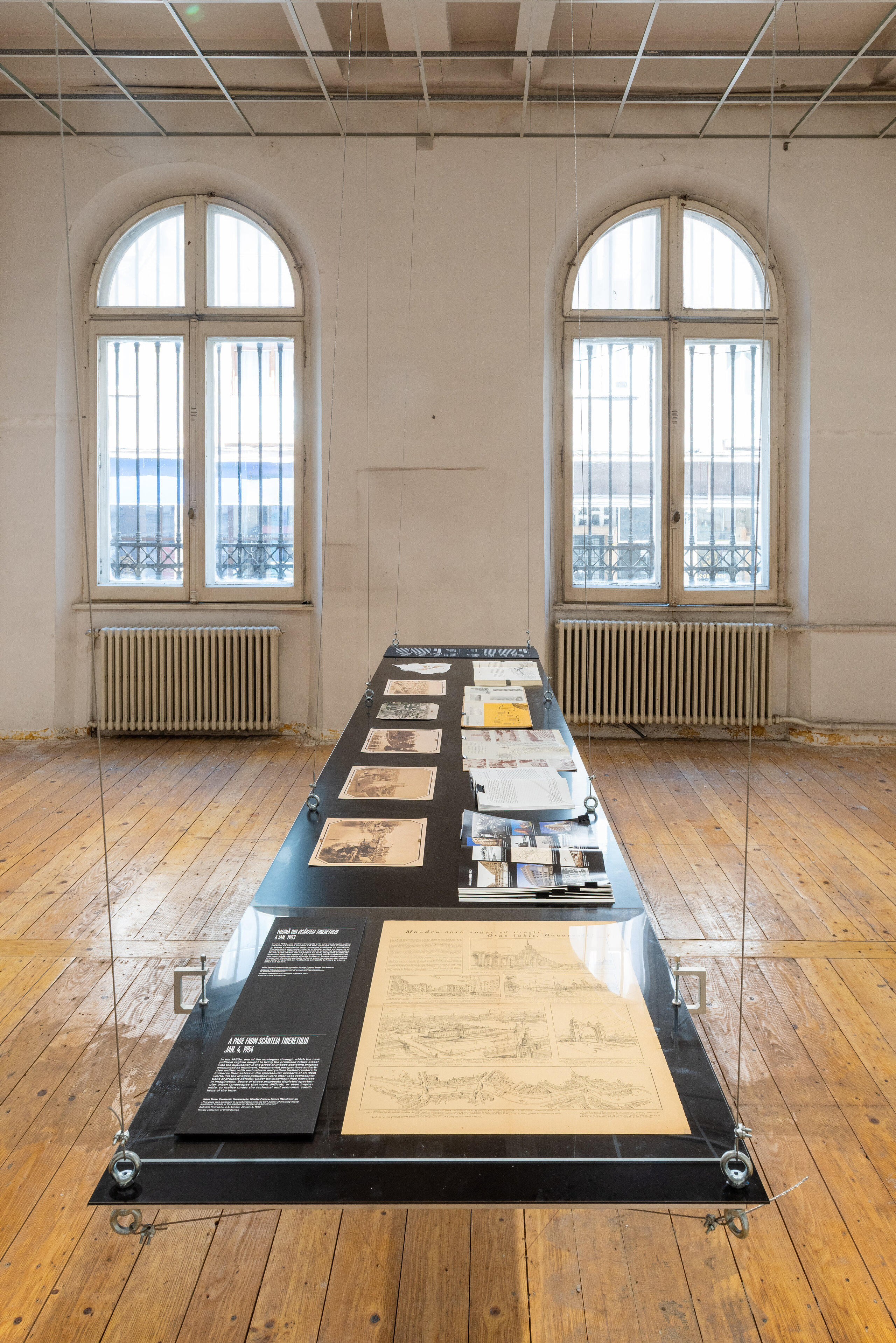
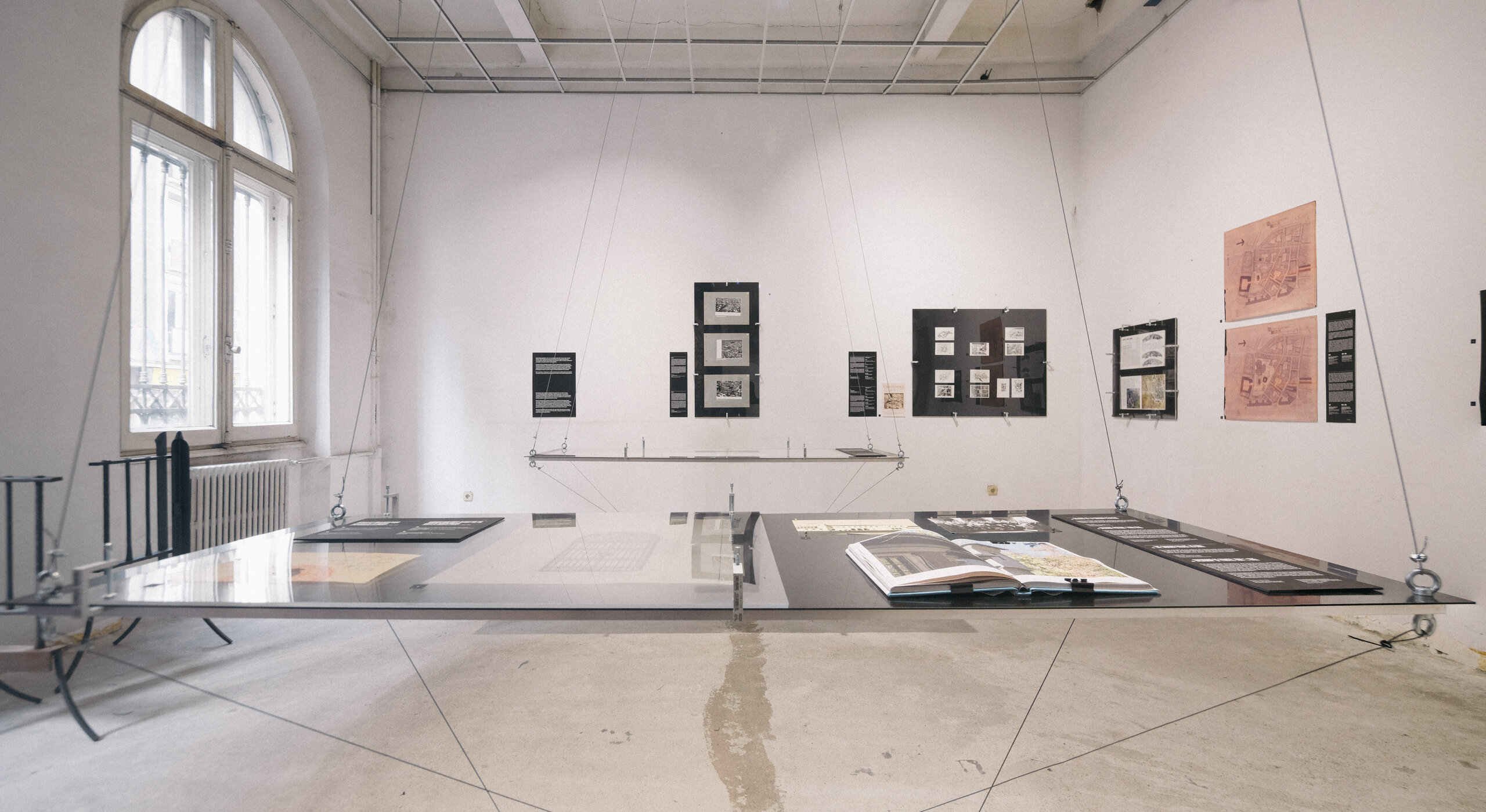
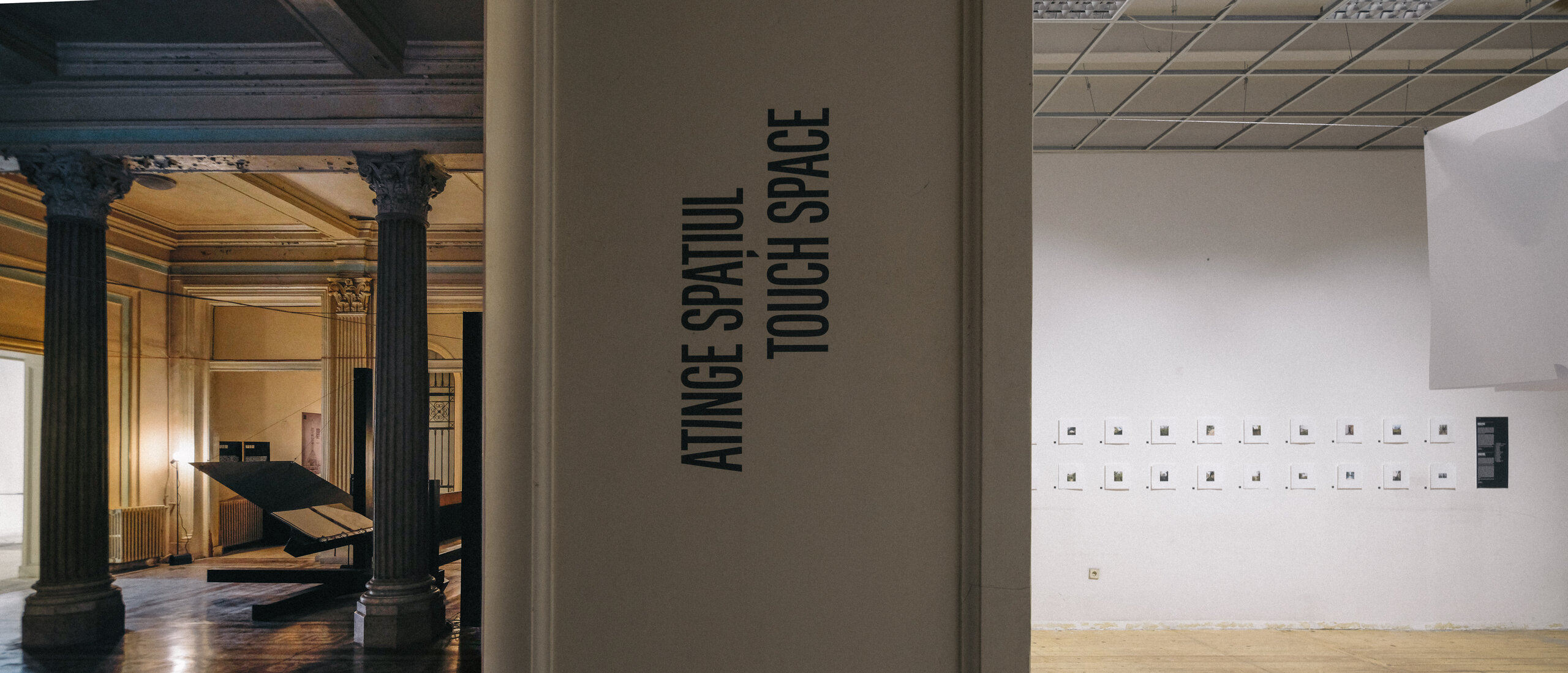
That is why, from the very beginning, we avoided segmenting the audience and focusing excessively on supposed “external” expectations. There are too many of them, and they are too diverse. Instead, we have tried to create exhibitions that blend different types of experiences and knowledge: archival documents, research, original objects, contemporary works, artistic interventions, photographs, maps, books, and audio recordings. And, since we’re talking about architecture, we wanted the exhibition space itself to play a role—to be engaging and interesting. Each of these components can serve as a gateway to the same theme. In Bucharest, for example, we saw architects spending quite a few minutes in front of a single photograph and people who had come just to visit the palace, tracing the route of the streets on their fingers across historical maps or reading every text in the exhibition. People are far more complex than the categories into which we sometimes try to artificially place them.
More important than the language itself, however, is the way the museum is structured. We strive to create the exhibitions in collaboration with as many people as possible. Some images and stories are collected through public calls for submissions; many exhibits are commissioned from contemporary architects and artists; and the first exhibition module was created in collaboration with over 60 students. Researchers, architects, historians, institutions, local organizations, volunteers, and visitors all contribute to the museum’s content. I believe this is one of the most important forms of mediation: not just speaking to the public, but building the museum together with them.
Finally, the touring itself is an essential mechanism. MuzA doesn’t travel just to exhibit in other cities, but to allow itself to be transformed by them. Each stop brings with it new challenges, encounters with other archives and histories, new collaborations, and new questions about architecture. We thus hope to bring the museum closer to as many people as possible, but also to step out, together with them, of our own comfort zones and the forms of localism that every place inevitably produces.
Ioana Alexe: In a project built on research, collaboration, and multiple contributions, curation is no longer merely a form of authorship, nor does it dissolve into an indistinct collective voice. In such a process, how is it decided who has the right to define the meaning of architecture? How is the distinction between genuine collaboration, institutional consensus, and curatorial responsibility negotiated?
Tudor Elian: Ultimately, the curator understood as the central author of an exhibition is a relatively recent figure and one that is already subject to critical scrutiny. For centuries, the curator was first and foremost a custodian: of memory, of collections, of the relationships between objects, but also of the relationship with society. I believe this dimension remains essential even today. Our role is not to formulate the meaning of architecture on our own, but to build the framework within which different interpretations can enter into dialogue and together produce a coherent exhibition.
Ilinca Pop-Gălățianu: It’s probably enough just to try to define the meaning of architecture to make a fool of yourself! What we avoid, in any case, is creating exhibitions that are either didactic or historicist, moralizing, or strictly monographic. The exhibitions emerge through a collective process of interpreting and making the most of available resources—histories, spaces, archives, and objects. The pilot program did not arise from the hubris of building a museum from scratch, but from the recognition of the need to strengthen a network of actors who are already working, across the country, to document, promote, and preserve what we have—buildings, archives, memories, studies, publications, and projects. All of these are part of Romanian architectural culture, which MuzA is responsible for bringing to light. And because this is what’s at stake, it’s more about fostering a fascinating dialogue in each location than about reconciling divergent interests.
Tudor Elian: That doesn’t mean curatorial responsibility disappears. On the contrary. Precisely because there are so many voices, someone must take on the task of formulating a position, making selections, and ensuring the rhythm and coherence of the exhibition’s discourse. Collaboration does not mean strict consensus. Rather, it means that authorship becomes relational: the curator does not speak on behalf of others, but seeks to construct an exhibition that could not have existed without their contributions. Many of MuzA’s exhibits are the result of research, workshops, or dialogues that took place over the course of several weeks, months, or even years. All of this often challenges the unifying ideas and narrative with which the curators set out—in our case in Bucharest, this was certainly the case —the exhibition was built through collaboration and mutual trust among curators, researchers, architects, students, and the public, who contributed their personal stories. I believe this is also one of the reasons why the museum has the chance to remain alive as it travels.
Ilinca Pop-Gălățianu: Every venue is very different, and the dialogue unfolds differently each time. There are always different participants involved, even if the roles remain the same: the core team—the program curators and the coordination team—guides the local team, consisting of guest curators, the local organization, exhibition architects, and consulted researchers, in a process of formulating the curatorial theme, selecting exhibits, mediating, and developing the public program. This fosters a very intense conversation that unfolds over several months. Ideally, the museum does not provide answers, but rather questions attitudes toward architecture, how they emerge, and how they become “ours.”
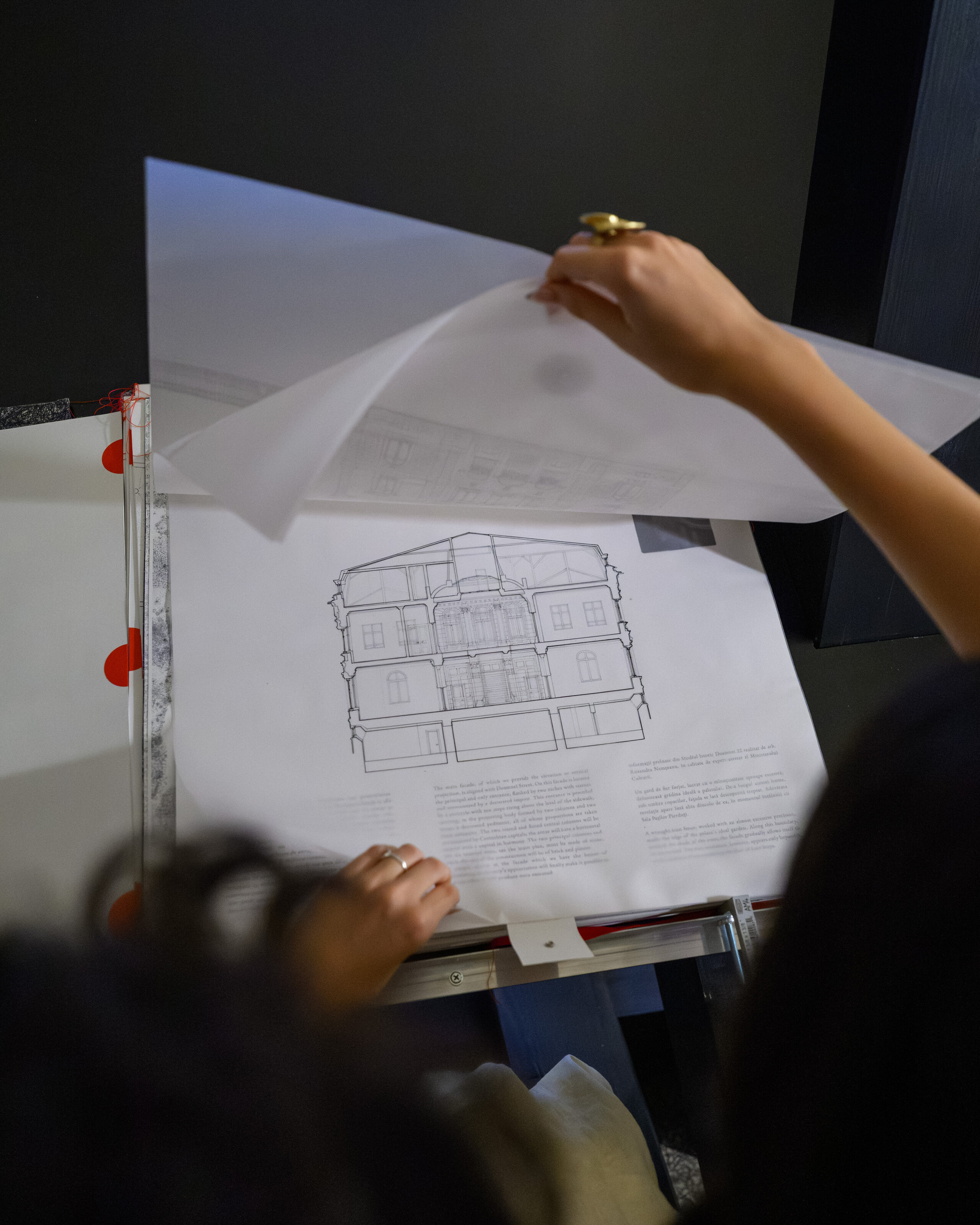
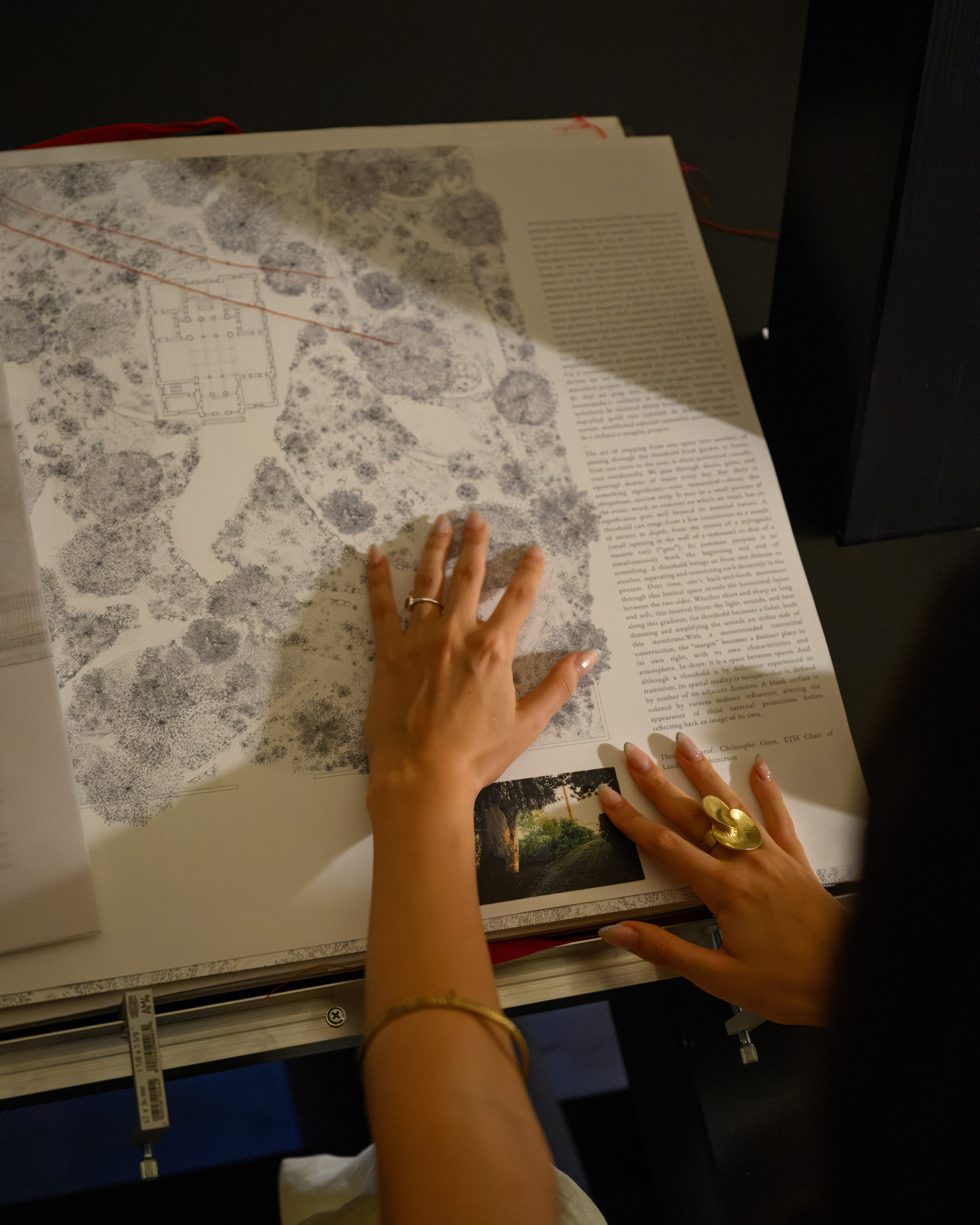
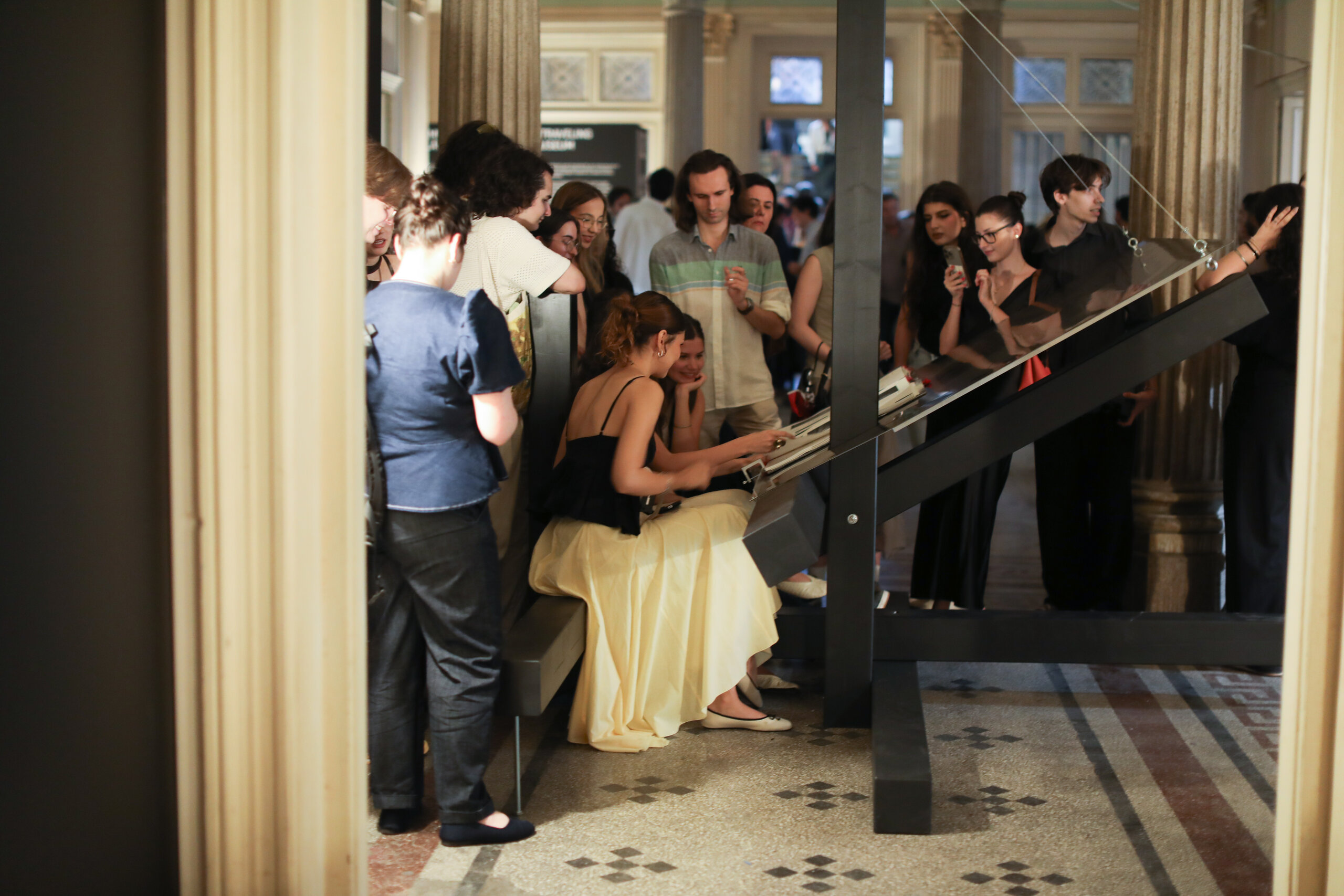
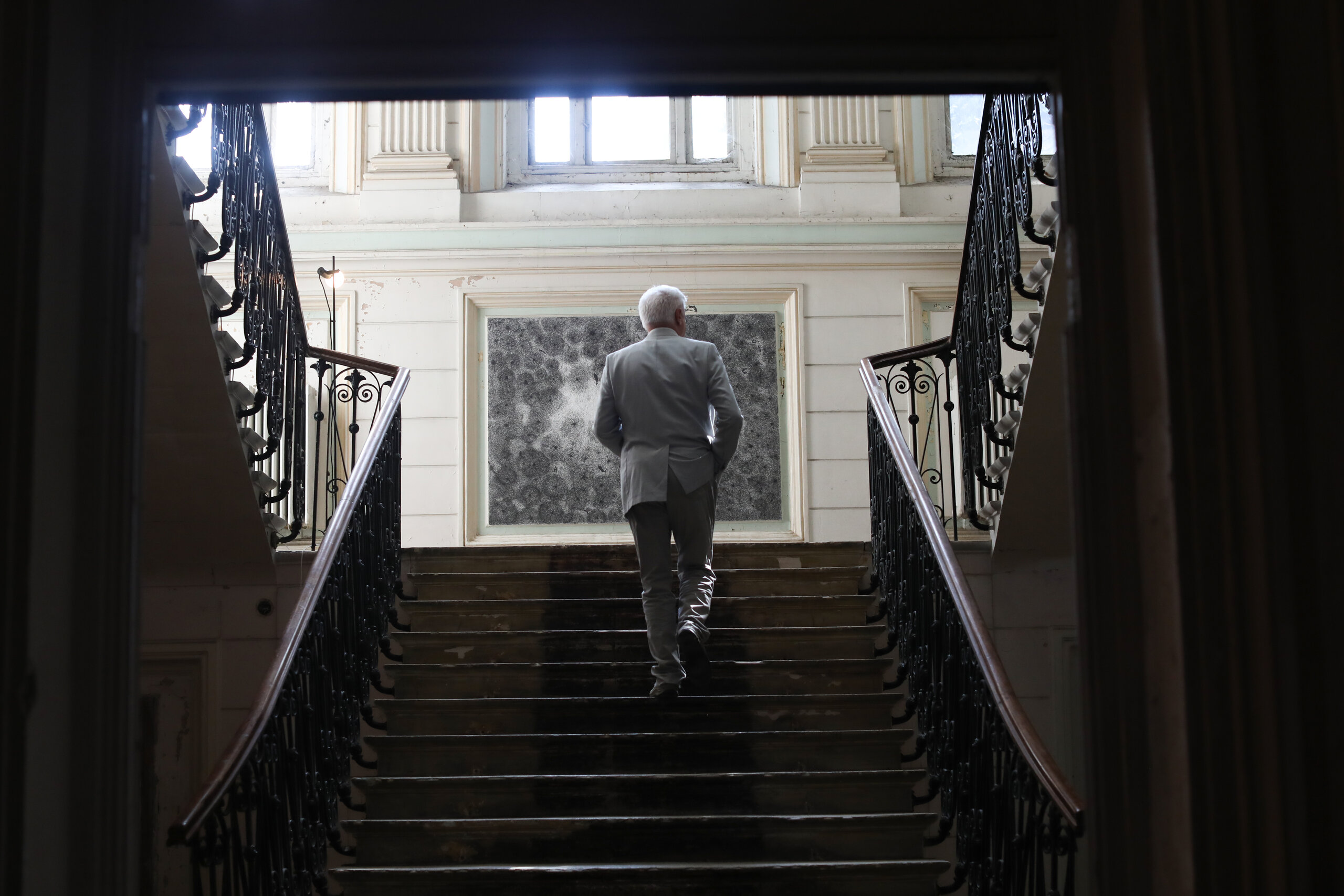
Speaking of who participates in formulating interpretations of architecture, the module that travels beyond Bucharest includes an oversized display board created by the alt.corp team, on which rests an object-dossier—an atlas containing over 120 drawings. Designed and produced by the cryptic.k studio in collaboration with over 60 architecture students from UAUIM—selected through a public call—the atlas draws on a historical study of the Rural Land Credit Palace —the exhibition space—and the technical documentation provided by the building’s owners, the Bucharest City Hall, and AMCCRS. The students first explored the palace’s morphology, using its typological features to connect it to a vast imaginary landscape of references—hence the atlas’s title, “This Palace Could Be Any Other Palace.” They then undertook the exercise of representing its intangible qualities: the path of light through space, its transformations over time, and the universe of emotions that its atmosphere cultivates. Their work was also one of introspection and interpretation, which we are extremely pleased to carry forward as part of MuzA’s heritage. The ideas of the two teams of architects responded to the thematic framework we proposed—as a form of dialogue in itself—rather than originating from us.
Moving forward, at Băile Govora, the curatorial team—Ilinca Păun-Constantinescu, Gabriela Belcineanu, and Tudor Constantinescu (IDEILAGRAM)—together with the local organization Studiogovora—is exploring the theme of thermalism, nature as a healer, and architecture that can contribute to the healing process through its aesthetic qualities and its ability to foster communities of interest, even if only temporary ones. This fall, in Brăila, curators Cristian Ștefănescu and Cristian Bădescu are collaborating with the Cartierul Hipodrom group to conceive an exhibition about the layers of the “ideal city”—a fantasy constructed differently by each era. We were fortunate that, in all these places, we encountered tremendous openness from the institutions we’ve worked with and continue to work with, as well as a genuine desire to build around a shared goal.
Ioana Alexe: Architecture confronts the museum with a structural absence: the main object—the building—most often remains outside the museum space. In its place appear documents, photographs, models, fragments, testimonies, films, maps, administrative records, or narratives. Under these conditions, what becomes the actual exhibit in an architecture museum? The exhibited object, the evoked space, the process, the conflict, the memory, or the relationship between all of these?
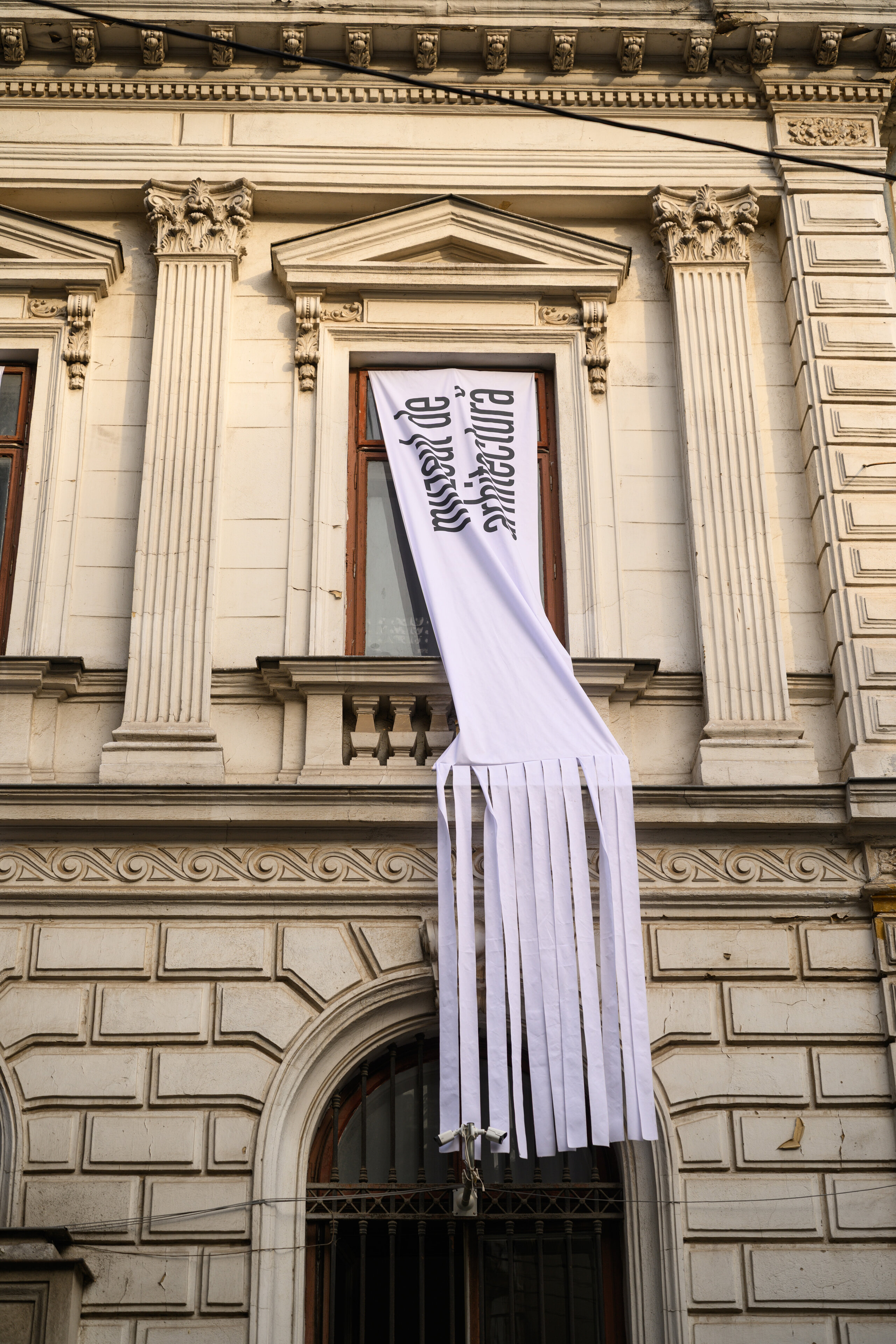
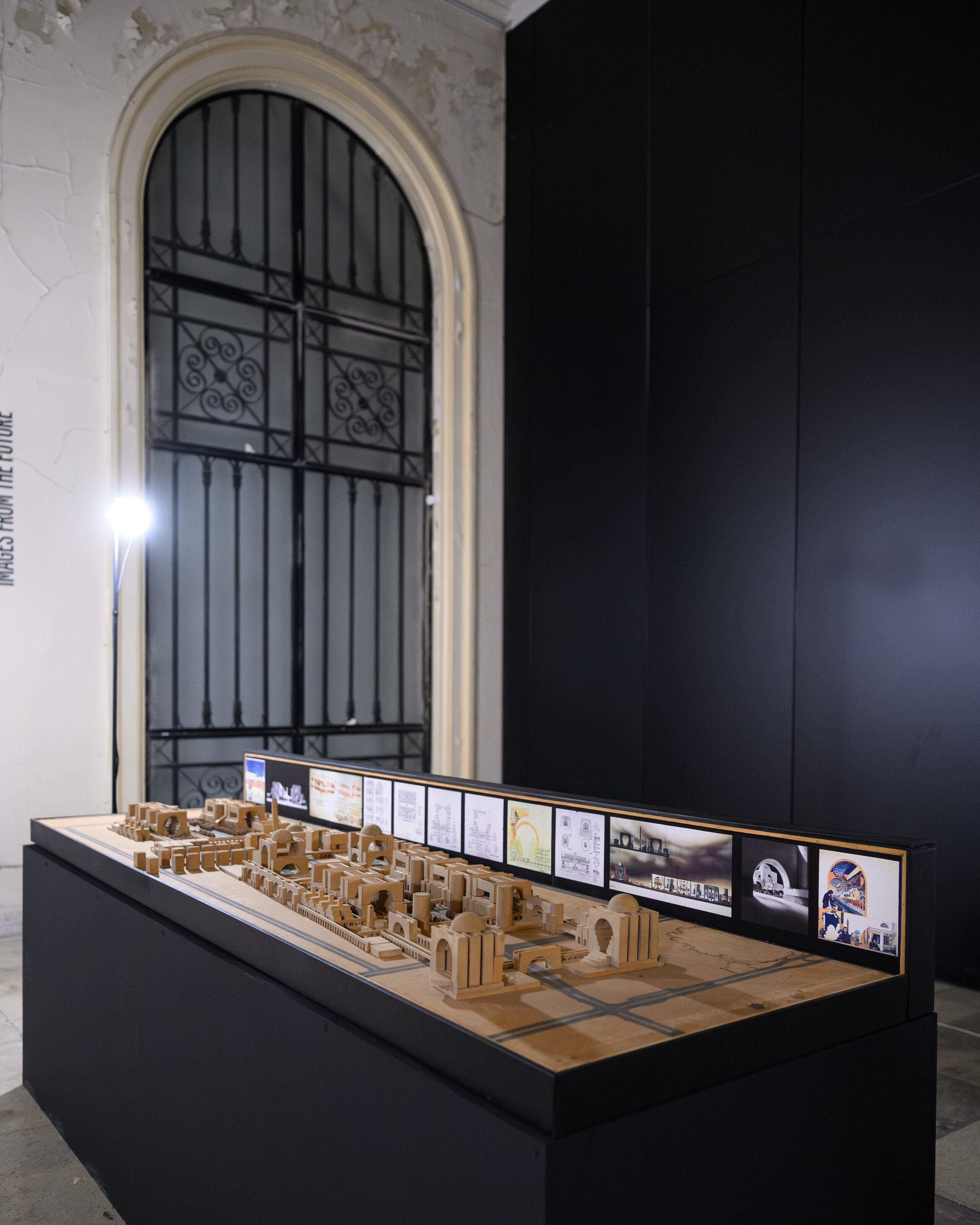
Ilinca Pop-Gălățianu: One of the main questions we asked ourselves at the beginning of the program’s development was, of course, precisely the one you describe—this dislocation produced by the museum, the fact that architecture exhibitions inevitably work with forms of representation that must be accompanied by explanations and translations. However, the advantage of not having a permanent venue is that we can open buildings that would otherwise be inaccessible to the public, and these buildings become the primary subject of the exhibitions; they are part of an exploration that simultaneously defines both the location and the theme of the exhibition. In Bucharest, it was the Rural Land Credit Palace; in Băile Govora, it is the Ștefănescu Hotel; and in Brăila, it will be the former Central Cinema. At the same time, the exhibited objects serve as gateways not only to objects located elsewhere, but also to the ideals of other eras or professional attitudes, to discourses about the city or ways of practicing architecture, and to a constellation of histories and interpretations. Although it can exhibit architecture only through its representations, the museum hosts and fosters the labor of constructing meaning; it cultivates a personal relationship with architecture.
Tudor Elian: I would go even a little further and say that for such a museum, architecture cannot mean only the built structure—and probably not just the architectural design either. If we accept this, then the qualities and meanings of the exhibit multiply. Just as important as the exhibit itself is the relationship you want the exhibit to foster with architecture. Given the multiple dimensions of architecture, a museum dedicated to this field cannot be merely a museum of works; rather, its mission is to constantly direct you beyond its walls—to where architecture has its greatest substance and where it is actually lived. The role of such a museum must be critical: I do not believe its main problem is the absence of buildings (although this topic has preoccupied us greatly), but rather the way in which it can make visible the processes, values, conflicts, desires, and imaginations that made them possible or, on the contrary, prevented their emergence.
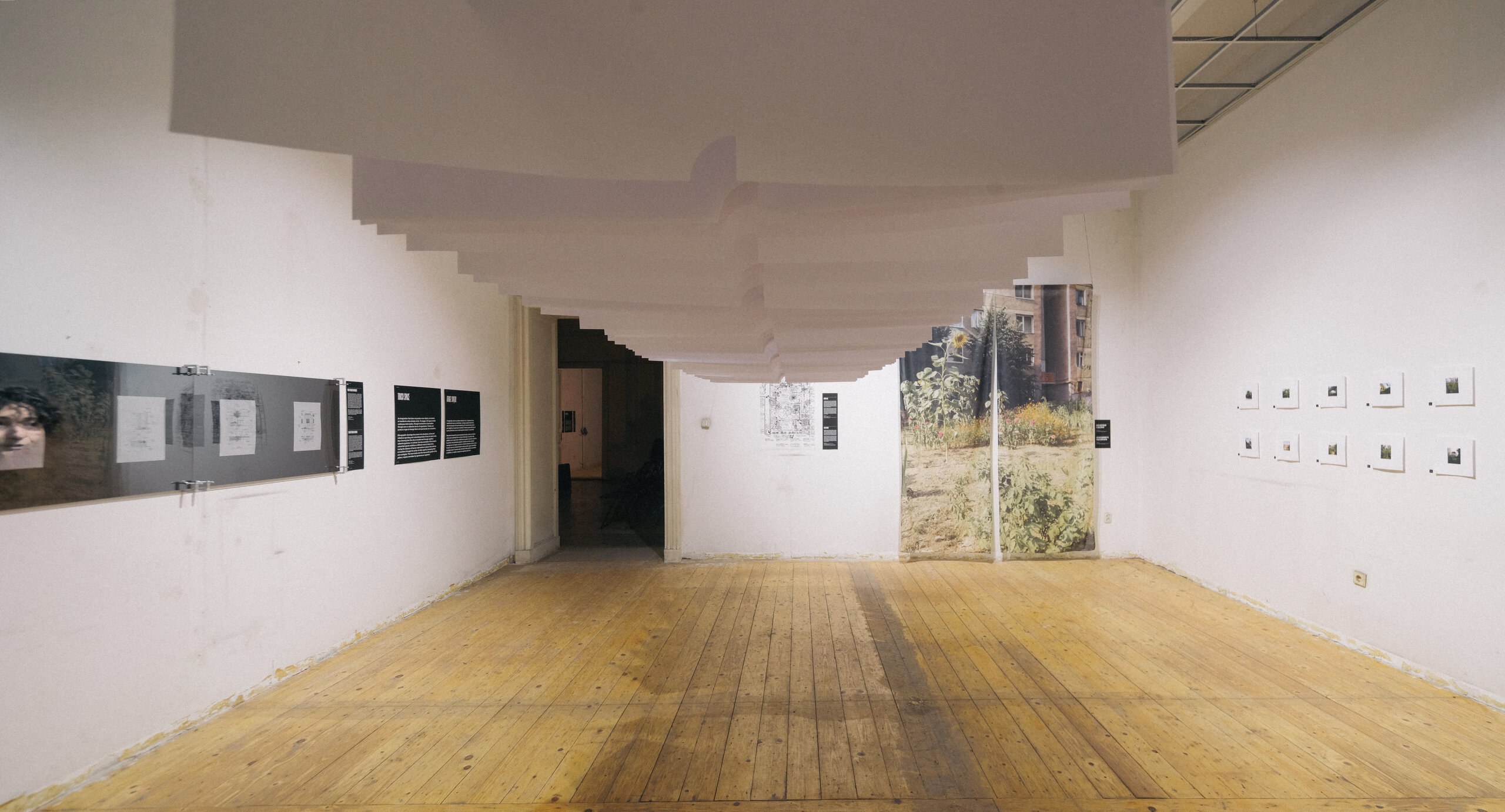
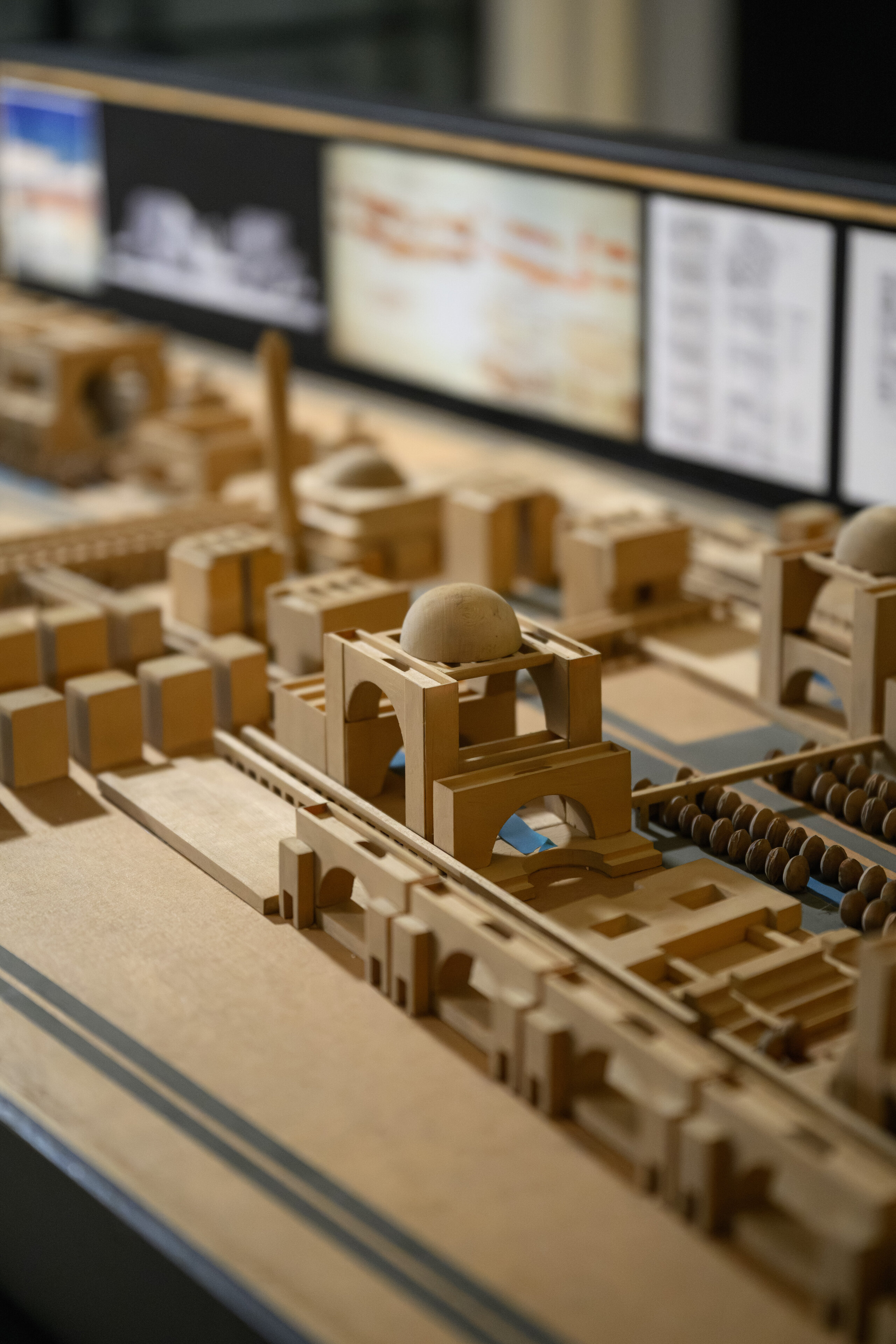
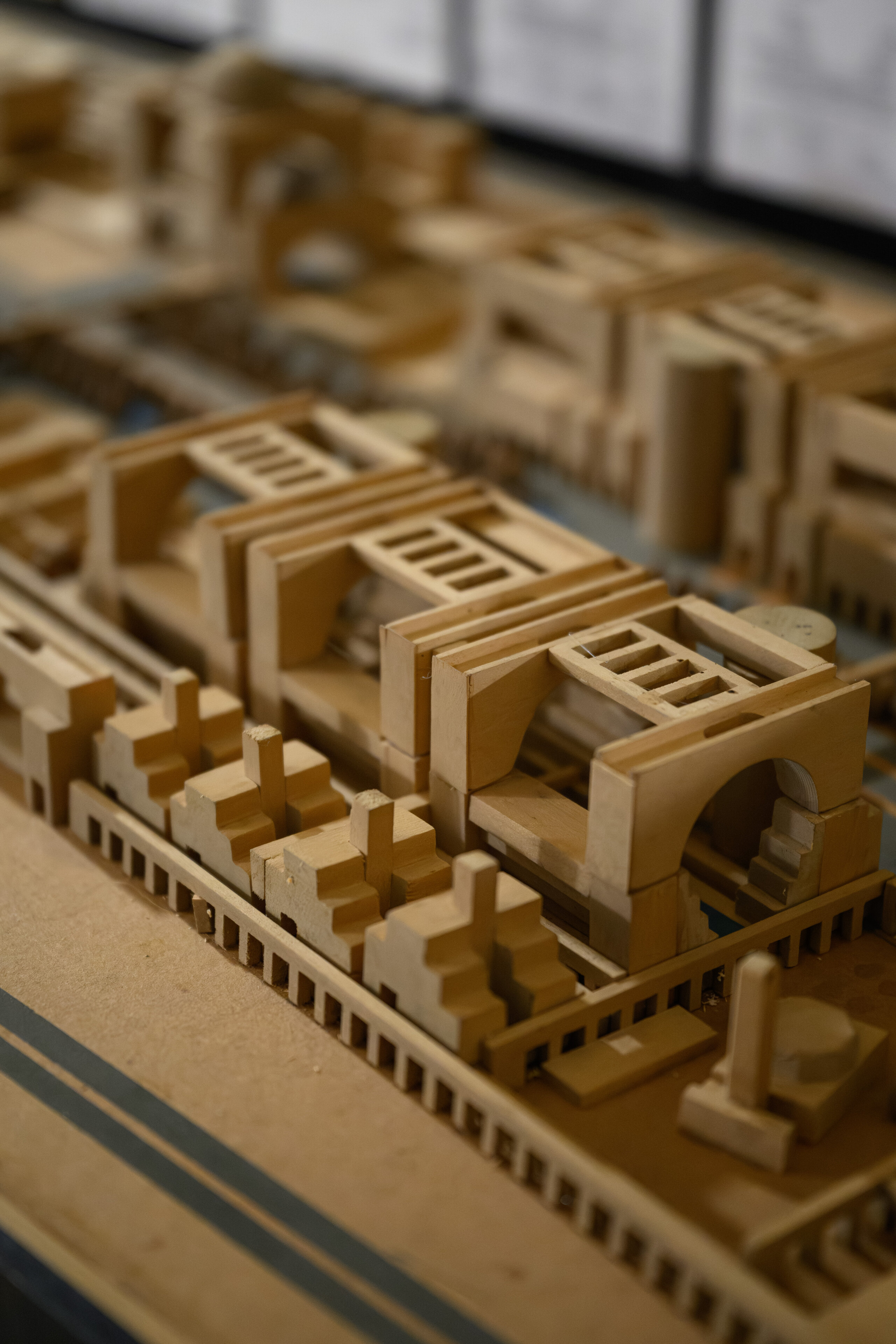
In fact, this was precisely one of our discoveries regarding the theme of fantasy for the exhibition in Bucharest. It allowed us to discuss architecture beyond the usual boundaries of the field. We exhibited unrealized projects, urban maps, photographs, utopias, contemporary drawings, and personal stories, which we believe challenged the public to think about the city beyond the confines of the exhibition. All of them spoke to architecture, even though many did not depict buildings in the conventional sense of the word.
Ioana Alexe: A museum on the move has the advantage of engaging with different contexts and testing direct relationships with places, buildings, and communities. Mobility can change the way the public encounters architecture; it can take the museum discourse out of a fixed framework and bring it closer to lived spaces, local histories, and concrete situations. At the same time, the very idea of a museum implies accumulation, accessibility, return, memory, and a certain institutional density. How do you navigate this tension between mobility and stability? What must remain consistent from one phase to the next so that MuzA is not merely a succession of exhibitions, but a cultural institution that is built over time? Where, in fact, is the memory of a traveling museum preserved? How do you anchor the museum in physical space, and how do you make it memorable over time?
Ilinca Pop-Gălățianu: At least for the next four years, we interpret mobility as what enables accumulation. Before anchoring itself in a specific location, the museum anchors itself in forms of genuine collaboration, the results of which remain part of its heritage. MuzA is a museum built through a participatory process, and for each iteration, a network of hundreds of people is mobilized. The program began in March 2026—we’re still in the early stages. Our goal is not only to organize annual exhibition cycles but also to build an archive—the main focus of the digital platform—and, ultimately, to create our first “permanent exhibition”—the exhibition that will conclude the pilot program. It’s not an entirely new model; the CCA started out similarly and continues to offer a very robust digital platform, including access to its archives.
Tudor Elian: I believe that a museum’s memory isn’t confined to a single building. It resides in the objects it collects, in the research it conducts, in the relationships it builds, and in the traces it leaves behind in the places it passes through. That is precisely why we conceived the pilot program as a period for building these mechanisms, not just a series of successive exhibitions.
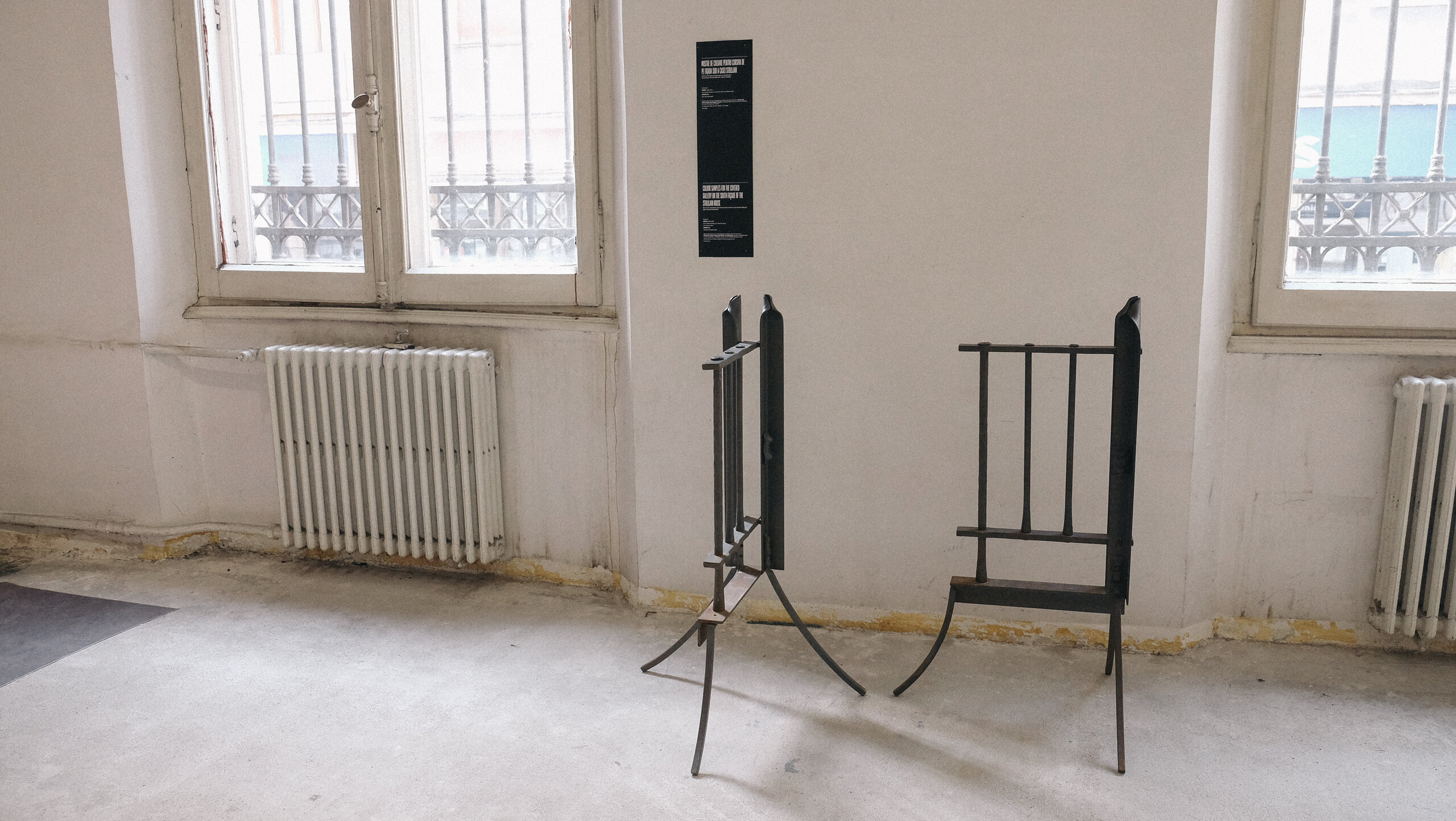
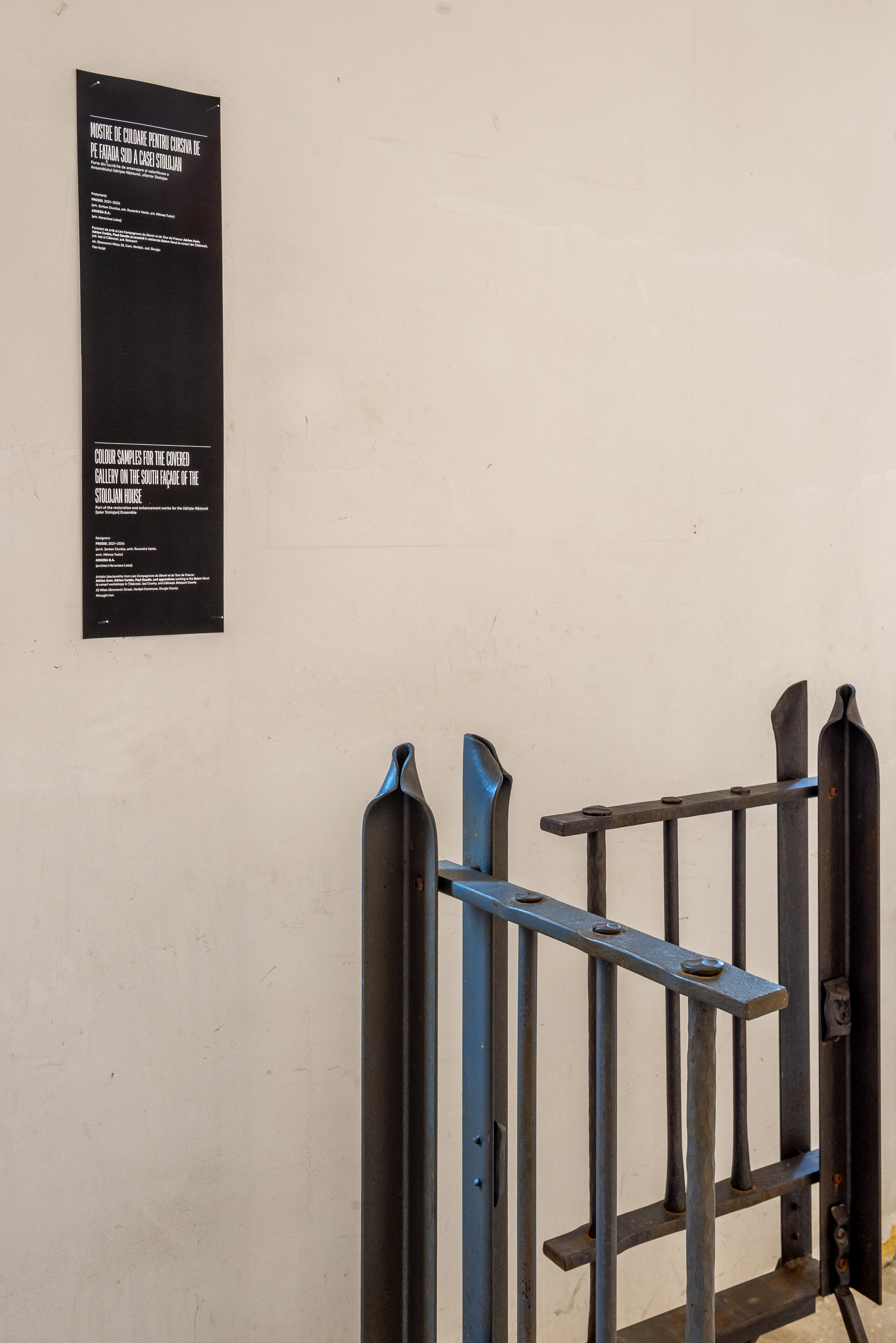
First and foremost, we are laying the foundations for the museum’s collection. We are mapping archival resources from across the country—projects, photographs, plans, documents, and collections held by institutions or in private hands— identifying exhibits that could become part of the future MuzA collection, and developing a Living Archive (coordinated by Rucsandra Pop and Cătălina Frâncu), through which the stories of key individuals are recorded today and preserved. All of these materials will be made available to the public through the museum’s digital platform at muzeuldearhitectura.ro. Second, we strive to ensure that each stop leaves something behind. In many cases, we are interested in collaborating with local partners to open buildings that had previously not been accessible to the public and to help maintain them so they can remain open for other cultural activities. In some cases, we are confident that these “temporary” exhibitions will become permanent and will be taken over and managed by local organizations.
Last but not least, as atypical as MuzA may seem at the moment, I am just as pleased that, right from its very first exhibition, it has managed to operate using certain conventional mechanisms of museology and museum space—mechanisms that temporary cultural projects typically find difficult to incorporate. We have commissioned new works, built a solid research team, borrowed original exhibits from public institutions and private collectors, and opened a bookshop managed and curated by the PUNCH bookstore. It may seem like a minor detail, but all of these elements contribute to the museum’s institutional depth and set it apart from a mere traveling exhibition project.
I believe the real challenge is that, four years from now, what remains should not be merely the memory of successful exhibitions, but an institution that has already built a heritage, an archive, a national network of collaborators, and a way of working. If we succeed in this, then mobility will not have been the opposite of stability, but rather the very tool through which stability was built.
Ioana Alexe: Every museum produces a form of canon, even when it sets out to question it. It decides what becomes visible, what enters history, what remains on the margins, what is recovered, and what continues to be absent. In the case of Romanian architecture, what are the areas that a museum should bring to the forefront or destabilize? How can MuzA construct a critical narrative about architecture without turning it into a solemn, closed, and already established heritage?
Ilinca Pop-Gălățianu: The first thing we should challenge is the very idea that there is a single history of Romanian architecture—one that has already been written and is merely waiting for a museum to exhibit it. The idea that a culture could produce today, for example, the casts from the Palais de Chaillot is unreasonable; we cannot resort to obsolete value systems either for the selection of objects or for a repertoire of moments worthy of being displayed in a museum. In fact, there are multiple histories—some very well documented and others almost entirely absent; some formulated from within the profession and others belonging to those who have inhabited, used, altered, or challenged built spaces. A museum certainly has the power to establish a canon, but it also has a responsibility to show how that canon is constructed and what it leaves out. We are interested precisely in this zone of tension, which can reveal the mechanisms through which certain architectures, certain practices, and certain voices have become significant, while others have remained marginal or are still stigmatized. We are interested in viewing architecture not only through the lens of established architects or buildings that have already gone down in history, but also through everyday practices, through the transformations of cities, through archives that have not yet been researched, through the memory of communities, and through forms of architecture that were not, at one time, considered important enough to be preserved. A museum should not merely state, “This is history,” but should help us understand who wrote it, from what perspective, and what other histories might exist.
Tudor Elian: One thing that’s essential to me, once again, is the polysemy of the exhibition and its exhibits: they should be rich, not convey just one message, and allow the mind to wander beyond the exhibition, out into the world—architecture and an exhibition that spark curiosity and introspection. My dream would be for visitors to leave every exhibition and the museum—as it will eventually take shape in a more stable form—seeing their surroundings through a different lens.
In a way, I’d love for us to unsettle everyone and yet please everyone at the same time. Impossible, of course! But I’d be satisfied with the idea that, in topics you’re familiar with and expect to find in a museum, you’d discover something thought-provoking—something that adds nuance or ambiguity and perhaps even unsettles you; just as I’d be delighted if we could sense that visitors are interested in or engaged by topics that seem distant from them—theoretical or technical…
The Museum of Architecture (MuzA) in Romania is a strategic program initiated by the Romanian Order of Architects, funded through the Architecture Stamp, and operating under the High Patronage of the President of Romania. The program is coordinated by the IDEILAGRAM Association for the period 2026–2029. The next exhibition opens on August 1 in Băila Govora, at the Ștefănescu Hotel, and will be open to the public through September 20, 2026. The exhibition is curated by Ilinca Păun Constantinescu, together with Gabriela Belcineanu and Tudor Constantinescu (IDEILAGRAM), in collaboration with the host organization Studiogovora, while the second exhibition module is designed by the STOA studio.
You can follow MuzA’s journey on the museum’s online platforms:Facebook MuzA, Instagram MuzA, and on the website, which is currently under construction.
© Roald Aron
© Lucian Călugărescu
© Lucian Călugărescu
© Roald Aron
© Tudor Constantinescu
© Lucian Călugărescu
© Roald Aron
© Tudor Constantinescu
© Lucian Călugărescu
© Tudor Constantinescu
© Lucian Călugărescu
© Tudor Constantinescu
© Lucian Călugărescu
© Tudor Constantinescu
© Lucian Călugărescu
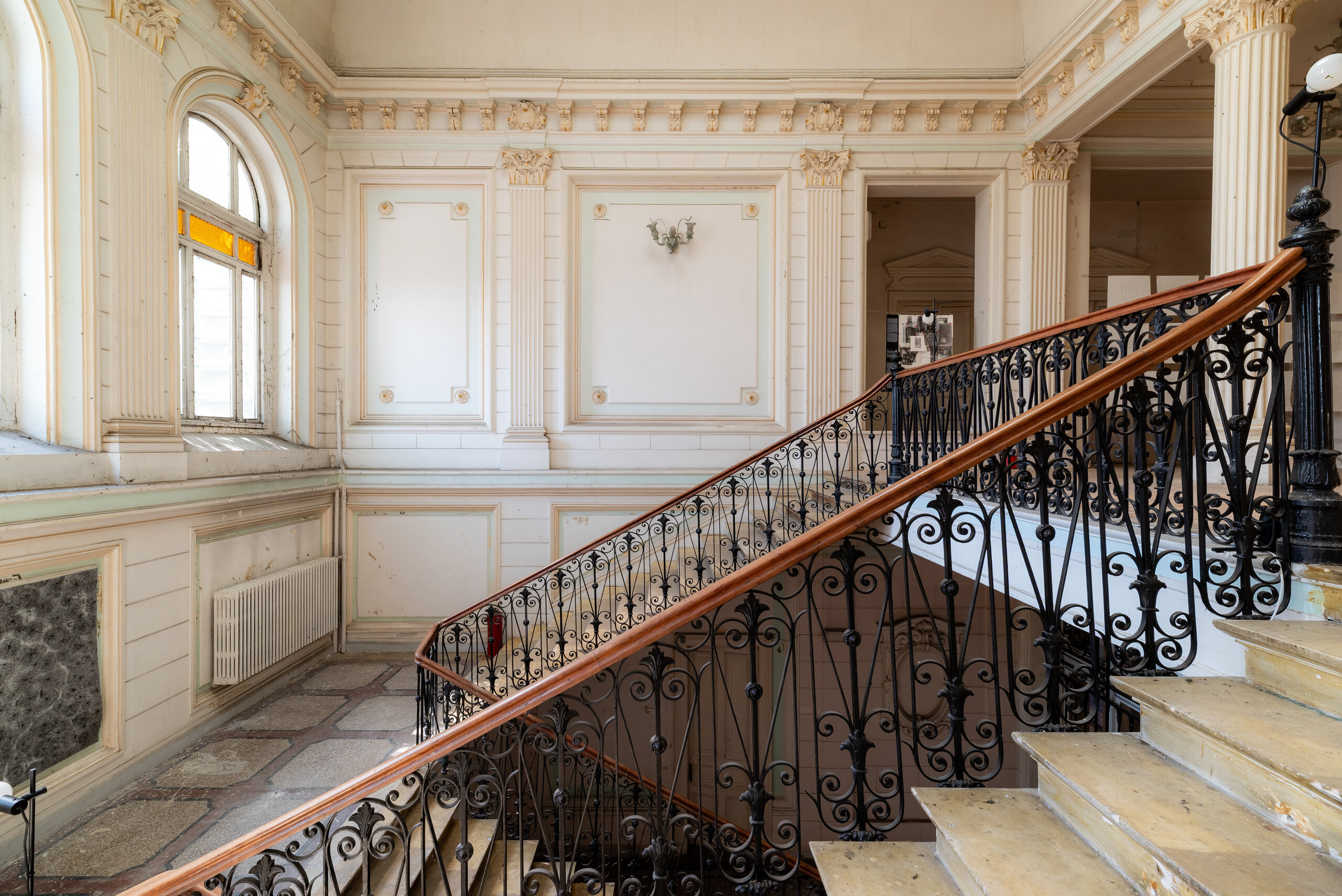
© Tudor Constantinescu
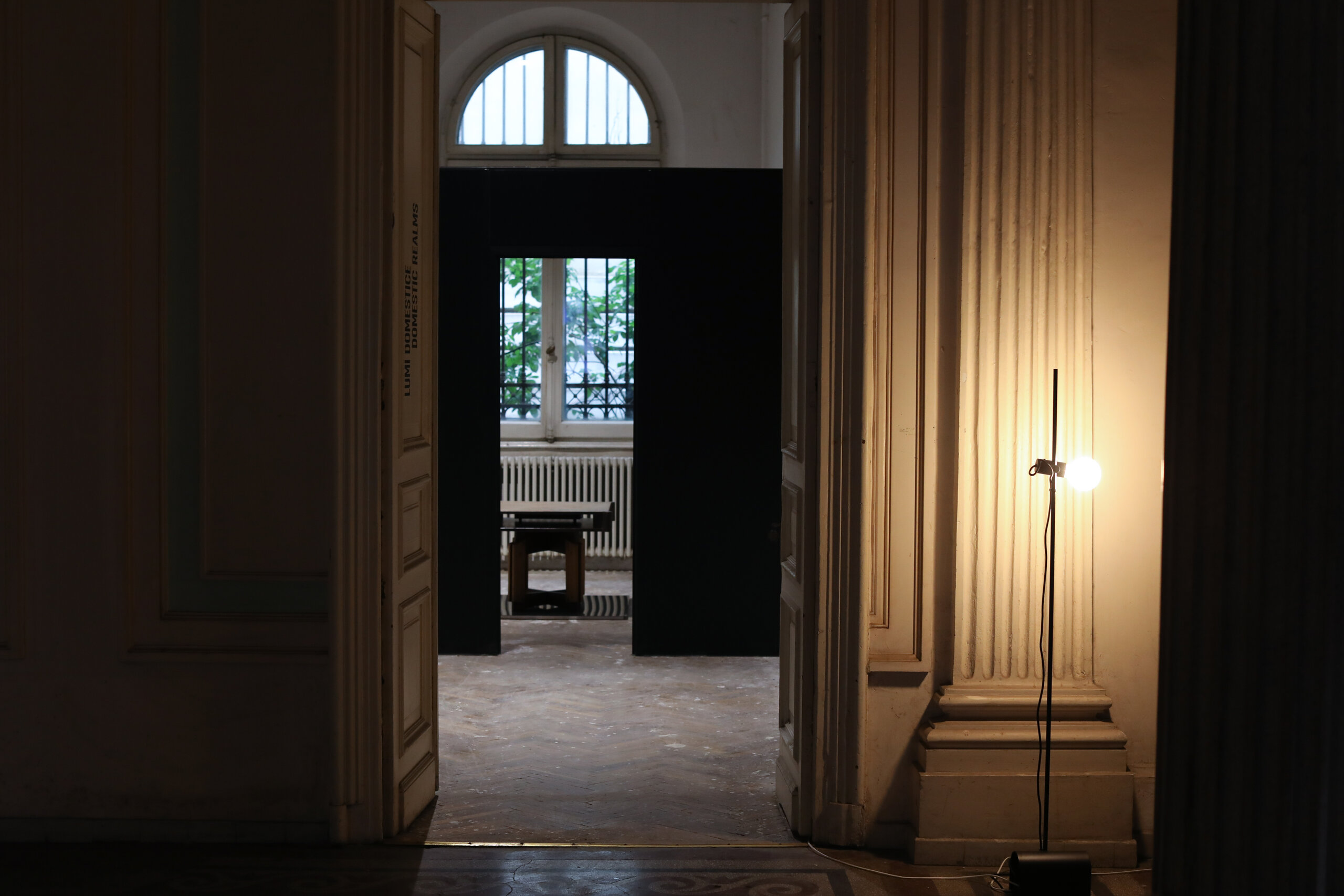
© Lucian Călugărescu
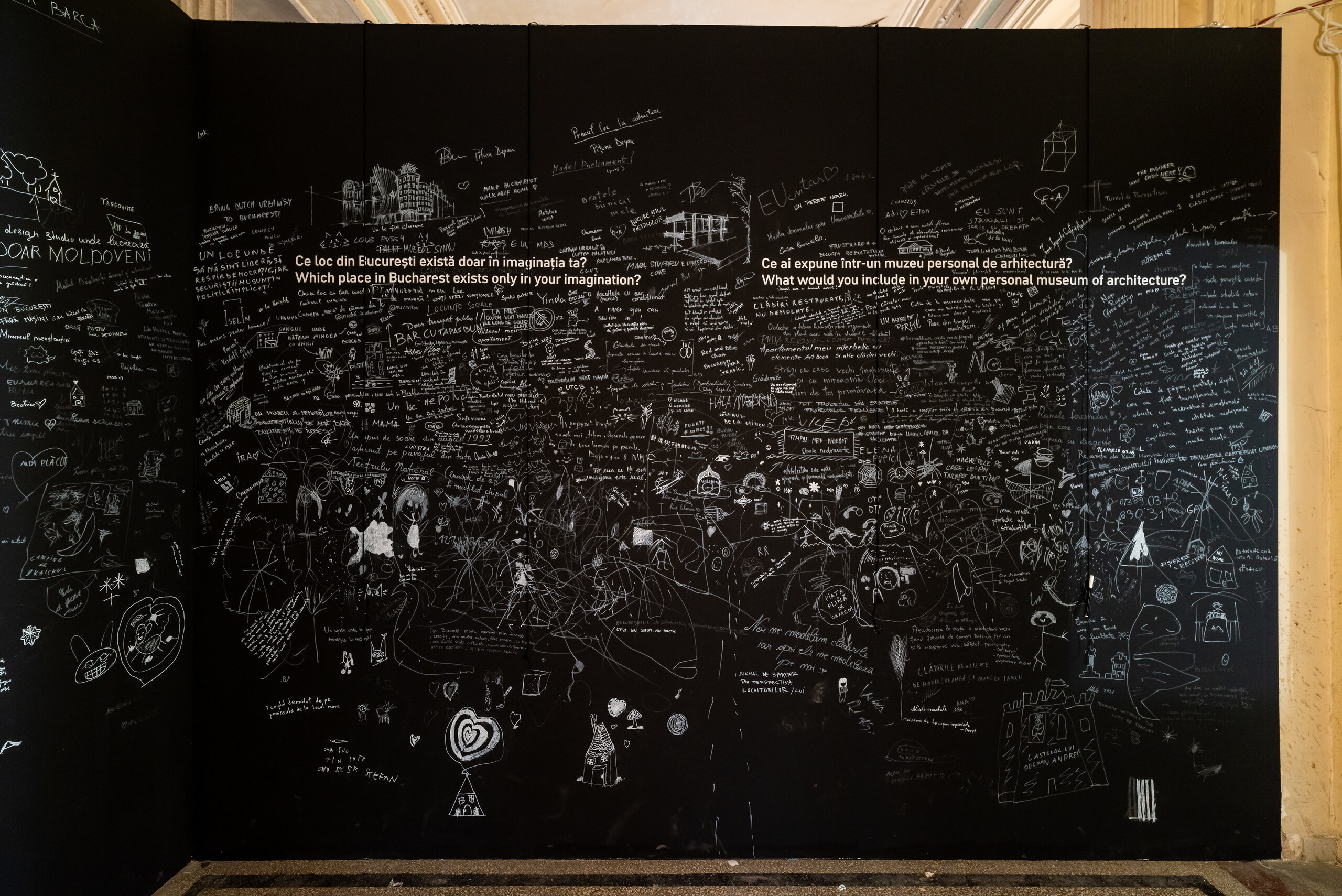
© Tudor Constantinescu
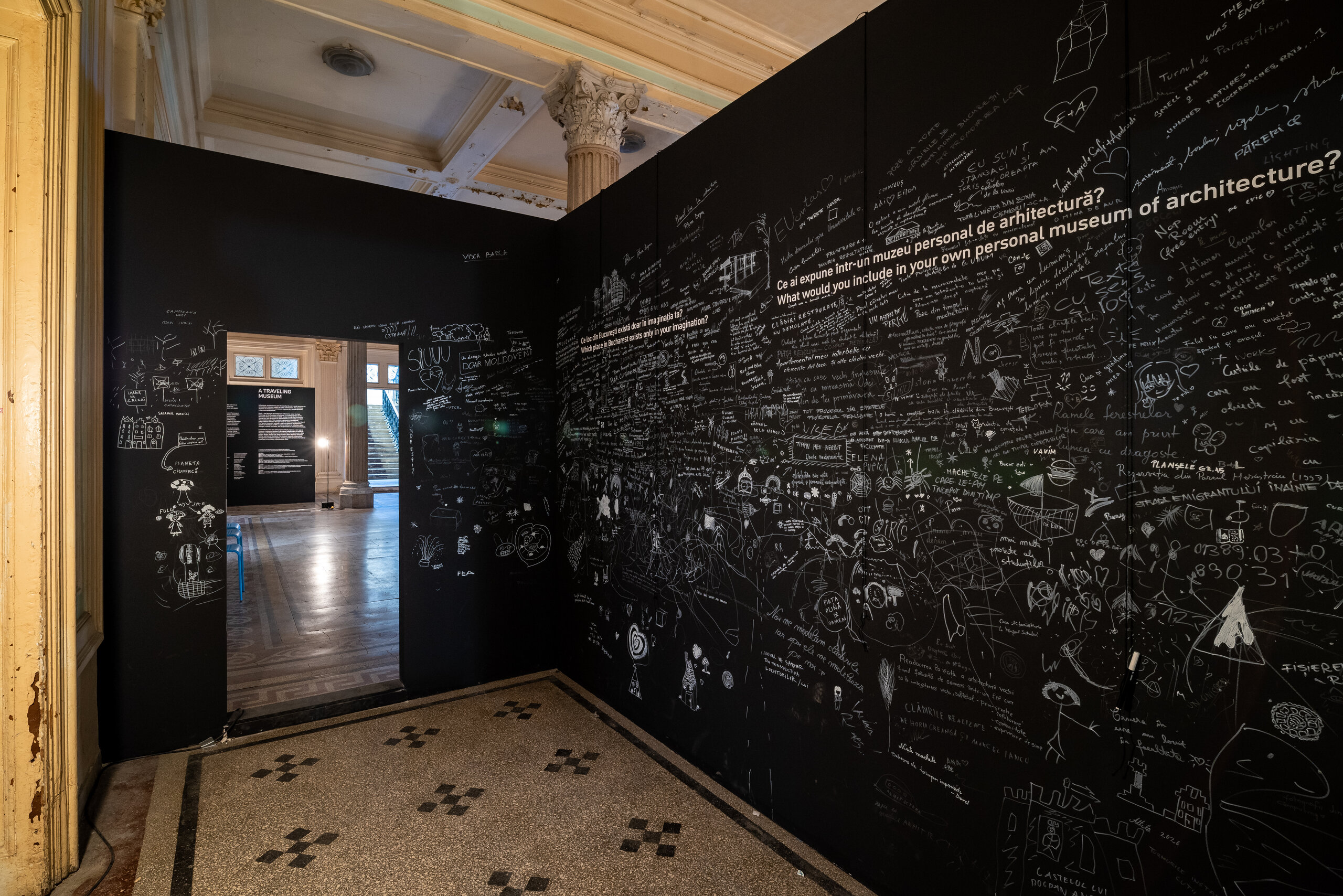
© Tudor Constantinescu
© Roald Aron
© Roald Aron
© Roald Aron
© Lucian Călugărescu
© Lucian Călugărescu
© Lucian Călugărescu
© Lucian Călugărescu
© Lucian Călugărescu
© Lucian Călugărescu
© Lucian Călugărescu
© Lucian Călugărescu
© Lucian Călugărescu
© Lucian Călugărescu