
Downshifting Romanian Way - Domoșu
Sara and Douglas (originally from Scotland) came to Romania as English teachers in 1997. They are passionate about history and traditional building, having studied in these fields. In Newport, having to restore the historic house they owned, they had some unpleasant experiences with various specialists, so they learned to work with their own hands, learning traditional techniques. In love with Kós Károly's architecture, which they had known since their days in England, they visited the house he built in Stana and discovered the historic Călățele (Kalotaszeg, in Hungarian, between Huedin and Cluj, with its rich folklore, crafts and traditions).
They settled in Huedin and set up the Association "Sustainable Kalotaszeg-Târnaț", which aims, among other things, to save, preserve and restore the architectural and cultural heritage, lobby for its protection, raise the profile of these actions among Romanians and support the restoration and reuse of buildings.
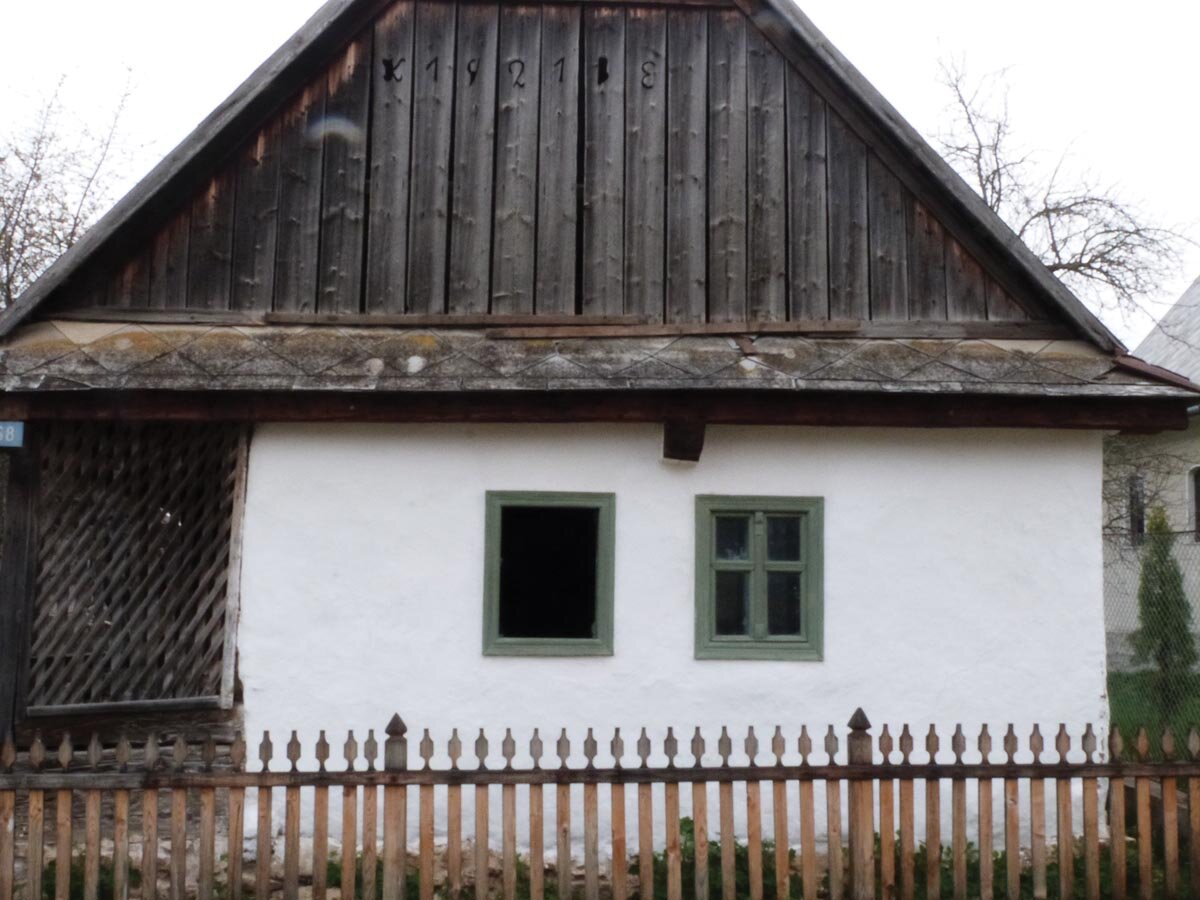
In 2007, Sara and Douglas bought their first traditional peasant house in the village of Domoșu (Kalotadámos) in the commune of Sâncraiu, Cluj county, an old and dilapidated house which they restored with the help of foreign volunteers.
This was followed in 2008 by a house in the village of Alunișu (Magyarókereke, in Hungarian translation means "the hazelnut grove"), also in Sâncraiu, one in Huedin and, in 2011, one in the village of Văleni (Magyarvalkó) in Călățele, Cluj County. The latter house was built in 1870 and is called Bogolyvár (Owl Fortress).
photo: Douglas MCFARLANE, Sara MEAKER
Read the full text in issue 1 / 2016 of Architecture Magazine
Details on https://www.facebook.com/Tarnat-Kalotaszeg-Durabil-253955824655794/
Downshifting Romanian Way - Six stories about green communities