Cultural Port

Text: Doina IȘFĂNONI
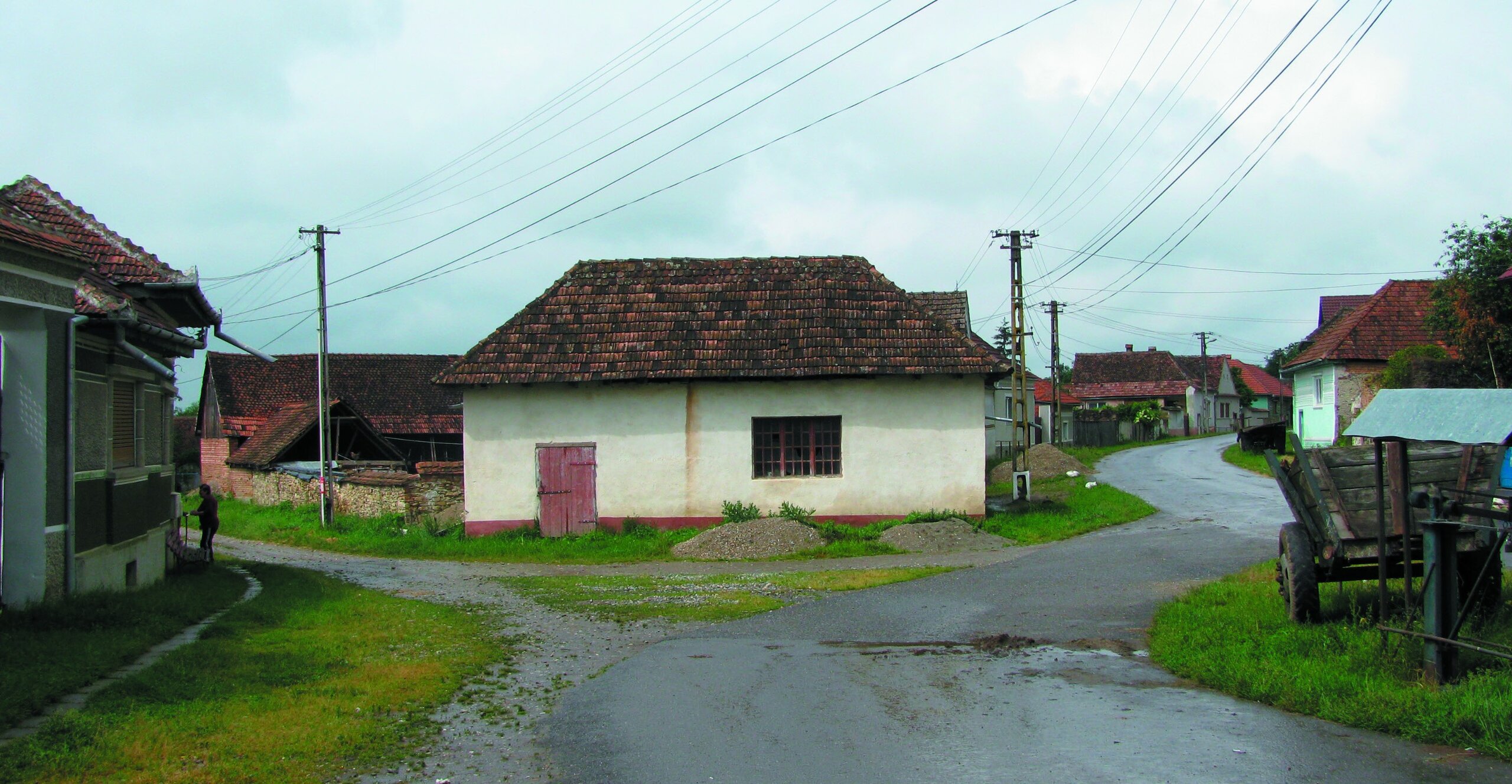
 In the context of post-industrial society, characterized by an accelerated process of globalization and standardization of socio-economic and cultural life, the Romanian village also underwent radical changes after 1989 in terms of occupations, household structure, architecture of dwellings and outbuildings, as well as in terms of domestic occupations and peasant crafts. In the name of modernization, the occupational and household inventory is abandoned, houses change their layout and appearance, traditional materials - wood, stone, straw, straw, adobe, earth and mud - together with specific building techniques are replaced by reinforced concrete, concrete concrete blocks, washable paint and thermopane. The fabrics and costumes that once honored every woman with their beauty and craftsmanship are nowadays less and less used to decorate the rooms of new houses, and folk costumes are only worn at Christmas and Easter, at the Nedei and Hramuri, at weddings, baptisms and on local holidays.
Bearing in mind these coordinates of contemporary rural life and the rapid process of replacement of peasant goods by industrial products, similar in function, it is not surprising that in the last decades of the 20th century and the beginning of the 21st century, the actions of intellectuals and village notables to recover the ethnographic heritage and various cultural and historical testimonies reflecting the specificity of the area of territorial representation have intensified. Following campaigns to rescue abandoned ethnographic objects, ethnographic-historical collections have been set up in the households of the villagers, located in schools, cultural hostels or in old peasant houses, donated by their owners or purchased by local authorities. These museums were born out of the love of enthusiasts with a passion for the past, culture and local folk art, increasingly supported by the inhabitants of the villages concerned.
From a temporal perspective, the village museums have gone through three main stages in their evolution.


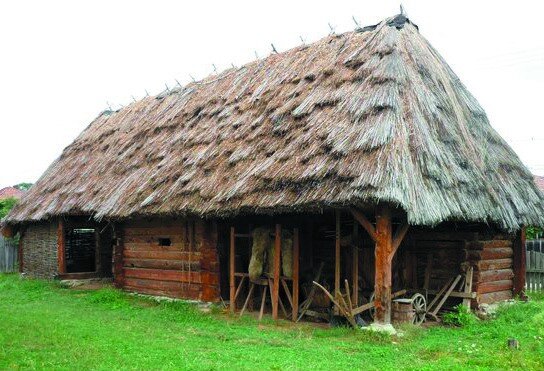
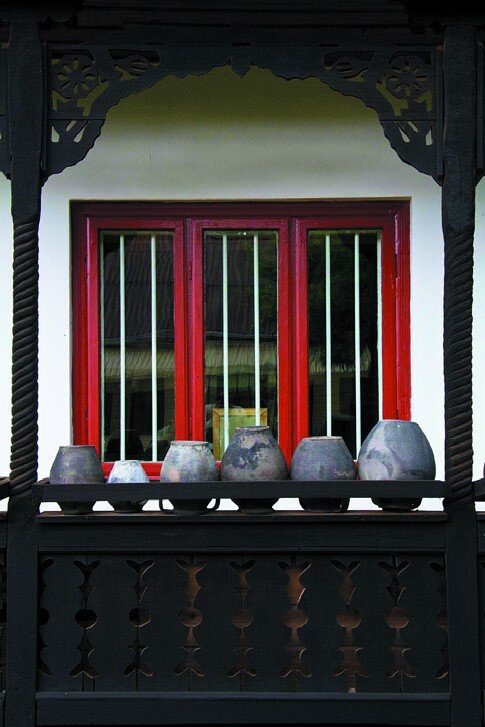
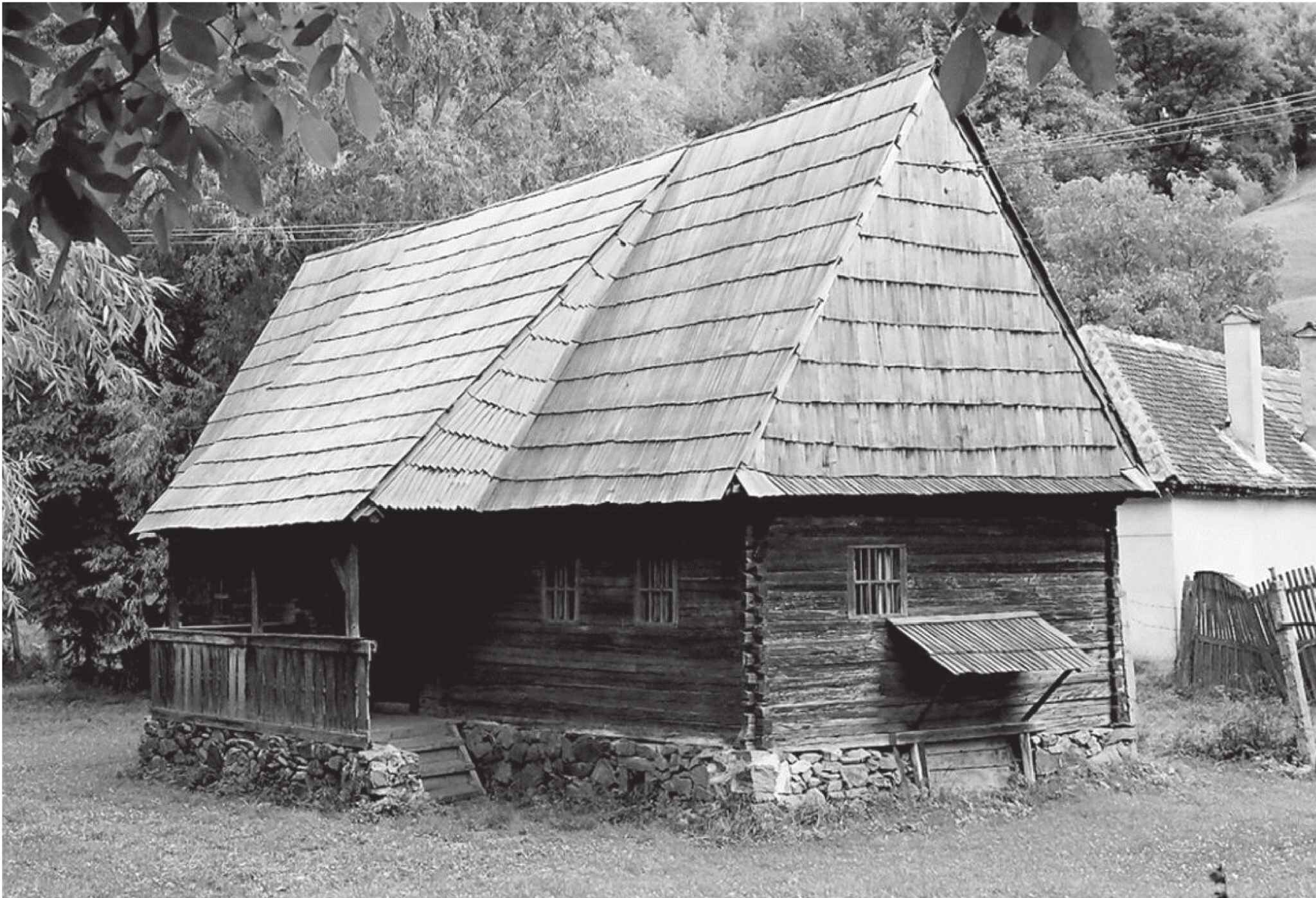
Gura Râului Museum, Sibiu
1.By the 1960s, ethnographic objects and local history documents were collected from people's households by teachers, helped by students. They were stored in schools where a kind of "ethnographic rooms" were set up for Romanian language, history and natural science classes. The ethnographic heritage, together with the historical relics discovered in the municipality and old documents - property deeds, deeds of inheritance, old books - served as teaching material through which pupils learned to respect such objects and to value the information they provided about their ancestors and ancestors. Pupils are also taught to look beyond the formal concreteness of the apparently banal or obsolete pieces to understand the events that their ancestors had gone through, the creative skills of local craftsmen in making pieces suitable for their occupations, domestic and household activities and the skills of the hundreds of women who knew how to 'dress the home and the family' with their work and skill.
While from an educational point of view these village museums were beneficial to the community, they presented several categories of problems in terms of the quality of the space in which they operated, often unsuitable in terms of surface area and microclimate, and compliance with the principles of heritage display. Whatever the nature of the materials from which the pieces were made, they were crammed on tables and even on the floor, carpets were nailed to the walls, and costumes were dressed on hangers or pinned directly over the carpets with needles.

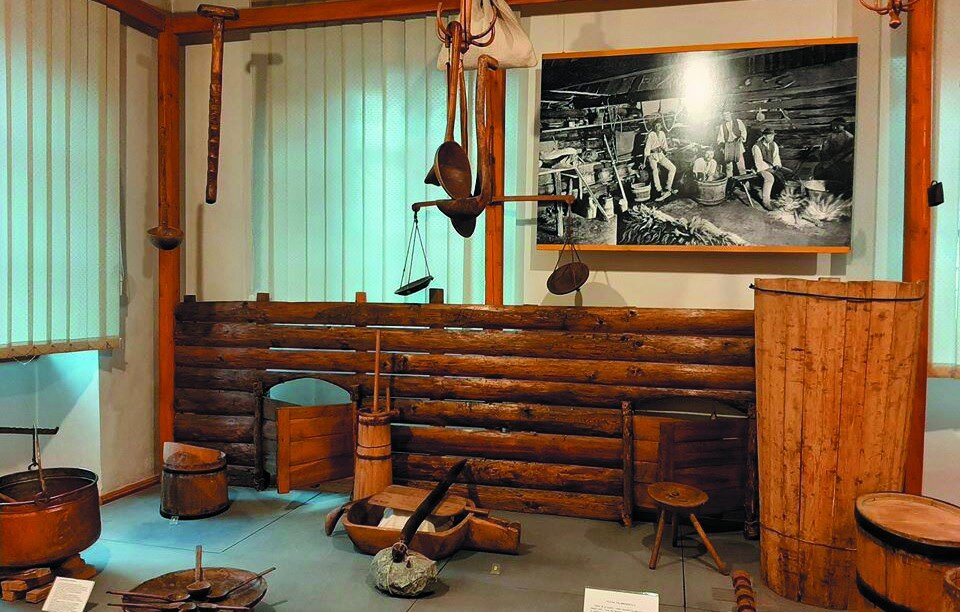
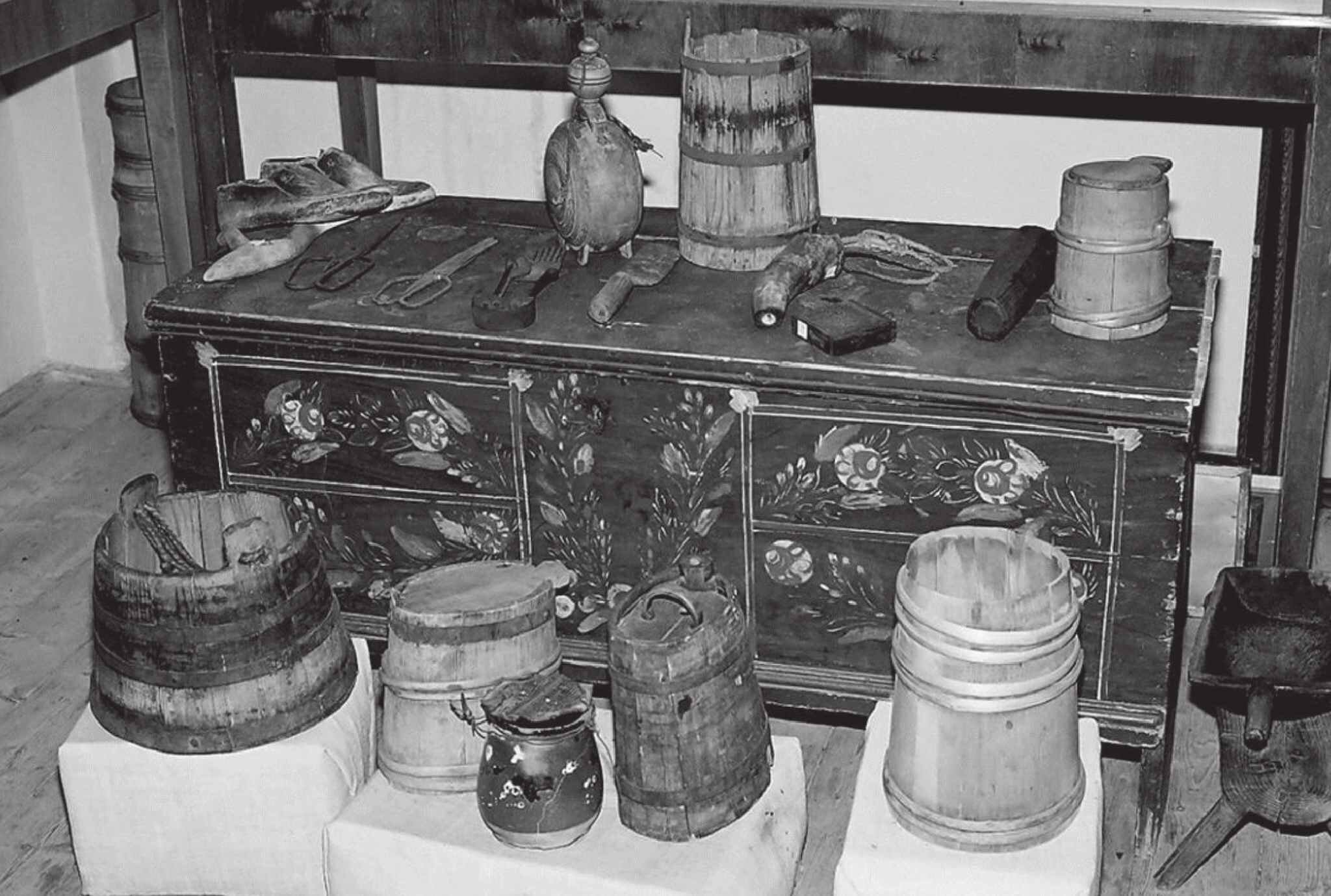
2. Another stage in the evolution of the village museums, the years 1970-1989, is when the ethnographic-historical collections are organized thematically, in much more generous spaces. In the exhibitions, the objects are grouped according to the activities in which they were involved, sometimes accompanied by photographs and old documents from local people. These heritage nuclei illustrate the main and secondary occupations of the inhabitants, specialized crafts (where they were practised), the processing of textile fibres in the peasant household (wool, hemp, flax and linen combing and spinning), the weaving and embroidering of home textiles and costume pieces; these textile cottage industry activities are also accompanied by the categories of objects made by these operations.
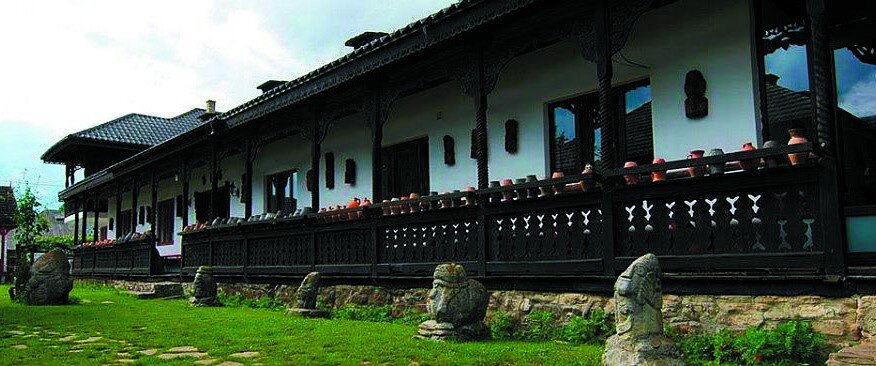
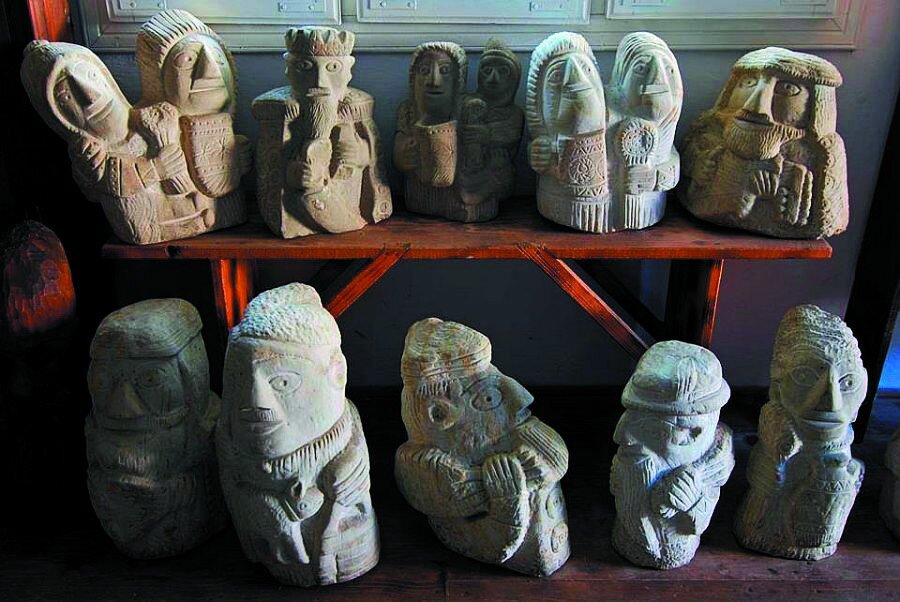
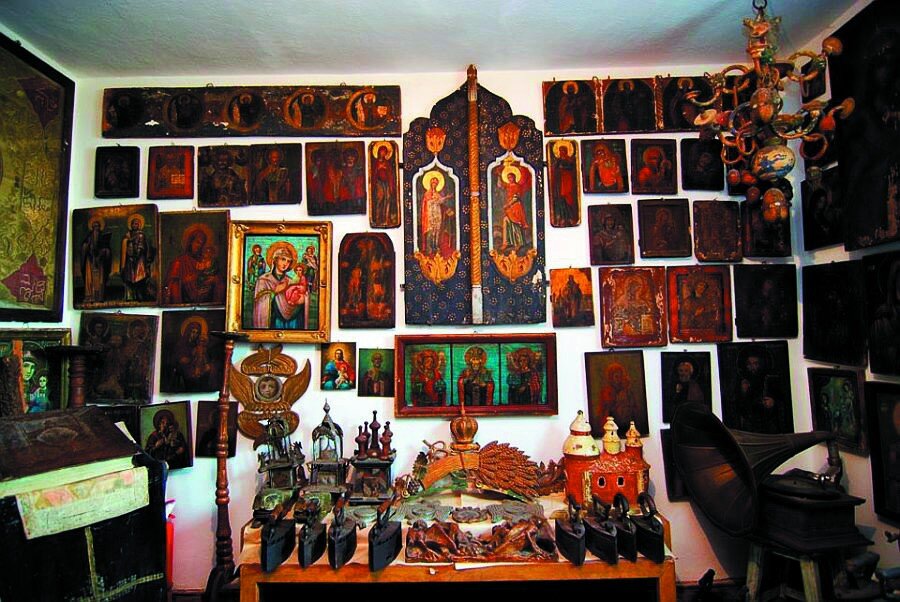
Within this category, a special place is given to museums with the status of local emblems. Through their specific objects, these village museums preserve what is most valuable, representative and authentic to their community. This is the case with the pastoral museums in Poiana Sibiului, Galeș, Gura Râului, the museum in Cârțișoara, which presents the craft of painting icons on glass and the work of the craftsman Nicolae Țâmforea, together with documents on the life and work of the famous Badea Cârțan, and the museum of Moldovan masks and folk traditions in Târpești, Neamț County, founded by the craftsman Nicolae Popa.
In terms of their role in the community, these museums go beyond the instructive-educational sphere. By means of concrete testimonies - objects and documents - they aim to raise the level of knowledge of local history by members of the community, the cultural-artistic value of the heritage and an understanding of the socio-economic and cultural implications of practising a dominant occupation or a specialized craft. Such museums enhance the value and attractiveness of the place where they are located, strengthening interpersonal relations in the community in the sense of self-respect and respect for others. They help to create a sense of belonging to the area (commune) and thus to strengthen identity. The message of these museums is to demonstrate that, through their ancestors, those present can discover their roots and clarify their cultural identity.


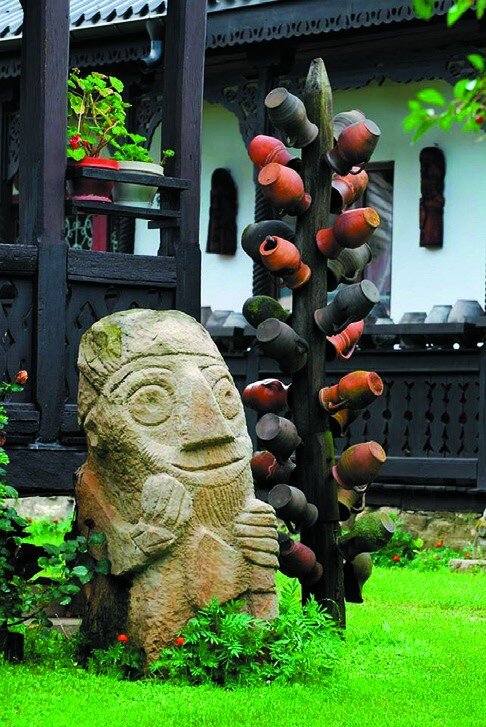
Popa Tarpești Museum, Neamț County
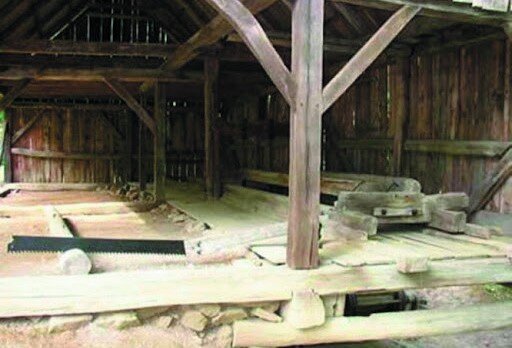
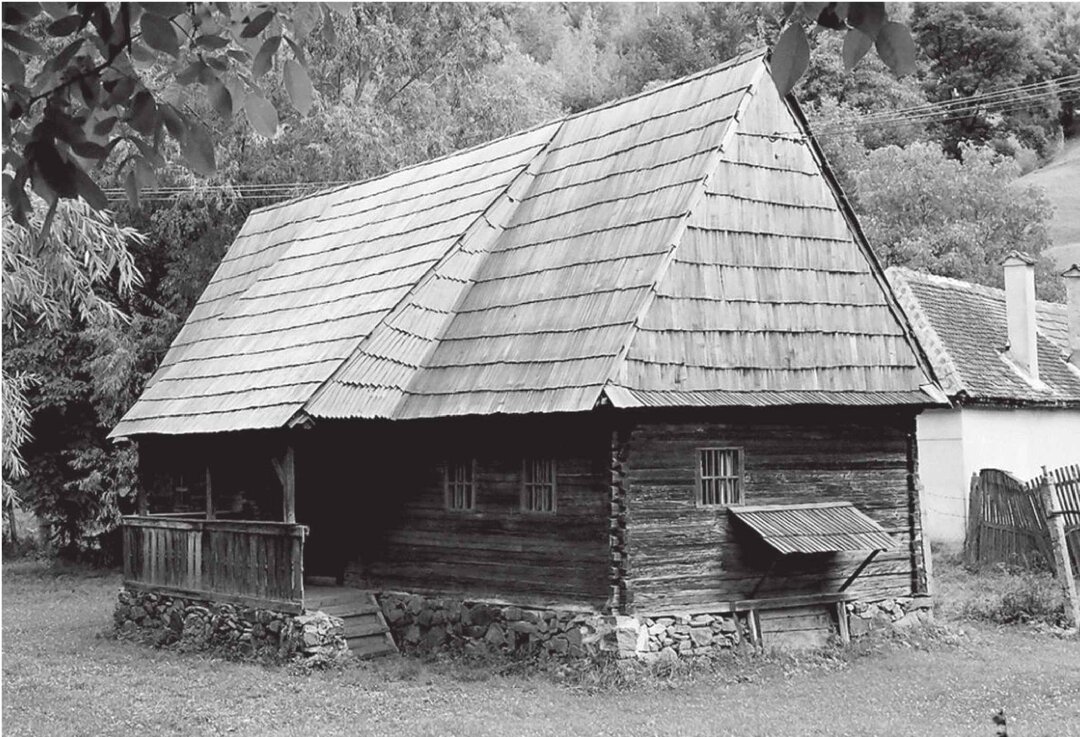
3. After 2000, there has been a substantial increase in the number of village museums and their thematic diversification. Among the causes of this phenomenon is the increased concern of several categories of people from rural communities - teachers, priests, engineers, artists, scientists, rural entrepreneurs, etc. - for the ethnographic heritage and local history. They strive to save these witnesses of the past from natural physical disappearance, but also to protect them from the aggressive campaigns of folk art dealers who roam the villages to collect them. Combining these factors with the depopulation of villages and the disappearance of many specific activities over the last three decades, village museums aim to go beyond thematic exhibitions with objects removed from the context that generated them - the household, the house, the workshop - and to place them back in their original environment. In line with these realities and the current needs of communities to understand their local history and the specifics of their ancestors' lives, village museums become eco-museums, in situ heritage preserves of authentic peasant households, dwellings, craft workshops. Once identified, these objectives enter a true conservation-restoration process on the site where they were originally located. The rightful owners, local authorities, lovers of traditional culture, brought together in various associations and organizations for the preservation of local cultural heritage, bear the cost of the work. This much more complex approach to heritage enhancement requires both professional skills in selecting the objects and restoring them (local and county museums are often invited to participate) and concrete support from the authorities (town hall, school, church, local economic and tourism entrepreneurs).

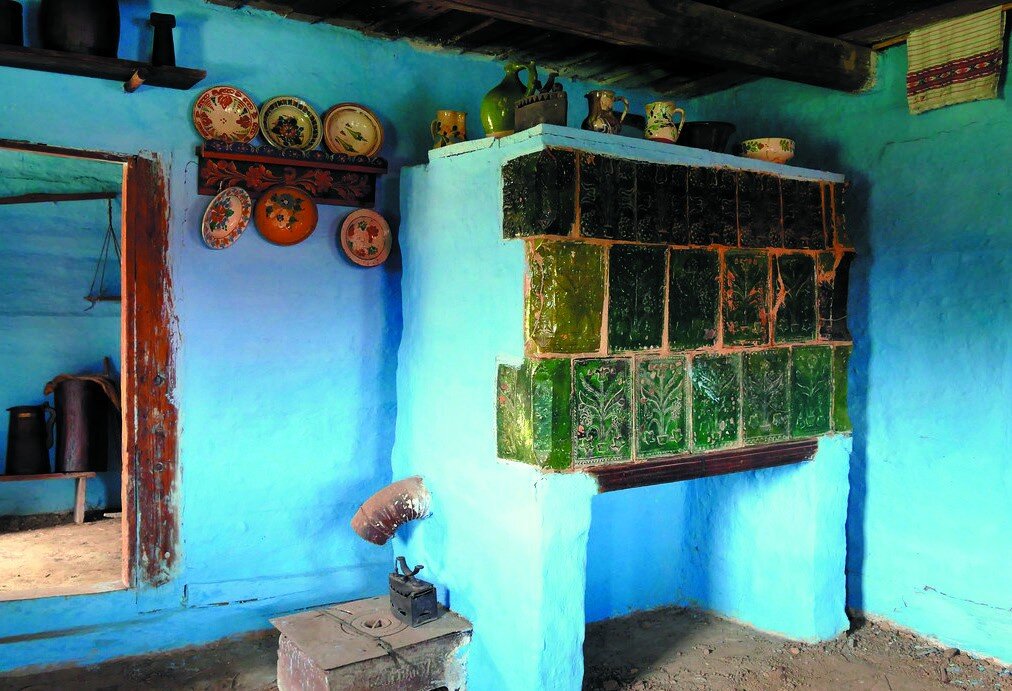
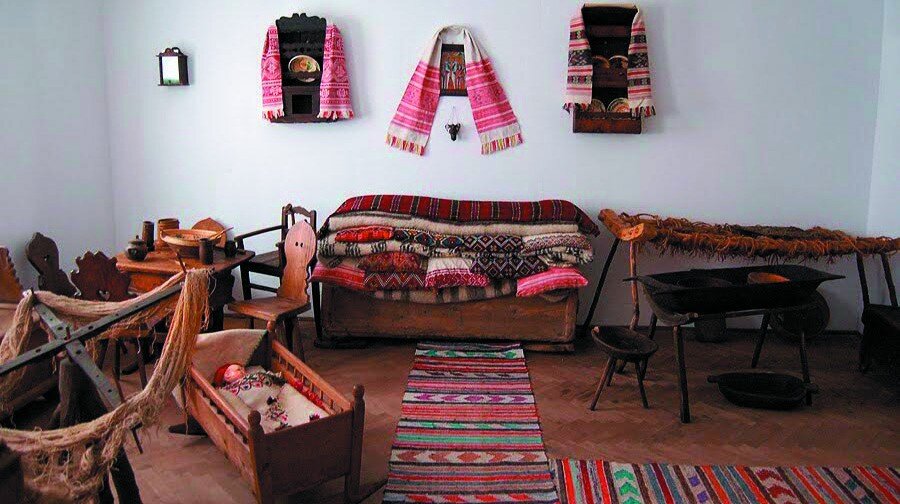
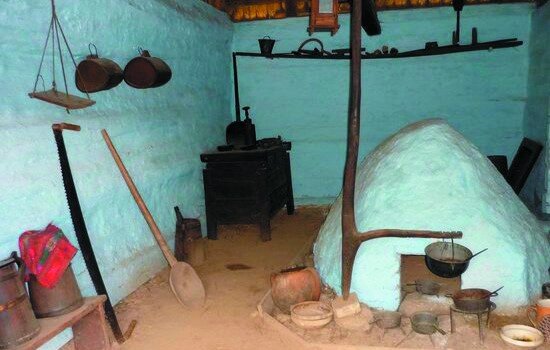
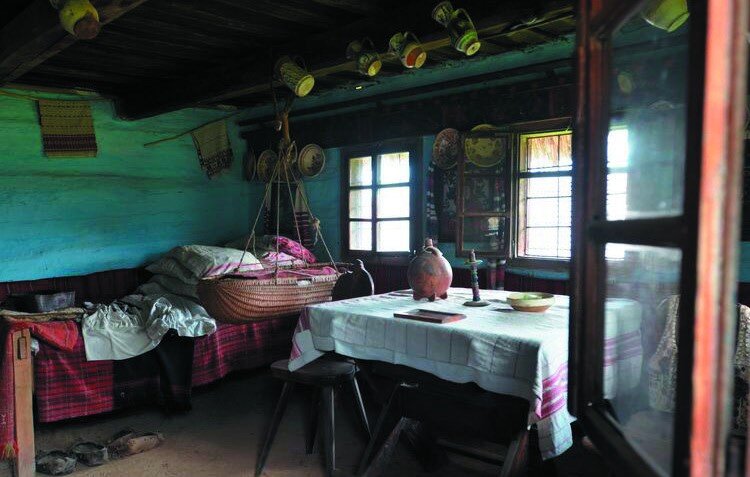
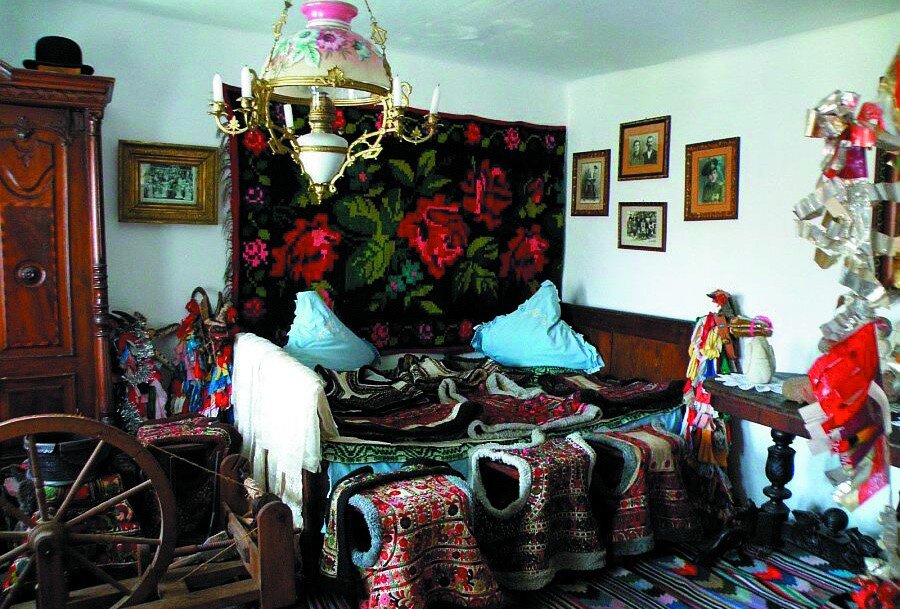
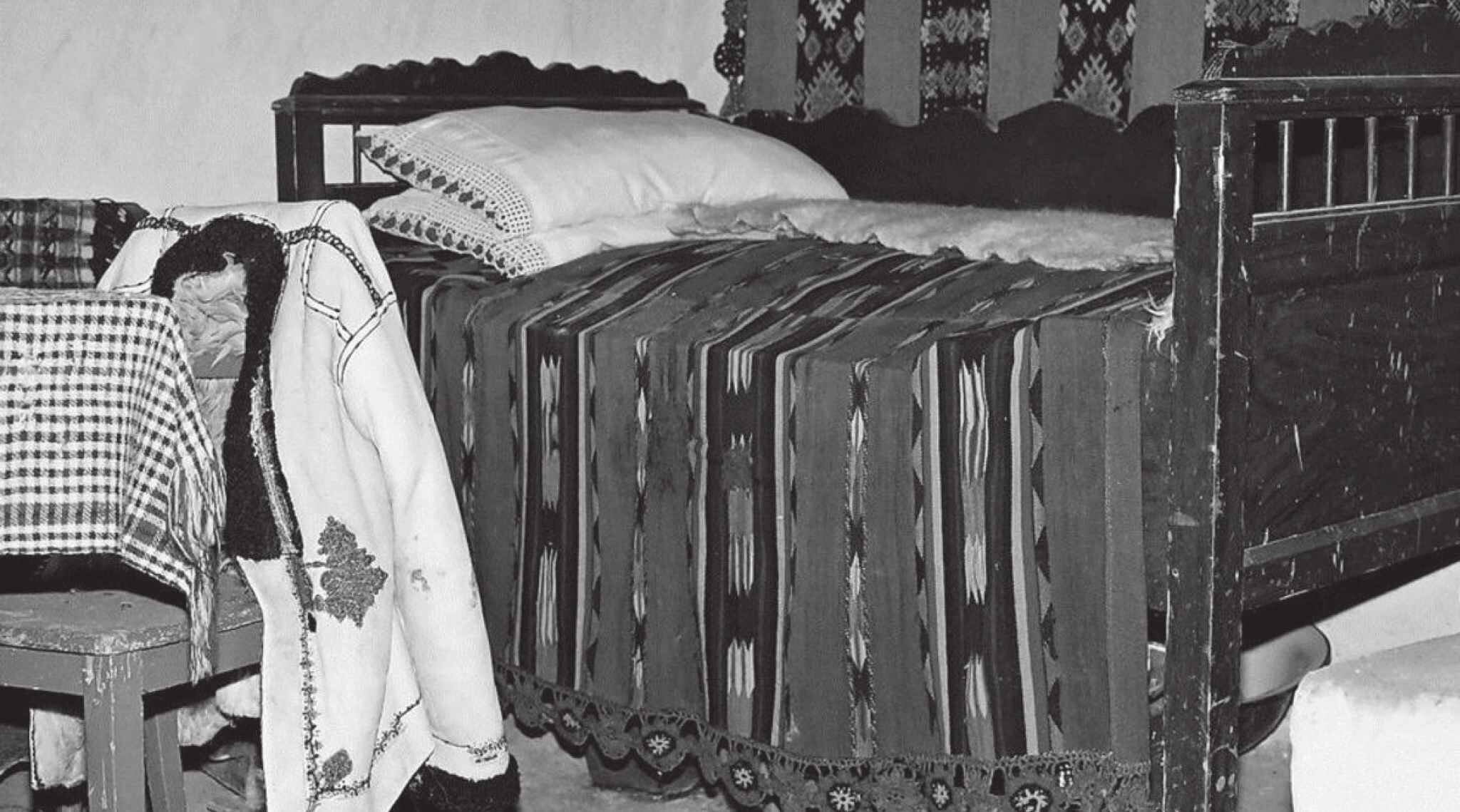
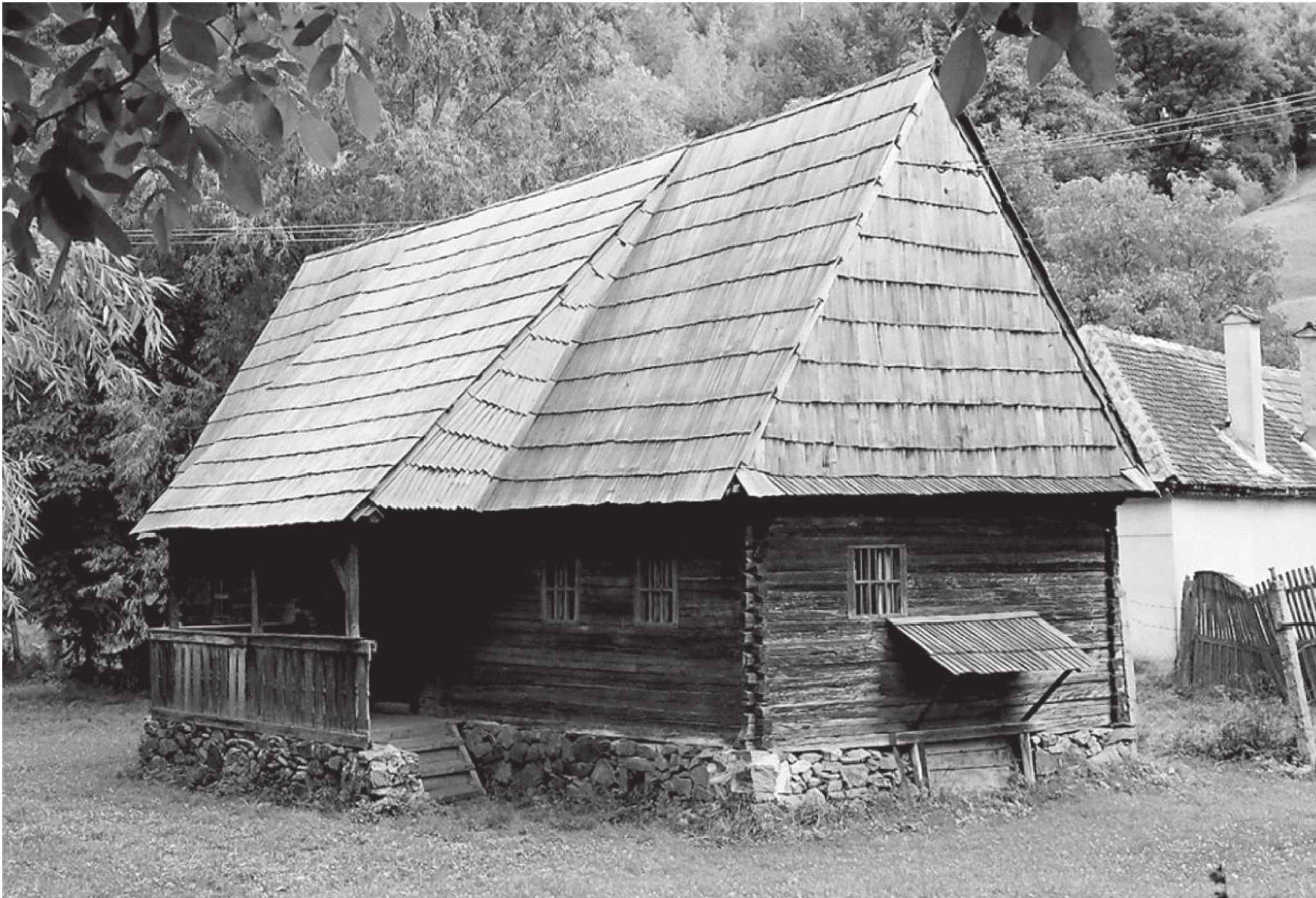
A traditional house that is to become an eco-museum must preserve the specific features of the local architecture and building materials. The interior design should be stylistically in keeping with the area and historical period of the house. In order to illustrate sequences of the peasants' daily life, through the heritage brought together in the house, the traditional heating and food preparation system will be reconstructed in its original form, the household objects used (ceramic, wooden and metal vessels) will be presented, the furniture will be from the same period as the house and made by local craftsmen, and the fabrics will be those made by women in the household, according to the codes ingrained in the organization of the living space. In order to get to know the socio-economic status of the owner, implicitly of the peasants of that time, and the prestige of the respective family in the community, the "clean room" will be arranged, the room where guests were received on holidays and where weddings and cumetri were celebrated, in accordance with the visual centers of interest: the nook with the bed and dowry of the girls to be married, the culmea/ruda with towels and pieces of harbor, the "house wheel" with rugs and towels illustrating the hard work and skill of the women of the house, the "olurile de nănaș" on the house beam (Maramureș) to demonstrate the prestige of the family taken as a landmark by its future sons-in-law.


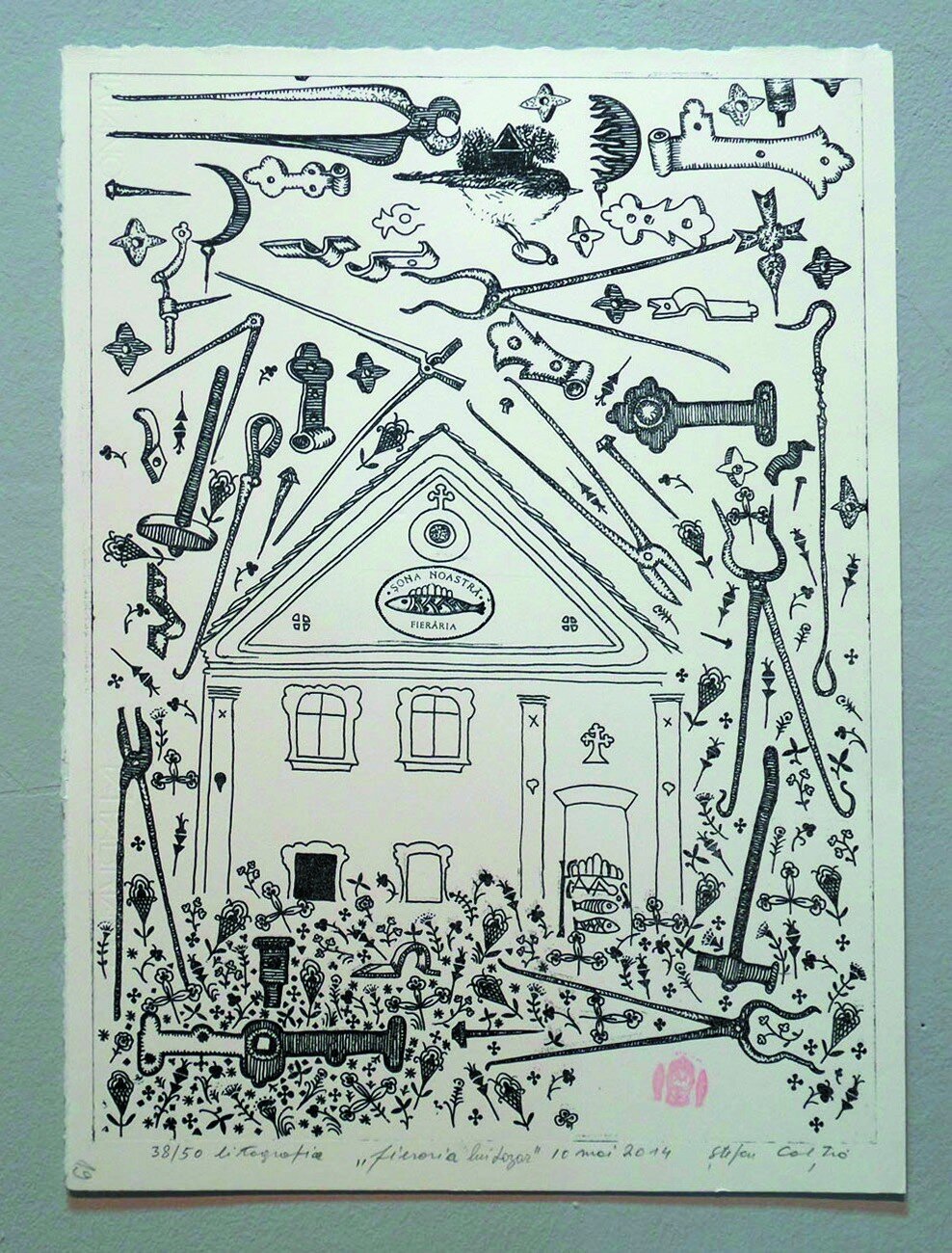
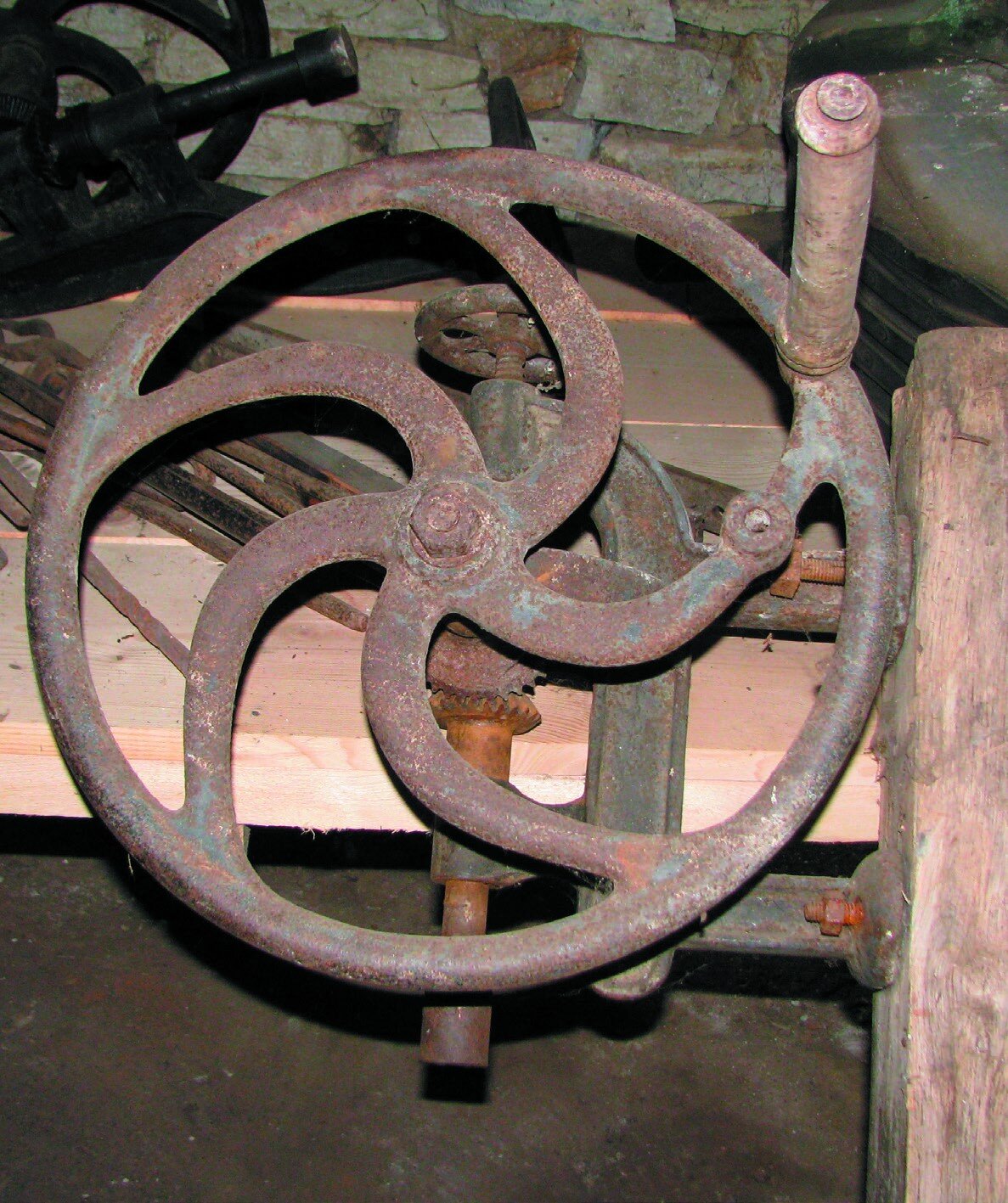
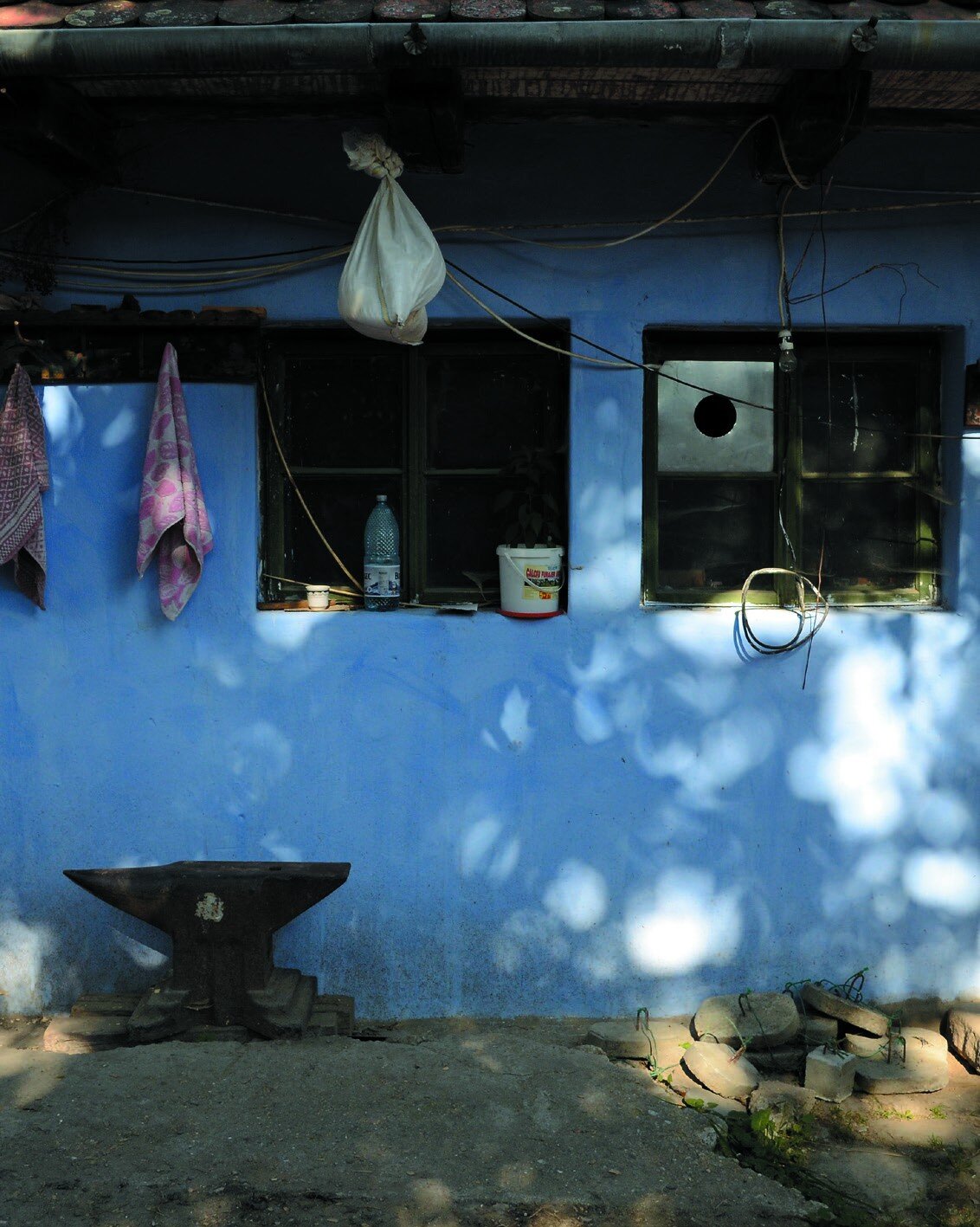
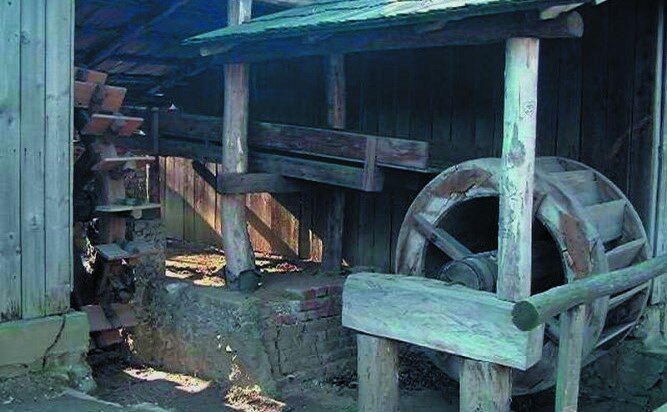
Lazăr's forge, Șona
The inter-relation between the objects distributed in this way creates a stimulating environment for perceiving the heritage on display. The categorical diversity and the originality of the pieces have the capacity to communicate not only the way in which these objects are used, but also information about the spiritual component of those who made them. The craftsmen's technological skills, their artistic taste and the excellence of their workmanship stored in each handcrafted object store precious information about mentalities and beliefs in their formal and decorative structures. From this perspective, village eco-museums, preserved in situ, are veritable 'perimeters of memory' in which the most valuable elements of the material and spiritual life of the area are saved and preserved. Some of these museums become 'schools of non-formal education and intergenerational communication'. Through the contribution of community members, in these contexts they learn and experiment with various household activities - textile fiber processing, weaving, tailoring and embroidering costumes - and domestic activities. In the eco-museums, young people and adults are involved in making traditional gastronomic objects or dishes, rediscovering ancient techniques and the flavors of certain foods. Those involved in these activities also have the opportunity to experience the emotional, spiritual component that each maker of traditional objects includes in everything they make with their hands and minds. In Șona, in Țara Făgărașului, at the initiative and thanks to the contribution of the painter Ștefan Câlția, the 'Lazăr's Blacksmith's forge' was set up in Șona, an authentic blacksmith's workshop bought from a blacksmith from Apața and set up in Șona as a workshop-school for those who wish to learn the secrets of this craft or to see how to make a hinge, a cross or a window grille.
There are now more and more examples in Romania of such initiatives and village eco-museums preserved in situ, in their original environment. Each of them contributes to the safeguarding of ethnographic heritage and local history, as well as to the promotion of cultural-identity values. Through eco-museums preserved in situ, contemporary rural and urban communities recognize the emblems of their past and realize their importance for the spiritual life of their contemporaries. By referring to the treasures of their ancestors, the community expresses the dignity of belonging to a particular territory; the present is nourished by the treasures of the authentic past. Through the cultural heritage, the individual receives concrete perceptible forms to be memorized and transformed into sensory-cognitive landmarks.
Therefore, according to ethnographers, historians and sociologists, the establishment and operation of eco-museums creates... 'a geographical and historical synthesis of the characteristics of the territory, its main features, morphological, chronological and typological aspects from a cultural point of view. Only in this way can the population, groups and individuals rediscover their origins, their identity and ensure their future (cf. Ioan Opriș, The Ethnographic Museum of Brasov, its heritage and its territory of reference).
Bearing witness to the soul and ingenuity of the peasantry, traditional folk creation has not been able to be cancelled out by the rapid modernization of the village or by the invasion of industrial products. Objects produced by Romanian peasants and craftsmen can boast the specificity and originality of objects made by hand. This is, in fact, the reason why the ethnographic heritage specific to one area or another, brought together in village museums, will never lose its validity. When these pieces no longer accompany the everyday life of peasants, they move from the everyday to the spiritual, becoming 'memory stimuli' with emblematic functions and symbolic value. It is only when we realize the importance of these values that we will neither lose the village nor the cultural identity of its inhabitants.