Anatomy of Memory: From The Trauma of Displacement to Urban Regeneration
An art chronicle on the hybrid project in Recife by artist and architect Vladimir Păun-Vrapciu
21.08.2026
Artist: Vladimir Păun-Vrapciu
Exhibition: "The Space" (O Espaço)
Curators: Carlito Person, Rebecca França, and Robson Xavier
Period: 08.08 – 18.10.2026
Opening (Vernissage): August 8, 2026, at 15:00
Exhibition: "Anatomy of Memory" (Anatomia da Memória)
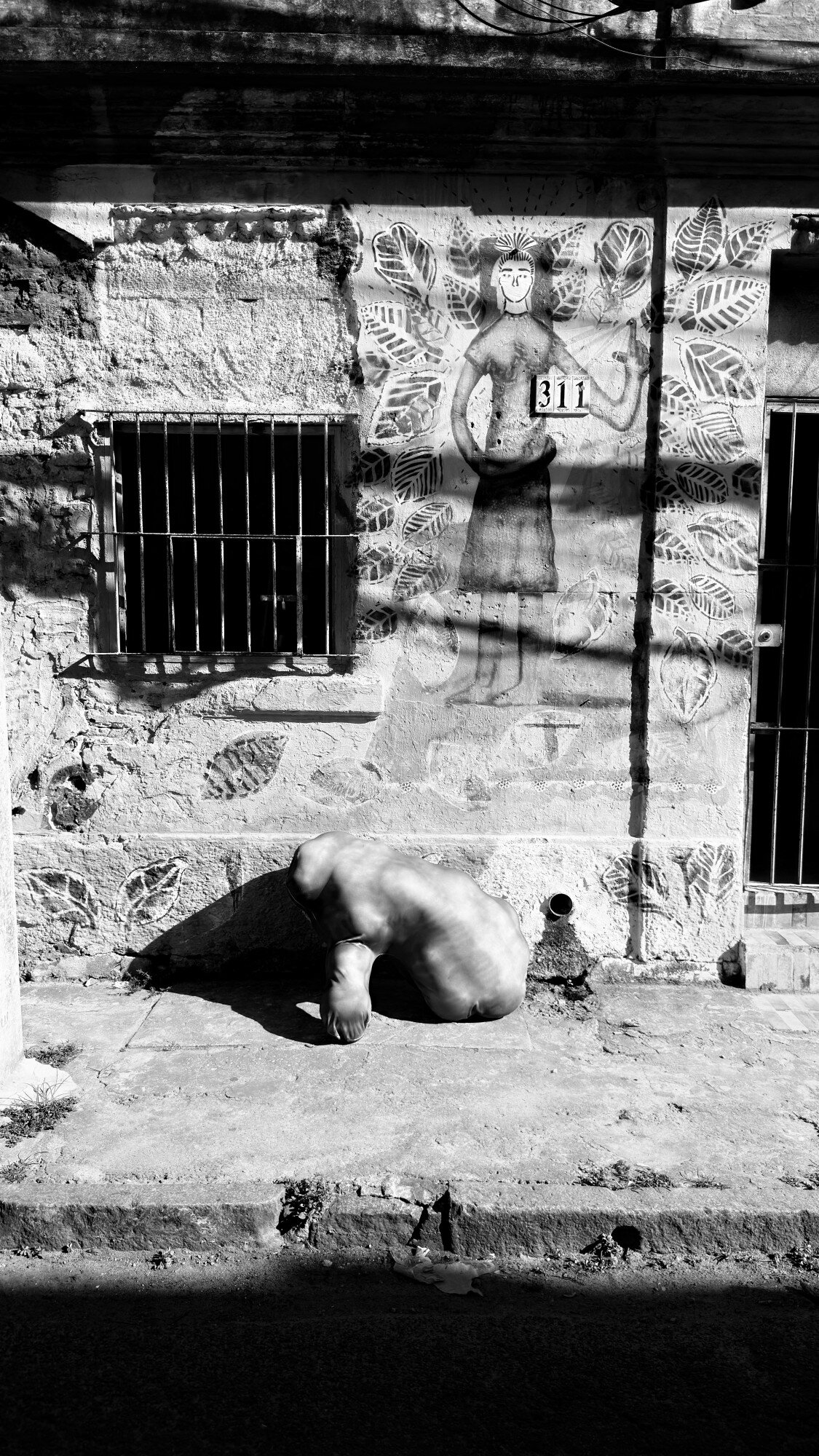
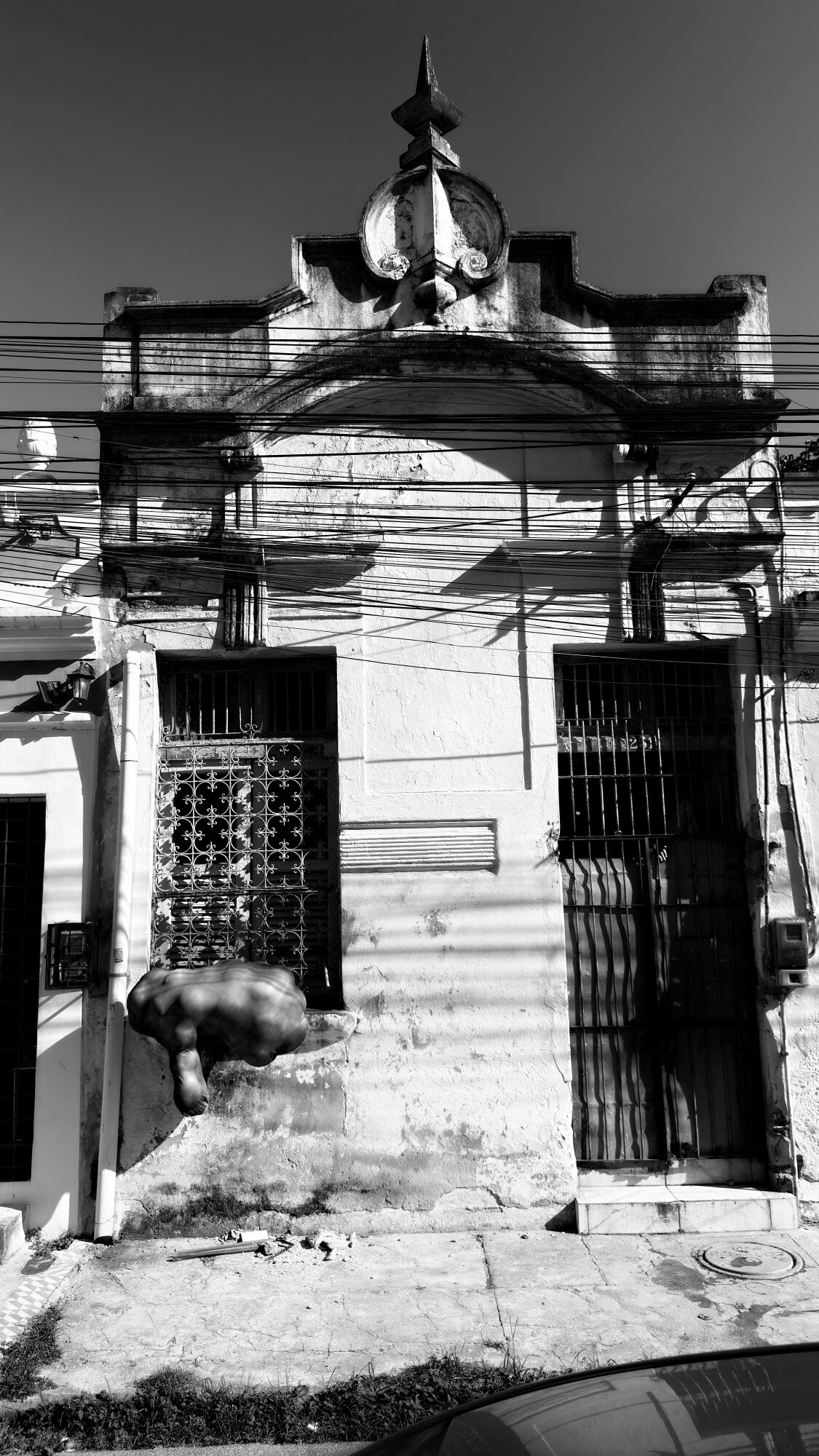
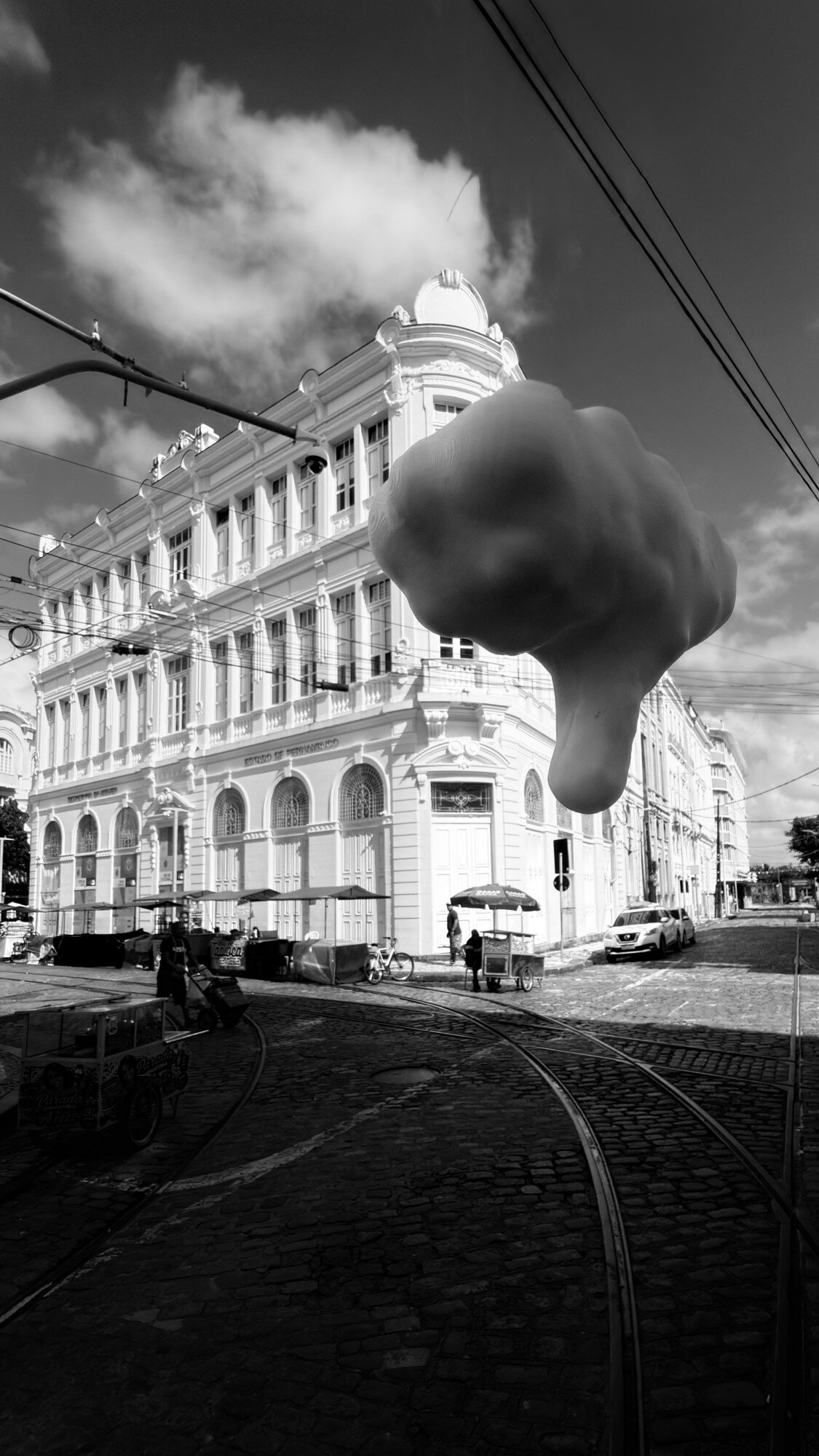
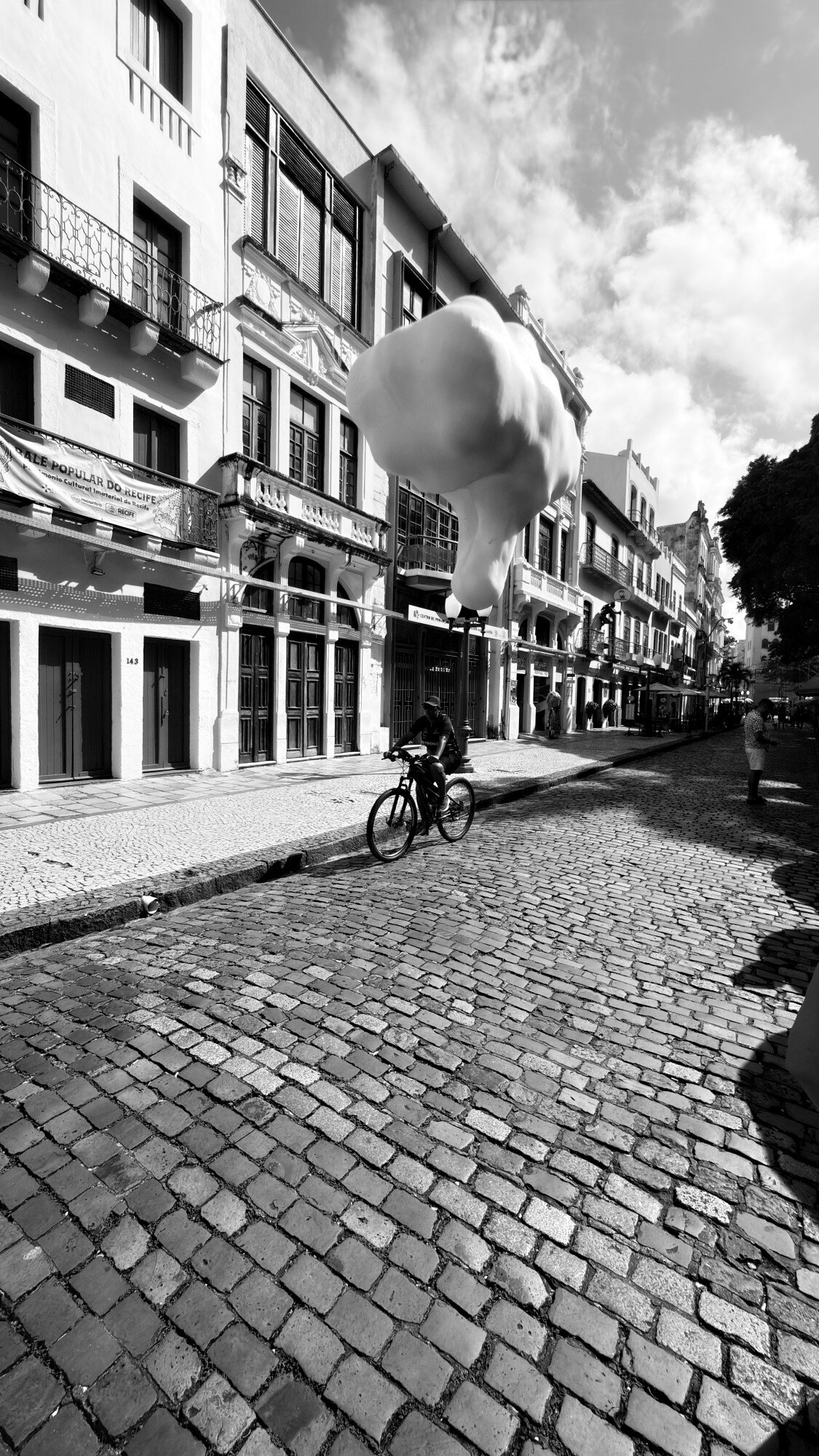
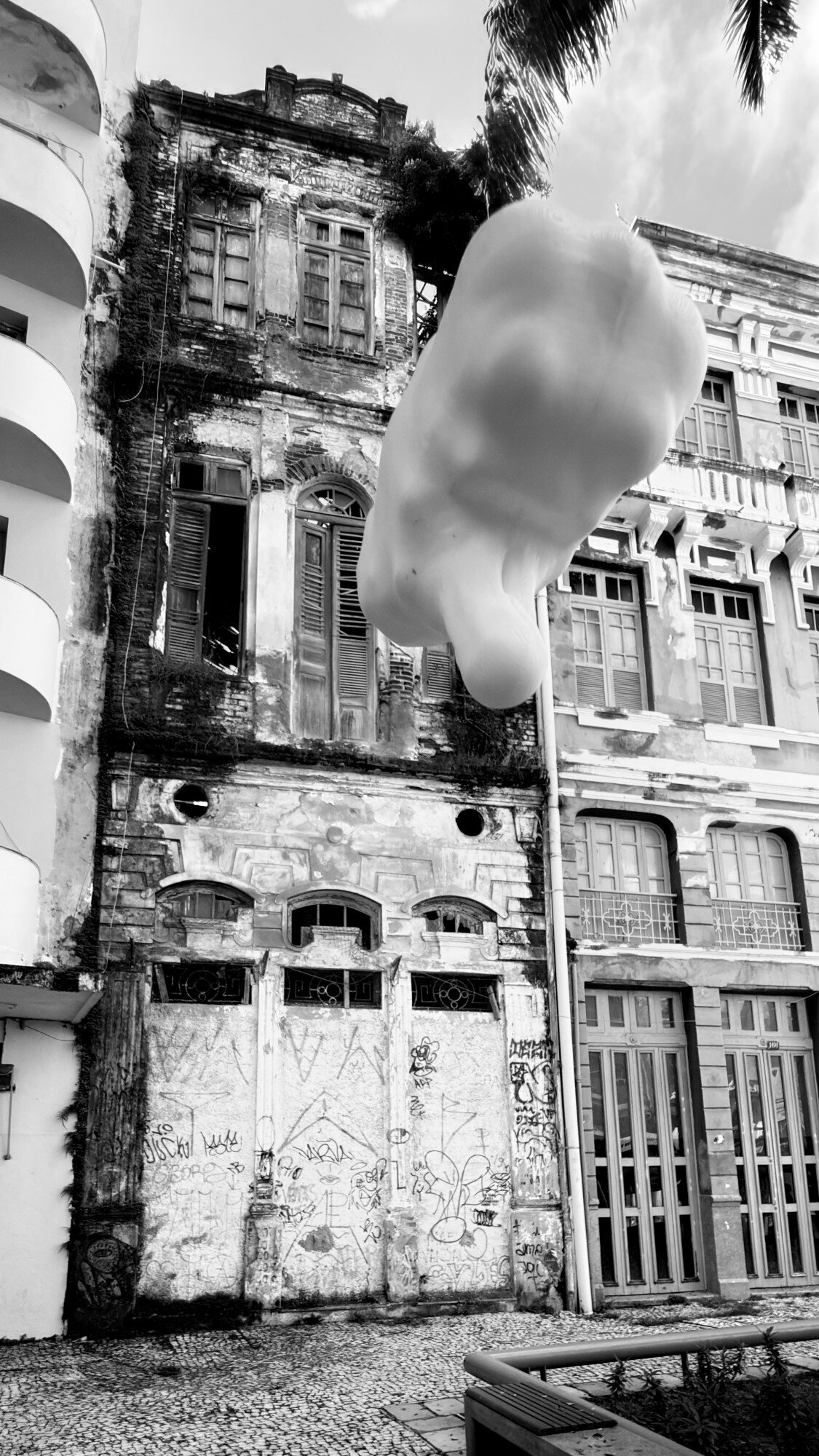
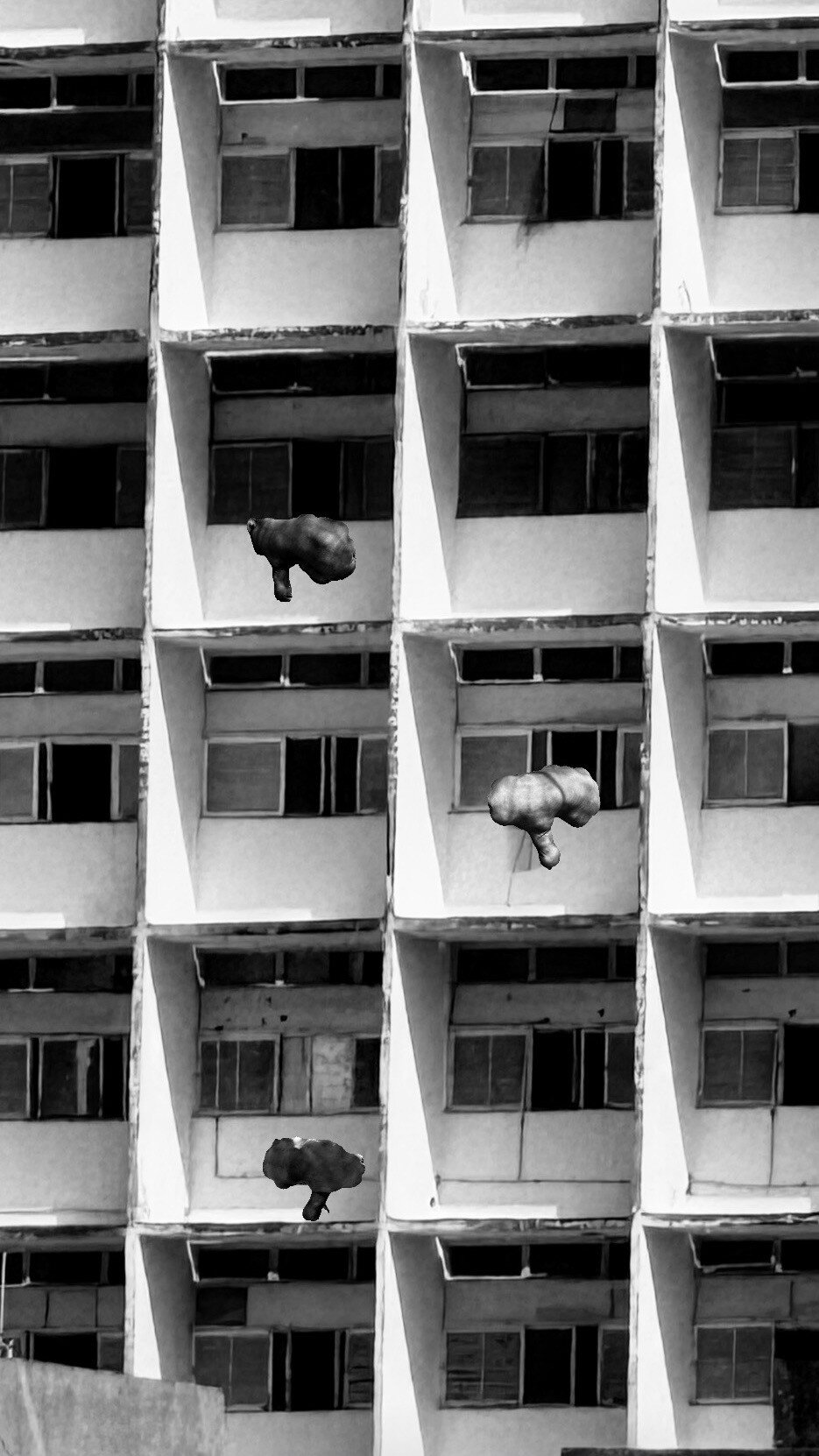
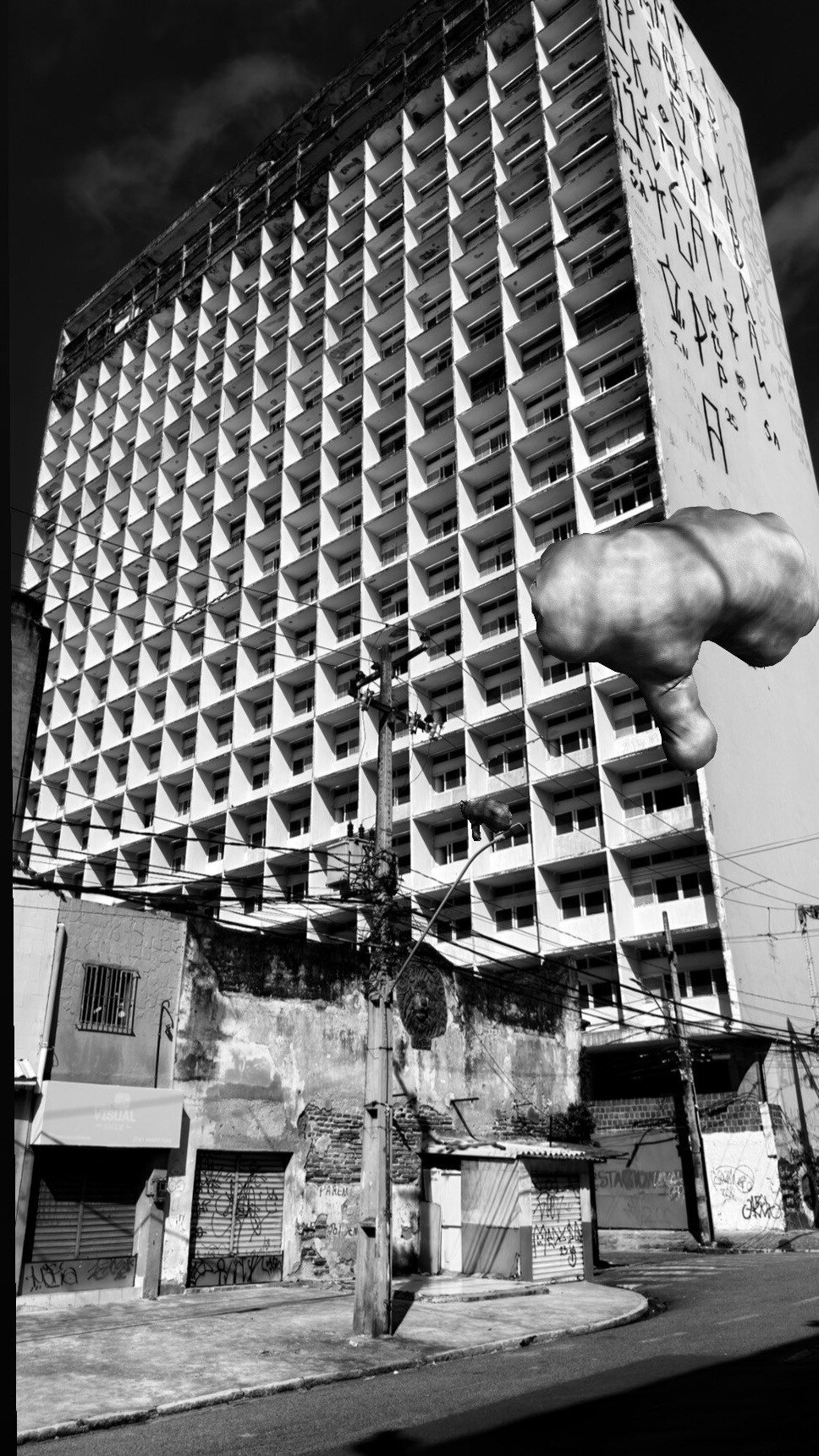
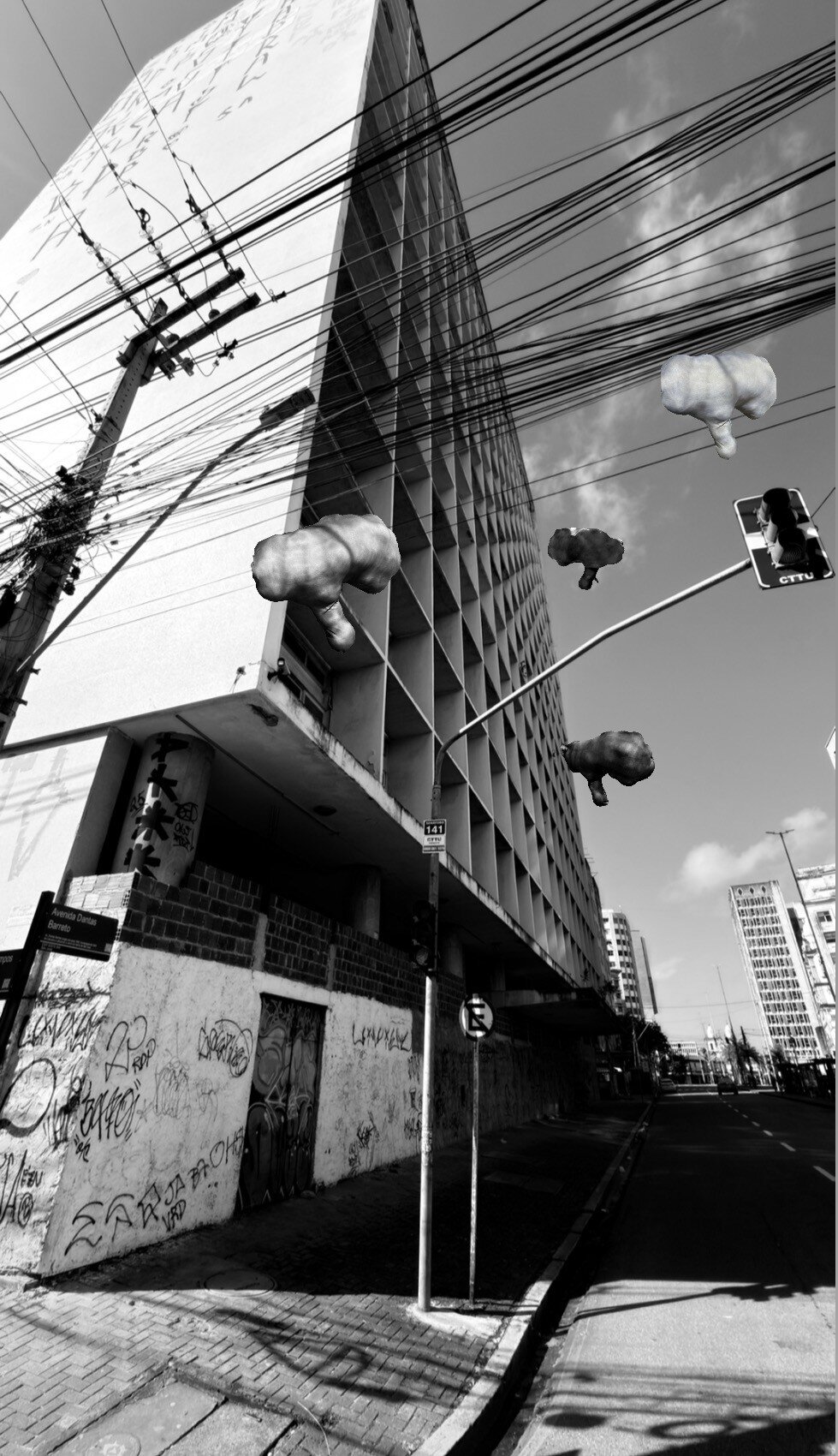
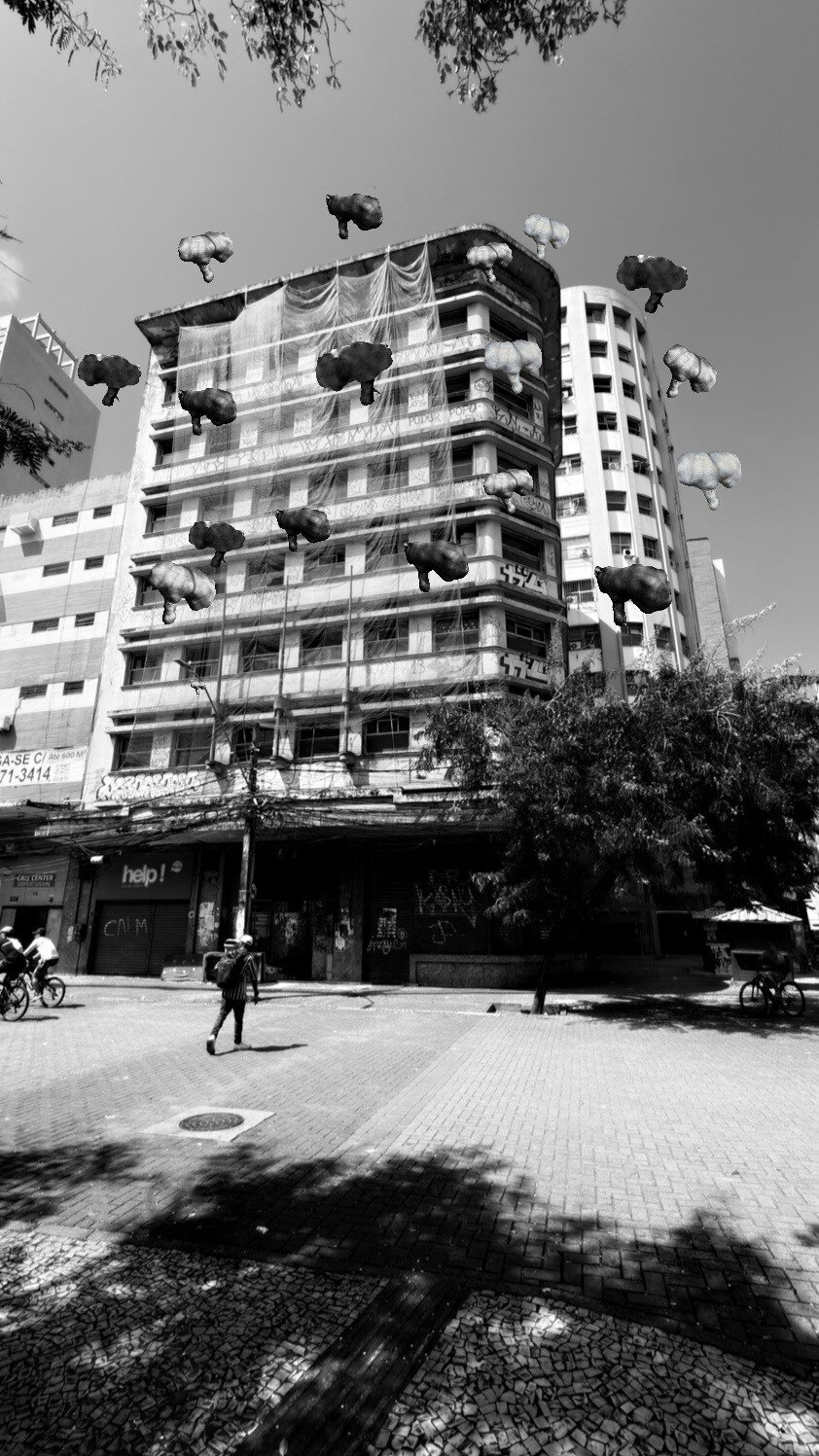
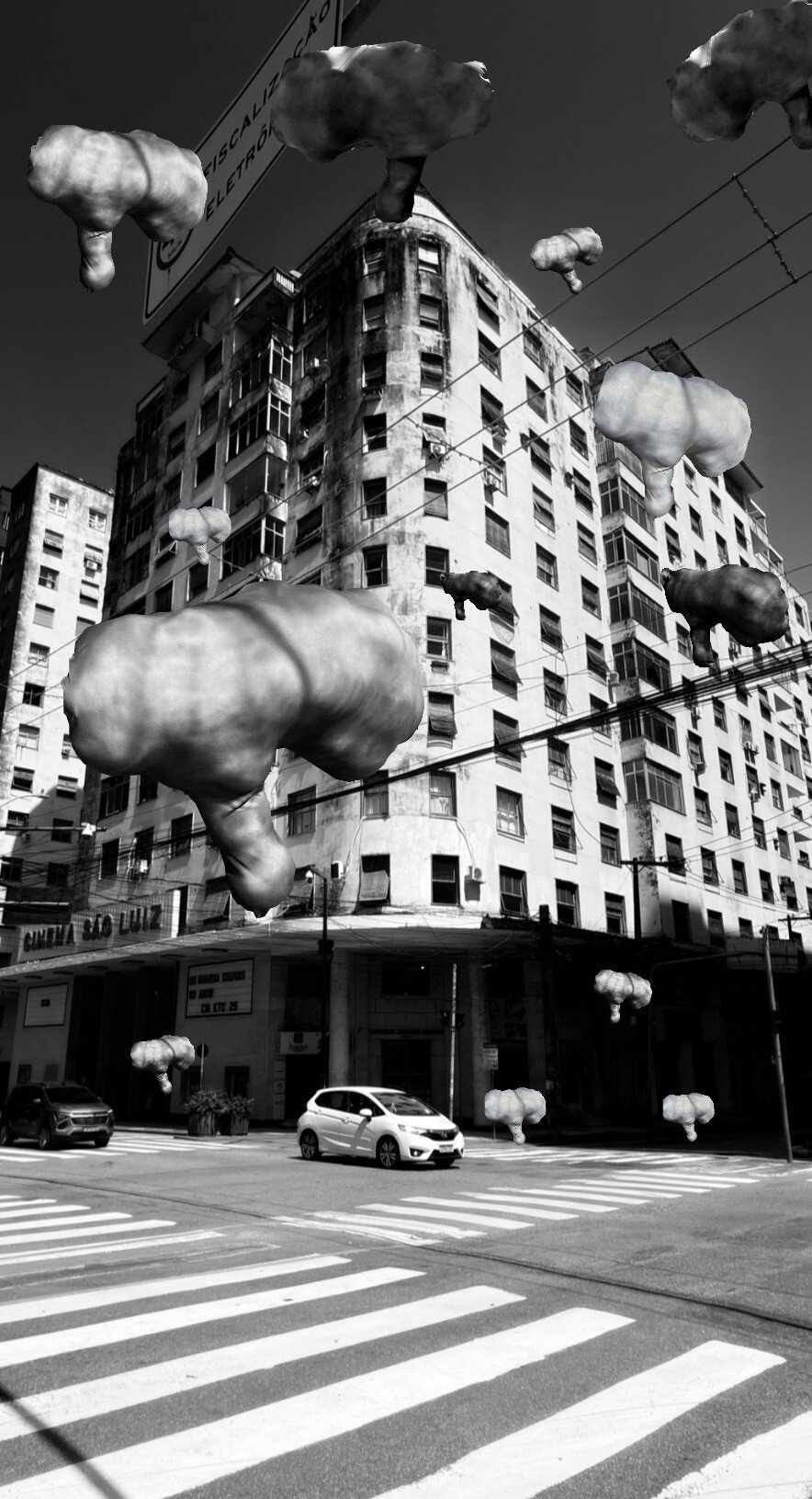
(Resulting from the art performance carried out by the artist on the streets of the historical center of Recife with the object detached from the art installation in "The Space" exhibition)
Curator: Gustavo Neves (MAMAM Architecture Department)
Period: 16.08 – 18.10.2026
Venue: Museum of Modern Art "Aloisio Magalhães" (MAMAM), Recife, Brazil
Critical text / Signature: Velnicescu Mioara Magelona
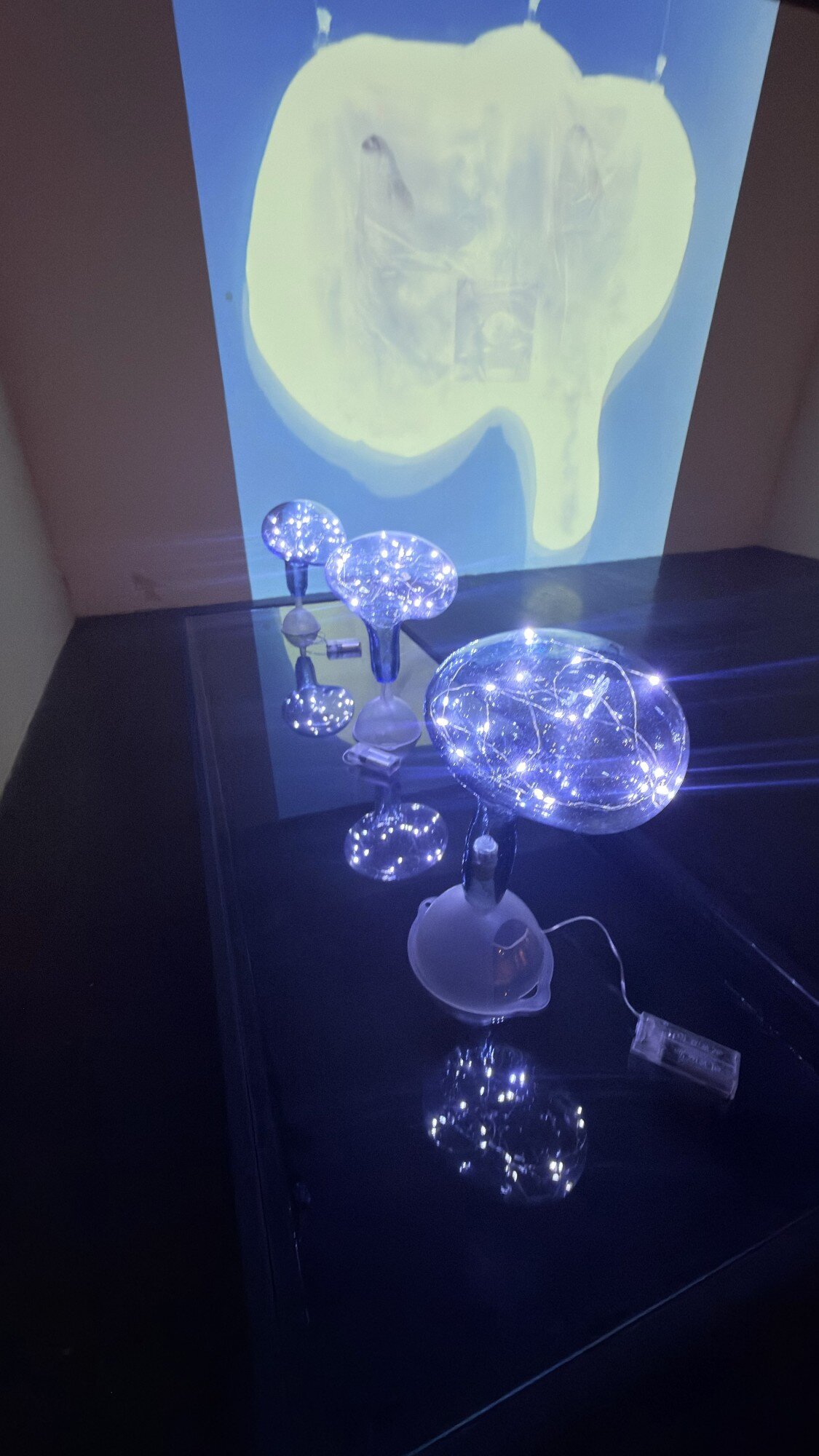
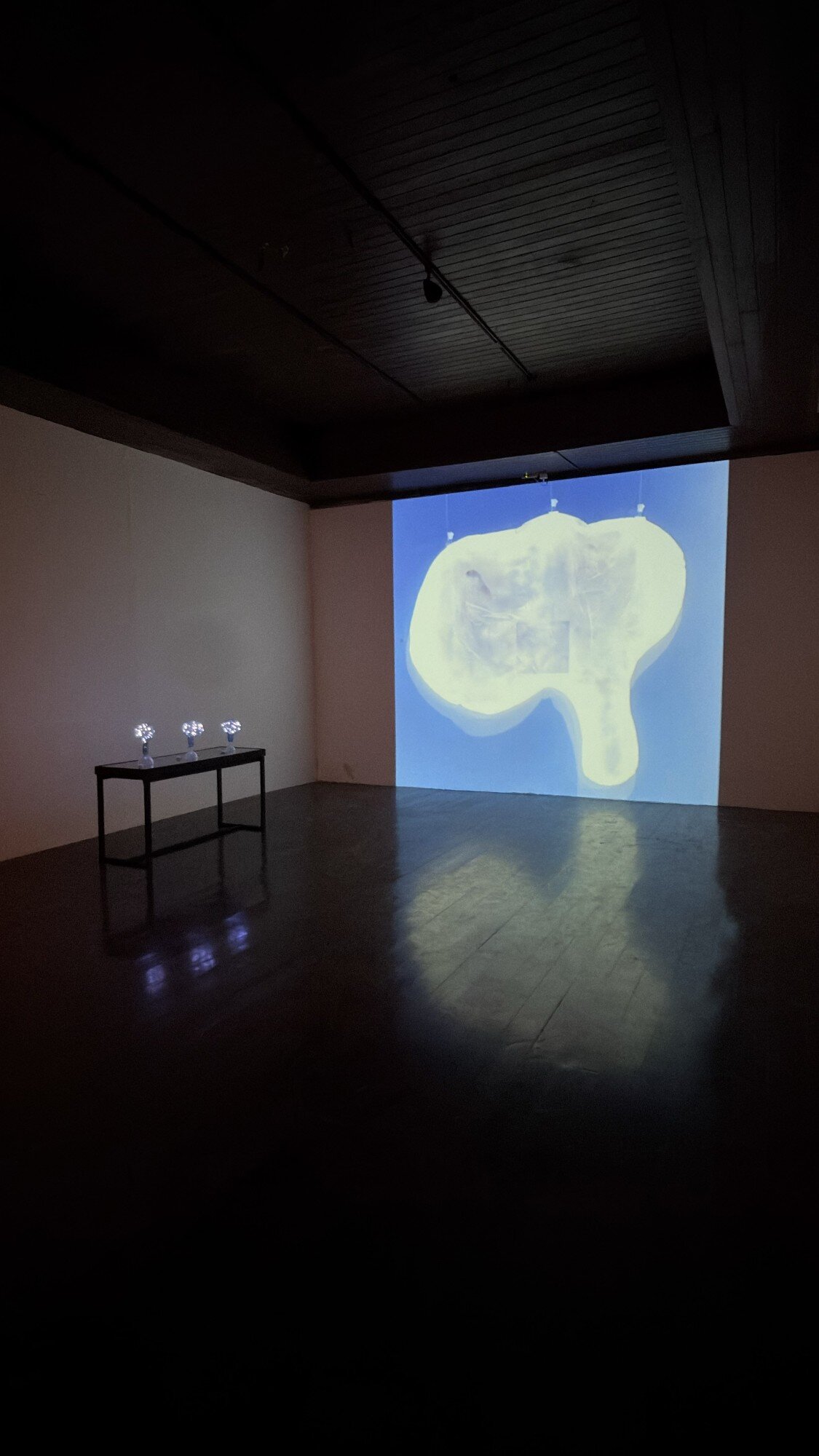
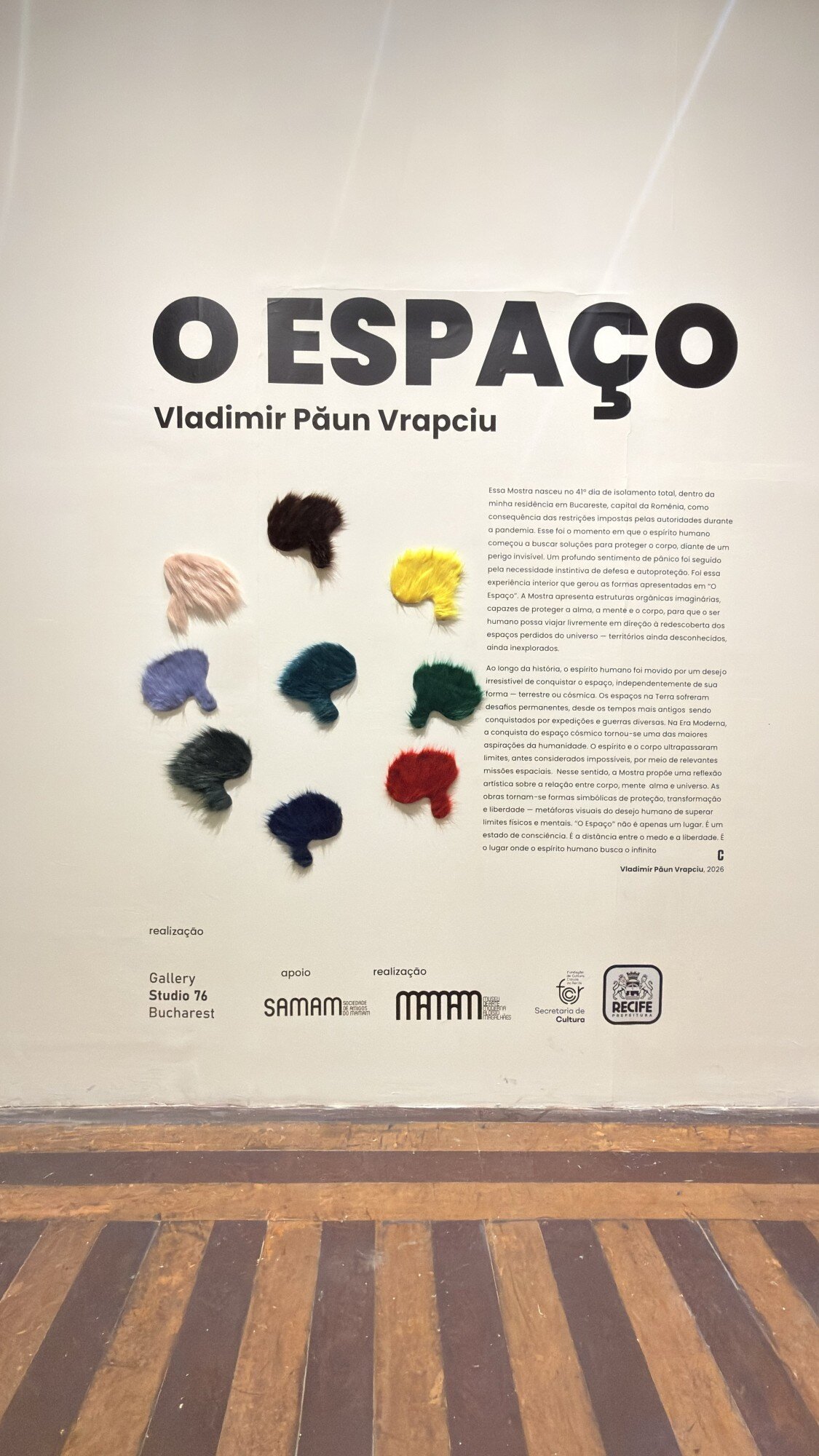
The itinerant project The Space (O Espaço), conceived by Romanian artist and architect Vladimir Păun-Vrapciu, transcends the boundaries of a simple formal investigation into sculptural volumetry or biomorphic aesthetics. Born out of profound introspection during global pandemic restrictions and shaped within the total isolation of that period, the series represents a phenomenological mapping of the fundamental human need for shelter, safety, and sacredness. Through fluid structures that evoke protective wombs as the primary architectural matrix of existence, Vrapciu questions the fragile boundary between psychic interiority and outer space. The womb becomes the archi-text of any human construction, the first territory where a human being receives pure love and absolute protection.
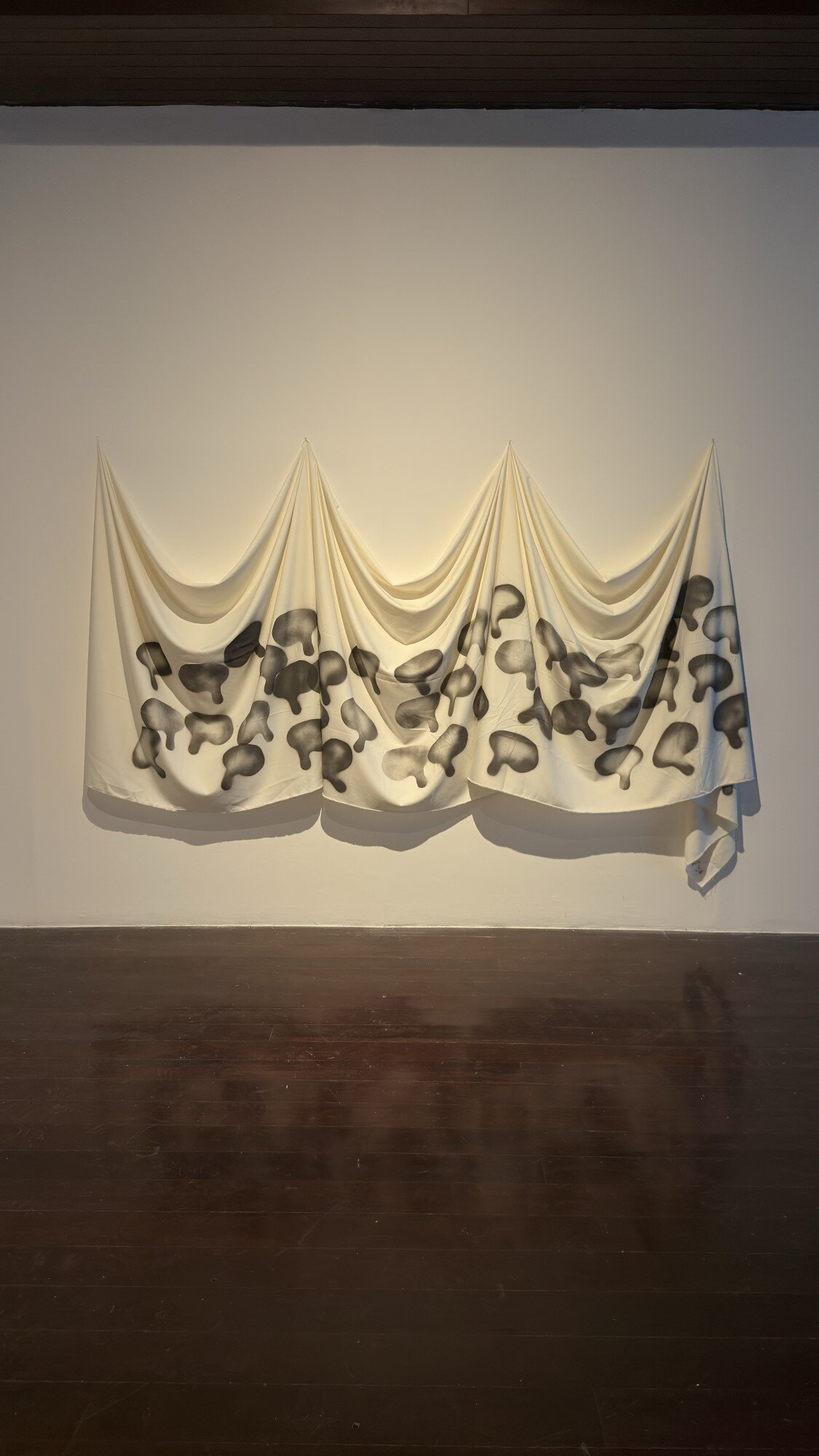
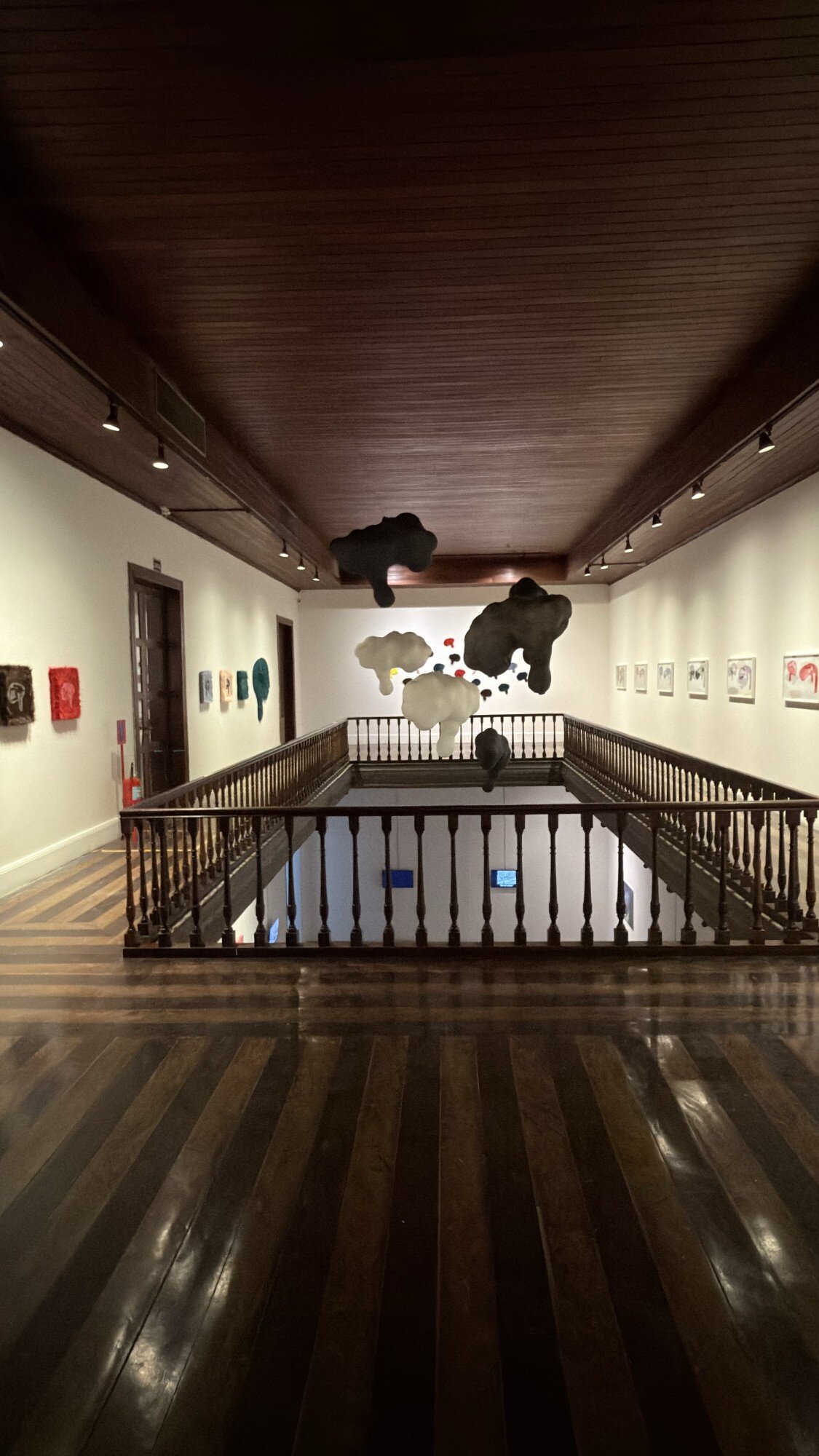
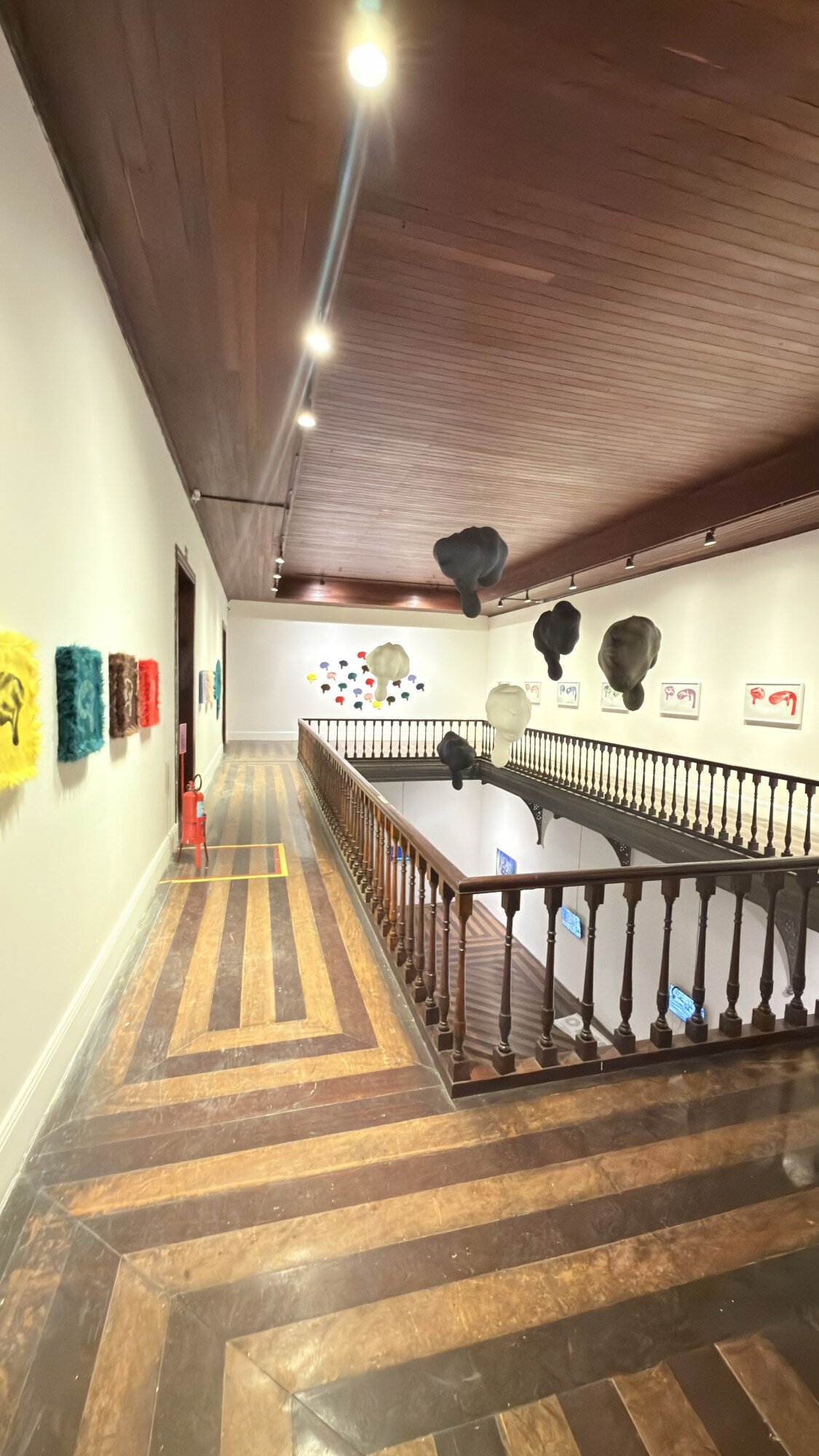
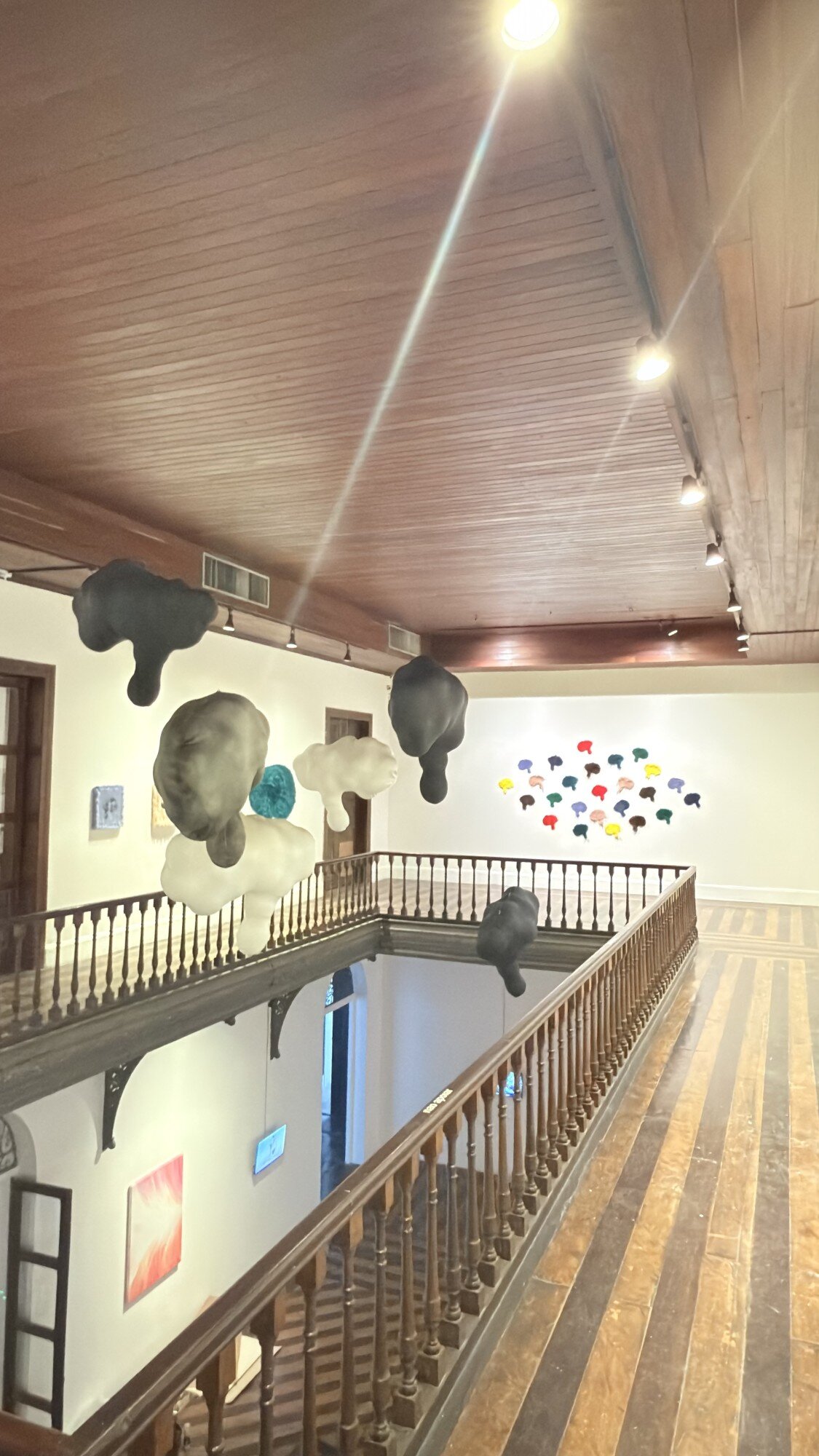
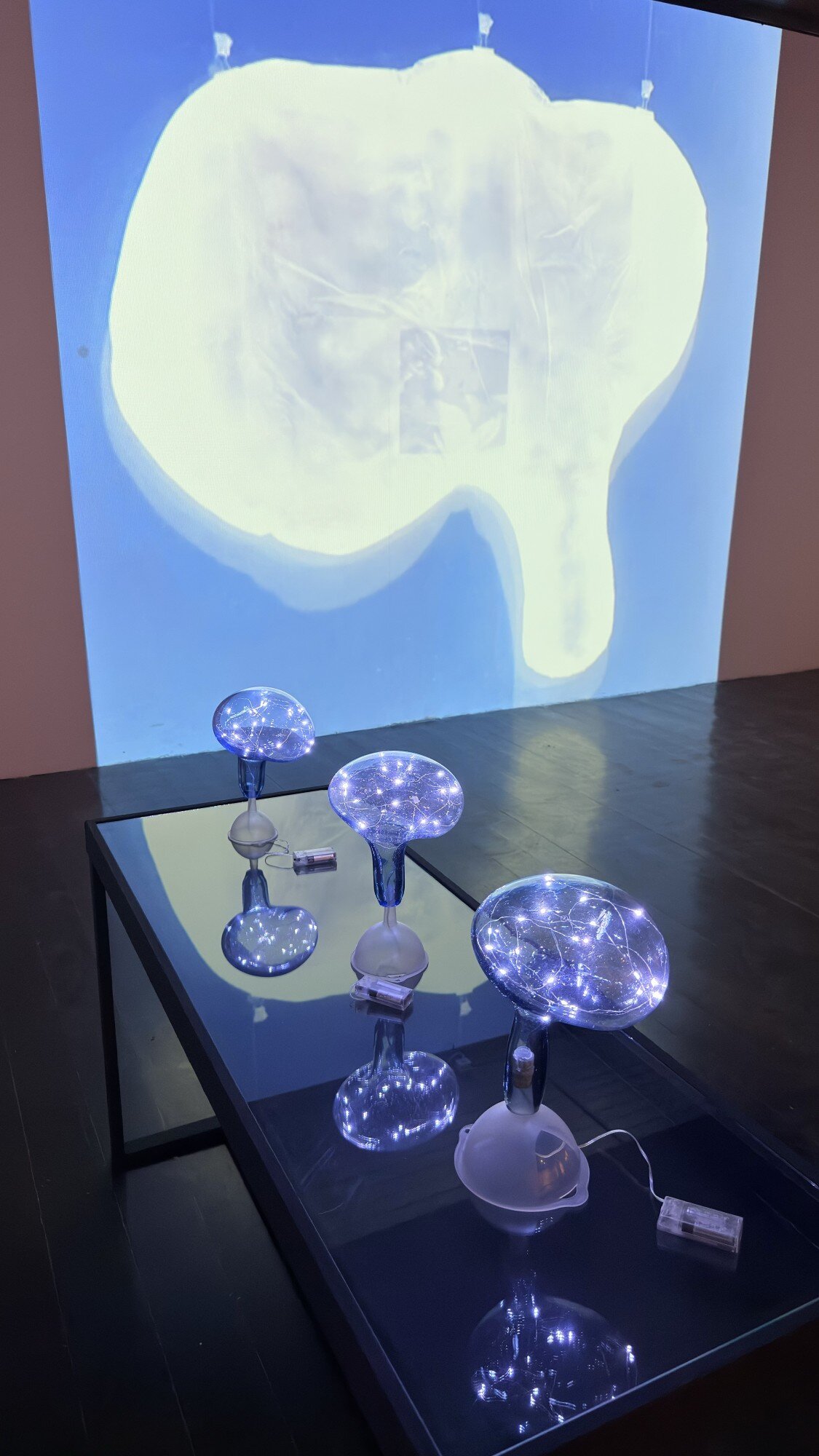
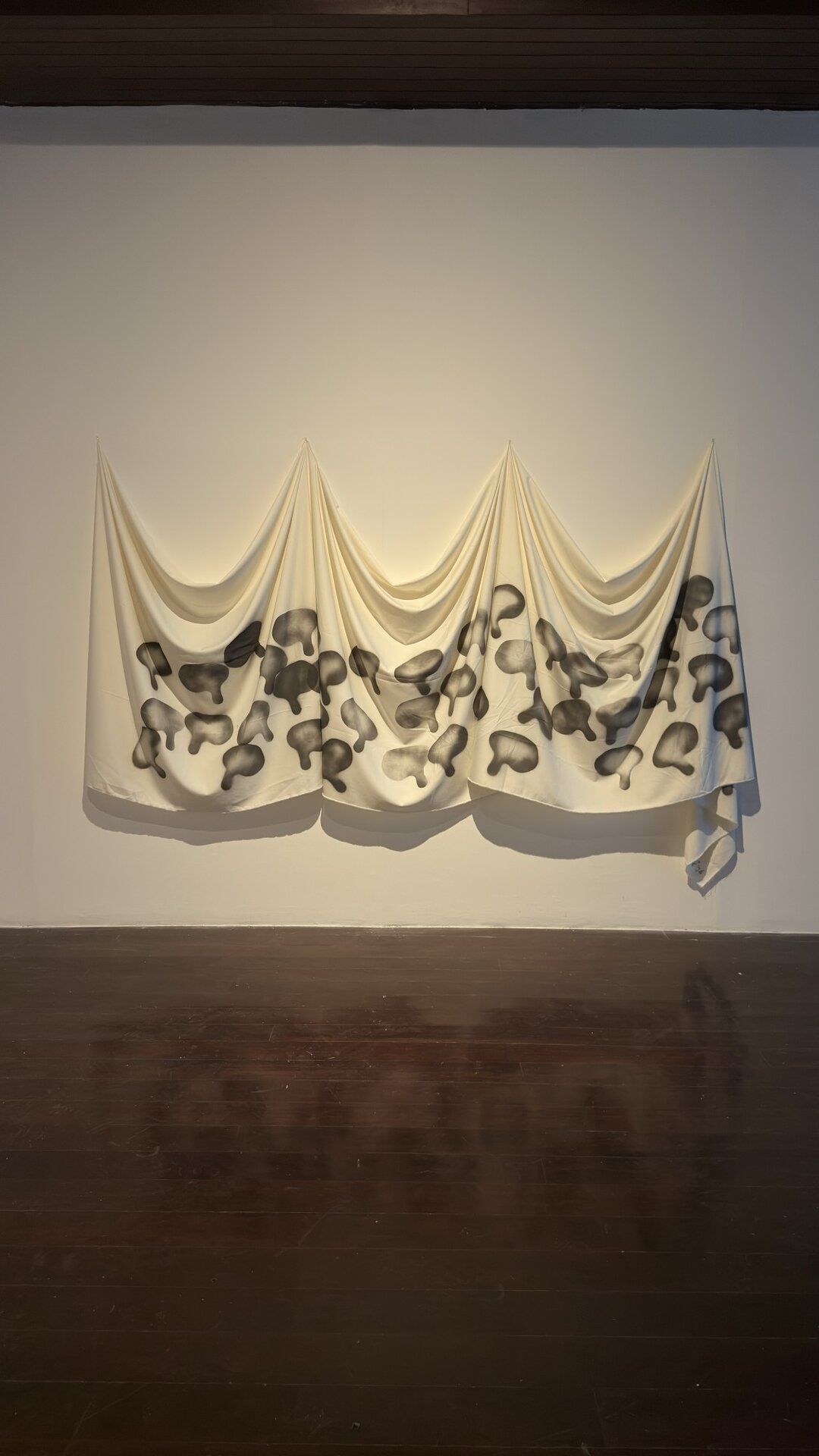
The plastic essence of this exhibition lies in a rare fusion between the structural rigor of the architect and the organic freedom of the visual artist. Within the museum space, the installations and sculptures from The Space series materialize through biomorphic, fluid, and sinuous forms that reject the right angles or rigid geometry of traditional urbanism. The works function as oversized textile membranes or cellular structures, suggesting organic cavities and areas of shelter. Vladimir Păun-Vrapciu uses this aesthetics of fluidity to generate an immersive experience: the public does not merely look at the art object, but interacts with it as if standing before a psychological refuge. The sculptural objects become metaphors for the maternal womb, an attempt to reconstruct, through warm material and curved lines, a state of absolute safety and protective isolation against trauma or aggression from the external environment.
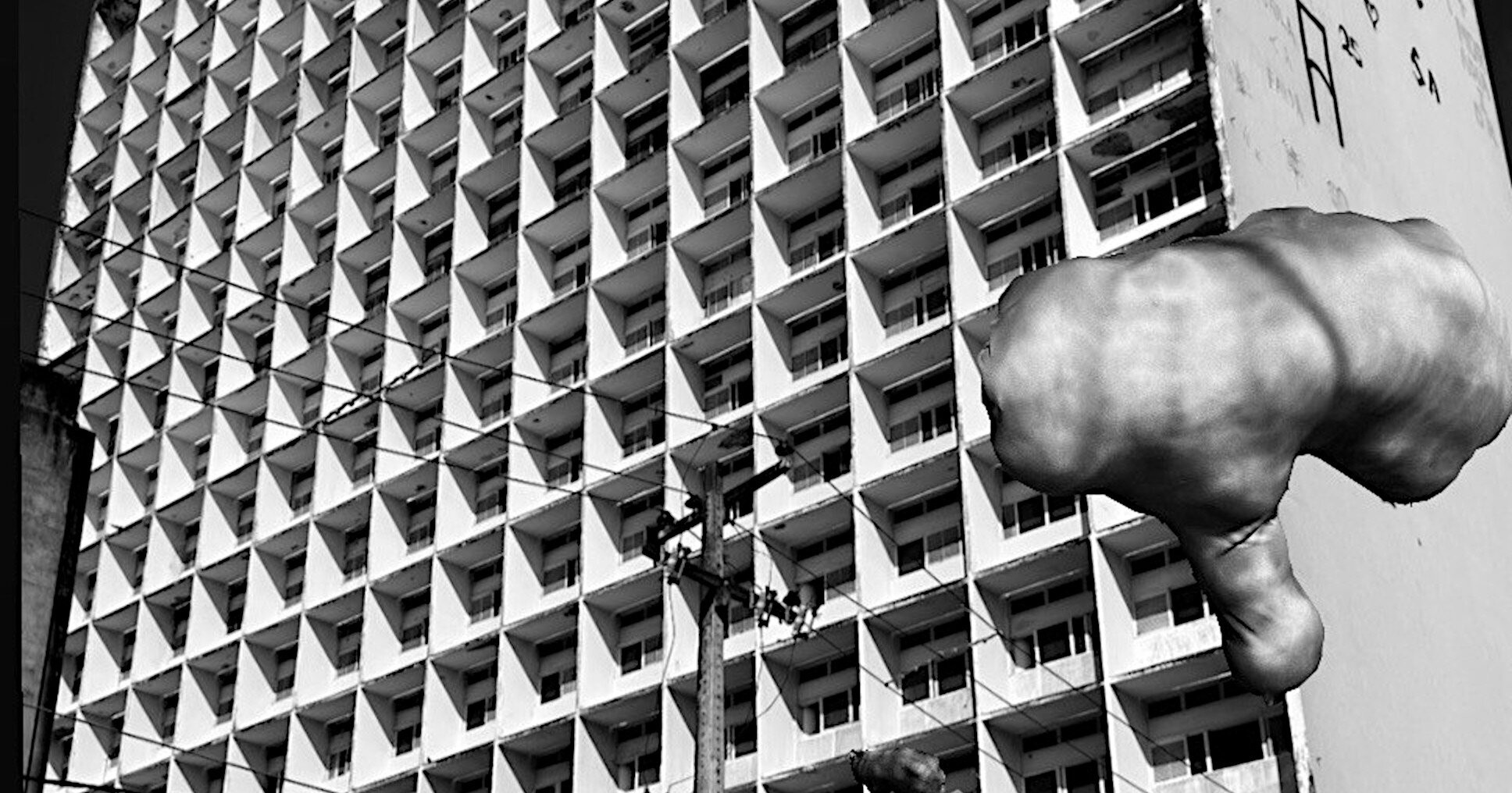
The exhibition The Space opened its doors at MAMAM on August 8, 2026, marking the beginning of a profound conceptual expansion. Shortly after the opening, Vladimir Păun-Vrapciu detached a key object from the core installation in the museum and carried it out onto the streets of the historical center of Recife. For several days, he conducted a contemporary art performance, moving this sacred element through the history-laden streets of the old city and its surrounding neighborhoods. This street intervention was not a temporary disruption, but a systematic act of psychogeographical investigation. Upon its completion, the entire performance organically transformed into a second, hybrid exhibition integrated into the museum layout, launching on August 18, 2026: Anatomy of Memory: The Sacred Space and the Urban Womb. This new iteration lives simultaneously as a physical display inside the museum and as an active digital extension on Meta platforms via the project's official Instagram page: @memoria.urbana.recife. The online platform functions as a living archive that expands continuously based on information provided by the public. Visitors leaving the museum are actively stimulated and tasked with a mission: to find, photograph, and send images of the abandoned properties on the streets of the historical center directly to the exhibition page, allowing the artwork to develop organically into a collaborative emergency archive.
To decipher with exact accuracy this radical mutation operated by the artist in Brazil, it is mandatory to delve into his deep biography. Vladimir Păun-Vrapciu carries in his cellular memory the trauma of the Romanian totalitarian regime—a dark era when, overnight, entire destinies were uprooted by a simple mechanical administrative order. Entire families were forcibly displaced, and their homes, the sacred repositories of generations of emotions, histories, births, and experiences, were erased from the face of the earth under the ideological pretext of building something new and beautiful. The artist himself experienced this drama directly, on a deeply intimate scale, when two of his family's houses were abusively demolished by the totalitarian regime, forcing his loved ones to abandon their history and move elsewhere from one day to the next. In those moments of profound despair, when his grandmother had to leave the house forever, the tears in her eyes and her helpless cry—"what did we do wrong to suffer like this?"—marked the consciousness of the future artist forever. The pain experienced in those moments remains unforgettable, and the mistake made by the country's leadership at that time is unforgivable.
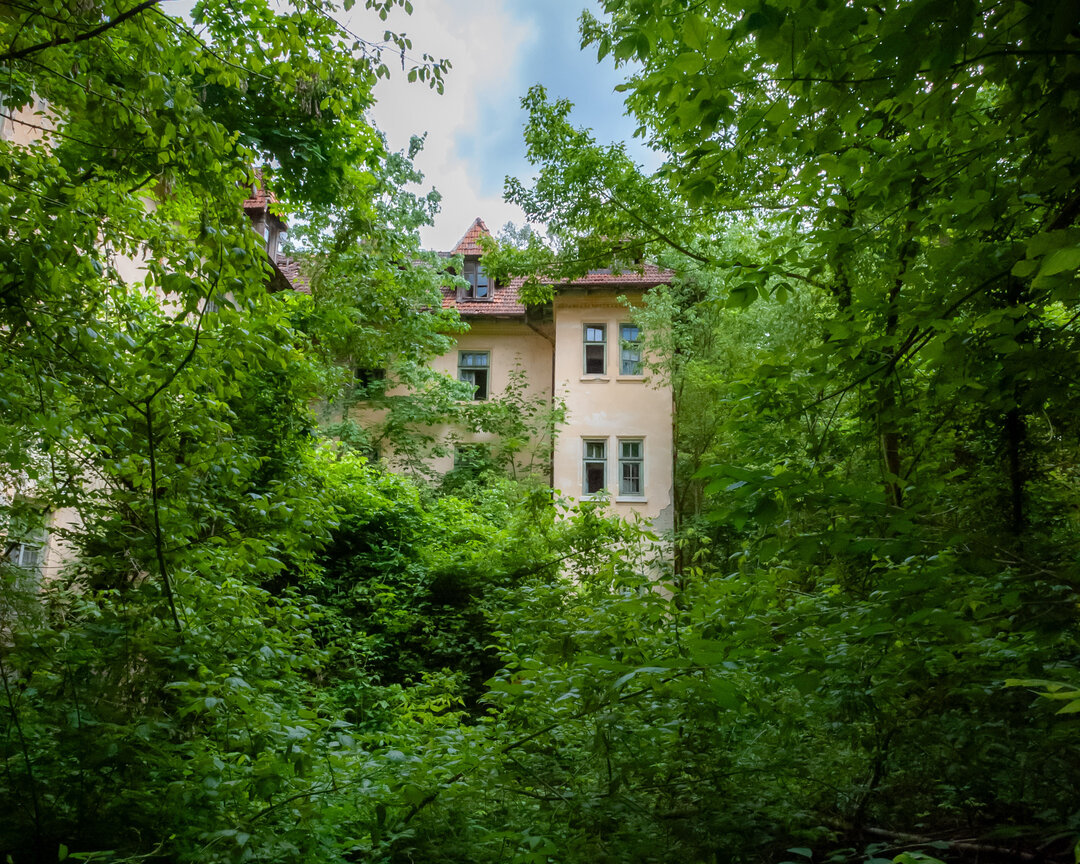
When Vladimir Păun-Vrapciu steps onto the streets of the historical center of Recife and looks at the degraded and abandoned colonial mansions, he does not see just a problem of urbanism. He recognizes, through psychological mirroring, the same violent dispossession of space from its human imprint. For the artist, an abandoned historic house on these streets is a bleeding urban womb, an architectural structure that has lost its life because its human substance was extracted. In essence, his approach represents a method of affective memory mapping, demonstrating that every house needs a human being to remain alive, just as every human being needs a shelter to be protected.
Within this overlap of histories and territories, Vrapciu's project highlights a profound demarcation between two philosophies of urban evolution. On one hand, the totalitarian regime operates through a mechanical urban development, centrally and artificially directed by ideological decrees. In this paradigm, the city becomes a sterile machine where heritage is mechanically demolished to brutally rewrite the past, and residents are forcibly moved like simple parts of an abstract mechanism. Totalitarian architecture denies the pre-existing memory of the place, leaving behind emotionally amputated communities. On the other hand, within the context of a market economy and democratic freedom, urban transformations occur organically, as a direct result of the natural movements of the population, investors, and social trends. In a capitalist system, the city functions as a living organism seeking its own balance. The natural shift of commercial and residential poles toward new areas leaves behind central spaces and streets that, although temporarily degraded, await a new economic and cultural utility. The fundamental difference lies in the fact that revitalization occurs through organic collaboration between private initiative and state support mechanisms, finding sustainable solutions based on dialogue rather than mechanical imposition. History does not appear overnight; it is built over time, and this mapping of each historical facade on the streets of Recife becomes a recovery of a local identity awaiting a new stage of its existence.
Beyond the historical parallel, the current endeavor in Brazil is fueled by a deep fear that the artist feels in the face of an accelerated present. Vladimir Păun-Vrapciu is aware of the imminent danger that an insensitive local administration or an aggressive investor might artificially intervene in this stratified history found along the streets of Recife, transforming it under the pretext of modernization into that so-called beautiful something, yet devoid of soul and past. At the same time, this is a deep fear of Vladimir that overnight an administration or an investor might erase all this history from the city's streets, turning it into that so-called beautiful something, and even if that happens, now through this project the history will remain recorded in an emergency archive! Through this meticulous digital and photographic mapping, through the street performance, and through community involvement, the artist creates a conceptual vault of inestimable value. Even if speculative economic forces were to physically demolish these colonial walls along the streets, their collective memory, the experiences of former residents, and their emotional imprint will remain saved, preserved, and impossible to erase thanks to this artistic emergency archive.
The conceptual mutation from a static museum installation to a street performance was built rigorously over time. The symbol-object extracted from the MAMAM exhibition already carries within its conceptual texture the memory of a global journey. The artist performed art actions with this sacred element in key points of contemporary civilization, defining a complex symbolic route. Art performance has also been done with this object in Rome, Venice, Bucharest, and New York. Carried through the history-laden space of Italy, in connection with Accademia di Romania in Rome and the Romanian Institute of Culture and Humanistic Research in Venice (IRCCU Venice), under the critical guidance of architect Massimo Faranda in partnership with the Arte Laguna Prize, the object entered into a dialogue with classical, Renaissance, and lagoon architecture, questioning the eternity of stone in relation to the fragility of the human body. This Venetian stage officially opened the diplomatic and curatorial bridge toward South America. Subsequently, the performance held in Bucharest activated the direct memory of collective trauma from the totalitarian regime, a ritualistic return to the site of the abusive demolitions that marked his family's destiny. Finally, in the North American metropolis, in parallel with the exhibition at Gallery Saphira & Ventura in Manhattan, the artistic act scrutinized the urban alienation of glass and steel skyscrapers, bringing the biological womb into the heart of hyper-technological global capitalism.
The exhibition itinerary, the awards obtained, and the performances within The Space project show an exceptional academic and competitive density, guided chronologically by some of the most important specialists of the contemporary scene. It all began in 2021 at the Buzău County Museum, the site of the installation's official debut in an absolute premiere, under the curatorship of Alexandru Anghel, museum specialist and curator within the Art section, who coordinated the first physical materialization of the project. In the same year, a fundamental milestone of its worldwide validation occurred at the Florence Biennale, where Vladimir Păun-Vrapciu received the international distinctions Best Artist Award (granted by Florence Biennale & WAVA - World Association of Visual Arts) and the Jury Prize, confirming his maturity of discourse beyond the borders of his country.
In 2022, the exhibition was adapted at the National Museum of the Romanian Peasant (MNTR) in Bucharest, under the curatorship of Associate Professor Dr. Ion Anghel, artist and university professor at UNARTE, deepening the connection with sacred space and traditional memory. The international journey continued in 2024 at the Osten Gallery in Skopje, where the project was integrated into the Eastern European circuit under the direct coordination of Kornelija Koneska, the official curator of the reputable Osten Biennale in North Macedonia. The year 2025 marked the return to the capital at the Galateca Gallery, under the curatorship of Professor Dr. Anca Boeriu, visual artist and university professor at UNARTE—a key stage of refinement focused on introspection and managing spatial traumas. In October of the same year, at Accademia di Romania in Rome, the project benefited from the curatorial consultation of Mark Beasley, curator associated with Pace Gallery New York and the Hirshhorn Museum in Washington D.C., directly connecting Vrapciu's discourse with the demands of the Manhattan market. Throughout the years 2025–2026, a period of maximum national maturity, Ana Negoiță, art historian, curator, and specialist within the National Museum of Art of Romania (MNAR), took over the consolidation of the national theoretical discourse at the Moldova National Museum Complex – Palace of Culture in Iași. This global journey prepared the world for 2026, when the exhibition opened at MAMAM Recife, in Brazil.
Saturated with the cultural imprints of Rome, Venice, Bucharest, New York, and the walls of the prestigious Florence Biennale, the symbol-object was taken out of the galleries at MAMAM to puncture the painful reality along the streets of Recife. From this highly emotionally charged street performance, documented photographically alongside Gustavo Neves, curator and specialist within the Architecture Department of MAMAM, emerges a new autonomous exhibition entitled Anatomia da Memória: O Espaço Sagrado e o Útero Urbano. Using his vision as an architect, Vrapciu and curator Gustavo Neves map out clear administrative solutions to save the historical center, proposing concrete economic instruments in the manifesto: updating tax incentive schemes and temporary exemptions from IPTU for investors, reducing red tape at City Hall, state-guaranteed credit lines, and the pedestrianization of the old center to transform buildings into vital public infrastructures, such as nurseries, galleries, or cultural centers. Finally, Vladimir Păun-Vrapciu launches an open and moving invitation to the global community:
“I invite you all to look for and photograph the city’s hidden architectural gems — the abandoned mansions and buildings of Recife’s historical center. Send me these images, and I will transform them artistically, giving them a new shape and a new life. The history of a community cannot be bought with money; it is built day by day, through the collective effort of everyone who lives or has lived here. Who knows, through this joint effort, we might reveal the most beautiful and moving stories about the past residents of these properties — just as, through his vision, the director of the film Secret Agent brought to light Hans, the Jewish tailor and my fellow Romanian citizen.”
The cinematic parallel with the destiny of the Romanian Jewish tailor Hans seals the entire endeavor. The art of Vladimir Păun-Vrapciu becomes an instrument for the archaeological excavation of the urban soul. By recovering the human destinies dissolved within the degraded walls along the streets of Recife, the artist symbolically heals his own transgenerational trauma of the houses abusively torn down in his native Romania.
In conclusion, this affective mapping within the Anatomy of Memory project definitively consecrates Vladimir Păun-Vrapciu's status as a globally engaged social artist. Combining the Romanian academic and museum elite (UNARTE, MNAR), the circuit of major European prizes (Florence Biennale, Osten Skopje), the expertise of the Manhattan market (Pace Gallery), the critical network of Venice (Arte Laguna Prize / Massimo Faranda), and the structural vision of the MAMAM Architecture Department, the project demonstrates that contemporary art no longer confines itself to passive contemplation, but becomes a saving force, capable of urgently archiving and healing the urban and emotional fabric of the world.
Anatomy of Memory: From The Trauma of Displacement to Urban Regeneration
Govora Baths Are Featured on the Map of the Museum of Architecture in Romania – MuzA
How does a museum get started? MuzA opens the Rural Land Credit Palace and launches its first exhibition
Black Sea architecture and heritage preservation workshop in Eforie Sud
Interdisciplinary Symposium on Drougth in cooperation with The NWA-Thirsty Cities Project TUDelft