
Project details
Play Mincu. Romanian Pavilion at the 2012 Venice Architecture Biennale
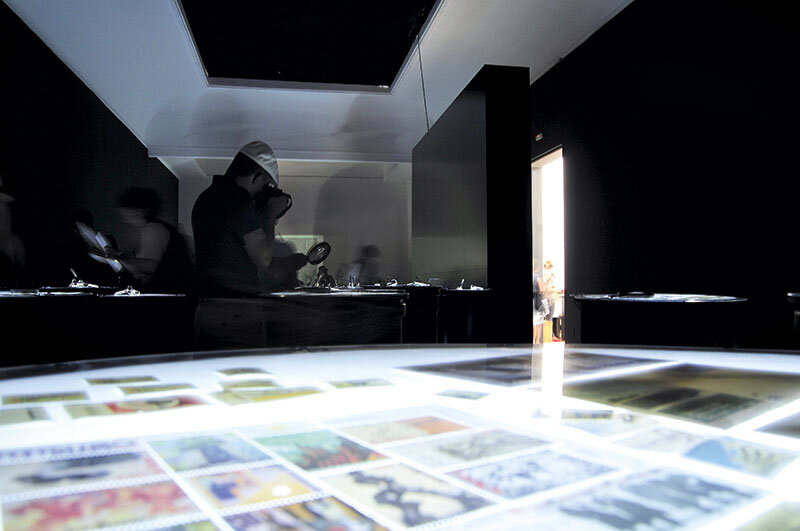
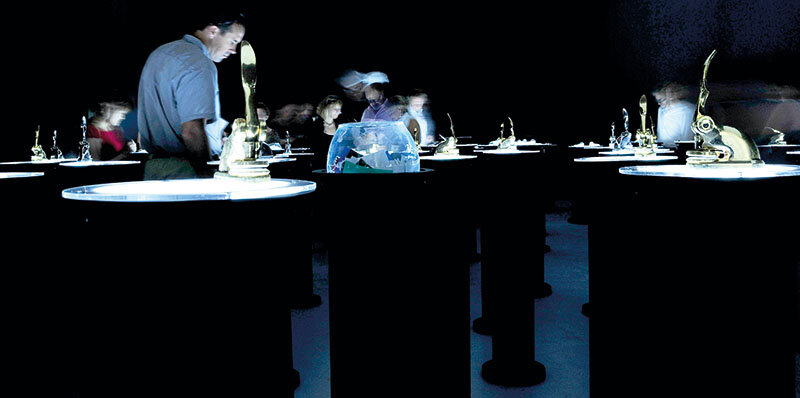
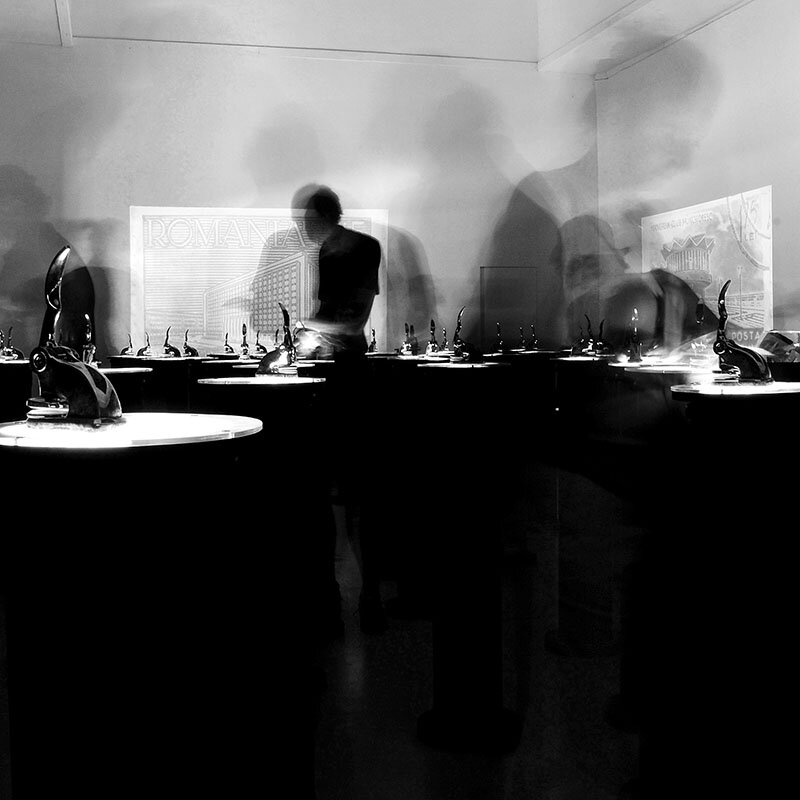
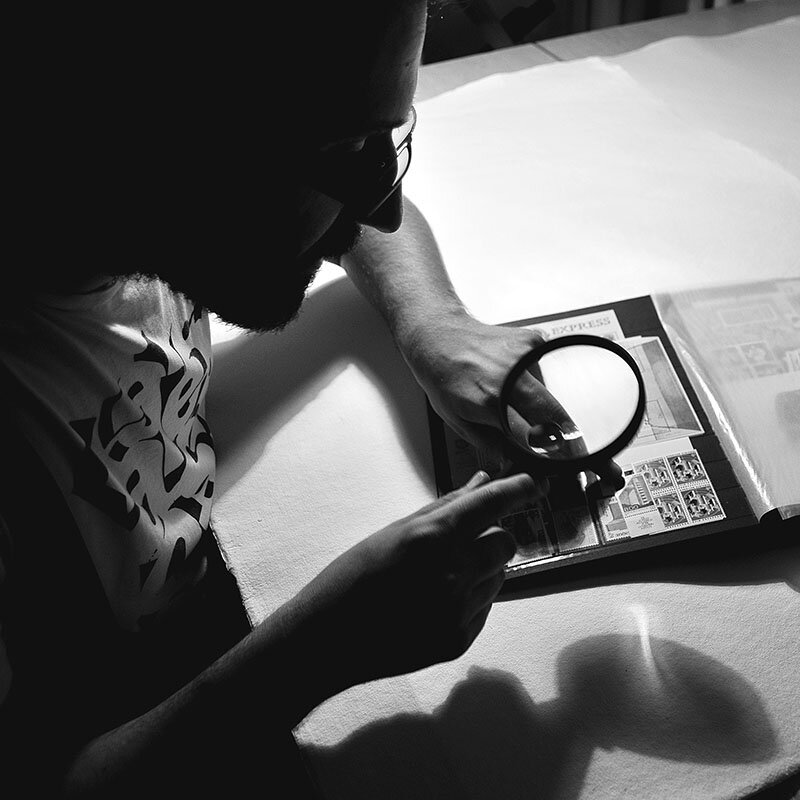
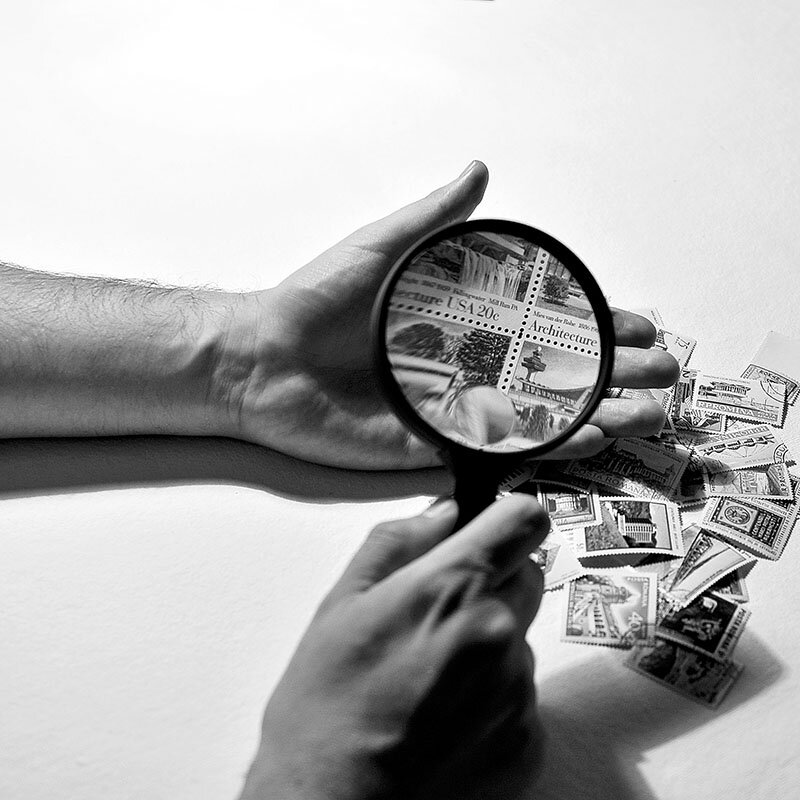
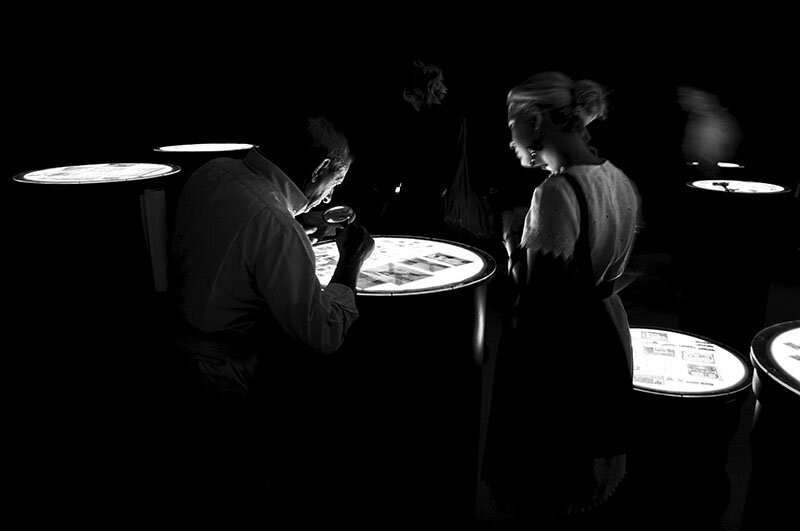
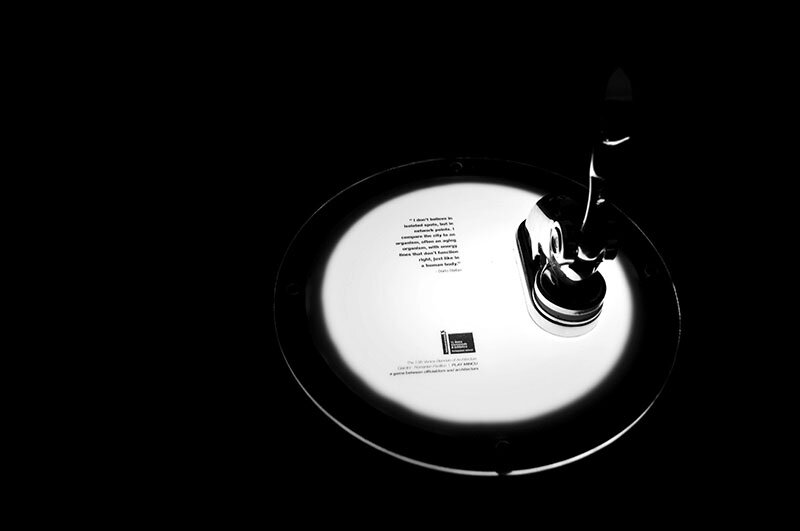
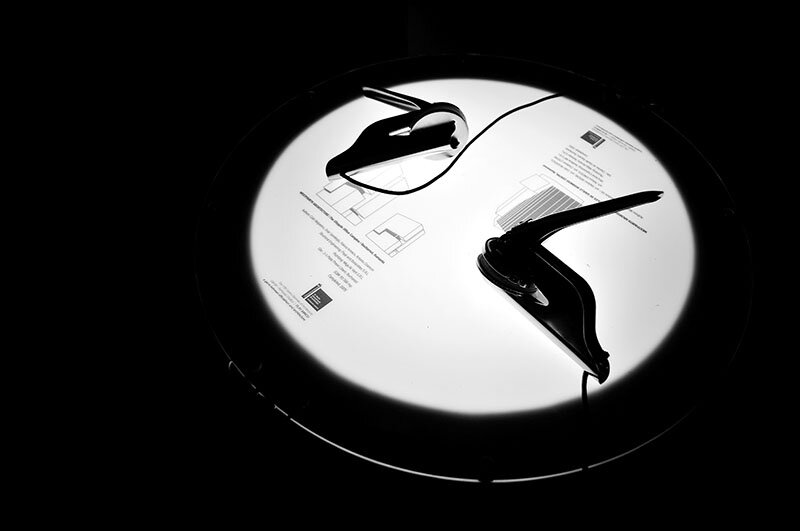
In issue 5 of Arhitectura magazine, in the International Current Affairs section, images from the Biennale of Architecture held in Venice from August to November 2012 were presented. The current issue, dedicated to the public space, presents the Romanian Pavilion through a set of questions addressed to architect Emil Ivănescu, main author and coordinator of the project, in view of the full feedback at the time of the finalization of the international exhibition. ACT 1 Alexandru Crișan: I assume that you have already answered, by now, the many questions related to the pavilion you worked on. Recently, as far as I noticed, in the very last issue of the OAR newsletter(Architects and Bucharest), you answered a set of questions launched by Prof. Mircea Ochinciuc. We will try, in the following, to summarize in our discussion some aspects related less to the technical description of the pavilion... which have already been presented in numerous publications. I am interested, with the official closing of the exhibition, rather, in a personal, objective opinion about the "architectural object" (installation, mechanism). These perhaps in order to go beyond the referential framework of the classicized interview, standardized questions and somewhat predictable answers... This point I associate conceptually with the impact determined at the individual level by the spatial assimilation and interaction that each of us experiences at the moment of direct contact with the space you propose. A first question would be related to the theme of this year's Biennale. Beyond the personal interpretations (sometimes subjective) and the comparisons that I suspect that, in one form or another, you have heard about the pavilion proposed by the team coordinated by you, how does the pavilion respond, from your point of view, to the Common Ground theme launched this year by David Chipperfield? Emil Ivănescu: In our project, we tried to take a less literal approach to the theme. We noticed that some pavilions approached a formal connection, in the sense that "common ground" meant that something had to be done with the land, earth, soil, etc. We, from the start, we have distanced ourselves from this approach and we looked at the theme more as a hint, as a sign and less as a direct analogy. We paid attention to what is the common ground of the architectural profession, how it is composed, how it unfolds and how it can produce. Not many professions have these cultural-creative and formalizing-normative sides so clearly and strongly defined. How you know how to balance the two realities is at the heart of completing the act of architecture. We believe that this binomial is deeply embedded in the nature of our profession. Although it is a seemingly trivial fact, known by all, common to all architects, it is the most difficult to master, most often one ingredient of the binomial overpowering the other: we are either too creative or too bureaucratic and regimented, hardly finding the balance between the two realities. A.C.: Against the backdrop of the events in which you participated, which have marked the Romanian architectural education this year, and here I refer to Rocad and Icar 2012, the theme of the pavilion revolves around the name of a famous personage among architects... Was the Venice Architecture Biennale an opportunity to make his name known beyond the so-called "guild" ofarchitects? Is it a coincidence linked to the title of the University of Architecture where you teach, or is there a particular affinity with this character in the project presented? E.I.: I will answer your question by somehow continuing the answer to the first question. Very rarely do you meet personalities who excel in balancing the creative parts with the formalizing and normalizing parts. Ion Mincu, in the history of Romanian architecture, is one of these rare examples. Very few, until now, have noticed that, in addition to his irreproachable professional character (inventor of style, good practitioner, founder of architectural education), there is also the other, somewhat bureaucratic, official and normalized character, which allowed him, for example, to serve as a member of the Romanian Parliament for almost 10 years. In discovering this fact, I realized the contact between a generalization (the binomial creative/ bureaucratic - the common ground of the architectural profession) and a particular case (Mincu as he was as a person) that exemplifies the generalization. I don't think we had a special affinity with Ion Mincu. Anyway, today, he is sometimes seen as a symbol (see UAUIM), sometimes as a sign (see the street named after him) and very rarely as a real person, with habits, flaws and feelings. Today, we perceive him as somewhat ashamed, he is for us like an effigy, like a head engraved on an old and dusty coin. Our pavilion was an attempt to represent him in a new way, but not directly, but in a cosmopolitan way generated by the very binomial he embodied so well. A.C.: The theme of the current issue of Arhitectura magazine deals with aspects of public space. The space proposed by you for the Biennale is a special one, defined by the interaction of the public with the architectural object.... perhaps more installation in this case. But, from what you have observed, is there also an interaction between the people who assimilate the elements of the space? E.I.: When we conceived the installation for the competition, we started from the visualization of an empty place, with no meaning other than that given by the entrance to the pavilion. We wanted to create a space that, through different interaction devices, could be filled with people and absorb people, make them sit, stay, linger. We also wanted these devices to be somewhat independent of the pavilion space, to be able to be placed, for example, in a square or an undefined place, and with them to make sense through interaction with passers-by or, in the case of the pavilion, with visitors. The interaction was not a simple one: you click on something and something else happens. At the moment of actuation, the whole system of devices becomes a very direct way of communicating messages about the architecture. The medium of communication is both text, image and sound, for when the dry stamp is pressed, an abstract sound is triggered from each notary stamp device. The whole ensemble becomes like a musical instrument, paradoxically communicating different discourses on architecture. The visitors, in addition to intervening individually, but communicating with each other, were curious about what each one embossed, what message it contained, some even started to talk there, new questions were asked or our operators answered and intervened. In this way, in a seemingly very simple way, the discourse about architecture was taking shape. Your pictures are the proof. You captured very well the curious and intrigued faces of visitors interacting with the stamps. The whole pavilion has become a real public space, a pseudo-agoraphage communicating not architecture but meta-architecture, the discourse about architecture. Meta-architecture is the interface of architecture, and we created devices to communicate this message. This is the basic idea of the Play Mincu Pavilion. In fact, from here, Mincu becomes a starting point for the whole story. A.C.: A secondary aspect, somewhat referential, is the act/manner of marking(markings) by means of the dry stamp. What is the relationship between the vision proposed in the pavilion and the interpretability to the lay public? E.I.: Play Mincu's installation is a semiotic field, a field full of signs and symbols. The stamp, in all its forms, is a sign of officialization: you can't remove a stamp if the state, an officializing entity, doesn't allow it. This interplay between creativity, normativity and bureaucracy is reflected in the idea of the stamp, seen in all its aspects: the postage stamp, the notary stamp, the sound stamp (a new concept of stamp). In fact, the concept of stamp is deeply rooted in Romanian culture, as we are among the first countries in the world to have adopted this system (see the cap de bour stamp). What's more, we have a tax, so important for the architects' guild, which somehow certifies the authorship of the project. It's called the "Architecture Stamp". Any project that goes for approval has to pay this tax, which in Romania is called the 'Timbrul de Arhitectură'. In other words, even in current parlance, the idea of a stamp has found an interesting place. Whether it is a philatelic stamp or a tax stamp, the concept expresses the way in which the profession of architect is formalized. A.C.: How do you perceive the assimilation of the marking gesture in the architectural environment? E.I.: The invitation to make a dry stamp, specific only to notaries, represents the self-assumption of a discourse about formalization and, ultimately, about power. You are often unaware of this, but you cannot resist the pleasure of stamping something. It's an interesting seduction, which we know and wanted to use here. It is a seduction because, by discovering a quotation or an ideogram that is interesting to you, the act itself defines you and you approve it by stamping and embossing. It's a mimetic act of power, of ego. Who could resist such a temptation! A.C.: Beyond the self-assumption of discourse, do you mean the assimilation of the phenomenon of stamping? E.I.: The full and official exercise of the profession of architect is expressed by the right to have a stamp. In an ironic perversion, the architect's stamp is equated with the notary's stamp. Here a small problem has arisen, which we have taken into account: not many people were aware that those machines are actually professional notary stamps. That is why we explained this. What we didn't take into account was how quickly the public was absorbed by the installation: some didn't care about the message, they simply liked it, they felt comfortable there, they enjoyed sitting there, they enjoyed not leaving and playing with the stamps. Others were intrigued by it, and that's when they started talking among themselves or asking the operators for information. A.C.: I can see that we've come to one of the essential points... dynamics - a specific peculiarity of the use of interior space... Is there an intermediate stage between the team's vision and the final result of the pavilion? How did you initiate the interaction? E.I.: We realized different ways in which any kind of public could be informed about the ideas mentioned above: a map with instructions on how to use the facility, tubes labeled with LEDs, pavilion operators giving explanations. In this connection, visitors said that we have some of the most communicative operators, because it seems that at many pavilions (some of them very demanding) the reception was not so good. In truth, not everyone got the full message. But, even if they didn't, they stayed in the pavilion because they loved the atmosphere, the stamps, the game, the sound, the whole installation and the quotes they emblazoned themselves. The secret is that we have created a sprawling installation: it gives you a lot of signs that you recognize, it engages you, lures you in, grabs you, and all in a well-directed sensory atmosphere: for those who are curious to learn meanings, the message is very well constructed; for the more superficial, who just like to have fun and be amused or shocked, and for them we have something, for everyone, Play Mincu's installation offers, and what they get is either in the form of a message, ideas, or a sensory experience. If we were to extend this to the idea of public space, I think that this is what should define a public place: the possibility of coexistence of different phenomena, people and beings in the same time and space. The public space is the place of the coexistence of plurality, and the devices of Play Mincu' s installation I think have fully realized this aspect. A.C.: About plurality... Against the markedly acculturated background of the contemporary period, has the choice of quotations been a tool that communicates something else beyond appearances, such as highlighting social issues, a manifesto, etc.? E.I.: For someone who understands even the simplest quotation, it is a real tool for work, self-direction and correction, because a compendium of quotations is often a spiritual guide or a very clear picture of the cultural level of both the people from whom the quotations come and those who use them. A.C.: From the description presented in the pavilion brochure(Play Mincu: a game between officialdom and architecture) a few things caught my attention. Some of them I would (re)bring them up again because they are associated with sensitive issues that the contemporary period is facing, related to architecture and its relationship with the commercial environment... Is there a connection between the commercial act of the notary stamp, the "Architecture Stamp" and the quotes with a prevalent cultural character that are also, in turn, subject to stamping as part of the public's interaction with the pavilion? E.I.: As an ironic gesture, the architect's stamp, so disrespected in our country, is transformed into the notary's embossed stamp (the dry stamp), so respected or rather so well financed. The texts of the notarial stamp are even quotes from Romanian architects, carefully collected from various articles and writings. In addition, we have also included definitions of architecture offered by international cultural and architectural personalities. We are, after all, so influenced by what is happening elsewhere... A.C.: What do you consider to be the specific difference between the professional and cultural nature of contemporary society, related to the contextualization of the architectural object? E.I.: This is precisely the problem. There should be no difference. The architectural gesture is cultural, but also social and economic. Understanding these phenomena makes us more attentive, sensitive and creative. A.C.: In terminological circumstances such as "cultural act", "architectural value" (close to the phrase waste of paper in Play Mincu: a game between officialdom and architecture) etc. What does architectural creation mean? Does it exist only in the architect's mind or is it one of the elements that determine the basis of an "architectural culture" that belongs to the community (reference to the theme proposed by Chipperfield)? E.I.: This is a vast discussion. Theoretically, the act of architecture is an act of culture and, therefore, it has to be community-oriented. In practice, in the Romanian context, there are far too many examples where architecture has become an act of incculture, totally disregarding the city, the community and people in general. That's why Play Mincu is an invitation to culture, to the discourse on architecture, to meta-architecture and less to the contemplation of architectural objects or structures. A.C.: Related to this subject, one last question that becomes obvious in the context... if "architectural creation" is subject to rules (whether regulations, standards, stamps or stamps), can we still talk about creation? What does the creative act involve in architecture, beyond regulations and constraints? E.I.: Paradoxically, constraints and regulations have their value. They can be creative if you look at them from a different perspective. If you take them in a bureaucratized way, they block you. The materialization of the creative act in architecture remains somewhat suspended if it is not also subject to regulations and constraints. A country like the Netherlands, as we all know, full of regulations and constraints, has one of the most interesting and experimental contemporary architectures. With Play Mincu we didn't want to create a rift between the two zones: architecture-creativity and the norm, formalization, bureaucracy. On the contrary, we gave the example of a personality who managed to balance both in a very elegant and intelligent way. ACT 2 A.C.: The second part of the interview covers some behind-the-scenes details of the pavilion... I remember the evening when you called and told me that you urgently needed some themed photos for the pavilion flyer because you had a deadline in two days, something specific to ahitecistas... This was the moment when I got in touch with the activity around the pavilion... I was attracted by the subject you were tackling, both by the proposed theme and by the way of visual representation. The idea of the game, the posture of the stamp collector, the juxtaposition and chaotic decomposition of the jigsaw puzzle elements led to an intense participatory reaction. Even if you did not use the frames that I found interesting at the time for the 'thematic scene' (of the pavilion) in the presentation leaflet, which transposed the play of stamps(Das Glasperlenspiel, Hesse, 1943) or the image of the 'mad collector' (the dose of madness that transposes you into the plane of childhood, of collections and images that recreate a personalized inner world).... I was surprised to find a similar reaction from the public at the real pavilion in Venice... From my point of view, the Romanian pavilion, more than in any other year, has enjoyed a special attention and, I might say, an unexpected participation from the public... which means it has achieved its purpose. What can you tell me about the feedback? E.I.: Thank you for your appreciation. I'll start with the positives. I think one of the moments that I will never forget was when some of the critics from the Biennale came in a group, entered the installation space and, like children, started playing with the stamps, looking for quotes, looking at the stamps and listening to the sounds. I watched their faces transfigured. They were extremely comfortable and curious about how the whole pavilion was made. They admiringly asked us if we were artists and congratulated us. Another equally important moment, at least for me, was when a professor from a British architecture university, without expecting us, suddenly turned around in the doorway and wanted to congratulate us on behalf of his students, because they came here and found very interesting definitions of architecture, very useful in the academic area. He assured me that they were not the only ones who thought that. Also, in spite of the fact that we didn't have time to make a very clear PR strategy, some magazines and websites placed us in the top 7 exhibitions to be seen at the Biennale. And that was flattering, because we didn't have the resources to invest in this area of mediatization, so the feedback was clean. But the great joy came when we saw the audience coming in and sitting, interacting with the devices. That was the biggest joy. Their feedback was direct, some of them writing in the notebook at the entrance. We actually have two collections of their impressions. They are full of humor and a lot of good humor. Just what we wanted to convey! Colleagues from other pavilions came up to us and congratulated us: especially from the Dutch, Austrian and Polish pavilions. We worked very well with the Polish, especially as we were neighbors, we helped each other a lot. A.C.: However, positive feedback is always accompanied by negative comments, some pertinent, some unjustified... I would like you to give me some relevant examples! E.I.: Negative comments, directly, I haven't heard, but there have certainly been negative comments. I think some people have criticized Mincu either for being the subject of the Biennale, or that there is too little talk about him in the pavilion, or what all the elements have to do with each other. A pertinent criticism I didn't get. A confrontation of opinions would have been interesting. Talking of which, I remember an American from New York who wanted to interview me because, in his opinion, the only pavilions that referred to architecture and politics were those of America, Israel and Romania. I explained to him that we refer to the subject in terms of architecture/birocracy, while the other pavilions were talking about something else. I was glad to see that he remembered Mincu as an architect who managed to combine both in a very particular way and that he invented the neo-Romanesque style. I was glad he was interested in the subject. A.C.: The images accompanying the text emphasize the dynamics of the pavilion, completing the conceptual frame of reference. They aimed to highlight the sequential interaction of the public with the proposed installation. The timelessness marked by the differentiated quotations and the undefined route were translated into images by fixing the spatial displacement of the characters. Analyzing post-factum the images captured at the opening, we noticed the presence of an impressive number of visitors. Are there any statistics on this? Is it possible to approximate the number of characters who interacted with your installation? E.I.: I haven't made a statistic. I can only tell you that, in the first days of the exhibition, we had a collection of 9,000 notary stickers, which were given free of charge to visitors to emboss with quotes. We gave one, maximum two to each. They sold out in the first two days. We brought another batch a month after opening. There were about 6,000 stickers. They sold out in three days. In the meantime, we used alternative solutions. We didn't expect them to be consumed in such a way and in such numbers. I think that at the Romanian Pavilion, despite the fact that it was positioned at the end of the complex, several tens of thousands of visitors came. A.C.: Were there any significant differences between the winning design in the competition for the pavilion and the final image we saw in the Giardini in Venice? Were there external influences that transformed the proposed design? E.I.: There were absolutely no external influences. We simply work and refine everything constantly. Sometimes we exaggerate, but it's good to wake up in time. The initial project, in concept, was the same as the final one, but much more descriptive. We wanted to emphasize the analytic side of it and to diminish the descriptive. In terms of structure, it was the same design, with the same devices, but it had more projected images. In the end, we pretty much reduced those and kept the most important ones. The initial design combined haptics with sound and visuals, emphasizing the latter. In the final design, we emphasized the haptic and sound components more and de-emphasized the visual. Also, in the final project, we explained much more clearly all the issues related to the Architecture Stamp and Mincu or the binomial creation and bureaucracy. Based on all this analysis, the image of the final installation was also modified, but without diminishing or changing its initial message, the one that won us the award. A.C.: At the end of the exhibition, having a generalized feedback marked by the reactions received from the professional environment and the experience gained, what is the relationship between the effort made and the satisfaction gained? Would you repeat the experience by participating in the 2014 pavilion competition? E.I.: The effort was very hard and, for example, I haven't fully recovered from the tension. But it's a very special experience that any young architect or student should have, because it matures them. I am happy that Romania has been very well represented at Venice for some time now, despite the fact that we don't have any awards. Although, at an international architectural level, we don't seem to be accepted, we don't really exist at the "table of those who count", the public, the simple visitor is the one who, in the end, enters or doesn't enter the pavilion, and if the public only stays a few minutes with a medal winner, and with us they stay for a quarter of an hour, then what greater reward could there be! As for entering subsequent competitions, I can say that I am in no hurry! In general, when you win such a competition you feel like throwing yourself into another one, the first one that comes your way, just to prove that you are good again. I don't like architectural competition as a sport. I have won architectural competitions before, some of them international: but they came after periods of accumulation through experimentation, research, but also failures. The fact that I won the solutions competition is the measure of a significant fulfillment in the architectural projects that I have done from a certain point onwards. A.C.: You worked as a team on this project; regarding the interaction and the ability to integrate, both related to socializing, I have one last question related to the project's progress. In general, there are certain special moments that you remember with pleasure and that invariably leave a mark... some thoughts about the team and how the project went? E.I.: The team is essential in such projects. We haven't worked together before, but I have had collaborations with everyone. Working with people, as you know, is the hardest. And it's all the harder when the context conditions are totally adverse. Let's not forget that both the Play Mincu team and the team at Head Up (ICR gallery - Venice) went through very difficult times, because they were exactly caught up in the serious political turmoil in Romania in the summer of 2012. I think two or three ministers of culture changed within two months. It affected us very much because we depended on the funding from the ministry. In the end, we managed to get back on our feet, but there were still some cracks that I personally could not repair. However, a few people understood our situation, our efforts and tried to help us, even from the Union of Architects or even the ministry. Anyway, it was a hard experience, often tough, but very interesting and full of lessons. A maturing lesson, I could say! A.C.: I think it's time to mention the team... E.I.: Next to me, I would like to introduce Paul Popescu, media artist and initiator of Modulab, an interdisciplinary laboratory of art and new technologies; Laura Iosub, UAUIM master student, participated in various architectural events and workshops that combine the social and ecological aspect with the strictly architectural one; Ioana Calen is a theorist, journalist and curator at Modulab; together with her I realized the texts of the installation Play Mincu; Irina Bogdan, although a young architect, has initiated and organized workshops and educational laboratories in the field of parametric design, producing urban installations exhibited at various important events such as the Bucharest Architecture Annual. She is co-founder of T_A_I Group (Technology_Architecture_Innovation) and Ana Constantinescu, a UAUIM master student, has collaborated in several NGO projects in architecture and design. Together with some other friends who helped us exclusively in Venice, this is the Play Mincu team. And I would like to thank them all for their help, effort and sometimes understanding! A.C.: Thank you for the answers. Finale The Romanian Pavilion at the Venice Architecture Biennale is one of the moments of major importance for Romanian architecture; it is the moment when we present an identity image, a representation of what we want to be and how we want to set qualitative standards of perception at an international level. Contextually, the architectural gesture is of major importance. Over time, we have observed different expressions of representation which, not infrequently, have materialized in the form of unsuccessful attempts in which the decision-making factor has prevailed to the detriment of "architectural creativity"... for example the pavilion at the 2010 Shanghai exhibition, where the poor image of the object represented conveyed the inability to communicate a coherent message... If the previous pavilion representing Romania at the Venice Architecture Biennale in 2010 managed to materialize a simplified state of architecture and an interaction at the level of the object seen from the outside, this year the project managed to point out an interior state of architecture that brings people together attracted by an activity thus generating a dedicated space, a space of interactive play and cultural connections, filtered by individual preferences. Both the miniaturized object and the interior space dedicated to a social activity are key elements that determine the specific feeling/perception of the Pavi-lion, which goes beyond the architect's intention in the applied setting. The image of miniature architecture, for example, transposed within the pavilion is stronger than the idea of architecture seen as a stamped commercial good... The Romania Pavilion - through the message conveyed - transposes the distinctive elements specific to an interpretative sequence that emphasizes the evolutionary capacity of the architectural language by taking the contextual framing in the Biennale's theme. The interpretative capacity at the semiotic level transposes beyond the image a pronounced identity. The aspects of late contemporaneity emphasized in the theme proposed by David Chipperfield mark the distinct way of looking at architecture and its implications within the collective message that determines the basis of an "architectural culture". Contextually, the importance of the individual spectacle of the architectural object is diminished in favor of the prevalence of cultural values assimilated to the period in transition. Architecture, beyond the image of the commercial good being traded, becomes the instrument that can identify a particular cultural period.

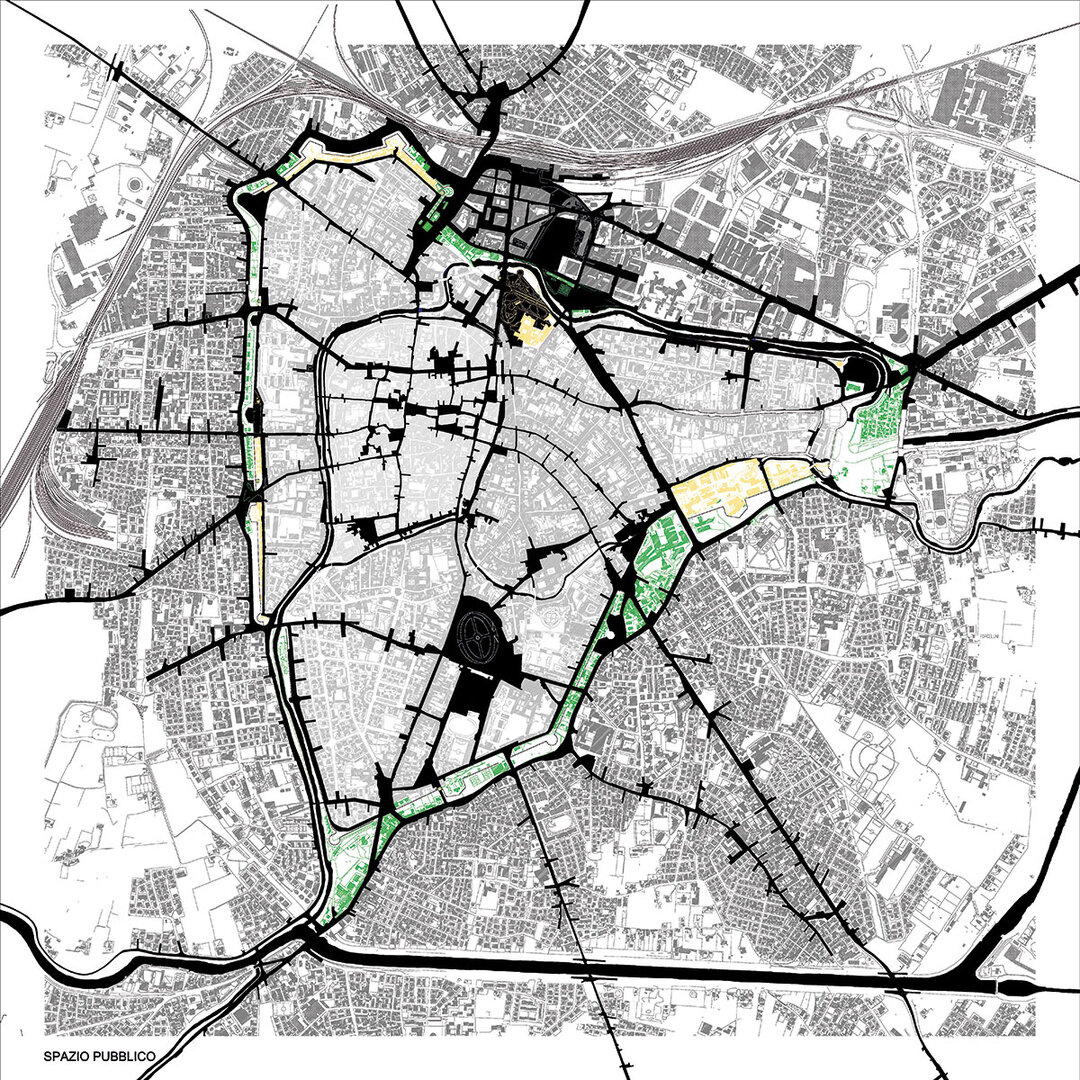
Eye space vs Foot space
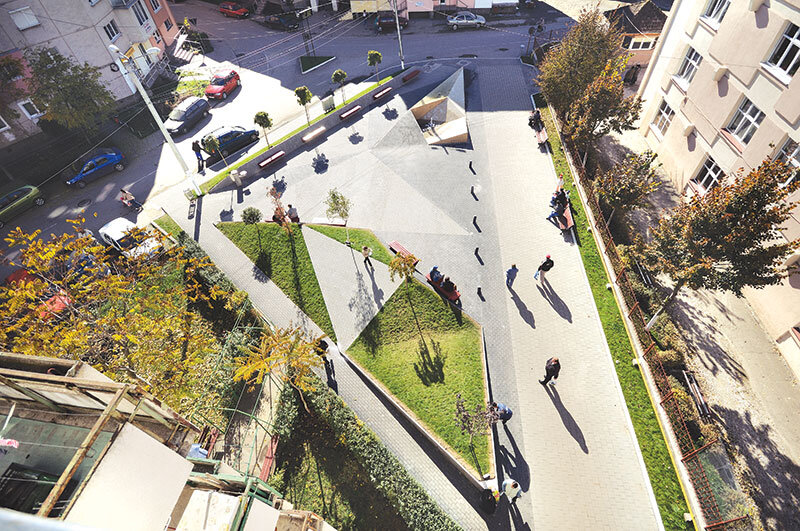
Triangles. An urban experiment
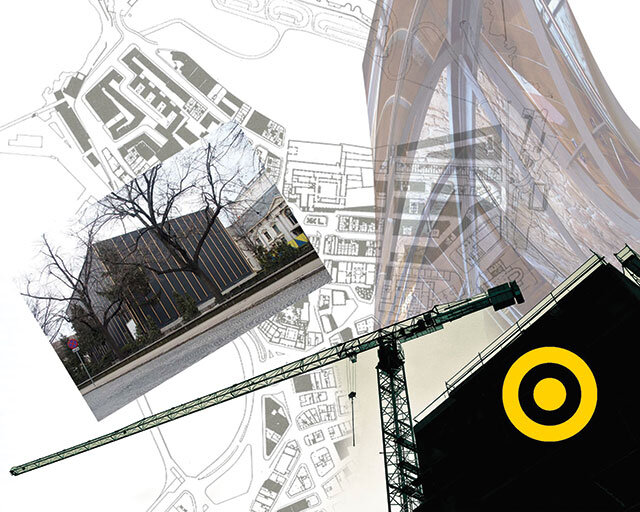
Why we love public space
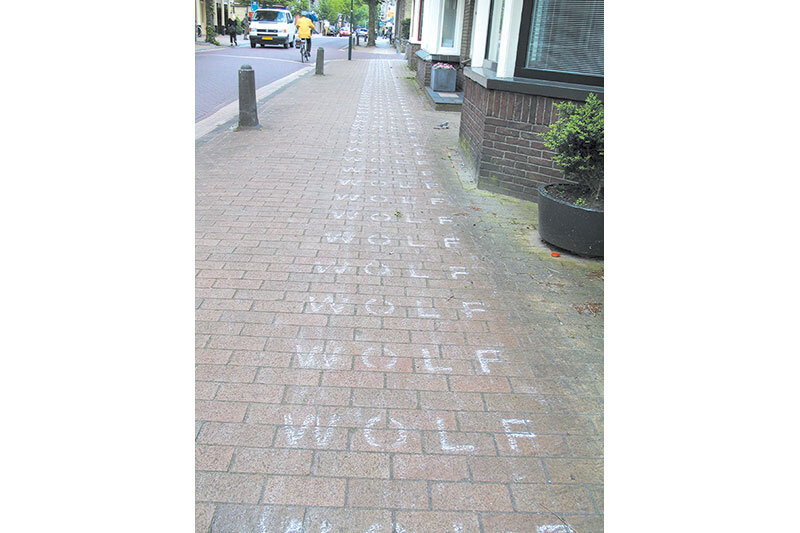
Public judgment
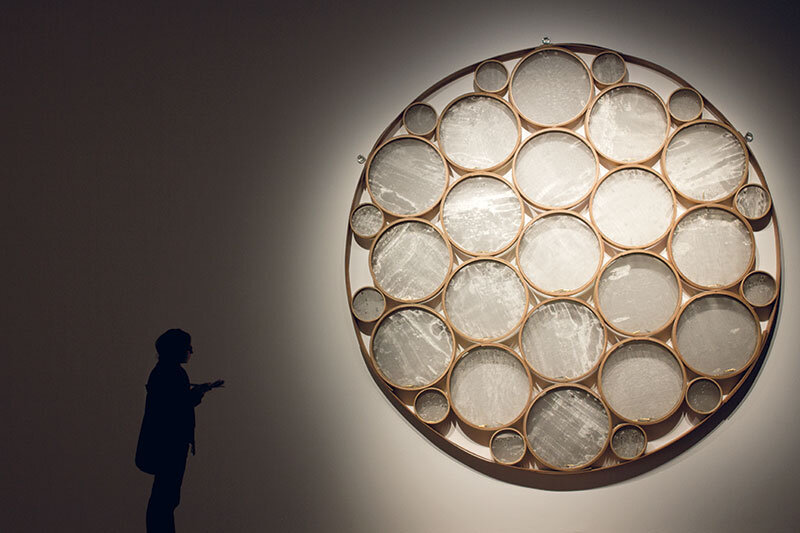
On balance
Public place
The destiny of the avant-garde
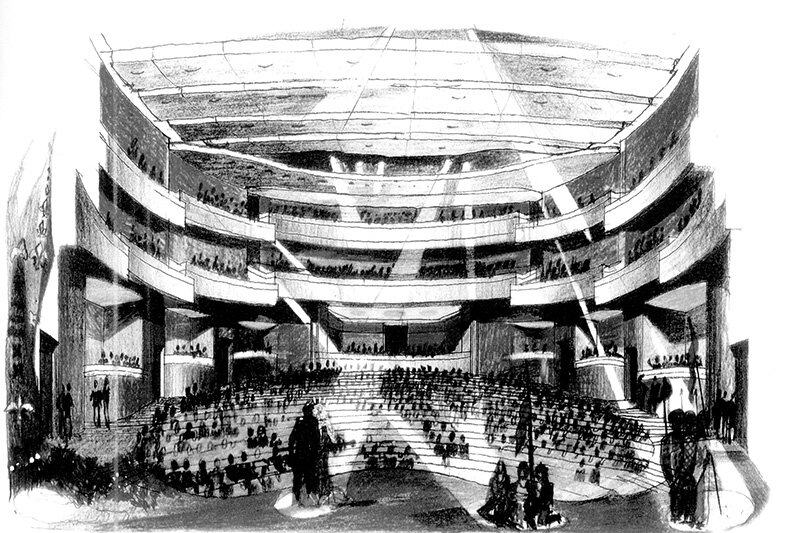
TNB 2012 - a public place-building
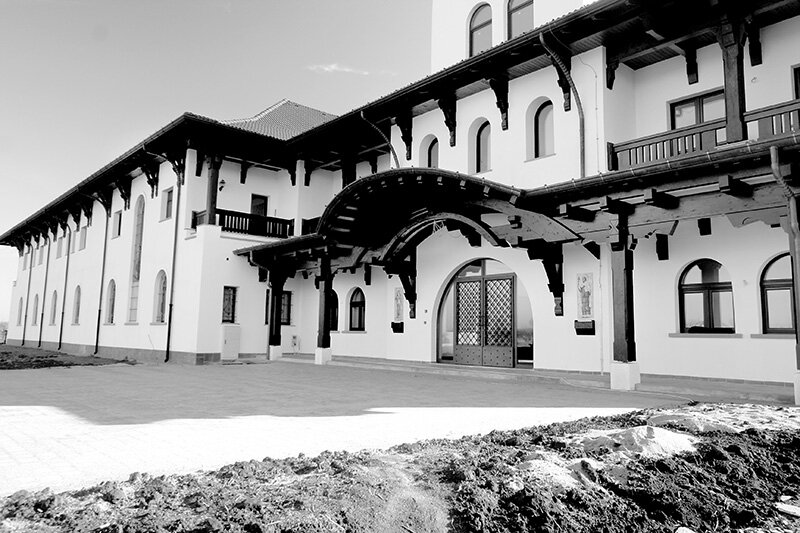
Monastery of the Order of Barefoot Carmelites - Snagov
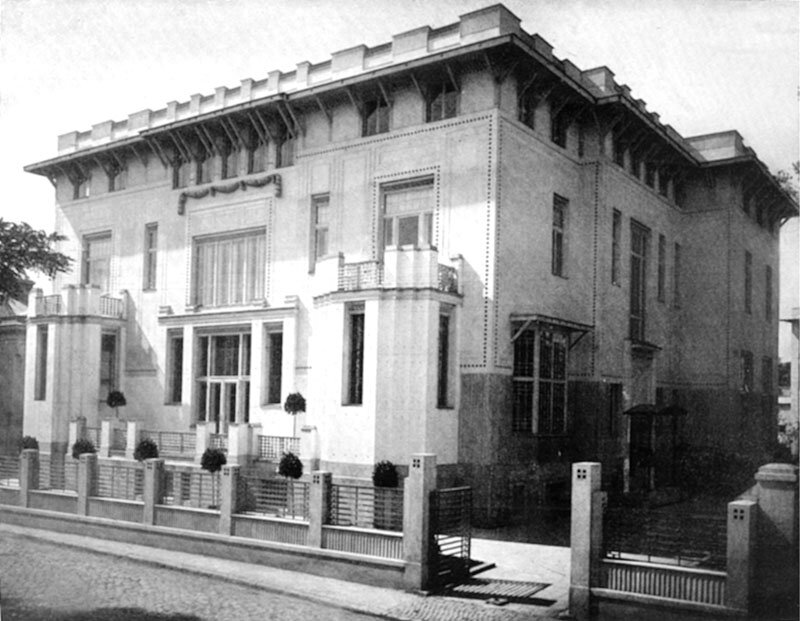
Basil Assan House
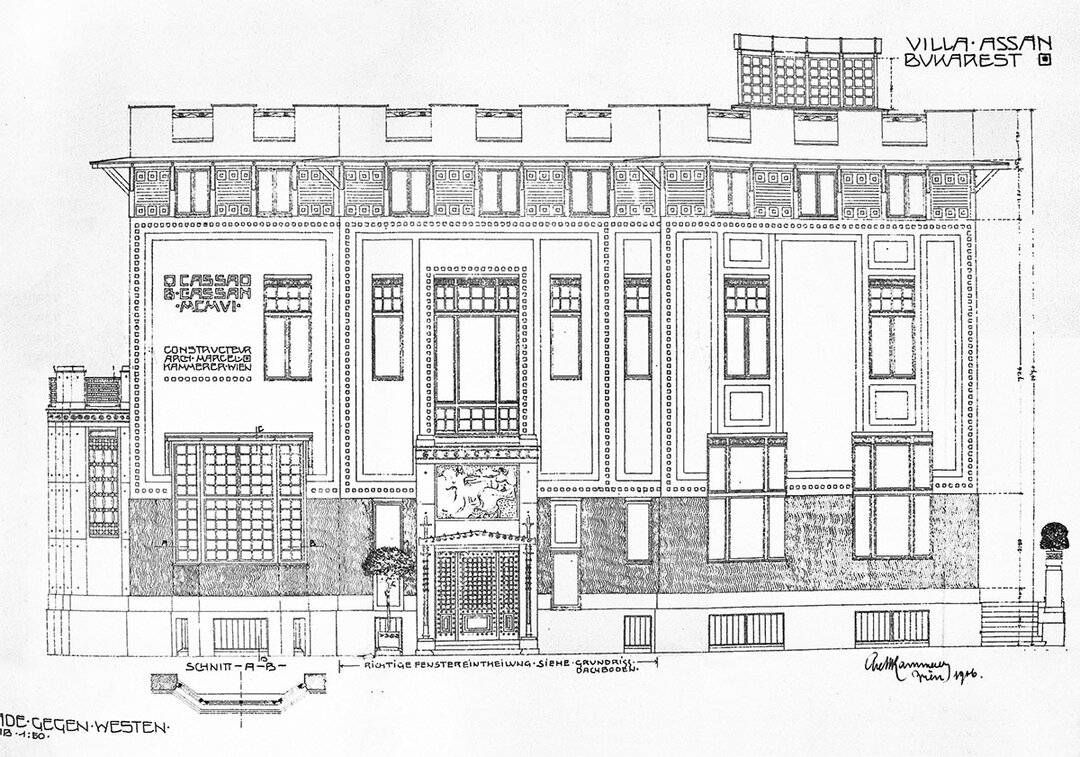
Villa Assan in Chairs Street
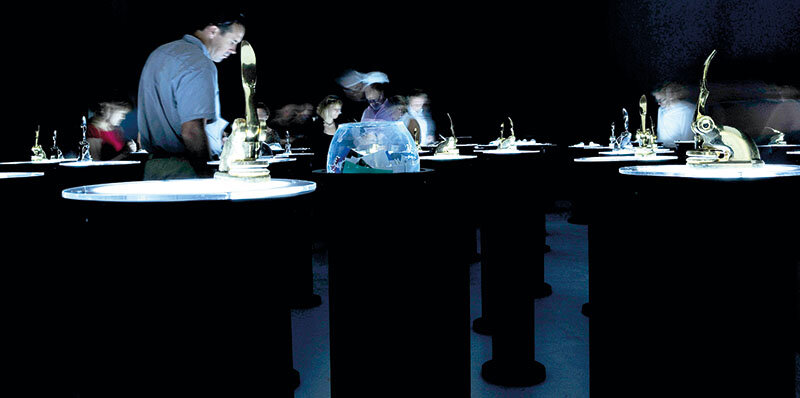
Play Mincu. Romanian Pavilion at the 2012 Venice Architecture Biennale
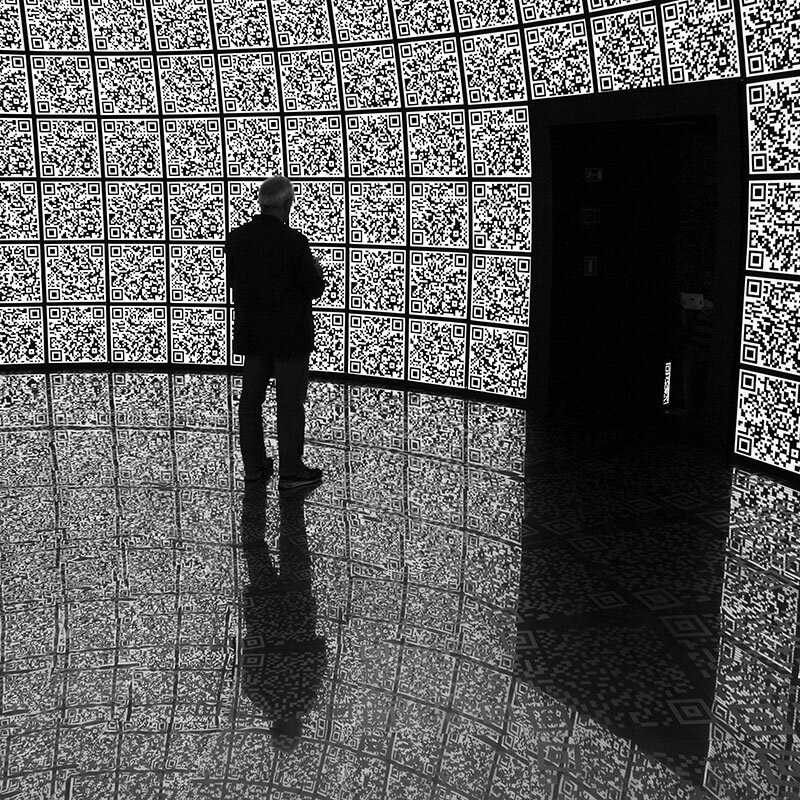
"... In the presence of the virtual"
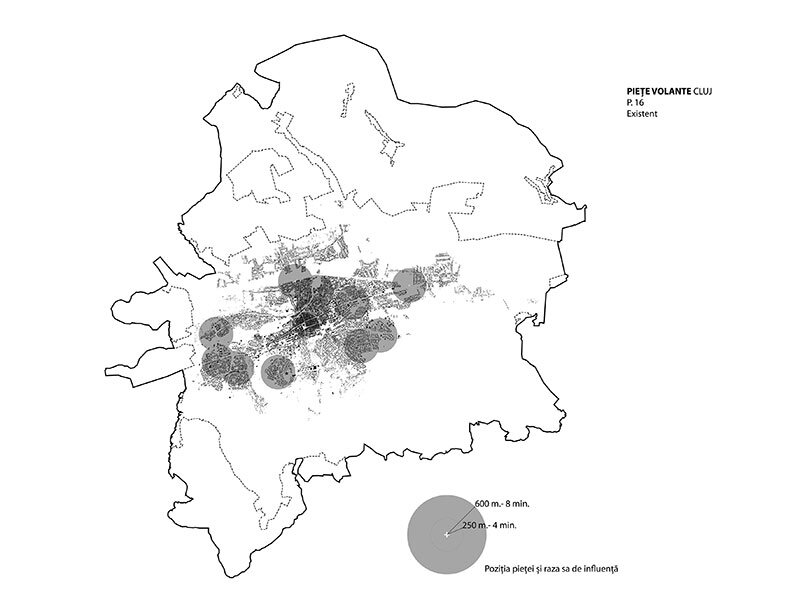
Flying Markets. Architecture of a vision