Andrzej Wajda – Space Director

Competition as a generator of success
text: Dan CLINCI
The architectural competition is a topic that has always been on the list of concerns and desires of architects' organizations, whether they were called the Society of Architects, the Union or the Order of Architects. The idea of opening the way for a competition in which the whole guild would have free access to architectural commissioning remains the ideal way of satisfying both the need for participation on the part of professionals and the need to get the best architectural product to be put into operation.
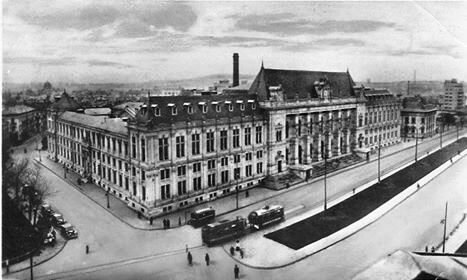
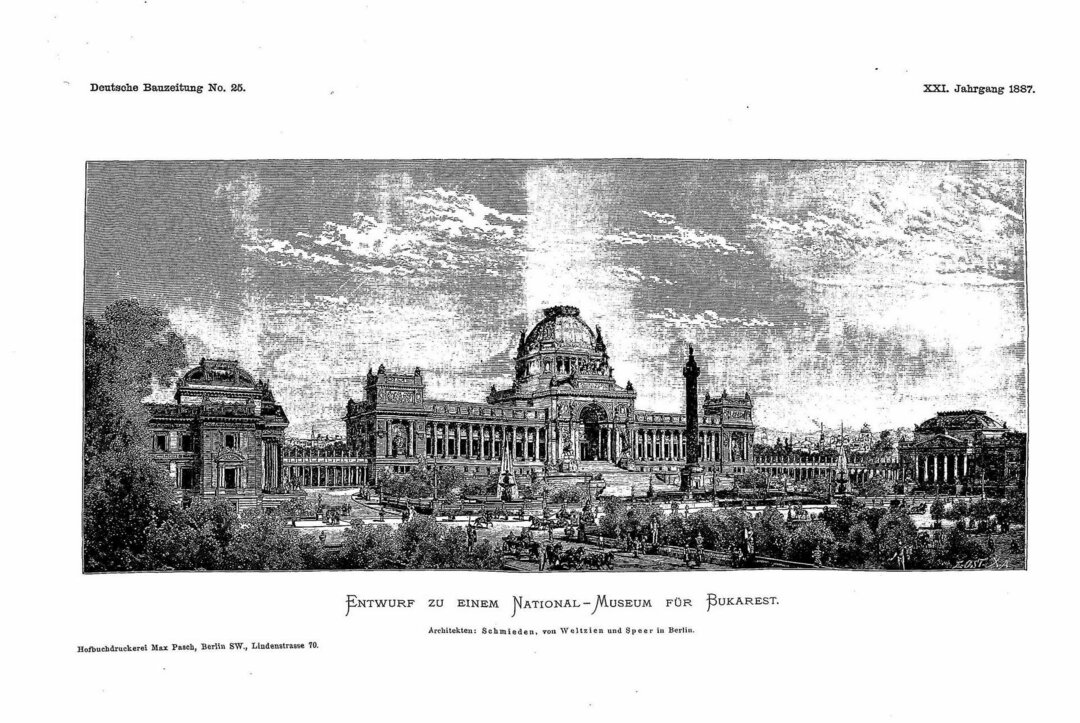
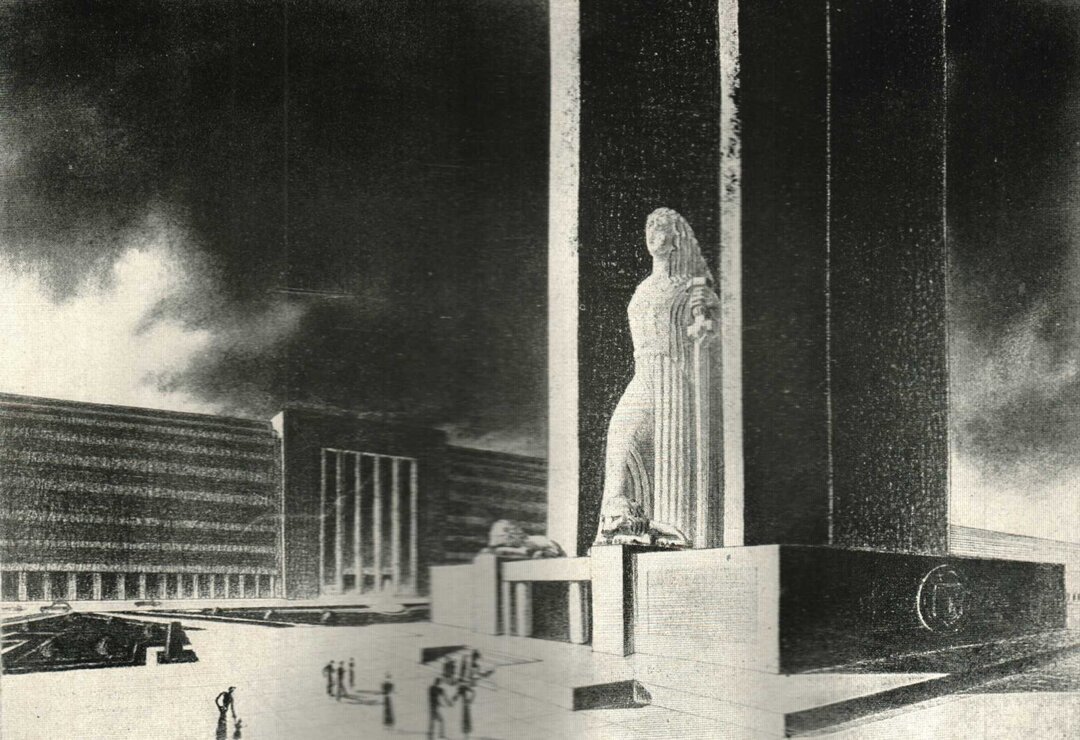
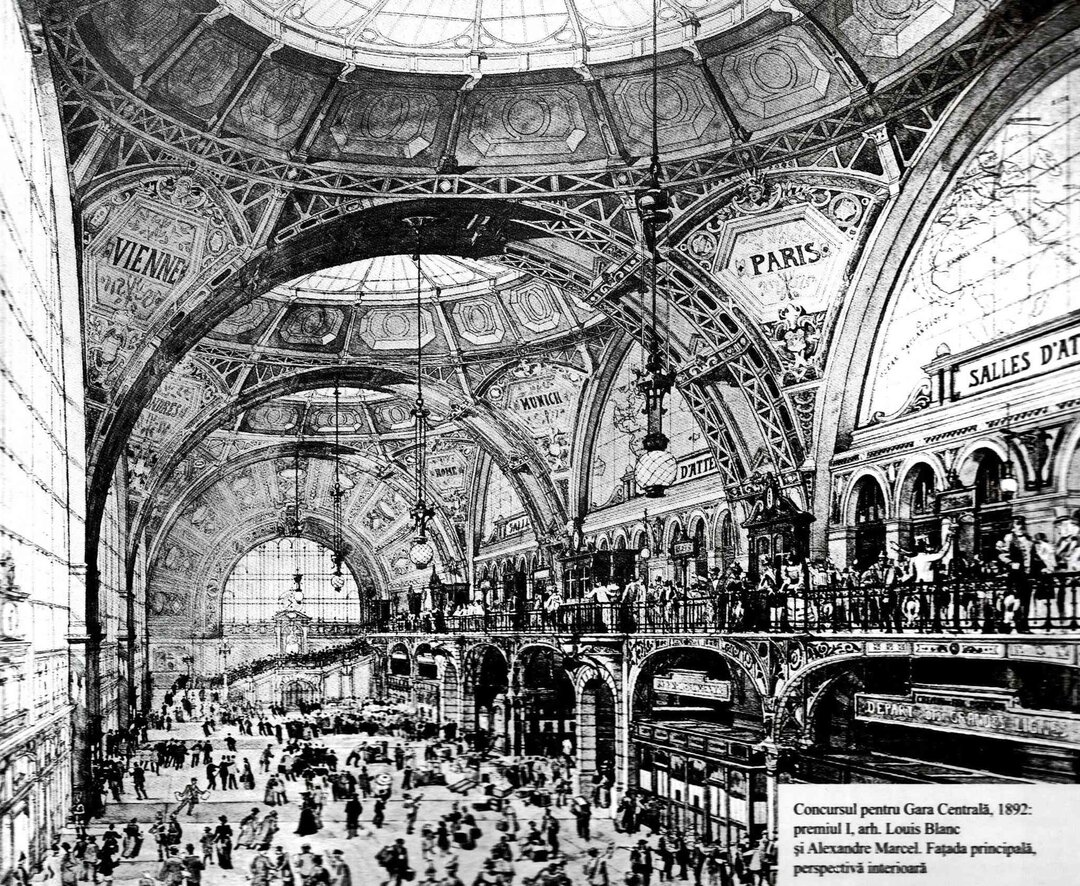
Used on a more or less large scale, this system of working on commissions of public interest has been used all over the world, without Romania being left out. Although this procurement model was used rather sparingly, the period prior to the communist regime offers examples of objectives built following calls for tenders.
Seen in its essence, the competition should not even be the subject of contradiction or debate between the players involved in the development of the urban landscape, whatever the scale of the investment. Competition is an axiomatic and logical concept in any field of activity and reflects positively on any desired outcome.
Over the last few decades, the public administration's interest in this selection procedure has declined, with economic considerations and the lowest price criterion being preferred, including in legislation. The promotion of the competition by architects and urban planners has come up against counter-arguments such as: inefficiency, high organizational costs, duration not in line with the investment timetable, the failures of some of the few cases where competitions have been organized, etc. Of course, one of the main reasons is the fear that the solution chosen by an impartial jury might not correspond to the requirements and tastes of the investor.
Having reached this deadlock in the dialog between the OAR, the UAR on the one hand and the Romanian state represented by the territorial administrations on the other hand, it is necessary to look for solutions that demonstrate the advantages of the competition for everyone, to identify methods that show that it is not just a whim of architects, but a healthy and attractive development vehicle for everyone.
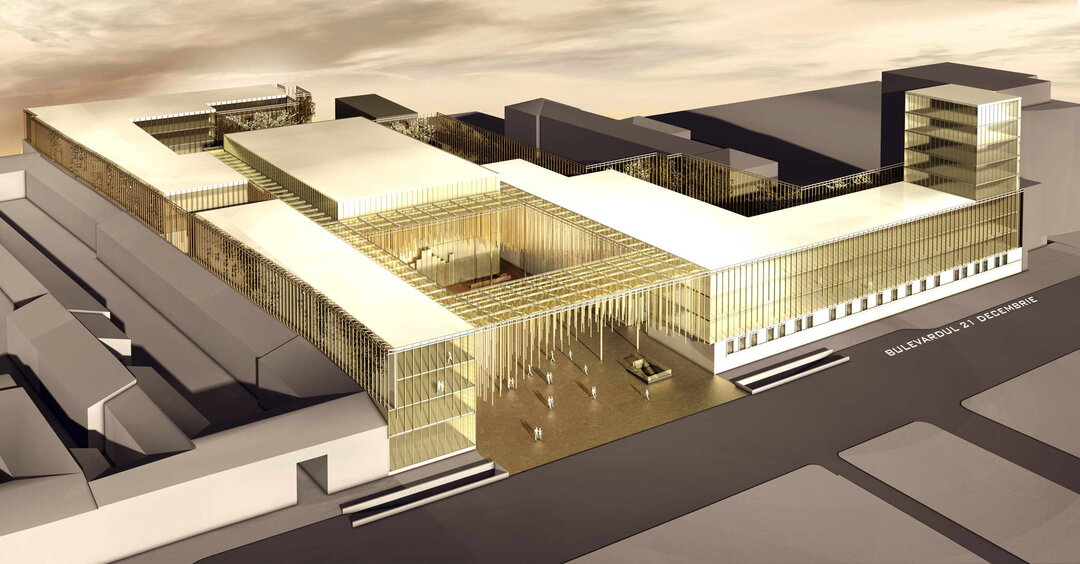
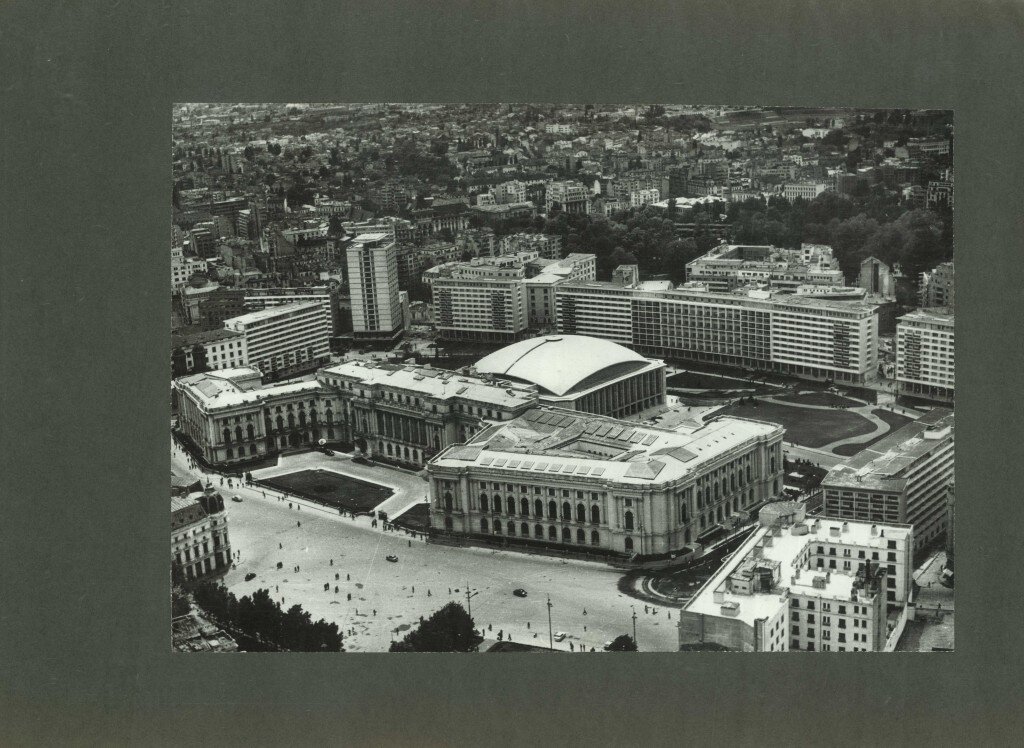
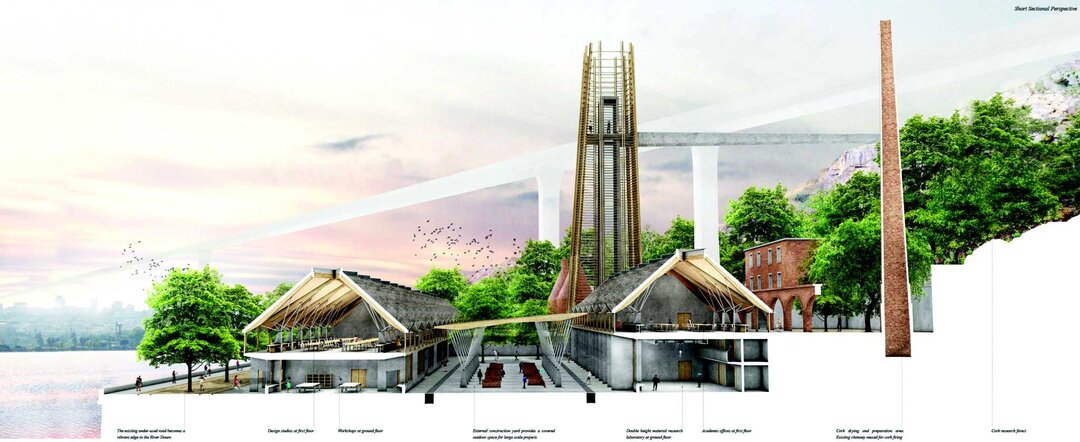
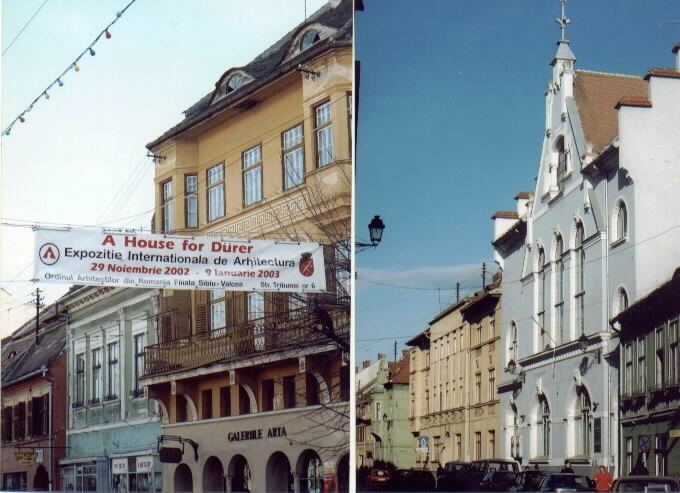
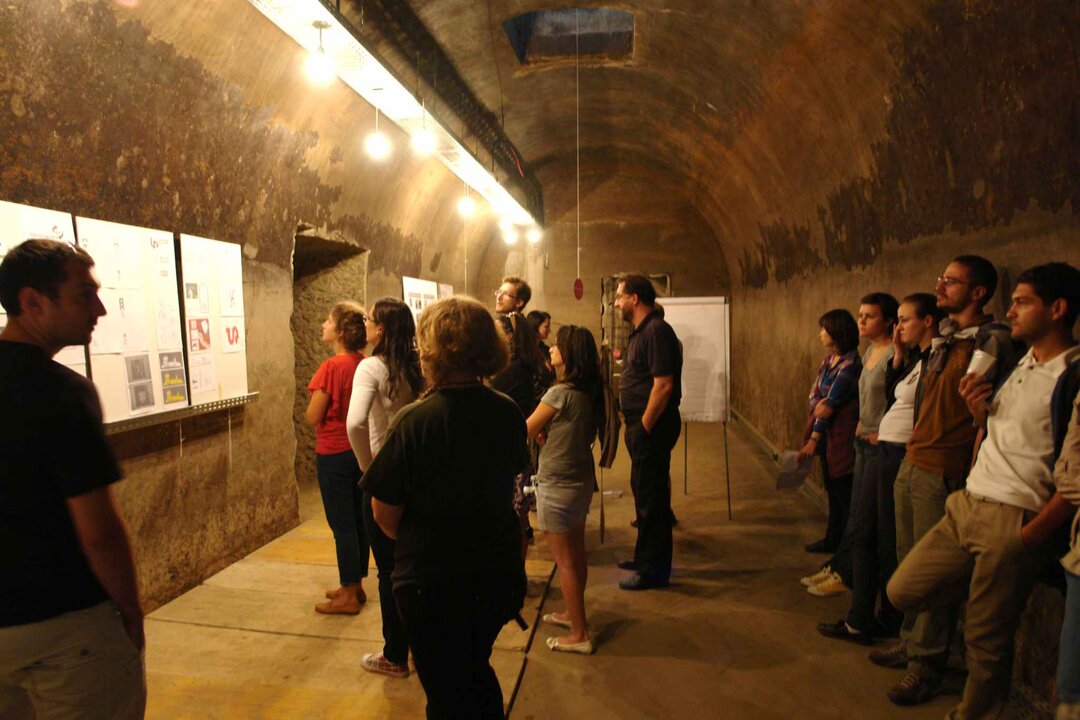
OAR Transylvania is taking a first step by organizing a public event in the fall of 2012, called the Architecture Competition for Public Space, an event that aimed to expose in the public space the results of the competitions organized in recent years and the Romanian architects' awards in international competitions. We managed to find a way to get architecture out on the streets by exhibiting the prize-winning works. This first step responded to an important wish for the profession, namely that the public had the chance to see architecture in its highest professional performance and not just in the form of a folded file of plans. The exhibition started with a public conference to which we invited competition organizers, participants, winners and collectives whose competition projects are already in implementation.
The gain of this initiative was that it turned the competition into a topic of discussion in which the guild gave the public administration, the public and the press the opportunity to clarify what the competition is all about. The impact of the initiative was not long in coming, the association between the organization of the contest and the investment in the public space proving to be natural, strong and perfectly justified, in line with the global custom and the performance achieved in the selection process, which was ensured by a clear theme and rules and entrusted to a jury of experts.
This system of promoting the competition was immediately embraced by other branches of the OAR, and the exhibition became a traveling one throughout 2013, visiting the squares of cities such as Timisoara, Baia Mare, Oradea, Bucharest, Zalău and being in each of them a generator of debate around the topic.
In Cluj-Napoca, the discussion about the competition had been hovering for some time, with a theoretical willingness on the part of the administration, so perhaps the initiative only served to strengthen the arguments that we, the professionals, were putting forward in front of the public.
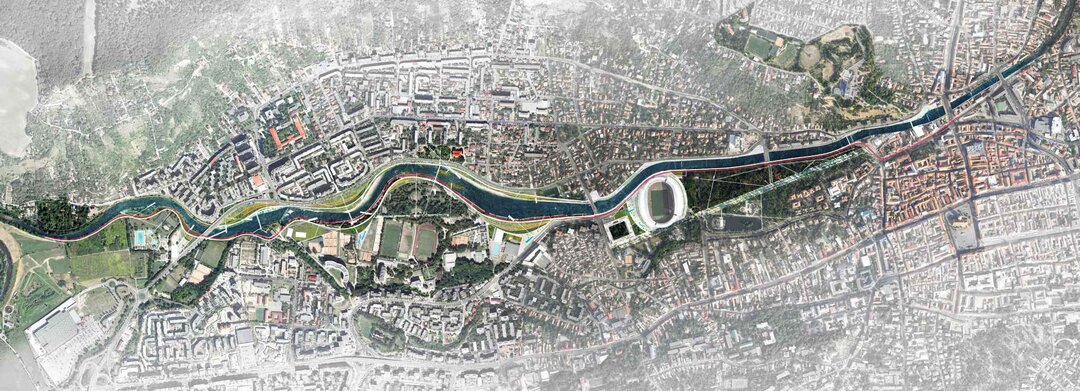
The decisive step was taken on January 15, 2015, when, following consultations between the professional environment and the city administration, the latter - through the voice of Mayor Emil Boc - announced its intention to partner with OAR in order to organize the competition for the Someș River Development. The announcement was very well received by the guild, the civic sphere and its voice: the press.
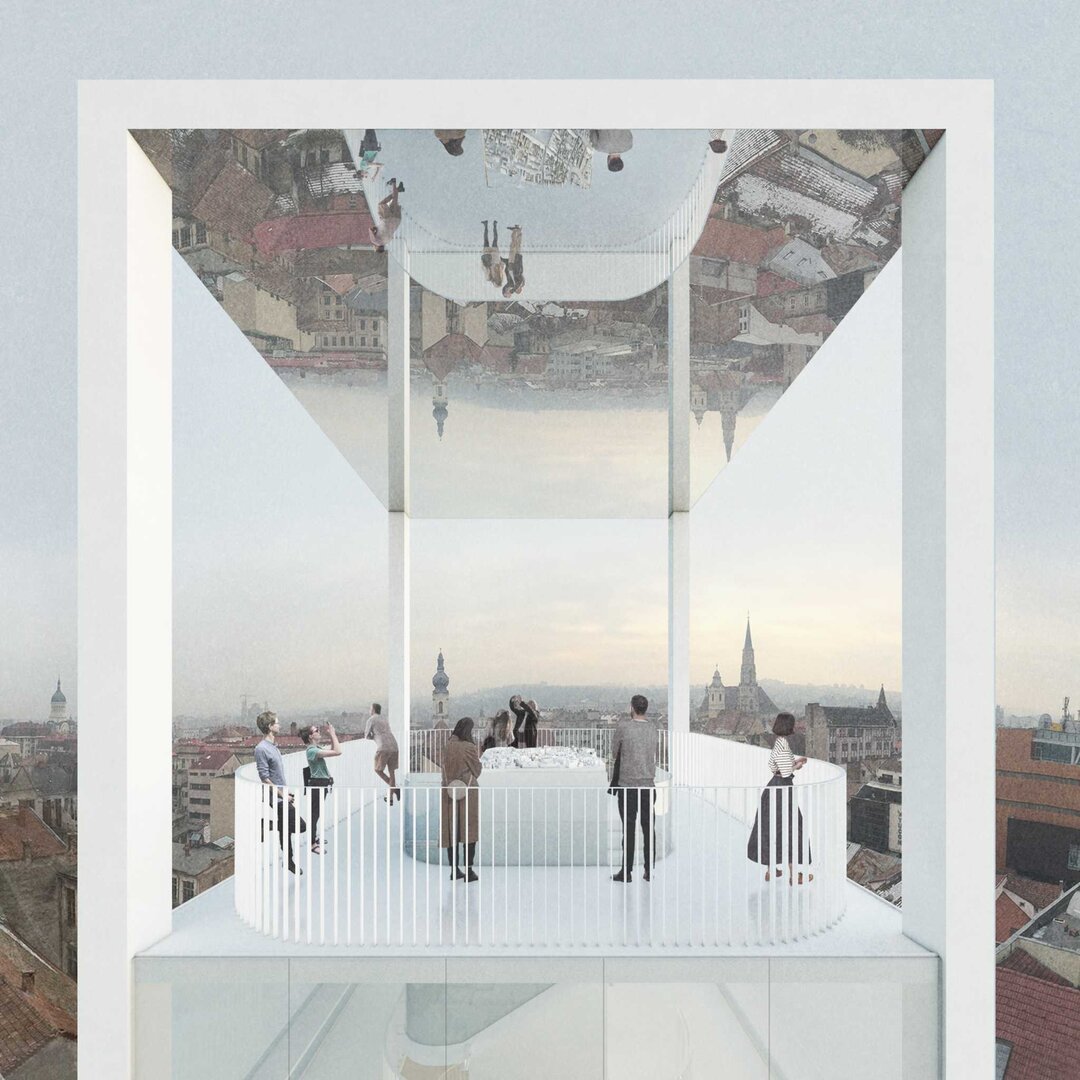
The moment of establishing the partnership that led to the organization of another competition on the revitalization of the Cluj Fire Brigade Tower was very encouraging. The organization procedure took many hours, days and months in which, in addition to constructing the competition documentation, the Transylvanian RFO team, in collaboration with the National RFO Competitions Department, had the task of smoothing a path through the procurement legislation and, at the same time, finding a procedural formula that would be accepted by both parties and remain compliant with the UIA regulations.
In February 2017, the first competition in this Cluj series (previously competitions had been organized sporadically) is being juried. The Tower of the Three Ages gathers 25 works that are analyzed over three days by a jury that brings together architects of different ages, genres, areas of expertise and place of practice. Following three days of intense debate, the jury decides, on the basis of value criteria, the winner - who will also be the signatory of the design contract - the second prize, the third prize and a mention. The prizes are announced in the presence of the mayor and the city administration team, who are entrusted with the results of the competition, and the procedure is finalized with the signing of the contract and the commitment that the work will immediately be included in the investment plan.
The quality of the work presented, the clarity of the procedure and the coherence of the entire organizational process open the way for all those involved to continue on this path in which the Tower was a first experiment. The fact that the reaction and the results were in line with the expectations of the public, the professionals and the beneficiary confirmed the success of this procedure. In the autumn of 2017 the Someș River Competition was finalized and then, in a succession that had become natural, architects and urban planners were given the chance to participate in a whole series of competitions: the redevelopment of the Railwaymen's Park, the modernization of Kogălniceanu Street, the rehabilitation of Cetățuia Hill, the PUD for the Sopor district being the competitions that furnished the calendar for 2018-2019, and there are firm premises for continuing the series with various competitions.
It should be noted that the initiative of organizing competitions by the local public administration was immediately embraced by the Cluj County Council, which entered into partnership with the OAR, organizing competitions for the Extension of the Ethnographic Park of Transylvania and the Extension of the Council headquarters.
It is gratifying both for professionals and for the quality of the architectural and urban planning product that the public investment environment is increasingly oriented towards the purchase of the product created and selected on value criteria. A great advantage of this process is that the beneficiary assumes the award of the design contract to the winner and undertakes to follow the path of implementing the solution chosen by the jury. This is coupled with the commitment to award prizes commensurate with the efforts of the second and third placed teams.
The benefits of successfully completed competitions are so many that there is no need to list them here.
At this point, a precedent has been set which demonstrates that a win/win is achieved by such a procedure, whereby the success will reflect not only on the creator but, more importantly, on the urban environment and its administration.
It is the hope of those of us who are committed to ensuring that the competition is perceived as the optimal and natural solution in Romania as well, to promote the example of Cluj.