We have obligations to young people!

Lorin Niculae
I have written about art and architecture biennales before, because they are events that condense, without any pretense of exhaustiveness, the preoccupations of architecture and the arts at a given moment.
Some biennales manage to reflect society as a whole. Others even have a premonitory character, as was the case with the 2019 Venice Biennale of the Arts, whose title, "May you live in interesting times", chosen by curator Ralph Rugoff, had the gift of anticipating the difficult 2020s to come.
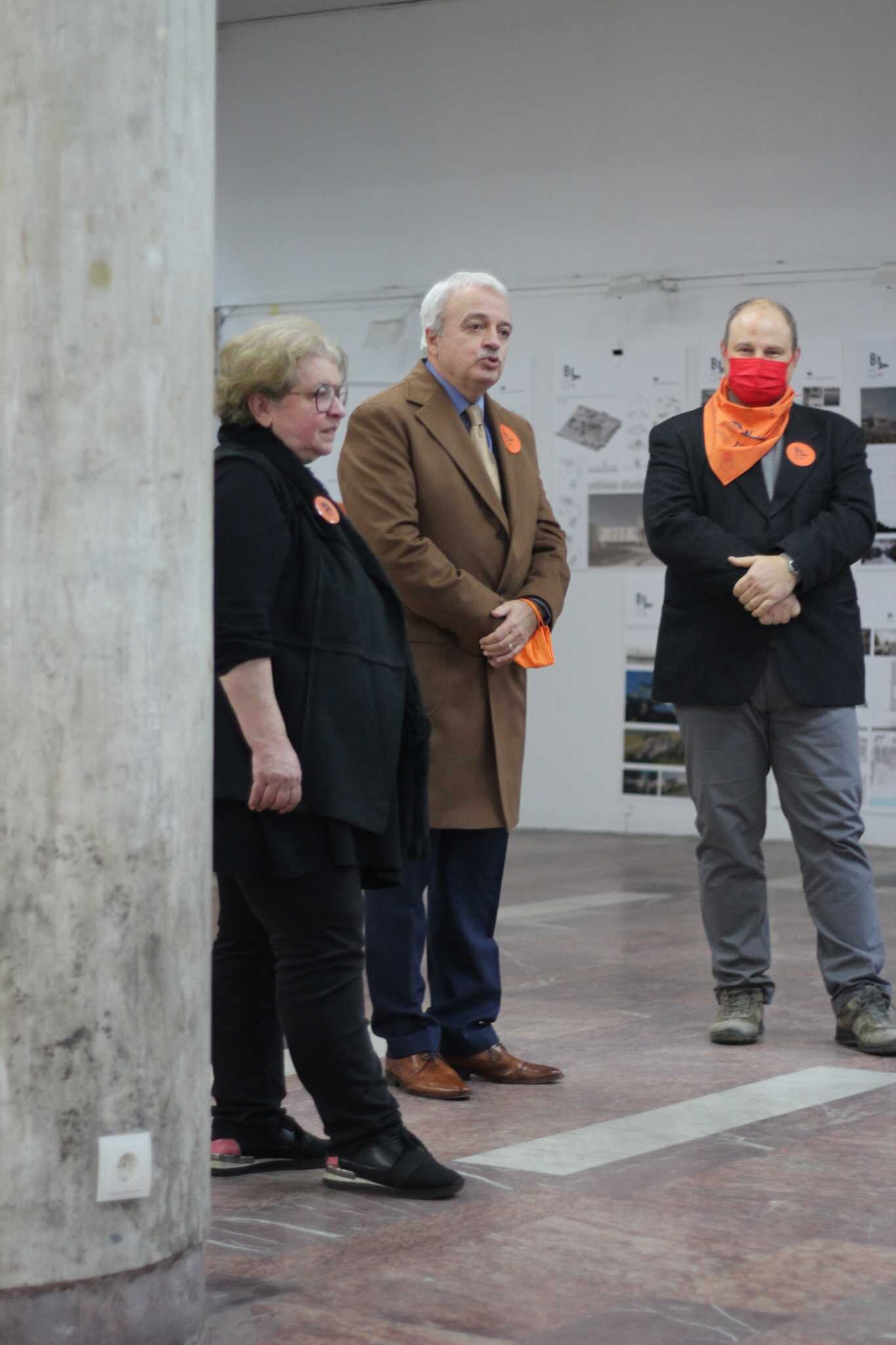
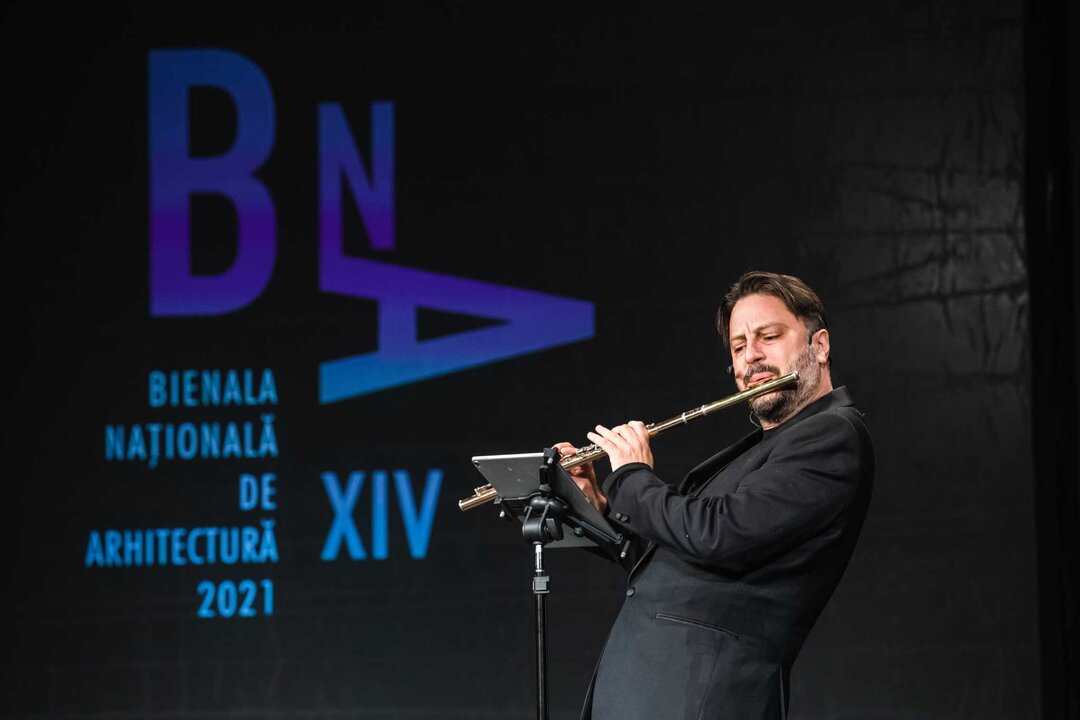
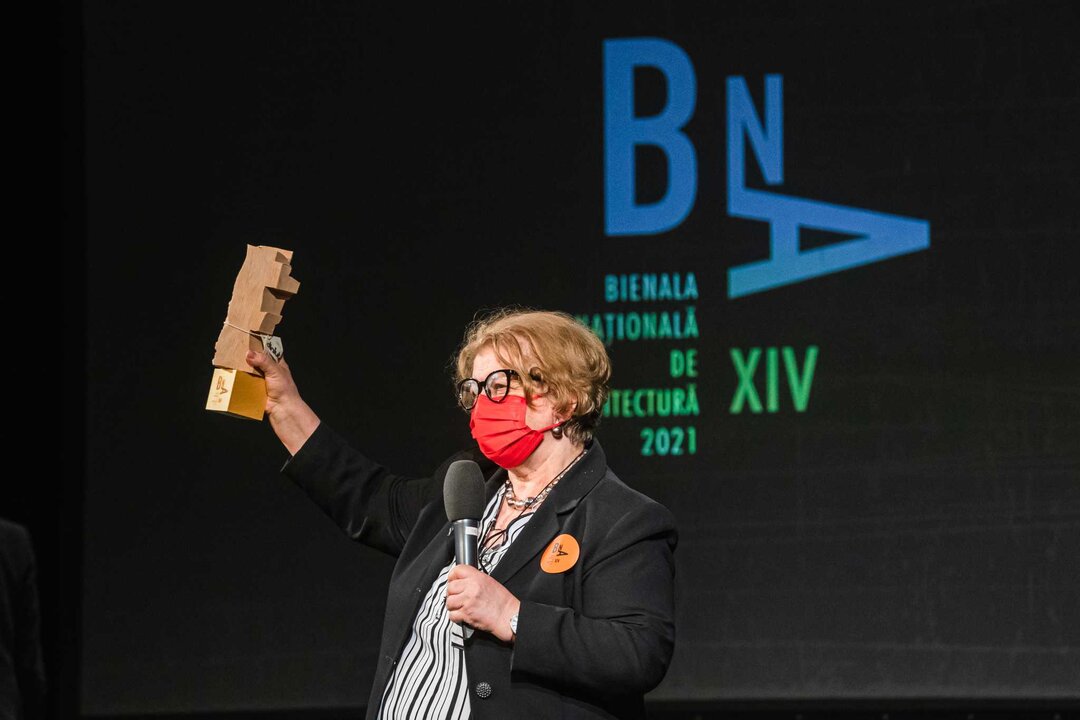
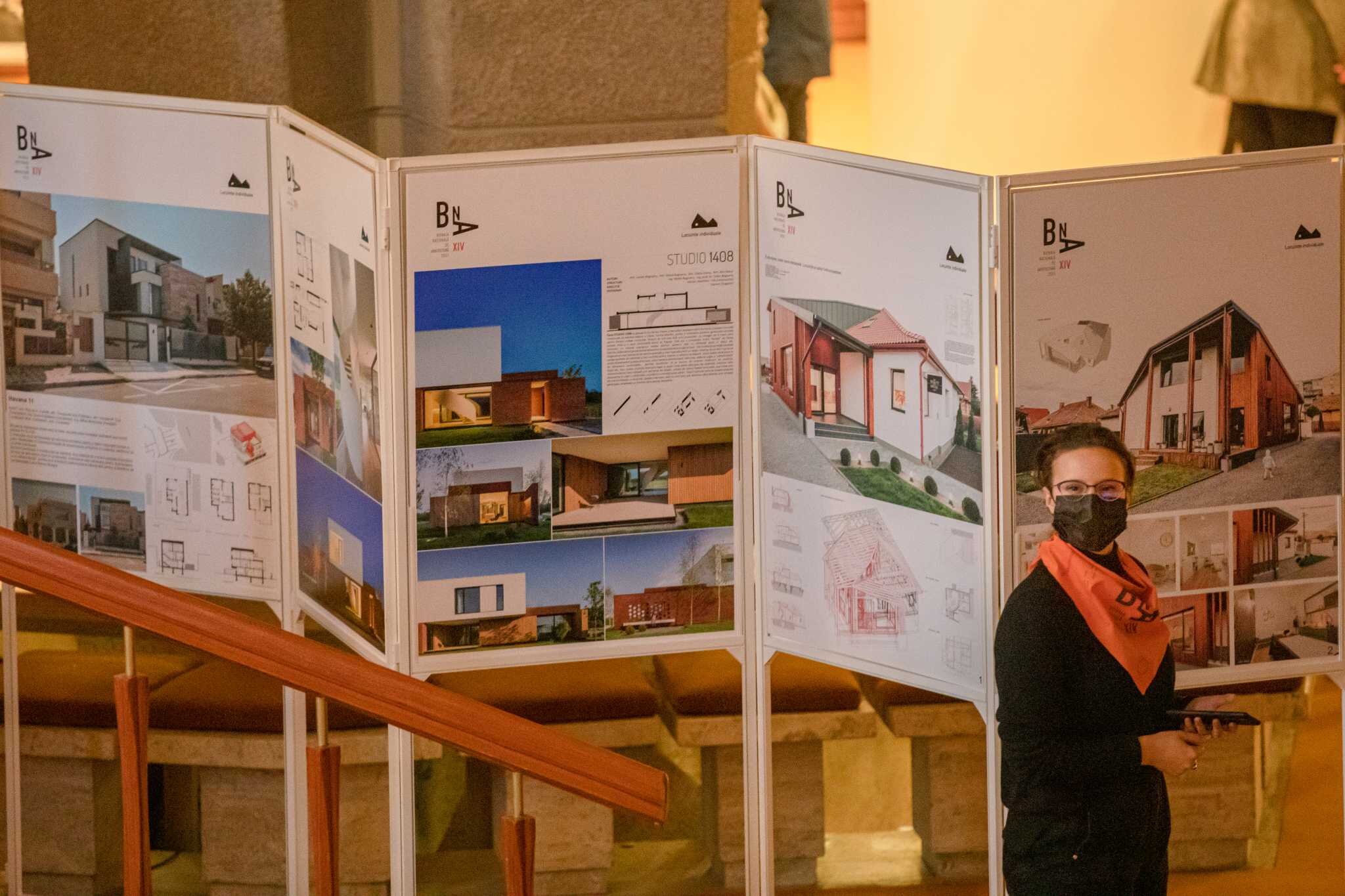
Indeed, we were living in interesting, i.e. tumultuous, times, and everyone realized that they would have preferred quiet and boredom rather than the sirens of Salvation. The 14th edition of the National Architecture Biennale opened its doors in an attempt to bring together architects, architecture, and its public. At a first reading, it seems that the triad can only work together and not otherwise, as architects obviously produce architecture and architecture is intended for users, so it cannot be separated from its public.
 However, a careful glance at the pages of the cities that are now being written may reveal buildings designed by architects, but which architects do not include in their lists of works. They are buildings designed under the pressure of the square meter, works which architects accept out of necessity and which, in the end, do not represent them. They are buildings built on the basis of a project that the beneficiary disfigures and the architect is forced to accept. They are buildings of compromise, and the problem is that many architects are not in a position to refuse it.
As for the disconnect between architecture and users, consider for a second Brazil's grandiose stadium in Manaus, a city far away in the Amazon jungle, built by Brazil precisely to isolate prisoners. After a few World Cup matches have been played there in a damp, unbreathable atmosphere, the stadium is awaiting its ruin, like similar constructions in Spain, Greece, China and the list goes on. This is also reflected in the vast residential complexes on the outskirts of big cities, where residents' comfort and health come last, long after the cheap shower bath, where if you save 30 lei a piece you can build another apartment in the attic.
The architecture needs an urgent repositioning. At the crossroads of often antagonistic vectors, architecture remains the main cultural product that accurately reflects the spirit of an era, materialized in built space capable of shaping the lives of those for whom it is intended. Often, the architect's vision clashes with the client's taste, budget or technological limitations. More and more often, the architect is employed by the builder, who severely limits the architect's scope for expression. Thus, from the first of the builders (archos + tektonos, gr.), the architect has fallen to third position behind the builder and the economist, and the contracts he is forced to sign do not protect him in any way. It seems that architects have taken a decisive step backwards, leaving the responsibility for the built environment on the shoulders of others who do not have the necessary education for this position. That is why the contemporary built environment, with the usual exceptions, seems to be in fierce competition to produce the ugliest buildings that have ever graced the earth's crust.

Through the selected works, the National Biennale of Architecture will show that architects can be emblematic creators who need unity in the guild, able to assert itself through collective action and protect its members. Architecture needs to reposition itself against false ideologies, to rediscover the beautiful, the natural and the natural, as part of a vision oriented towards sustainability and cultural representativeness. Already, worldwide, we can speak of a contemporary Chilean, Danish or Swiss architecture, the national attribute being reflected in the close links that the buildings have with the environment, with local building traditions, with the symbolism of space and the relationship with the neighborhood, sublimated in an innovative language of great refinement.
When will we be able to talk about a regional architecture that can be identified as Romanian, an autonomous cultural product, specific to the richness and diversity of the local culture? The National Biennale of Architecture brings these topics up for discussion, and their debate is necessary so that architects can now make their powerful voice heard, destined to shape the built space of the future.