Baloshin States

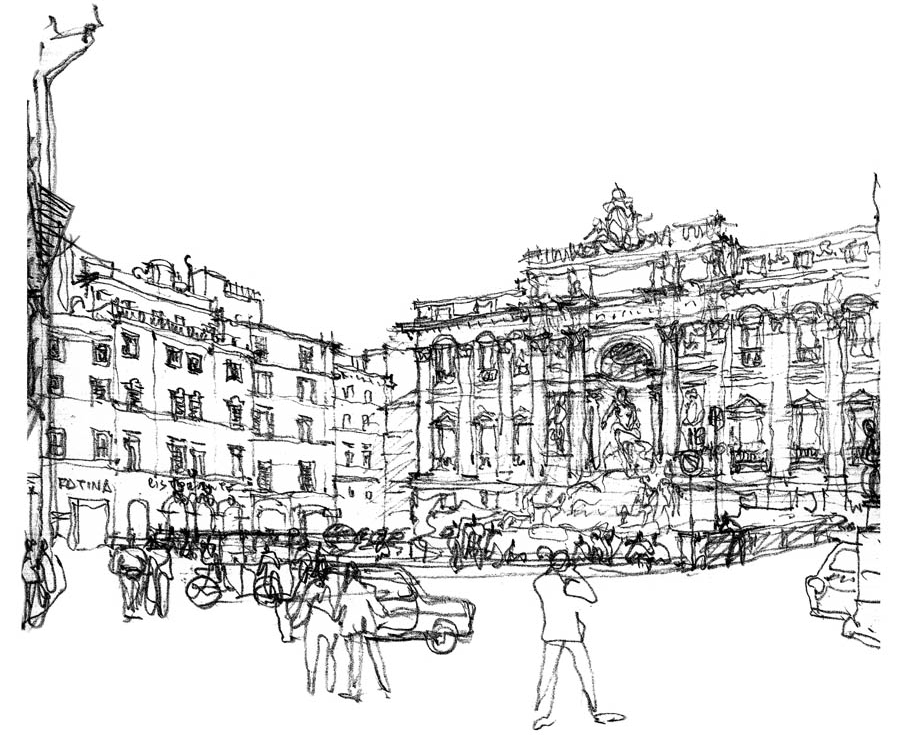
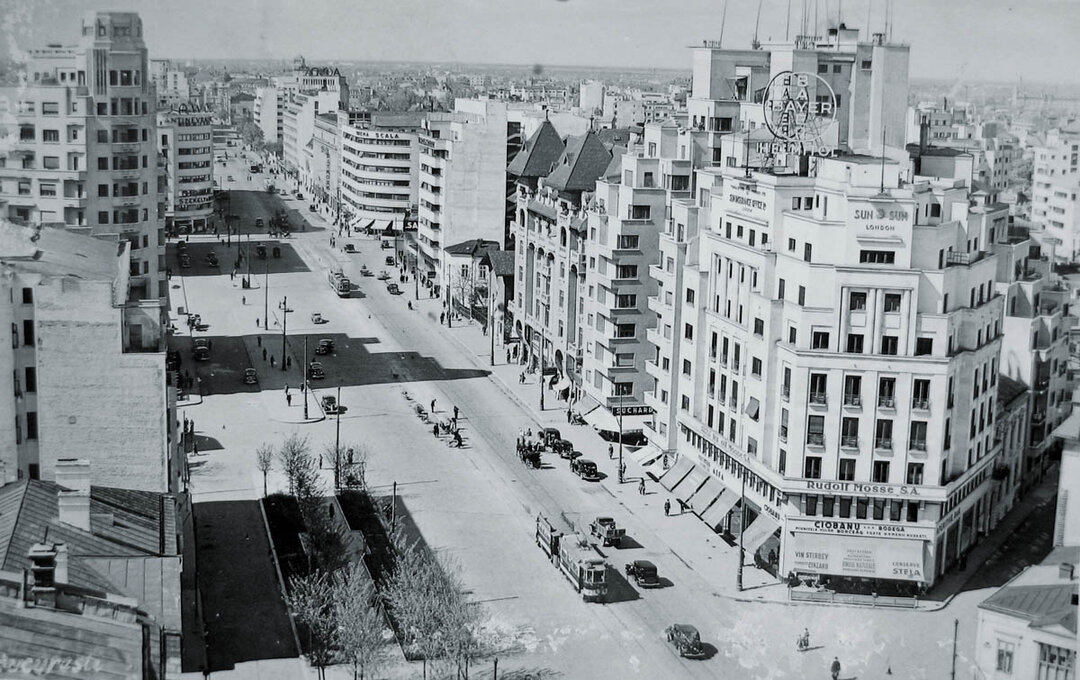
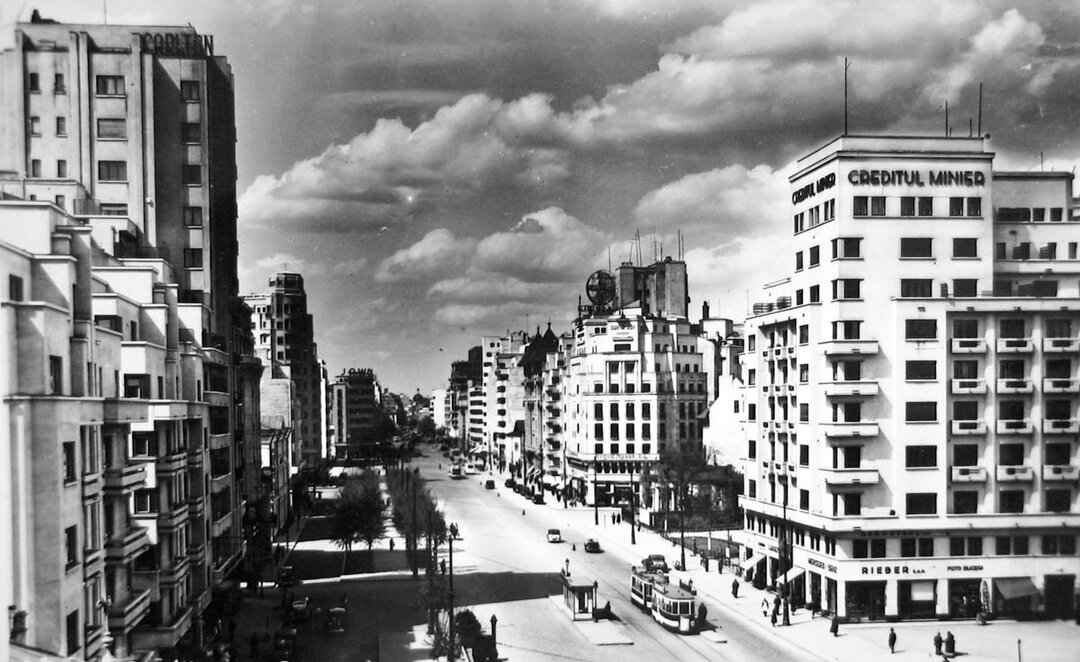
We like Bucharest today no more than we love it. But because we were born here, or gathered here, or had our business here, we would like to be happy in and by this city. But each city has its own story, its own way of life and its own dreams, which are difficult to separate, or undesirable to separate.
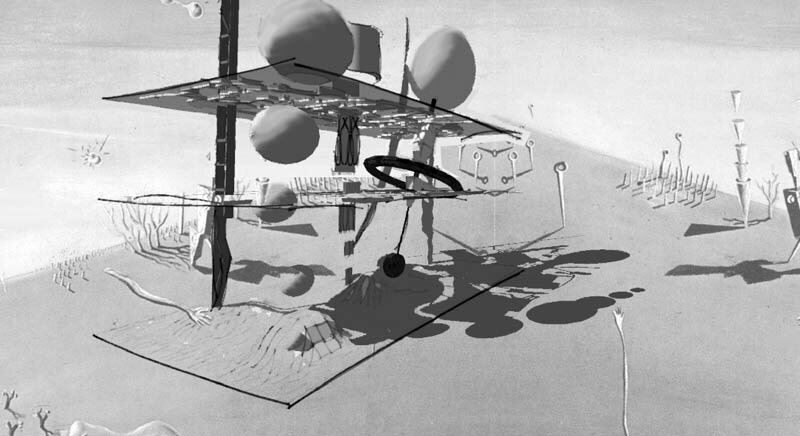
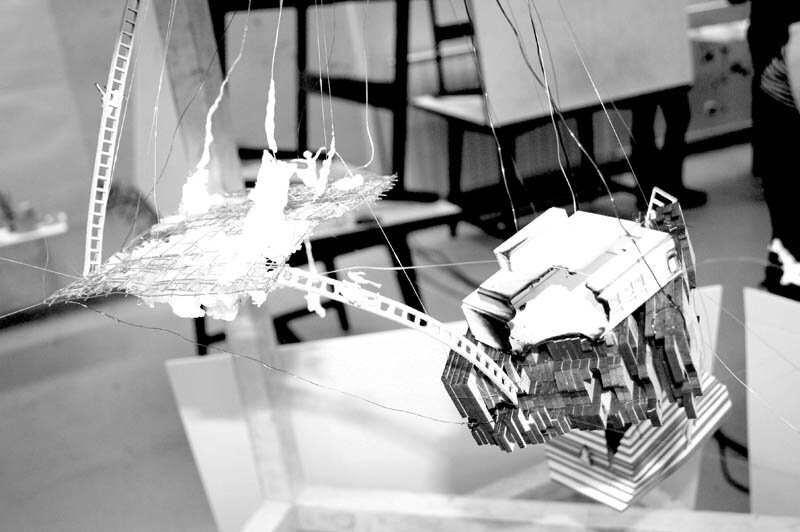
That is why we dream of Bucharest, a settlement without end and without beginning, permanently shaped by the thoughts of the people who lived there. Bucharest, an ancient territory that flourished with the Greek port cities on the western shore of Pontus Euxinus. Ships laden with produce sailed in and out of the sea on the Danube, and through the Danube estuary to Bucharest. Bucharest resembled a Greek polis. Seen from above, it was a perfect grid. After undergoing a series of transformations around 480 B.C., it would follow the pattern of cosmic harmony in its spatial configuration.
Gazing at the stars and the sky, the philosopher of the city, Zamolxis, a disciple of Pytagoras in measurements, numbers and proportions, would lend the city something of the celestial order. Situated in the area now occupied by Carol Agora Park, it was surrounded by a temple dedicated to Apollo, with an amphitheatre rivaling that of Delphi in size, and a magnificent stoa on the north cornice. The city was soon home to 30,000 people, largely engaged in trade and developing links with northern Europe.
We had no chance of realizing this dream, because the territory of Bucharest was crossed only by an unnavigable river that often overflowed.
Then, about a hundred years ago, after St. Andrew had sanctified the place and the people, the Romans were made to pass through the same territory on their way to Pontus Euxinus. Settling in Bucharest, Roman troops cleared the marsh and took possession of the land to found 'a new Rome'. Chants were heard and animals were slaughtered, they marked out the space and drew the furrow of the border. Apolodorus of Damascus, who had just finished work on the bridge over the Danube, was tracing the main perpendicular axes, Cardo and Decumanus, of the future city of Bucharest. In today's University Square, where the two axes intersected, in the area where the University of Architecture stands today (a reconstructed model of Apolodor of Damascus can be seen in the basement of the university's architecture museum), Emperor Trajan was to inaugurate the beginning of work on the forum that was to bear his name. On Trajan's death, a replica of the Column of Rome was being erected on the site now occupied by the fountain of Architecture.
But Bucharest had not even begun to flourish when Emperor Aurelian (270-275 AD) ordered the Roman troops to retreat.
And so the swampy-always-swampy-swamp became the reality of the place, and the Bucharest of today might not have existed if Constantinople had not fallen under the Ottoman Empire.
The occupation of Constantinople by the Ottomans and the expansion of the empire across the Balkan peninsula to the gates of Vienna would give even greater importance to the already existing trade and cultural route through the Dâmbovița marsh.
Read the full text in issue 3/2013 of Arhitectura magazine