Unseparated Gifts. Architecture. Drawing. Painting

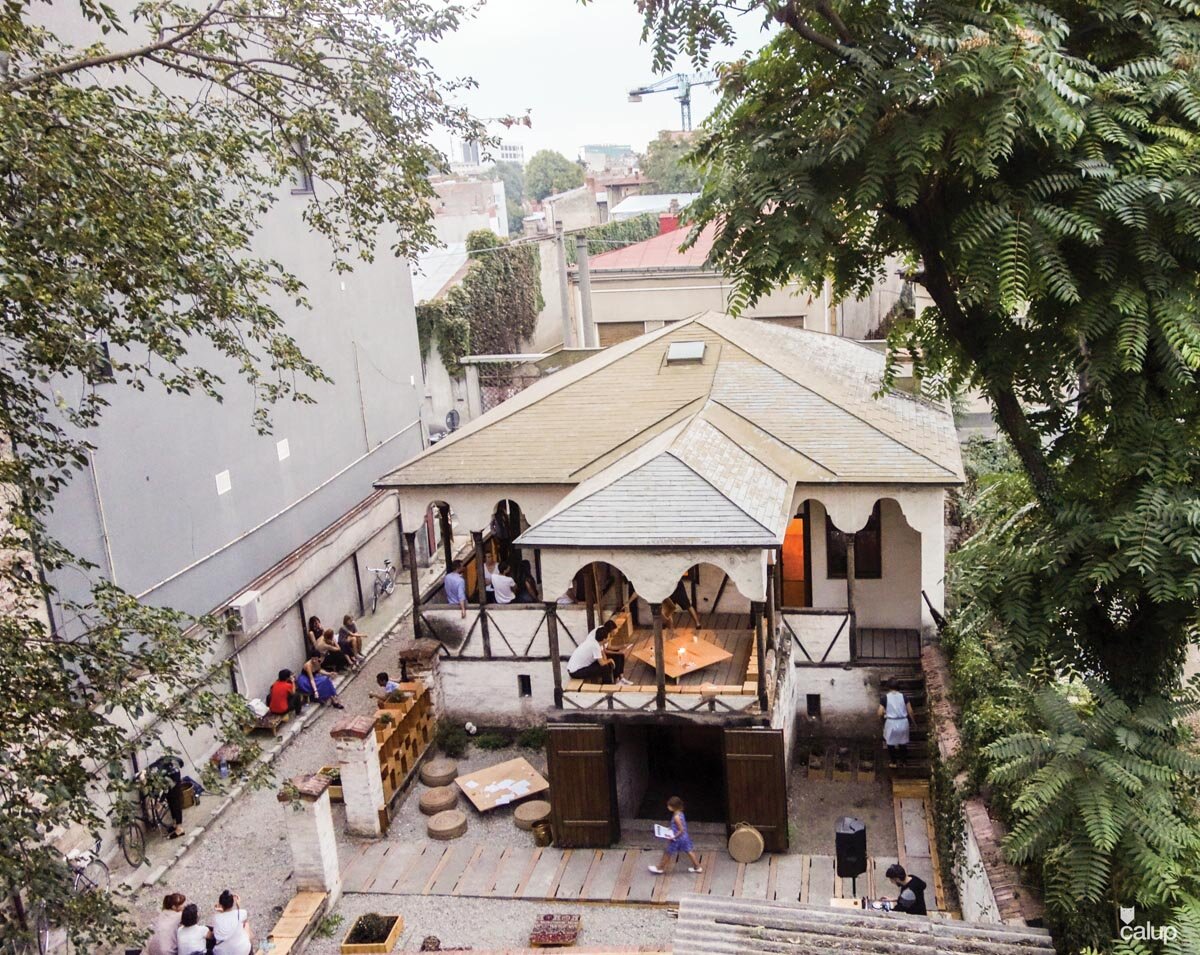
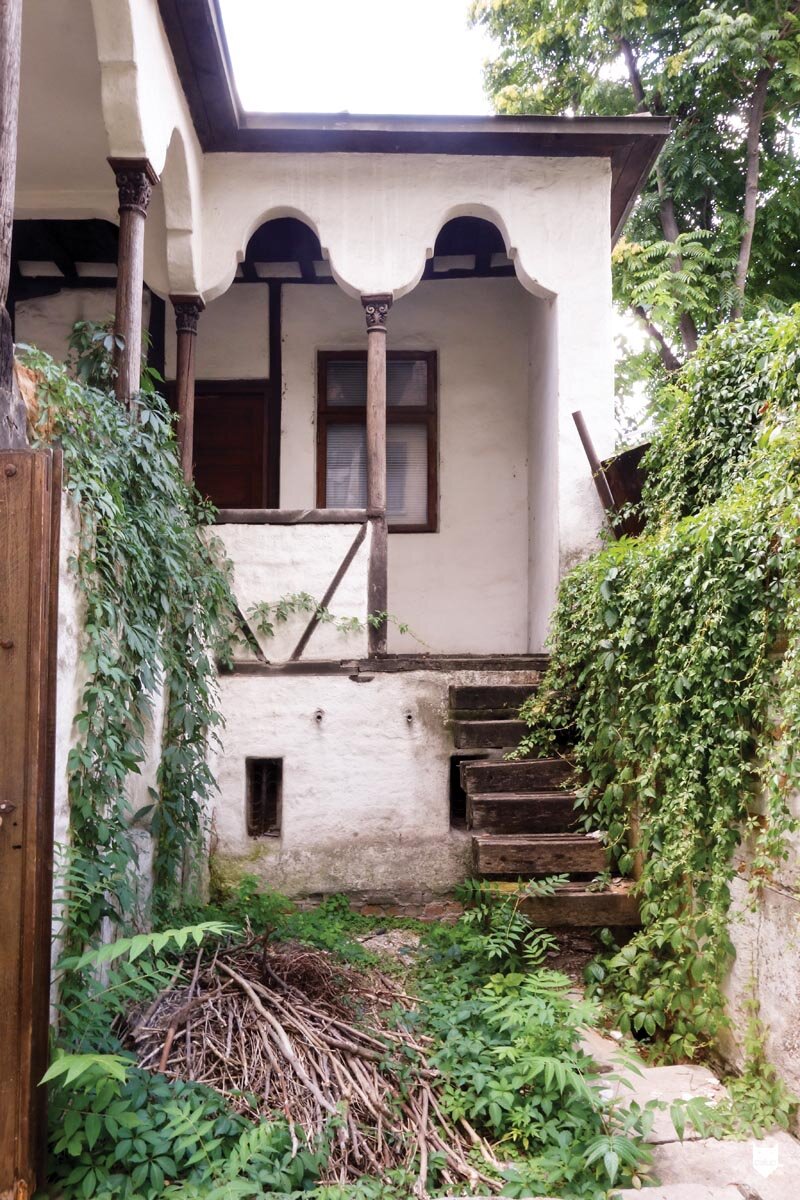
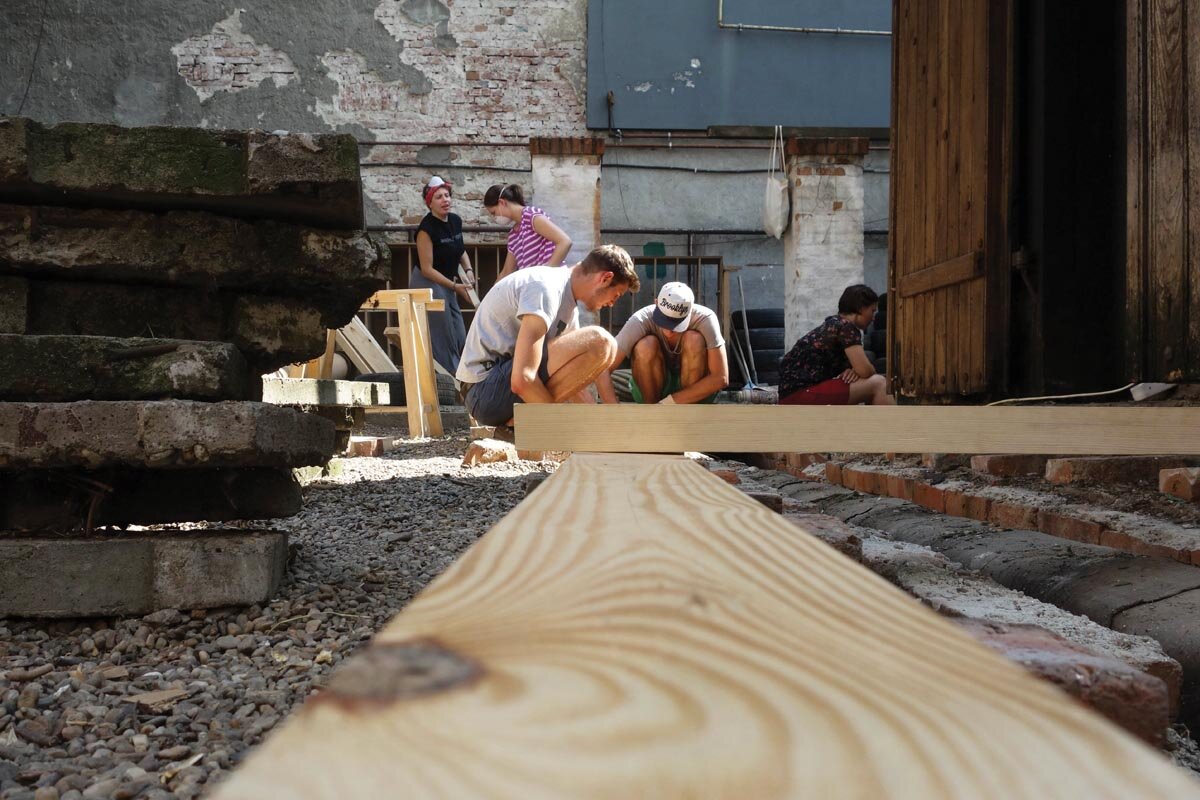
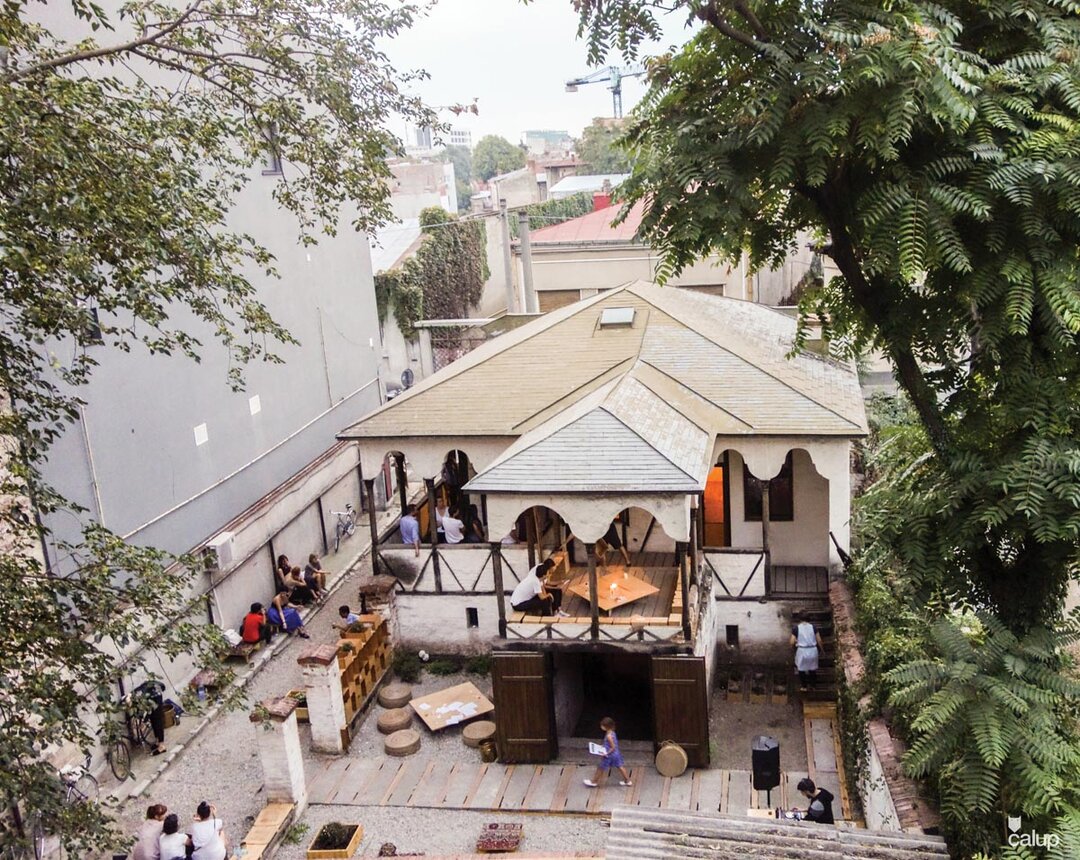
With a critical attitude towards the abandonment of buildings that are still functional, the Calup urban regeneration project promotes alternative solutions for creative reuse through three lines of action: 1. participatory mapping - The calup.ro platform is the online tool through which we identify unused spaces with potential for revitalization, in order to open them to cultural projects and creative communities. In 2015, we identified in Bucharest over 400 unused spaces with potential for reuse; 2. strategic interventions - Participatory design & build sites, through which we promote creative adaptation, followed by Open House events and opening spaces for suitable temporary uses; 3. public policy - by highlighting the problems that lead to unused spaces and signaling possible solutions, in dialog with central and local authorities. #opengardens Summer 2016 was dedicated to unused urban gardens. The more than 30 such sites identified on www.calup.ro were the result of a first participatory mapping of the green resource that could become public space, alongside other conventional forms of parks or summer terraces. Every day we pass by forgotten gardens that cannot be opened for various legal reasons. Bucharest lags behind in terms of green spaces per capita, so we felt it was time to give back unused land to the city's residents by revitalizing them as public spaces. That's how we came up with the #grădinidischise campaign, an initiative to promote the alternative use of green spaces in the city. #INP The action that best fit the intention of the campaign was the pilot project to reactivate the garden of the "casa de târgoveț" (a farmer's house) in Calea Șerban Vodă (former Flămânda slum) in Bucharest, property of the National Heritage Institute. Closed for more than eight years, the house will become the interface between the institute and the public, as part of its efforts to actively involve all urban stakeholders in heritage issues. Until the start of the restoration and refunctionalization project of the building, the INP was sympathetic to the idea of opening the garden for temporary events, as a springboard to launch the house on the cultural map of Bucharest. The Calup team was given the task of preparing the courtyard for its first public event by: - developing and commissioning the house through a participatory construction site. Being a historical monument, the intervention was restricted to small actions that would not affect the original structure, proposing independent objects and structures that would allow the fastest possible use of the space; - organization of the launch event, Open House type, to promote the garden to the community; - Call for projects on the calup.ro platform and opening the garden to cultural projects realized in and with the community and spatial experimentation through various scenarios of use. The participatory site was realized with the support of MEDS-Meeting of Design Students from Romania. Under the name Bucharest - City of contrasts, for two weeks, students from different countries who chose to participate in the activity proposed by Calup explored some of the unconventional spaces of the city, contributing with their ideas and experience to the design and arrangement of the courtyard and basement of the house.

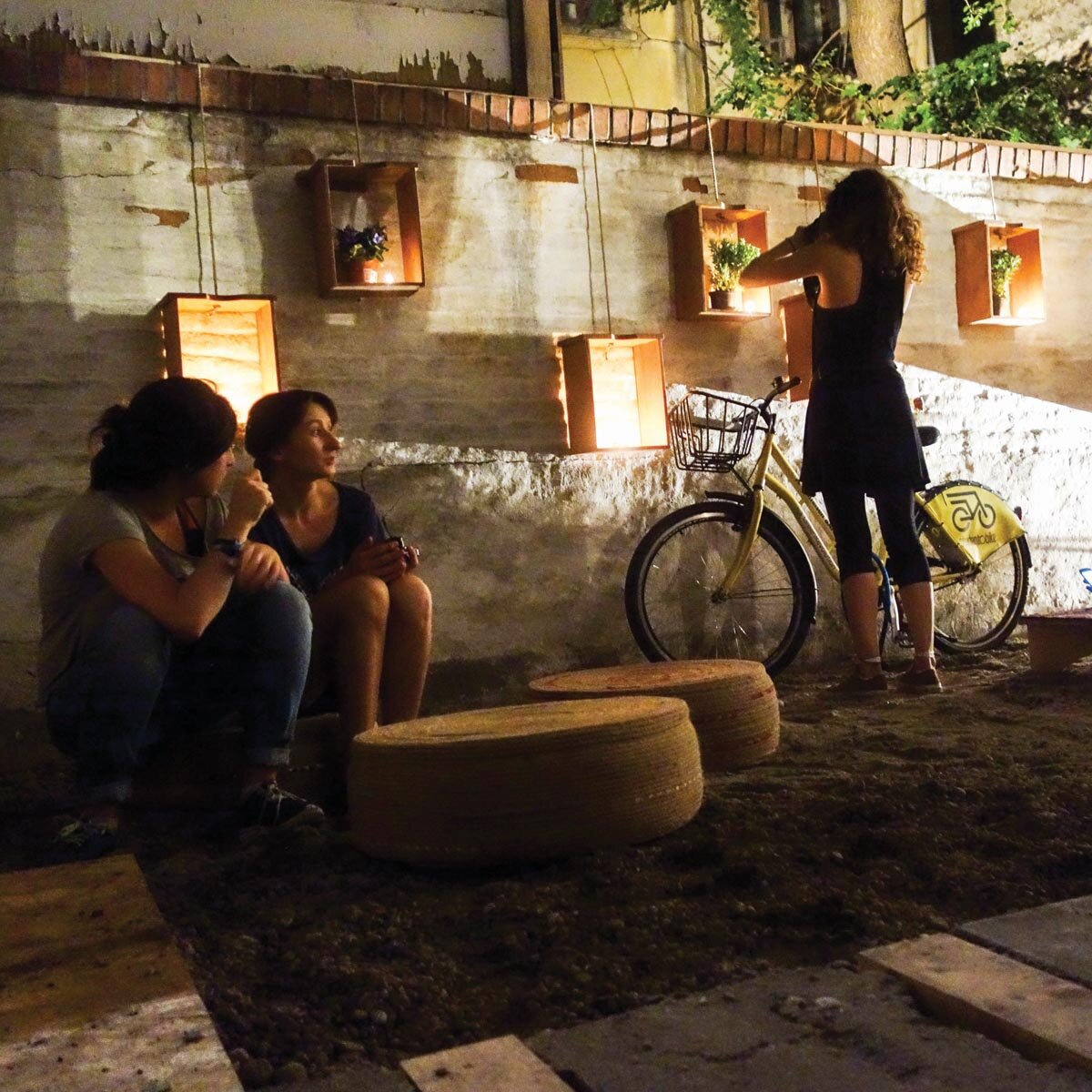
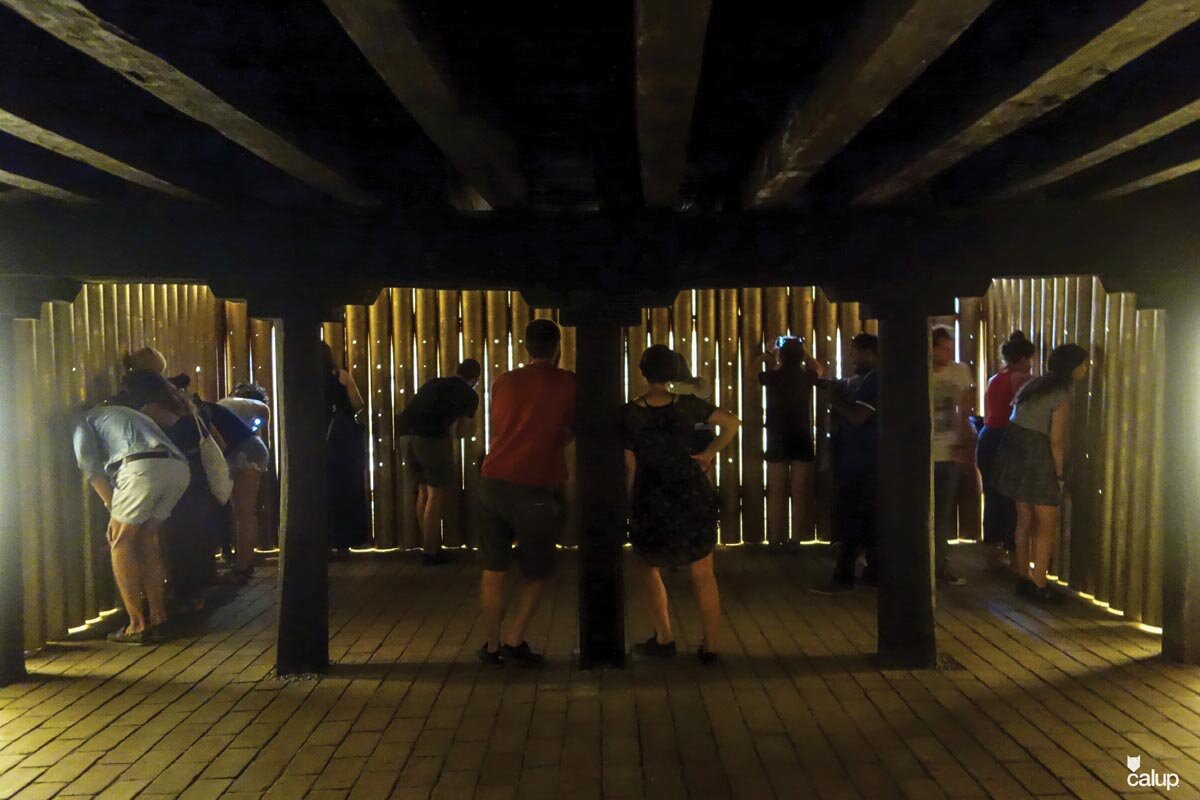
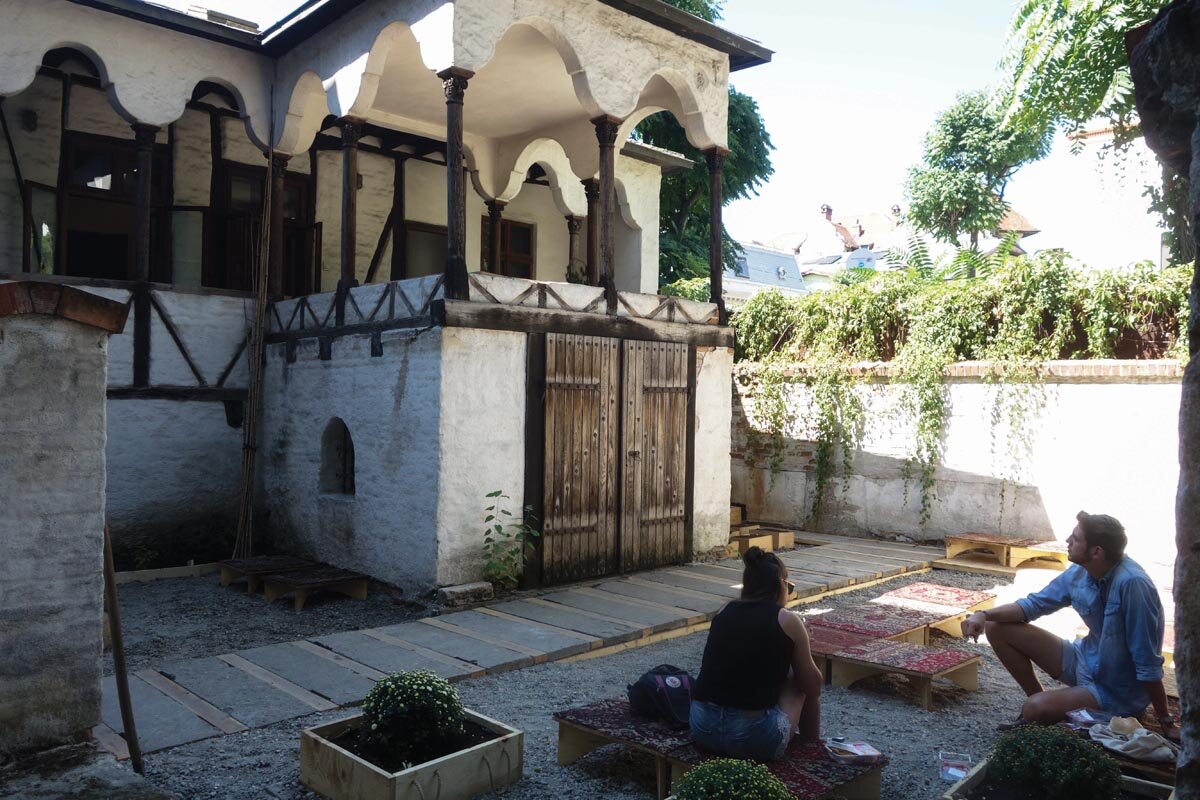
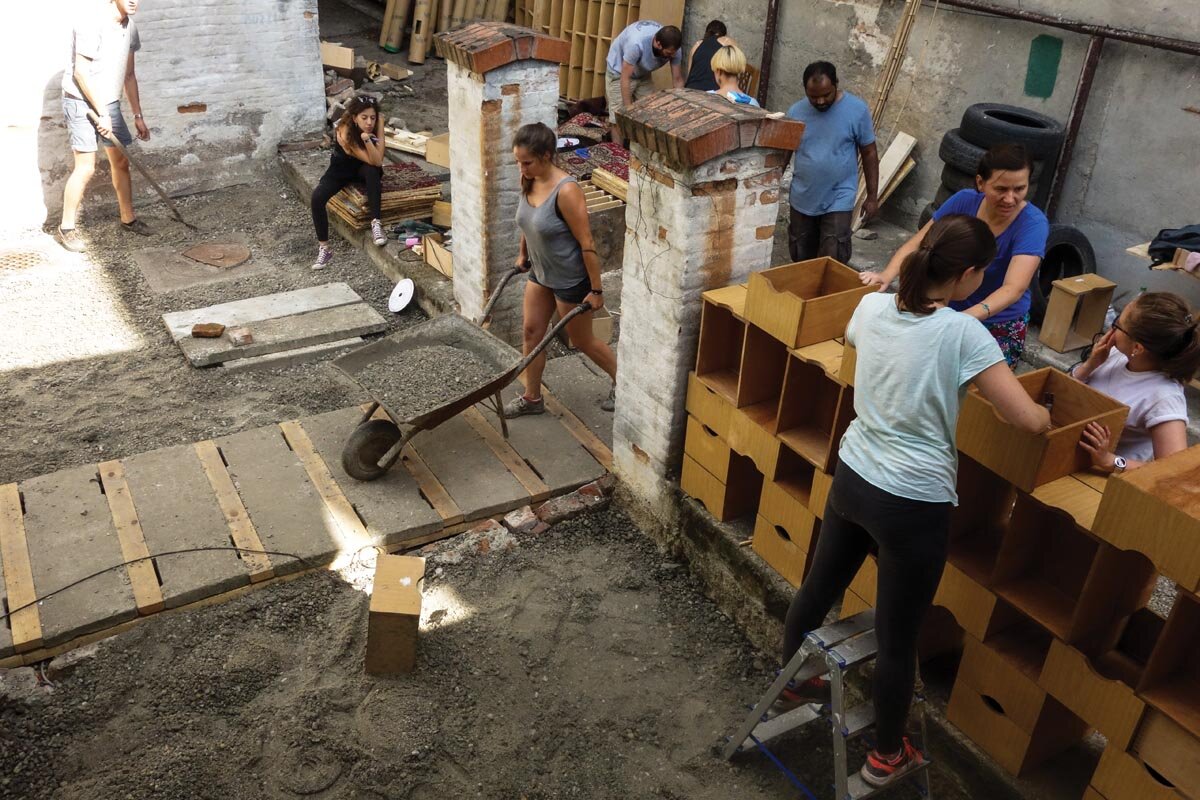
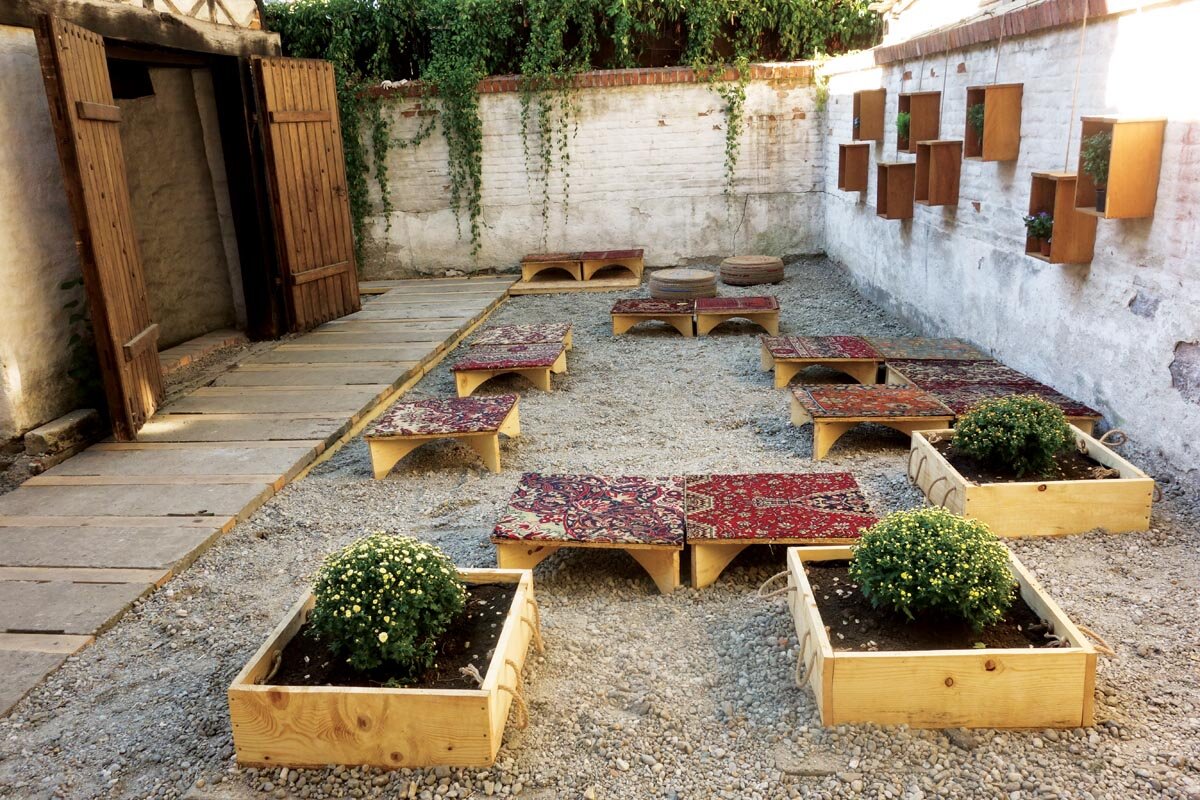
#grădinadivan The architectural uniqueness and oriental-Balkan influences of the traditional house influenced the garden design intervention: an airy, colorful and comfortable space that visually fits with the identity of the house. The first landscaping discussions were held with the INP to prepare a layout that could be useful in the development of long-term plans. During the first days, participants were familiarized with the current problems of unused spaces, focusing on the causes. Presentations focused on identifying unique values and features that, when emphasized, can exponentially increase the quality and ambiance of the space. Ideas workshops opened up topics such as contemporary temporary use initiatives as a way of reactivation, real estate redevelopment, creative reuse, reuse and maximizing the existing potential and enhancing the authenticity of place. The workshop started with defining the necessary actions, based on the challenges on the ground, the availability of materials and working time. Three teams were thus formed to respond to the need of the project: 1. landscaping of the courtyard, addressing the stability of the concrete slab walkway, drains, level and stepping surfaces, strengthening the staircase and furnishing the garden; 2. garden furniture, to address the lack of seating in the garden and to landscape the courtyard in an alternative and flexible way; 3. valorization of the cellar and its reuse as a possible public space. The participants were involved in the whole process, from the concept phase to the realization of the objects, learning a range of both practical and critical skills on the objects they had to realize. Each team started by making a prototype, tested it and then realized the whole proposed plan. The result was a series of objects to facilitate the quickest possible use of the property, preferring stylistically tailored creative solutions: mobile platforms with Ottoman carpets made of reused rubber and colored string, garden furniture from reused drawers, rethinking the flooring and paving, masking the multiple sewer covers of the local infrastructure with boxes of ornamental and aromatic plants. The work was concluded with a temporary exhibition in the basement of the building, briefly presenting the work of the INP, the history of the house and the effect of alternative projects that can lead to the regeneration of underutilized spaces. The garden opened on September 15 and has the potential to become an oasis for hot summer days in Bucharest. Coordinators: Mark Lorant Mihat, Alexandra Stoica Contributors: Konrad Mihat, Cristiana Tăutu, Robert Blaj, Bogdan Dinu
photo: Calup