Unseparated Gifts. Architecture. Drawing. Painting

For more than two years, Timisoara's public art has been the target of concerted attacks from both ends of the top-down/bottom-up vector. On the one hand we have to deal with the negligence of the authorities towards the artifacts already dotting the urban territory (where we observe statues stolen from their plinths, moved by bulldozers, vandalized and even narratively challenged, as in the case of the Tuborg sculpture park), on the other hand, we have a generalized challenge to the very idea of contemporary art, this time coming from a sufficiently representative segment of the city's citizens. The status quo is a direct result of the compromise made in the case of the works recently located in the renovated historic area, when the subject exploded into the public sphere. In this case, in order to avoid the inappropriate appearance of social artworks with no artistic value, the designer decided to curate a series of works by established contemporary artists. The works were, however, received coolly. The accusations and complaints that have been voiced cover a more or less justified range of arguments: the lack of transparency of the whole selection process, the aesthetic quality of the objects themselves, their inappropriateness in relation to their context. Despite the contestation, the event highlighted the need for a dialog on the subject. What is public art, art in the public space, who is its commissioner, its curator, who is it addressed to and how, who produces it and how far does the artist's freedom go in an already defined public context? Recently, the local authorities have overplayed their hand by commissioning a first equestrian work dedicated to the founder of modern Timișoara, Prince Eugene of Savoy. Again, we ask ourselves, what else can an equestrian still be in the 21st century?
Trying to answer all these questions, coherently pursuing, on a different level, its concerns manifested over the last decade of activity and analyzing the multiple benefits of the broad cultural partnership consolidated within the Art Encounters Biennale, the Triade Foundation, with the support of the AFCN, together with its partners: OAR Timiș, UPT, UVT, PMT, proposed for the year 2016 to initiate a complex multidisciplinary project of reading and spatial programming of art in the urban space.
Using a diverse palette of methods of investigation and intervention, belonging to the fields of visual arts, architecture and urbanism, urban geography, sociology and environmental psychology, the Triade Foundation's program has the declared intention - and assumed, moreover, in the first edition of the Art Encounters Biennial - to generate a first master plan of art in the public space of Timișoara. The proposed cultural events were positioned along a temporal but also thematic vector, which captured the logic of the study's development, as well as that of the master plan's composition: a first multidisciplinary workshop on urban studies addressed to specialists, a consultation phase with neighborhood councils, a second workshop on urban analysis addressed to students, and presentation conferences.
Among the needs identified during the first workshop, we mention the need for public education programs to eliminate confusion between the different genres and types of specific manifestations of art in the public space, the problems related to the lack of knowledge of the real situation, as the existing works are not properly mapped, filed and marked, the need to define a plan and an insertion strategy based on a good knowledge of the physical, but also symbolic, conditions specific to the cultural landscape of the city, both at a territorial level and in detail, the definition of categories of interventions, with works adapted according to thematic areas and the identification of possible thematic routes (e.g. contemporary sculpture route, mural art route, performative spaces route), as well as the definition of platform-type spaces that could be subject to temporary interventions, following a competitive tendering procedure, the identification of those liminal, derelict, undesirable areas that could be opened up to bottom-up interventions, even from the communities directly affected. Emphasis was placed on the need to define methods of public consultation/information, as well as democratic and transparent implementation mechanisms to eliminate the problems inherent in commissioning and siting procedures. In this regard, there was a need to establish a public consultative forum of civil society with expertise in the selection of commissioned public art works and, last but not least, to link all proposals for insertion in the public space with the General Urban Plan of the city, which is currently being developed.
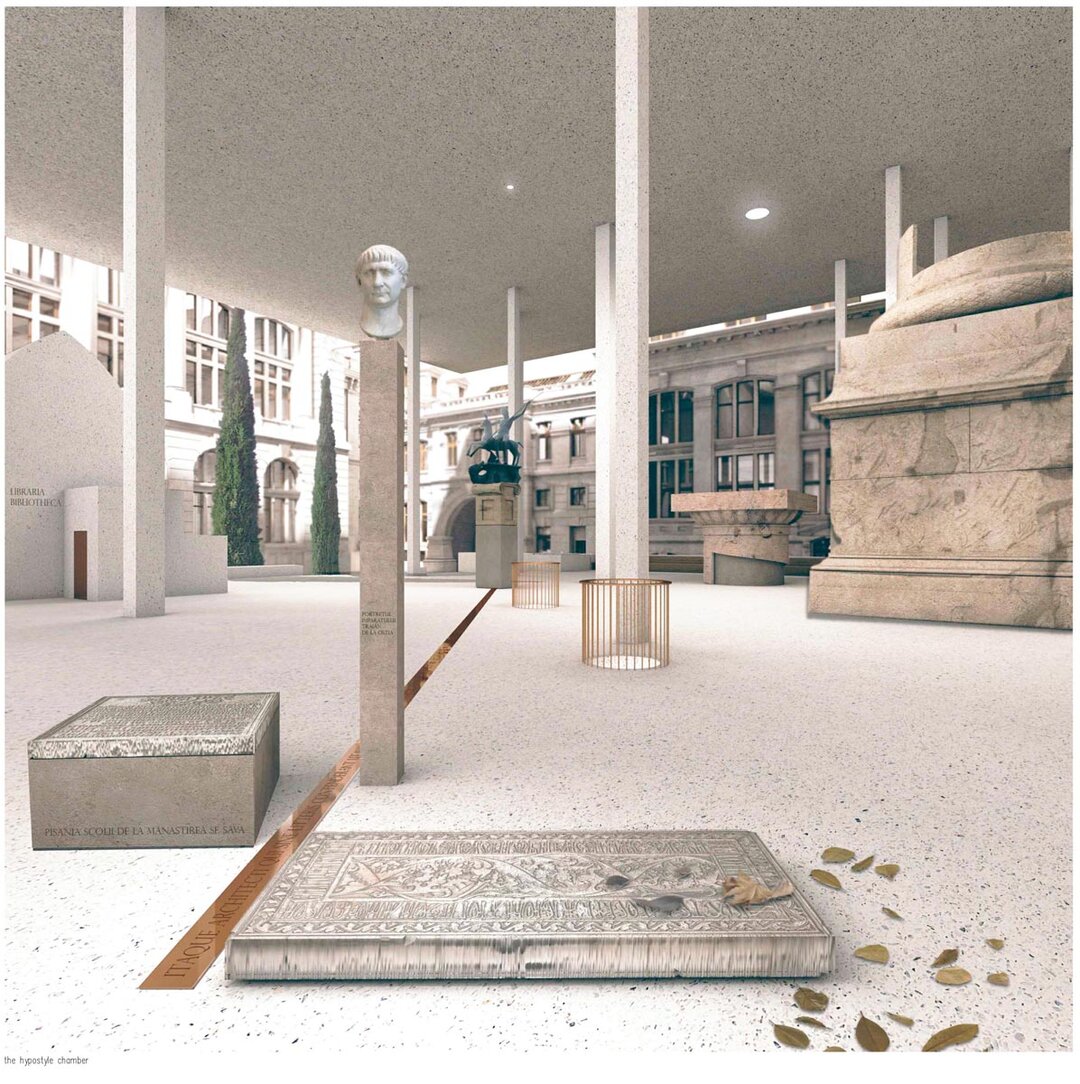
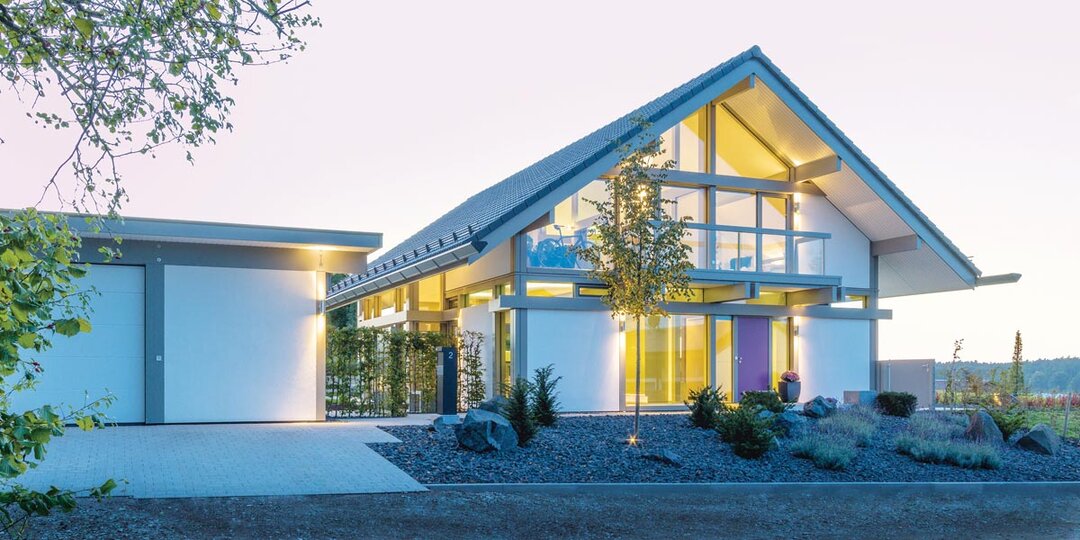
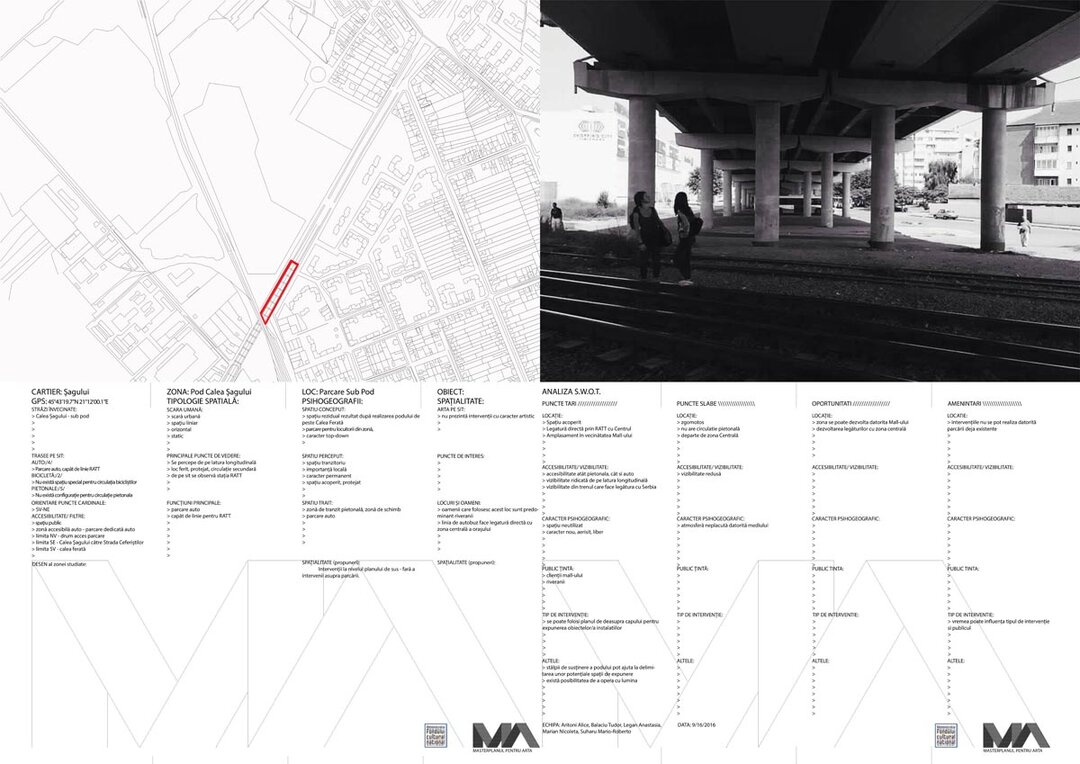
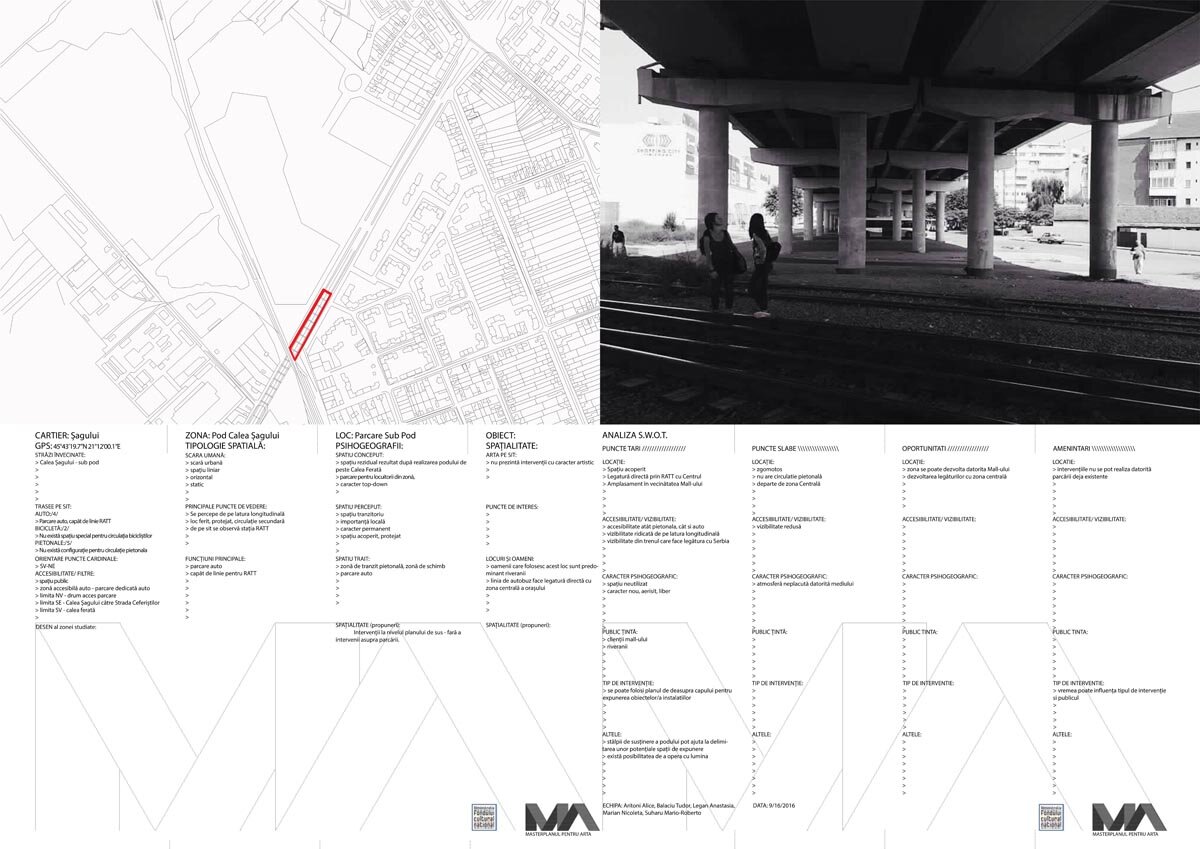
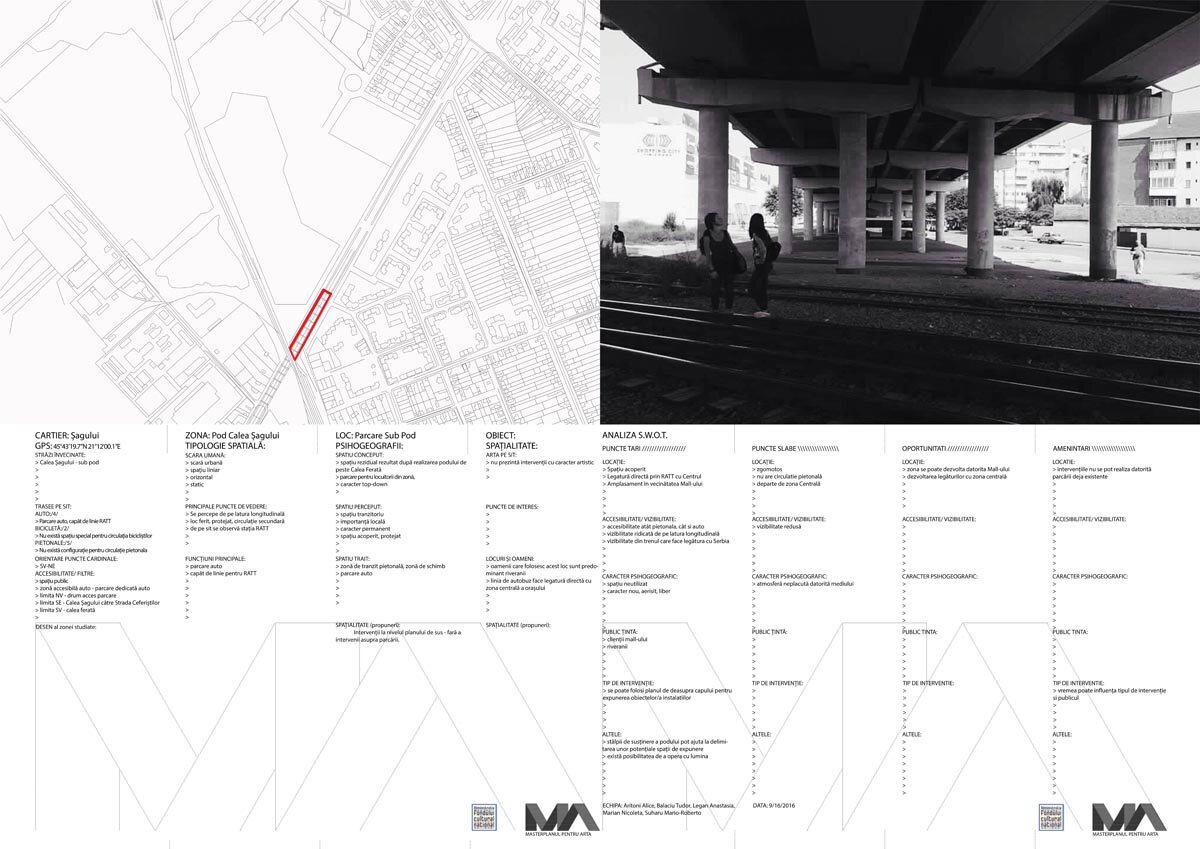
The analysis workshop carried out with the participation of students of Architecture, Fine Arts and Environmental Psychology has charted both the existing artistic interventions in the public space of Timișoara and the way in which these interventions are received - on the one hand, by the specialized public, on the other hand, by visitors, but especially by the citizens of the city. Using both scientific methods from urban studies - sociology or environmental psychology - and subjective readings (such as situationist psychogeographical derivation), the workshop mapped out areas with potential, which can serve as both a support and a facilitator for the arts. The study area captured four specific spatial typologies of Timișoara, a historical neighborhood from 1900 - Iosefin, a neighborhood of villas and pre-war garden city type buildings - Elisabetin, a neighborhood with mixed functions and typologies - Complex, and a typical neighborhood of blocks of flats - Calea Șagului. Following the triatic scheme - conceived, perceived, lived - defined by Henri Lefebvre, the students followed the way in which art, both existing and imagined, can become, beyond its symbolic narratives, its sources and its specific forms of expression, a living presence in the psychogeography of these urban territories.
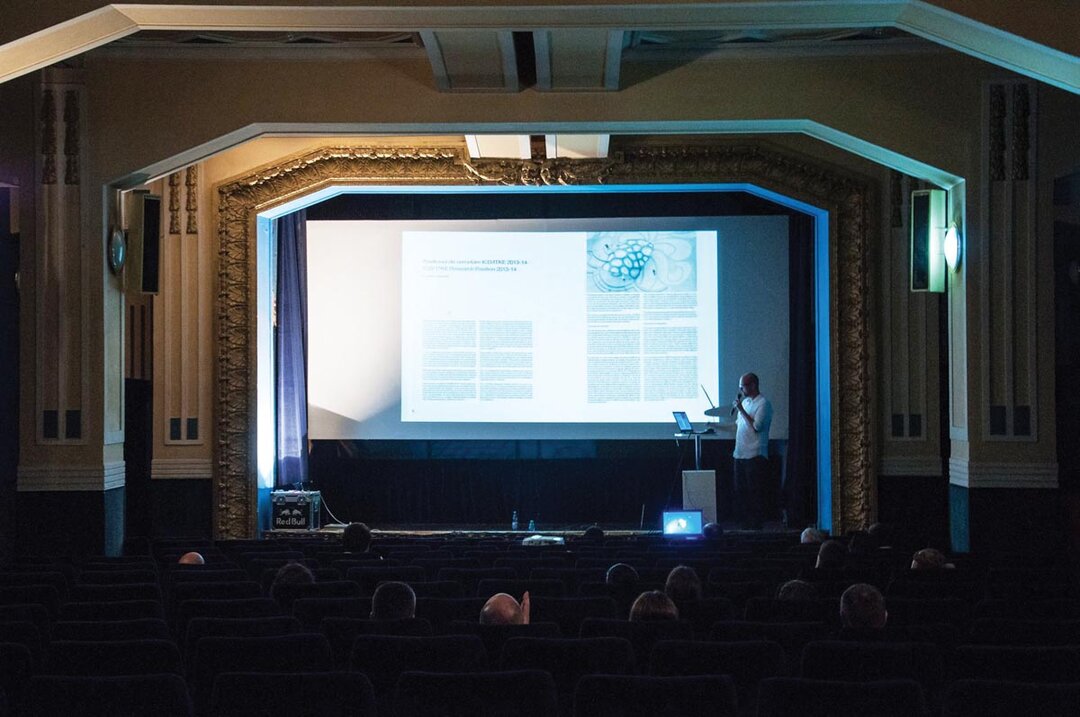
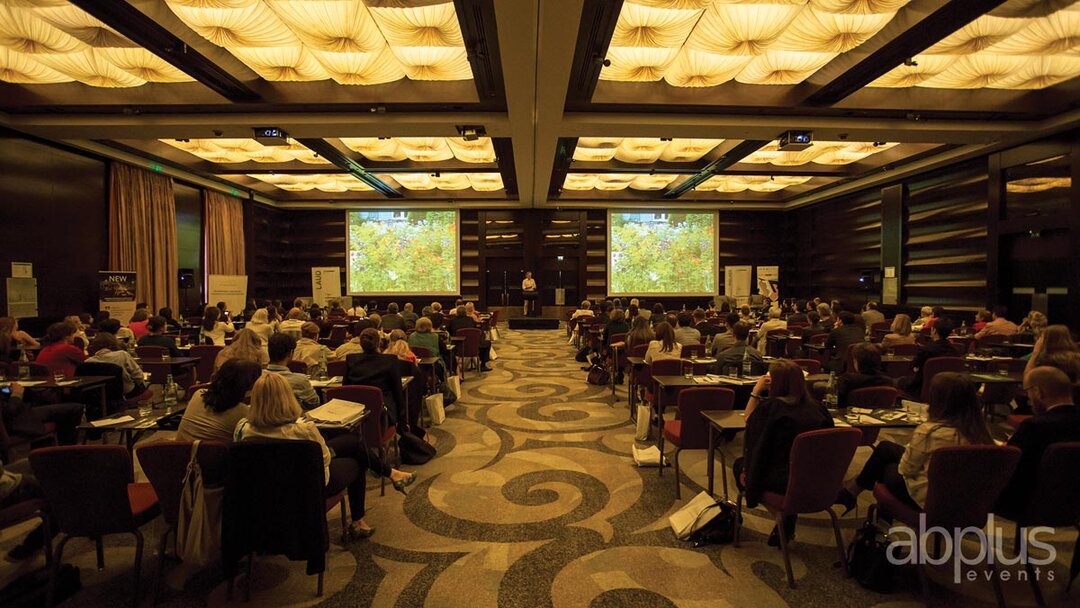
The results of the two workshops will be presented on October 20 and 21 at the BETA conferences hosted by Galeria Jecza.