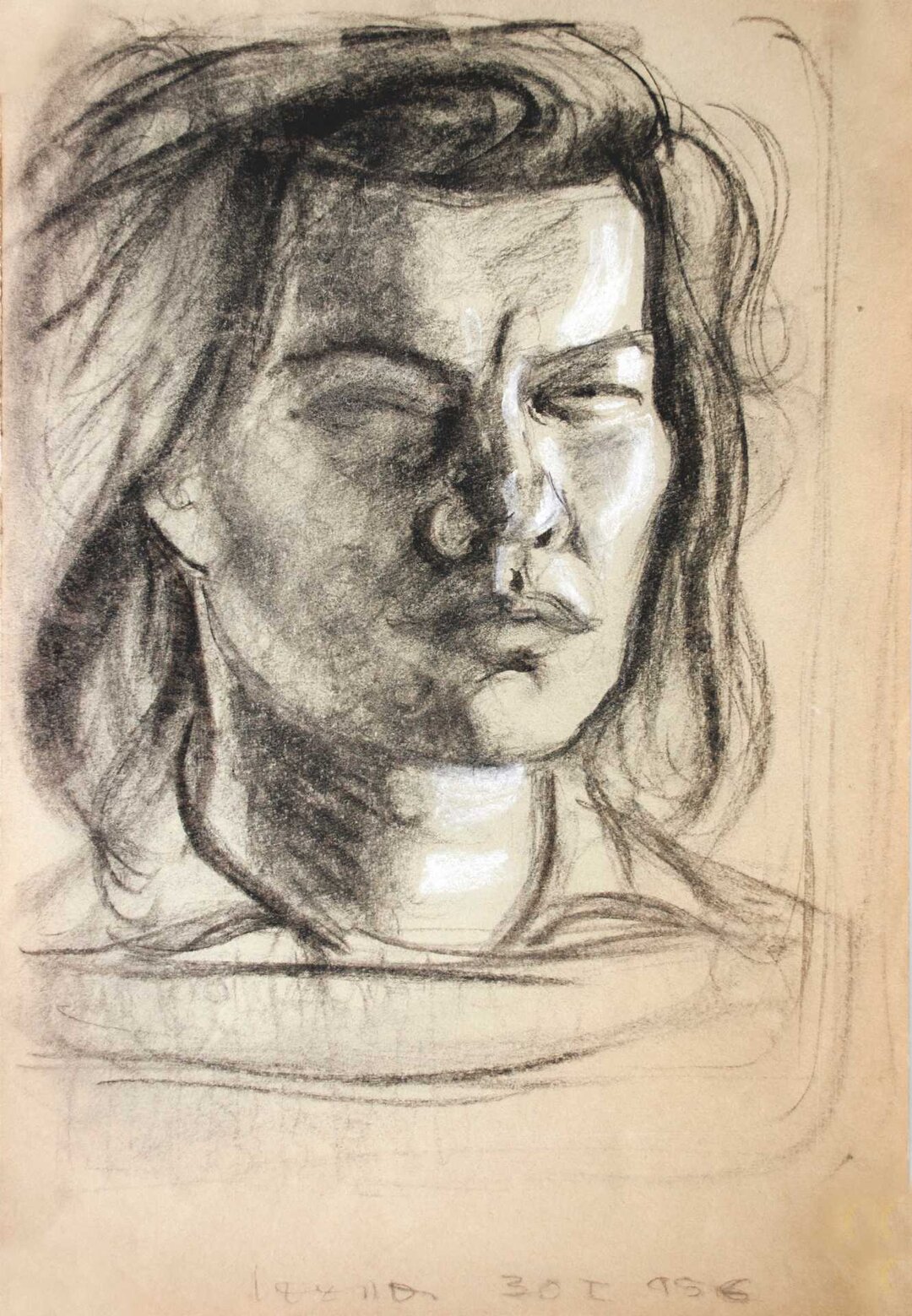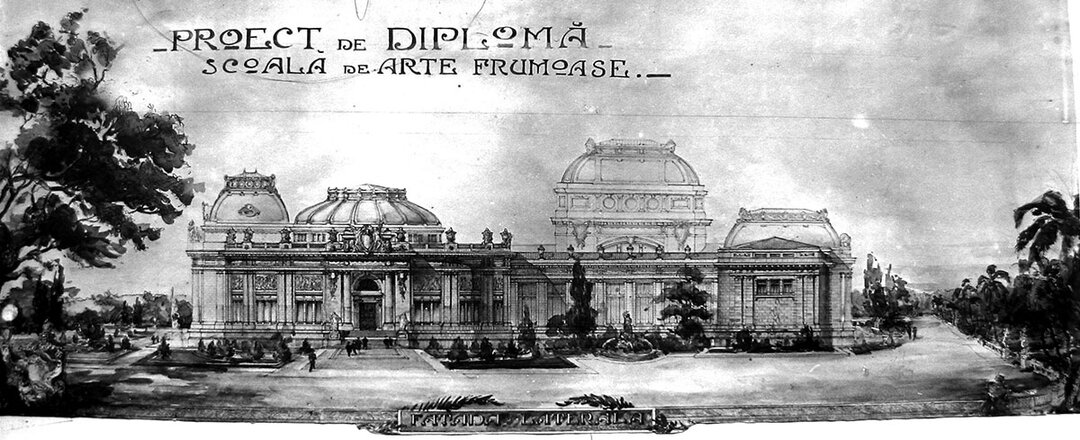
Virginia Haret. Who Has Something to Say about that?

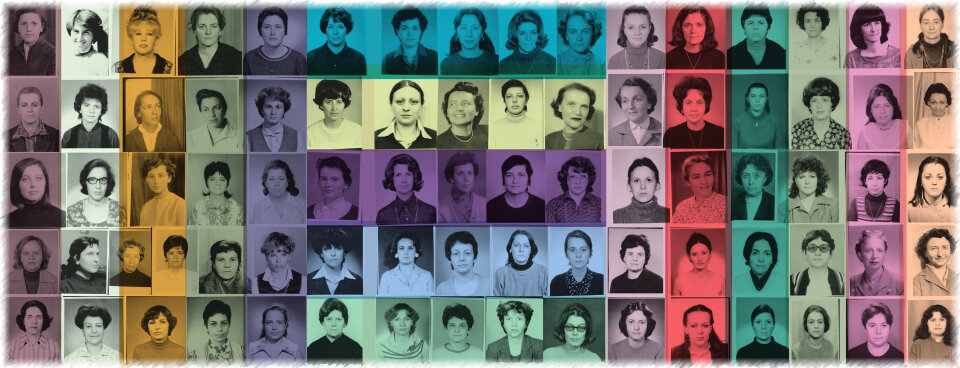

Women architects.
A reading key.
text: Raluca Livia NICULAE
In order to provide the reader with a succinct but comprehensive introduction, as well as a justification of the contents, I will emphasize the topicality of the subject and the research directions that are emerging at the intersection of the fields of gender studies and architecture. Therefore, the issue is placed in the international context of discussions on the professional status of women architects (in relation to their public visibility) in relation to the recent demographic changes in the structure of the professional body.
The scientific discourse on the female presence in architecture presupposes, of course, statistical determinations, but, on the other hand, it mediates the contradiction of femininity vs. the social construction of the profile of the architect as a middle-aged, Caucasian, Western, Caucasian man, known for his aggressiveness and egocentrism. In other words, the texts selected for the Thematic Dossier respond to the need to present the historical truths regarding: female pioneering in architecture, the chronological progression with the highlighting of moments of female emancipation and outstanding personalities in the local context or the duplicitous specificity of gender equality in the communist period. Moreover, it offers feminine interpretations of the building phenomenon and western models of alternative practices based on feminist criticism, still exotic in Romanian architecture. Lastly, it applies quantifiable filters to the profession, questioning the integrative principle of gender equality.
The history of women in architecture in Romania starts at the beginning of the 20th century, with more or less amateur attempts up to that time. Although, prior to their legitimate debut, one can only speak of amateurism (and female patronage in art and architecture, a noble prerogative), the start of female architects' activity was independent, personalized, recognizable and manifest. Professional advancement had the support and recognition of the guild, the elite status of the pioneering women being absorbed in an unexpected way by the social framework of the time, in contrast to the Western documentary evidence. Two famous cases of omission/misattribution of authorship and recognition in this regard come to mind: Eileen Gray and Denise Scott Brown.
Denise Scott Brown's continuing struggle for recognition of her partnership with Robert Venturi, which led to the Pritzker Prize being awarded to him alone in 1991, was rewarded 25 years later with the American Institute of Architects awarding her the Gold Medal.
The particular case of gender equality during the communist period obscures the reality of women's dual role: productive and reproductive, with women's burden being the price they paid for their social emancipation. The promotion of women into technical professions and their employment in state design structures raises questions as to how the principle of equality was applicable in terms of the delegation of tasks and promotability. The visibility of women architects is often due to the representativeness of architectural creation. As a result, in a period of social and professional standardization, the prominence of female figures (the controversial case of Ana Petrescu) may be an indicator of professional equity.
It is worth noting that women were involved, then as now, in resistance movements condemning injustices in the built environment (such as abusive demolitions) or supporting causes such as heritage conservation, a return to traditional values, materials and crafts, etc.
As my wish is to provide readers with a brief yet comprehensive introduction and a motivation behind the choice of content, I will highlight the topical character of the subject and the lines of research developing at the intersection of gender studies and architecture. Hence, the issue belongs to the international context based on the discussion on women architects' professional status (correlated to their public visibility) set against the relatively recent demographical changes in the structure of the professional body.
Indeed, the scientific discourse on women's presence in the architecture relies on statistics, but on the other hand, it acts as a mediator for the antinomy: femininity versus the social concept of the architect's profile seen as a Western middle-aged Caucasian male renowned for his aggressiveness and egocentricity. In other words, the selection of texts for the thematic dossier addresses the need for presenting the historical truth concerning: the female pioneering activity in architecture, the chronological progression with a focus on cases of female emancipation and national prominent personalities or the duplicitous particularity of gender equality in the communist period. In addition, the discourse offers feminine interpretations of the phenomenon of building as well as Western examples of alternative practices based on feminist criticism, still considered exotic in the context of Romanian architecture. Finally, it applies a quantifiable approach to the profession, helping to examine the integrating principle of gender equality.
In Romania, the history of women architects begins at the turn of the 20th century, following more or less amateur attempts. Although the legitimate debut was preceded only by dilettantism (along with the feminine patronage in art and architecture, a privilege of the nobility), the outset of women architects' activity was seen as independent, customized, distinct and manifest. The professional impetus enjoyed the support and recognition of the profession, the elite status of women pioneers being unexpectedly assimilated by the social framework of the time in contrast to Western reference evidence. I recall, in this regard, two well-known cases of omission/erroneous ascription of authorship and recognition: Eileen Gray and Denise Scott Brown.
Denise Scott Brown's continuous struggle for the recognition of her partnership with Robert Venturi which made him the recipient of Pritzker Prize in 1991 got repaid 25 years later, when she received the Gold Medal from the American Institute of Architects.
The specific case of gender equality in the communist period conceals the reality of women's dual role: both productive and reproductive, the double burden of women professionals was the price to pay for their social emancipation. The promotion of women in technical professions together with their employment in the state design structures raise questions on the way in which the equality principle was to be applied in relation to task delegation and promotion. The visibility of women architects is often due to the representativeness of architectural creation. Consequently, the prevalence of female figures (Anca Petrescu's controversial case) may be an indicator of professional equity in times of social and professional standardization.
It's worth noting that women were involved, then as now, in resistance movements that condemned the infringement occurring in the built environment (such as abusive demolition) or supported various causes including heritage conservation, the return to traditional values, materials and crafts etc.
The feminist movement offers a parallel critique (analytic reading) of the profession and rather trenchantly indicts the patriarchal value system that still underpins the field of architecture, denouncing the proliferation of assumptions about the determining relationships between gender-specific abilities and professional performance. Moreover, traditionally-feminine characteristics are translated into design principles opposed to the canons of macho culture that promote competitiveness and individualism over collaboration (the very essence of the profession): empathy, client orientation, aesthetic sense, collaborative nature, flexibility, ergonomics, organicity, etc. If we validate the assumptions of the prevalence and antagonism of gender characteristics, then we agree that the female design perspective, if not suppressed for minority reasons, would be a different one. Developing this theory through an exercise of imagination and deconstruction of the classical (masculine) repertoire, we can speculate on the exploitation of feminine forms in architecture at the level of different building components such as envelope, decoration (texture, color), furniture, etc. Gender should not, however, be seen as an a priori criterion for any kind of architectural judgment. Architecture possesses a huge toolbox of methods and forms of representation that are independent of the social construction of gender difference.
At the level of the built environment, the implementation of the concept of gender mainstreaming is translated by inclusive design, adapting the vocabulary and means of architecture to the expectations and needs of all categories of users regardless of age, gender, abilities or physical impairments. Specifically, it addresses the needs of women in the built environment: transport, accessibility, safety in public spaces, urban facilities and the issue of reconciling the dichotomy of spaces.
A study by the Equality Partnership Centre (Managing employees, women and men, 2006) notes the persistence of stereotypical tendencies in society: to consider women and men as having different skills and competences; to employ women and men in different fields and occupations (occupational segregation); to categorize professions as female and male. The consequences of the study can be felt in terms of restricting access to different occupations, but also in terms of income, as highly feminized occupations are usually lower paid. Linking 'innate' abilities to the specificities of certain professions generalizes and speculates that women 'by default' possess caring, communication and empathy skills associated with lower socio-professional status. According to the above-mentioned study, most managers assign women to positions in human resources, public relations or finance, while men are preferred in technical positions (or at the top of organizations).
According to statistics at international level, in architecture, the gender barometer in architecture tilts in favor of the male side - considering historical, socio-economic (gender pay gap) and professional (gender balance, horizontal and vertical segregation) aspects, and the one-way attribution of merit is not necessarily an outdated practice, although it goes against the promotion of equal opportunities. The issue of gender in the architectural profession brings into question (in)equality in the context of the feminization of the profession, analysing how gender stereotypes, disseminated throughout society, influence career choice and development or how gender differences find their counterpart in cognitive abilities, influencing personal attitudes towards professional fields. The Western literature points out difficulties in terms of work-life balance, especially taking into account the specifics of the profession: long working hours, site work, stress, high responsibility, competitiveness, etc. Of course, the case of the architectural profession is subordinated to the local socio-cultural and economic context, and horizontal/vertical gender segregation is a reality of capitalist society.
To what extent the Romanian society has fully accepted the female presence in the field of architecture, to what extent do female architects get involved or make their presence felt in the profession, what are the mechanisms (if any) that constitute obstacles to female career or to what extent gender stereotypes influence promotion decisions, are some of the questions that remain open to personal reflection.
The feminist movement provides a parallel criticism (analytical reading) of the profession and incriminates, rather incisively, the patriarchal system of values still lying at the core of architecture by denouncing an increase in the number of suppositions regarding the determinant relationships between characteristic gender-based abilities and professional performance. Moreover, a series of traditionally feminine traits are reflected in the design principles opposed to the norms of macho culture promoting competitiveness and individualism to the detriment of collaboration (the very essence of the profession): empathy, client-orientation, the aesthetic sense, the collaborative character, flexibility, ergonomy, organic structure etc. If we validate the hypotheses of gender-specific prevalence and antagonism, we agree that the perspective of female design is supposed to be different provided that it avoids being suppressed out of minority reasons. Dwelling on this theory through an imagination exercise and deconstructing the classical (masculine) repertory, we may speculate on the exploitation of feminine shapes in architecture with respect to various building components such as the envelope or the decoration (in terms of texture and color), the furniture etc. Yet gender should not be seen as an a priori criterion for any type of architectural appraisal. Architecture possesses a huge network of methods and forms of representation independent of the social notion of gender difference.
At the level of the built environment, the implementation of the gender mainstreaming concept consisted of inclusive design paired with the adaptation of the architectural vocabulary and methods to the expectations and needs of all types of user categories, irrespective of age, gender, physical capacities or deficiencies. Specifically, the concept addresses the women's necessities in relation to the built environment: transportation, accessibility, safety in the public space, urban amenities and the reconciliation of space dichotomy.
A survey conducted by the Center for Partnership and Equality (The Management of Women and Men Employees, 2006) stated the prevalence of stereotypical tendencies at the social level with respect to the following aspects: the fact that women and men have different abilities and competencies; the employment of women and men in different domains and occupations (occupational segregation); the division of professions into female and male categories. The consequences of the survey can be felt when it comes to limiting the access to various occupations but also in relation to the income as the highly feminized professions are usually underpaid. Due to the connection between "innate" capacities and the specific features of certain professions, we tend to theorize and speculate on the fact that women own "by default" such capacities as care, communication and empathy, generally associated with a lower socio-professional status. According to the above mentioned survey, most managers employ women in fields like human resources, public relations or the financial sector whereas technical positions (or leading positions within organizations) are usually occupied by men.
In consonance with international statistics, insofar as architecture is concerned, the gender barometer tilts in favor of the male segment - taking into consideration historical and socio-economic aspects (salary differences between women and men) as well as professional elements (gender balance, horizontal and vertical segregation), and the unidirectional assignment of merits is not an absolutely outdated practice even though it goes against the promotion of equality of opportunity. The gender issue in the architecture profession calls into question the (in)equality in the context of the feminization of the profession, by analyzing the way in which gender stereotypes, disseminated inside the society, influence career choice and evolution or the manner in which gender differences correspond to cognitive abilities, thus influencing the personal appetite for professional domains. Western literature voices difficulties concerning the balance between private and professional life, especially taking account profession specificity: long working hours, construction site activities, high amounts of stress, high levels of responsibility, competitiveness etc. Indeed, the case of the architecture profession is subordinated to the local socio-cultural and economic context and the gender-based horizontal/vertical segregation represents a reality of the capitalist society.
To what extent has Romanian society fully accepted women's presence in the field of architecture? What are the mechanisms (if any) accounting for obstacles in women's careers or to what extent do gender stereotypes influence promotion decisions? These are just a few questions that remain open to individual reflection.