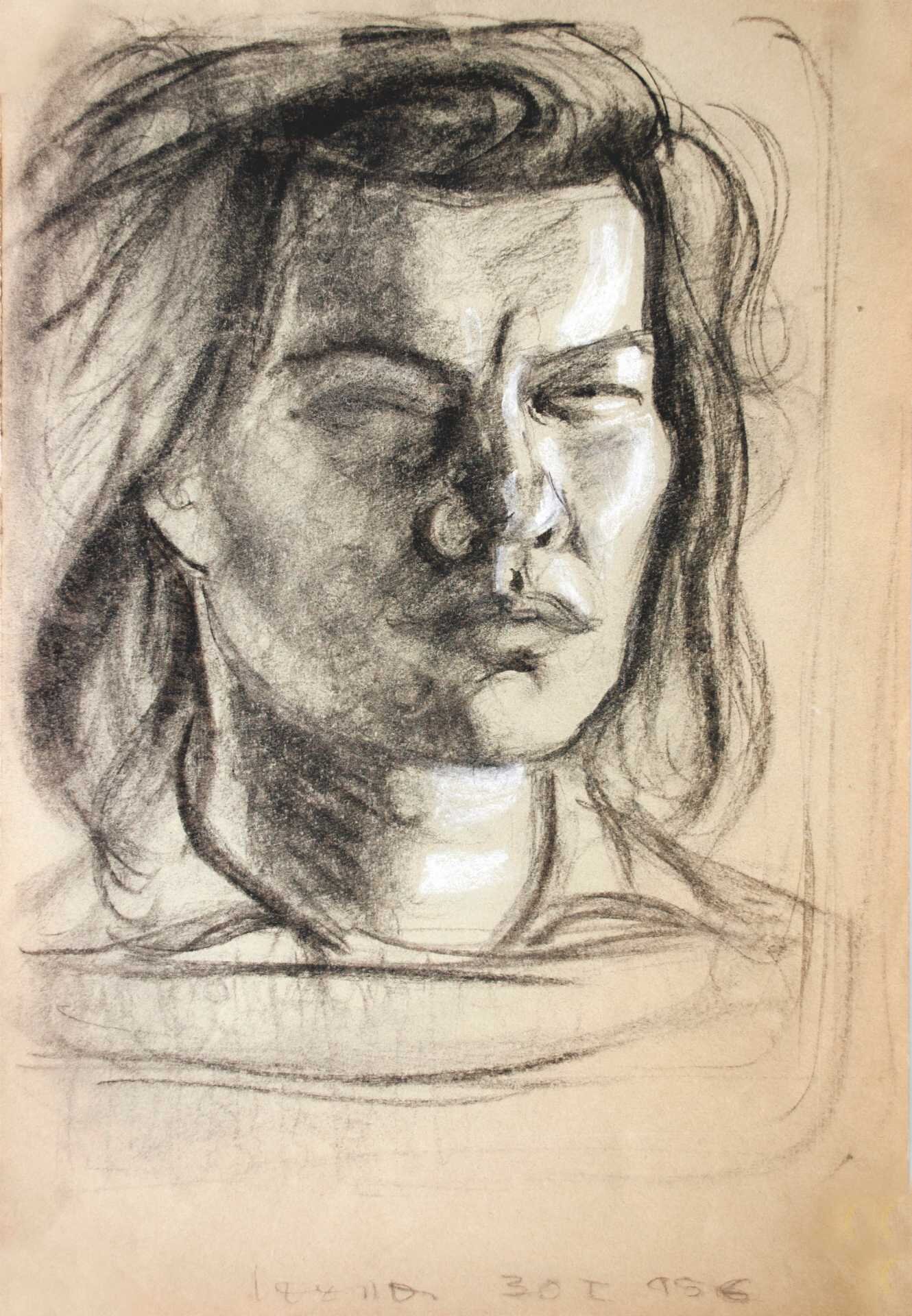
Virginia Haret. Who Has Something to Say about that?

text: Alexandru PANAITESCU

BIOGRAPHICAL LANDMARKS
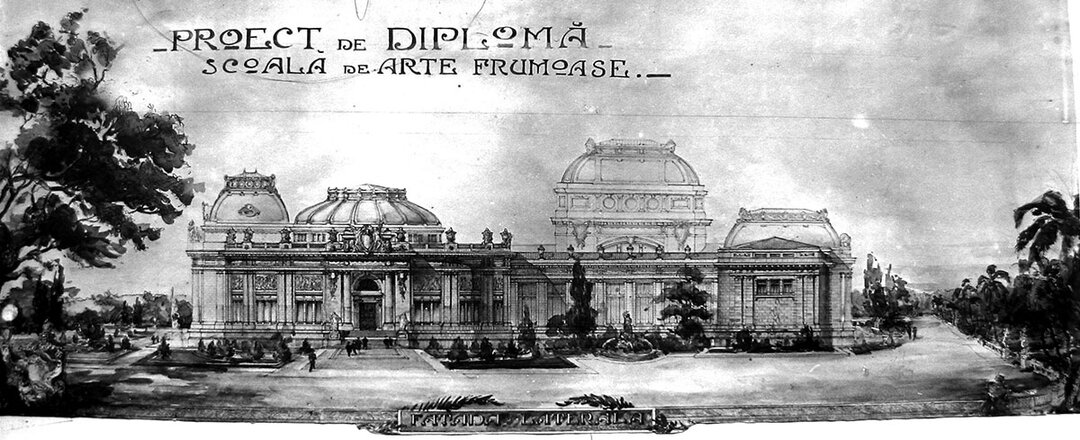
Born in Bucharest on March 4, 1915, Ioana Sabina Grigorescu graduated in 1941 from the Faculty of Architecture, and in 1947 she obtained her architect's diploma with the "Magna cum laudae" grade for a remarkable project approached in a modern register, avant-garde at the time.
Between 1942-1943 and 1945-1946 he worked as an architect at the Radio Broadcasting, then at the Ministry of Information (1947-1950), then at the newly founded Institute of Building Design - IPC (1950-1951), and between 1949-1952 he was also an assistant at the Faculty of Architecture. At the end of the 1950s he worked at the CSAC, and then, from 1959, at the DMI until March 1972, when his retirement interrupted his prestigious career as a restorer.
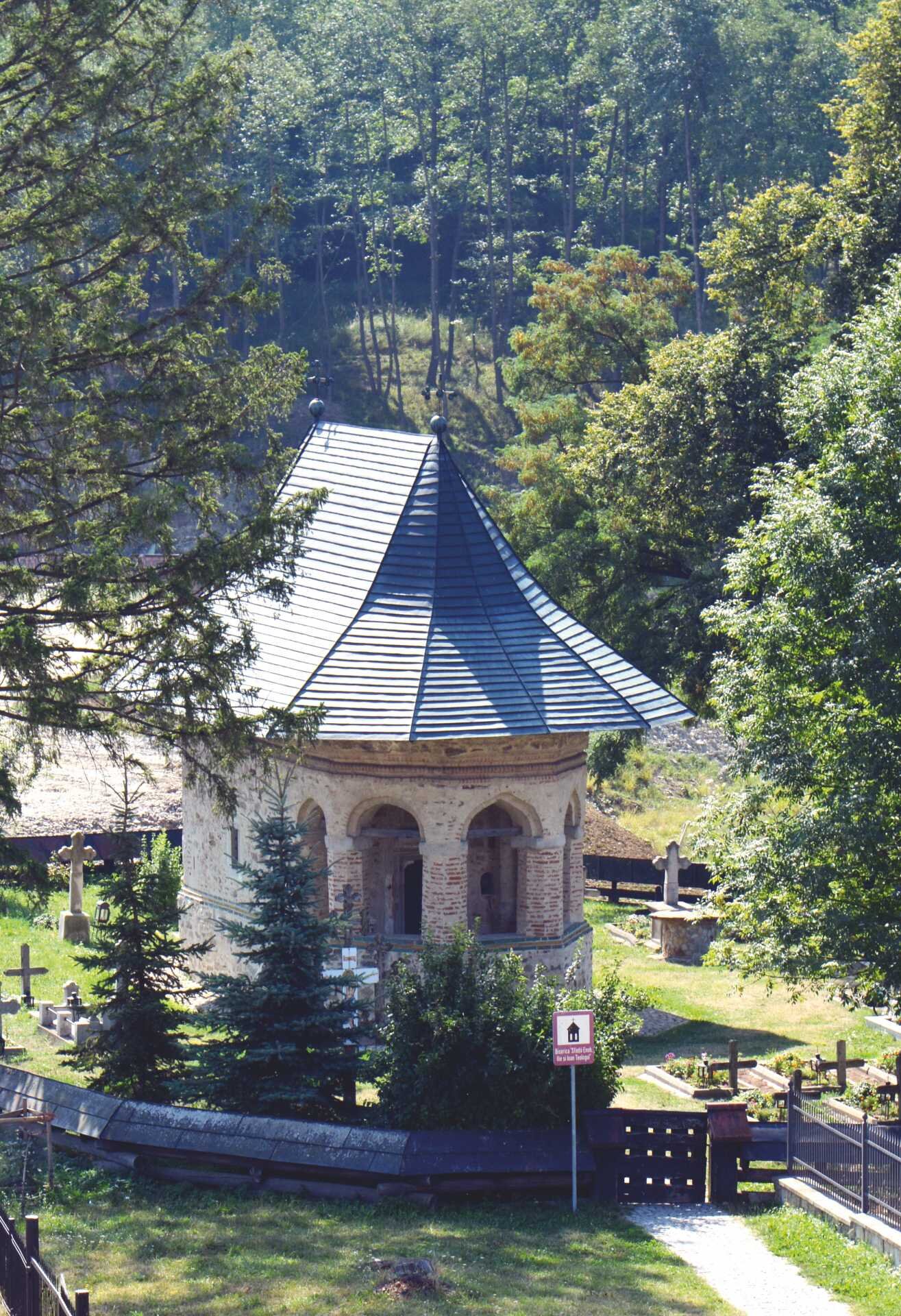
Ioana Grigorescu was laid to rest on November 13, 2006 and was buried at Dragomirna Monastery.
In the gallery of architects who, through their achievements during the 1950s and 1970s, made a decisive contribution to the establishment of a hard-to-match peak in the protection, conservation and restoration of historical monuments in Romania, the name of the architect IOANA GRIGORESCU (March 4, 1915 - November 13, 2006) is also inscribed in capital letters.
In addition to the architects Ștefan Balș, Horia Teodoru, Paul Emil Miclescu, Eugen Chefneux, Virgil Antonescu, Radu Udroiu, Nicolae Diaconu and others, Ioana Grigorescu asserted herself strongly, especially in the '60s, together with other architects, among whom we must mention, at least, Rodica Mănciulescu, Mariana Angelescu, Liana Bilciurescu, Olga Bâzu, Micaela Adrian or Eugenia Greceanu and not only, together, without exception, forming at the Directorate of Historical Monuments - DMI a school of high competence in the field of restoration of monuments.
 The position of Ioana Grigorescu in this team of excellence was defined in 1984 by the architect Ștefan Balș, who stated that his most talented collaborators at the DMI were the architects Rodica Mănciulescu and Ioana Grigorescu. However, he had a more nuanced opinion of the latter, saying that "...although I could not agree with the way she understood restoration work, I particularly appreciated her high standards in terms of execution, the passion she put into restoration. Unfortunately, he left a personal stamp which often marred the traditional expression of the monument in his laudable but ambitious desire to treat his work in the spirit of today's architecture"1.
These elegant but cautious assessments reflect a contradictory reality. With remarkable restoration work carried out in a short space of a decade and a half at most, Ioana Grigorescu has had, and above all has, ardent admirers, who are sometimes perhaps too exaggerated when they consider her to be the most significant personality in the restoration of monuments in Romania, at least since the 1960s and 1970s, although they are not too far off the mark. On the other hand, however, Ioana Grigorescu had, and still seems to have, a number of unresolved opponents who viewed her work with reservations, often describing it as unscientific, and some of whom still dislike it to this day.
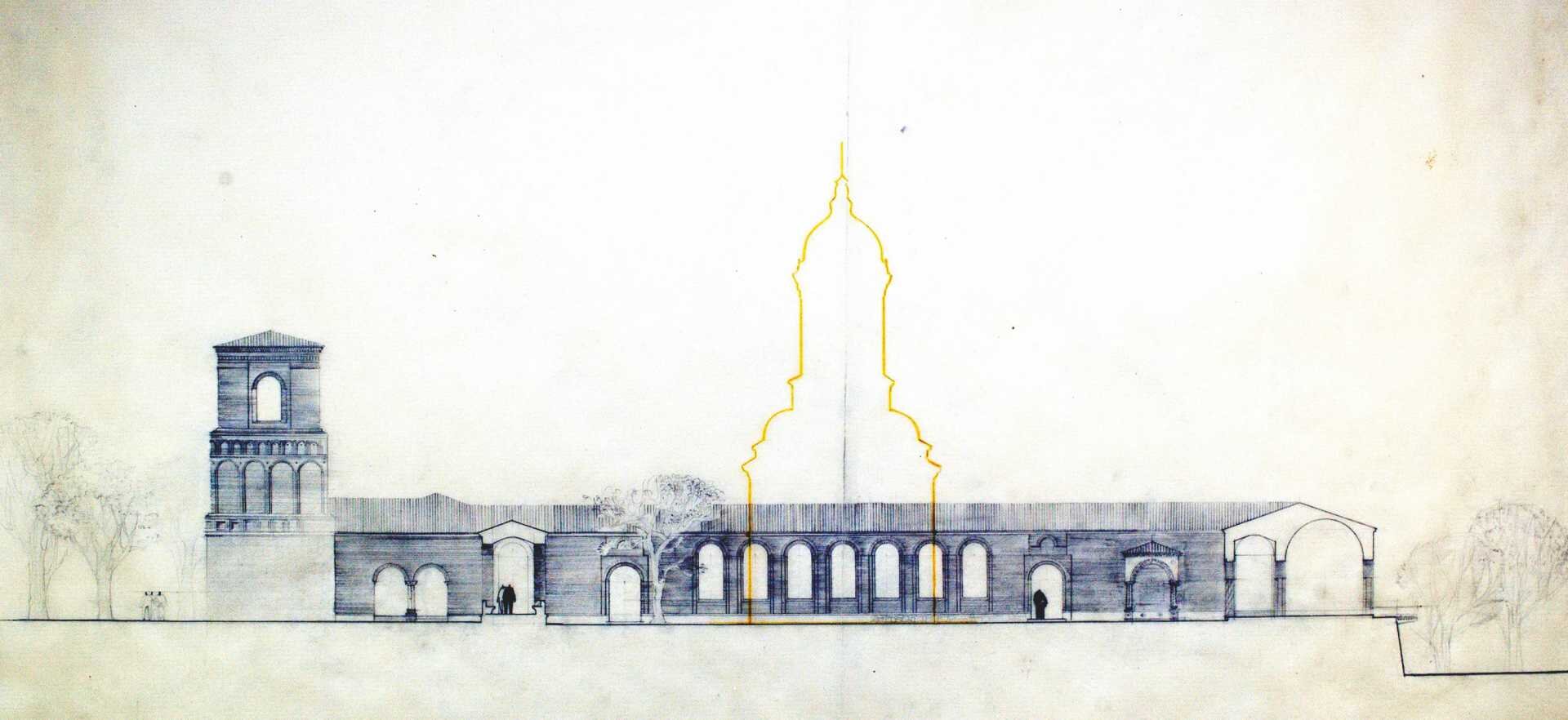
From her very first work in the field of historical monuments - the restoration of the enclosure of the Dealu Monastery in Targoviste (1955-1958), designed by Ioana Grigorescu in collaboration with Nicolae Diaconu, her professional and life partner, she shows a great professional maturity, but above all a clear and reliable conception of how to intervene in a valuable historical setting. First of all, the proposed solution was designed to highlight the stages of the monument's construction, through the courageous use of new architectural forms, resulting from the modern interpretation of traditional architectural elements, all done in complete harmony with the main existing monument, the church from the time of Radu the Great (1495-1508). Especially Ioana Grigorescu, in all that she subsequently created in the field of restoration and enhancement of architectural monuments, did not deviate from this professional credo, which she applied without compromise, even when this consistency was to her detriment not only professionally but also personally.
 In 1958, Ioana Grigorescu joined the team of the architect Ștefan Balș, who headed the restoration of historical monuments at the State Committee for Construction and Architecture - CSCA, then at DMI, where she was, in her own words, "apprenticed" for about a year, working out details for the restoration of the monasteries of Moldovița, Slatina and Hurezu; from 1960 to 1963, together with Nicolae Diaconu, and then on his own, he was given the responsibility of managing some major restoration projects, in some stages continuing his collaboration with Nicolae Diaconu.
Until her forced retirement in March 1972, she was in charge of the restoration of a large number of important architectural monuments, mainly in northern Moldavia.
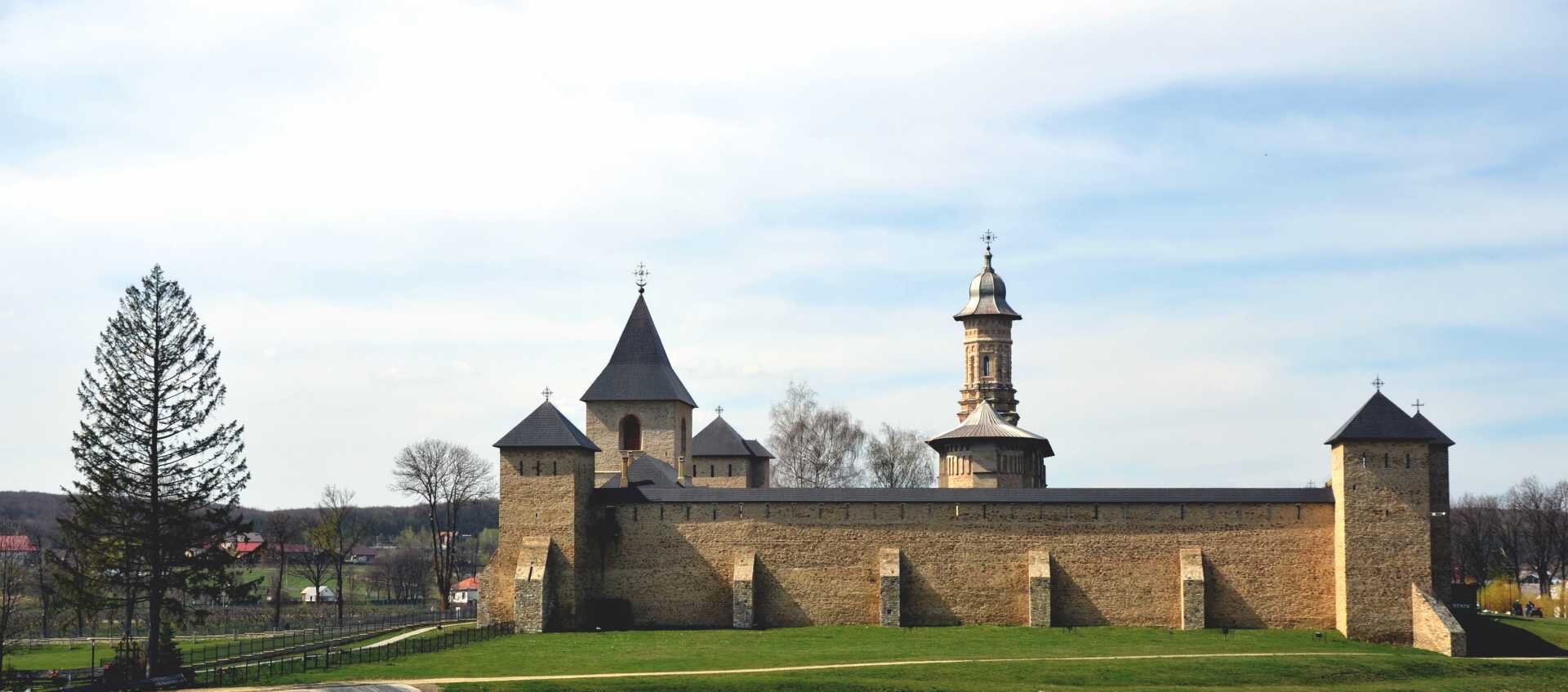
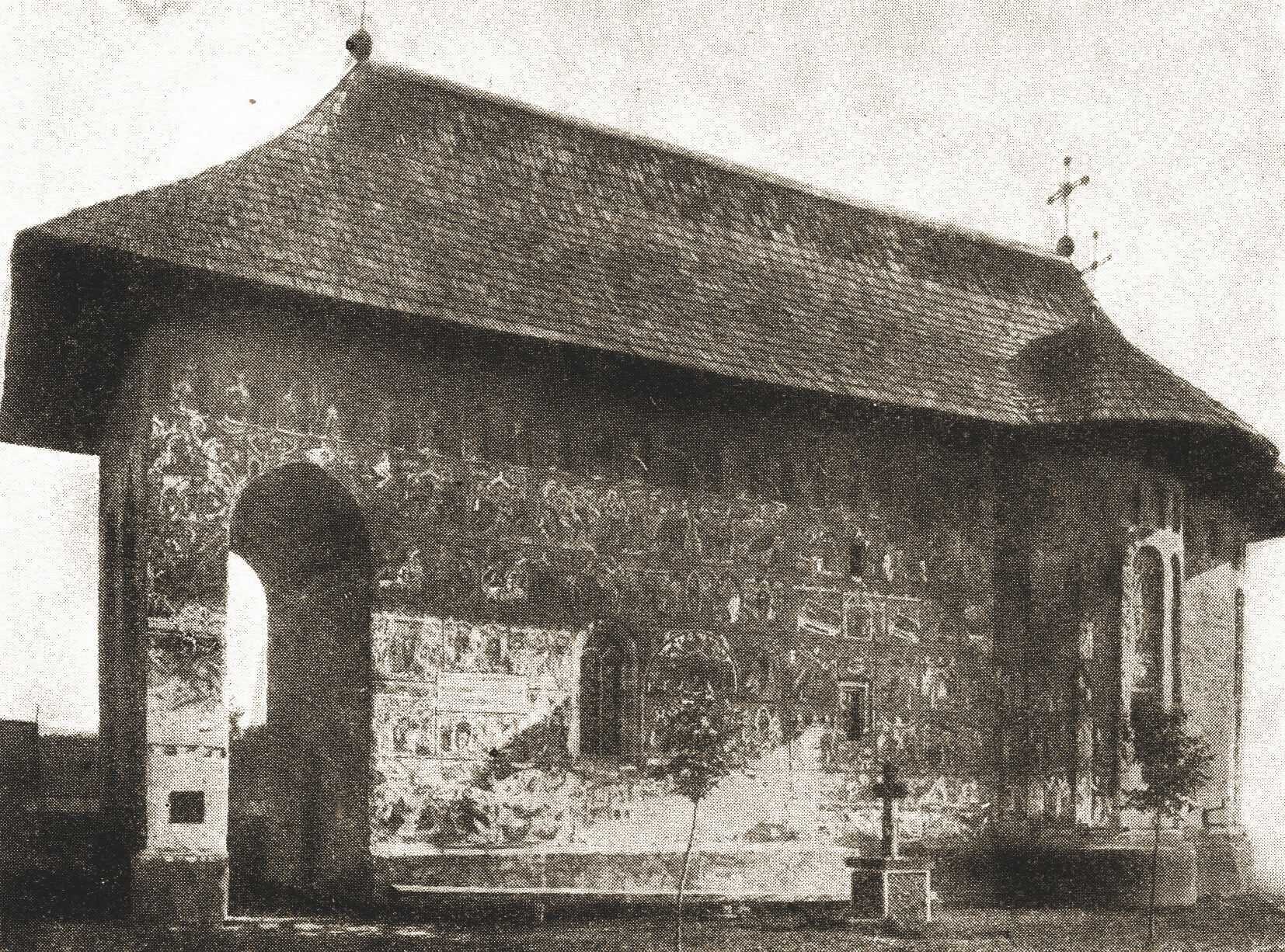
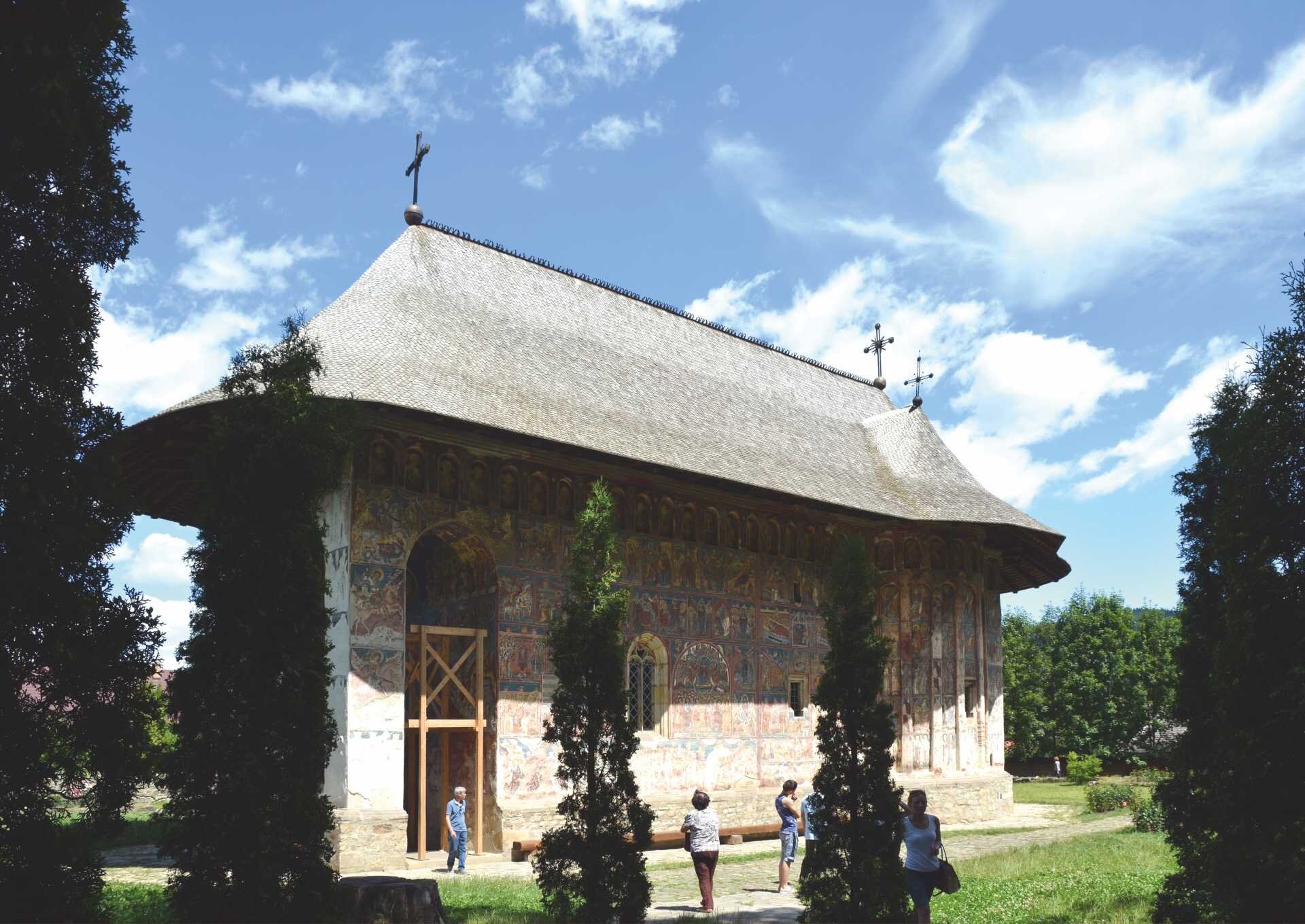
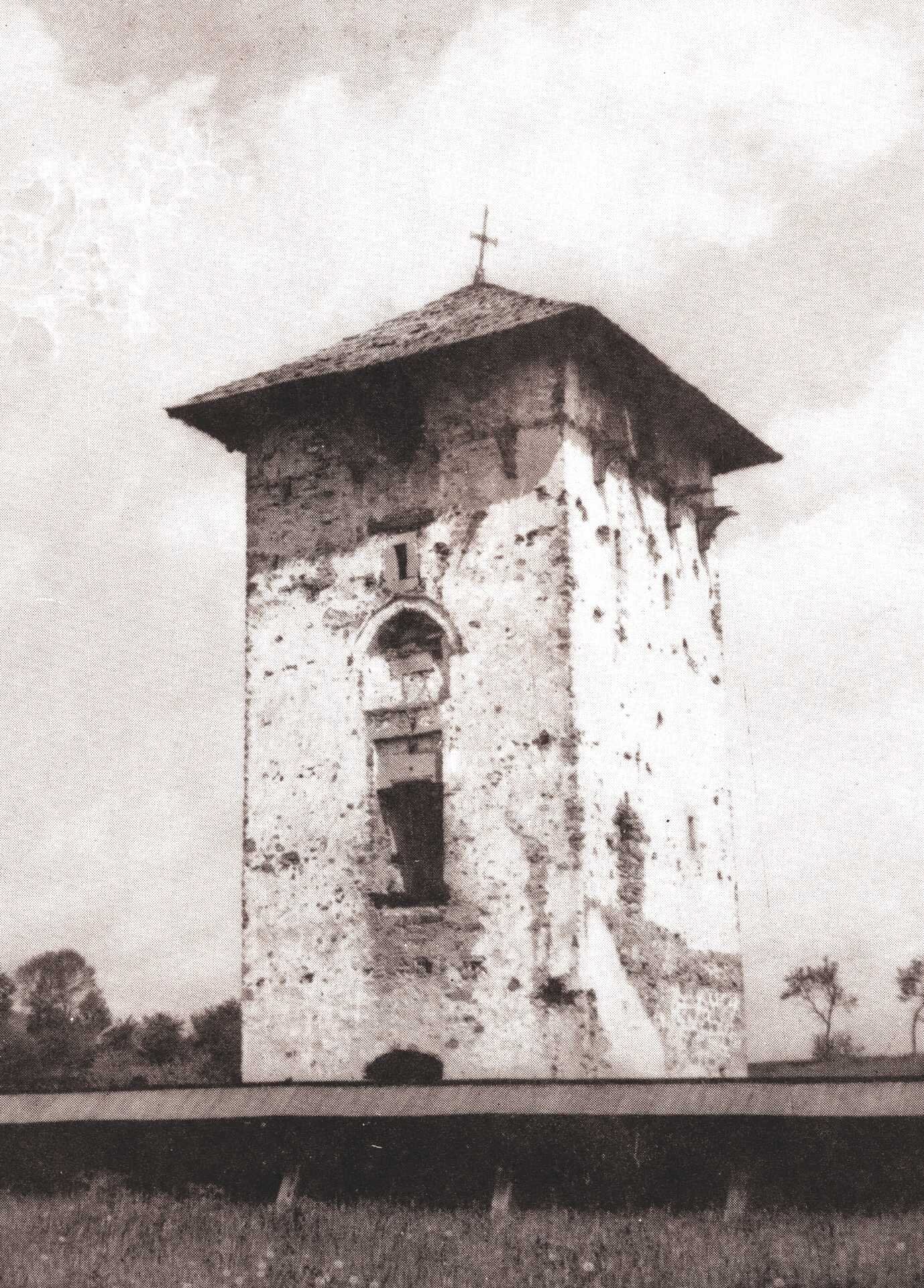
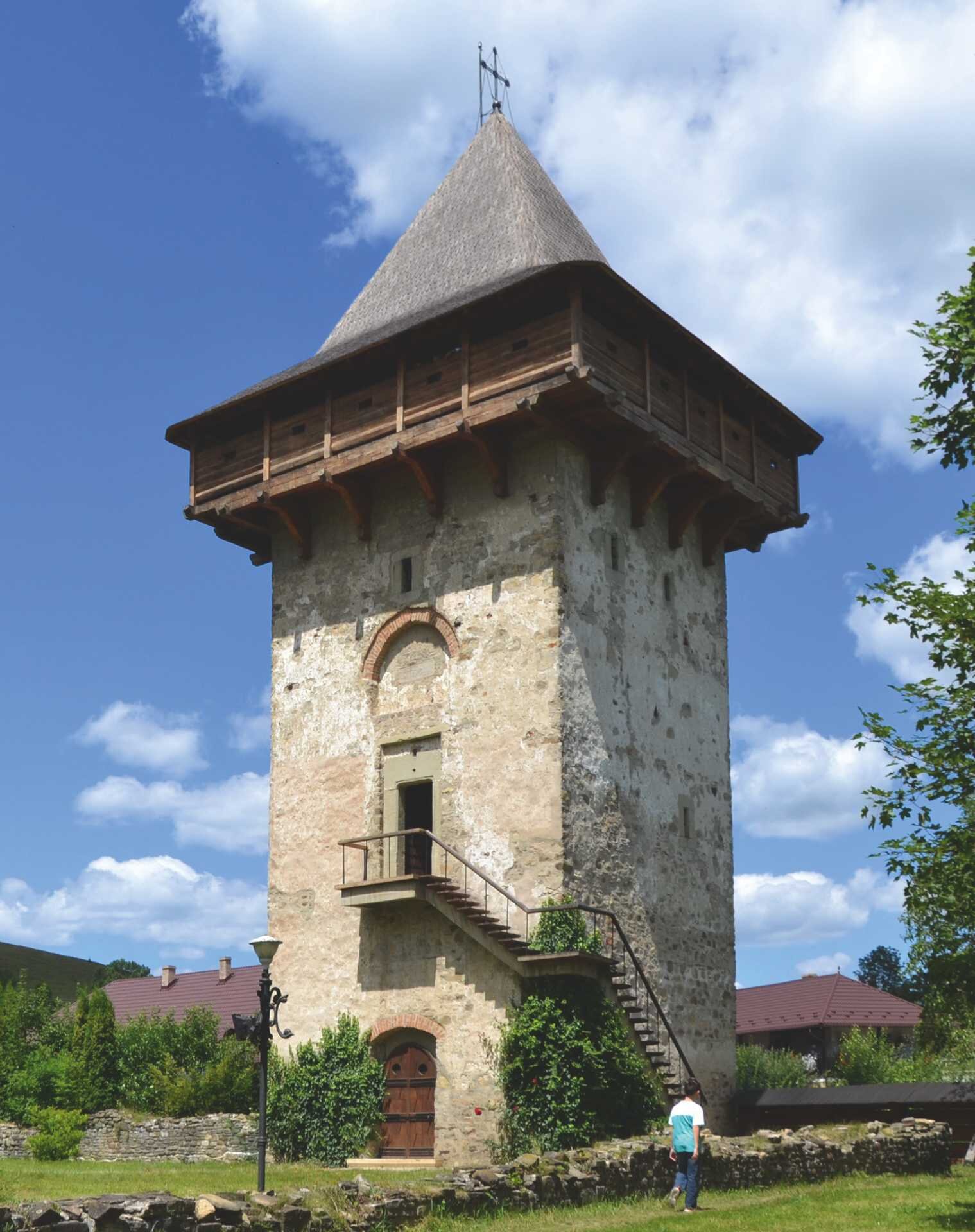
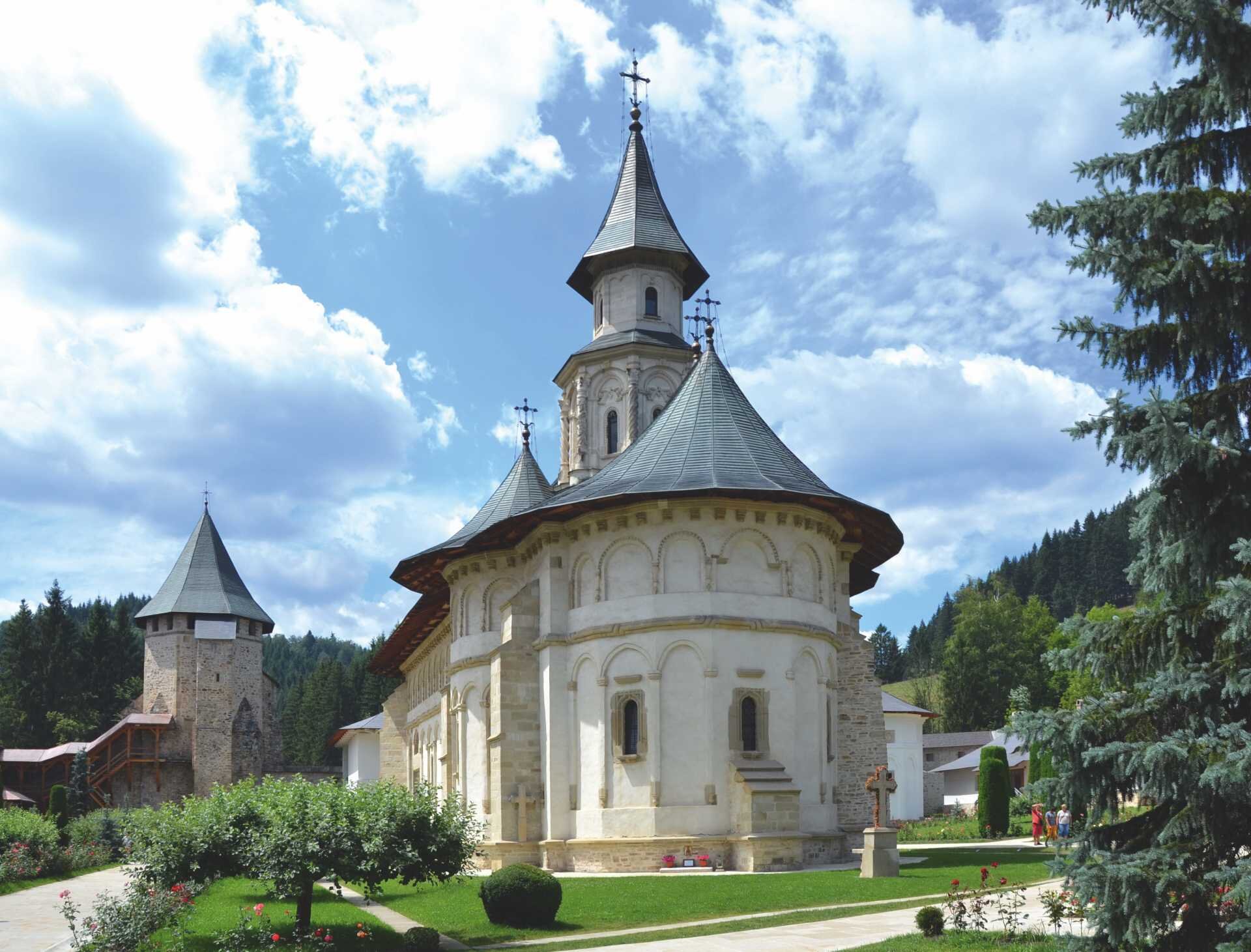
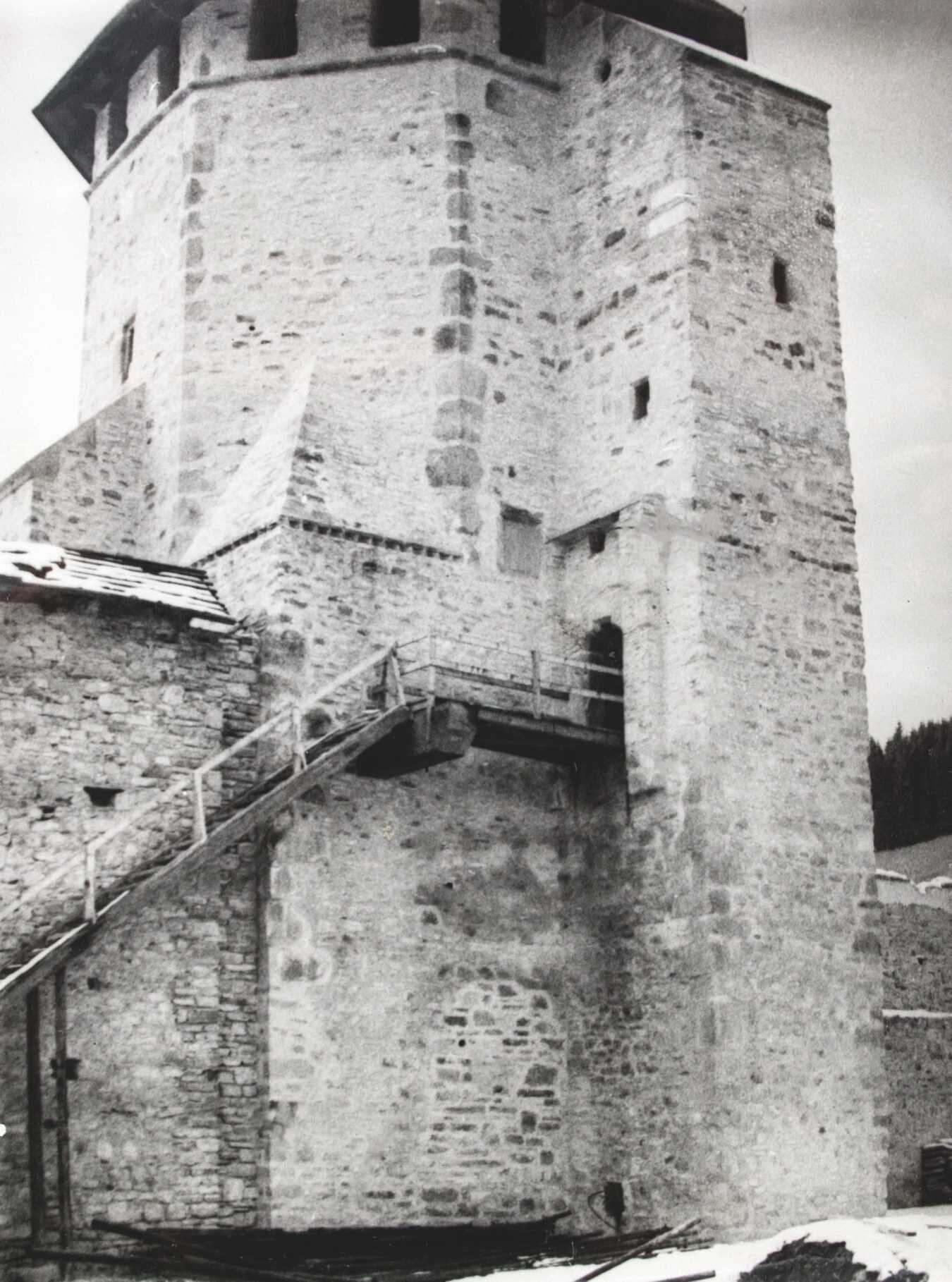
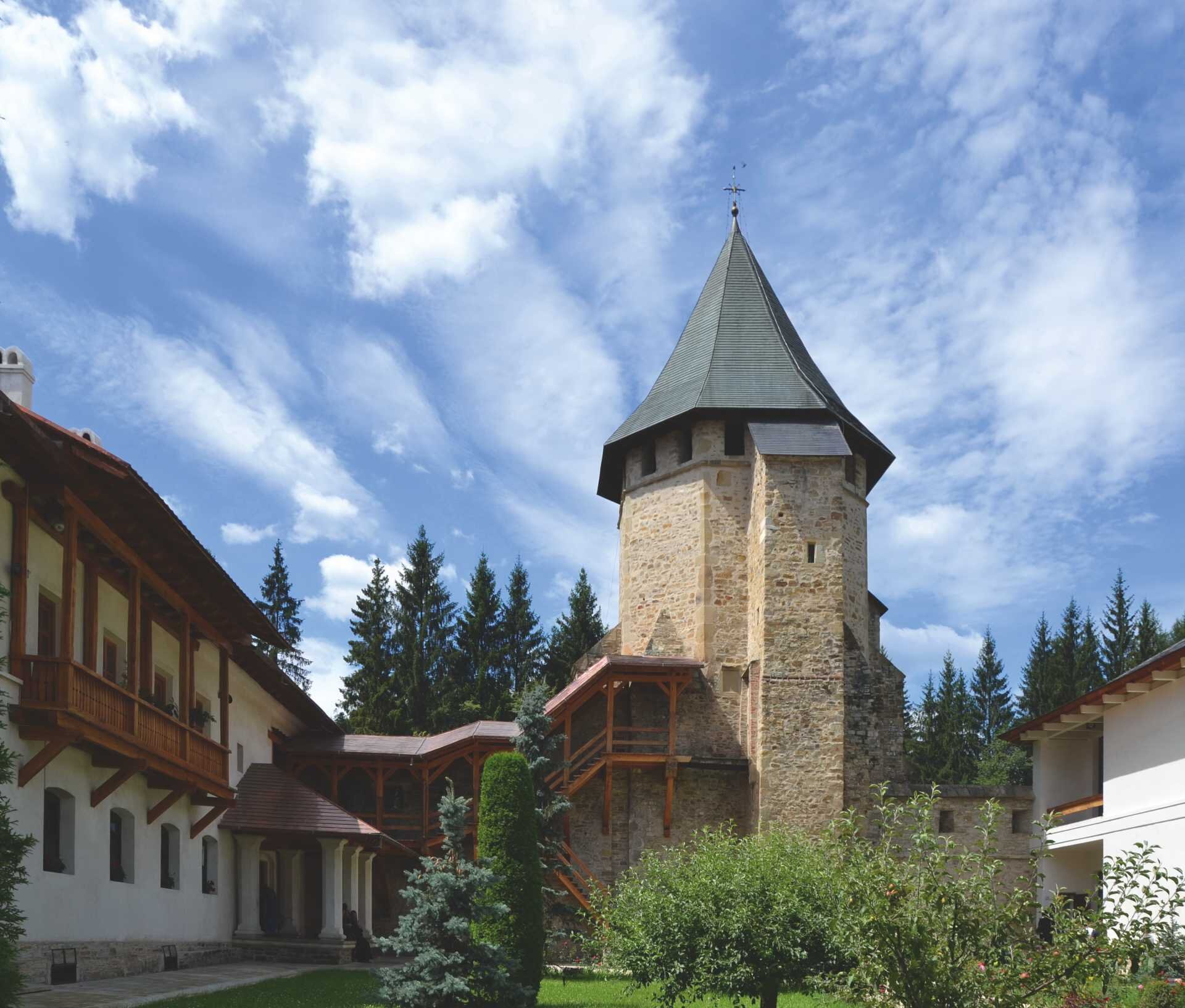
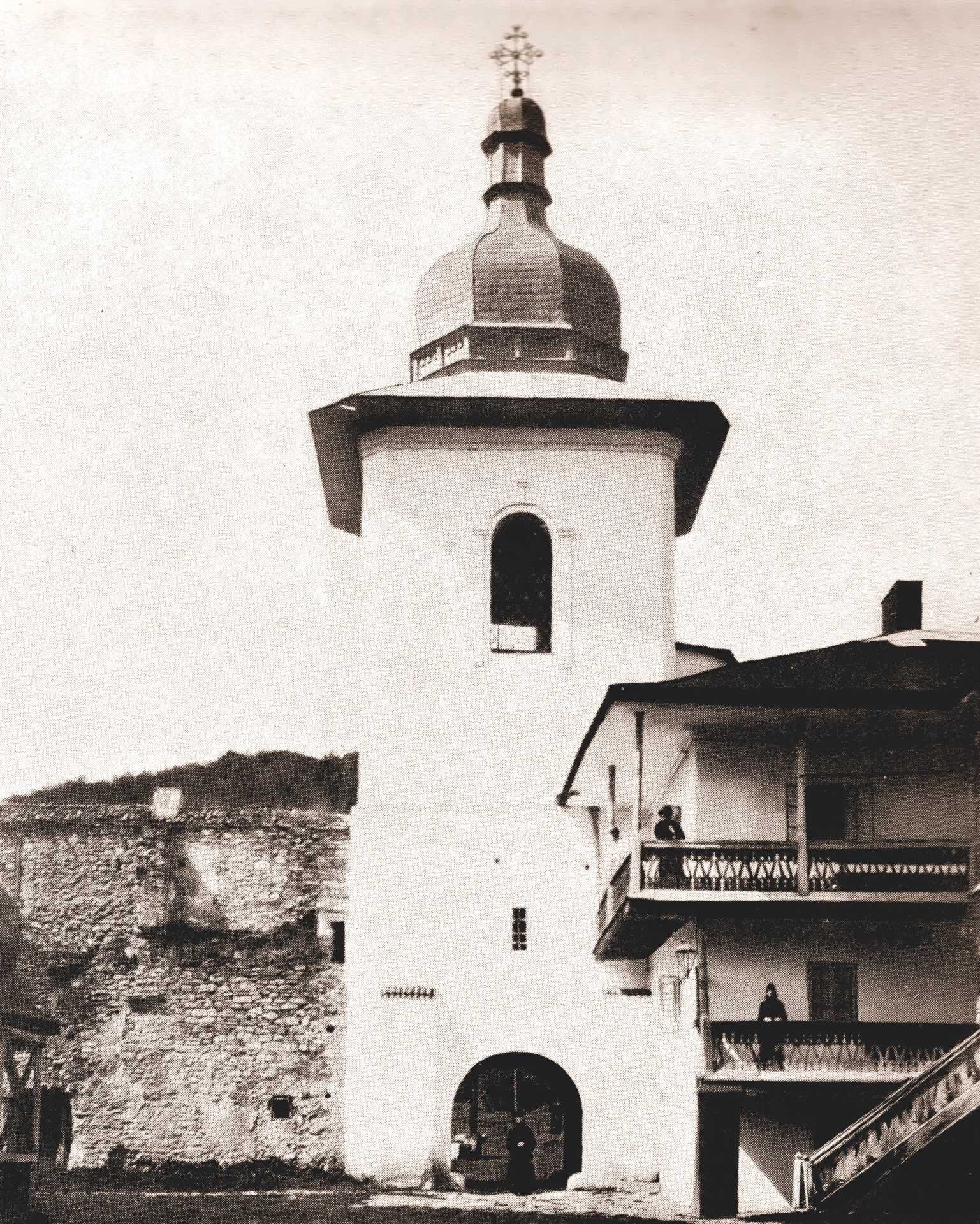
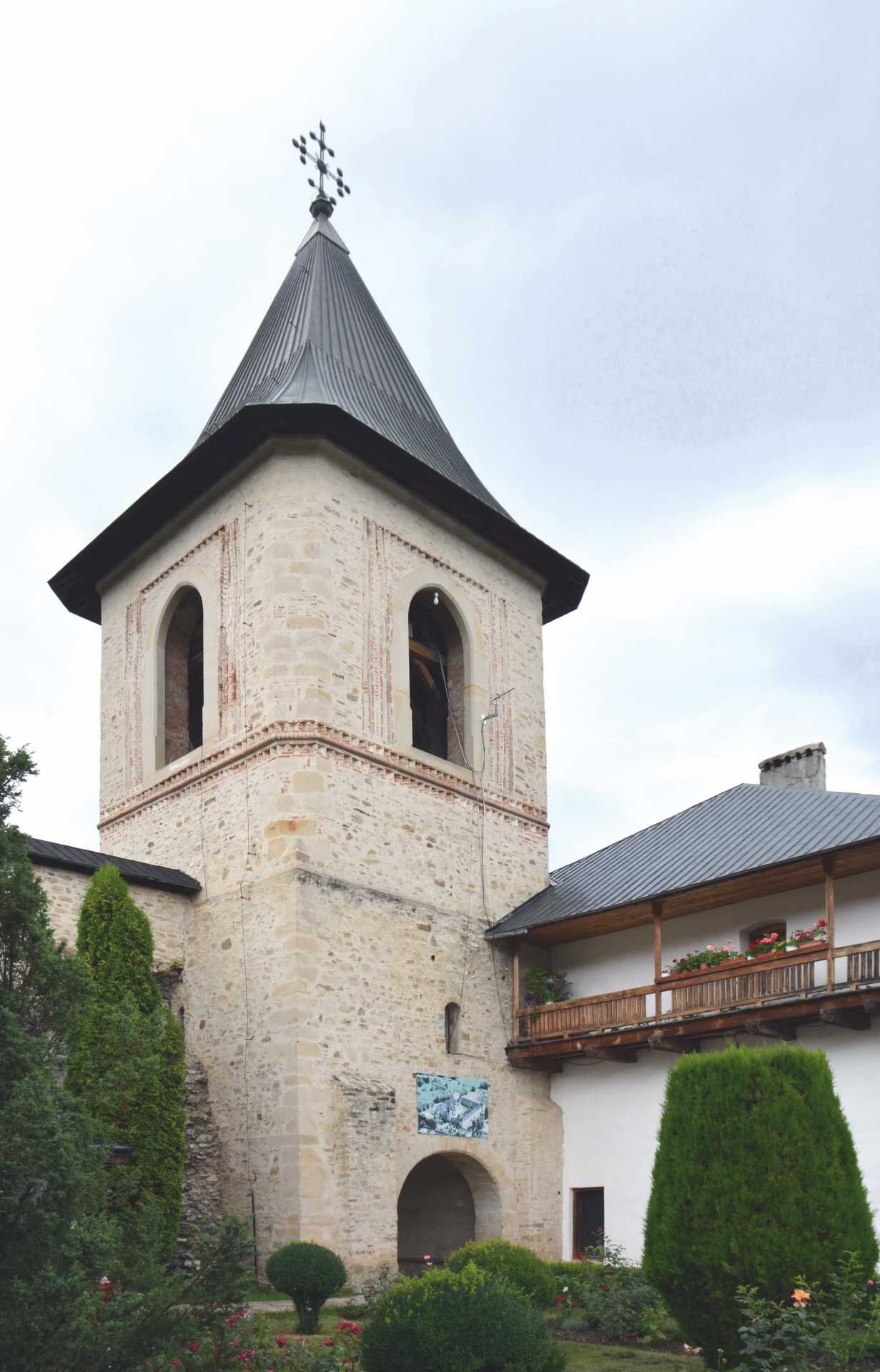
The architect Ioana Grigorescu is responsible for the present-day appearance of the monastery complexes of Dragomirna and Sucevița, her main works, including the appearance of the small churches of the cemeteries in their vicinity or of significant parts of the Humor Monastery (the church and the Vasile Lupu Tower). Also worth mentioning are his restorations of Putna Monastery (the Treasure Tower and the church, for which he first carried out in-depth research, but ultimately ignored); Secu Monastery (the archpriest, part of the cells, the entrance and Mitrofana towers, as well as the unapplied proposals for the restoration of the original shape of the church); Slatina Monastery (three of the towers of the enclosure and studies for the restoration of the Lăpușneanu House); Sihăstria Secului Monastery (the priory); Voroneț Monastery (restoration of the church roof to a form close to the original one and the custodian's house); Dosoftei House in Iași, etc.a.
As an architect with a profoundly modern background - a quality proven during her studies and in her remarkable diploma project, and then consistently manifested - Ioana Grigorescu has succeeded in combining with talent, but also with great courage, in the restoration of architectural monuments, original constructive elements with additions and/or reconstructions treated in a consistently modern register.
In total opposition to the 'in style' restorations and reconstructions of architectural monuments or parts of them, carried out primarily on the basis of archival documents and/or drawings or by analogy with similar works, she has been a consistent advocate of clearly differentiating the stages of construction and intervention, marking out the old parts from the new, reconstructed or added, in complete harmony, without doubt.


Broadly speaking, Ioana Grigorescu's concept of restoration was characterized by sincerity and authenticity, which she defined as '... similar to the reintegration of a clay vessel with another contrasting material [and which] when you look at it, you are pleased to know which part is truly original and which has been completed [s.n.]. In this way, the future researcher or visitor implicitly becomes an active spectator, a critic of the restoration, realizes both the state of the monument at the beginning of the work and the rightness or possible mistakes of the reconstruction..."2. In order to avoid pastiche solutions, Ioana Grigorescu kept all that she considered valuable in the restored building, the rest being supplemented with elements preferably made of contemporary materials (often reinforced concrete), in skillfully stylized forms, clearly marking the epochs of construction, an approach vehemently contested by some of her colleagues.
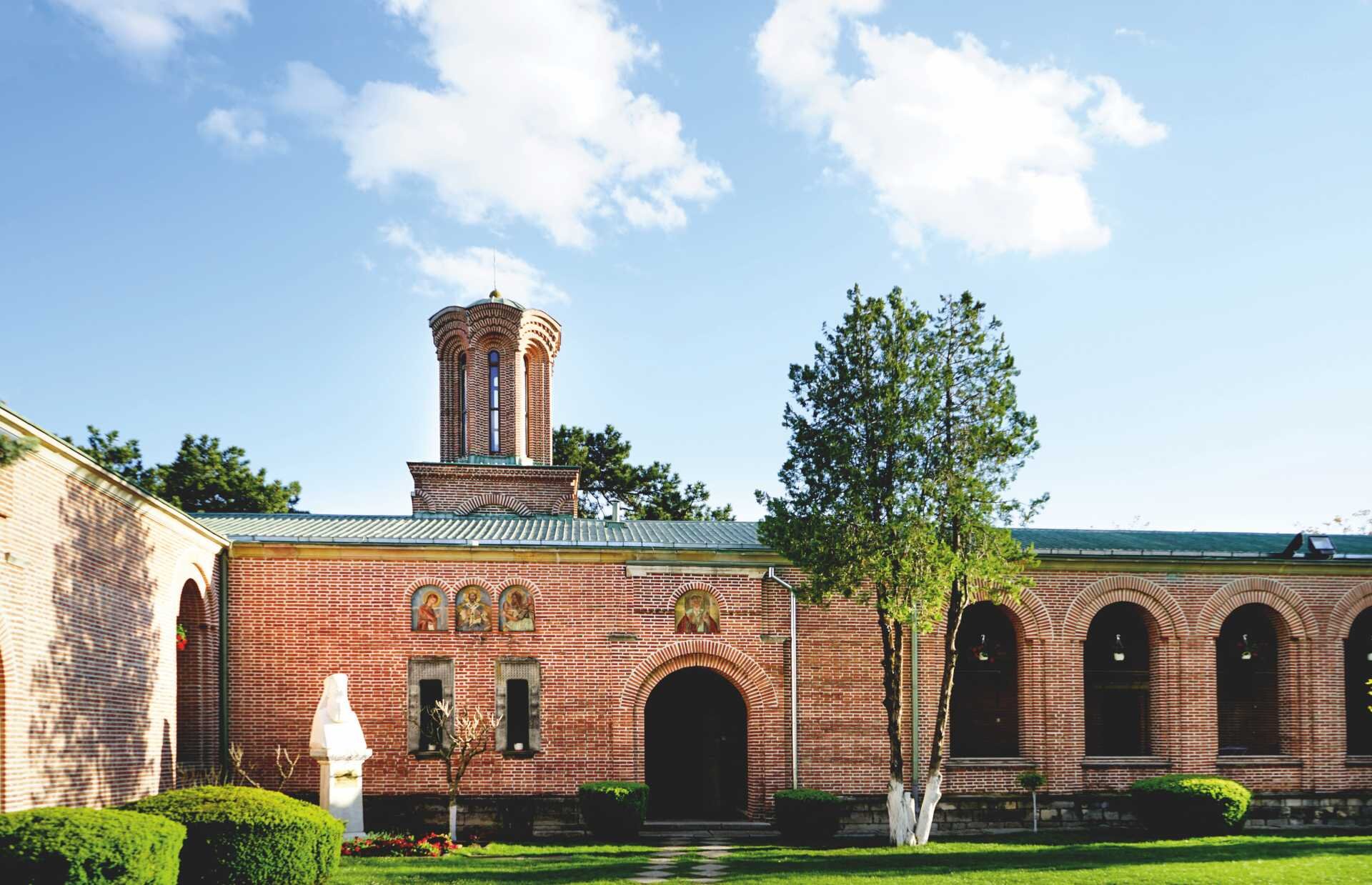
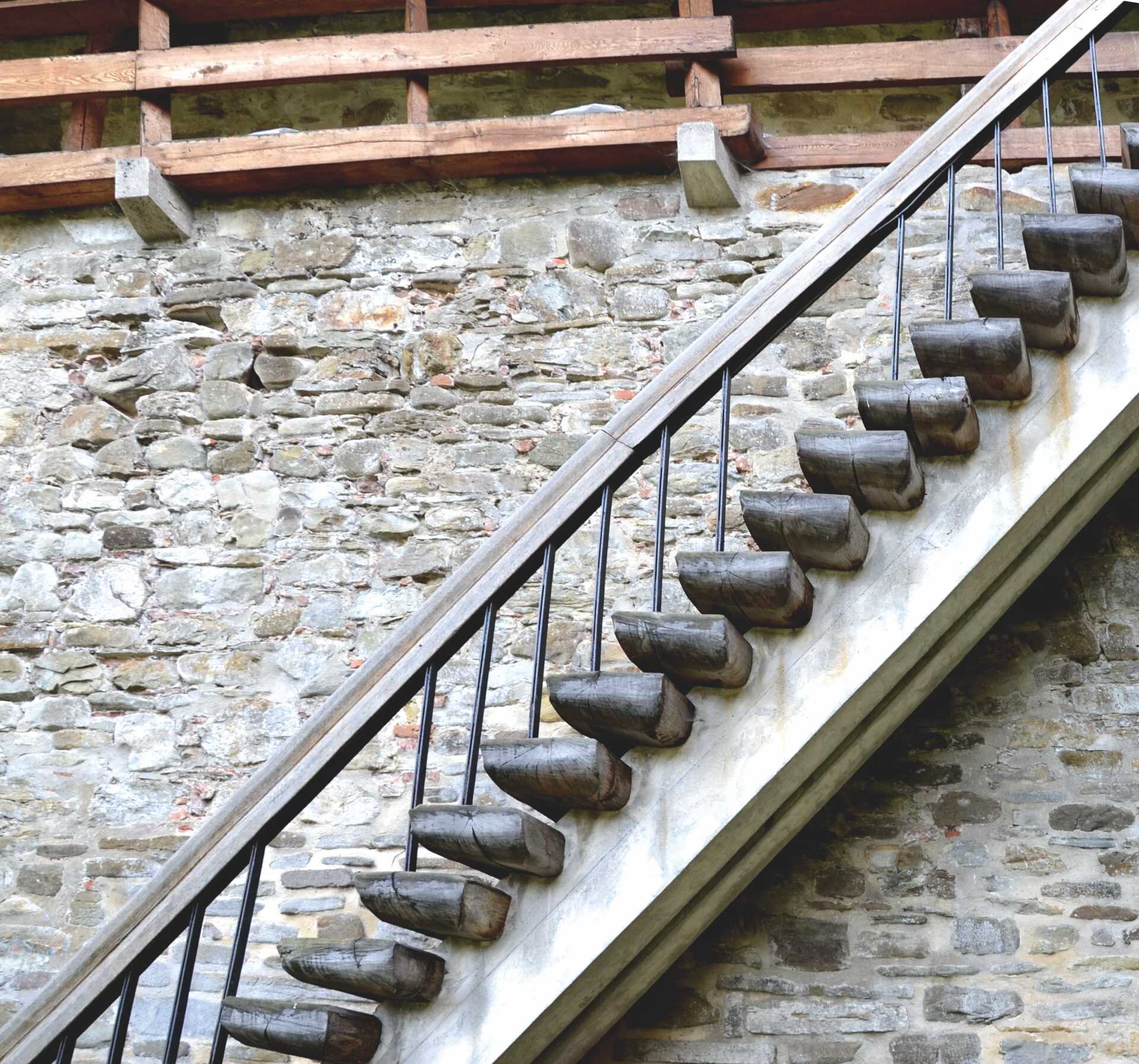
Among many other things, the modernity of his restoration concepts is evidenced by the spectacular way in which he transformed the two mid-19th-century cellars of the Dragomirna Monastery, located on the north and west sides of the enclosure and attached to the wall, which were originally of Cachon architecture. Thanks to the intervention of Ioana Grigorescu, the entire height of the alleyway under the same roof was cleared, creating spaces of extraordinary dynamism. There are also spectacular images, reminiscent of Giambattista Piranesi's engravings, of the interior of the connecting hallway between the two buildings, marked by the zigzag route of massive wooden staircases. The modern style of his work is also evident in the overall and detailed design of the façades facing the monastery courtyard, resulting from the remodeling of the cellars.
Also at Dragomirna, some of the solutions adopted by Ioana Grigorescu for the imposing building of the egumeny (today housing the monastery museum), which are significant for her professional beliefs, cannot be omitted. If in the Gothic hall the vaults were well preserved, in the rest of the upper level, the vaults had disappeared over time, and Ioana Grigorescu reconstructed them in reinforced concrete, apparently cast in carefully studied formwork to obtain imprints that discreetly suggest the brickwork of brick vaults, without imitating it.
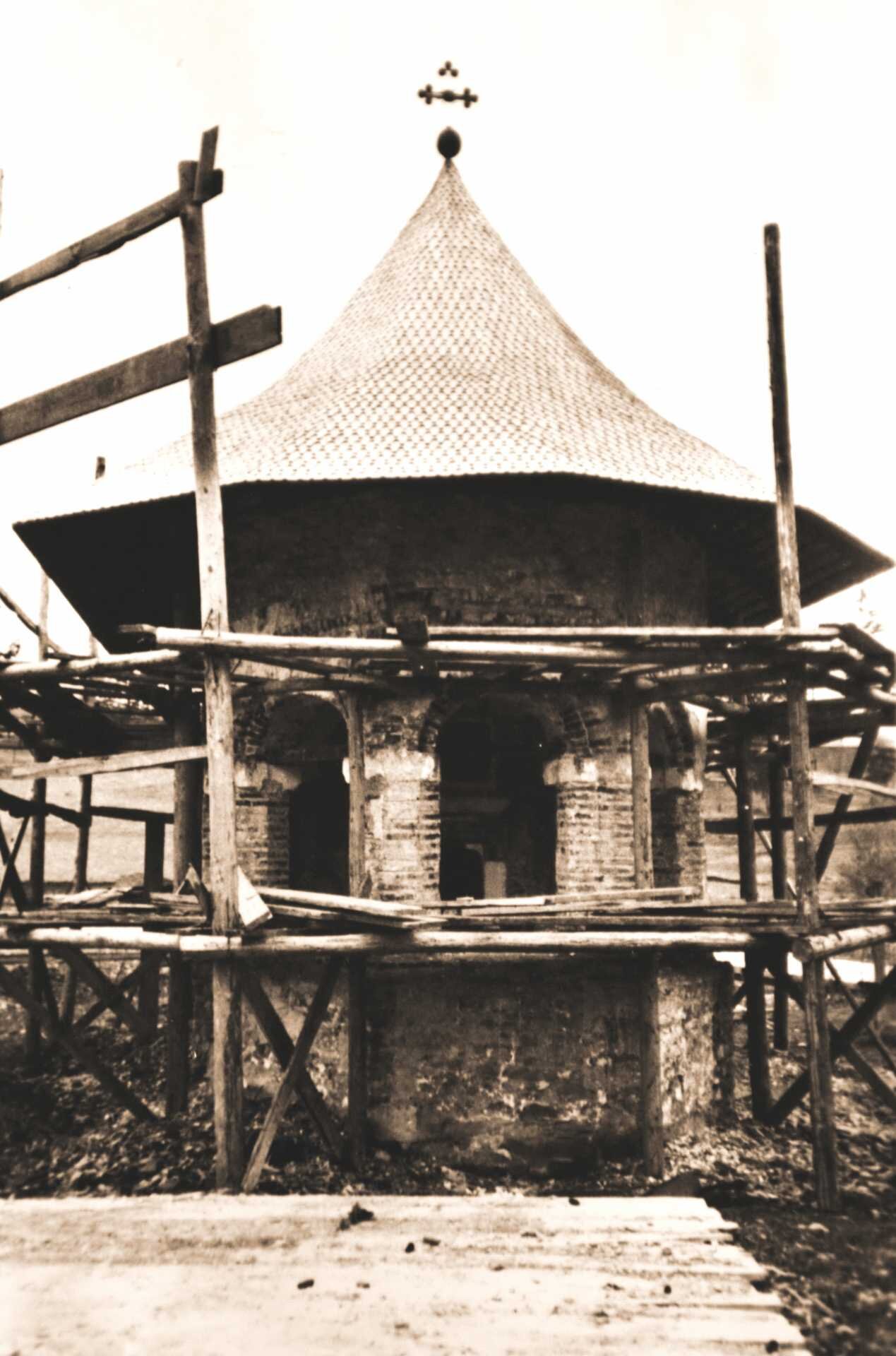
Ioana Grigorescu's restoration of the Sucevița Monastery, her most contested work, is part of the same approach, which skilfully combines tradition with modernity. Much discussed have been the reconstructions of the two small windows of the body of the cells on the east side of the enclosure, which includes the House of the Movers, dating partly from the time of the founders of the monastery. The solution proposed by Ioana Grigorescu for the reconstruction of the small windows, which, prior to the restoration, had a neo-Romanesque architecture, probably dating from 1925-1930, was intended to express the period of the intervention. Thus, the upper part of the gazebos was made of reinforced concrete, apparently laid on a massive ground floor of roughly hewn stone, each with an entrance to the cellars dating from the foundation. The open space of the arbors was covered with a vaulted 'a vella', in a contemporary interpretation, with a single, very flattened arch on each of their three free sides, supported towards the courtyard by two corner posts of variable cross-section, shaped in different forms for each individual arbor.


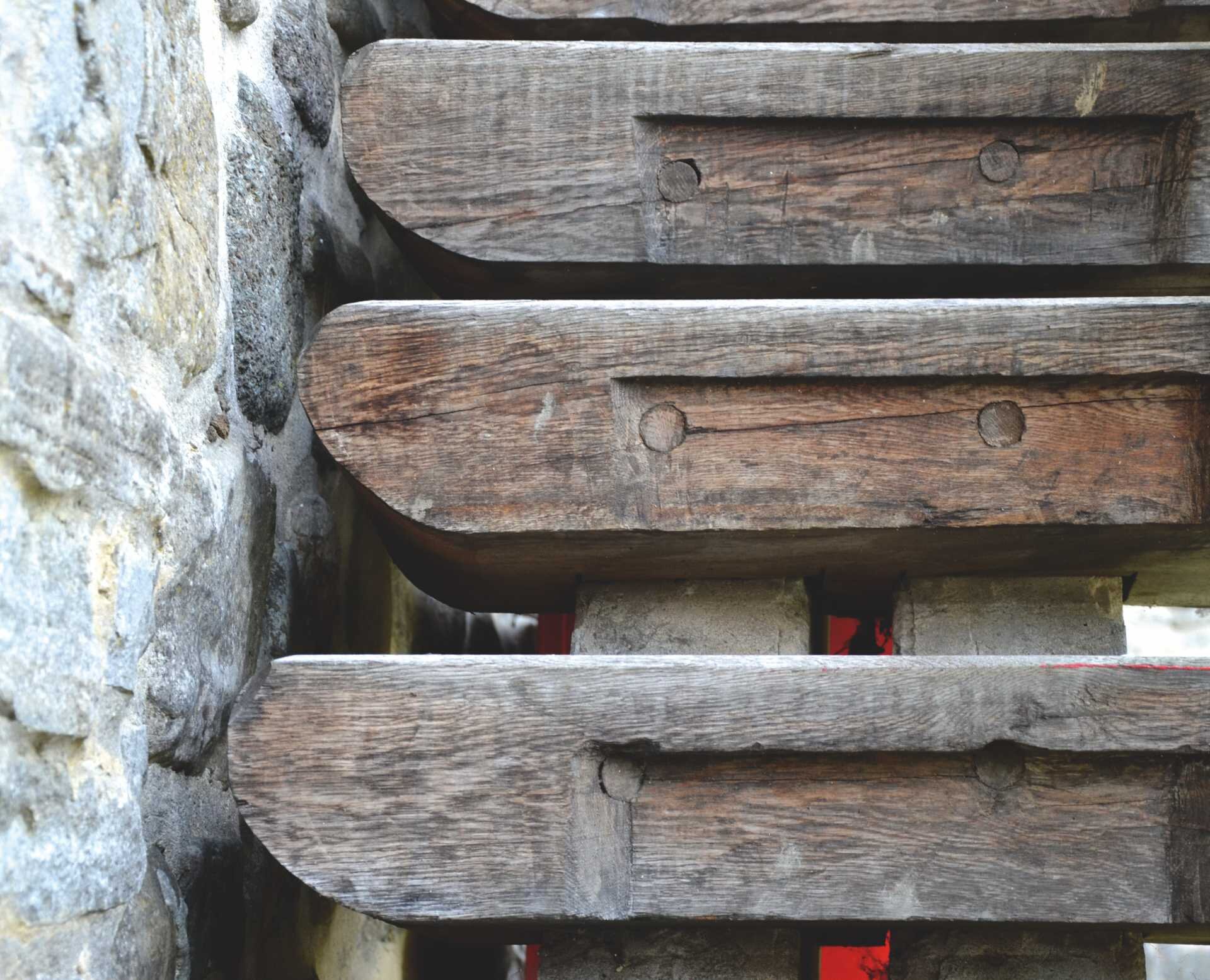
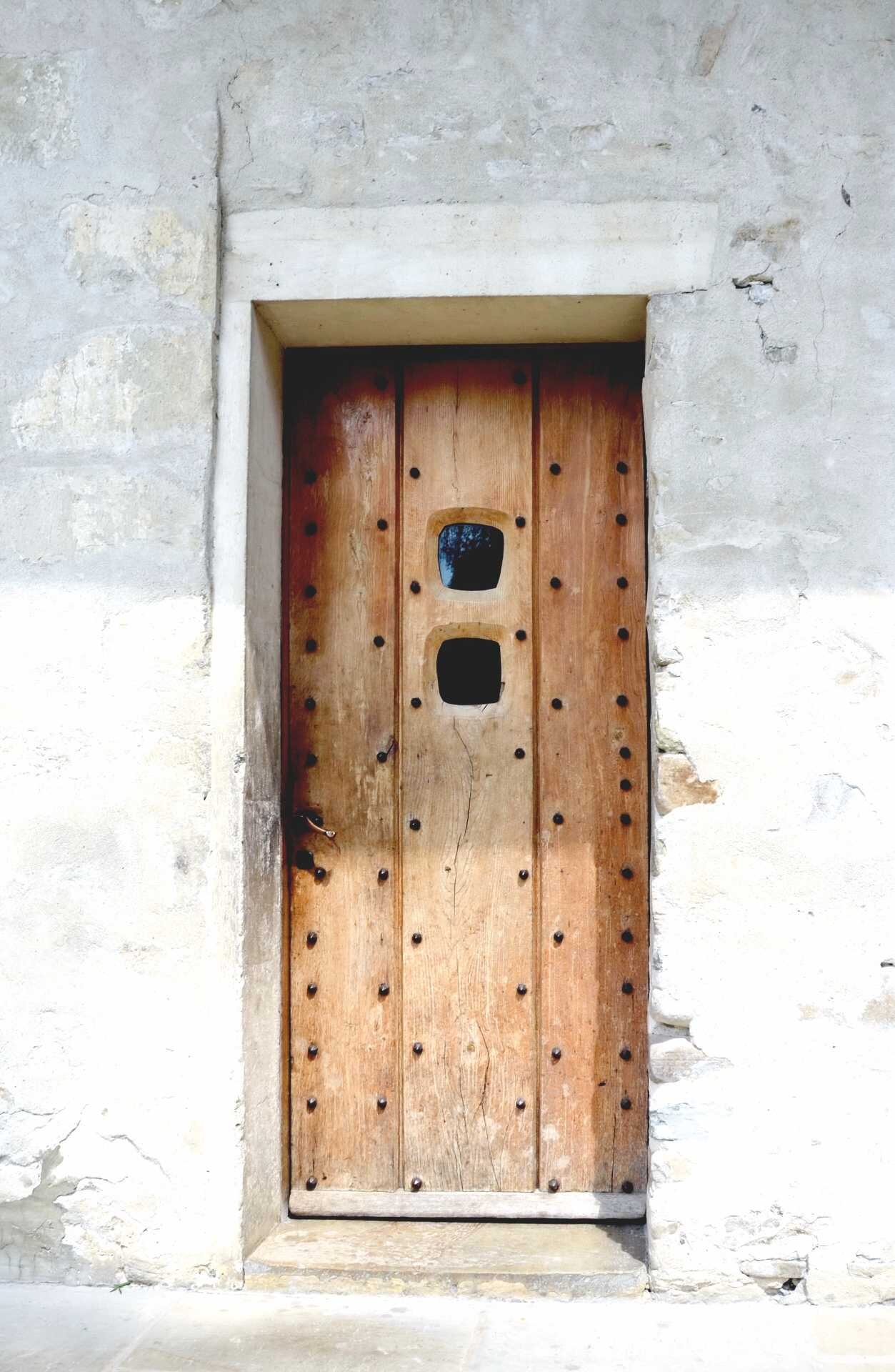
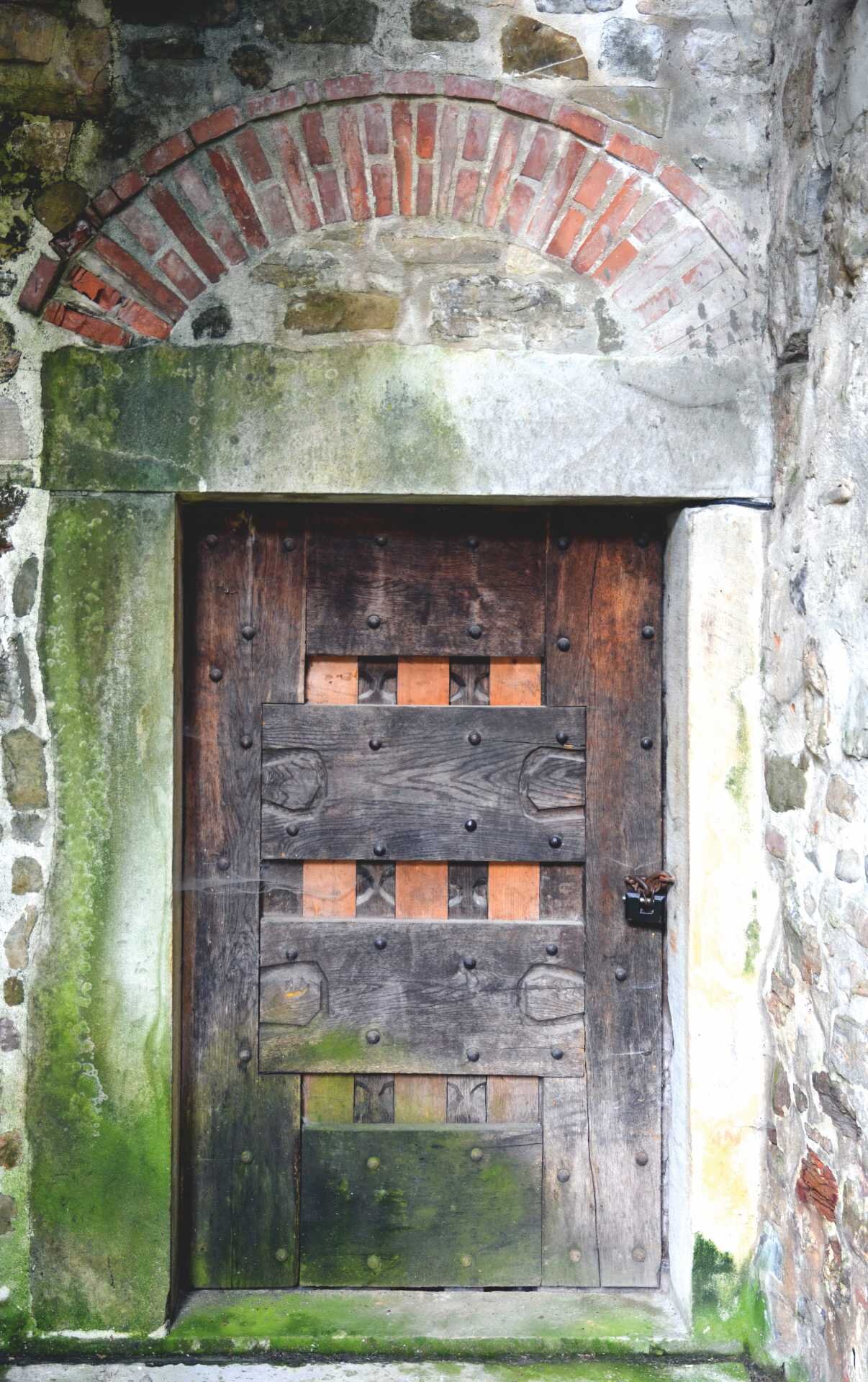
In keeping with the same conception, at the level of detail, he has, practically without exception, resorted to new, sculptural forms, often based on ethno- folkloric sources. This trend, which is truly programmatic, is particularly evident in the case of small architectural pieces, such as fountains, shading, but especially doors, gates, door knobs, including the pillars and beams of some porches or arbors, columns, steps, etc., larger or smaller building parts, as well as furniture (benches, stools, etc.) for which no information about the original shape is preserved.
They are usually made of wood, but sometimes also of apparent reinforced concrete or a surprising combination of the two materials in fanciful shapes that rhyme perfectly with the old elements, usually made of stone, existing from the original stages of the restored monument and still preserved at the time of the intervention.
The overflowing imagination of Ioana Grigorescu can also be seen in the interior and exterior staircases, all of great originality, with shapes and sizes corresponding to the specificity of the place where they are arranged, and their inventory and study could be a separate subject of study.
Finding contemporary forms for the additions or reconstructions made to a monument was only part of Ioana Grigorescu's consistent concern to bring the monument as close as possible to its original state, but with a clear indication of the stages of construction. To this end, she undertook careful research into its architecture, meticulously substantiating the restoration solutions, aiming to clearly highlight the original components that have stood the test of time, avoiding dating confusion between the old and new parts added by the restorer.
To this end, Ioana Grigorescu was passionately involved in the archaeological and architectural research (especially of the parament) of the monuments she worked on, as the main basis for her restoration proposals, some of which were not accepted by historians and especially archaeologists, but also by some of her colleagues in the DMI and/or by church authorities. In all cases, however, Ioana Grigorescu's modern additions to the restored monuments are expressions of a very well mastered and consistently used artistic language, which has aroused both much interest and a strong backlash.

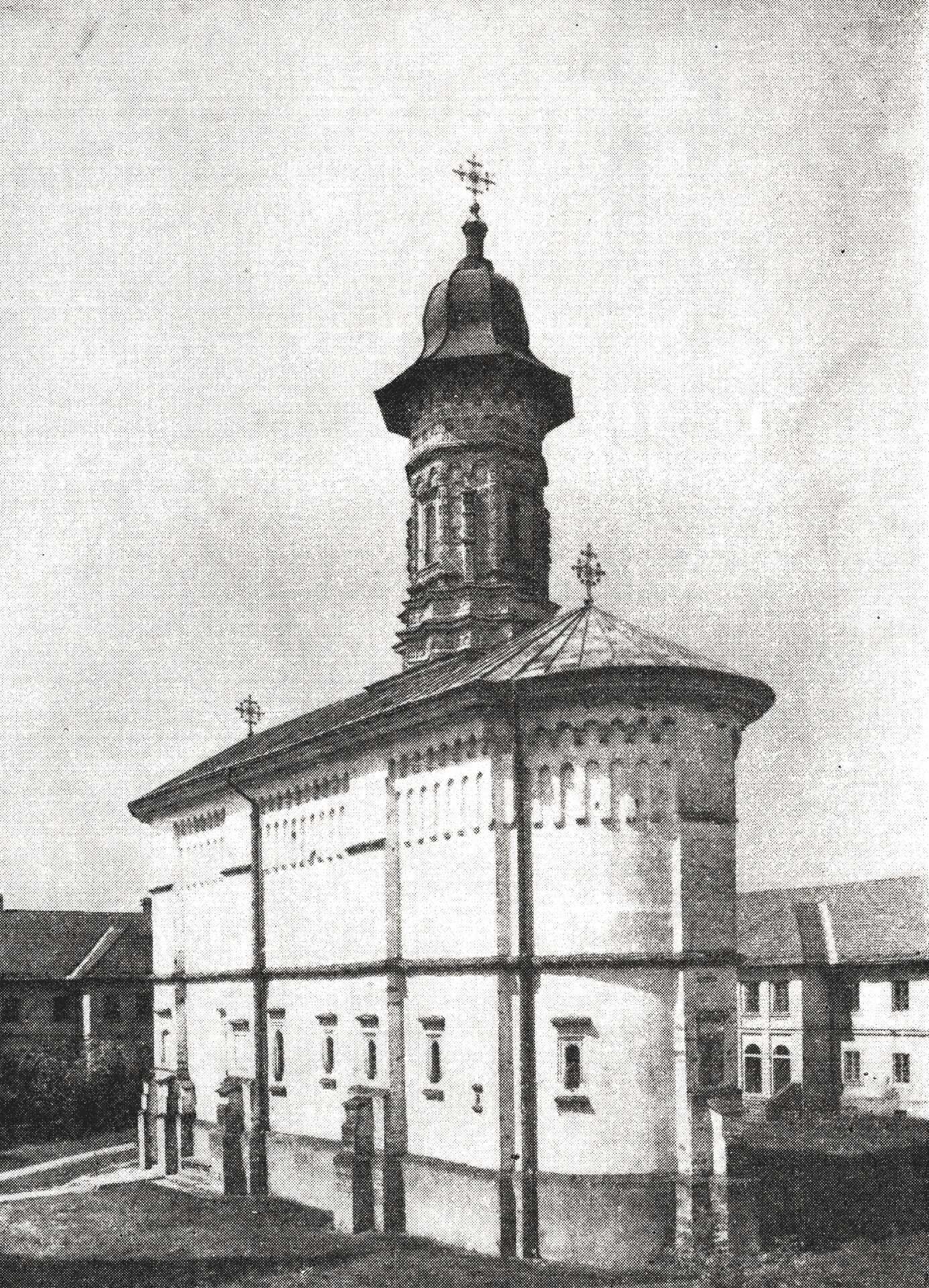
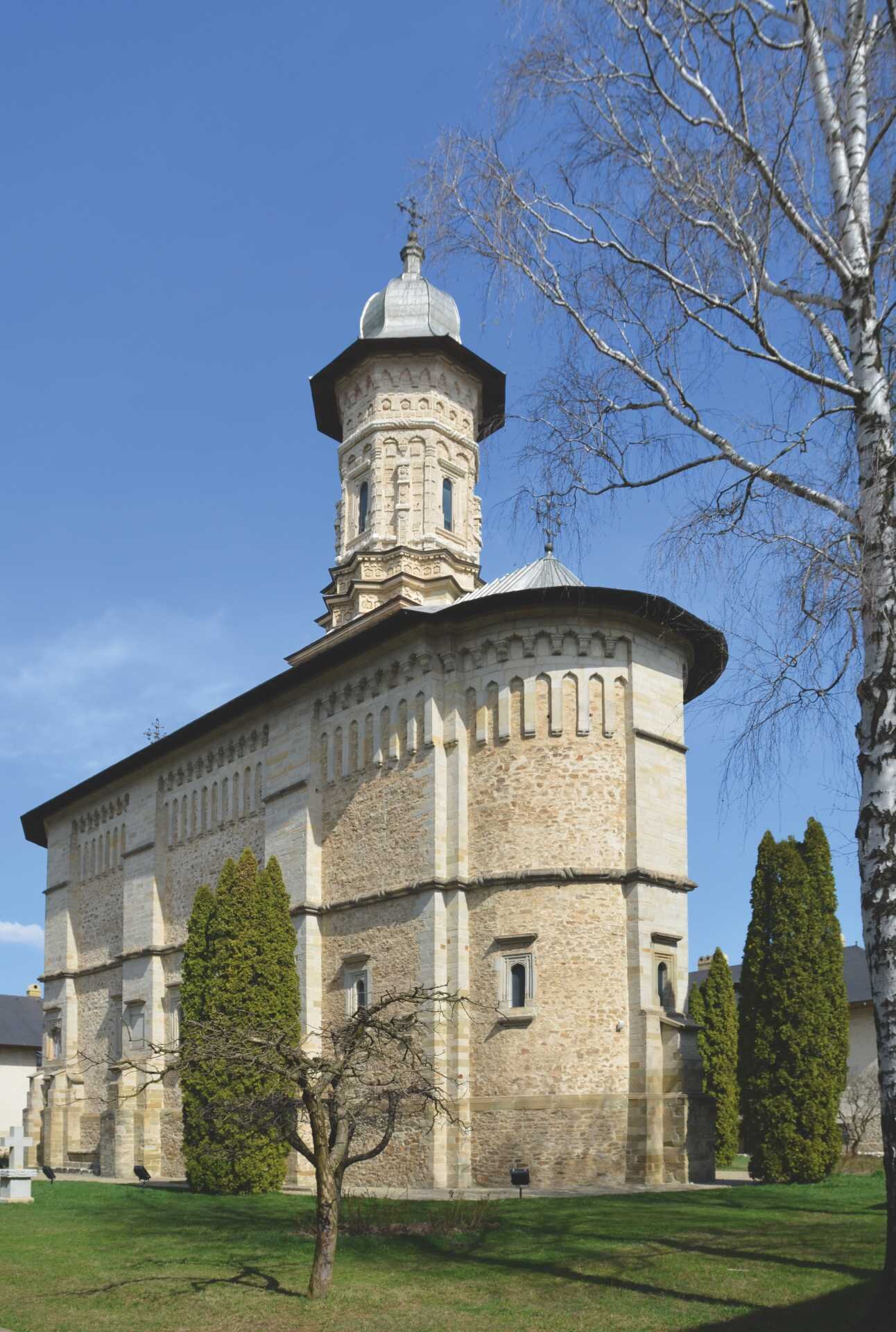
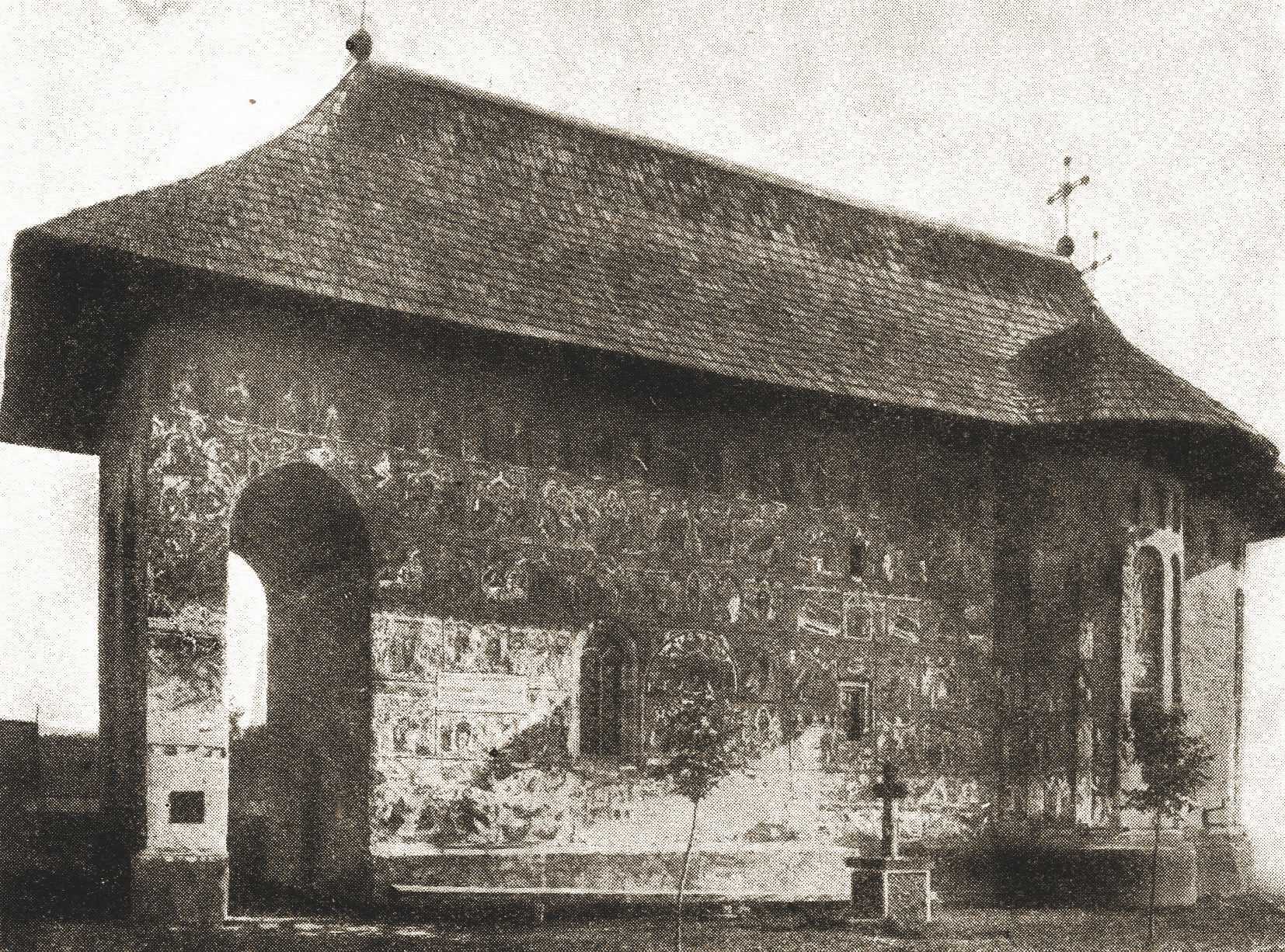
In this regard, it is also worth mentioning some of Ioana Grigorescu's restorations, which she considered professionally correct, but which were rejected for various reasons by decision-makers or transformed after her retirement. Such was the case with the proposals to restore the church of the Secu Monastery to its original form or the restoration of the porches of the churches of Dragomirna and Putna monasteries to their open form. In the case of the latter, too, he unsuccessfully argued that the foundations of the church's foundations needed to be underpinned and that the porch of the church was added during its reconstruction in the mid-17th century. In the case of the church of Voroneț, between 1974-1975, in order to better protect the exterior painting, probably but not confirmed, the DMI management decided to change the shape of the roof, restored less than a decade earlier according to the design of Ioana Grigorescu, adopting an architecturally uninspired solution, with exaggeratedly wide eaves and replacing the shingle covering with zinc sheeting.
It has often been overlooked, especially in the period in which she worked, that the architect Ioana Grigorescu, through her work, has without exception shown great respect for the monuments she restored and has sought to show them her sincerity. To this end, Ioana Grigorescu has entered into a sustained dialogue with tradition, asserting her personality and her era without complexes, sometimes with undisguised pride, boldly using modern materials and forms in a synthesis with obvious artistic value.
The tenacity with which he upheld and materialized his principles of restoration, but certainly his refusal to compromise, explains the premature break in his career. The gradual professional isolation that she experienced in the latter part of her life was made possible by the malicious and stupid reactions of a part of the not very large but influential professional milieu that could not accept Ioana Grigorescu's outstanding talent, grafted on a remarkable personality and enormous creative capacity, and that, in the end, treated her as a 'heretic', showing herself to be particularly hostile towards her.


As a result, in March 1972, at the age of just 57, her prestigious work as a restorer was abruptly interrupted by her retirement3, so that Ioana Grigorescu's professional capacity and experience, which were remarkable in view of her original vision of the enhancement of architectural monuments, could no longer be manifested.
Several memoirs sent by Ioana Grigorescu to politically influential personalities in the years 1972-1976 (copied in the UAR archives) show that her decision to retire was a direct consequence of the animosities between her and the art historian Vasile Drăguț, director of the DMI in the first half of the 1970s, and of the disputes with some of her colleagues, historians, archaeologists and architects, who did not accept her professional choices. Between 1972-1974, at a time when access to the pages of some publications was difficult, even if they were specialized journals, Ioana Grigorescu was able to publish a number of articles in which she defended her professional beliefs4. Also shortly after her retirement, at the Congress of the International Union of Women Architects UIFA, held in Bucharest in September 1972, Ioana Grigorescu was able to make a presentation of her achievements in the field of restoration of historical monuments5.
In the end, Ioana Grigorescu's attempts in the years immediately following her retirement to restore the truth and possibly return to the restoration of monuments were to no avail. This situation, at least apparently, led her to keep away, with dignity, from the activity in which she had asserted herself with such strength and originality and to devote herself with equal strength to her work as a graphic artist. However, the skill with which he kept and organized the documents relating to his work as an architect, and especially as a restorer, leads us to believe that his retirement was only an appearance, and certainly a difficult one.
It is significant for the attitude of a part of the professional environment in the field that, in 1990, under democratic conditions, when the DMI was re-established in the form of the Directorate of Monuments, Ensembles and Historic Sites - DMASI and a new National Commission of Historic Monuments - CNMI was appointed, the architect Ioana Grigorescu did not find a place, which would have been not only well-deserved, but above all very useful, given her great, but above all valuable experience in the restoration of monuments. This reality makes it plausible to hypothesize that the resentment of some of the colleagues at the former DMI, who probably, in the early 1970s, had also contributed to the "excommunication" of Ioana Grigorescu and her work, has been very difficult to resolve, or not at all, despite the appreciation that she generally enjoys.
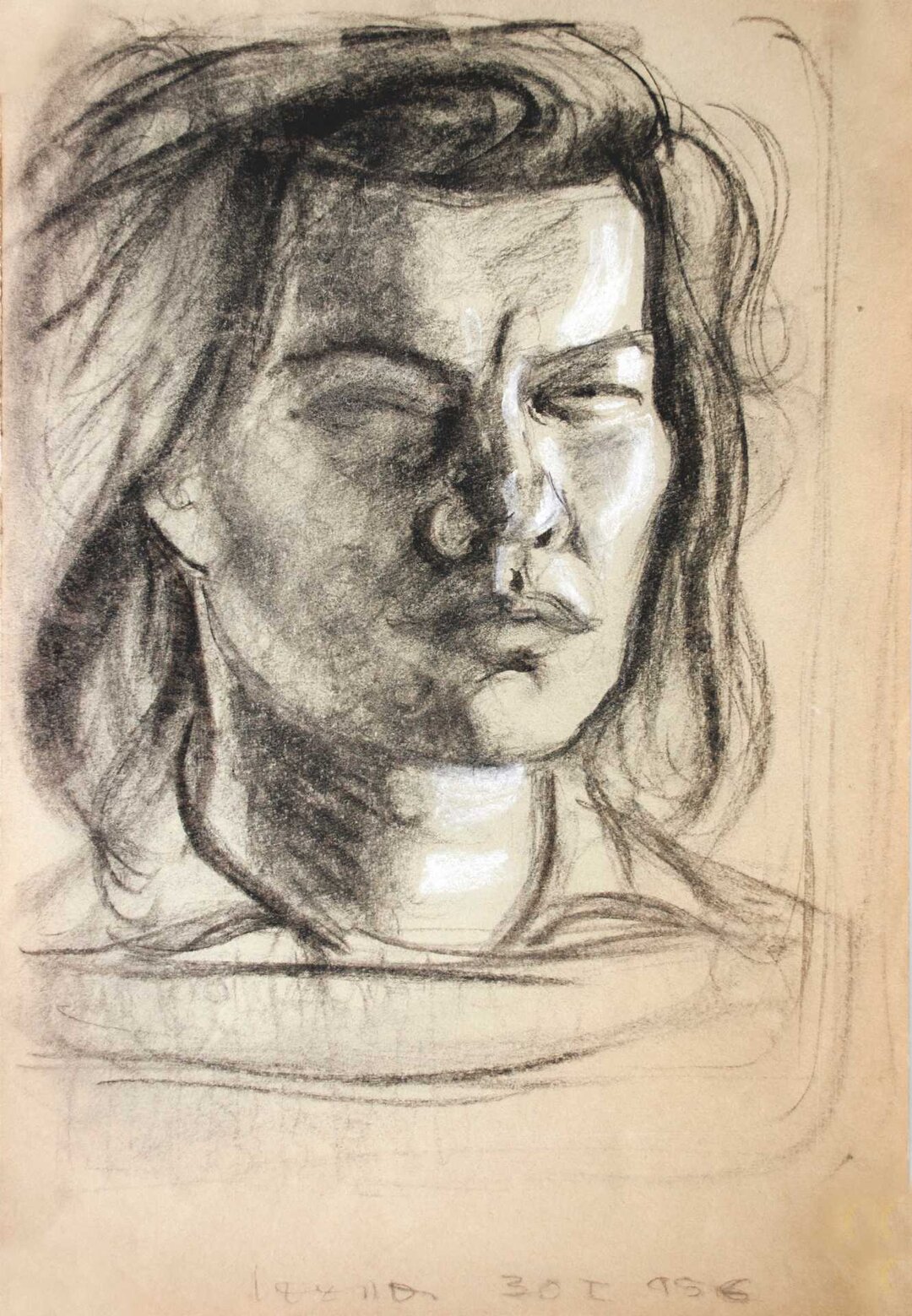
 Finally, we must at least remember that Ioana Grigorescu's remarkable qualities as an architect were harmoniously interwoven with those of a visual artist. However, this part of her career, equally rich and interesting, cannot be summarized together with her career as an architect in the inevitably limited space of a single article.
Archival research: arh. Rodica Panaitescu
Archive photos/scans: arh. Alexandru Panaitescu and Răzvan Hatea
Field photographs: arh. Alexandru & Rodica Panaitescu, July and August 2016, April and August 2017
The drawings by architect Ioana Grigorescu were reproduced from the originals in the UAR project archive.
1.See in rev. Arhitectura nr. 1/1984, p. 24-27, the interview "Monumentele nu au vrut să me părăsească, convorbire cu arhitectul Ștefan Balș", recorded by Cristina and Ștefan Mănciulescu.
2.Ioana Grigorescu, "Puncte de vedere pe marginea restaurării de la Sucevița", rev. Arhitectura nr. 4/1973, p. 45.
3.In order to eliminate her from the system, the obtuse legislation existing at the time regarding the retirement age (mandatory at 57 for women and 62 for men) was taken advantage of, but was often circumvented by means of derogations approved by the institution's management, as happened in the case of other highly valued professionals, especially in fields with a pronounced intellectual character, including at the DMI (for example, arch. Ștefan Balș and Paul Miclescu, aged 70, or arh. Virgil Antonescu, 63 years old, etc.), an exception that did not apply in the case of such undesirables as Ioana Grigorescu.
4.Between 1972-1974, Ioana Grigorescu published the studies: "Cercetări la biserica Mănăstirii Secu și propuneri de reconstituire", Buletinul Monumentelor Istorice, anul XLI, nr. 1/1972, p. 30-39; "Ne întrebăm?" (article on the restoration of the Lăpușneanu House at Slatina Monastery), Arhitectura magazine no. 3/1973, p. 54-56; "Points of view on the restoration of Sucevița", Arhitectura magazine no. 4/1973, p. 42-48, "Research and restoration of the Treasure Tower at Putna Monastery" and "Architectural landmarks in determining the transformations of the church of Putna. Research in view of restoration", articles published by the Editura Academiei RSR in the journal Studii și cercetări de istoria arte - SCIA, series Artă plastică, Vol. 20/1973 and Vol. 21/1974. The article on the restoration of the Lăpușneanu House in Slatina, critically discussed by arh. Ioana Grigorescu, generated a right of reply published in the magazine Arhitectura nr. 1/1974 by arh. Virgil Polizu, head of the restoration project, in which he clearly argued the soundness of his interventions on the work.
5.The architectural historian Stella Casiello published a positive assessment of Ioana Grigorescu's presentation at the UIFA Congress in the Italian magazine Restaura no. 3/1972.