The pavilions of the Biennale. Historical landmarks

Community building
in the village of Bărcuț
Stud.-arh. Irina Ștefania SCOBIOLA
Coordinators: prof. dr. dr. arh. Gabriela TABACU, lect. dr. arh. Lorin NICULAE (cotutelle)
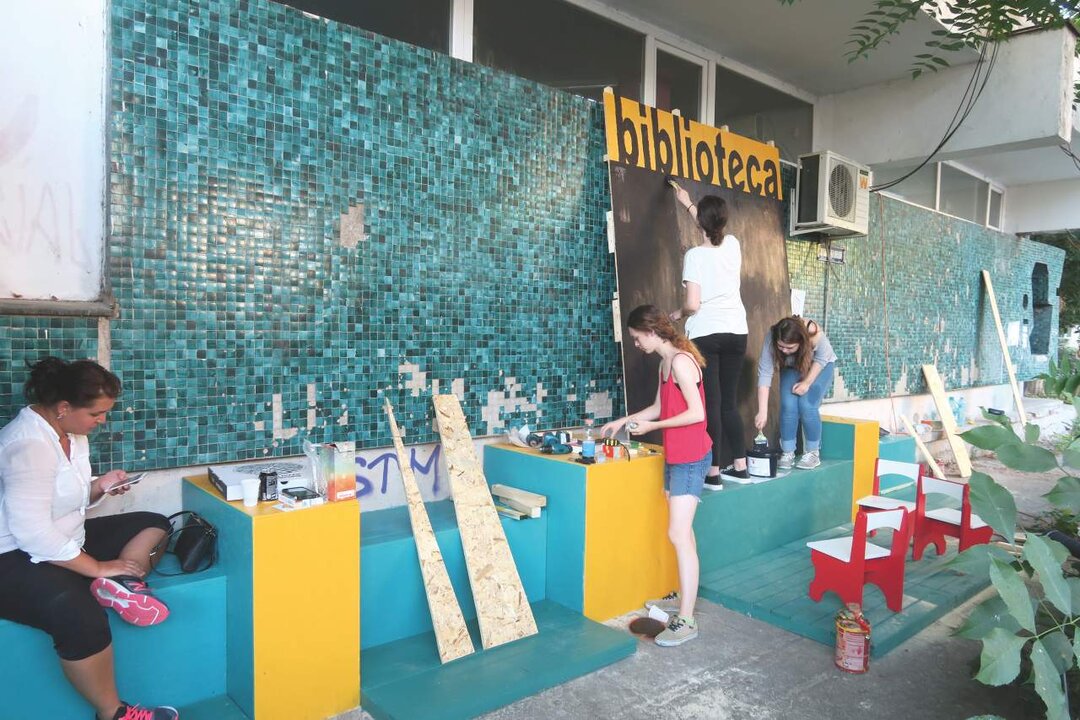
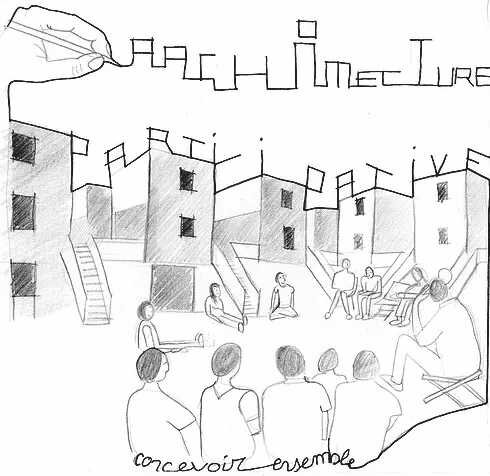
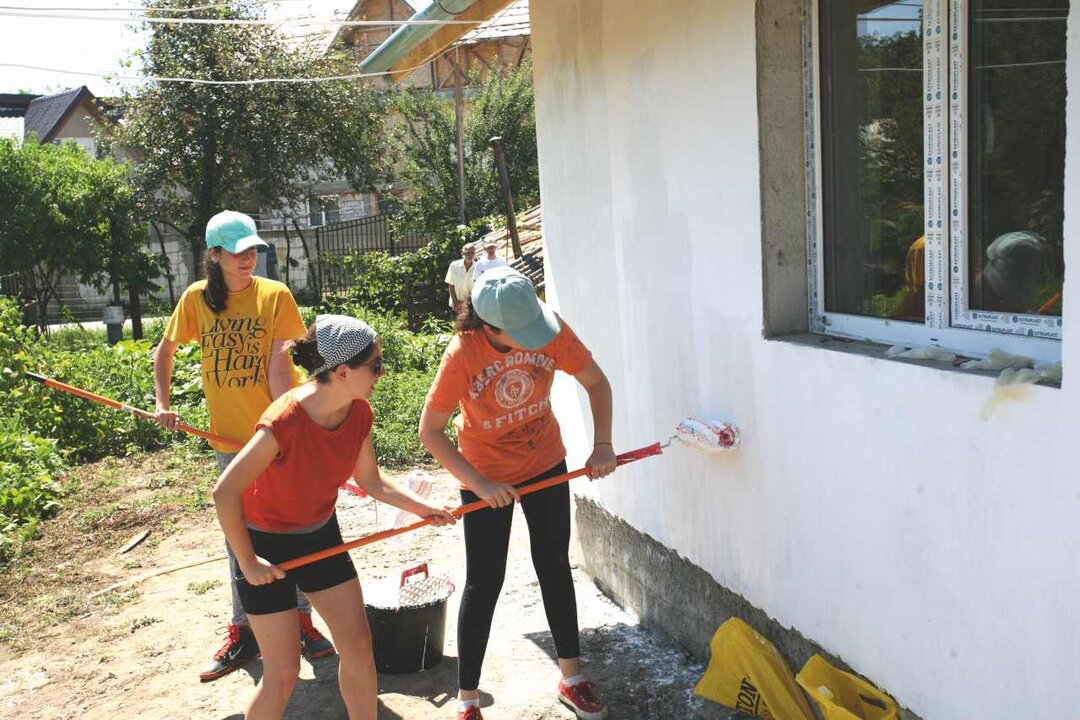
 The sustainable revitalization of a rural area can only be done through community construction, which integrates the basic conditions of human existence in the current context - housing, employment, health, hygiene, education - and has as its basic principle participatory architecture. In the case of such a participatory approach, community building is an essential tool, which ensures the sustainability of the project and, through the process of participation, encourages the involvement of local actors, beneficiaries and social partners, while ensuring sustainability, without which the revitalization process would no longer make sense.
The revitalization of the Romanian rural space requires a process that operates with activation, development and community building programs, that appeals to proactivity, local cultural identity and that integrates technology and architectural design in order to adapt to current and future requirements.
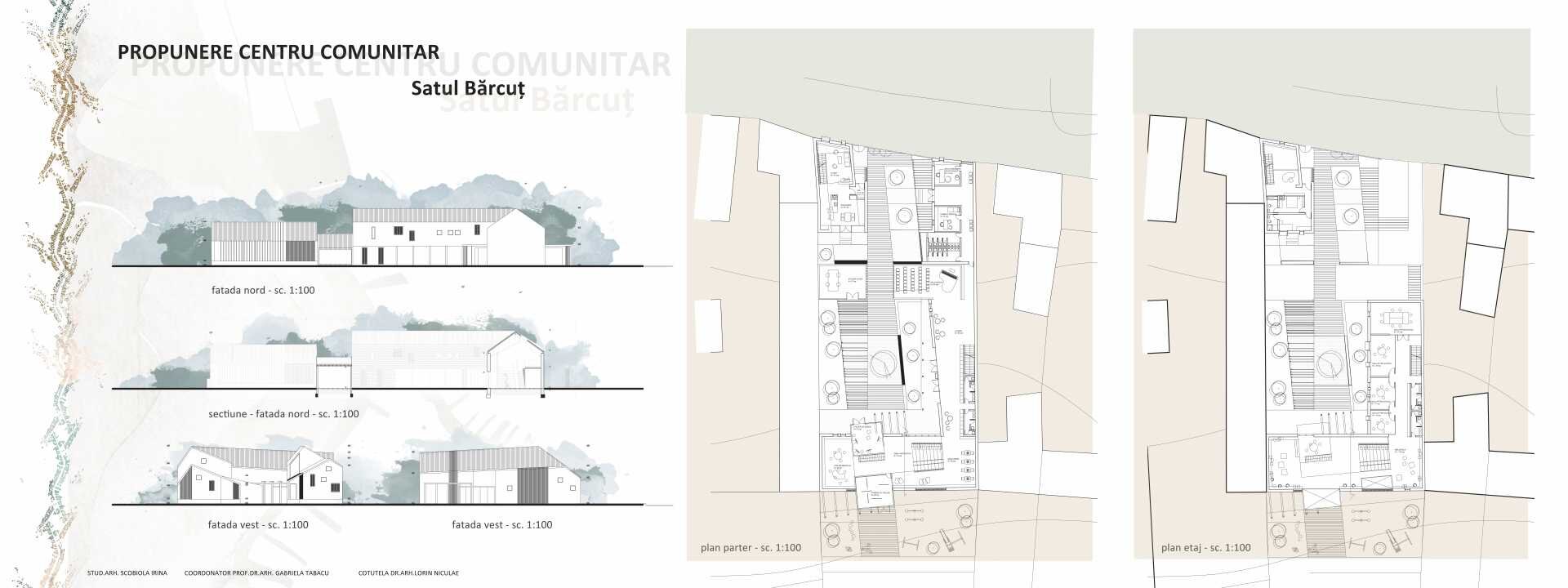
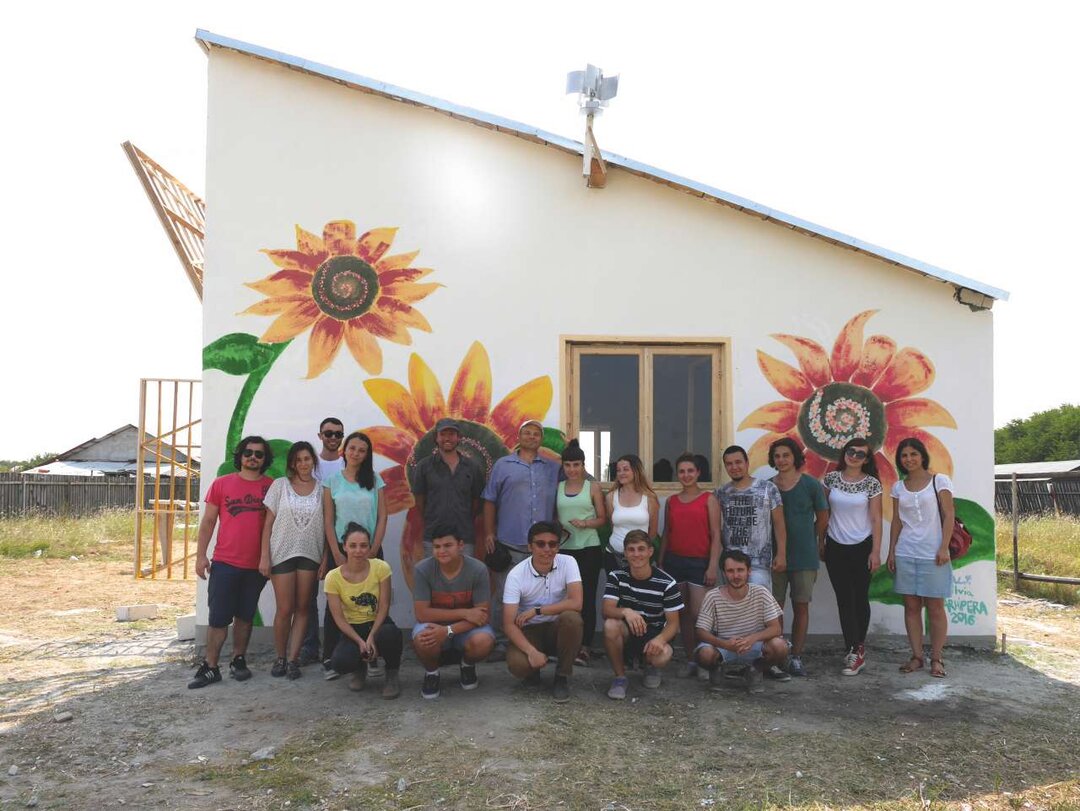
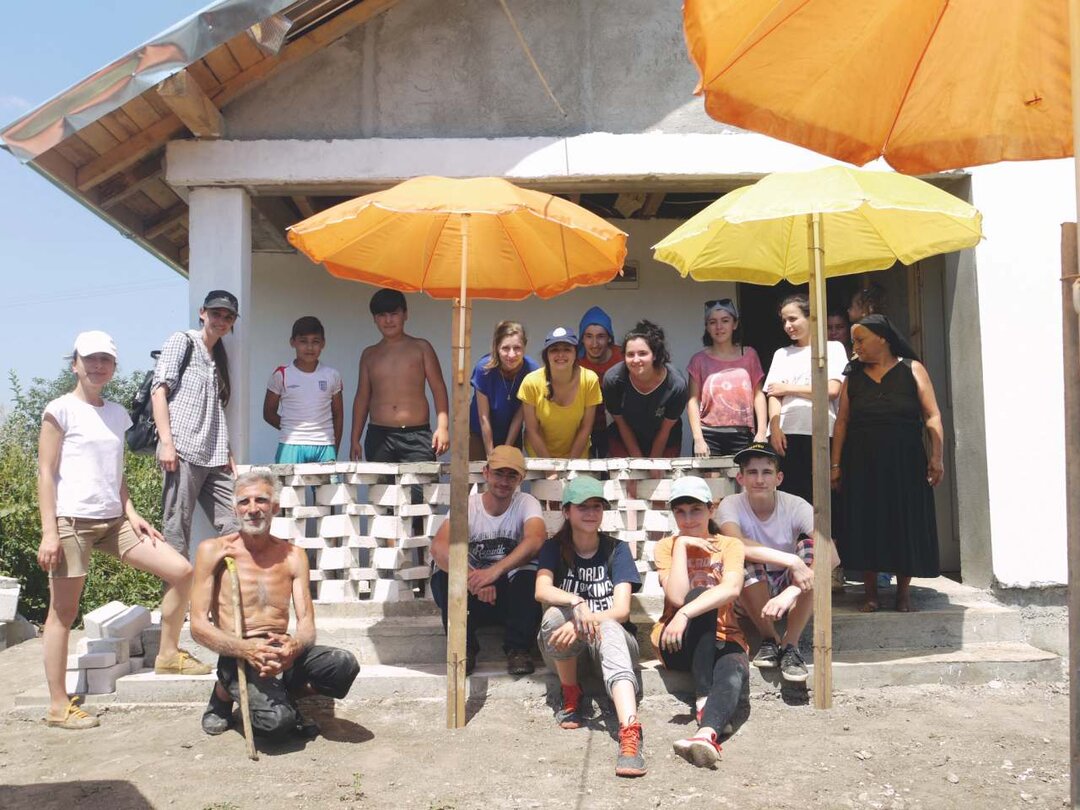
The Community Building project in the village of Bărcuț is an example of rural revitalization through community building, proposing an architecture at the service of the community, with the role of establishing local social and economic relations, ensuring their sustainability, reducing imbalances and enhancing quality of life. Belonging to a community adds social and personal value to life, shapes thinking and behavior through values, laws, moral norms and unwritten rules of conduct, provides assumptions and visions of reality and helps people to take a stand in relation to the world.
Our lives become part of the community as we integrate the community into our lives. For example, the more we feel part of a community space, the more time we spend in that space. That is where we live our lives every day and that space influences who we become.
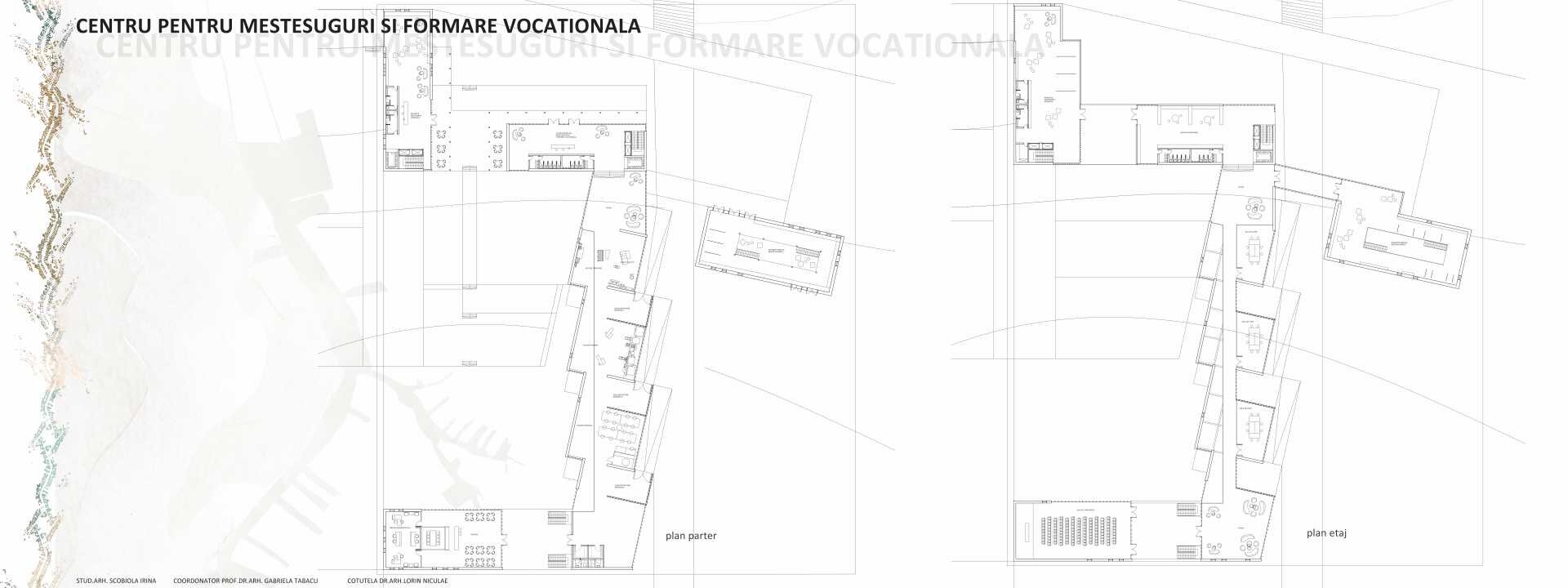
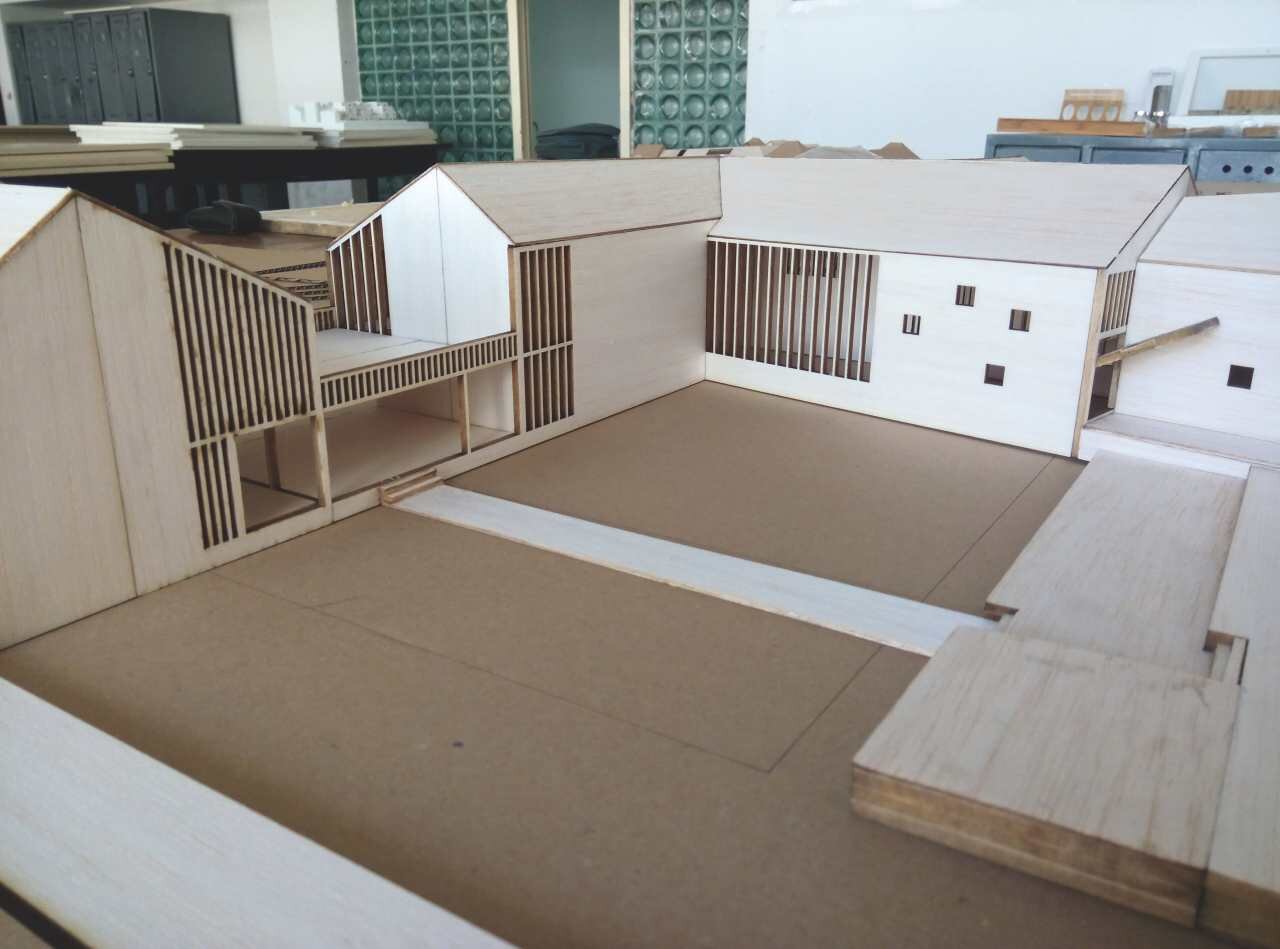
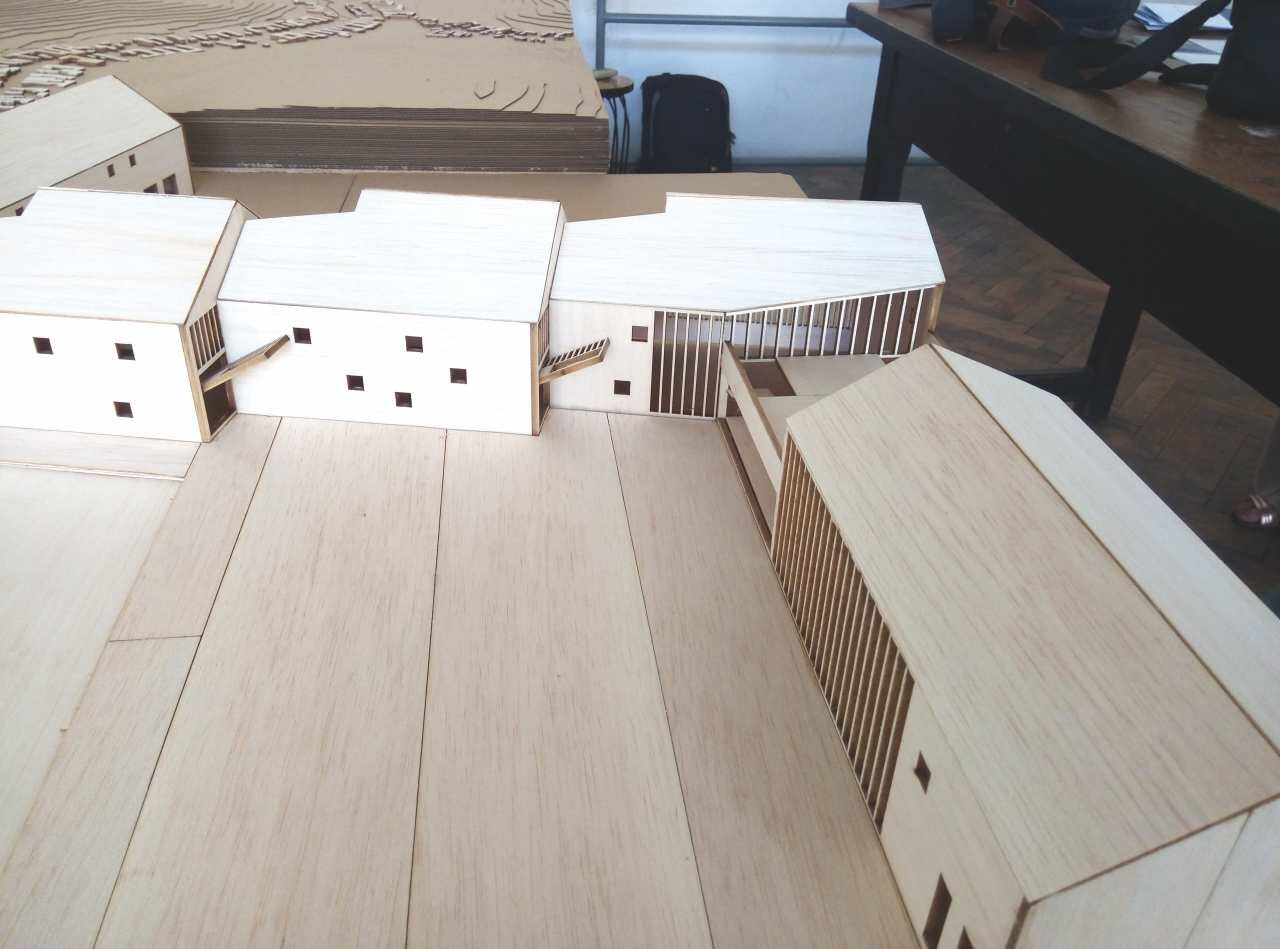
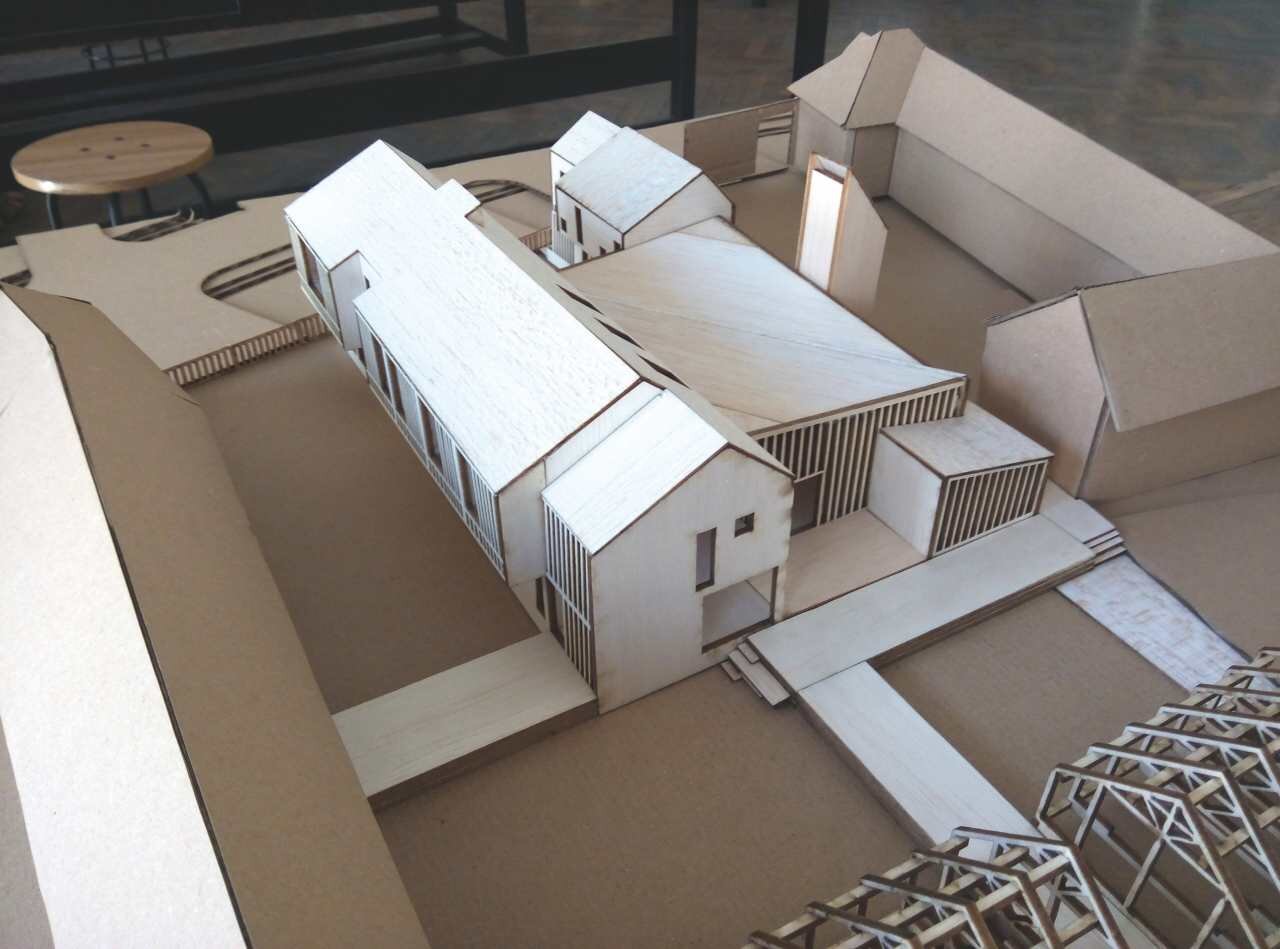
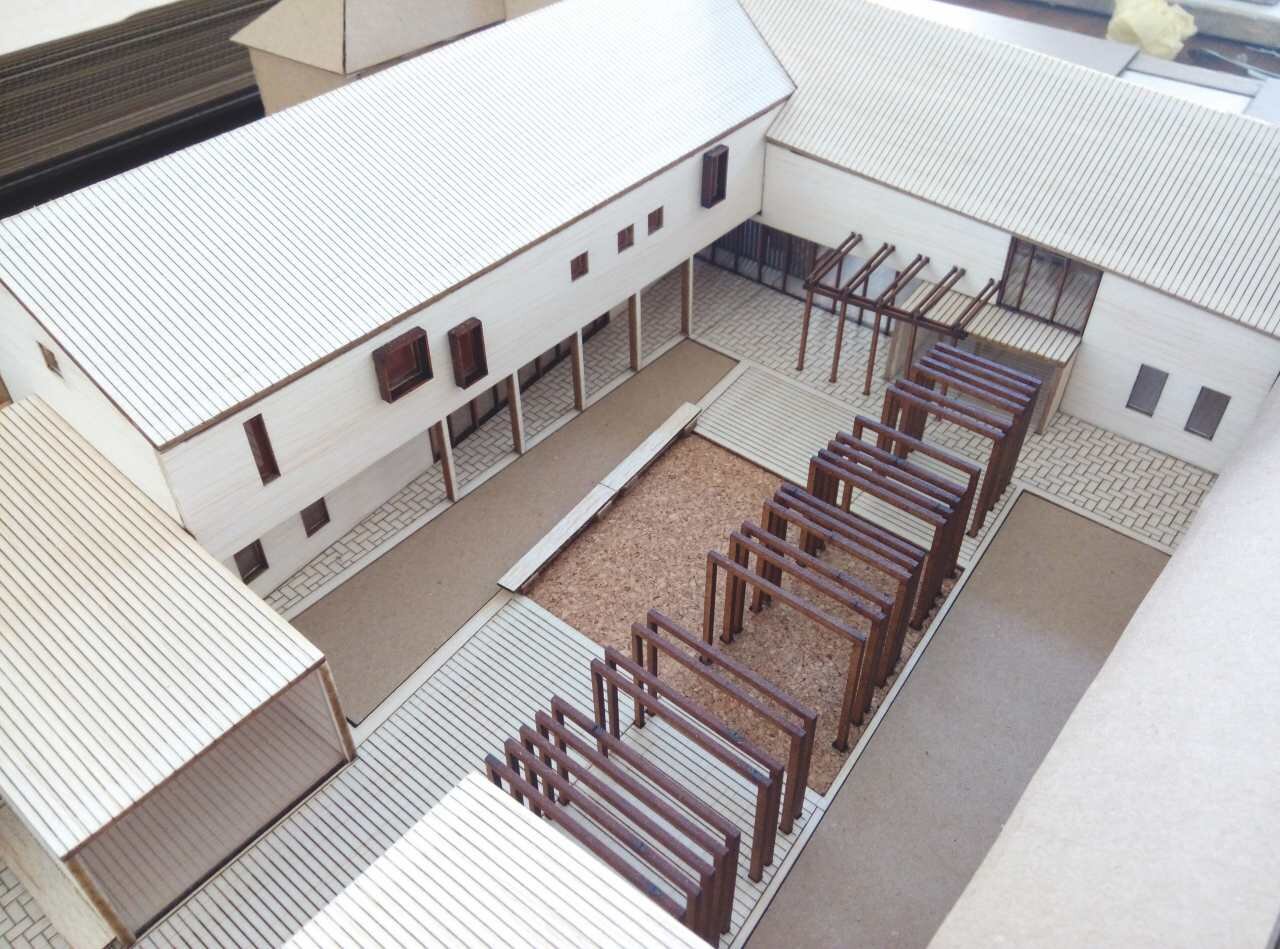
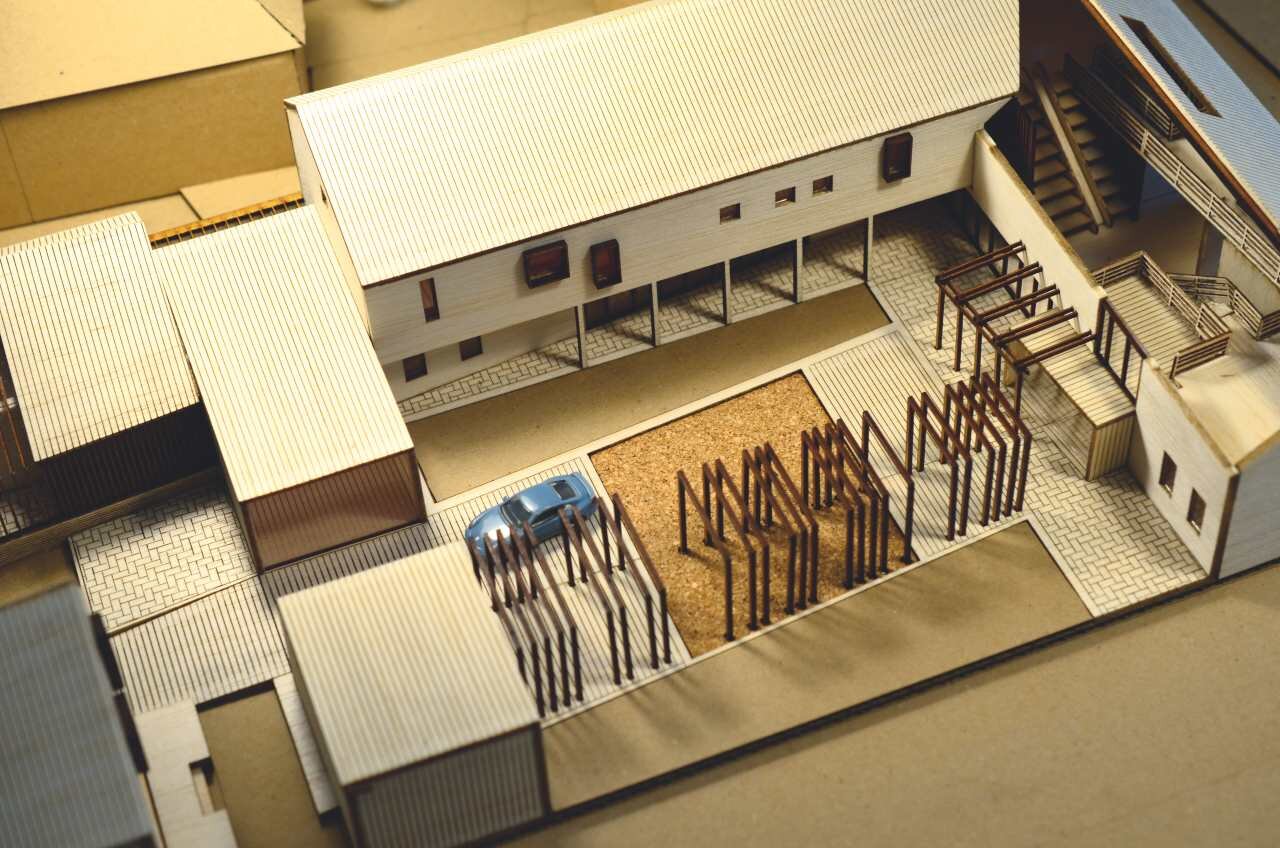
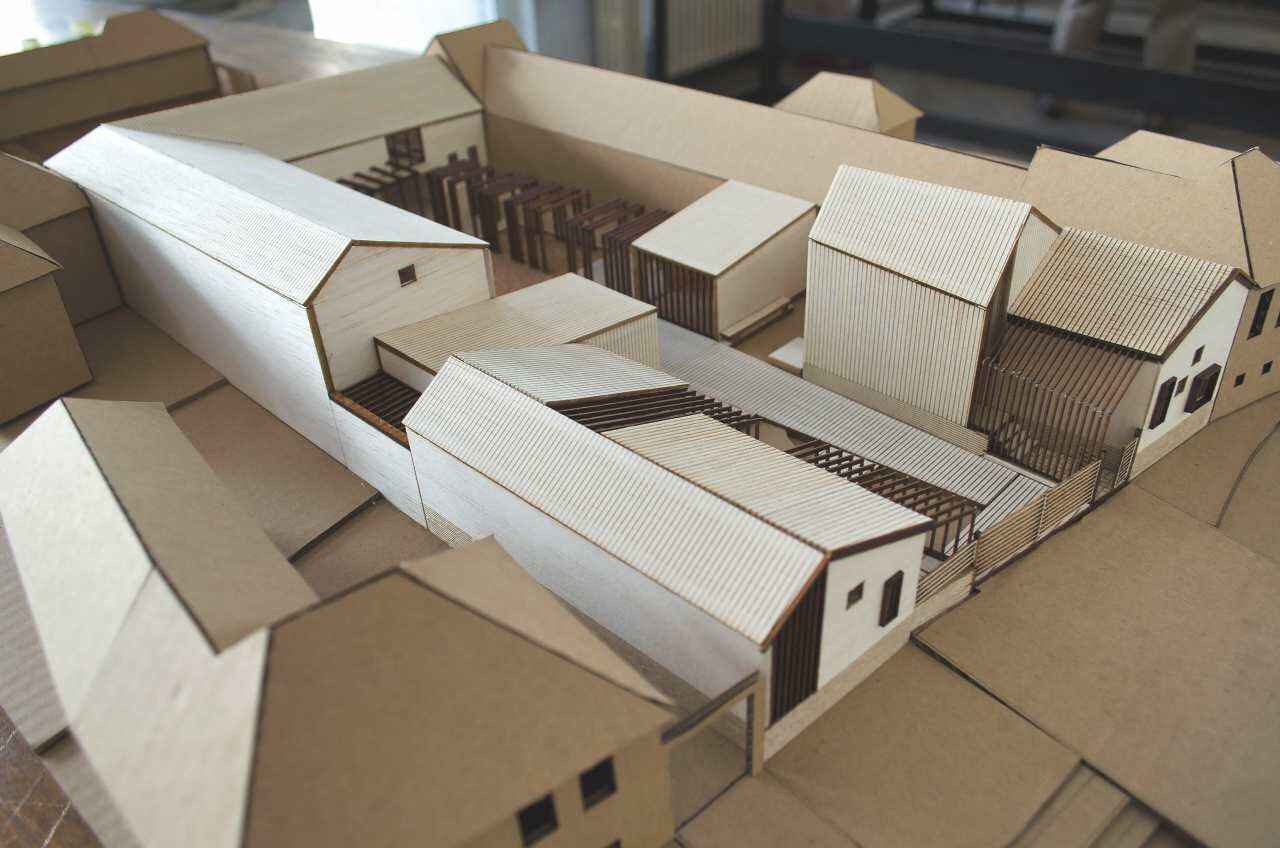
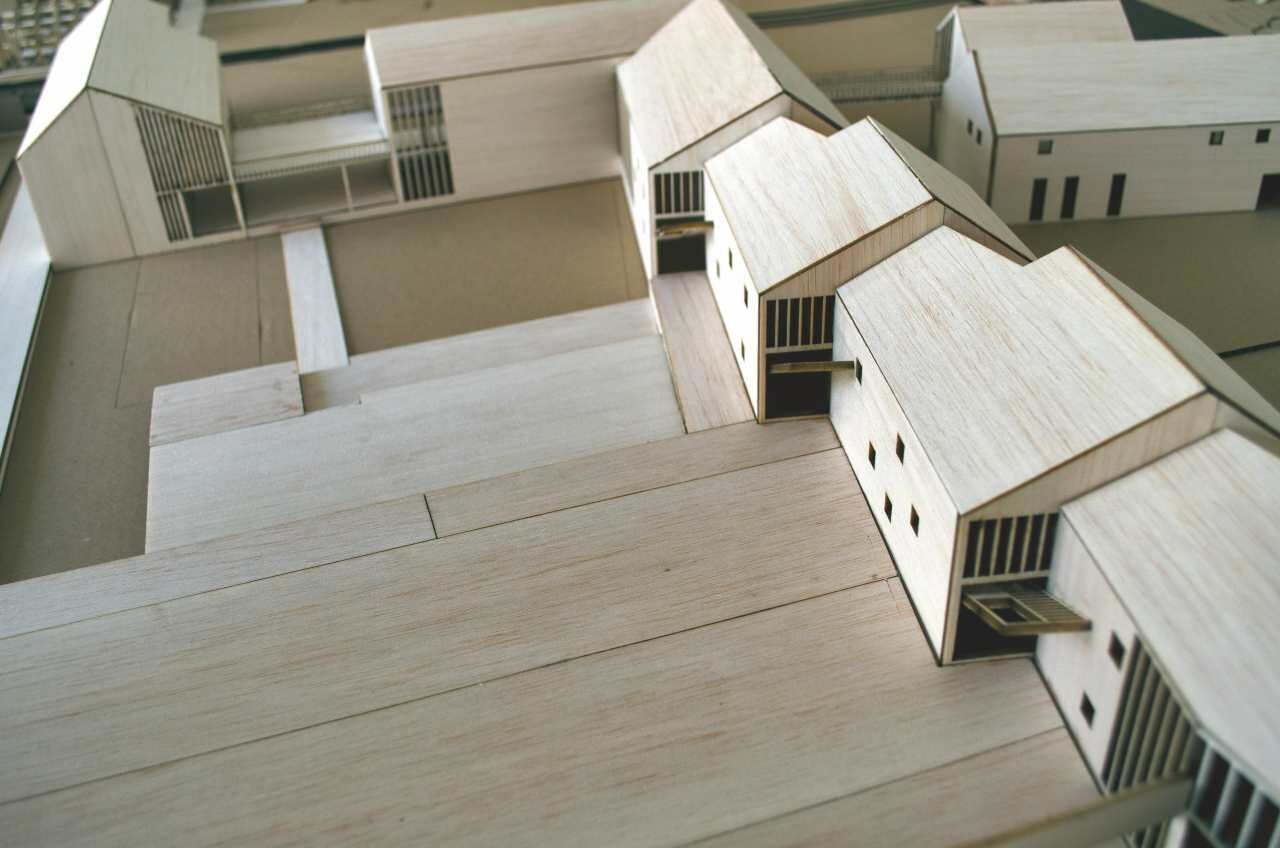
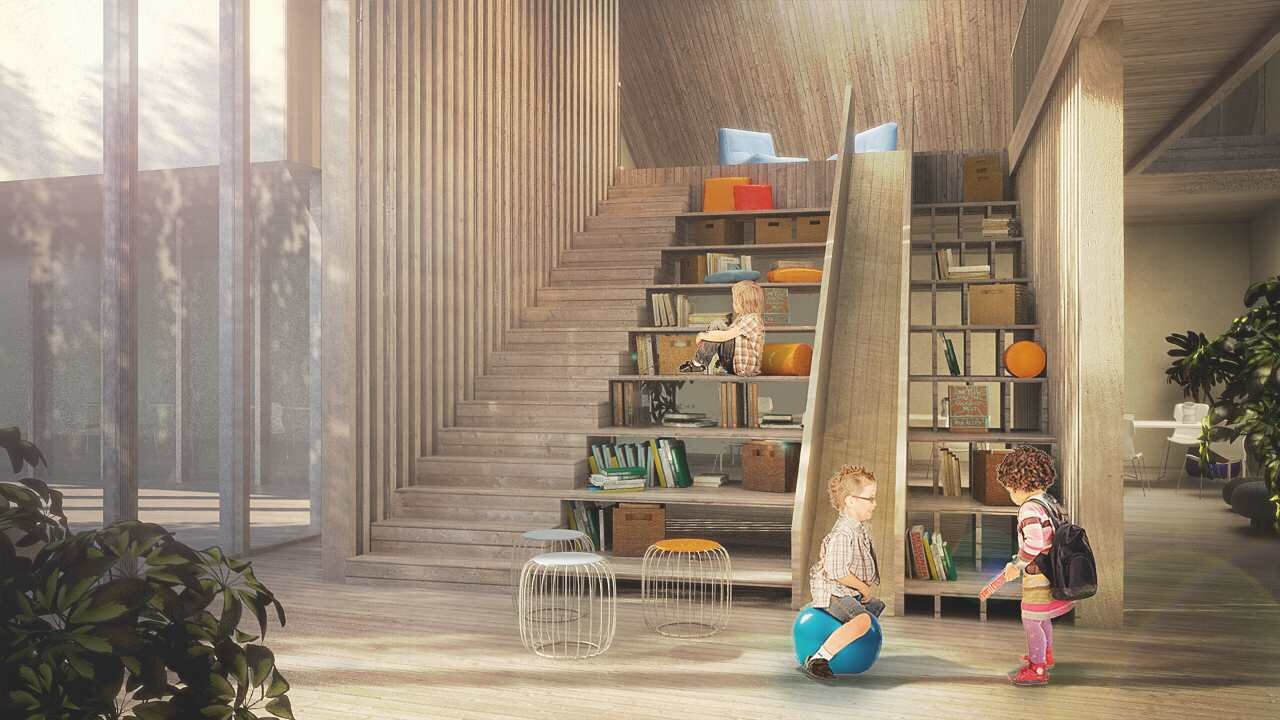
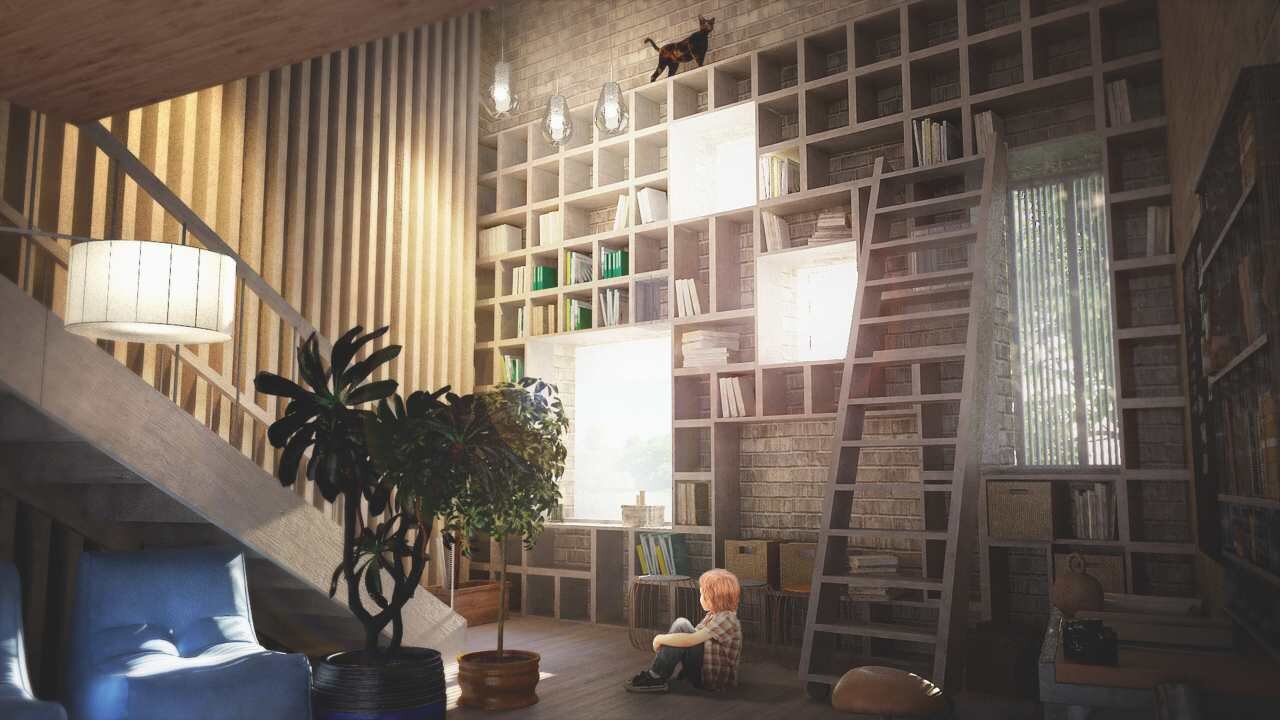
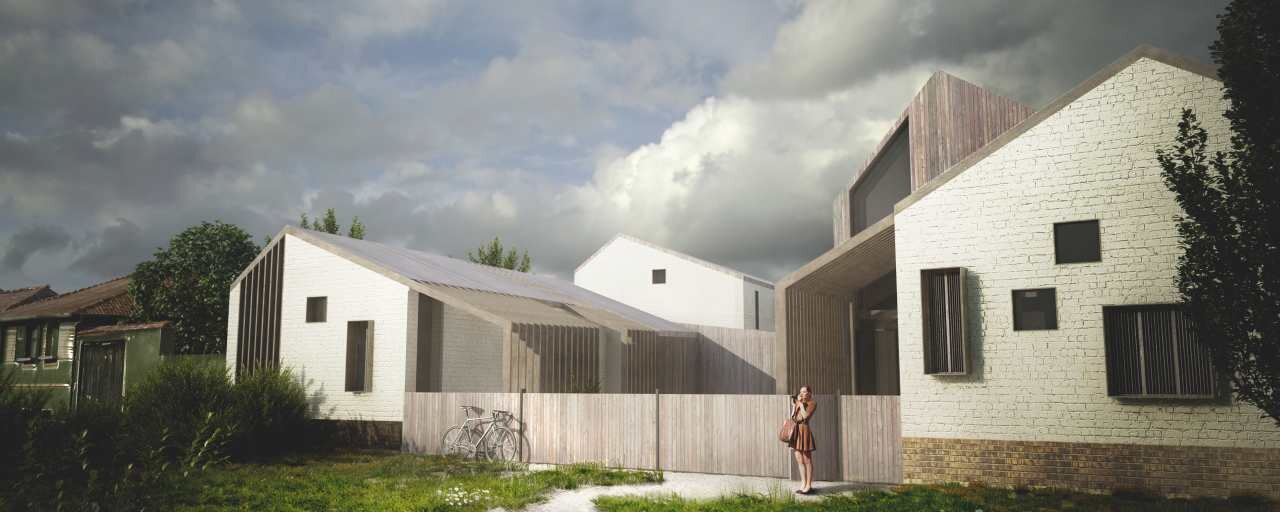
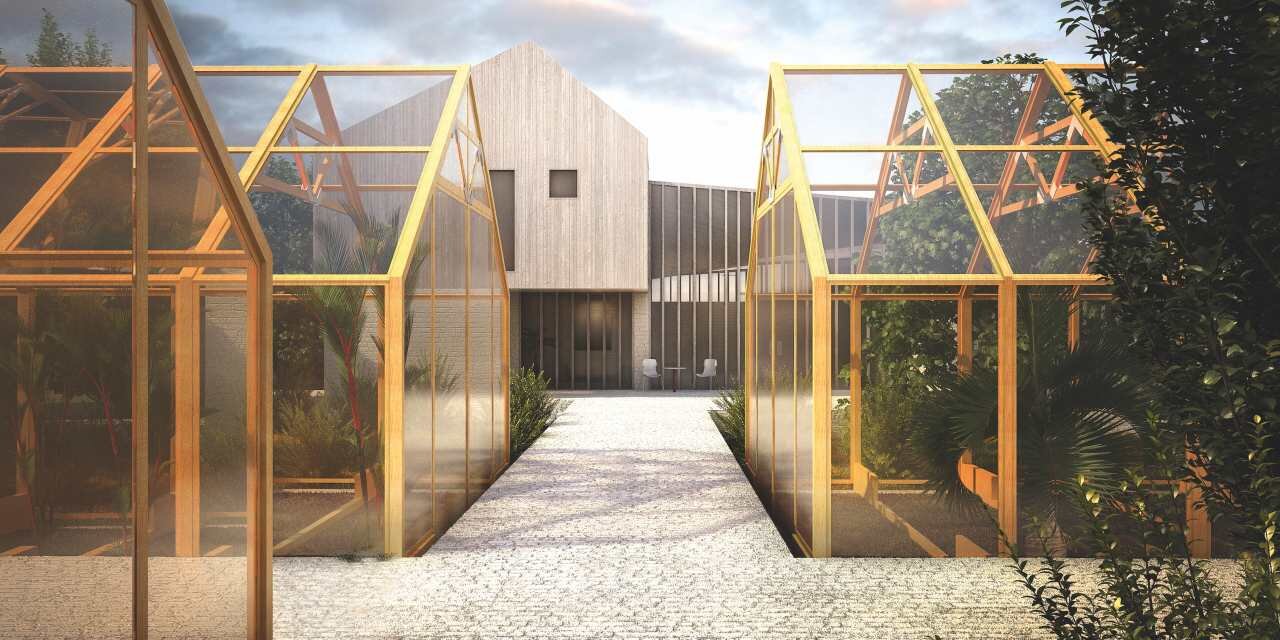
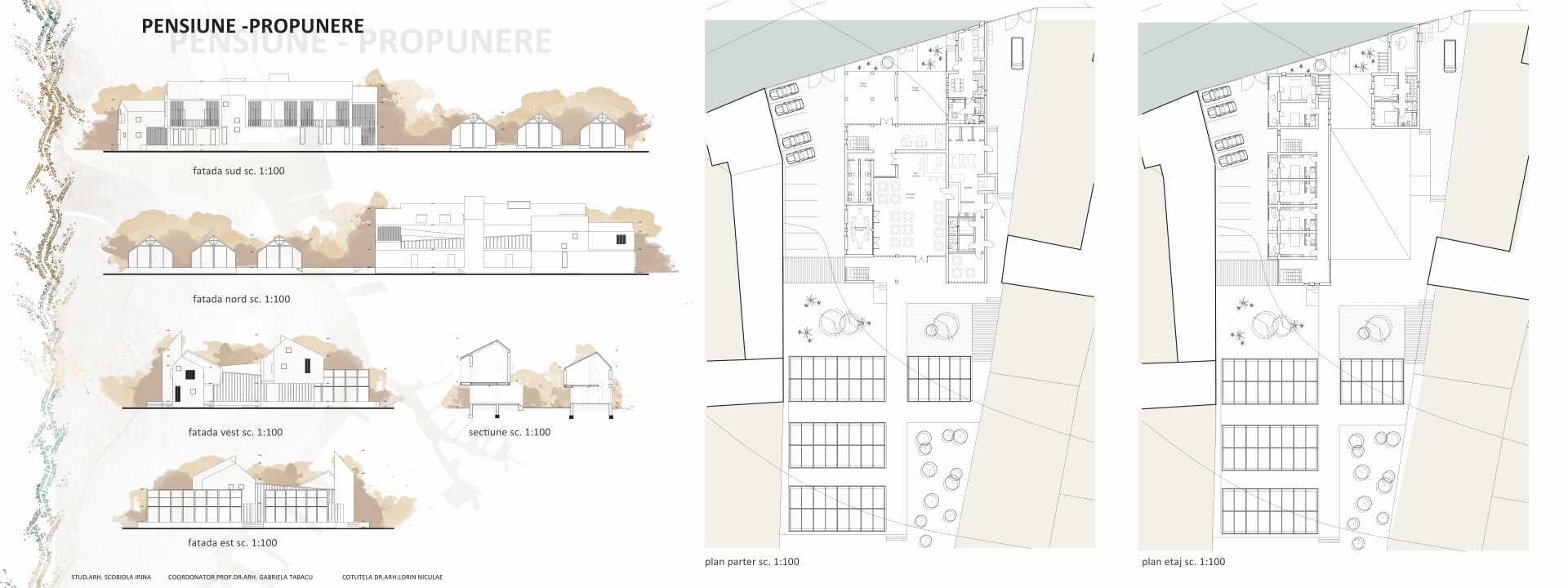
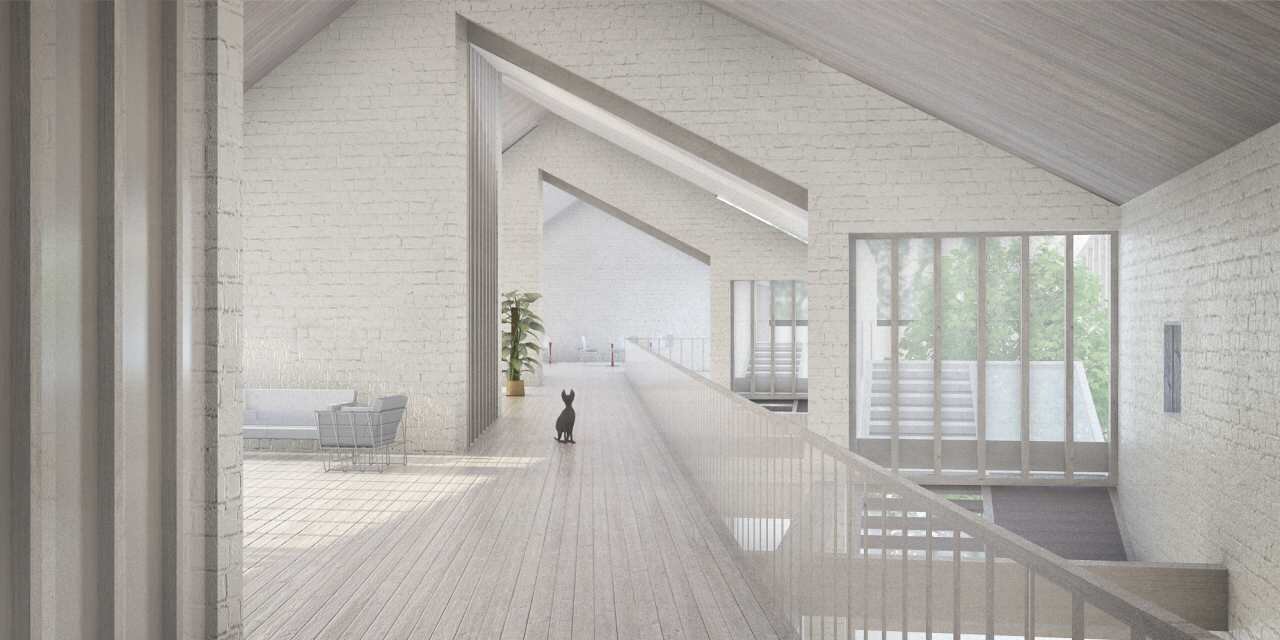
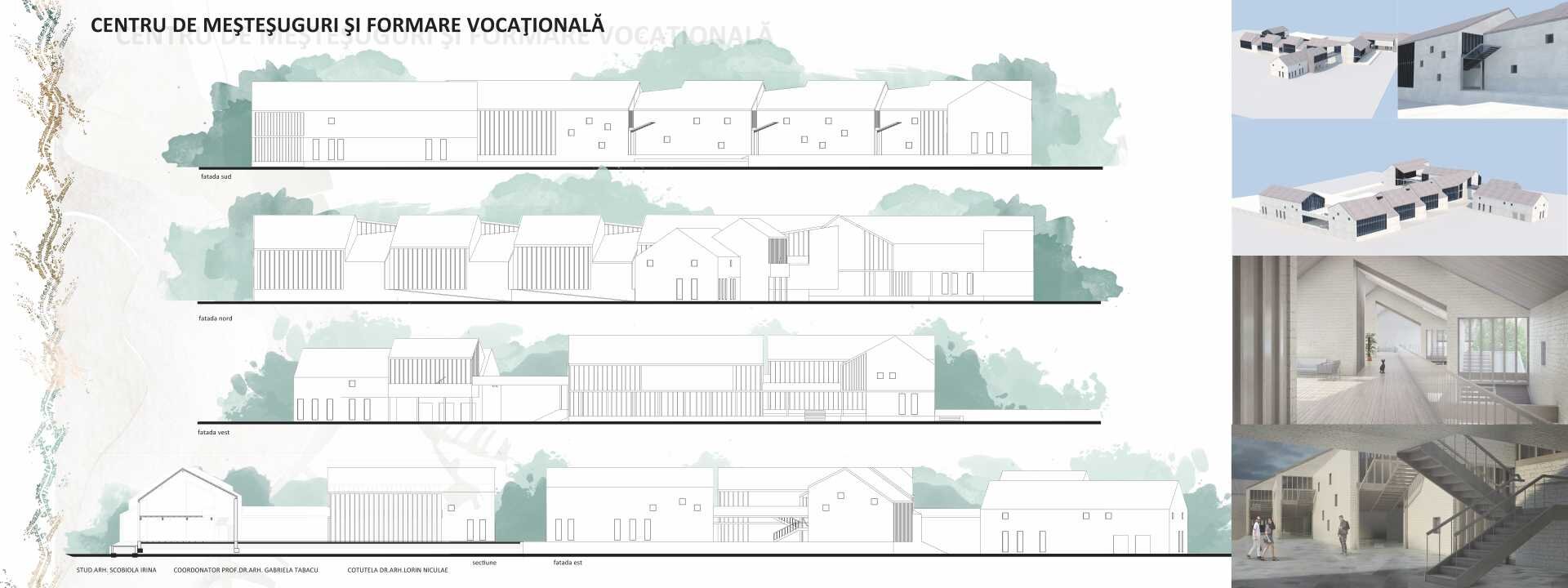
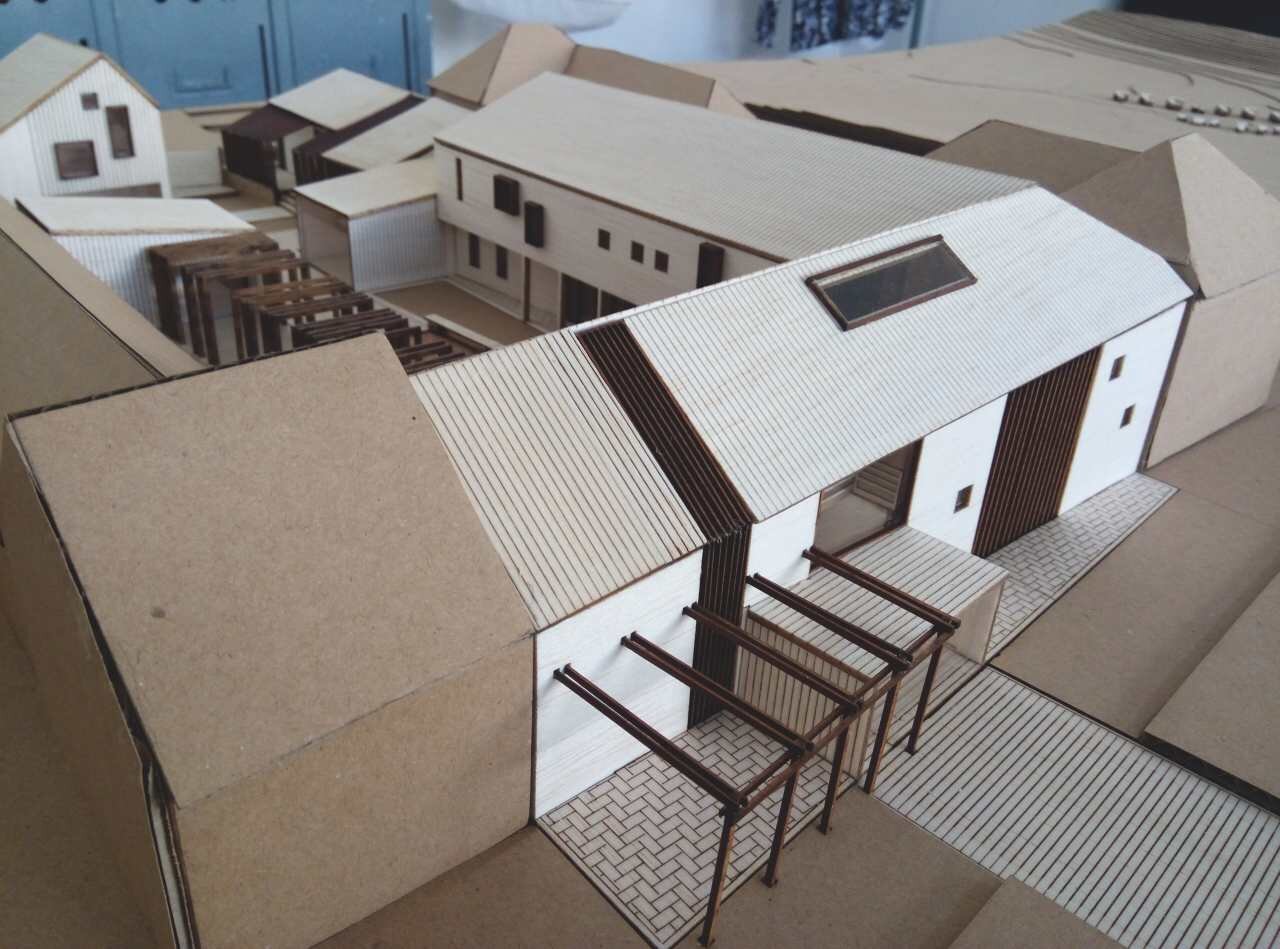
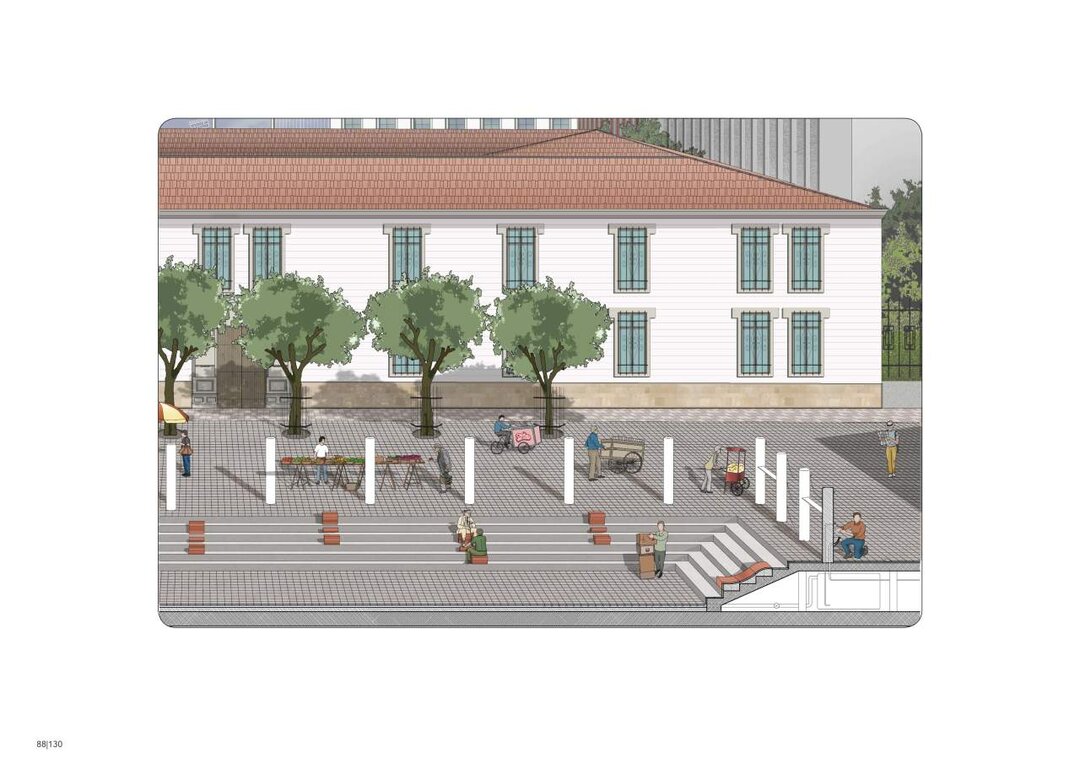
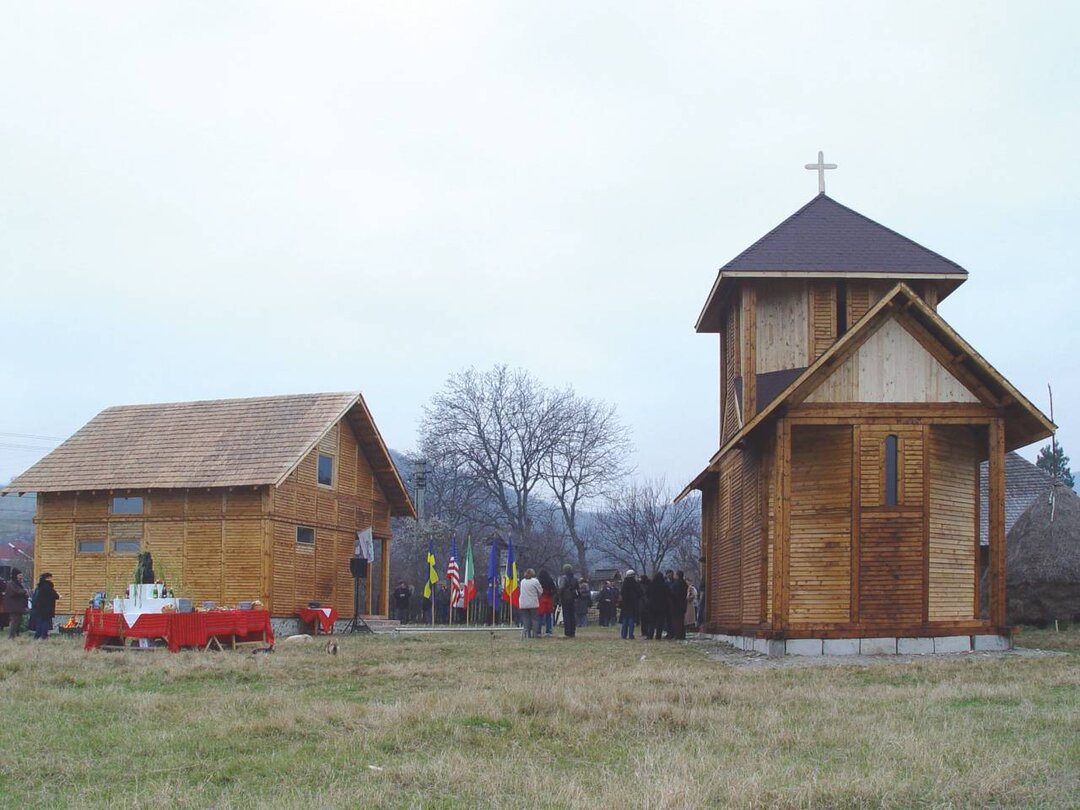
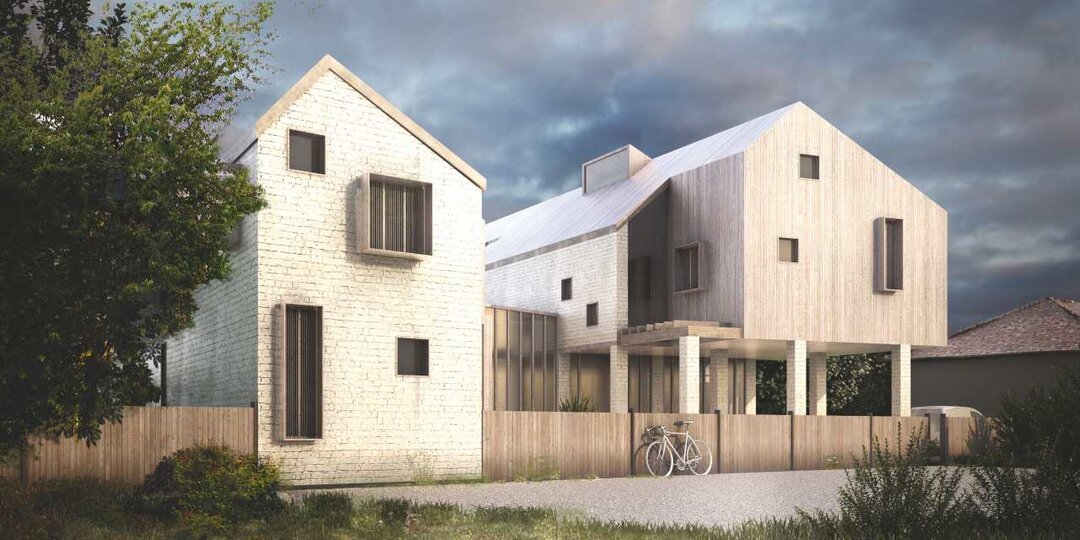
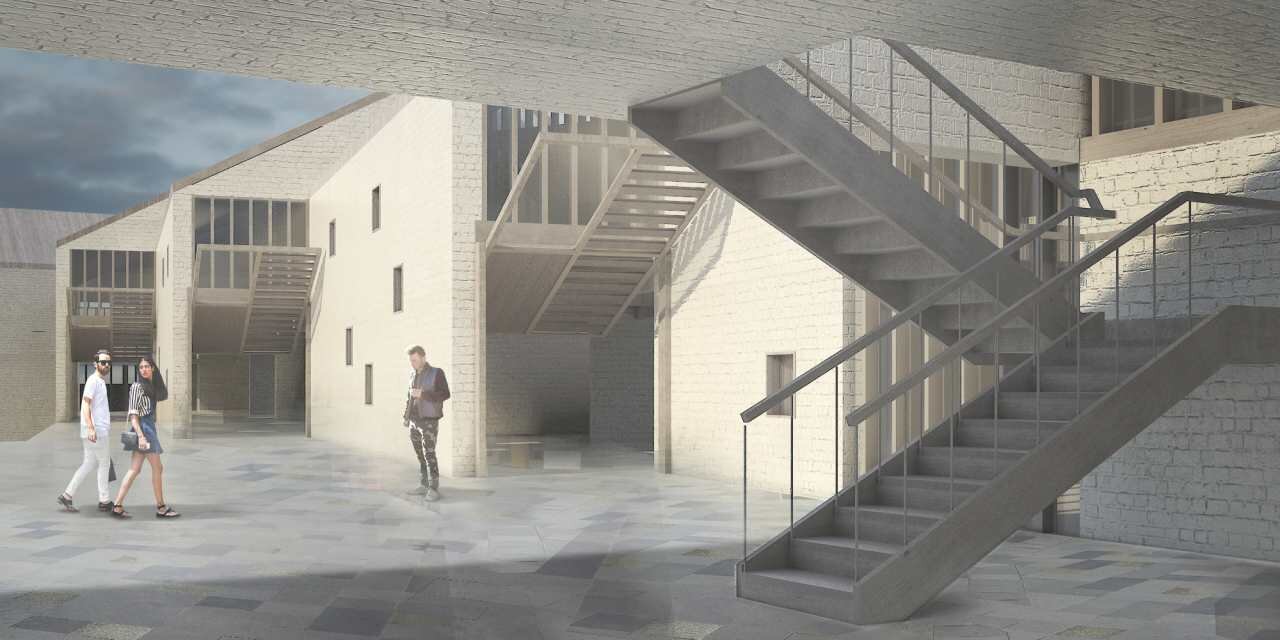
The proposed architecture offers spaces for dialog where community members can study, create, get to know each other, make friends. Three architectural interventions that express unity, rhythm, order - new functions that have economic input and contribute to the formation of a new community: community center, guesthouse and restaurant (village kitchen), center for crafts and vocational training.
 Argument
When I started this project I set out to put the so-called 'artistic' start of the architect in parenthesis in the hope of understanding the depth of the profession and the purpose of design. A depth which goes beyond the object, the architect, and concerns the whole. A depth that proves human existence and proposes architecture as an instrument of community building, a backdrop that fosters inter-human bonds and offers authenticity.
I believe that architecture is for others a transparency to the world within themselves, which fosters closeness to the self, closeness to the environment and, finally, closeness between people.
Therefore, rather than what is architecture? or how is architecture made? I turn my attention to the question what does architecture do? Rather, what can architecture do in the current context and how could architecture work with the limit?
I found a village of 300 inhabitants, located in the center of the country, close to the city of Făgăraș, in the north-west of Brașov county, threatened by depopulation, severe degradation of housing and its gradual disappearance. The village of Bărcuț is a rural area on the edge, which can be seen as a disadvantage from the perspective of national development. However, its cultural identity, history and tradition are strong distinctive characteristics that offer potential for a revitalization of the village.
Mission
In order to achieve the vision, a suite of interventions at local and wider level is required. These interventions are primarily aimed at improving the quality of housing and preserving the local heritage, while developing the local economy through agriculture, tourism and industry. Specifically, the interventions needed are as follows:
- Improving infrastructure and access to the village of Bărcuț;
- Improving and completing the building facilities;
- completing the necessary housing functions (dispensary, schools, shops, etc.);
- attracting European funds to support agricultural development and the rehabilitation of heritage buildings;
- development of new functions to attract tourists and young people and to encourage education - community center, crafts center.
Vision
Within a time horizon of 10 years (2026), the village of Bărcuț will have undergone transformations leading to better management and capitalization of existing resources. The village will not only have succeeded in preserving its historical and cultural identity, but will also have been able to capitalize on it through a series of interventions and insertions into the existing fabric.
The development of the village will focus on tourism (ecotourism, cultural tourism, agritourism, weekend tourism), heritage (crafts hub, community center), but also agriculture and industry (sustainable exploitation of clay, wood, natural gas resources).
The village will have developed its functions, so that by the time we are talking about now the economy will be supported in parallel by several sectors:
- agricultural activity (vegetables, fruit, viticulture) and animal husbandry. For the development of the agricultural sector, European funds have been attracted for the development of new production, collection and sales units for local produce. Local producers are to be supported to sell their products to people or shops, but also to develop agro-tourism;
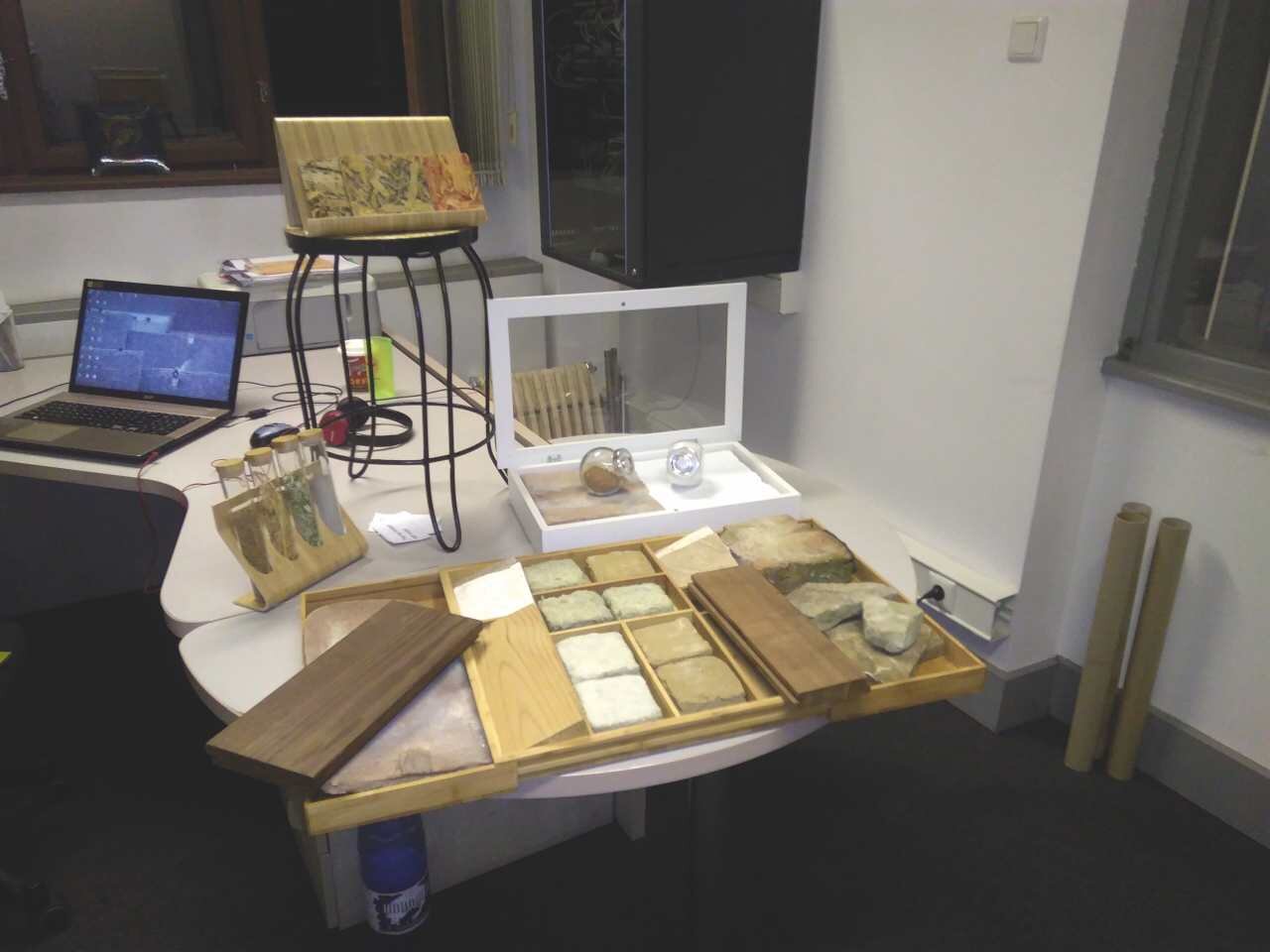
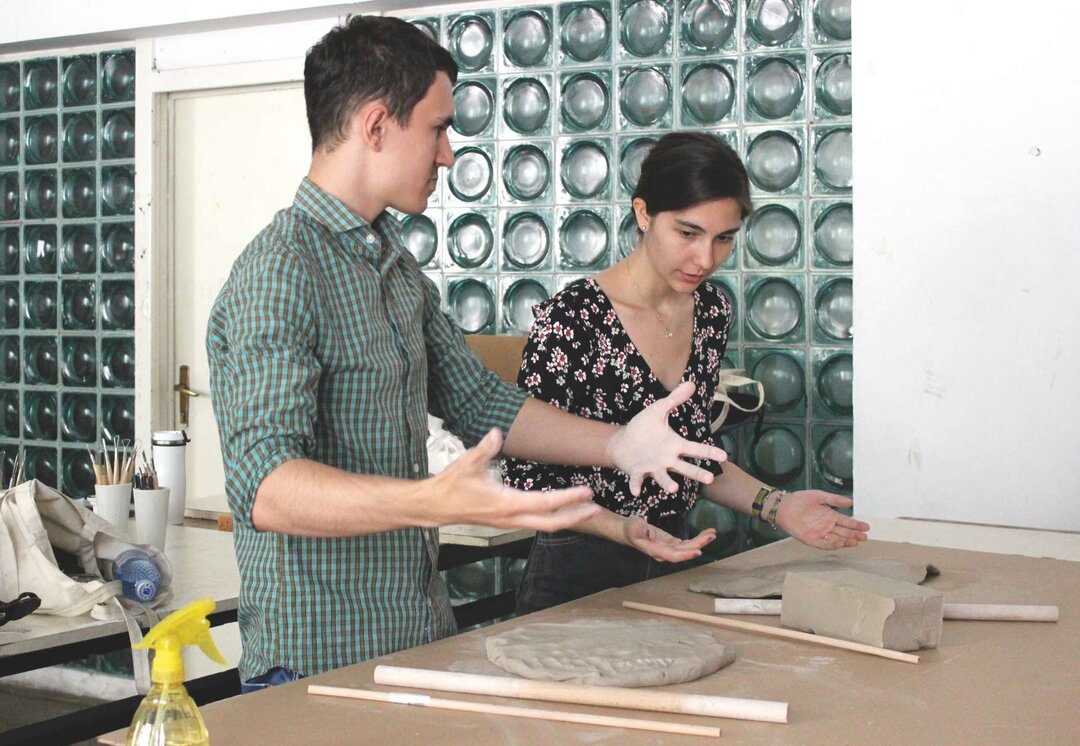
- tourism. In the planned timeframe, a series of interventions have been carried out in the natural environment (development of recreational areas on the river banks and near the forests) and in relation to heritage elements. A community center and a handicrafts center have been built in the village, where tourists and students can learn about the specifics of the place, traditional building materials and restoration techniques. Workshops and workshops are frequently organized, attracting a young sector of the population and contributing to the revitalization of the place.
All those who come to the village of Bărcuț, either to learn or to relax, are accommodated in heritage houses that have been rehabilitated according to local specificities and transformed into small guesthouses, thus helping the resident families to support themselves economically. Sustainable and culturally friendly tourism is practiced in the area.
The quality of housing has been improved through the development of the building system and the completion of commercial, educational and health facilities.

 Summary of ARCHITECTURE Magazine, NR.2-3/2018
PARTICIPATORY ARCHITECTURE