Urban Thinking Festival – Brașov 2018. First Festival of Urban Reflection in Romania

text: Bogdan TOFAN

Architectural Venice thrills me every time. I had the good fortune to get to know it in detail during the 5 years I visited it often as commissioner of the Romanian Union of Architects in charge of organizing the selection process of the team of architects who designed the pavilion in 2012 and 2014.
During the Venice Biennale, I had the opportunity to talk to Rem Koolhaas in 2013 and 2014, and I was pleased to see how well he knows Romanian architecture. He said that each pavilion should be like a speech about the last hundred years of architecture (1914-2014).
During the period of curatorial preparation of the whole biennale, in one of the press conferences he held in front of journalists from around 60 countries, he gave details of how he would see the process of preparing the architectural discourse for any of the participating countries. "Look, for example, at Romania and how it has unfolded over the last 100 years. The architecture of this country has been influenced by two currents, both from outside, if you look at the architects Horia Creangă and Duiliu Marcu, and also by artistic currents from within, if you look, please, at the architectural production of Ion Mincu and Statie Ciortan."
This writer and architect knew the essentials about architectural phenomena in a country usually fatally ignored by the international press.
I was flabbergasted. I confess that it was a superb lesson for me, I felt that we existed, that we were being taken into account in a setting where we were likely to be ignored. Not because we had no value, but perhaps for the reason that we were always coming up with oddities and bizarre architectural things that did not characterize us - see the phenomenon of Roma houses. I liked what Rem Koolhaas said at the time, and I understood that, despite being a rebel, he is a man of depth, with a solid culture, who wants to understand, and often succeeds, to see the international architectural phenomenon in depth.
In a more recent interview in 2017 in Moscow, where he already has his third architectural work in progress - Moskva Urban Forum - he also said that the ex-Soviet urban and architectural residential space has the quality of being generous, it is designed for all people, regardless of occupation or social class. This urban space of the years after the Second World War should be preserved, not demolished, because it is a living testimony to the way people lived at that time in this part of the world. I learned something then from Rem Koolhaas that was not clear to me because I lacked perspective, which was that what was happening here was happening all over Eastern Europe - that is, in Bratislava, Zagreb, East Berlin, Budapest, the architecture and urbanism was pretty much the same. Then, in 2014, I saw this kind of urban space on display in the Dutch pavilion talking about the great Bakema. I glimpsed then a vein of Dutch urbanist theoretical grounding.
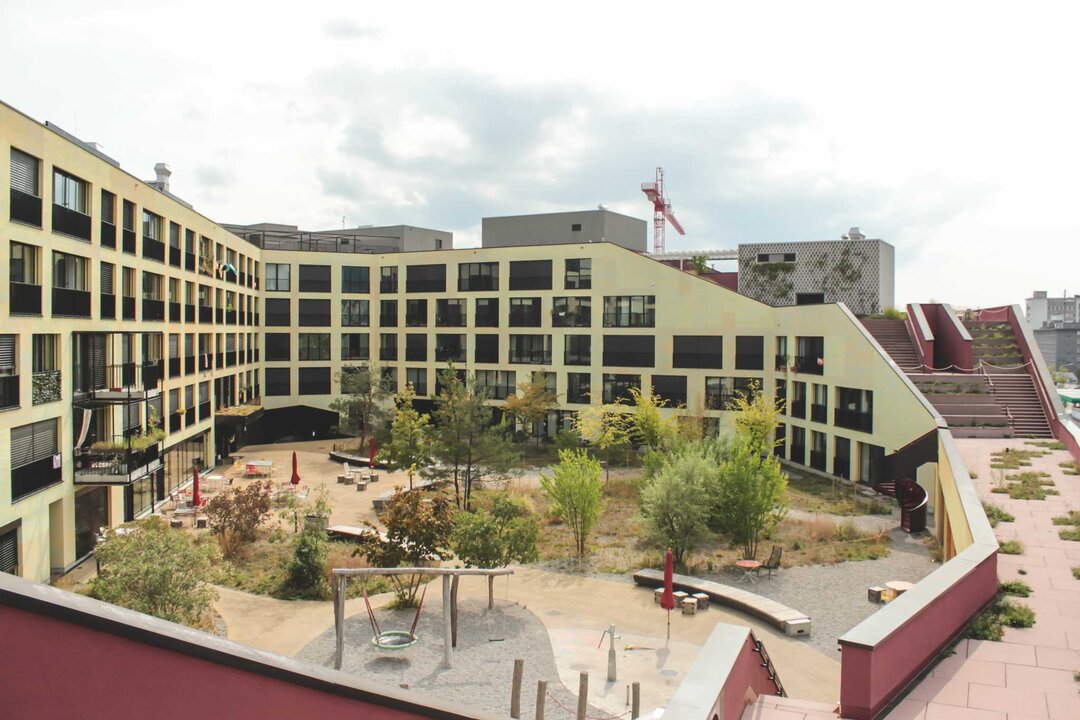
A lot can be said about the regime of that time, but the urban space designed and realized then has a certain quality and shows a special care for man, for the citizen; it should be preserved, protected in the same way as we try to protect a historical monument today. I think Rem Koolhaas is right when he says this. I feel a kind of solidarity with the architects and designers of the 1950s and 1970s, who designed on a large scale, perhaps also because I see my father, Aurel Tofan, who worked at that time at Proiect București together with the great architect Dinu Hariton on the design of the Drumul Taberei neighborhood. Unfortunately, in many cases, the spaces created then have been parasitized and destroyed today.
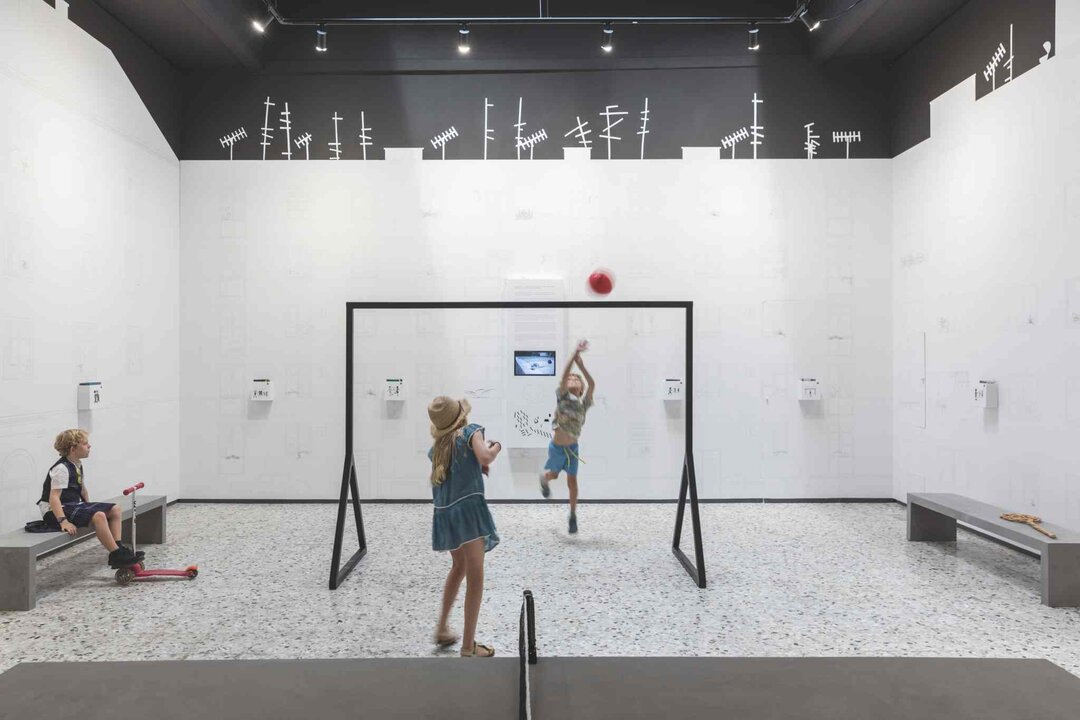
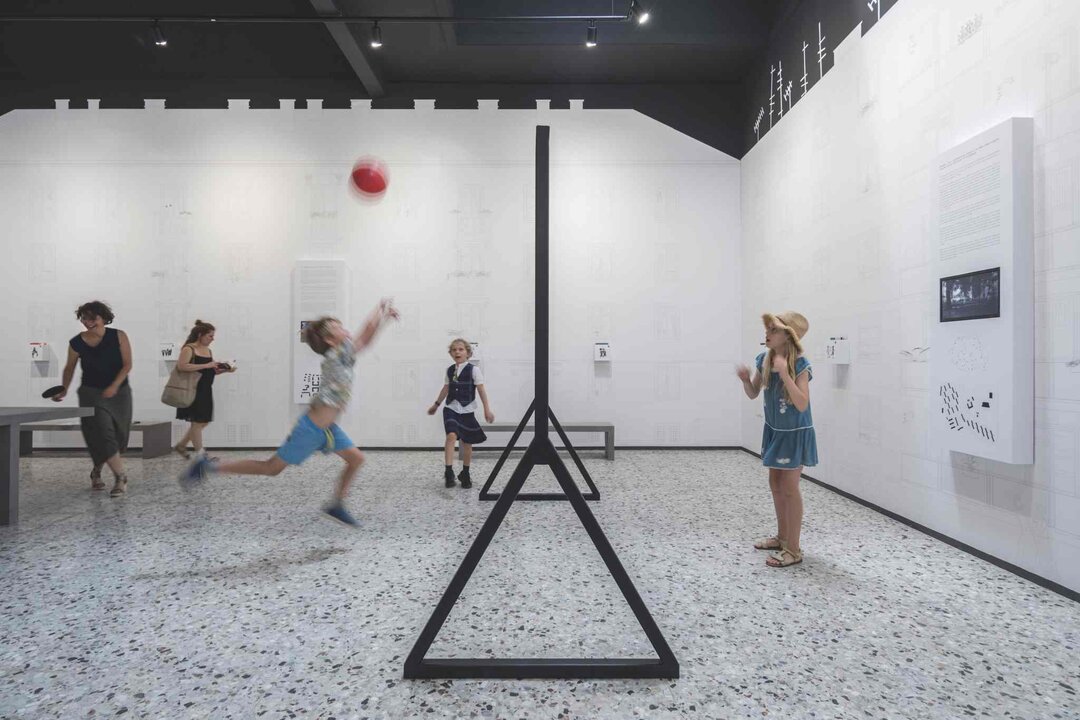
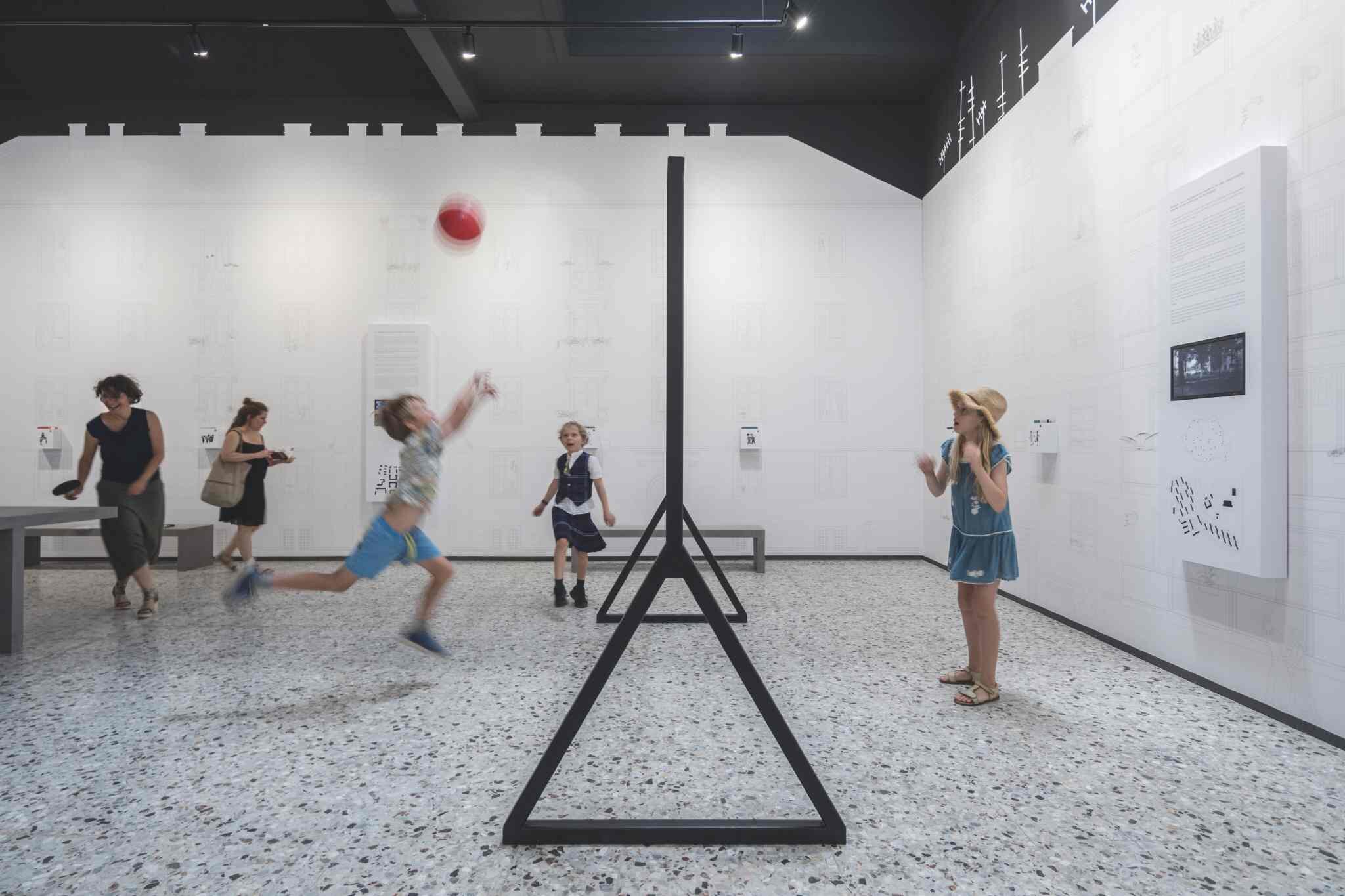
Romania's pavilion at this year'sVenice Architecture Biennale has questioned exactly this urban space, a legacy of those times, but from a different perspective. The concept of the pavilion captured the sentimental world of childhood in general and, in particular, the atmosphere of playing in front of the block of flats with children who grew up with a wrench in their neck. Our pavilion in Venice this summer was the place where a "Western" citizen could probe the world of childhood in the former Soviet bloc countries. Where? At the Romanian Pavilion in the Giardini della Biennale. The Romanian "exhibition" at this year's Venice Biennale talked about children's play in the post-World War II period - that was its essential quality. He crossed the ideology barrier, touching the childlike soul of every visitor. Interactive, sensitive, triggering memories.

When presenting the concept of the project, I understood the basic idea: the urban space in which many children have played and still play, generally in urban environments. But I couldn't make the connection with the title. I didn't know what MNEMEMONICS meant. The team explained to me the association of the exhibition concept with the term, memory as a trigger and reactivator of memories. For the general public this title may seem slightly pretentious, but the subject is really of general interest to people of all ages.
I really liked the illustrated postcards I found in the exhibition. Comics meant and still mean a lot to me. When I was in high school I used to go to the French Institute on Dacia Boulevard in Bucharest and borrow comic books. I loved rediscovering this way of seeing the world through the eyes of a child and I congratulate the team for this gesture.
It is 2018, a jubilee year. It is 100 years since the Great Union. Romania's presence at the International Architecture Exhibition in Venice - La Biennale di Venezia - had a bipartite structure this year. The Romanian pavilion in the Giardini della Biennale contained the main body of the MNEMONICS discourse, while the small gallery on the ground floor of the Romanian Institute for Culture and Humanistic Research, located in the Canareggio district in the center of Venice, developed the discourse by presenting a more unique exhibit: a reinterpreted "block staircase". Even today children still play in the staircase of the block when it rains outside or if the neighbors allow them.
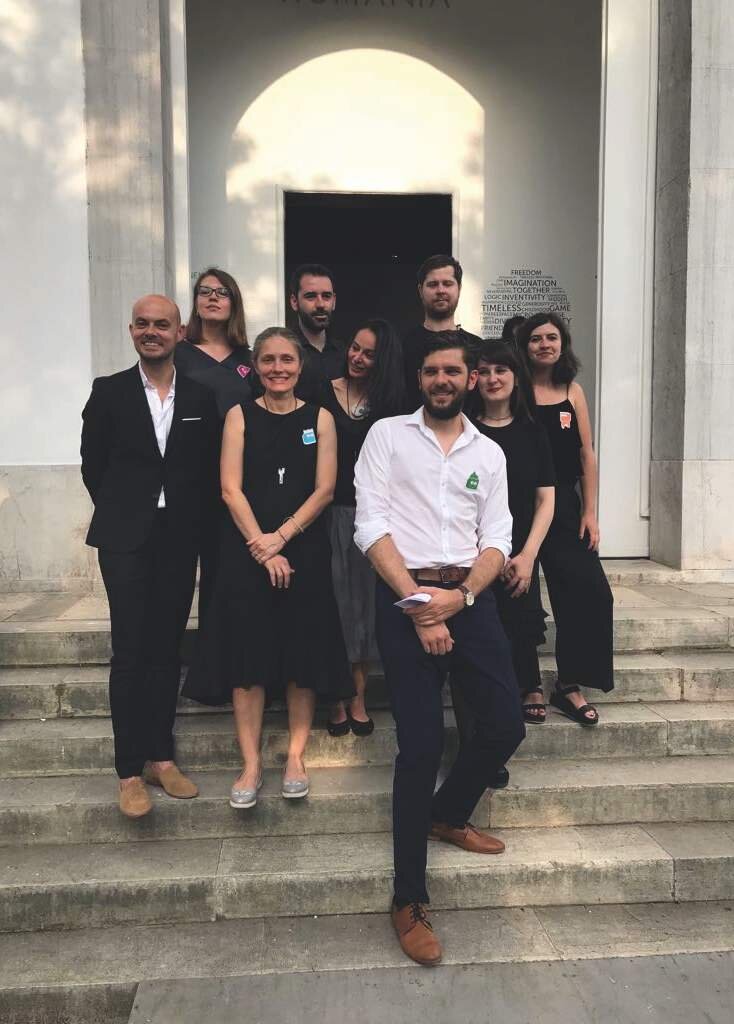
I was pleased to find here, together with the team of authors, the architects of the "De-a Arhitectura" project, which deals with children's education in schools. They have here an open front for children's imagination, for stories.
What I found particularly valuable was the joy in the eyes of those coming out of the pavilion. They seemed repaired, restored, as if they had been reunited with a loved one they had not seen for a long time.
I believe that good quality architecture that is worth going through is the kind that brings joy and makes people feel good, helps them to find themselves. Its effect on the viewer is unique - it produces memories. Something similar happened here - after you walk through the Romanian Pavilion you leave with a memory, you take with you the feeling that someone gave you the opportunity to go back home and play in front of the block one more time. I was left with the desire to revisit the pavilion and I think that's what counts.
I told all my friends: "Visit the Romanian pavilion at this year's Venice Biennale - it's simple and straightforward, it makes you revisit your forgotten childhood!""