Urban Thinking Festival – Brașov 2018. First Festival of Urban Reflection in Romania

Some thoughts at the end of the game
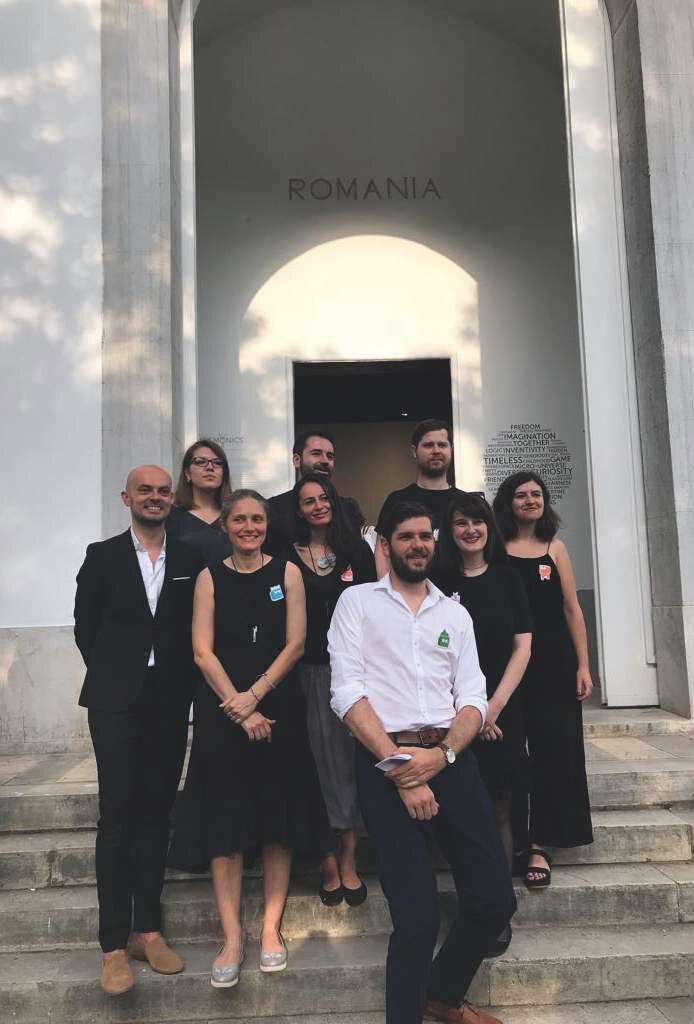
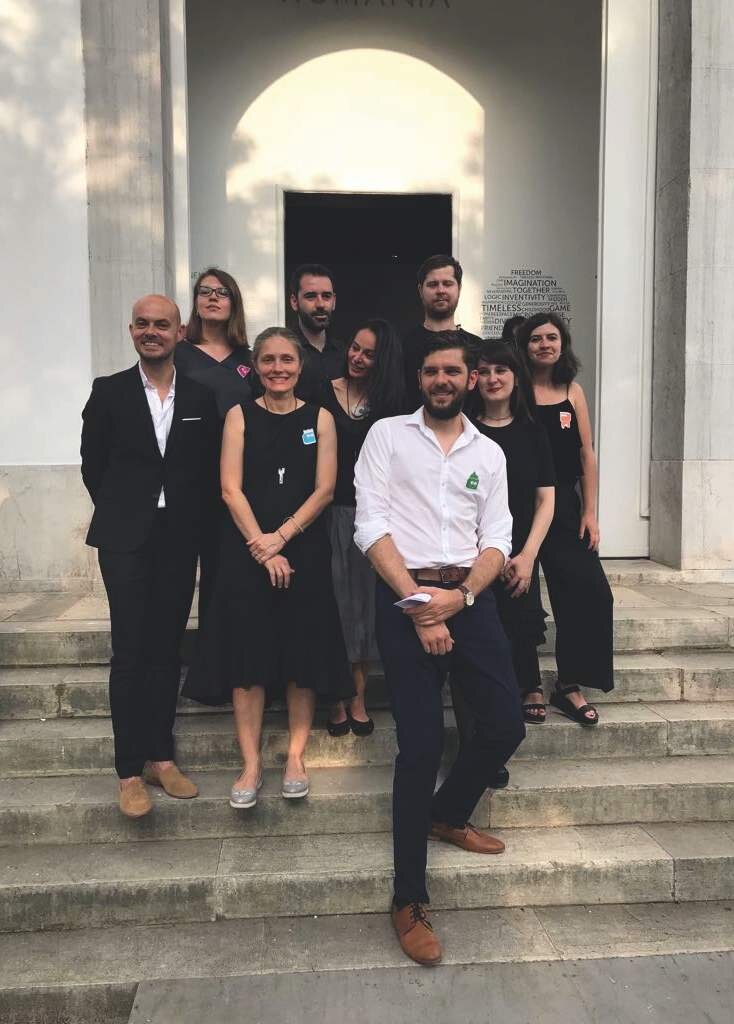
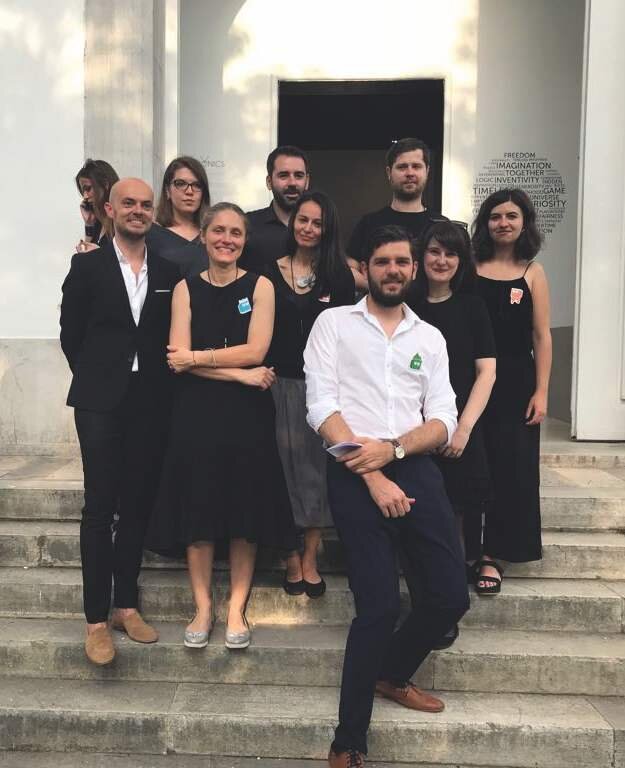
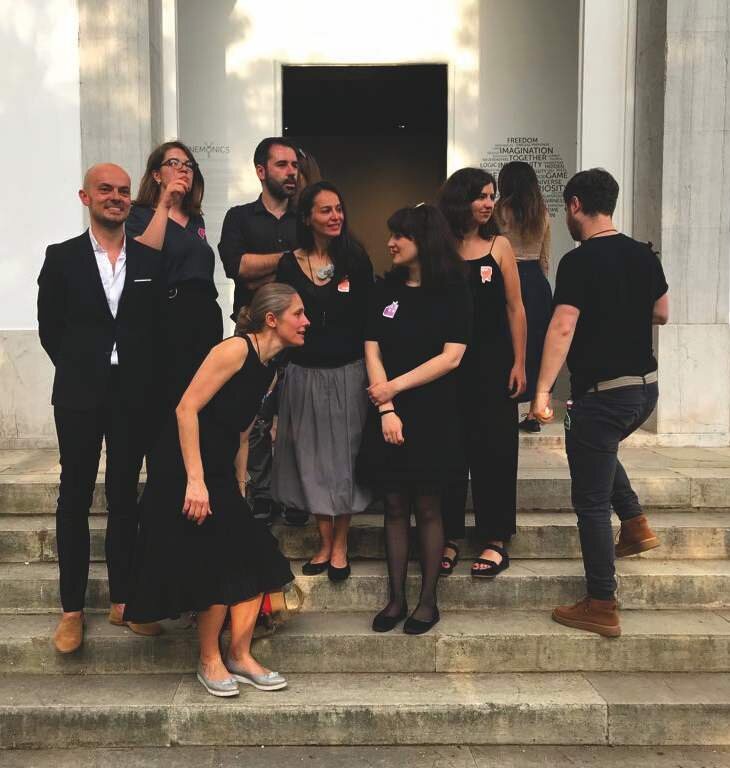
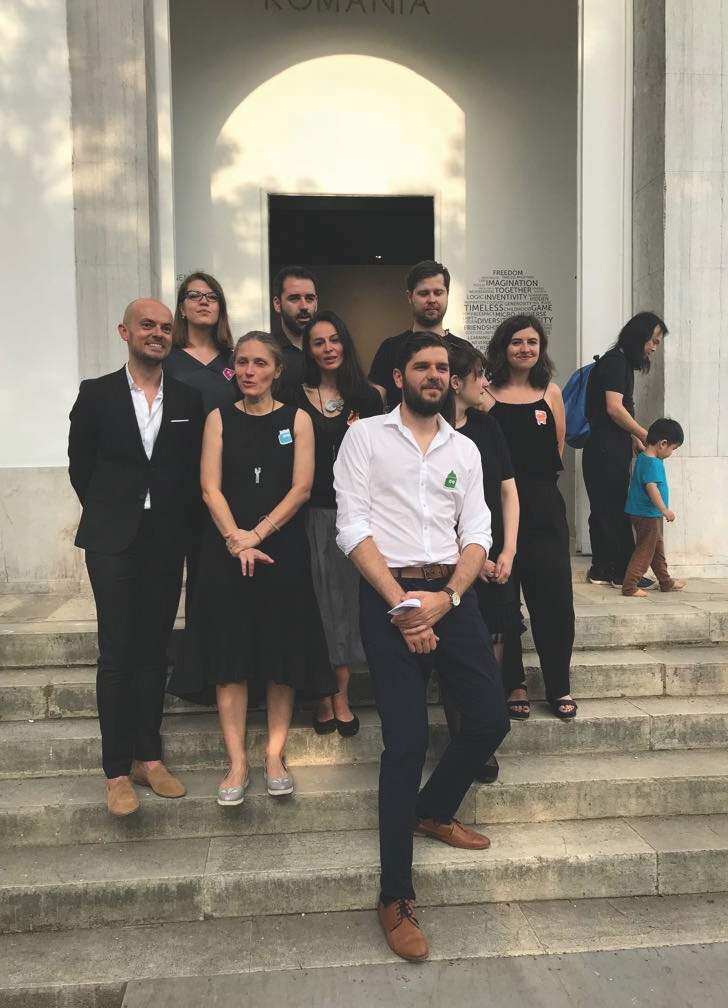
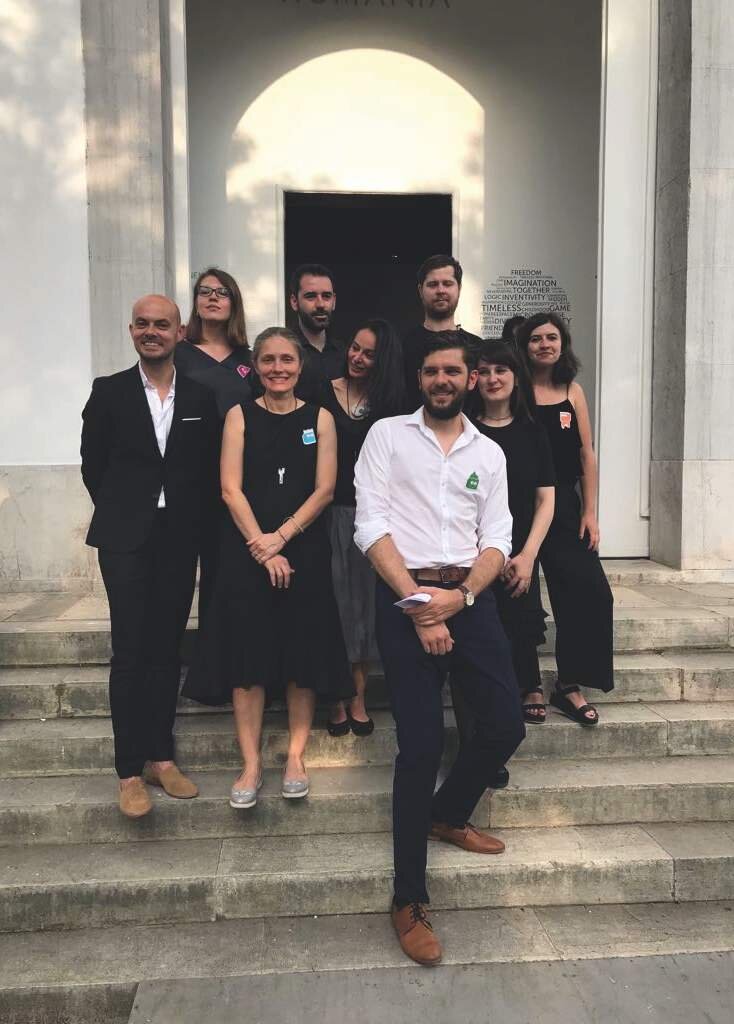
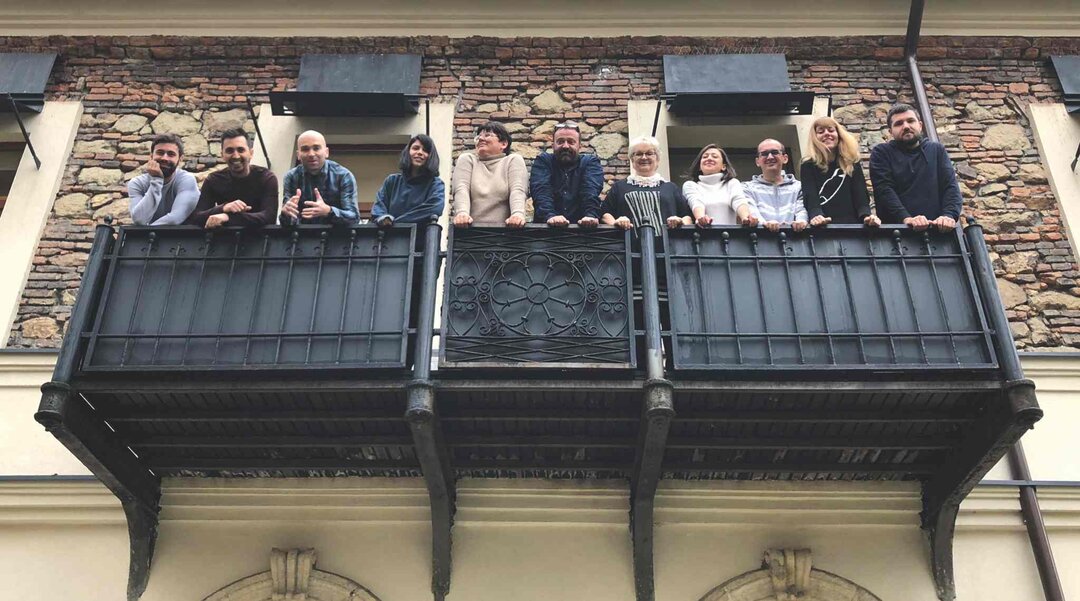
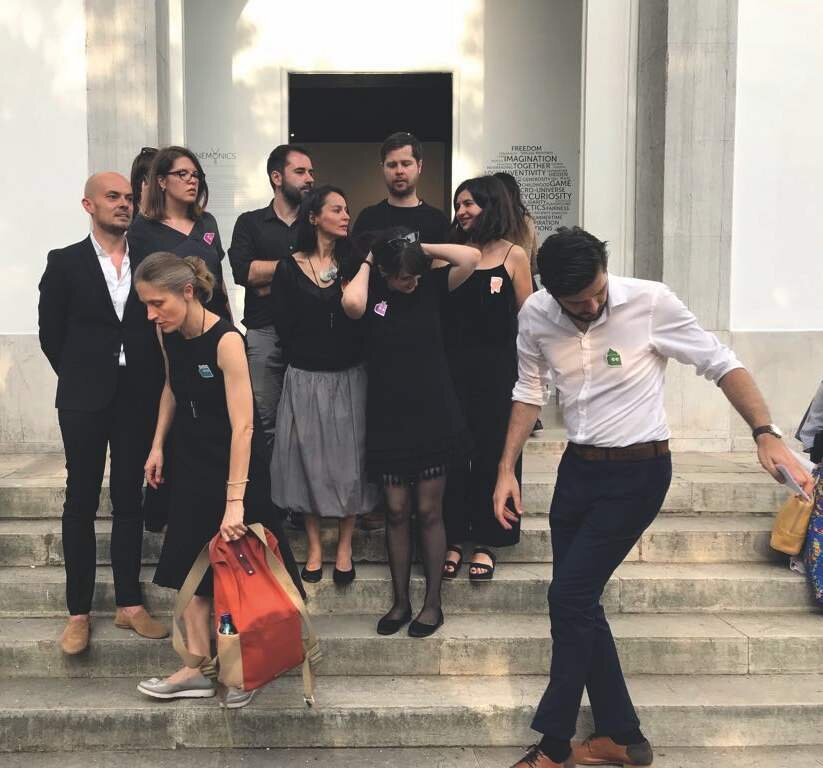
text: Romeo Cuc, Raluca Sabău, Roxana Pop, Irina Gudană, Mihai Gheorghe, Vlad Tomei,
Attila Kim (Commissioner) - MNEMONICS team


Vera Sava
Now, at the end of the Venice Biennale, almost a year after our first meeting in which we established the name of this project, we manage to see more clearly if and how our ideas have settled, to talk more skillfully about public space, to invite to get involved and, most importantly, to be truly happy that our idea has managed to arouse emotion and joy, to invite the public (informed or not) to a reading of the city through the filter we have created, perhaps more optimistically.
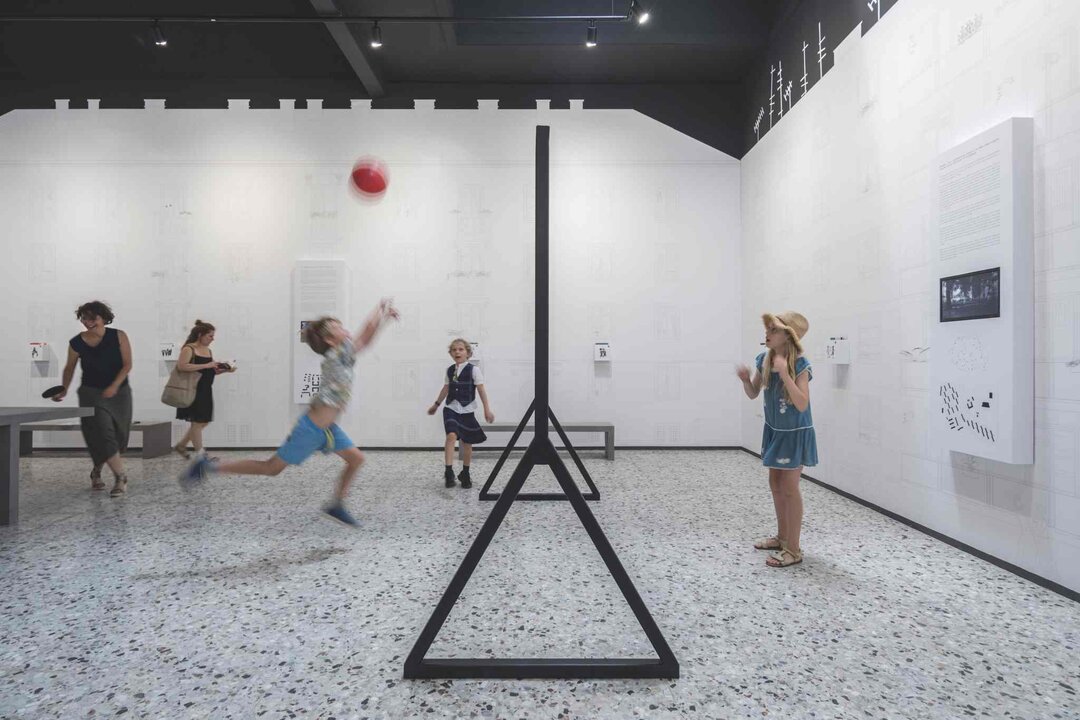
By the time the two exhibitions at the Romanian Pavilion and the IRCCU Gallery closed, we had thousands of visitors, a bilingual website, many social media links, a catalog, a video collection, press releases, events around the country, articles, reports and interviews. We have succeeded, we hope, not only in making you aware of the components of the project, but also in getting the message across. As we take stock, we would like to share a few thoughts with those who have followed us faithfully.
*
Going to Venice with MNEMONICS meant, first and foremost, the privilege, the honor of participating in such a prestigious international event, especially in our Centenary year. At the celebration of 100 years of the Romanian national unitary state, Romania spoke to the world about a local specificity that has managed to resonate with many other cultures from all corners of the world. For the members of the team, this project was a succession of moving moments, from conception, production and presentation, all of our actions based, for each of us, on a personal emotional investment without which nothing would have been possible: memories.
*
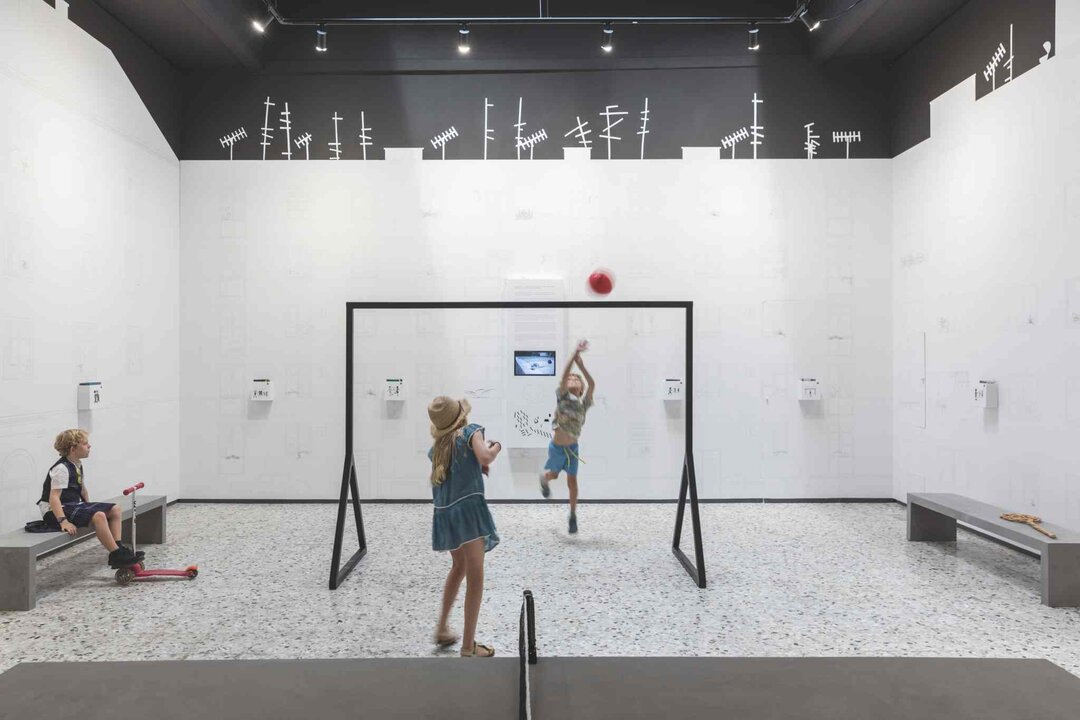
The project was started by the four architects of the team(Romeo Cuc, Irina Gudană, Roxana Pop and Raluca Sabău) and the two authors of the book "In front of the block", Mihai Gheorghe (as art director) and Vlad Tomei (copywriter). The emergence of the whole concept and its transformation into the exhibition that was to respond to the Biennale's "Freespace" theme was based on the realization that one of the most important moments of our lives, when time and space have changing dimensions, when we easily manipulate the limits through infinite imagination, is childhood. And so we began to recall each other's "memorable" events and, above all, the extraordinary, and since then, unparalleled feeling of freedom. So we, the authors, met each other with a beautiful blank page in front of us, which we had to write and inscribe among others already written, pages of the history of several decades of the history of the block neighborhoods of Romania's cities.
It is not by chance, because we, you and many of our acquaintances have at some point found ourselves in the situation, temporary or long-term, of living in or around apartment blocks. Some were born and grew up in a flat, others have moved from house to block, from block to house or from block to block all their lives. But whatever the situation, we have all been able to relate to this phenomenon. Although we come from different parts of the country, were born in different years, came from different families and different schools, yet we found that our memories were extremely similar. The most powerful of them, in fact the ones that also generated our dialog, were the stories of games and friends, which formed the basis of all the questions in the project.
In this multidisciplinary formula, putting together the data of the exhibition we envisioned, we considered it more than appropriate to look further, knowing that there were many other projects with an activity compatible with the subject. This was followed by a series of associations with professionals in the field or in fields close to architecture and urbanism, which generated a complex message under the umbrella of which all the components of the project were brought together.
This is how we came to present together the synthesis of an analysis that goes through every important period in the history of urbanization of Romanian cities. We have not focused on specific areas of the country, nor have we tried to opt for a particular attitude regarding the context of urbanization of most small and large cities or the way of implementation of development plans, urban and architectural configurations. Our proposal and the project catalog briefly told the story of decades of transformations - in terms of built space and its uses - that took place before our eyes or those of our parents who, in turn, told us about them, which some of them studied and passed on or only knew about after the fact. Today, the aftermath of these transformations, marked by criticism or resignation, is known to us as a clear-cut backdrop that has housed some of the most beautiful memories, if the filter proposed by this project is accepted.
 The game as a memory exercise
In one of the first press releases we issued when the winners of the national competition to select the project to represent Romania at the International Architecture Exhibition in Venice were announced, we wrote that "[...] it describes a vast territory of freedom for several generations in Romania - freedom of movement, freedom of intention and imagination, freedom to reaccess childhood memories and to re-appropriate its playful aspects in adulthood. In the collective memory of the generations of the last few decades, this phenomenon describes a common imaginarium generated by the evolution of free urbanism, which has reserved for city dwellers a free space that no one claims, but which belongs to everyone. In Romania, the universally iconic image of the space-between-blocks remains that of children playing under the remote supervision of parents and grandparents, freely constructing invisible worlds in an empty space."
And so it is that play, this extraordinary tool for exploring all the possibilities and training the imagination, for making friends and relating to our fellow human beings, to the point of feeling part of a family, is proving to be a common, universal language for children of several generations in Romania and other parts of the world.
Healthy encounters
It was also interesting for us to learn that the bond between us and the great wealth of shared memories is fostered not only by the childhood games themselves, but also by the space in which they came to life. Recognizing this, together with our partners and collaborators we selected and transformed them into components of our memory exercise.
Throughout this process, from the conception to the moment of the opening, we understood how each element, each chapter of the discourse, as well as the argument of memory and remembrance in the project owes to older stories. It is about previous efforts, individual or collective that have articulated coherently, proposing another way of seeing the city. In other words, each of the exhibition's authors brought previously acquired knowledge and skills to the table, which helped us to have a permanent exchange of roles, to work together on all the details.
The bilingual project archive can be found at www.mnemonics.ro, manages to bring them all together efficiently, presenting, on the one hand, our manifesto (text, photo, video), on the other hand, a collection of "Thoughts" (texts on theory, history, geography, anthropology and sociology) and "Voices" (interviews with professionals from various fields), separated by a collection of "Frames" (photo album with scenes from the city) and the story of "Initiatives" (civic initiative and urban education projects).
We invite you to look further into the projects of friends from the Resource Center for Public Participation, De-a Arhitectura, the Civic Initiative Group "Cișmigiu" and Komunitas Association. We worked with them to shape an invitation to participation and involvement through the presence in the exhibition and catalog, after trying to set thoughts and frameworks of the context discussed through the contributions of Professor Ana Maria Zahariade and Vasile Ernu, Ștefan Ghenciulescu, Vintilă Mihăilescu, Norbert Petrovici, Bogdan Suditu (through texts) and Laurian Ghinițoiu and Andrei Mărgulescu (through images).
 End-game message
We are pleased that MNEMONICS has continuously evolved, becoming throughout its entire duration, including the exhibition period in the Romanian Pavilion in Venice, a collection of stories, of old and new projects, shared by professionals who never cease to search for answers; this meeting, under the sign of "free space", enjoyed unexpectedly warm and energetic reactions from visitors and those who tried to get even a little closer to our message.
Perhaps it is time to go even further beyond the contours in which we each fall, by the nature of our profession, and to tell further about the importance of active participation and involvement in transforming public space, in getting to know how relationships work in the city; to convey further the importance of strengthening the relationship between the citizen and the authorities responsible for the preservation and development of the built environment. We believe that after the completion of the MNEMEMONICS experiment, through which we have shared so many other themes and ideas, we have succeeded in drawing attention to the need and desire of city residents and community members for open spaces, beautiful and safe places.
In the end, this is perhaps the most important message of MNEMONICS - a reminder of everyone's belonging to the public space and that the perimeter of one's "home" could be similar to the unlimited territory of childhood which, for a large part of the adult population of Romania, has gone beyond the strict space of the block apartment, extending to the space in-front/behind the block invested with a multitude of valences and a potential that only childhood can afford.